Ergonomic Study Chairs
Upgrade your study space with our selection of ergonomic study chairs designed to support your posture and enhance your comfort during long hours of work or study. Say goodbye to discomfort and hello to productivity with features such as adjustable heights, lumbar support, and breathable materials. Whether you're a student hitting the books or a professional working from home, finding the right chair is essential for maintaining focus and reducing strain on your body. Explore our range of ergonomic study chairs to find the perfect fit for your needs and take your workspace to the next level.
Sort
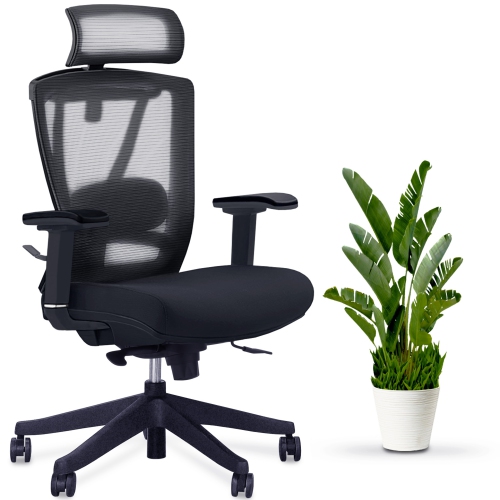
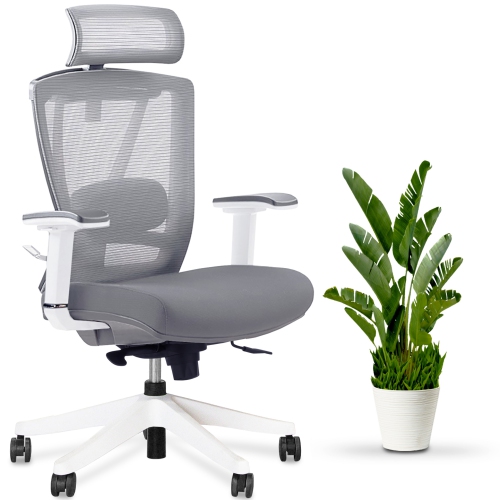
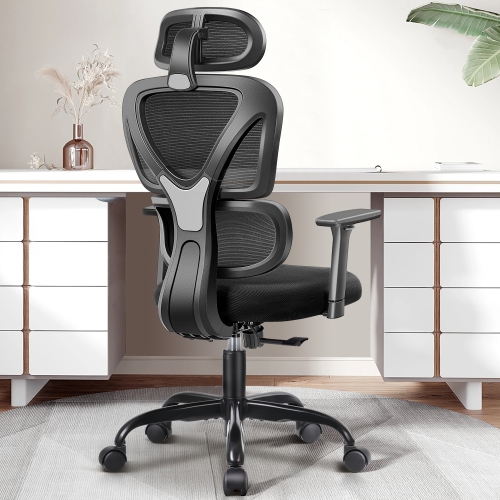
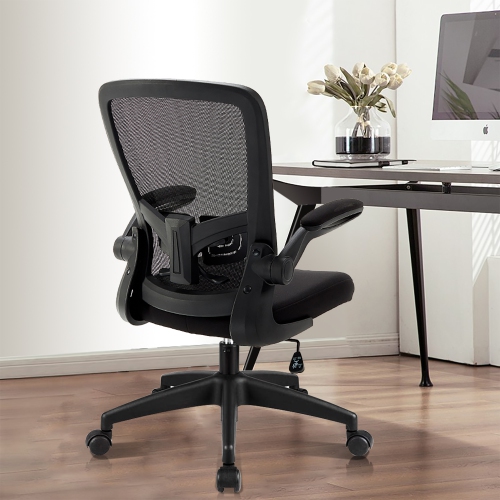
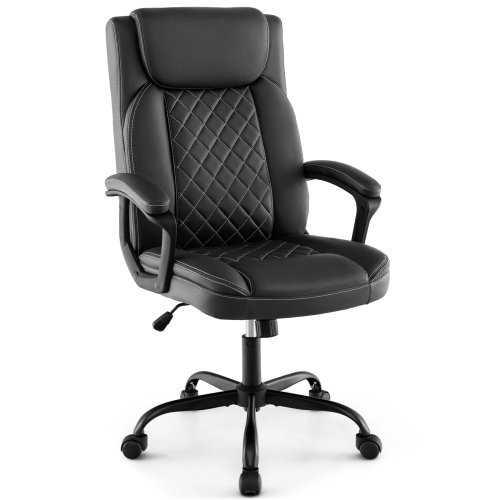
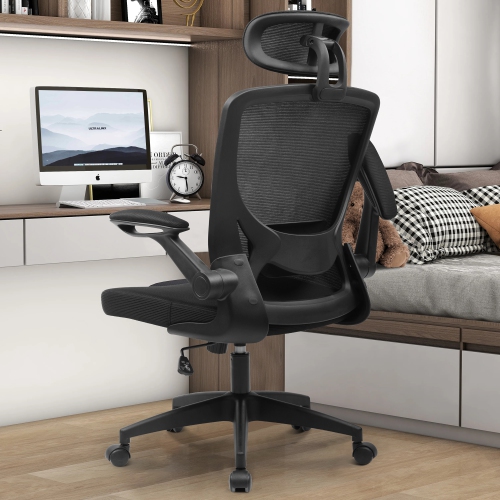
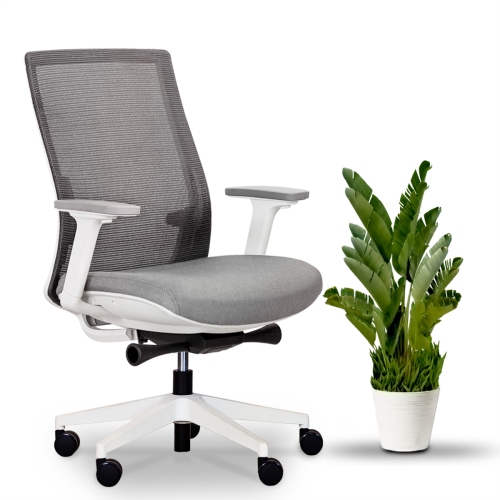
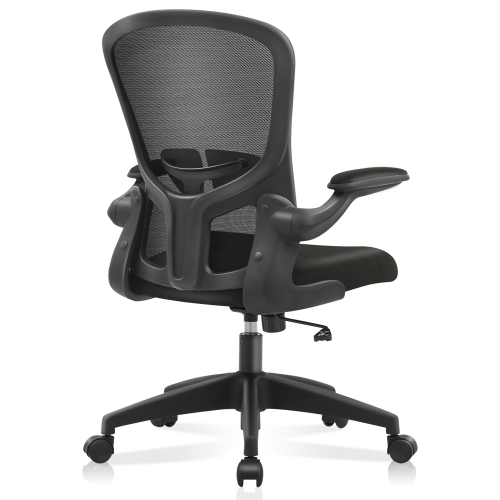
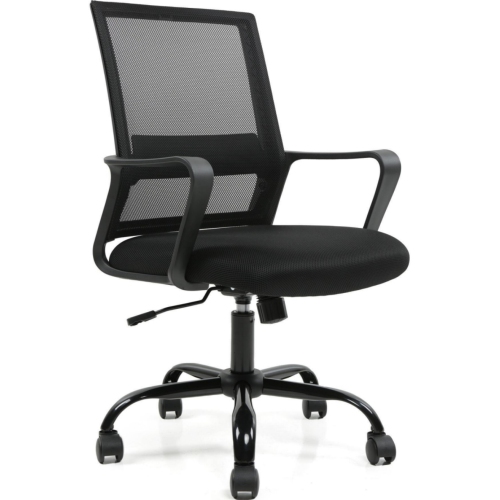
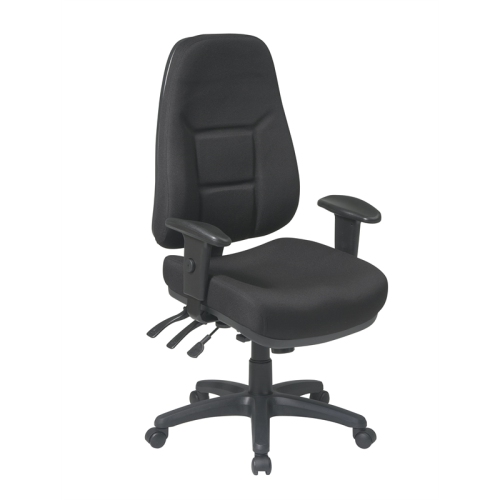
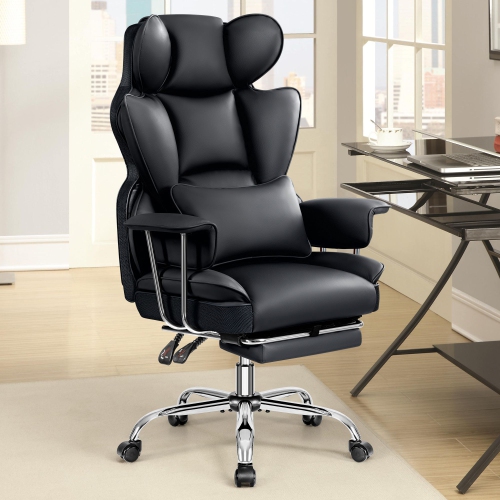
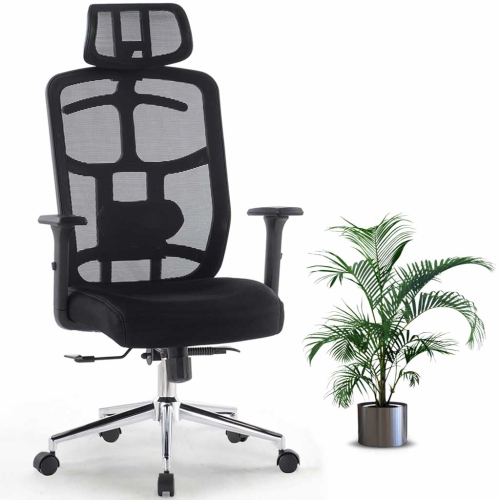
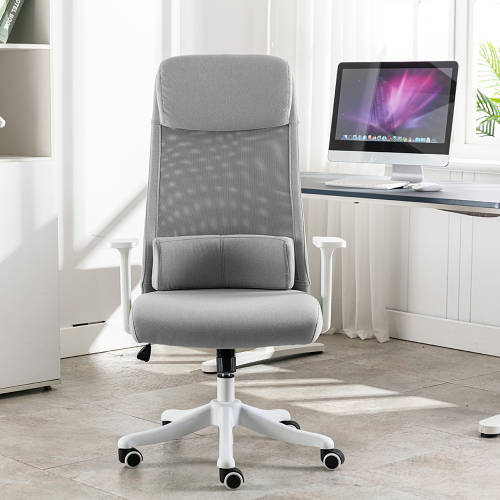
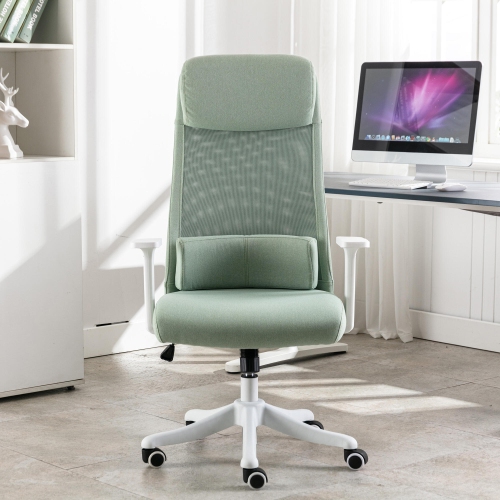
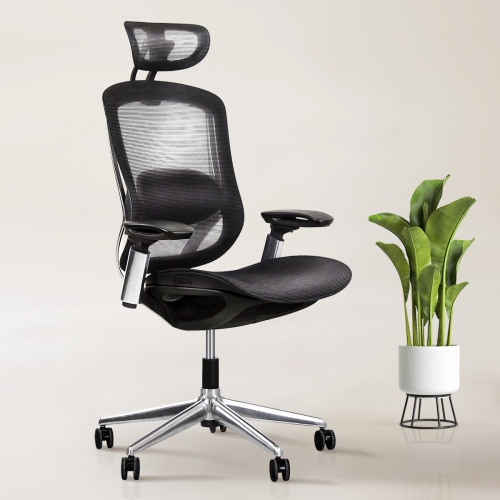
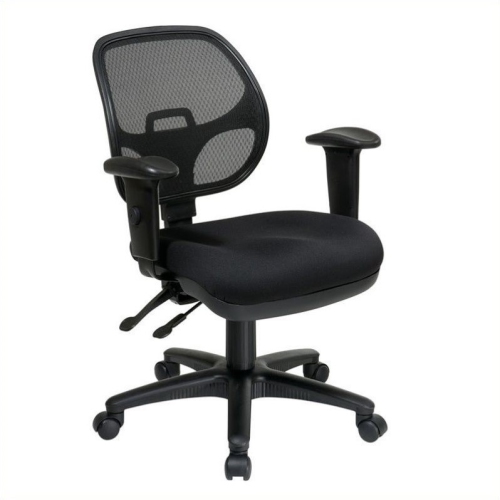
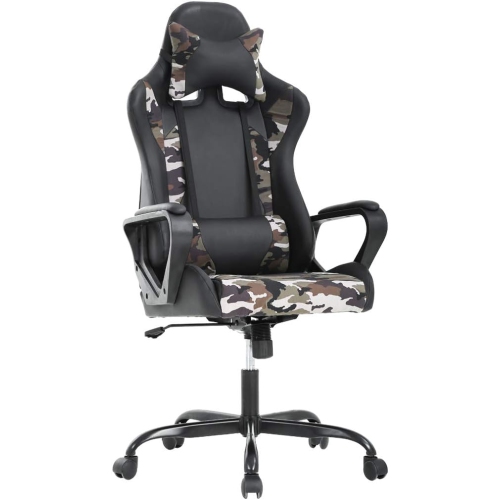
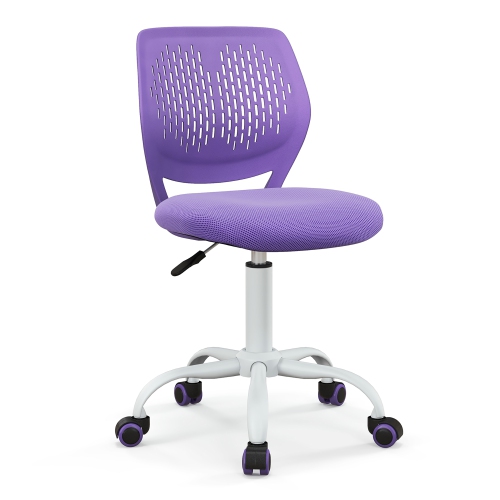
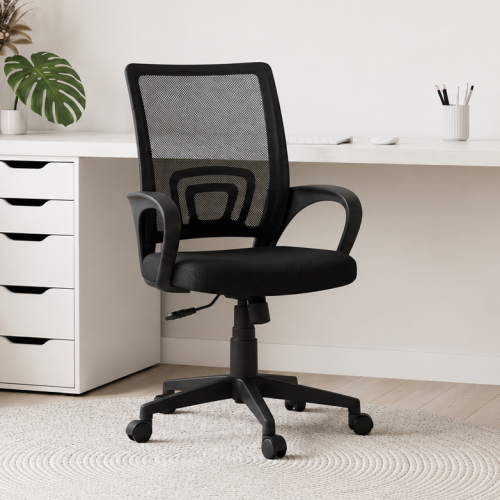
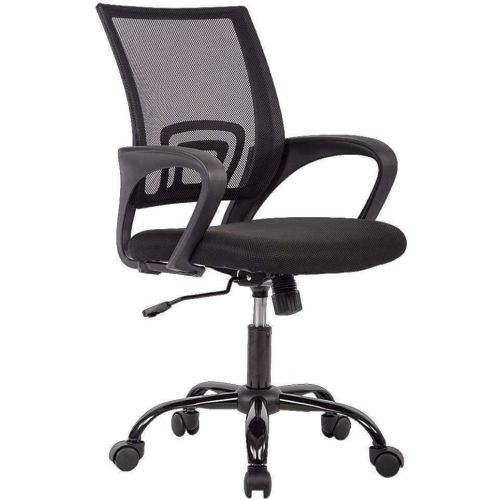

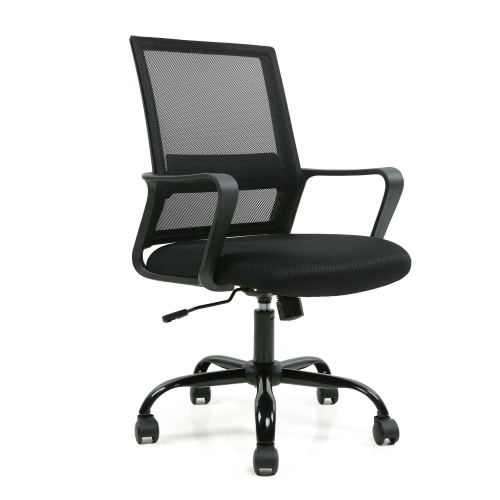
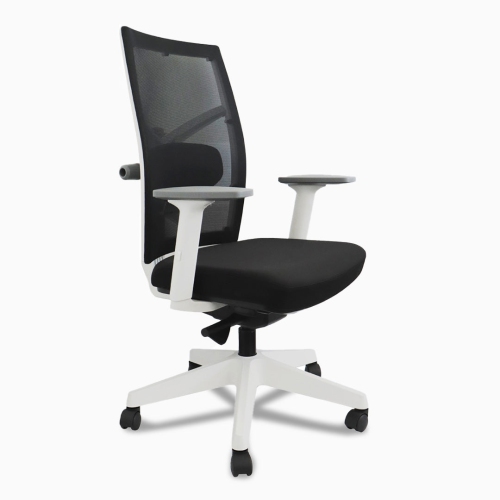

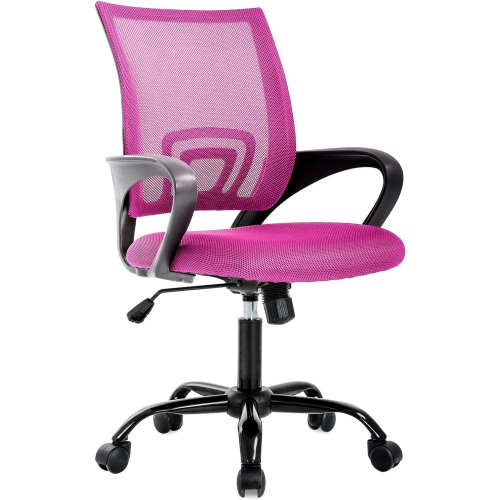
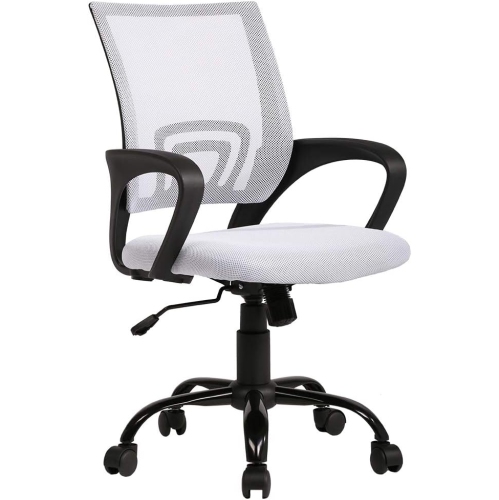
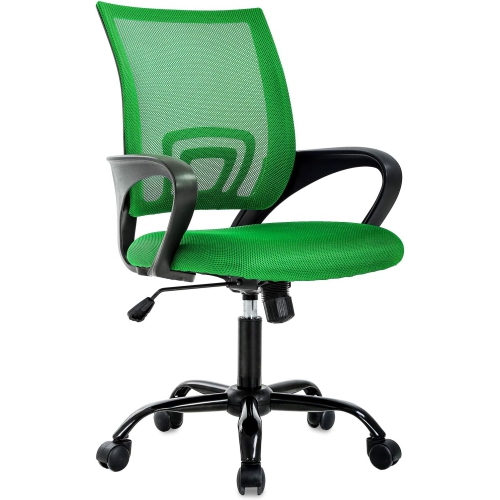
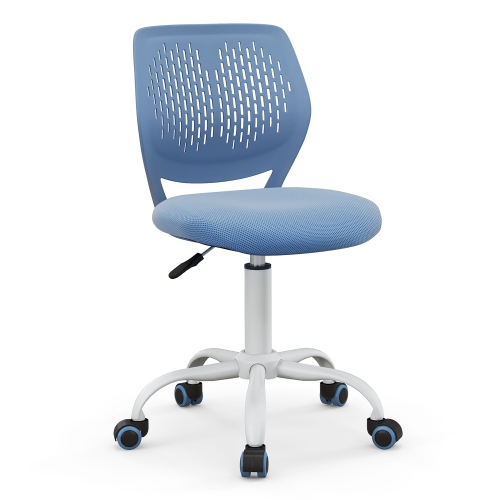
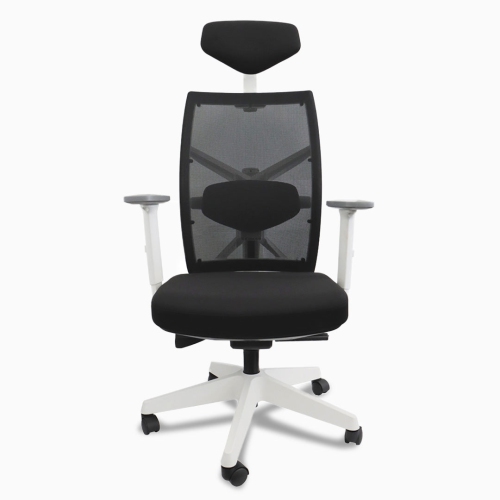
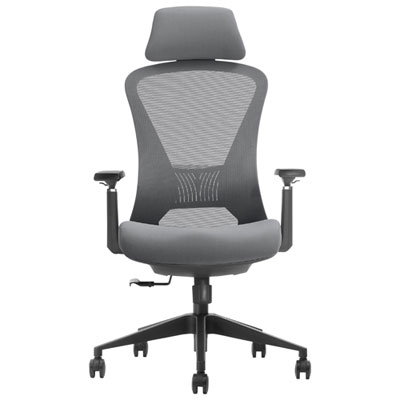
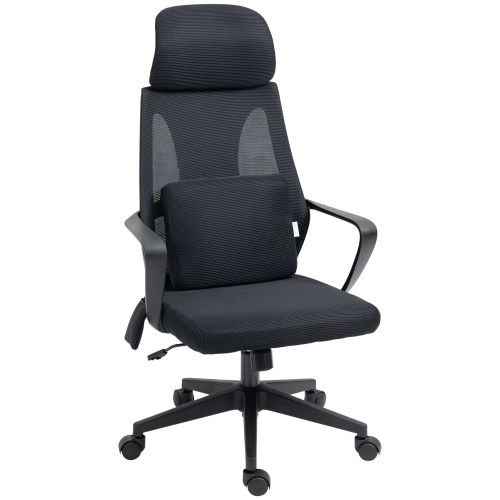
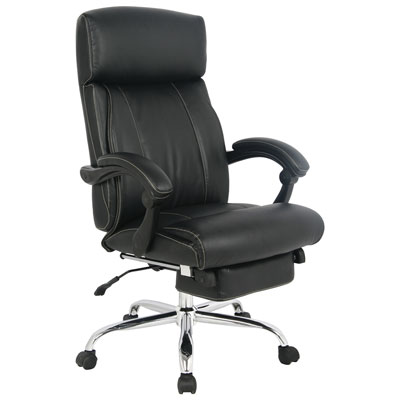
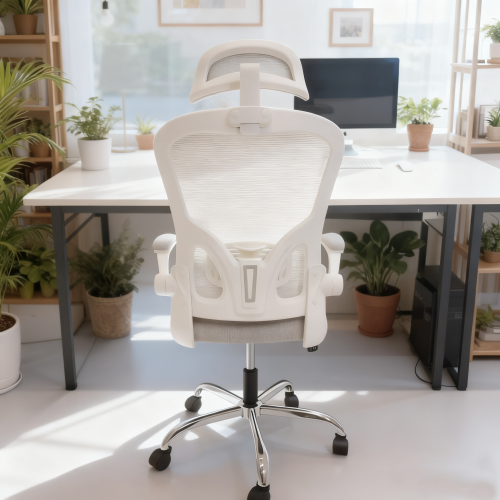
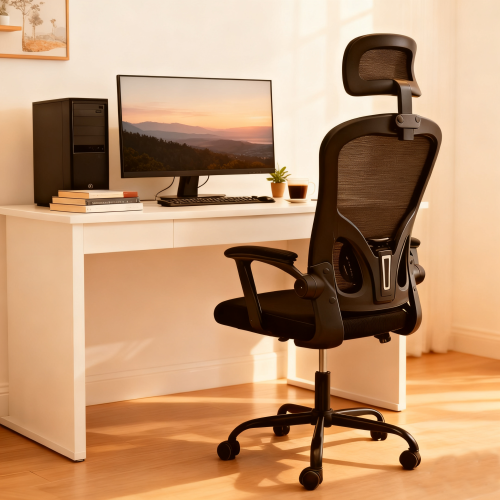
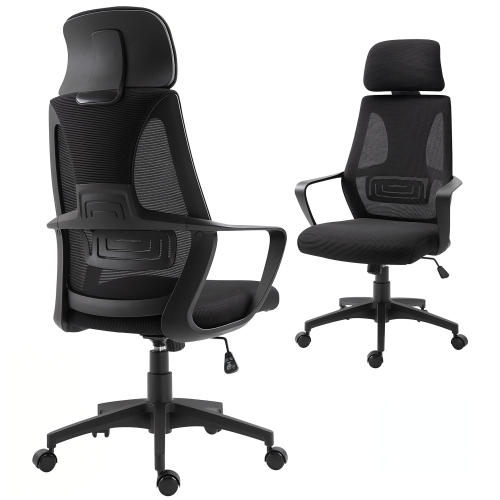
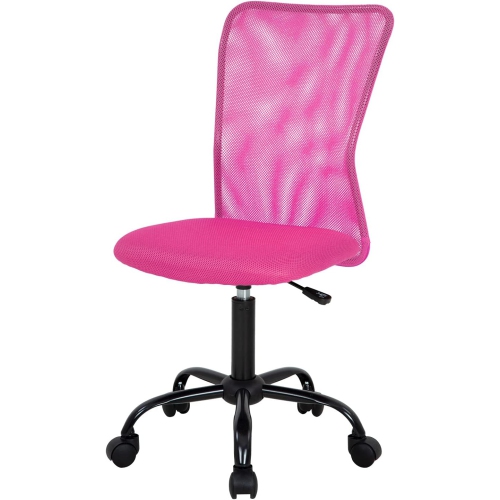
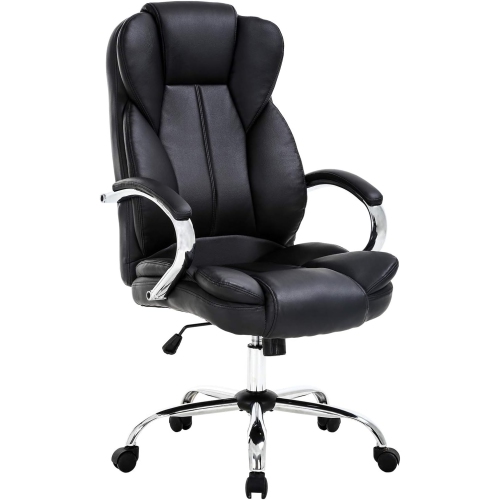
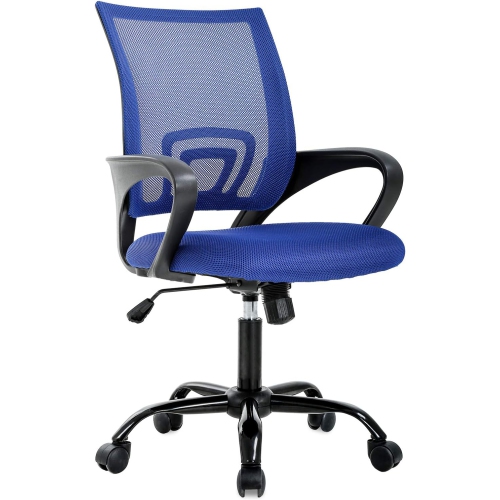
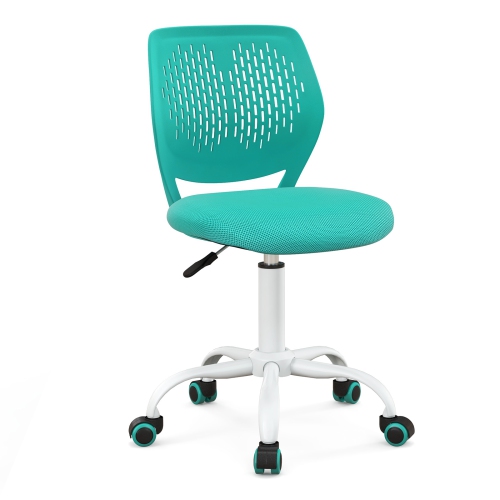
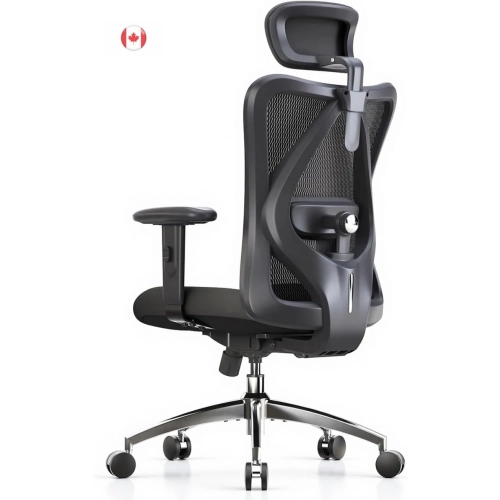
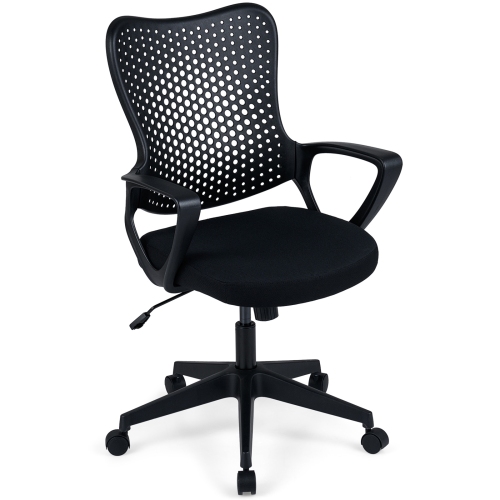
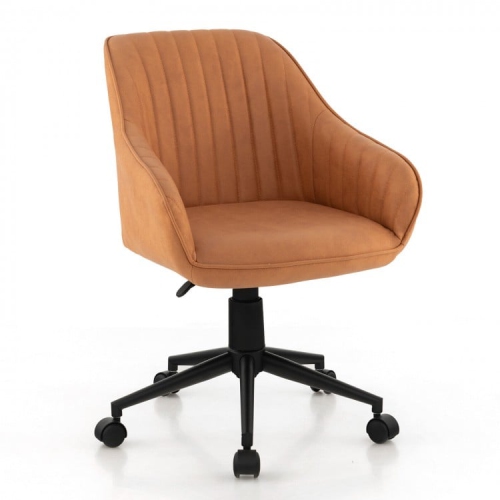
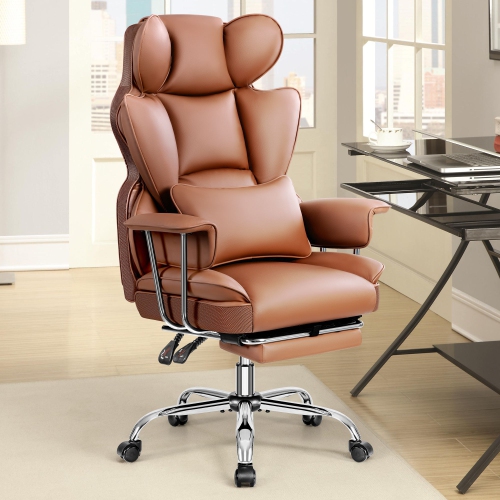
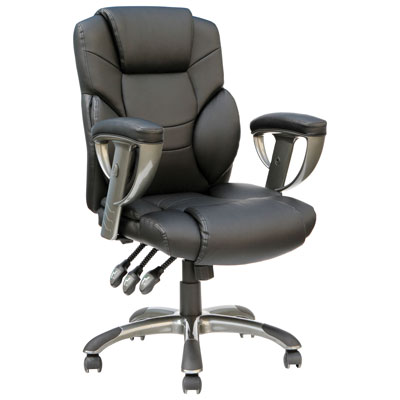
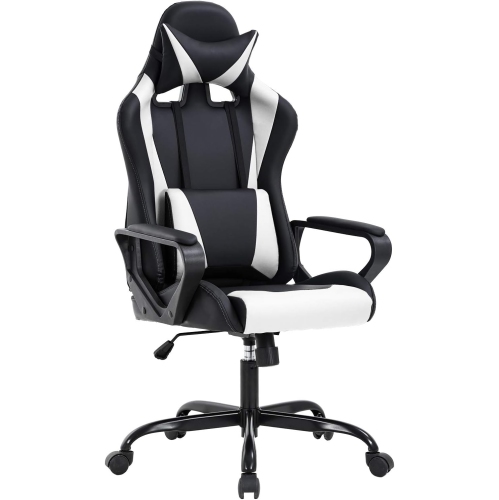
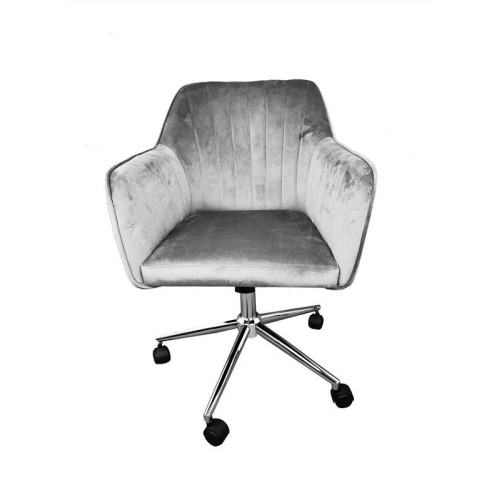

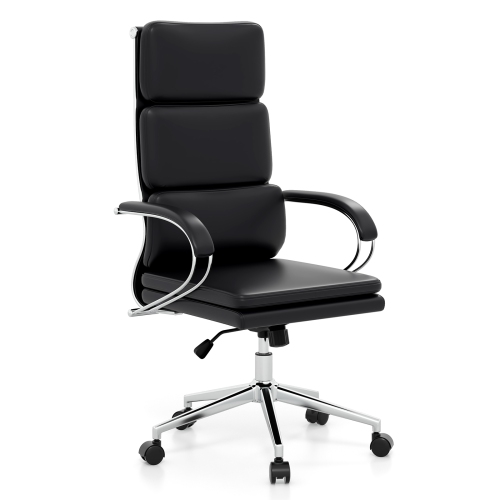
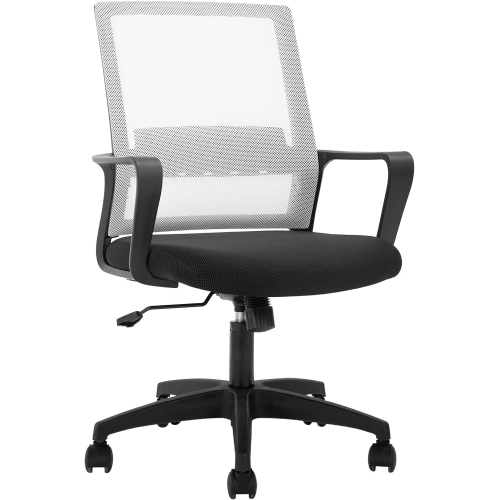
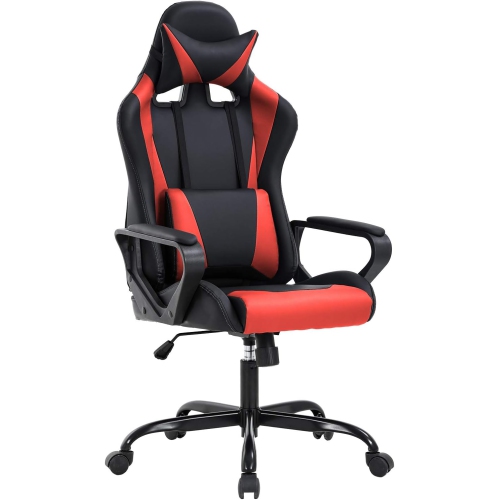
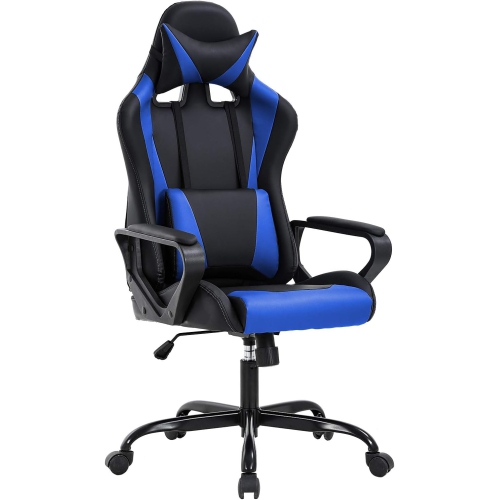
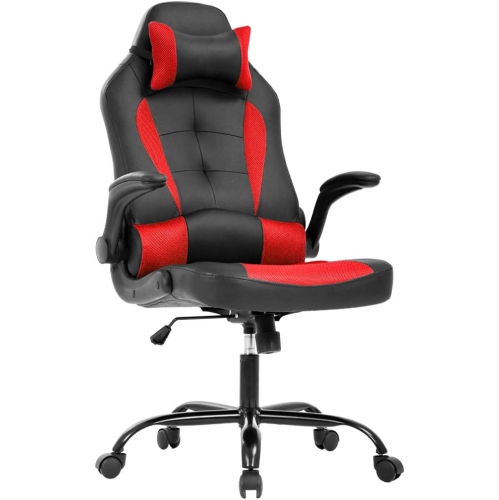
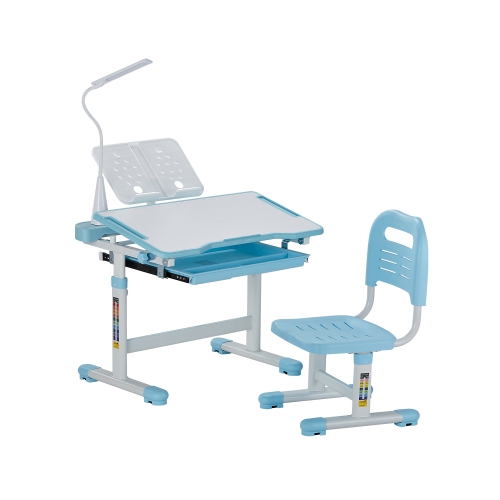
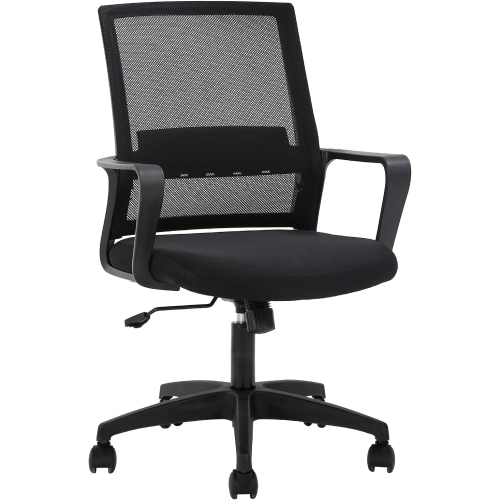
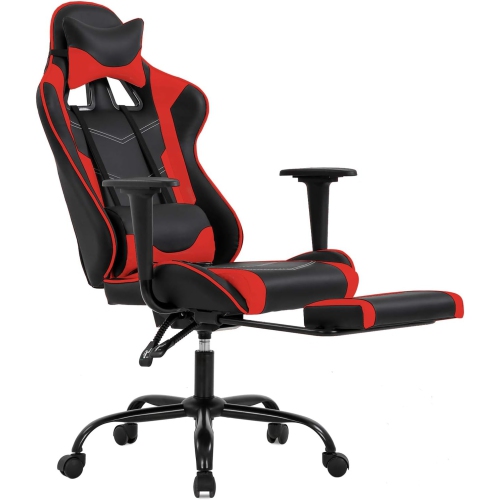
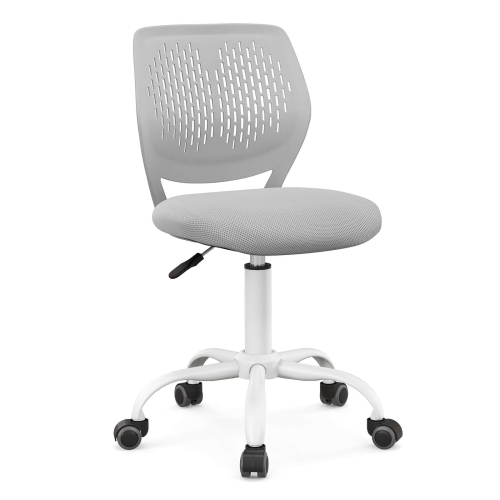
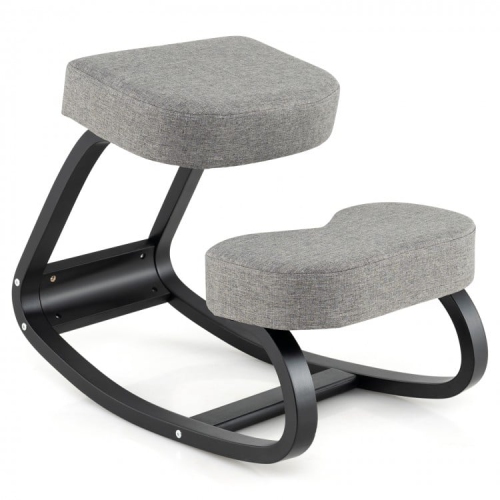
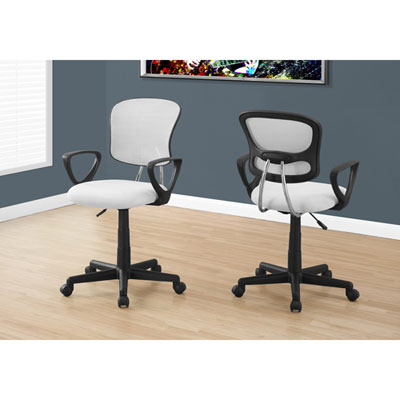

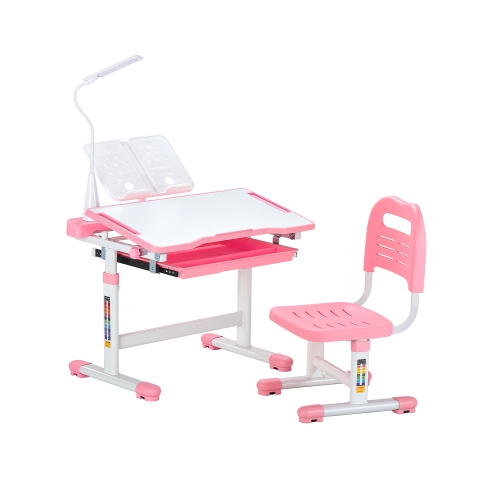
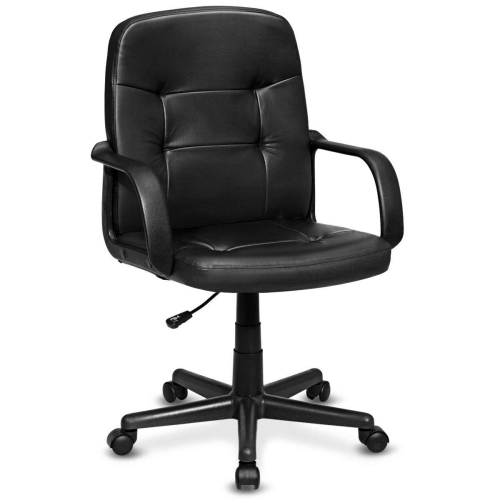
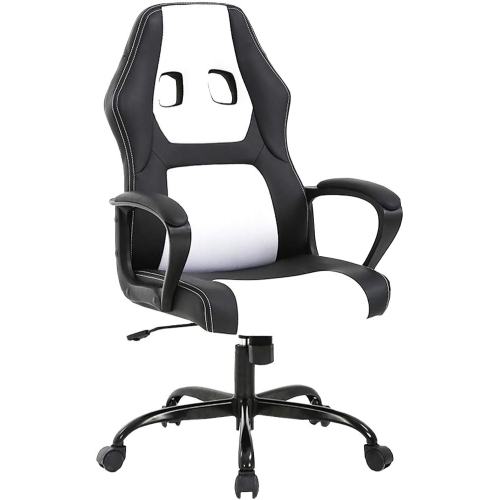
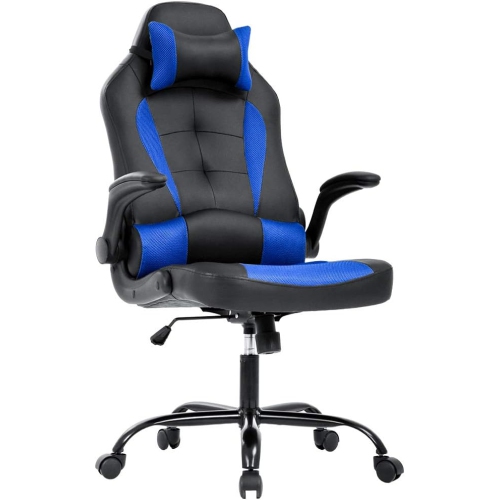
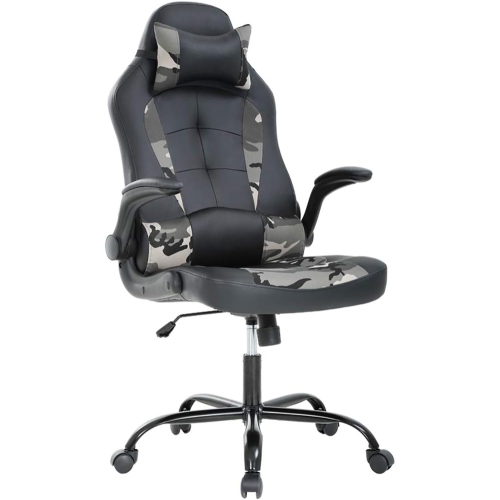
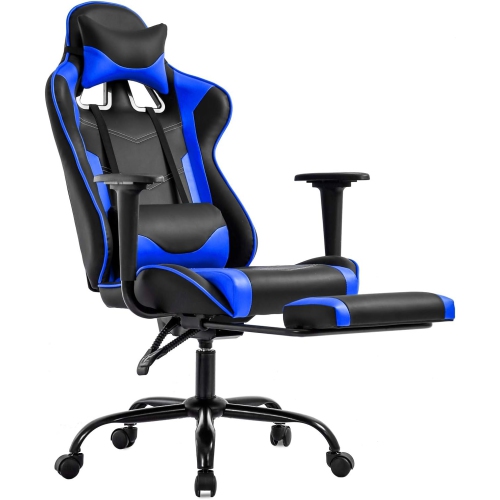
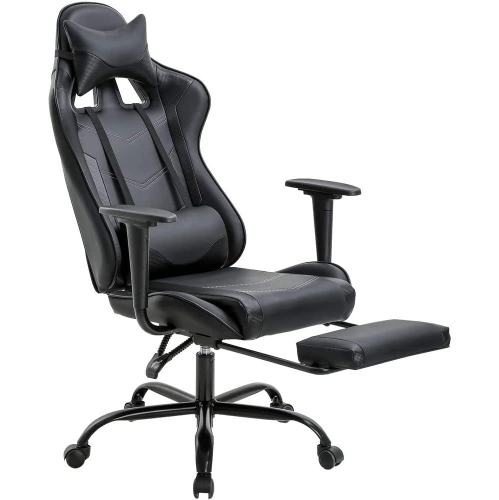
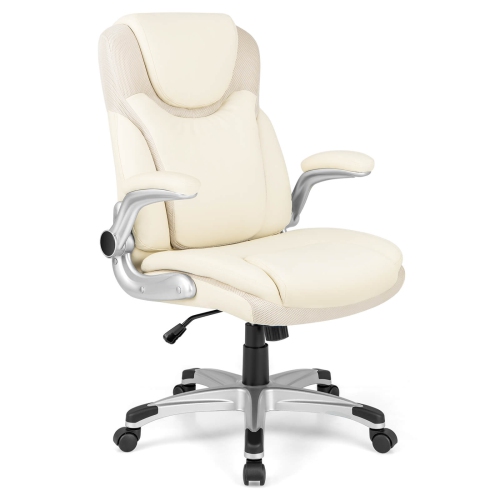
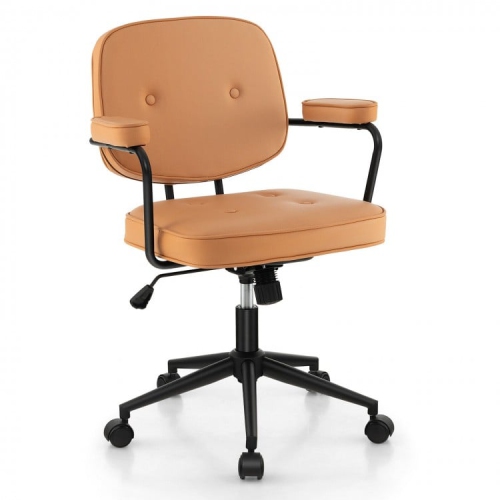
Comfortable coursework starts with a chair that fits
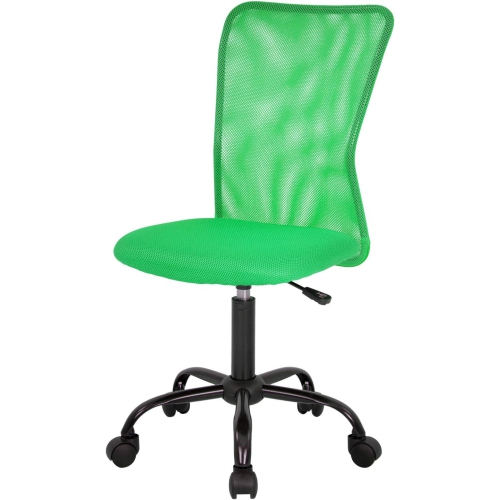
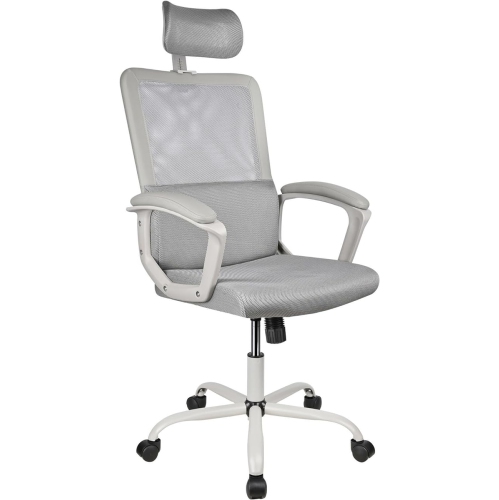
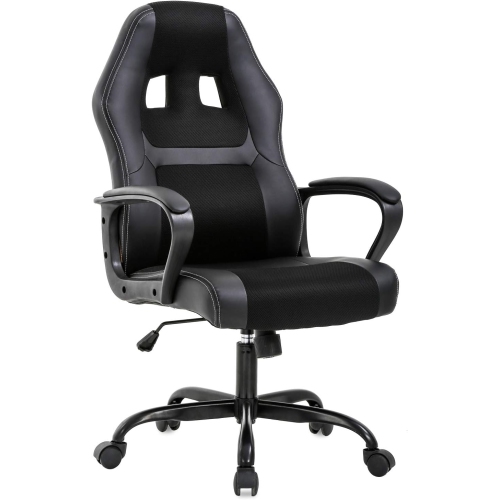
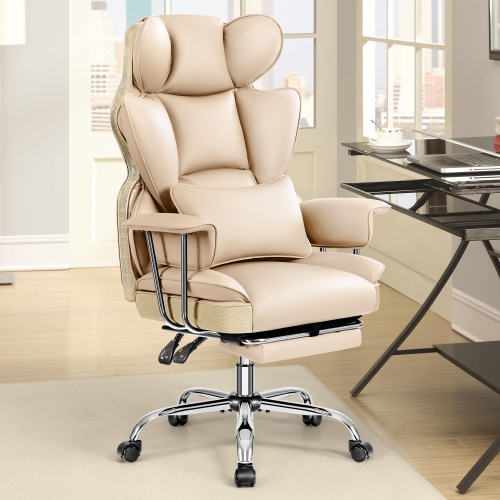
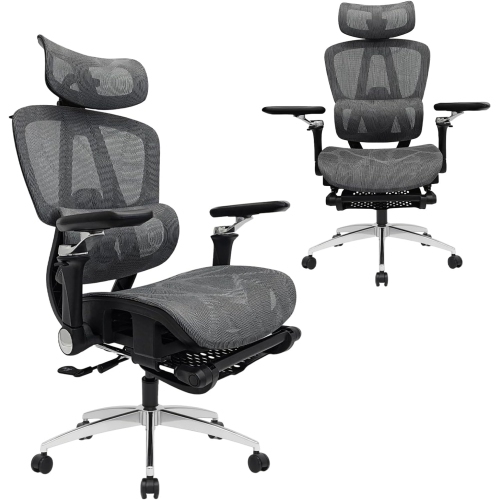
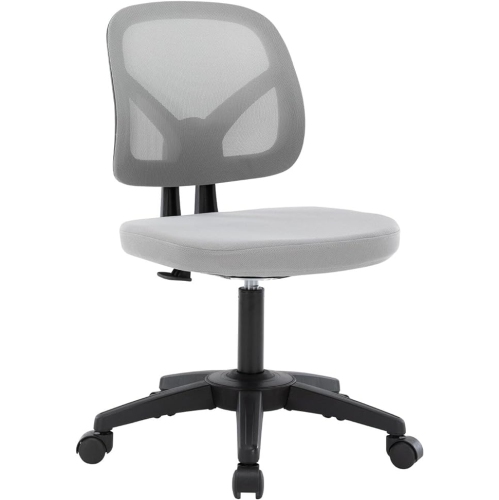
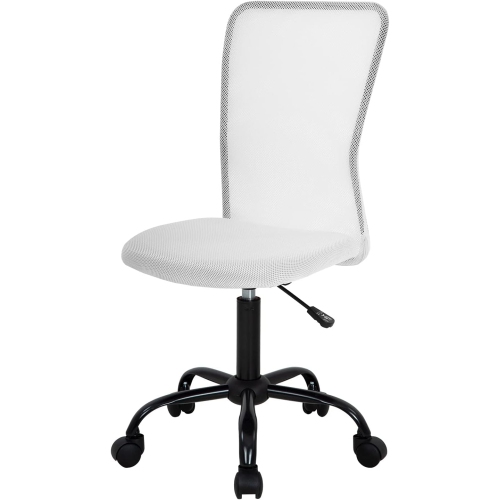
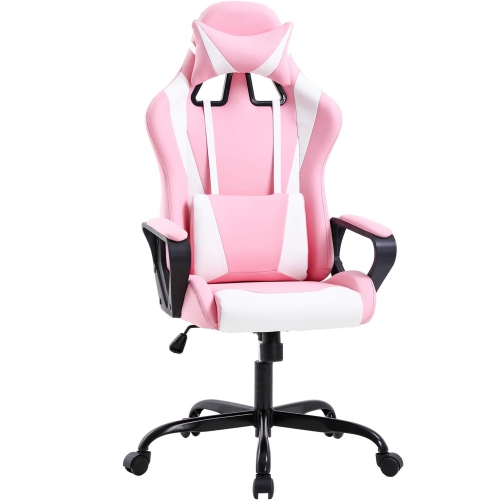
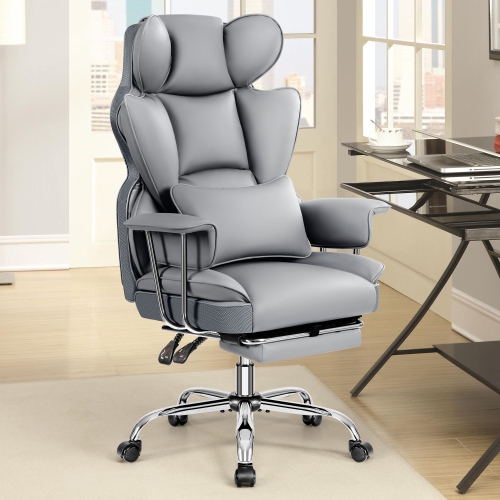
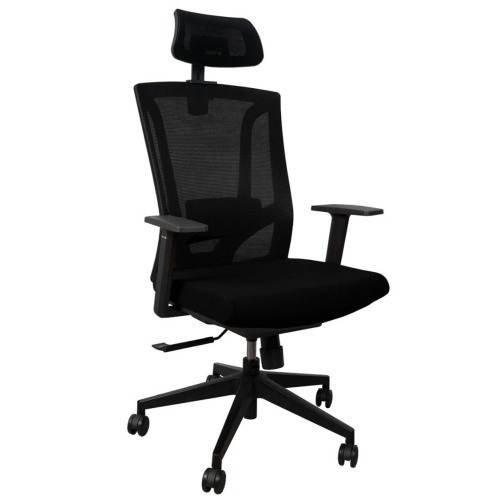
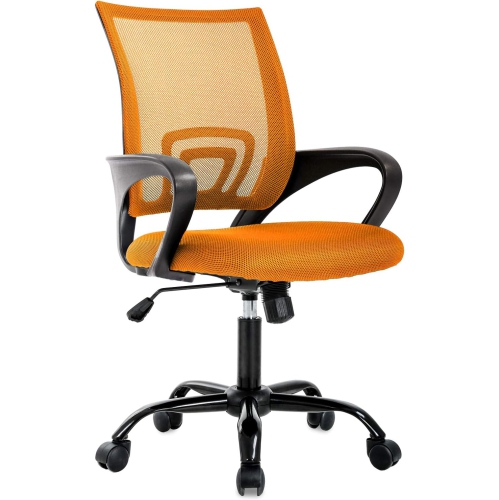
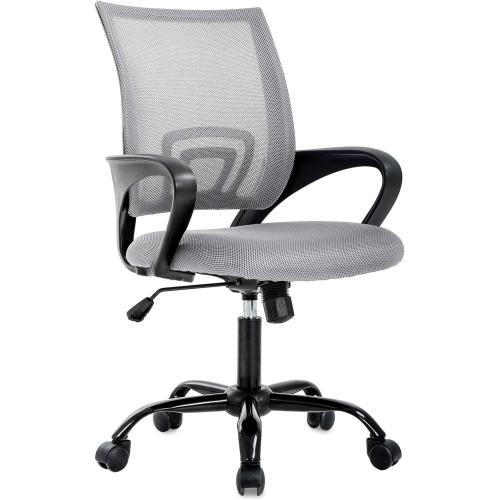
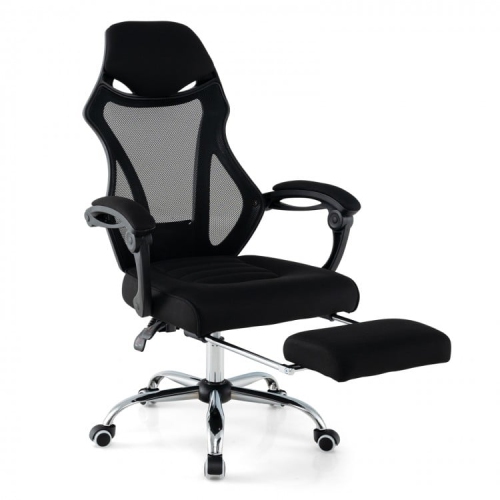
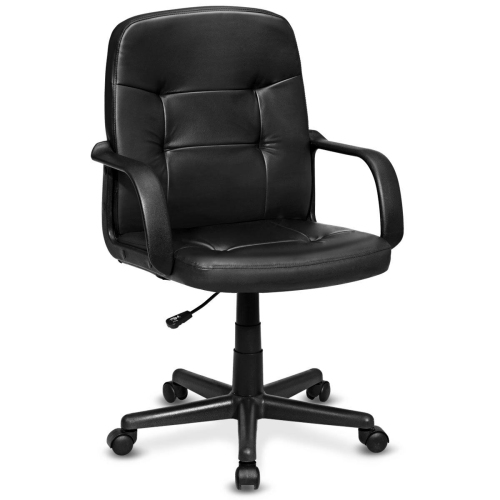
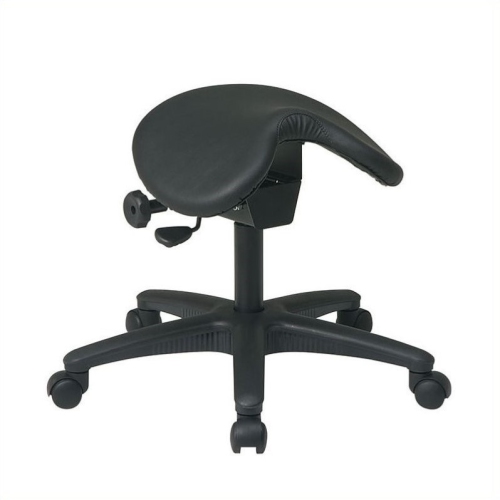
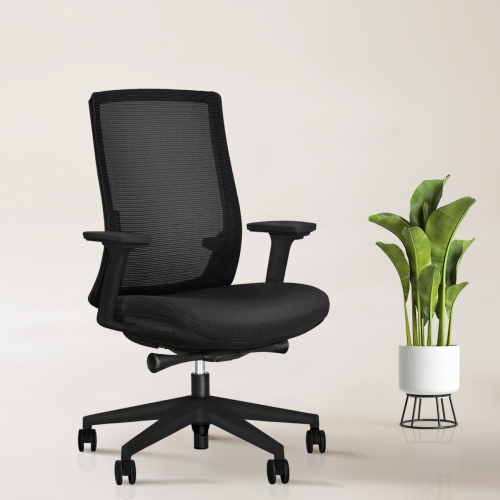
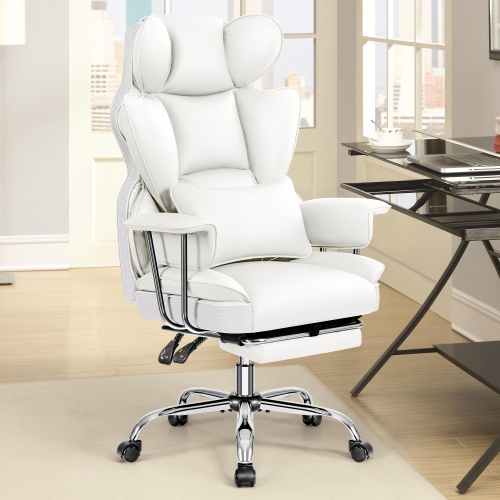
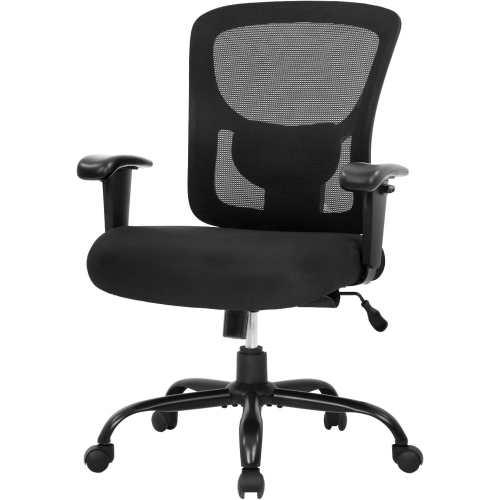
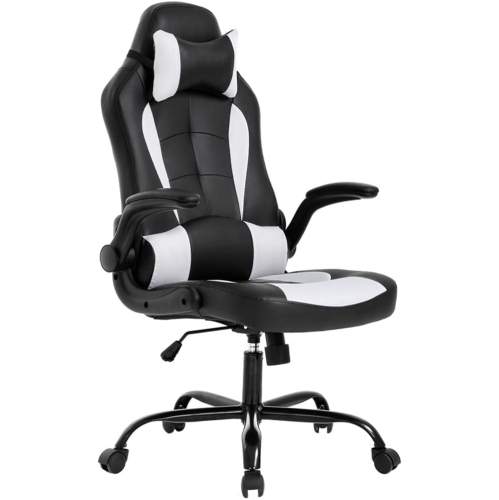
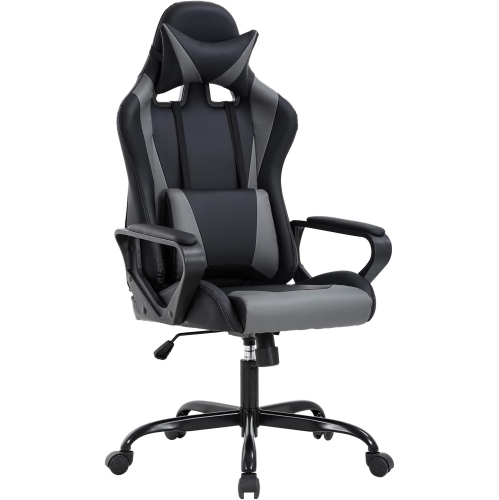
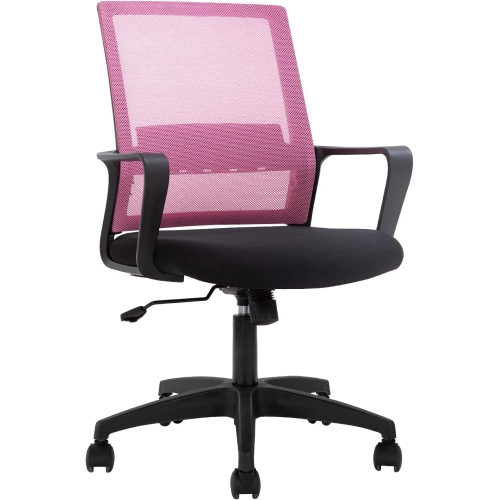
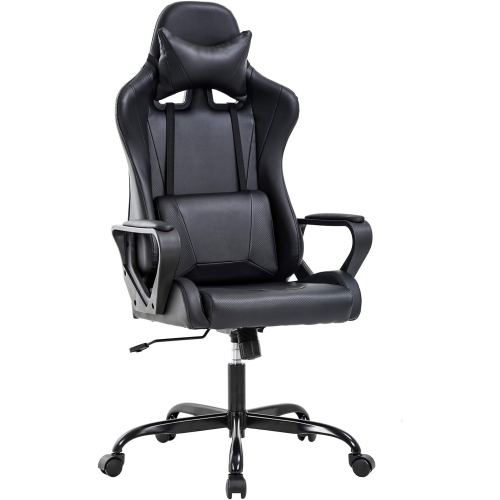
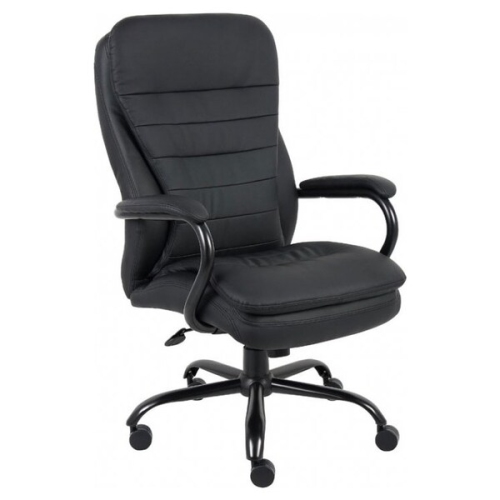
Ergonomic study chairs bring adjustable support to the everyday work of reading, writing, researching, and attending online classes. Unlike a dining chair pulled up to a desk, a study chair with ergonomic features is designed to help the seat and backrest suit the person using them. Seat height adjustment, lower back support, and a comfortable seat depth are among the most useful features, while adjustable armrests and tilt controls offer more ways to fine-tune the fit. These details matter whether the chair sits in a university residence room, a teenager’s bedroom, or a quiet corner used for evening coursework. A well-fitting chair allows the feet to rest flat on the floor or on a footrest, with the knees bent comfortably around a right angle and the shoulders relaxed. The backrest should support the natural curve of the lower back without pushing the body forward, and the seat should leave a small gap behind the knees rather than pressing into them. Height alone does not tell the whole story: two people of similar height can have different leg lengths and need different seat depths. A sliding seat can be helpful for this reason, especially when a desk is shared. For shorter users, a low minimum seat height may matter more than a tall backrest; for taller users, sufficient seat depth and back coverage can make the chair feel less restrictive. Published seat dimensions, adjustment ranges, and weight capacities provide a clearer picture of fit than photographs alone. Ergonomic features can support a comfortable sitting position, but no chair makes hours of uninterrupted sitting ideal. The best fit still leaves room to shift position, stand, and take movement breaks between assignments. During a long reading session, the aim is support that feels unobtrusive, so attention stays on the page rather than on a hard seat edge or an armrest that keeps catching the desk.
Materials influence how an ergonomic study chair feels through a full afternoon of coursework and how easily it fits into daily life. A mesh back allows air to circulate and can feel less warm than a densely padded, fully upholstered backrest. Its comfort depends on the mesh tension, the shape of the frame, and the support beneath it, not simply on the presence of mesh. A padded fabric seat offers a softer surface, with texture and cushioning that may appeal to someone who alternates between typing and reading printed notes. Fabric can collect dust and crumbs, while spills may need prompt attention according to the care label. Leather and synthetic leather surfaces can often be wiped clean as directed, although their care requirements differ and neither should be treated with a cleaner intended for another material. Cushioning should feel supportive rather than allowing the sitter to sink so deeply that changing position becomes difficult. A gently rounded front seat edge can also help limit pressure behind the thighs. For a chair used every day, durability involves more than upholstery: the base, casters, adjustment mechanisms, armrest fittings, and stitching all contribute to how well it handles repeated use. Smooth height adjustment and controls that are easy to reach make it more practical to change settings instead of leaving the chair in an awkward position. Tilt tension affects how much effort is needed to lean back, while a tilt lock holds the backrest at supported positions, depending on the design. Some chairs coordinate seat and backrest movement, and others adjust them separately. Neither arrangement suits everyone, so the useful distinction is how naturally the chair supports both upright desk work and a slight recline during reading. An adjustable headrest may be comfortable when leaning back, but it should not push the head forward during typing. Following assembly instructions, checking fasteners periodically as directed, and keeping hair and debris out of caster wheels help preserve smooth operation without making chair care a complicated task.
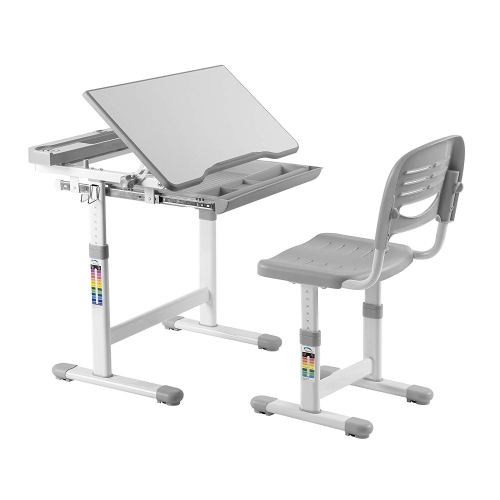
The relationship between the chair, desk, and room is just as important as the chair’s individual features. At a fixed-height desk, raising the seat enough to keep the elbows near desktop level may leave a shorter person’s feet unsupported; a footrest can bridge that gap without forcing the shoulders upward. Armrests are most useful when they support relaxed arms without preventing the chair from moving close enough to the work surface. Height-adjustable, width-adjustable, or pivoting armrests offer different kinds of flexibility, while flip-up arms can help a chair tuck beneath a compatible desk in a compact room. Overall width and base diameter deserve attention in narrow study nooks, where there may be little clearance between a bed, shelving, and the desk. A swivel seat makes it easier to turn towards a nearby bookcase without repeatedly twisting through the back, and casters should be suitable for the floor surface. A compatible chair mat can protect flooring and improve rolling on some surfaces, provided it lies securely and does not create a raised obstacle in the walking path. In shared spaces, readily accessible adjustments make switching between users less of a chore. For school-age students, fit should reflect the child’s present size rather than relying on a large adult chair to become comfortable later; age suitability and the manufacturer’s use guidance remain important. University students, people completing professional qualifications, and adults learning a new skill may all appreciate a chair that supports a consistent study routine. As a gift, seating is most thoughtful when the recipient’s measurements, workspace, and comfort preferences are known. The related Ergonomic Chairs for Studying page offers another place to explore seating for these everyday tasks. Whether the room is dedicated to study or serves several purposes, a chair with appropriate dimensions, useful adjustments, and manageable care needs can make settling in with a notebook or laptop feel more comfortable and less cramped.
Materials influence how an ergonomic study chair feels through a full afternoon of coursework and how easily it fits into daily life. A mesh back allows air to circulate and can feel less warm than a densely padded, fully upholstered backrest. Its comfort depends on the mesh tension, the shape of the frame, and the support beneath it, not simply on the presence of mesh. A padded fabric seat offers a softer surface, with texture and cushioning that may appeal to someone who alternates between typing and reading printed notes. Fabric can collect dust and crumbs, while spills may need prompt attention according to the care label. Leather and synthetic leather surfaces can often be wiped clean as directed, although their care requirements differ and neither should be treated with a cleaner intended for another material. Cushioning should feel supportive rather than allowing the sitter to sink so deeply that changing position becomes difficult. A gently rounded front seat edge can also help limit pressure behind the thighs. For a chair used every day, durability involves more than upholstery: the base, casters, adjustment mechanisms, armrest fittings, and stitching all contribute to how well it handles repeated use. Smooth height adjustment and controls that are easy to reach make it more practical to change settings instead of leaving the chair in an awkward position. Tilt tension affects how much effort is needed to lean back, while a tilt lock holds the backrest at supported positions, depending on the design. Some chairs coordinate seat and backrest movement, and others adjust them separately. Neither arrangement suits everyone, so the useful distinction is how naturally the chair supports both upright desk work and a slight recline during reading. An adjustable headrest may be comfortable when leaning back, but it should not push the head forward during typing. Following assembly instructions, checking fasteners periodically as directed, and keeping hair and debris out of caster wheels help preserve smooth operation without making chair care a complicated task.
The relationship between the chair, desk, and room is just as important as the chair’s individual features. At a fixed-height desk, raising the seat enough to keep the elbows near desktop level may leave a shorter person’s feet unsupported; a footrest can bridge that gap without forcing the shoulders upward. Armrests are most useful when they support relaxed arms without preventing the chair from moving close enough to the work surface. Height-adjustable, width-adjustable, or pivoting armrests offer different kinds of flexibility, while flip-up arms can help a chair tuck beneath a compatible desk in a compact room. Overall width and base diameter deserve attention in narrow study nooks, where there may be little clearance between a bed, shelving, and the desk. A swivel seat makes it easier to turn towards a nearby bookcase without repeatedly twisting through the back, and casters should be suitable for the floor surface. A compatible chair mat can protect flooring and improve rolling on some surfaces, provided it lies securely and does not create a raised obstacle in the walking path. In shared spaces, readily accessible adjustments make switching between users less of a chore. For school-age students, fit should reflect the child’s present size rather than relying on a large adult chair to become comfortable later; age suitability and the manufacturer’s use guidance remain important. University students, people completing professional qualifications, and adults learning a new skill may all appreciate a chair that supports a consistent study routine. As a gift, seating is most thoughtful when the recipient’s measurements, workspace, and comfort preferences are known. The related Ergonomic Chairs for Studying page offers another place to explore seating for these everyday tasks. Whether the room is dedicated to study or serves several purposes, a chair with appropriate dimensions, useful adjustments, and manageable care needs can make settling in with a notebook or laptop feel more comfortable and less cramped.
Top selling and popular products
-
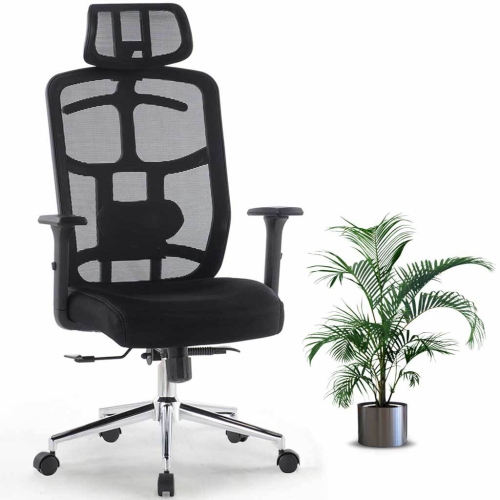 Your price for this item is $114.99
 -
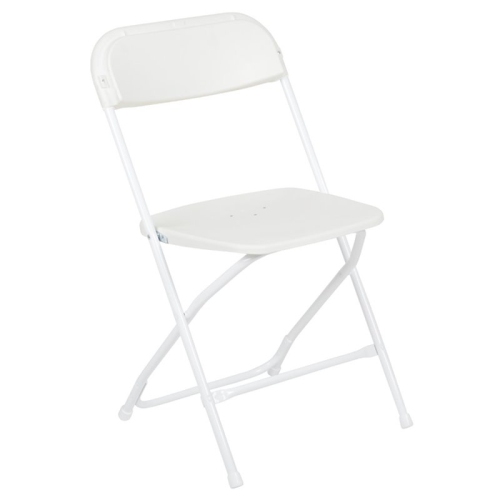 Your price for this item is $123
 -
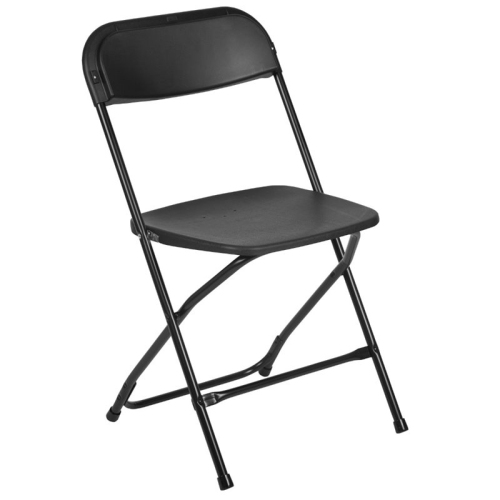 Your price for this item is $139.99
 -
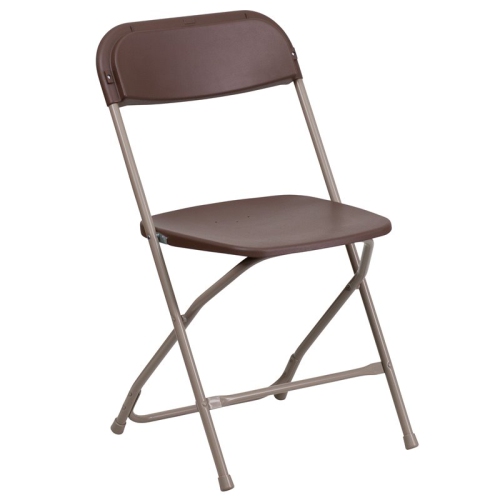 Your price for this item is $139.99
 -
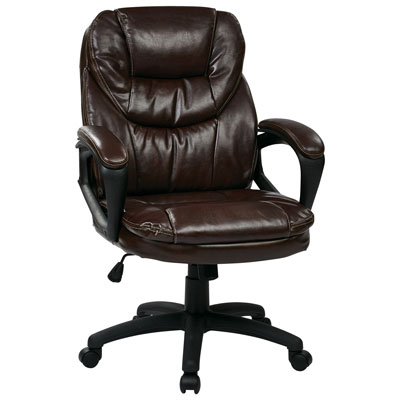 Your price for this item is $203.98
 -
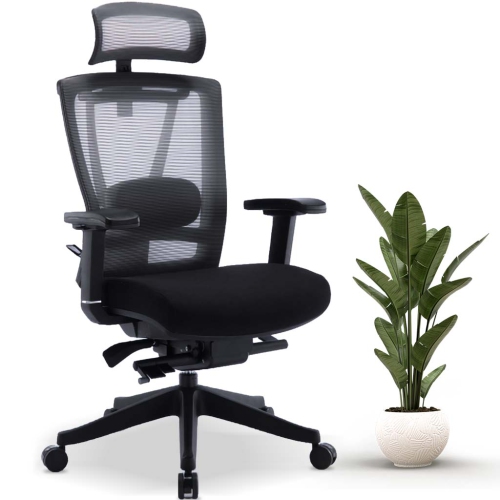 Your price for this item is $379.99
 -
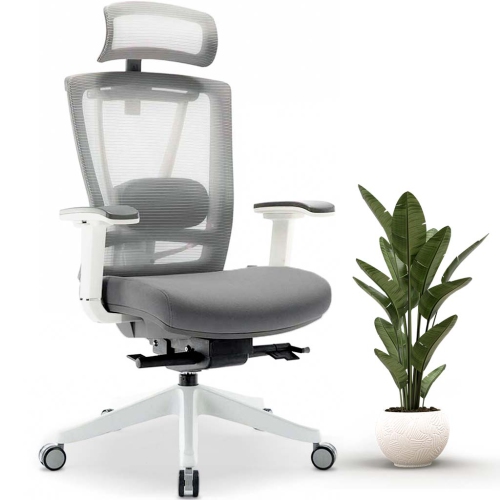 Your price for this item is $379.99
 -
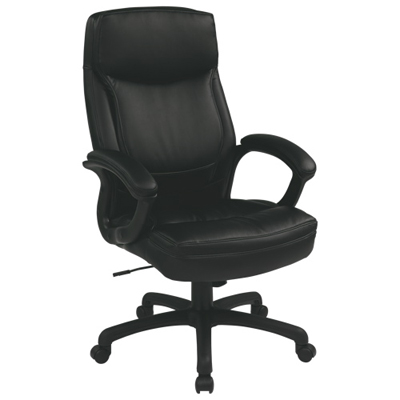 Your price for this item is $594.99
Discover more categories related to Ergonomic Study Chairs
Top Collections:
Pokemon Centers, Kindle Devices, Best Budget Office Chairs, Apple iPhones 16, Best Laptops for Writers, iPhone 15 Apple, Canon G7X Cameras, Refurbished Apple Laptops, Alarm Clock, Motorola Razr Phones
Some products may be subject to Environmental Handling Fees
(EHF) depending on your province.
Learn more about EHFs.