Essential Oil Sets
Explore the world of aromatherapy with our curated collection of essential oil sets. Elevate your self-care routine or create a calming ambiance in your living space with these versatile and fragrant oils. From soothing lavender to invigorating citrus blends, each set is thoughtfully crafted to help you relax, rejuvenate, and refresh your mind and body. Whether you're a seasoned essential oil enthusiast or just starting your journey, there's a set waiting for you to discover at Best Buy.
Sort
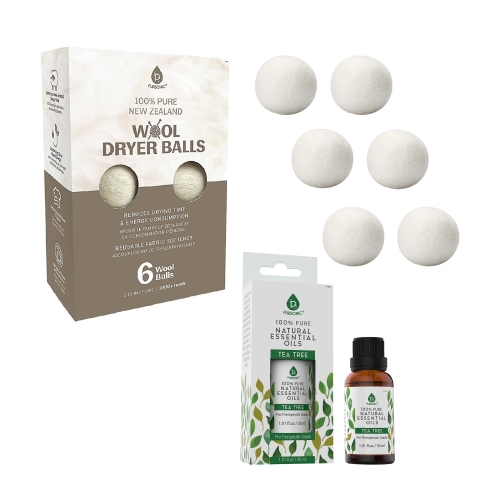
Why oil formats matter as much as scent
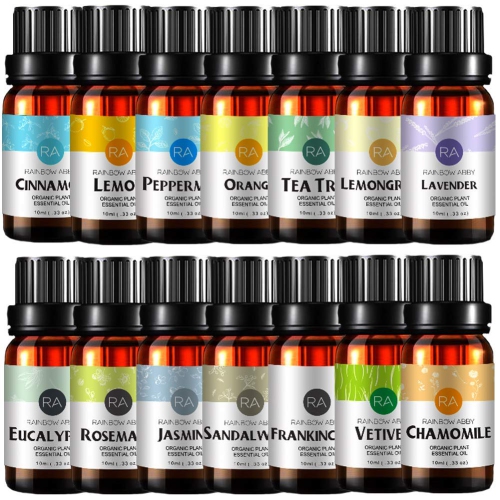
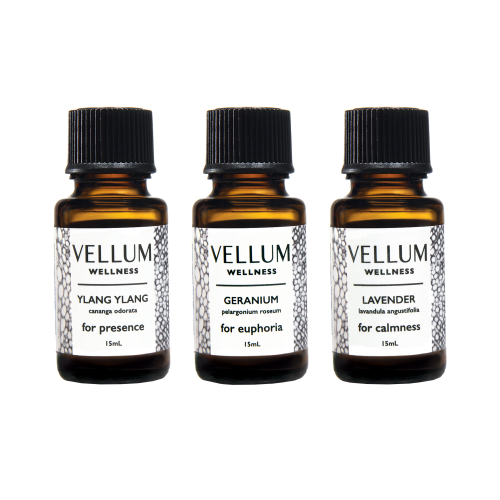
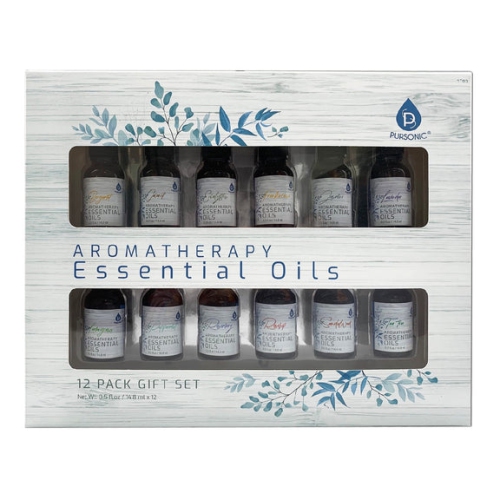
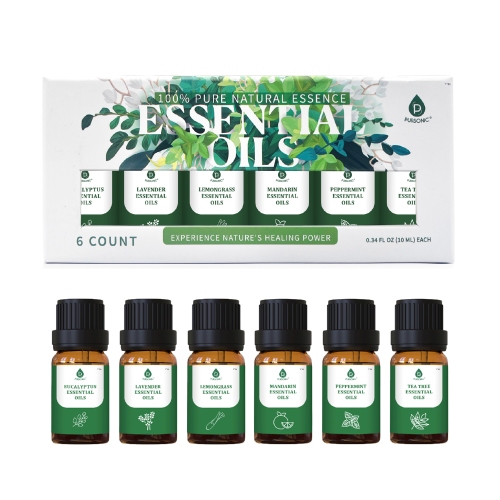
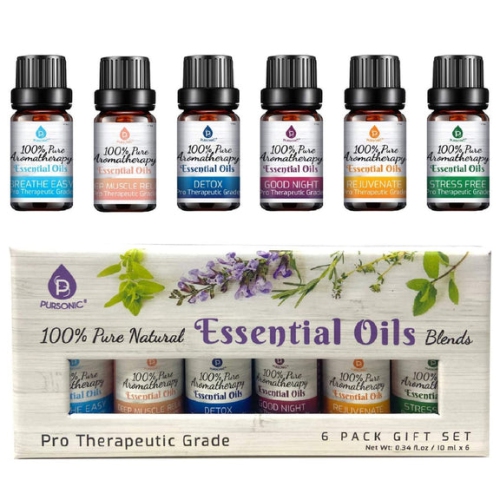
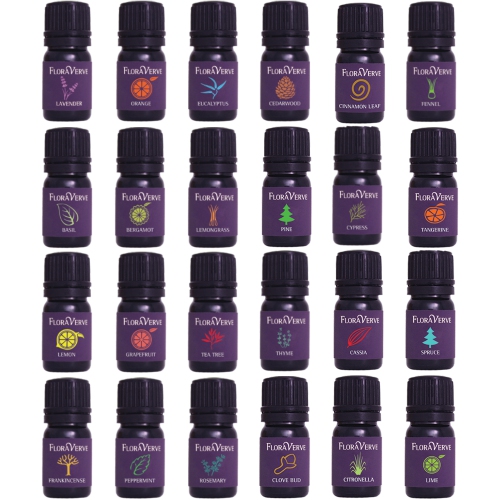
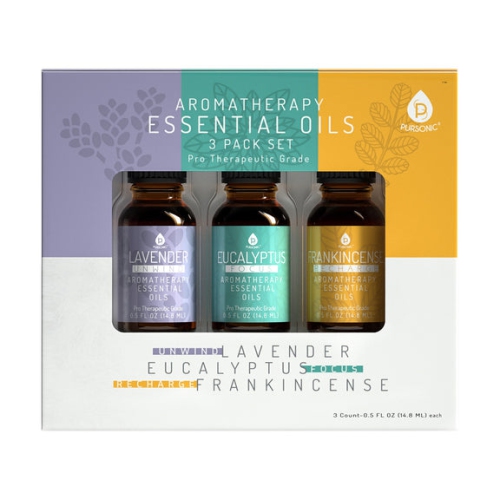
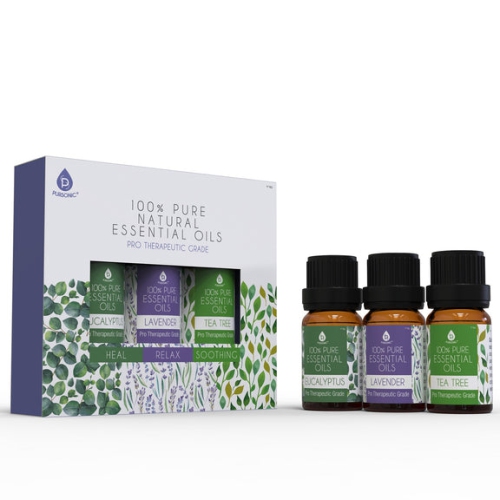
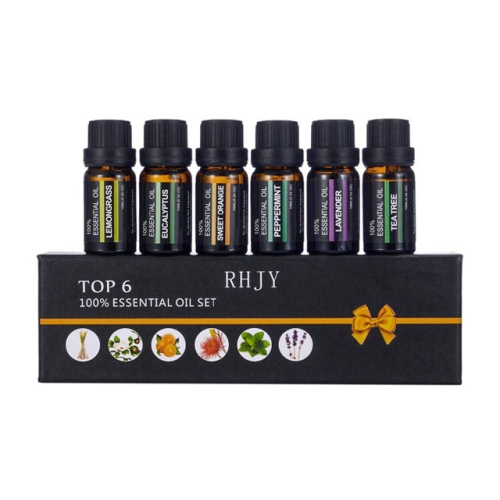
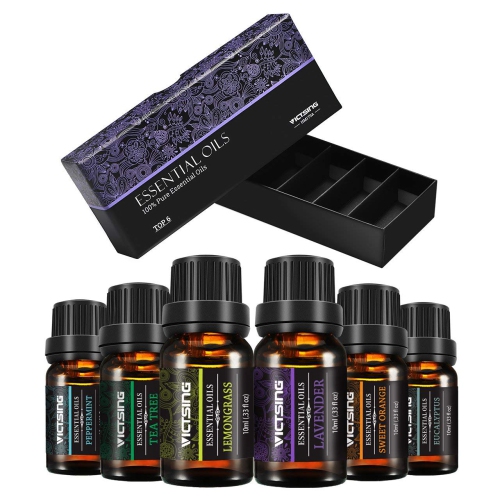
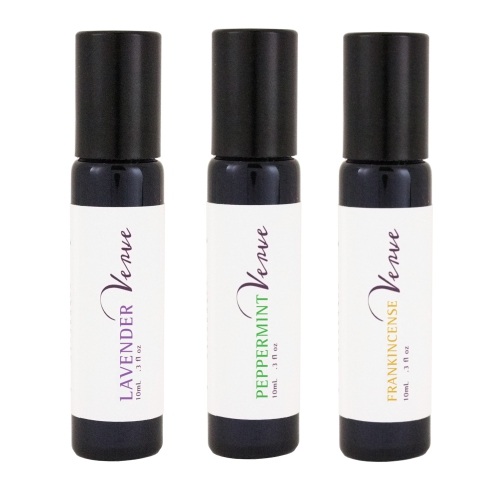
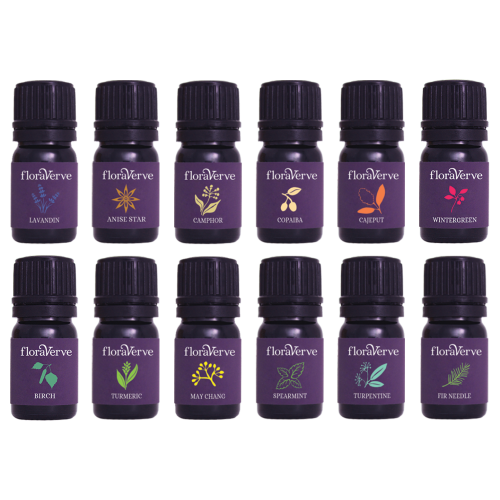
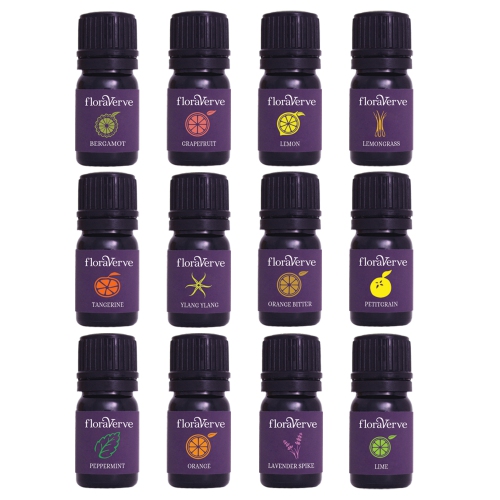
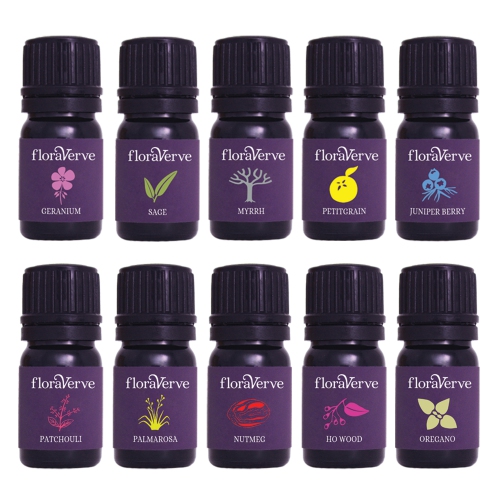
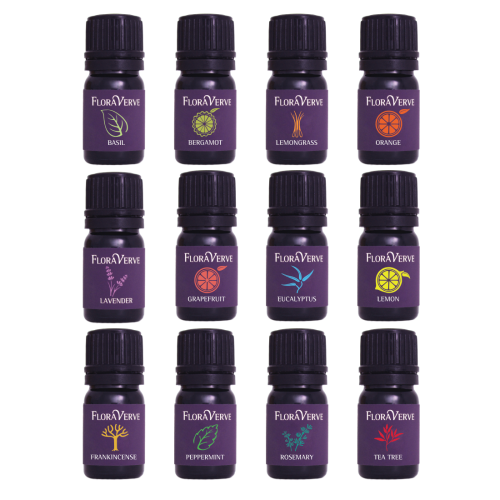
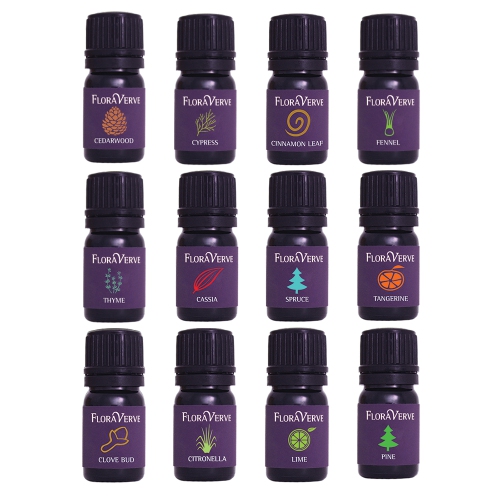
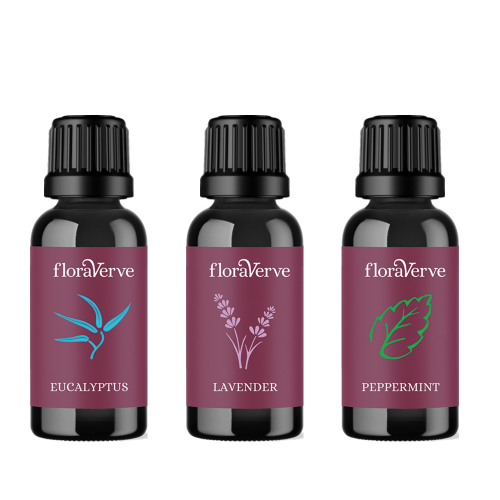
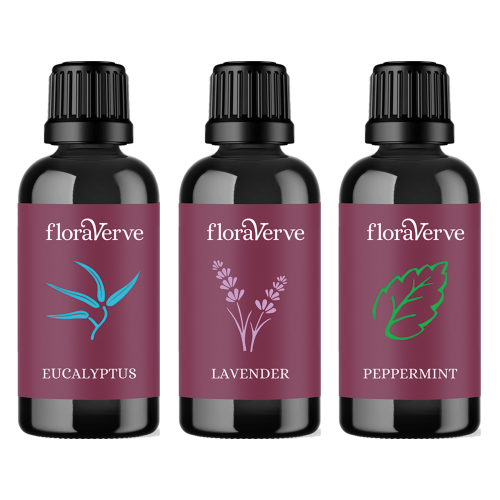
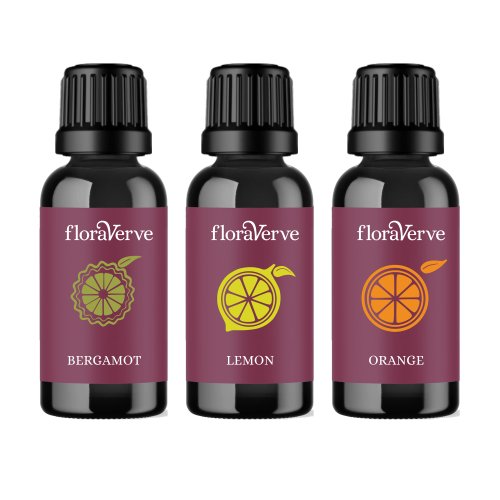
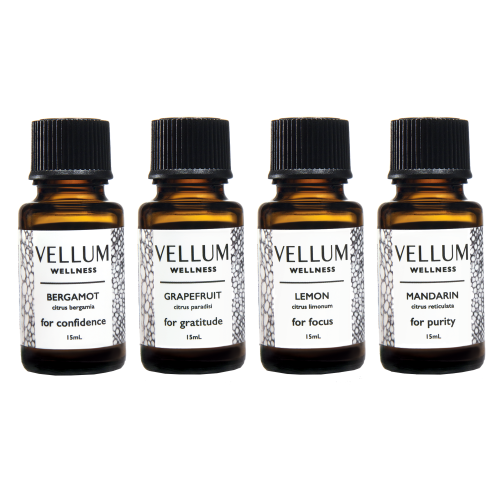
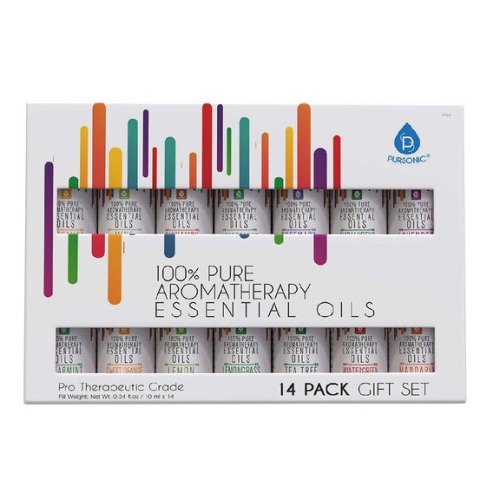
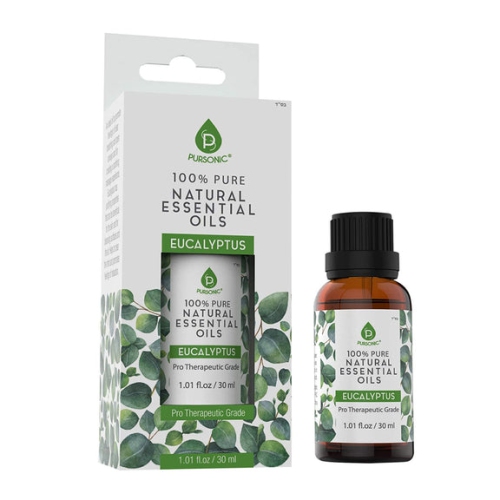
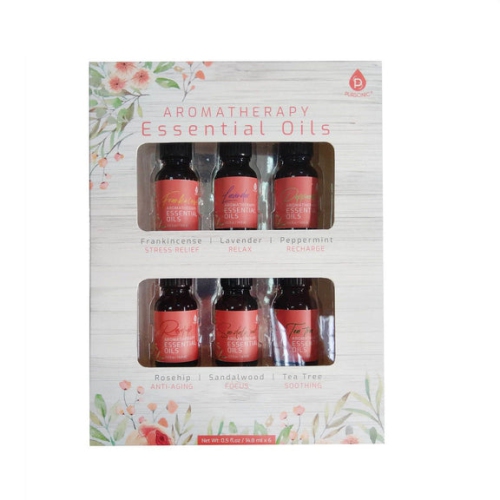
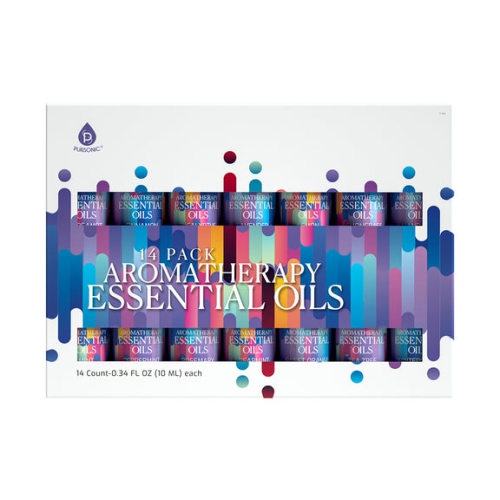
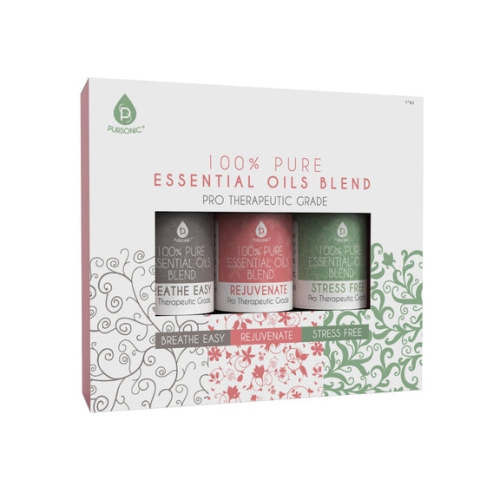
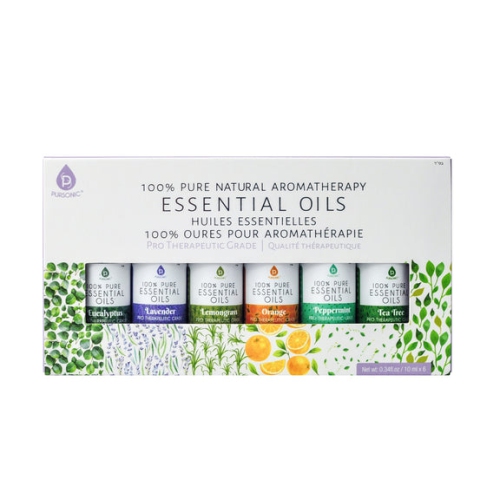
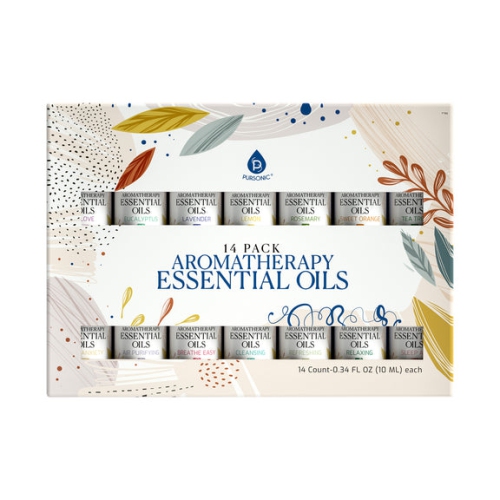
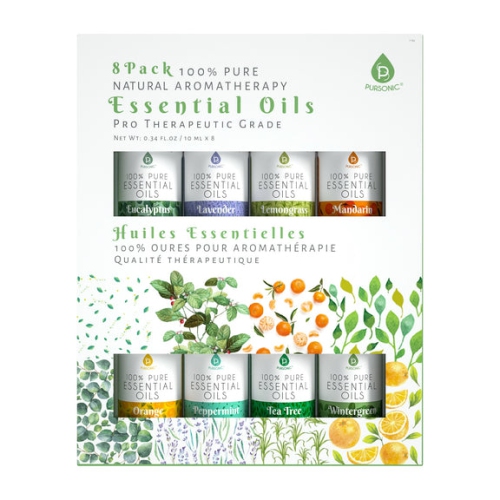
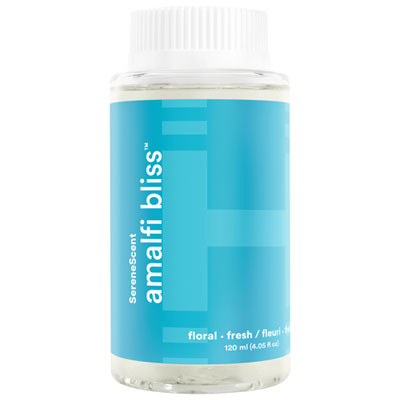
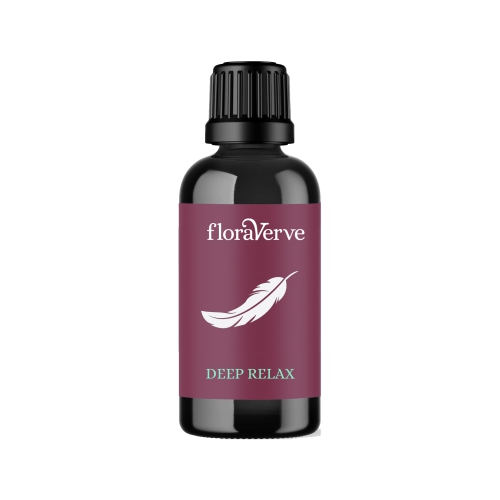
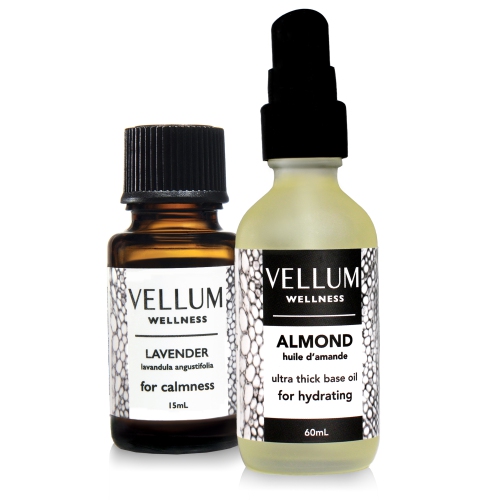
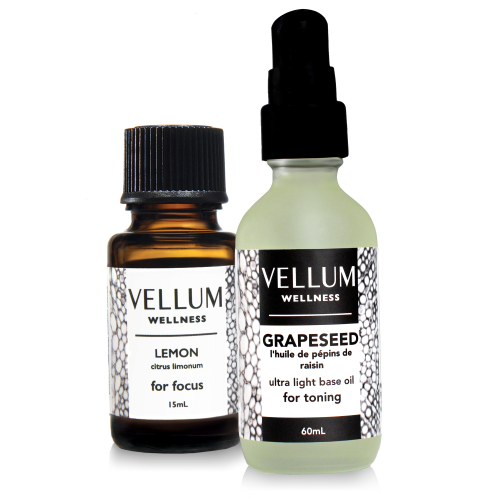
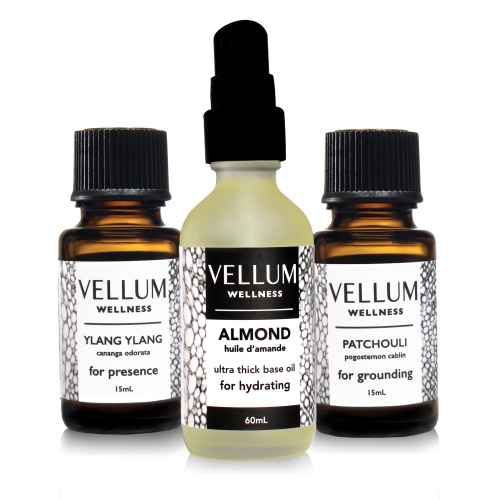
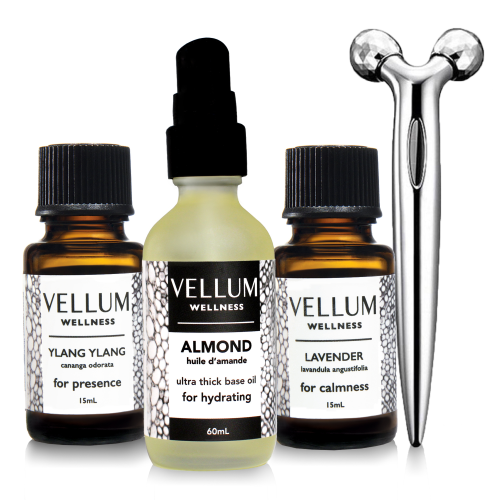
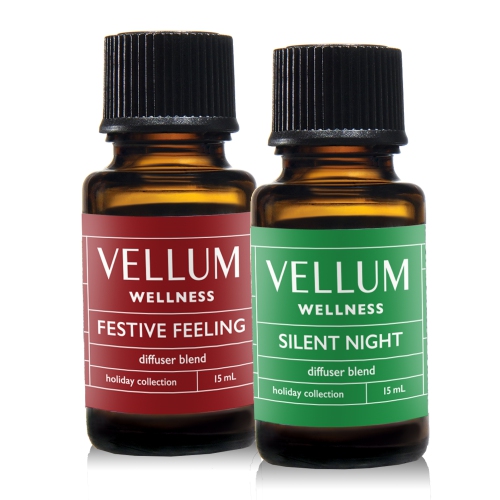
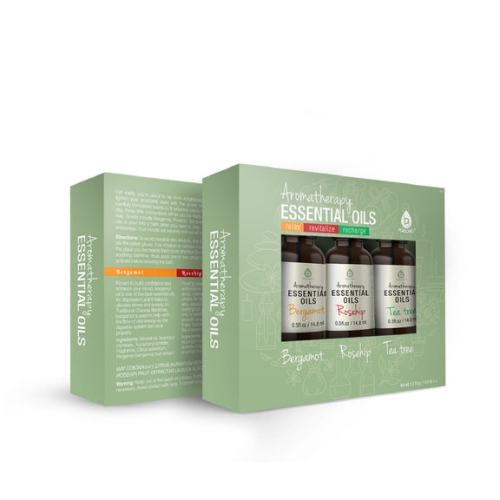
Essential oil sets bring together several concentrated aromatic plant extracts or prepared blends in one package, making it easier to explore different scents without choosing every bottle separately. A set may focus on individual oils, such as lavender, sweet orange, peppermint, or cedarwood, or combine blends built around floral, citrus, herbal, and woody notes. The distinction matters: a single oil offers the character of one botanical ingredient, while a blend combines ingredients to create a layered fragrance. Some collections contain undiluted oils intended for compatible diffusers; others feature diluted preparations labelled for application to the skin. These formats are not interchangeable, so the intended use on each label is more useful than the number of bottles alone. For someone new to home fragrance, a varied assortment offers a way to discover whether crisp citrus, soft florals, or deeper wood notes suit their preferences. Someone who already enjoys aromatic oils might prefer a narrower selection centred on a favourite scent family. Bottle sizes and the total quantity also help distinguish a sampler from a collection designed around familiar favourites. Smaller bottles allow room for experimentation, while a set with fewer, larger bottles may suit someone who regularly reaches for the same aromas. The appeal is often in those everyday details: the bright scent of orange in an entryway, a gentle floral note beside a reading chair, or a woody blend that complements a quiet evening at home. Scent preferences are personal, and an aroma described as soothing by one person may feel too strong to another. Exploring related Essential Oils can help clarify the difference between individual extracts and mixed collections. An essential oil set is best understood as a convenient fragrance assortment, not a treatment for sleep problems, headaches, anxiety, or other health concerns. Its value lies in the selection, formulation, packaging, and suitability for the way it will be used.
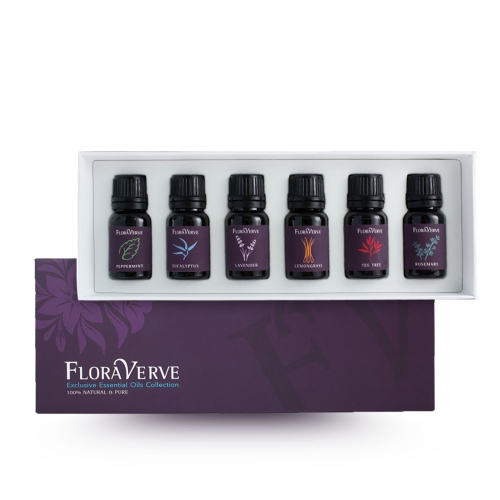
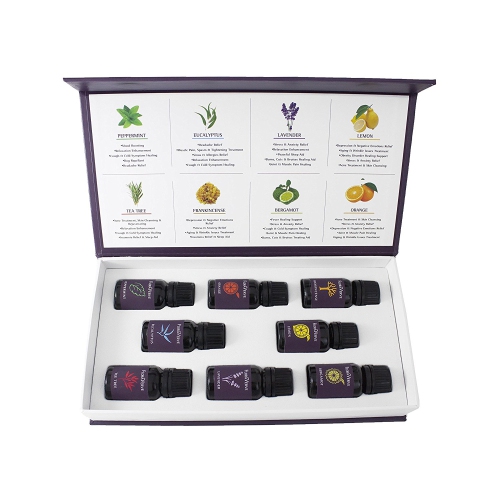
The contents and construction of an essential oil set deserve as much attention as its scent descriptions. Clear ingredient lists help identify whether a bottle contains a single botanical oil, a mixture of oils, or an aromatic preparation diluted with a carrier oil. Plant names, extraction details, bottle volume, and use directions provide a more concrete picture than broad claims about purity or quality. Terms such as “therapeutic grade” do not, on their own, establish a universal quality standard or prove a health benefit. Essential oils also differ from fragrance oils, which may contain synthetic aromatic ingredients, and from carrier oils, which are commonly used to dilute suitable formulations for skin application. A package labelled as a gift set may contain any of these formats, making the ingredient information important. Dark glass bottles help limit light exposure, and secure caps help protect the contents during ordinary storage. Dropper inserts can make small quantities easier to dispense, although the appropriate amount always depends on the oil and the directions for the device or formulation. A fitted box with separate compartments keeps bottles upright and prevents them from knocking together; readable labels make it easier to distinguish similar-looking bottles without opening each one. For a drawer or cupboard, a compact case may be more practical than an elaborate presentation box. Glass remains breakable, so stable storage away from shelf edges matters, especially in busy households. Keeping caps tightly closed and bottles away from direct sunlight helps preserve their aromatic character. Oils do not remain unchanged indefinitely: exposure to air and light can alter their composition and scent, and different oils have different storage lives. Following expiry or period-after-opening guidance is preferable to assuming that every bottle in a collection will last equally long. A noticeable change in aroma, colour, or texture warrants checking the manufacturer’s directions before further use. Choosing a manageable assortment can also be more satisfying than keeping a large collection of scents that rarely leave the box.
Intended use is the clearest way to narrow down essential oil sets for a particular home or recipient. For room fragrance, compatibility with an existing diffuser is essential. Ultrasonic devices, nebulizing diffusers, and passive accessories may have different requirements, and oils should never be added to a humidifier or another appliance unless its manufacturer expressly permits them. Diffuser directions determine the appropriate water level, oil quantity, cleaning method, and operating period; adding more oil does not necessarily produce a better experience. A subtle scent in a small room can become overpowering when several drops are added without checking those directions. Regular cleaning according to the device instructions helps prevent residue from one blend carrying over into the next. In shared spaces, fragrance sensitivity and the preferences of other people deserve consideration, with ventilation and restrained use helping keep scent from dominating the room. Skin application requires a different approach. Undiluted essential oils should not be applied directly to the skin, and a diffuser oil should not be treated as a ready-to-use body product. Only preparations labelled for topical use should be used that way, following their dilution instructions and any patch-test guidance. Some citrus oils can increase sensitivity to sunlight when applied to skin, so label precautions remain important even when a scent seems familiar. Essential oils should not be swallowed, and bottles need to be kept out of reach of children and pets. Households with infants, people who are pregnant, or anyone with respiratory conditions should seek appropriate professional advice before use; pet owners should check with a veterinarian because some oils can be harmful to animals. As a gift, a well-labelled set may appeal to someone who already enjoys home fragrance, has a compatible diffuser, or likes comparing botanical scent profiles. A small, varied selection can feel thoughtful without assuming that the recipient wants a strong fragrance throughout their home. For an experienced user, a cohesive assortment of familiar notes may be more welcome than a broad sampler. The most useful essential oil sets bring together appealing aromas, clear directions, protective packaging, and a format that fits comfortably into the recipient’s routine.
The contents and construction of an essential oil set deserve as much attention as its scent descriptions. Clear ingredient lists help identify whether a bottle contains a single botanical oil, a mixture of oils, or an aromatic preparation diluted with a carrier oil. Plant names, extraction details, bottle volume, and use directions provide a more concrete picture than broad claims about purity or quality. Terms such as “therapeutic grade” do not, on their own, establish a universal quality standard or prove a health benefit. Essential oils also differ from fragrance oils, which may contain synthetic aromatic ingredients, and from carrier oils, which are commonly used to dilute suitable formulations for skin application. A package labelled as a gift set may contain any of these formats, making the ingredient information important. Dark glass bottles help limit light exposure, and secure caps help protect the contents during ordinary storage. Dropper inserts can make small quantities easier to dispense, although the appropriate amount always depends on the oil and the directions for the device or formulation. A fitted box with separate compartments keeps bottles upright and prevents them from knocking together; readable labels make it easier to distinguish similar-looking bottles without opening each one. For a drawer or cupboard, a compact case may be more practical than an elaborate presentation box. Glass remains breakable, so stable storage away from shelf edges matters, especially in busy households. Keeping caps tightly closed and bottles away from direct sunlight helps preserve their aromatic character. Oils do not remain unchanged indefinitely: exposure to air and light can alter their composition and scent, and different oils have different storage lives. Following expiry or period-after-opening guidance is preferable to assuming that every bottle in a collection will last equally long. A noticeable change in aroma, colour, or texture warrants checking the manufacturer’s directions before further use. Choosing a manageable assortment can also be more satisfying than keeping a large collection of scents that rarely leave the box.
Intended use is the clearest way to narrow down essential oil sets for a particular home or recipient. For room fragrance, compatibility with an existing diffuser is essential. Ultrasonic devices, nebulizing diffusers, and passive accessories may have different requirements, and oils should never be added to a humidifier or another appliance unless its manufacturer expressly permits them. Diffuser directions determine the appropriate water level, oil quantity, cleaning method, and operating period; adding more oil does not necessarily produce a better experience. A subtle scent in a small room can become overpowering when several drops are added without checking those directions. Regular cleaning according to the device instructions helps prevent residue from one blend carrying over into the next. In shared spaces, fragrance sensitivity and the preferences of other people deserve consideration, with ventilation and restrained use helping keep scent from dominating the room. Skin application requires a different approach. Undiluted essential oils should not be applied directly to the skin, and a diffuser oil should not be treated as a ready-to-use body product. Only preparations labelled for topical use should be used that way, following their dilution instructions and any patch-test guidance. Some citrus oils can increase sensitivity to sunlight when applied to skin, so label precautions remain important even when a scent seems familiar. Essential oils should not be swallowed, and bottles need to be kept out of reach of children and pets. Households with infants, people who are pregnant, or anyone with respiratory conditions should seek appropriate professional advice before use; pet owners should check with a veterinarian because some oils can be harmful to animals. As a gift, a well-labelled set may appeal to someone who already enjoys home fragrance, has a compatible diffuser, or likes comparing botanical scent profiles. A small, varied selection can feel thoughtful without assuming that the recipient wants a strong fragrance throughout their home. For an experienced user, a cohesive assortment of familiar notes may be more welcome than a broad sampler. The most useful essential oil sets bring together appealing aromas, clear directions, protective packaging, and a format that fits comfortably into the recipient’s routine.
Top selling and popular products
-
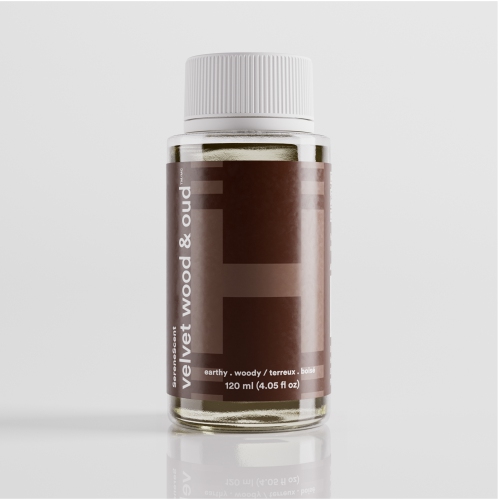 Your price for this item is $59.99
 -
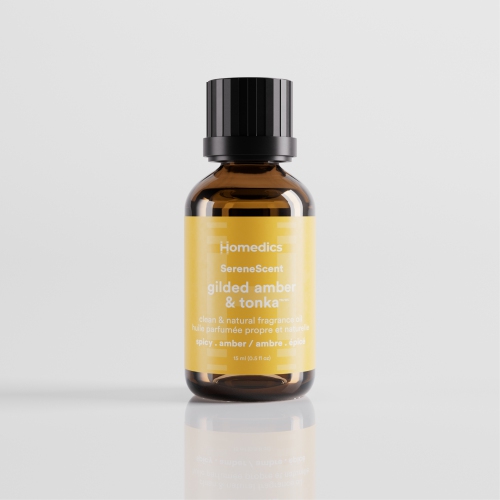 Your price for this item is $14.99
 -
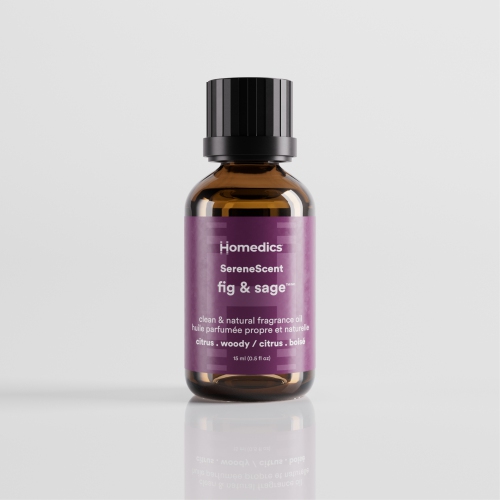 Your price for this item is $14.99
 -
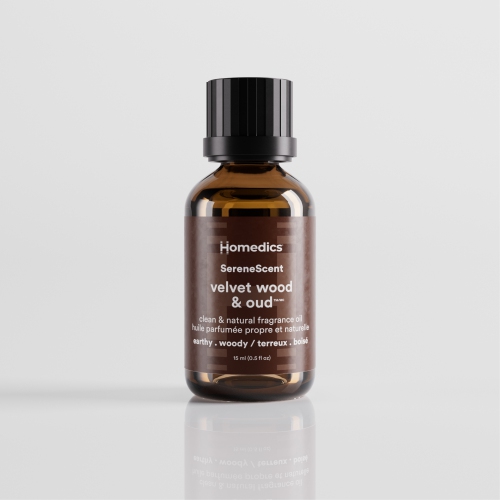 Your price for this item is $14.99
 -
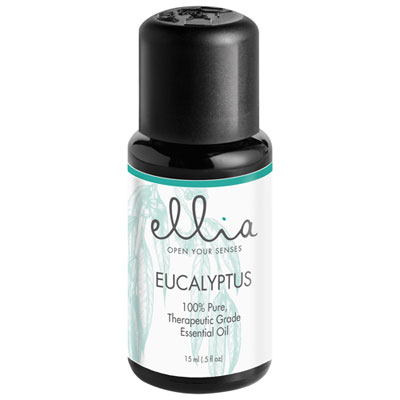 Your price for this item is $8.98
 -
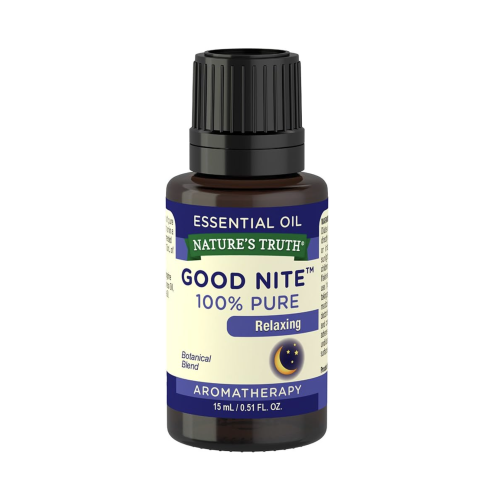 Your price for this item is $30.79
 -
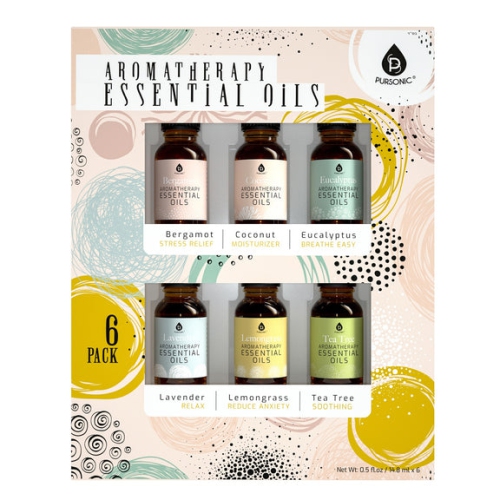 Your price for this item is $35.95
 -
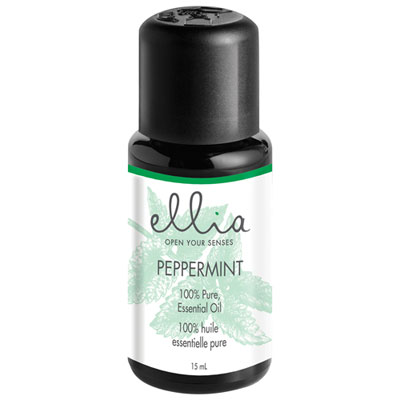 Your price for this item is $19.99
Discover more categories related to Essential Oil Sets
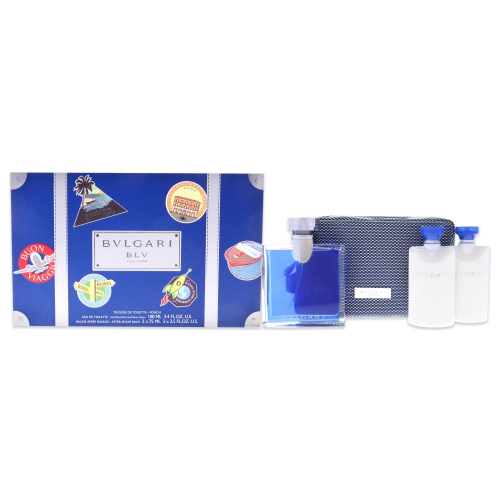
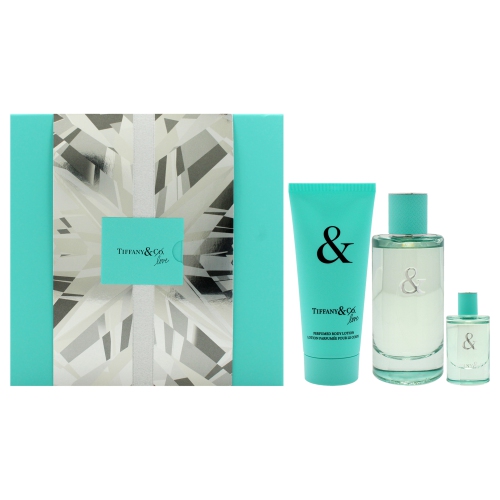
Top Collections:
Pokemon Centers, Kindle Devices, Best Budget Office Chairs, Apple iPhones 16, Best Laptops for Writers, iPhone 15 Apple, Canon G7X Cameras, Refurbished Apple Laptops, Alarm Clock, Motorola Razr Phones
Some products may be subject to Environmental Handling Fees
(EHF) depending on your province.
Learn more about EHFs.