Essential Oils
Discover the world of essential oils, where nature's fragrances meet wellness and tranquility. Perfect for enhancing your home environment or elevating your self-care routine, essential oils offer a versatile range of uses that cater to both body and mind. Whether you're looking to invigorate your senses with refreshing citrus notes or create a calming atmosphere with soothing lavender, there's an essential oil to suit every preference. Dive into the aromatic journey and explore how these natural extracts can transform your space and enhance your daily rituals.
Sort




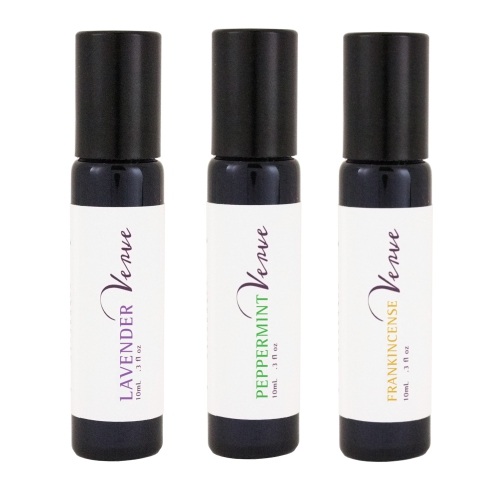
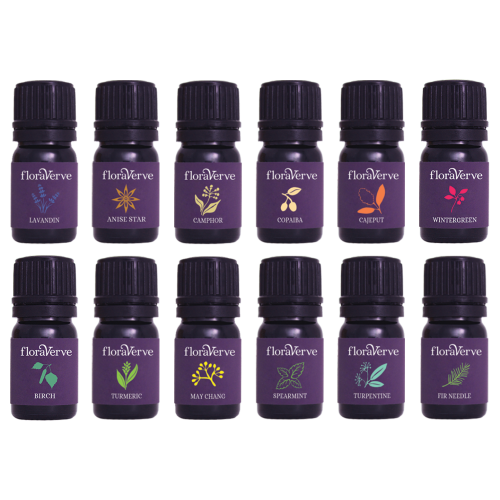
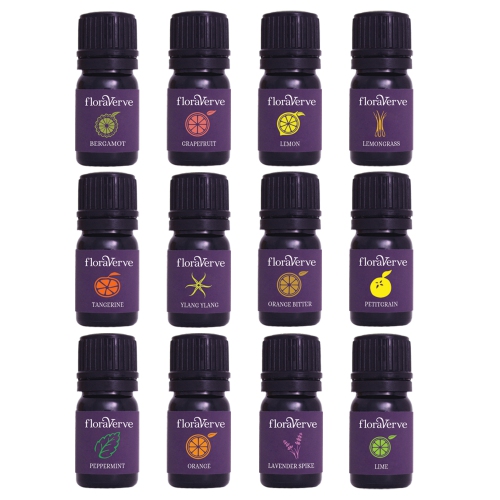
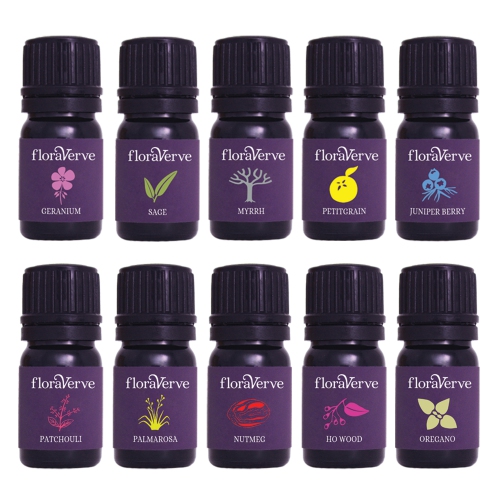
Why plant aromas smell stronger in a small bottle
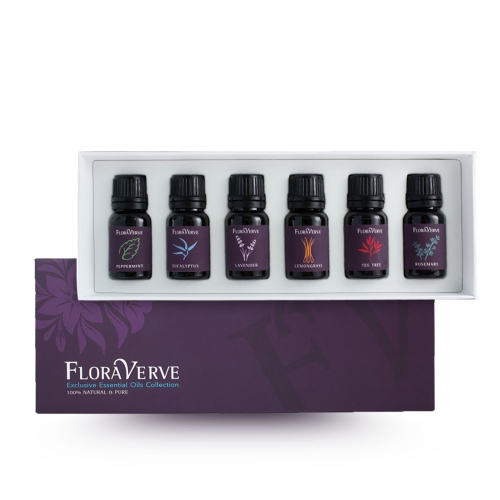
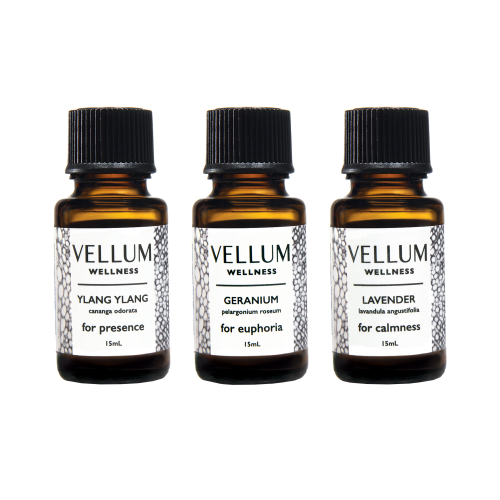
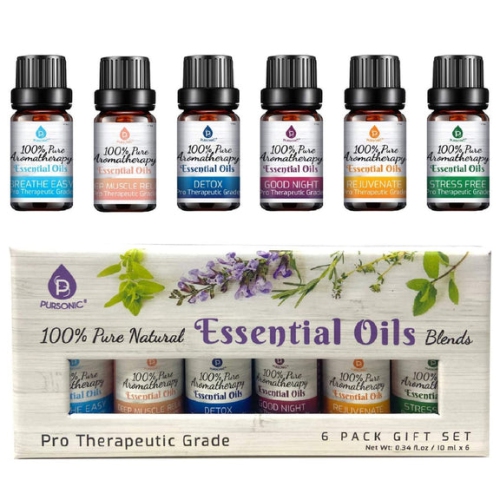
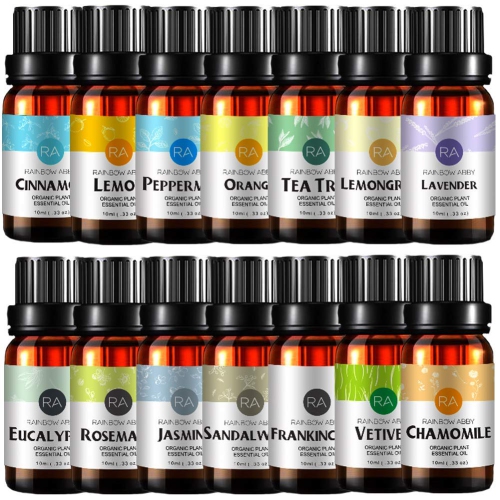
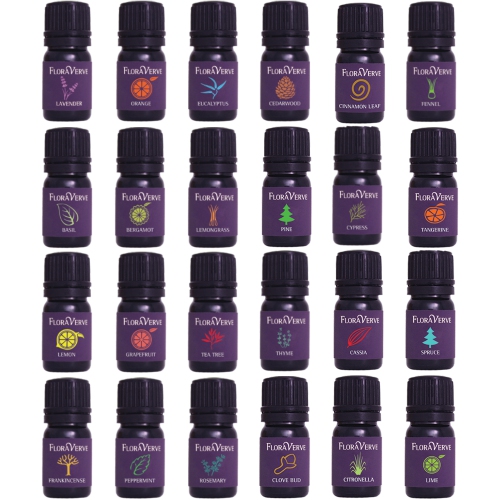
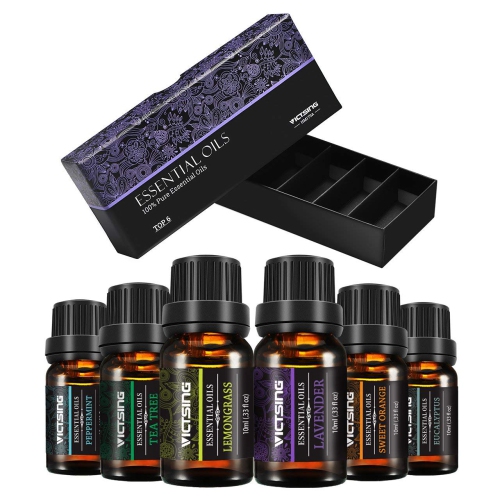
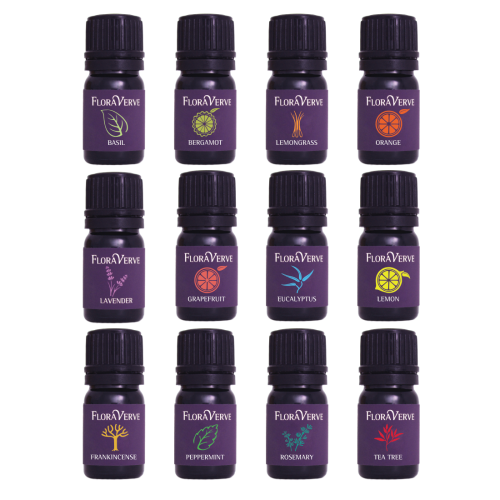
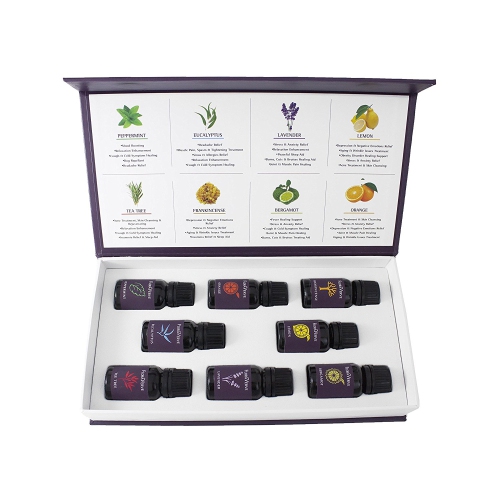
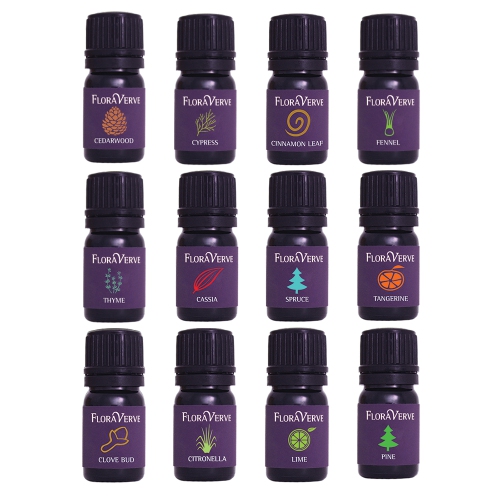
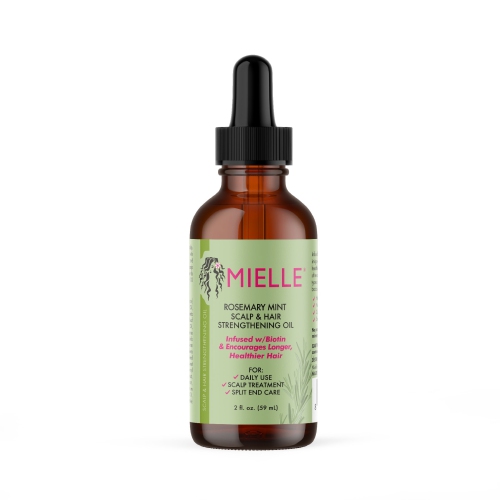
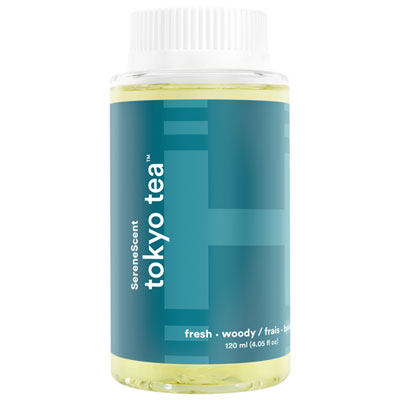
Essential oils are concentrated, aromatic extracts obtained from plant materials such as flowers, leaves, bark, roots, seeds, and fruit peels. Their distinctive scents come from volatile compounds that readily disperse into the air, creating anything from a delicate floral note to a crisp citrus aroma or a deep, woody fragrance. Many essential oils are produced through steam distillation, which carries aromatic compounds out of the plant material before they are separated and collected. Citrus oils are often extracted by mechanically pressing the peel. These methods help explain why an essential oil can smell familiar yet noticeably more intense than the plant itself: a small bottle contains a concentrated extract, not simply scented water. For home fragrance, that concentration makes careful dispensing important, with the amount used determined by the oil’s label and the instructions for a compatible diffuser. Single-note oils highlight one botanical source, while blends combine several oils into a finished fragrance. A floral blend might have a soft, rounded character, whereas a combination of citrus and wood notes can smell bright at first and develop a richer impression as it disperses. Essential oils differ from fragrance oils, which may contain aromatic ingredients chosen to create a particular scent rather than an extract from one plant. Neither a botanical name nor a familiar fragrance description establishes how an oil should be used; the ingredient list and labelled purpose provide more useful information. The broader Scented Oils category can also include formulations intended for different fragrance systems, so similarly named liquids are not necessarily interchangeable. Essential oils suit people who enjoy choosing a scent for a reading corner, adding a fragrant accent to a living space, or making aroma part of a personal wind-down routine. Their appeal is primarily sensory, and preferences can be as individual as taste in music or décor. A scent that feels subtle and inviting to one person may seem overpowering to another, especially in a shared room.
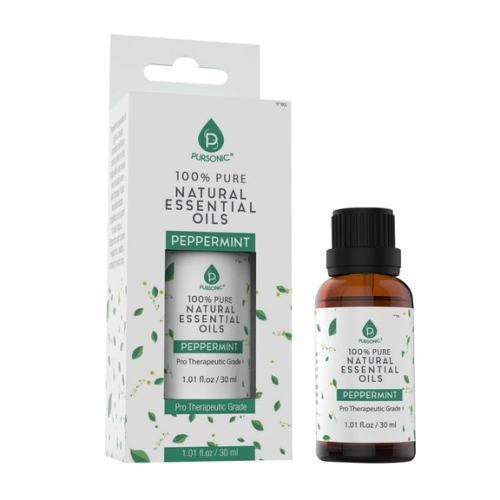
Choosing essential oils involves both fragrance preference and practical compatibility. Citrus profiles tend to smell bright and zesty, floral oils may feel powdery or sweet, and woody or resinous profiles often bring depth to a blend. Herbal and minty aromas can have a sharper presence, making a restrained approach especially useful in compact spaces. For someone who enjoys experimenting, individual oils allow different scent combinations within the limits of the product directions; a prepared blend offers a consistent starting point without the need to balance several aromas. In either case, the intended use matters more than how appealing the bottle sounds. An ultrasonic diffuser usually disperses oil with water, while a nebulizing diffuser designed for essential oils may use the oil without added water. Other fragrance devices rely on a specific refill formulation. Essential oils should not be added to a humidifier, air purifier, or another appliance unless its manufacturer explicitly permits that use. Oil can affect plastics, seals, finishes, or internal components that were not designed for contact with it. Bottle construction also contributes to everyday usability: dark glass helps limit light exposure, a secure cap reduces spills, and a controlled dispensing insert makes small quantities easier to measure. Clear labels that identify the botanical ingredients, extraction method where relevant, and any added carrier oils help distinguish concentrated oils from diluted preparations. A carrier oil is a base used to dilute essential oil for an approved purpose, not another name for essential oil itself. Terms such as “pure” do not establish suitability for skin contact, and an intense scent is not a reliable measure of quality. For gifting, fragrance tastes and the recipient’s existing equipment deserve particular attention. Someone who already enjoys a compatible diffuser may appreciate an aroma that complements familiar preferences, while a strongly scented gift may be less suitable for a person with fragrance sensitivities. In an open-plan home or shared office, consideration for everyone using the space is more important than creating a scent that fills every corner.
Careful storage, routine cleaning, and sensible handling help preserve essential oils and make them easier to use responsibly. Keep bottles upright, tightly closed, and protected from direct light, following any additional storage directions on the label. Repeated exposure to air can change an oil’s composition and fragrance over time, so essential oils should not be treated as indefinitely shelf-stable. Observe expiry dates and period-after-opening information where provided, and stop using an oil that has developed an unexpected change in smell or appearance. Wipe away drips promptly according to the affected surface’s care instructions, since concentrated oils can mark furniture and damage some finishes. Diffusers also need regular attention: empty and clean them as directed rather than repeatedly topping up old liquid, and use only cleaning methods approved for the device. For fragrance use, follow the stated quantity and operating time, allow ventilation, and stop if anyone experiences irritation or discomfort. Essential oils are not medicines, and a pleasant association with relaxation does not mean an oil can treat anxiety, insomnia, or another health condition. Skin use requires separate precautions. Apply an essential oil only when it is labelled for that purpose, use the specified dilution with a suitable carrier, and follow any patch-testing directions; dilution does not eliminate the possibility of irritation or an allergic reaction. Some citrus oils can increase sensitivity to sunlight after skin application, making the label’s exposure precautions especially important. Do not add undiluted essential oils directly to bathwater, as they do not dissolve evenly in water and can contact skin at concentrated levels. Avoid contact with eyes and mucous membranes, and do not ingest oils intended for home fragrance or topical use. Store bottles securely out of reach of children and pets. Some oils can be harmful to animals through exposure as well as ingestion, so pet households should seek veterinary advice before diffusing them. People who are pregnant or considering use around young children should consult a qualified health professional. With an appropriate formulation, compatible equipment, and a scent that suits the people sharing the space, essential oils can be a thoughtful addition to everyday home fragrance.
Choosing essential oils involves both fragrance preference and practical compatibility. Citrus profiles tend to smell bright and zesty, floral oils may feel powdery or sweet, and woody or resinous profiles often bring depth to a blend. Herbal and minty aromas can have a sharper presence, making a restrained approach especially useful in compact spaces. For someone who enjoys experimenting, individual oils allow different scent combinations within the limits of the product directions; a prepared blend offers a consistent starting point without the need to balance several aromas. In either case, the intended use matters more than how appealing the bottle sounds. An ultrasonic diffuser usually disperses oil with water, while a nebulizing diffuser designed for essential oils may use the oil without added water. Other fragrance devices rely on a specific refill formulation. Essential oils should not be added to a humidifier, air purifier, or another appliance unless its manufacturer explicitly permits that use. Oil can affect plastics, seals, finishes, or internal components that were not designed for contact with it. Bottle construction also contributes to everyday usability: dark glass helps limit light exposure, a secure cap reduces spills, and a controlled dispensing insert makes small quantities easier to measure. Clear labels that identify the botanical ingredients, extraction method where relevant, and any added carrier oils help distinguish concentrated oils from diluted preparations. A carrier oil is a base used to dilute essential oil for an approved purpose, not another name for essential oil itself. Terms such as “pure” do not establish suitability for skin contact, and an intense scent is not a reliable measure of quality. For gifting, fragrance tastes and the recipient’s existing equipment deserve particular attention. Someone who already enjoys a compatible diffuser may appreciate an aroma that complements familiar preferences, while a strongly scented gift may be less suitable for a person with fragrance sensitivities. In an open-plan home or shared office, consideration for everyone using the space is more important than creating a scent that fills every corner.
Careful storage, routine cleaning, and sensible handling help preserve essential oils and make them easier to use responsibly. Keep bottles upright, tightly closed, and protected from direct light, following any additional storage directions on the label. Repeated exposure to air can change an oil’s composition and fragrance over time, so essential oils should not be treated as indefinitely shelf-stable. Observe expiry dates and period-after-opening information where provided, and stop using an oil that has developed an unexpected change in smell or appearance. Wipe away drips promptly according to the affected surface’s care instructions, since concentrated oils can mark furniture and damage some finishes. Diffusers also need regular attention: empty and clean them as directed rather than repeatedly topping up old liquid, and use only cleaning methods approved for the device. For fragrance use, follow the stated quantity and operating time, allow ventilation, and stop if anyone experiences irritation or discomfort. Essential oils are not medicines, and a pleasant association with relaxation does not mean an oil can treat anxiety, insomnia, or another health condition. Skin use requires separate precautions. Apply an essential oil only when it is labelled for that purpose, use the specified dilution with a suitable carrier, and follow any patch-testing directions; dilution does not eliminate the possibility of irritation or an allergic reaction. Some citrus oils can increase sensitivity to sunlight after skin application, making the label’s exposure precautions especially important. Do not add undiluted essential oils directly to bathwater, as they do not dissolve evenly in water and can contact skin at concentrated levels. Avoid contact with eyes and mucous membranes, and do not ingest oils intended for home fragrance or topical use. Store bottles securely out of reach of children and pets. Some oils can be harmful to animals through exposure as well as ingestion, so pet households should seek veterinary advice before diffusing them. People who are pregnant or considering use around young children should consult a qualified health professional. With an appropriate formulation, compatible equipment, and a scent that suits the people sharing the space, essential oils can be a thoughtful addition to everyday home fragrance.
Top selling and popular products
-
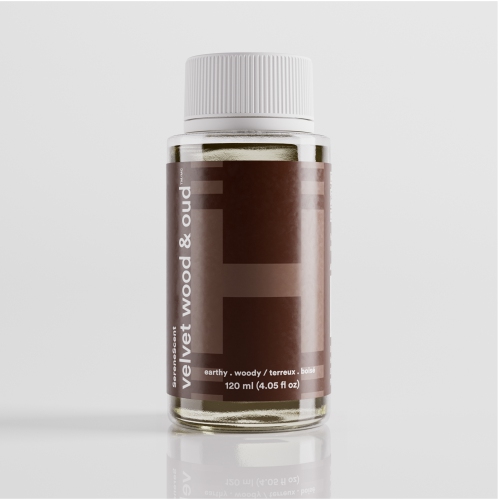 Your price for this item is $59.99
 -
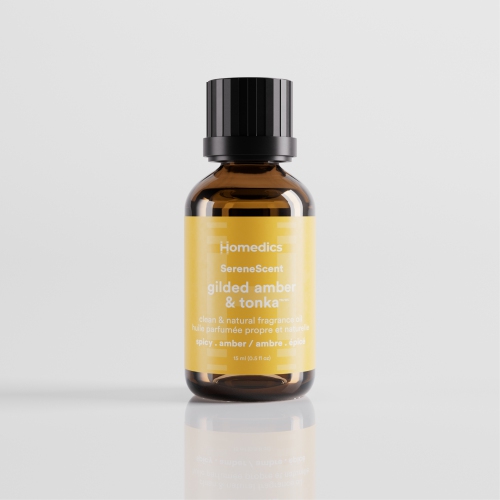 Your price for this item is $14.99
 -
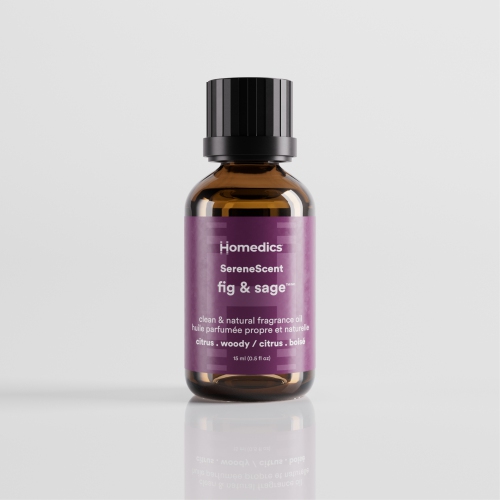 Your price for this item is $14.99
 -
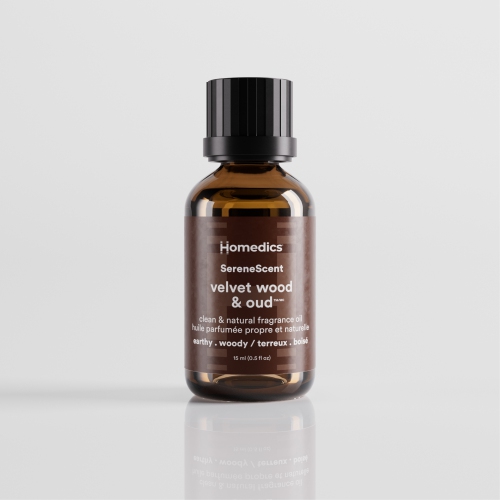 Your price for this item is $14.99
 -
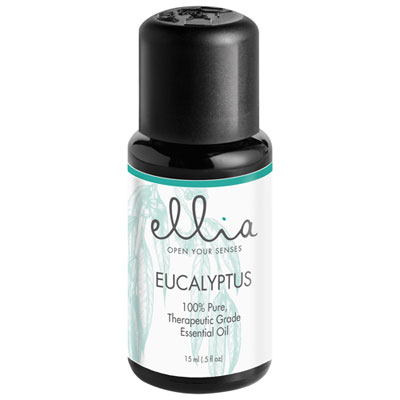 Your price for this item is $8.98
 -
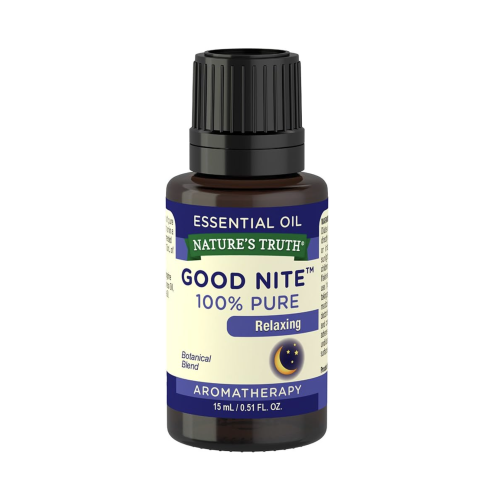 Your price for this item is $30.79
 -
 Your price for this item is $35.95
 -
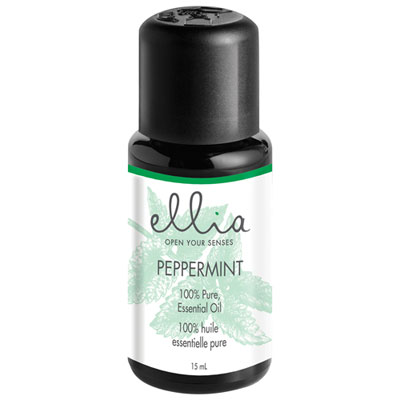 Your price for this item is $19.99
Discover more categories related to Essential Oils
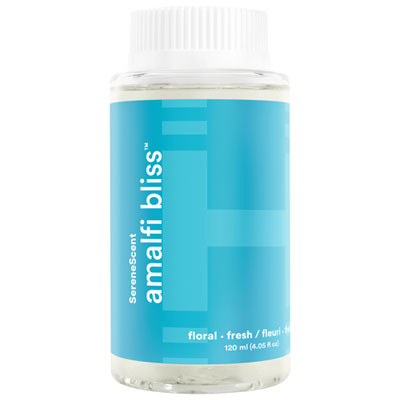
Top Collections:
Pokemon Centers, Kindle Devices, Best Budget Office Chairs, Apple iPhones 16, Best Laptops for Writers, iPhone 15 Apple, Canon G7X Cameras, Refurbished Apple Laptops, Alarm Clock, Motorola Razr Phones
Some products may be subject to Environmental Handling Fees
(EHF) depending on your province.
Learn more about EHFs.