European White Down Comforters
European white down comforters bring an exceptional level of comfort and elegance to any bedroom. Renowned for their plush feel and timeless appeal, these comforters are a popular choice for those looking to elevate their sleep experience. Whether updating your bedding ensemble or searching for the perfect addition to your guest room, european white down comforters offer a luxurious touch that complements a variety of styles and preferences. Explore options designed to help you enjoy restful nights and cozy mornings year-round.
Sort
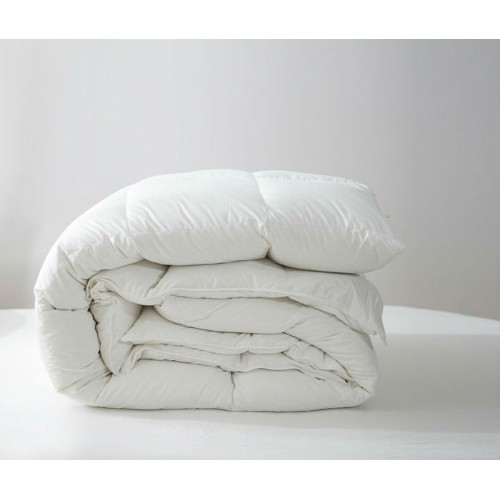
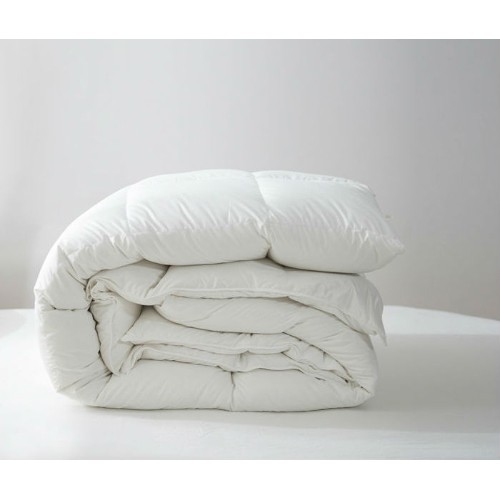
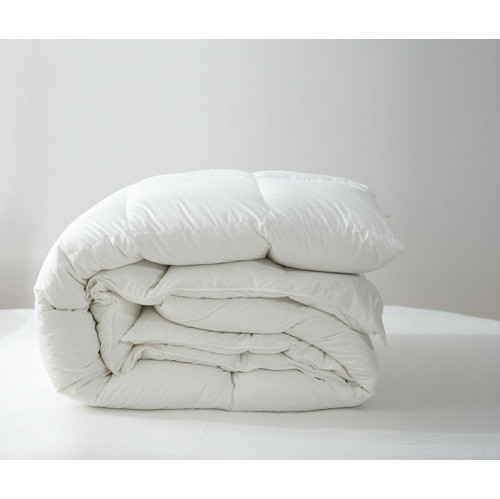
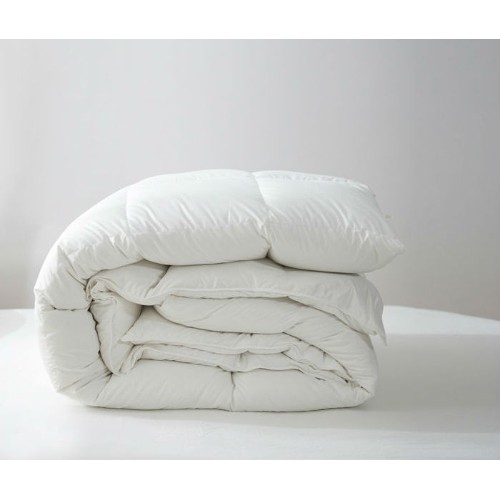
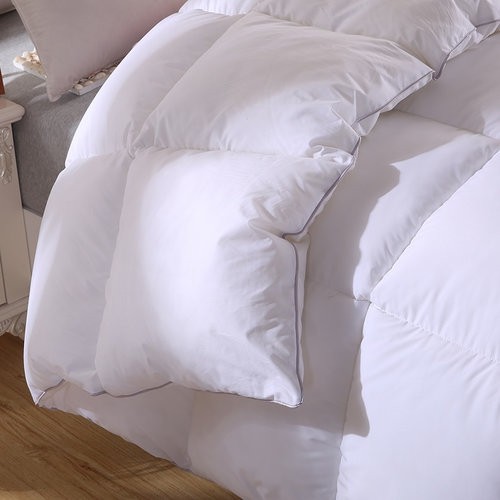
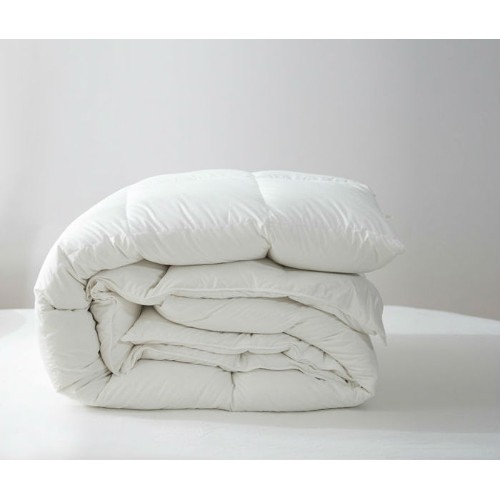
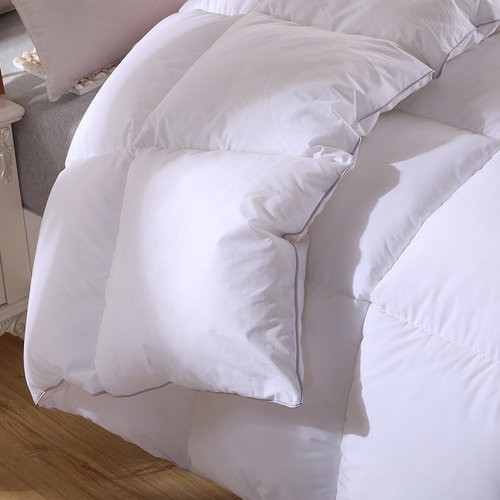
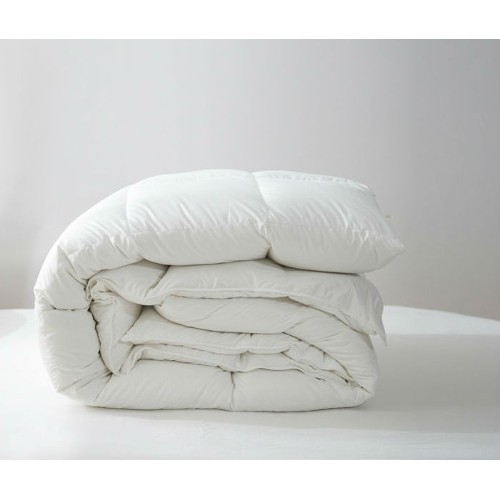
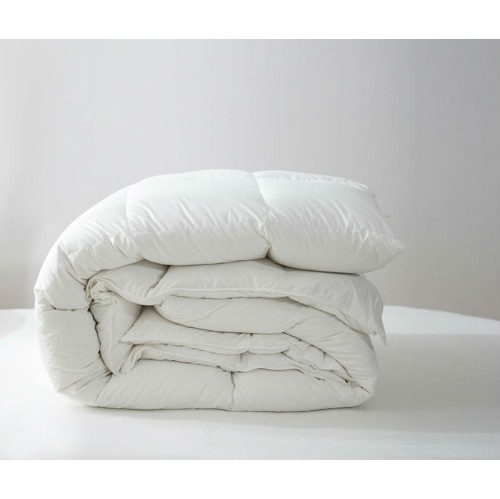
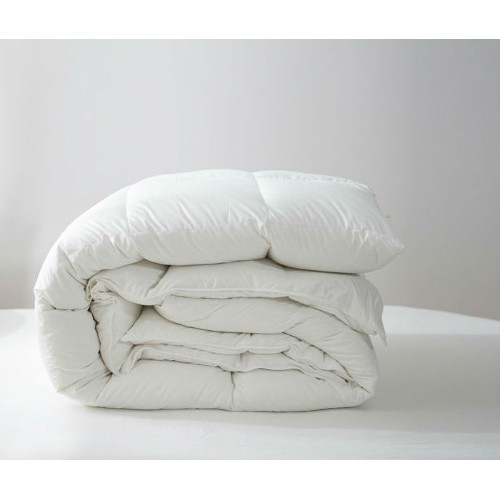
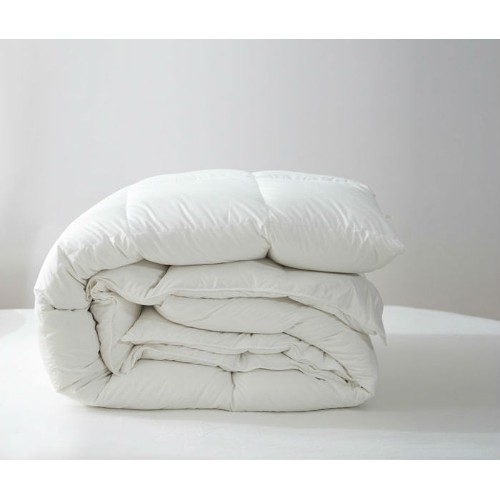
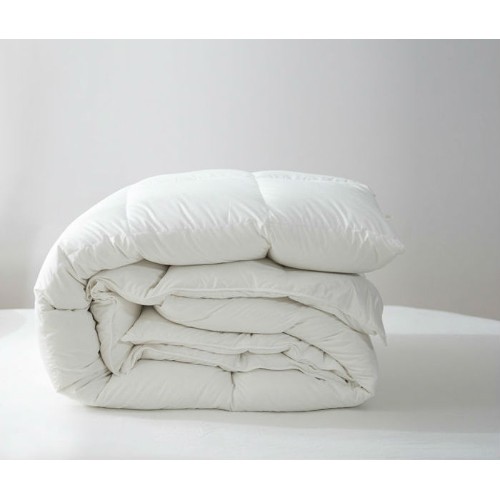
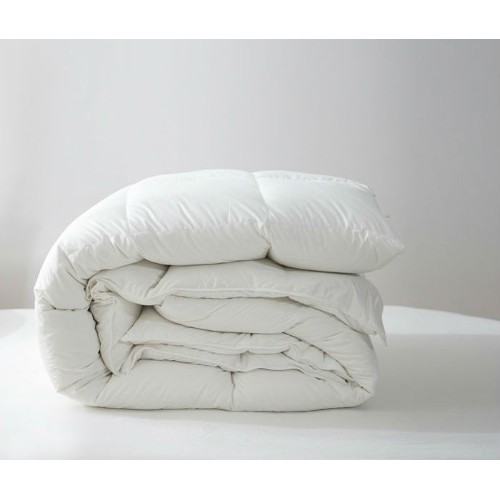
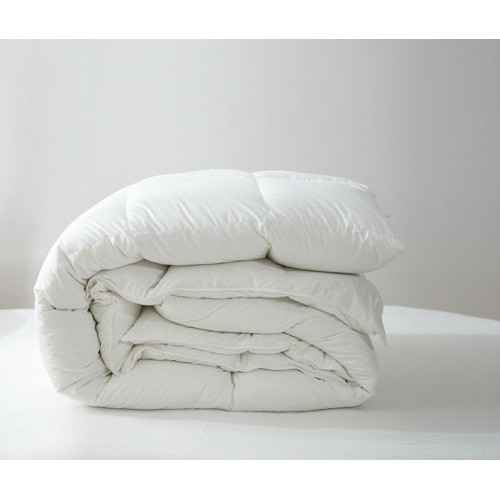
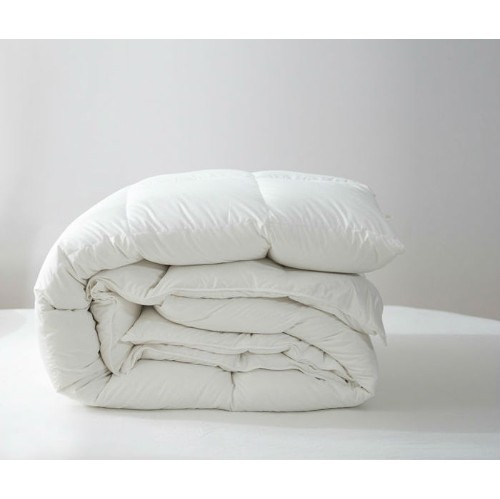
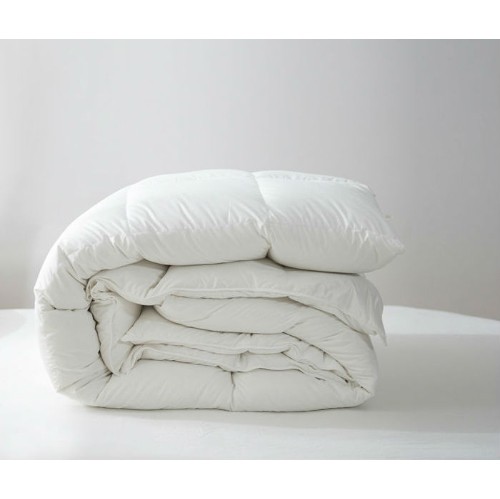

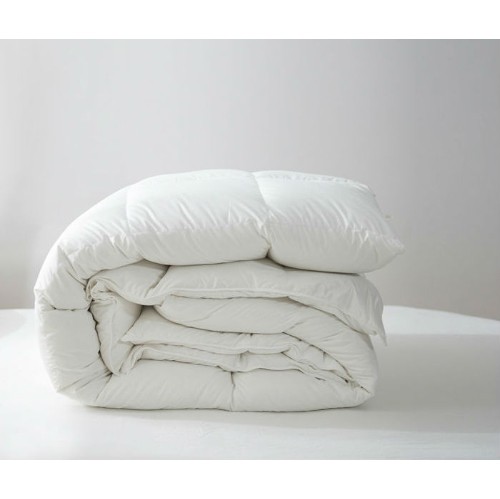
How down delivers warmth without a heavy blanket feel
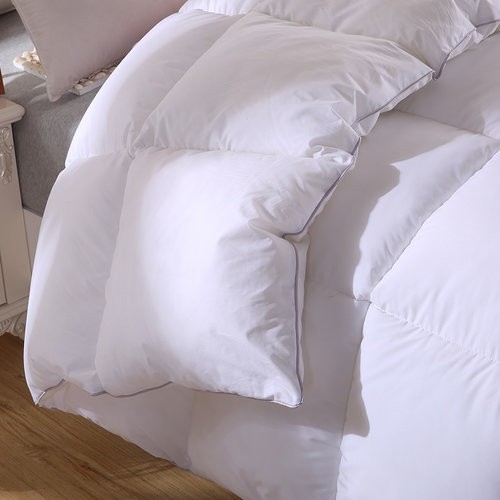
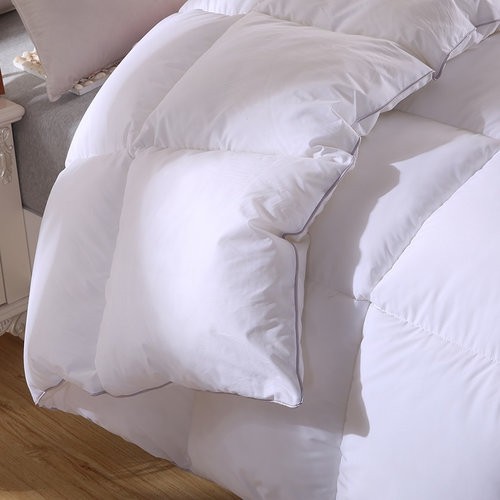
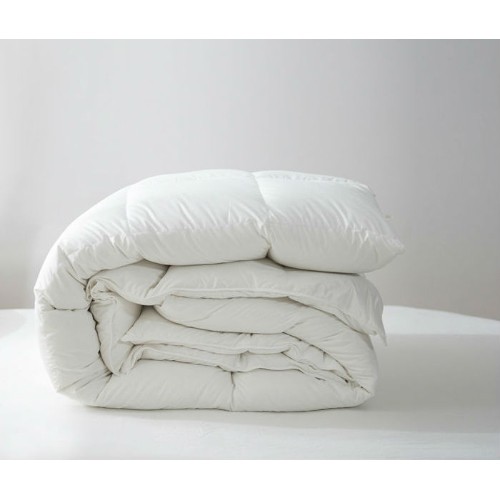
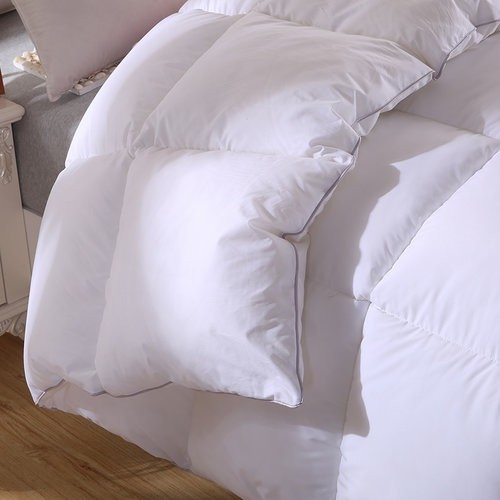
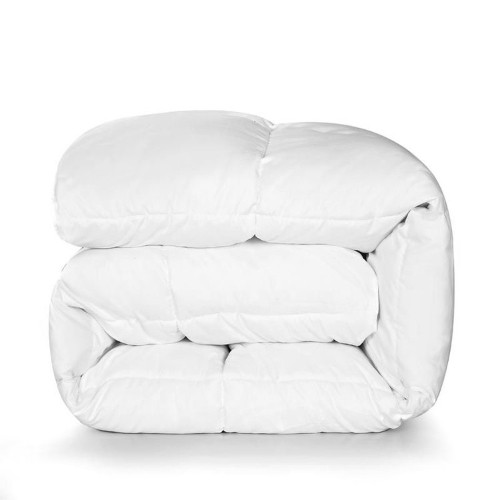
European white down comforters are bedding layers filled with soft down clusters from geese or ducks sourced from Europe, offering loft and insulation without the dense feel of a heavy blanket. Down sits beneath a bird’s outer feathers and forms small, three-dimensional clusters that hold pockets of air. Those air pockets help retain body warmth, giving a comforter its gently billowing shape and light, enveloping feel. The word “white” describes the down’s colour rather than its warmth rating, and a European origin alone does not establish quality. The down percentage, fill power, fill weight, shell fabric, and construction provide a more useful picture of how a comforter will feel on the bed. Some fills combine down with feathers, which have firmer quills and a different structure, so the composition label matters when softness and low weight are priorities. Fill power measures the volume a given weight of down occupies under specified testing conditions; a higher number generally indicates greater loft, not automatically a warmer finished comforter. Fill weight describes how much filling is inside. Taken together with the comforter’s dimensions and construction, these details help distinguish a light layer from a fuller, more insulating option. For someone who dislikes bedding pressing against their legs, lofty down can provide a comfortably airy alternative. Someone who prefers a tucked-in, weighty feel may find the experience quite different from a dense quilt. European white down may be goose or duck down, and either can perform well when the fill is carefully processed and the comforter is well made. Shoppers interested specifically in goose fill can also explore Goose Down Duvets to compare that bedding category. The terms “comforter” and “duvet” sometimes overlap in product descriptions, so it is worth checking whether the bedding is intended to sit inside a removable cover or serve as a finished top layer on its own.
The outer shell and internal stitching shape the everyday experience just as much as the filling. Cotton is a common shell material because it feels comfortable against fabric layers and allows moisture vapour to pass through, although no shell can guarantee that every sleeper will avoid overheating. A smooth sateen weave can give the surface a soft sheen, while other tightly woven cotton fabrics may feel crisper and make a slight rustling sound when moved. Thread count offers one detail about the fabric, but it does not replace information about yarn quality, weave, or down-proof construction. A down-proof shell is designed to limit clusters and fine feathers working through the fabric; closely finished seams and secure edging also support durability. Inside a baffle-box comforter, small fabric walls separate the filling into compartments while leaving room for it to expand. This helps distribute the down and reduces migration, though occasional fluffing is still useful. Sewn-through construction joins the upper and lower shell directly along stitch lines, creating flatter channels that can suit a lighter bedding preference. Neither construction makes every comforter feel the same, so consider the fill amount alongside the stitching pattern. Fit deserves similar attention. Queen and king labels are useful starting points, but actual dimensions vary, especially with combined size labels. A deep mattress, a raised bed frame, or two people sharing the same comforter can make extra width more useful than expected. Measure the mattress and consider how far the bedding should fall along each side rather than relying on the size name alone. If using a duvet cover, compare its measurements with the insert: a substantial mismatch can leave empty fabric at the edges or bunch the filling into folds. Corner loops and compatible cover ties help keep the insert in place. For partners with different warmth preferences, a lighter shared comforter with an additional blanket on one side may be more comfortable than choosing a heavily filled layer for the whole bed.
Care routines help preserve the loft, cleanliness, and feel of European white down comforters over repeated use. A removable duvet cover takes much of the direct contact from skin, hair products, and everyday spills, making it easier to freshen the bed without washing the filled insert each time. Gently shaking the comforter when making the bed helps redistribute the clusters, particularly where filling has settled toward the edges. Always follow the sewn-in care label: some comforters permit machine washing, while others require professional cleaning. A bulky insert needs enough space to move freely during washing and drying, so a household machine that handles sheets comfortably may still be too small for a king-size comforter. Where washing is permitted, use the specified detergent type and cycle, rinse thoroughly, and follow the recommended drying method. Down must dry completely through the centre as well as at the surface; trapped moisture can leave clusters clumped together and cause odours. If the care instructions allow dryer balls, they can help loosen clumps during drying, but they do not replace checking that the entire fill is dry. Between uses, store the comforter clean and fully dry in a breathable storage bag, with room for the filling rather than leaving it tightly compressed for long periods. Allergy considerations also deserve a close look. Washing and processing can reduce impurities in down, but a “hypoallergenic” description does not guarantee that a comforter will suit everyone with sensitivities. The shell, cover, household dust, and cleaning routine all matter, and anyone with a known sensitivity to down or feathers should consider a different fill. For a main bedroom, these comforters appeal to sleepers who enjoy a soft, lifted layer that settles around the body without feeling rigid. They can also make a thoughtful wedding or housewarming gift when the recipient’s bed dimensions, filling preferences, and ability to care for down are known. A well-matched comforter should feel comfortable in use, fit neatly inside its cover, and remain practical to maintain—not simply look generous when freshly arranged on the bed.
The outer shell and internal stitching shape the everyday experience just as much as the filling. Cotton is a common shell material because it feels comfortable against fabric layers and allows moisture vapour to pass through, although no shell can guarantee that every sleeper will avoid overheating. A smooth sateen weave can give the surface a soft sheen, while other tightly woven cotton fabrics may feel crisper and make a slight rustling sound when moved. Thread count offers one detail about the fabric, but it does not replace information about yarn quality, weave, or down-proof construction. A down-proof shell is designed to limit clusters and fine feathers working through the fabric; closely finished seams and secure edging also support durability. Inside a baffle-box comforter, small fabric walls separate the filling into compartments while leaving room for it to expand. This helps distribute the down and reduces migration, though occasional fluffing is still useful. Sewn-through construction joins the upper and lower shell directly along stitch lines, creating flatter channels that can suit a lighter bedding preference. Neither construction makes every comforter feel the same, so consider the fill amount alongside the stitching pattern. Fit deserves similar attention. Queen and king labels are useful starting points, but actual dimensions vary, especially with combined size labels. A deep mattress, a raised bed frame, or two people sharing the same comforter can make extra width more useful than expected. Measure the mattress and consider how far the bedding should fall along each side rather than relying on the size name alone. If using a duvet cover, compare its measurements with the insert: a substantial mismatch can leave empty fabric at the edges or bunch the filling into folds. Corner loops and compatible cover ties help keep the insert in place. For partners with different warmth preferences, a lighter shared comforter with an additional blanket on one side may be more comfortable than choosing a heavily filled layer for the whole bed.
Care routines help preserve the loft, cleanliness, and feel of European white down comforters over repeated use. A removable duvet cover takes much of the direct contact from skin, hair products, and everyday spills, making it easier to freshen the bed without washing the filled insert each time. Gently shaking the comforter when making the bed helps redistribute the clusters, particularly where filling has settled toward the edges. Always follow the sewn-in care label: some comforters permit machine washing, while others require professional cleaning. A bulky insert needs enough space to move freely during washing and drying, so a household machine that handles sheets comfortably may still be too small for a king-size comforter. Where washing is permitted, use the specified detergent type and cycle, rinse thoroughly, and follow the recommended drying method. Down must dry completely through the centre as well as at the surface; trapped moisture can leave clusters clumped together and cause odours. If the care instructions allow dryer balls, they can help loosen clumps during drying, but they do not replace checking that the entire fill is dry. Between uses, store the comforter clean and fully dry in a breathable storage bag, with room for the filling rather than leaving it tightly compressed for long periods. Allergy considerations also deserve a close look. Washing and processing can reduce impurities in down, but a “hypoallergenic” description does not guarantee that a comforter will suit everyone with sensitivities. The shell, cover, household dust, and cleaning routine all matter, and anyone with a known sensitivity to down or feathers should consider a different fill. For a main bedroom, these comforters appeal to sleepers who enjoy a soft, lifted layer that settles around the body without feeling rigid. They can also make a thoughtful wedding or housewarming gift when the recipient’s bed dimensions, filling preferences, and ability to care for down are known. A well-matched comforter should feel comfortable in use, fit neatly inside its cover, and remain practical to maintain—not simply look generous when freshly arranged on the bed.
Top selling and popular products
-
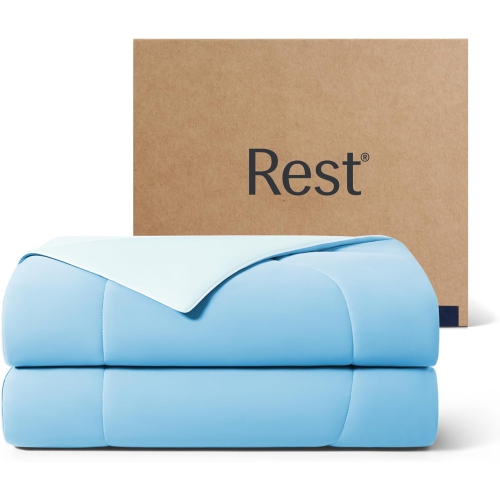 Your price for this item is $129
 -
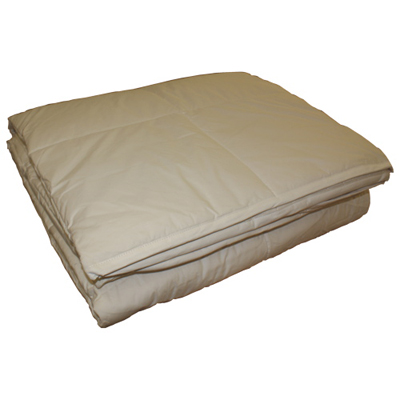 Your price for this item is $169.99
 -
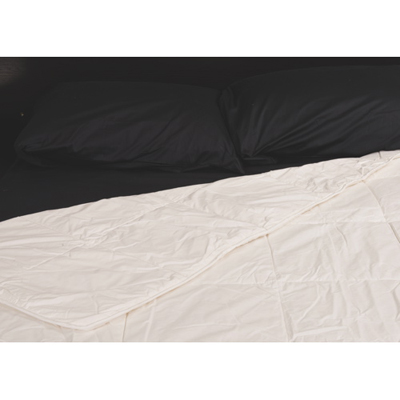 Your price for this item is $229.99
 -
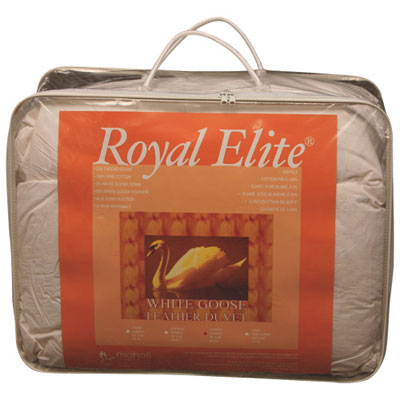 Your price for this item is $149.99
 -
 Your price for this item is $159.99
 -
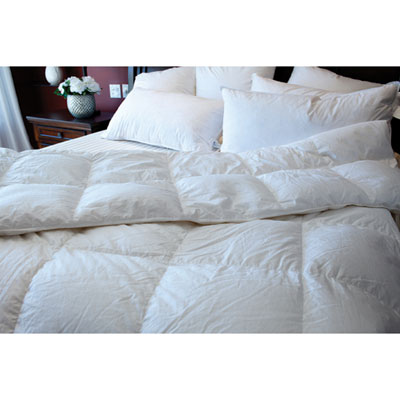 Your price for this item is $549.99
 -
 Your price for this item is $219.99
 -
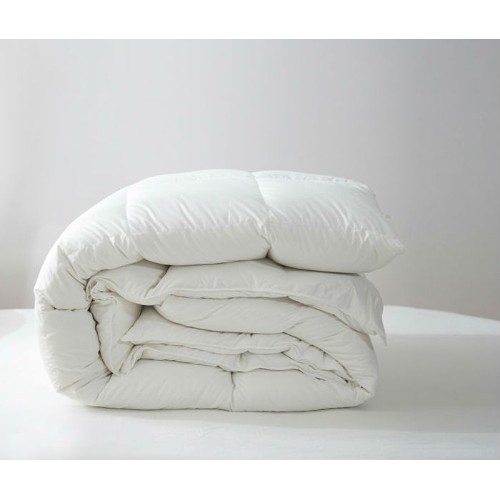 Your price for this item is $219.11
Discover more categories related to European White Down Comforters


Top Collections:
Pokemon Centers, Kindle Devices, Best Budget Office Chairs, Apple iPhones 16, Canon G7X Cameras, iPhone 15 Apple, Alarm Clock, Refurbished Apple Laptops, Flip Phones, Best Laptops for Writers
Some products may be subject to Environmental Handling Fees
(EHF) depending on your province.
Learn more about EHFs.