Goose Down Duvets
Experience the ultimate comfort and luxury with this collection of goose down duvets. Made from premium-quality materials, these duvets are designed to provide superior warmth and coziness for a restful night's sleep. Whether you prefer a lightweight option for summer or a heavier duvet for winter, we have a variety of sizes and fill powers to suit your needs. Elevate your bedding ensemble with a goose down duvet that offers both style and functionality, ensuring a peaceful slumber every night.
Sort





















































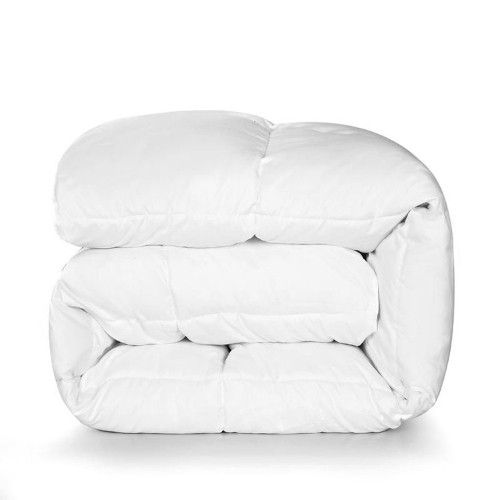

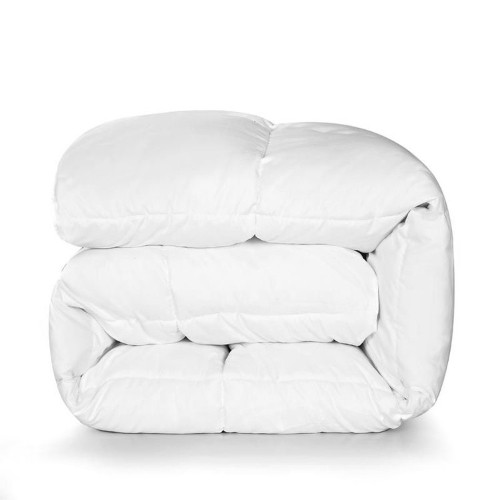
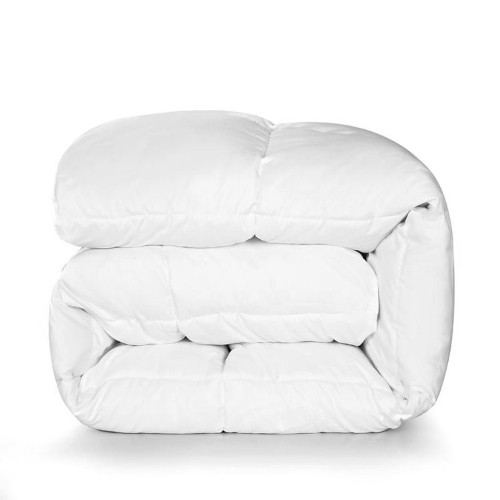
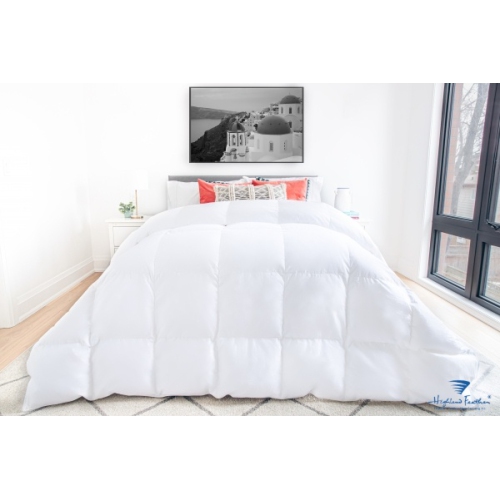
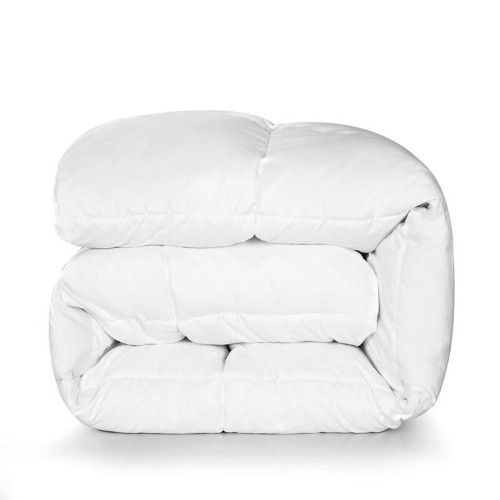


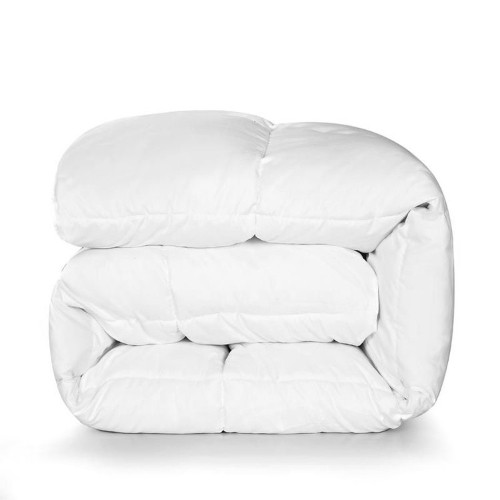

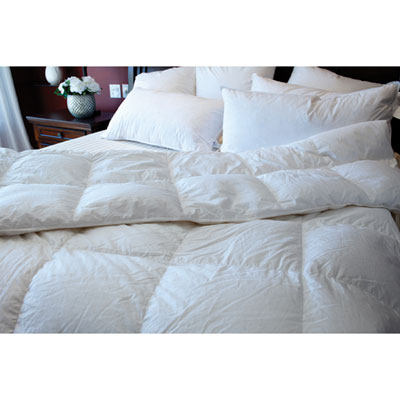

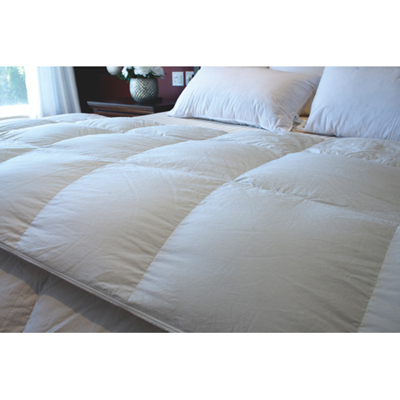
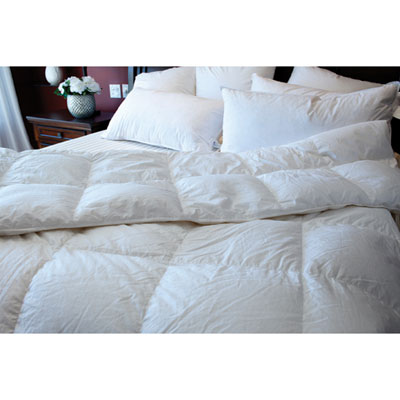
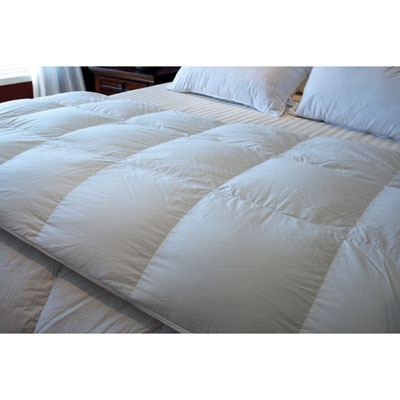
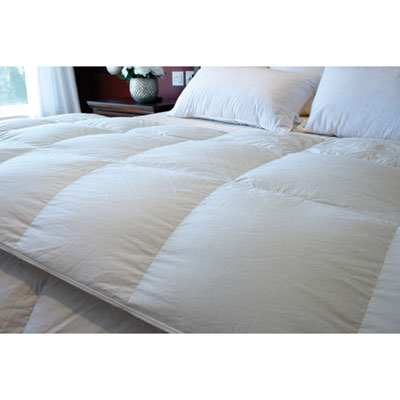

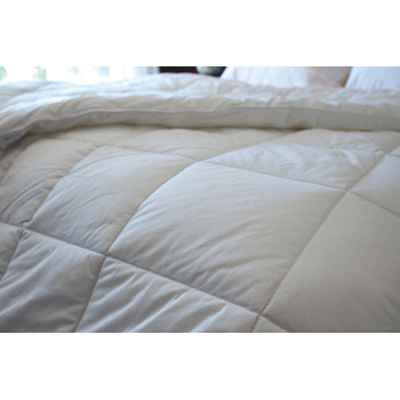
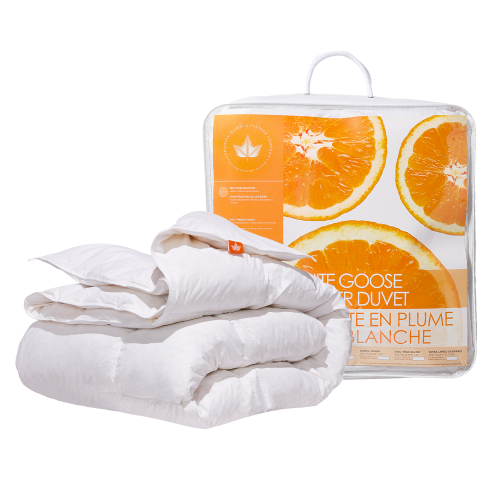
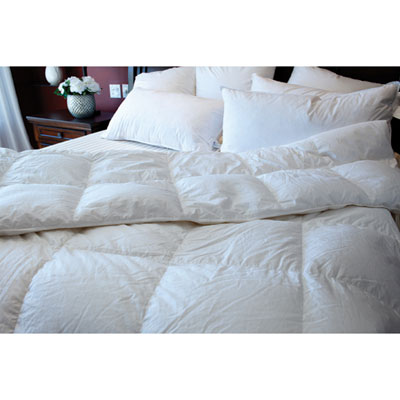

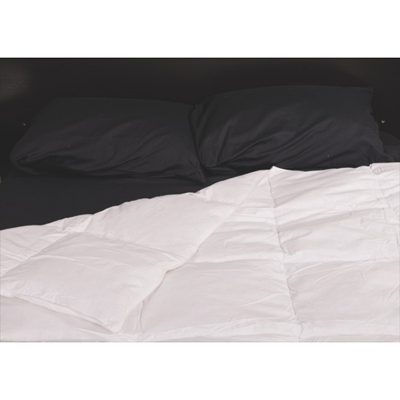





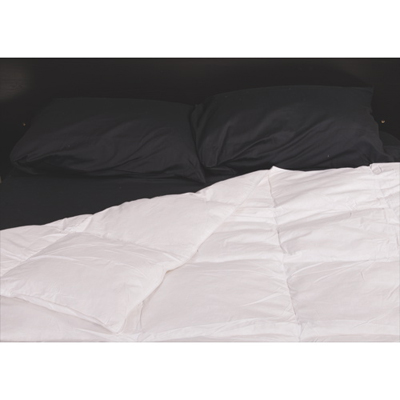













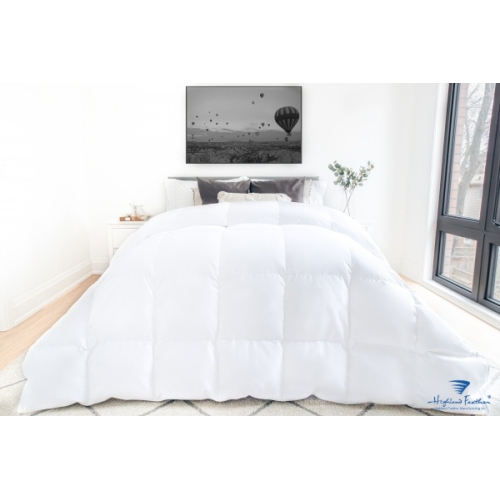

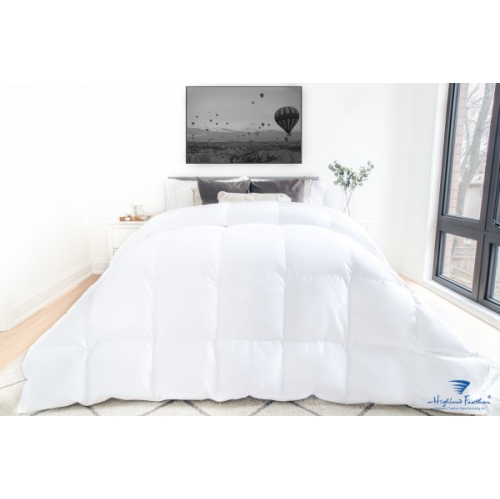























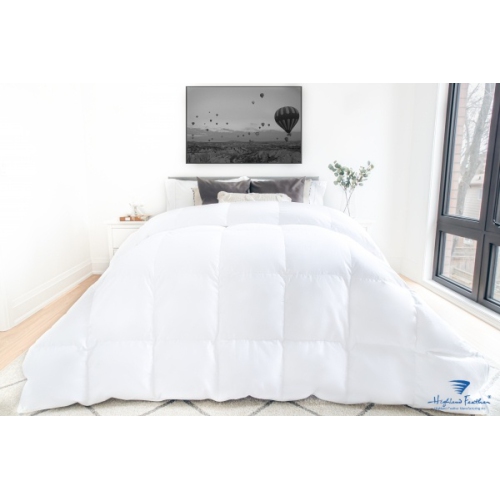

How down delivers warmth with a lighter feel
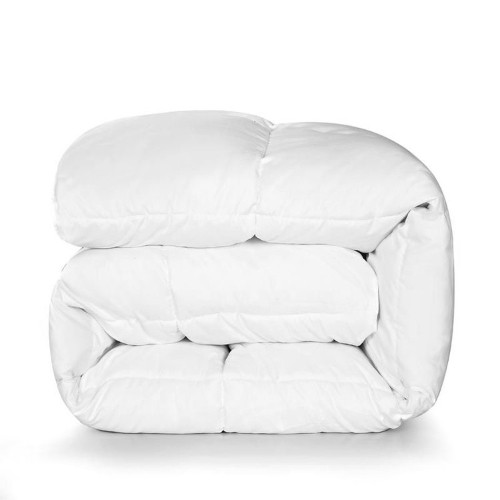
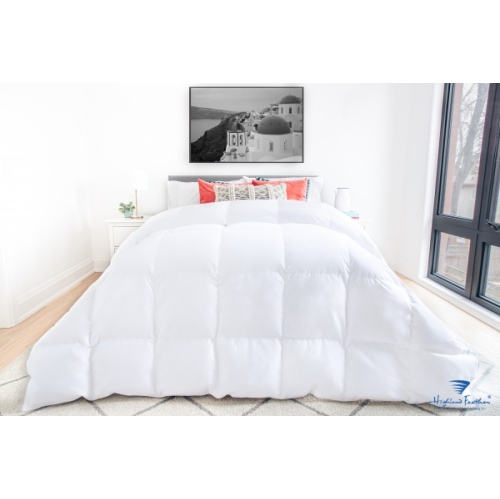
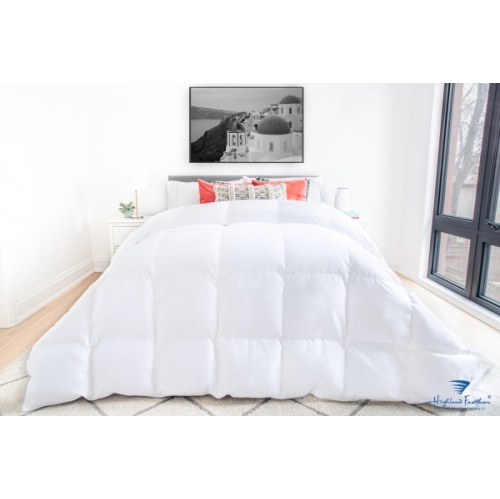
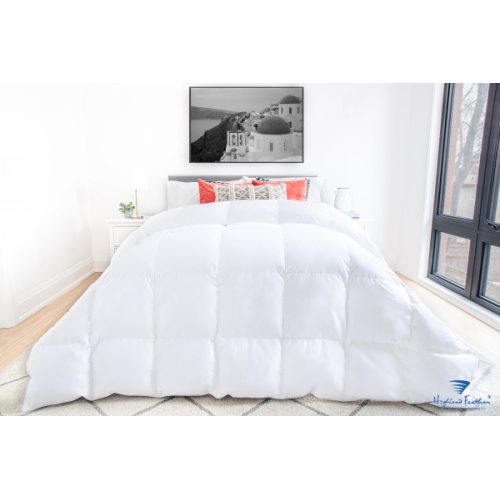
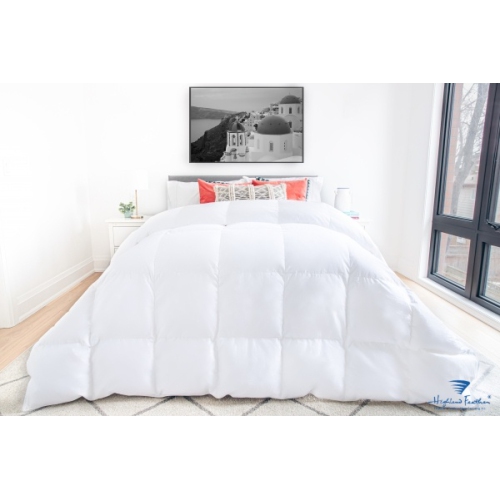
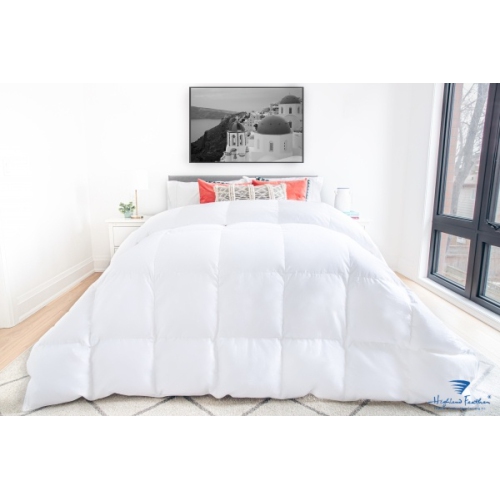
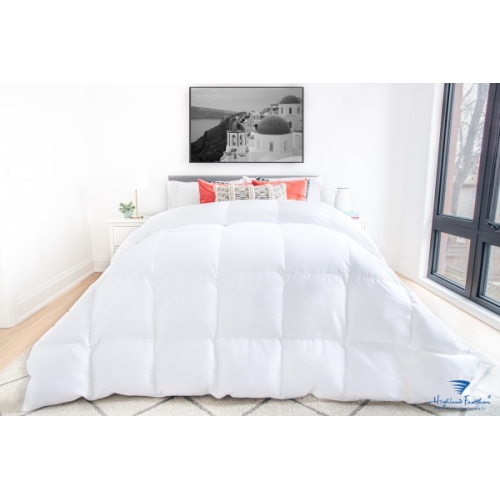
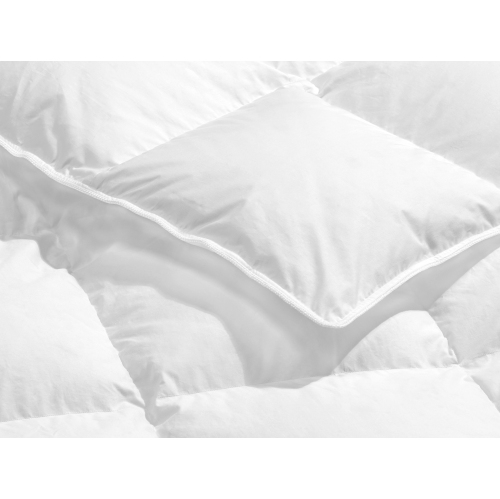
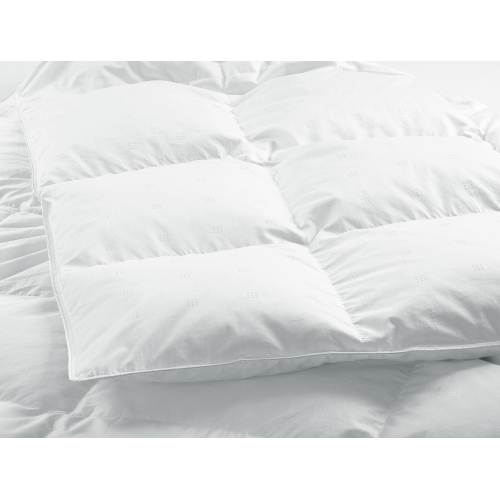
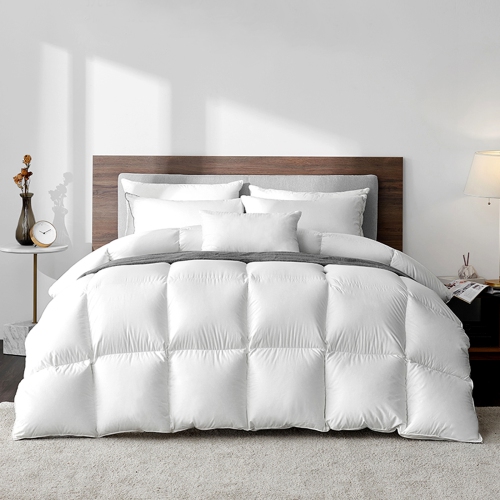
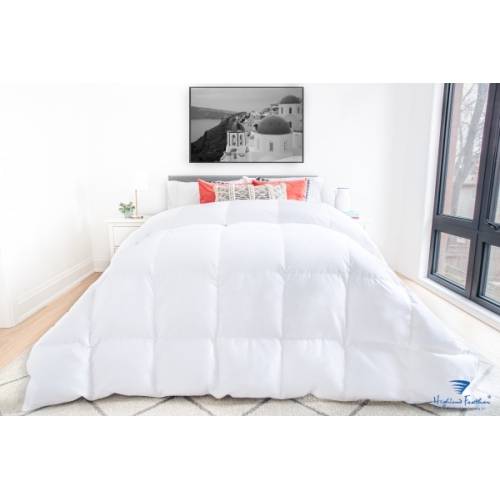
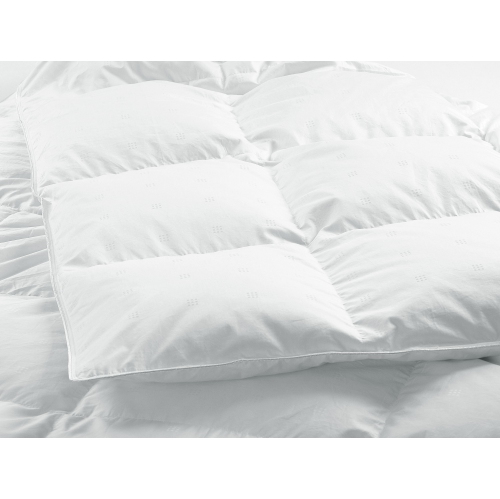
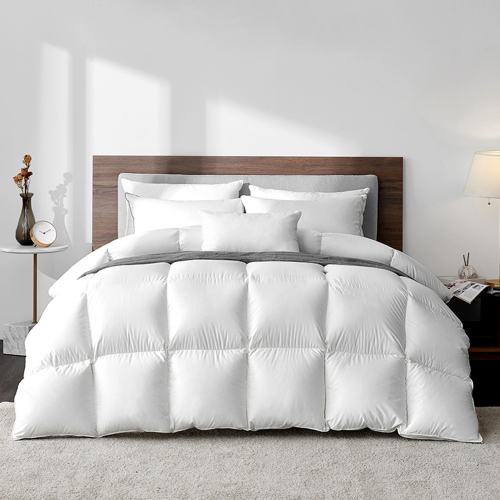
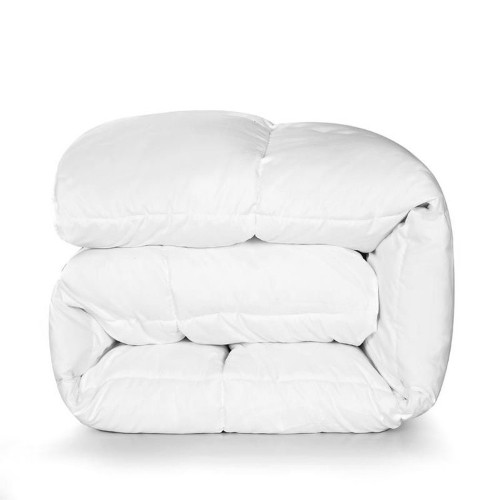
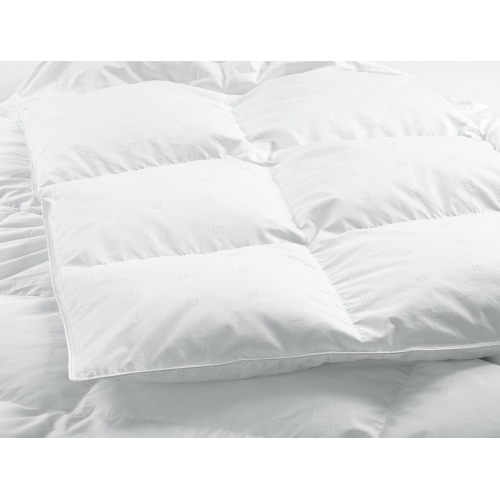
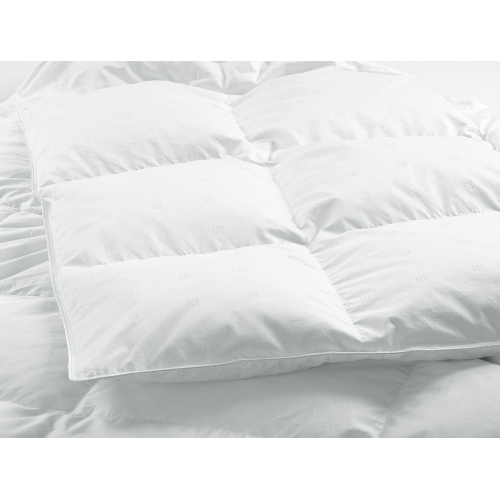
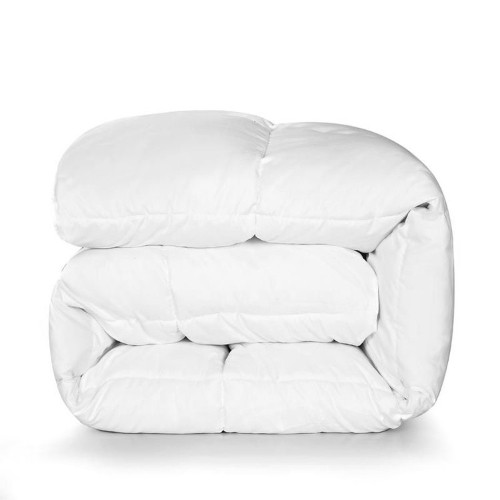
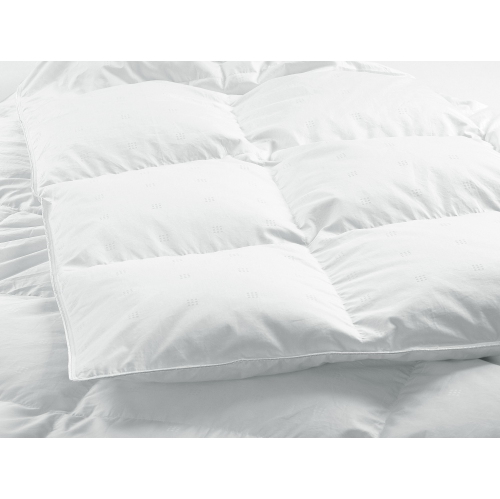
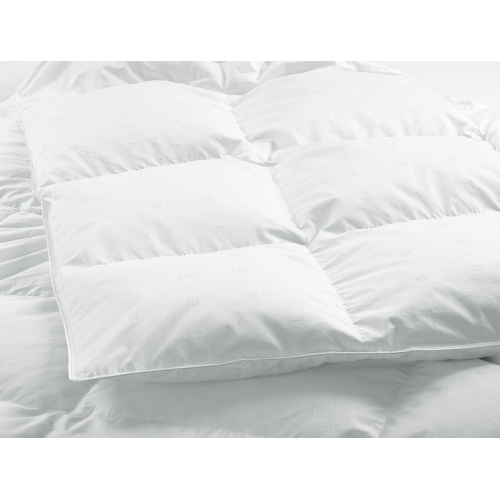
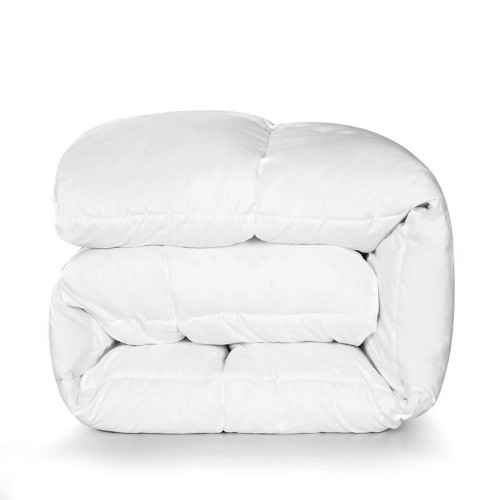
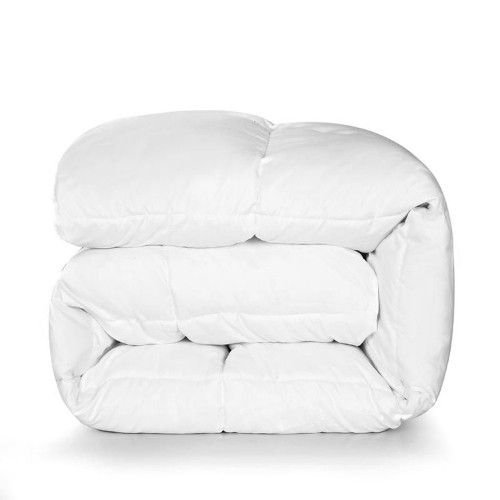
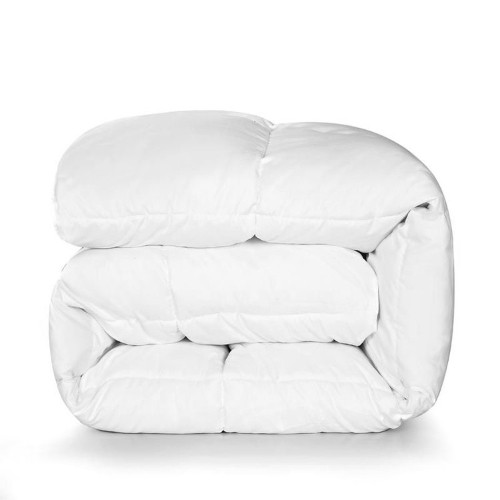
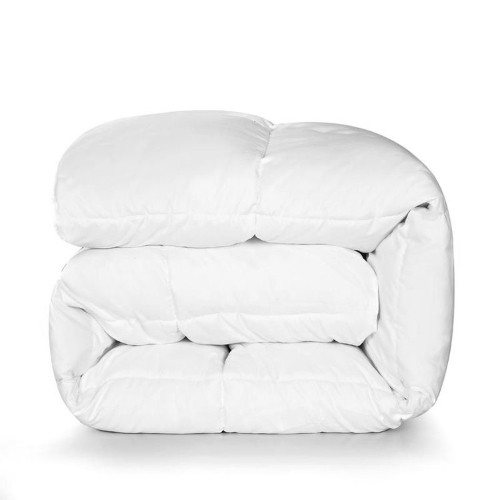
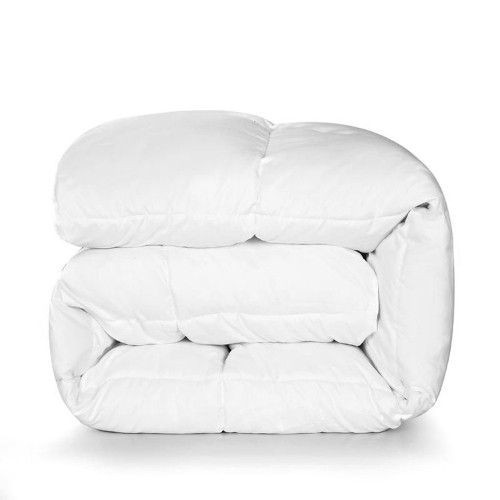
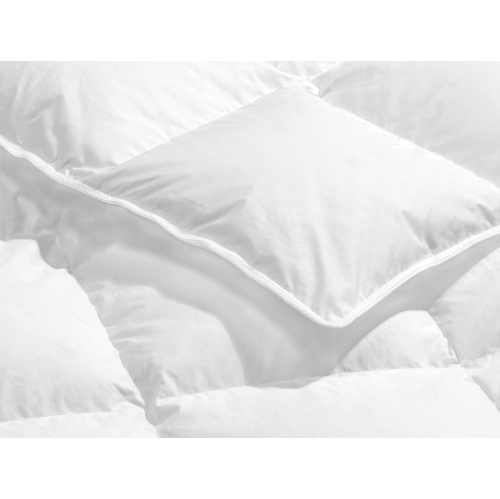
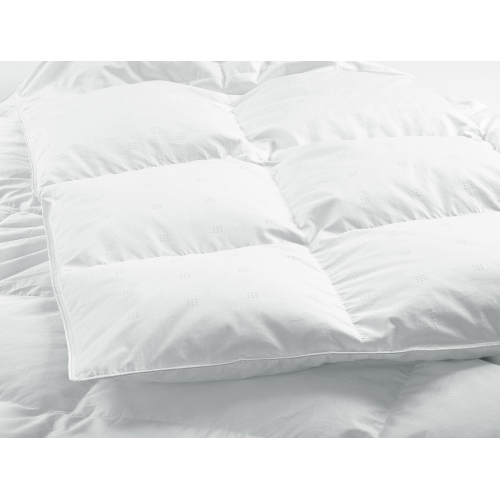
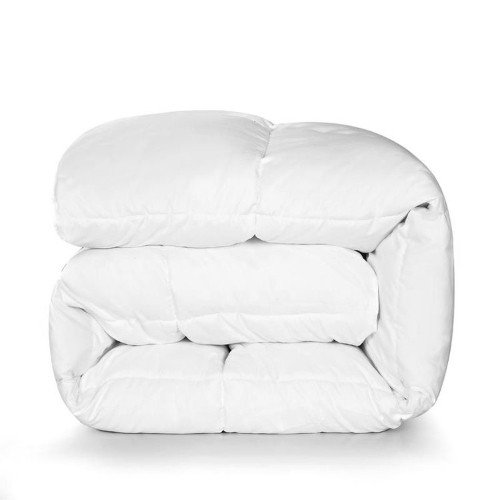
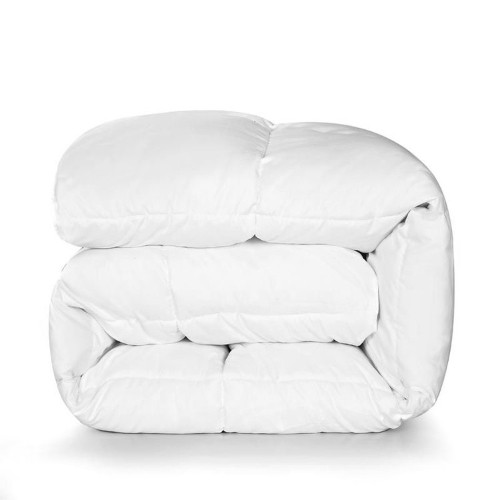
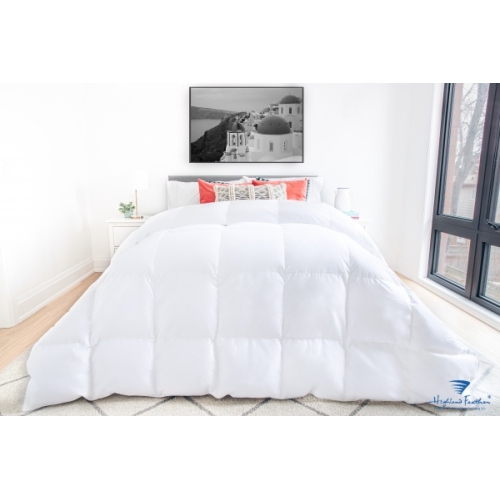
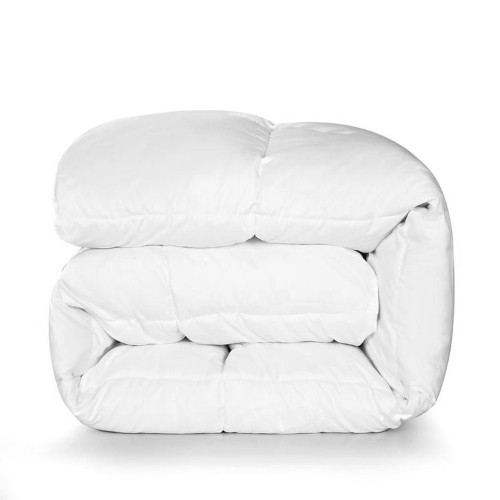
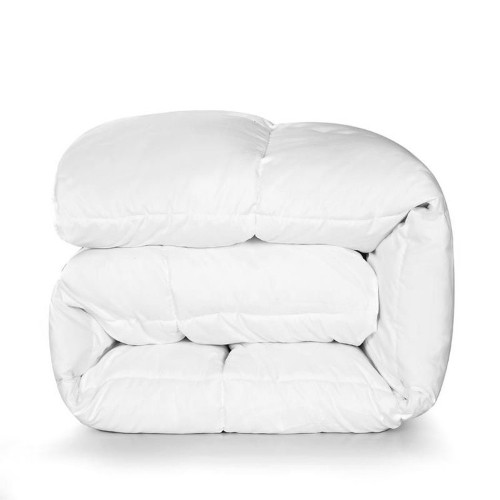
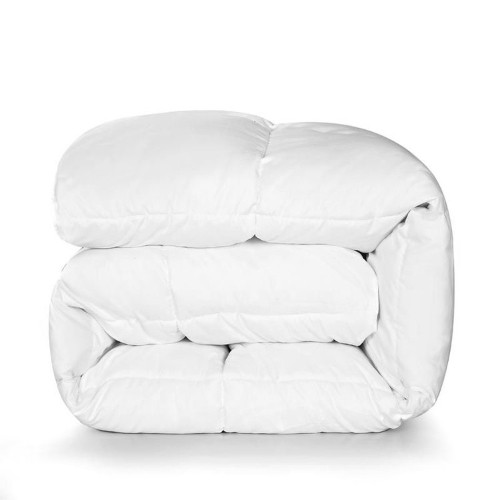
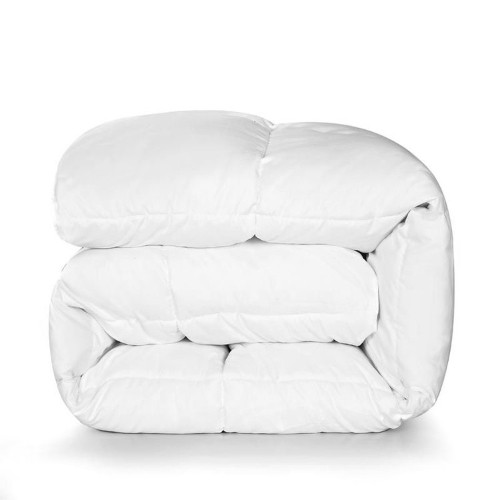
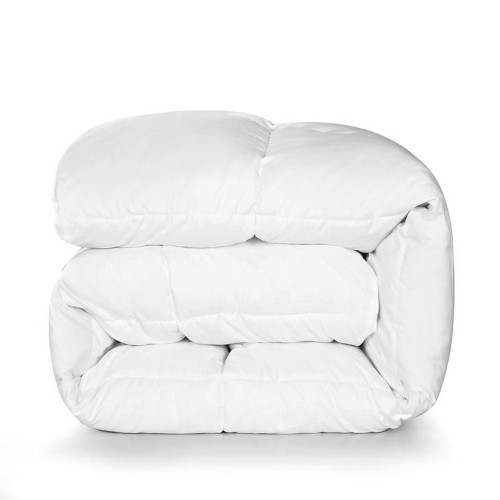
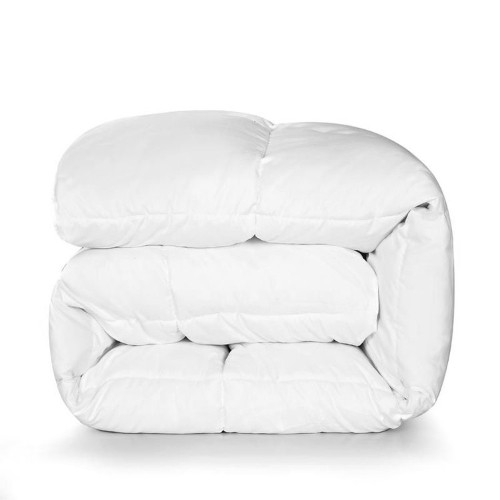
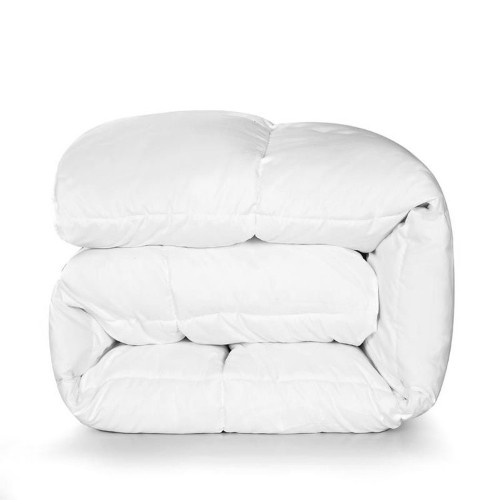
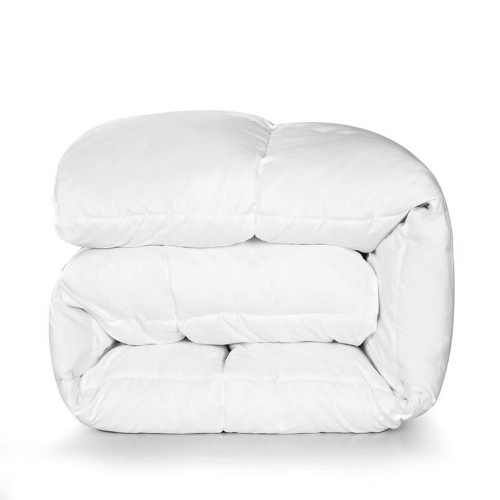
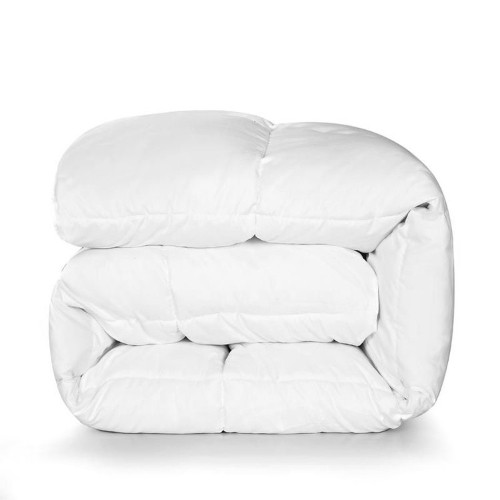
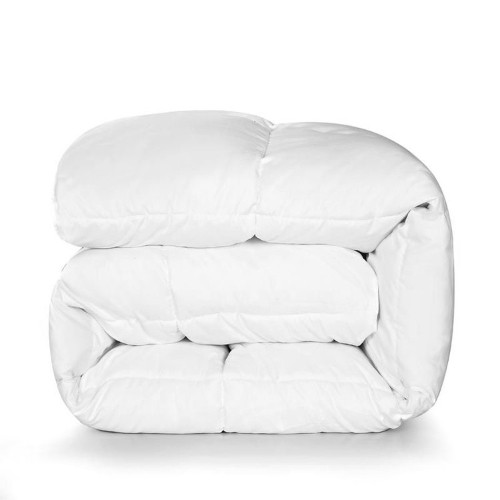
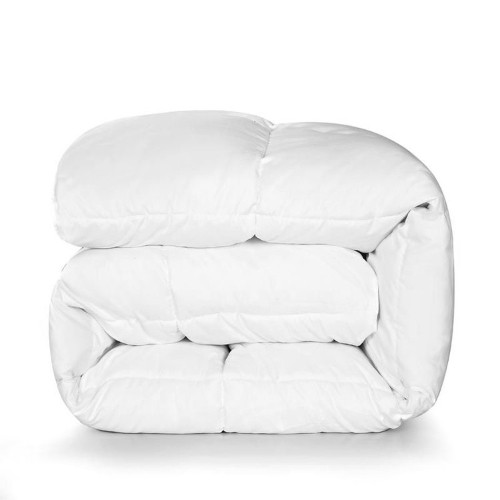
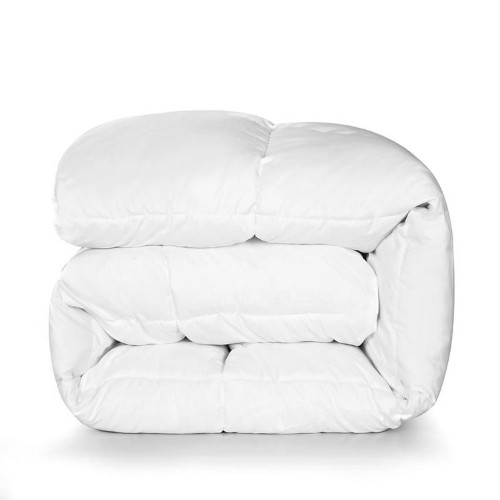
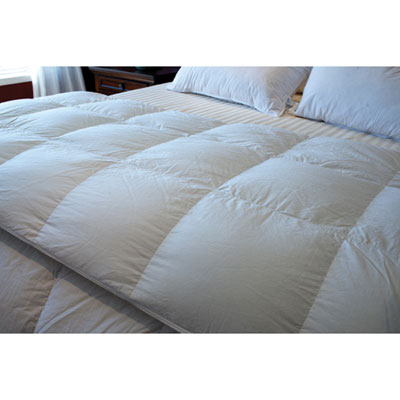
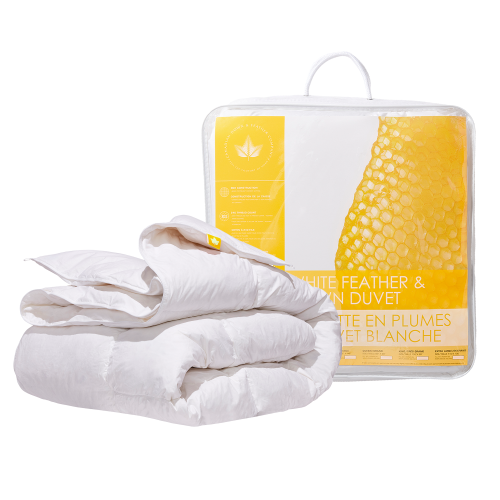
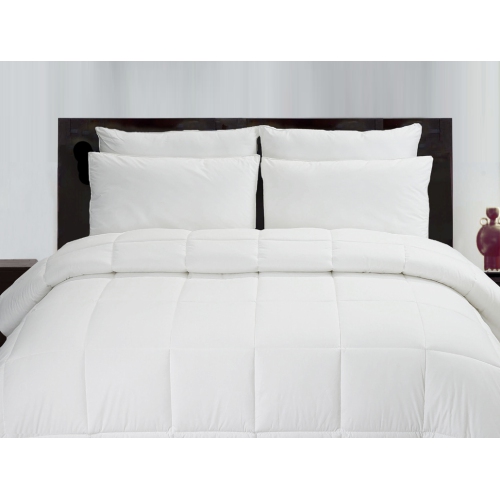
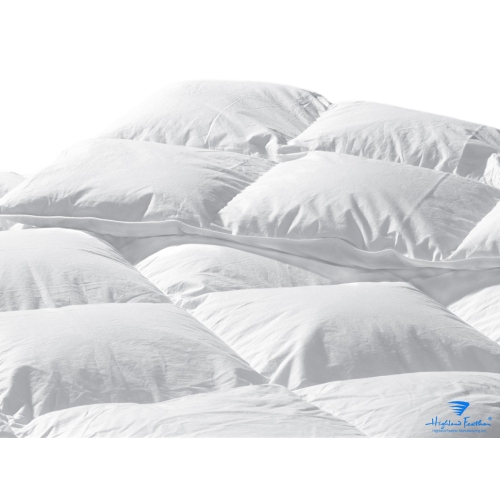
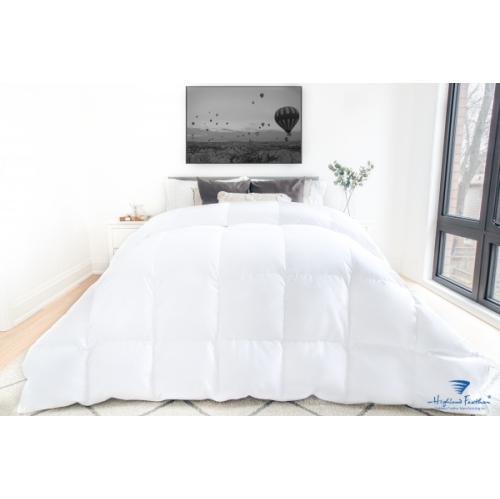
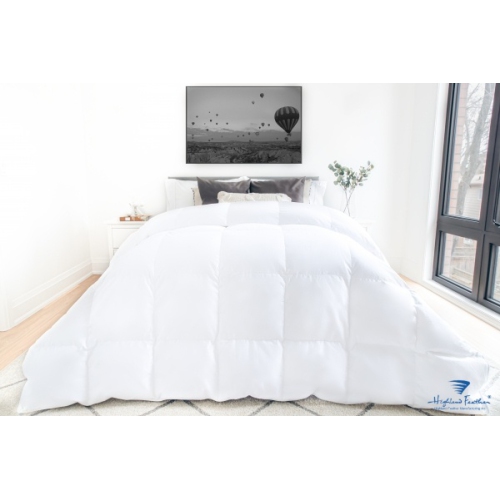
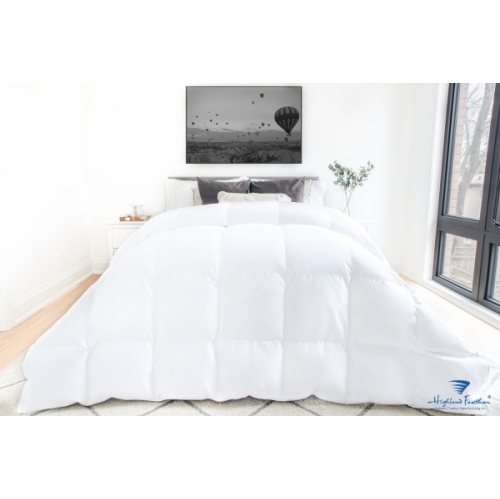
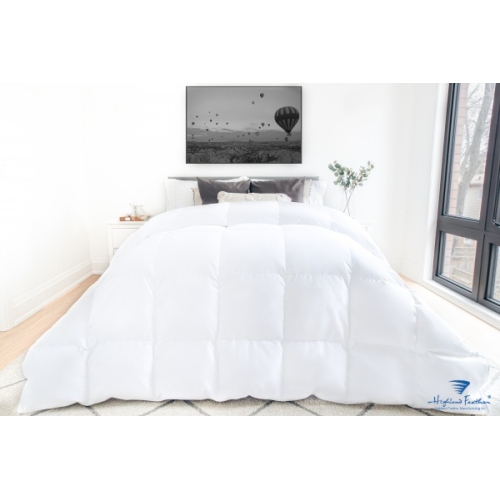
Goose down duvets bring soft, lofty comfort to a bed without the substantial weight of some other filled bedding. Down is the fine underlayer found beneath a goose’s outer feathers, made up of light, branching clusters rather than the firm shafts associated with feathers. These clusters hold pockets of air, creating insulation while allowing the duvet to drape gently around the body. The result can suit someone who enjoys a generously filled bed covering but dislikes feeling weighed down while sleeping. Two useful measures describe the filling: fill power and fill weight. Fill power, sometimes called loft, measures the volume occupied by a given weight of down under specified testing conditions. A higher number indicates that the down expands to occupy more space, so less filling may be needed to achieve a particular level of insulation. Figures such as 650, 750, or 850 describe loft, not the percentage of down in the duvet or its overall warmth on their own. Fill weight describes how much filling the duvet contains; considered alongside fill power and construction, it gives a clearer picture of how substantial the duvet may feel. A high-fill-power duvet with a modest amount of down can feel lighter than one with more filling, even when both provide similar warmth. The stated down percentage matters, too, because a goose down and feather blend will feel different from a filling with a higher proportion of down clusters. Feathers can add weight and structure, while down contributes the airy softness most closely associated with this bedding. Origin descriptions, including Canadian or Hungarian goose down, identify where the filling comes from but do not replace details about composition, loft, and processing. Where a DOWNMARK label is present, it provides third-party assurance relating to the authenticity and quality of the stated down or feather content. For everyday use, the most suitable balance depends on personal comfort: some sleepers prefer a light covering that settles softly over them, while others enjoy a fuller duvet with a more enveloping feel.
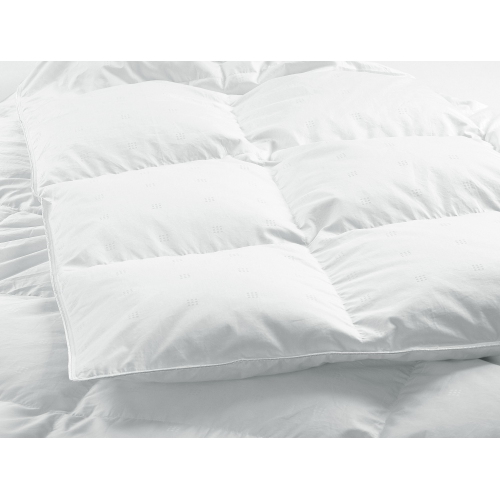
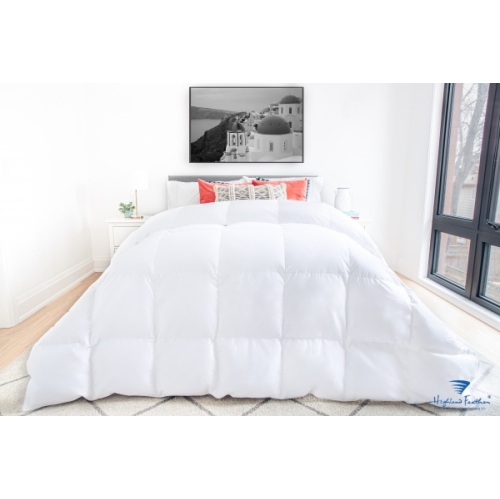
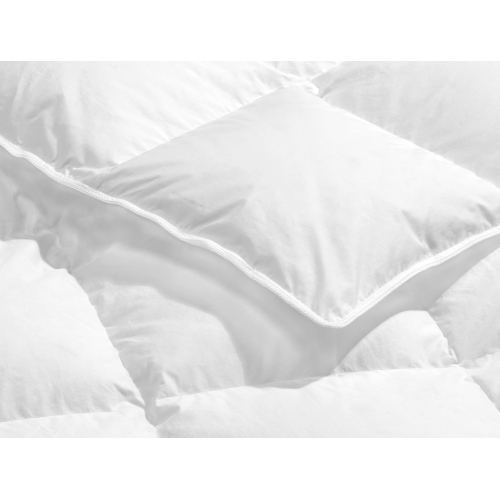
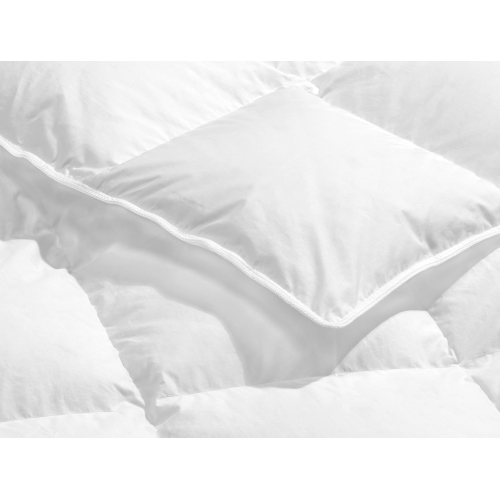
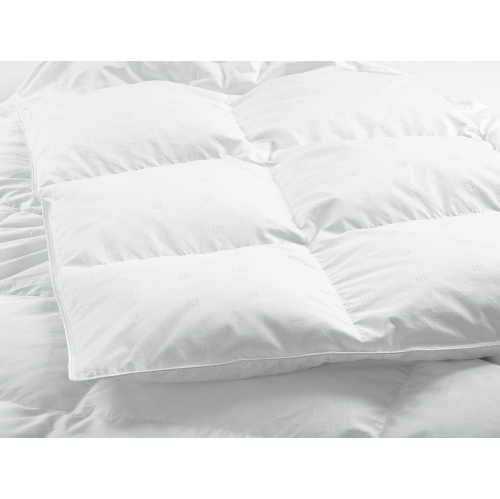
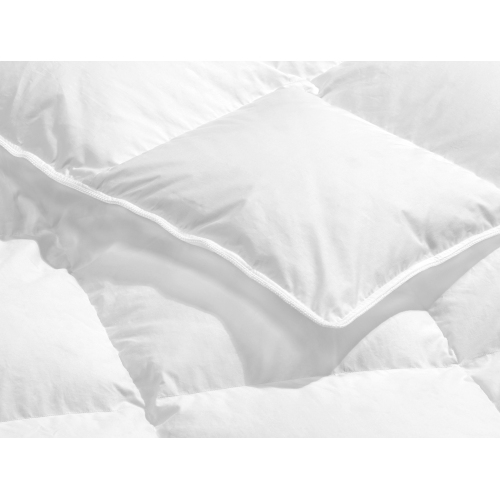
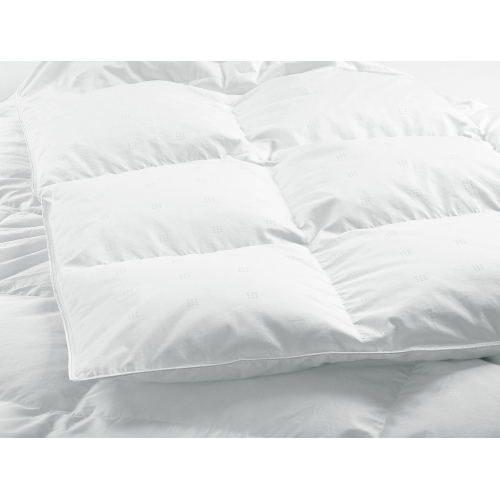
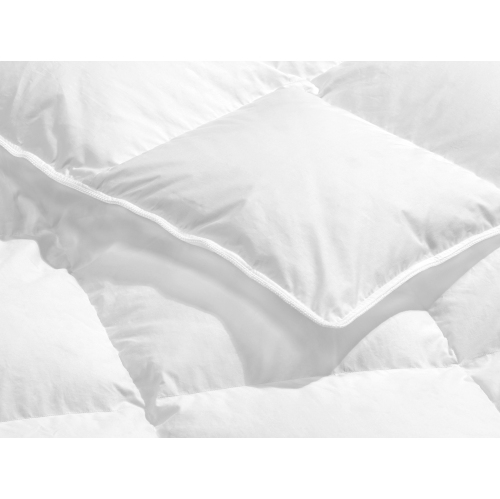
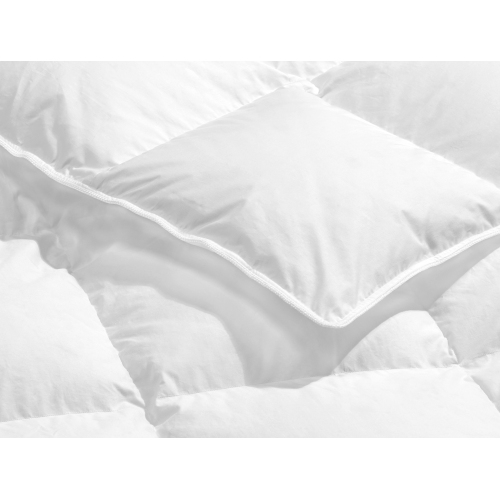
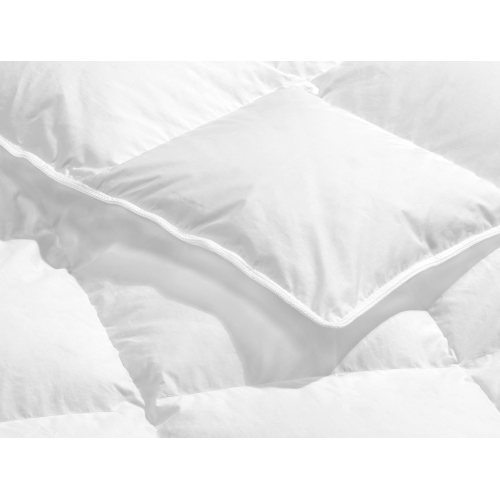
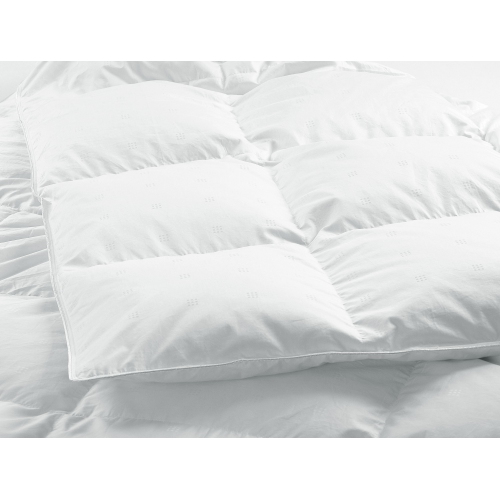
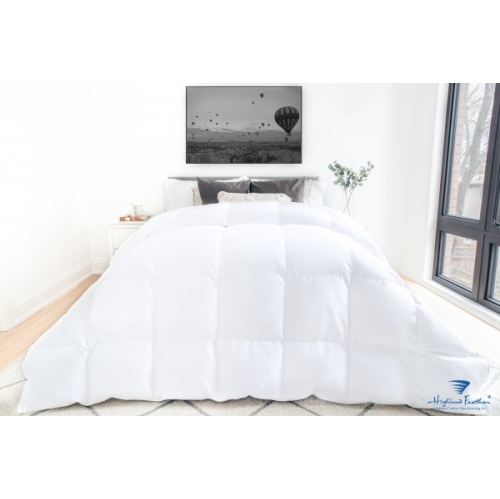
The outer shell and internal construction help determine how a goose down duvet performs after it is spread across the bed, tucked into a cover, and used night after night. Cotton shells are common because they combine a soft feel with breathability, while tightly woven, down-proof fabric helps contain the fine filling. Thread count describes the weave but is not a complete measure of quality; fibre quality, fabric finishing, and secure seams also matter. A cotton sateen shell generally has a smoother surface and subtle sheen, whereas a plain-weave cotton shell may feel crisper. Baffle box construction uses internal fabric walls between the top and bottom layers, creating compartments that give the down room to expand while limiting movement across the duvet. This helps distribute the filling and reduces the likelihood of large areas becoming thin as the duvet is handled. Sewn-through construction joins the shell layers directly along the stitching lines, forming flatter sections with less space for loft at those seams. Both constructions can have a place in bedding, depending on the intended weight and feel. Fit deserves equal attention because twin, double, queen, and king labels do not always represent identical dimensions across manufacturers. The listed measurements are more useful than the size name alone, especially for a deep mattress, a wide bed frame, or two sleepers who each want enough coverage when turning over. A little extra width can provide a more generous side drape, but a duvet that is much larger than its cover may bunch rather than lie evenly. A closely matched duvet cover allows the filling to spread comfortably, and corner loops paired with internal ties can help keep the duvet from slipping towards the foot of the bed. The cover also sets the texture against the skin, whether the preference is smooth cotton, crisp percale, or another washable fabric. For shoppers considering different down fillings, Duck Down Duvets offer another option; the most meaningful comparisons still come from fill power, fill weight, down percentage, shell fabric, and construction rather than the bird species alone.
Thoughtful care helps preserve the loft, cleanliness, and comfortable drape of goose down duvets. A removable cover provides a washable barrier against everyday skin oils and marks, reducing how often the duvet itself needs cleaning. Regular, gentle shaking helps redistribute the filling within its compartments, particularly after the duvet has been folded back or compressed beneath other bedding. Down needs space to expand, so a tightly packed duvet may take time to regain its full volume after unpacking or storage. Cleaning requirements vary with the shell, stitching, and filling, making the care label the deciding reference for whether home washing or professional cleaning is appropriate. When machine washing is permitted, sufficient drum space is important: a large duvet squeezed into a small washer may not move freely enough to rinse properly. The specified detergent, wash settings, and drying method should be followed rather than treating the duvet like an ordinary sheet. Thorough drying is especially important because down clusters can remain damp inside even when the shell feels dry. Residual moisture can cause clumping and unpleasant odours, while excessive heat can damage components of the duvet. Any drying balls or other drying aids should be used only when compatible with the care instructions. Between uses, a clean, fully dry duvet is best stored loosely in a breathable bag rather than left tightly compressed for long periods. Durable stitching, well-finished edges, and a shell that contains the filling all contribute to long-term use, although occasional escaped down does not necessarily indicate a major fault. Persistent leakage, open seams, or filling that stays uneven after gentle redistribution deserves closer attention. Comfort claims also need context: a duvet described as hypoallergenic is not a guarantee that every person with sensitivities will find it suitable, and known feather or down allergies may make a different filling more appropriate. Goose down bedding can be a thoughtful housewarming or wedding gift when the recipient’s bed dimensions, preferred duvet weight, and willingness to follow the care requirements are known. For a guest room or a shared bed, those same practical details help turn an inviting, softly dressed bed into one that is comfortable to use and straightforward to maintain.
Top selling and popular products
-
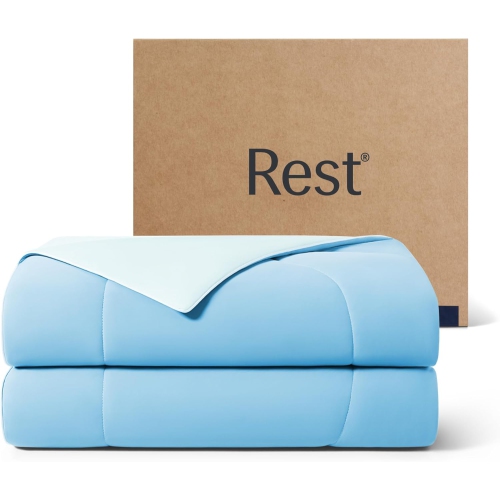 Your price for this item is $129
-
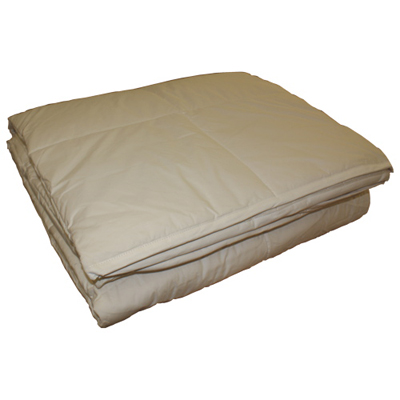 Your price for this item is $169.99
-
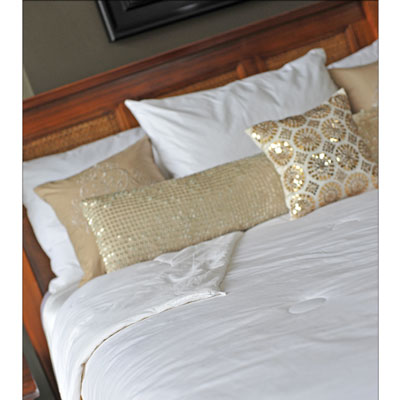 Your price for this item is $219.99
-
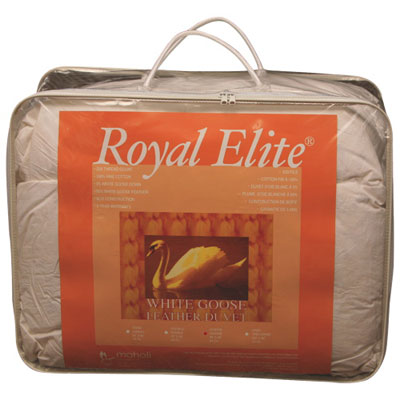 Your price for this item is $149.99
-
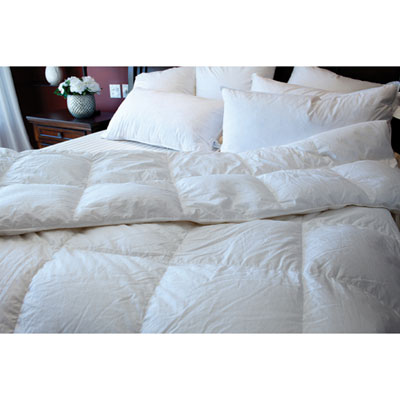 Your price for this item is $549.99
-
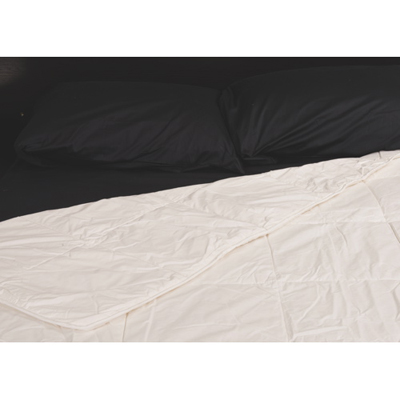 Your price for this item is $229.99
-
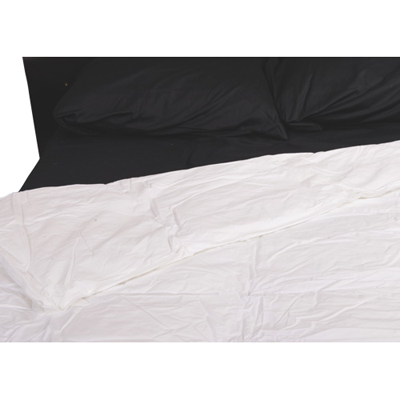 Your price for this item is $159.99
-
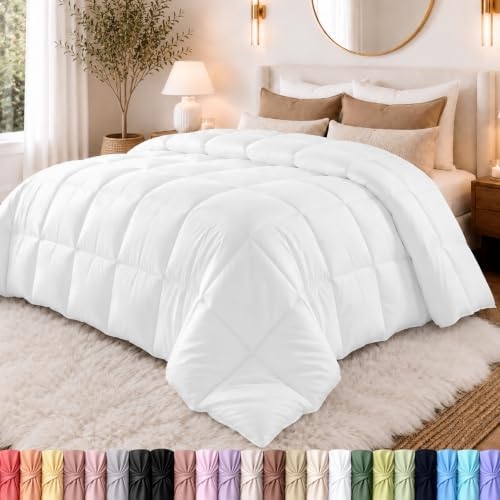 Your price for this item is $47.99
Discover more categories related to Goose Down Duvets


Top Collections:
Best Black Friday Deals This Year, Best Black Friday Deals On Electronics, Kindle Devices, Dyson Airwrap, Best Cameras for Sports Photography, Best Budget Office Chairs, Canon G7X Cameras, PS5 Pro Consoles, Best Black Friday Deals On Apple Products, XBOX One S Consoles
Some products may be subject to Environmental Handling Fees
(EHF) depending on your province.
Learn more about EHFs.