Event Canopy Tents
Create the perfect outdoor setup for your next event with these event canopy tents. Whether you're hosting a backyard barbecue, a corporate function, or a community gathering, these versatile and durable tents provide the ideal shelter and shade solution. With a range of sizes and styles available, you can find the perfect canopy tent to suit your needs. Constructed with high-quality materials, our event canopy tents are designed to withstand various weather conditions, ensuring that your guests stay comfortable and protected throughout the day.
Sort







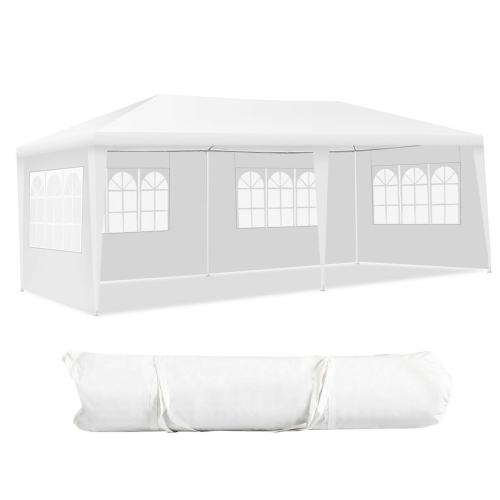


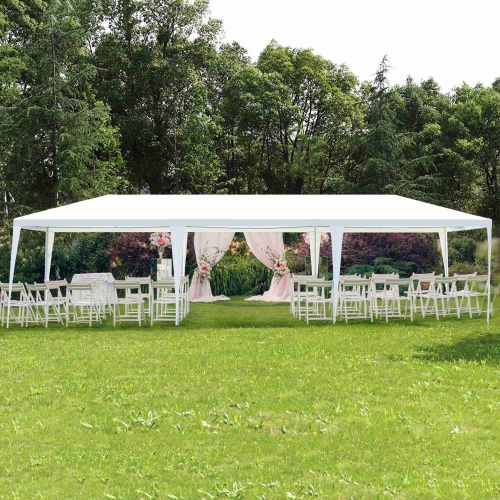


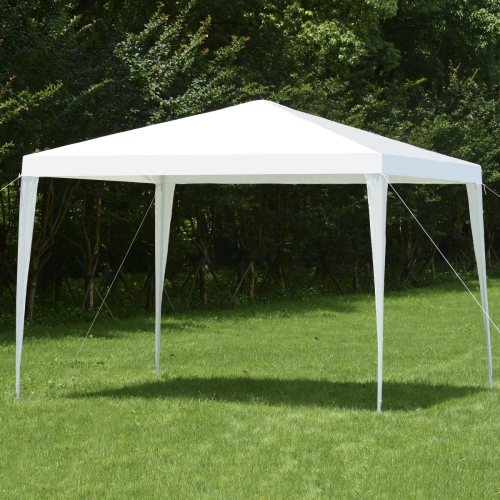


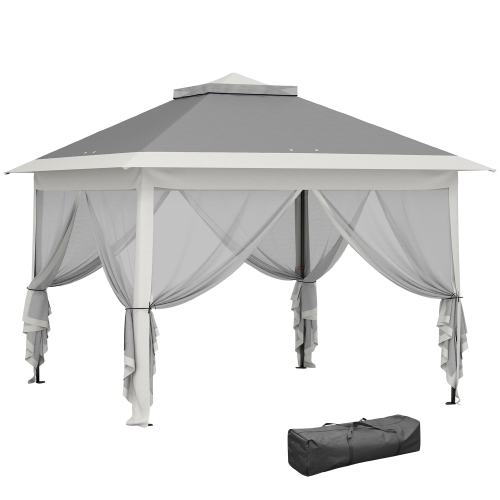


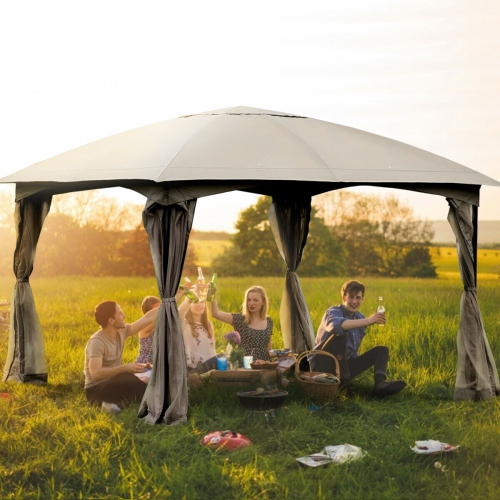


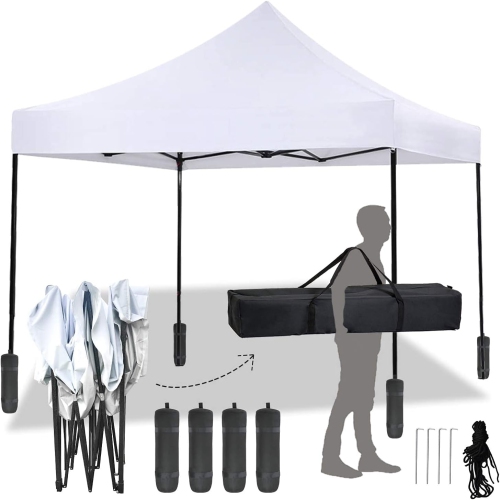
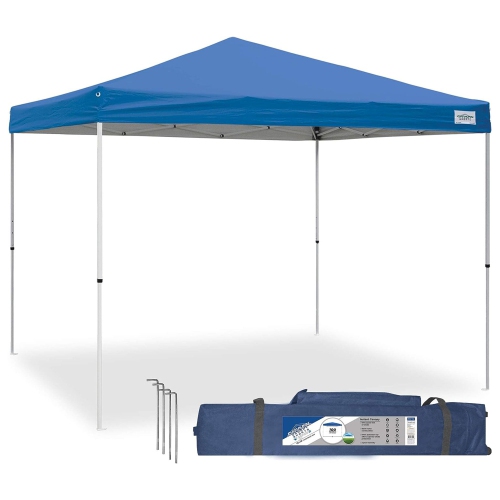


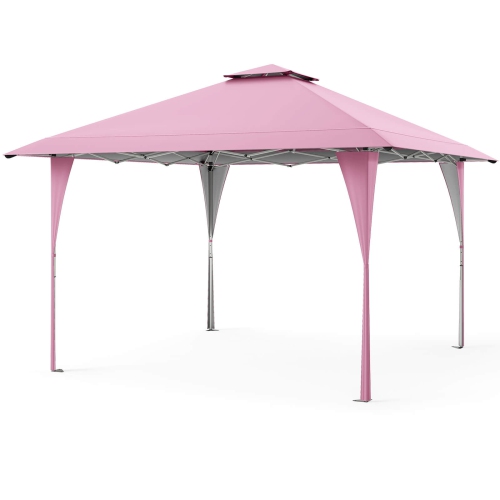






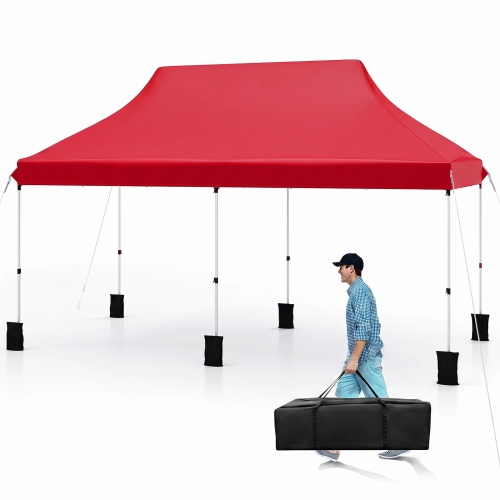


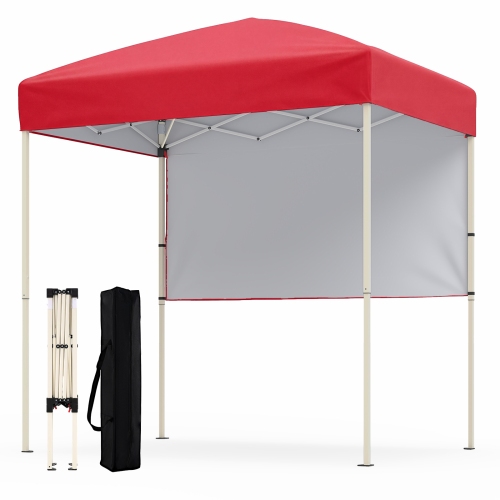


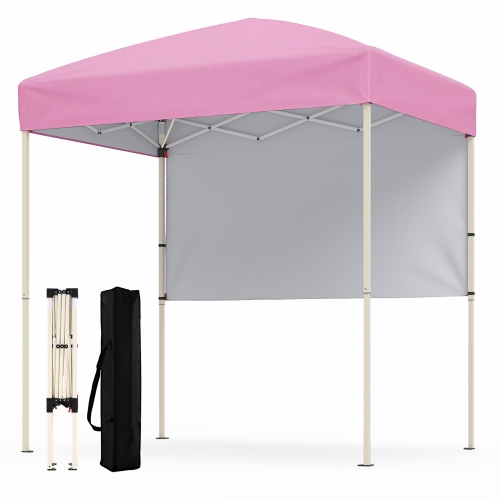

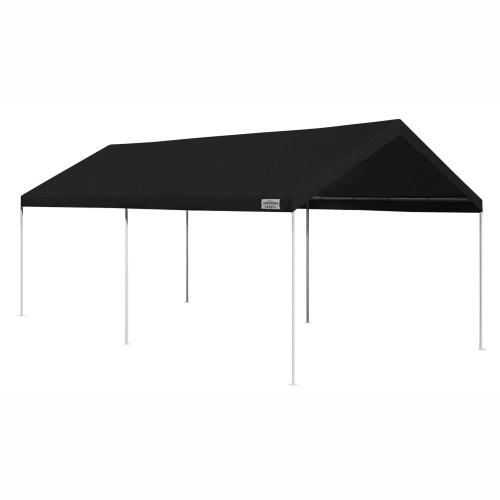
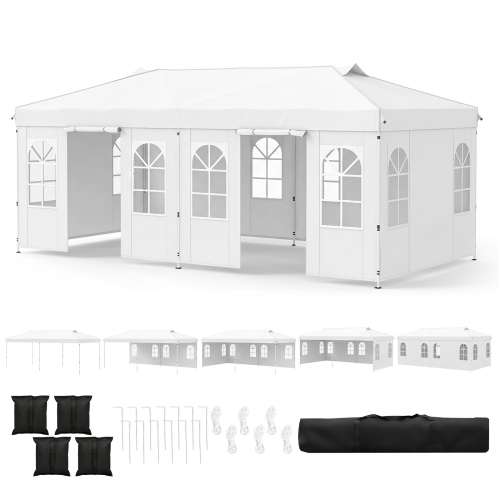


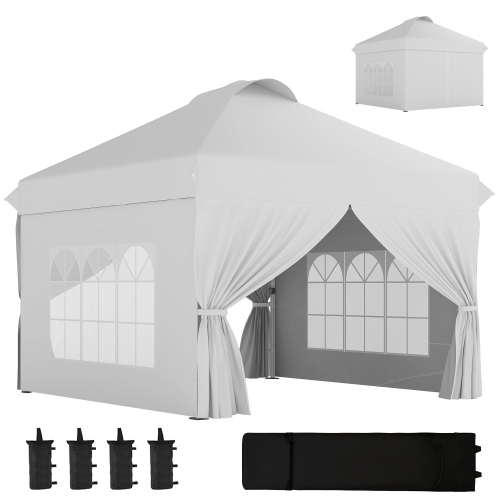
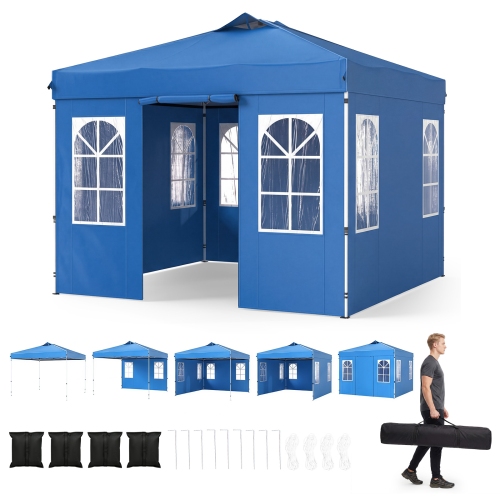
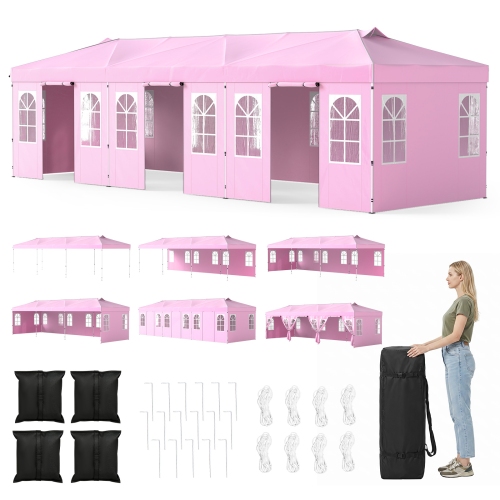
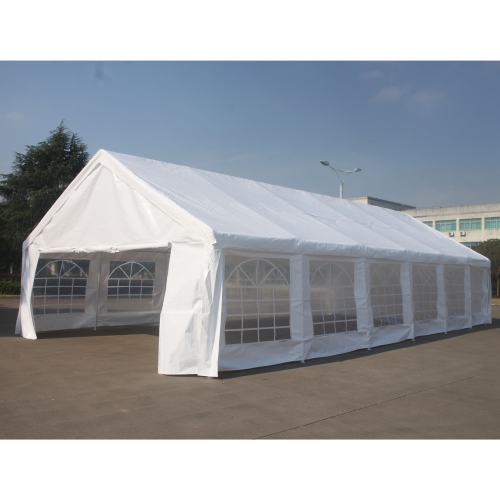
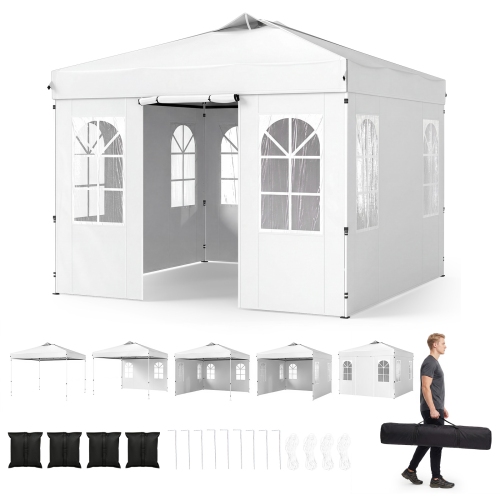
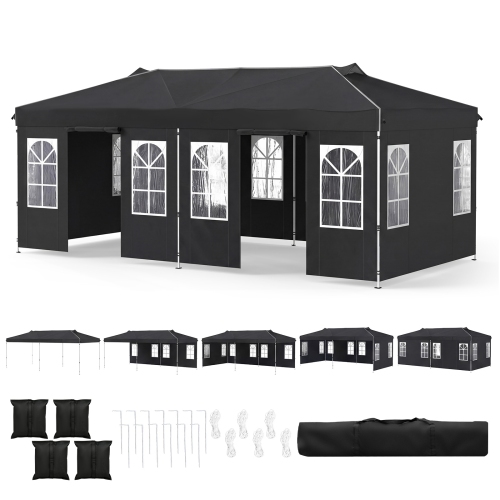
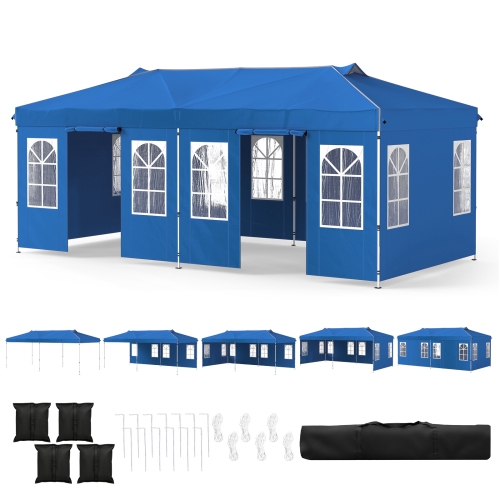
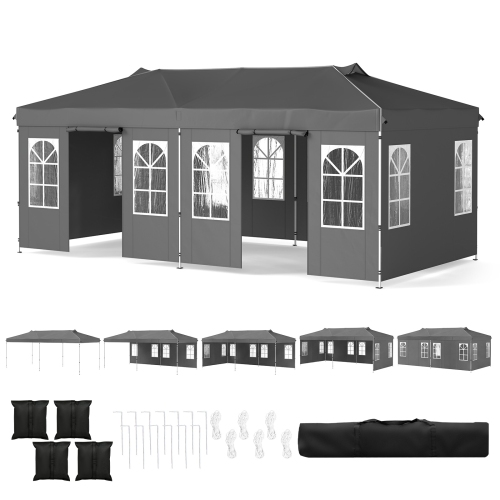
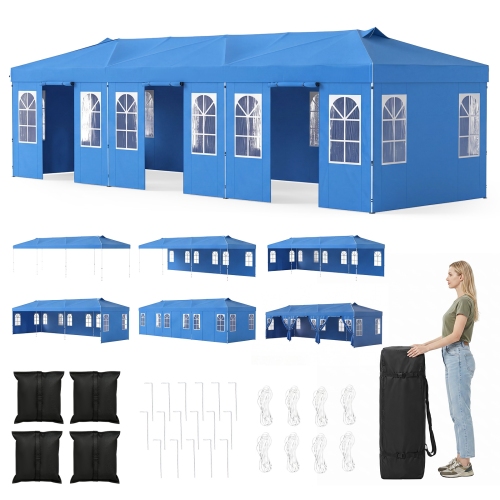
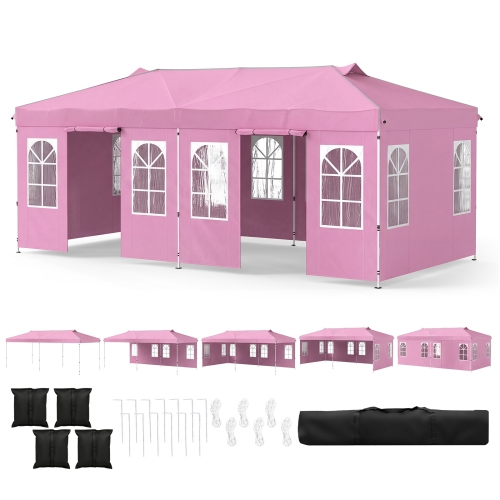
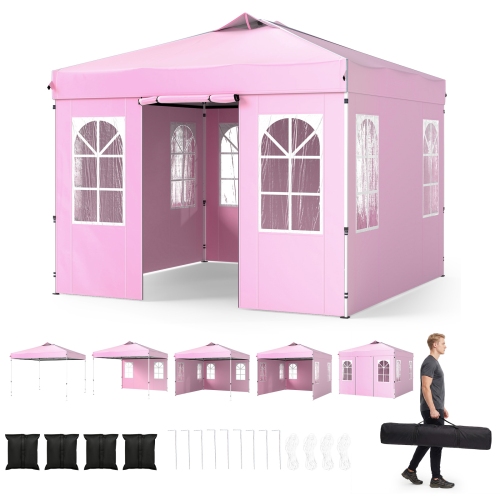
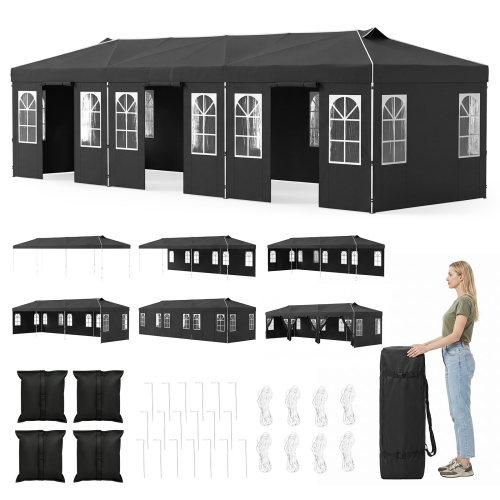


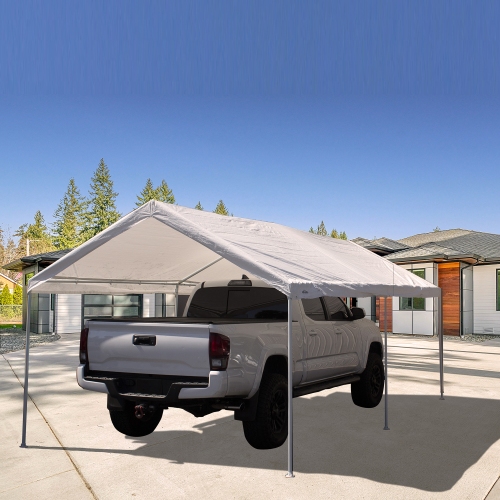
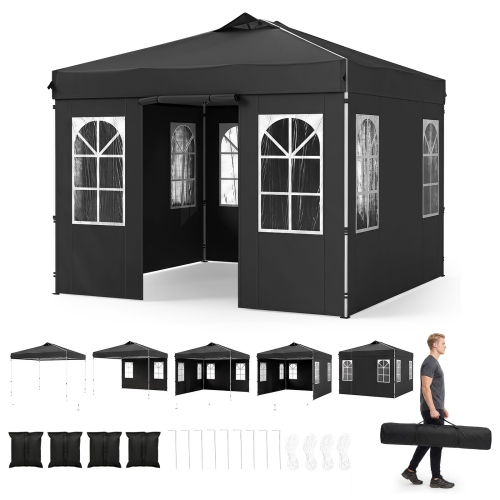
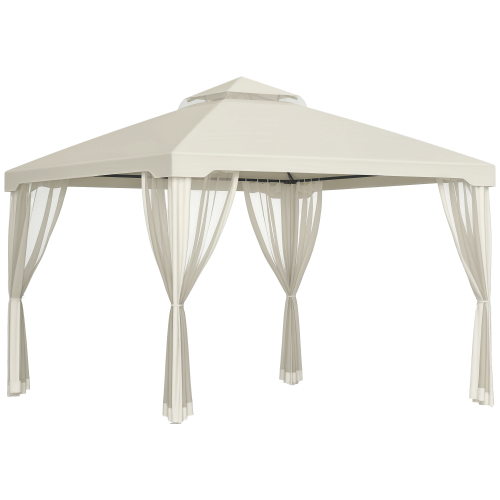
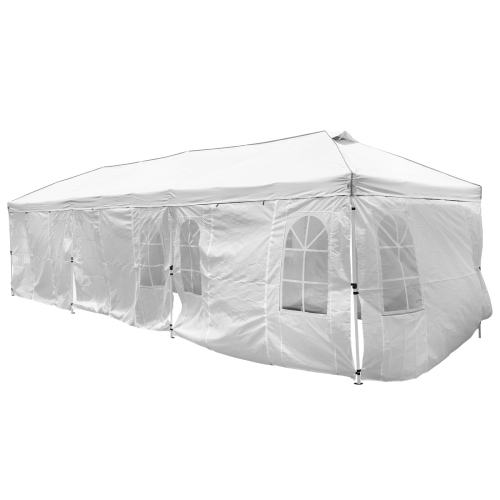
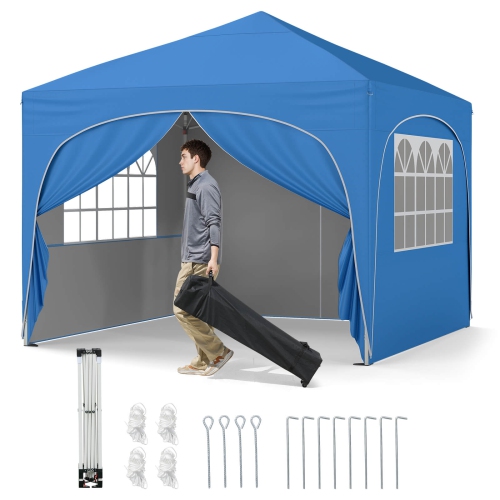
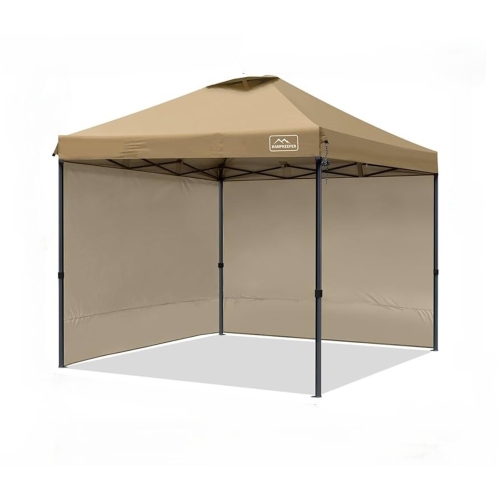
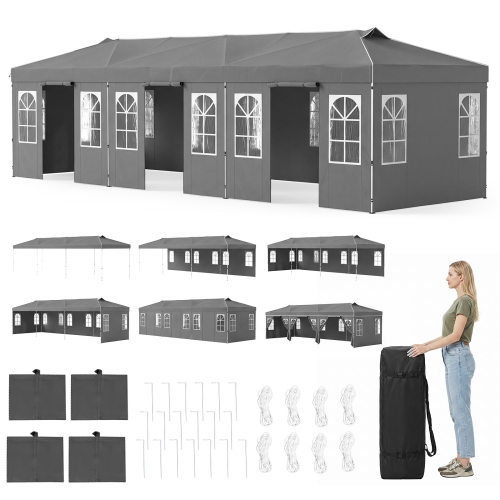


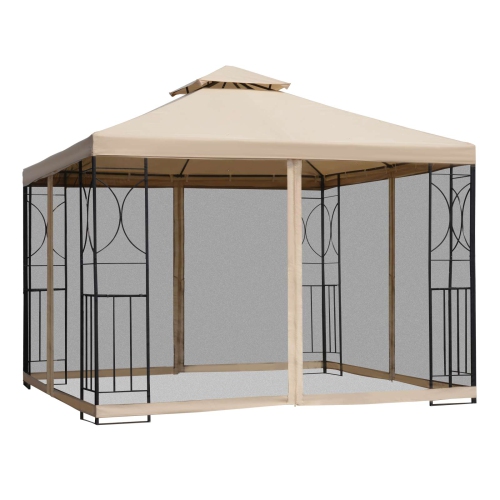
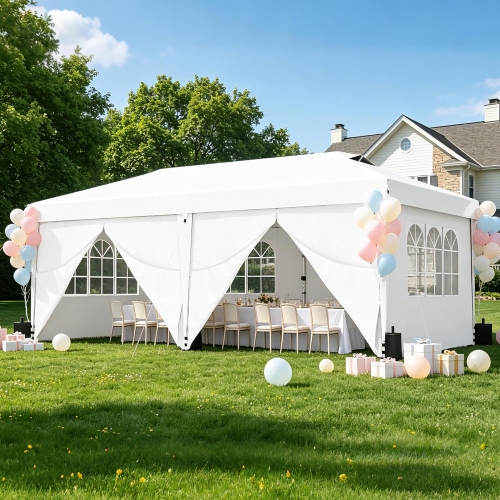

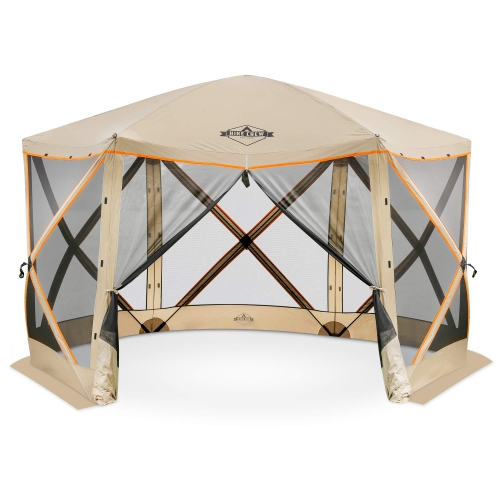


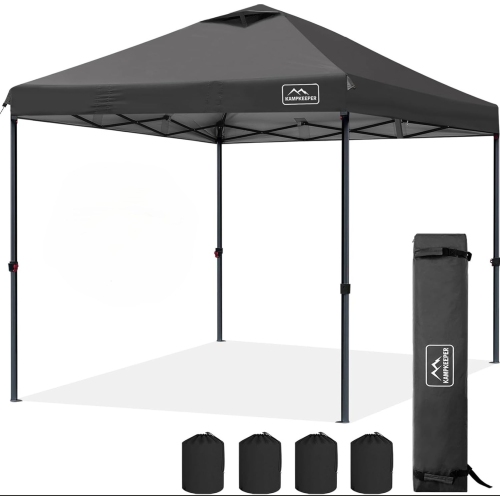
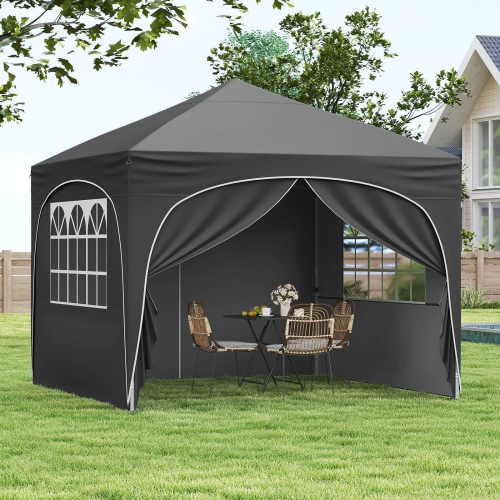


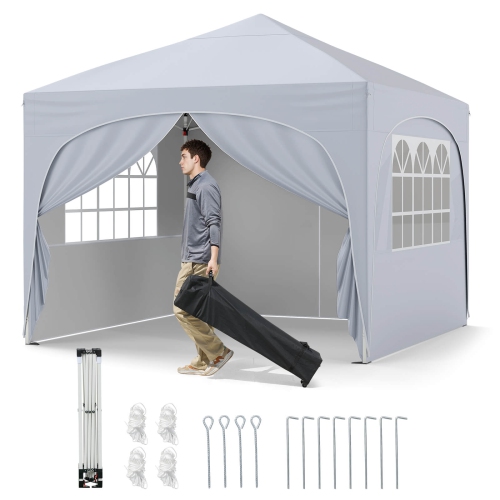

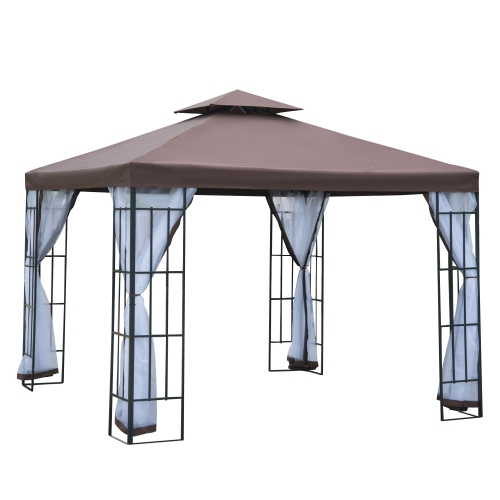


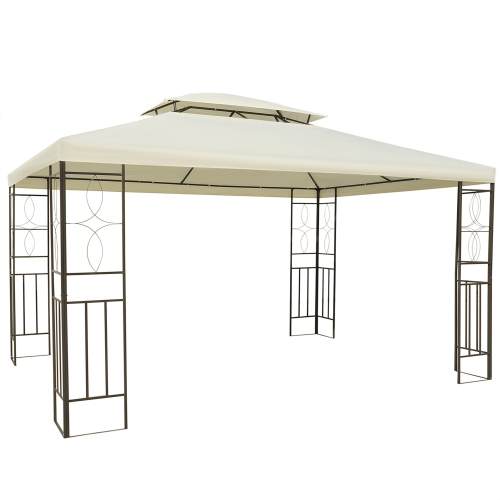


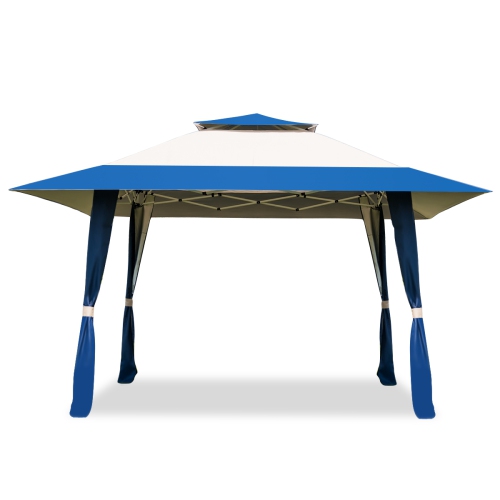
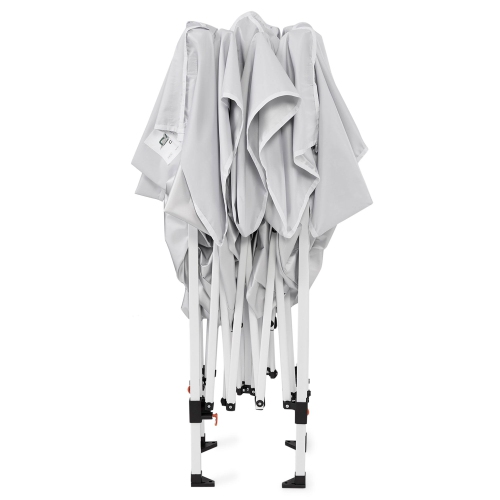
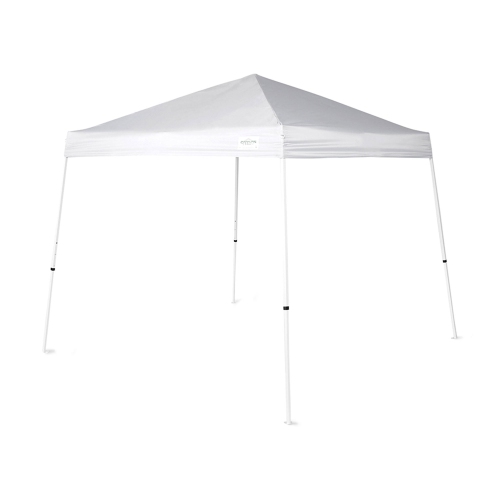


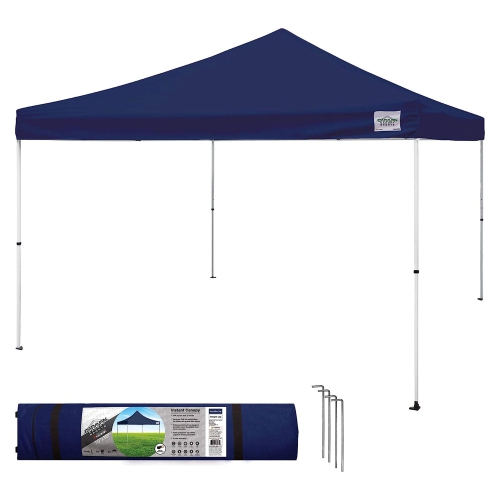


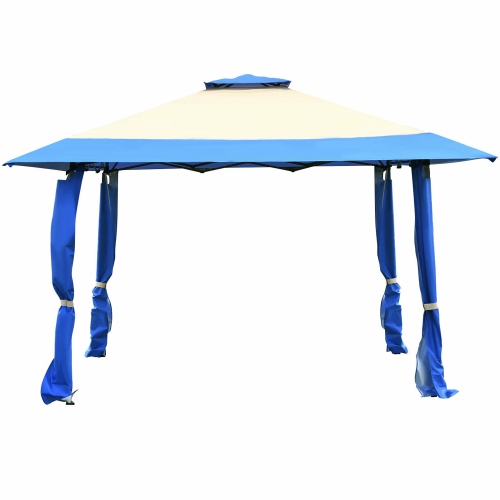


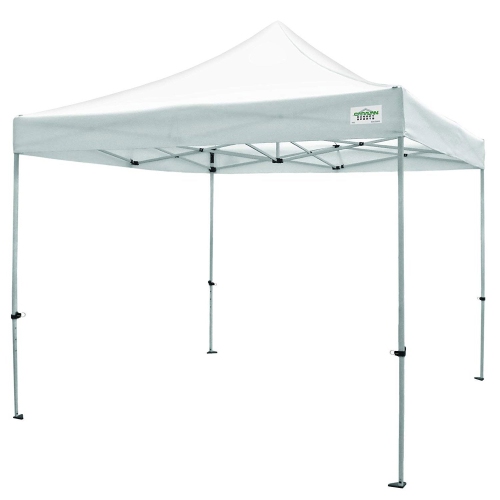

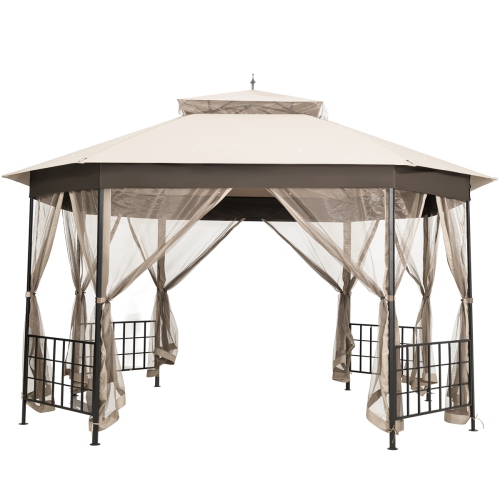
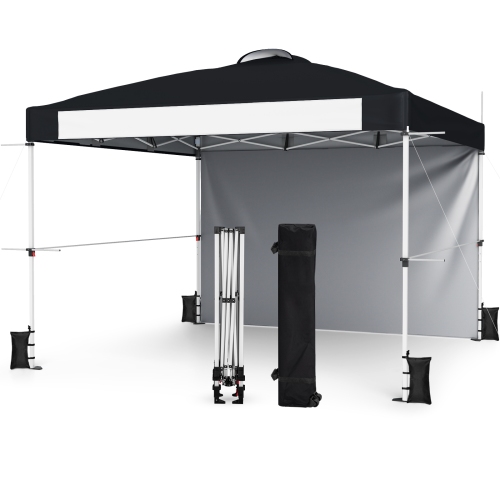
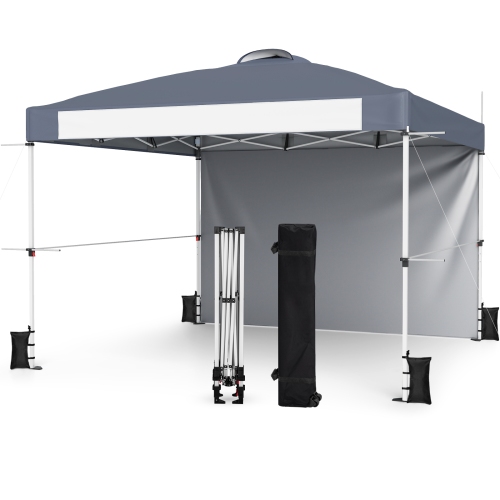


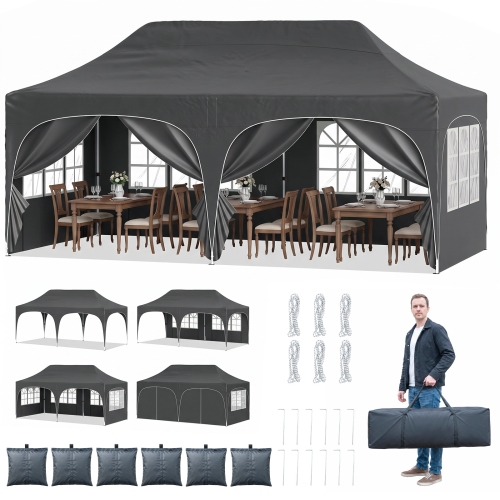


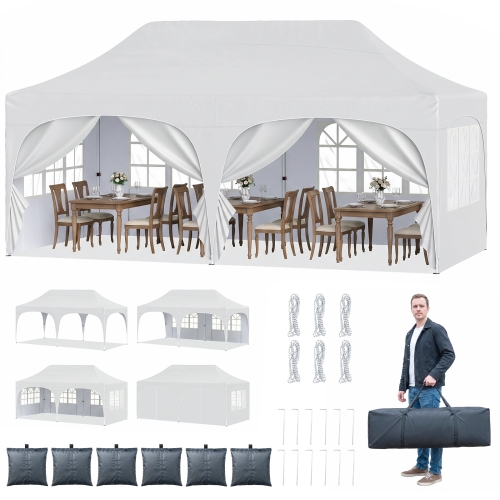
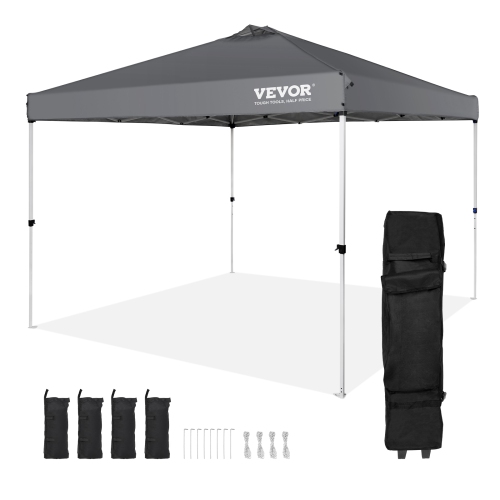
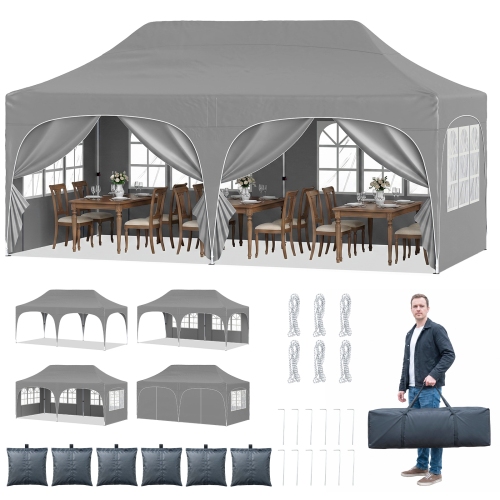

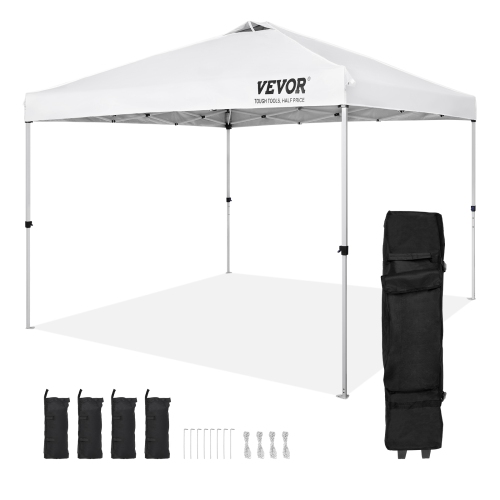
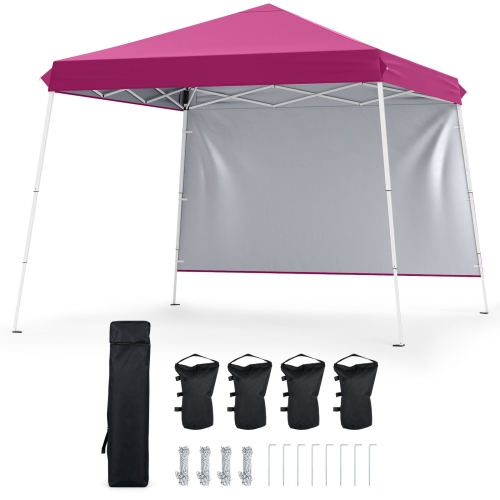


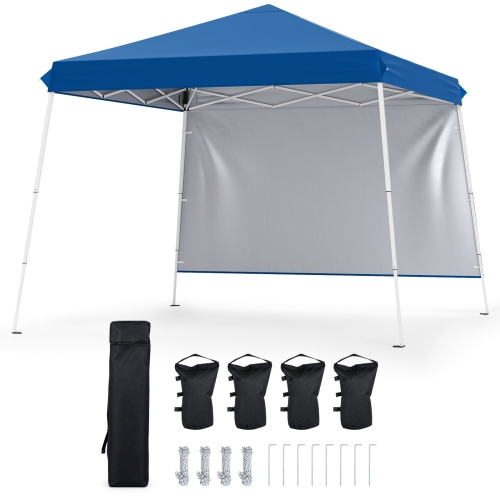


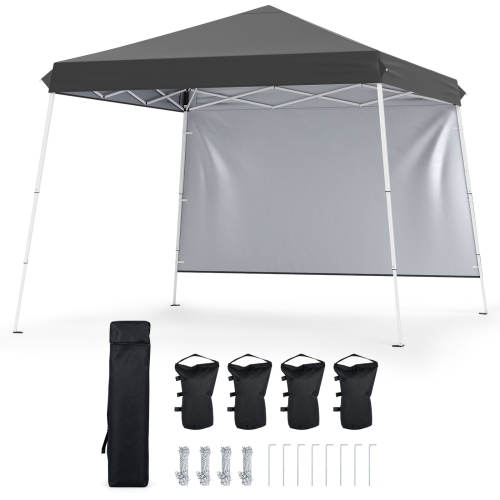


The right canopy starts with your event’s layout
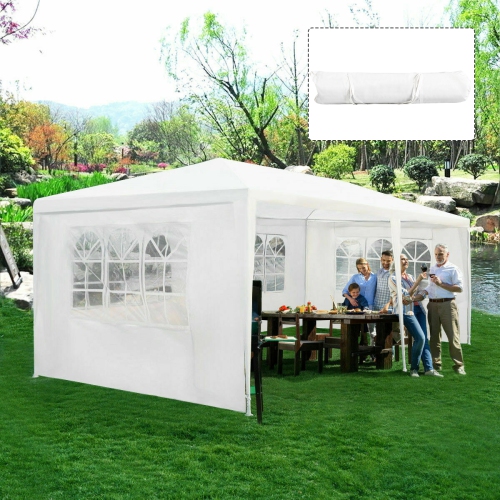
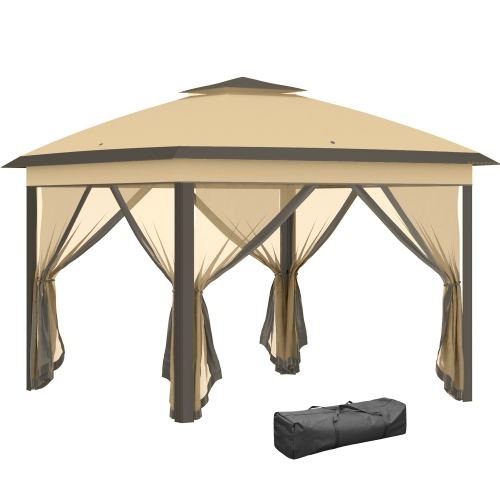
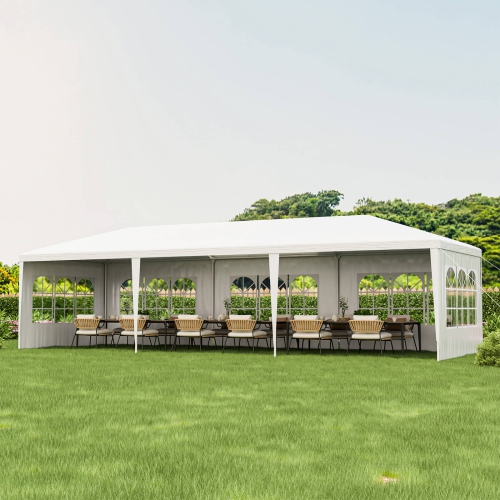
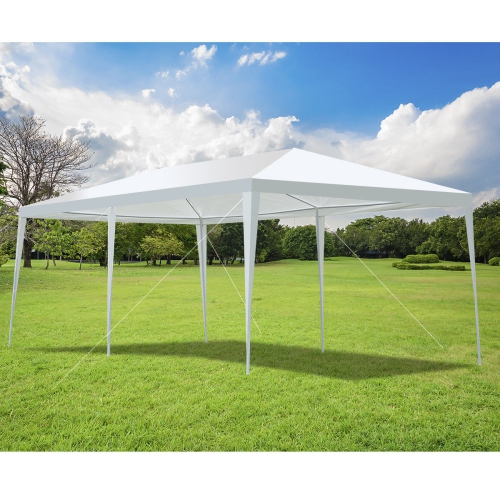
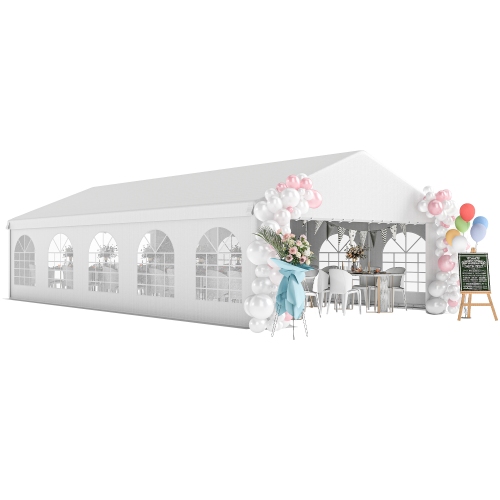
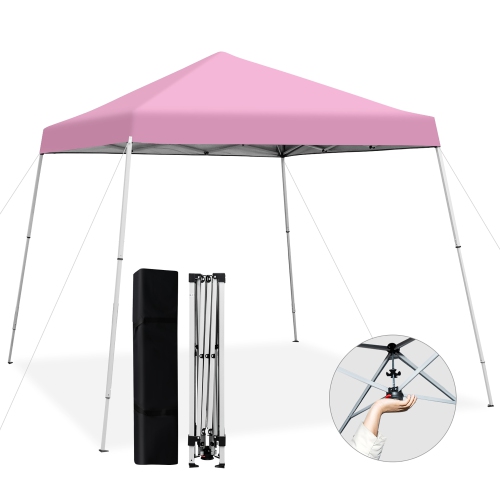
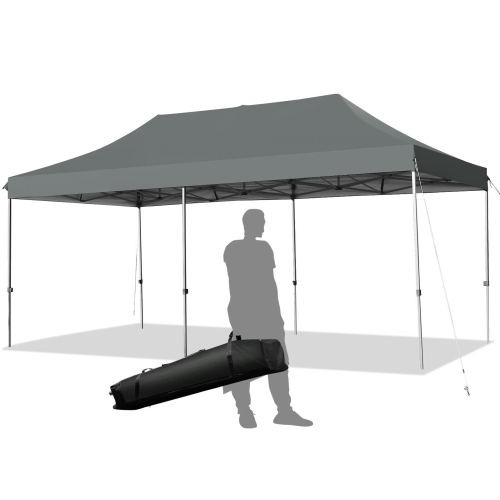
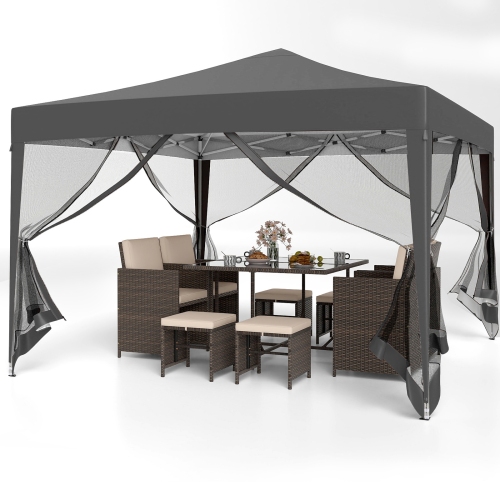
Event canopy tents create a defined, covered space for gatherings, displays, and activities without requiring a permanent structure. At a craft market, a canopy can frame a vendor’s tables and give shoppers a clear place to browse; at a backyard celebration, it can shelter a serving station or bring several tables together beneath one roof. They also suit community fairs, outdoor registration desks, school fundraisers, wedding receptions, and sporting events where organizers need a recognizable meeting point. The right size depends on how that space will be used, not simply how many people are attending. A display booth needs room for tables, merchandise, the person staffing it, and customers moving through the entrance. A dining layout requires space for chairs to pull out, while a reception area may need clear routes between seating, refreshments, and exits. A nominal 10-by-10-foot canopy has a 100-square-foot footprint, but usable covered space can vary with the roof dimensions and leg design. A 10-by-20-foot footprint offers 200 square feet, which can accommodate a different arrangement of tables and circulation space; neither measurement establishes a guaranteed guest capacity. Published dimensions, layout, and any applicable venue requirements provide a more useful basis for planning. Pop-up event canopies use a folding frame that expands for setup and collapses for transport, making them practical for vendors who move between events. Larger frame tents generally involve more separate components and a longer assembly process, but can offer a broader space for seated gatherings or coordinated displays. Pole-supported designs may require additional ground space for guy lines, which matters when neighbouring booths or walkways are close by. Entrance height, roof clearance, and the area needed around the tent are just as important as its listed length and width. A canopy that fits the tables but obstructs an accessible route or extends beyond an assigned booth boundary is not a good fit for the occasion.
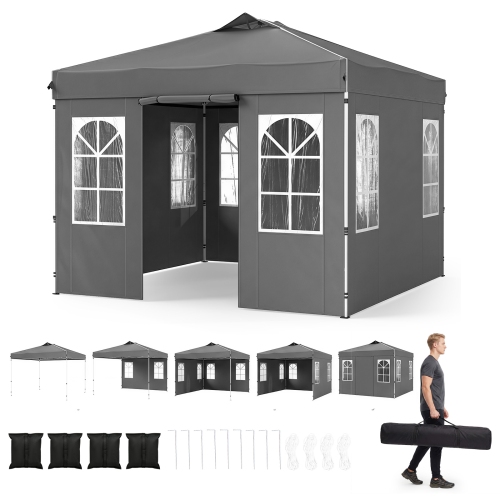
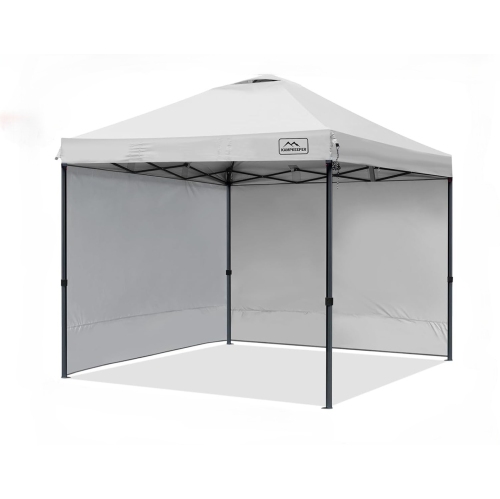
Frame construction and canopy fabric influence weight, handling, durability, and the level of protection an event tent can provide. Aluminum frames are often chosen for portability and resistance to rust, especially when the tent travels regularly between venues. Steel frames are typically heavier, and protective finishes such as powder coating or galvanizing help limit corrosion; damage to those finishes still deserves attention during routine checks. The strength of either frame depends on its construction, including tube dimensions, joints, bracing, and locking mechanisms, rather than the metal alone. Polyester is common in folding canopy tops, while polyethylene is also used for some larger party tents. Fabric descriptions may include denier, a measure of fibre thickness, but a higher denier number by itself does not establish that a roof is waterproof or suitable for demanding conditions. Coatings, seams, reinforcement, and the manufacturer’s stated performance all contribute to how a canopy handles exposure. Water-resistant fabric can help with limited moisture, while waterproof claims should be assessed alongside seam construction and the tent’s intended use. UV protection is another specification to check rather than assume, since shade alone does not establish a particular level of protection. Sidewalls change both the appearance and function of the space. An open-sided canopy keeps a market stall visible from several directions, while a back wall can provide a cleaner backdrop for a display. Window panels admit daylight into a more enclosed gathering area, and zippered entrances can help define where guests enter. Walls also affect airflow and wind loading, so they need to be compatible with the tent and used within its stated limits. Colour contributes to the overall presentation: White Canopy Tents offer a neutral backdrop for floral arrangements, table linens, and event signage. For weddings and other photographed occasions, the roof colour can also influence the light beneath it. Coordinating the canopy with the tables and surroundings helps the space look intentional without relying on elaborate decoration.
Practical details become especially noticeable when an event canopy tent is assembled, packed, and used repeatedly. Adjustable legs can help establish the desired height, but they do not make uneven ground suitable for every setup; the frame still needs a stable surface and the alignment specified by the manufacturer. Push-button releases, clearly marked connection points, and manageable component sizes can make assembly easier, particularly for a small team preparing several booths before guests arrive. Even a folding canopy may require more than one person to raise safely, and larger structures need enough working room to connect the frame without forcing parts into position. Anchoring is essential for temporary event tents, including heavier models. Stakes may be appropriate on permitted ground surfaces, while paved locations often require compatible weights or another approved anchoring method. Venue rules and manufacturer instructions determine the appropriate arrangement, and sidewalls can increase the forces acting on the structure. An ordinary event canopy should not be treated as shelter during severe weather or assumed capable of supporting accumulated snow. Wind limits, drainage requirements, and conditions requiring removal are specific to the design. Cooking equipment, open flames, and heaters also need separate consideration: flame-resistant fabric is not fireproof, and local requirements may apply to public events. Between uses, careful cleaning and storage help preserve the tent’s condition. Dirt is generally easier to remove before it settles into seams and folds, using a method suitable for the fabric and its coating. The roof and walls should be completely dry before packing to reduce the risk of mildew and odours. Frame joints, fasteners, stitching, and attachment points benefit from inspection after use, especially when the canopy is transported frequently. A carrying bag protects components and keeps them organized, but its packed length and total weight still need to suit the vehicle and the people handling it. For repeat vendors, families hosting gatherings, and community groups sharing equipment, these everyday details can matter as much as the tent’s appearance when fully assembled.
Top selling and popular products
-
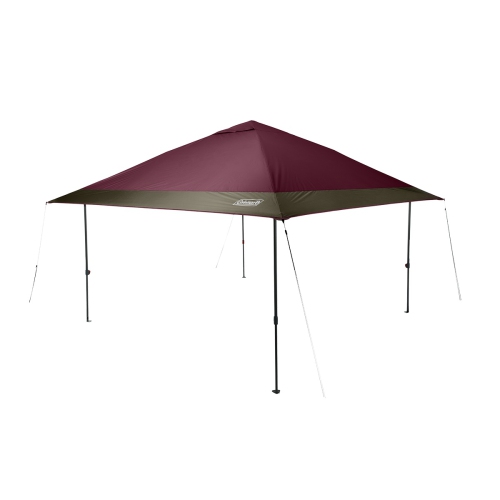 Your price for this item is $299.99
-
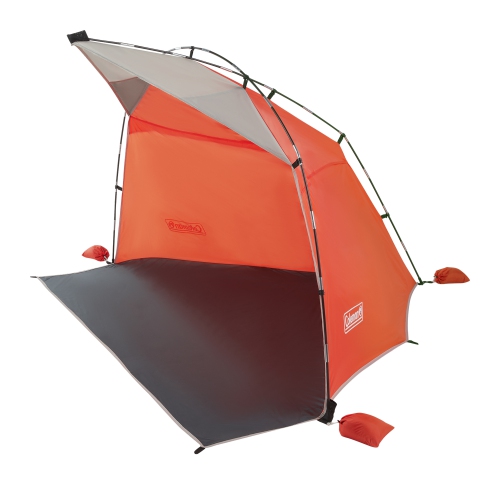 Your price for this item is $101.99
-
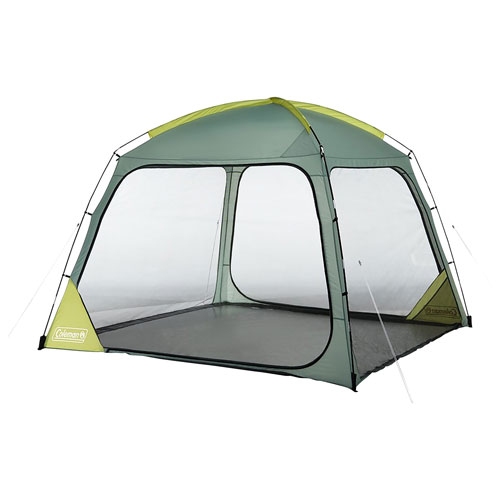 Your price for this item is $181.99
-
 Your price for this item is $139.99
-
 Your price for this item is $139.99
-
 Your price for this item is $49.99
-
 Your price for this item is $139.99
-
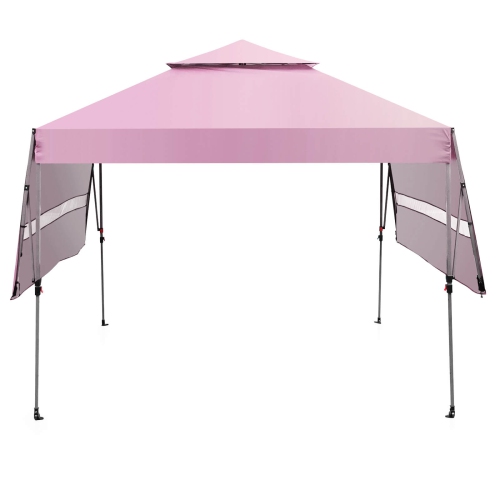 Your price for this item is $256.99
Discover more categories related to Event Canopy Tents

Top Collections:
Pokemon Centers, Best Cameras for Sports Photography, Kindle Devices, Samsung Galaxy Phones, Canon G7X Cameras, Pokémon 30th Celebration Cards, Refurbished Apple Laptops, iPhone 15 Apple, Laptops for Students, Budget Smartphones
Some products may be subject to Environmental Handling Fees
(EHF) depending on your province.
Learn more about EHFs.