Extendable Benches
Looking to maximize your seating options without taking up too much space? Our collection of extendable benches offers the perfect solution for versatile seating arrangements in your home. Whether you need extra seating for dinner parties, family gatherings, or simply want to make the most of your living space, these extendable benches are designed to provide both functionality and style. Discover a range of options to suit your decor and seating needs, making it easy to accommodate guests comfortably while maintaining a sleek and modern look in your home.
Sort
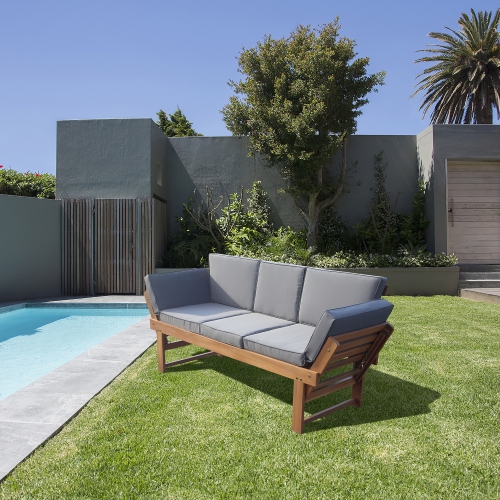
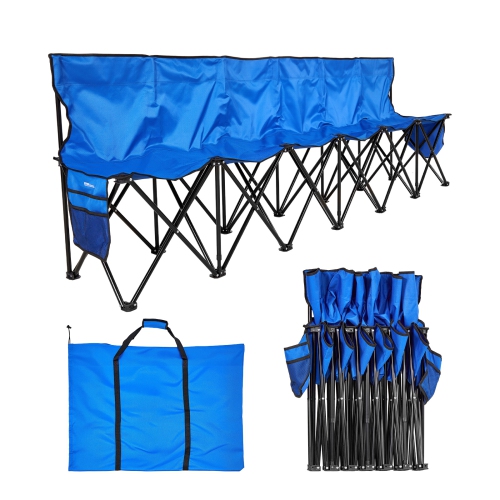
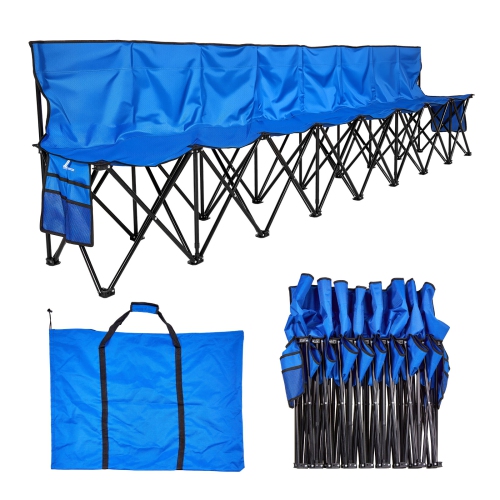
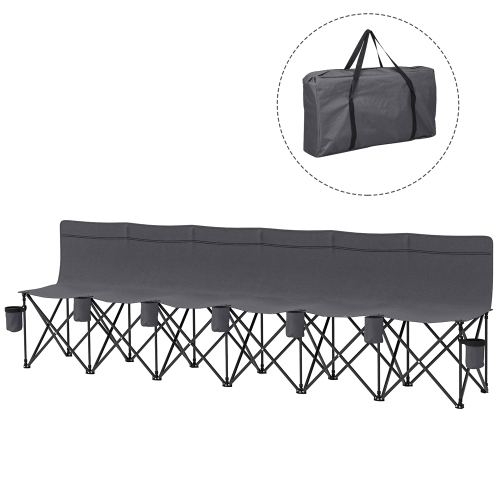

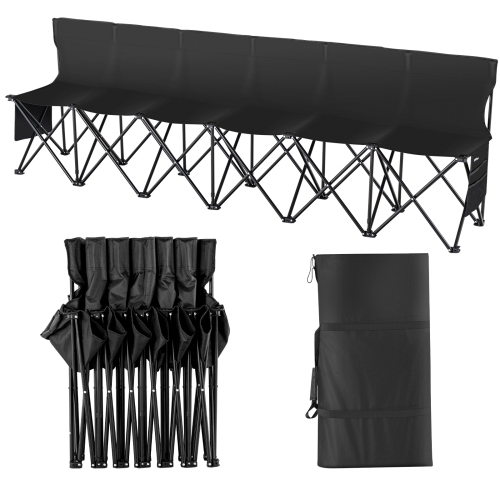
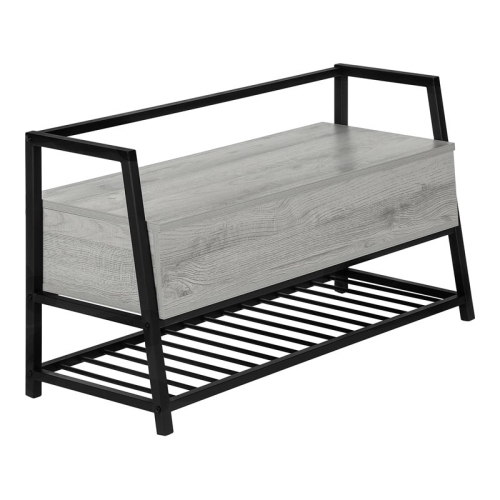
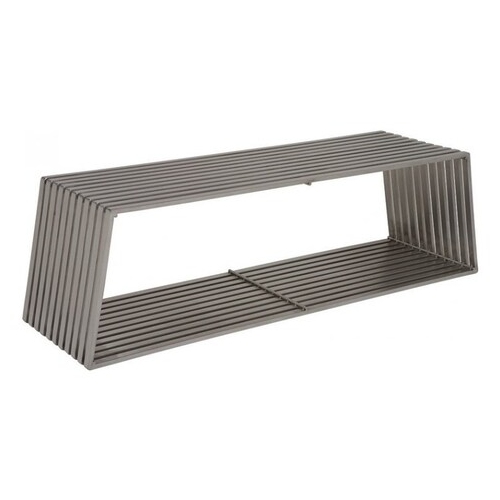
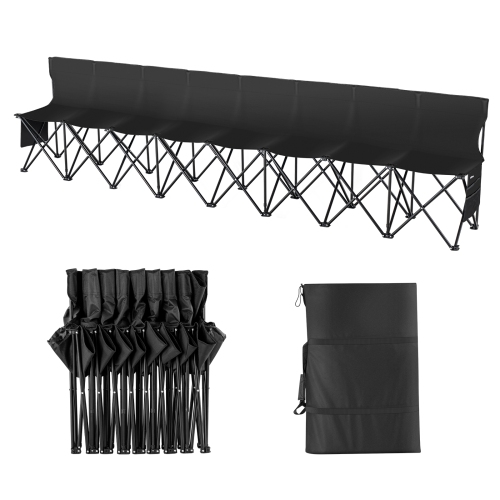
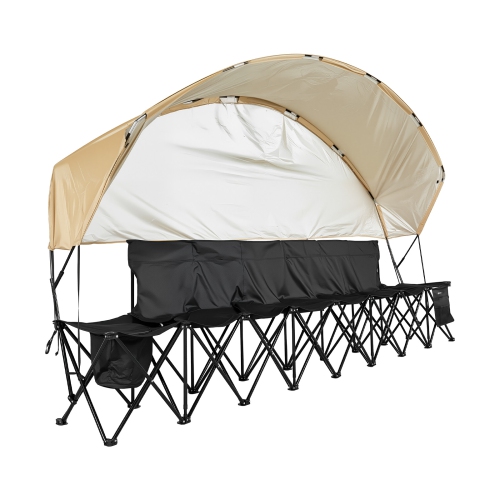
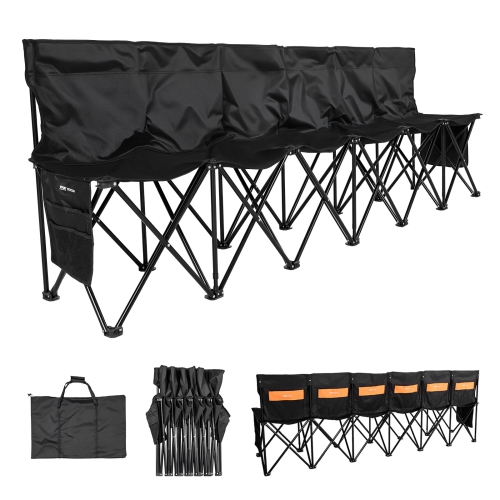
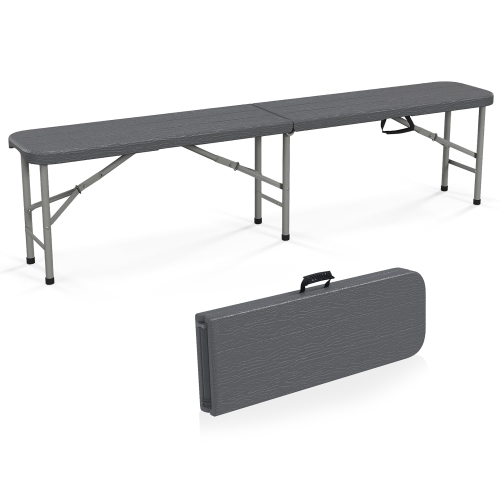
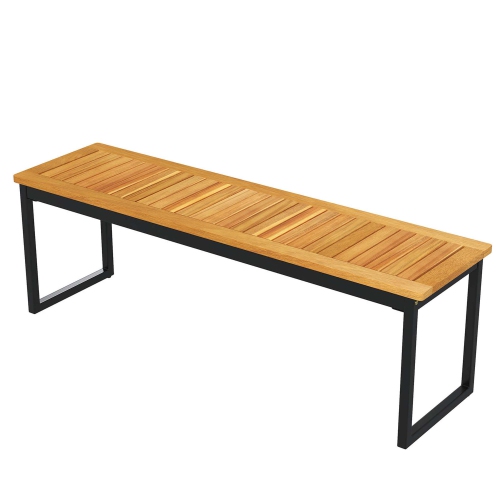
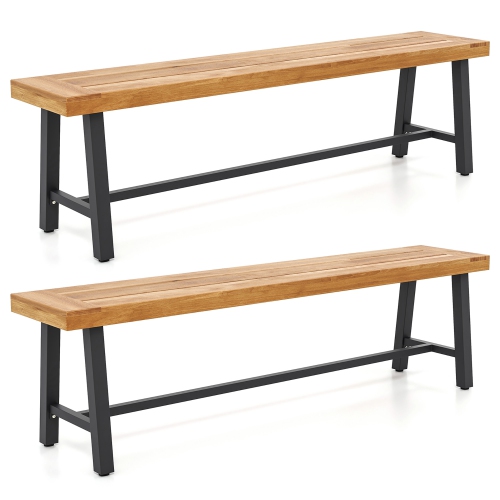
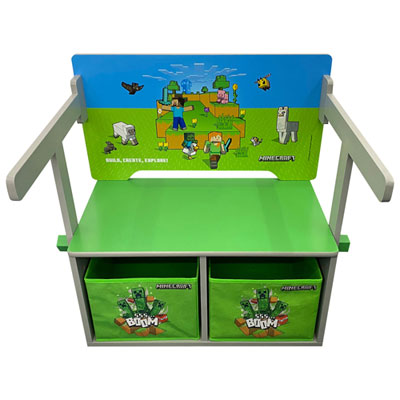
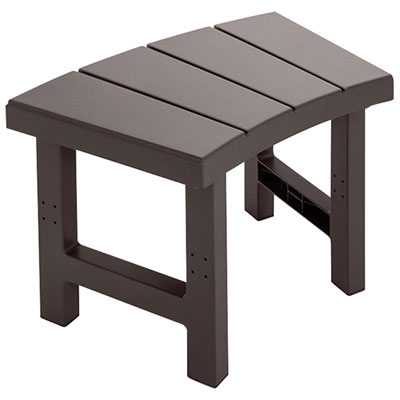
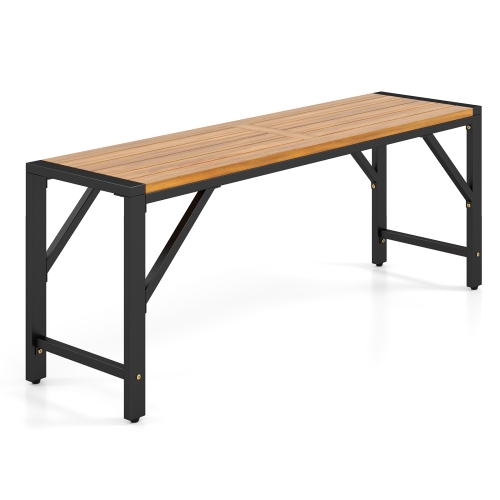
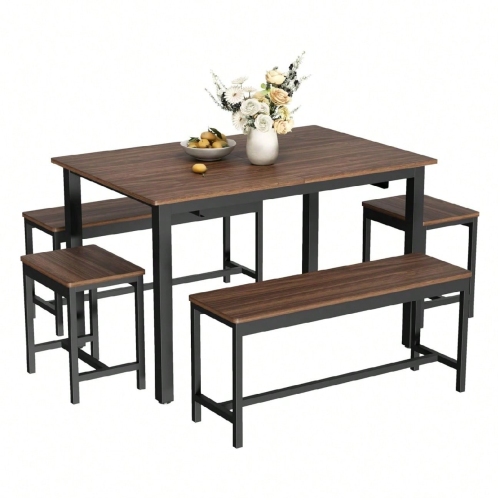
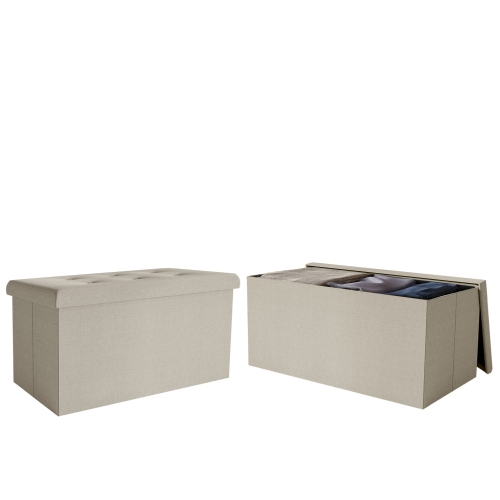
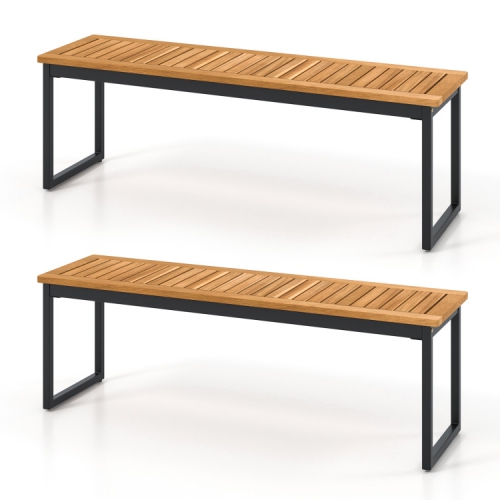
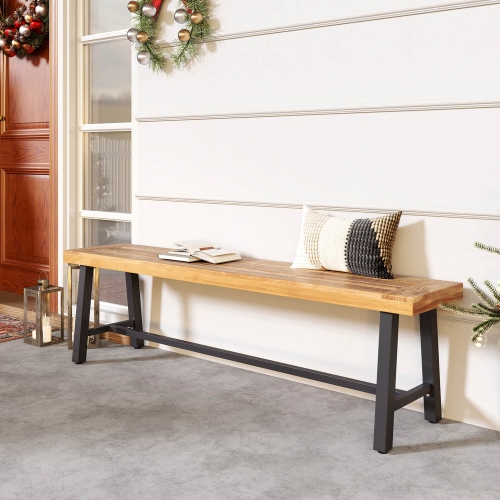
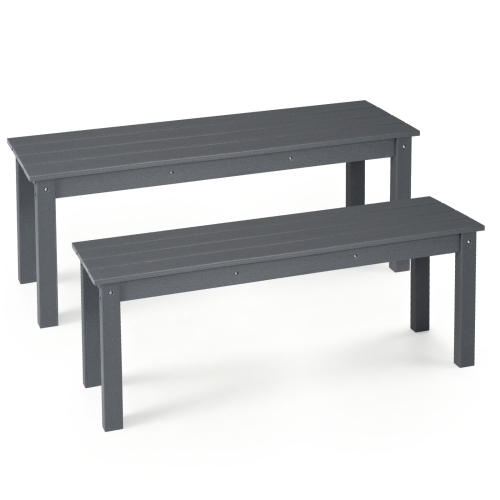
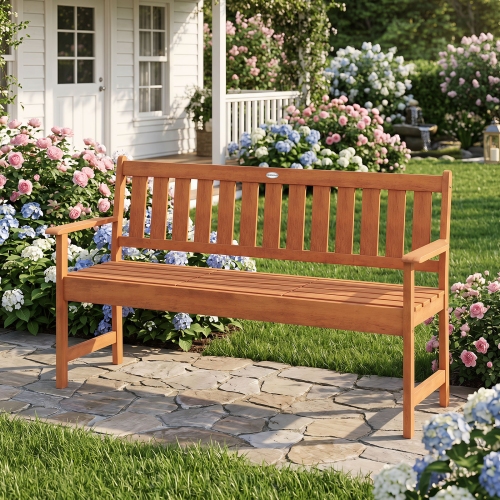
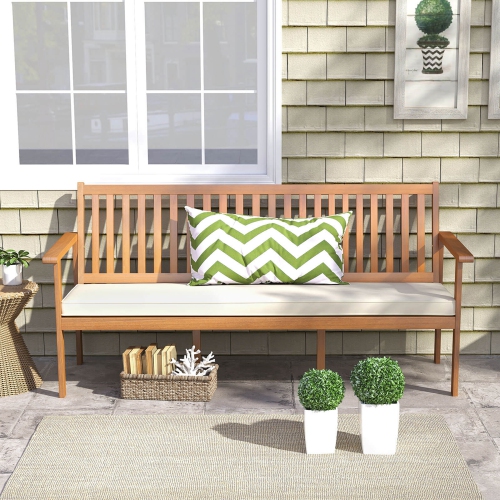
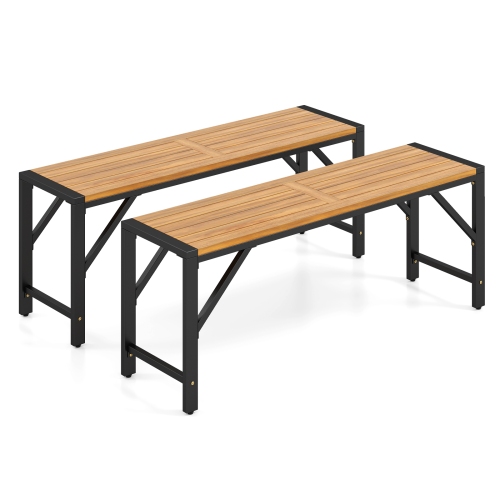
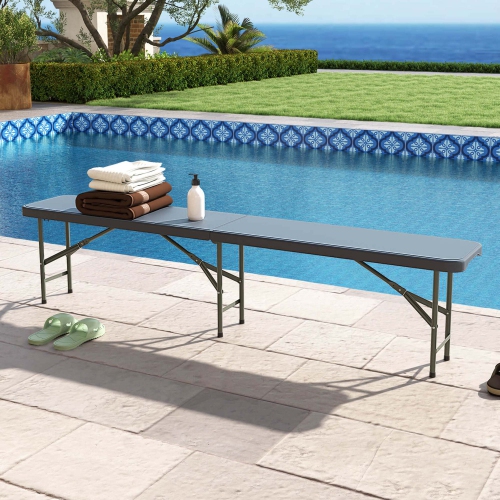
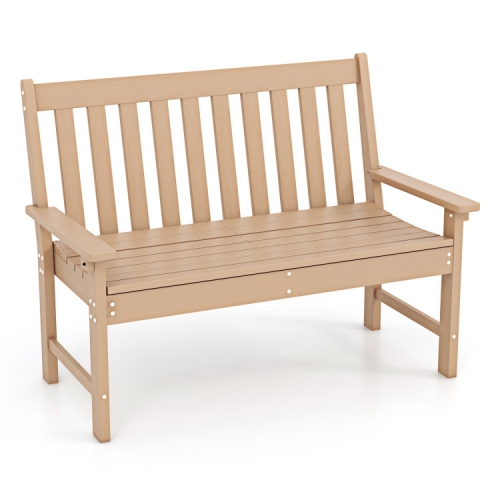

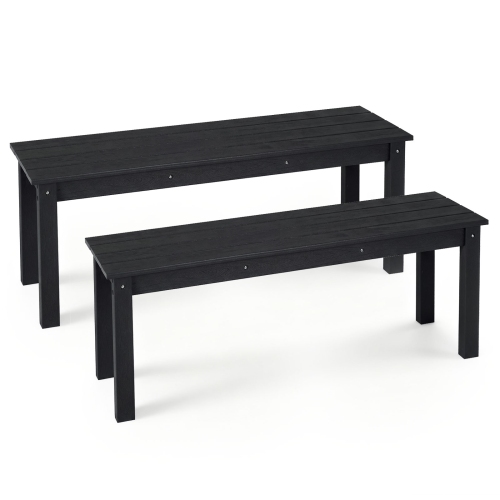

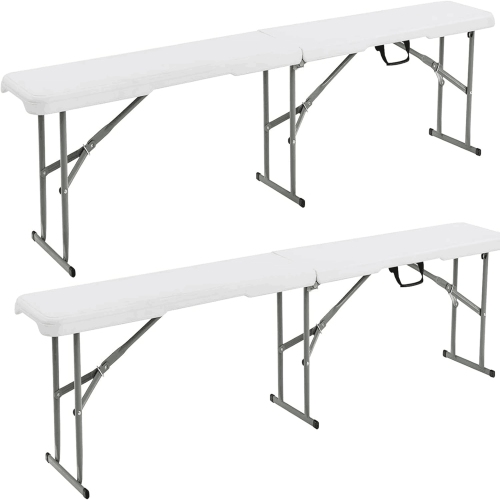

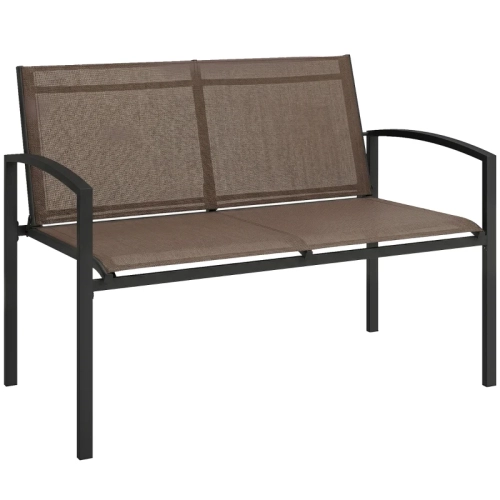

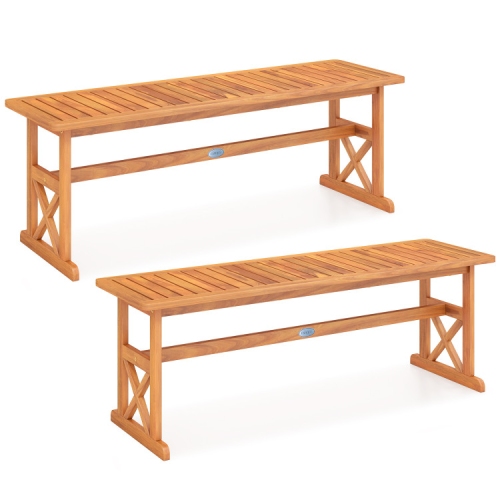
Compact everyday seating with room for extra guests
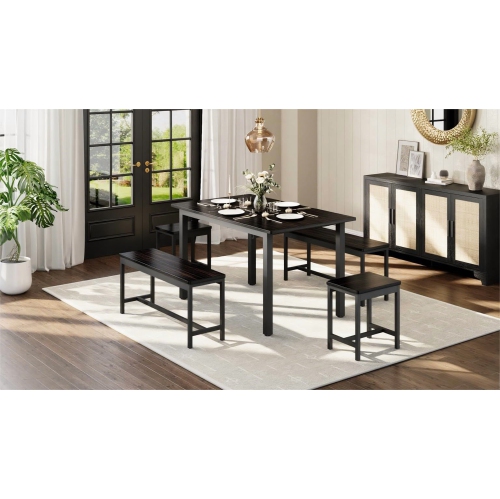
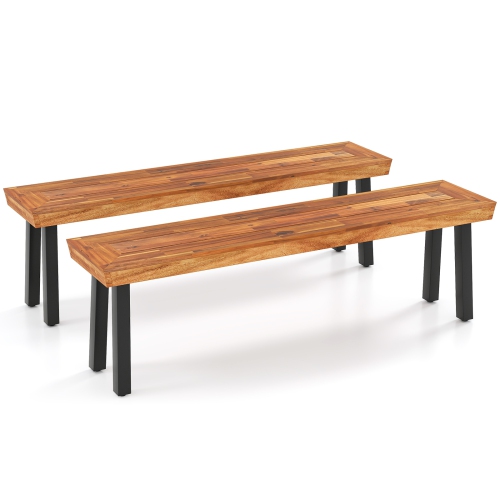
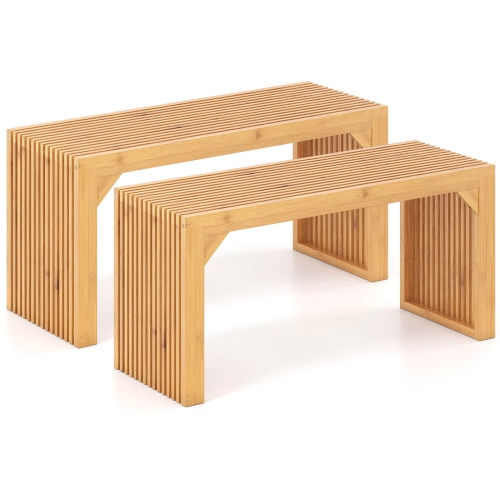
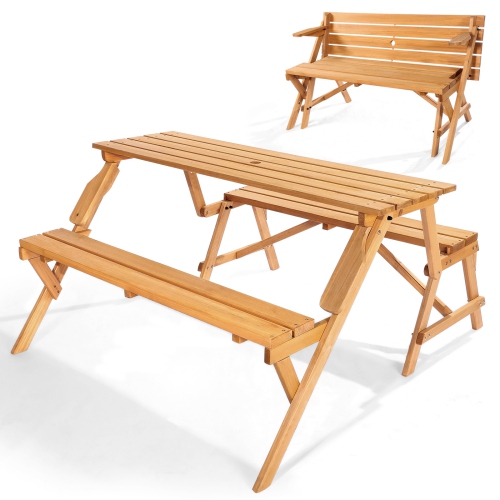
Extendable benches are adjustable-length seats that keep a compact footprint for everyday use and expand when more seating is needed. Common designs use sliding frames, telescopic rails, or removable extension panels to lengthen the seat, although the opening method and support structure vary. This flexibility makes an extendable dining bench useful in a breakfast nook, a condo dining area, or a room that serves several purposes. A shorter configuration can suit meals for a smaller household, while the extended configuration provides additional seating for visitors without keeping extra chairs around the table every day. Some designs include storage for extension panels within or beneath the seat; others require a separate place to keep those panels flat, dry, and protected from scratches. Integrated storage can simplify the change from a quiet dinner to a larger gathering, but the storage arrangement should be checked rather than assumed. The same attention applies to assembly and operation: a sliding mechanism does not necessarily mean that one person can safely move or extend the bench. Beyond dining, a compact bench can provide a place to sit while putting on shoes in an entryway or act as occasional seating along a wall. Moving it between rooms is most practical when its weight, dimensions, and handling requirements suit the household. For frequent hosts, the main benefit is adaptable seating; for smaller homes, it is the ability to keep a walkway clear between gatherings. An extending bench is not automatically suitable for every location, however. Its intended use, maximum load, and required supports matter in both the closed and fully extended positions. The most useful design is one that fits the room comfortably at its everyday length and still leaves enough space to sit down, stand up, and move past other furniture when opened.
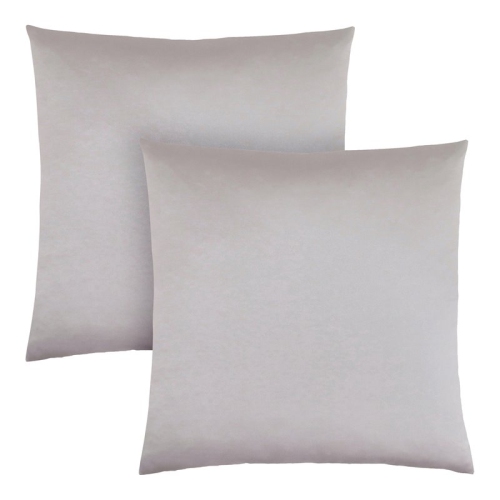
Fit involves more than comparing the bench’s maximum length with the length of a dining table. Seat height, seat depth, table clearance, and the position of the legs all affect how comfortable the arrangement feels. A bench that looks right beside a table may not slide beneath it if the table legs are closely spaced or an apron hangs low under the tabletop. Measurements should account for the space between the table supports, not just the tabletop’s outside dimensions. If the bench is intended to tuck away, its full height and depth must also clear any crossbars or braces. At the extended length, check where the bench supports sit in relation to diners’ feet and the table base. A central table pedestal can offer a different seating layout from a table with four corner legs, and an added bench support may affect where someone can comfortably sit. Seating capacity depends on usable seat width, the manufacturer’s stated limits, and how much elbow room each person needs; length alone is not a reliable measure. Adults sharing a meal generally need more room than children sitting briefly to put on shoes, and placing people tightly together can make getting in and out awkward. Backless benches also provide a different kind of comfort from dining chairs with backrests. They can keep sightlines open and allow access from either side, but someone who needs firm back support or armrests may prefer a different seat for longer meals. A bench positioned against a wall can work well in a nook, provided there is enough room to pull it forward when needed. For upholstered comfort, Bench Pillows can add softness, but their thickness changes the sitting height and their dimensions need to suit the usable seat. Loose cushions should not cover moving joints during adjustment or interfere with panels fitting securely into place.
Materials and construction influence both the appearance of an extendable bench and how it handles regular use. Solid wood brings natural grain variation and can develop character over time, while wood veneers offer a real-wood surface over a supporting core. Engineered wood construction varies in composition and finish, so care requirements and load ratings deserve attention rather than assumptions based on appearance. Metal frames and rails can provide structural support, but their performance also depends on the quality of the joints, hardware, and overall design. A painted finish creates a different visual effect from visible wood grain, and matching every surface exactly is not necessary for a coordinated dining space. Similar undertones, balanced proportions, or a repeated frame colour can connect a bench with an existing table. Practical details are just as important: smooth seat edges, well-aligned extension panels, and stable contact with the floor all contribute to comfortable daily use. Extension systems should be operated according to the supplied directions, with any required legs or braces positioned before anyone sits down. Where locks or catches are fitted, they should be fully engaged, and children’s hands should stay clear of sliding sections and closing gaps. A bench is seating, not a step stool, and its extended ends should only be used as the manufacturer permits. Routine care usually starts with removing dust and wiping spills promptly using a soft cloth and a cleaner approved for the finish. Excess moisture, abrasive pads, and harsh chemicals can damage surfaces or joints. Upholstered sections may need vacuuming or spot cleaning according to their care labels. Periodic checks for loose fasteners, shifting supports, or debris in the tracks can help keep operation consistent; lubricants should only be used where the manufacturer recommends them. Floor protectors suited to the flooring can reduce marks when the bench is repositioned, though lifting may be safer than dragging a heavy frame. For a shared home, a first apartment, or a dining room used for both meals and projects, an extendable bench offers flexibility without requiring a permanently long seat. It can also make a thoughtful housewarming gift when the recipient’s room measurements, table height, and style preferences are known. Attention to those everyday details helps ensure that the bench is useful when closed, comfortable when extended, and manageable whenever the seating arrangement needs to change.
Top selling and popular products
-
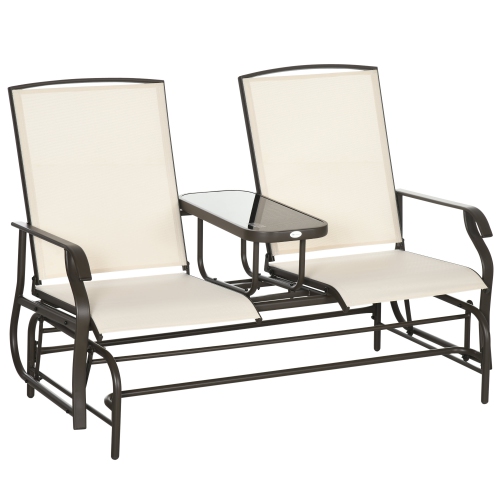 Your price for this item is $209.99
-
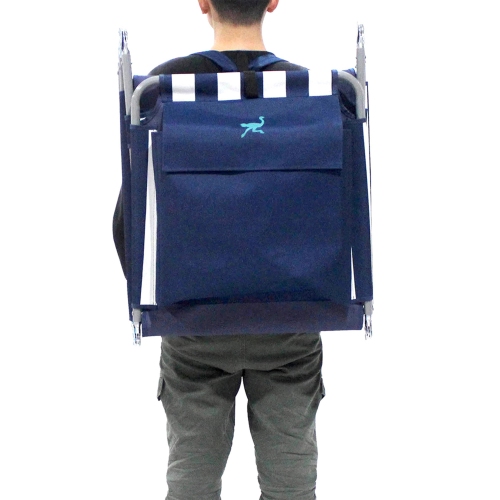 Your price for this item is $222.99
-
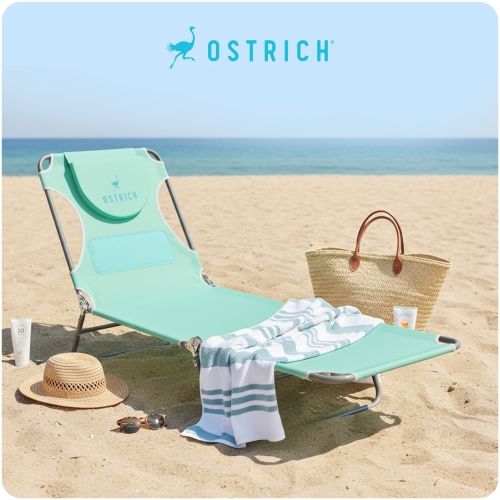 Your price for this item is $187.99
-
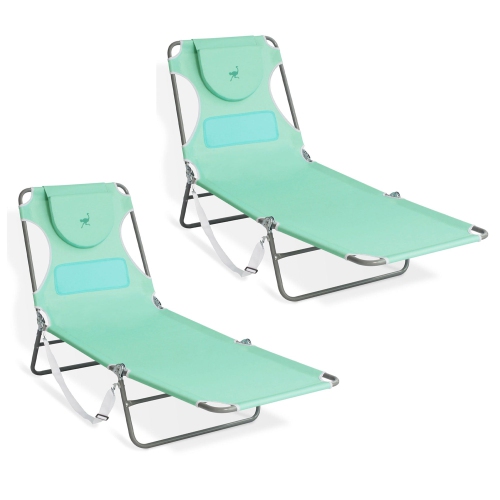 Your price for this item is $407.99
-
 Your price for this item is $254.99
-
 Your price for this item is $177.99
-
 Your price for this item is $712.99
-
 Your price for this item is $459.99
Discover more categories related to Extendable Benches
Top Collections:
Best Black Friday Deals This Year, Best Black Friday Deals On Electronics, Kindle Devices, Dyson Airwrap, Best Cameras for Sports Photography, Best Budget Office Chairs, Canon G7X Cameras, PS5 Pro Consoles, Best Black Friday Deals On Apple Products, XBOX One S Consoles
Some products may be subject to Environmental Handling Fees
(EHF) depending on your province.
Learn more about EHFs.