Extra Deep Pocket King Fitted Sheets
Upgrade your bedroom with Extra Deep Pocket King Fitted Sheets, designed to deliver a perfect fit for your king-size mattress. These fitted sheets are ideal for anyone seeking a smooth and secure sleeping surface, making it easy to refresh your bedding setup. Explore a wide selection of colors, patterns, and materials to complement your personal style and enhance your sleep experience. Discover the convenience and comfort that Extra Deep Pocket King Fitted Sheets can bring to your nightly routine.
Sort


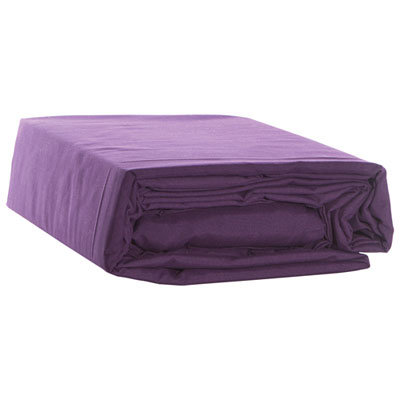

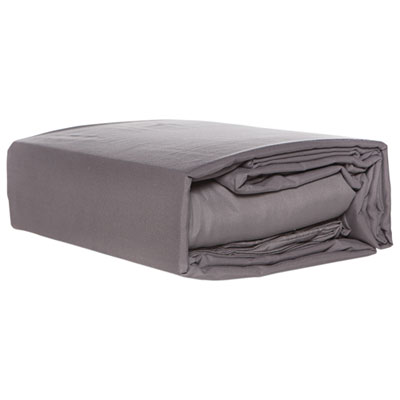


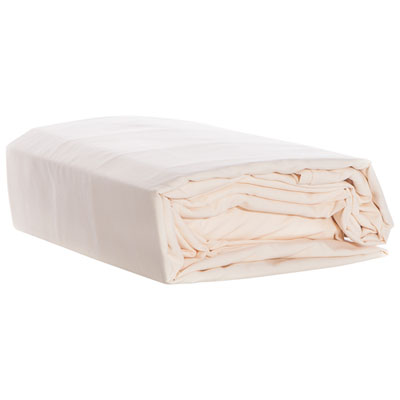
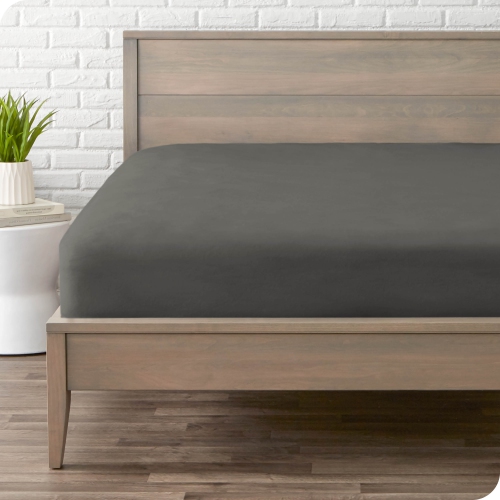





Why mattress height matters for corners that stay tucked
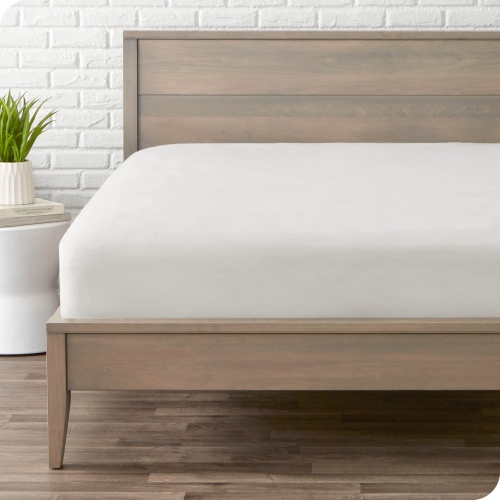
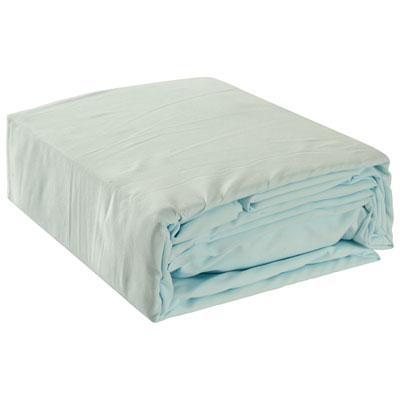
Extra deep pocket king fitted sheets are designed to cover thick king mattresses with enough fabric at the corners to reach beneath the mattress and hold securely. Many are intended for mattress heights of roughly 18 to 24 inches, although the exact fit depends on the stated dimensions and maximum mattress depth. A standard king mattress typically measures 76 inches wide by 80 inches long; an extra deep pocket adds room for height rather than changing that sleeping surface. This makes the style particularly relevant for pillow-top mattresses, substantial upholstered comfort layers, and mattresses topped with a thick foam or latex pad. The height that matters is the full stack beneath the fitted sheet, including any topper and mattress protector. A mattress that measures 16 inches on its own, for example, can need considerably more corner coverage once a topper is added. Pocket-depth labels are not standardized across all bedding, so the stated fit range is more useful than the words “deep” or “extra deep” alone. A pocket measurement also does not always represent the maximum mattress height it can accommodate, since some fabric needs to tuck underneath. All-around elastic can help distribute tension along the edges, while reinforced corners or integrated corner straps may provide additional hold where fitted sheets often pull loose. Neither feature replaces the need for the correct dimensions. A sheet stretched to its limit can lift at a corner when someone turns over, while an unnecessarily oversized sheet may gather into folds across the bed. The intended result is a smooth sleeping surface with corners that stay tucked beneath the mattress through ordinary movement. Standard king, California king, and split king bedding are not interchangeable: a California king is narrower and longer, while a split king generally needs two separate fitted sheets. For an adjustable bed, compatibility with the mattress dimensions and movement of the base is especially important, since raising the head or foot places different demands on the sheet’s hold.
Fabric gives extra deep pocket king fitted sheets much of their character, from the crisp feel of a freshly made bed to a softer, more relaxed finish. Cotton is a familiar choice for its absorbency and range of textures, but the weave makes a noticeable difference. Cotton percale typically feels matte and crisp, with a plain weave that allows air to pass through readily. Cotton sateen usually has a smoother surface, a subtle sheen, and a more fluid drape. Neither is automatically better; the distinction is more about how the fabric feels against the skin and how someone likes a bed to look. Polyester microfibre often has a fine, smooth texture and tends to resist wrinkles, making it appealing for a neat-looking bed without much ironing. Brushed finishes can add a soft, velvety touch, though the feel and weight vary with the fabric’s construction. Jersey-knit sheets offer a familiar T-shirt-like softness and some stretch, which can suit sleepers who prefer a less crisp surface. That stretch does not eliminate the need for adequate pocket depth, particularly around a tall mattress with squared-off edges. Linen has a more textured hand and a naturally relaxed appearance, while blends combine fibres to balance qualities such as softness, wrinkle resistance, and ease of care. When bedding is described using bamboo terminology, the fibre-content label offers a clearer picture: many such fabrics are rayon or viscose made from bamboo rather than mechanically processed bamboo fibre. Thread count can provide context for some woven cotton sheets, but it is not a universal measure of quality and is not directly comparable across every material. Fibre quality, yarn construction, finishing, and stitching also influence comfort and wear. For a coordinated bedroom, Luxury Deep Pocket King Sheets offers a related bedding category to explore, with mattress measurements remaining the basis for assessing fit. Colour and finish complete the effect, whether the fitted sheet blends quietly with existing pillowcases or adds contrast beneath a folded duvet.
Everyday care has a direct effect on how well a fitted sheet keeps its shape, surface texture, and corner grip. The care label should determine washing and drying methods, since cotton, polyester, linen, and blended fabrics can have different requirements. Some natural-fibre fabrics may shrink during laundering, and excessive dryer heat can also shorten the useful life of elastic. Following the stated drying instructions and avoiding prolonged overdrying helps preserve the fit that a tall mattress requires. A king fitted sheet needs room to move during washing; when it is packed tightly beside bulky bedding, detergent may not rinse out evenly and the fabric may twist into a dense bundle. Washing it with compatible colours and keeping exposed zippers or hook-and-loop fasteners away from the surface can reduce snagging. Removing the sheet promptly after drying and folding it with the corners nested together can make a large piece of bedding easier to store. Durability is also visible in the construction: evenly sewn seams, securely attached elastic, and neatly finished corners are useful details, particularly where the fabric is repeatedly pulled beneath a heavy mattress. Pilling can develop through friction, with susceptibility depending on the fibres, yarns, and finish rather than softness alone. Keeping a second fitted sheet in rotation makes routine laundering less disruptive and gives each sheet a break between uses. These practical details matter in a main bedroom where the bed is used every night, a guest room with a plush mattress, or a shared bed where movement frequently loosens shallow corners. Replacing only the fitted sheet can also make sense when the existing flat sheet and pillowcases are still in good condition but no longer match the depth of a new mattress. As a housewarming or wedding gift, fitted bedding is most useful when the recipient’s mattress size, total height, and fabric preferences are known. With those details matched, an extra deep pocket king fitted sheet supports a well-made bed without the daily frustration of pulling slipped corners back into place.
Top selling and popular products
-
 Your price for this item is $73.99
-
 Your price for this item is $61.39
-
 Your price for this item is $72.99
-
 Your price for this item is $76.99
-
 Your price for this item is $91.99
-
 Your price for this item is $75.99
-
 Your price for this item is $75.99
-
 Your price for this item is $71.99
Discover more categories related to Extra Deep Pocket King Fitted Sheets


Top Collections:
Pokemon Centers, Best Black Friday Deals This Year, Best Black Friday Deals On Electronics, Kindle Devices, Best Budget Office Chairs, Best Black Friday Deals On Apple Products, Best Cameras for Sports Photography, Pokémon 30th Celebration Cards, Dyson Airwrap, Canon G7X Cameras
Some products may be subject to Environmental Handling Fees
(EHF) depending on your province.
Learn more about EHFs.