Fabric Cushion
Upgrade the comfort and style of your living space with our collection of fabric cushions. Whether you're looking to add a pop of color, enhance the coziness of your sofa, or simply refresh your home decor, our versatile fabric cushions are the perfect solution. Choose from a variety of sizes, shapes, patterns, and textures to effortlessly elevate any room in your home. Crafted with quality materials and attention to detail, these fabric cushions are not only stylish but also designed for maximum comfort and durability. Browse our selection today and find the perfect fabric cushions to complement your unique style and create a welcoming atmosphere in your home.
Sort


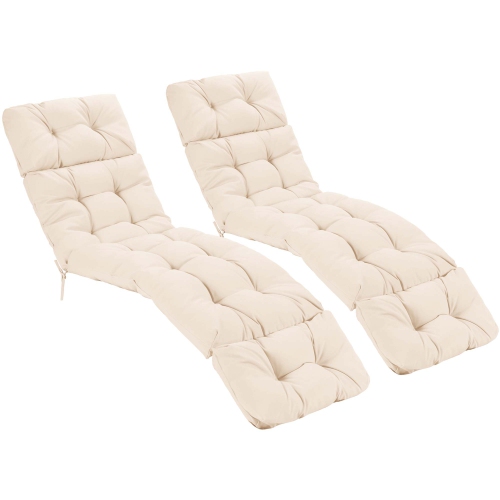
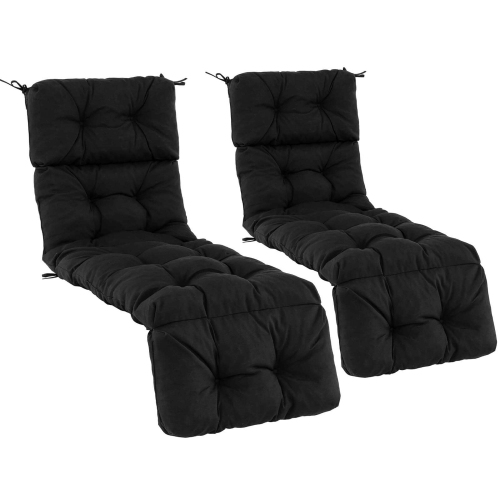
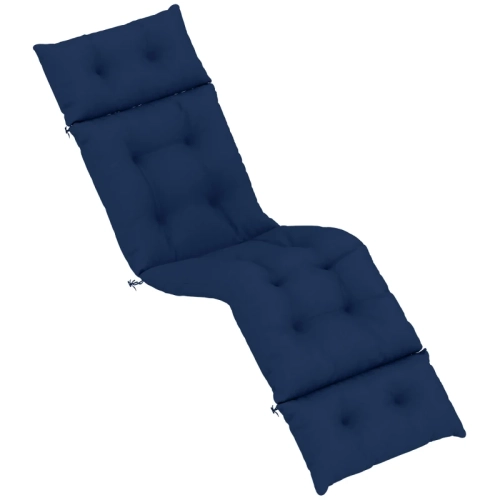
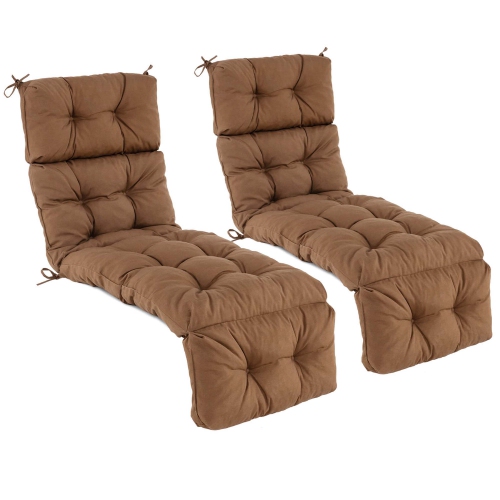


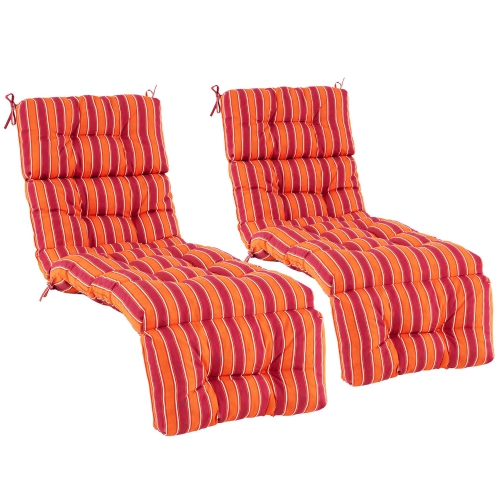


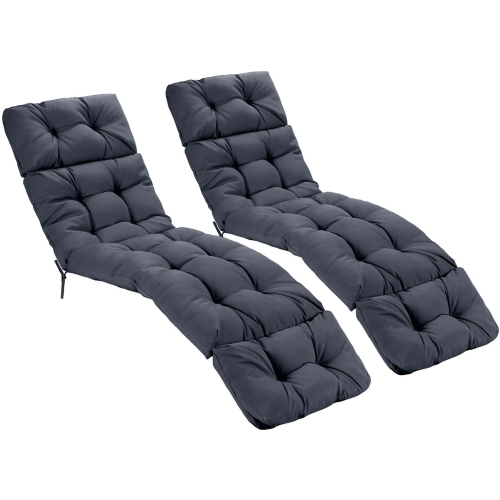


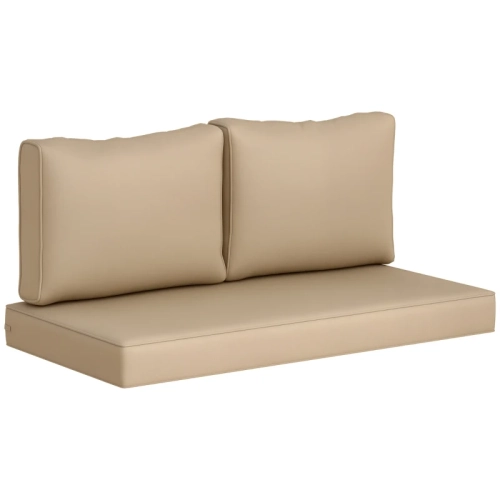


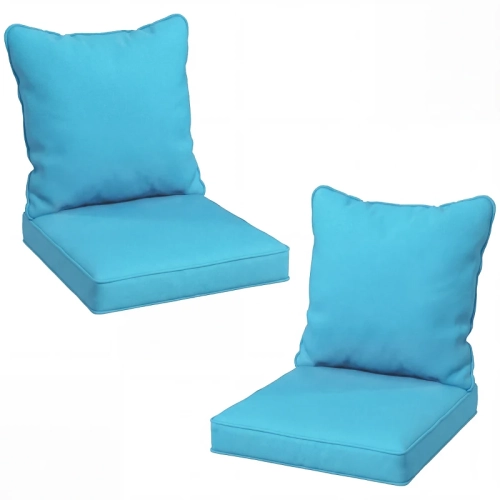



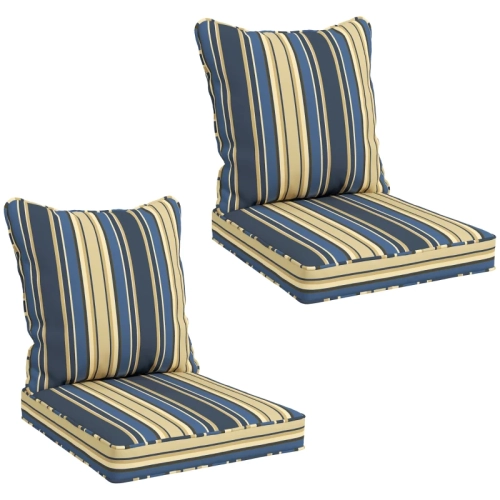

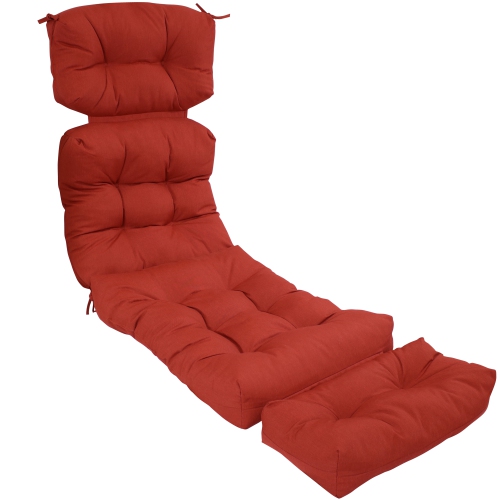
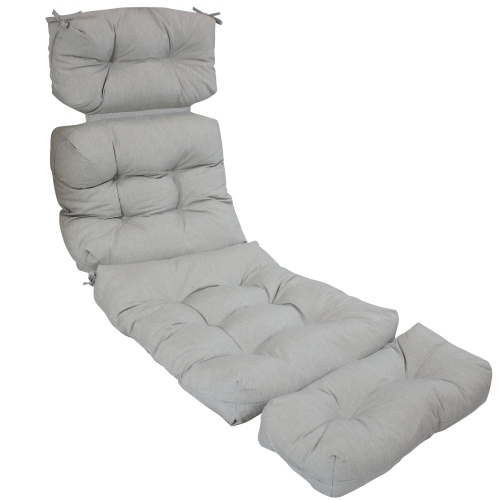


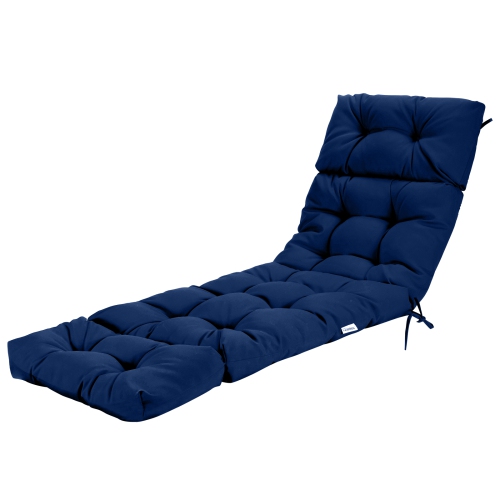
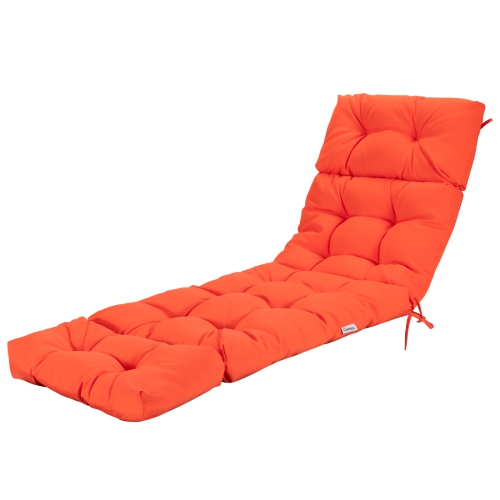
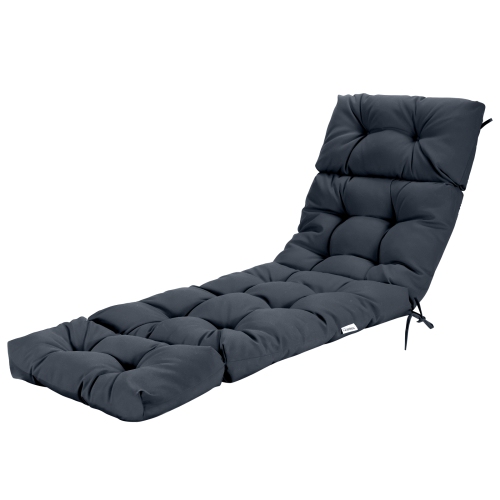


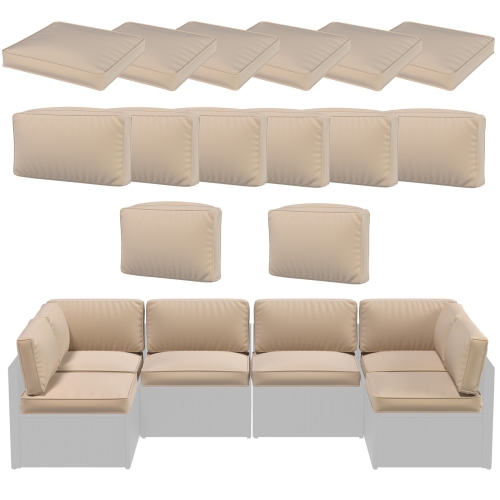


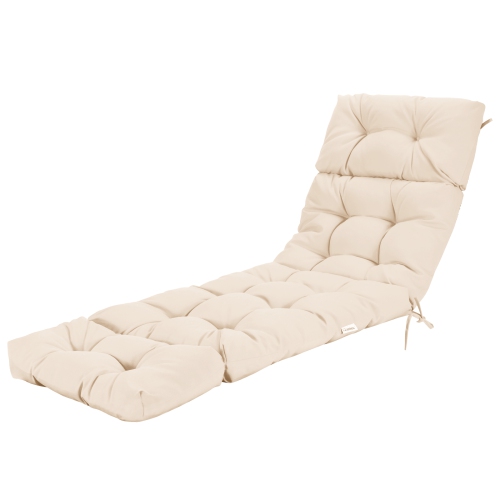


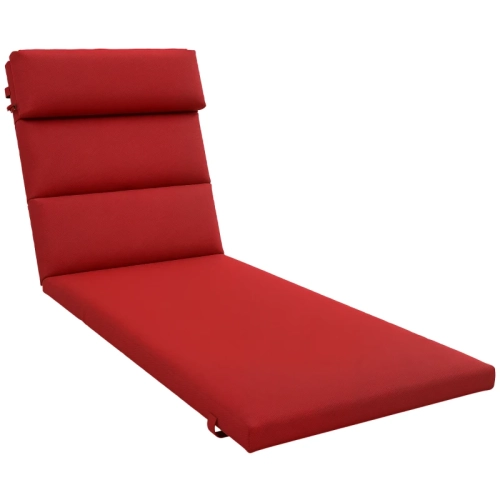

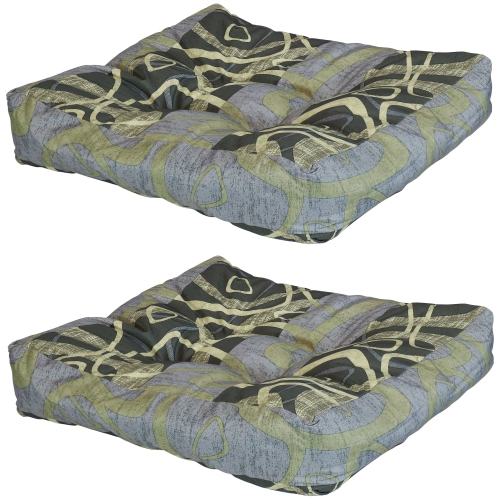

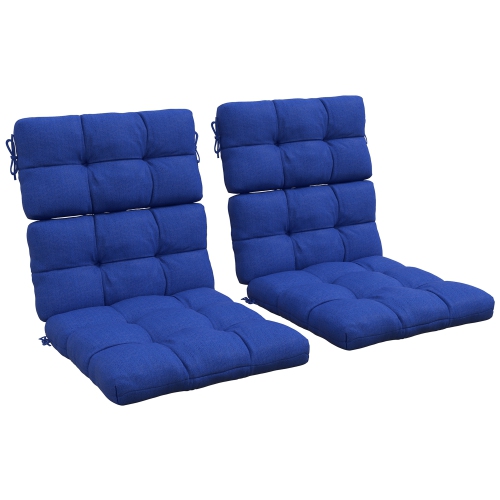


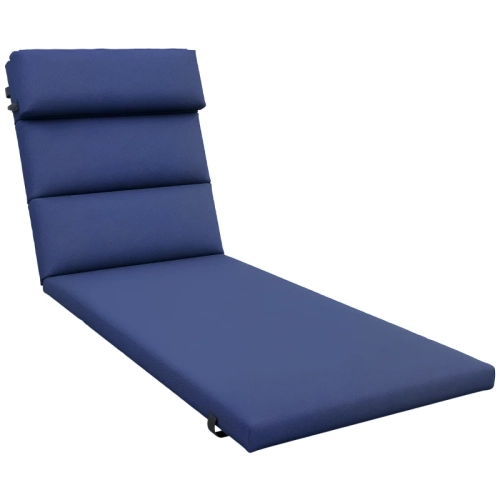
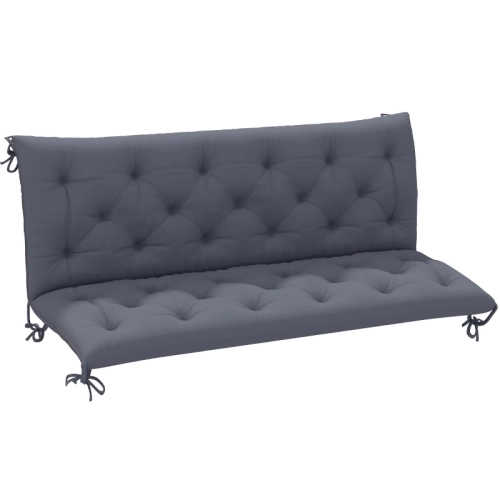


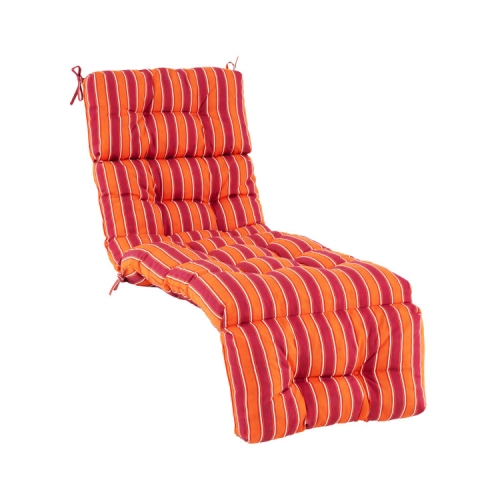


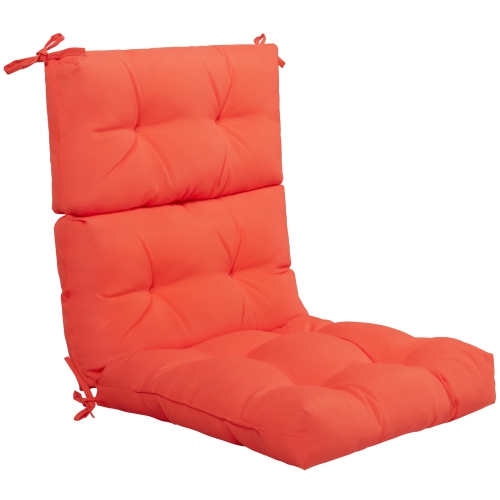


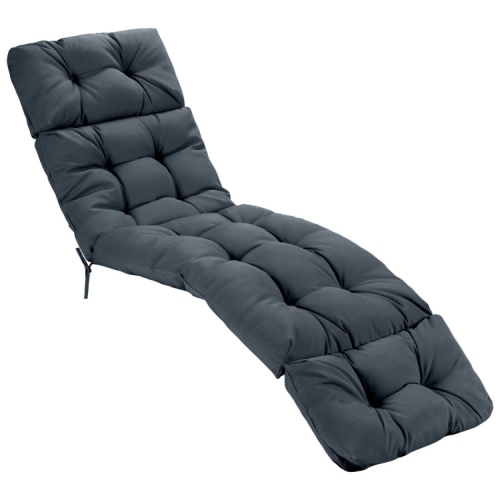

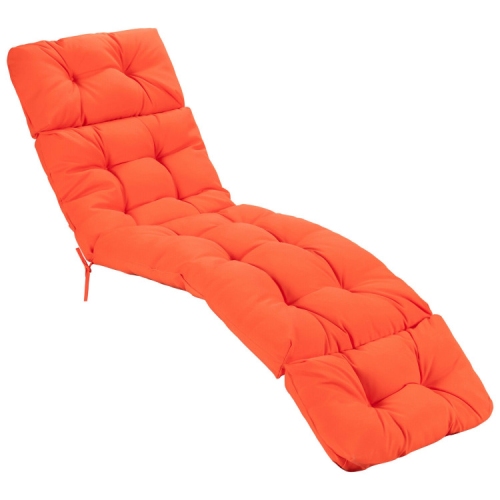
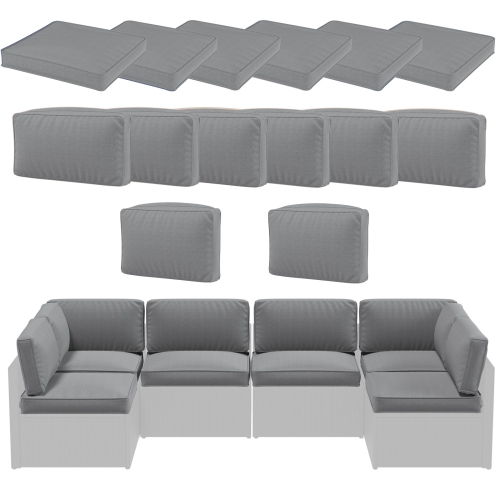
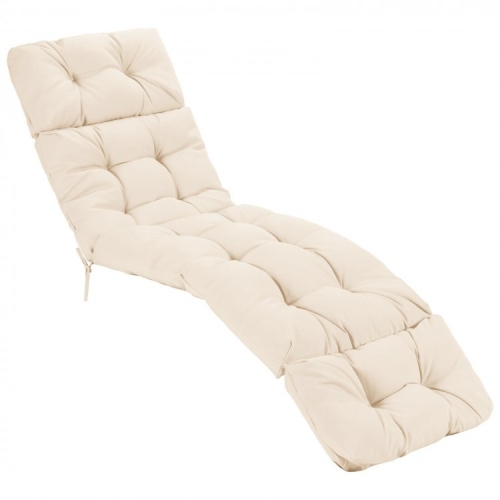
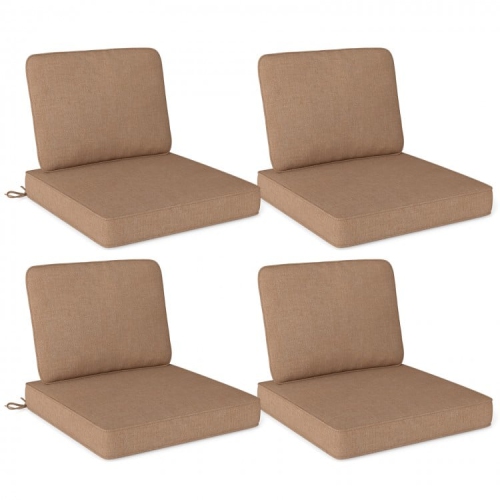
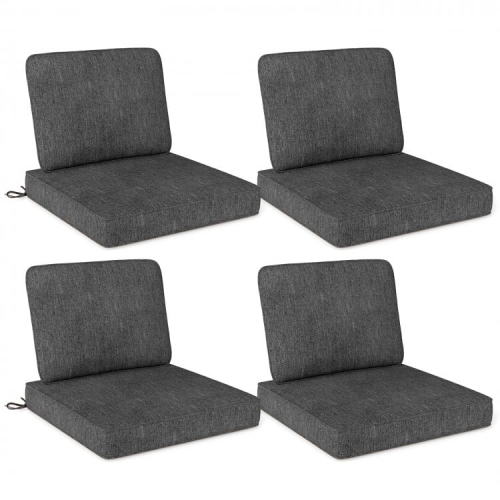


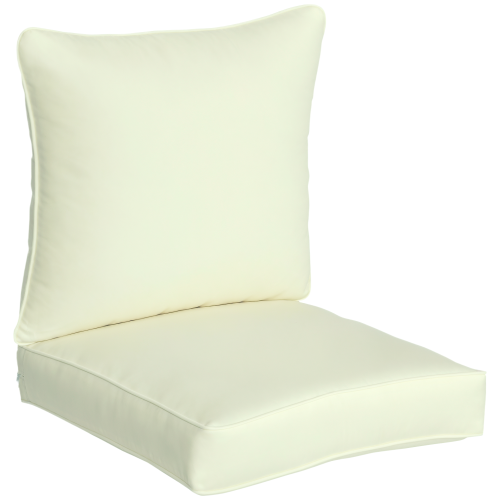


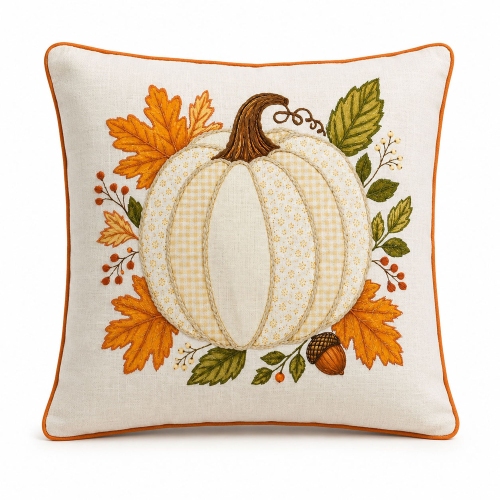
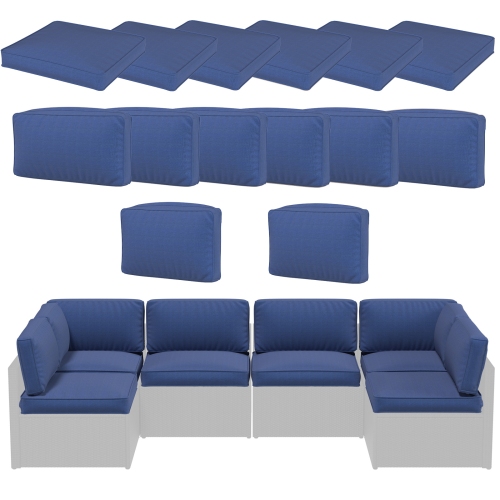
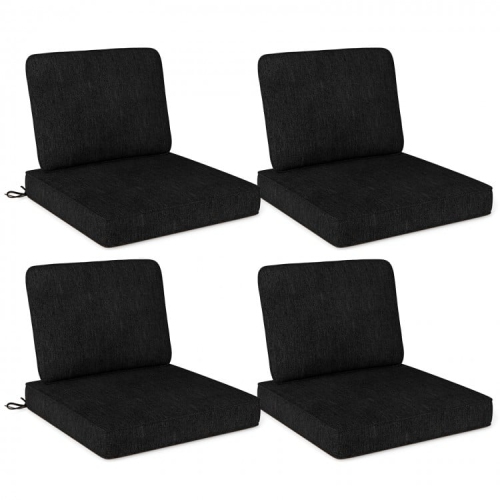
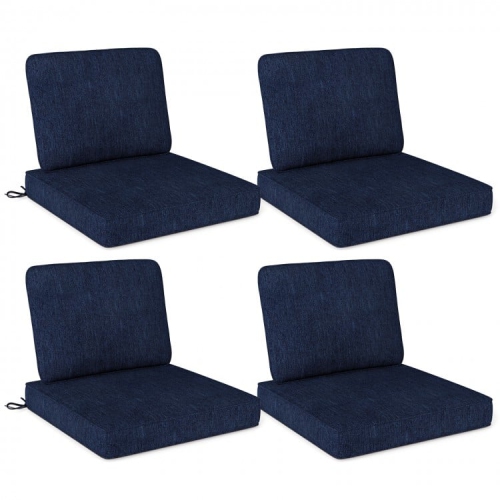


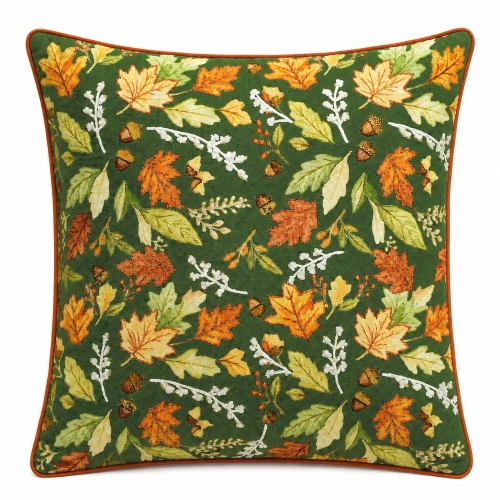


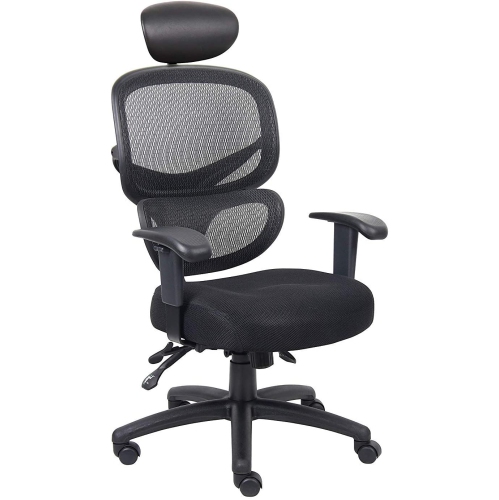
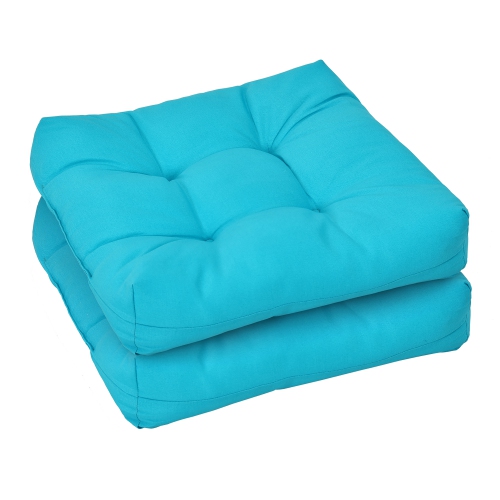


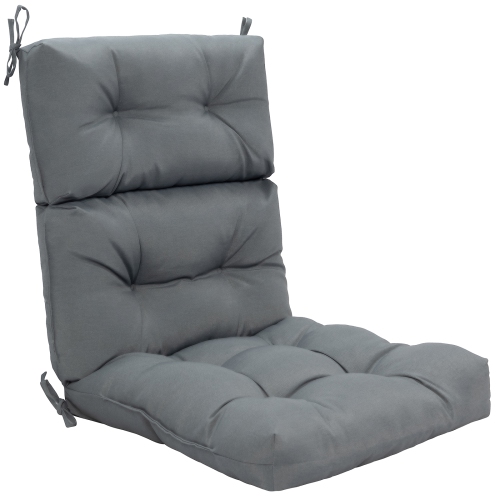
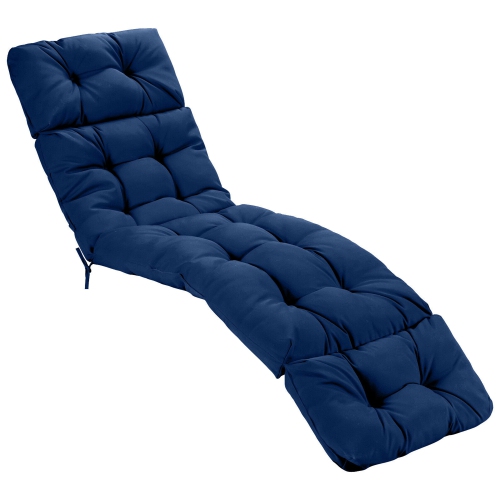
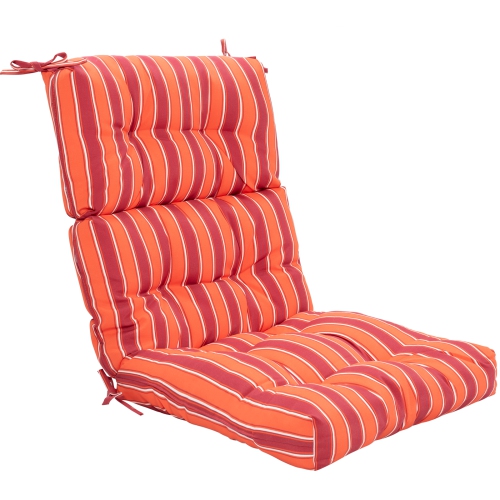

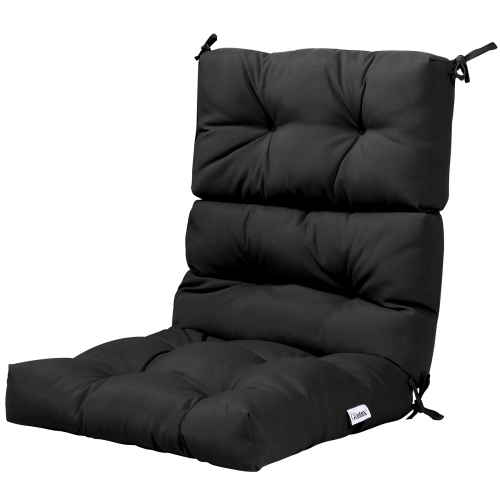


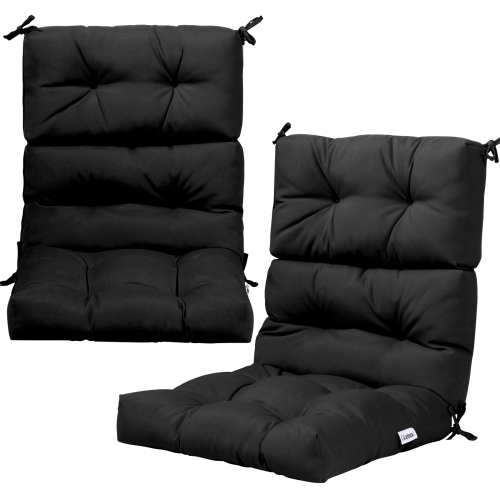
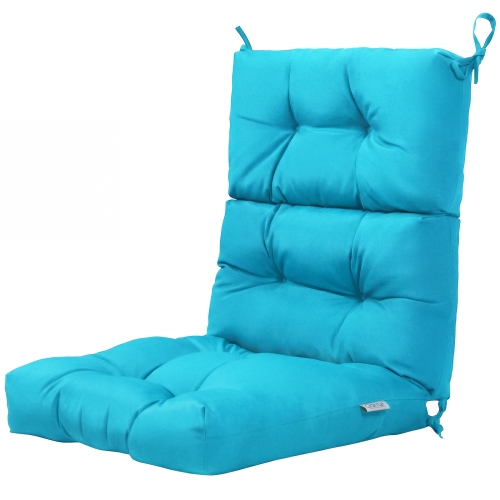


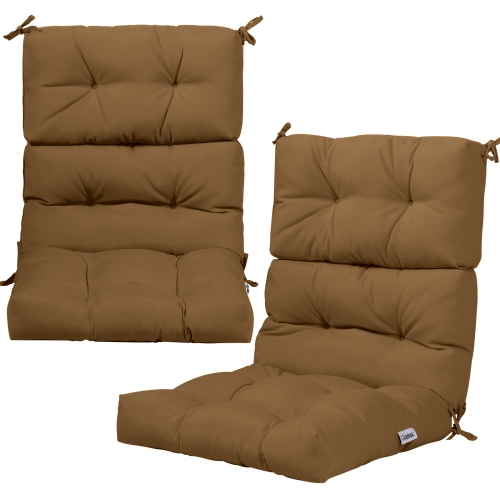
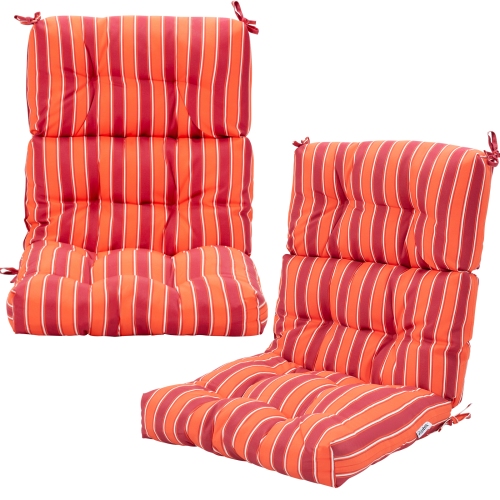
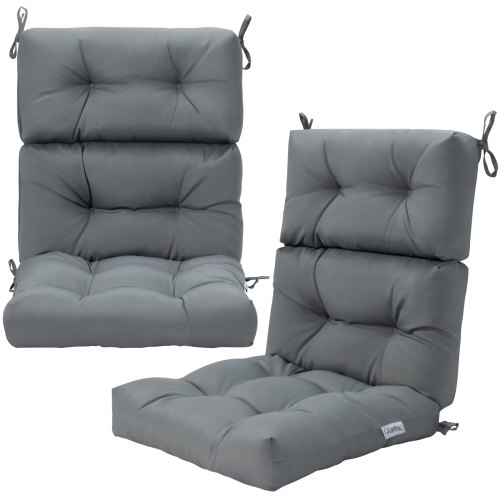


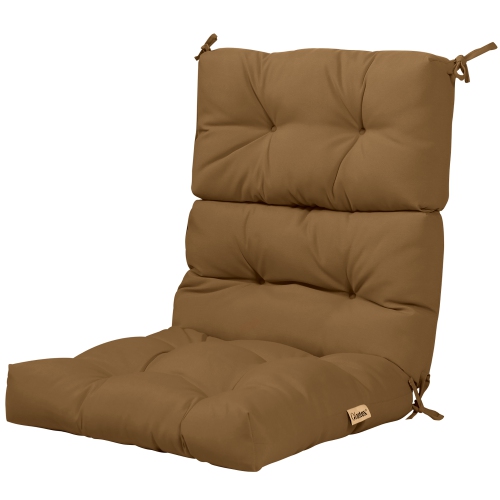
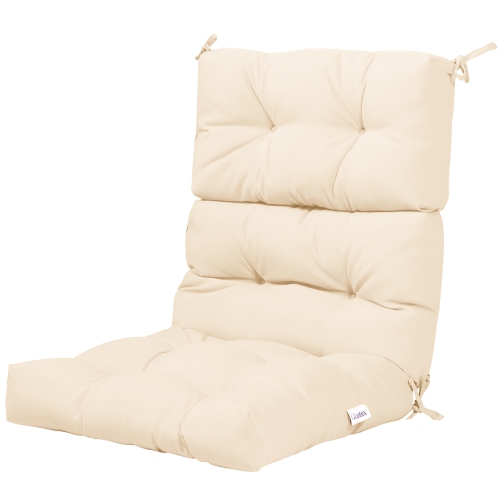


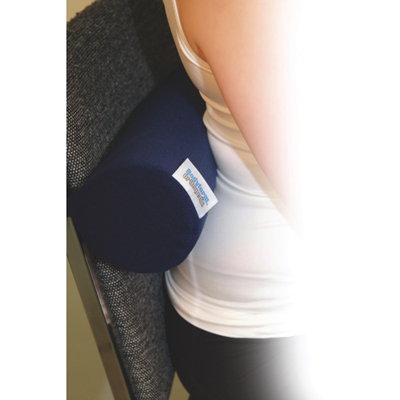
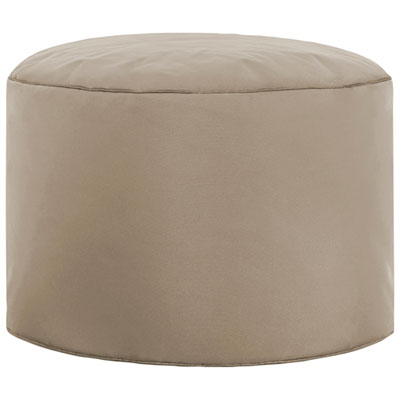
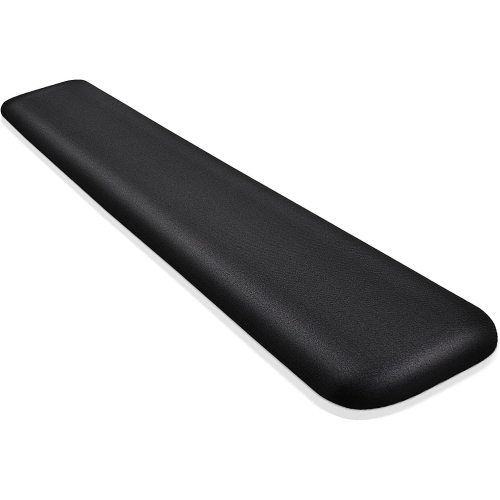
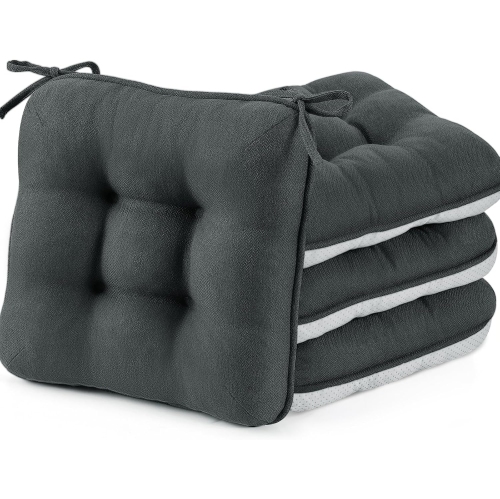
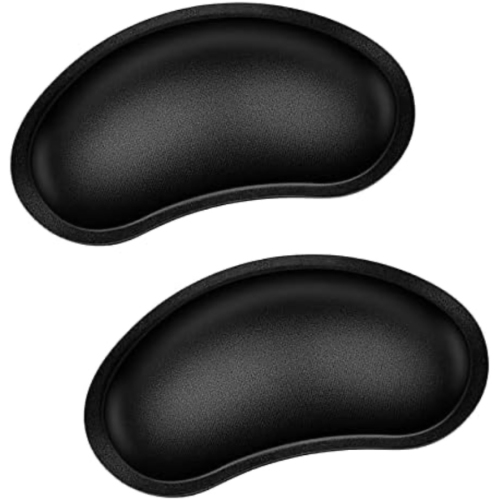
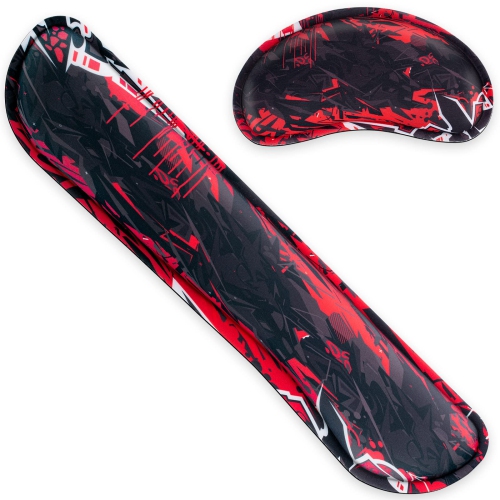

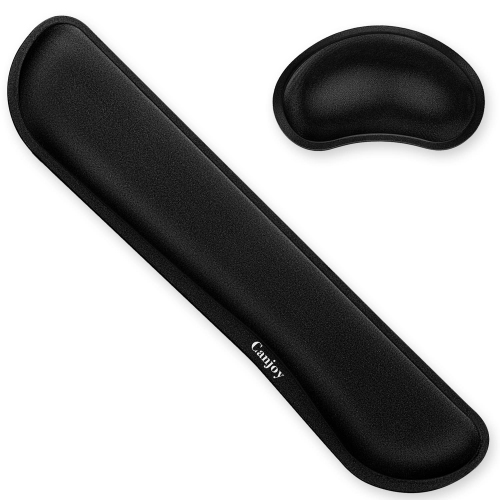


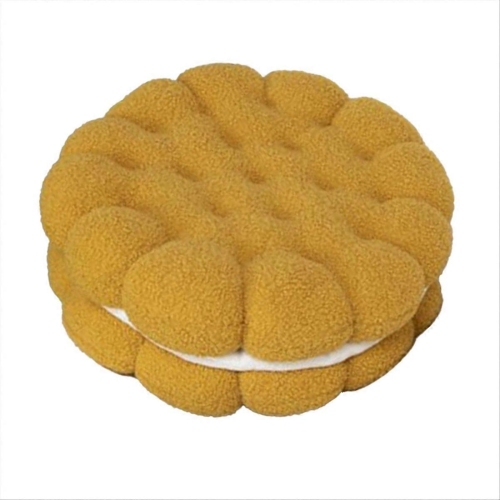
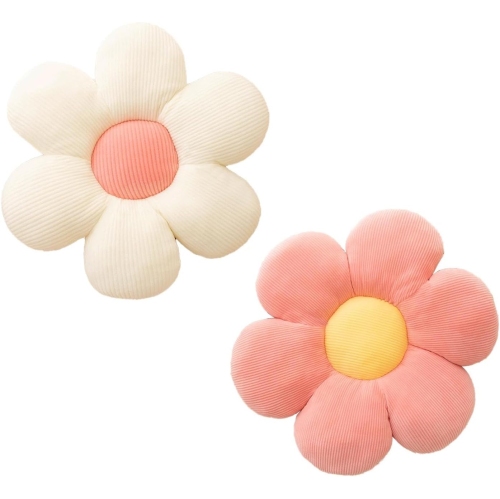

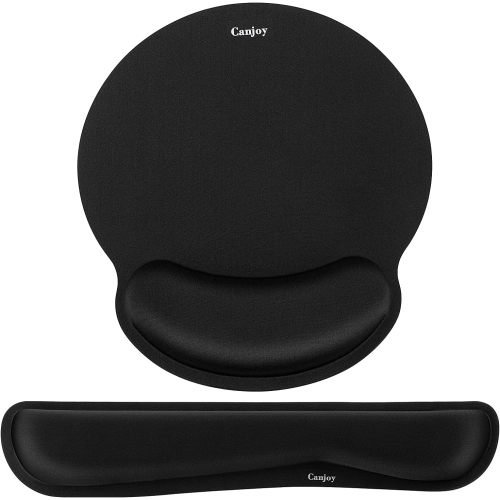

How covers and fillings shape your seating comfort
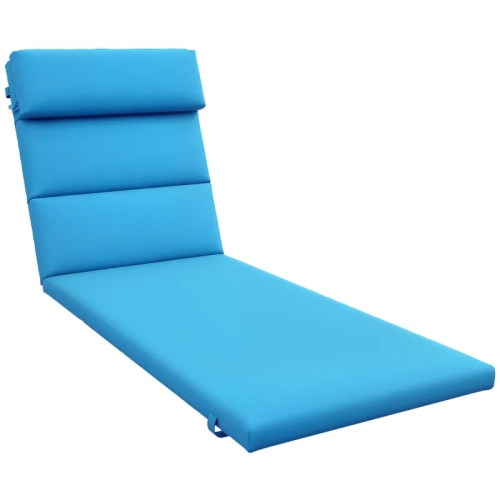
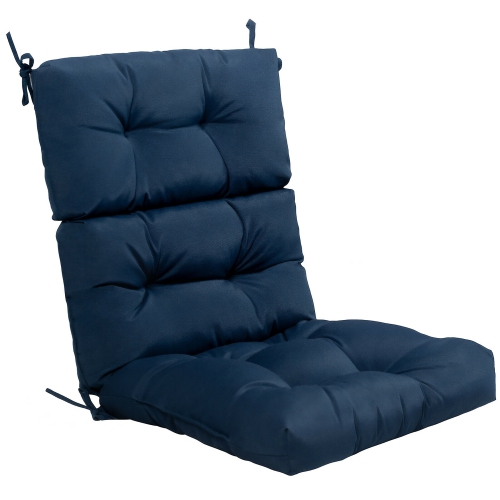
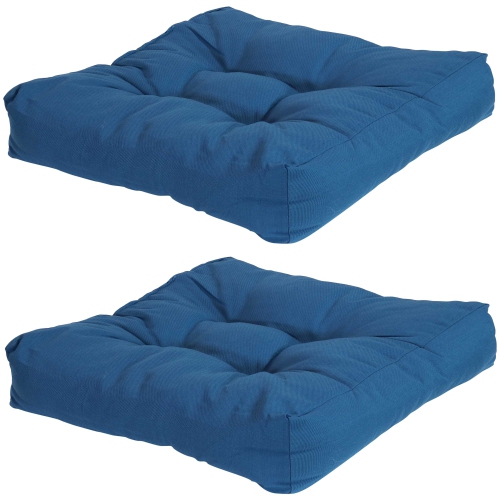
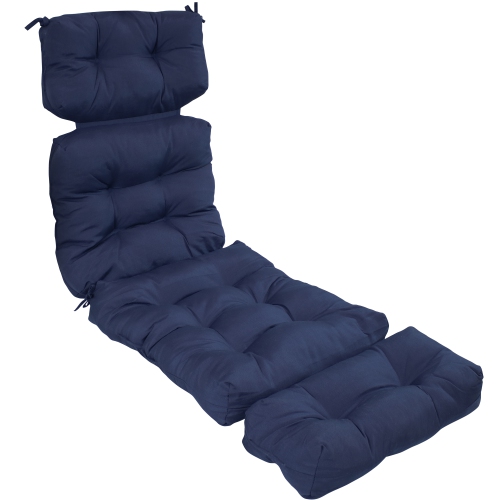
Fabric cushions are padded accessories with textile covers, designed to add comfort, support, and visual interest to seating and other furniture. They include soft scatter cushions for sofas, shaped pads for dining chairs, long cushions for benches, and larger floor cushions for relaxed seating. Their construction usually combines an outer fabric with a filling such as polyester fibre, foam, feathers, or a blend of materials. The cover determines much of the cushion’s feel and appearance, while the filling influences its firmness, loft, and ability to hold its shape. Cotton covers have a familiar, soft feel and suit everyday living spaces, although washing requirements vary with the weave, dyes, and construction. Linen brings a lightly textured finish, with natural creasing that gives a room a less formal look. Velvet and velour offer a plush surface whose colour can appear lighter or darker as the pile changes direction. Woven polyester and blended fabrics can provide practical options for frequently used seating, with performance depending on the particular textile and finish. Chunky weaves, embroidery, piping, and tufting add character, but they also change how a cushion feels against the skin. A smooth cover may be more comfortable behind the back during a long film, while a heavily textured cushion can work well as an accent on an occasional chair. Across the broader range of Furniture Cushions, the distinction between a decorative accent and a functional seat pad matters: one adds softness and colour, while the other needs to fit the furniture and remain comfortable under regular use. Fabric cushions can refresh a reading corner, make a dining nook more inviting, or tie together the colours of a sofa, rug, and curtains without replacing larger furnishings. For someone furnishing a first apartment or settling into a new home, they can also make a thoughtful gift when the recipient’s preferred colours, furniture dimensions, and care preferences are known.
The right fit depends on both the cushion’s dimensions and the space it occupies when someone sits down. On a compact sofa, several deep, generously filled cushions can leave little usable seating room, whereas a smaller square or rectangular shape can add comfort without crowding the seat. A long rectangular cushion can sit neatly across an armchair or provide a comfortable layer behind the lower back, though an ordinary accent cushion should not be assumed to offer specialized support. Bench and chair pads need closer attention to width, depth, and shape, particularly when a seat narrows towards the back or has rounded corners. Cushion thickness also changes the sitting position: a thick pad raises the user and may reduce clearance beneath a dining table or desk. Ties or a non-slip backing can help keep a suitable seat cushion in place on smooth furniture, provided the fastening method matches the chair and the backing is compatible with its finish. Filling makes a noticeable difference in daily use. Polyester fibre generally gives a soft, yielding feel and may need regular fluffing to keep the fill evenly distributed. Feather-filled cushions tend to feel more mouldable and often require reshaping; tightly woven inner covers help limit feather escape. Foam offers a more defined shape and is common in seat pads where consistent cushioning is useful. Its density, firmness, and thickness all affect performance, and a firmer feel alone does not establish quality. For a chair used throughout the day, recovery after compression matters more than the cushion’s appearance before use. For a sofa mainly used for conversation, a softer cushion that can be moved easily may be more appealing. Floor cushions serve a different purpose again, creating casual spots for reading or board games on an appropriate surface. They are not substitutes for infant sleep surfaces, and decorative cushions belong outside cots and other infant sleep spaces.
Care and durability are closely connected to how a fabric cushion is made, not simply to the name of its material. A removable cover with a concealed zip can make cleaning more manageable, but removable does not automatically mean machine-washable. The care label should specify whether the cover can be washed, spot-cleaned, or professionally cleaned, and whether the insert needs separate treatment. Cotton, linen, and blended covers may shrink or lose their intended shape if cleaned or dried incorrectly. Velvet pile can mark under pressure, while textured fabrics can trap crumbs, lint, and pet hair between raised threads. In a busy family room, a tighter, smoother weave may be easier to maintain than a loose fabric that catches on jewellery, claws, or clothing fasteners. No fabric is entirely snag-proof or stain-proof, even when it has a protective finish. Prompt attention to spills, using the stated cleaning method, helps prevent marks from settling into the cover or reaching the filling. Regular vacuuming with a suitable upholstery attachment can remove surface dust, while rotating and gently reshaping cushions helps distribute everyday wear. Any washed cover or insert needs to dry fully before reassembly. Construction details deserve equal attention: secure seams, neatly finished edges, a well-fitted inner liner, and a zip that opens far enough for easy removal all contribute to convenient upkeep. For cushions intended for outdoor furniture, suitability should be stated explicitly; water-repellent fabric, resistance to fading from UV exposure, and an appropriate filling are separate features rather than interchangeable claims. An indoor cushion does not gain those properties simply because it has a sturdy canvas-like texture. Visually, fabric cushions offer room for subtle coordination or a stronger contrast. A small-scale pattern can add detail beside a plain sofa, while a solid colour can give the eye a resting place beside patterned upholstery. Mixing smooth and textured covers brings depth without requiring every cushion to match. A consistent colour repeated in different shapes often feels more relaxed than an identical set, provided the arrangement still leaves enough space to sit comfortably. The most useful combination balances appearance with the realities of the room: who uses the furniture, how often the cushions need cleaning, and whether they are mainly there to soften a seat, support a comfortable position, or add a finishing touch.
Top selling and popular products
-
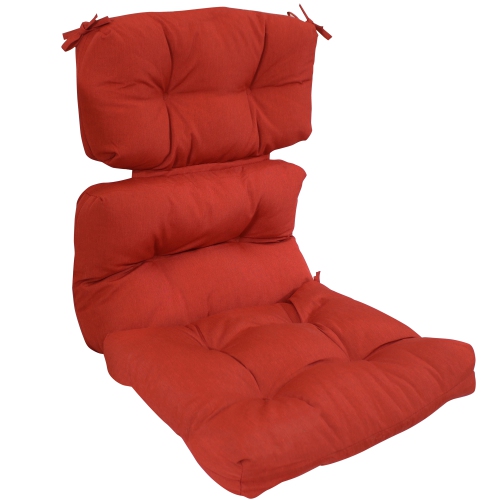 Your price for this item is $88.85
-
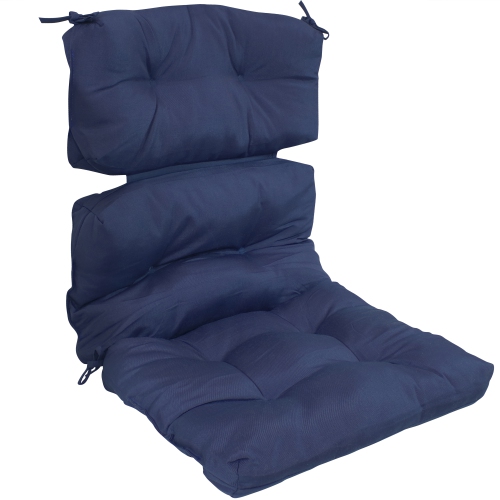 Your price for this item is $88.85
-
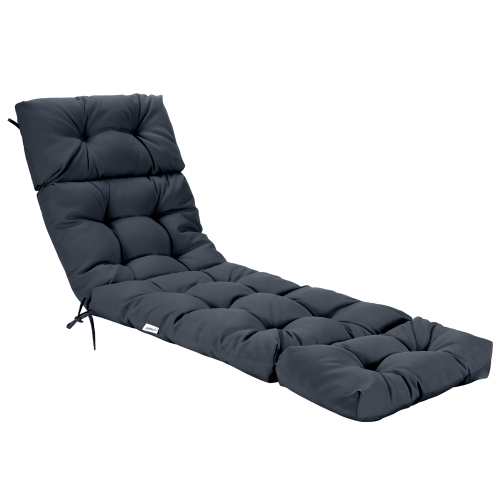 Your price for this item is $68.99
-
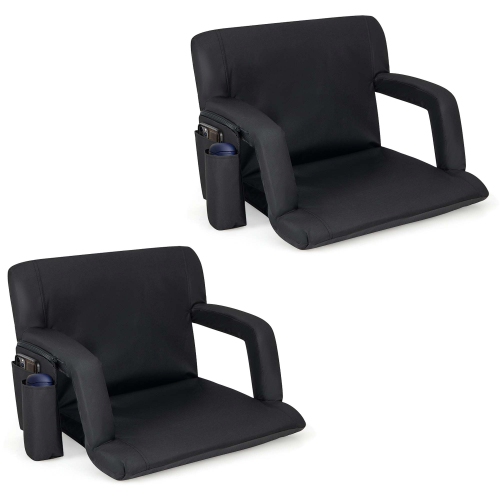 Your price for this item is $167.99
-
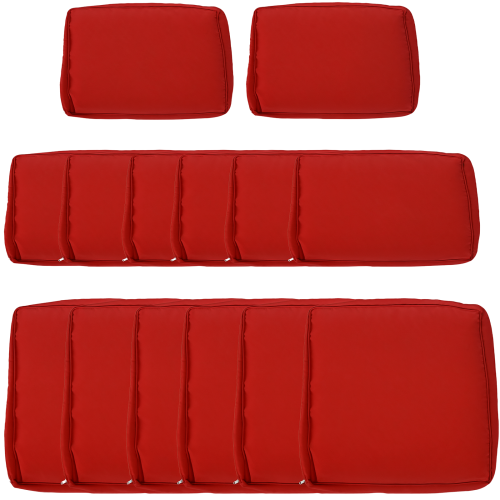 Your price for this item is $94.99
-
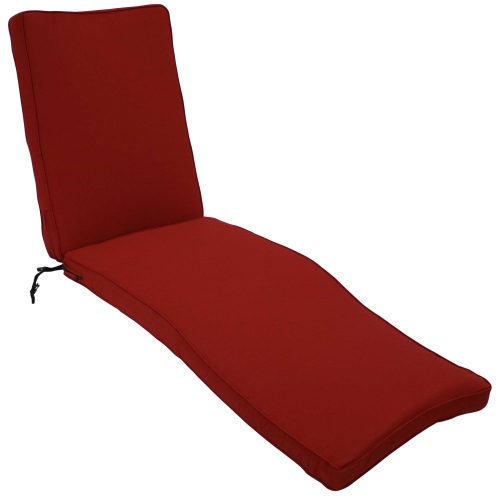 Your price for this item is $155.55
-
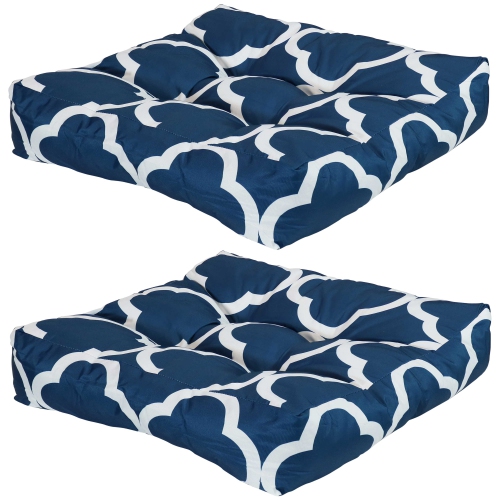 Your price for this item is $64.15
-
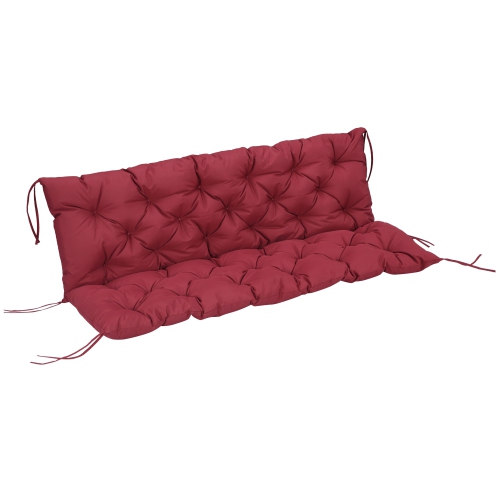 Your price for this item is $69.99
Discover more categories related to Fabric Cushion


Top Collections:
Pokemon Centers, Kindle Devices, Best Cameras for Sports Photography, Pokémon 30th Celebration Cards, Apple iPhones 16, Canon G7X Cameras, iPhone 15 Apple, Flip Phones, Samsung Galaxy Phones, Alarm Clock
Some products may be subject to Environmental Handling Fees
(EHF) depending on your province.
Learn more about EHFs.