Fabric Executive Office Chairs
Fabric Executive Office Chairs bring comfort and style to any workspace, making them a popular choice for home offices and professional environments alike. With a range of designs and colors available, these chairs can complement any office décor while providing a refined look. Whether updating your workspace or outfitting a new office, explore a variety of Fabric Executive Office Chairs to find the perfect fit for your needs.
Sort
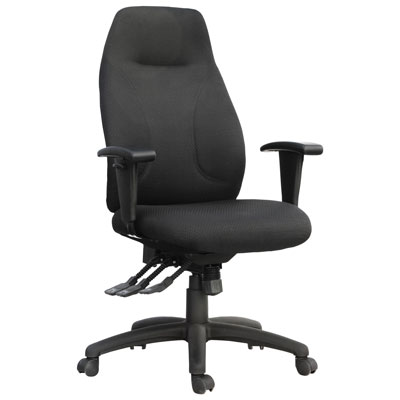
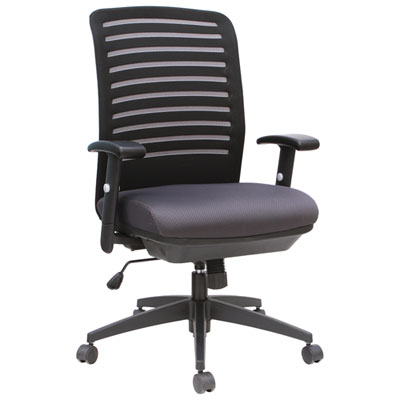
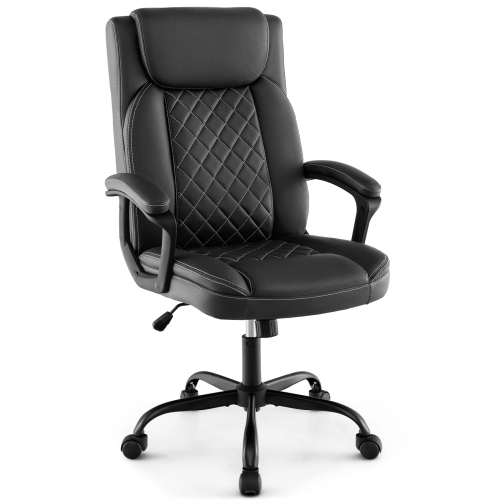
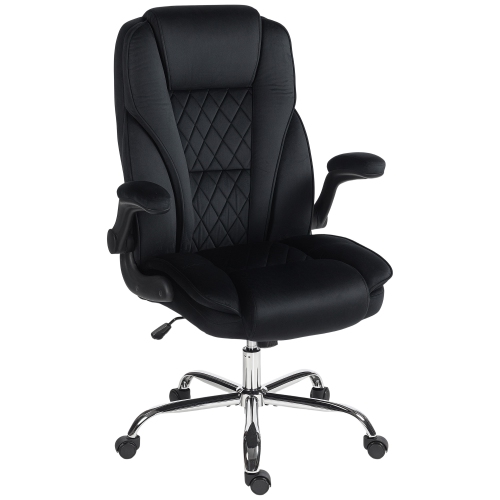
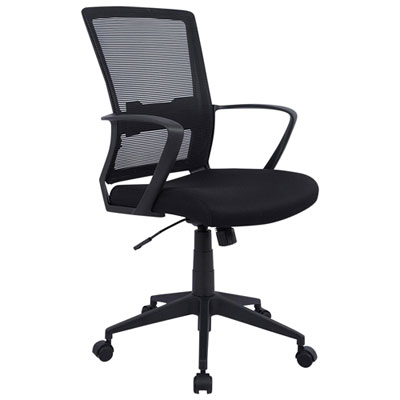
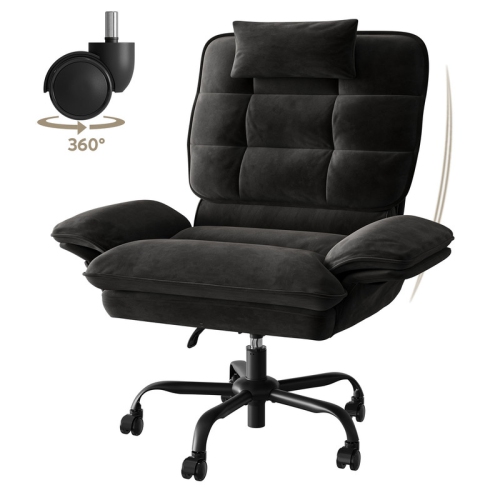
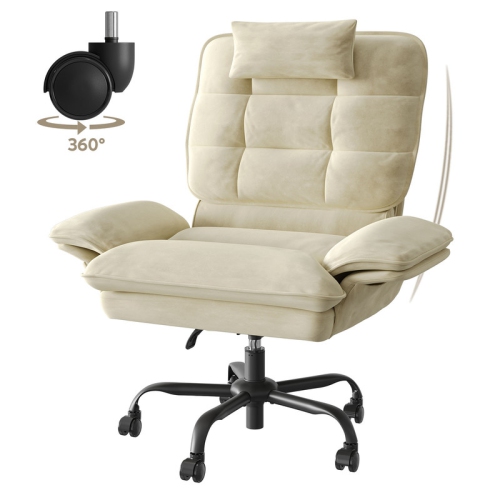
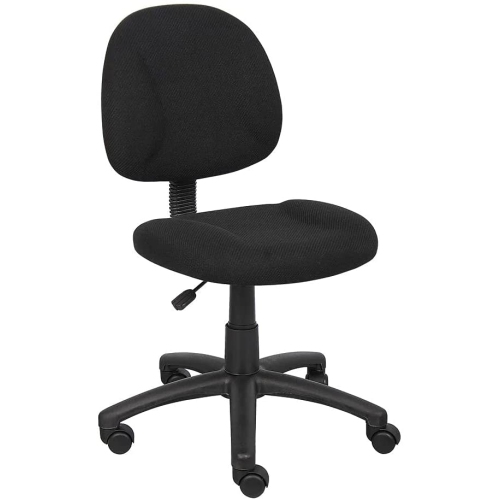
Why fabric chair comfort goes beyond plush padding
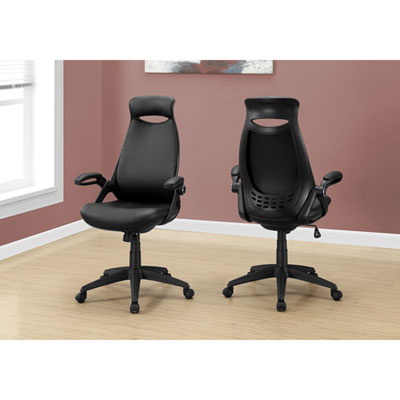
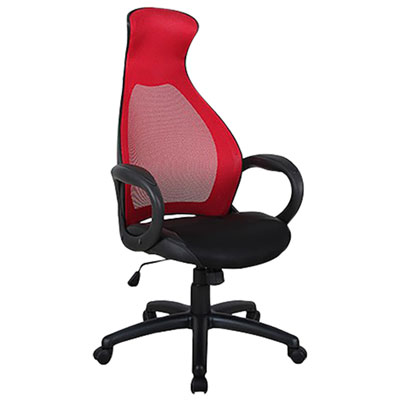
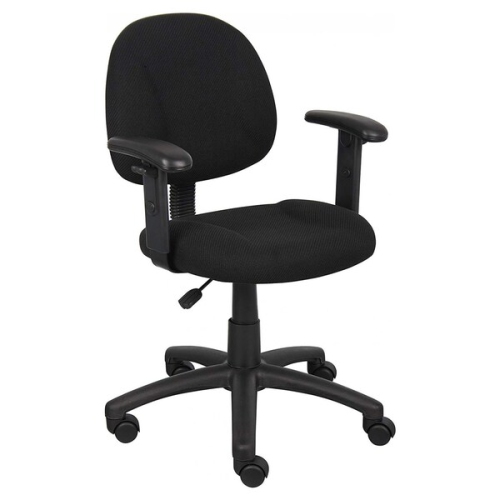
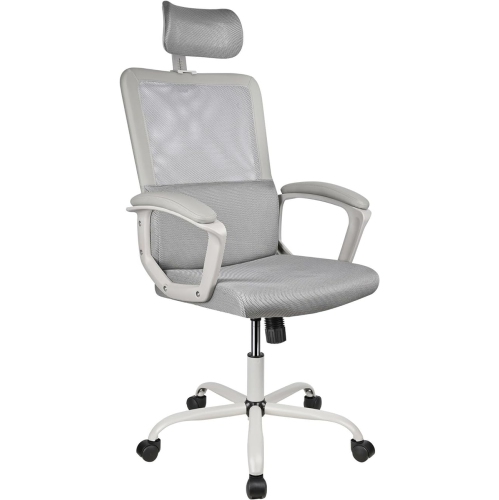
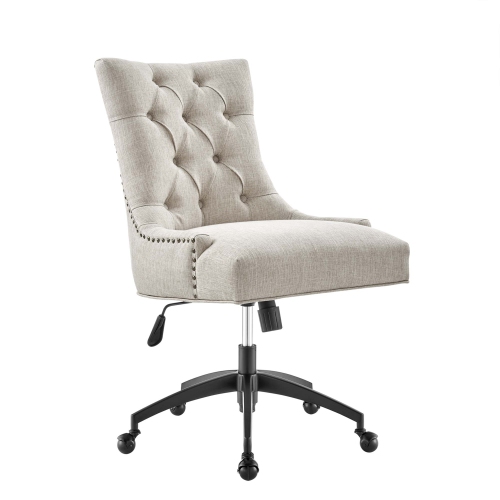
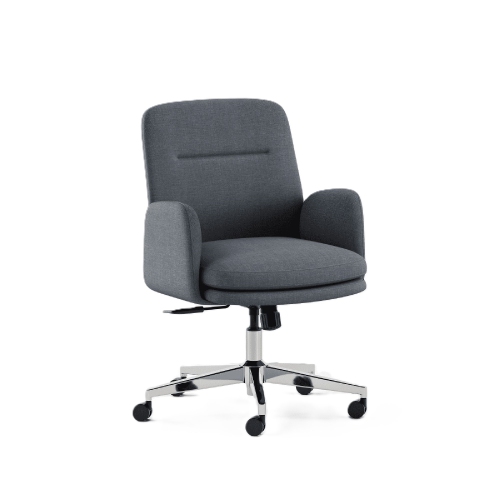
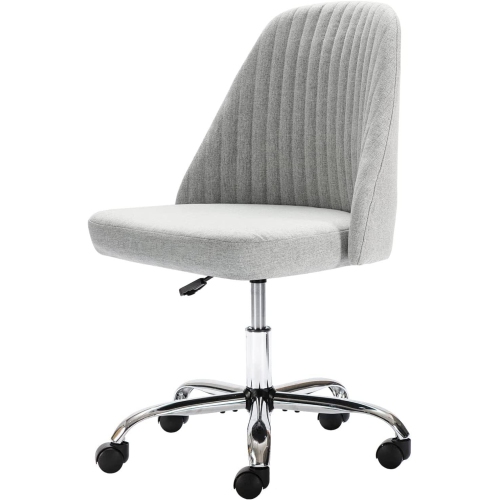
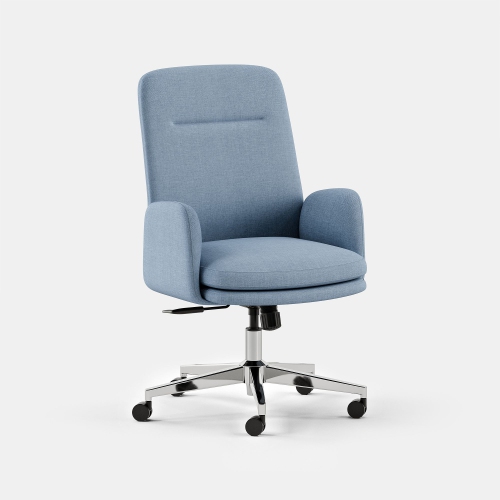
Fabric executive office chairs combine upholstered seating with the substantial profile often associated with a managerial workspace. Typically featuring a cushioned seat, a supportive backrest, and armrests, they bring a softer, more furniture-like finish to a home office, study, or dedicated workplace. A high-back design can provide contact across more of the upper back, while a mid-back profile may feel less imposing beside a compact desk. Neither shape guarantees a better fit; comfort depends on the chair’s proportions, its adjustments, and how those features suit the person using it. Fabric upholstery offers a tactile alternative to leather-look coverings, with woven surfaces that can feel less slick and allow some airflow. Breathability varies with the weave, backing, and cushioning beneath it, so the upholstery material alone does not determine how a chair feels over a long workday. Tightly woven fabrics generally have a smoother, more uniform appearance, while textured upholstery adds visual depth and a softer look. Polyester and blended fabrics are common choices, although cleaning requirements and resistance to wear depend on the particular construction. A pronounced looped texture can look inviting but may catch on pet claws or jewellery more readily than a close weave. Beneath the fabric, cushioning affects how evenly the seat supports the body. Thick padding can feel welcoming at first, but thickness alone says little about whether the seat will retain its shape. Foam quality, the support structure, and the distribution of padding all matter. For someone moving between spreadsheets, calls, and paperwork, a chair that supports several natural sitting positions is often more useful than one chosen only for its plush appearance. Fabric executive seating can also blend into a multipurpose room without making the space feel entirely devoted to work, especially when its upholstery complements nearby seating, curtains, or a rug. That balance makes the category relevant to both traditional offices and work areas tucked into shared living spaces.
Fit becomes especially important when an executive chair is used for sustained desk work rather than occasional meetings. Seat height should allow the feet to rest securely on the floor or a footrest while keeping the shoulders relaxed at the work surface. A chair that rises high enough for a tall desk may still leave a shorter person needing additional foot support. Seat depth matters just as much: the backrest should be reachable without the front edge pressing into the backs of the knees. A generously sized seat may suit a taller user but feel awkward for someone with shorter legs. Adjustable seat depth, where included, provides another way to fine-tune that relationship. Lumbar support should meet the curve of the lower back rather than push against an uncomfortable spot, and an adjustable backrest or lumbar feature can accommodate different proportions. Armrests also affect everyday usability. Padded fixed arms may provide a comfortable place to rest during a call, but their height needs to work with the desk apron and keyboard position. Adjustable arms offer more flexibility, particularly at a shared workstation. The chair should let the user sit close enough to the desk without reaching forward or lifting the shoulders. Tilt tension, recline limits, and locking positions influence how easily the chair follows movement between focused typing and a more relaxed conversation. These features are distinct from seat-height adjustment, so their descriptions deserve attention. A swivel base makes it easier to turn towards a filing cabinet or another screen without twisting through the torso. Casters should be suitable for the flooring, since a wheel designed for carpet may behave differently on a hard surface. Floor protection may be useful, provided it stays flat and does not interfere with rolling. Beyond movement, the base, frame, adjustment mechanisms, and stated weight capacity deserve as much attention as the upholstery. A chair’s dimensions and capacity should suit its intended user, with enough clearance to move around the desk and open nearby drawers. Even a well-fitted chair works best alongside regular changes of position and breaks from sitting.
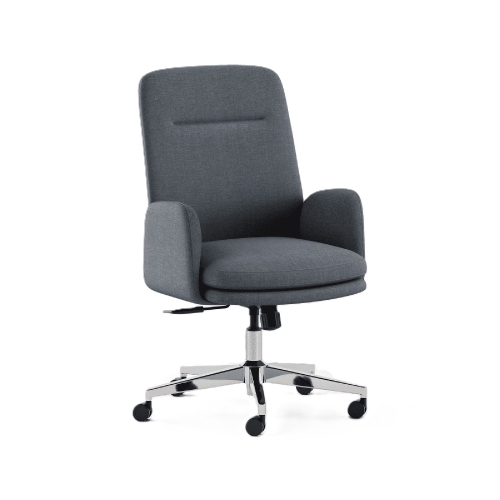
Care and appearance help determine how well a fabric executive office chair fits into daily life over time. Upholstery can collect dust, crumbs, and lint around seams, seat edges, and the junction between the cushion and backrest. Gentle vacuuming with an upholstery attachment, when permitted by the care instructions, helps keep those areas tidy without unnecessary rubbing. Spills are best addressed promptly according to the manufacturer’s directions; blotting rather than scrubbing can help avoid spreading a mark or disturbing the fabric surface. Cleaning methods vary, and a treatment suitable for one upholstery fabric may leave a ring or alter the texture of another. Any approved cleaner should be tested in an inconspicuous area before broader use, and removable-looking covers should not be assumed to be machine washable. For a chair near a window, prolonged direct sunlight may affect colour over time, while contact with rough clothing or sharp accessories can contribute to surface wear. In a busy household, a close weave and accessible seams may be more practical than deeply tufted upholstery that traps debris. Colour and shape influence the room just as strongly. Charcoal, grey, and other restrained shades can sit comfortably beside wood desks or metal shelving, while lighter upholstery creates a gentler contrast against dark furniture but may show marks more readily. For a darker palette across different upholstery styles, Black Executive Office Chairs offer a related direction. The overall silhouette matters, too: a broad, heavily padded back has a different visual presence from a slimmer upholstered profile. In a small study, measuring both the chair’s footprint and the space needed to recline helps preserve a usable walkway. For a shared home office or a chair given as a gift, knowing the intended user’s height, desk setup, and preferred sitting feel is more valuable than choosing by appearance alone. The strongest match brings together suitable proportions, useful adjustments, manageable care, and a fabric finish that belongs in the room.
Top selling and popular products
-
 Your price for this item is $129.99
-
 Your price for this item is $539.1
-
 Your price for this item is $539.1
-
 Your price for this item is $539.1
-
 Your price for this item is $459.99
-
 Your price for this item is $343.2
-
 Your price for this item is $343.2
-
 Your price for this item is $343.2
Discover more categories related to Fabric Executive Office Chairs
Top Collections:
Best Black Friday Deals This Year, Best Black Friday Deals On Electronics, Kindle Devices, Dyson Airwrap, Best Cameras for Sports Photography, Best Budget Office Chairs, Canon G7X Cameras, PS5 Pro Consoles, Best Black Friday Deals On Apple Products, XBOX One S Consoles
Some products may be subject to Environmental Handling Fees
(EHF) depending on your province.
Learn more about EHFs.