Fabric Storage Ottomans
Looking to add both style and functionality to your living space? Our collection of fabric storage ottomans offers the perfect solution for decluttering your home while adding a touch of elegance. These versatile pieces not only provide extra seating and a comfortable place to put up your feet but also feature hidden storage compartments to help you keep your space organized. With a variety of sizes, colors, and styles to choose from, finding the ideal fabric storage ottoman to complement your decor has never been easier.
Sort
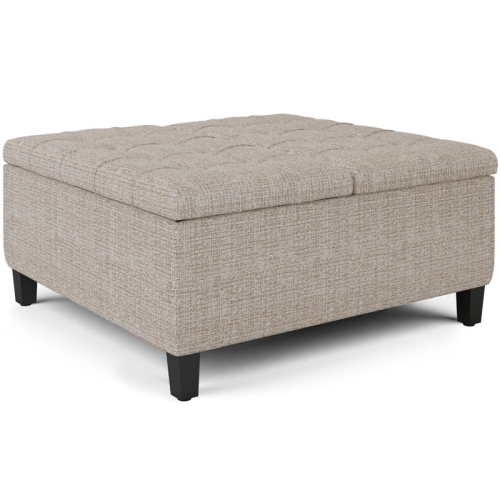
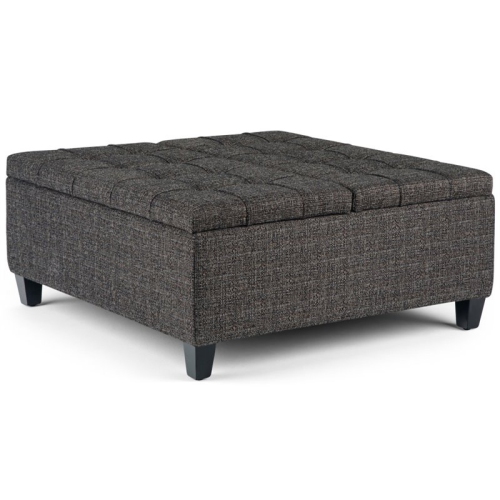
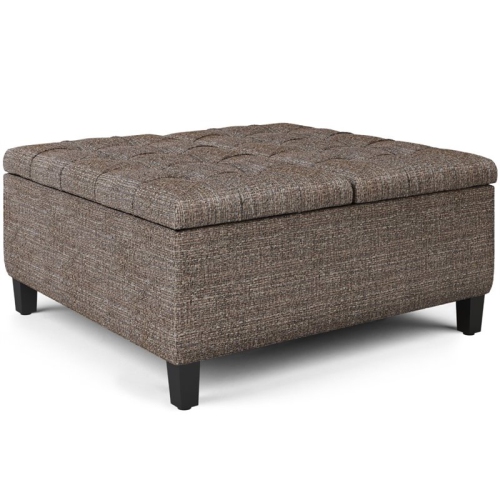
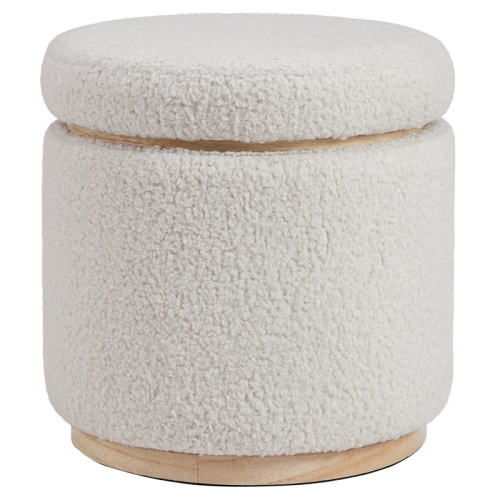
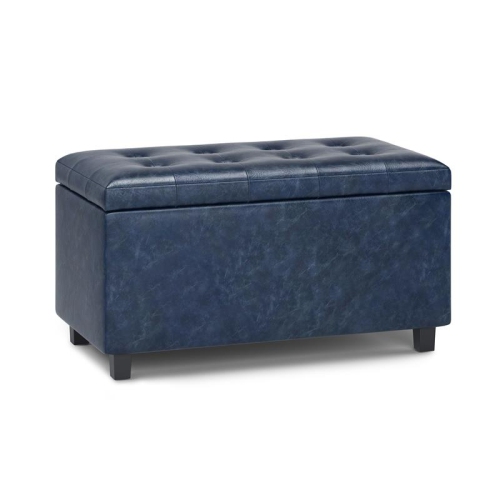
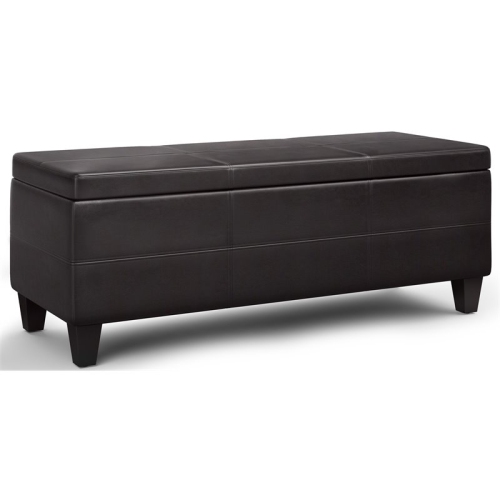
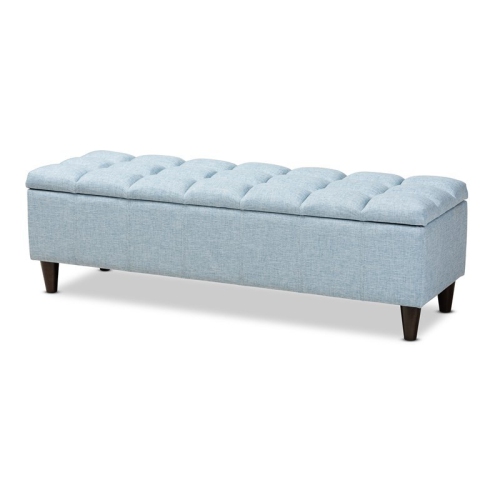
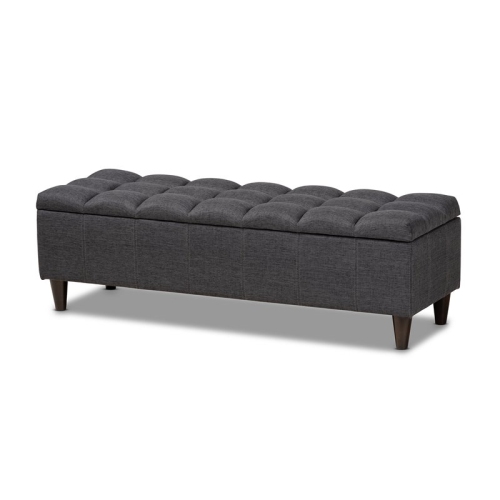
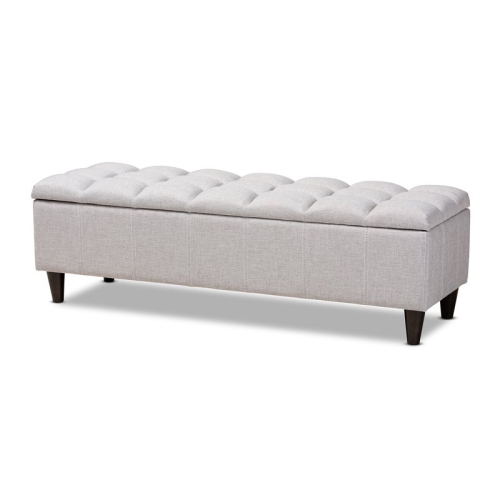
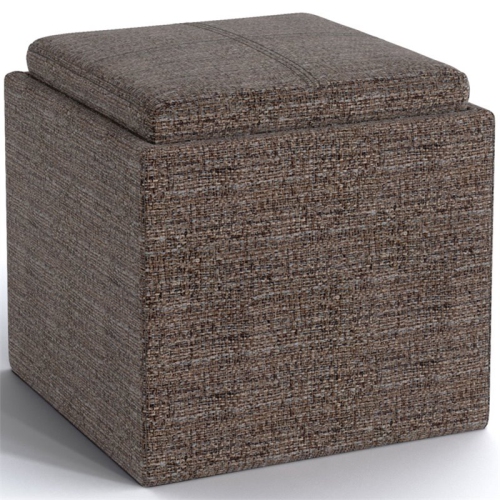
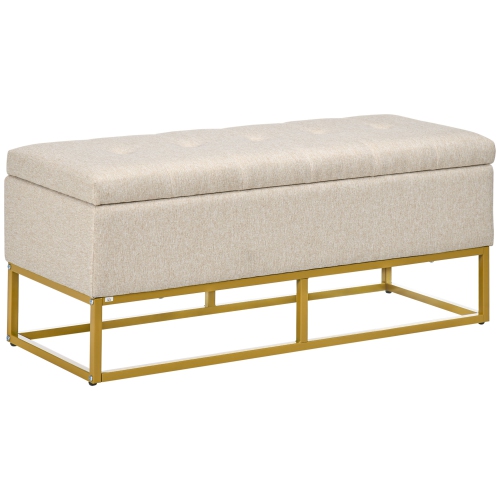
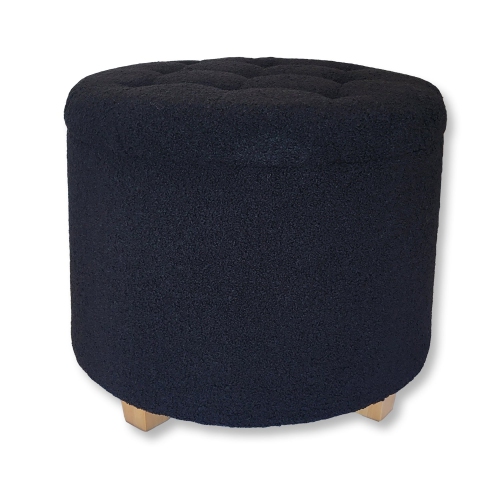
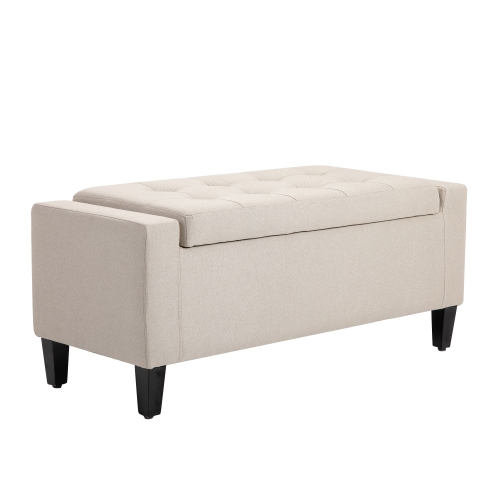
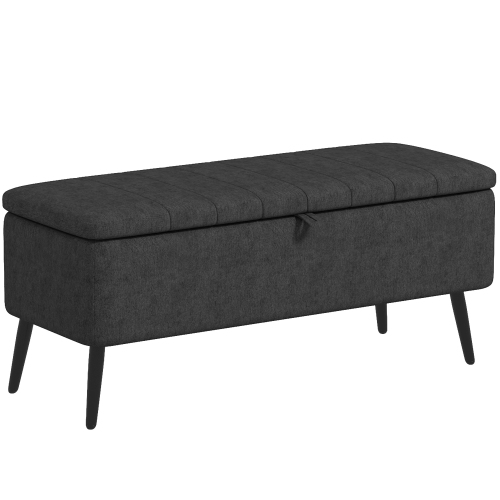
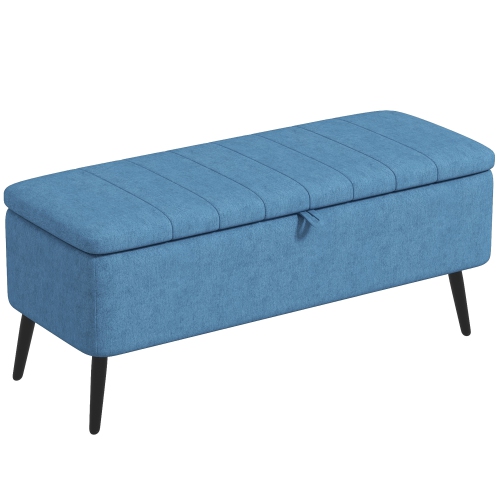

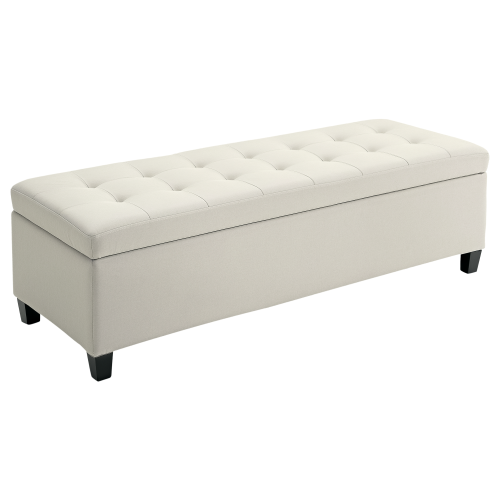
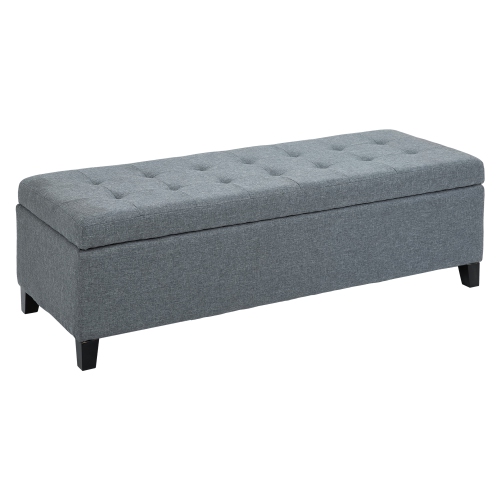
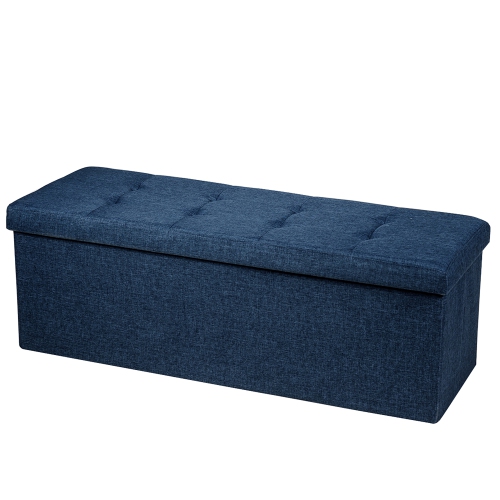
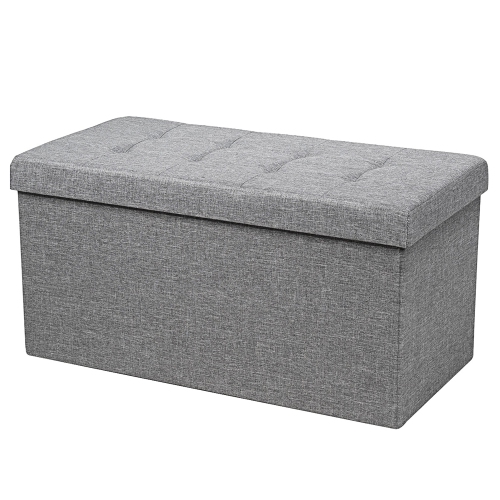
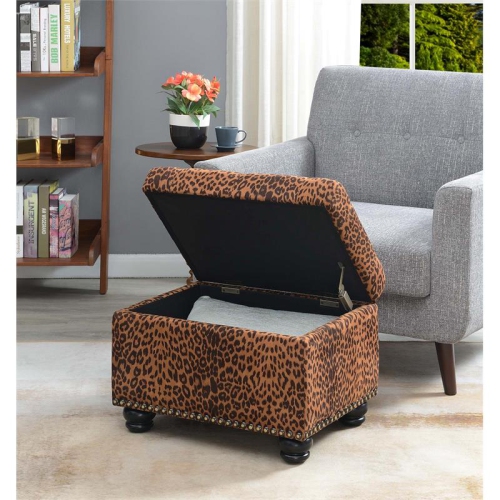
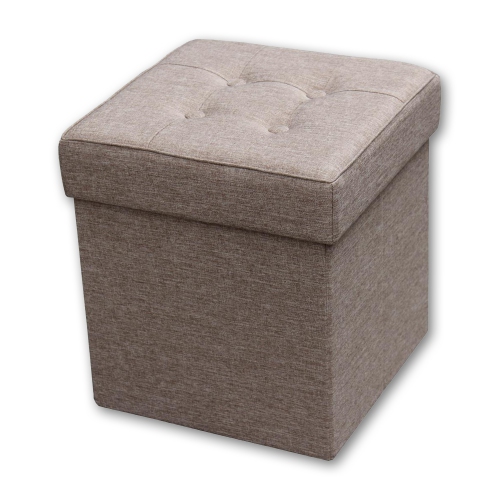
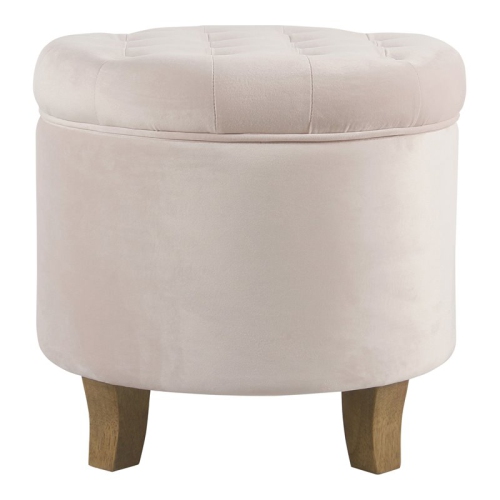
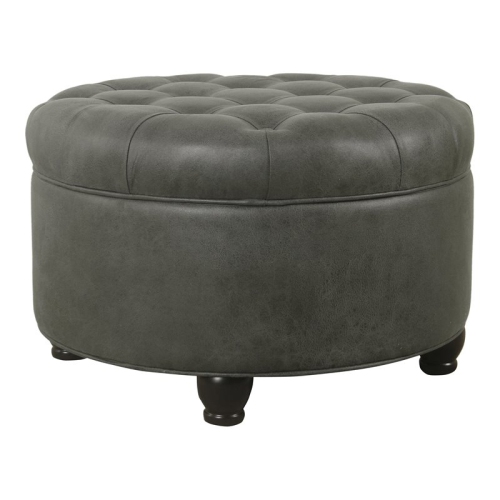
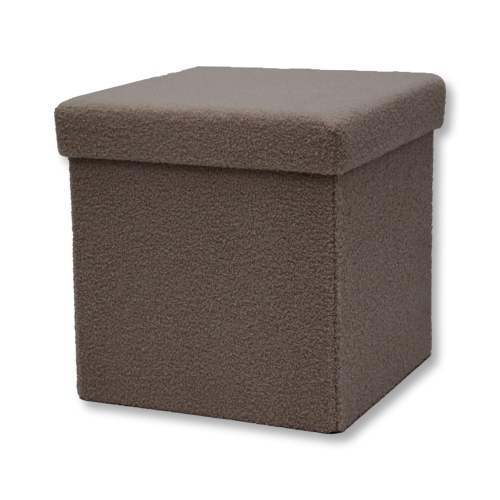

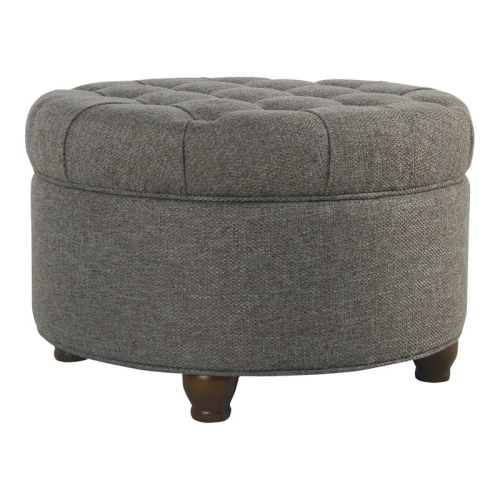
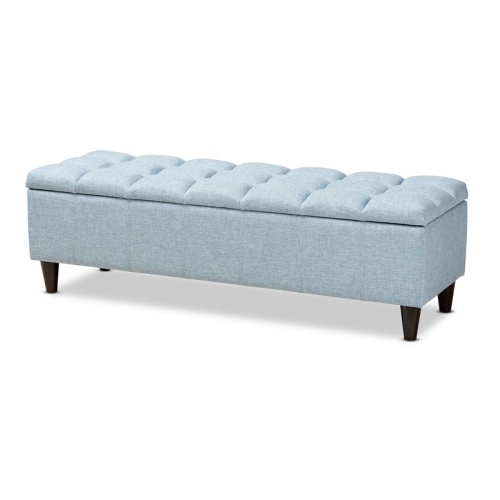
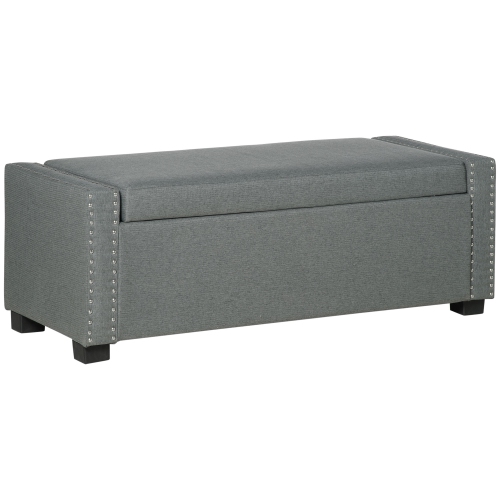
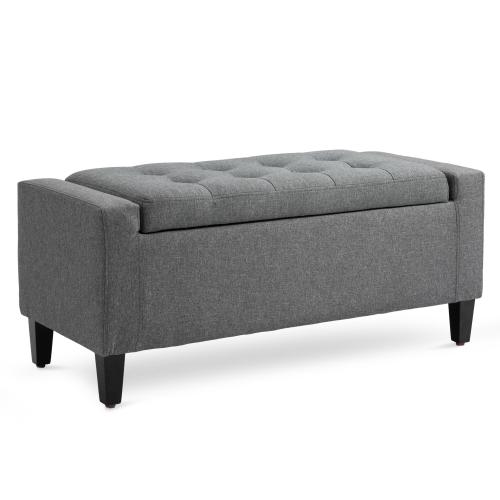
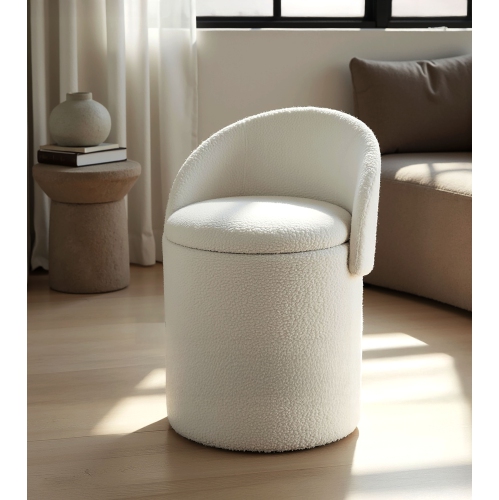
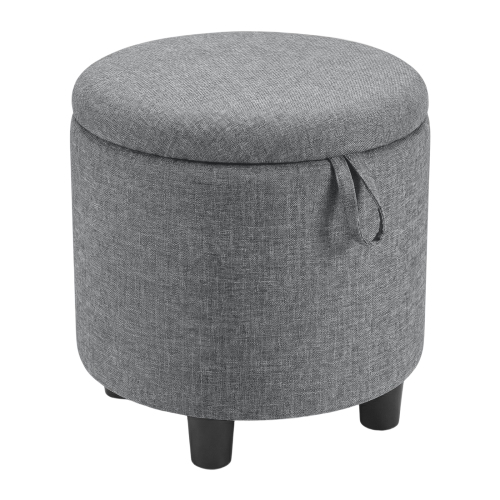
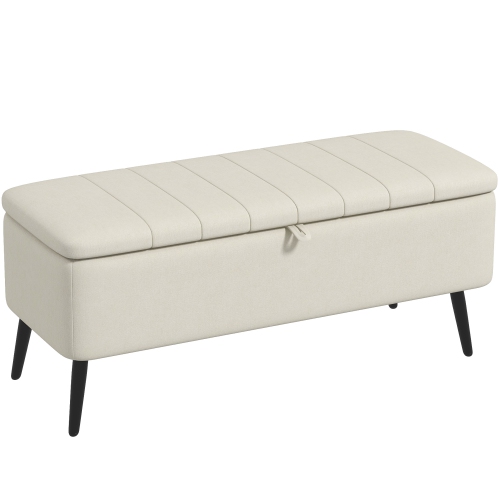
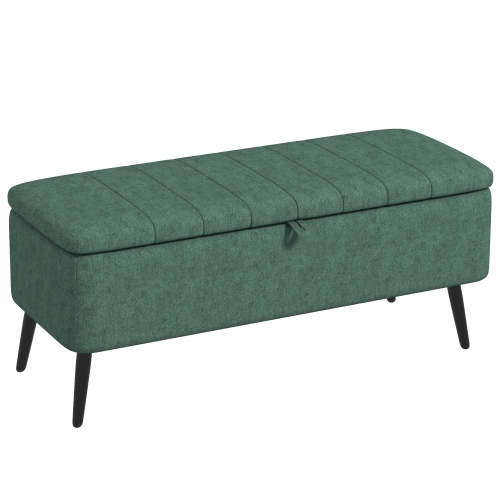


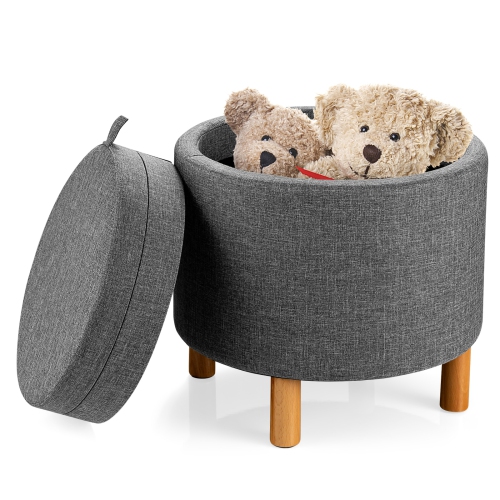
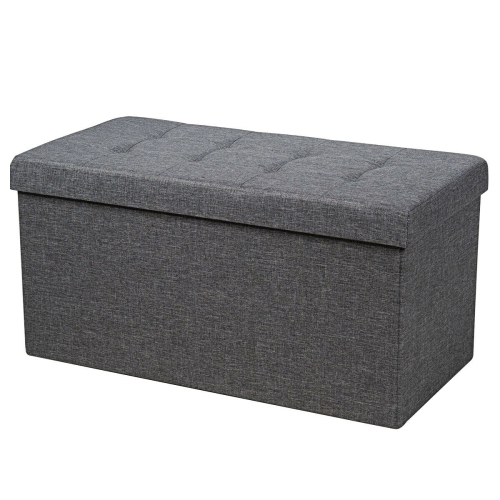
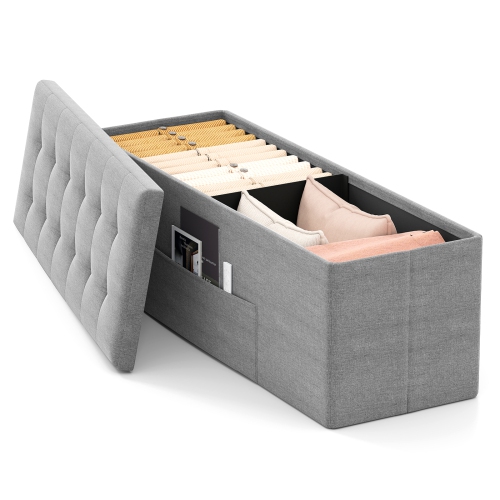
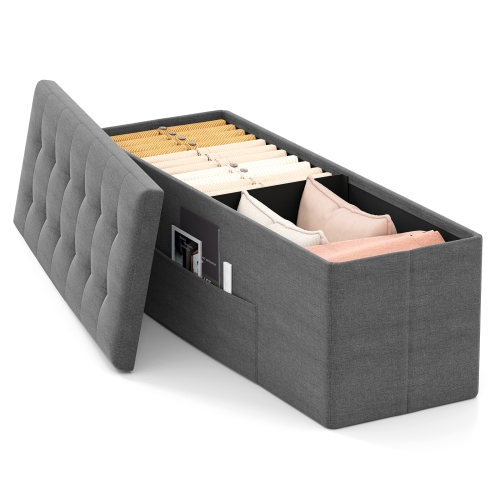

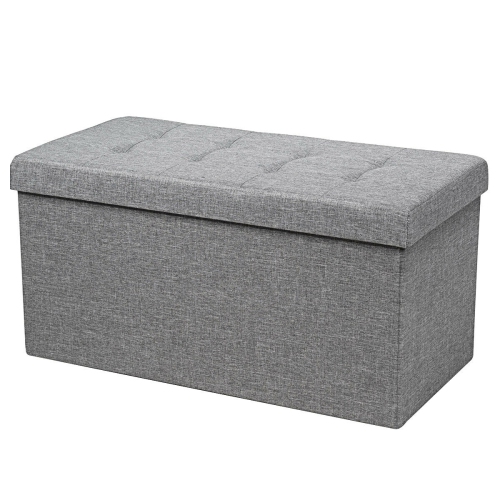
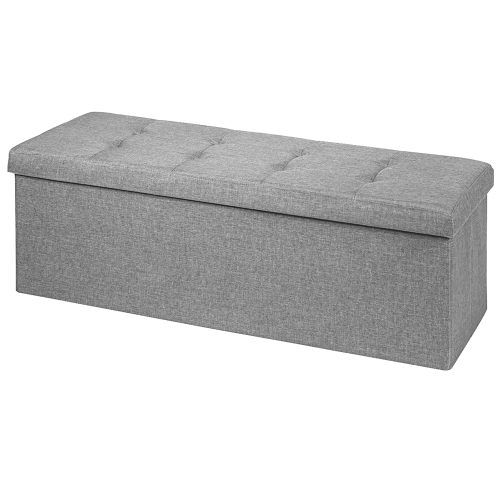
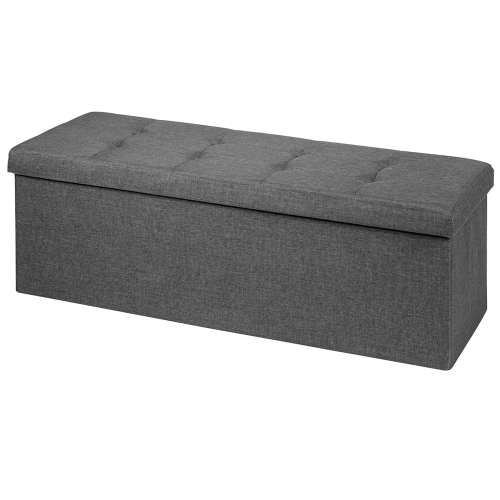
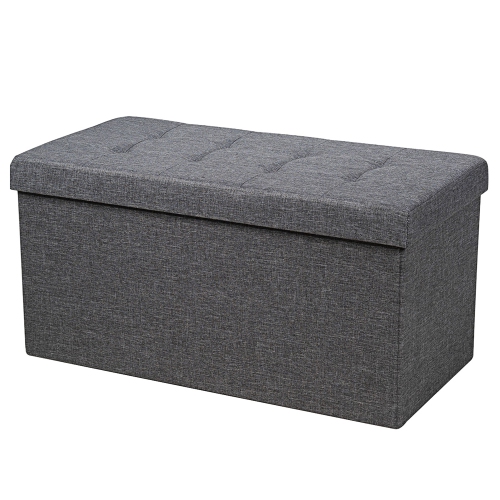
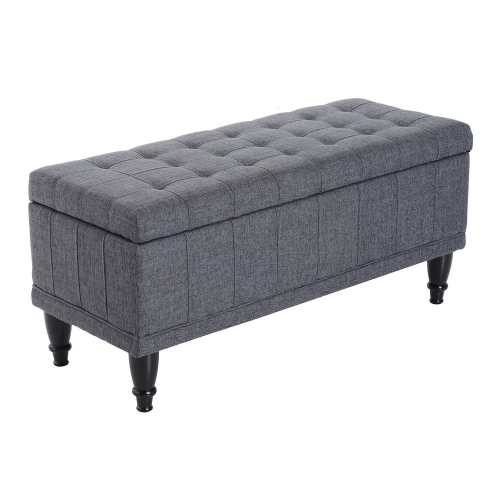
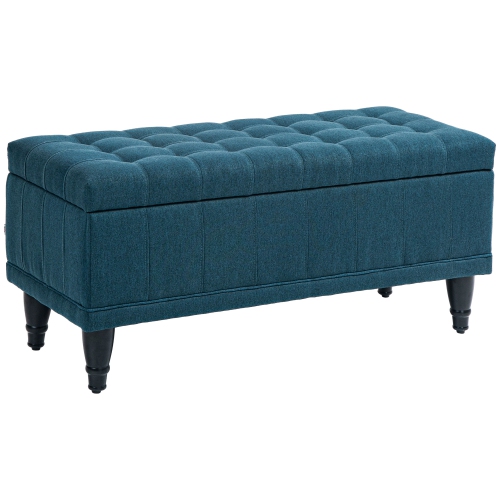
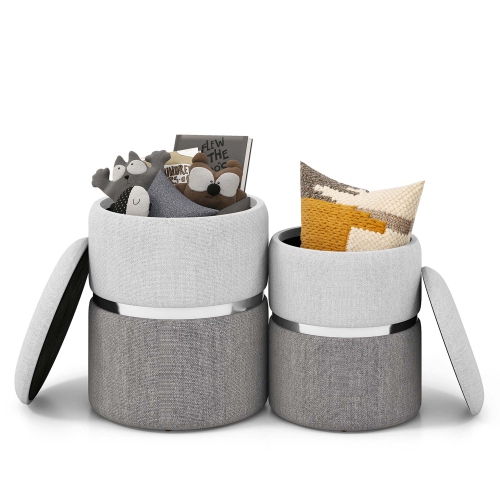
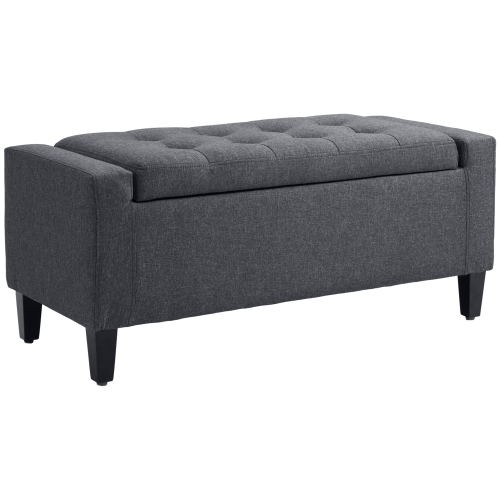
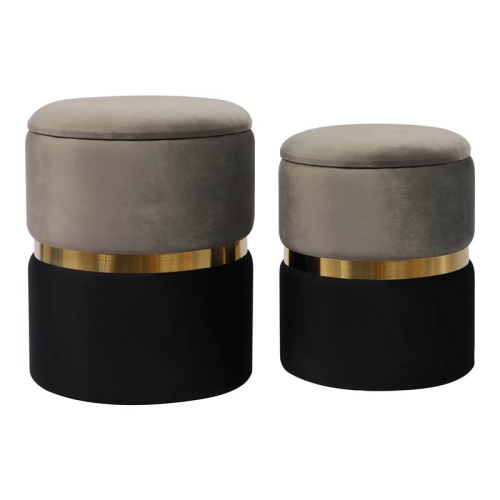
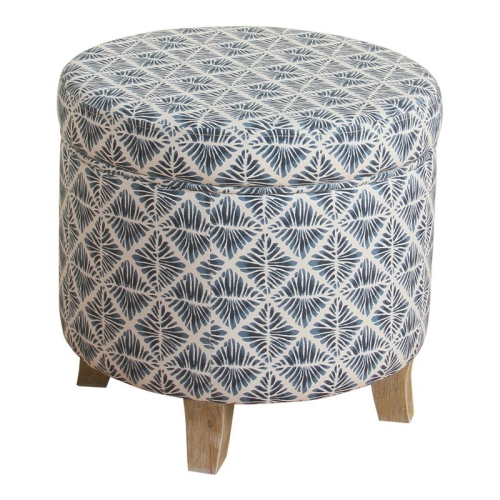
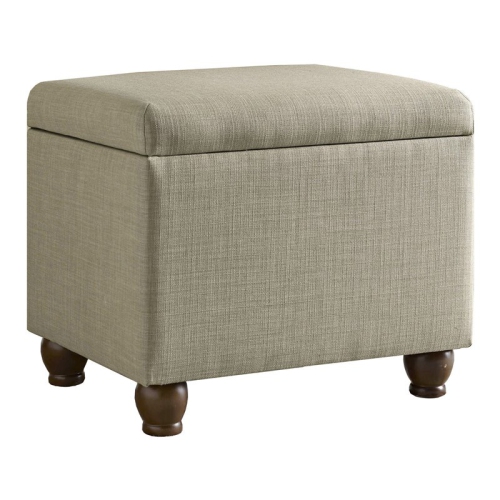
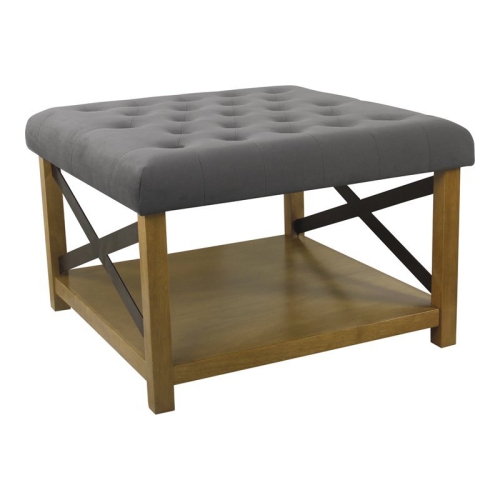
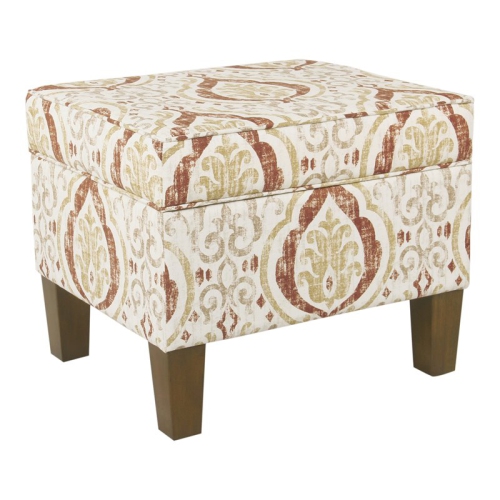
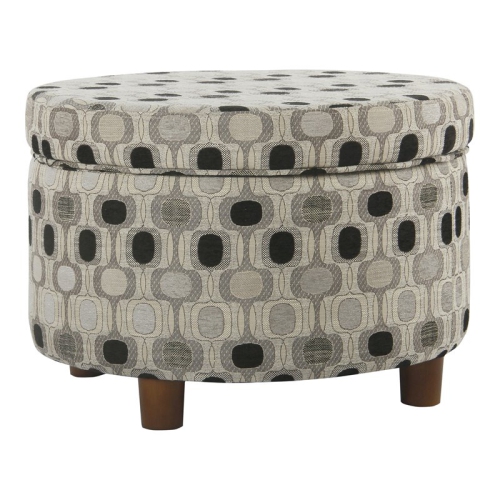
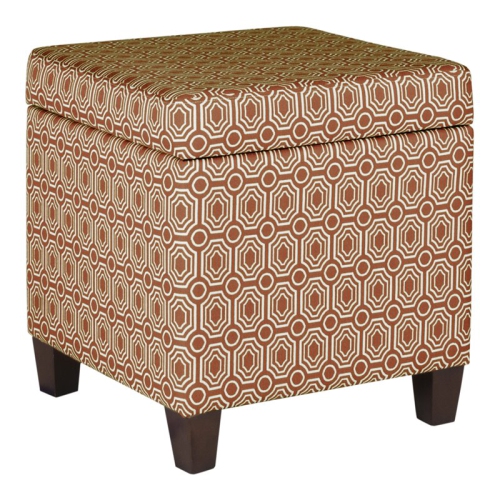
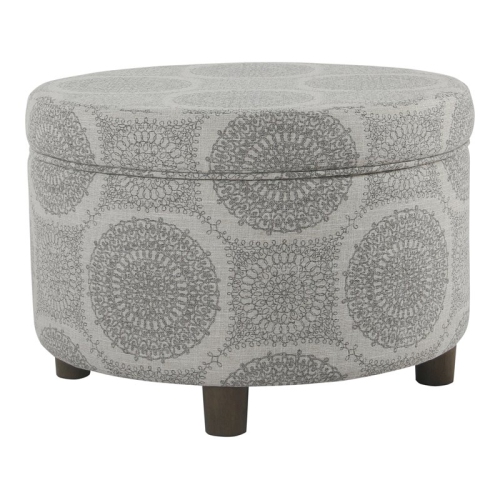
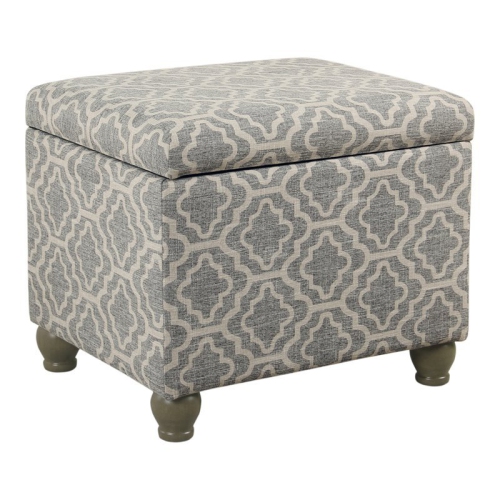
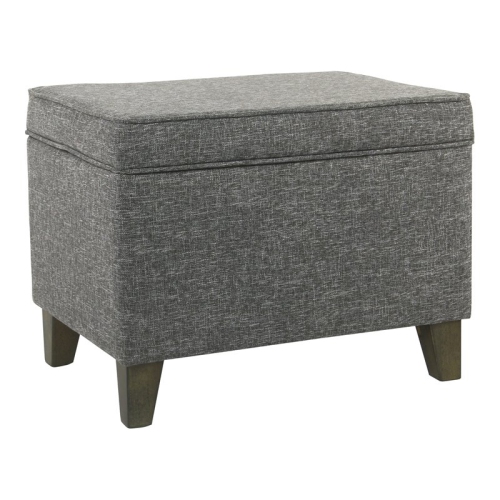
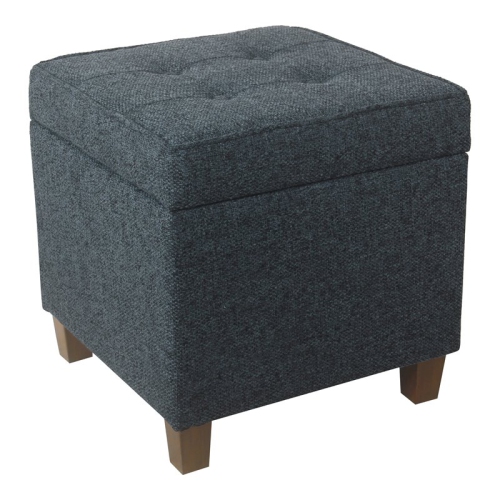
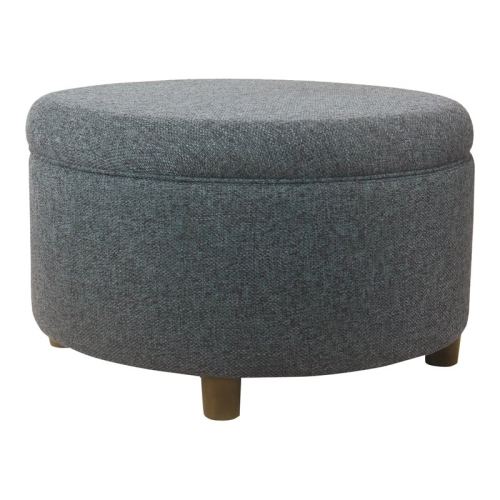
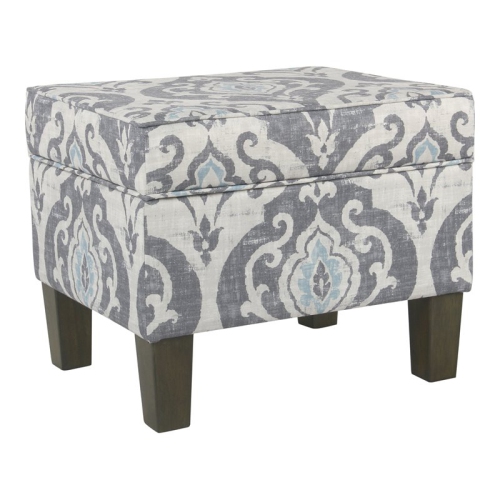
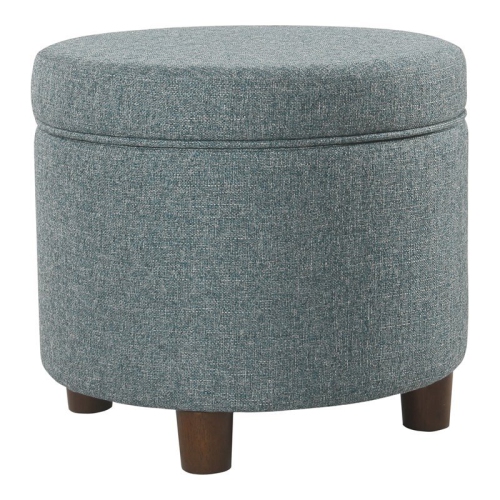
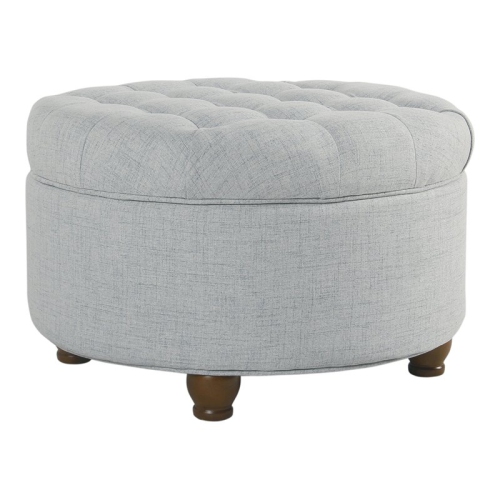

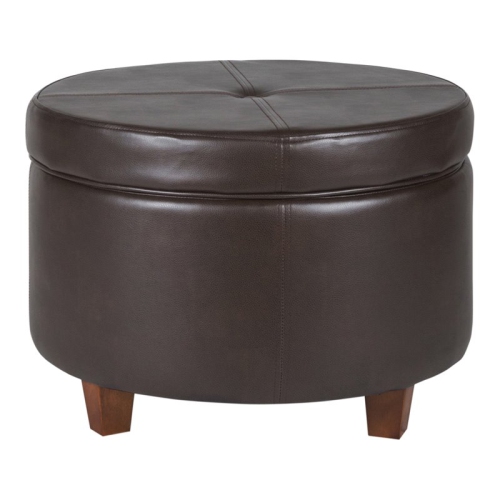
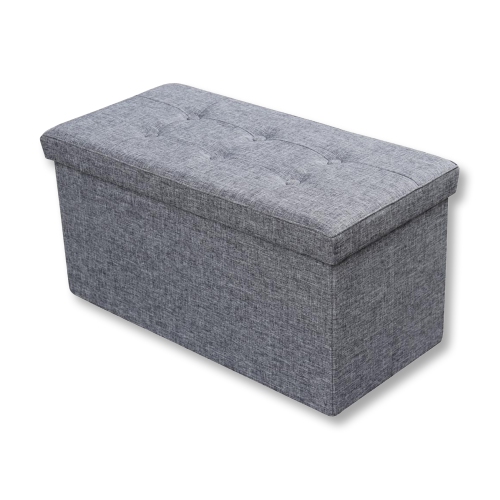
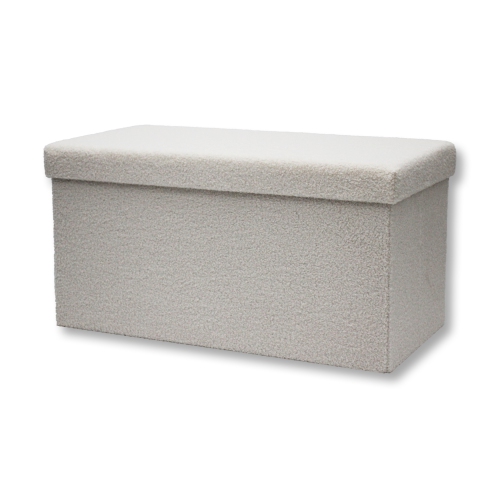
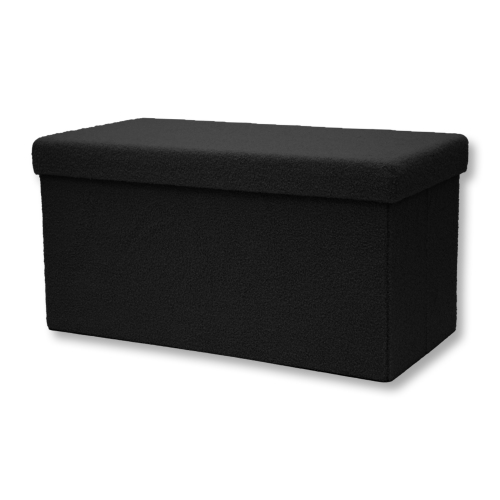
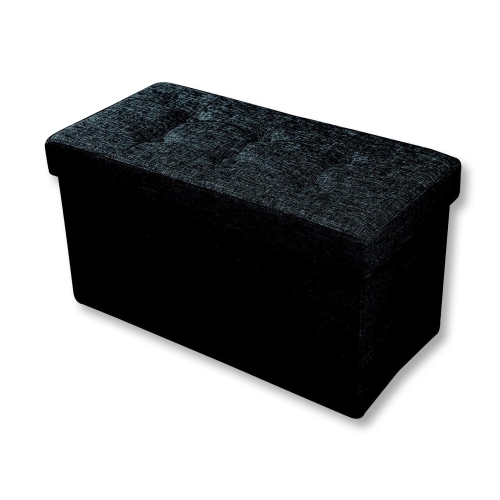
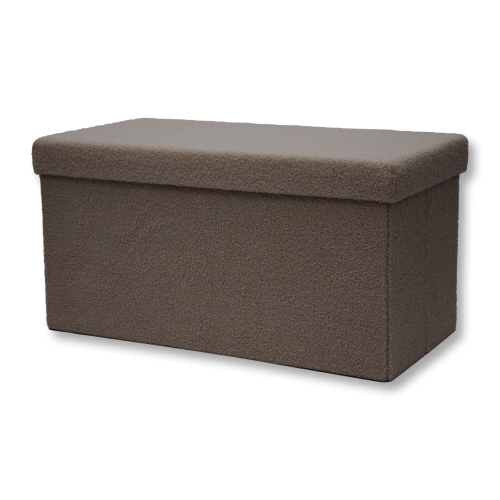
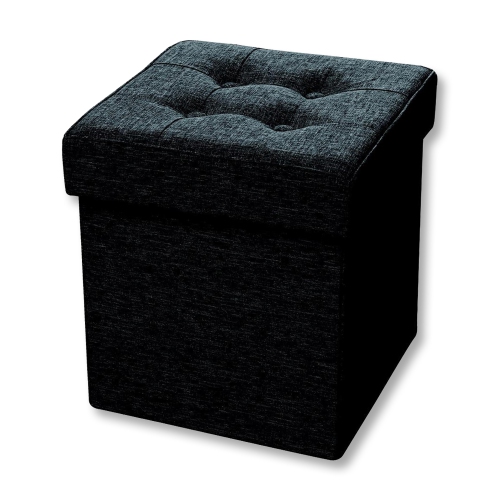
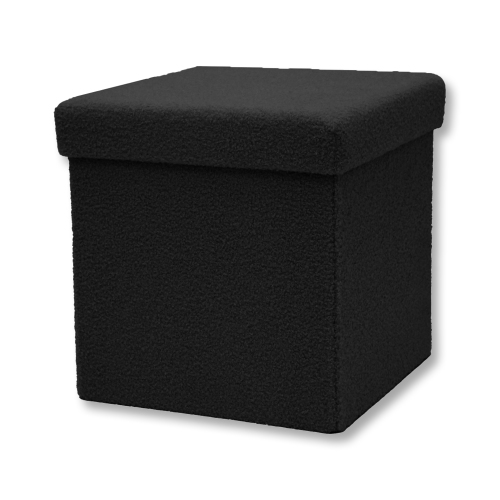
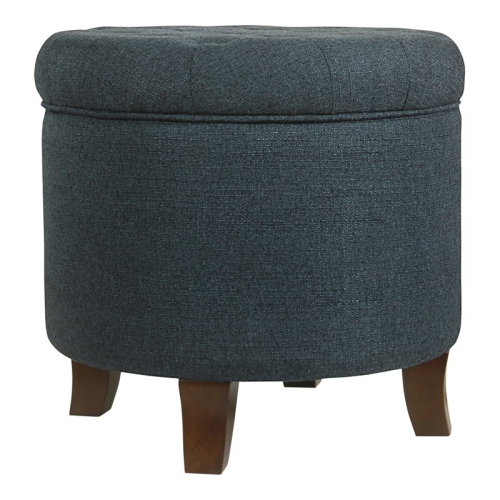
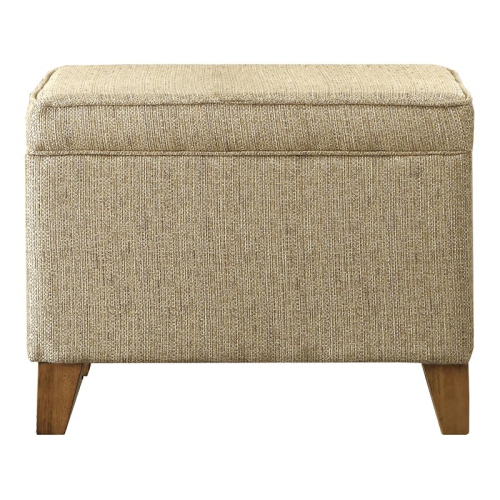
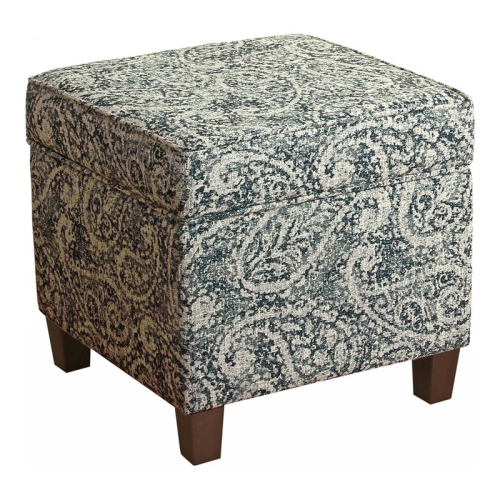
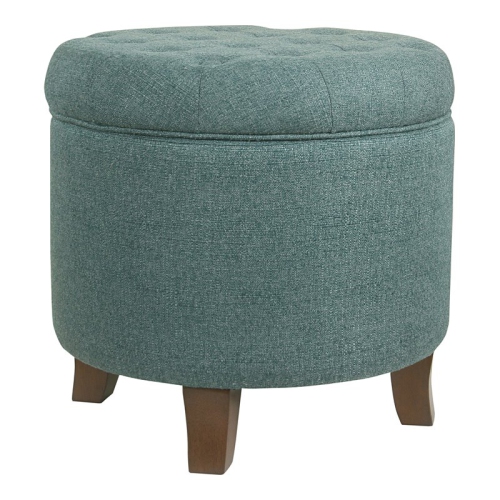
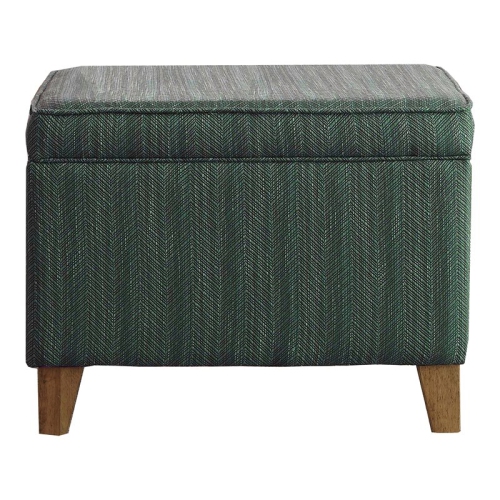
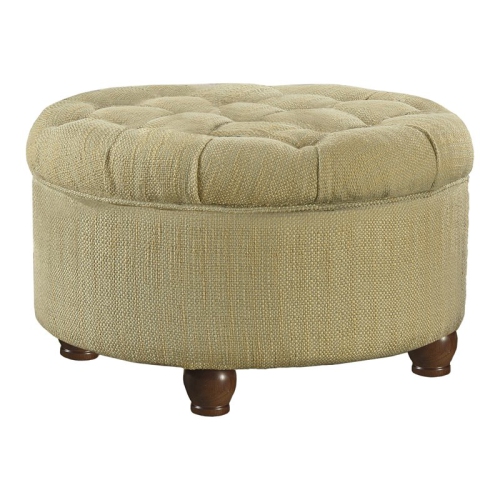
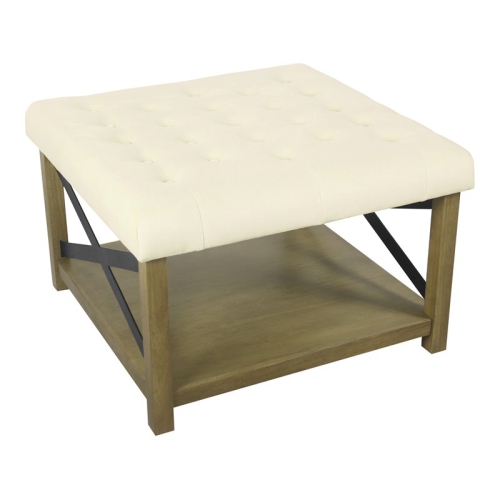
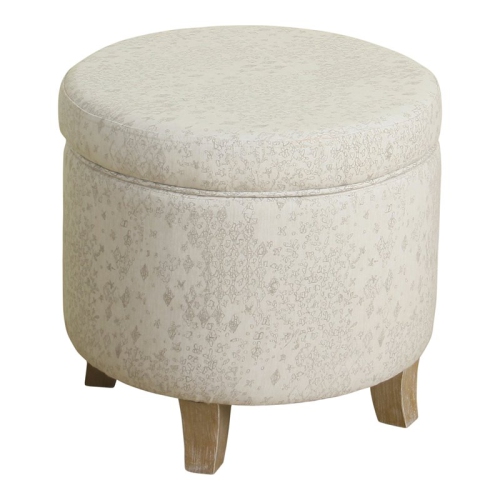
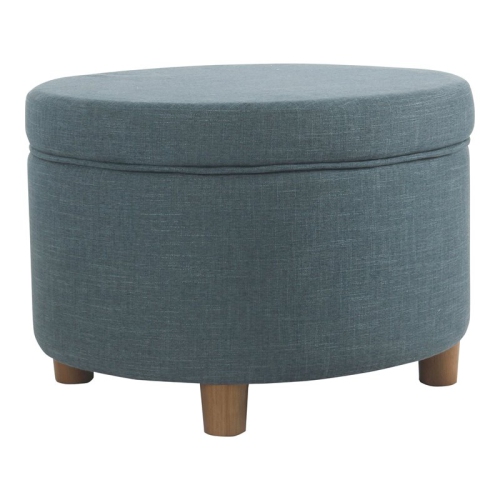
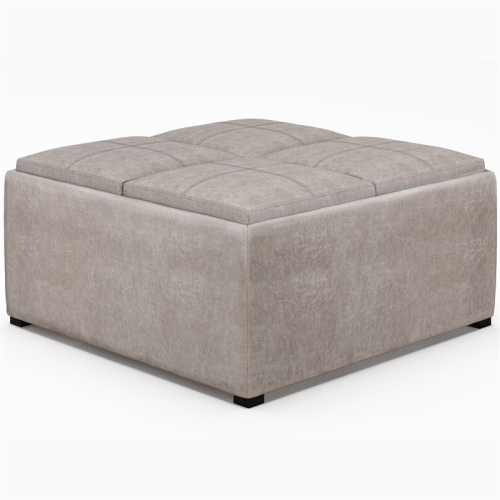
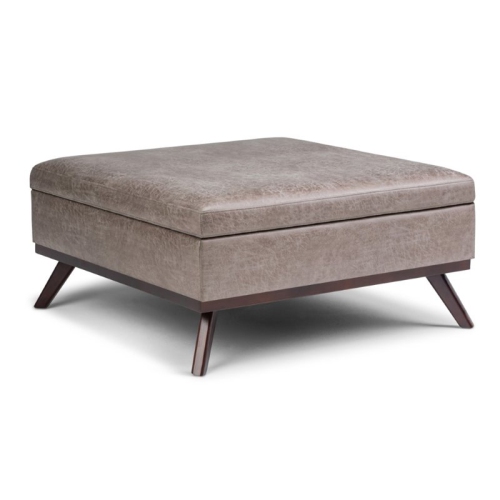
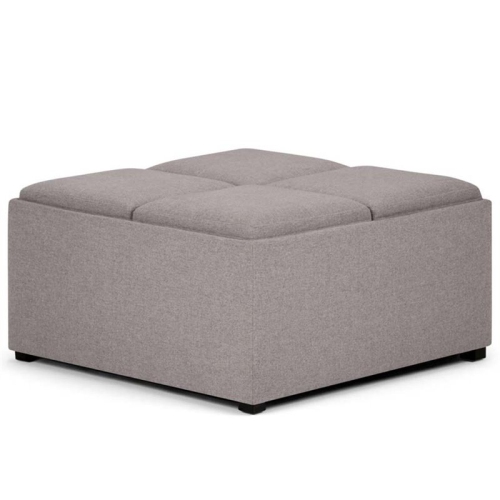

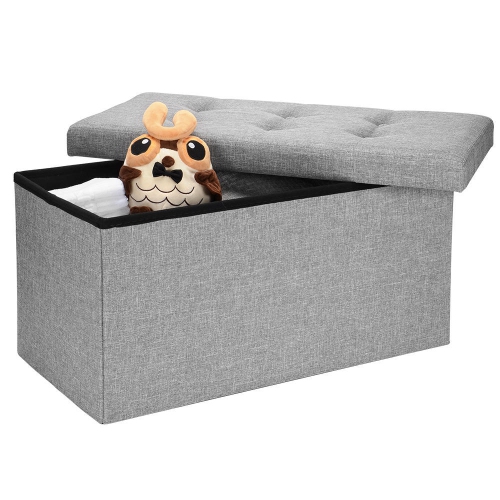
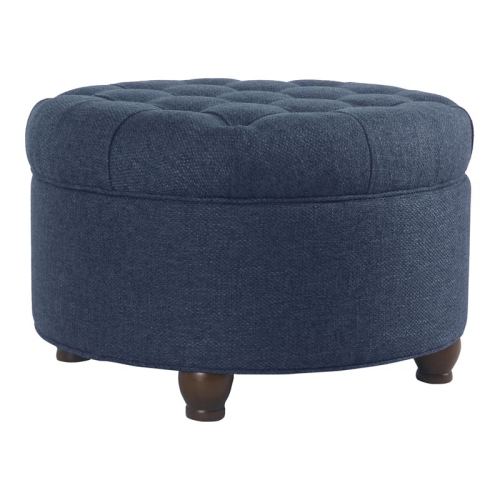
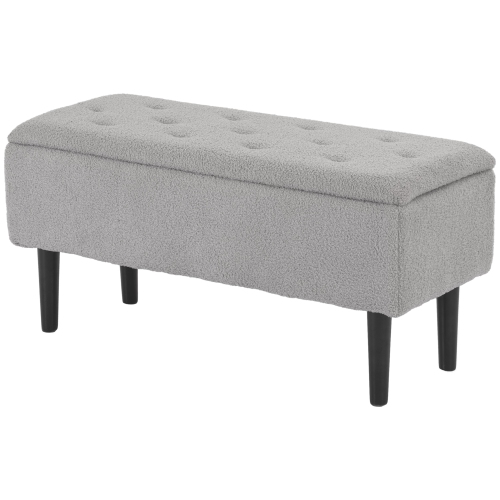
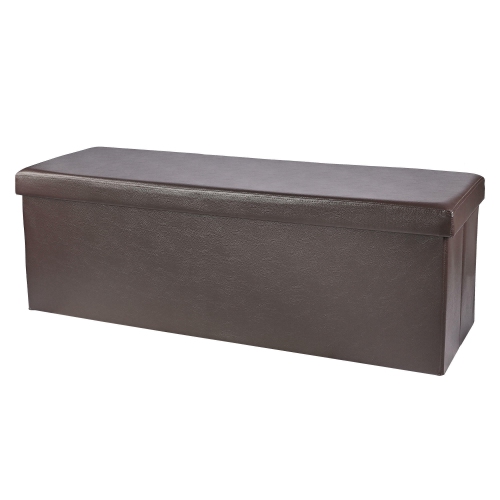
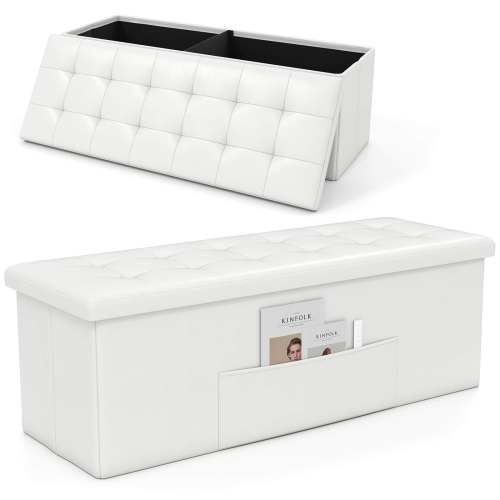
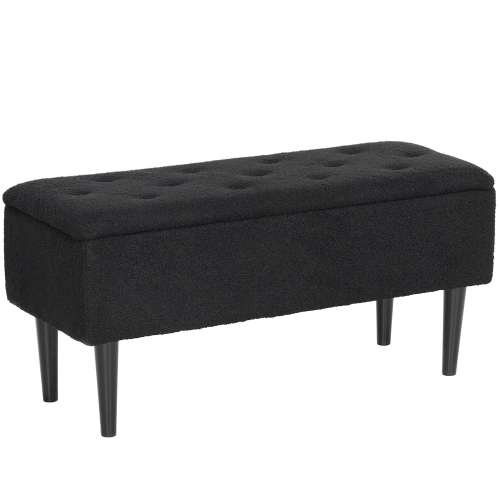
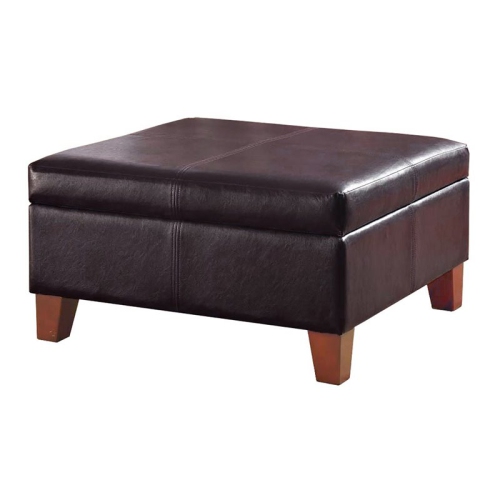
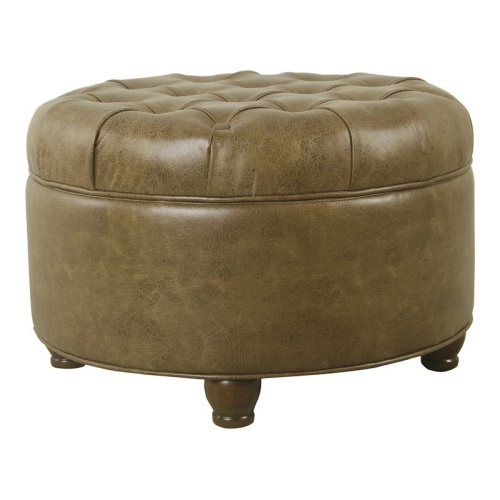
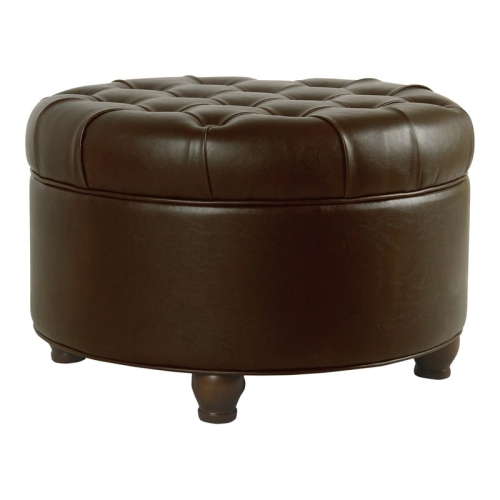

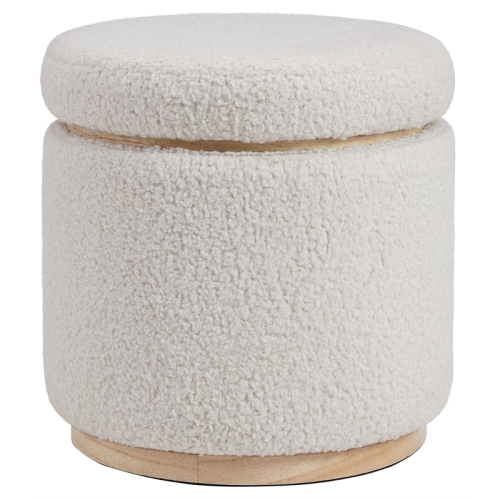
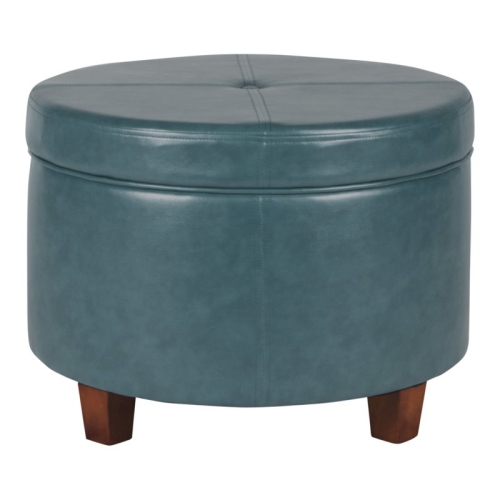
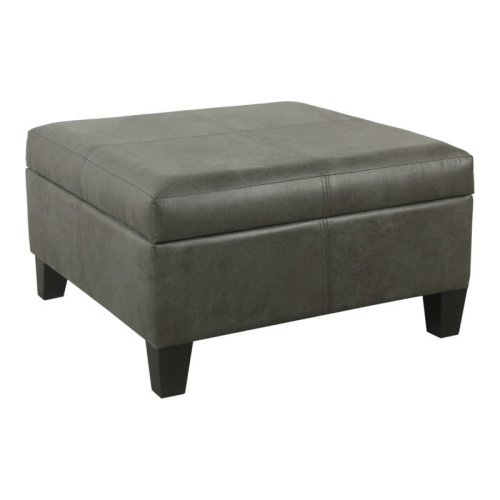
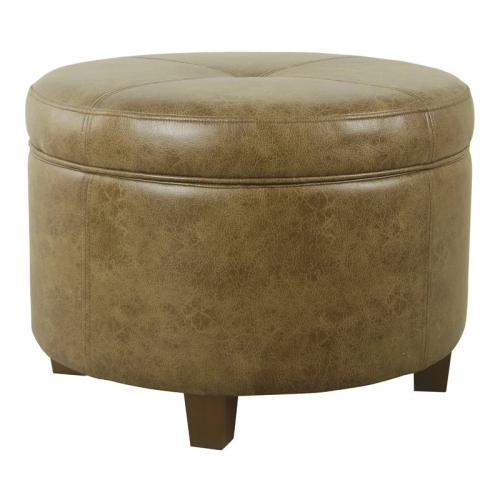
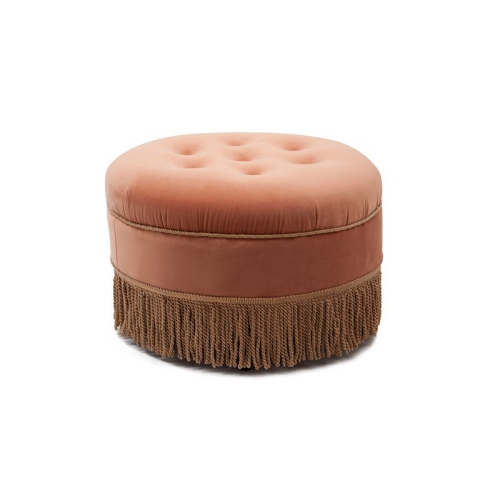
Comfort, hidden storage, and flexible seating for everyday spaces
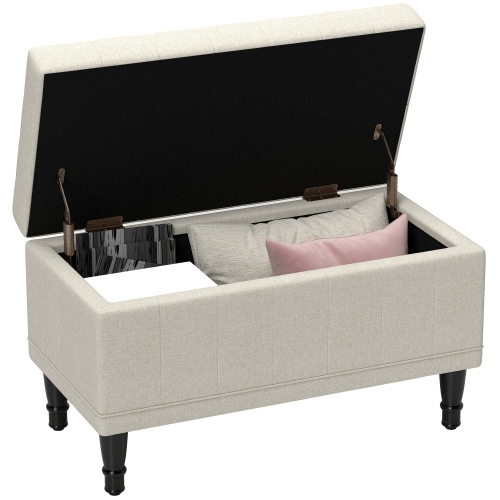
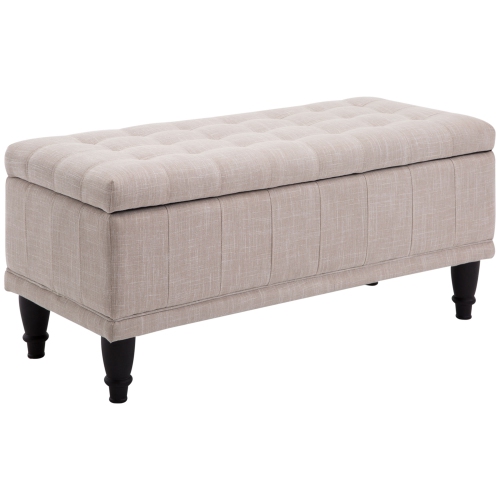
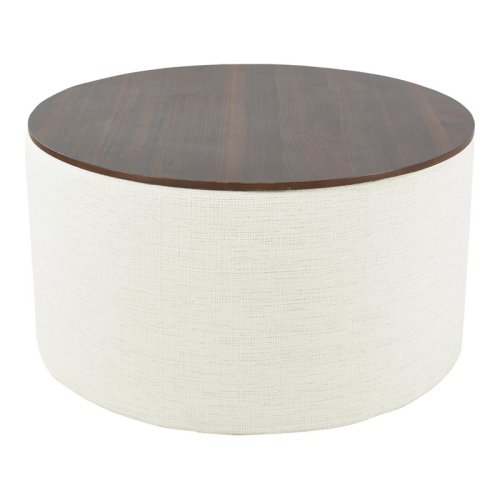
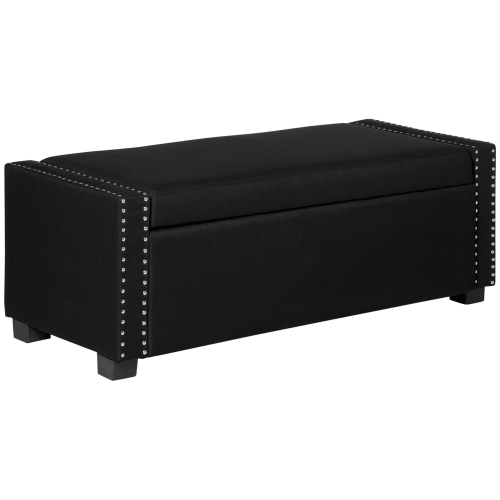
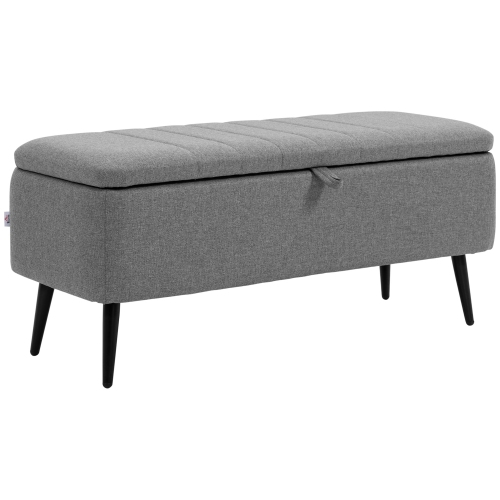
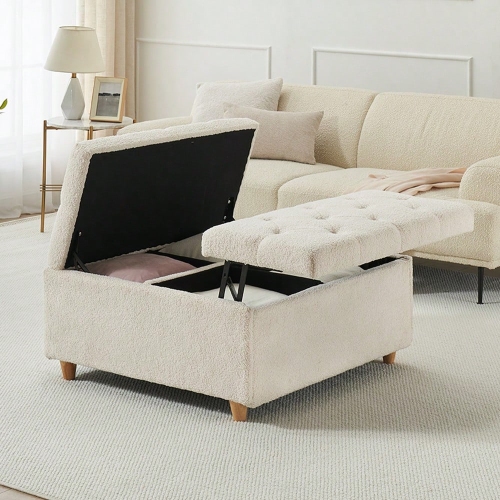
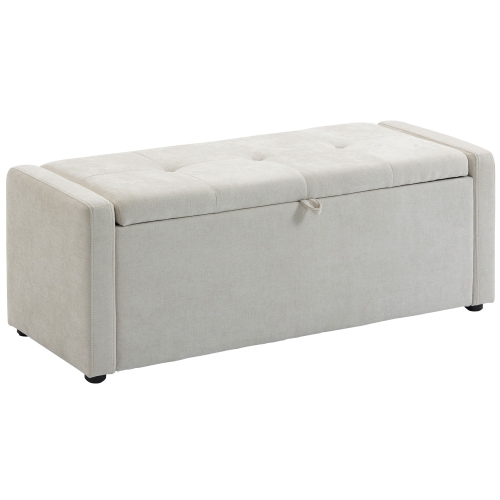
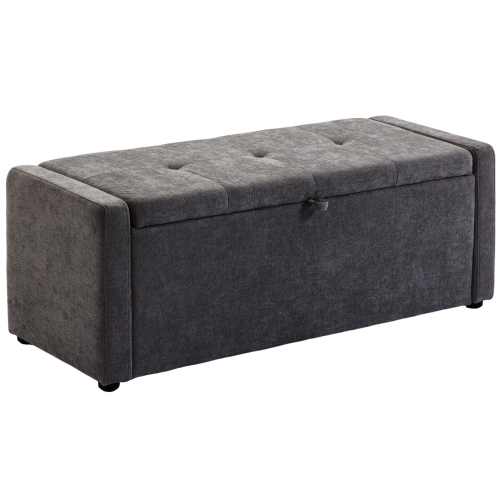
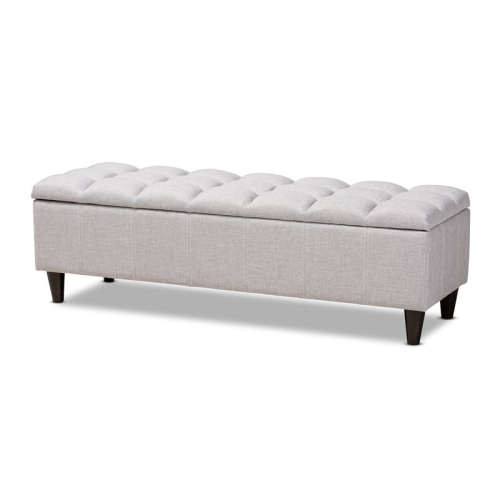
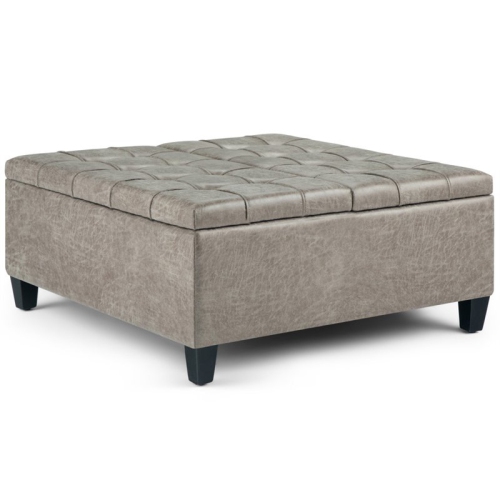
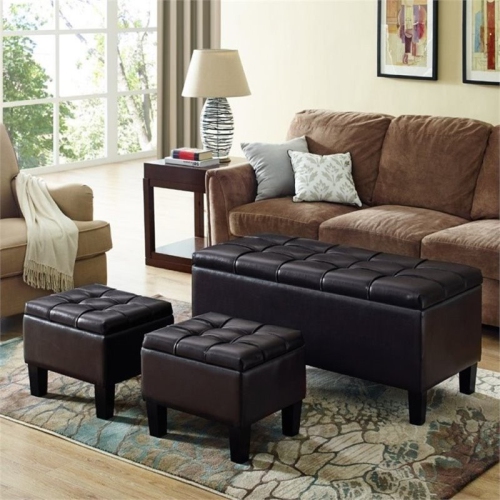
Fabric storage ottomans bring together two of the most useful features in a living space: a comfortable place to rest your feet and a discreet way to keep everyday items close at hand. Their soft upholstery can make a room feel more inviting, while the hidden compartment helps reduce visual clutter without requiring another cabinet or shelf. Depending on the size and shape, a fabric storage ottoman can sit at the end of a sofa, serve as a footrest beside a reading chair, act as an extra seat when guests arrive, or anchor a small seating arrangement in an apartment or condo. In a family room, it can hold throws, board games, remote controls, and children’s books; in a bedroom, it can provide a handy spot for spare linens, slippers, or accessories. During the cooler months, having a blanket tucked inside means it can be reached easily when the evening air settles in, then put away when the room is ready for a tidier look. The fabric exterior also adds warmth and texture to spaces that may otherwise feel dominated by hard surfaces such as glass, metal, and wood. Neutral shades can blend into an existing furniture arrangement, while deeper or brighter colours can give a more relaxed room a defined accent. For households where space is limited, the combination of storage and seating can be especially practical. Rather than filling a room with separate bins, stools, and side tables, one well-chosen ottoman can perform several roles while keeping the floor area open. A storage ottoman can also be a thoughtful gift for someone moving into a new home, furnishing a first apartment, updating a guest room, or creating a comfortable media area. It is useful enough for everyday life, yet decorative enough to feel like part of the room rather than a purely functional container.
When comparing fabric storage ottomans, start with the available floor space and the way the ottoman will be used most often. Measure the area where it will sit, allowing enough clearance to walk around it or move it away from a sofa when needed. A larger rectangular design may work well in front of a sectional, offering ample room for resting both feet and storing bulky throws, while a compact square or round ottoman may suit a reading corner or smaller seating area. Consider the height in relation to nearby chairs and sofas; an ottoman that is close in height to the seat can feel comfortable as a footrest, while a lower profile may be better for keeping sightlines open in a compact room. The lid is another important detail. A hinged lid can remain attached and may be convenient when items are accessed frequently, whereas a removable top can provide a wider opening for loading larger blankets or cushions. Look for a lid that feels stable and easy to lift, especially if children will be using the ottoman. Interior capacity matters as well, since a generously sized exterior does not always indicate an equally spacious compartment. Think about what you would like to store before choosing: folded throws need height and width, toys may be easier to organize in a broad compartment, and magazines or electronics accessories may be better suited to a shallower design. Fabric selection can influence both appearance and upkeep. Smooth upholstery may be simple to wipe or vacuum, while textured fabric can add visual interest and a cosier feel. Check the care instructions and consider a colour that suits the amount of use the ottoman will receive. In a busy household, a pattern or mid-tone shade may help disguise small marks between cleanings. If the ottoman will be used for seating, inspect the construction, cushioning, and base for a stable feel. Feet or a reinforced bottom can help keep the ottoman steady, and a sturdy frame is useful when it will serve as an occasional seat rather than only a footrest. Handles, casters, or a lighter construction may make it easier to move when cleaning, rearranging furniture, or preparing the room for guests.
Placement can make a fabric storage ottoman feel like a natural part of the room. At the foot of a bed, it can hold extra bedding and provide a convenient perch for putting on shoes. Beside a sofa, it can double as a surface for a tray, provided the design has a firm enough top for that purpose and the tray is stable. In a playroom, it can make the end of tidying easier by giving toys and soft items a designated home; in a home office, it can store spare cushions or supplies while offering a flexible seat for visitors. An ottoman in an entryway can keep scarves, gloves, and other small accessories within reach during cooler weather, although a design intended for that location should be positioned where it will not obstruct the door or walking path. For a coordinated look, pair the ottoman’s fabric tone with nearby cushions, curtains, or an area rug, or use it to introduce a complementary shade without committing to a full furniture change. When more specialised cushioning or a softer seat is desired, explore Padded Storage Ottomans for additional options. With thoughtful sizing and placement, a fabric storage ottoman can help a room feel calmer and more comfortable every day. It keeps useful items close without leaving them scattered across the sofa, gives guests an extra place to sit, and creates a soft visual transition between larger pieces of furniture. As routines shift from outdoor activities to more time indoors, that blend of storage, comfort, and flexible function can make a noticeable difference in how easily a living space works.
When comparing fabric storage ottomans, start with the available floor space and the way the ottoman will be used most often. Measure the area where it will sit, allowing enough clearance to walk around it or move it away from a sofa when needed. A larger rectangular design may work well in front of a sectional, offering ample room for resting both feet and storing bulky throws, while a compact square or round ottoman may suit a reading corner or smaller seating area. Consider the height in relation to nearby chairs and sofas; an ottoman that is close in height to the seat can feel comfortable as a footrest, while a lower profile may be better for keeping sightlines open in a compact room. The lid is another important detail. A hinged lid can remain attached and may be convenient when items are accessed frequently, whereas a removable top can provide a wider opening for loading larger blankets or cushions. Look for a lid that feels stable and easy to lift, especially if children will be using the ottoman. Interior capacity matters as well, since a generously sized exterior does not always indicate an equally spacious compartment. Think about what you would like to store before choosing: folded throws need height and width, toys may be easier to organize in a broad compartment, and magazines or electronics accessories may be better suited to a shallower design. Fabric selection can influence both appearance and upkeep. Smooth upholstery may be simple to wipe or vacuum, while textured fabric can add visual interest and a cosier feel. Check the care instructions and consider a colour that suits the amount of use the ottoman will receive. In a busy household, a pattern or mid-tone shade may help disguise small marks between cleanings. If the ottoman will be used for seating, inspect the construction, cushioning, and base for a stable feel. Feet or a reinforced bottom can help keep the ottoman steady, and a sturdy frame is useful when it will serve as an occasional seat rather than only a footrest. Handles, casters, or a lighter construction may make it easier to move when cleaning, rearranging furniture, or preparing the room for guests.
Placement can make a fabric storage ottoman feel like a natural part of the room. At the foot of a bed, it can hold extra bedding and provide a convenient perch for putting on shoes. Beside a sofa, it can double as a surface for a tray, provided the design has a firm enough top for that purpose and the tray is stable. In a playroom, it can make the end of tidying easier by giving toys and soft items a designated home; in a home office, it can store spare cushions or supplies while offering a flexible seat for visitors. An ottoman in an entryway can keep scarves, gloves, and other small accessories within reach during cooler weather, although a design intended for that location should be positioned where it will not obstruct the door or walking path. For a coordinated look, pair the ottoman’s fabric tone with nearby cushions, curtains, or an area rug, or use it to introduce a complementary shade without committing to a full furniture change. When more specialised cushioning or a softer seat is desired, explore Padded Storage Ottomans for additional options. With thoughtful sizing and placement, a fabric storage ottoman can help a room feel calmer and more comfortable every day. It keeps useful items close without leaving them scattered across the sofa, gives guests an extra place to sit, and creates a soft visual transition between larger pieces of furniture. As routines shift from outdoor activities to more time indoors, that blend of storage, comfort, and flexible function can make a noticeable difference in how easily a living space works.
Top selling and popular products
-
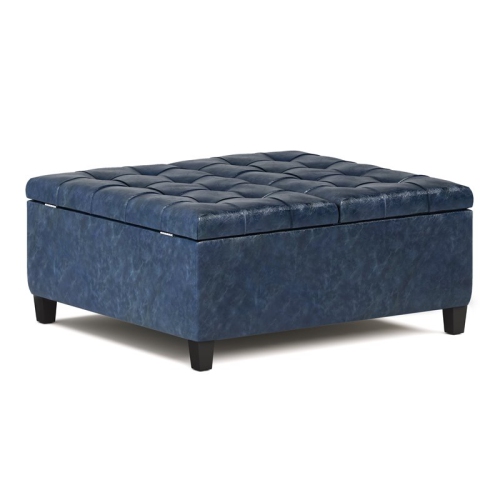 Your price for this item is $948.25
 -
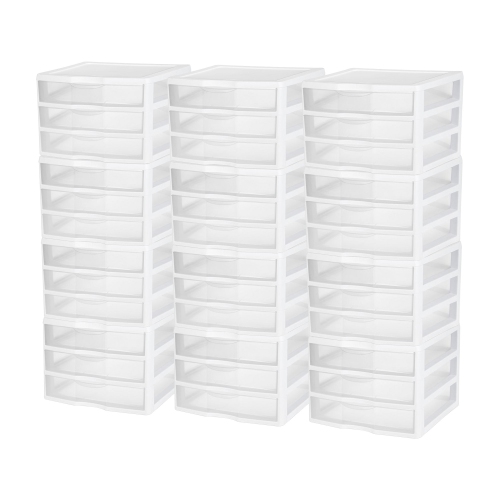 Your price for this item is $535.99
 -
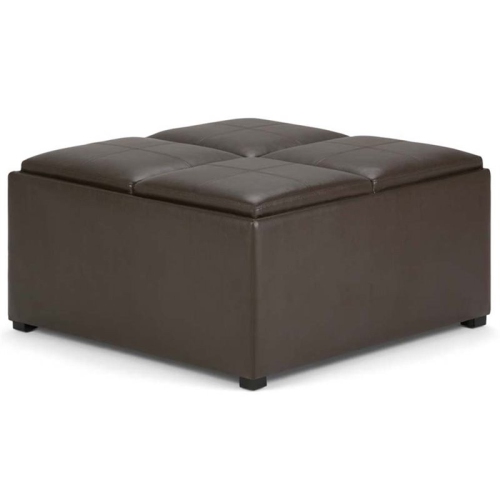 Your price for this item is $961.2
 -
 Your price for this item is $1369.99
 -
 Your price for this item is $982.91
 -
 Your price for this item is $339.24
 -
 Your price for this item is $346.6
 -
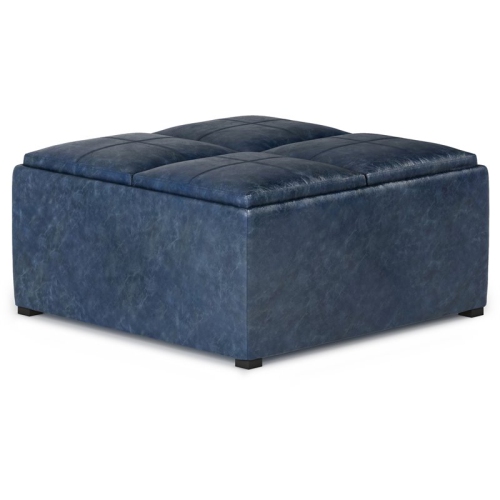 Your price for this item is $1112.78
Discover more categories related to Fabric Storage Ottomans
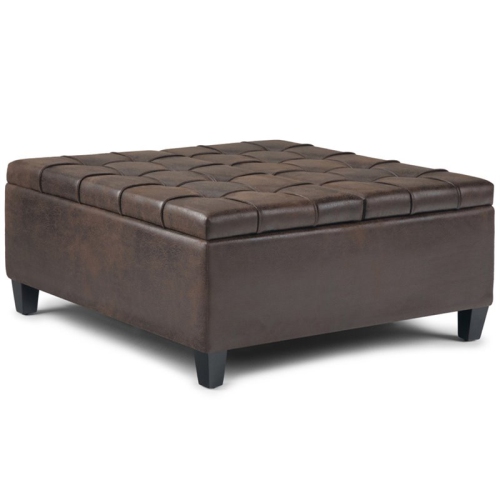
Top Collections:
Best Laptops for Video Editing, Pokemon Centers, Samsung Z Fold, Kindle Devices, Best Cell Phones Under $300, Best Laptops for Writers, Best Budget Office Chairs, Best Cell Phones Under $500, Best Laptop Computers for Students, iPhone 15 Apple
Some products may be subject to Environmental Handling Fees
(EHF) depending on your province.
Learn more about EHFs.