Faux Leather Dining Chairs
Faux leather dining chairs are a great way to add a touch of style to your dining room. They come in a variety of colors and styles, so you can find one that matches your existing decor. Many of them also have padded seats and backs, which makes them comfortable enough for long periods of time. Here are some of the great options to choose from.
Sort
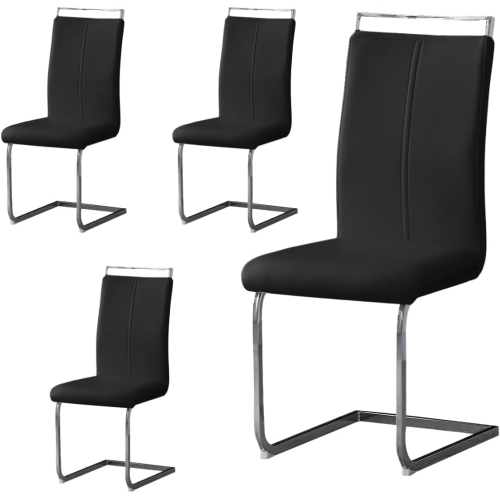
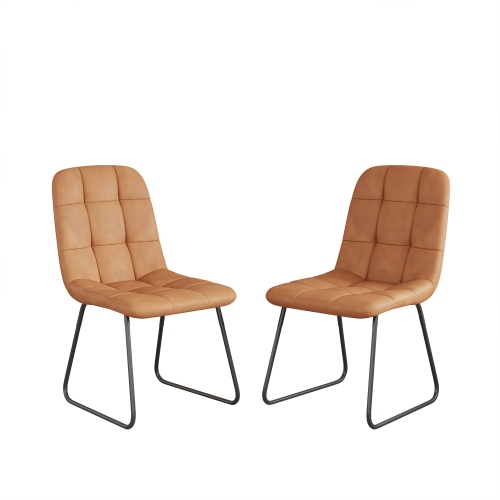
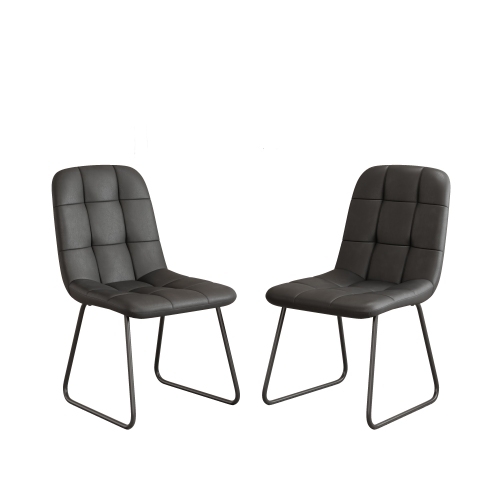
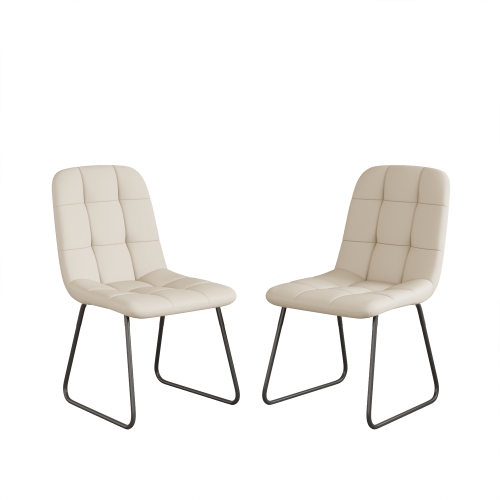
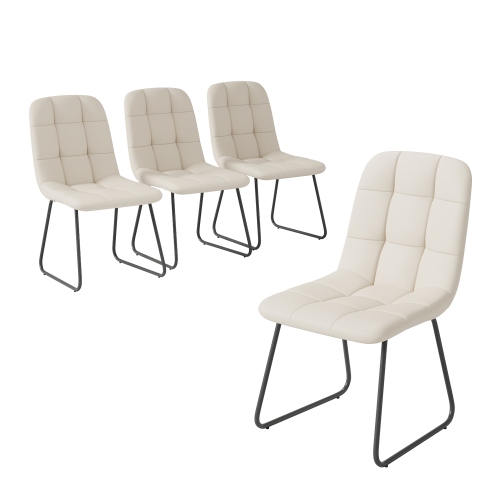

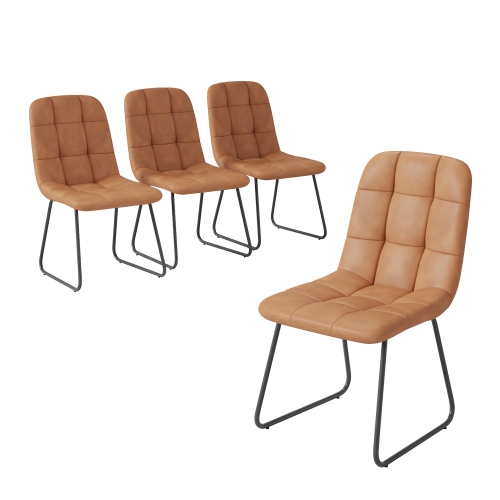
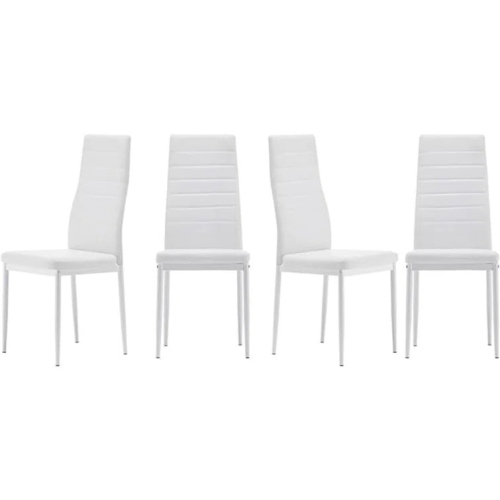
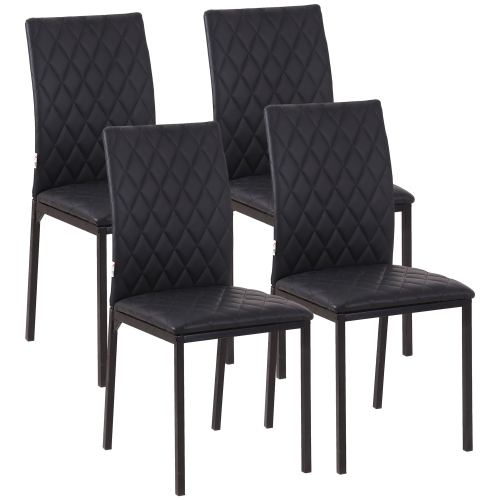
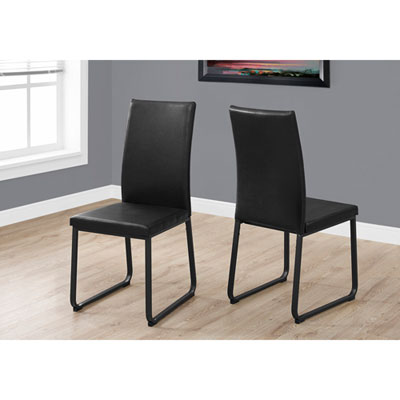
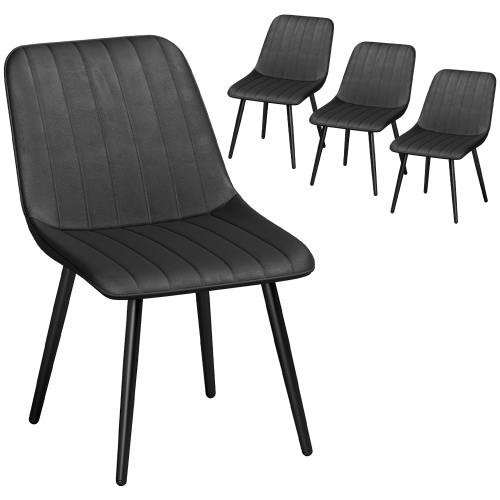
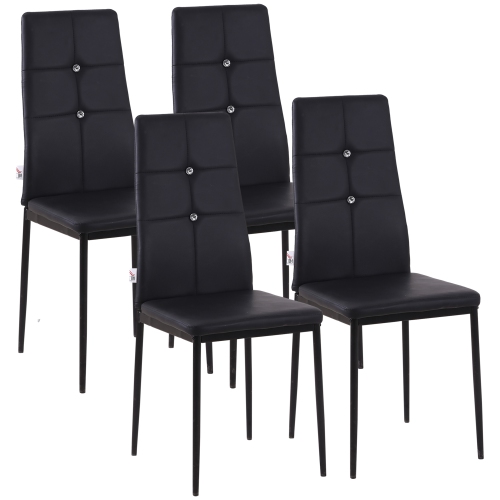
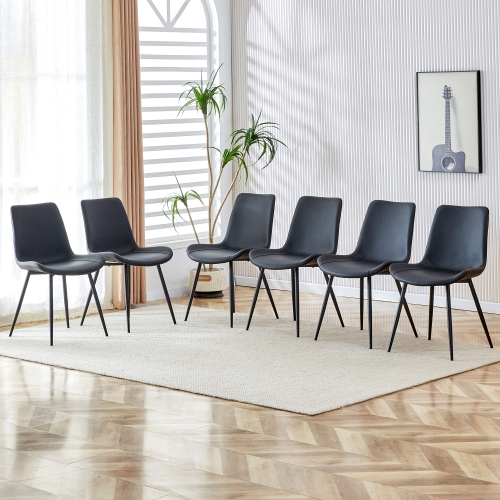
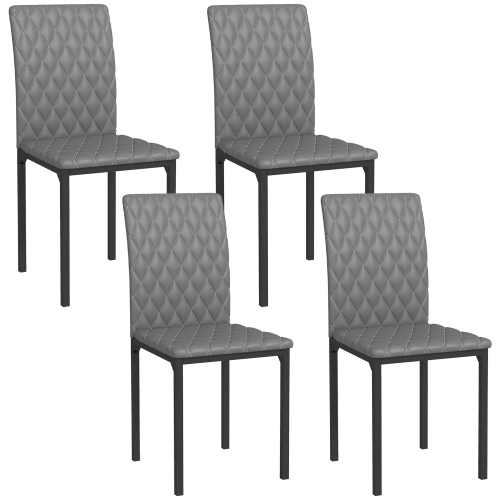
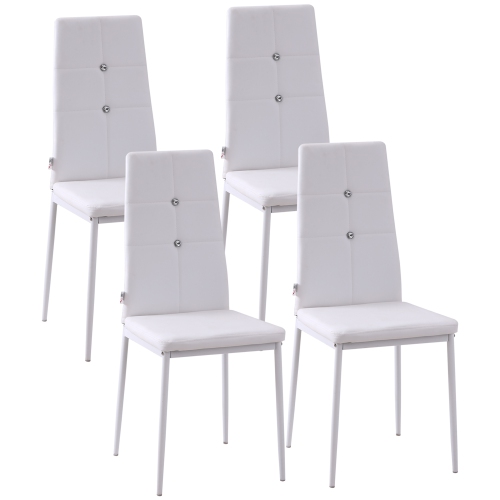
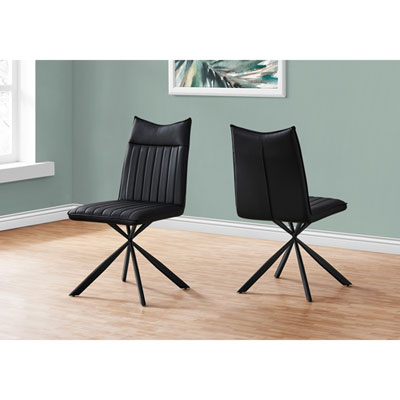
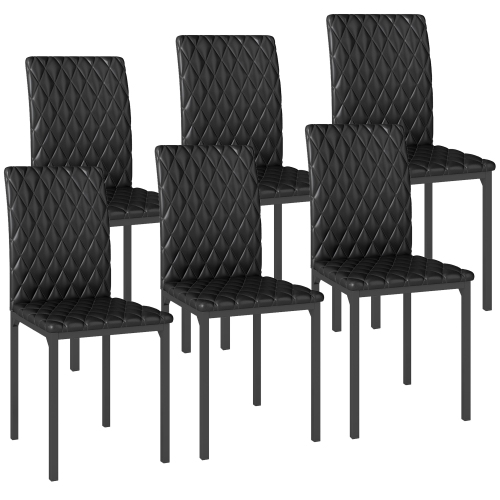
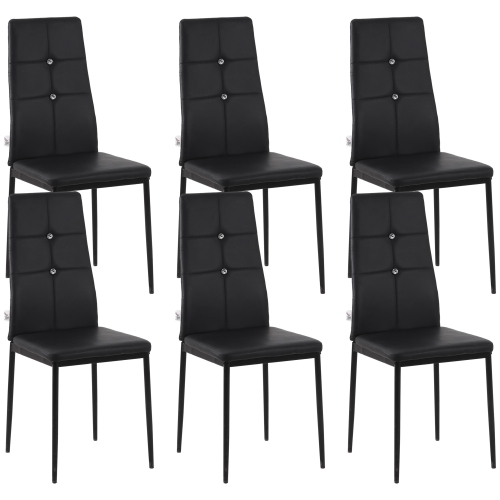

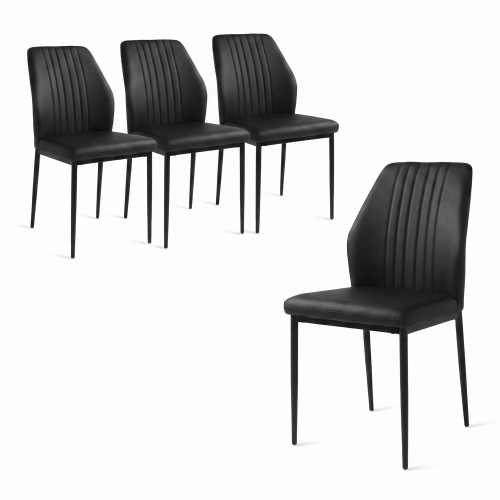
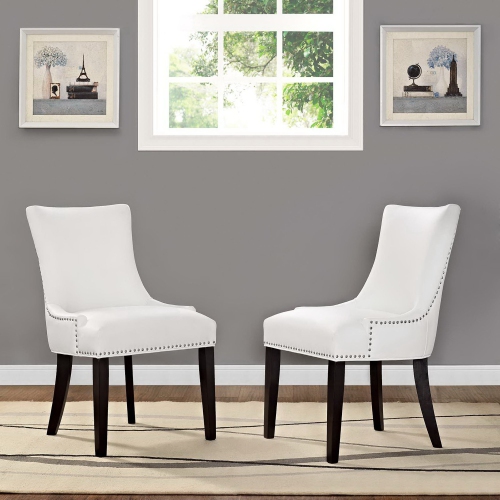
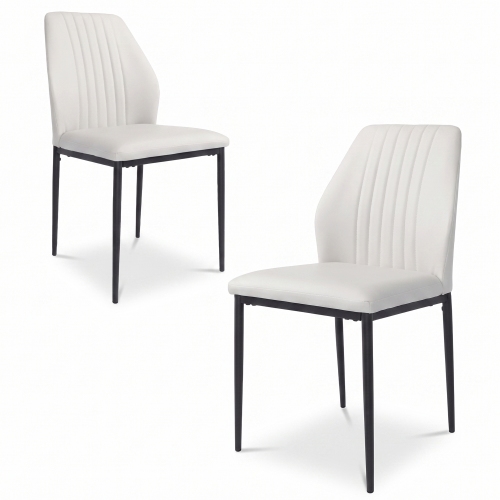
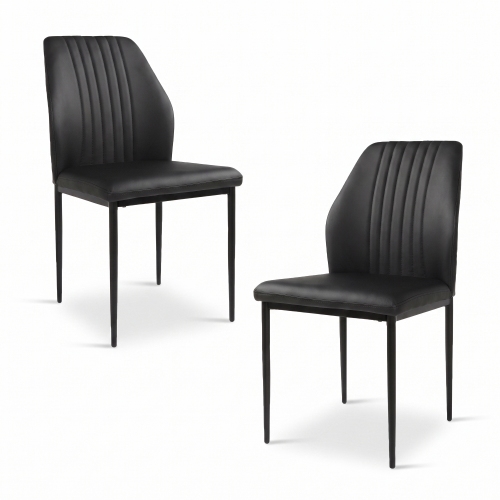
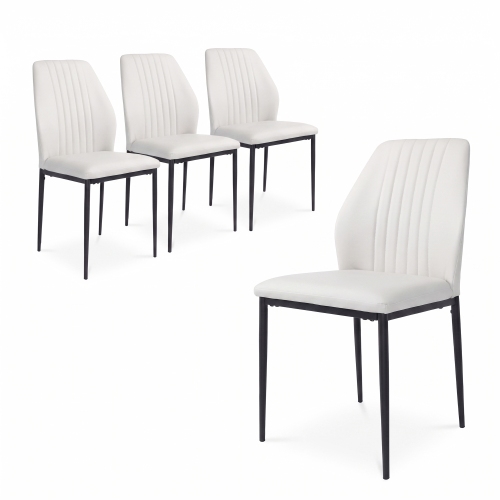
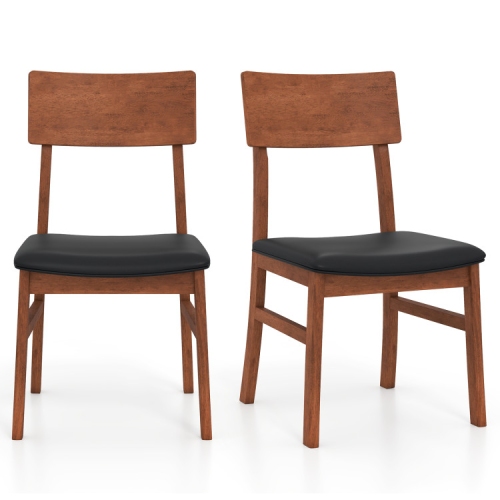
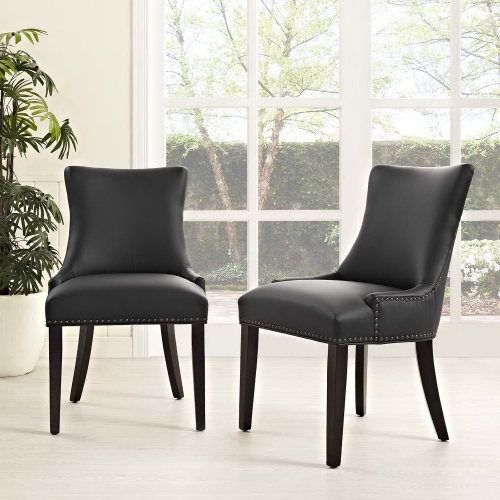
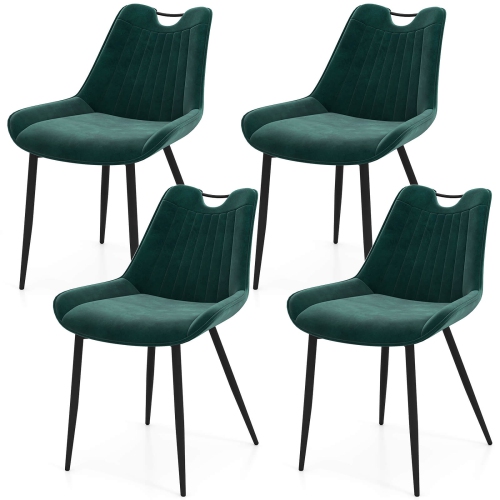
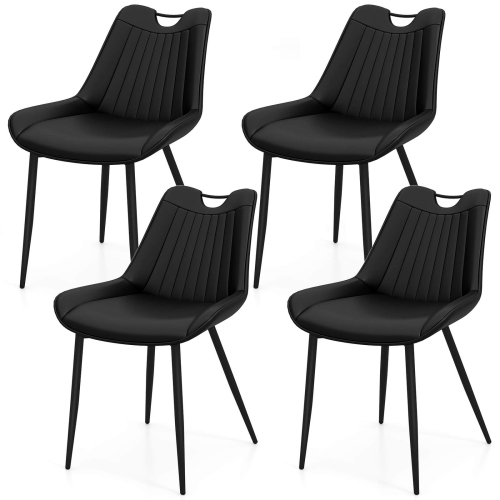
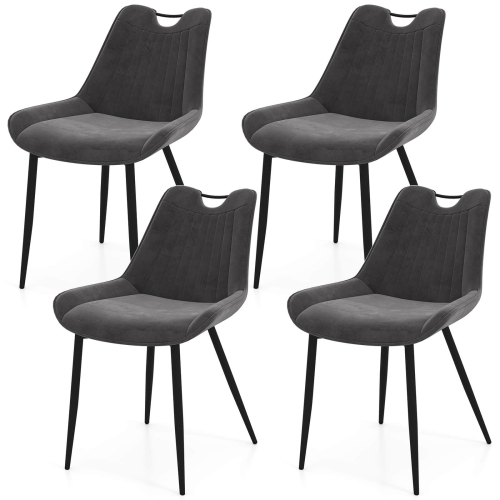
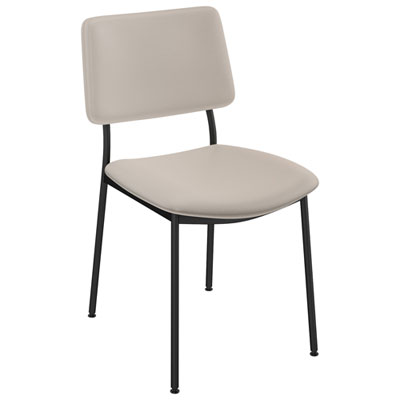
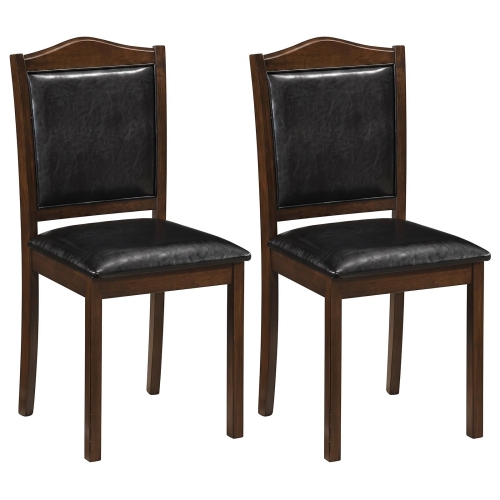
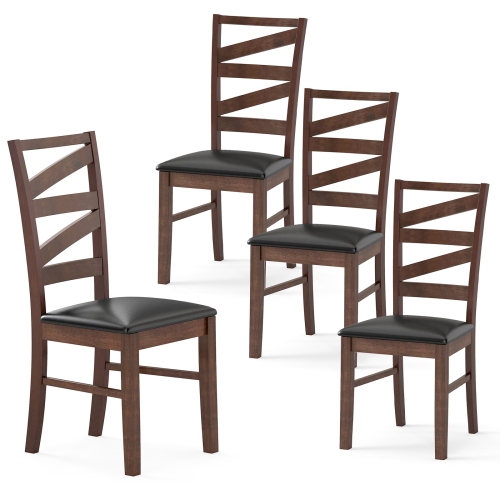
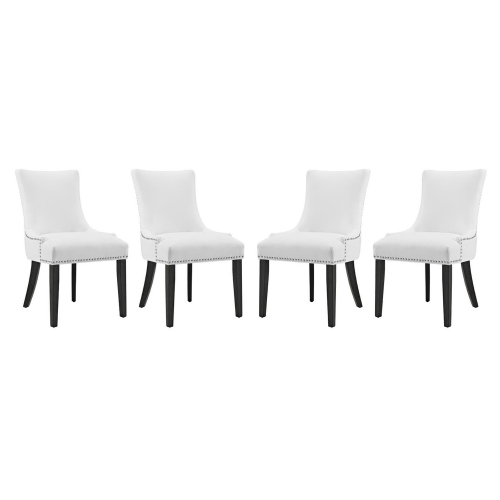
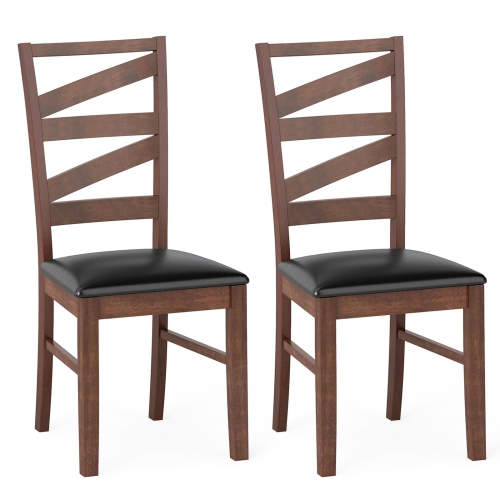
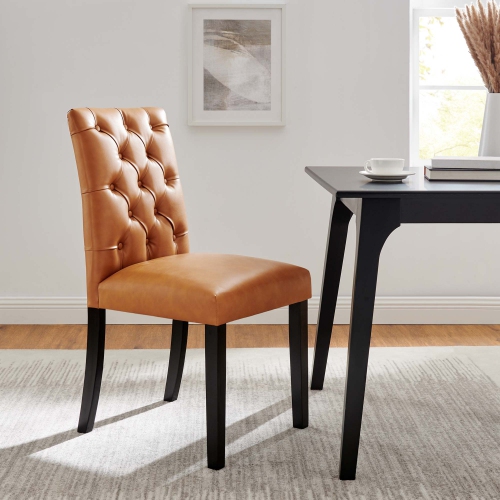
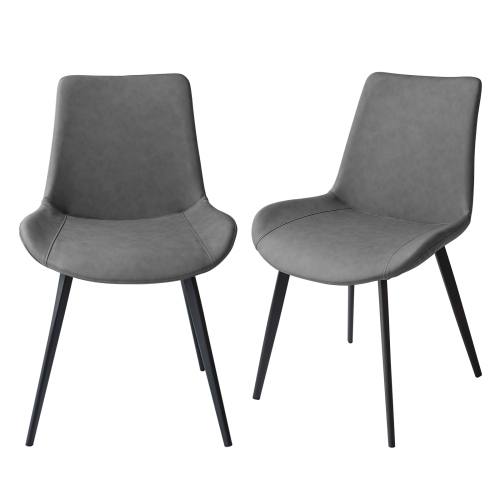
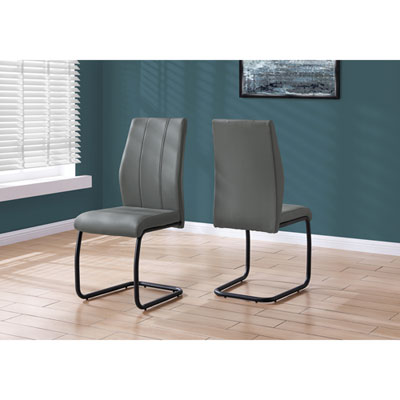
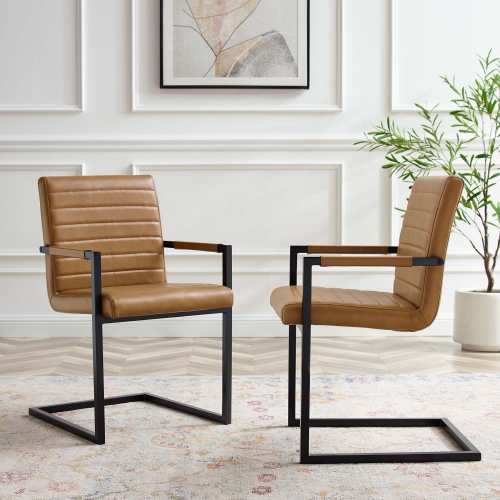
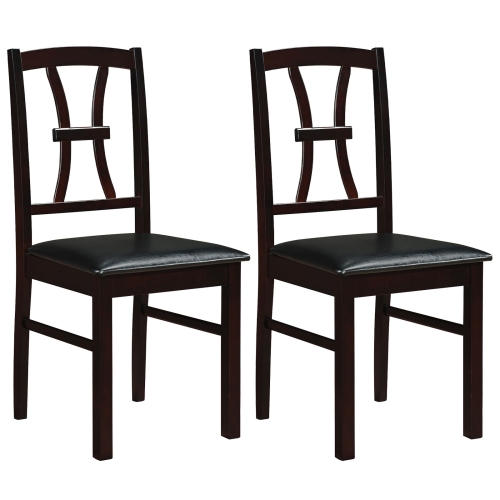
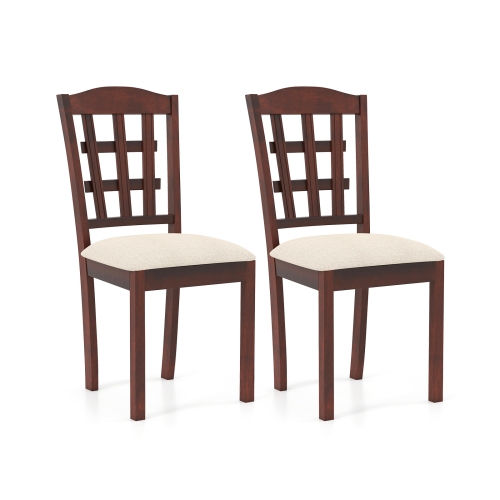
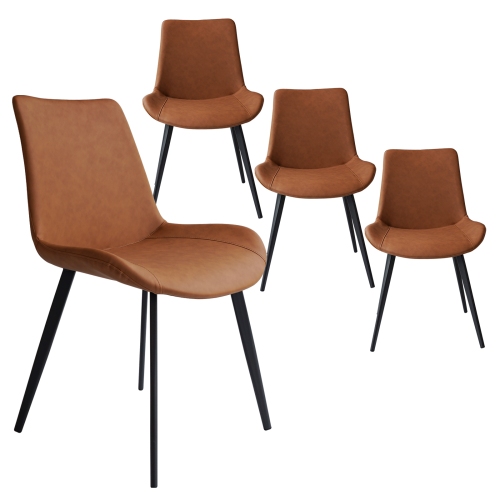
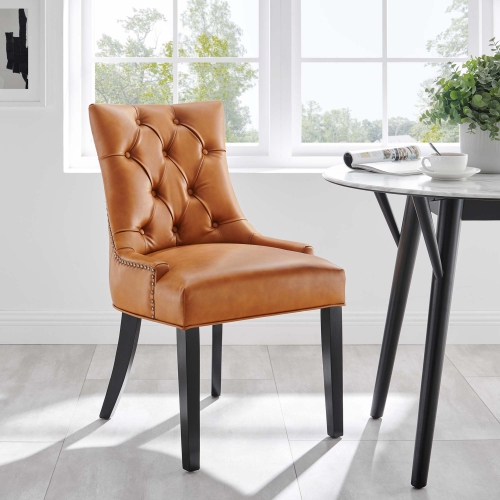
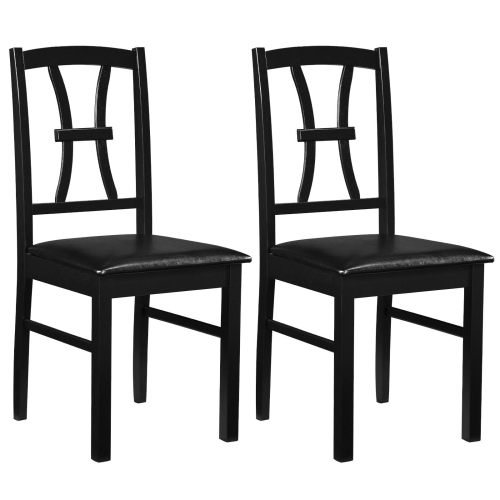
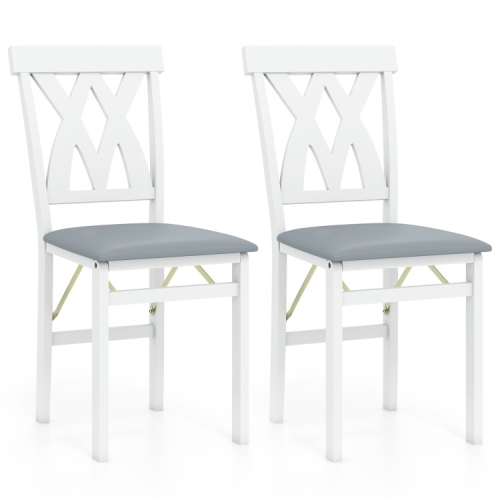
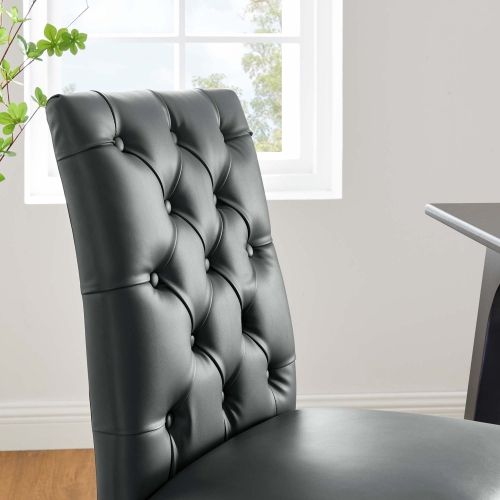
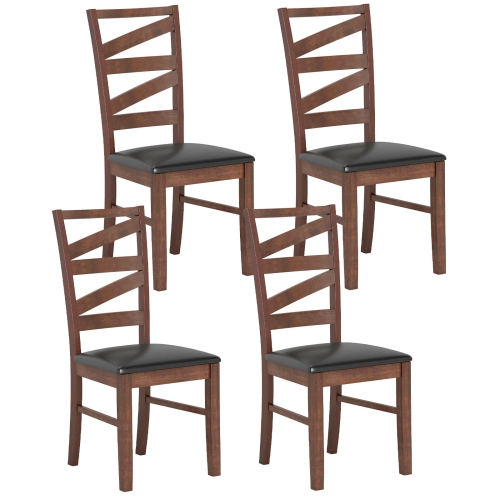
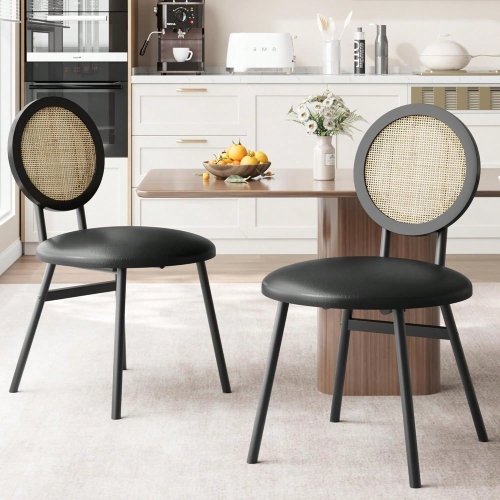
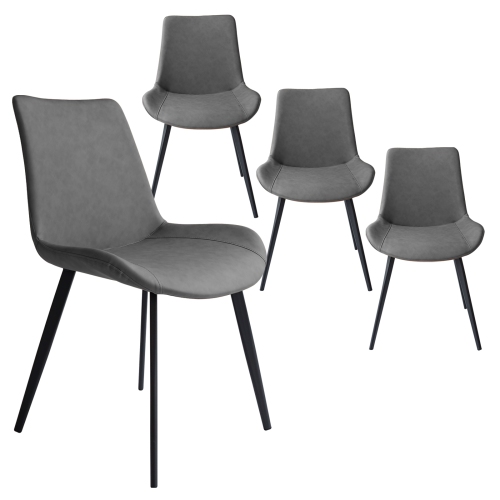
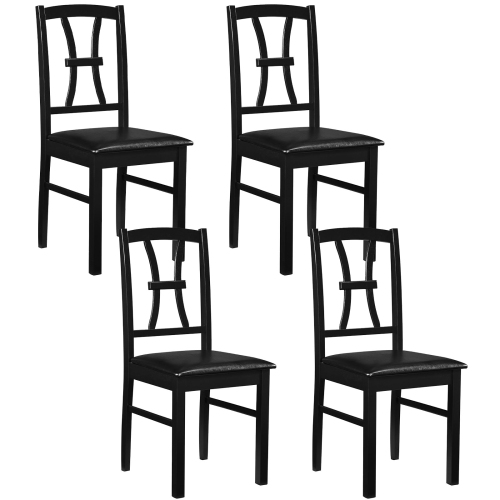
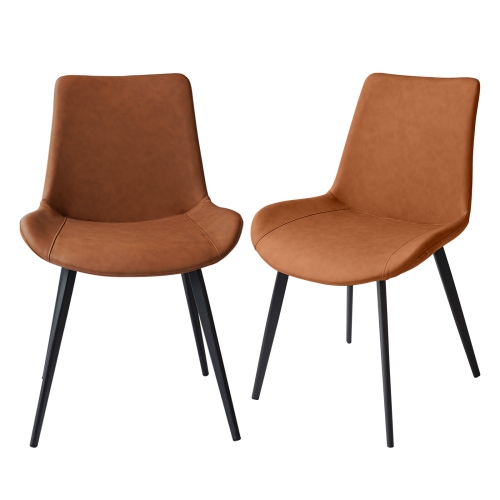
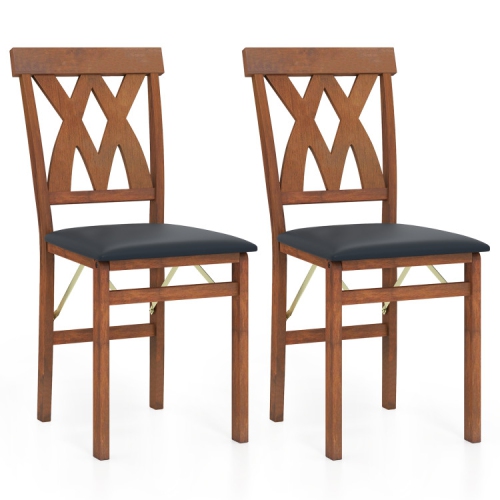
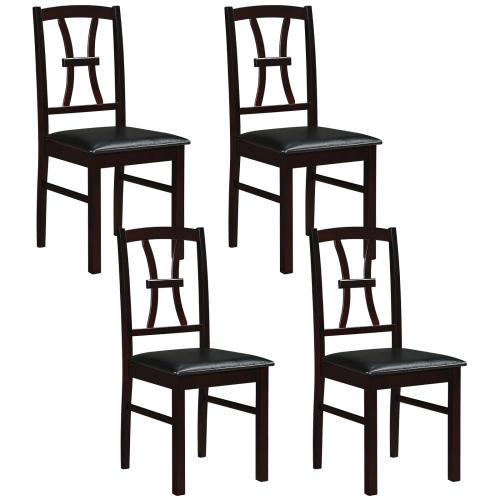
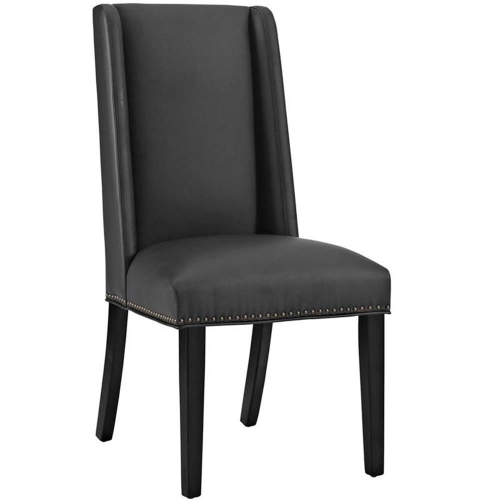
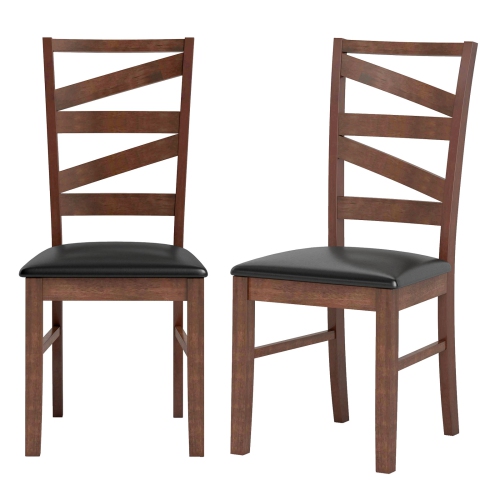
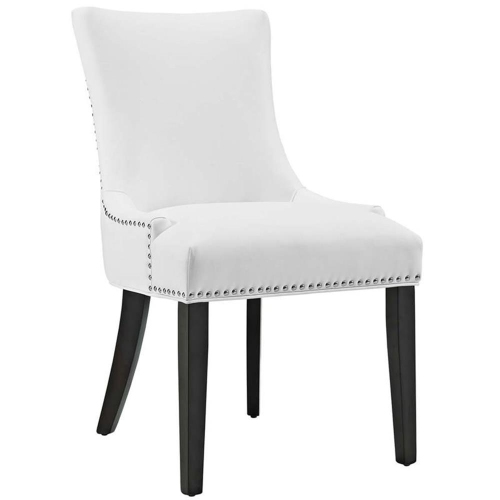
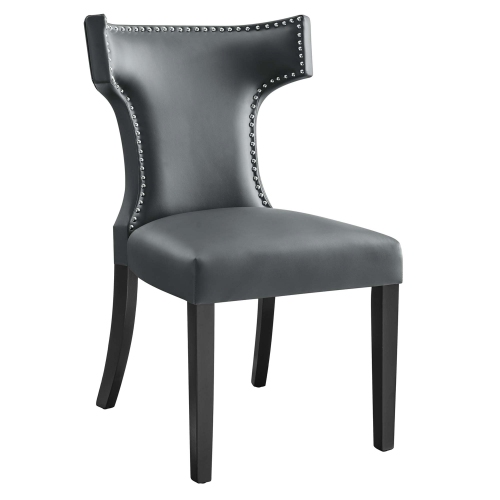
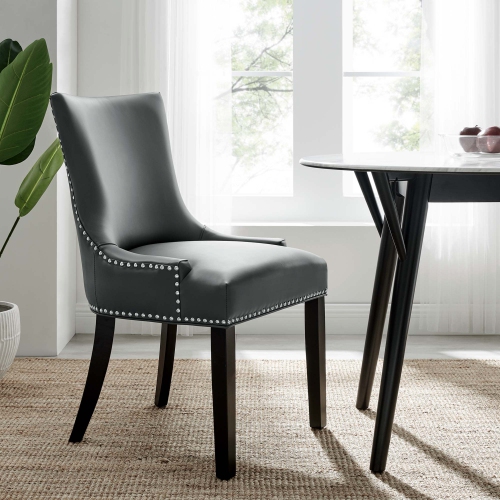

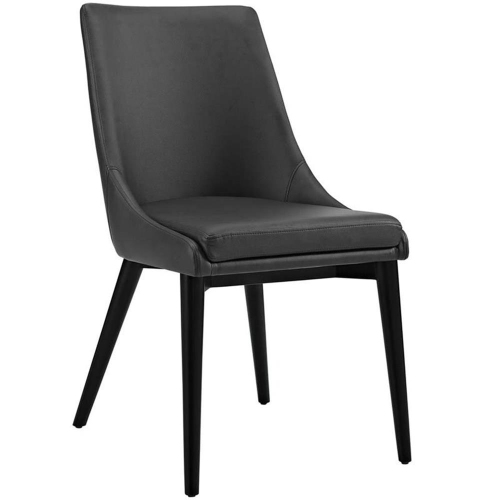
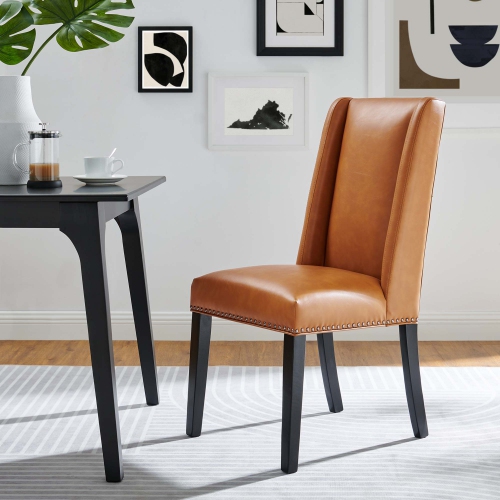
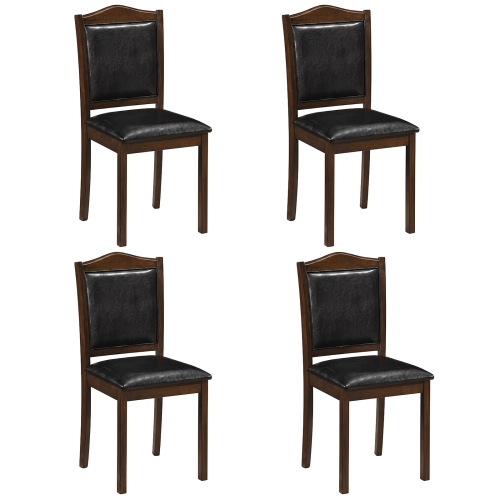
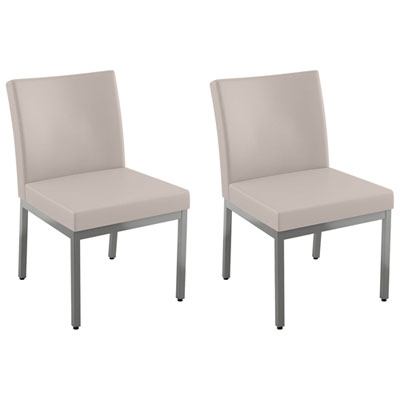

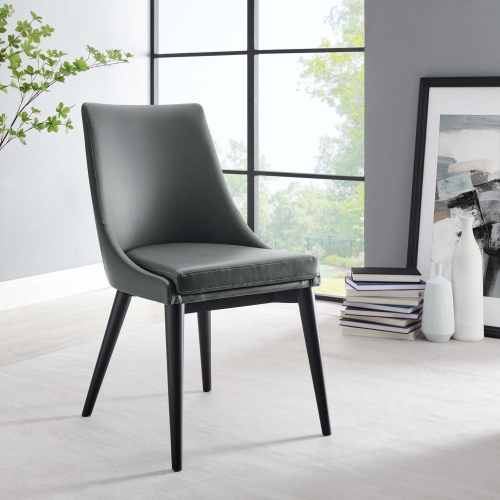
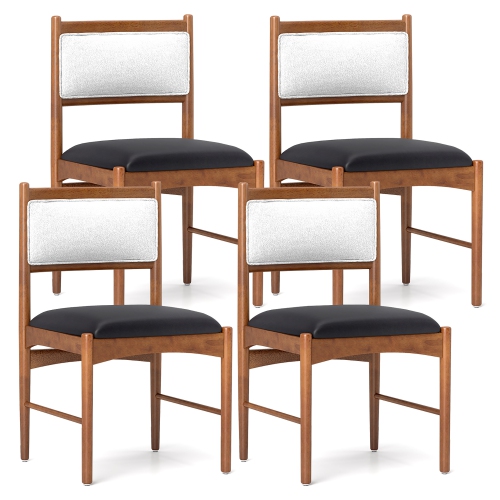

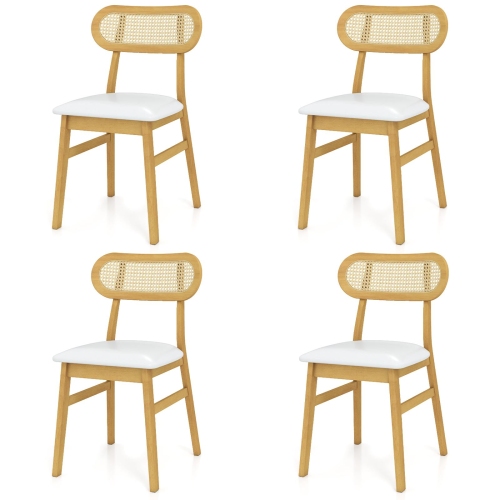
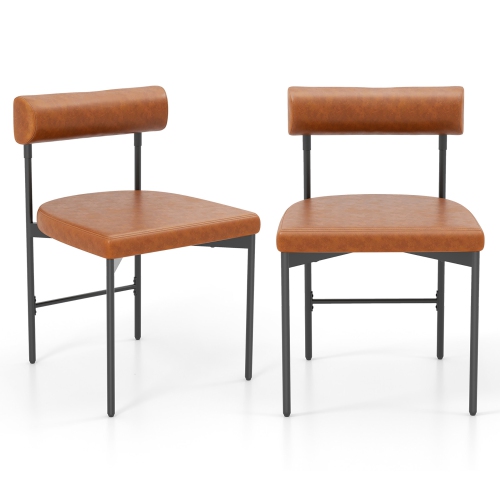
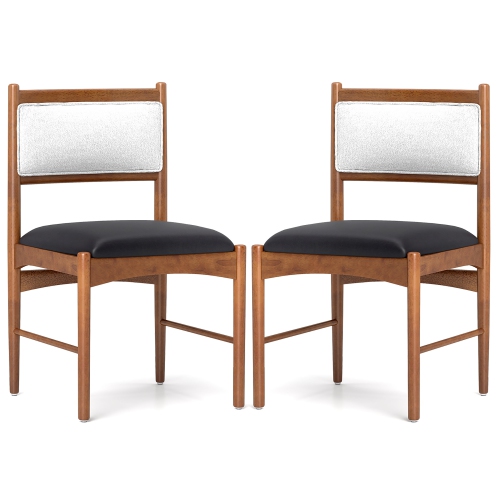
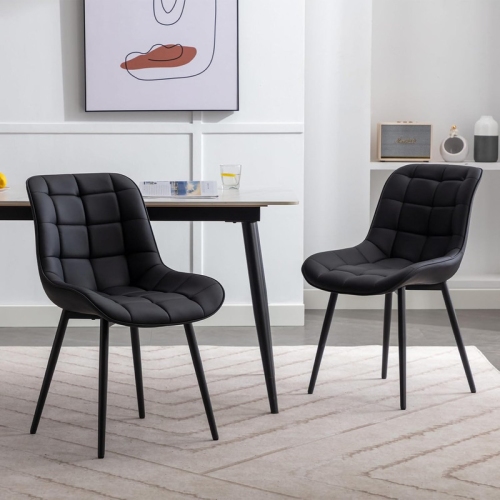
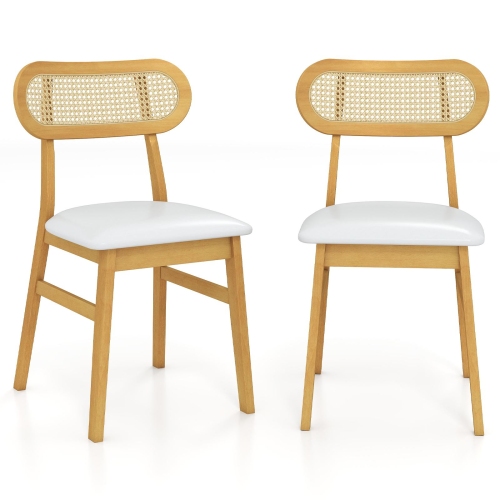


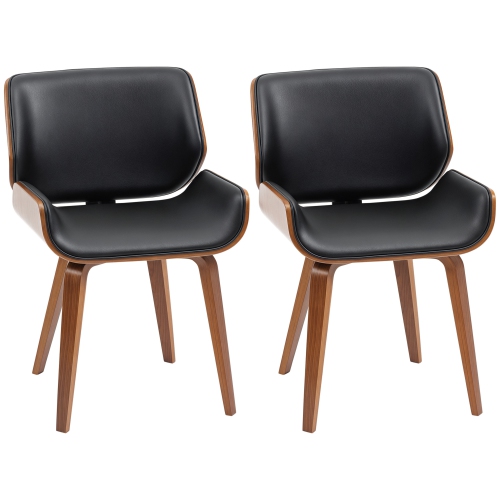
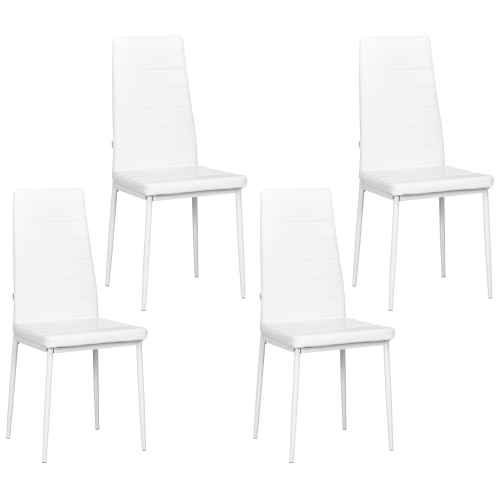
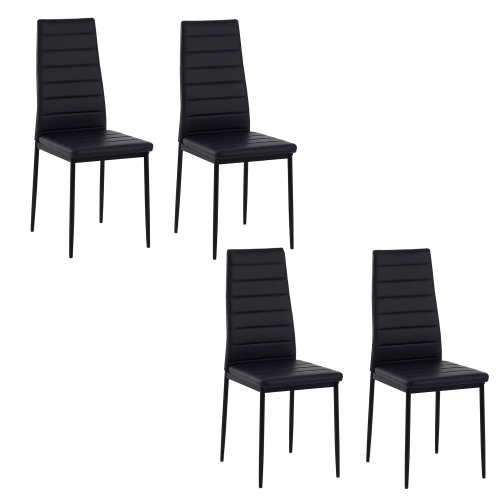
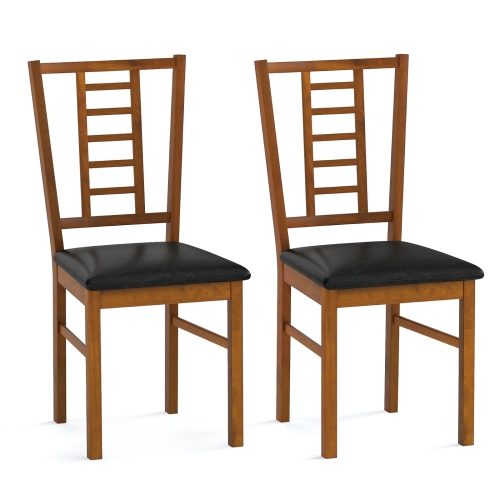


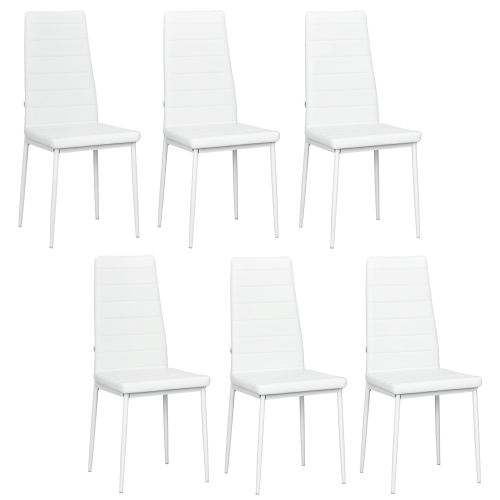
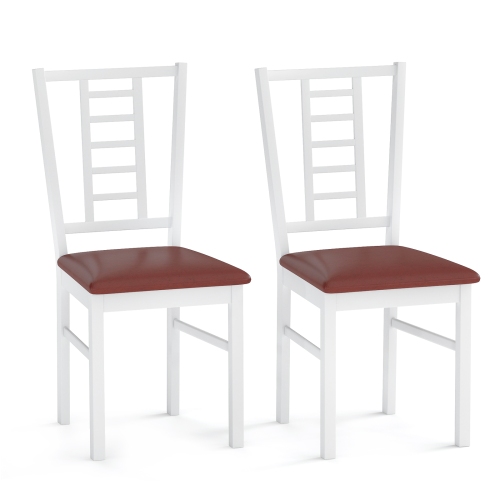
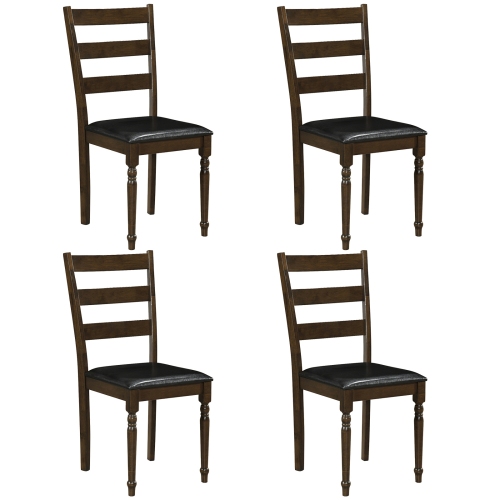
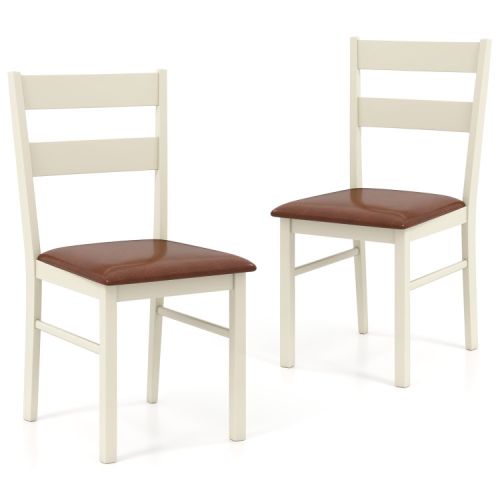
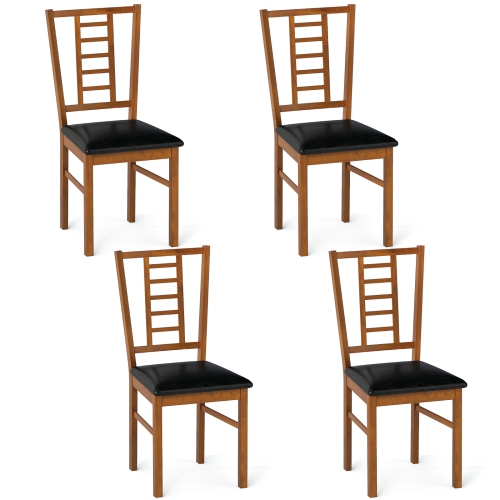
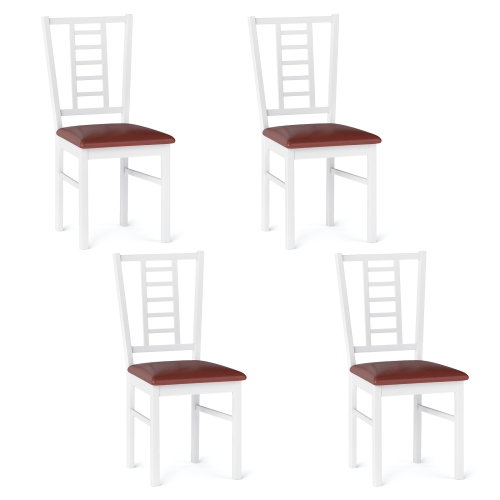
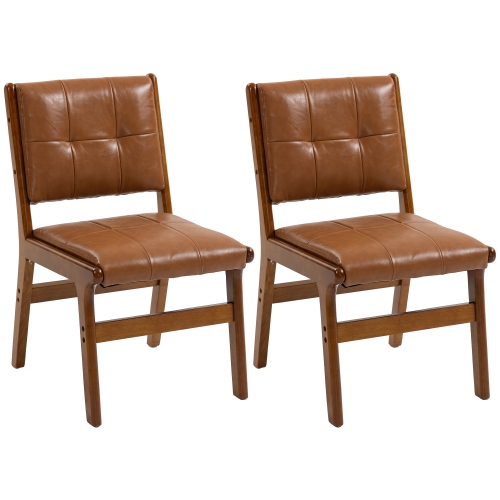
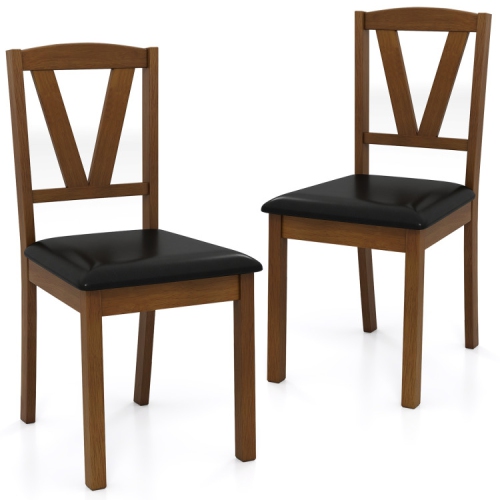
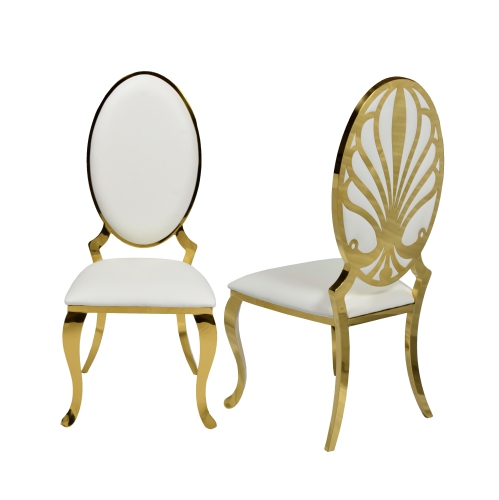
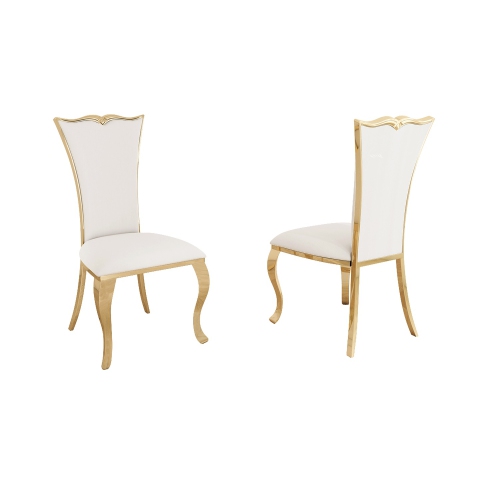
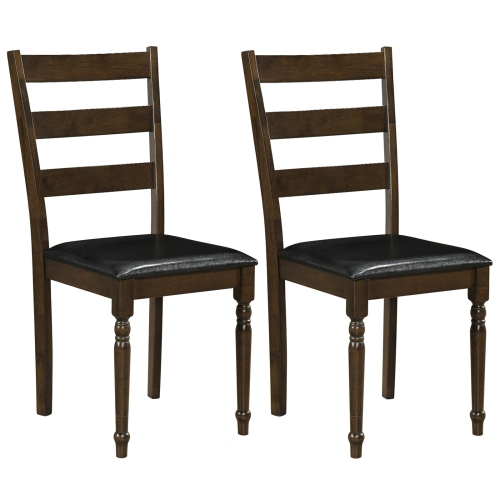
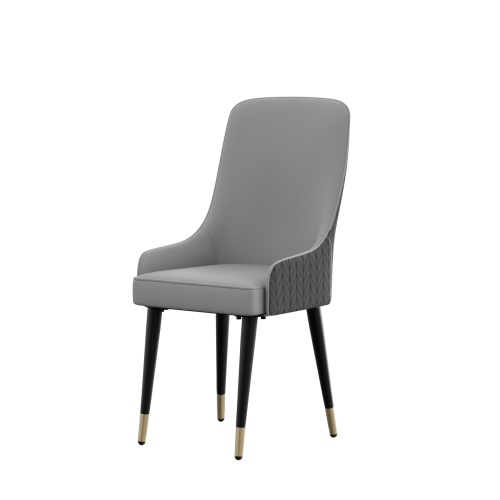
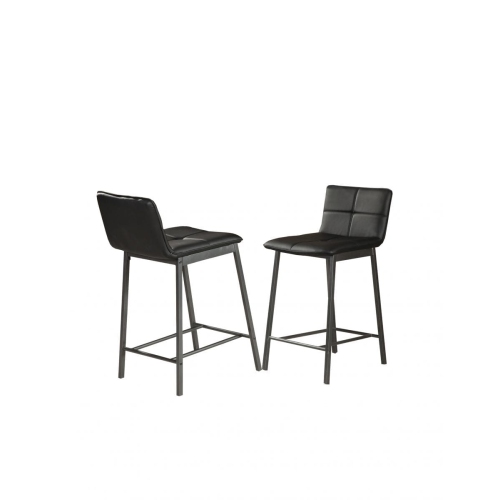
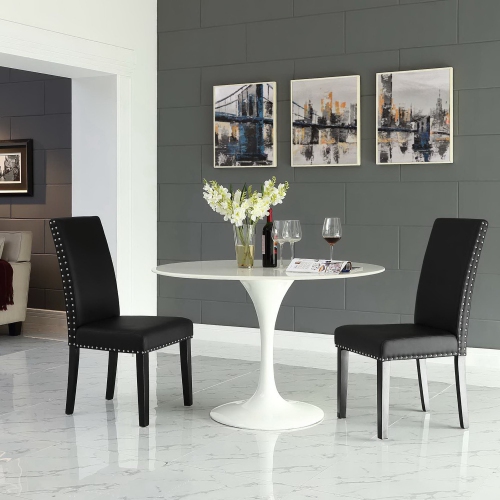
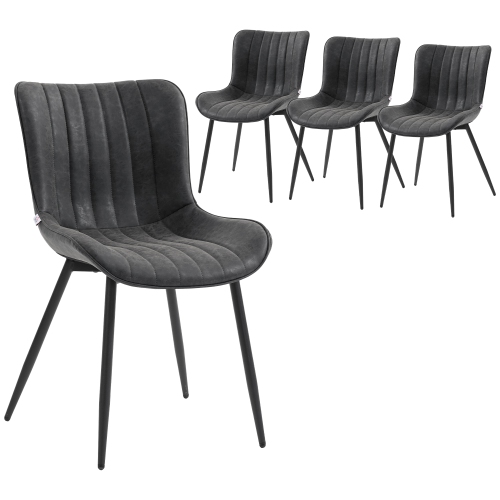
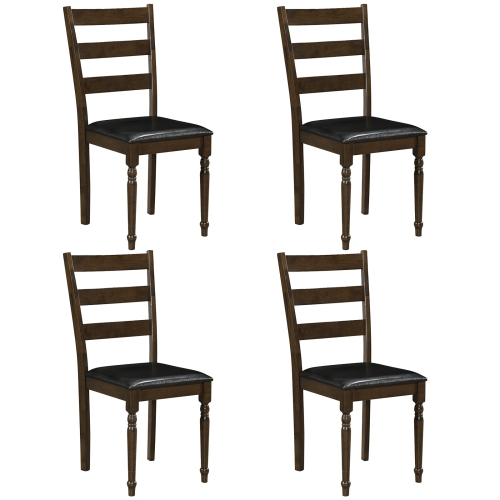
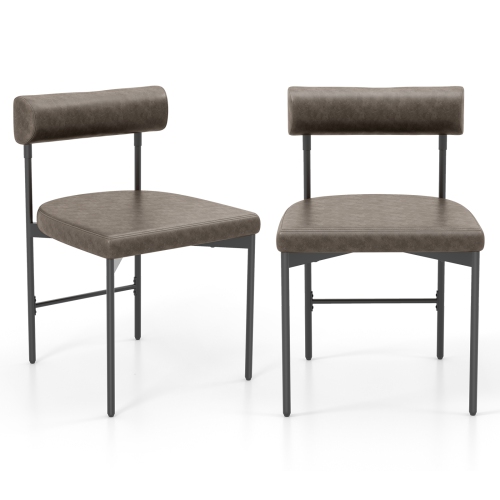
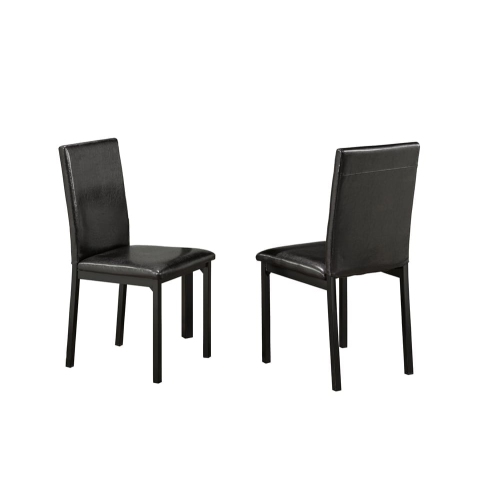
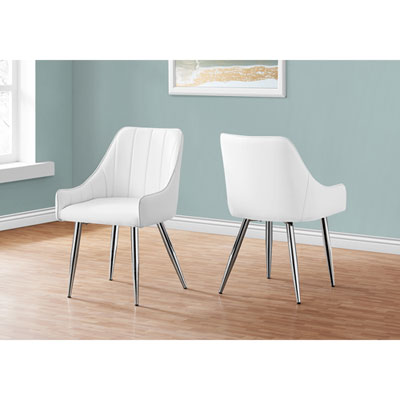
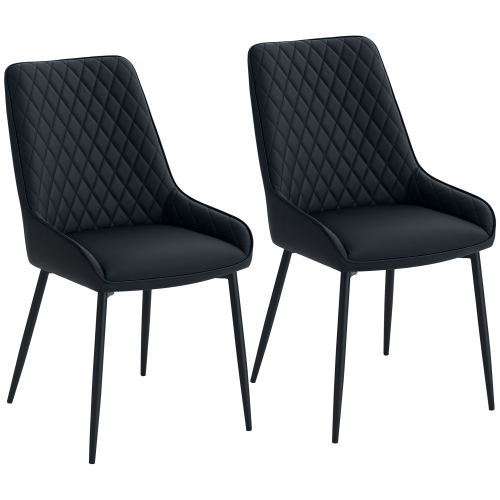
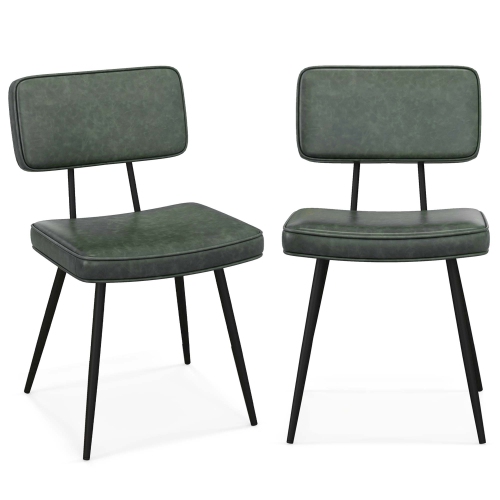
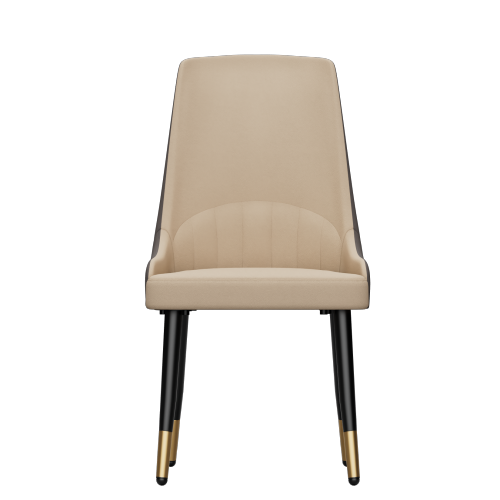
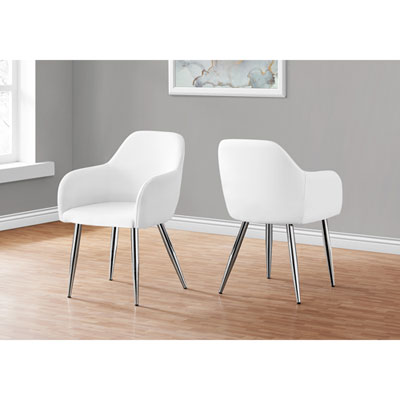
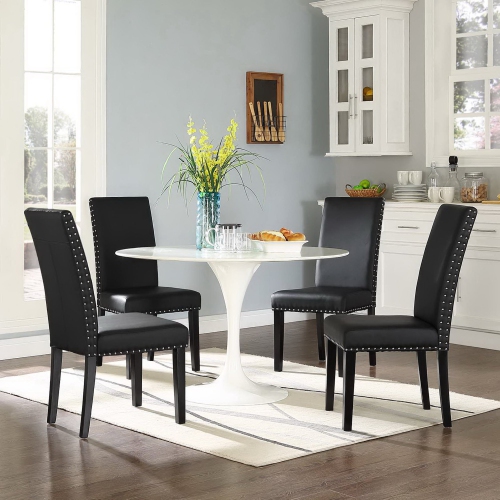
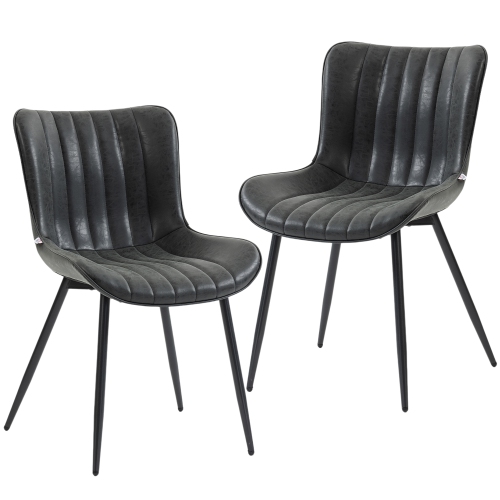
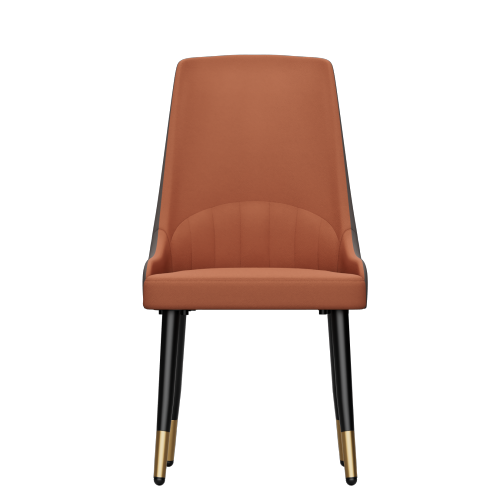
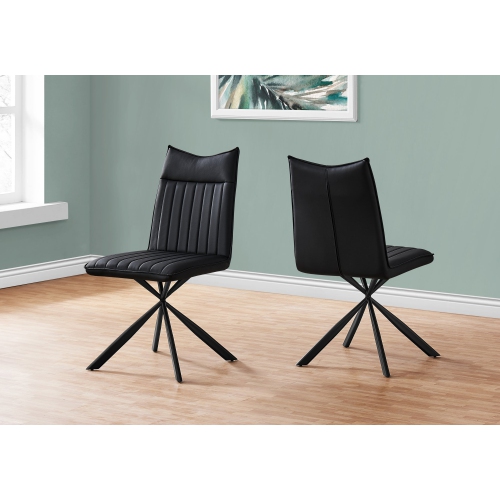
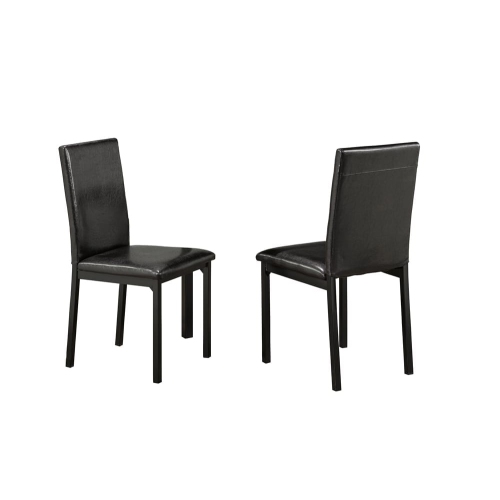
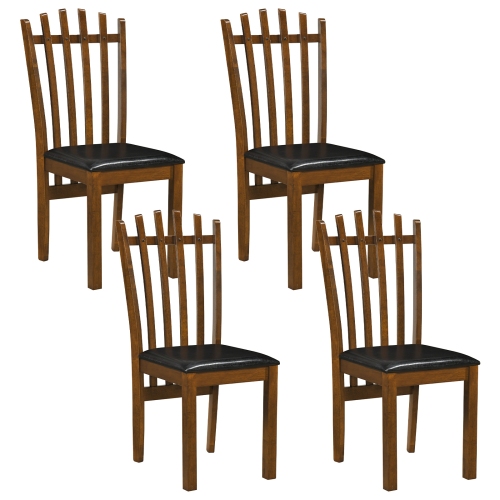
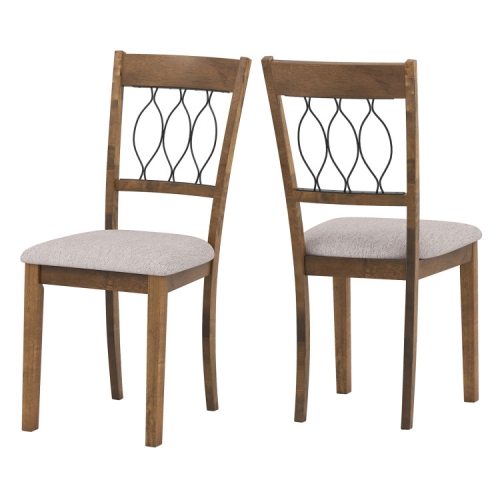
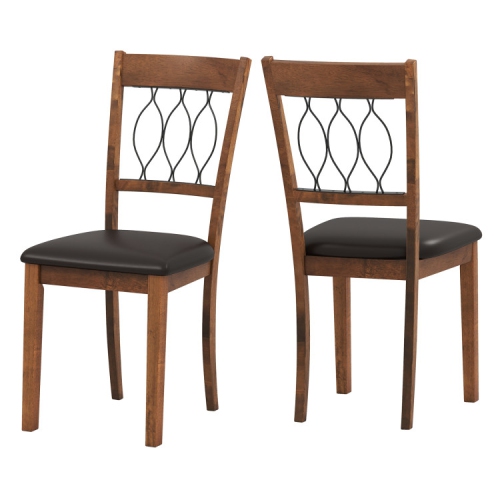

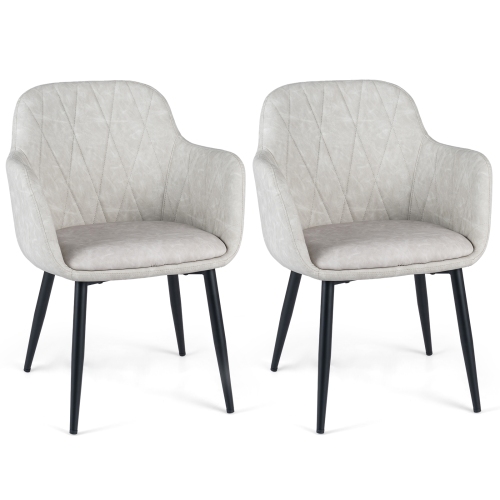
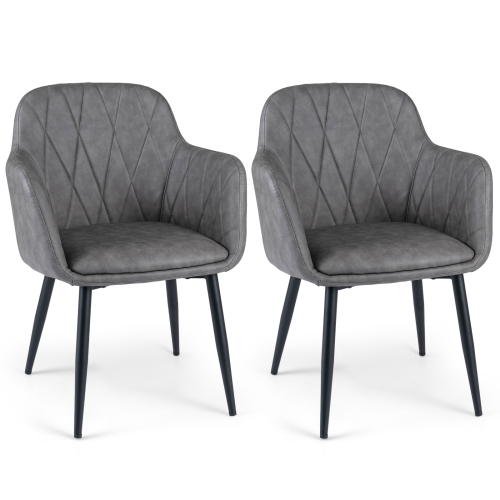
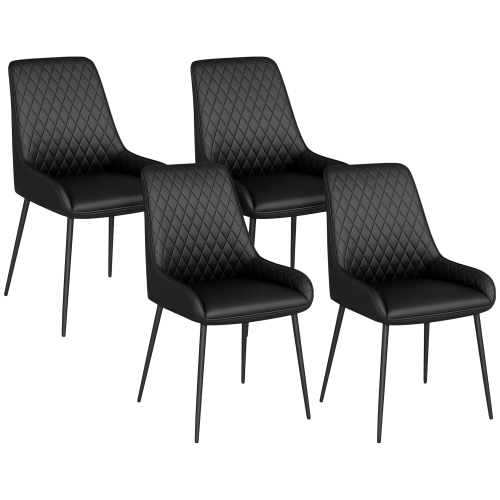
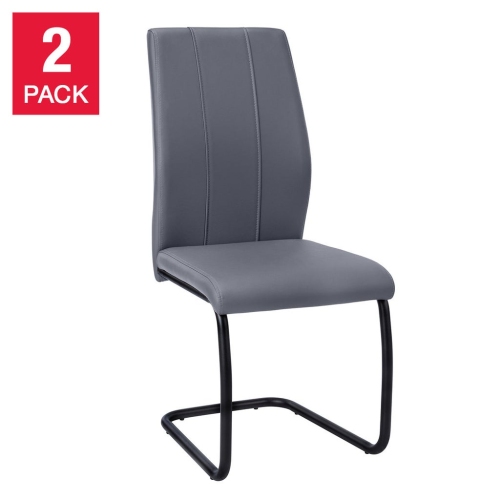
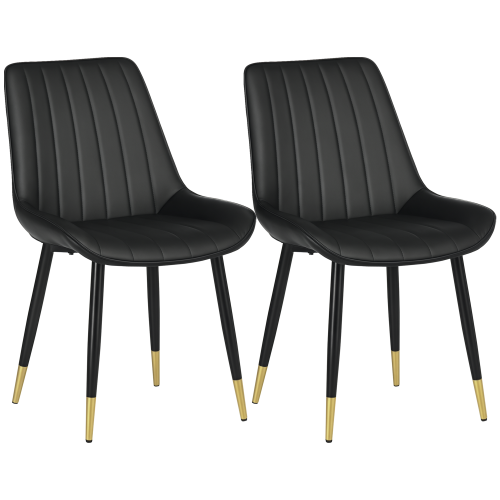
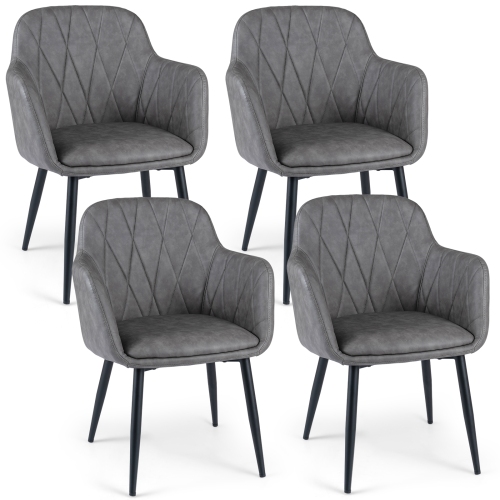


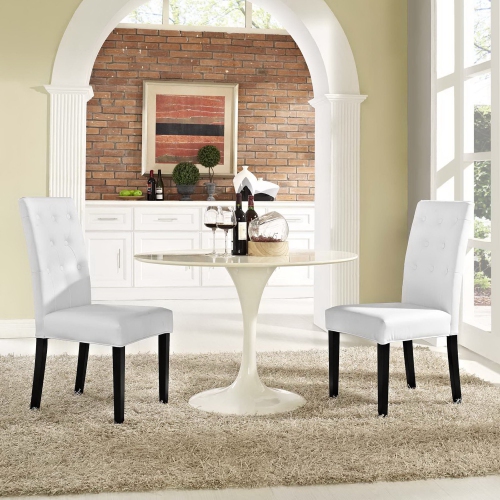

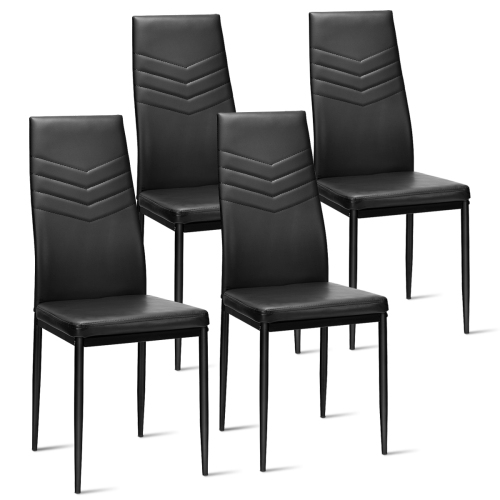
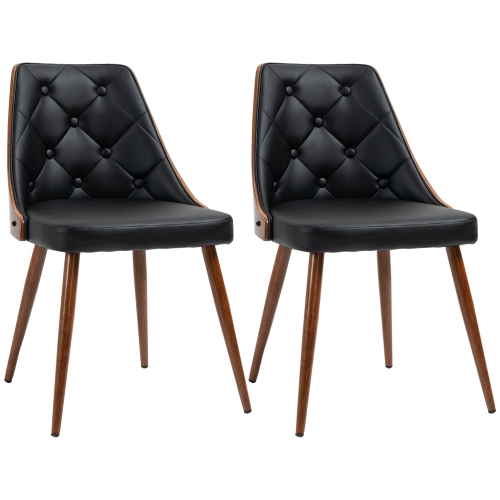
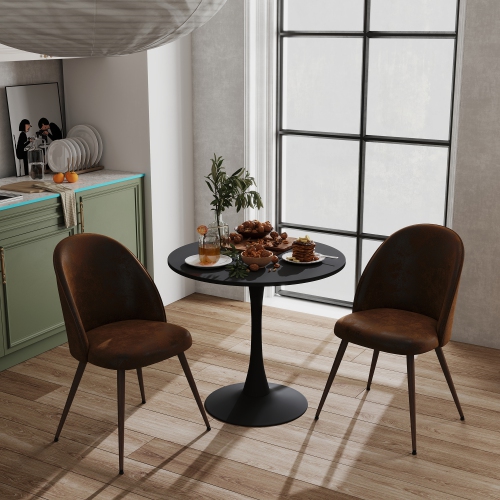
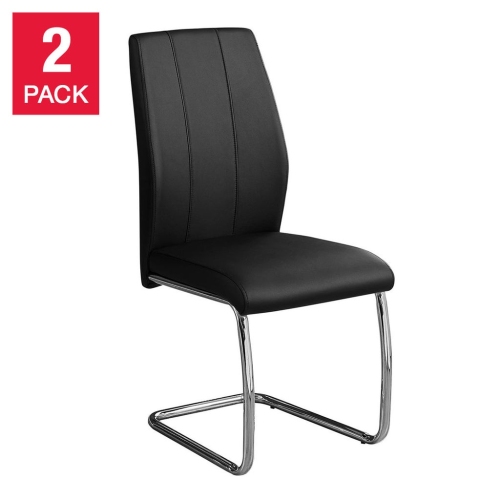
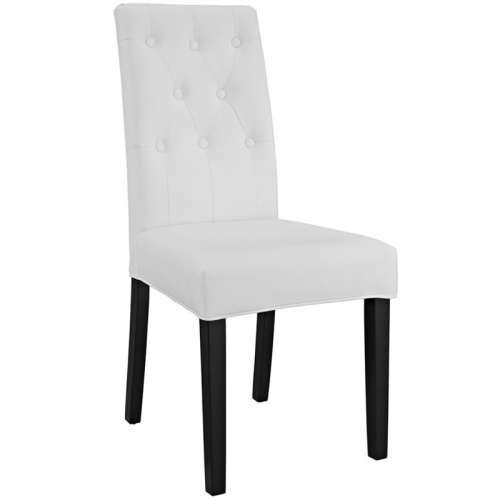
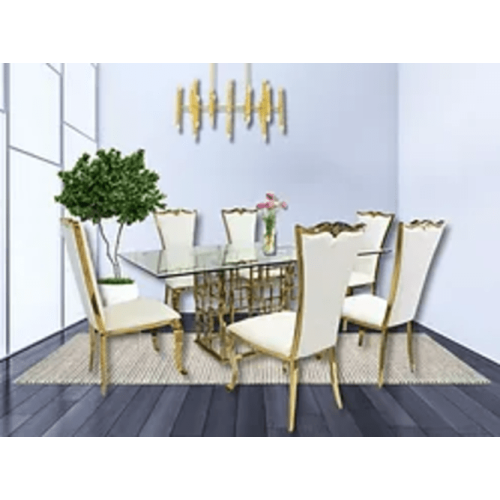
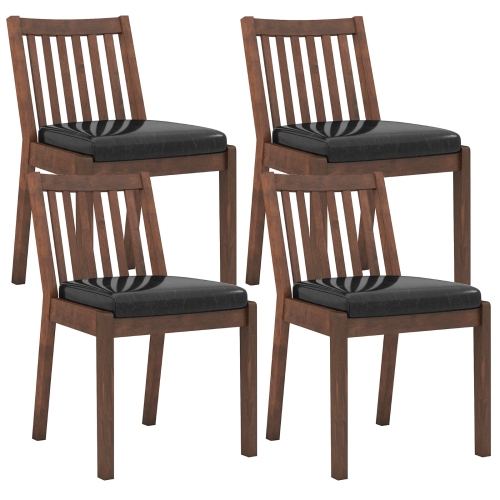
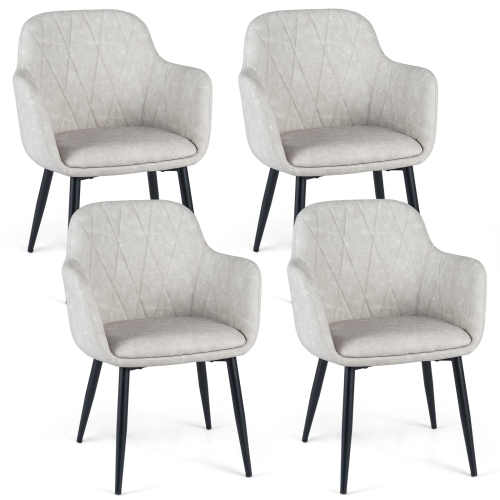
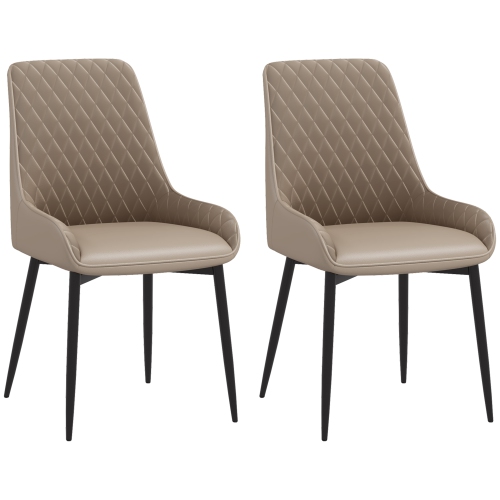
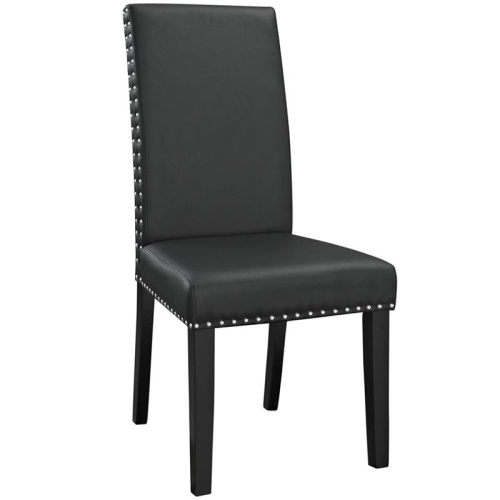
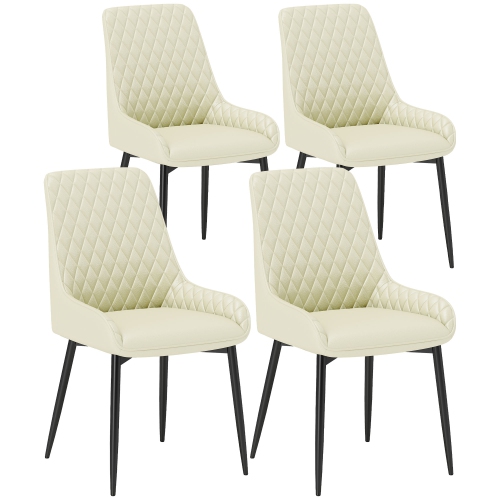
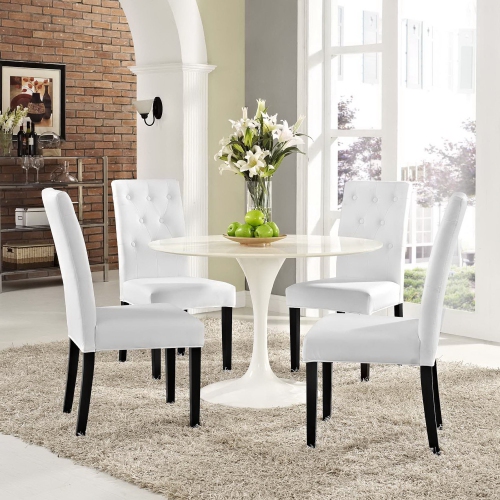
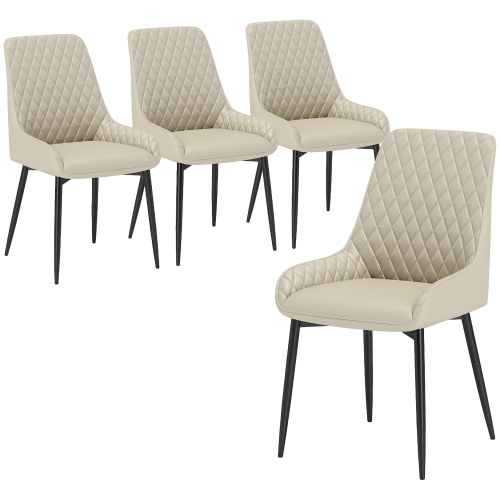
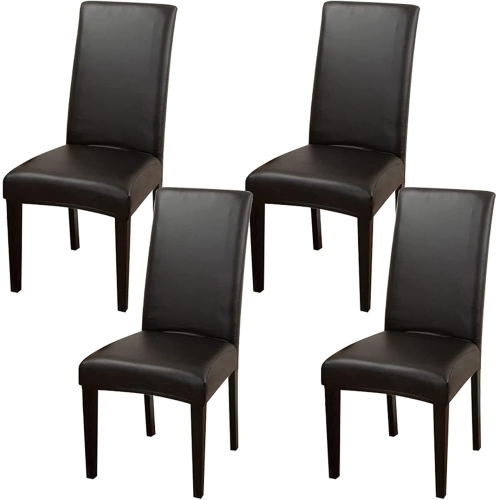
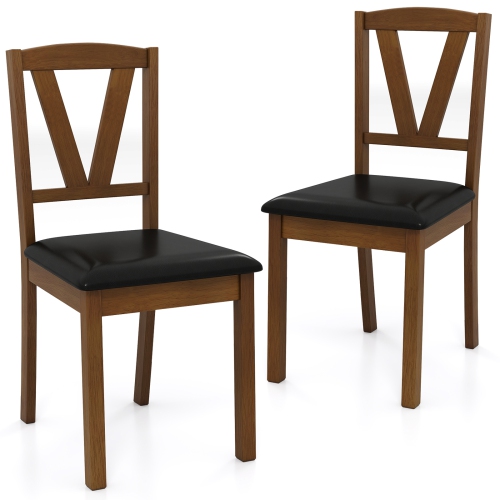
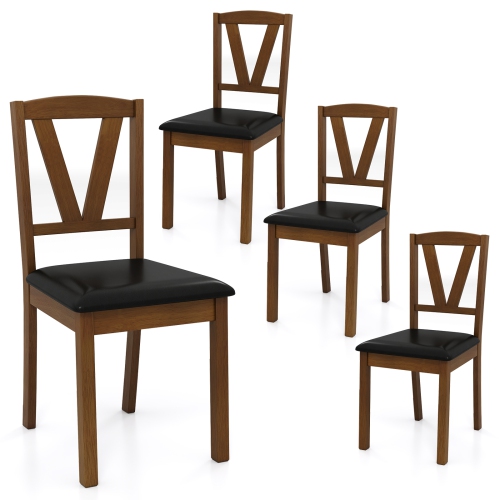
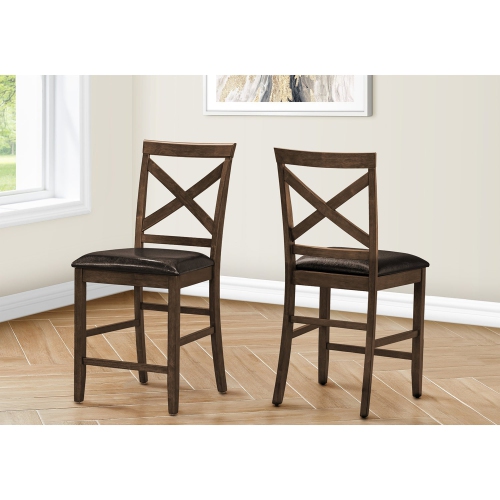
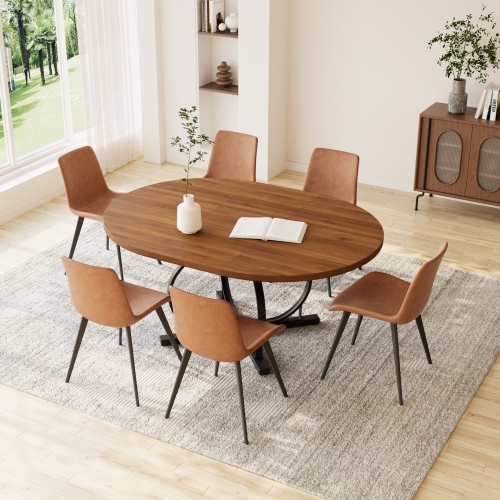
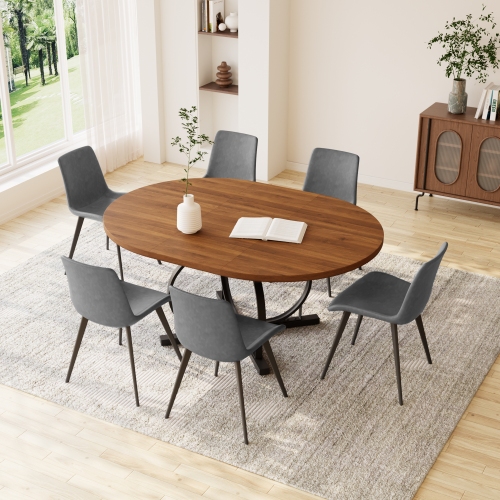
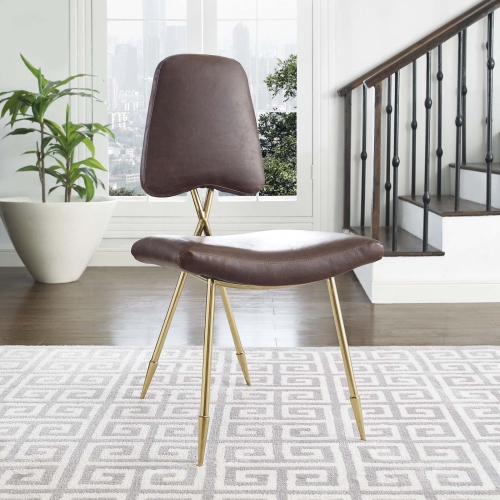

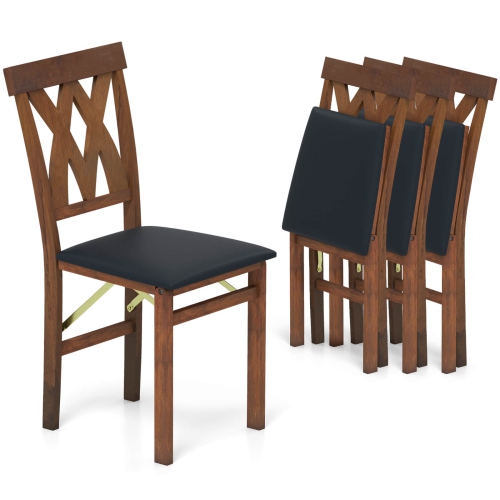
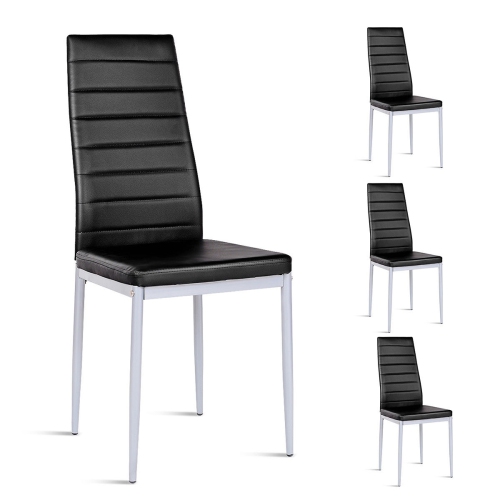
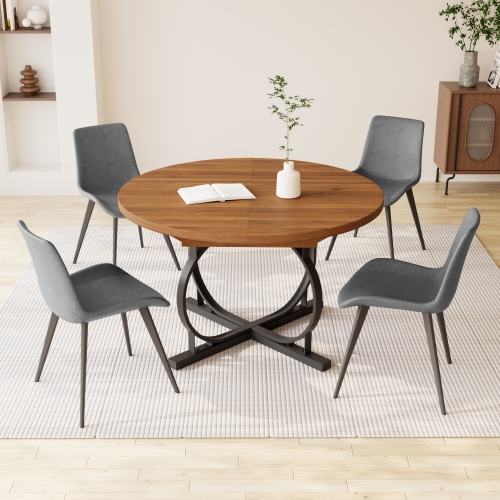
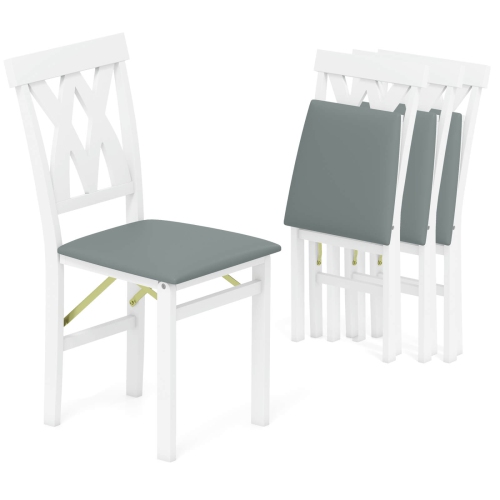
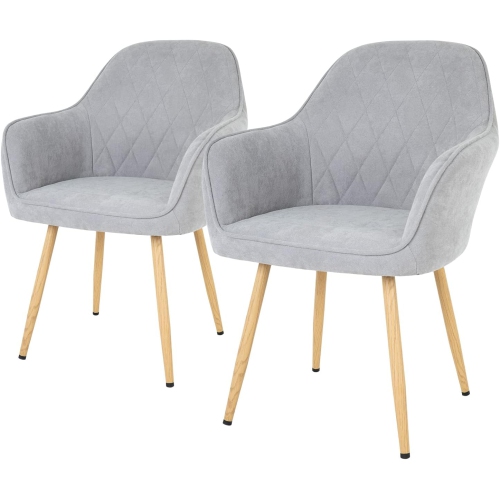
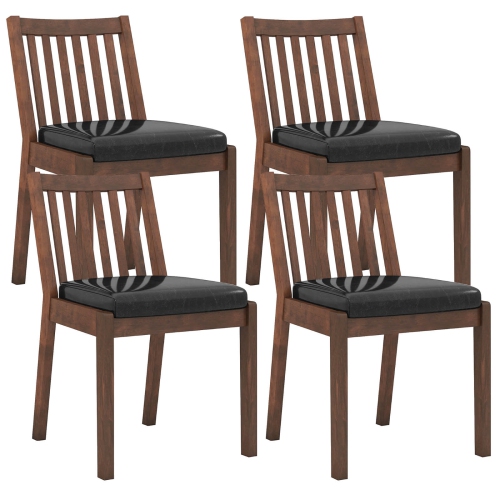
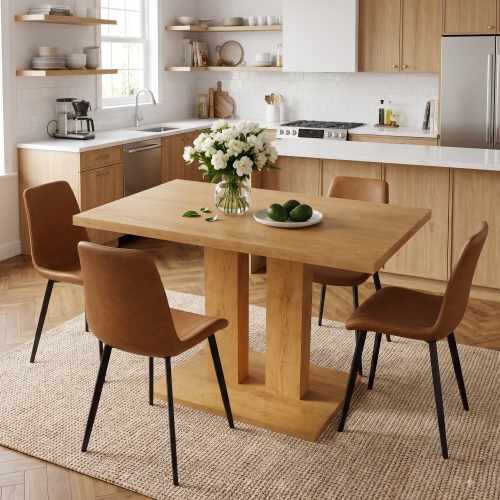
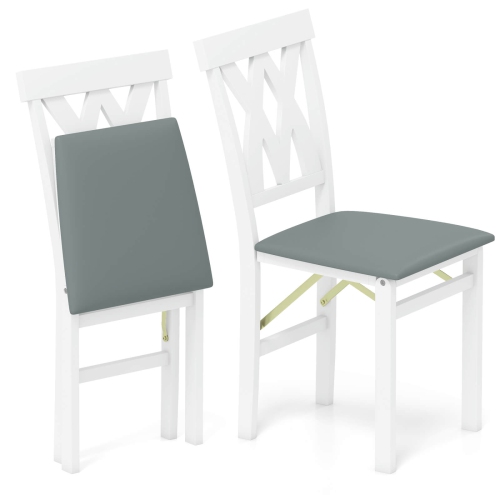

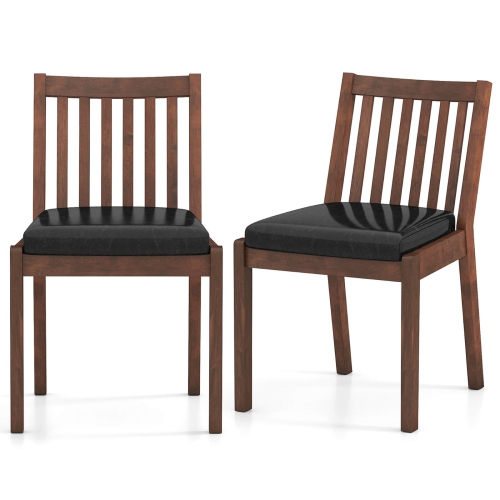
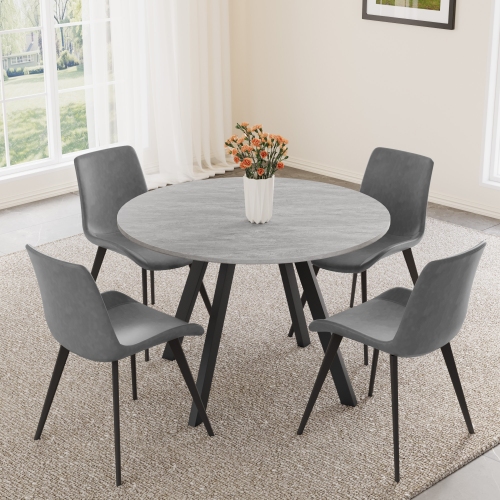
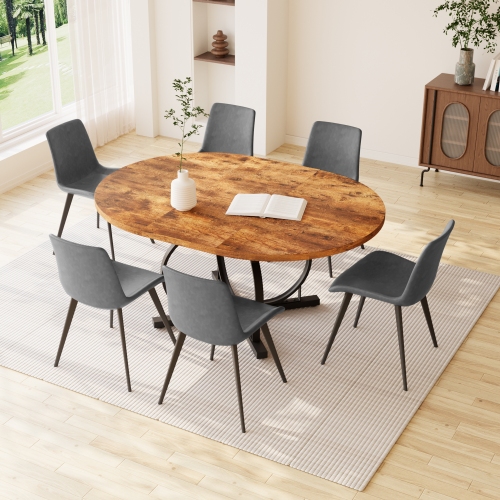
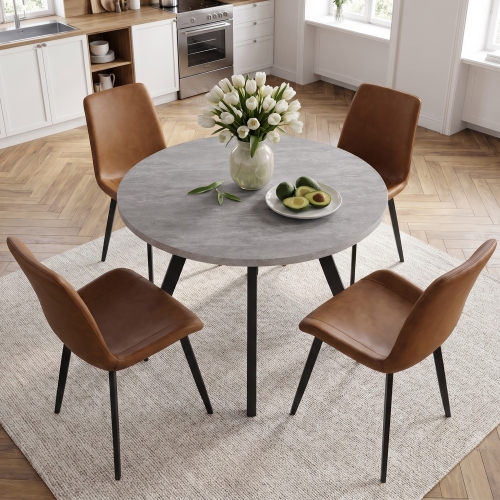
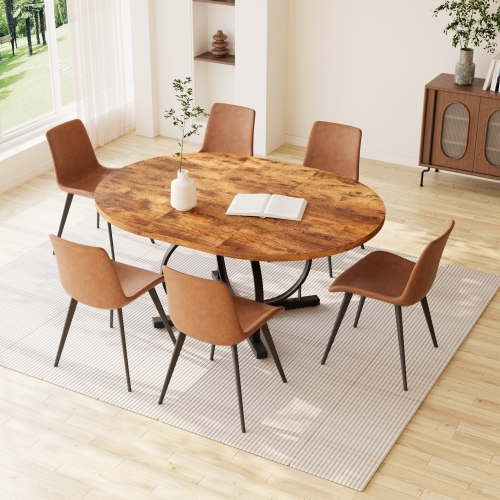
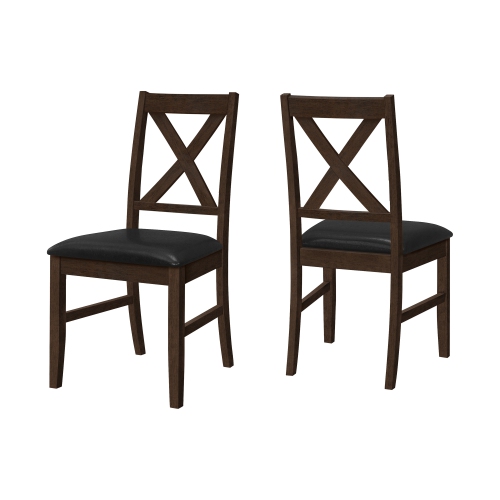
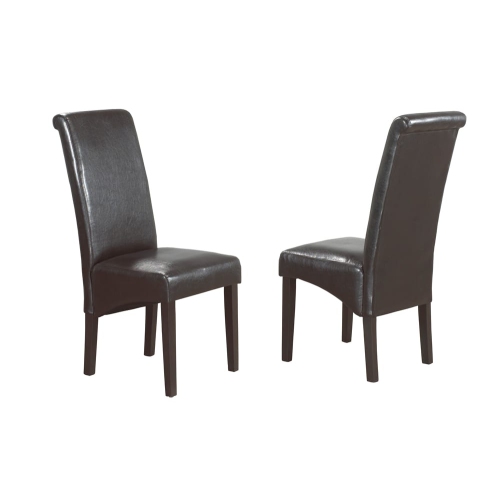
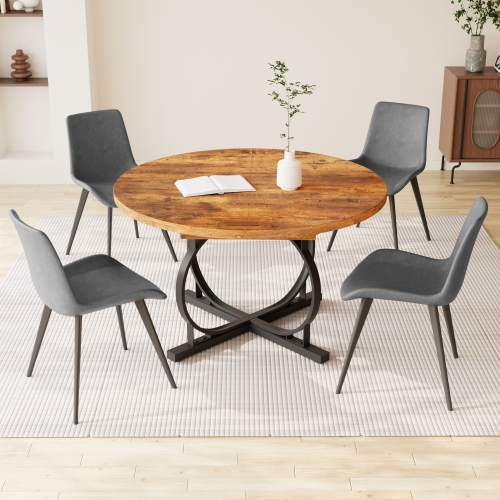
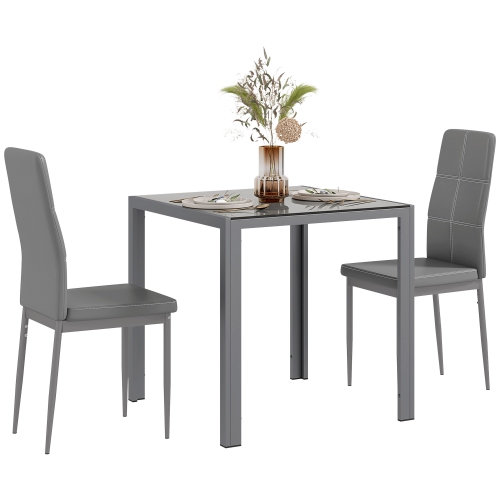
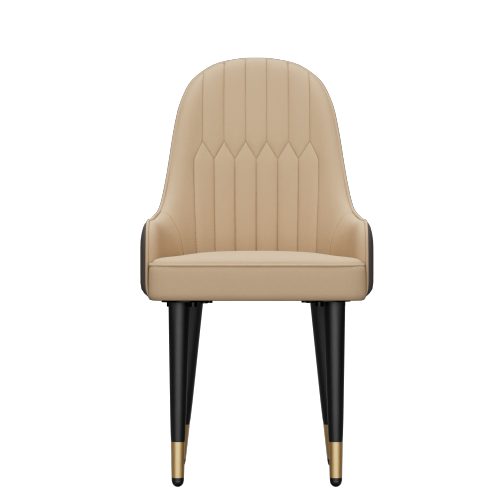

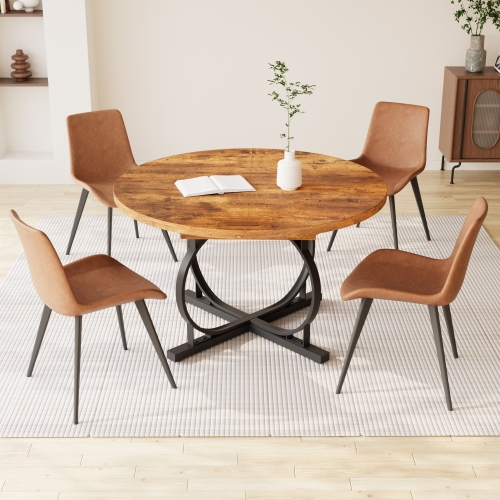
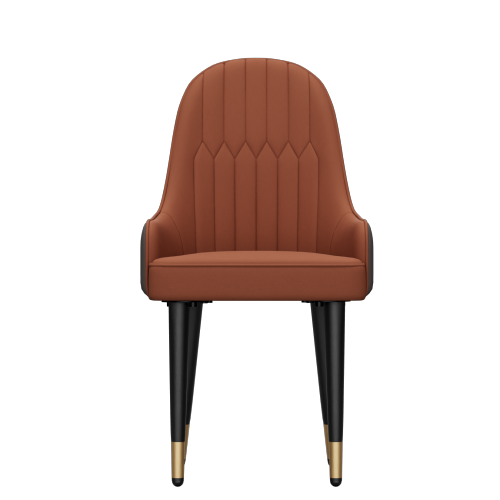
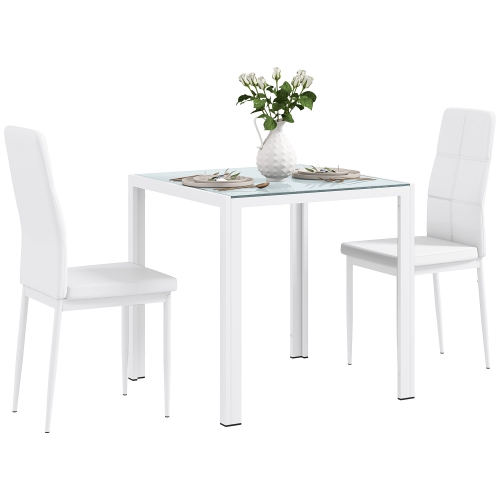
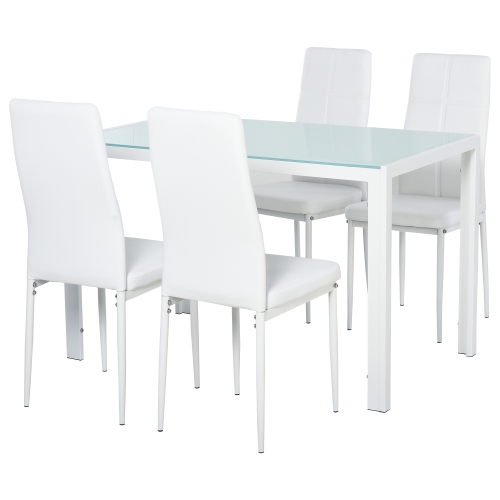
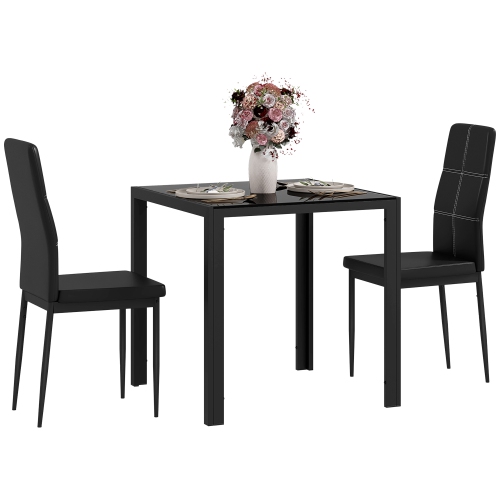
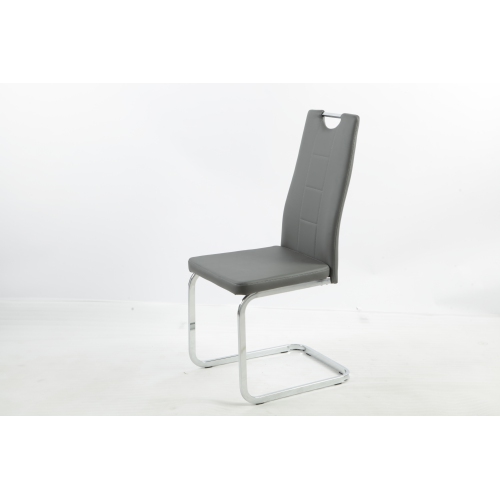
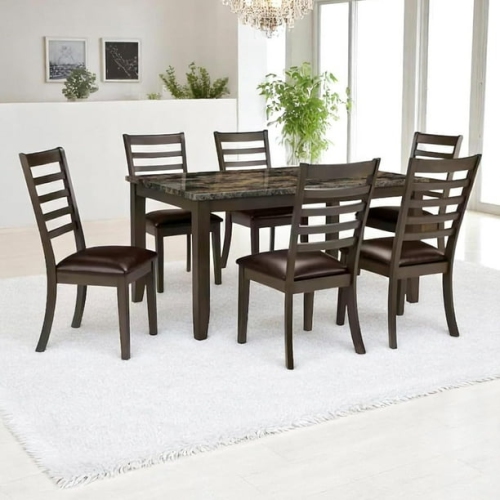
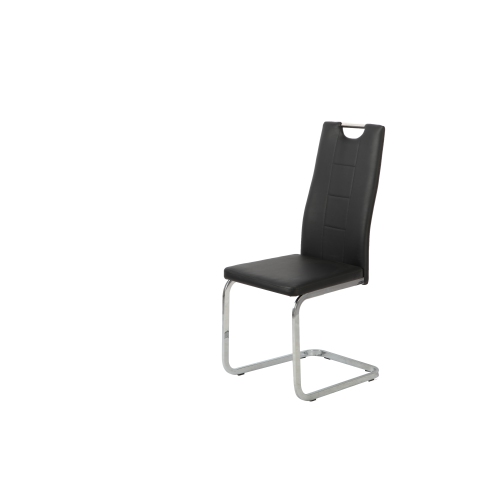
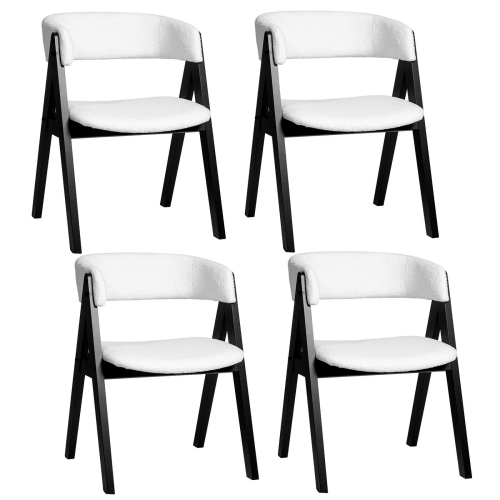
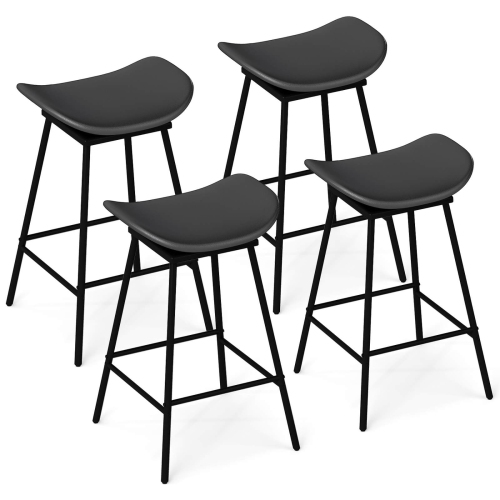
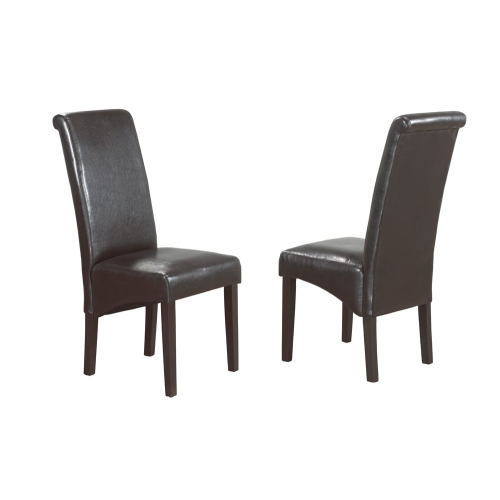
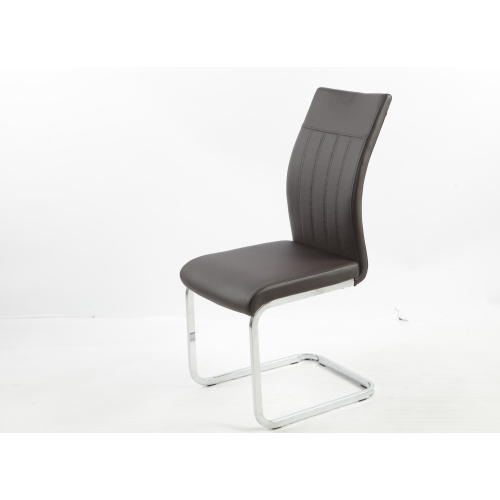
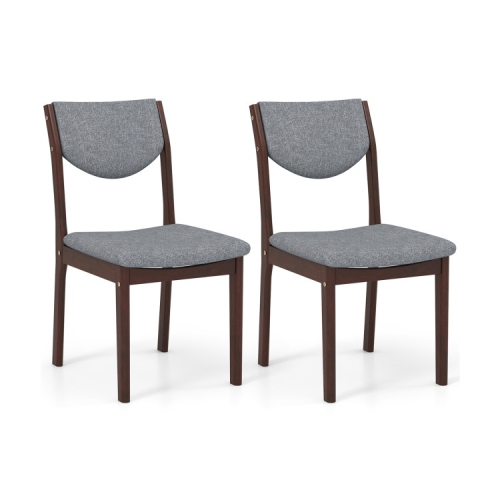


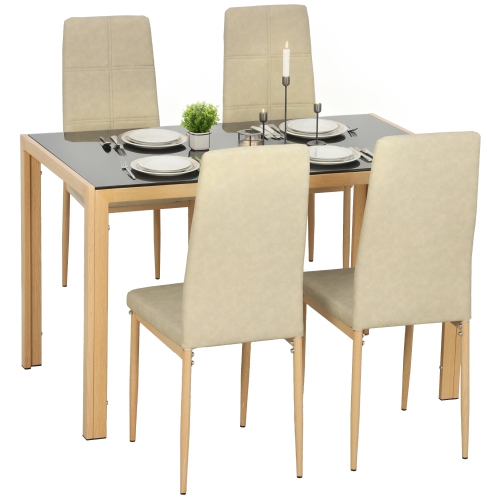
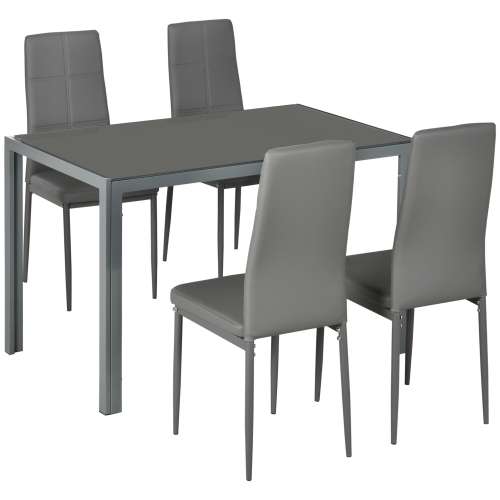
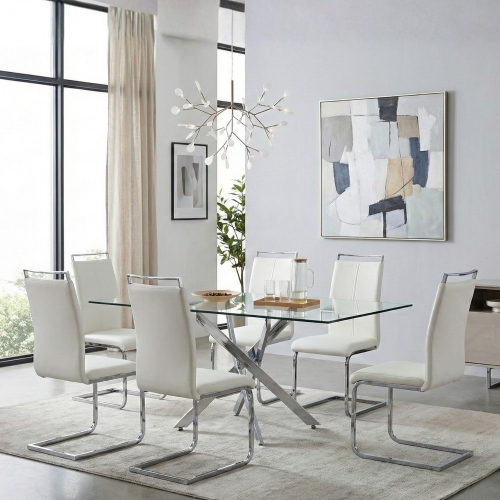
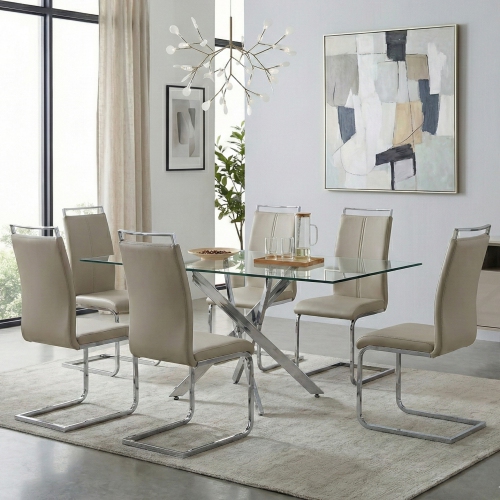

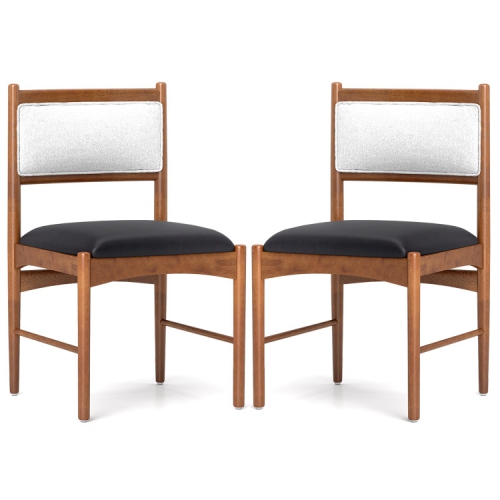
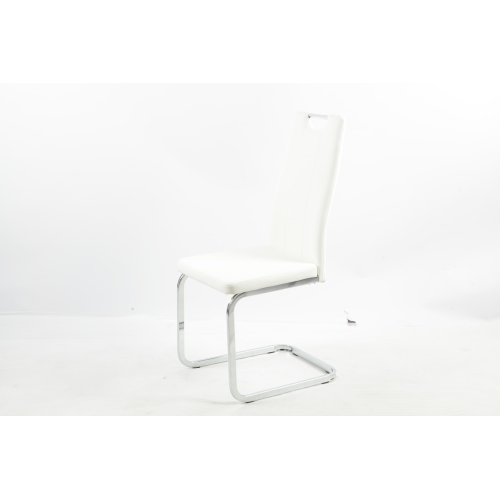
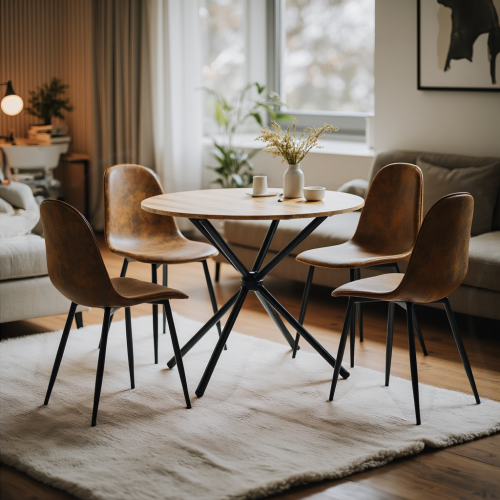
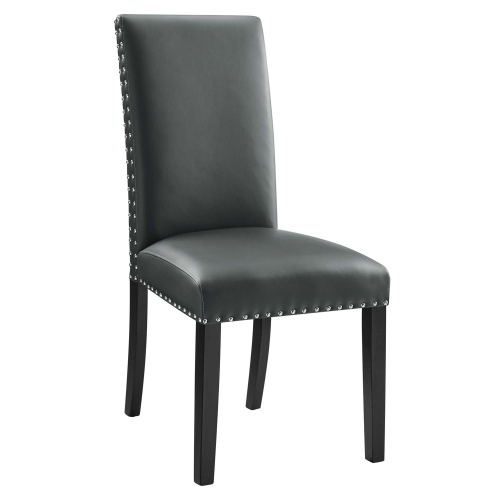
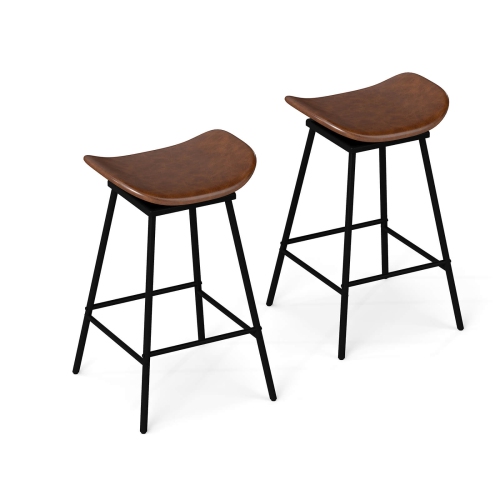
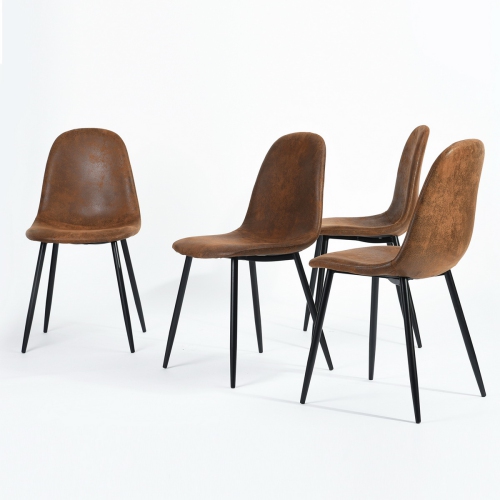
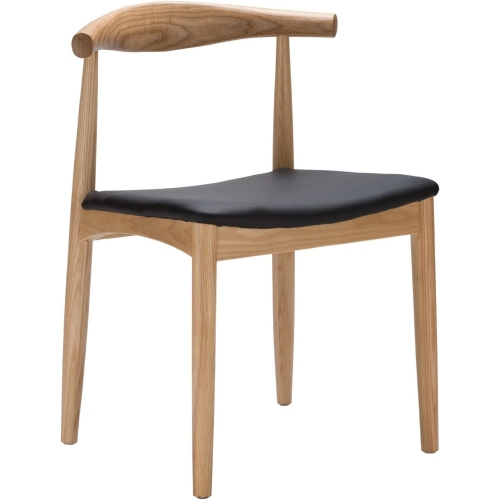
Leather-like looks with upholstered comfort for everyday dining
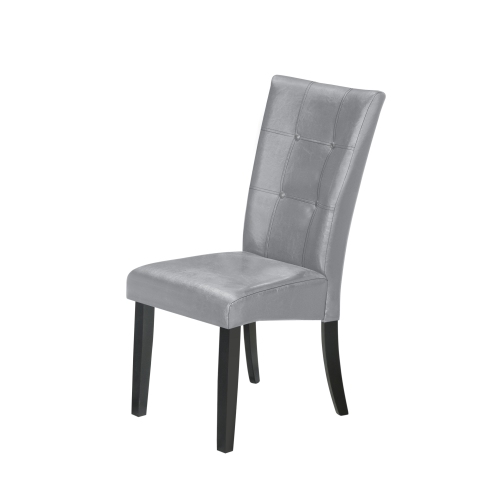
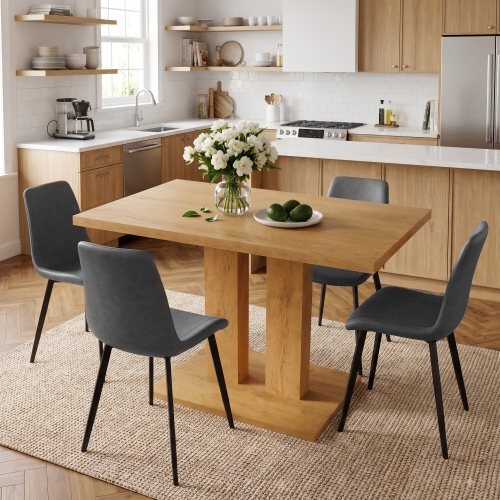
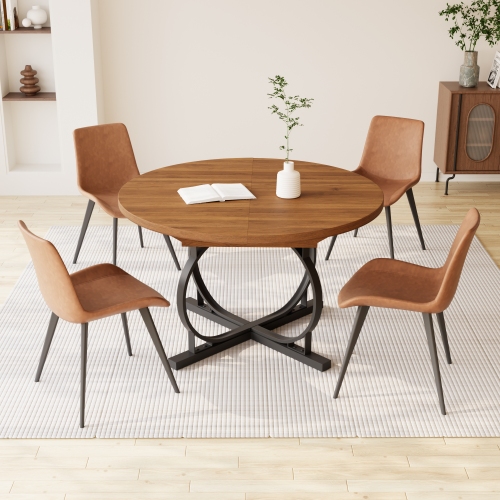
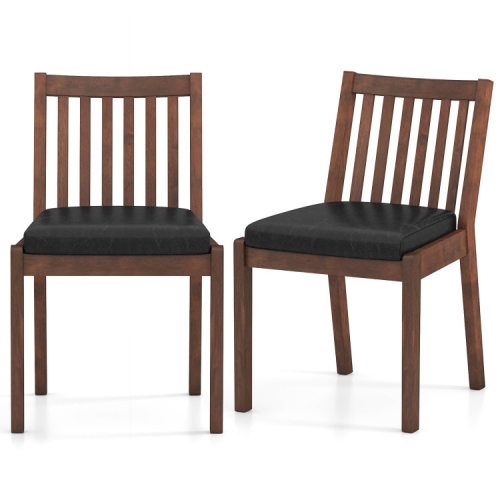
Faux leather dining chairs combine a leather-like appearance with upholstered comfort for everyday meals, shared workspaces, and gatherings around the table. Their upholstery is typically made from polyurethane (PU) or polyvinyl chloride (PVC) applied to a fabric backing, rather than animal hide. The resulting surface can have a fine grain, a smooth matte finish, or a subtle sheen, giving otherwise similar chairs quite different looks and textures. PU upholstery often feels softer and more flexible, while PVC can have a firmer feel; the thickness, backing, and overall construction also affect performance. Faux leather is generally less breathable than genuine leather or woven upholstery, so the feel of the seat matters as much as its appearance, especially for anyone who enjoys lingering over dinner. Its wipeable surface is useful in dining spaces where crumbs and small spills are part of daily life, although seams and tufting still need attention. Style choices range from slim, curved silhouettes with tapered legs to generously padded seats with tall backs. Black upholstery paired with slender metal legs gives a dining area a crisp, understated look, while brown or caramel tones sit comfortably alongside wood tables and textured rugs. Cream, grey, and other neutral colours can soften the contrast between a dark tabletop and lighter surrounding furnishings. Stitching, piping, and backrest shape add detail without requiring a patterned fabric. A lightly padded, armless chair can suit a compact breakfast nook, while a deeper seat and supportive curved back may feel more inviting around a larger dining table. For adjoining spaces, the broader range of Faux Leather Chairs can help connect dining seating with a nearby reading corner or occasional seating area. Matching upholstery colours is one approach, but repeating a leg finish or curved silhouette can create a cohesive room without making every chair identical. The most practical choice balances that visual connection with the proportions and demands of the dining space itself.
Fit starts with the relationship between the chair, the table, and the people using them. Many standard dining tables work well with a seat roughly 10 to 12 inches below the tabletop, but a thick tabletop or low apron can reduce usable thigh clearance. Measuring from the floor to the underside of the apron gives a clearer picture than table height alone. Upholstered seats also compress under weight, so a listed seat height is only part of how a chair will feel in use. Seat width and depth deserve equal attention: a broad seat offers room to settle in, while an overly deep seat may leave a shorter person unable to rest comfortably against the backrest with both feet supported. A gently shaped back can provide more comfortable contact than a straight, narrow panel, though personal preference varies. Armchairs can make welcoming seats at the ends of a rectangular table, provided the arms clear the underside when pushed in. Armless designs are often easier to tuck away and allow more freedom of movement beside closely spaced place settings. Allow about 24 inches of table edge per person as a starting point, then account for the actual chair width, elbow room, and table legs. Pedestal bases and corner legs create different limits on where chairs can sit. Behind the chairs, roughly 36 inches between the table edge and a wall or cabinet is a useful starting point for pulling out a seat; an active walkway may need more. In a small condo, a low-profile back and open leg design can keep sightlines clear without sacrificing a padded seat. In a family dining room, stable construction and manageable chair weight may matter more than a dramatic silhouette. Faux leather dining chairs can also serve at a kitchen table used for homework, puzzles, or occasional laptop tasks, although dining seating is not a substitute for an adjustable office chair during extended work. Checking dimensions, weight capacity, and assembly requirements helps establish whether a design suits its intended use before it becomes part of the daily routine.
Durability depends on more than the upholstery label. A well-supported seat, secure frame joints, consistent stitching, and suitable cushioning all contribute to how a faux leather dining chair holds up over time. Wood frames bring natural variation in grain and finish, while metal frames can offer a slender profile; neither material alone guarantees greater strength. The frame design, fasteners, and stated weight capacity are more useful indicators of suitability. Padding should provide enough support that the seat does not immediately feel hard beneath it, and frequently used chairs benefit from cushioning that retains its shape. Faux leather can resist many everyday marks, but it is not scratch-proof or immune to peeling. Pet claws, sharp clothing hardware, and repeated rubbing against a table edge can damage the surface. Unlike genuine leather, a worn synthetic coating cannot usually be conditioned back to its original state, and leather-care products may be unsuitable. There is no single reliable lifespan for all faux leather dining chairs: upholstery quality, frequency of use, exposure, and care can produce very different results. For routine cleaning, follow the manufacturer's directions and use a soft cloth to remove crumbs and dust before they collect along seams. Blot spills promptly rather than allowing liquid to sit, and, where permitted, wipe with a lightly dampened cloth and a mild soap solution before drying the surface. Avoid soaking the upholstery, scrubbing with abrasive pads, or using strong solvents that could affect the coating. A care product should be tested on an inconspicuous area if the instructions permit its use. Positioning chairs away from prolonged direct sunlight and heat sources can help limit fading and surface deterioration. Suitable floor protectors can reduce scuffs and make chairs easier to move, but they should match the flooring and be checked for trapped grit. Periodically checking accessible bolts, following the assembly instructions, and lifting rather than dragging chairs can help keep the frame secure. With sensible proportions and care suited to the upholstery, faux leather dining chairs offer a practical combination of cushioned seating, a tailored finish, and straightforward everyday upkeep.
Top selling and popular products
-
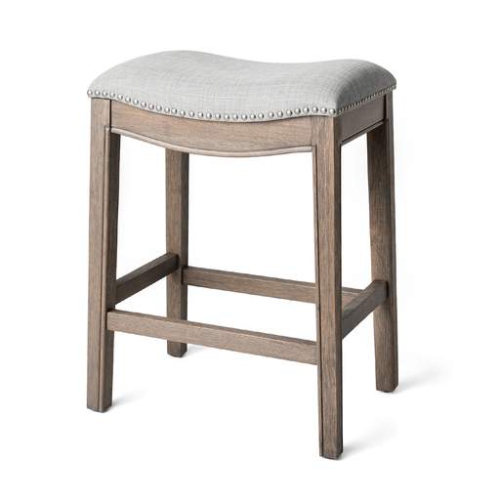 Your price for this item is $227.99
-
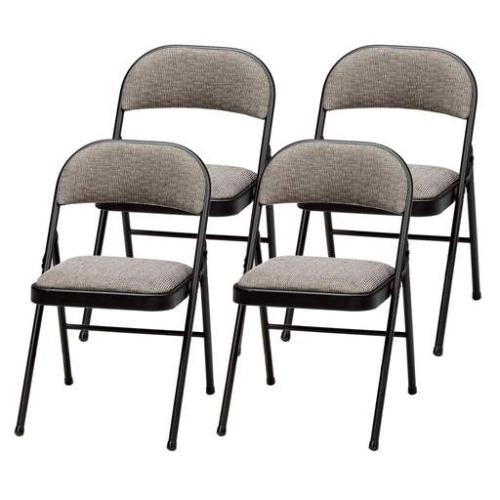 Your price for this item is $363.99
-
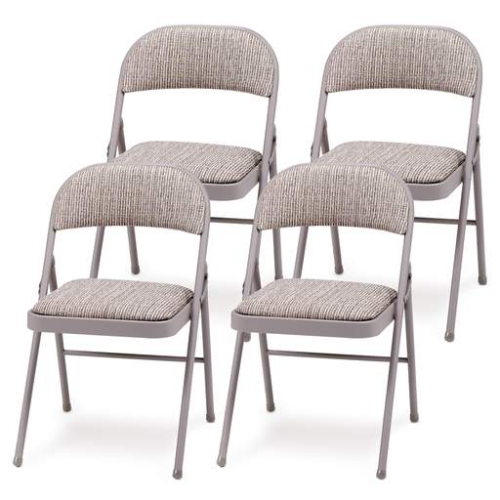 Your price for this item is $398.99
-
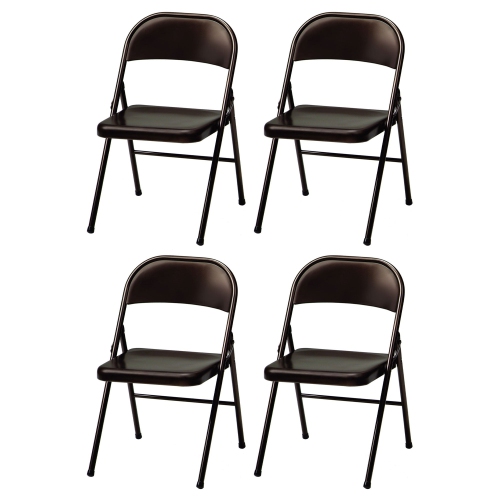 Your price for this item is $212.99
-
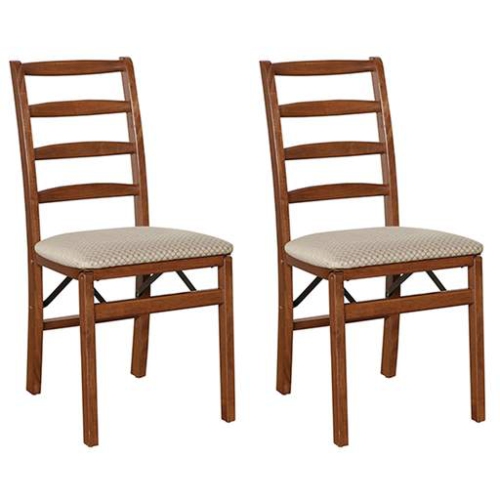 Your price for this item is $364.99
-
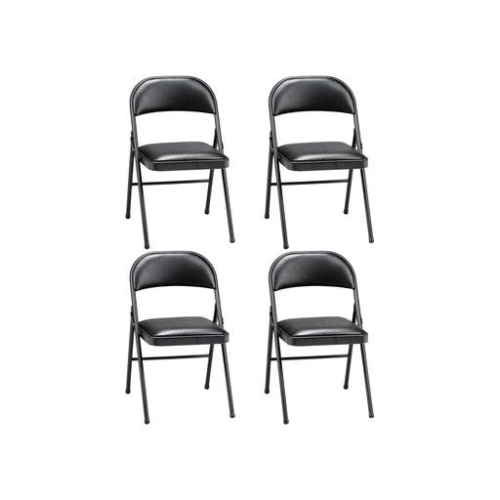 Your price for this item is $376.99
-
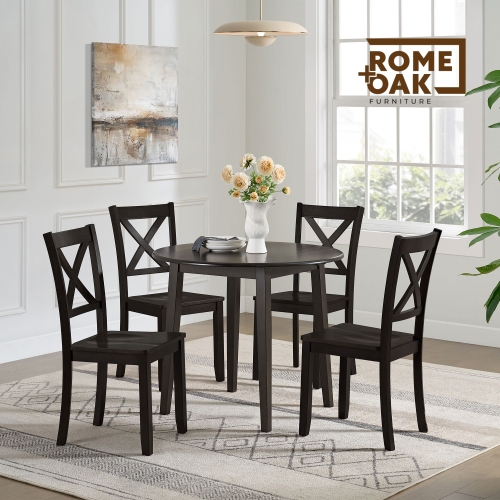 Your price for this item is $403.99
-
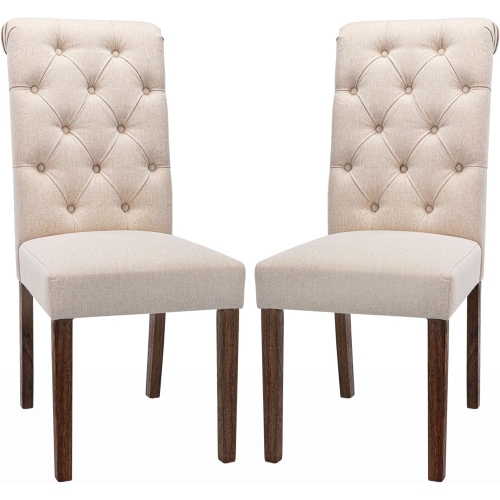 Your price for this item is $210
Discover more categories related to Faux Leather Dining Chairs
Top Collections:
Best Black Friday Deals This Year, Best Black Friday Deals On Electronics, Kindle Devices, Pokemon Centers, Best Black Friday Deals On Apple Products, Best Cameras for Sports Photography, Dyson Airwrap, Pokémon 30th Celebration Cards, Apple iPhone 17 Pro, Canon G7X Cameras
Some products may be subject to Environmental Handling Fees
(EHF) depending on your province.
Learn more about EHFs.