Faux Leather Storage Benches
Enhance your home’s functionality and style with a faux leather storage bench, the perfect solution for decluttering and adding a touch of elegance to any room. These versatile pieces not only provide additional seating but also offer a discreet storage option to keep your space organized. Whether placed in an entryway, living room, or bedroom, a faux leather storage bench seamlessly blends practicality with sophistication, making it an ideal choice for modern homes. Explore a variety of designs and finishes to find the perfect match for your decor while maximizing your space efficiently.
Sort
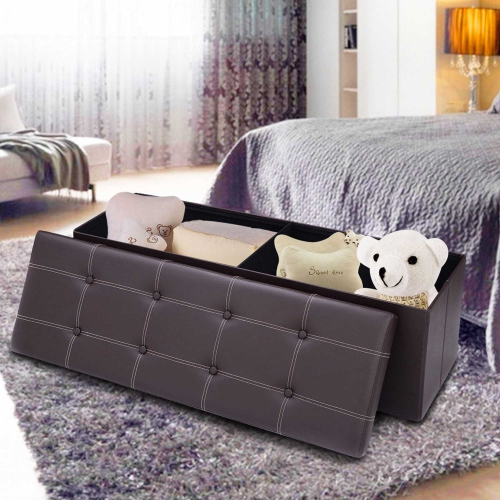

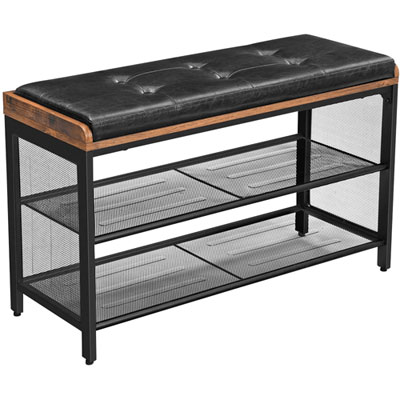
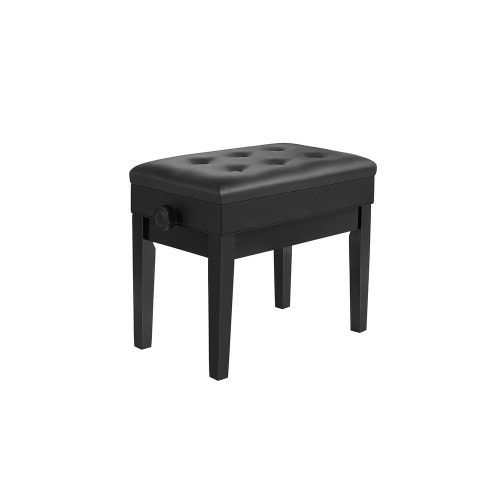
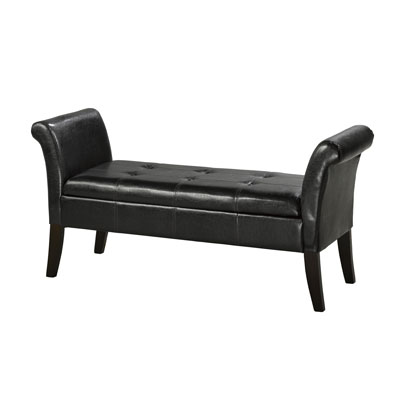
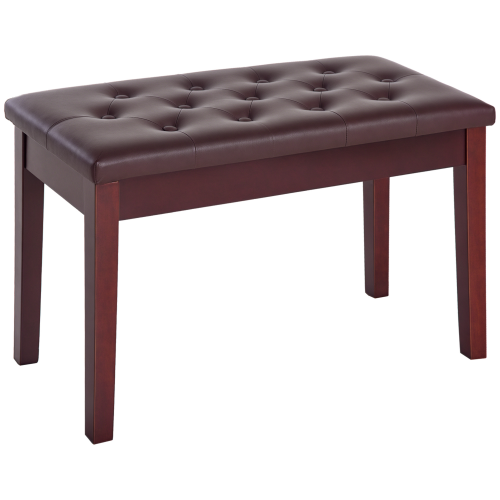
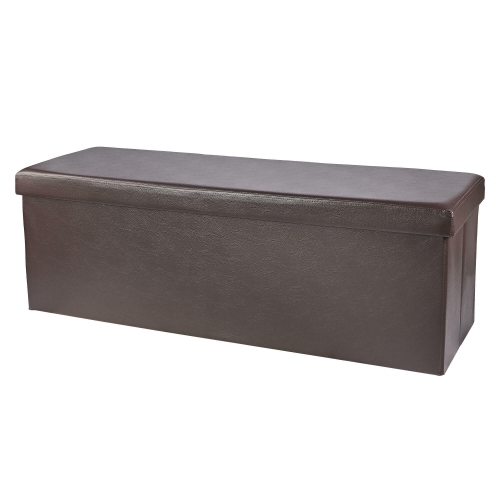
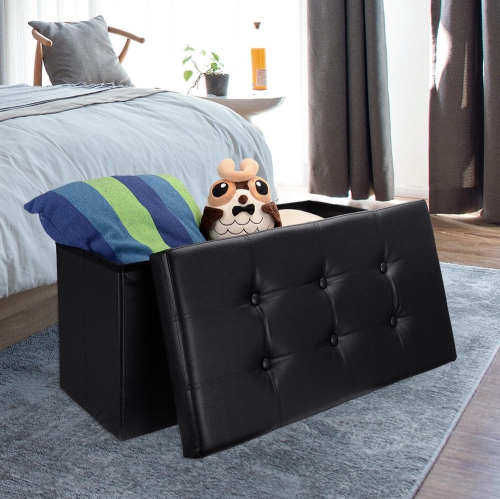
A padded seat with storage hiding in plain sight
Faux leather storage benches combine a padded seat with concealed storage, giving everyday belongings a place to go without adding a separate cabinet. Their upholstered surfaces have a leather-like appearance, while a compartment beneath the seat can hold throws, spare cushions, small bags, or other household essentials. In an entryway, a bench offers a place to sit while putting on shoes and somewhere to tuck away accessories that would otherwise collect beside the door. At the foot of a bed, it can keep extra bedding close at hand and provide a landing spot while getting dressed. In a living room, a storage bench can bring occasional seating and hidden organization to the same footprint. Faux leather commonly consists of a textile backing with a polyurethane, often called PU, or polyvinyl chloride, also called PVC, surface. Its feel, texture, flexibility, and care requirements vary by construction, so the upholstery description matters as much as its appearance. A smooth finish creates a different impression from a pronounced leather-like grain, and stitched panels or button tufting add texture to an otherwise simple shape. Storage layouts vary as well: a single open compartment suits folded blankets, while divided interiors can help separate smaller belongings. Some designs combine enclosed storage with an open lower shelf, keeping frequently worn shoes accessible while hiding less tidy essentials. Hinged lids remain attached when opened, whereas removable tops need somewhere to rest while the compartment is in use. Foldable construction can be useful where furniture needs to be packed away between uses, although folding capability does not establish how much weight a bench can support. A rigid frame may suit a more permanent furniture arrangement. For a small apartment, a shared hallway, or a bedroom without much cupboard space, the appeal is straightforward: one piece of furniture handles both sitting and storage, with fewer loose belongings left in view. The most useful configuration depends on what needs storing and how often someone will reach for it.
The fit of a faux leather storage bench involves more than finding enough wall space for its width. Overall depth determines how far it projects into a hallway, while seat height affects how comfortably someone can sit down, reach their shoes, and stand again. A generously padded top may feel inviting, but a very low seat can be less practical for someone who finds standing from low furniture difficult. In an entryway, door swings and the walking route between rooms need to remain clear, including when someone is seated. At the end of a bed, a bench that sits within the bed’s width often looks balanced, provided there is still comfortable passage around it. For placement near a window, the height of the back edge and the opening path of the lid matter. A hinged top may require clearance behind the bench as well as above it, particularly beneath a windowsill or beside a wall. Interior measurements deserve separate attention because padding, frame thickness, and hinge hardware reduce the usable space inside. A compartment that appears generous from the outside may not accommodate a bulky duvet or a tall basket. Construction also influences how a bench feels in daily use. Solid wood, engineered wood, metal, and combinations of these materials can appear in supporting frames; stability depends on the complete design, joints, hardware, and assembly rather than the material name alone. Secure legs, an even stance, and a lid that meets the base neatly are useful details to assess. The stated seating capacity and weight limit should suit the intended users, and neither should be inferred from the bench’s size. A bench intended for sitting is not a step stool. Where children may access storage, lid-support mechanisms and soft-close hinges warrant particular attention, but their operation varies and they do not replace supervision. Fingers need to stay clear of closing edges and hinges. Heavy belongings are best kept low and arranged without obstructing the lid or straining the compartment base.
Colour, upholstery detail, and upkeep help determine how well a storage bench settles into a room over time. Black faux leather can give an entryway a defined focal point, while brown tones work comfortably alongside wood furniture and woven textures. Grey, cream, and other lighter shades can soften the look of a larger upholstered piece, although pale surfaces may show marks or transferred dye more readily. Clean-lined shapes pair easily with understated furniture, while rolled arms, decorative stitching, and tufted tops create a more traditional impression. Raised legs leave visible floor space beneath the seat and may make cleaning underneath easier, provided a vacuum head can fit. A low, enclosed base gives a different visual effect and leaves less open space under the bench. For rooms where hidden storage is not essential, Faux Leather Benches offer another seating direction without making a concealed compartment the priority. With storage designs, regular care should cover both the outer upholstery and the interior. Dust and grit can collect along seams, around tufting, and near hinges; gentle cleaning helps keep those areas tidy without unnecessary rubbing. For surfaces that permit it, a soft cloth lightly dampened with water can lift everyday marks, followed by drying with a clean cloth. Manufacturer care instructions take precedence, especially for coated finishes. Harsh solvents, abrasive pads, and products intended for genuine leather may damage faux leather rather than improve it. Spills are best addressed promptly, and belongings should be clean and dry before being placed inside. Direct sunlight and nearby heat sources can contribute to fading, drying, or surface deterioration, while sharp buckles, pet claws, and repeated friction may mark the upholstery. Overfilling can put pressure on the lid and seams, so a little unused room helps the top close naturally. For busy households, renters, or anyone furnishing a compact room, the right balance of comfortable seating, accessible storage, and manageable care makes a bench useful well beyond its appearance.
Top selling and popular products
-
 Your price for this item is $517.99
-
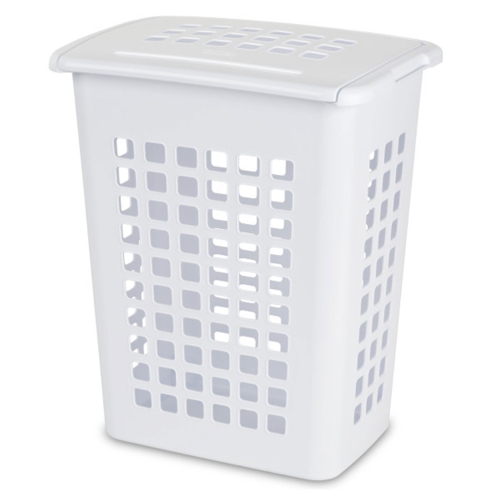 Your price for this item is $786.99
-
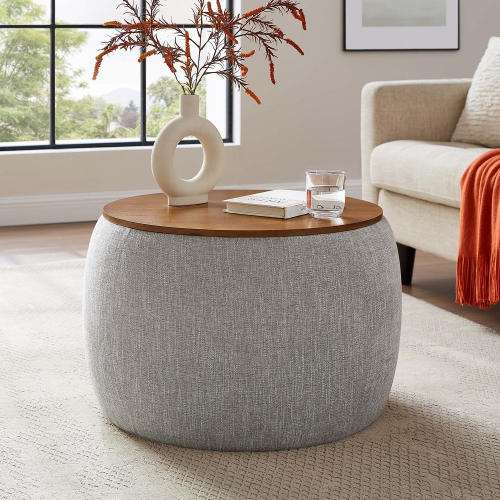 Your price for this item is $286.83
-
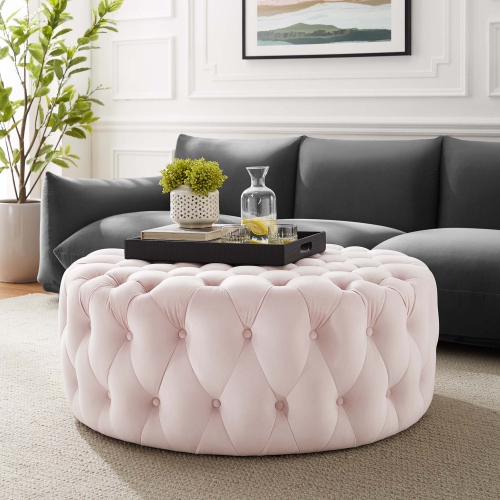 Your price for this item is $765.09
-
 Your price for this item is $124.99
-
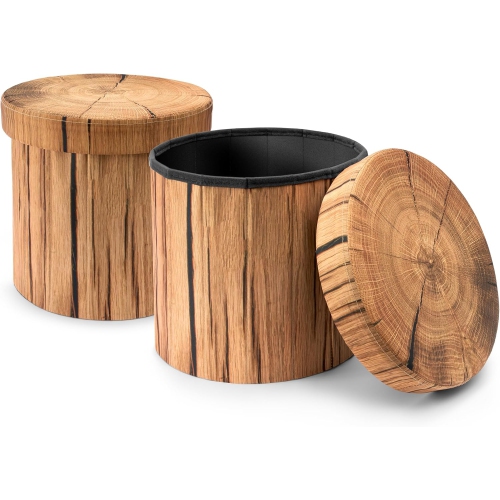 Your price for this item is $113.99
-
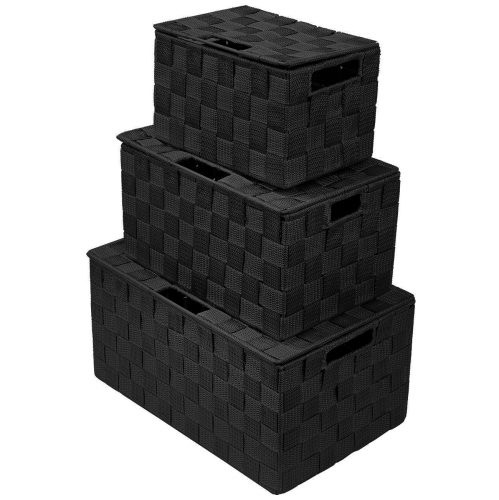 Your price for this item is $75.99
-
 Your price for this item is $129.99
Discover more categories related to Faux Leather Storage Benches
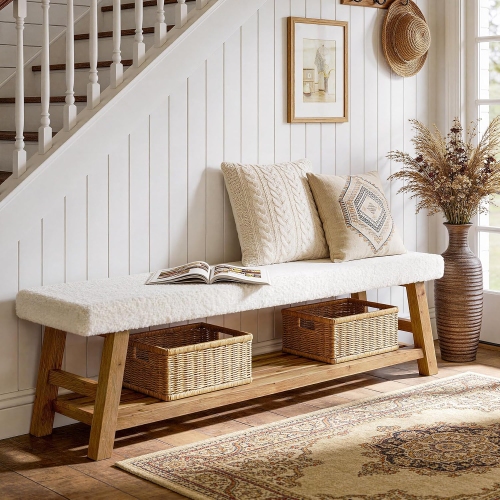
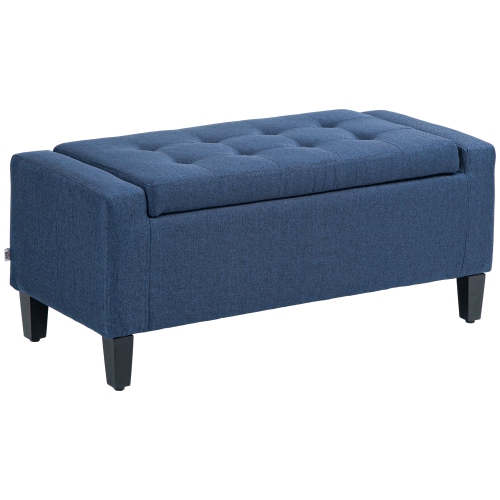
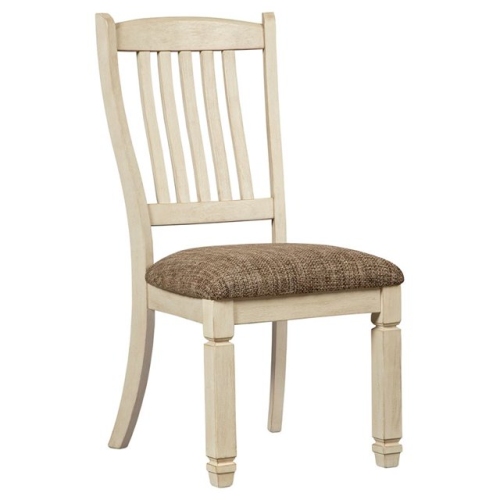
Top Collections:
Best Black Friday Deals This Year, Best Black Friday Deals On Electronics, Kindle Devices, Best Black Friday Deals On Apple Products, Best Budget Office Chairs, Best Cameras for Sports Photography, Dyson Airwrap, Canon G7X Cameras, Best Laptops for Writers, Samsung Galaxy Phones
Some products may be subject to Environmental Handling Fees
(EHF) depending on your province.
Learn more about EHFs.