Fire Pit Adirondack Chairs
Fire Pit Adirondack Chairs create the perfect setting for relaxing evenings outdoors, combining classic comfort with inviting style. Whether you’re gathering around the fire with family or hosting friends for a cozy night under the stars, these chairs offer a timeless addition to your patio or backyard. Explore options designed to enhance your outdoor living space and complement your fire pit area, making every moment outside more enjoyable. Discover Fire Pit Adirondack Chairs that help you unwind and make the most of every season.
Sort
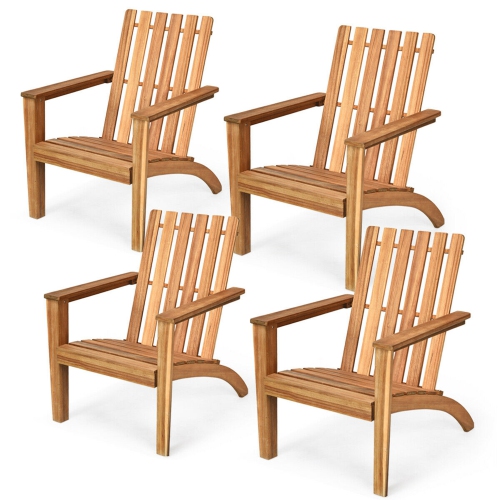

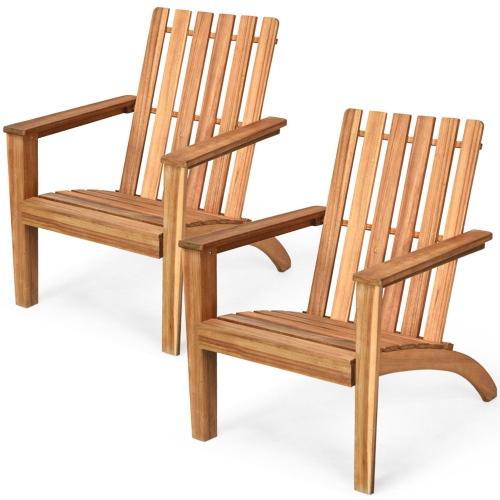
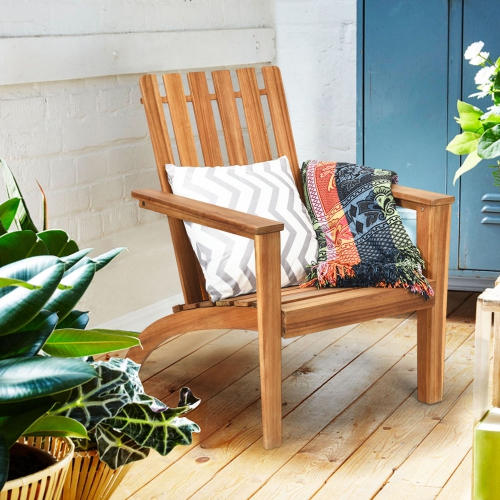
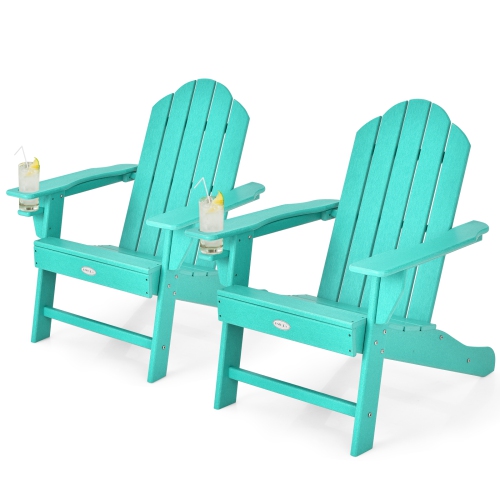


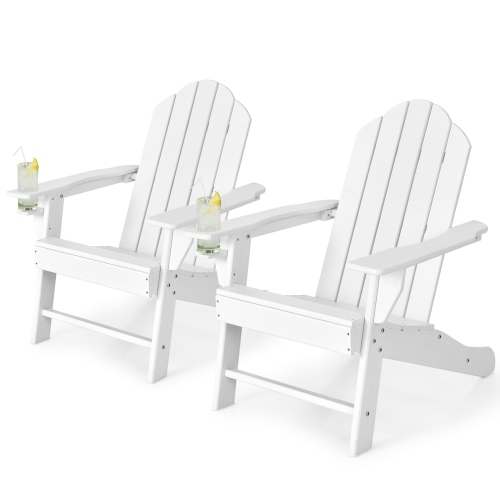


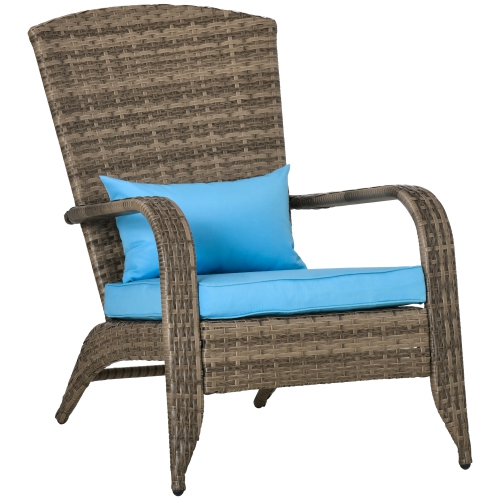


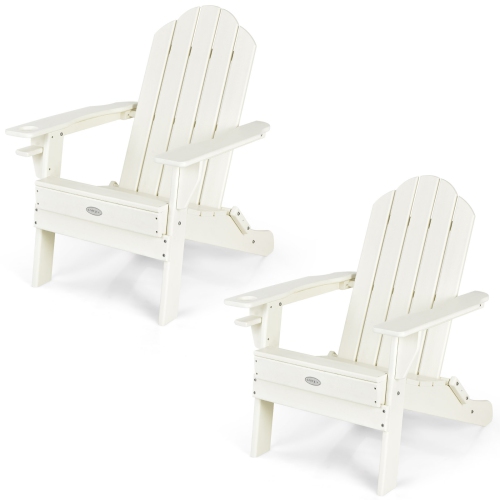

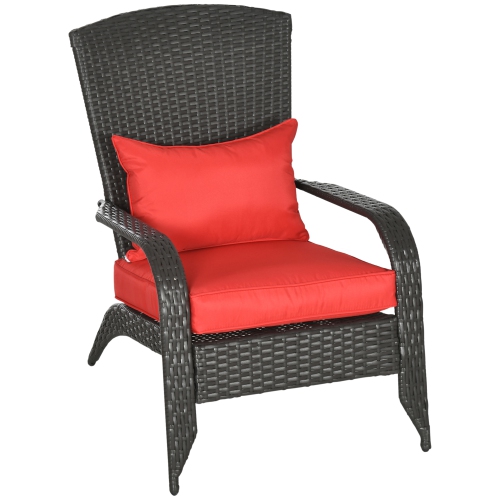
Laid-back comfort with room to gather around the fire
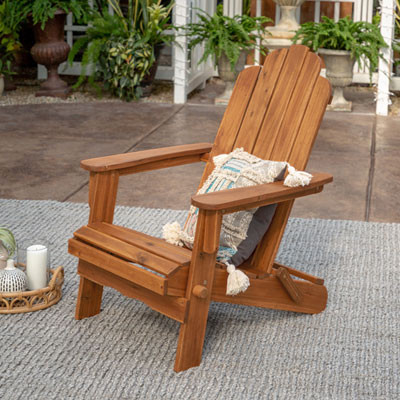
Fire pit Adirondack chairs bring relaxed, reclined seating to an outdoor gathering space, with broad armrests, angled backs, and seats that typically sit lower than conventional patio chairs. Arranged around a fire pit, they create a place for conversation, an after-dinner drink, or a quiet stretch of reading beside an unlit fire feature. Their distinctive shape supports a laid-back posture while giving each person a defined place in the seating arrangement. Within the wider category of Outdoor Adirondack Chairs, chairs intended for a fire pit area deserve particular attention to seat height, overall depth, and the space needed to sit down and stand up comfortably. A deeply sloped seat can feel inviting for someone who enjoys leaning back, while a higher seat with a gentler angle may better suit someone who prefers an easier transition to standing. Tall backrests can provide support through the upper back, although the position of that support depends on the chair’s proportions and the sitter’s height. Broad arms offer a resting place for forearms, and some designs incorporate cup holders that help keep a drink within reach. Armrests are not a substitute for a stable table when serving food or setting down anything that could spill. Seat width, usable depth, and the manufacturer’s weight capacity matter more than the apparent size of the chair in a photograph. For shared spaces, matching chairs can create a consistent seating experience, while a mix of seat heights may better accommodate different family members. Cushions can soften a firm seat, but their thickness changes the sitting position and should not interfere with the chair’s back support. The most comfortable arrangement leaves enough room for a person to settle into the chair without brushing neighbouring furniture or stretching their legs into a walkway. A pair of chairs can suit a smaller conversation area, while four or six chairs call for a larger footprint that accounts for the fire pit, required clearances, and access between seats.
Material makes a noticeable difference to the feel, weight, upkeep, and appearance of fire pit Adirondack chairs. Solid wood offers visible grain and a familiar furniture-like character, with cedar, teak, and acacia each having distinct care requirements. Depending on the species and finish, wood may need periodic cleaning, refinishing, or treatment with a compatible protective product. A painted chair brings a more uniform colour to the seating area, while a stained or clear-finished surface keeps more of the grain visible. Neither appearance alone nor the thickness of a finish establishes how durable a chair will be; sound joinery, smooth edges, suitable hardware, and clear care instructions are equally important. High-density polyethylene, commonly called HDPE, is another material used for Adirondack chairs. It does not need the same staining routine as wood and is often chosen for its resistance to moisture absorption and splintering. Surface texture, colour retention, and resistance to marks vary by construction and finish, so these qualities should be assessed from the chair’s specifications rather than assumed from the material name. Other plastic constructions can differ substantially in rigidity and weight, particularly across the seat and armrests. A chair that is easy to carry may be convenient for rearranging a small patio, whereas a heavier design can feel more substantial in a permanent seating layout. Folding designs simplify storage, provided their locking mechanisms are fully engaged before use. Whatever the material, an Adirondack chair is seating, not a heat barrier. Wood, plastic, cushions, and other components must remain outside the fire pit manufacturer’s required clearance area, with any additional chair-specific restrictions also observed. A low seat is not a reason to place the chair closer to the flame. Space planning needs to account for the sitter’s feet, projecting armrests, and anything attached to the chair, rather than measuring only from the front legs. Cushions, throws, and loose belongings also need to stay clear of heat, sparks, and hot surfaces.
A successful fire pit seating area feels easy to move through, not simply full of chairs. The overall footprint includes the space behind each backrest, the arc of a rocking base where applicable, and room to enter or leave without stepping over someone else’s legs. Footrests extend that footprint considerably and can interrupt a clear route around the fire pit, making them better suited to layouts with generous separation. Side tables positioned between chairs provide a practical place for mugs and snacks without drawing furniture inward towards the fire. The surface beneath the seating should keep all chair feet firmly supported, while the fire pit itself requires a base and location approved by its manufacturer and permitted by applicable local rules. Loose or uneven ground can make a low chair awkward to get out of, even when the chair feels comfortable once seated. For a patio used by several generations, accessible routes and a few less-reclined seats can make gatherings more comfortable for everyone. Day-to-day care is usually straightforward when it follows the material and finish requirements. A soft cloth or brush can remove dirt from slats and joints, and compatible mild soap can address ordinary surface marks. Abrasive tools, strong cleaners, and pressure washing may damage certain finishes or materials, so the manufacturer’s directions remain the best reference. Chairs should be clean and dry before covering or storage, and folding models should be secured as directed. Periodic checks of fasteners, joints, and folding mechanisms help identify looseness before it affects stability; tightening should follow the assembly instructions rather than applying extra force. Cushion covers may have separate washing requirements from their inserts, and both need to dry thoroughly before being put away. With suitable proportions, appropriate spacing, and a manageable care routine, Adirondack chairs give a fire pit area a clear purpose: comfortable outdoor seating where people can settle in, talk easily, and enjoy time together without crowding the centre of the gathering space.
Top selling and popular products
-
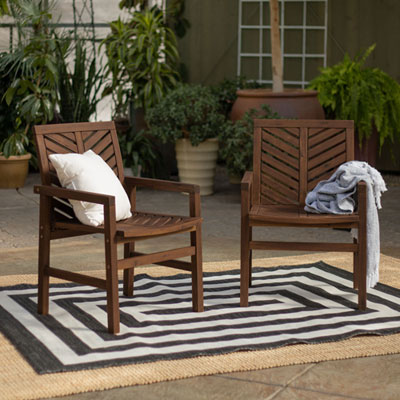 Your price for this item is $604.99
-
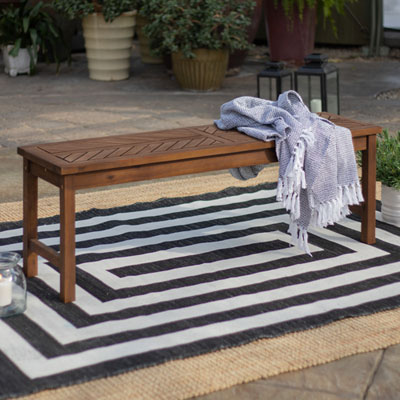 Your price for this item is $371.99
-
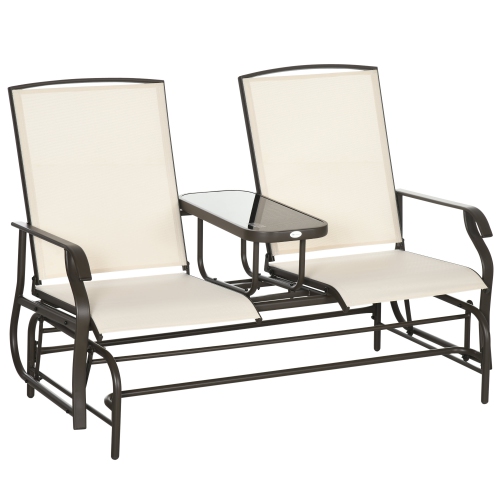 Your price for this item is $209.99
-
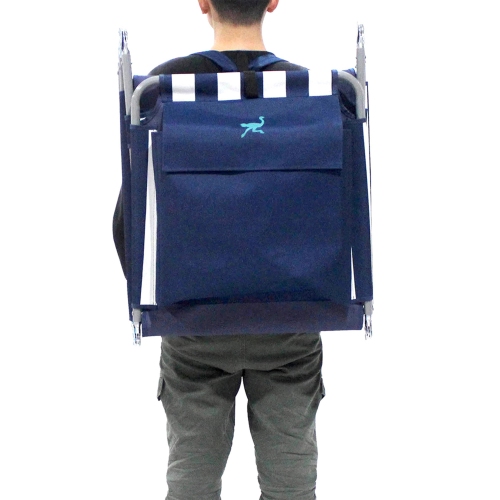 Your price for this item is $174.99
-
 Your price for this item is $461.99
-
 Your price for this item is $335.99
-
 Your price for this item is $170.99
-
 Your price for this item is $205.99
Discover more categories related to Fire Pit Adirondack Chairs


Top Collections:
Pokemon Centers, Best Cameras for Sports Photography, Kindle Devices, Samsung Galaxy Phones, Canon G7X Cameras, Pokémon 30th Celebration Cards, Refurbished Apple Laptops, iPhone 15 Apple, Laptops for Students, Budget Smartphones
Some products may be subject to Environmental Handling Fees
(EHF) depending on your province.
Learn more about EHFs.