Fire Place Tool Sets
Enhance the functionality and aesthetics of your fireplace with these fire place tool sets. Designed to make tending to your fire a breeze, these tool sets are essential for any fireplace owner. With a variety of styles and finishes available, you can find the perfect set to complement your home decor. From sturdy log tongs to sleek fireplace pokers, these tool sets are crafted with durability and ease of use in mind.
Sort
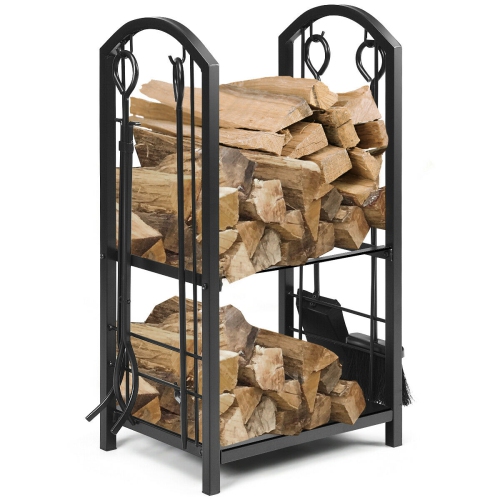
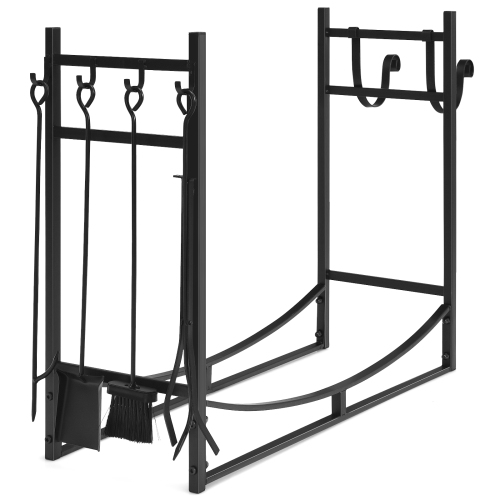
A tidier hearth starts with tools that fit
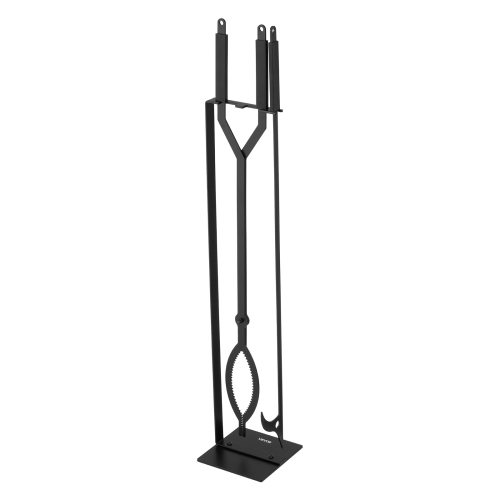
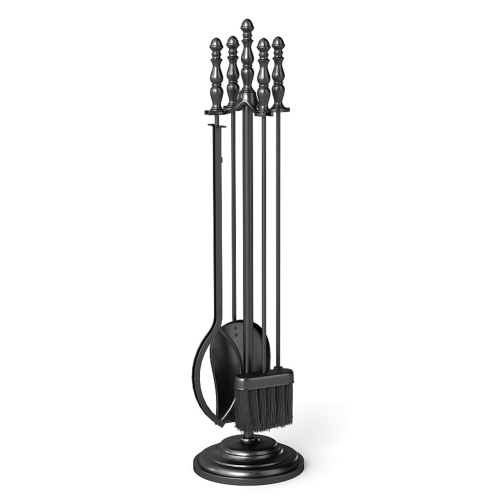
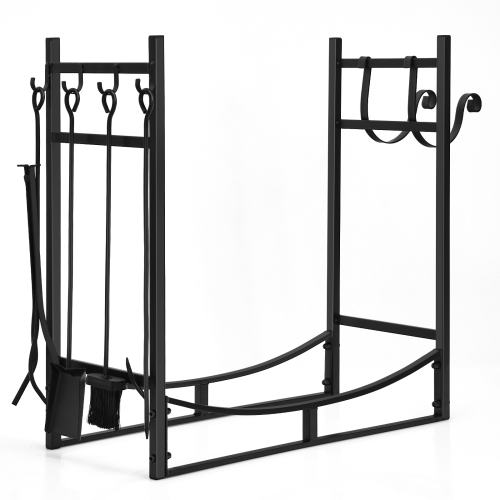
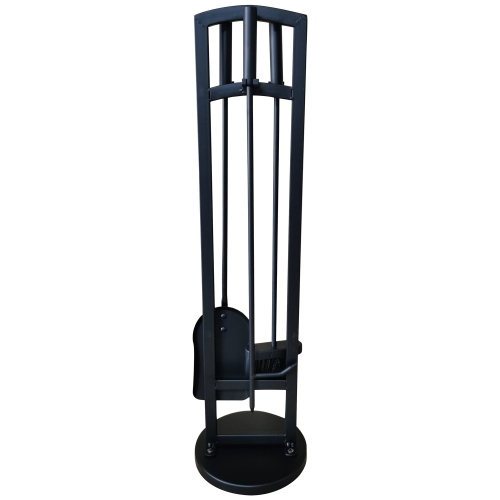
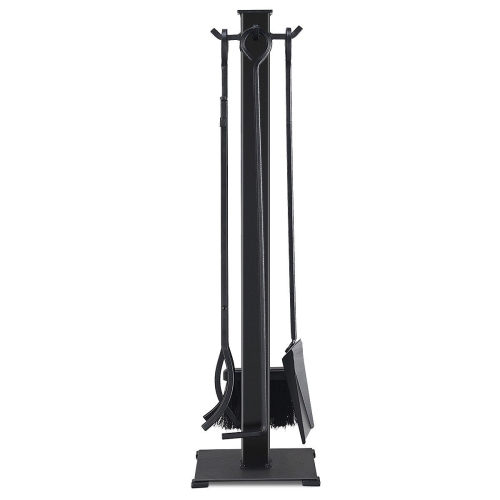
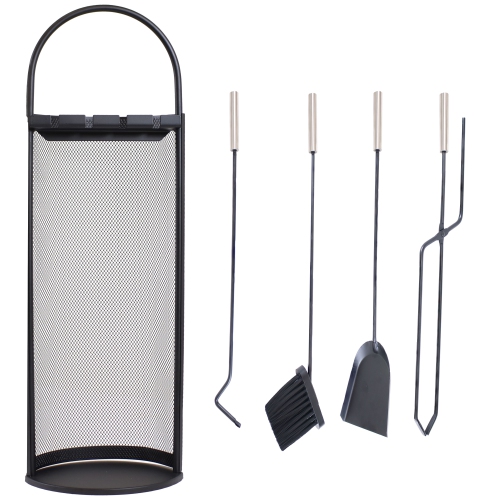
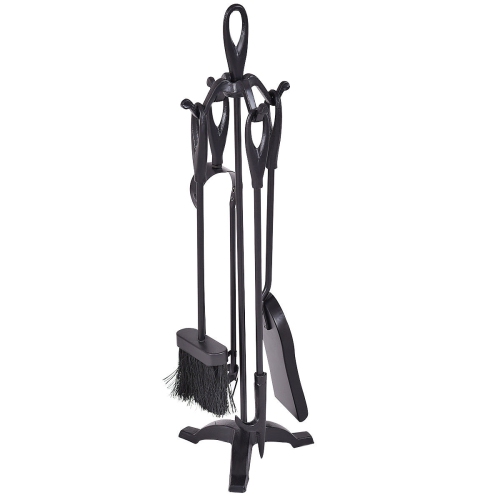
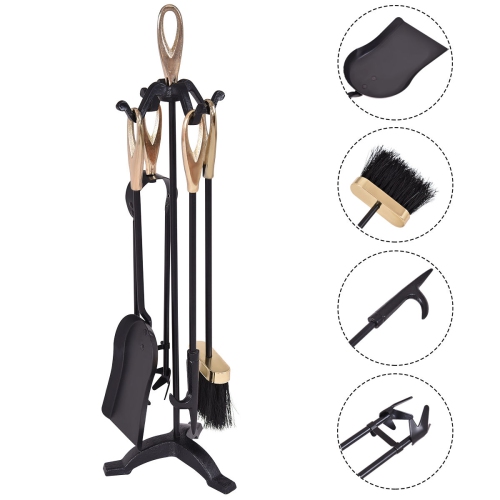
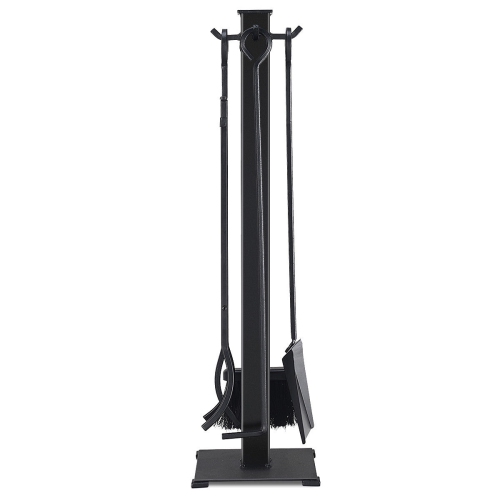
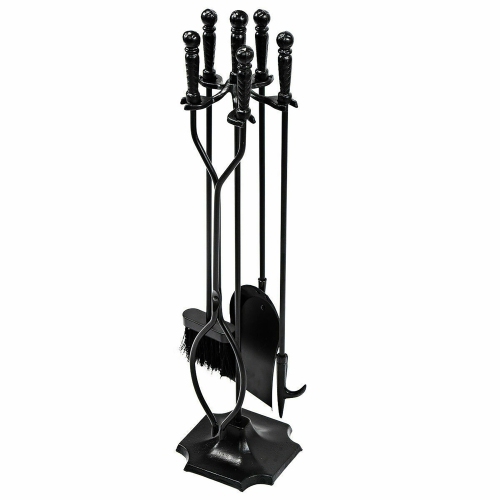
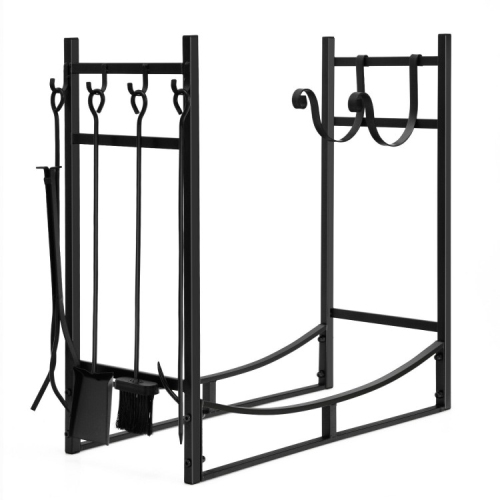
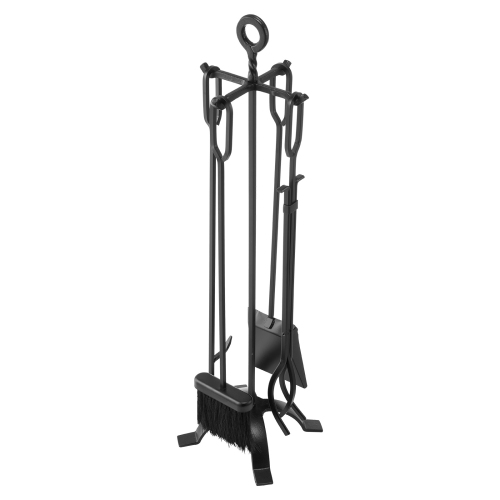
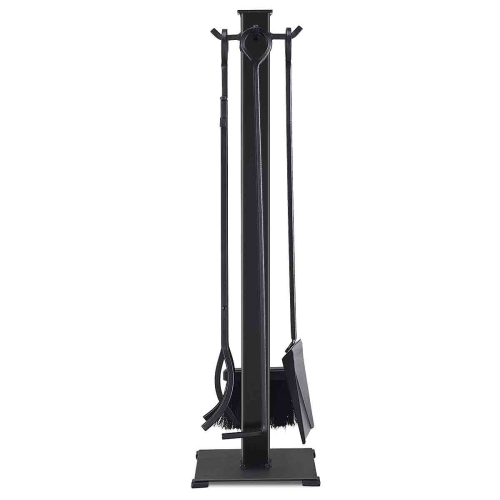
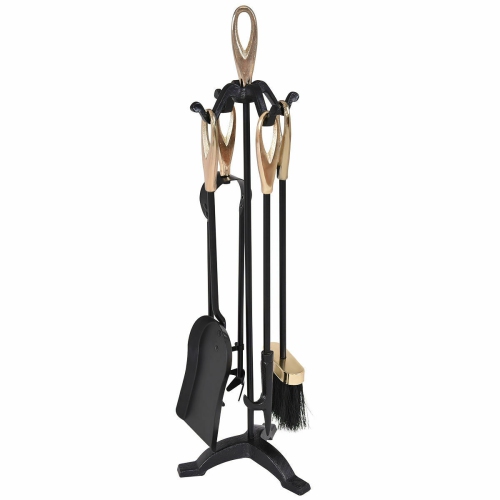
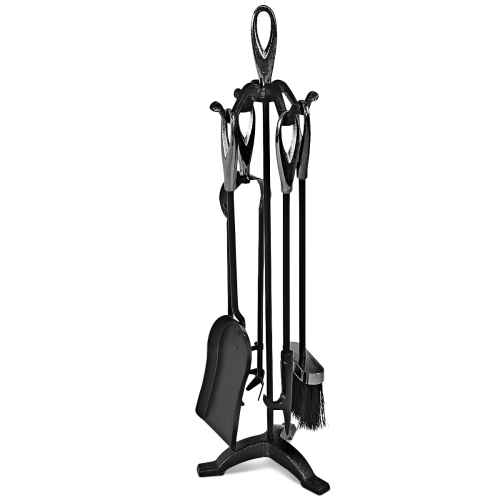
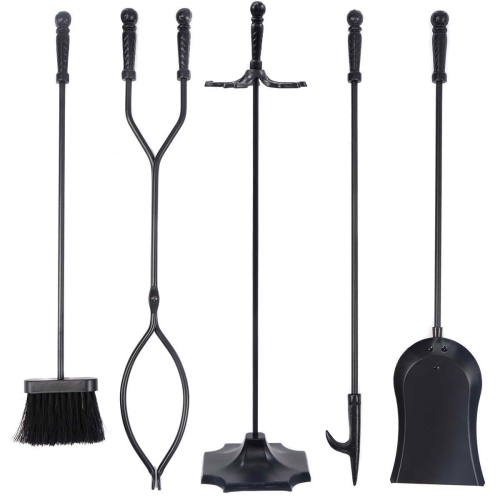
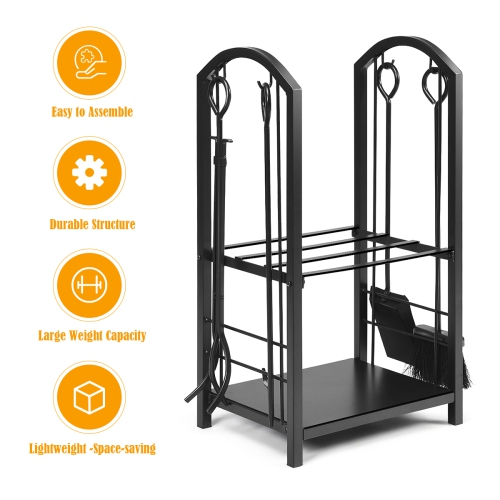
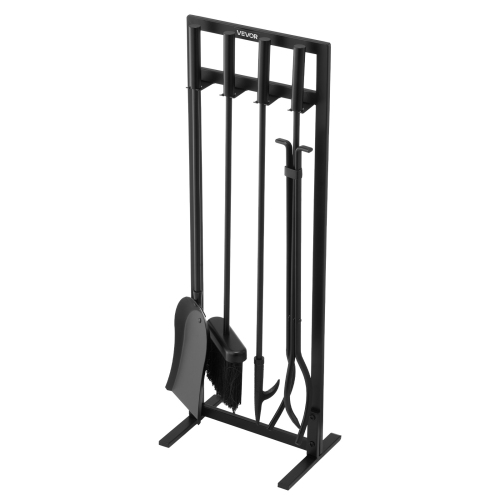
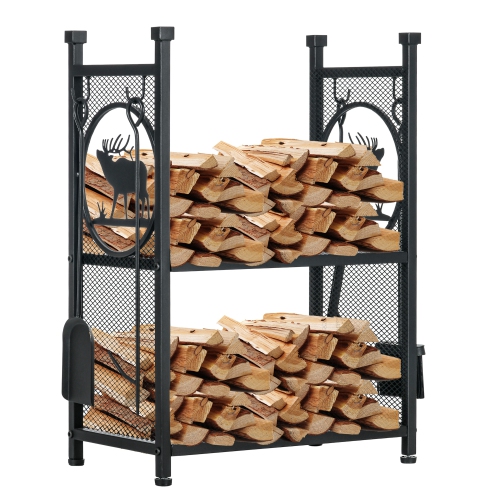
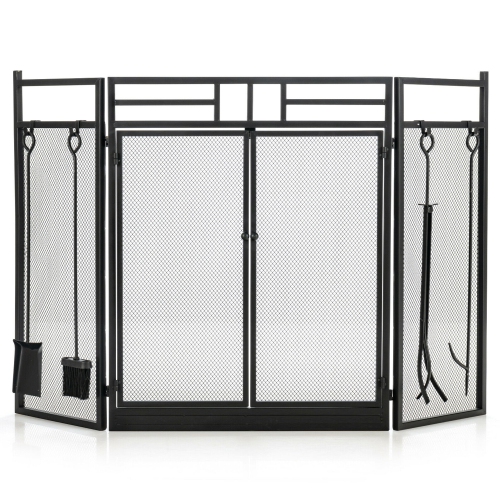
Fireplace tool sets bring the essentials for tending a wood-burning fire together on a matching stand, keeping the hearth organized and the tools easy to reach. A typical set includes a poker, shovel, brush, and tongs, although the combination varies, so the number of pieces alone does not always tell the whole story: the stand may count as one piece. Each tool has a different job. A poker helps reposition burning wood, tongs provide a grip on individual logs, and a shovel and brush help collect cold ash after the fire has gone out. Together, they support the familiar routine of tending a fire and tidying the hearth afterwards. These sets are primarily practical accessories for suitable wood-burning fireplaces and stoves, rather than equipment needed to operate a gas or electric fireplace. Their appearance matters, too, because they often remain in view even when the fireplace is not in use. A simple black stand with straight handles can sit comfortably beside a clean-lined mantel, while curved hooks, rounded handles, and textured metal suit a more traditional hearth. Matching finishes give the tools a unified look without requiring every nearby accessory to be identical. For a compact sitting room, a narrow stand can keep the arrangement visually light; beside a broad stone hearth, a larger frame may look more balanced. The best fit is one that works with both the fireplace and the way the room is used, leaving space for safe movement rather than crowding a walkway or doorway. Fireplace tool sets can also make thoughtful housewarming gifts for someone with a compatible wood-burning fireplace, particularly when the recipient’s preferred style and hearth dimensions are known. For households that use a fireplace regularly, everyday comfort, stable storage, and easy cleanup generally matter more than elaborate ornamentation.
Materials and construction make a noticeable difference in how fireplace tools feel in the hand and hold up over time. Steel is common because it can provide strength in a relatively slender shape, while cast iron is often used for substantial bases or ornamental components. Wrought iron designs have a traditional appearance, but the material description is worth checking rather than judging by the finish alone. A dark, textured surface does not necessarily indicate solid wrought iron, just as a brass-coloured handle may have a plated finish rather than solid brass construction. Metal thickness, secure connections, and the quality of joints are useful details to consider alongside appearance. A poker should feel rigid enough for its intended task, and tongs should open smoothly and hold suitable logs without requiring an awkward grip. Handles need enough room for a comfortable hold, with no sharp edges or loose fittings. Tool length is another important part of fit: a deeper firebox may call for more reach, while a smaller fireplace may be easier to manage with shorter tools. Longer tools are not automatically safer or more comfortable if they are difficult to control or store. Check the overall height and footprint of the stand as well as the individual tool dimensions, especially when fitting a set beside a raised hearth or beneath a projecting mantel. A well-proportioned base should remain steady as one tool is lifted away, and the hooks should keep neighbouring tools from tangling. Some stands include a lower tray that catches loose residue, though this does not replace regular hearth cleaning. Tool heads should hang clear of the floor where the design allows, helping limit contact with flooring. For use near an outdoor wood-burning fireplace, choose a set expressly intended for that setting; an indoor finish may deteriorate when exposed to moisture. No finish makes a tool suitable for every application, so the stated use and care requirements remain important.
Small design details become particularly useful during cleanup. A shovel with raised sides can help contain cold ash as it is lifted, while a relatively flat leading edge makes it easier to gather residue from a smooth hearth surface. The shape should suit the space being cleaned: a broad scoop may be convenient in an open firebox, but a narrower head can be easier to manoeuvre around tight corners. For a closer look at this part of the set, fireplace shovels offer a useful point of comparison for scoop shapes and handle styles. Brushes also vary in width, shape, and bristle material. A compact brush can reach into smaller spaces, while a wider head covers a larger hearth with fewer strokes. Fireplace brushes should be used only as directed and never assumed suitable for hot embers; their role is generally to sweep fully cooled residue. Ash can retain heat long after a fire appears extinguished, so allow it to cool thoroughly before cleaning and place removed ash in a metal container with a tight-fitting metal lid, kept outdoors on a non-combustible surface away from buildings and combustible materials. The tool stand is a storage accessory, not a place to leave smouldering debris. Once the tools are cool, routine care usually means removing loose residue and wiping surfaces according to the manufacturer’s directions. Avoid soaking metal components, dry any permitted damp cleaning promptly, and use only cleaning methods suited to the finish. Abrasive pads can scratch coatings or plated details, while prolonged moisture can encourage rust on susceptible metal. Check handles, hooks, and joints periodically for looseness or damage, and stop using a tool that no longer feels secure. Position the stand outside the fireplace’s required clearances, away from curtains and other combustible furnishings, and where children or pets cannot easily disturb it. Handles can become hot during use, so suitable heat-resistant gloves may be needed; added reach does not remove the need for care around an open fire. A thoughtfully chosen set makes these routines more manageable, with tools that are comfortable to use, straightforward to maintain, and neatly stored beside the hearth.
Materials and construction make a noticeable difference in how fireplace tools feel in the hand and hold up over time. Steel is common because it can provide strength in a relatively slender shape, while cast iron is often used for substantial bases or ornamental components. Wrought iron designs have a traditional appearance, but the material description is worth checking rather than judging by the finish alone. A dark, textured surface does not necessarily indicate solid wrought iron, just as a brass-coloured handle may have a plated finish rather than solid brass construction. Metal thickness, secure connections, and the quality of joints are useful details to consider alongside appearance. A poker should feel rigid enough for its intended task, and tongs should open smoothly and hold suitable logs without requiring an awkward grip. Handles need enough room for a comfortable hold, with no sharp edges or loose fittings. Tool length is another important part of fit: a deeper firebox may call for more reach, while a smaller fireplace may be easier to manage with shorter tools. Longer tools are not automatically safer or more comfortable if they are difficult to control or store. Check the overall height and footprint of the stand as well as the individual tool dimensions, especially when fitting a set beside a raised hearth or beneath a projecting mantel. A well-proportioned base should remain steady as one tool is lifted away, and the hooks should keep neighbouring tools from tangling. Some stands include a lower tray that catches loose residue, though this does not replace regular hearth cleaning. Tool heads should hang clear of the floor where the design allows, helping limit contact with flooring. For use near an outdoor wood-burning fireplace, choose a set expressly intended for that setting; an indoor finish may deteriorate when exposed to moisture. No finish makes a tool suitable for every application, so the stated use and care requirements remain important.
Small design details become particularly useful during cleanup. A shovel with raised sides can help contain cold ash as it is lifted, while a relatively flat leading edge makes it easier to gather residue from a smooth hearth surface. The shape should suit the space being cleaned: a broad scoop may be convenient in an open firebox, but a narrower head can be easier to manoeuvre around tight corners. For a closer look at this part of the set, fireplace shovels offer a useful point of comparison for scoop shapes and handle styles. Brushes also vary in width, shape, and bristle material. A compact brush can reach into smaller spaces, while a wider head covers a larger hearth with fewer strokes. Fireplace brushes should be used only as directed and never assumed suitable for hot embers; their role is generally to sweep fully cooled residue. Ash can retain heat long after a fire appears extinguished, so allow it to cool thoroughly before cleaning and place removed ash in a metal container with a tight-fitting metal lid, kept outdoors on a non-combustible surface away from buildings and combustible materials. The tool stand is a storage accessory, not a place to leave smouldering debris. Once the tools are cool, routine care usually means removing loose residue and wiping surfaces according to the manufacturer’s directions. Avoid soaking metal components, dry any permitted damp cleaning promptly, and use only cleaning methods suited to the finish. Abrasive pads can scratch coatings or plated details, while prolonged moisture can encourage rust on susceptible metal. Check handles, hooks, and joints periodically for looseness or damage, and stop using a tool that no longer feels secure. Position the stand outside the fireplace’s required clearances, away from curtains and other combustible furnishings, and where children or pets cannot easily disturb it. Handles can become hot during use, so suitable heat-resistant gloves may be needed; added reach does not remove the need for care around an open fire. A thoughtfully chosen set makes these routines more manageable, with tools that are comfortable to use, straightforward to maintain, and neatly stored beside the hearth.
Top selling and popular products
-
 Your price for this item is $199
 -
 Your price for this item is $418.99
 -
 Your price for this item is $481.99
 -
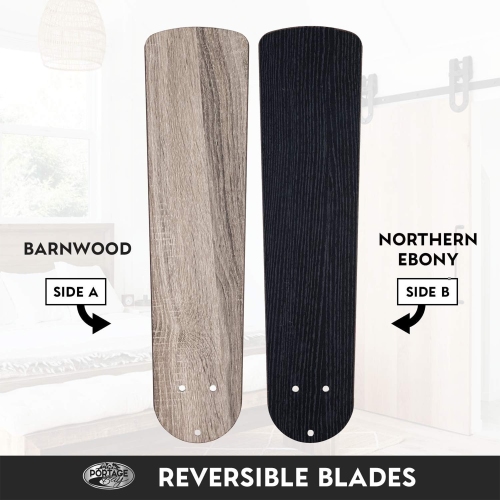 Your price for this item is $226.99
 -
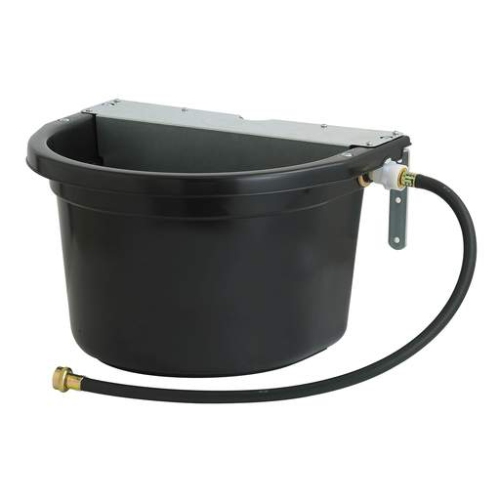 Your price for this item is $133.99
 -
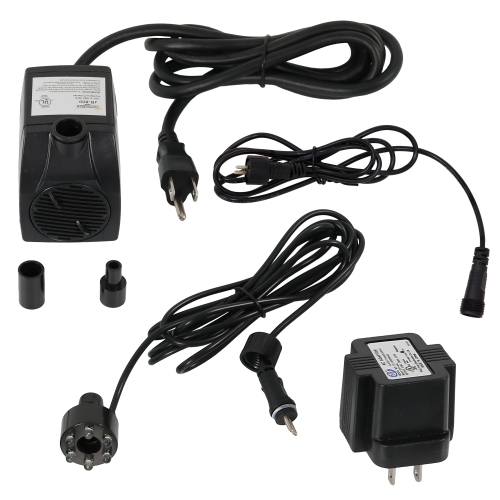 Your price for this item is $69.45
 -
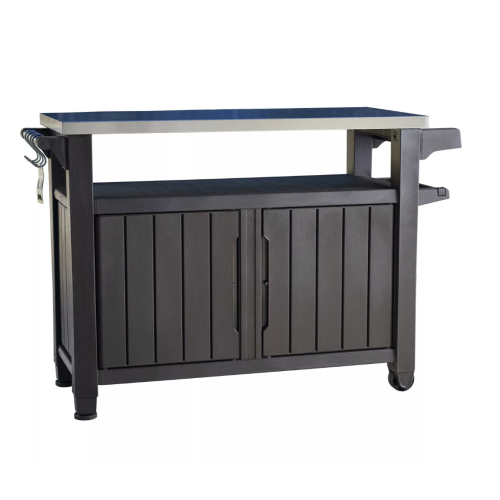 Your price for this item is $562.99
 -
 Your price for this item is $26.99
Discover more categories related to Fire Place Tool Sets

Top Collections:
Pokemon Centers, Kindle Devices, Best Budget Office Chairs, Apple iPhones 16, Best Laptops for Writers, iPhone 15 Apple, Canon G7X Cameras, Refurbished Apple Laptops, Alarm Clock, Motorola Razr Phones
Some products may be subject to Environmental Handling Fees
(EHF) depending on your province.
Learn more about EHFs.