Fireplace Wall
Transform your living space with the inviting ambiance of a Fireplace Wall. Whether updating your home décor or creating a cozy focal point, these stylish additions bring warmth and charm to any room. Explore a variety of options designed to suit different tastes and layouts, making it easy to find the perfect fit for your home. Elevate your interior and enjoy relaxing moments gathered around your new Fireplace Wall.
Sort
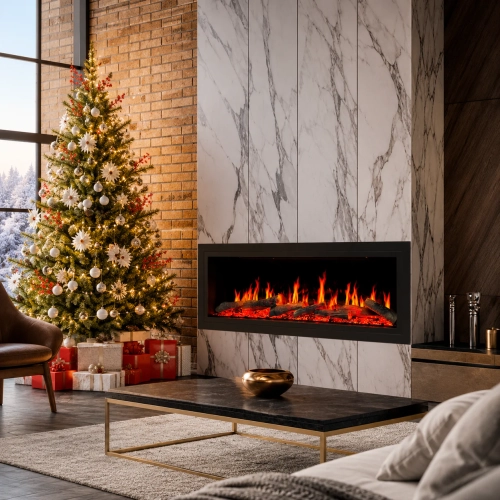
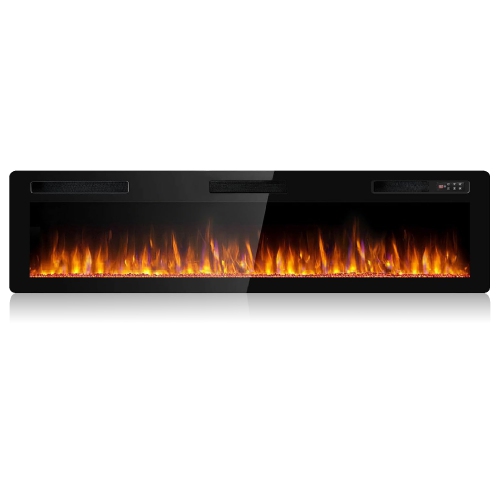
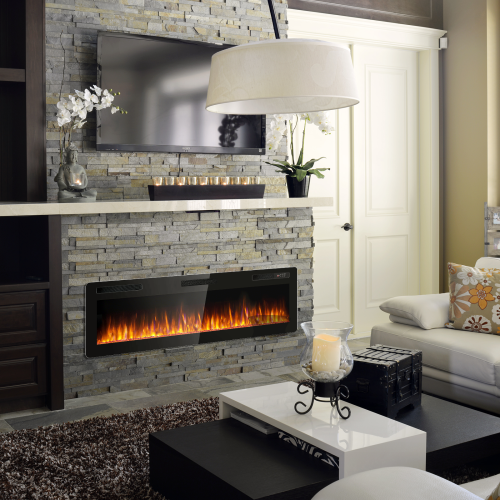
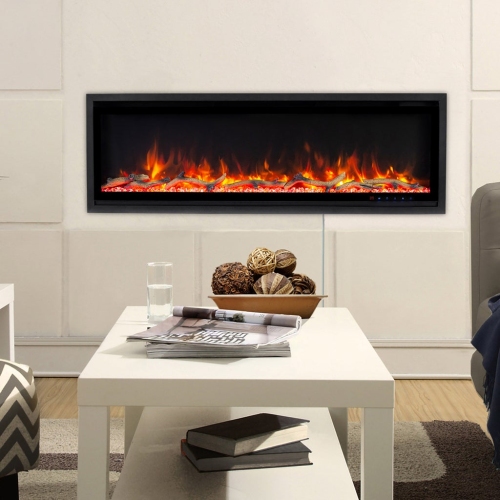
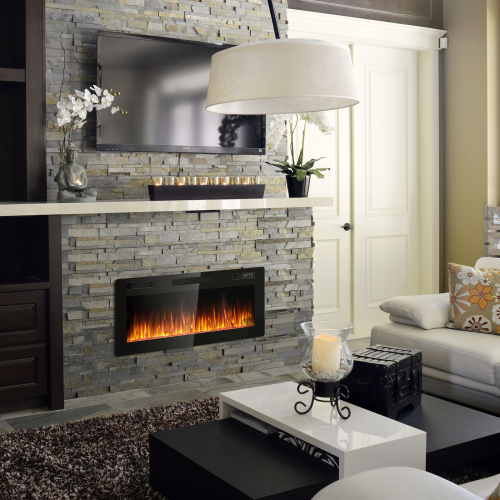
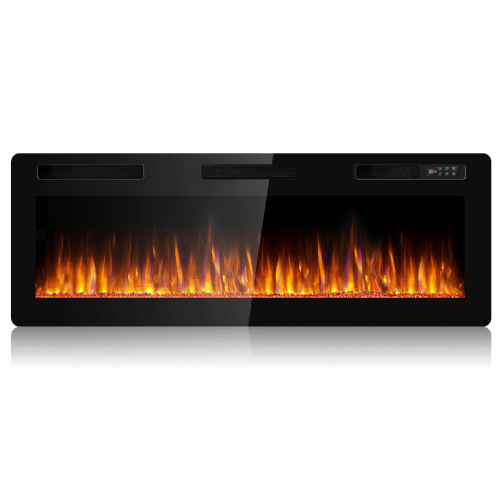
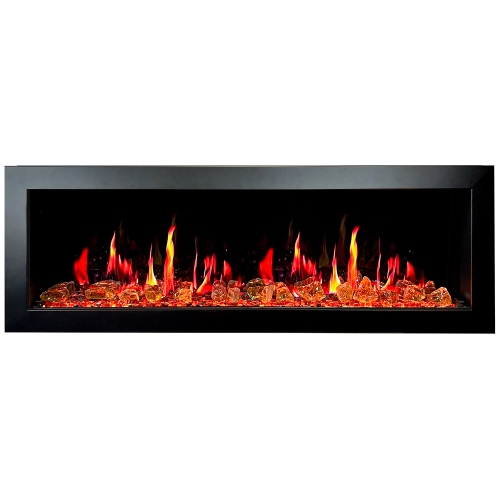
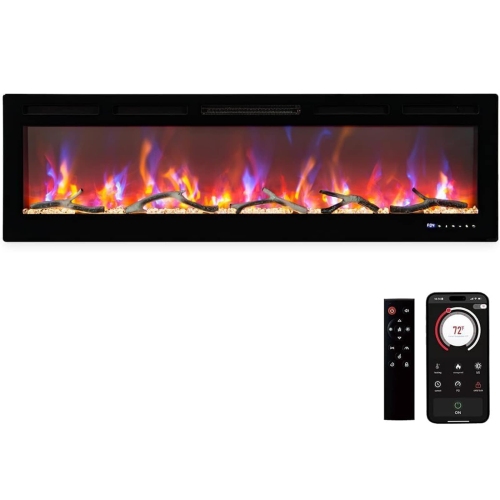


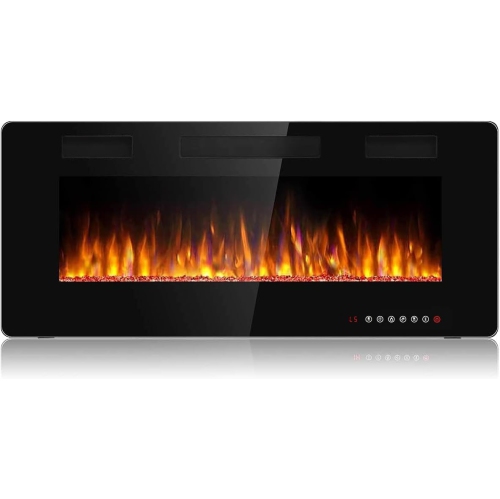
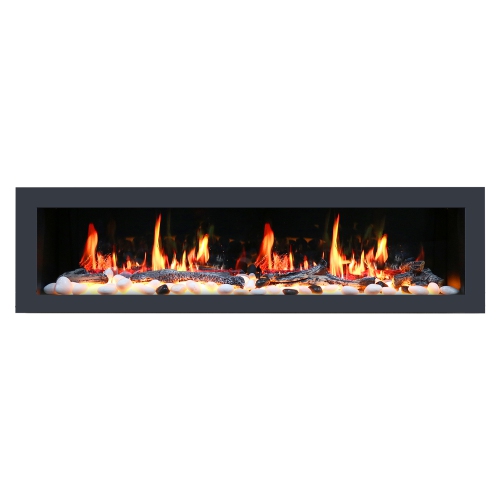
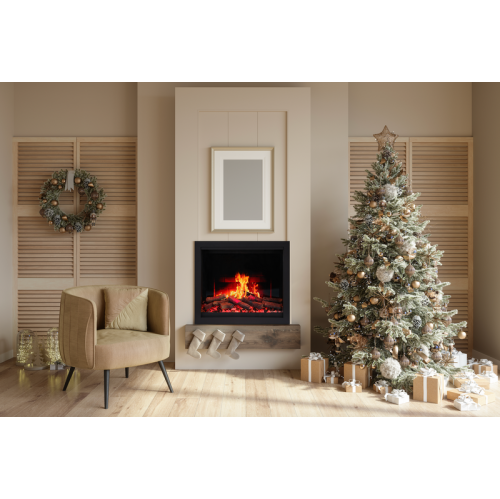
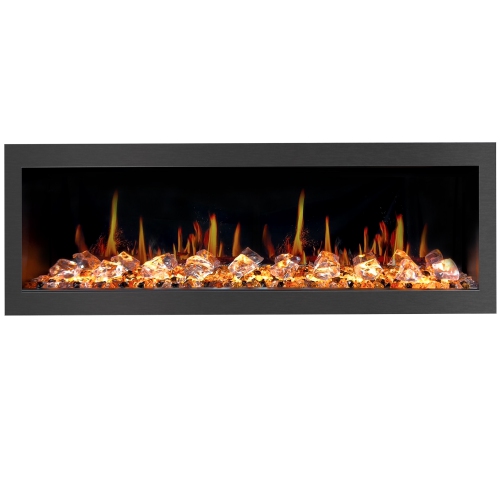
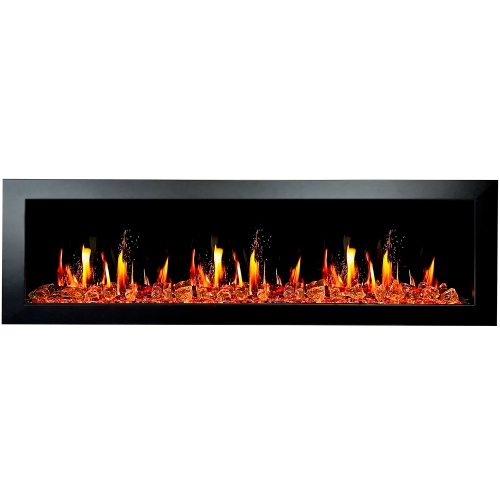
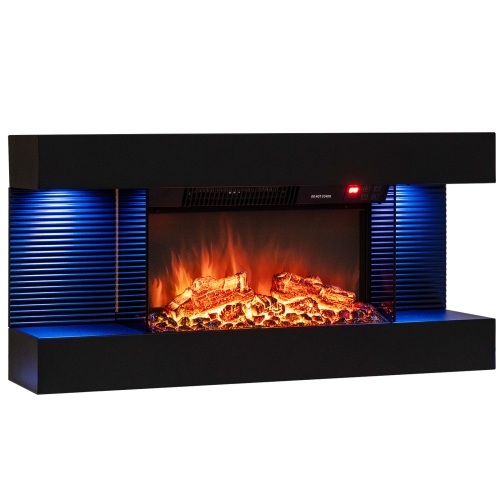
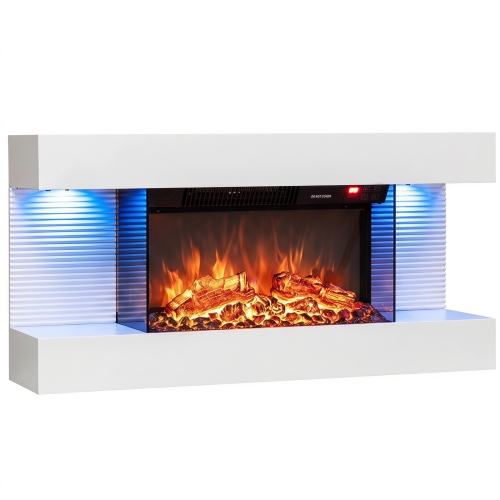
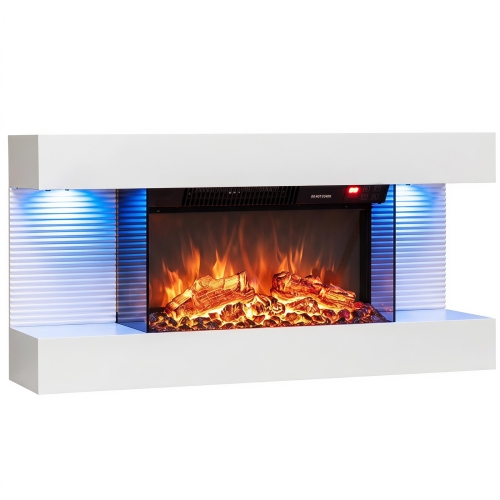
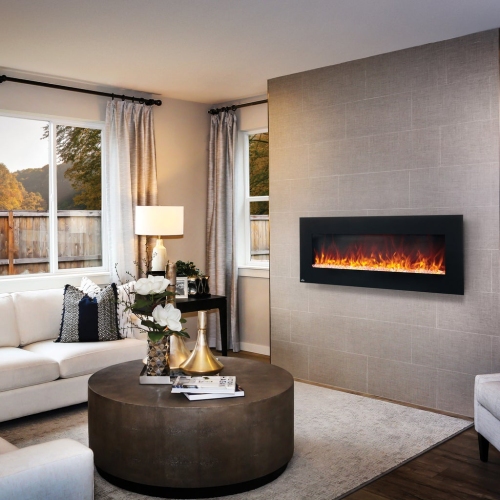
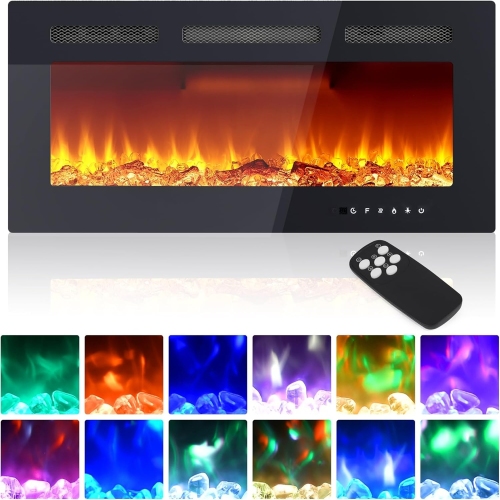
How electric fireplaces fit into your living space
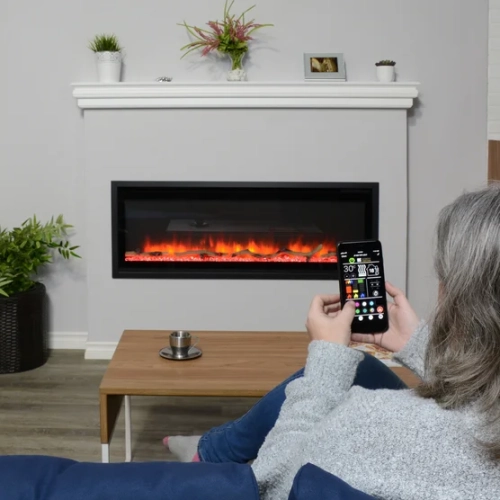
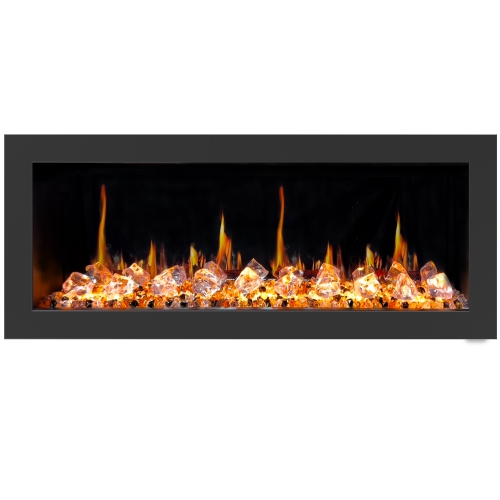
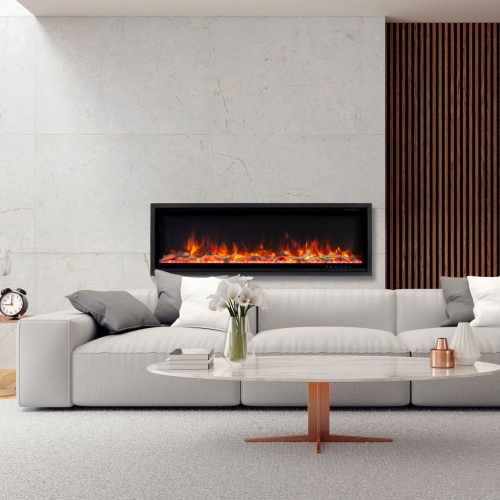
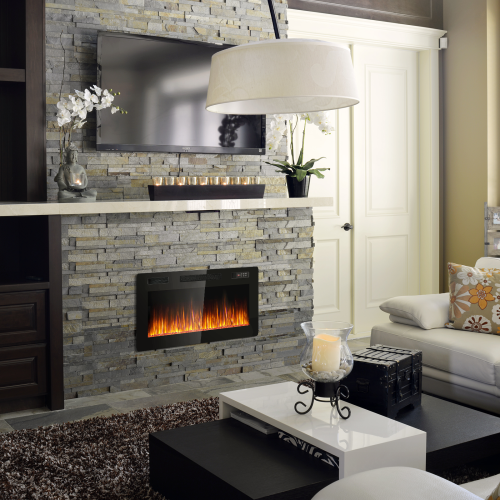
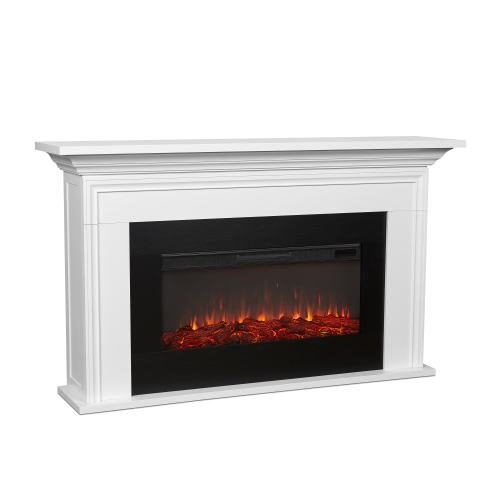
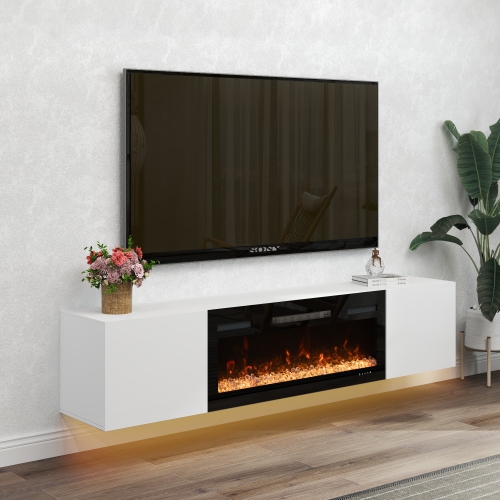
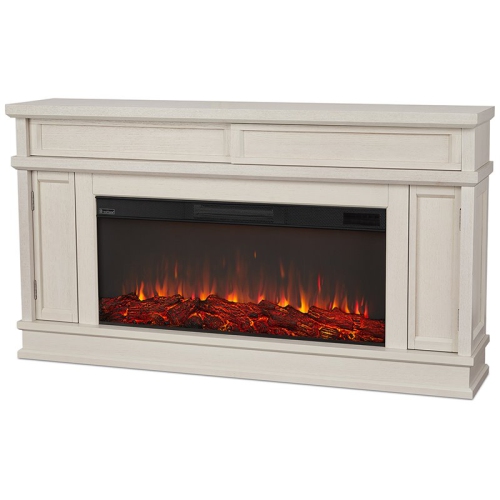
A fireplace wall is a focal feature that combines a fireplace with the surrounding wall finish, mantel, shelving, or media storage. It can be as simple as a slim electric unit mounted against a painted wall or as substantial as a recessed fireplace framed by cabinetry and a stone-look surround. The fireplace provides the visual centre, while the proportions and materials around it help connect that feature to the rest of the room. Electric fireplaces create a flame effect without burning logs or using a gas line, and models with a heater can also provide supplemental room heat. Unlike fuel-burning fireplaces, they do not require a chimney, although their electrical and installation requirements still need to be considered. Wall-mounted designs suit spaces where keeping the floor clear matters, while recessed units offer a more integrated appearance. Fireplace inserts can become part of a compatible mantel or purpose-built enclosure, and fireplace media furniture combines the flame display with a surface and storage for entertainment equipment. Each format creates a different relationship between the fireplace, nearby furniture, and the wall itself. A long, narrow display can visually anchor a wide living room, while a more compact design may feel better balanced beside a reading chair or within a smaller sitting area. Black metal frames create a defined outline against pale walls; wood finishes introduce grain and texture; glass fronts keep the flame display prominent. Log-style fuel beds suggest a familiar hearth, while crystal-style beds offer a more contemporary look. Depending on the model, adjustable flame brightness and colour provide anything from a restrained glow to a stronger visual accent. These details matter even when the heater is not in use, particularly on models that allow the flame effect to operate independently. The result can feel architectural, furniture-like, or deliberately understated, depending on how the fireplace relates to the surrounding space.
Fit involves more than finding a fireplace that looks right in a photograph. Overall width, height, and depth affect how much wall space the unit occupies, while the visible flame area determines how substantial it appears from the sofa. For a streamlined installation, a wall mounted fireplace can provide a defined focal point without requiring a full mantel arrangement. Surface-mounted designs project into the room, so their depth matters near walkways, door swings, and closely positioned furniture. Recessed fireplaces have separate requirements for the wall opening, framing, and permitted installation depth; a shallow-looking front does not necessarily mean the unit fits into every existing wall. Some designs support more than one installation method, but that flexibility should be confirmed in the specifications rather than assumed. Wall construction and the unit’s weight also determine the appropriate mounting approach. Secure attachment to suitable structural support is essential, especially in a busy household where furniture may be moved or children may play nearby. Electrical planning deserves equal attention: the outlet location, circuit requirements, and whether the fireplace is plug-in or hardwired all affect placement. Electric heaters should be connected as directed by the manufacturer, without relying on an extension cord or power bar, and hardwired installations require a qualified electrician. A television above the fireplace introduces another set of considerations. The fireplace’s heat outlet, required clearances, and the television manufacturer’s limits all matter; a mantel does not automatically make every arrangement suitable. Screen height also affects comfort, since a television placed too high can be awkward to watch from a seated position. Shelving, soundbars, and other equipment need their own space without blocking vents or access points. Allowing for these practical details keeps the fireplace wall useful as well as visually balanced, whether it forms the centre of a media area or stands apart from the television.
Materials and everyday controls influence how comfortably a fireplace wall fits into household routines. Steel housings and glass fronts are common on electric units, while mantels and media furniture may use solid wood, wood veneers, engineered wood, or a combination of materials. The finish deserves attention wherever objects are likely to be set down or moved: a mantel used for framed photographs has different demands from a media console that also holds controllers and frequently handled accessories. Shelves and top surfaces have stated weight limits, and a fireplace console should not be treated as suitable for every television simply because the screen appears to fit across it. Storage layout matters too, particularly where cabinet doors could obstruct access to connected equipment or open shelves could leave cables visible. For households that use the fireplace mainly for its appearance, independent flame controls can be more useful than a long list of heating settings. For those who want supplemental heat, adjustable output, thermostat control, and a timer may make regular use more convenient, where included. Remote controls can help someone adjust the display from a favourite chair, while clearly marked onboard controls remain useful when the remote is out of reach. Care is generally straightforward but should follow the unit’s instructions: switch off the fireplace, disconnect power where directed, and let it cool before cleaning. A soft cloth helps lift dust from the exterior, and suitable non-abrasive cleaning methods protect glass and finished surfaces. Vents need to remain unobstructed, with curtains, upholstery, and other belongings kept outside the specified clearances. Households with children or pets should also consider accessible hot surfaces and cord placement rather than assuming that an electric flame display makes the entire unit cool to the touch. With the right proportions, secure installation, and manageable upkeep, a fireplace wall can give a living room, bedroom, or dedicated sitting area a lasting focal point without overwhelming the space around it.
Top selling and popular products
-
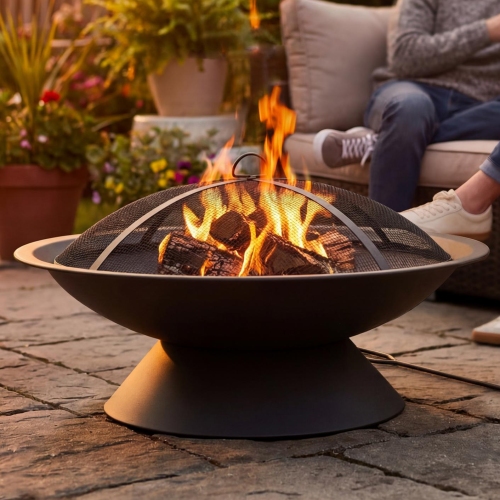 Your price for this item is $254.99
-
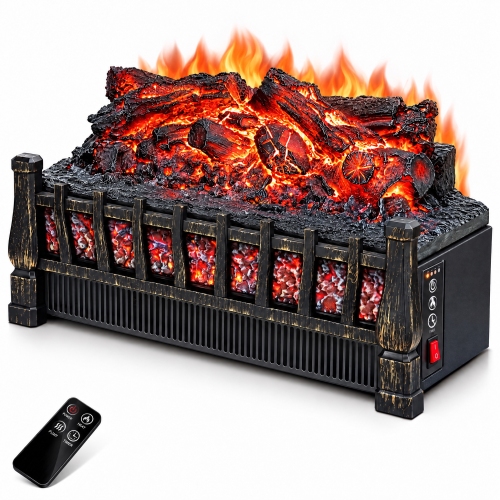 Your price for this item is $159.95
-
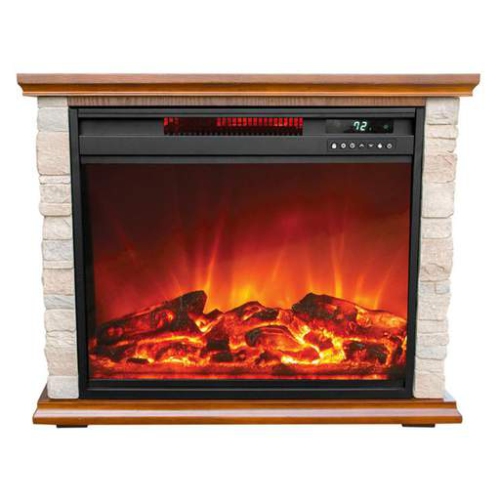 Your price for this item is $819.99
-
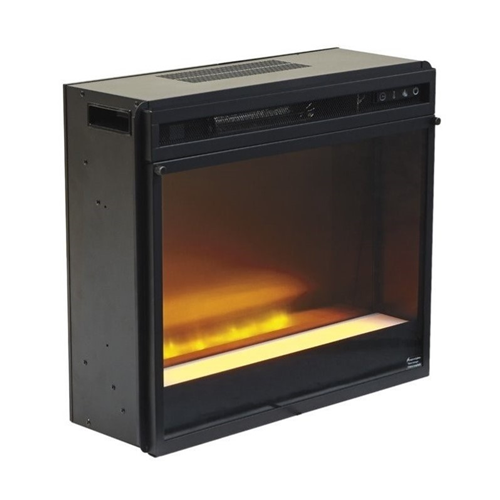 Your price for this item is $569
-
 Your price for this item is $91.99
-
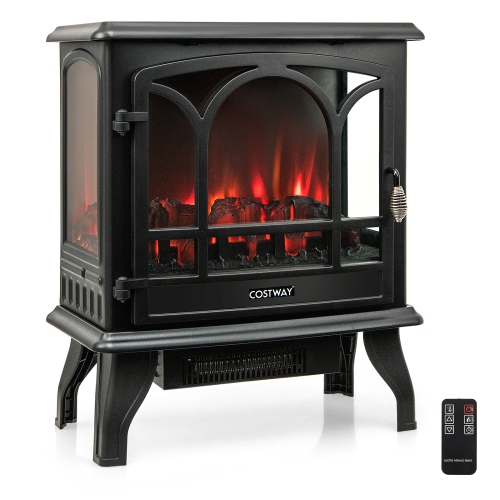 Your price for this item is $184.99
-
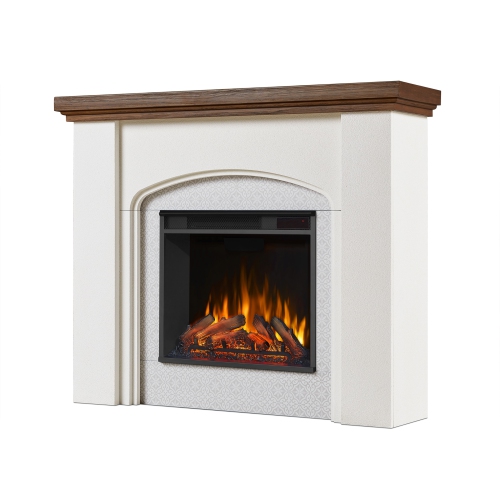 Your price for this item is $1104.15
-
 Your price for this item is $1439
Discover more categories related to Fireplace Wall
Top Collections:
Best Black Friday Deals This Year, Best Black Friday Deals On Electronics, Kindle Devices, Dyson Airwrap, Best Cameras for Sports Photography, Best Budget Office Chairs, Canon G7X Cameras, PS5 Pro Consoles, Best Black Friday Deals On Apple Products, XBOX One S Consoles
Some products may be subject to Environmental Handling Fees
(EHF) depending on your province.
Learn more about EHFs.