Fish Tank Accessories
Enhance the underwater world of your aquatic pets with a curated selection of fish tank accessories designed to elevate both the aesthetic appeal and functionality of your aquarium. From decorative ornaments and vibrant plants to essential maintenance tools and filtration systems, our collection offers everything you need to create a thriving and visually stunning aquatic environment for your fish. Explore an array of accessories that cater to varying tank sizes, styles, and fish species, ensuring that you can customize your setup to suit your unique preferences and requirements. Dive into our assortment of fish tank accessories to transform your aquarium into a captivating underwater oasis for your beloved aquatic companions.





The right aquarium setup starts with your fish
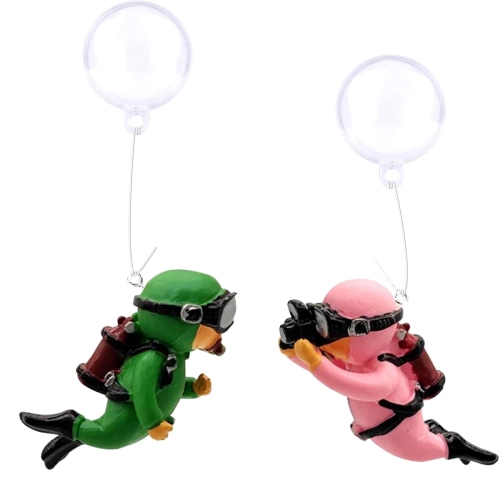
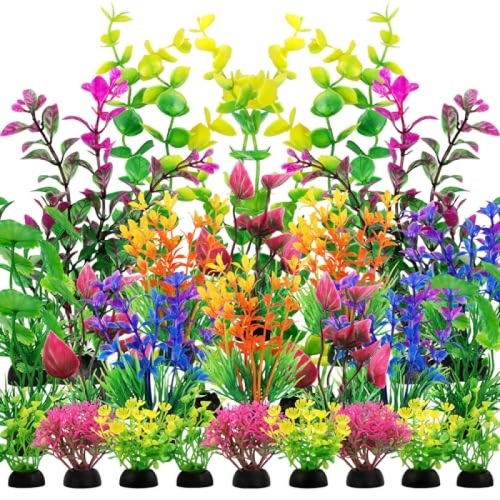
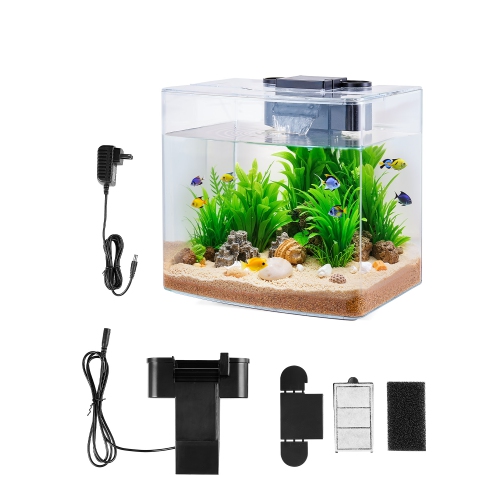
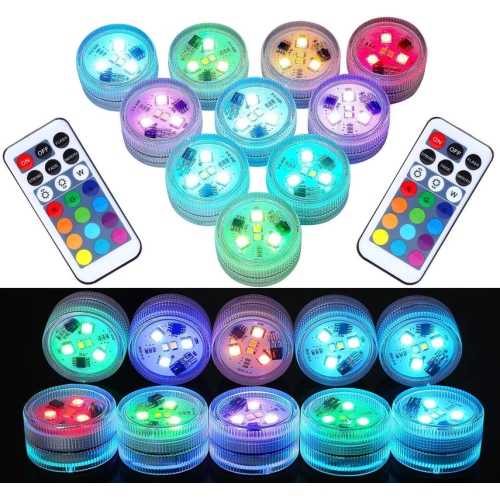
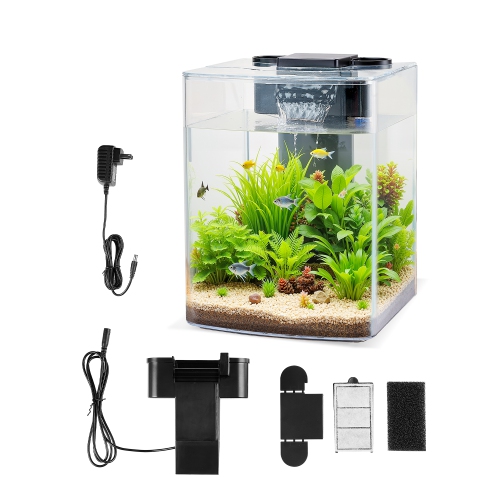
Aquarium décor gives a tank its character, but its practical value goes beyond appearance. Caves, smooth stones, branching shapes, and dense planting can provide shelter, break up sightlines, and create distinct spaces for fish with different habits. A shy bottom-dweller may benefit from a sheltered retreat, while an active schooling species needs plenty of uninterrupted swimming space. Openings should be large enough for the intended inhabitants to enter and leave without becoming trapped, taking their adult size into account. Long-finned fish need particular care around narrow gaps, sharp edges, and stiff artificial foliage that could snag delicate fins. Aquarium-safe ceramic, resin, silicone, and glass offer different textures and finishes, while natural wood and stone bring irregular shapes and surfaces. Materials should be intended for aquarium use rather than borrowed from household ornaments, which may contain unsuitable paints, glazes, metals, or adhesives. Natural materials are not always chemically neutral: some stone can affect hardness and pH, and certain woods release tannins that tint the water. Those characteristics may be suitable for one setup and undesirable in another. Soft artificial plants add colour and cover without the lighting and nutrient requirements of living plants, though they still need cleaning as debris and algae collect on their surfaces. Live plants can provide cover and take up nutrients, but their roots, lighting needs, and mature size influence the choice of substrate and surrounding accessories. Sand, gravel, and planted substrates differ in grain size, weight, and upkeep, with smooth grains especially important for species that sift through or rest on the bottom. The depth and layout should reflect the fish and plants being kept rather than appearance alone. A layered arrangement with taller features toward the back and open space at the front can create depth while preserving a clear view. Stable placement matters just as much: larger structures need secure support, and movable pieces should not be able to topple onto fish or press against the aquarium glass.
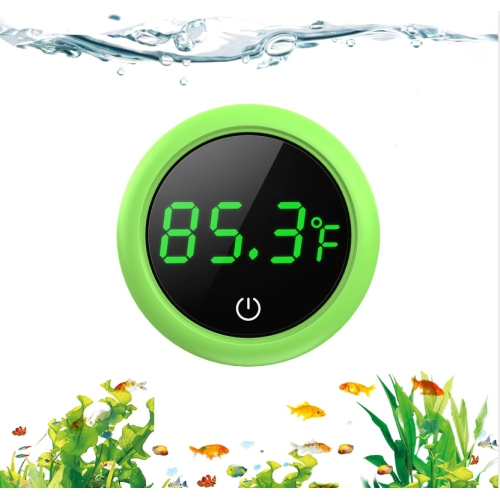
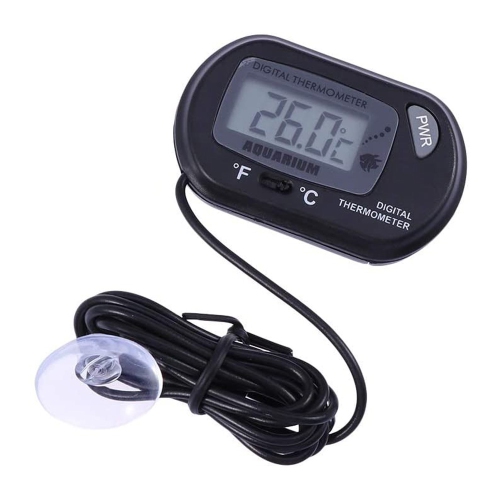
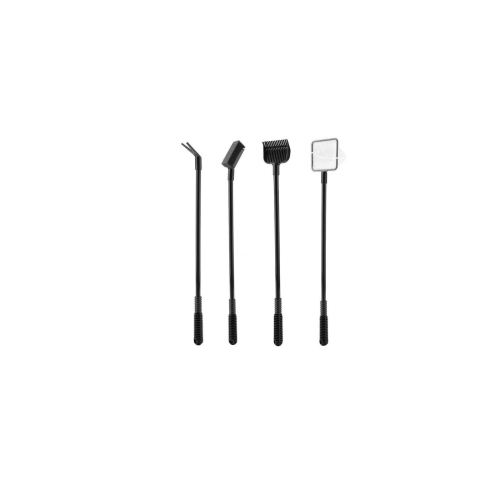
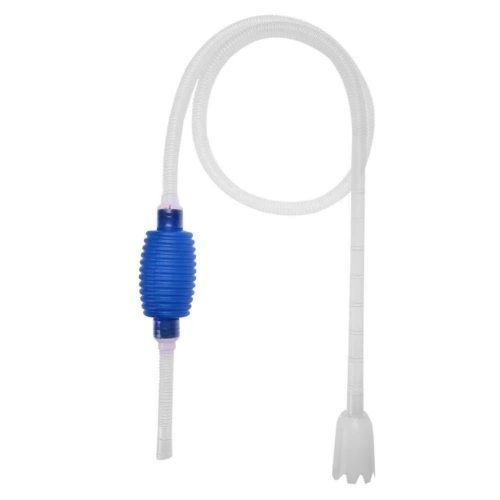
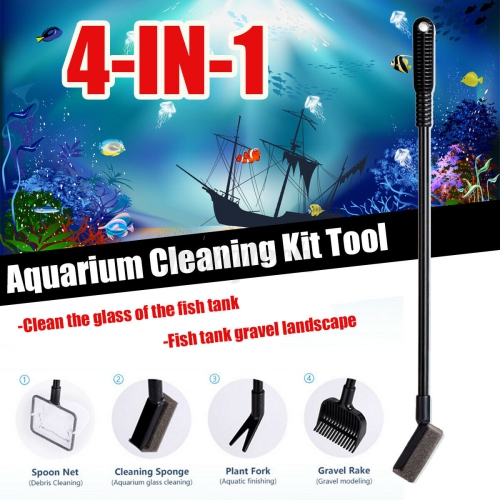
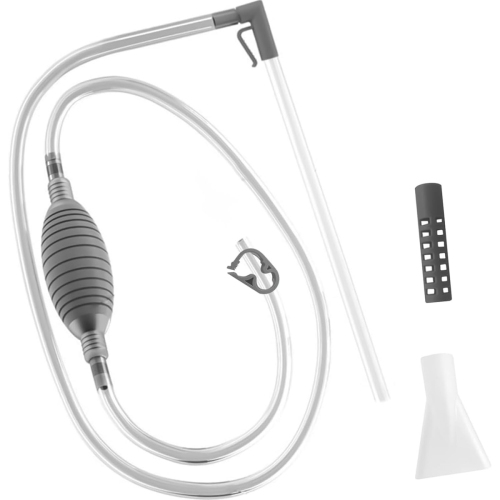
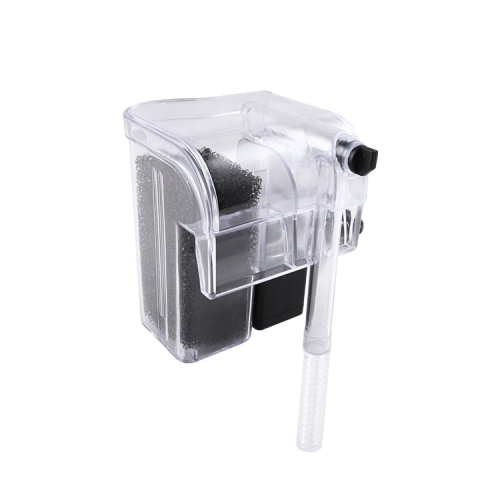
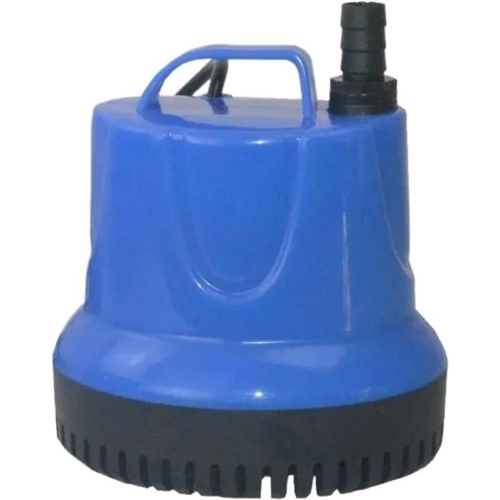
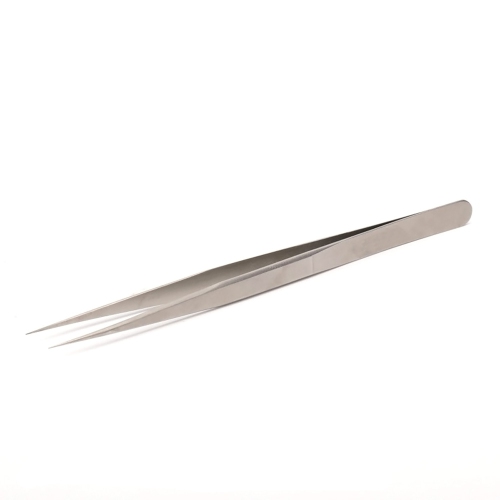
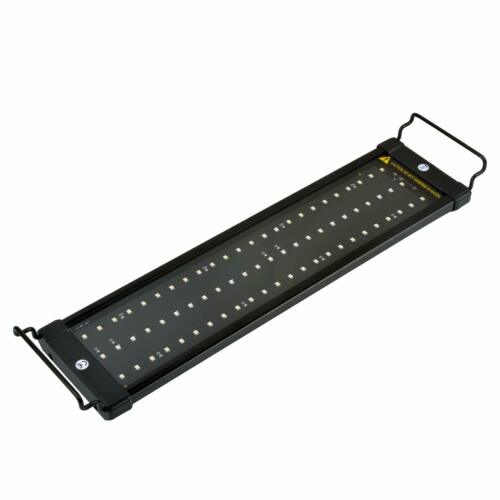
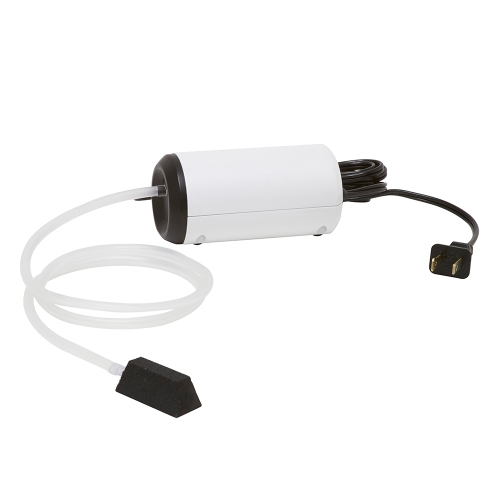
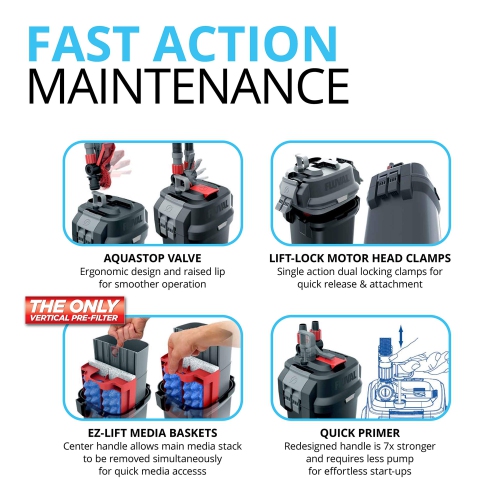
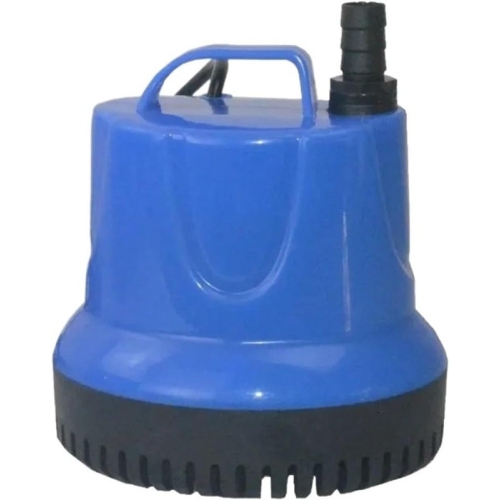
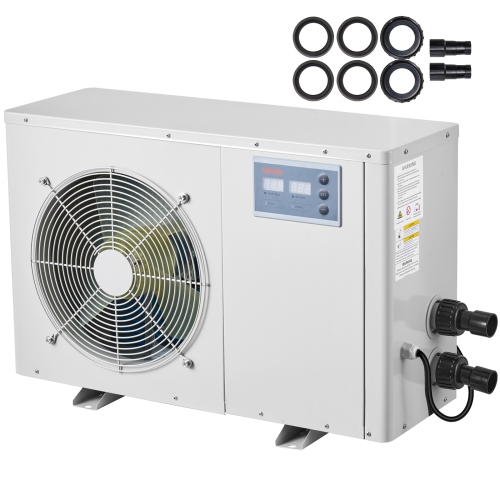
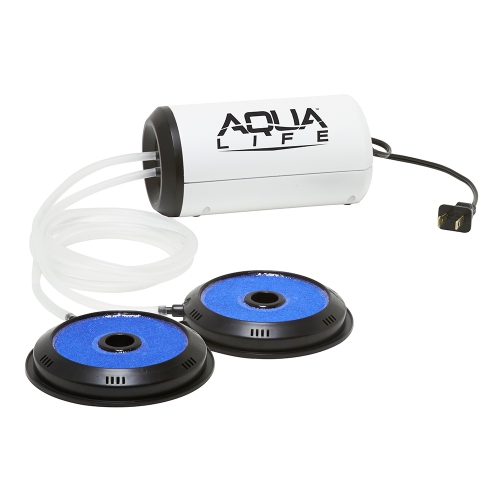
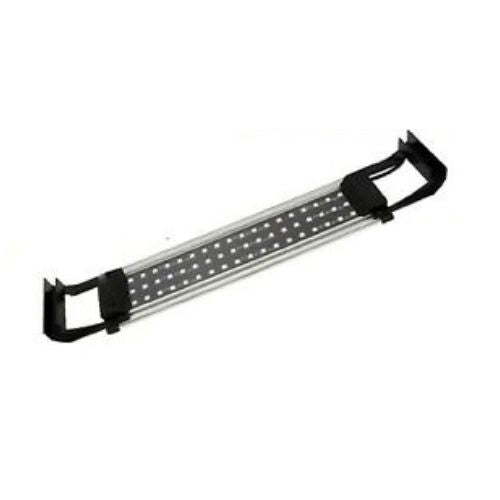
Fit and ease of care often determine whether fish tank accessories remain useful over time. Tank dimensions, rim thickness, lid openings, hose diameter, and mounting style all affect compatibility, even when two aquariums hold the same volume of water. A light must span or mount securely to the tank, a filter needs enough clearance for servicing, and suction-mounted accessories need a suitable surface and regular checks for a firm hold. Durable construction includes secure joints, smooth finishes, corrosion resistance where appropriate, and components that can be reached for cleaning. Marine aquariums place additional demands on materials because saltwater can damage unsuitable metals and fittings. Maintenance accessories are most useful when they match the tank’s construction and layout. Algae pads and scrapers need to be suitable for glass or acrylic, since a tool that works on one surface may scratch another; trapped grit can also mark the viewing panel. A siphon sized for the aquarium helps remove settled waste during partial water changes, while a dedicated bucket keeps aquarium tasks separate from household cleaning. Nets should suit the size and sensitivity of the fish, and long-handled tools can make it easier to reach behind planting without disturbing the whole display. Water tests help track conditions that cannot be judged by clarity alone, including ammonia, nitrite, nitrate, and pH. Water conditioner may be needed to treat chlorine or chloramine in tap water, and replacement water should be appropriate for the inhabitants. Soap and household cleaning sprays do not belong on aquarium equipment; biological filter media also need handling that preserves beneficial bacteria rather than an aggressive scrub under untreated tap water. These practical details matter to first-time fish keepers, experienced hobbyists, and families sharing aquarium care. Accessories can also make thoughtful presents when the recipient’s tank size, livestock, and preferences are known. For more inspiration, Gifts for Fish Tank Enthusiasts offers a related place to explore ideas, with the best fit being something that complements the aquarium rather than changing its care requirements unexpectedly.
Top selling and popular products
-
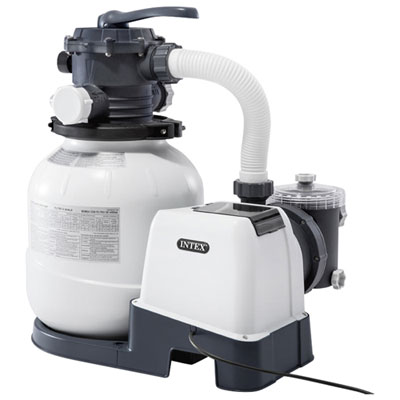 Your price for this item is $291.98
 -
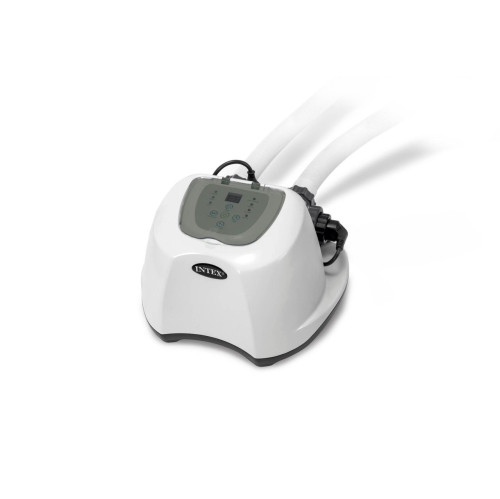 Your price for this item is $269.99
 -
 Your price for this item is $214.99
 -
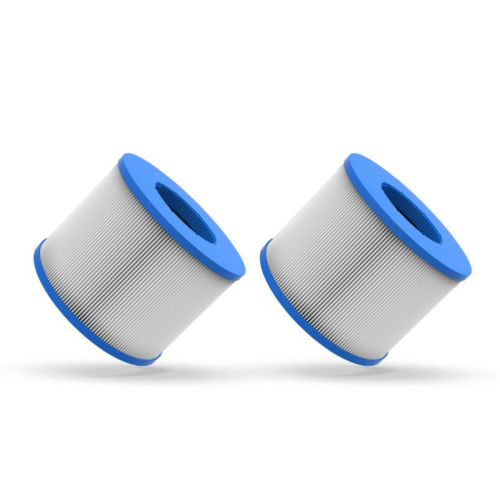 Your price for this item is $39
 -
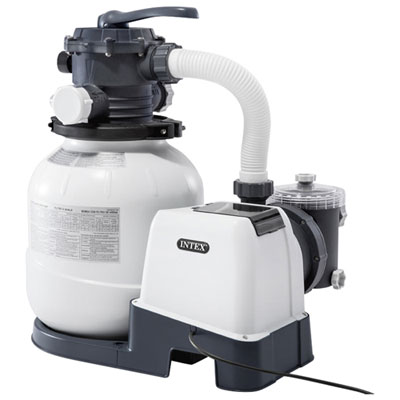 Your price for this item is $229.98
 -
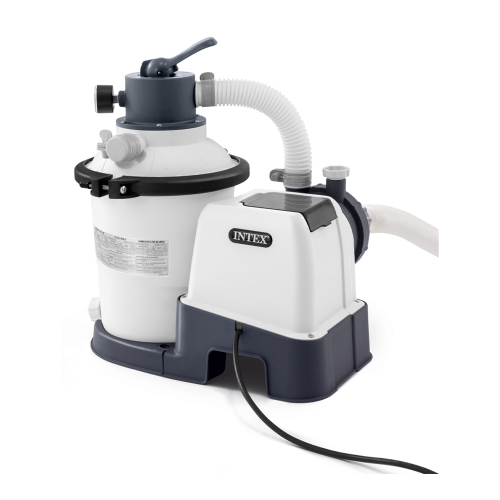 Your price for this item is $206.99
 -
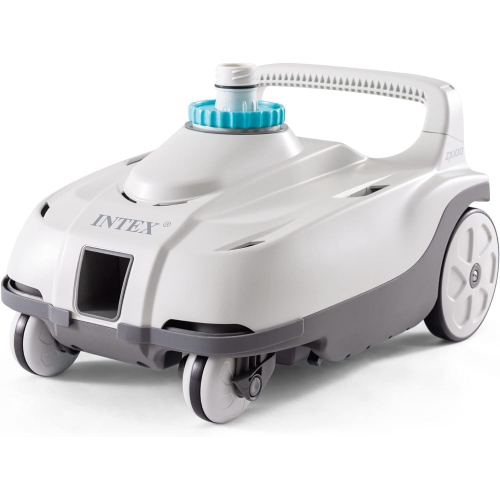 Your price for this item is $150.99
 -
 Your price for this item is $101.99