Swimming Pool Accessories
Make a splash this summer with our wide selection of swimming pool accessories. Whether you're looking to enhance your poolside experience or keep your pool clean and well-maintained, we've got you covered. Dive into a world of possibilities as you explore our range of pool toys, loungers, floats, and games that will keep kids and adults entertained for hours. Plus, discover essential accessories like pool covers, maintenance kits, and water testing supplies to ensure crystal-clear waters all season long. With our extensive collection of swimming pool accessories, creating the perfect oasis in your backyard has never been easier.
Sort


























































Why fit matters for pool care and comfort
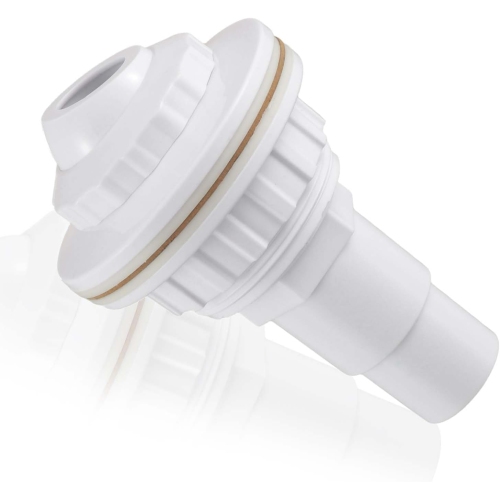
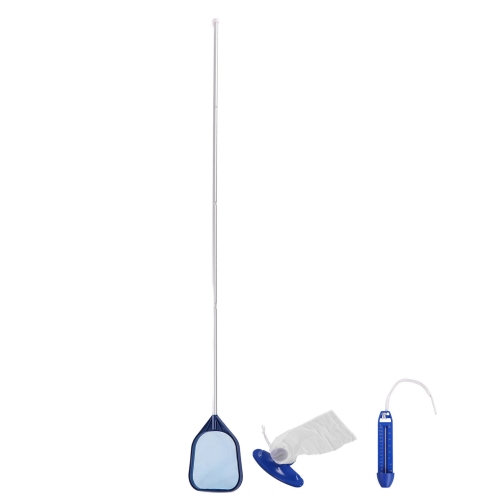
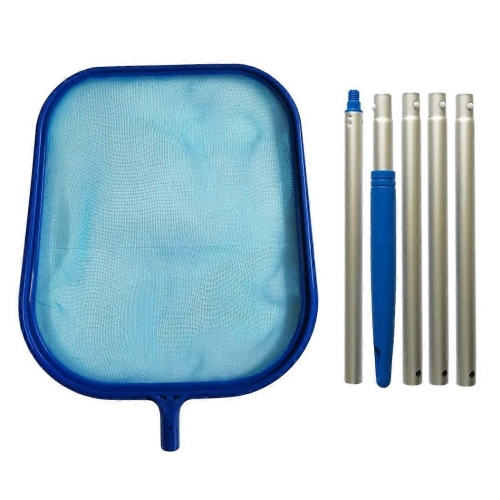
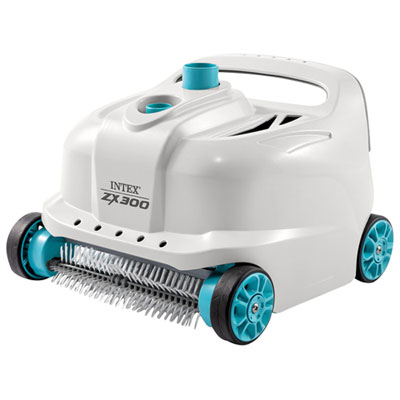
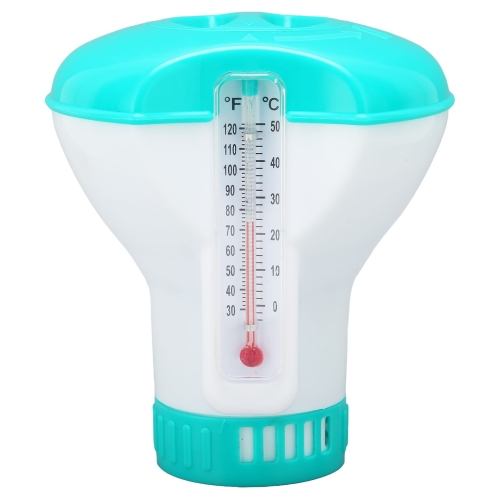
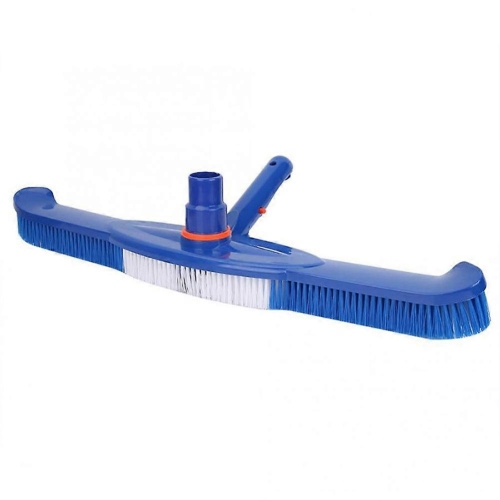
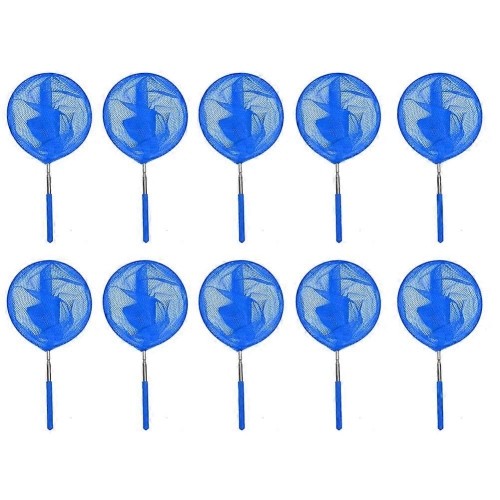
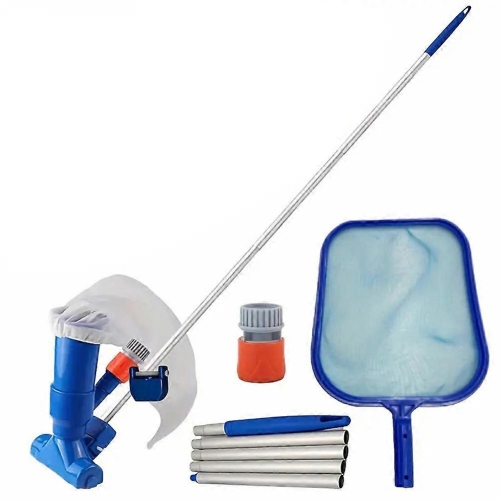
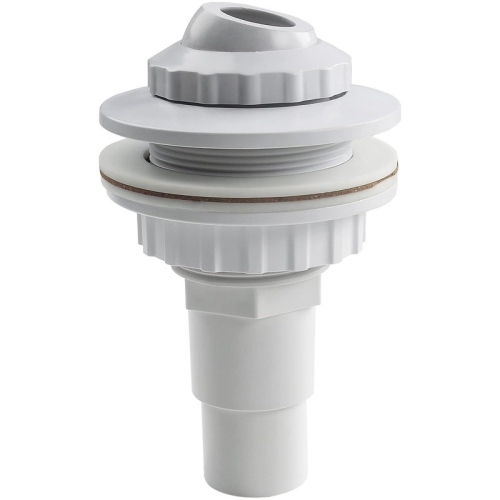
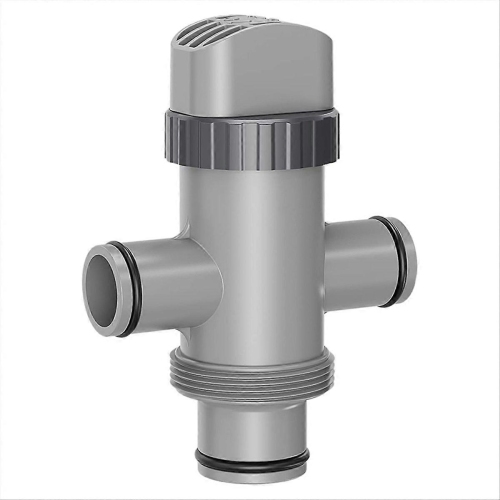
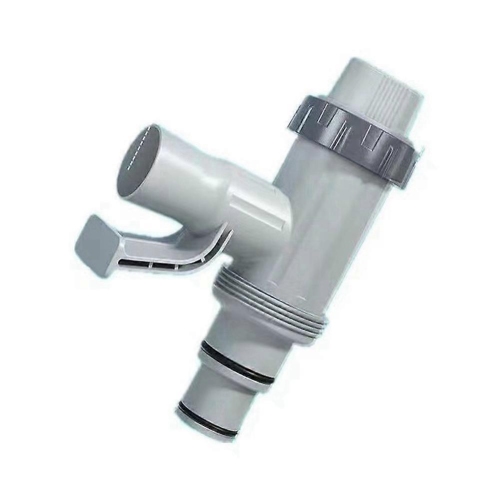
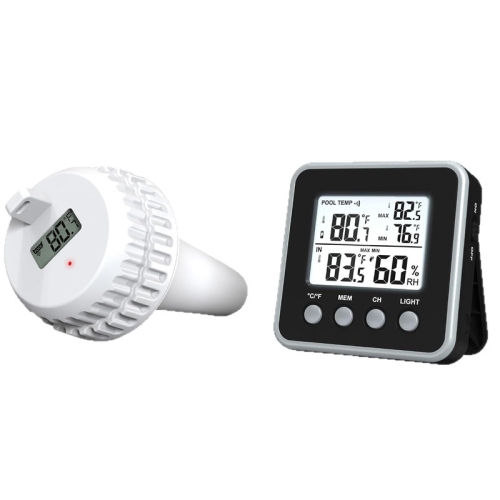
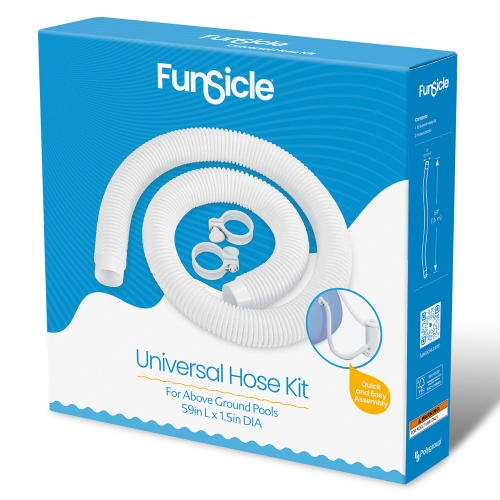
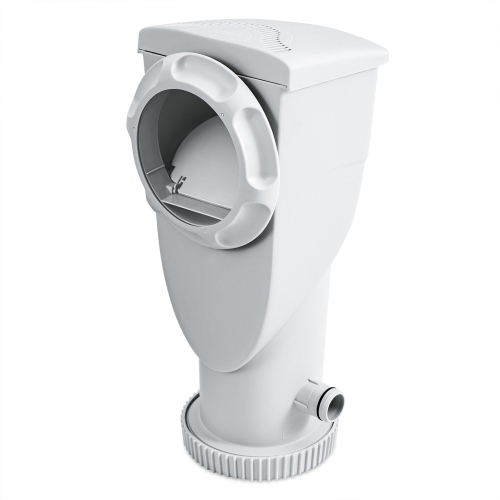
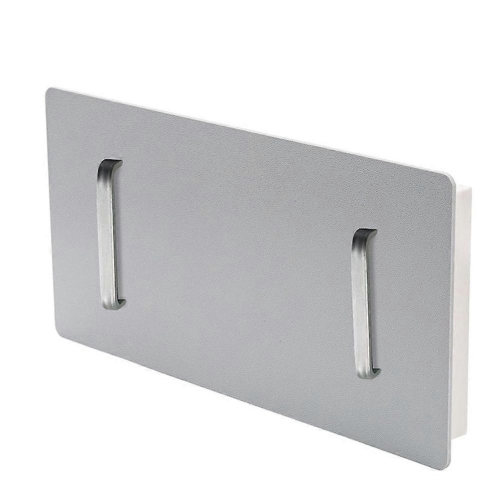
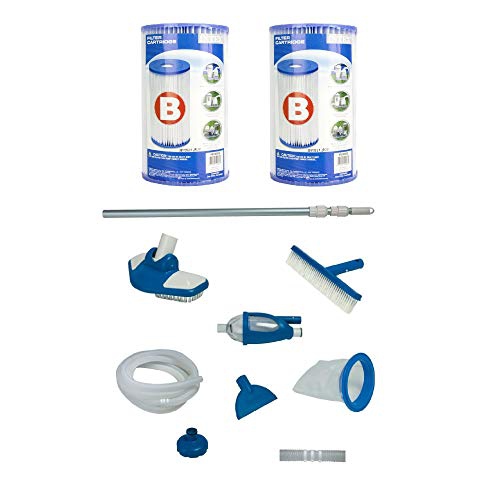
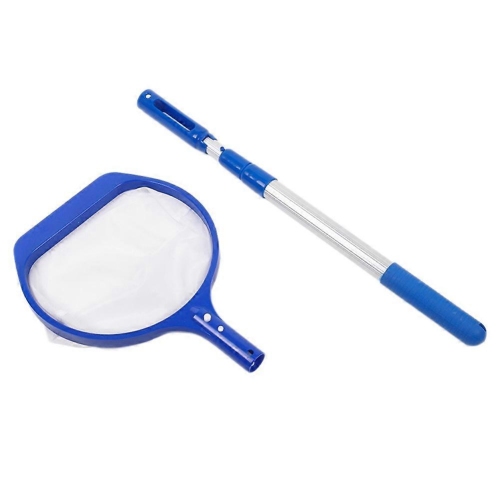
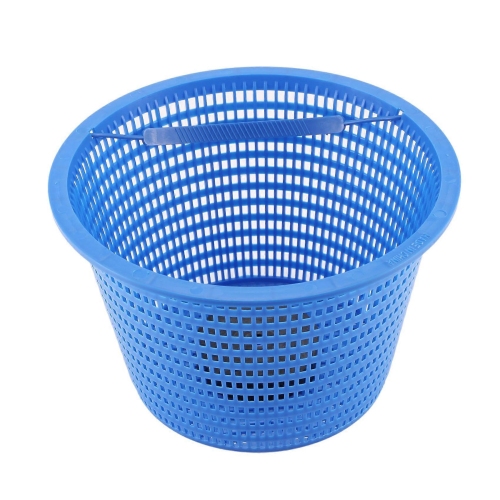
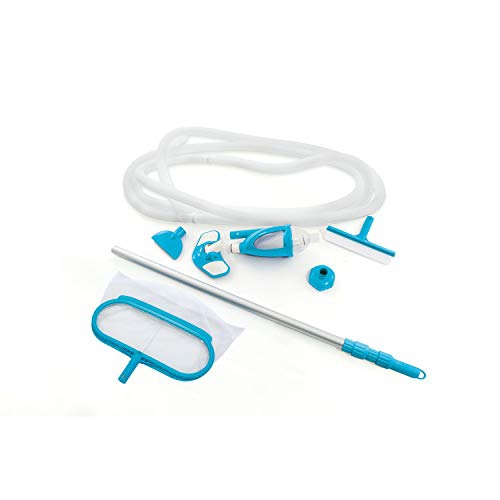
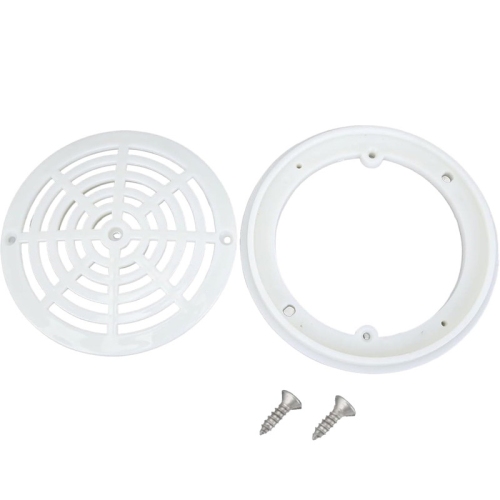
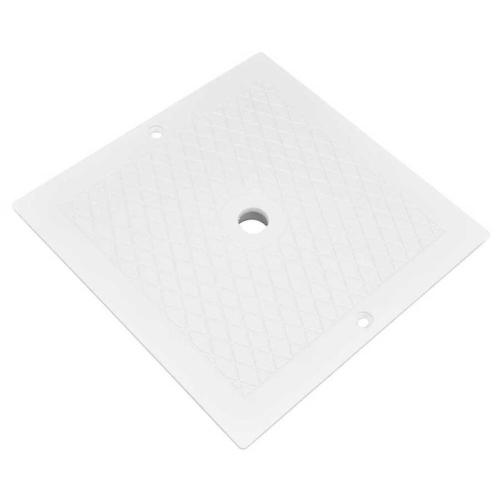
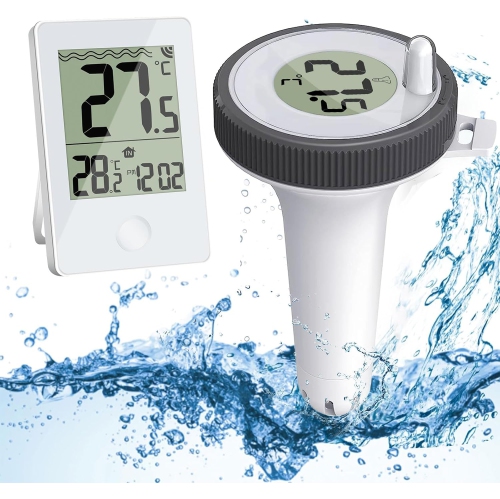
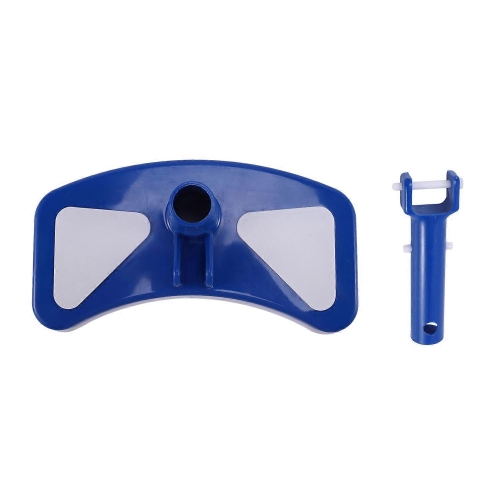
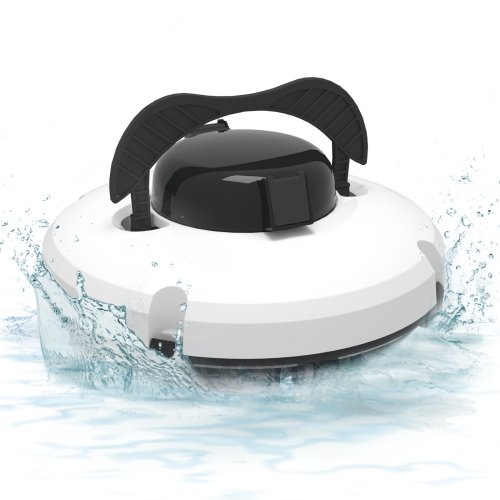
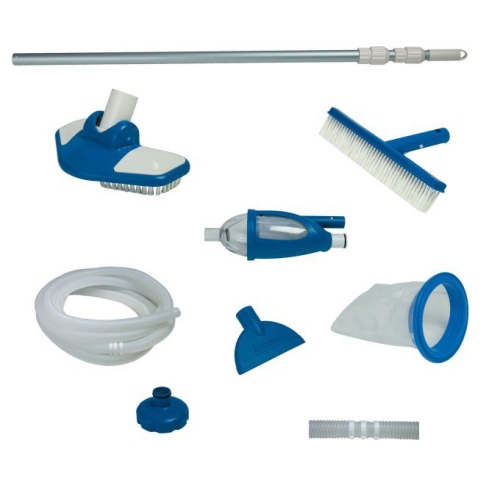
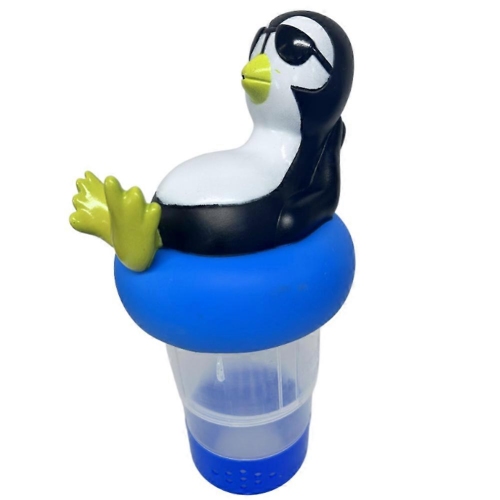
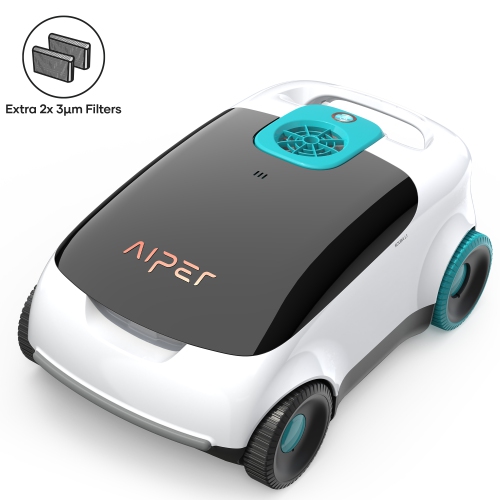
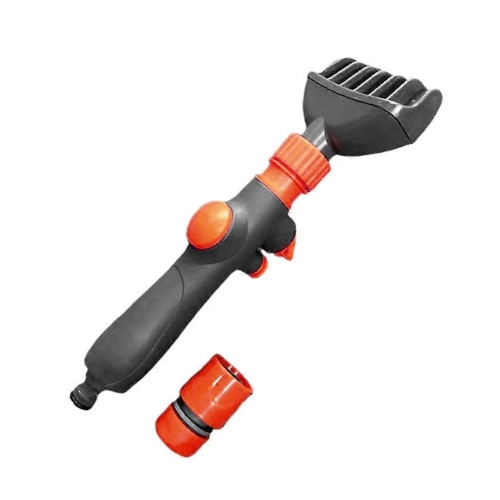
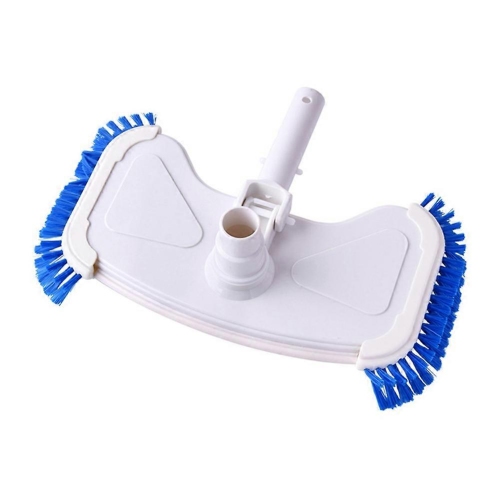
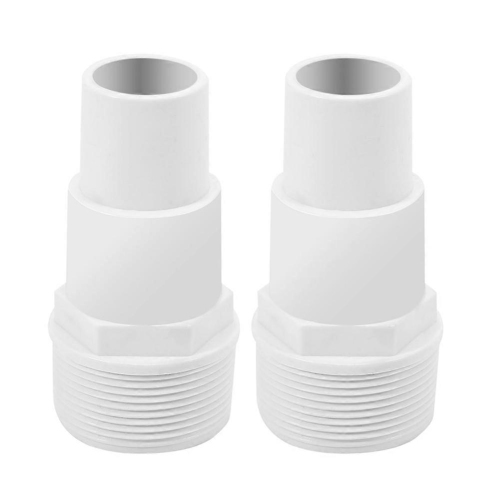
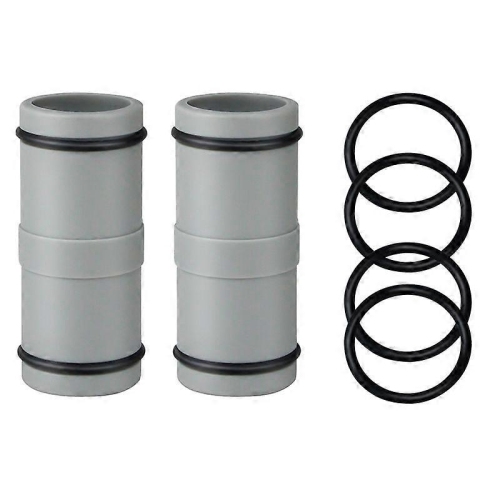
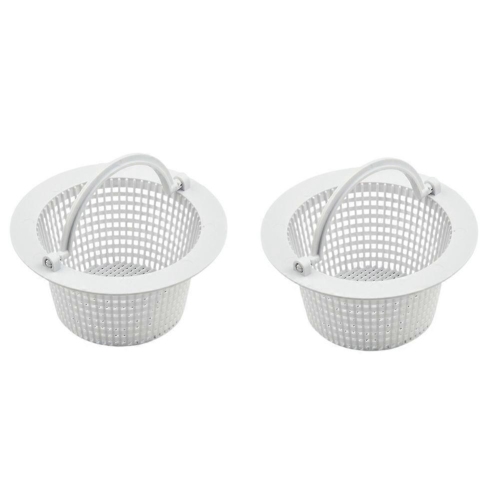
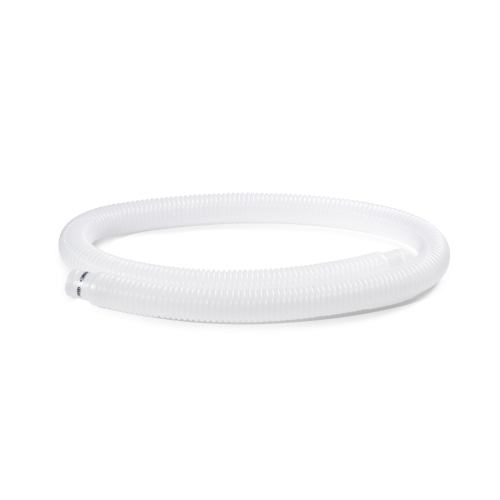
Swimming pool accessories support the everyday work and enjoyment of owning a pool, from clearing debris and checking water balance to creating a comfortable place to float. The category spans pool cleaning tools, water care accessories, covers, entry equipment, floats, games, and storage solutions, with different designs suited to above-ground and inground pools. Fit matters as much as function: a brush that works well on one pool surface may be unsuitable for another, and a hose connection needs to match the equipment already in place. For routine cleaning, surface skimmer nets collect floating leaves and insects, while deeper leaf nets hold larger amounts of debris lifted from the bottom. Wall-mounted skimmers draw surface debris towards the filtration system, provided their mounting hardware and pump requirements suit the pool. Brushes loosen deposits along walls, steps, and corners, and pool vacuums remove settled dirt that a surface net cannot reach. Softer bristles are commonly used on vinyl liners, while more abrasive brush materials should be reserved for surfaces explicitly approved by the manufacturer. Telescopic poles make it easier to reach across wider pools, but their extended length, locking mechanism, and attachment compatibility determine how manageable they feel during use. A lightweight pole can make repeated passes less tiring, especially around steps where debris gathers. Manual vacuums offer direct control over small areas; automatic cleaners vary in how they travel, collect debris, and connect to power or filtration equipment. Pool shape, depth, liner material, and obstacles such as ladders all influence suitability. Water testing accessories and compatible chemical dispensers serve a different purpose from cleaning tools: they help pool owners monitor and maintain water conditions rather than remove dirt. Dispensers must be used only with the chemicals specified for their design, and dispensing does not replace testing. Clearly marked test results, readable instructions, and accessible collection baskets make regular upkeep easier to manage, whether the pool is used for family swimming, quiet exercise, or entertaining friends.
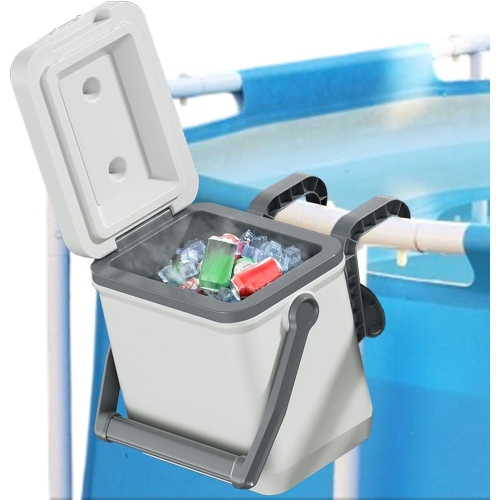
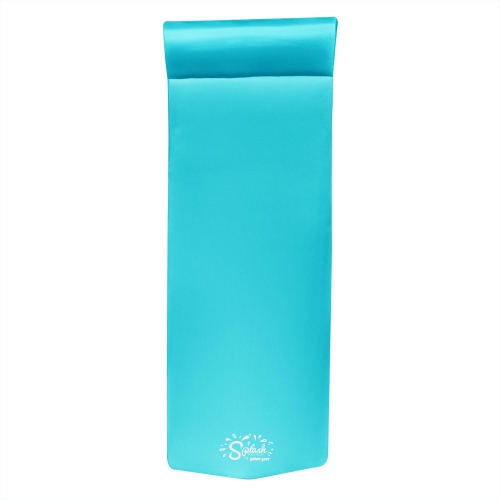
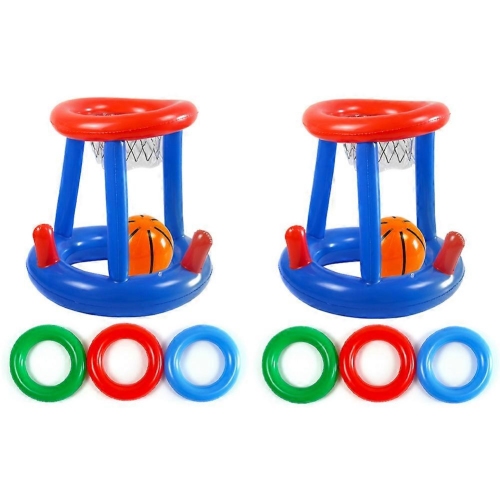
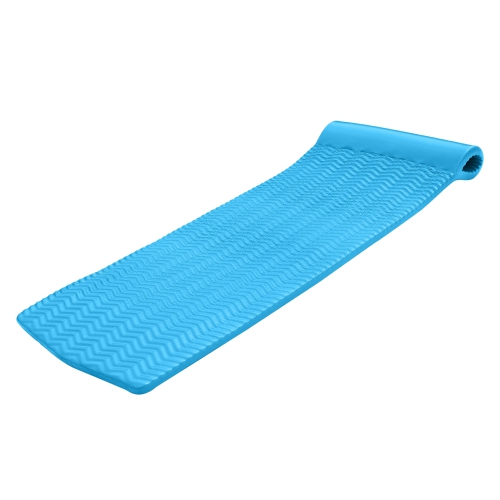
Comfort and recreation accessories shape how people spend time in the water. Pool floats range from simple forms for casual drifting to supportive loungers with backrests, armrests, and spaces for drinks, while floating games bring a more active element to shared swims. Their suitability depends on the intended user, the space around them, and the way they are designed to be used. An oversized lounger needs enough clear water to move without crowding steps or blocking an exit, while a smaller float may be easier to carry and store. Stated age guidance, weight limits, and dimensions help distinguish an adult lounging accessory from a play accessory designed for children. Inflatable vinyl is common because it folds down for storage, although material thickness, seam construction, and valve design all affect durability and convenience. Fabric-covered designs offer a different surface feel, but their care requirements may include extra drying time. Foam accessories do not need inflation, though they can take up more storage space and still need protection from damage. Handles can make an accessory easier to carry or position, but they should not be treated as rescue features unless the manufacturer specifically identifies that purpose. Pool toys and recreational floats are not substitutes for approved flotation devices, and children need close, attentive adult supervision around water. For gifts, pool games or lounging accessories can suit someone who enjoys hosting or relaxing in the pool, provided the recipient’s pool dimensions, storage space, and household ages are considered. Colour and shape add personality, but practical details such as easy-to-clean surfaces and valves that close securely often matter more with repeated use. Beyond the water, Poolside Accessories complement the swimming area with options focused on comfort and organization beside the pool. Keeping towels, footwear, and personal belongings in designated places helps separate the lounging space from access routes, leaving a clearer path between the water and a seat.
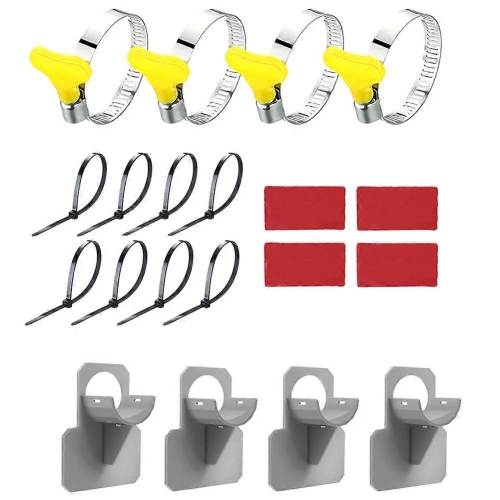
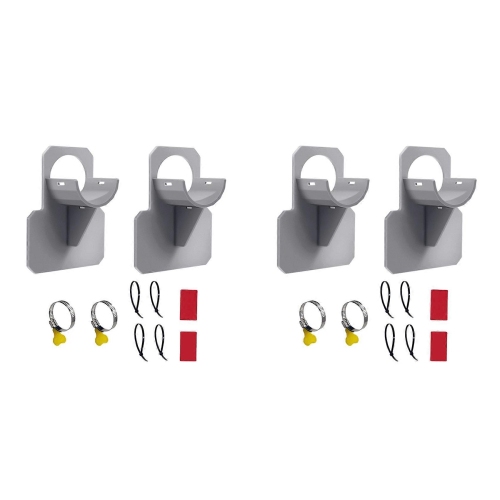
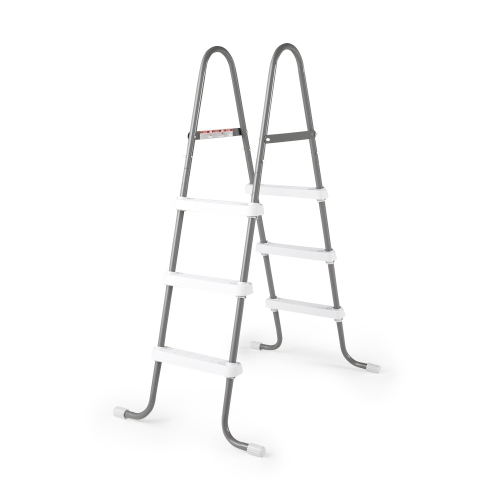
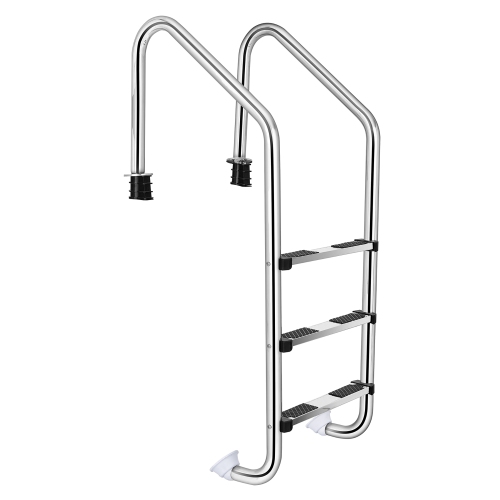
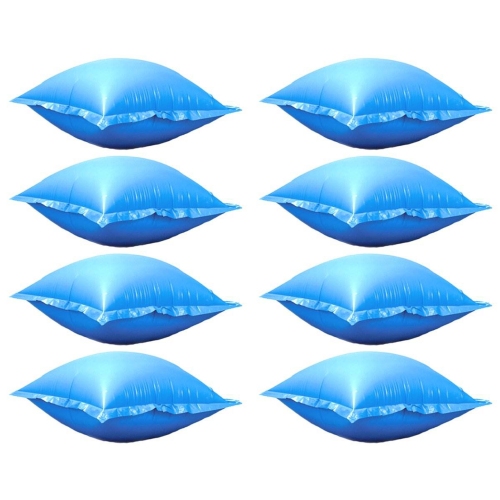
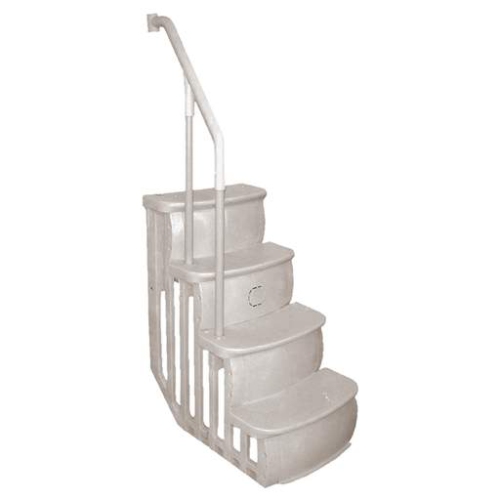
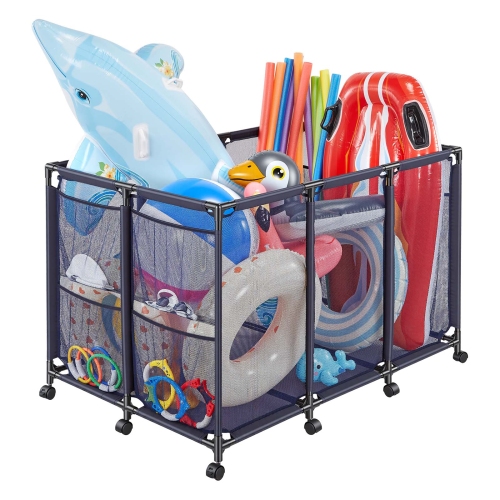
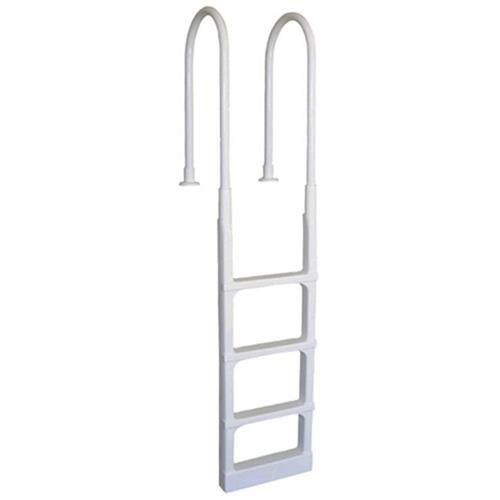
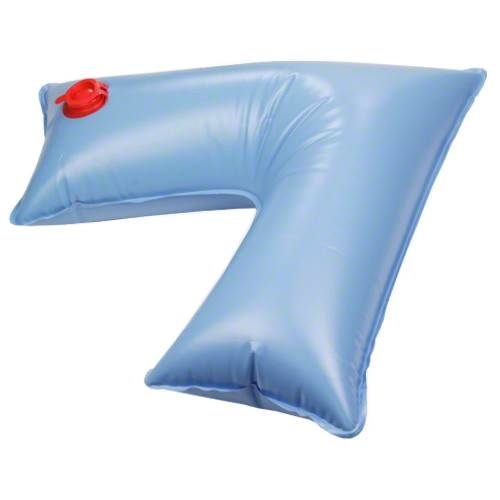
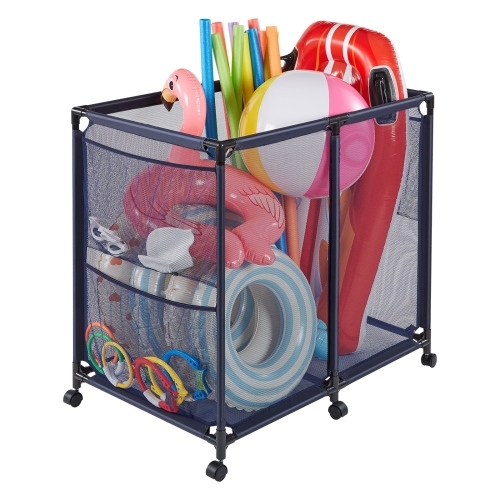
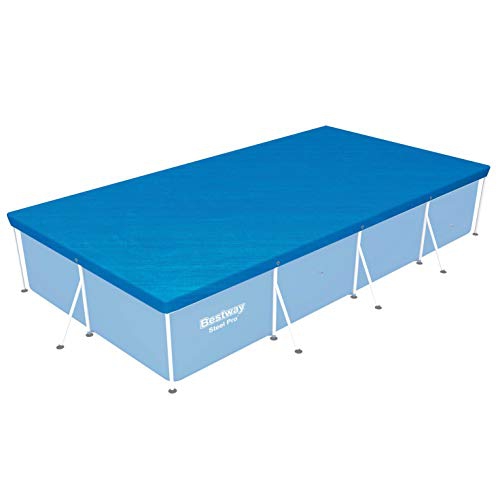
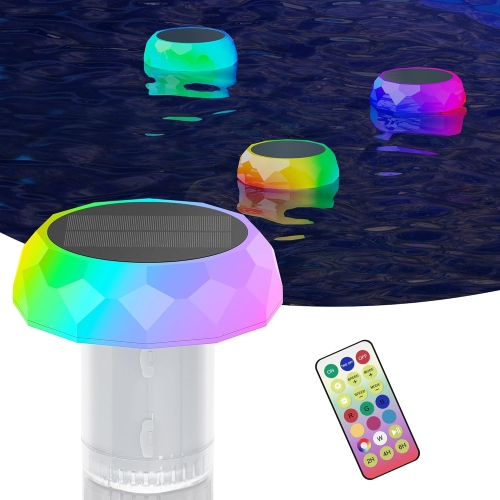
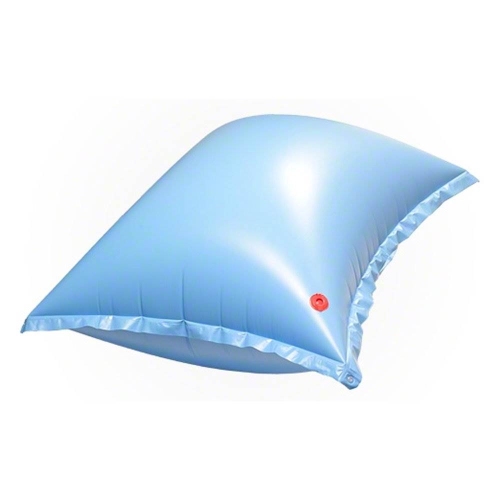
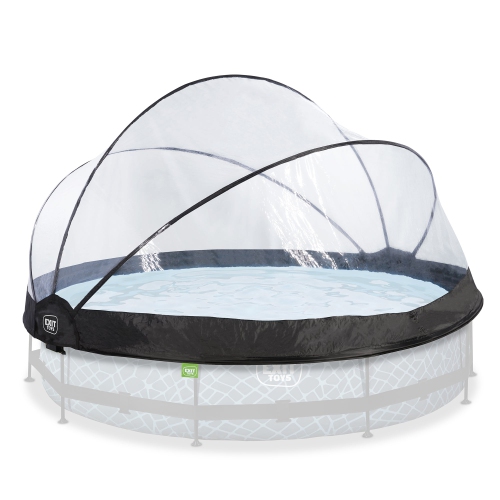
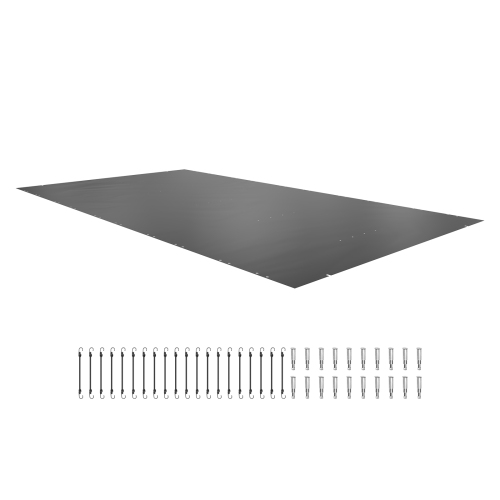
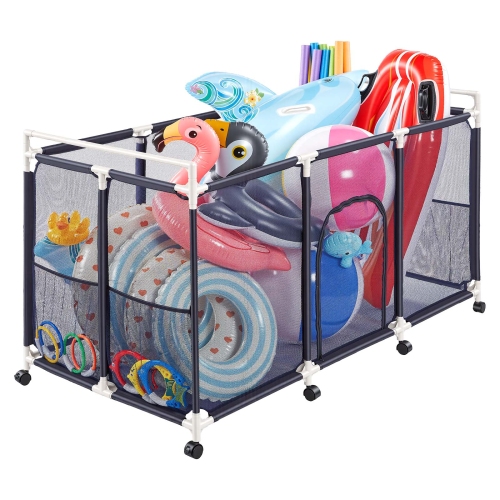
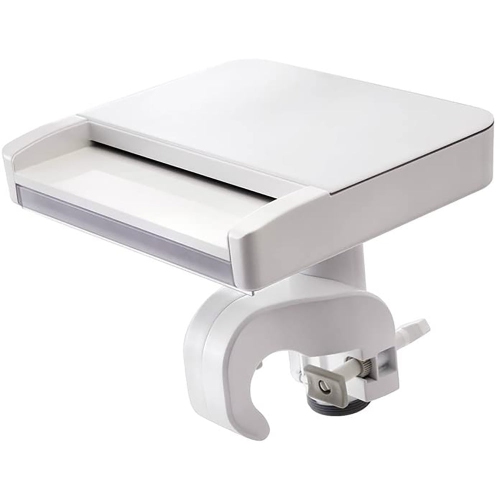
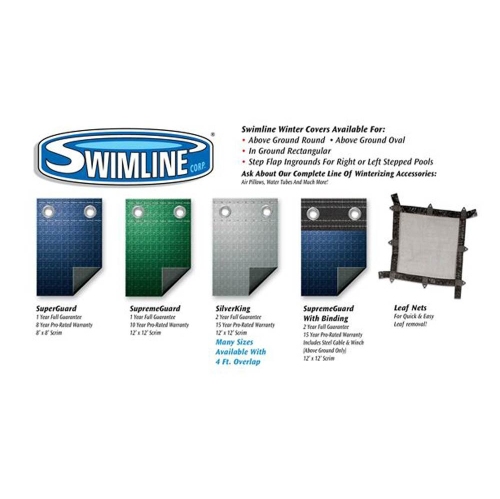
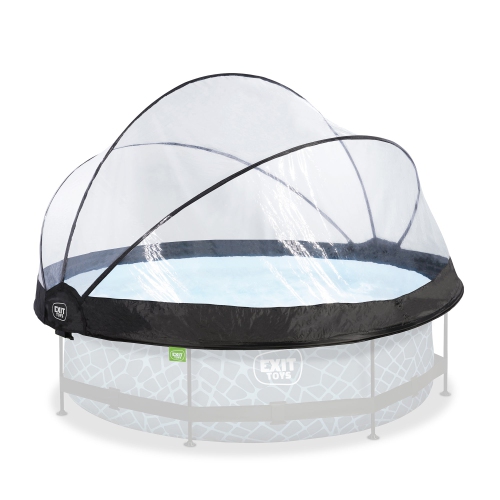
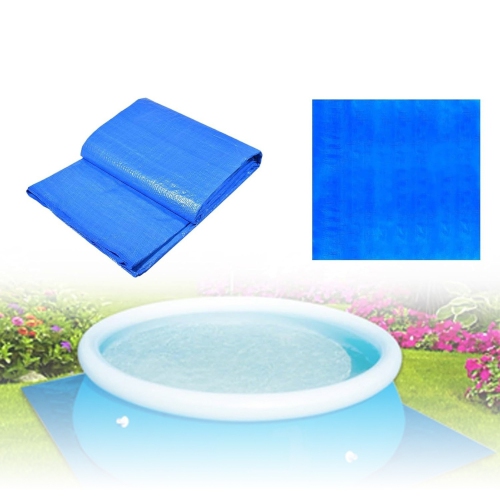
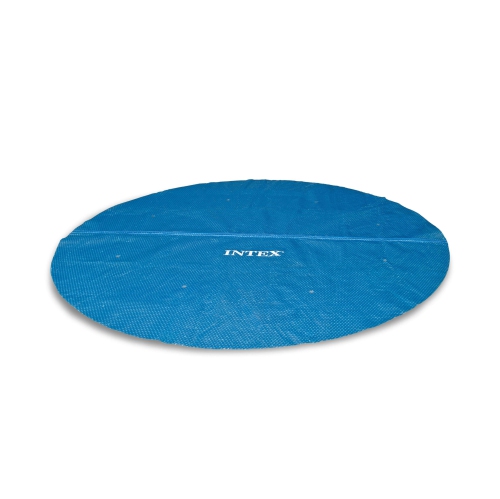
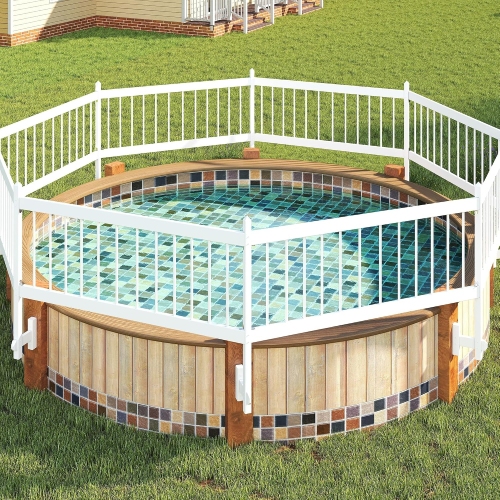
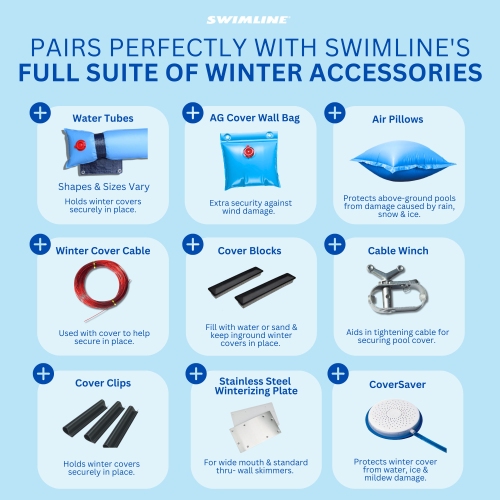
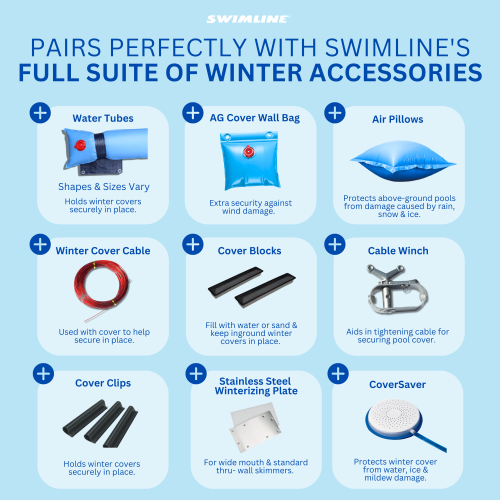
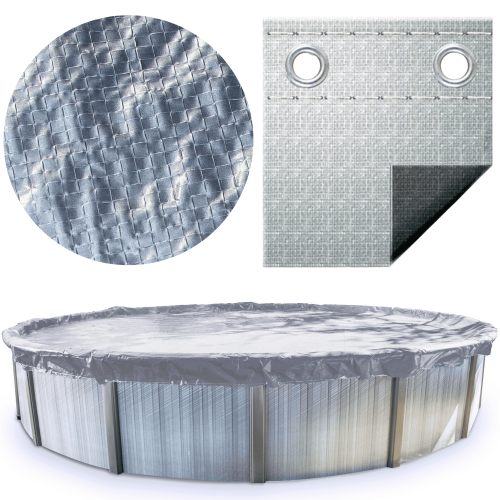
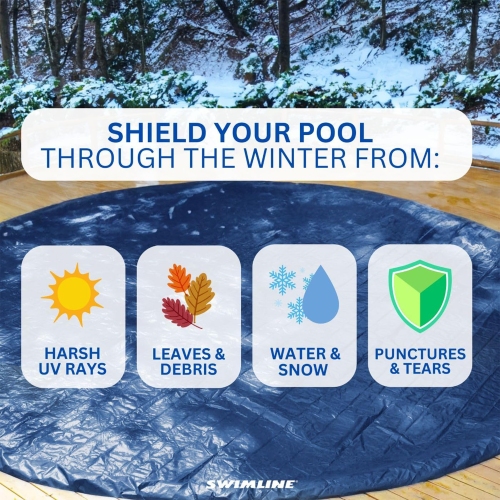
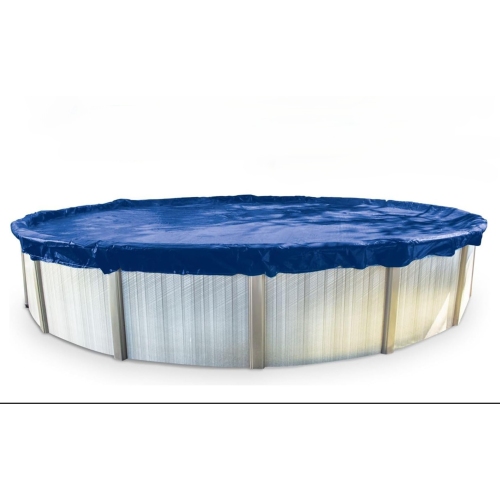
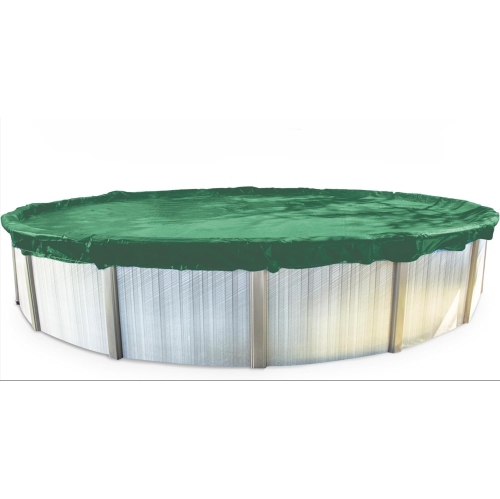
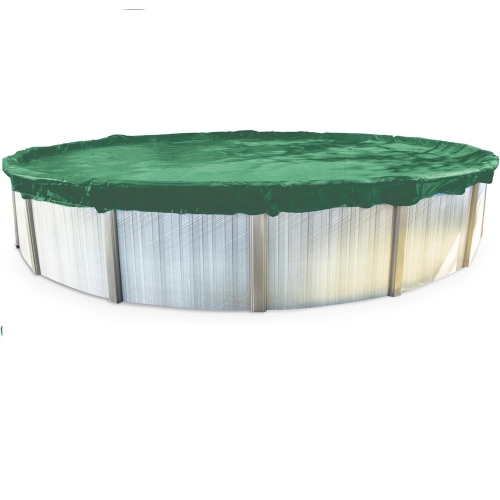
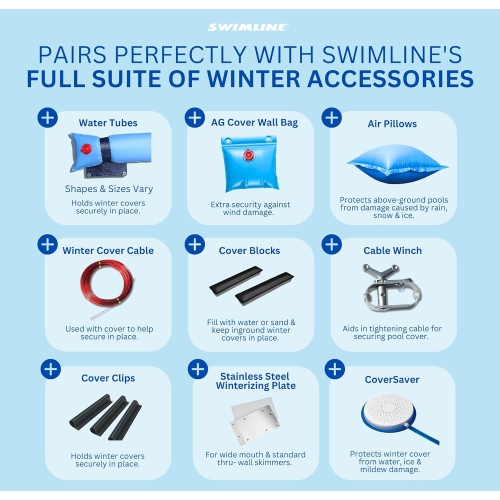
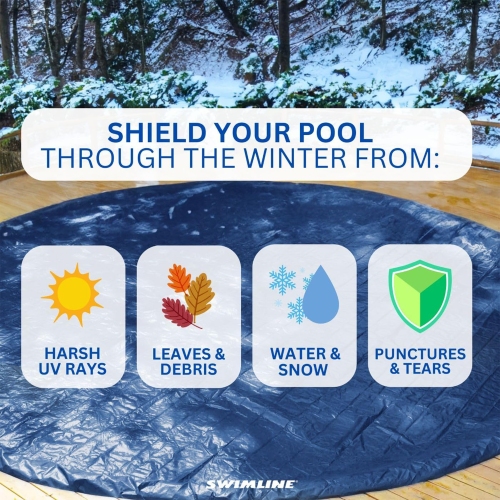
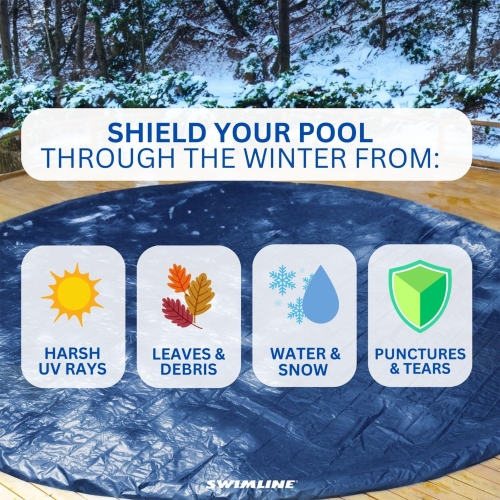
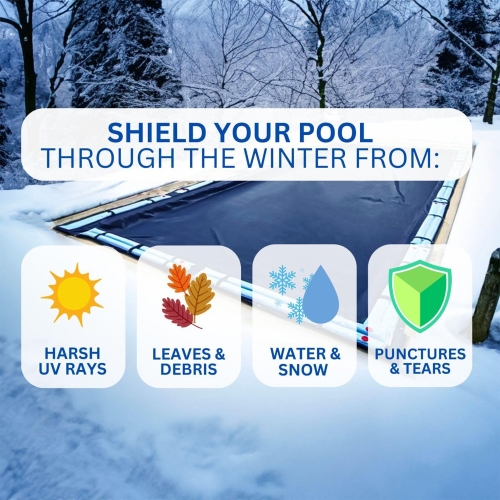
Pool covers, ladders, barriers, and equipment storage address the less playful but equally important side of pool ownership. Cover dimensions need to account for the pool’s actual shape and the manufacturer’s specified overlap or attachment method, rather than relying only on a general pool size. Floating covers can help reduce evaporation and heat loss, while debris covers are designed to keep unwanted material out; neither should be assumed to support a person or prevent access. A safety cover is a separate category with specific installation and anchoring requirements, and its suitability depends on the pool and surrounding structure. Cover reels can make handling a large cover more manageable, particularly when one person is rolling it up, but reel width, mounting style, and cover compatibility need to match. Ladders and steps require similarly careful sizing, including pool wall height, water depth, mounting points, and user weight limits. Tread shape, handrail position, and materials suitable for regular contact with treated pool water influence both comfort and longevity. Entry equipment must be installed and secured according to its instructions, and barriers and gates must meet applicable local requirements. No accessory replaces supervision or a clear approach to preventing unsupervised access. Lighting and decorative water features also need to be expressly designed for their intended location, with any electrical equipment installed and powered according to the manufacturer’s directions and applicable electrical requirements. Organization supports these larger systems by keeping hoses, poles, and nets out of walkways. Racks need a suitable mounting surface and enough capacity for the length and weight of the equipment they hold, while chemicals require separate, secure storage in their original labelled containers. After use, care routines vary by material, but rinsing compatible accessories with fresh water, allowing them to dry fully, and checking seams, fasteners, and fittings can help reveal wear before the next swim. Storage away from sharp edges and damaging exposure helps protect soft materials and moving parts. Accessories that fit the pool, suit its users, and are straightforward to maintain make the whole space easier to care for and enjoy.
Top selling and popular products
-
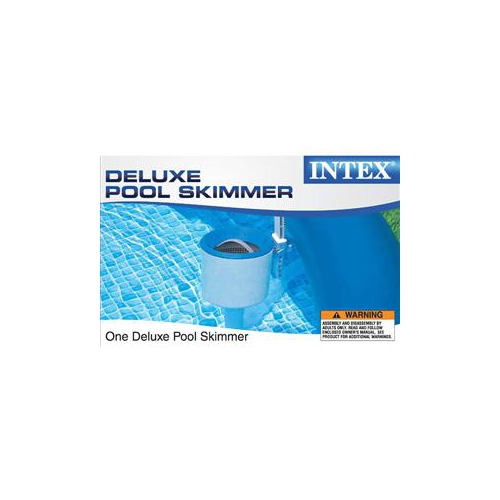 Your price for this item is $29.99
-
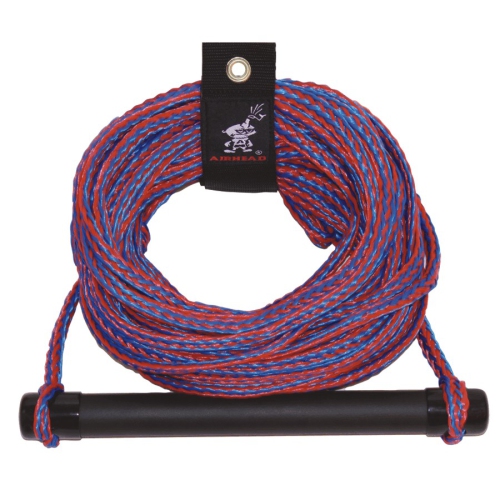 Your price for this item is $40.66
-
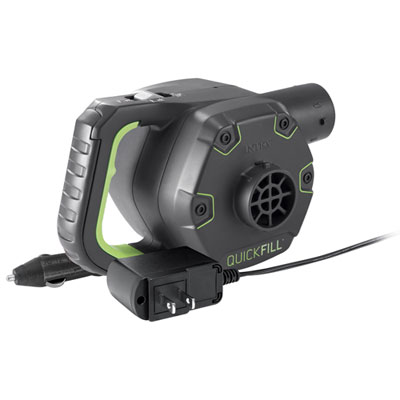 Your price for this item is $52.98
-
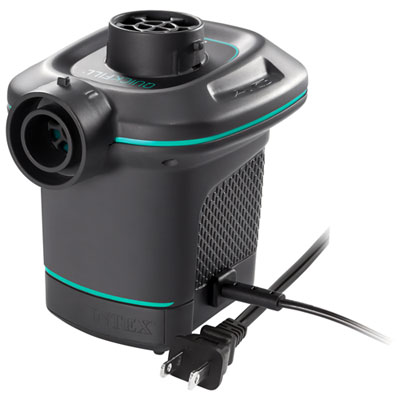 Your price for this item is $19.08
-
 Your price for this item is $346.99
-
 Your price for this item is $44.95
-
 Your price for this item is $90.99
-
 Your price for this item is $595.99
Discover more categories related to Swimming Pool Accessories


Top Collections:
Pokemon Centers, Kindle Devices, Best Cameras for Sports Photography, Pokémon 30th Celebration Cards, Apple iPhones 16, Canon G7X Cameras, iPhone 15 Apple, Flip Phones, Samsung Galaxy Phones, Alarm Clock
Some products may be subject to Environmental Handling Fees
(EHF) depending on your province.
Learn more about EHFs.