Fitted Sheets Queen
Upgrade your bedding with our selection of high-quality fitted sheets in queen size. Crafted for a perfect fit, these sheets are designed to provide comfort and style for your bedroom. Choose from a variety of colors and materials to suit your personal taste and enhance your sleeping experience. Whether you prefer cozy cotton or silky soft microfiber, our fitted sheets offer a luxurious touch to any queen-sized mattress. Explore our collection today and elevate the look and feel of your bed effortlessly.
Sort


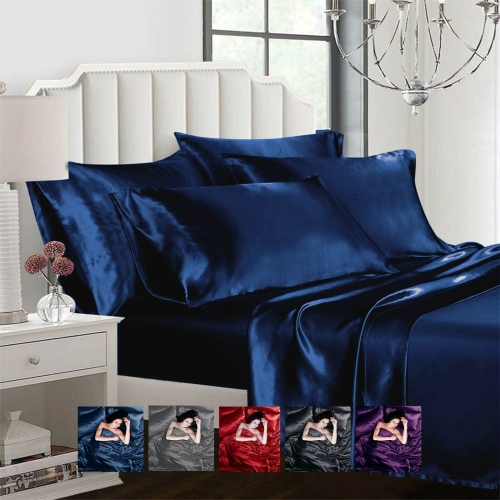
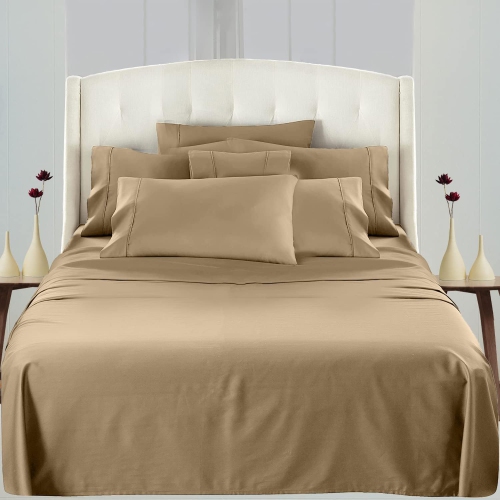

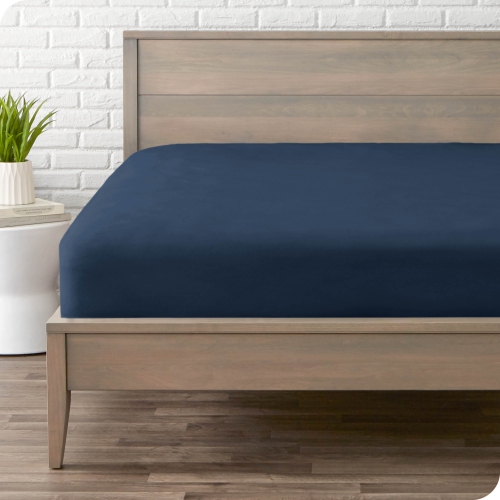

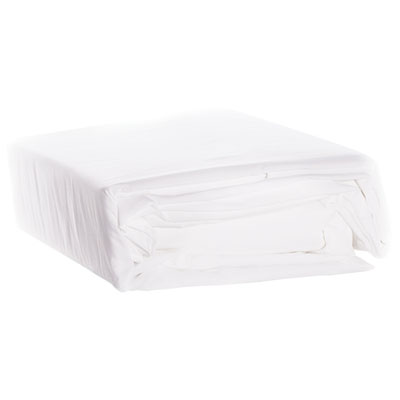

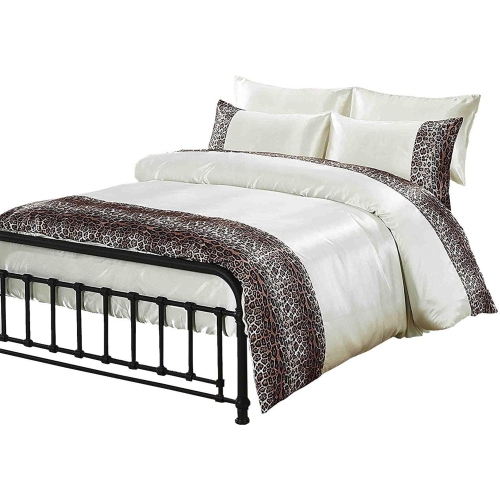
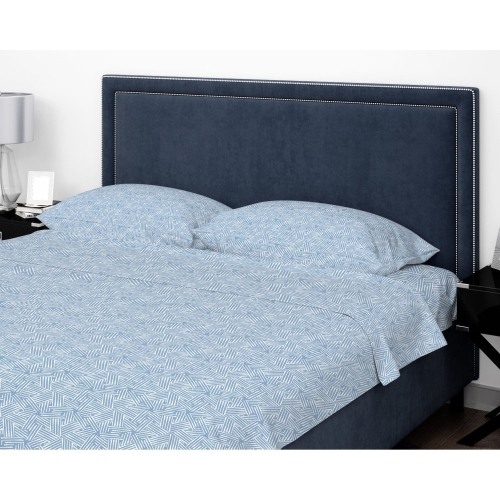
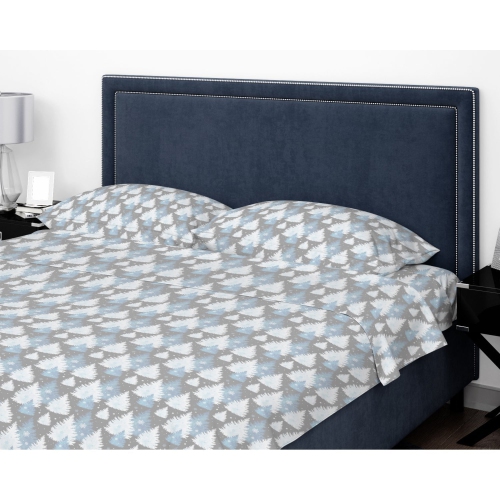
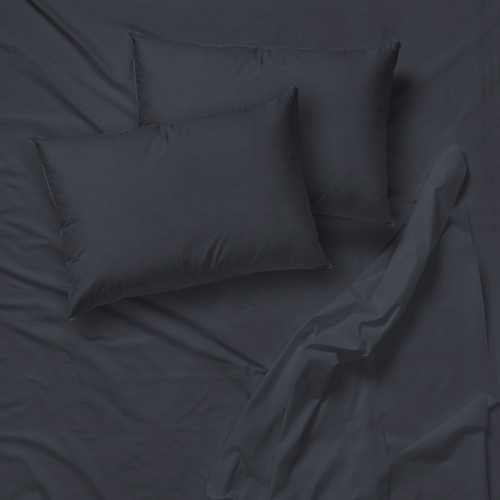
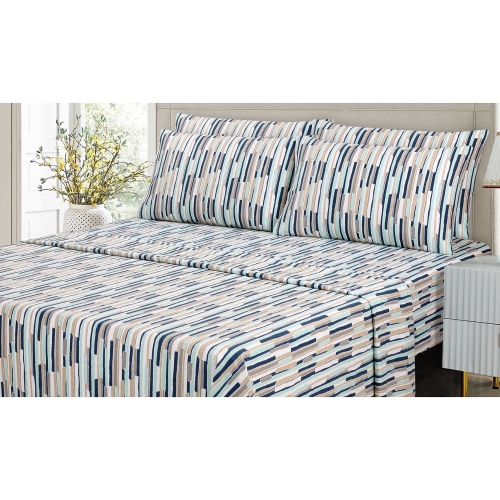
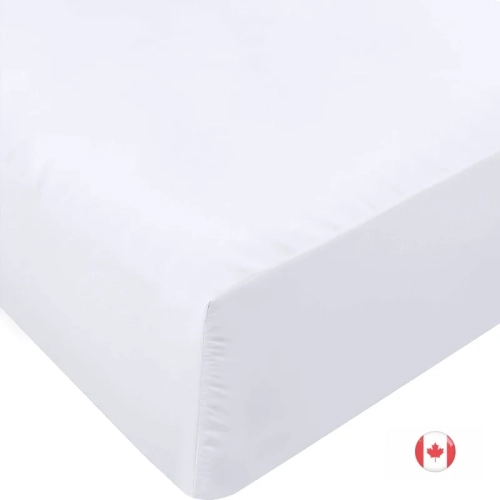
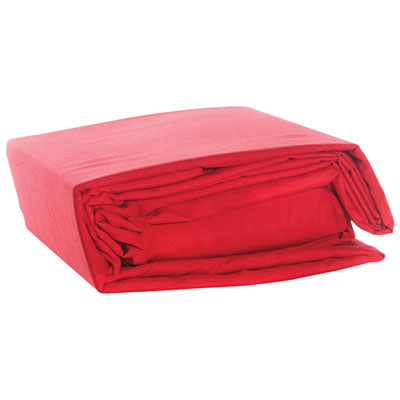
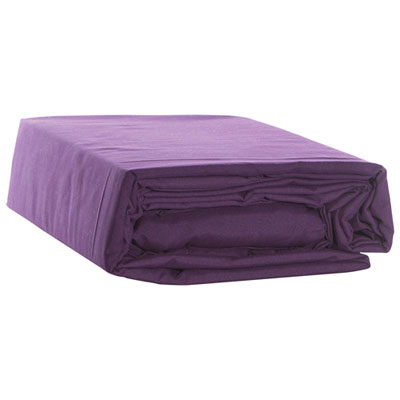
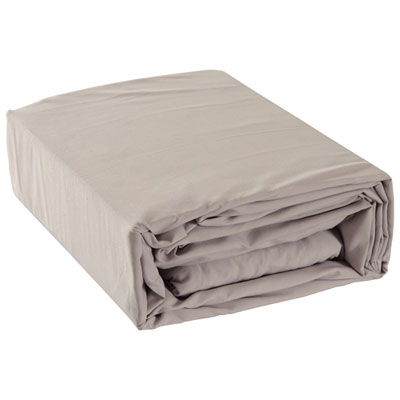
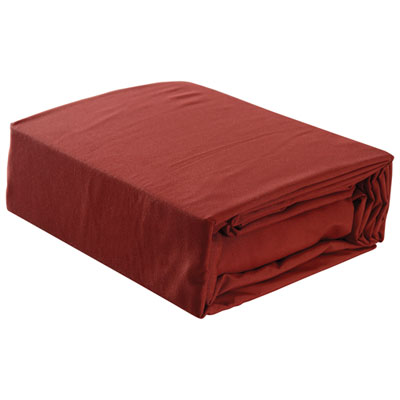
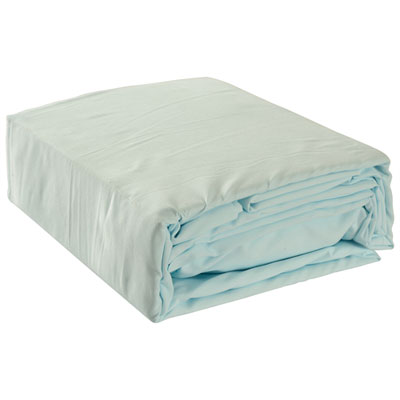
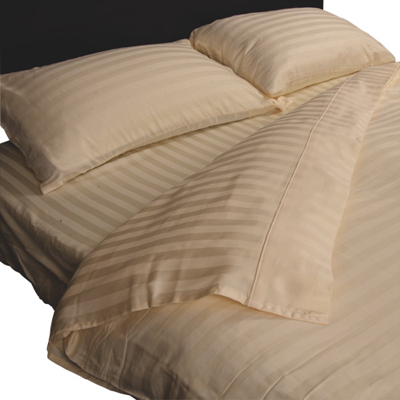






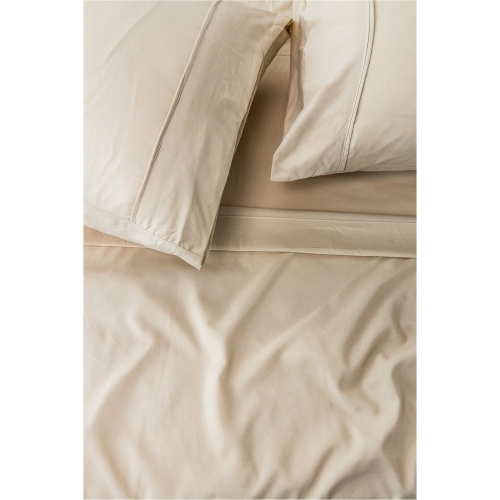
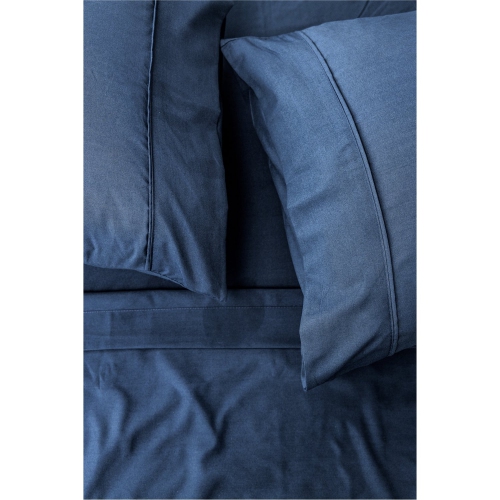
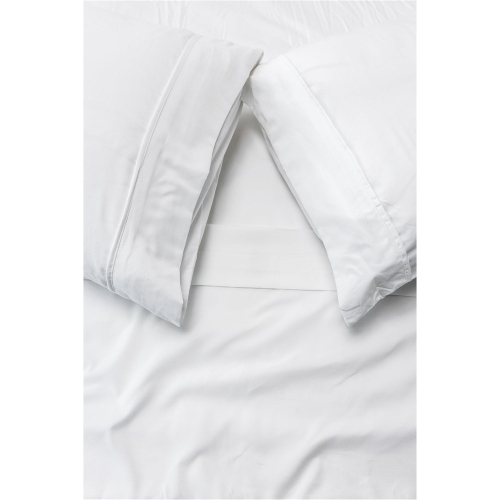
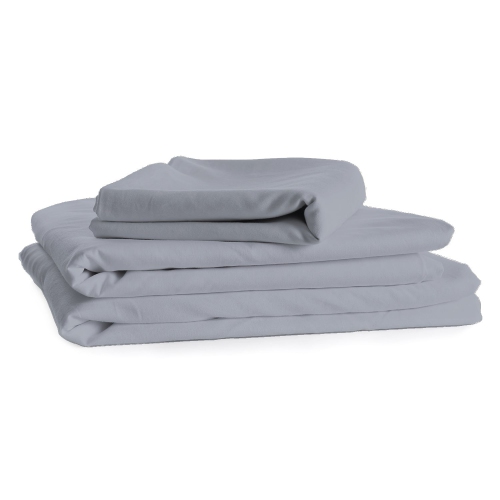
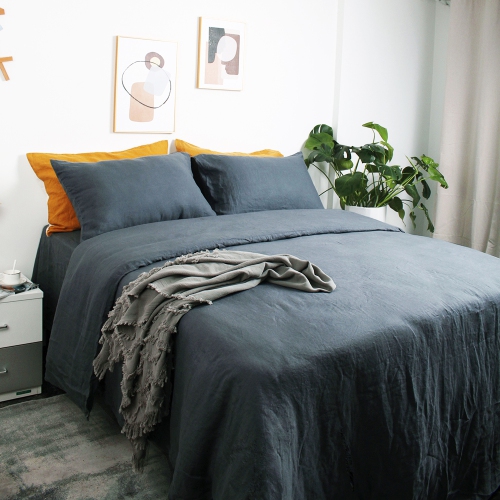
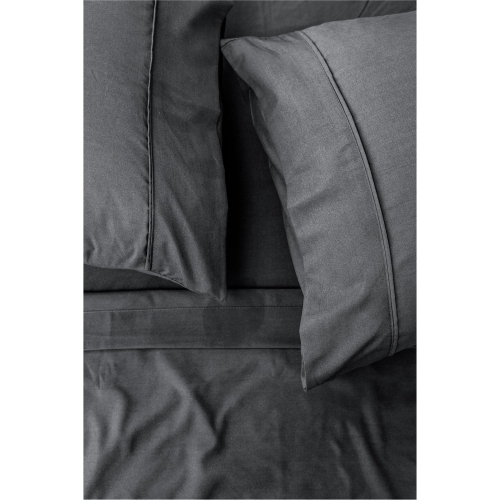
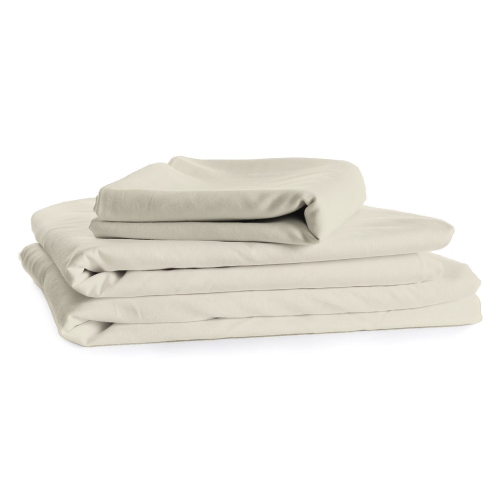
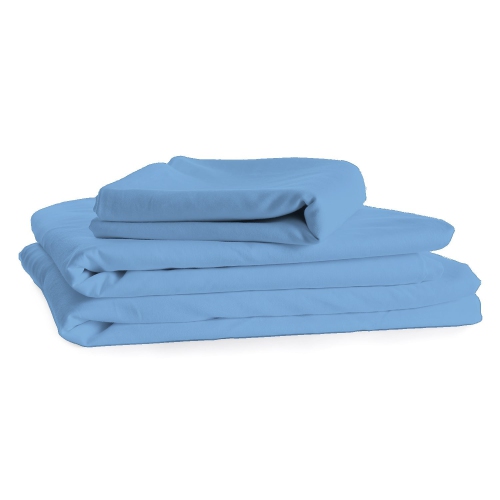
Why mattress depth matters for a snug sheet fit
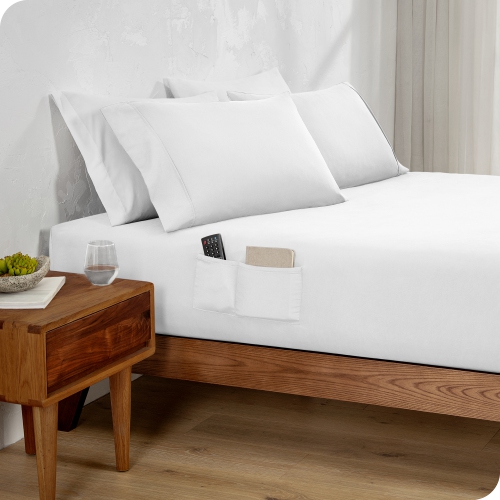
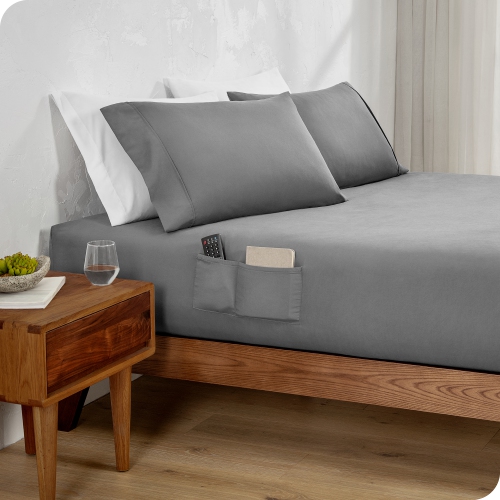
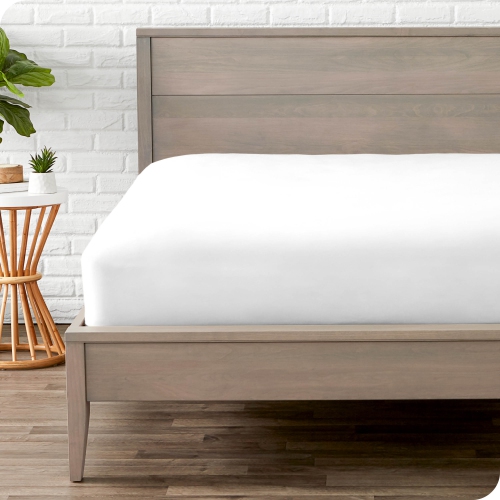
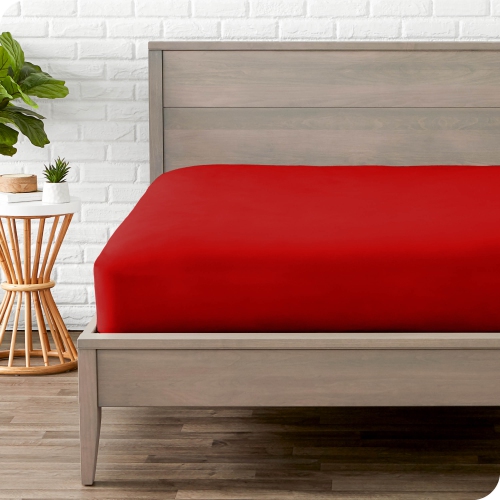
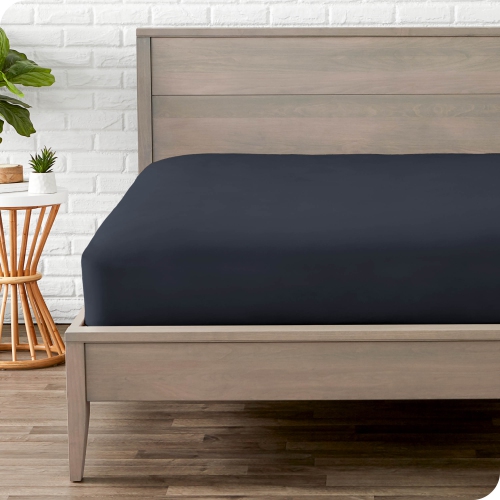
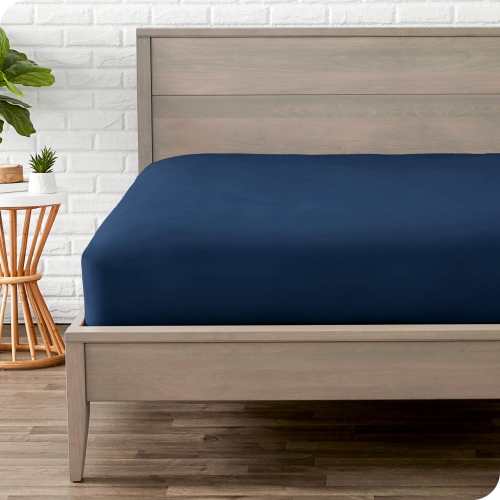
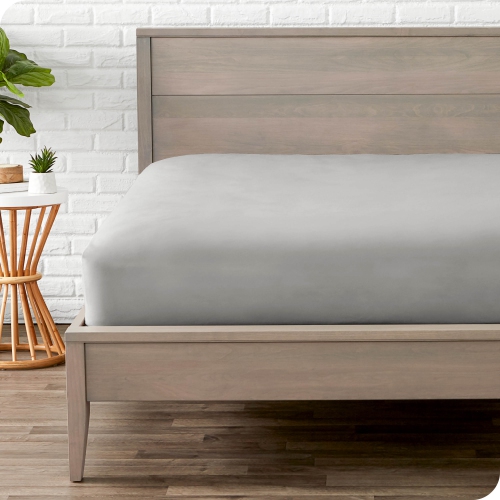
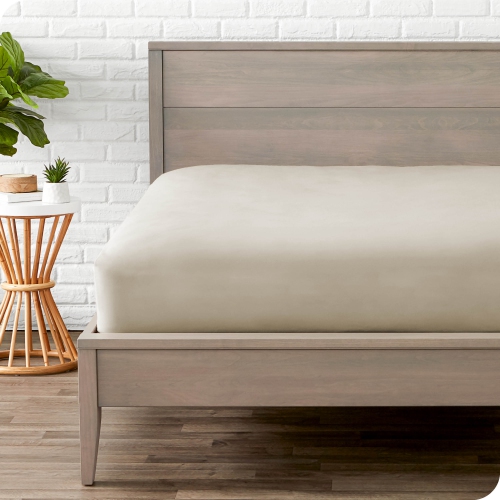
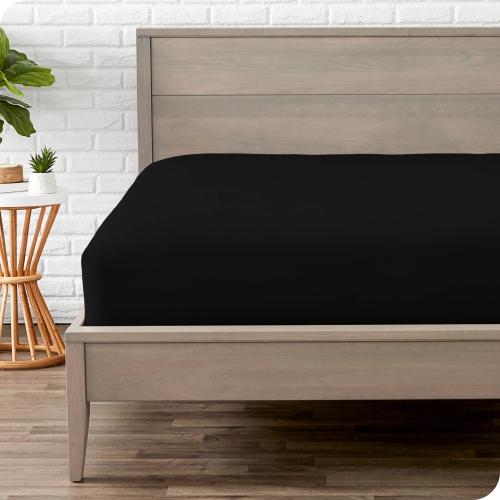
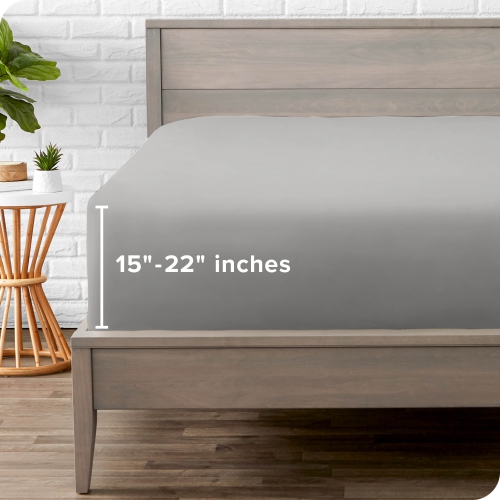
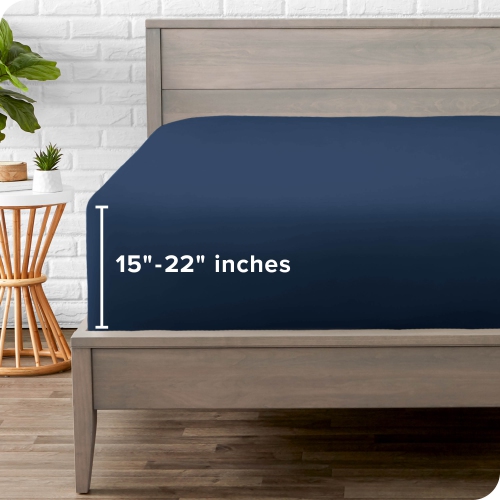
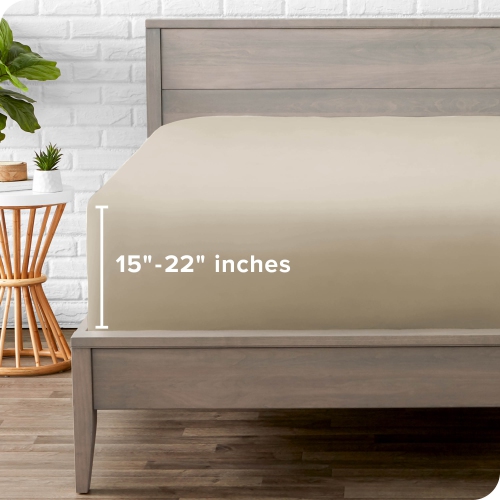
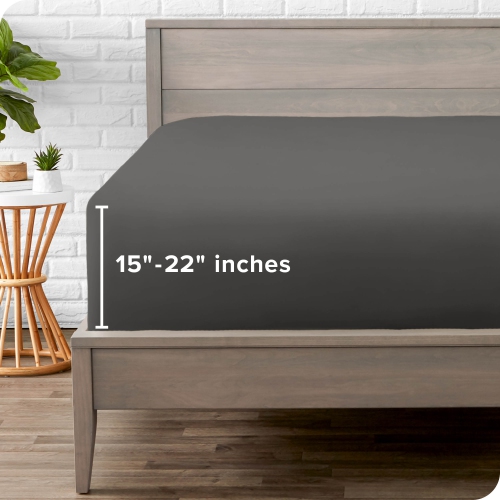
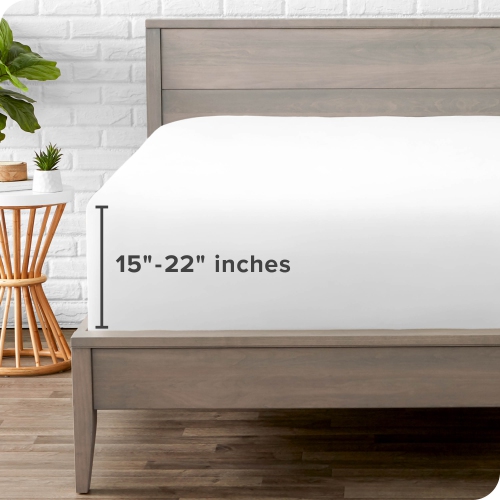
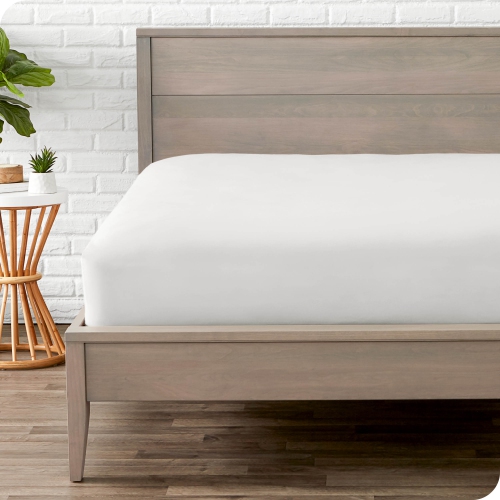
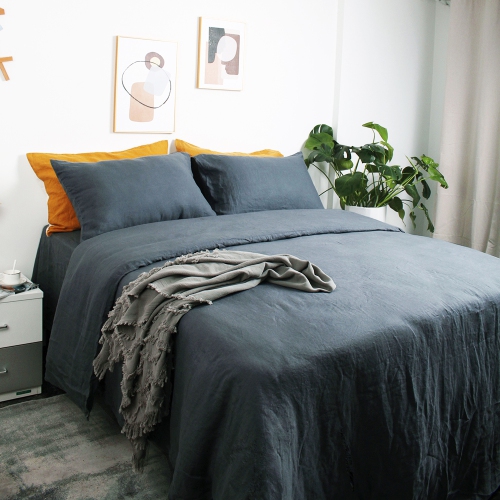
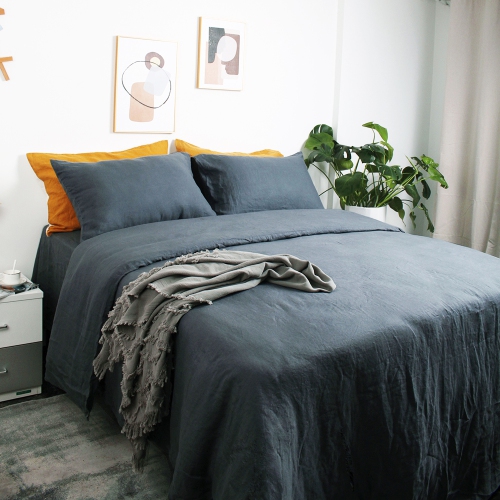
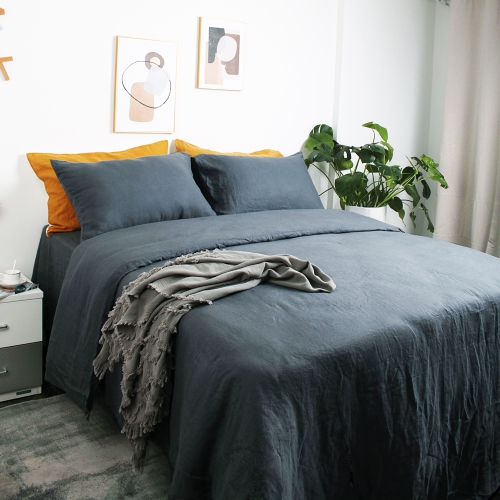
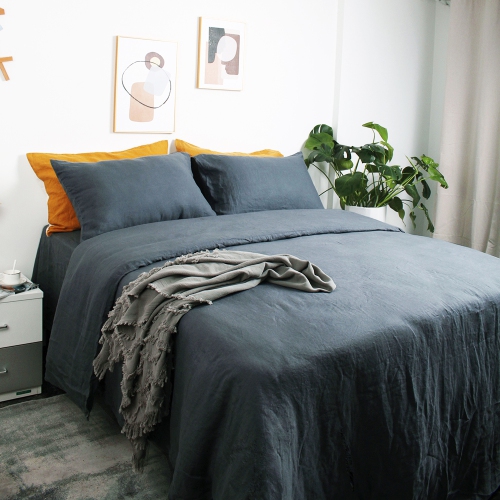
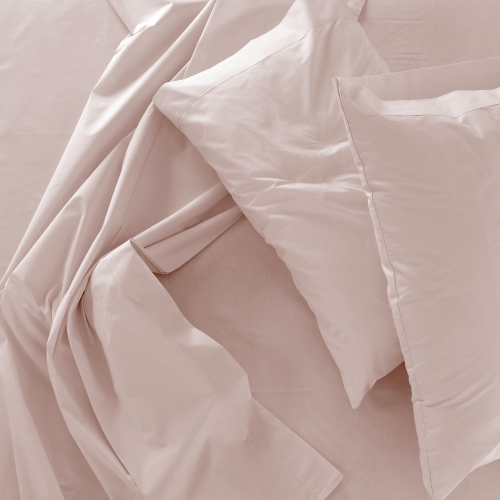
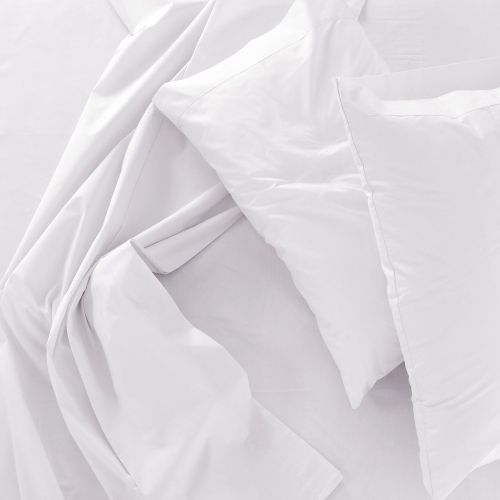
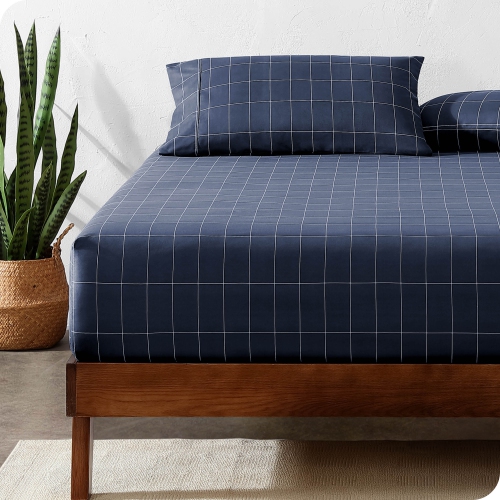
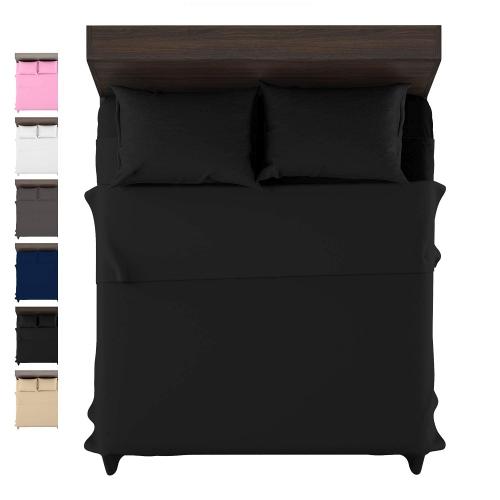
Queen fitted sheets cover the top and sides of a queen mattress, with elasticated edges that tuck underneath to help keep the fabric in place. A standard queen mattress measures approximately 60 by 80 inches, or 152 by 203 centimetres, but mattress depth varies considerably. That depth is just as important as the length and width when choosing a sheet that stays neatly tucked through a full night’s sleep. A slim mattress needs less fabric at the corners than a thick pillow-top mattress, and an added topper can increase the depth enough to change the fit. Measuring from the bottom edge of the mattress to the highest point of the sleeping surface, including any topper that will sit beneath the sheet, gives a useful starting point. Pocket depth describes the depth of the sheet’s sewn corners, though the stated maximum mattress depth is usually the clearest indication of compatibility. Standard-pocket sheets often suit mattresses around 10 to 12 inches deep, while deep-pocket styles may accommodate depths of 14 to 16 inches or more. These terms are not standardized, so the measurements on the packaging matter more than the pocket label alone. Too little depth can leave corners pulling loose when someone turns over; too much can leave folds beneath the sleeper unless the elastic takes up the excess fabric. Full-perimeter elastic helps distribute tension around the mattress, while well-sewn corner seams support a tidy fit at the edges. Queen and full sheets are not interchangeable, and an Olympic queen or another specialty size requires its own measurements. For a main bedroom, a guest room, or a queen-size bed in a first apartment, the right fitted sheet provides a smooth foundation for the rest of the bedding. The broader Fitted Sheets collection also provides a useful starting point when coordinating bedding for beds of different sizes throughout the home.
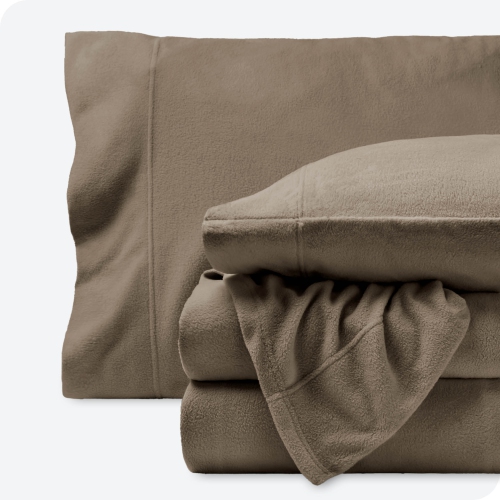
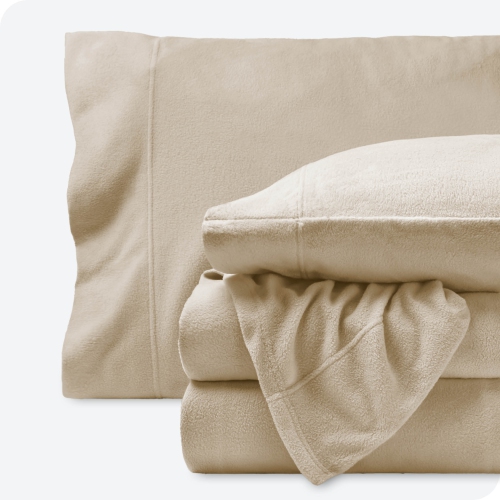
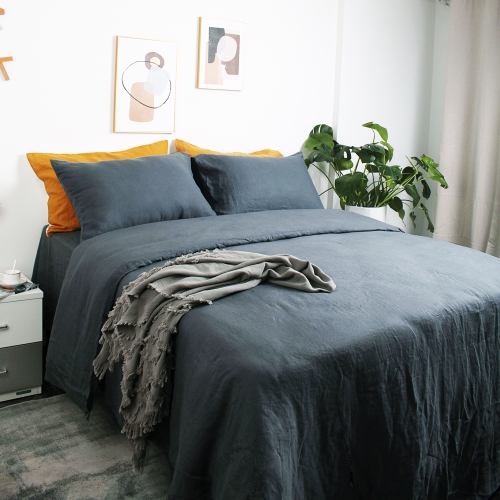
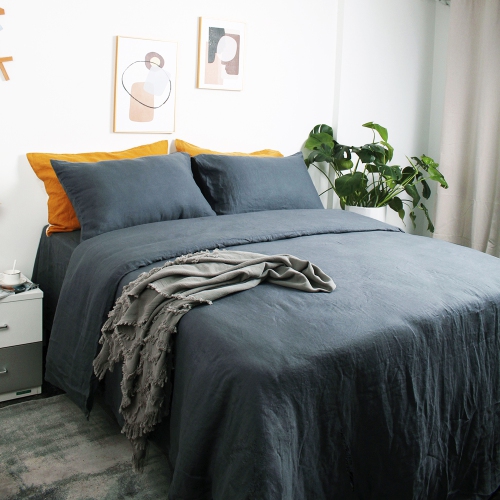
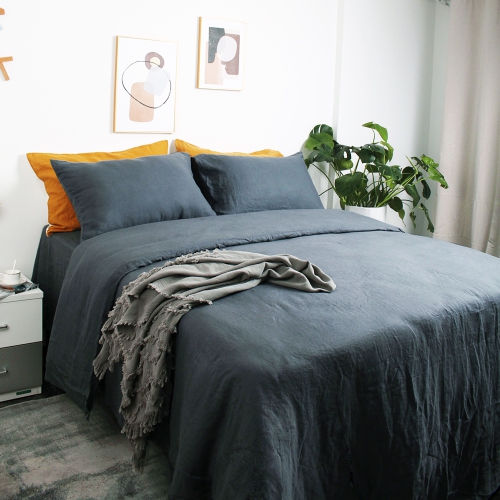
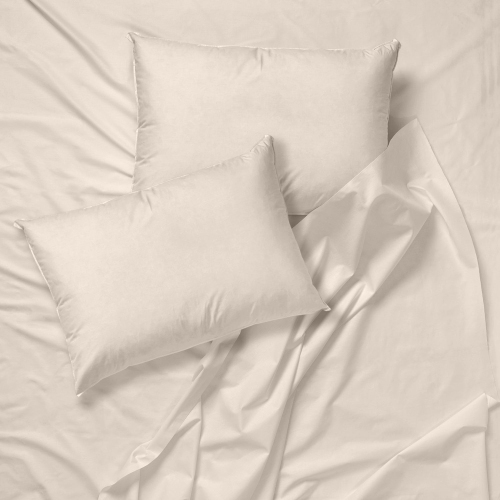
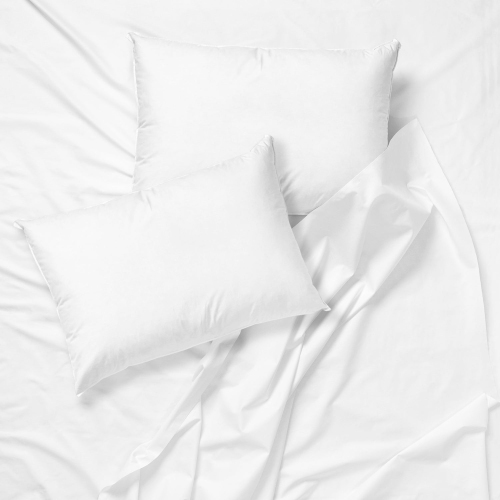
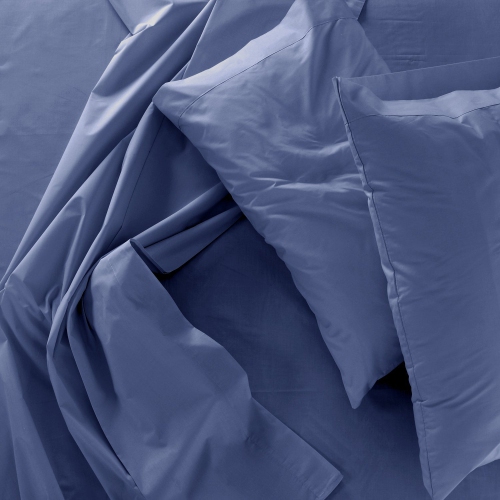
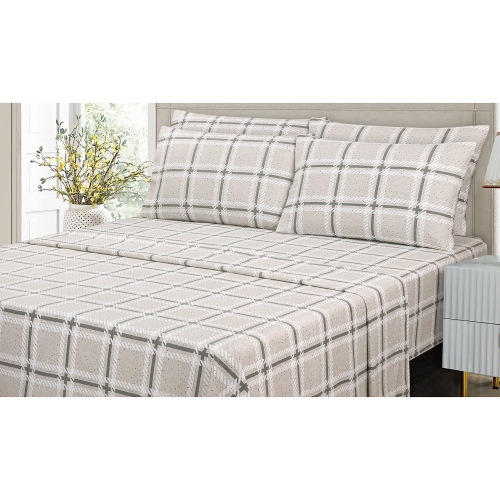
Fabric gives queen fitted sheets much of their character, from the crisp feel of woven cotton to the relaxed stretch of jersey. Cotton is a familiar choice for everyday bedding because it absorbs moisture, allows air to circulate, and can soften with repeated washing. The weave makes a noticeable difference: cotton percale typically has a matte finish and a light, crisp hand, while cotton sateen feels smoother and has a subtle sheen. Neither finish is inherently better; someone who likes the feel of a freshly pressed shirt may enjoy percale, while someone who prefers fabric that drapes softly against the skin may lean towards sateen. Thread count can describe the density of a woven fabric, but it does not establish quality on its own. Fibre quality, yarn construction, finishing, and stitching all contribute to how a sheet feels and wears. Microfibre, commonly made from polyester, offers a fine, smooth texture and generally resists wrinkles, making it a practical option when bedding needs to go from the dryer to the bed with little fuss. Cotton-polyester blends combine characteristics of both fibres, although the proportions influence absorbency, softness, and care requirements. Linen has a more textured surface and a naturally relaxed appearance, with creasing that remains part of its look rather than a flaw to eliminate. Jersey is knitted rather than woven, giving it a T-shirt-like feel and some flexibility as the mattress moves beneath it. Sheets labelled as bamboo are often made from rayon or viscose derived from bamboo; the fibre label gives a clearer picture of their composition than the name alone. For anyone sensitive to texture, details such as a brushed finish, prominent seams, or a silky surface may matter more than a high thread count. Colour and pattern also shape the finished bed. White or cream creates a simple backdrop, muted shades blend easily with patterned duvet covers, and deeper colours can provide contrast beneath a pale quilt. A fitted sheet can coordinate with existing pillowcases without needing to match every layer exactly.
Care and construction help determine how well a queen fitted sheet holds its shape through everyday use. Bedding is repeatedly stretched over corners, rubbed against sleepwear, and washed, so secure stitching and resilient elastic are worth attention alongside softness. Even seams without loose threads or puckering are useful signs of careful construction, although long-term wear also depends on the fabric and laundering routine. Pilling can occur when loose fibres tangle on the surface; washing sheets separately from towels, clothing with zips, and other rough fabrics can reduce unnecessary friction. The care label should set the washing and drying routine, since cotton, linen, microfibre, and blended fabrics do not all respond the same way. Excessive dryer heat can contribute to shrinkage or weaken elastic, while leaving sheets tightly bundled during drying can result in damp folds. Giving the fabric room to move and checking that the corners are fully dry helps keep the sheet ready for use. Prompt removal from the dryer can reduce creasing, particularly when the sheet is folded or placed on the mattress straight away. Washing before first use removes handling residue and lets the fabric settle into its usual feel. Having an extra queen fitted sheet makes laundry day easier, especially in a household where a bed needs fresh bedding before the previous load is dry. It also allows a worn bottom sheet to be replaced without changing a favourite duvet cover or a complete set of pillowcases. For a guest bed, straightforward care and a dependable fit can be more useful than an elaborate finish. For everyday use, the preferred texture and resistance to shifting deserve equal attention. A fitted sheet can also be a thoughtful housewarming gift when the recipient’s mattress size, depth, and fabric preferences are known. Whether the bed is shared, used by one sleeper, or prepared for visiting family, the most useful combination is simple: accurate queen dimensions, enough pocket depth, a comfortable fabric, and a care routine that fits the household.
Fabric gives queen fitted sheets much of their character, from the crisp feel of woven cotton to the relaxed stretch of jersey. Cotton is a familiar choice for everyday bedding because it absorbs moisture, allows air to circulate, and can soften with repeated washing. The weave makes a noticeable difference: cotton percale typically has a matte finish and a light, crisp hand, while cotton sateen feels smoother and has a subtle sheen. Neither finish is inherently better; someone who likes the feel of a freshly pressed shirt may enjoy percale, while someone who prefers fabric that drapes softly against the skin may lean towards sateen. Thread count can describe the density of a woven fabric, but it does not establish quality on its own. Fibre quality, yarn construction, finishing, and stitching all contribute to how a sheet feels and wears. Microfibre, commonly made from polyester, offers a fine, smooth texture and generally resists wrinkles, making it a practical option when bedding needs to go from the dryer to the bed with little fuss. Cotton-polyester blends combine characteristics of both fibres, although the proportions influence absorbency, softness, and care requirements. Linen has a more textured surface and a naturally relaxed appearance, with creasing that remains part of its look rather than a flaw to eliminate. Jersey is knitted rather than woven, giving it a T-shirt-like feel and some flexibility as the mattress moves beneath it. Sheets labelled as bamboo are often made from rayon or viscose derived from bamboo; the fibre label gives a clearer picture of their composition than the name alone. For anyone sensitive to texture, details such as a brushed finish, prominent seams, or a silky surface may matter more than a high thread count. Colour and pattern also shape the finished bed. White or cream creates a simple backdrop, muted shades blend easily with patterned duvet covers, and deeper colours can provide contrast beneath a pale quilt. A fitted sheet can coordinate with existing pillowcases without needing to match every layer exactly.
Care and construction help determine how well a queen fitted sheet holds its shape through everyday use. Bedding is repeatedly stretched over corners, rubbed against sleepwear, and washed, so secure stitching and resilient elastic are worth attention alongside softness. Even seams without loose threads or puckering are useful signs of careful construction, although long-term wear also depends on the fabric and laundering routine. Pilling can occur when loose fibres tangle on the surface; washing sheets separately from towels, clothing with zips, and other rough fabrics can reduce unnecessary friction. The care label should set the washing and drying routine, since cotton, linen, microfibre, and blended fabrics do not all respond the same way. Excessive dryer heat can contribute to shrinkage or weaken elastic, while leaving sheets tightly bundled during drying can result in damp folds. Giving the fabric room to move and checking that the corners are fully dry helps keep the sheet ready for use. Prompt removal from the dryer can reduce creasing, particularly when the sheet is folded or placed on the mattress straight away. Washing before first use removes handling residue and lets the fabric settle into its usual feel. Having an extra queen fitted sheet makes laundry day easier, especially in a household where a bed needs fresh bedding before the previous load is dry. It also allows a worn bottom sheet to be replaced without changing a favourite duvet cover or a complete set of pillowcases. For a guest bed, straightforward care and a dependable fit can be more useful than an elaborate finish. For everyday use, the preferred texture and resistance to shifting deserve equal attention. A fitted sheet can also be a thoughtful housewarming gift when the recipient’s mattress size, depth, and fabric preferences are known. Whether the bed is shared, used by one sleeper, or prepared for visiting family, the most useful combination is simple: accurate queen dimensions, enough pocket depth, a comfortable fabric, and a care routine that fits the household.
Top selling and popular products
-
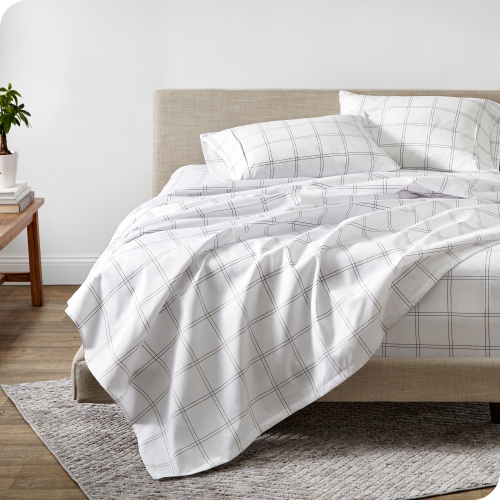 Your price for this item is $95.99
 -
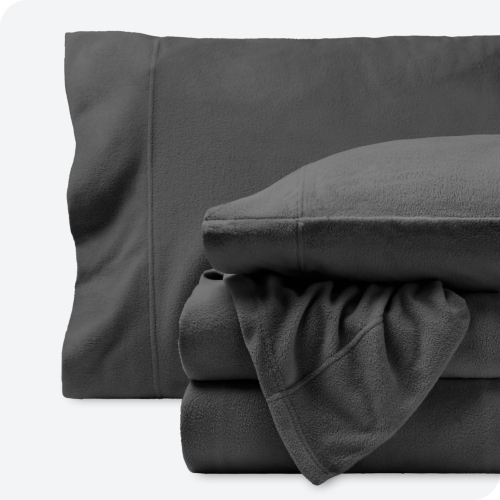 Your price for this item is $122.99
 -
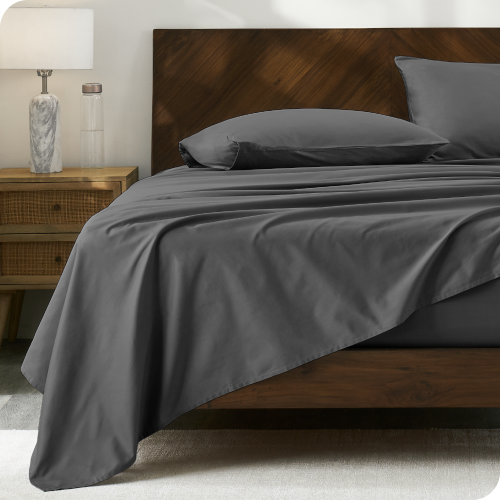 Your price for this item is $156.99
 -
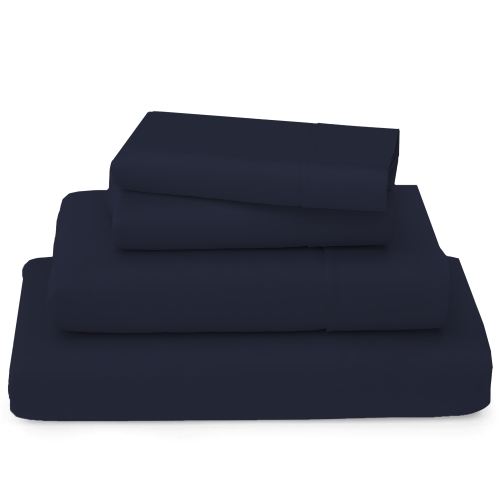 Your price for this item is $34.99
 -
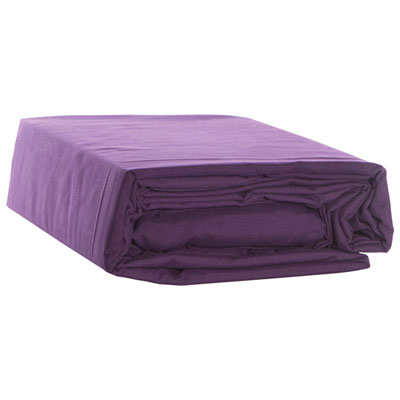 Your price for this item is $80.98
 -
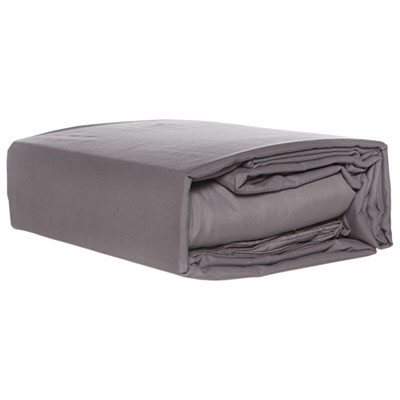 Your price for this item is $99.99
 -
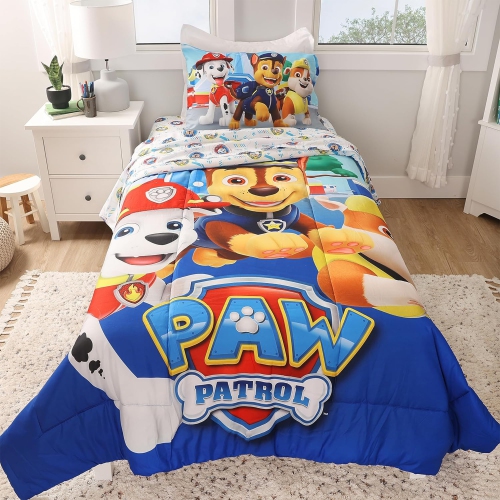 Your price for this item is $80.99
 -
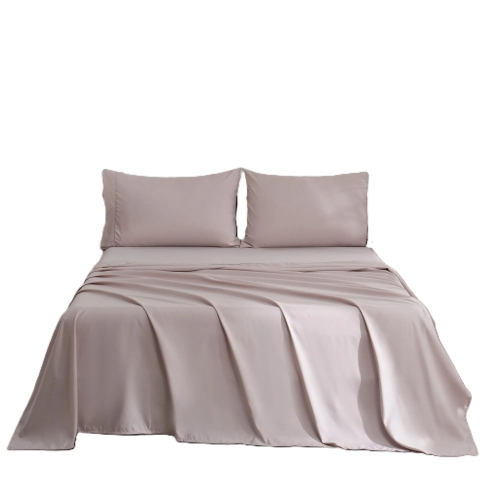 Your price for this item is $270
Discover more categories related to Fitted Sheets Queen
Top Collections:
Pokemon Centers, Kindle Devices, Best Budget Office Chairs, Apple iPhones 16, Best Laptops for Writers, iPhone 15 Apple, Canon G7X Cameras, Refurbished Apple Laptops, Alarm Clock, Motorola Razr Phones
Some products may be subject to Environmental Handling Fees
(EHF) depending on your province.
Learn more about EHFs.