Floating Shelves for Kitchen
Floating shelves for kitchen spaces offer a stylish and practical way to maximize storage while elevating your home’s décor. Whether you’re looking to display your favourite dishware, keep cooking essentials within easy reach, or add a modern touch to your kitchen, these versatile shelving options can help you achieve a clutter-free and organized environment. Discover a wide selection of floating shelves for kitchen use that seamlessly blend functionality with contemporary design, making it easy to create the perfect balance between form and function in your culinary space.
Sort
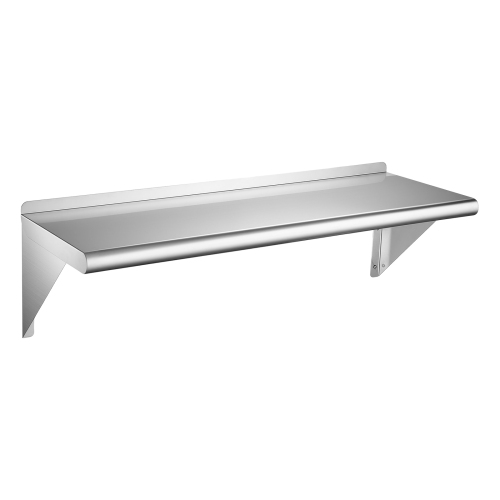
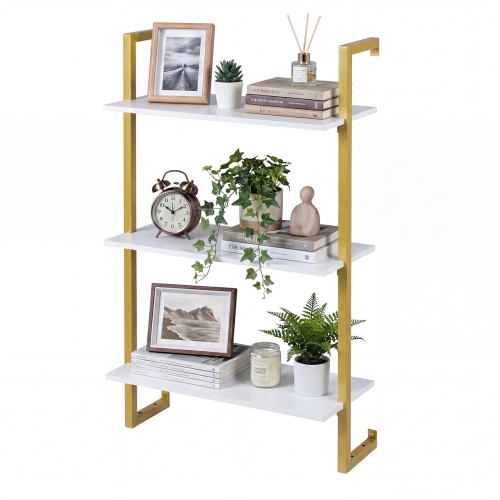
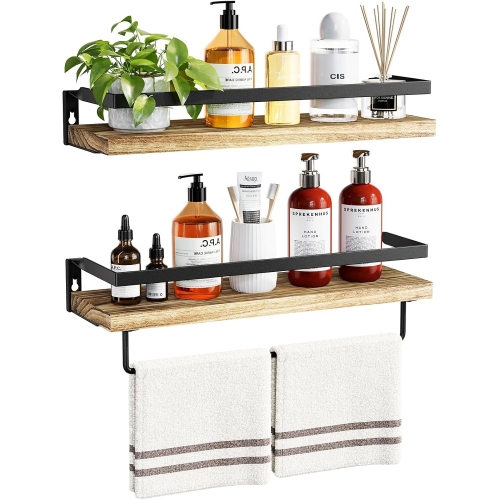

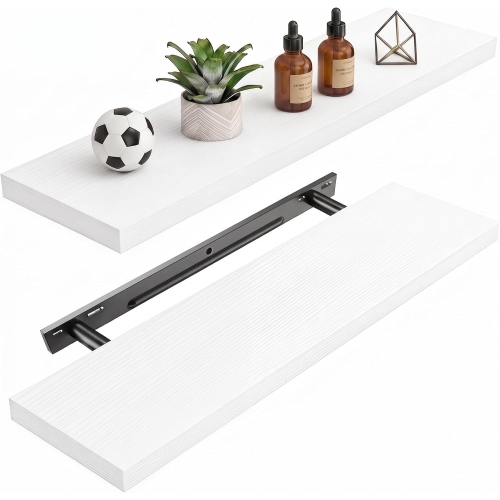


Open storage that puts everyday dishes within reach
Floating shelves for the kitchen provide open, accessible storage with concealed supports that keep the focus on the shelf and its contents. They can supplement upper cabinets, make use of a narrow wall, or bring everyday essentials closer to a preparation area. A few mugs beside a coffee maker, bowls near the breakfast counter, or neatly arranged jars above a work surface can make the kitchen feel organized without enclosing the entire wall. Unlike a closed cupboard, an open shelf leaves its contents visible, so it works especially well for frequently used pieces that are easy to reach and return to their place. Materials influence both the appearance and the practical character of kitchen floating shelves. Solid wood brings visible grain and natural variation, with lighter finishes creating a softer look and darker finishes adding contrast against pale walls. Engineered wood can provide a uniform surface and consistent colour, while its suitability for kitchen use depends on the construction, finish, and protection around edges and joints. Metal offers a streamlined appearance, although resistance to corrosion depends on the material and coating. Glass can create a lighter visual effect, but its edges, cleaning requirements, and stated load limit deserve attention. No material alone guarantees a particular weight capacity; the complete shelf construction and mounting system matter just as much. Shelf thickness also changes the overall effect. A substantial profile can balance a broad wall or complement heavier cabinetry, while a slim profile may suit a compact kitchen with simple cabinet fronts. Matching every finish is not essential: a wood shelf can soften a kitchen with painted cupboards, and a shelf that echoes a nearby worktop can connect separate parts of the room. The most useful arrangement leaves enough room for daily routines, rather than filling every open section of wall.
Shelf depth, length, spacing, and mounting requirements help determine whether floating kitchen shelves are suited to display, everyday storage, or a combination of both. A depth of about 11 to 12 inches can accommodate many dinner plates, bowls, and mugs, though the actual dimensions of the dishes should determine the fit. Shallower shelves may be more practical for small jars or cups where a deeper surface would project into a walkway or interfere with work below. Shelf length needs to suit both the wall space and the support system: a long, uninterrupted span may look appealing, but its permitted load depends on the shelf design and mounting points. Around 18 inches above a countertop is a common starting point for considering placement, not a universal installation requirement. The height of countertop appliances, access to switches and outlets, and the reach of the people using the kitchen all affect suitable positioning. Likewise, roughly 16 to 18 inches between shelves may provide useful space for everyday pieces, while tall containers or stacked bowls may need a different arrangement. Enough clearance to lift a mug or jar off the shelf is more useful than a gap that merely accommodates its height. Concealed brackets create the floating appearance, but the wall connection carries the load. For heavy dishware, mounting into wall studs or suitable structural backing is generally preferable to relying on standard drywall anchors alone. Where studs do not align with the intended placement, the appropriate solution depends on the wall construction and the mounting hardware specified by the manufacturer. Tile, brick, and concrete each require compatible fixings and installation methods; a tiled surface does not, by itself, establish what support lies behind it. Plumbing and electrical wiring also need to be considered before drilling. The stated load rating should cover everything placed on the shelf, with weight distributed as directed. Shelves near cooking appliances must also respect the appliance manufacturer’s clearances and any applicable installation requirements.
Daily use often reveals which shelf features matter most. In a busy household, a reachable shelf for breakfast bowls can reduce repeated trips between cupboards and the table. Beside a coffee station, a shorter shelf can separate cups and tea containers from the appliance surface, leaving more room for pouring and preparation. In a compact apartment or condo, a well-proportioned shelf can add storage without the visual bulk of another upper cabinet, provided it does not obstruct movement or access to existing cupboards. Open shelving also suits people who enjoy seeing the pieces they use, whether that means matching dishes or a small group of serving bowls. Leaving some space between objects makes them easier to handle and gives the surface room to function as storage rather than a crowded display. Care requirements are particularly relevant in a kitchen, where splashes, cooking residue, and frequent handling are part of normal use. Smooth, sealed surfaces are generally easier to wipe than deeply textured finishes, and the manufacturer’s care directions remain the best reference for suitable cleaners. A soft cloth, prompt attention to spills, and drying after wiping can help protect finishes; soaking wood or engineered wood can damage surfaces and joints. Glass may show fingerprints more readily, while metal coatings can be marked by abrasive pads. Contents used less often may need more frequent dusting than pieces that move through the dishwasher regularly. Heavy appliances, concentrated stacks of dishes, and objects pulled repeatedly from the front edge require particular attention to capacity and stability. For a connected living area, the Floating Shelves for Living Room collection offers another way to explore a coordinated look beyond the kitchen. Within the kitchen itself, the right balance of dimensions, finish, mounting support, and accessible storage helps floating shelves become a practical part of everyday life.
Top selling and popular products
-
 Your price for this item is $537.55
-
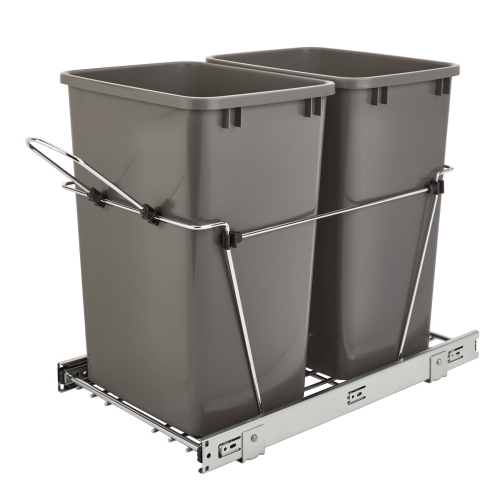 Your price for this item is $283.99
-
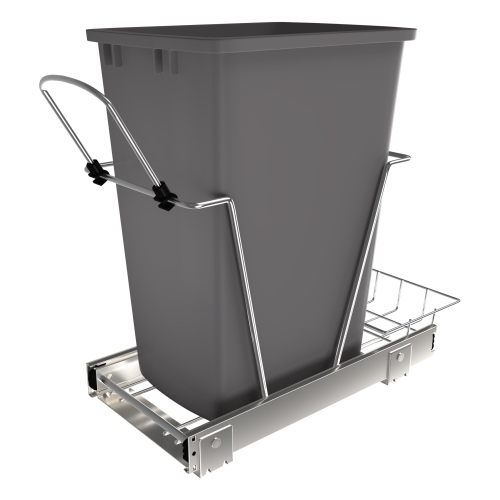 Your price for this item is $226.99
-
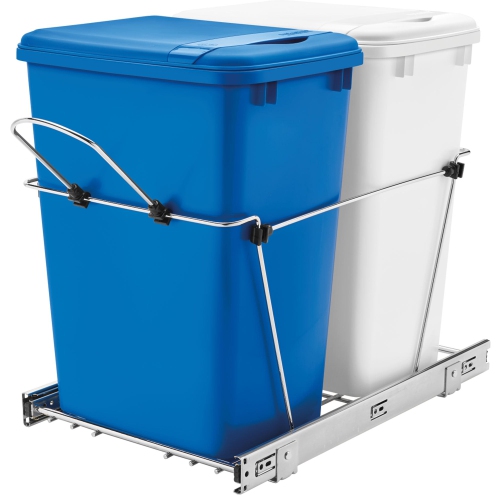 Your price for this item is $279.99
-
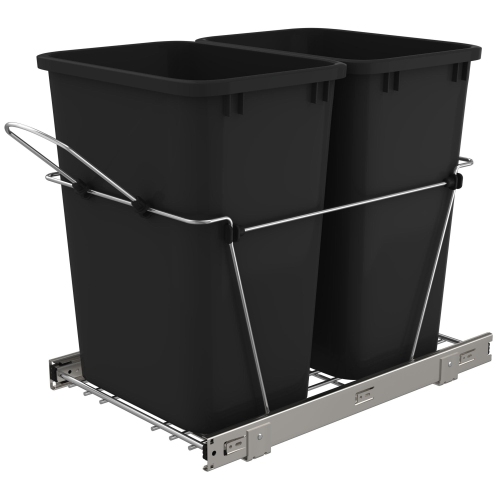 Your price for this item is $262.99
-
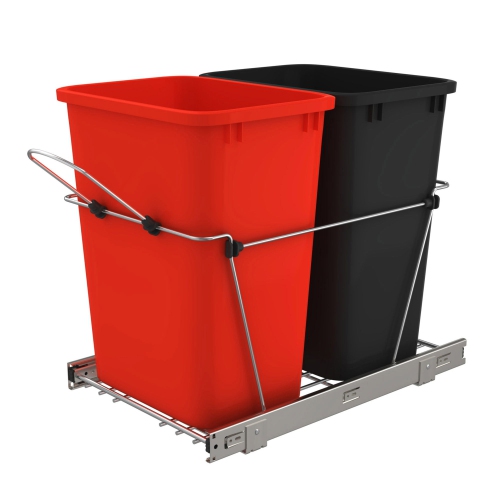 Your price for this item is $272.99
-
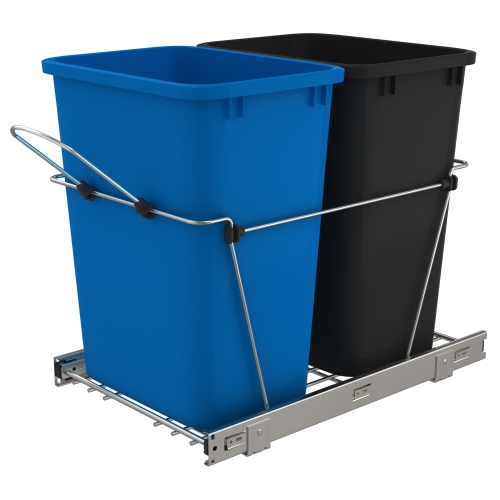 Your price for this item is $283.99
-
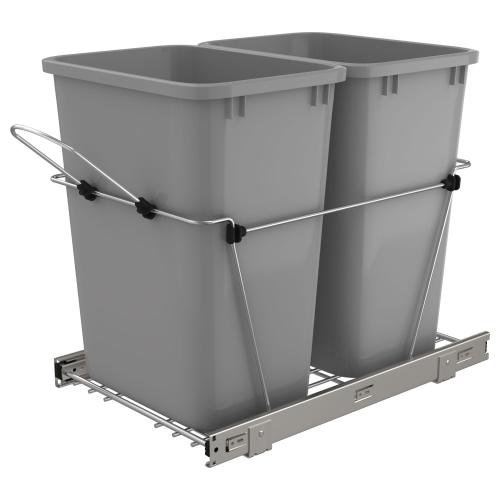 Your price for this item is $274.99
Discover more categories related to Floating Shelves for Kitchen


Top Collections:
Best Black Friday Deals This Year, Best Black Friday Deals On Electronics, Kindle Devices, Pokemon Centers, Best Black Friday Deals On Apple Products, Best Cameras for Sports Photography, Dyson Airwrap, Pokémon 30th Celebration Cards, Apple iPhone 17 Pro, Canon G7X Cameras
Some products may be subject to Environmental Handling Fees
(EHF) depending on your province.
Learn more about EHFs.