Floating Wall Shelves
Floating wall shelves are a great way to add extra storage and style to any room. They are a versatile and modern solution for displaying books, pictures, plants, and other items. Floating wall shelves can be used in almost any room of the house, from the living room to the bedroom, and even in the bathroom or kitchen. Here are some of the great options available.
Sort
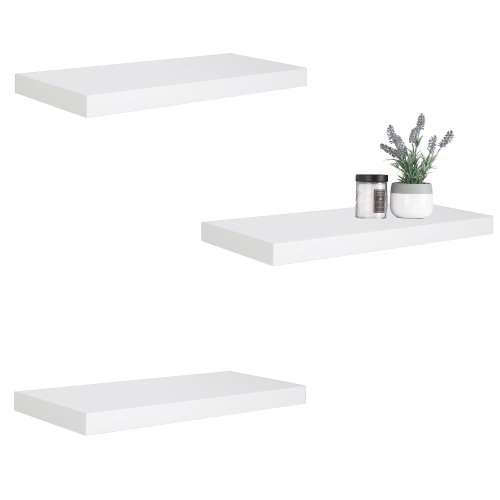

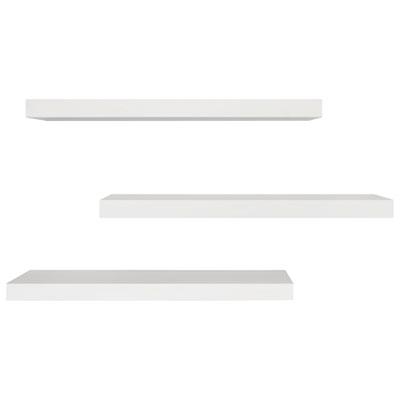

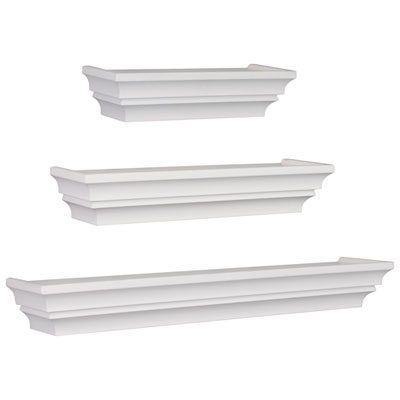
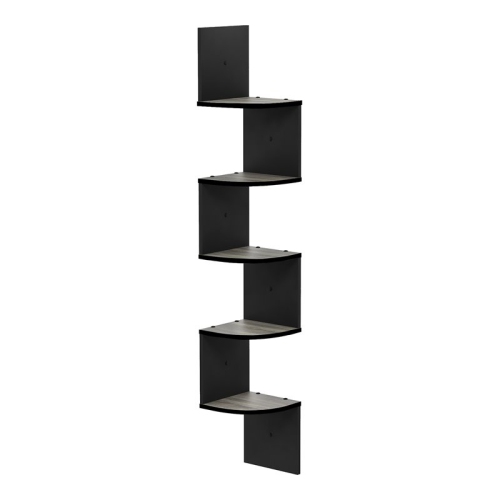
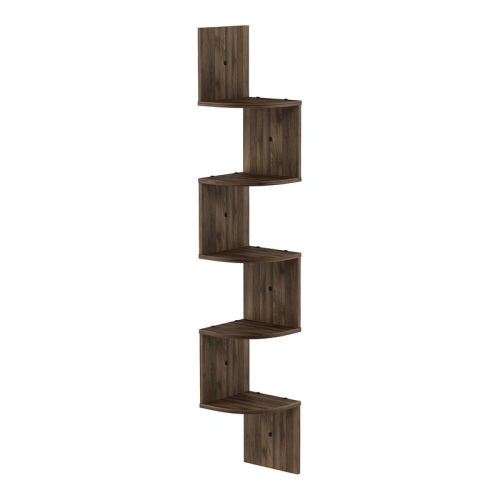
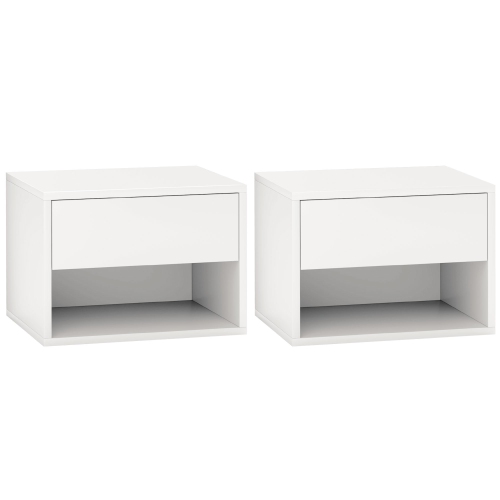
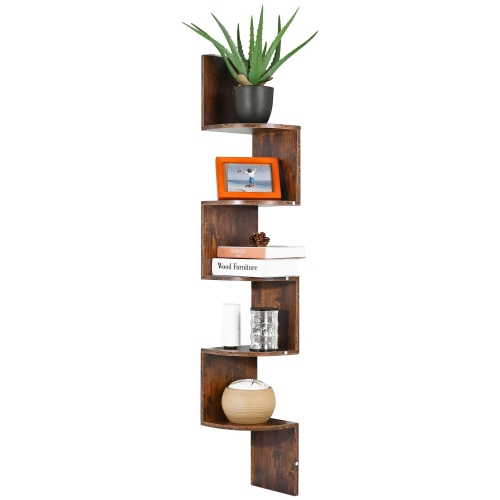
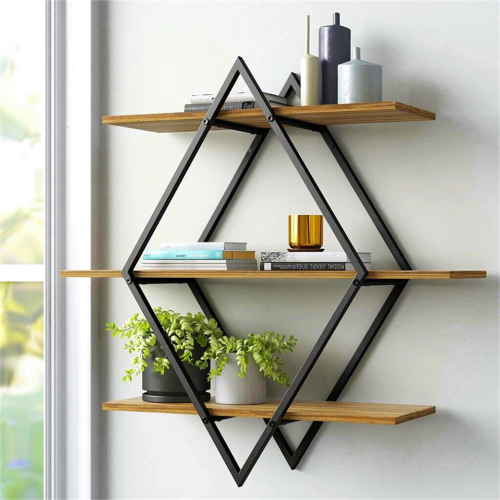
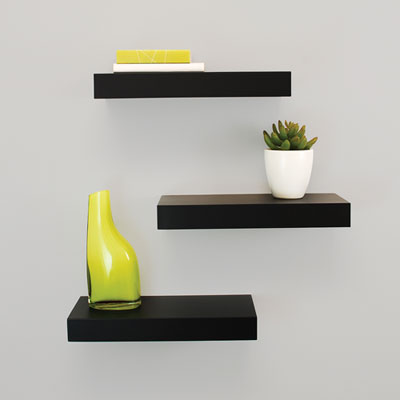
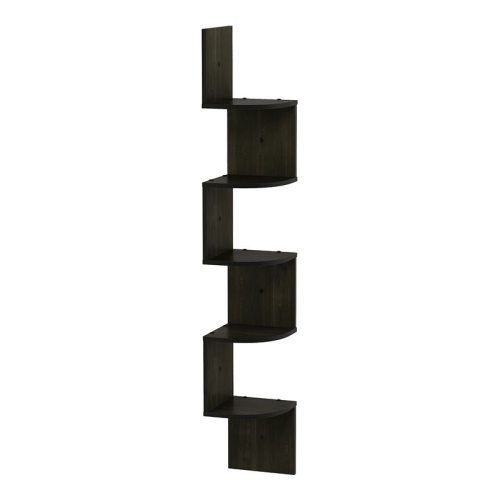

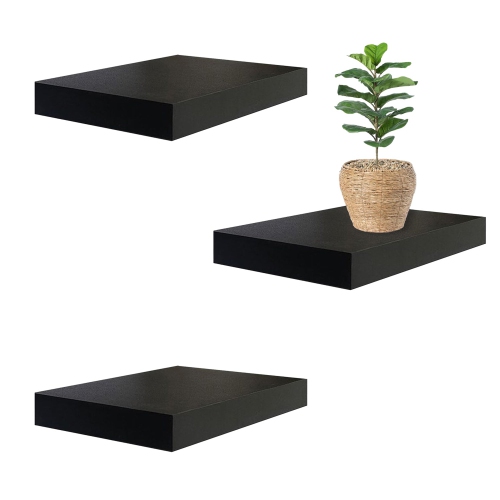
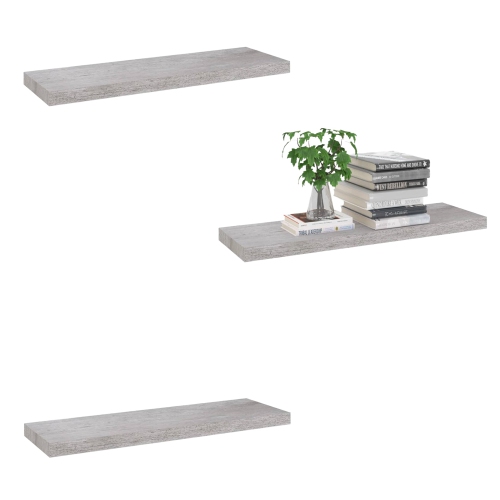
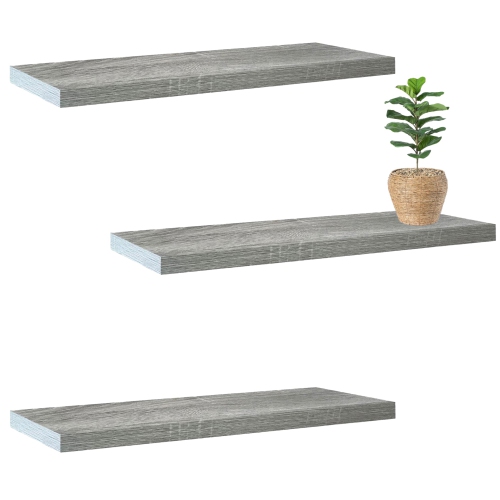
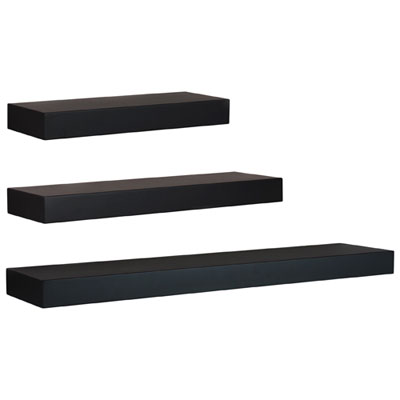
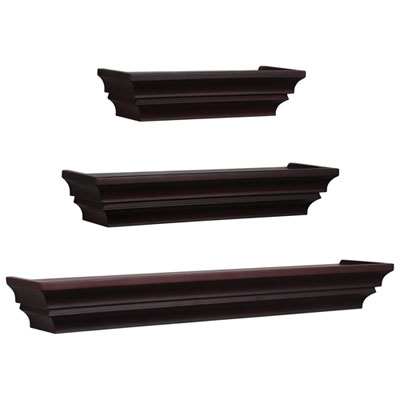
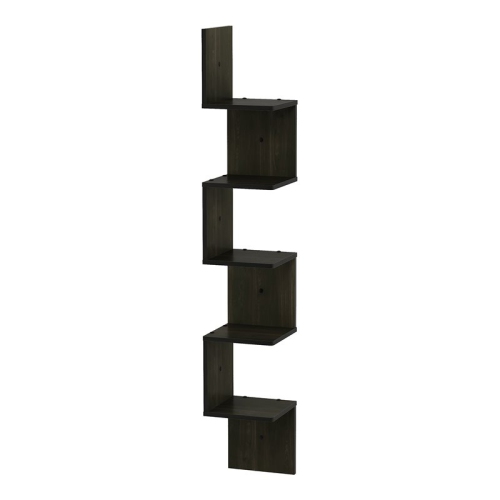
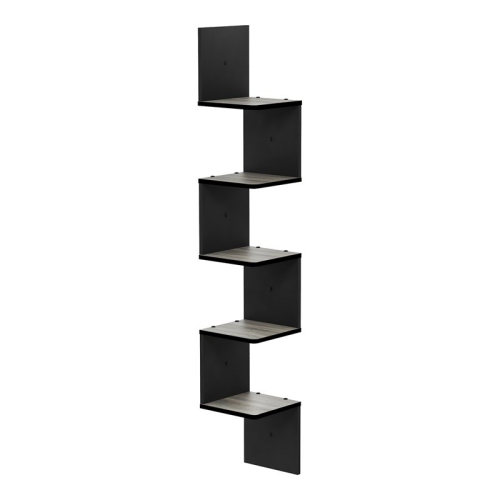
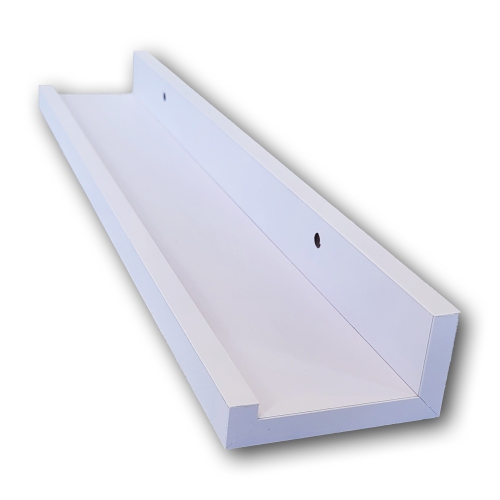
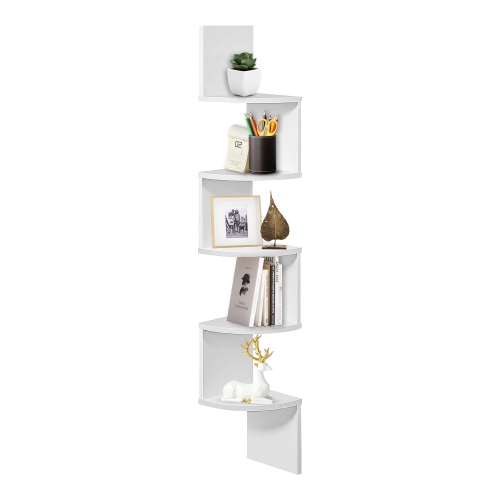
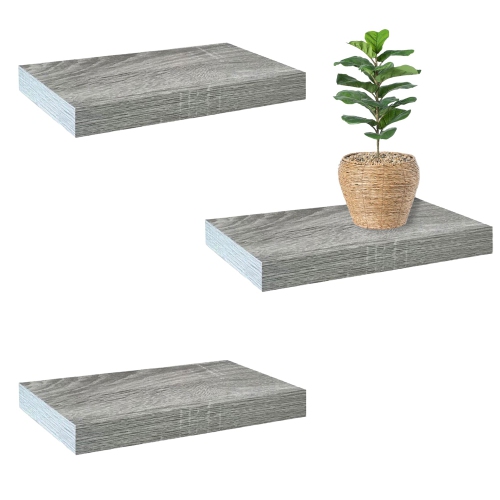

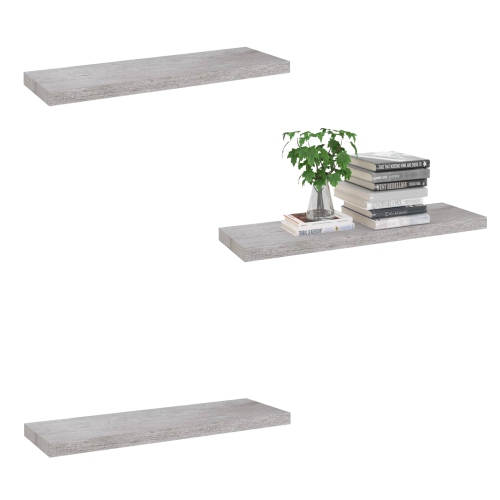
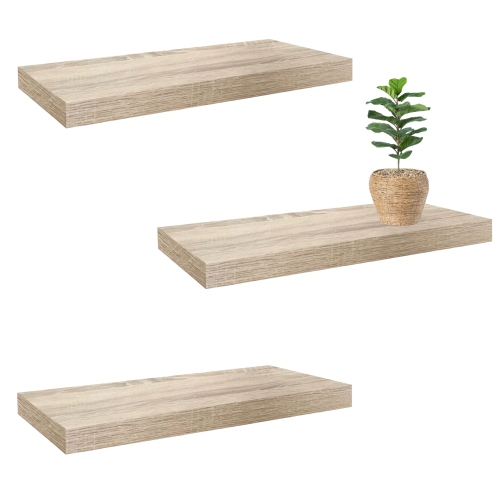
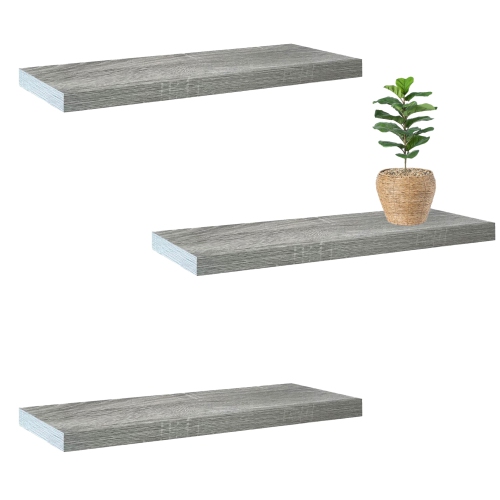
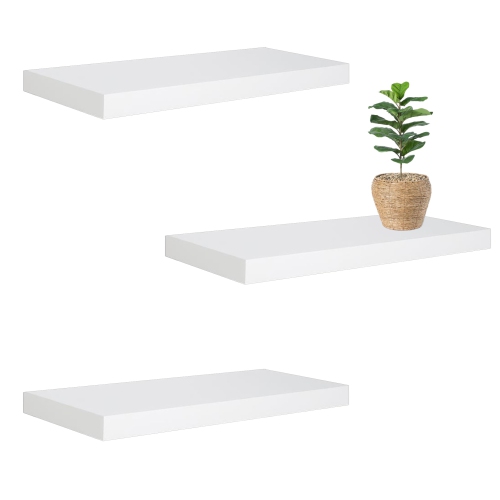
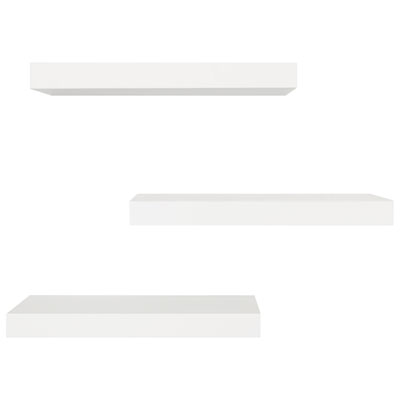
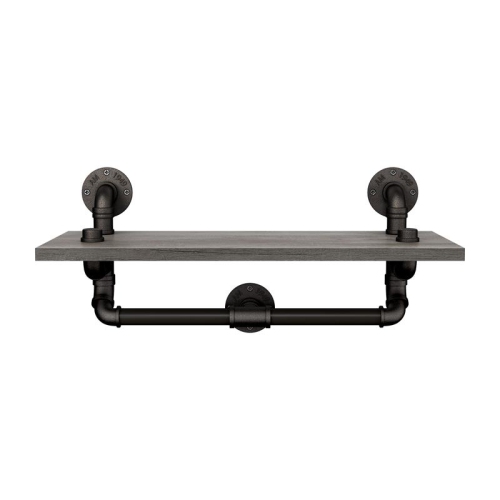
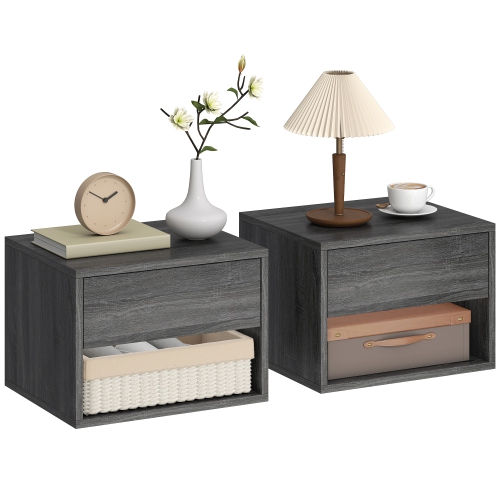
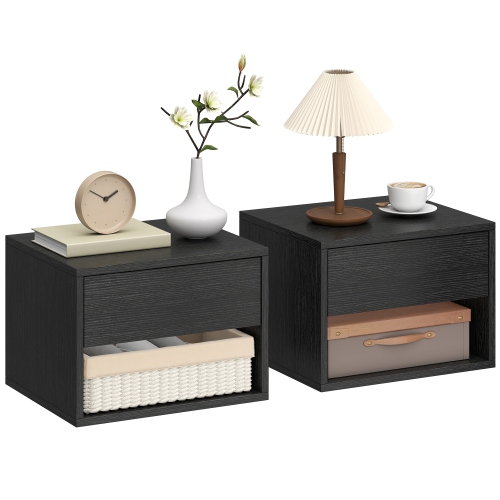
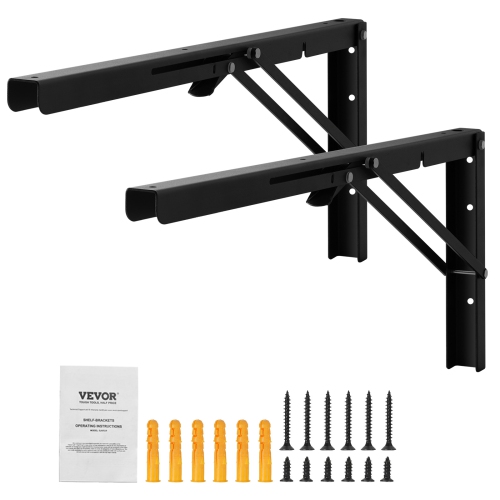
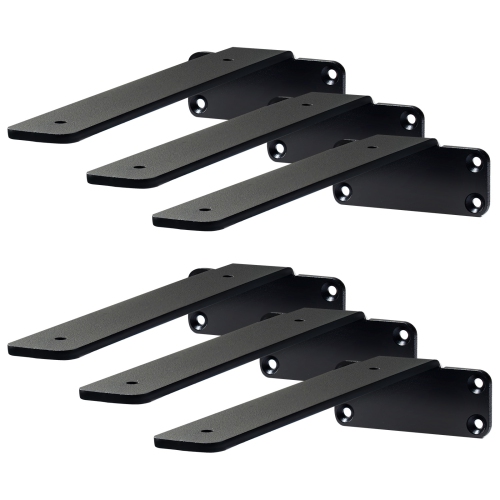
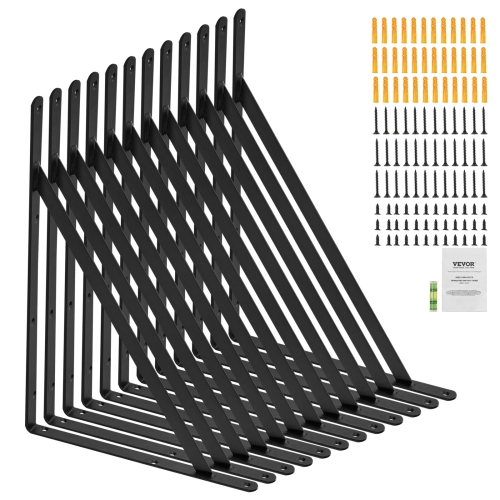
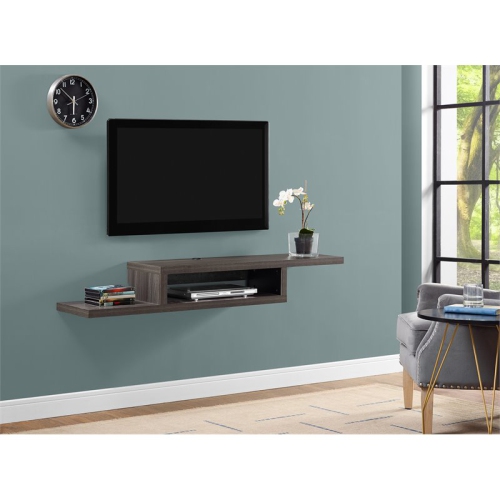
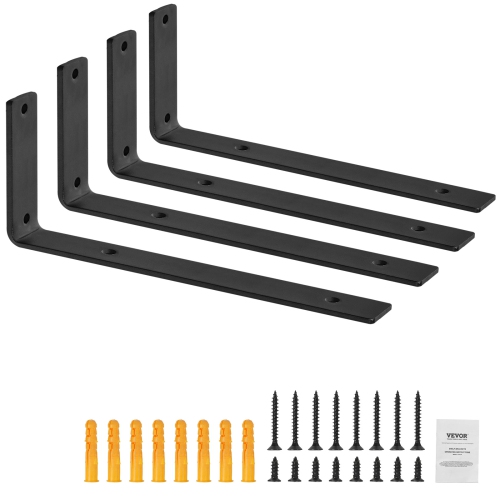
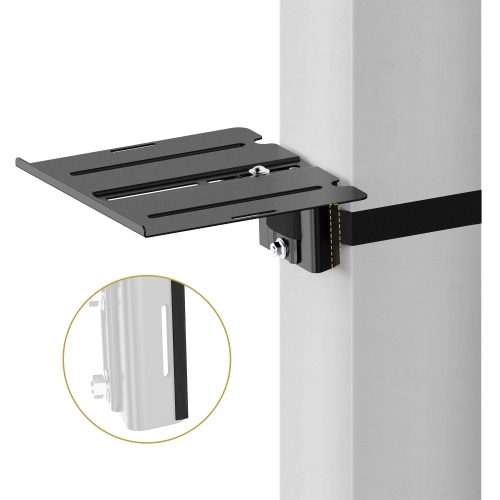
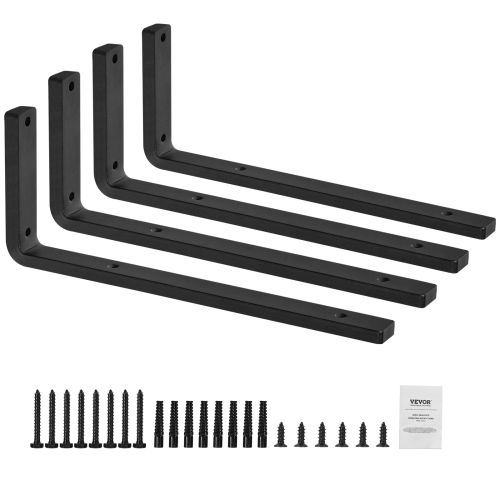
More storage and display space without bulky furniture
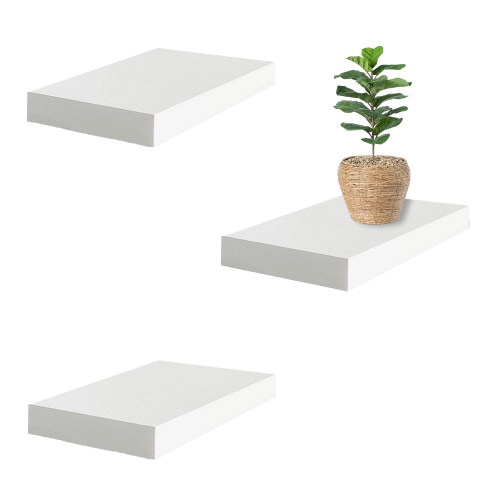
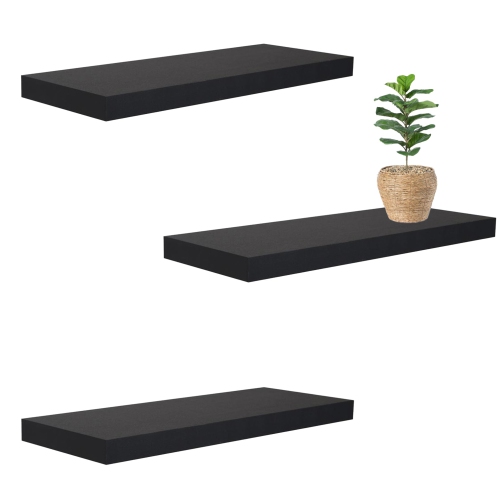
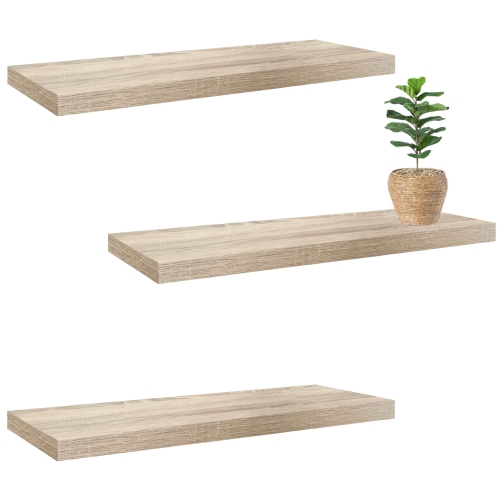
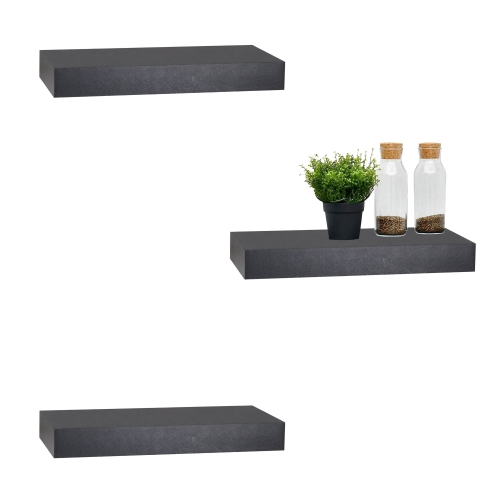
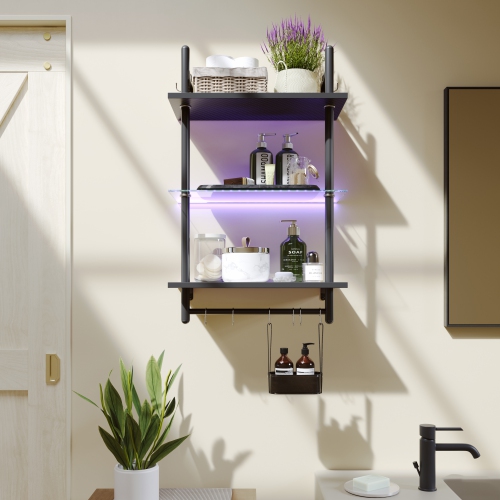
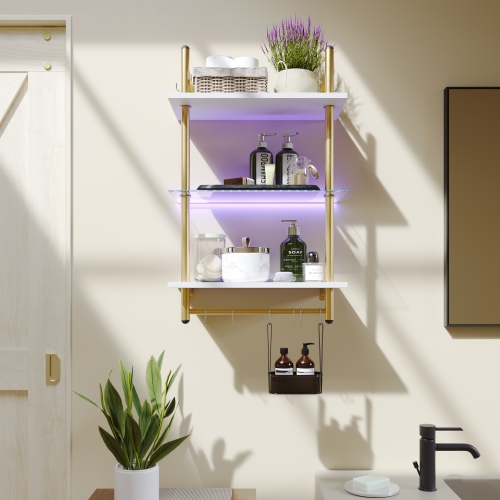
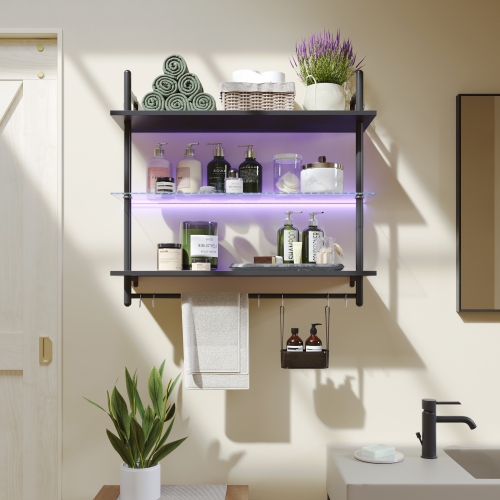
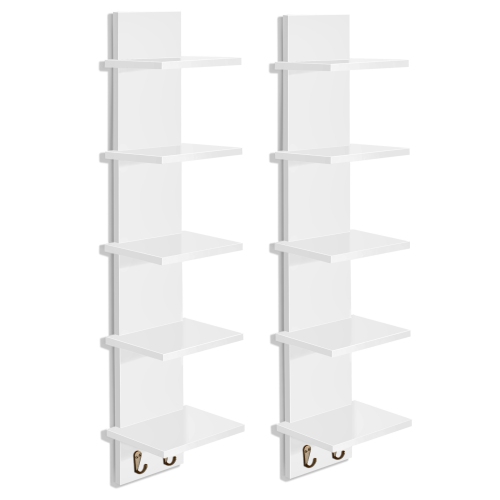
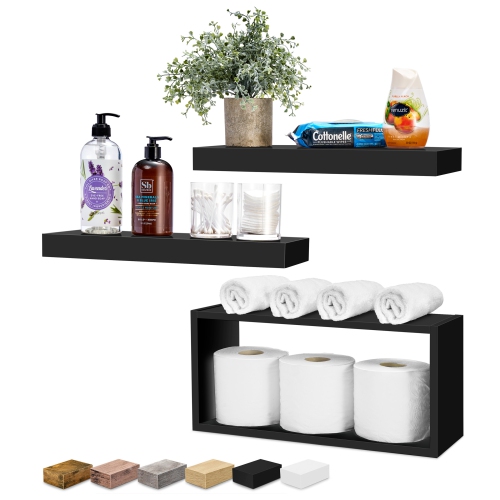
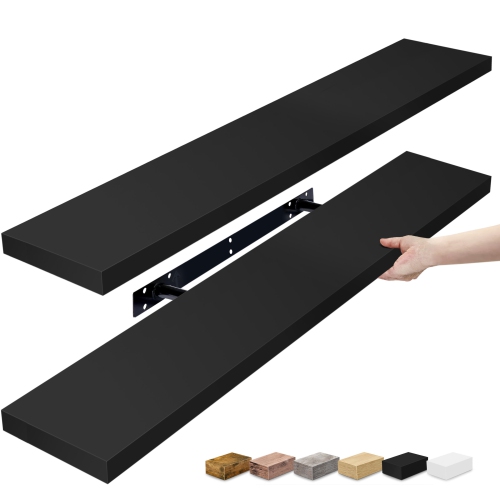
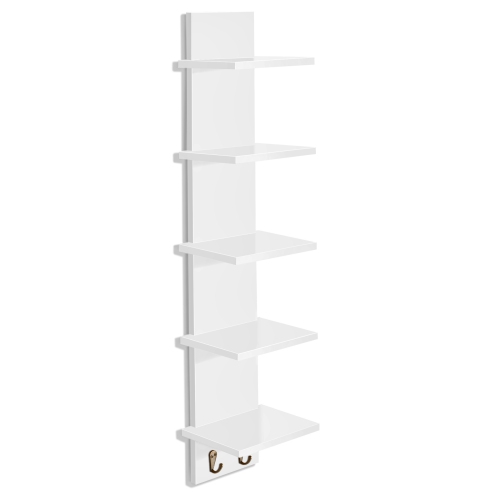
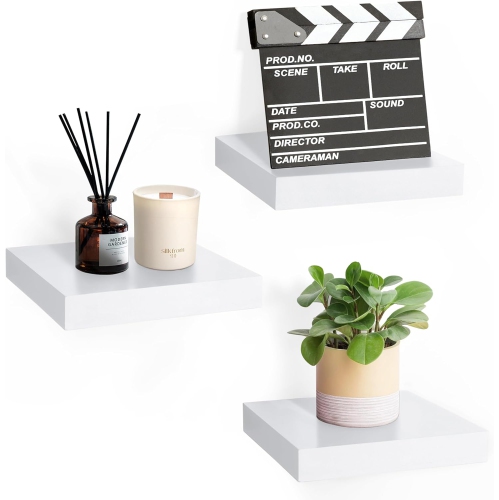
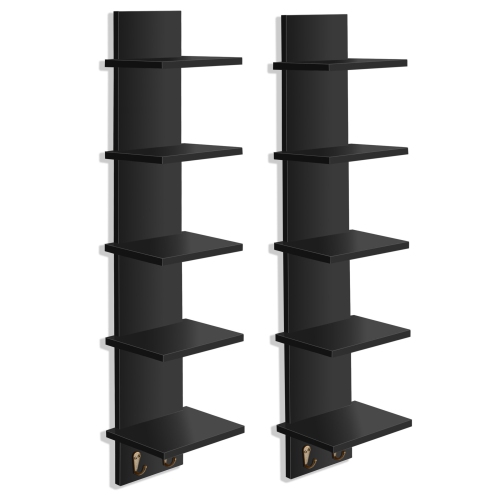
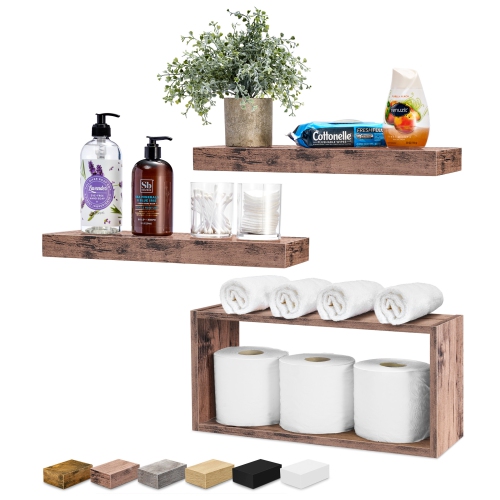
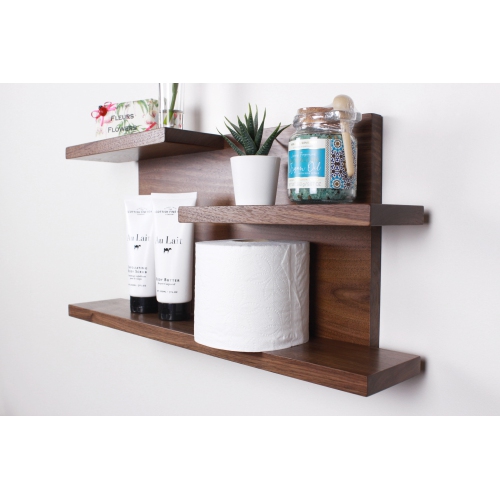
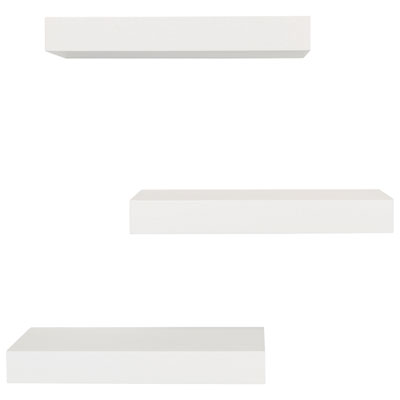
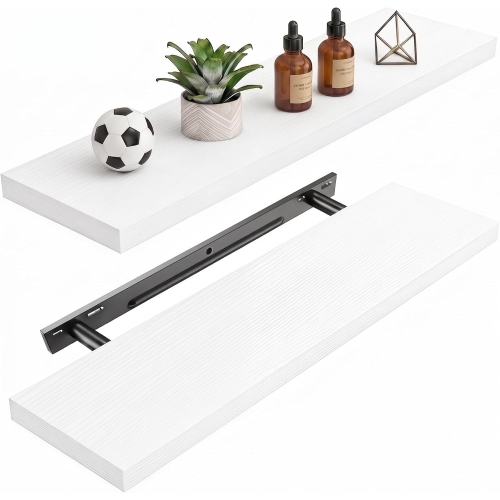
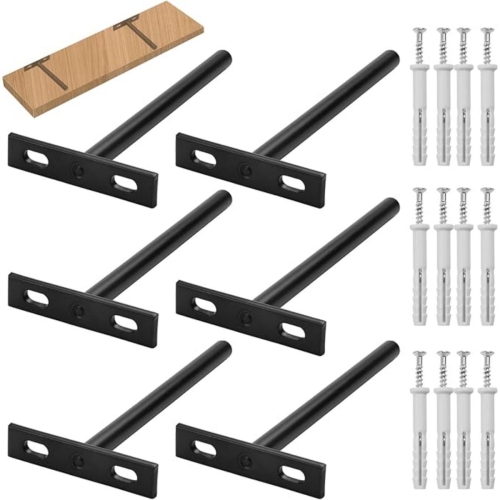
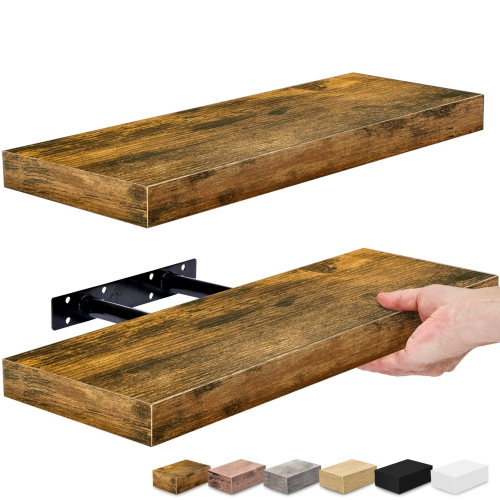
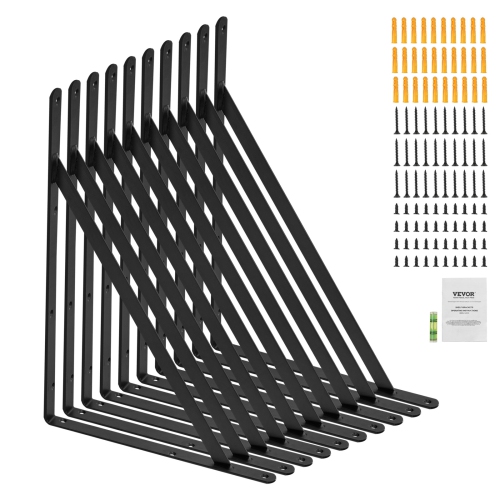
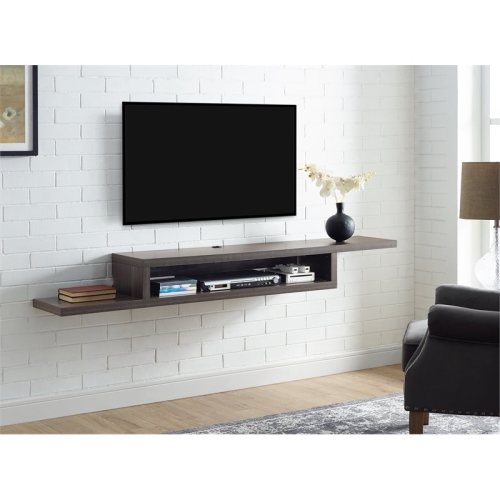
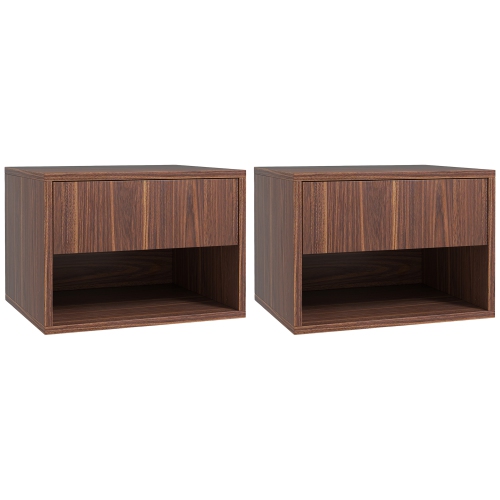
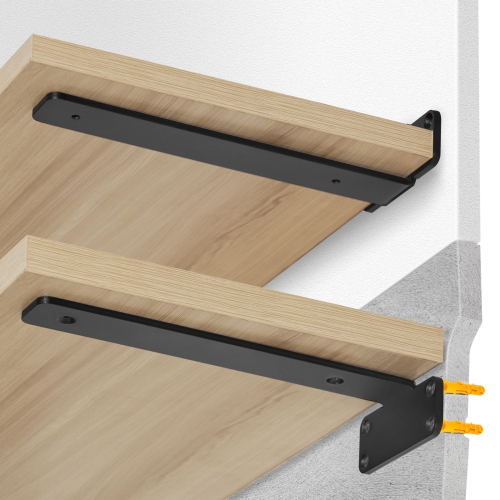
Floating wall shelves add storage and display space without the visual bulk of a freestanding bookcase or cabinet. Their defining feature is a concealed mounting system: brackets or supports sit inside or behind the shelf, creating the appearance that it projects directly from the wall. The hardware is hidden rather than absent, and its design plays an important role in how the shelf performs. This streamlined profile suits living rooms, bedrooms, kitchens, entryways, and home offices, particularly where floor space needs to stay clear. A shallow shelf beside a desk can hold a few reference books and a framed photograph, while a longer shelf above a sideboard gives artwork and small collections room to breathe. In a compact condo, using vertical space can make everyday belongings easier to reach without adding another piece of furniture to a narrow walkway. Floating shelves also offer flexibility in how a room looks. A single horizontal line feels quiet and ordered; a pair installed at different heights creates a more relaxed arrangement. Matching lengths provide symmetry, while varied widths can work around an alcove or an existing furniture layout. The most useful proportions depend on what the shelf will hold. Picture frames and small keepsakes generally need less depth than large books, storage baskets, or serving pieces. A raised front lip can help keep leaning frames in place, though it does not replace secure mounting or careful placement. Open shelving leaves belongings visible, making it especially useful for things that are attractive, frequently used, or both. It also means the wall colour remains part of the display. Pale shelves can blend into a light wall, wood tones introduce warmth, and darker finishes create a distinct outline. For a stronger contrast against light paint or a connection to dark furniture and metal accents, black wall shelves offer a versatile starting point. The result can be practical storage that feels integrated into the room rather than added as an afterthought.
Materials and construction influence a floating shelf’s appearance, weight, care needs, and suitability for different spaces. Solid wood brings natural grain variation, knots, and subtle differences in tone, giving even a simple rectangular shelf character. Different wood species vary in hardness, and the finish affects resistance to marks and moisture. Wood veneer provides a real wood surface over a manufactured core, while laminate and painted finishes can create a more uniform appearance. MDF and particleboard are common in shelving, but their edges and fixing points need protection from moisture and damage. Hollow-core designs can reduce the shelf’s own weight, although their load capacity depends on the complete construction and mounting system, not their thickness alone. Metal shelves offer a crisp profile and can suit utility areas or rooms with industrial details; their resistance to humidity depends on the metal and protective finish. Glass creates a lighter visual effect, but only shelving designed for that purpose should be used, with the specified supports and load limits observed. In kitchens and bathrooms, suitability for damp conditions matters more than appearance alone. Steam, splashes, and standing water can affect surfaces, joints, and exposed edges, so a shelf intended for a dry living room is not automatically a good fit beside a sink. Plant pots benefit from watertight trays, and spills should be wiped away promptly. Routine care is usually straightforward: a soft cloth removes dust, and cleaning products should match the manufacturer’s directions for the finish. Abrasive pads and harsh cleaners can scratch or dull surfaces. A busy entryway may call for an easy-to-wipe finish, while a bedroom display shelf may see little wear beyond regular dusting. For someone furnishing a first apartment, refreshing a reading corner, or arranging a home office, these differences help determine whether a shelf will remain useful as needs change. Shelves can also make a thoughtful housewarming gift when the recipient’s wall space, preferred style, and ability to install them are known.
Fit involves more than finding an empty stretch of wall. Shelf width, depth, thickness, and placement all affect how comfortably the space functions. Above a desk, there should be enough clearance for a monitor and normal movement; near a doorway, a deep shelf should not project into the path of an opening door or passing shoulder. In a reading area, the space between shelves needs to accommodate the tallest books, including enough room to lift them out. A shelf positioned for display may sit higher than one intended for everyday essentials, but frequently handled objects should remain within comfortable reach. Wall construction is equally important. Drywall, plaster, concrete, and brick require different fastening methods, and concealed pipes or wiring can limit suitable mounting locations. Where the shelf’s mounting system allows, fastening into wall studs can provide strong support. If fixing between studs is permitted, anchors must be appropriate for the wall material, shelf design, and intended load. Some shelves require attachment to studs or solid backing and are not suitable for an anchors-only installation. The stated weight limit should always be read alongside the installation requirements, since a shelf’s capacity relies on the shelf, brackets, fasteners, and wall working together. A longer or thicker shelf is not necessarily stronger, and anchor ratings alone do not establish the capacity of the finished installation. Books, filled containers, and potted plants can be heavier than they look, especially when grouped together. Evenly distributed weight is generally preferable to a heavy object concentrated at the front edge, subject to the manufacturer’s directions. For homes with children or pets, placement also deserves care: shelves are not climbing supports, and fragile or heavy objects should be kept away from locations where they could fall onto someone. Renters may need permission before drilling, while anyone uncertain about the wall or required fixings can benefit from a qualified installer. Once securely fitted, floating wall shelves provide a lasting framework for changing displays, everyday storage, and the small personal touches that make a room feel lived in.
Materials and construction influence a floating shelf’s appearance, weight, care needs, and suitability for different spaces. Solid wood brings natural grain variation, knots, and subtle differences in tone, giving even a simple rectangular shelf character. Different wood species vary in hardness, and the finish affects resistance to marks and moisture. Wood veneer provides a real wood surface over a manufactured core, while laminate and painted finishes can create a more uniform appearance. MDF and particleboard are common in shelving, but their edges and fixing points need protection from moisture and damage. Hollow-core designs can reduce the shelf’s own weight, although their load capacity depends on the complete construction and mounting system, not their thickness alone. Metal shelves offer a crisp profile and can suit utility areas or rooms with industrial details; their resistance to humidity depends on the metal and protective finish. Glass creates a lighter visual effect, but only shelving designed for that purpose should be used, with the specified supports and load limits observed. In kitchens and bathrooms, suitability for damp conditions matters more than appearance alone. Steam, splashes, and standing water can affect surfaces, joints, and exposed edges, so a shelf intended for a dry living room is not automatically a good fit beside a sink. Plant pots benefit from watertight trays, and spills should be wiped away promptly. Routine care is usually straightforward: a soft cloth removes dust, and cleaning products should match the manufacturer’s directions for the finish. Abrasive pads and harsh cleaners can scratch or dull surfaces. A busy entryway may call for an easy-to-wipe finish, while a bedroom display shelf may see little wear beyond regular dusting. For someone furnishing a first apartment, refreshing a reading corner, or arranging a home office, these differences help determine whether a shelf will remain useful as needs change. Shelves can also make a thoughtful housewarming gift when the recipient’s wall space, preferred style, and ability to install them are known.
Fit involves more than finding an empty stretch of wall. Shelf width, depth, thickness, and placement all affect how comfortably the space functions. Above a desk, there should be enough clearance for a monitor and normal movement; near a doorway, a deep shelf should not project into the path of an opening door or passing shoulder. In a reading area, the space between shelves needs to accommodate the tallest books, including enough room to lift them out. A shelf positioned for display may sit higher than one intended for everyday essentials, but frequently handled objects should remain within comfortable reach. Wall construction is equally important. Drywall, plaster, concrete, and brick require different fastening methods, and concealed pipes or wiring can limit suitable mounting locations. Where the shelf’s mounting system allows, fastening into wall studs can provide strong support. If fixing between studs is permitted, anchors must be appropriate for the wall material, shelf design, and intended load. Some shelves require attachment to studs or solid backing and are not suitable for an anchors-only installation. The stated weight limit should always be read alongside the installation requirements, since a shelf’s capacity relies on the shelf, brackets, fasteners, and wall working together. A longer or thicker shelf is not necessarily stronger, and anchor ratings alone do not establish the capacity of the finished installation. Books, filled containers, and potted plants can be heavier than they look, especially when grouped together. Evenly distributed weight is generally preferable to a heavy object concentrated at the front edge, subject to the manufacturer’s directions. For homes with children or pets, placement also deserves care: shelves are not climbing supports, and fragile or heavy objects should be kept away from locations where they could fall onto someone. Renters may need permission before drilling, while anyone uncertain about the wall or required fixings can benefit from a qualified installer. Once securely fitted, floating wall shelves provide a lasting framework for changing displays, everyday storage, and the small personal touches that make a room feel lived in.
Top selling and popular products
-
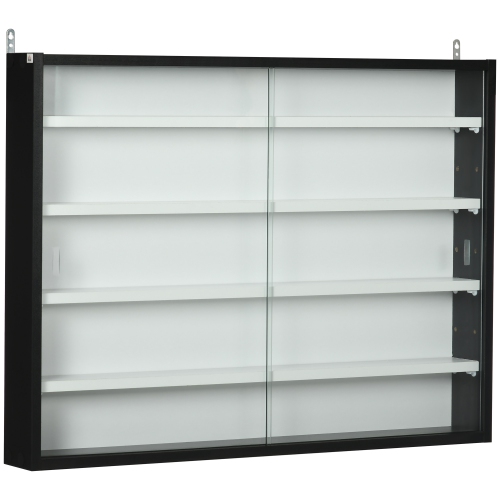 Your price for this item is $86.99
 -
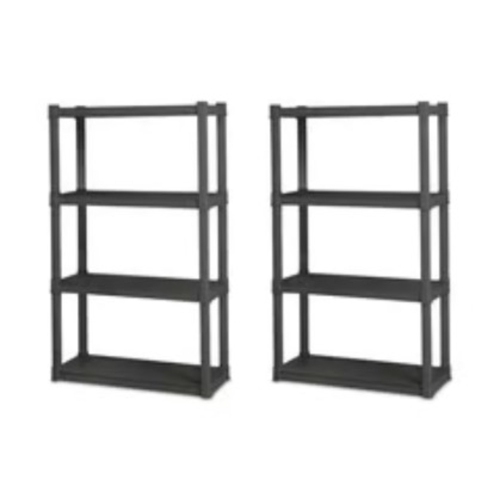 Your price for this item is $632.99
 -
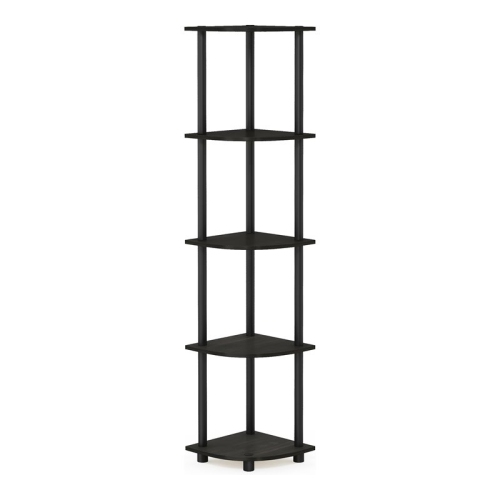 Your price for this item is $136.3
 -
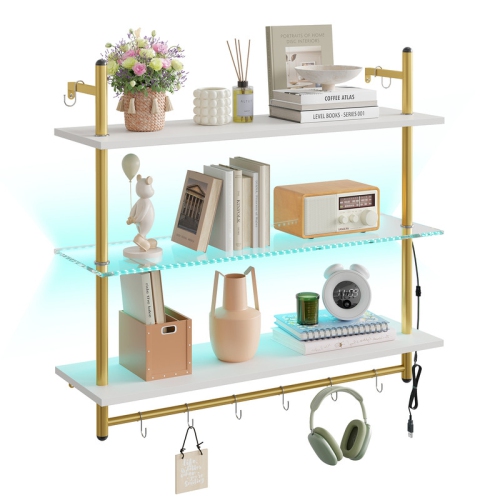 Your price for this item is $69.99
 -
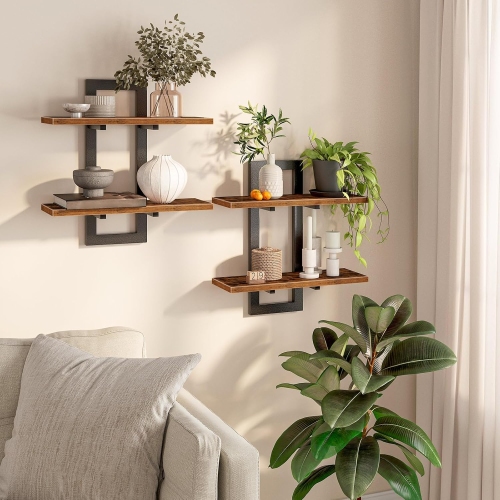 Your price for this item is $78.99
 -
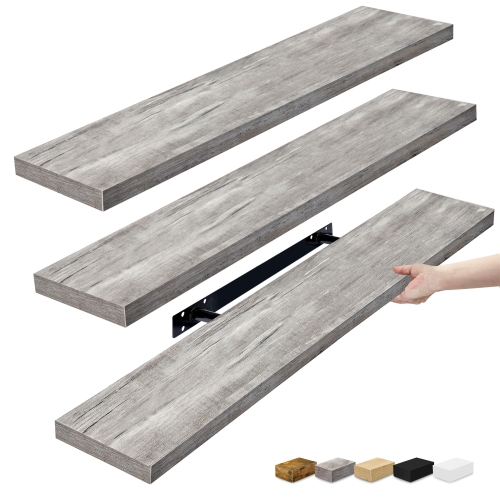 Your price for this item is $74.99
 -
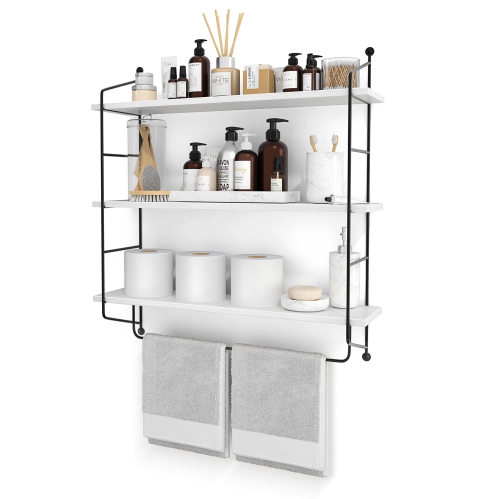 Your price for this item is $37.99
 -
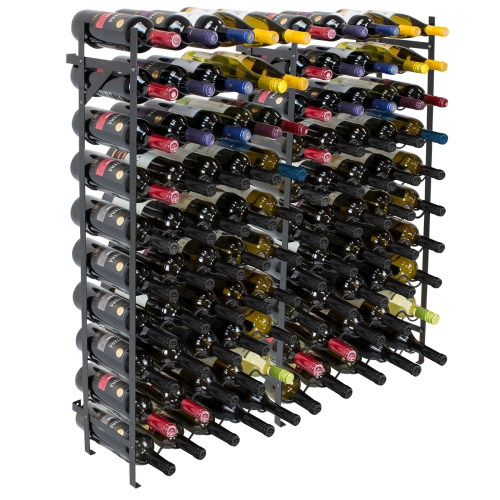 Your price for this item is $89.99
Discover more categories related to Floating Wall Shelves
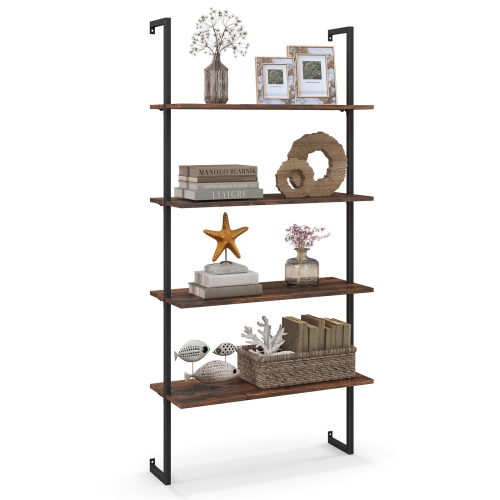
Top Collections:
Pokemon Centers, Kindle Devices, Best Budget Office Chairs, Apple iPhones 16, Best Laptops for Writers, iPhone 15 Apple, Canon G7X Cameras, Refurbished Apple Laptops, Alarm Clock, Motorola Razr Phones
Some products may be subject to Environmental Handling Fees
(EHF) depending on your province.
Learn more about EHFs.