Floor Coverings
Enhance the look and feel of your home with our wide selection of floor coverings. Whether you're looking to add warmth and comfort to your living room, create a sleek and modern atmosphere in your kitchen, or transform your bedroom into a cozy sanctuary, we have the perfect options for you. From luxurious carpets to durable hardwoods, stylish vinyls to easy-to-clean laminates, our floor coverings are designed to suit every taste and budget. Explore our collection today and discover the perfect flooring solution that will elevate the style and functionality of any room in your home.
Sort




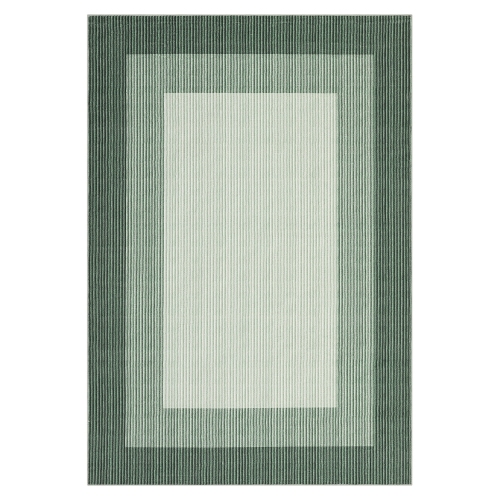

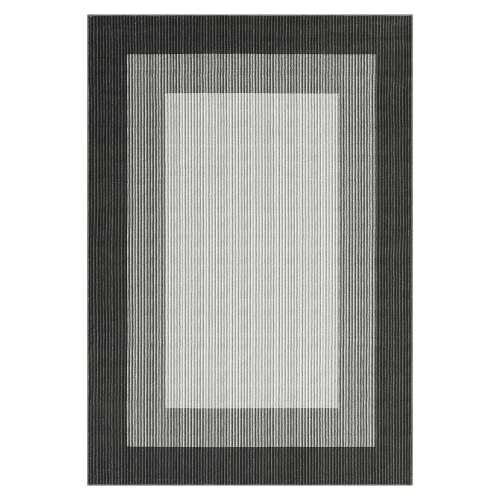
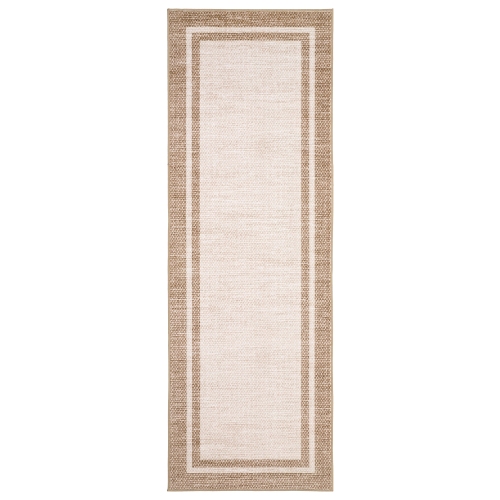
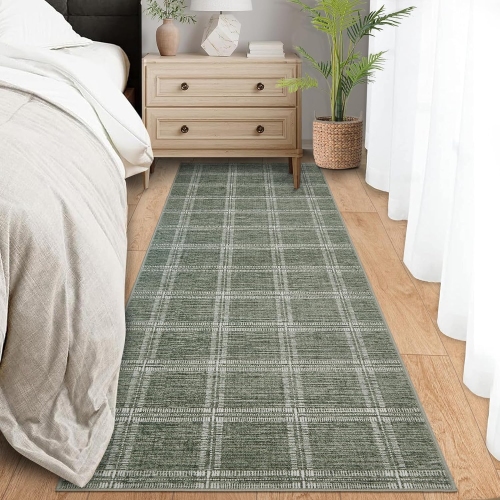
















































How flooring materials shape comfort and everyday care
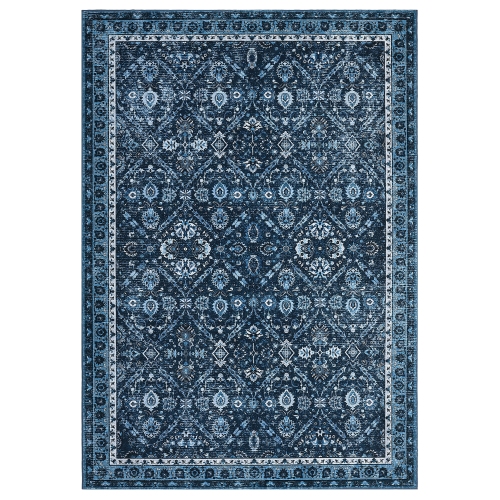
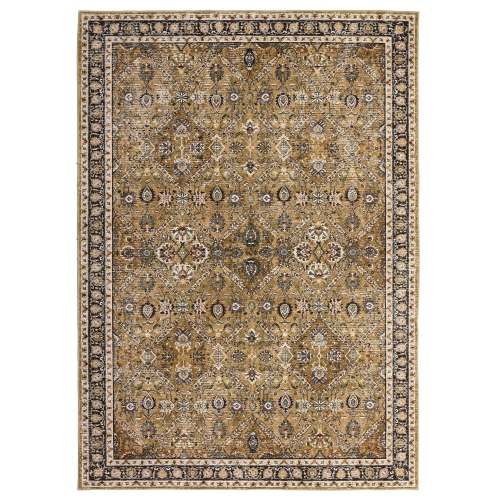
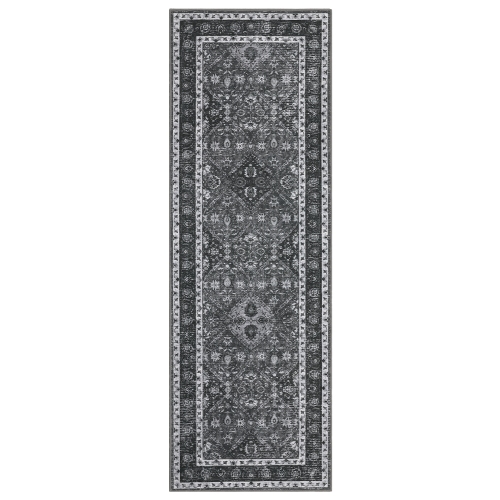
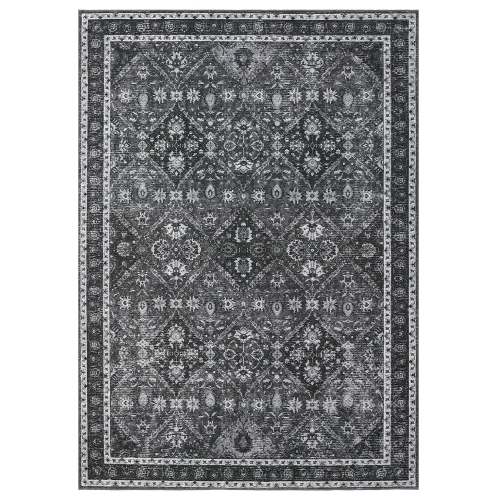
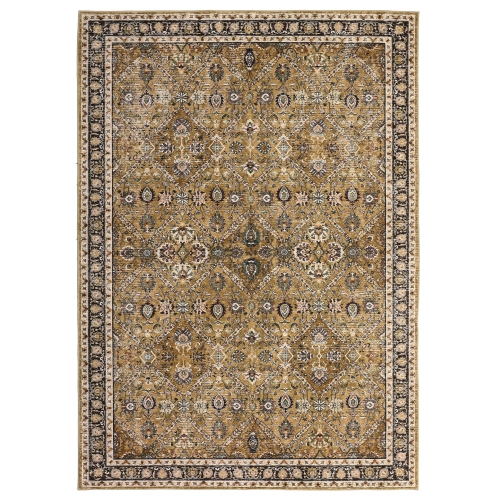
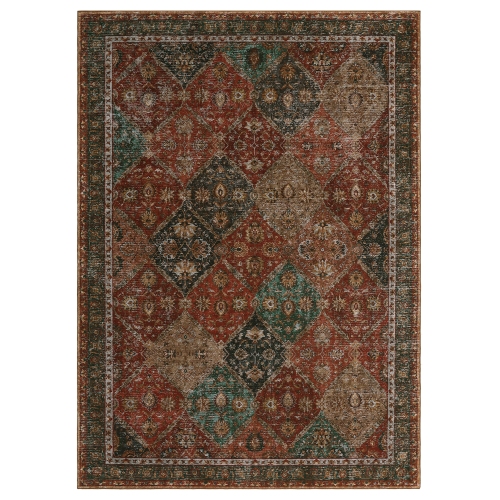
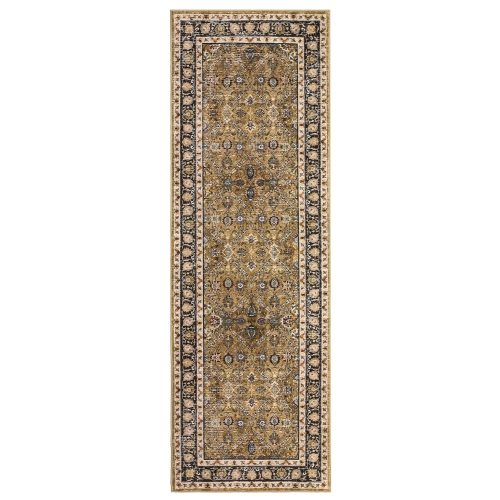
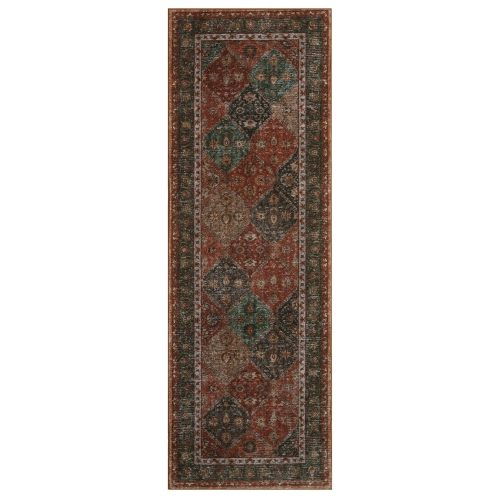
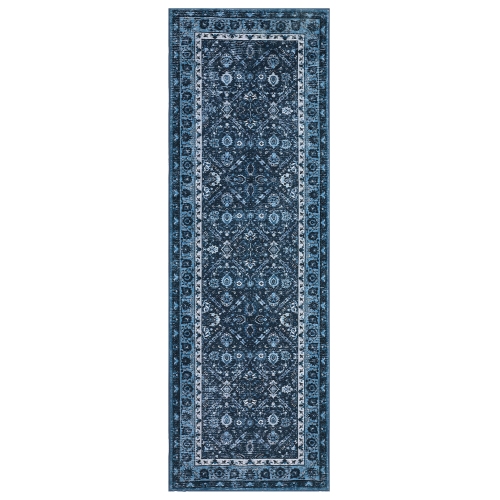
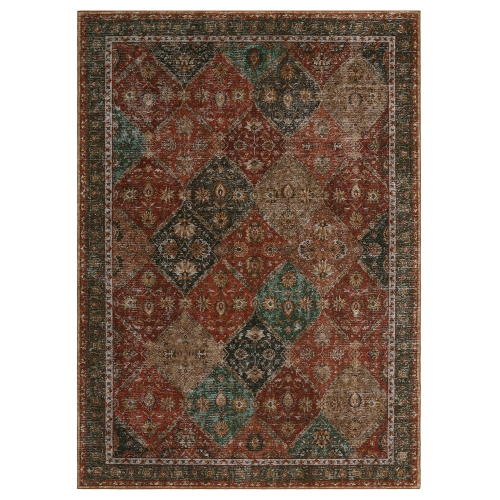
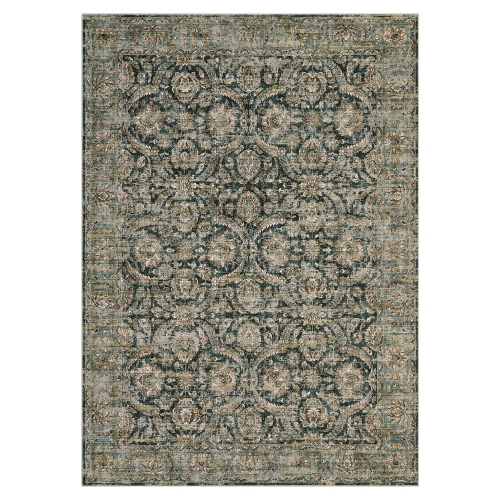
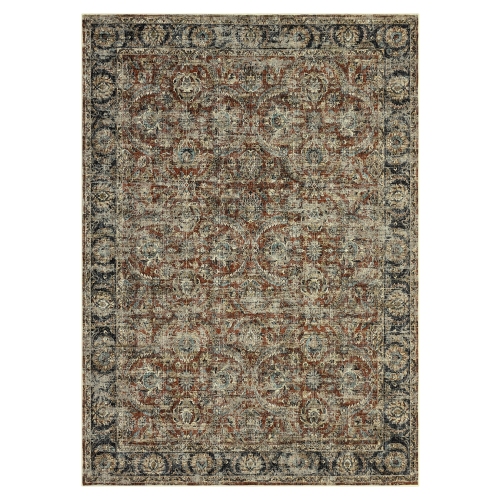
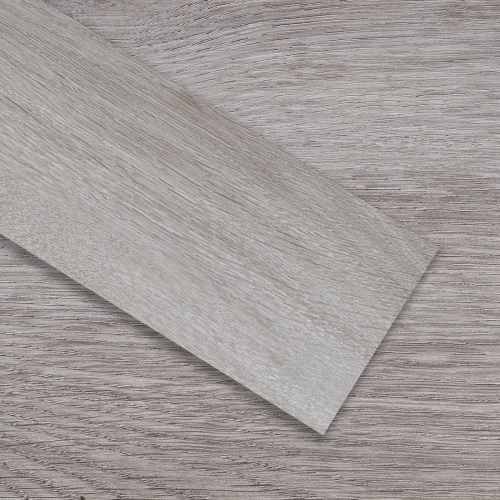
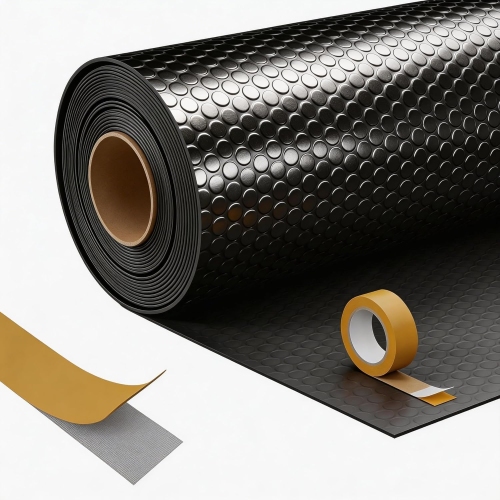
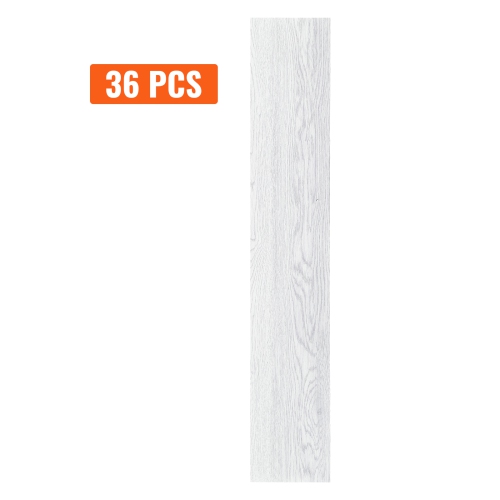
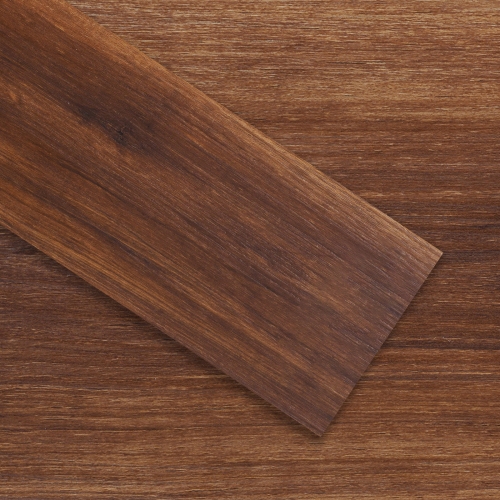
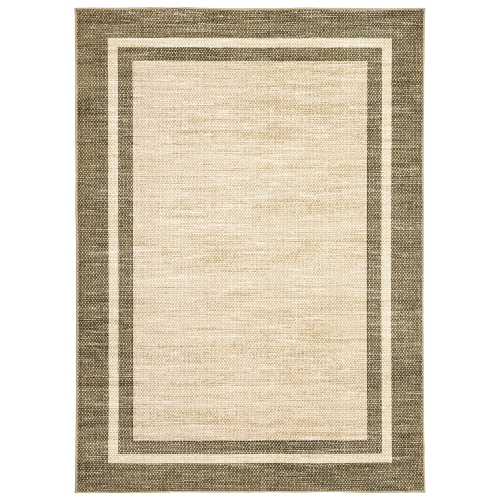
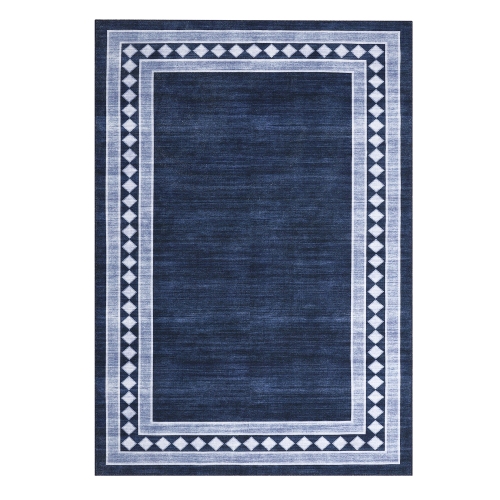
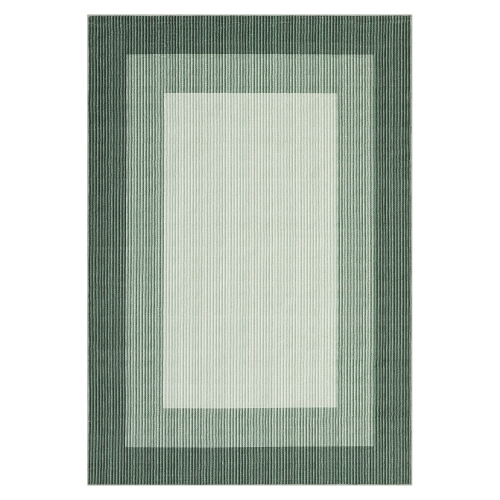
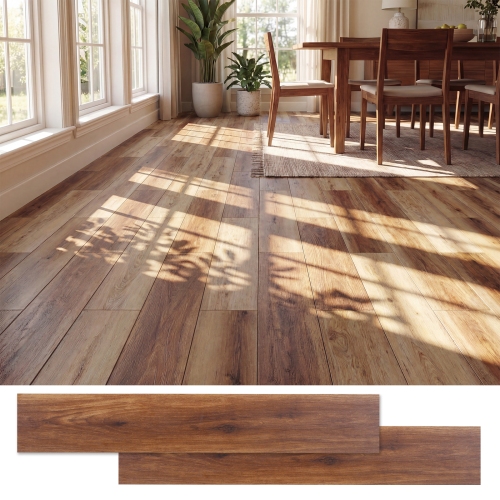
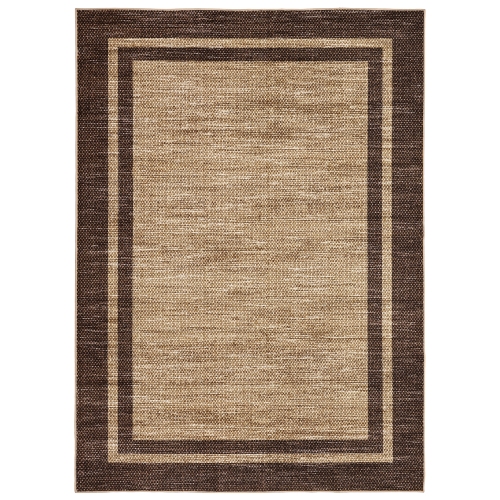
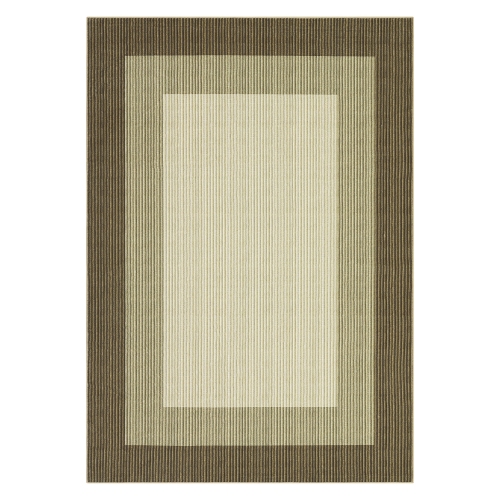
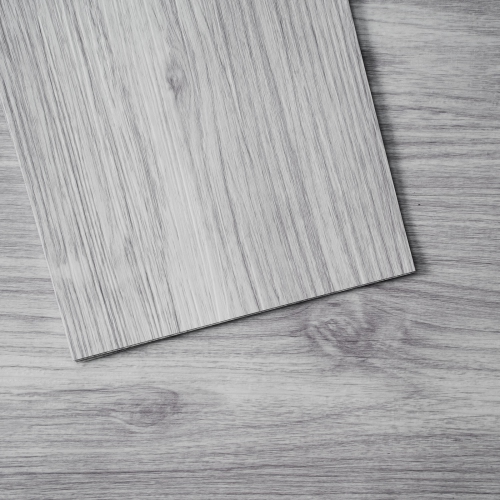
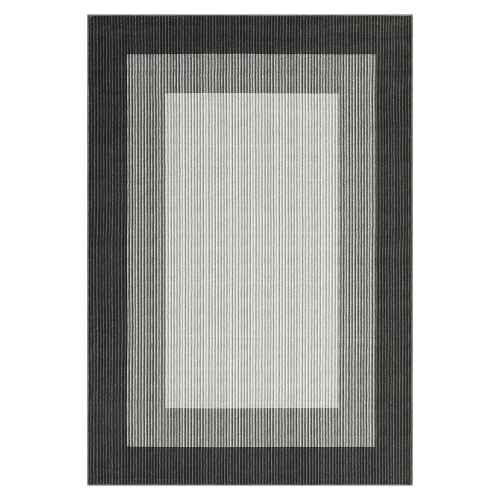
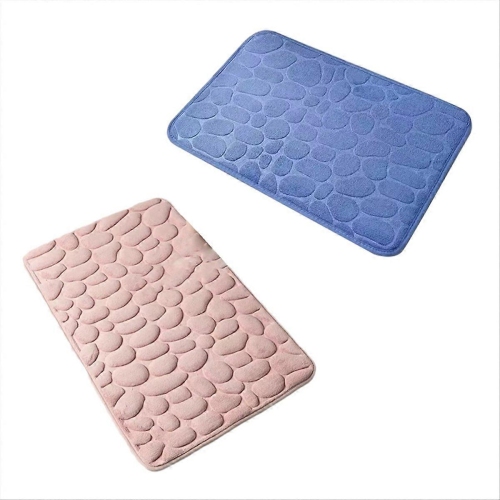
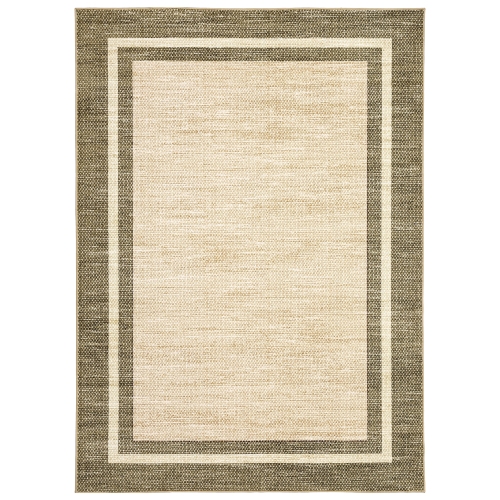
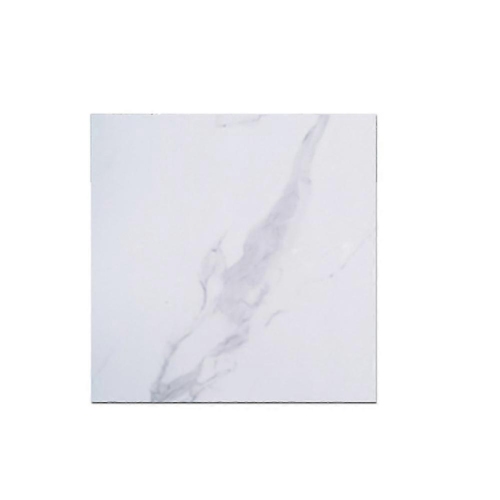
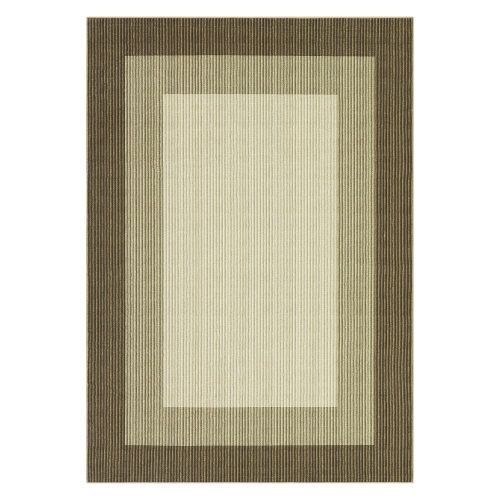
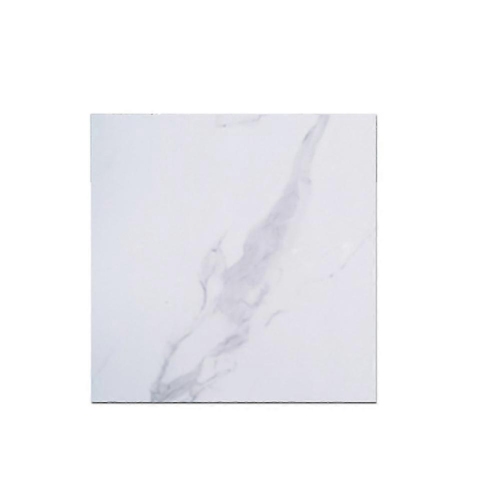
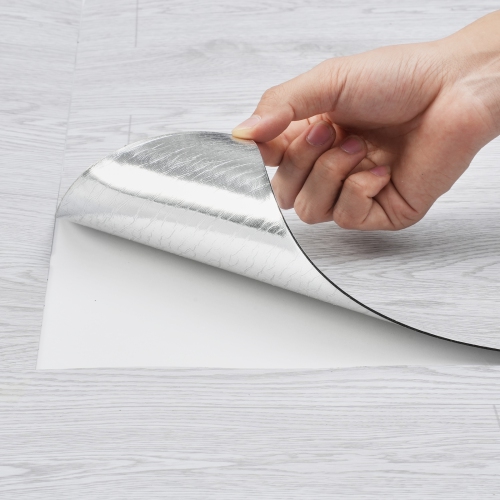
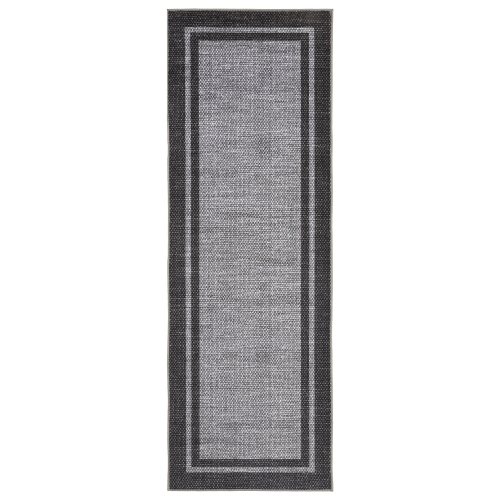
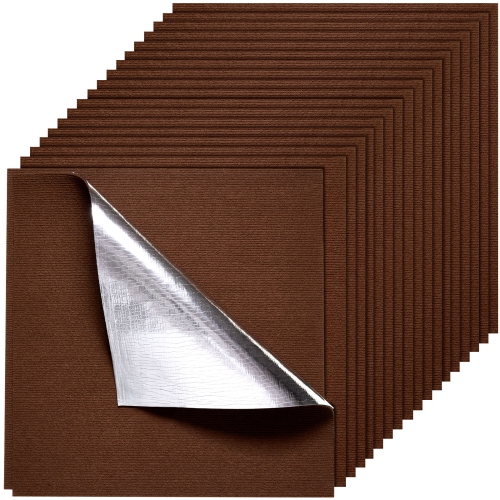
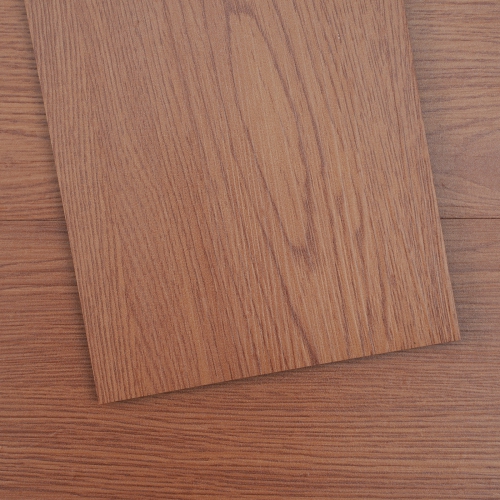
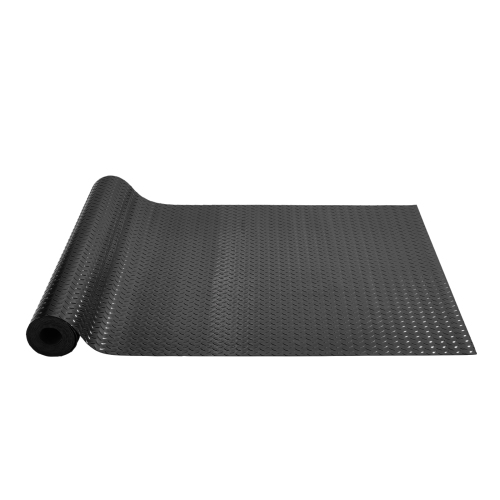
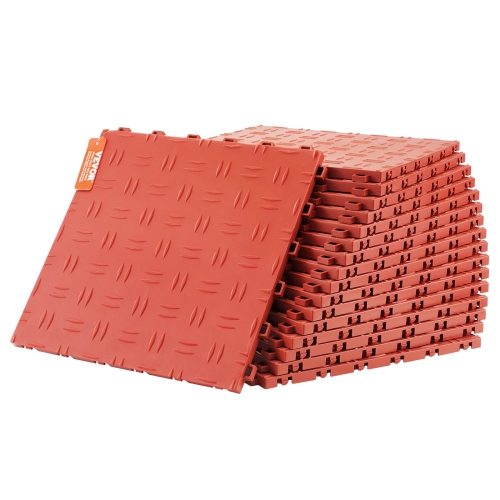
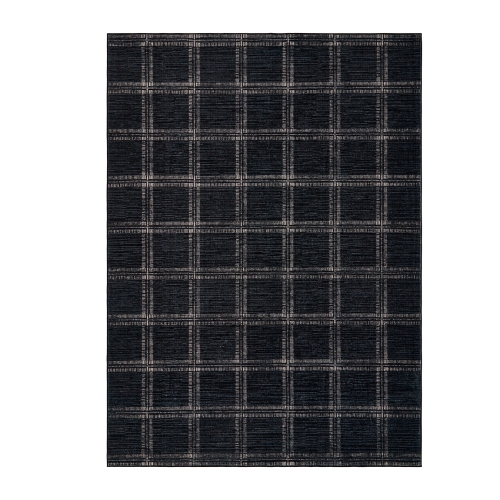
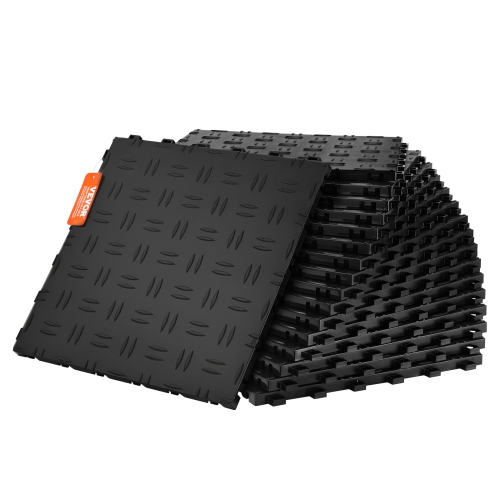
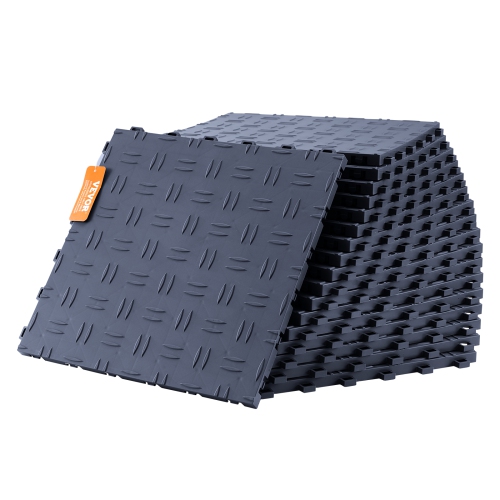
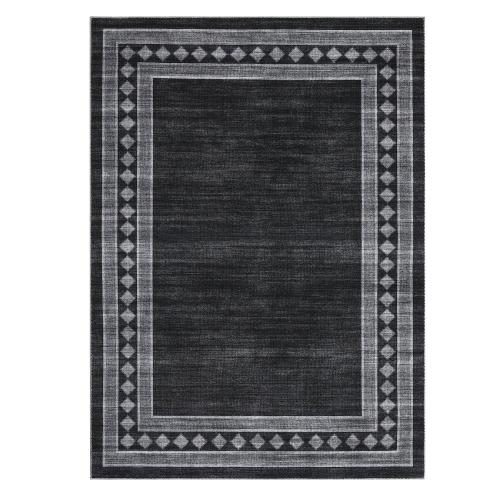
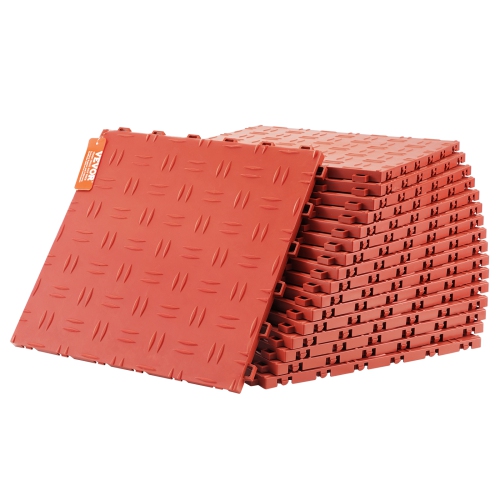
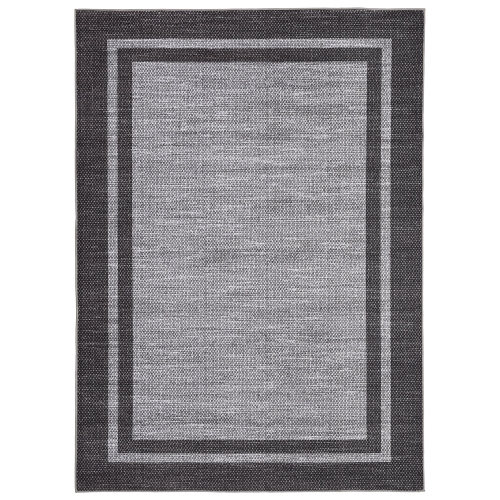
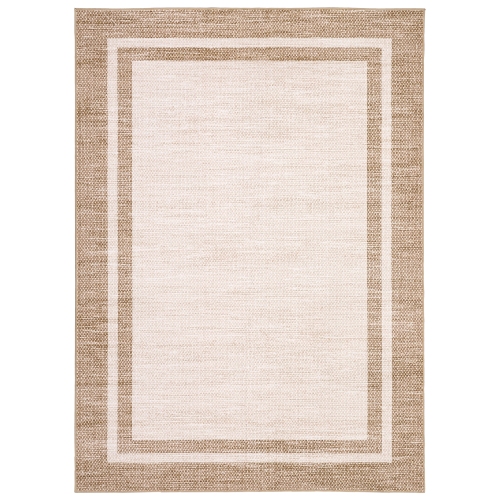
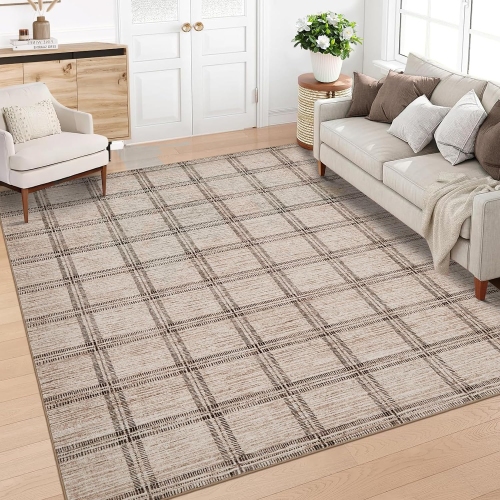
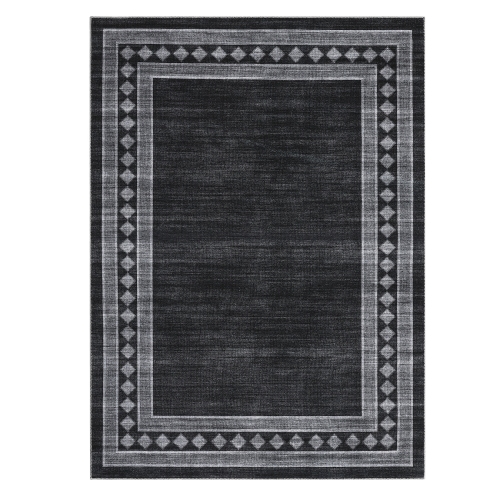
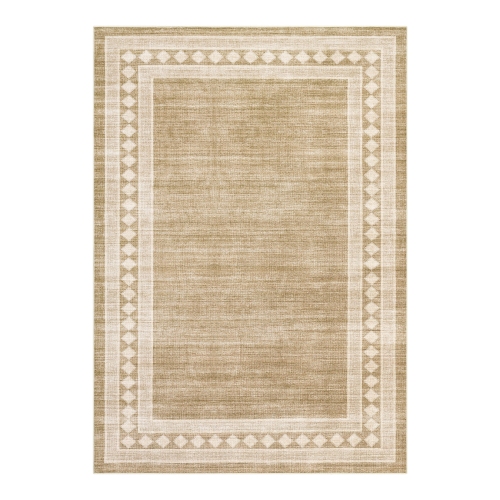
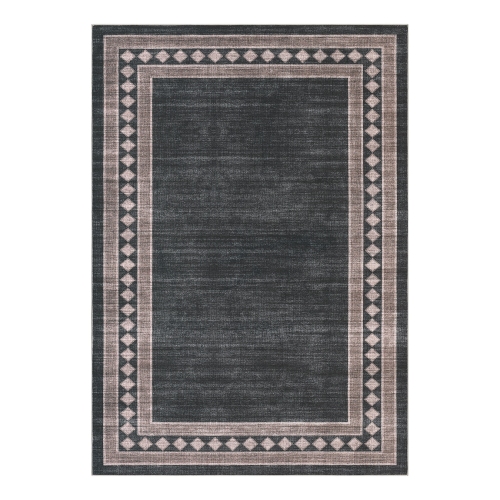
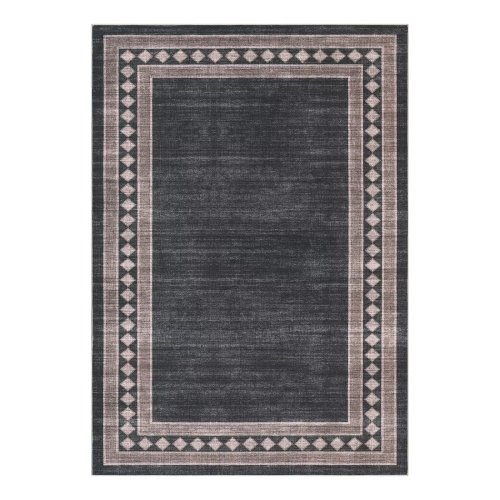
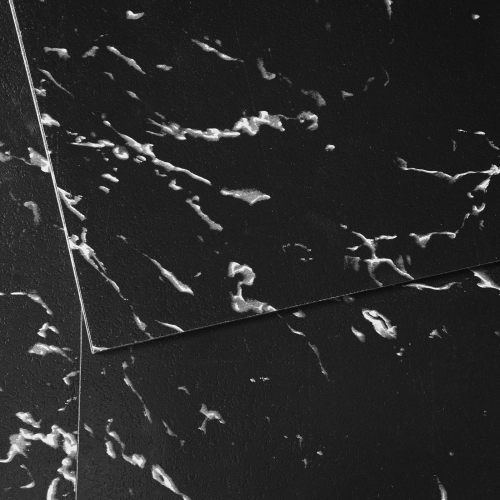
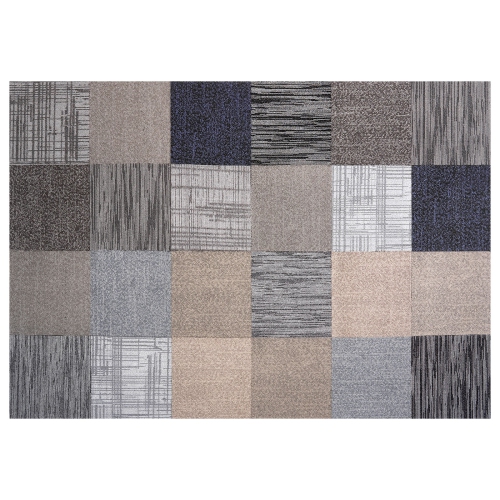
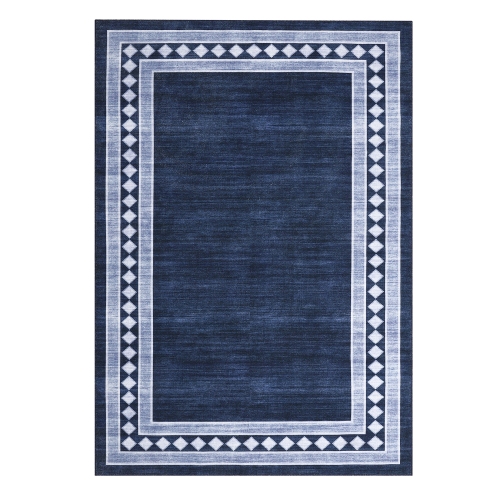
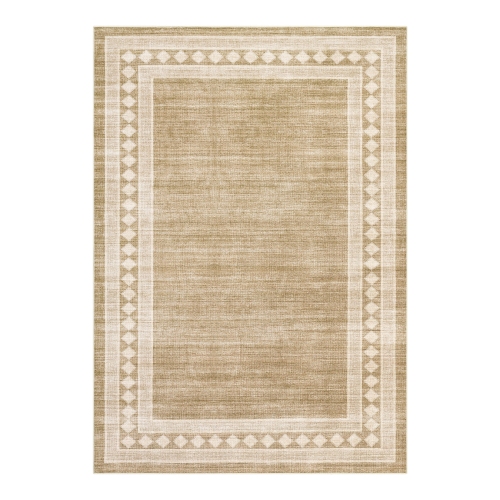
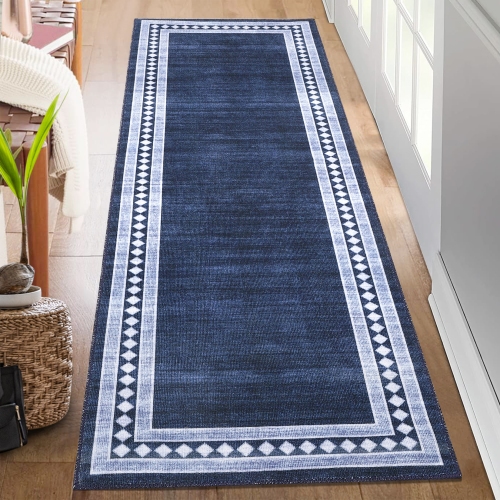
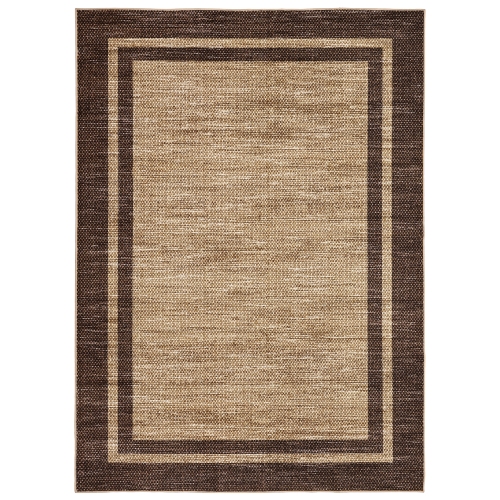
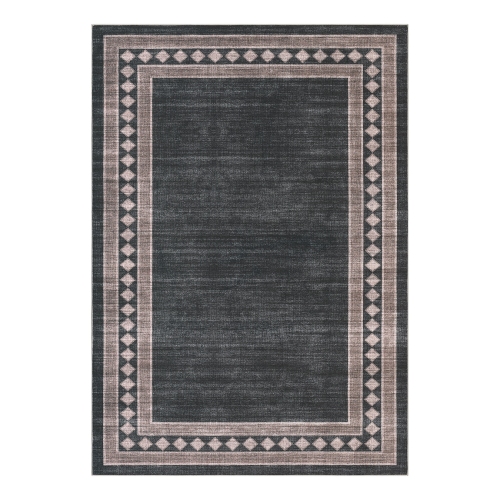
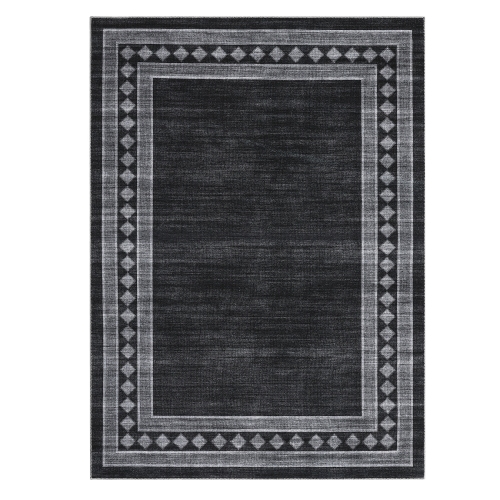
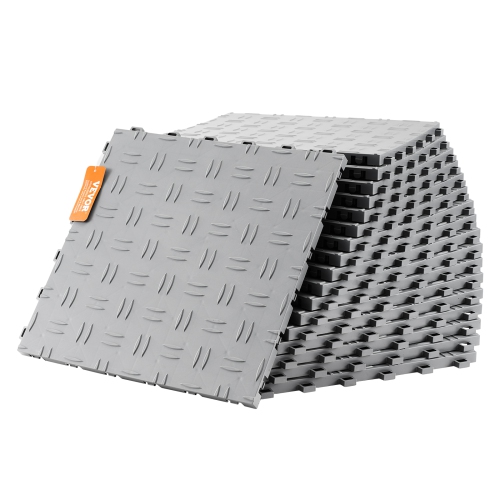
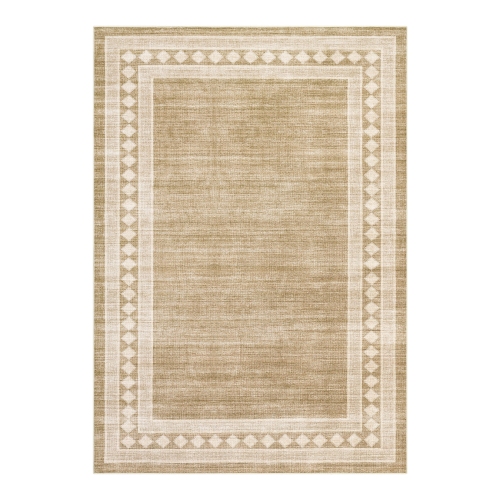
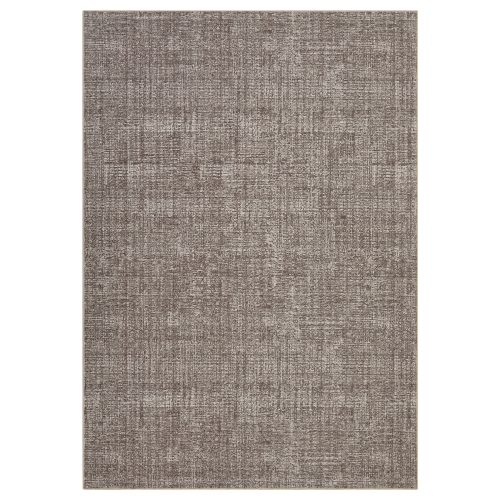
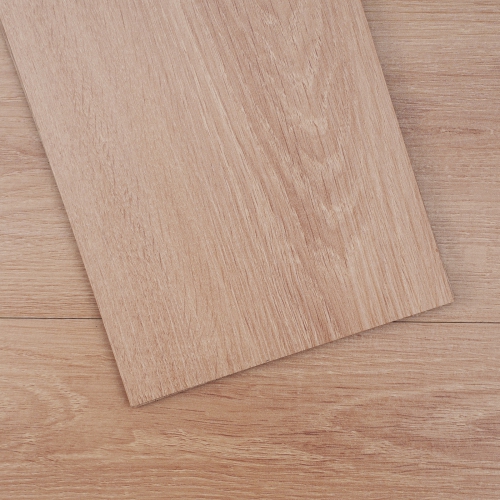
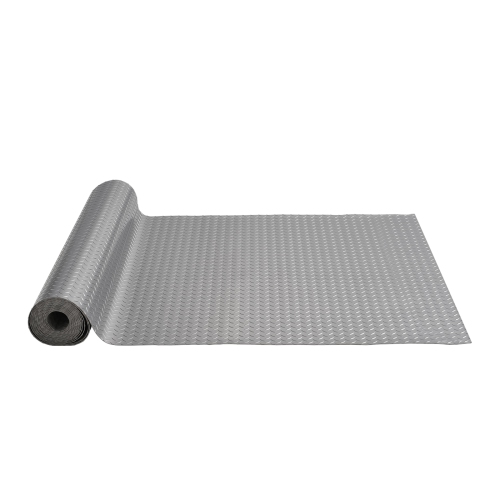
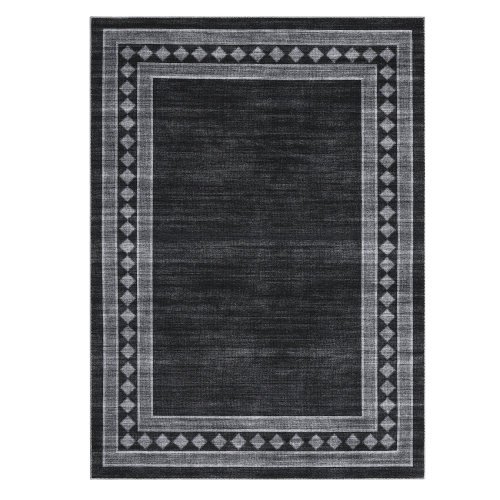
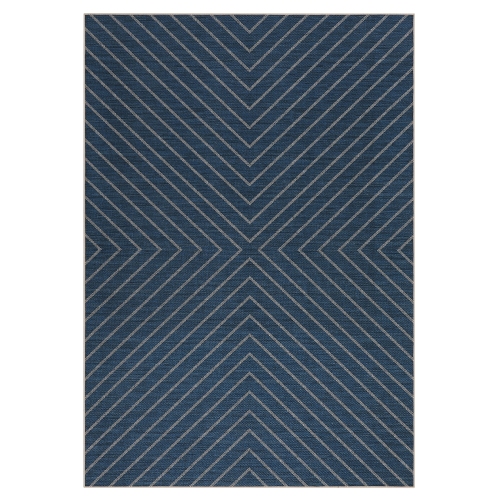
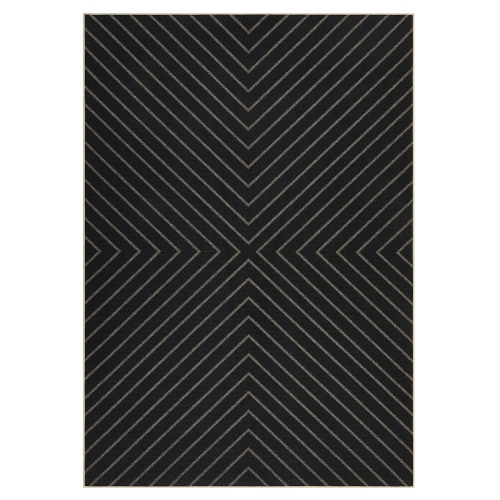
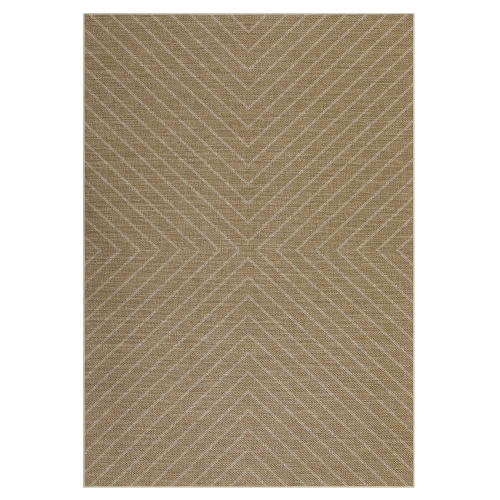
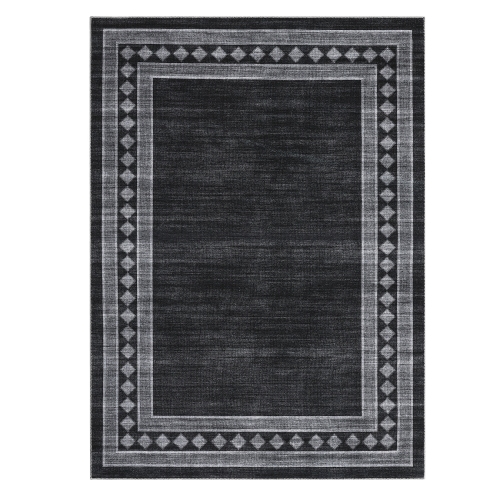
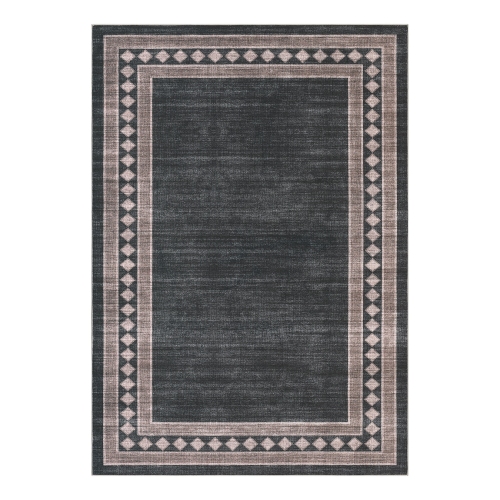
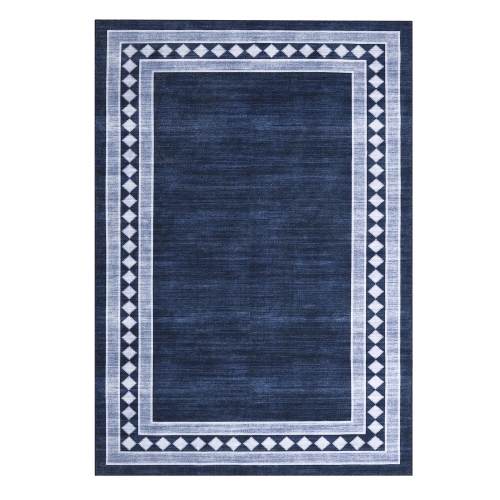
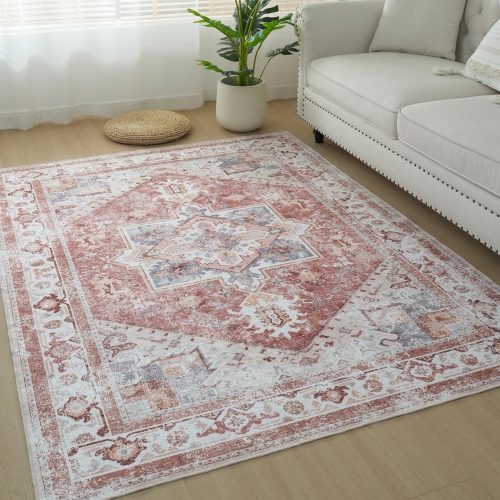
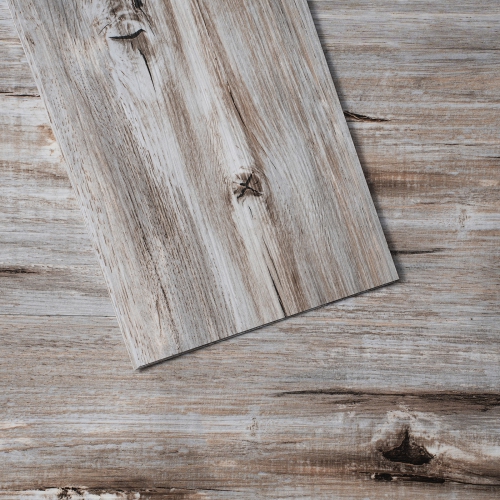
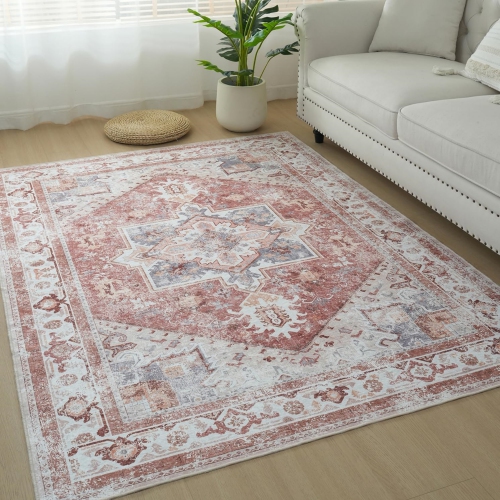
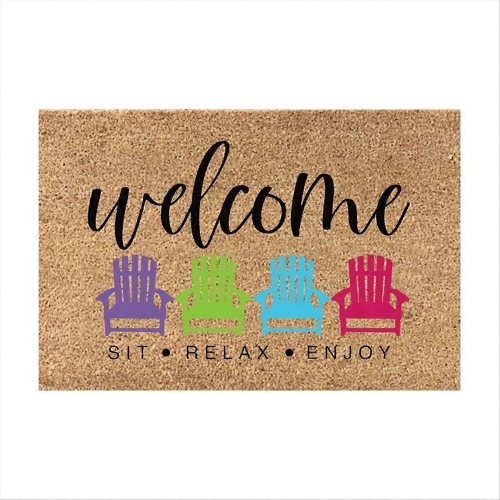
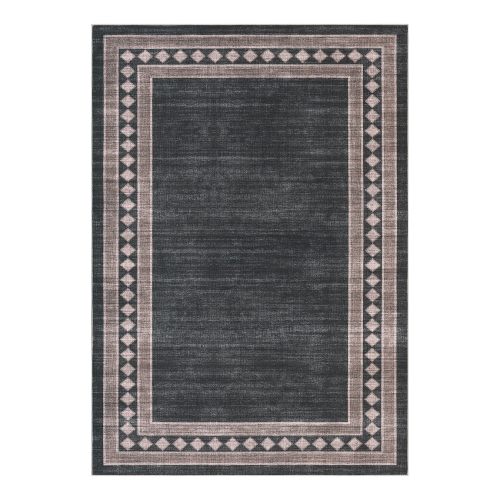
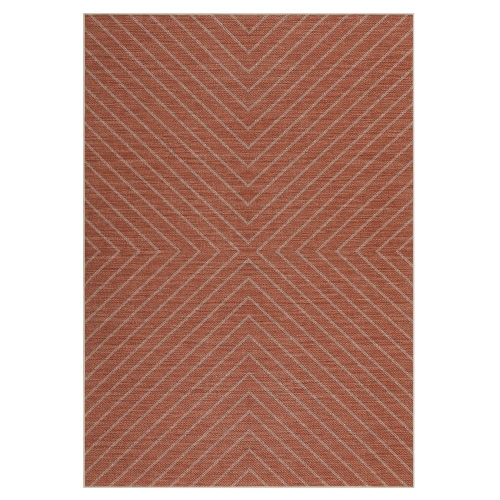
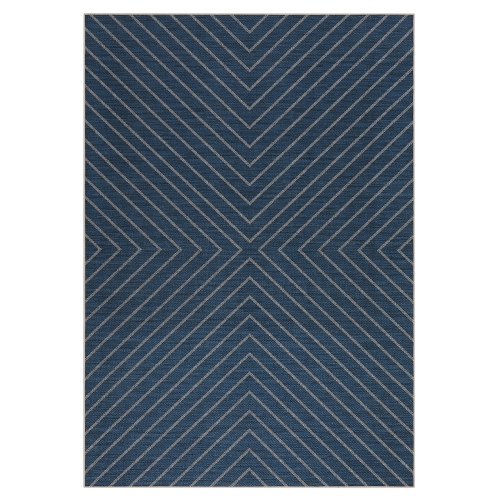
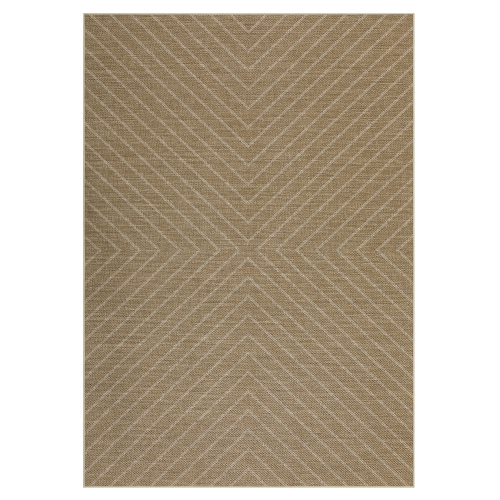
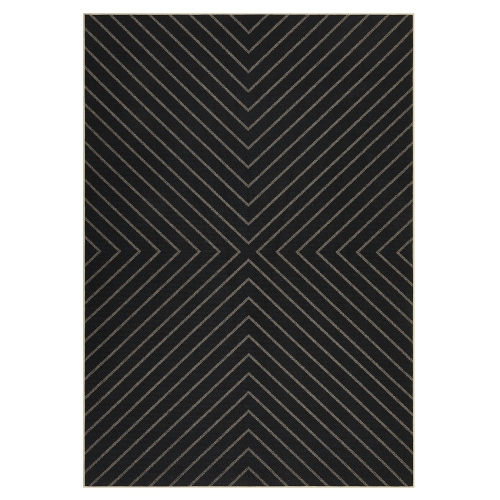
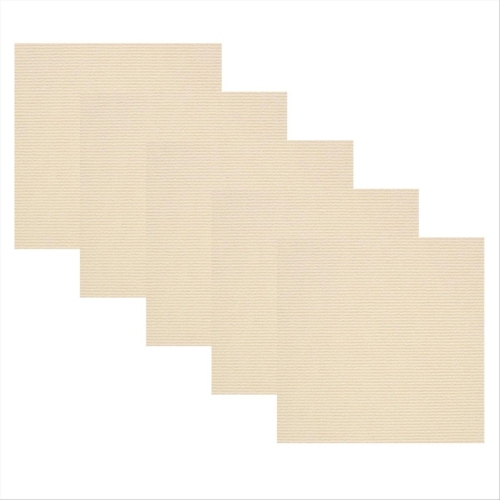
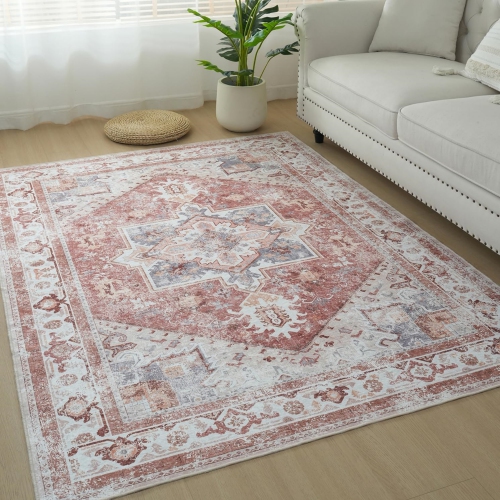
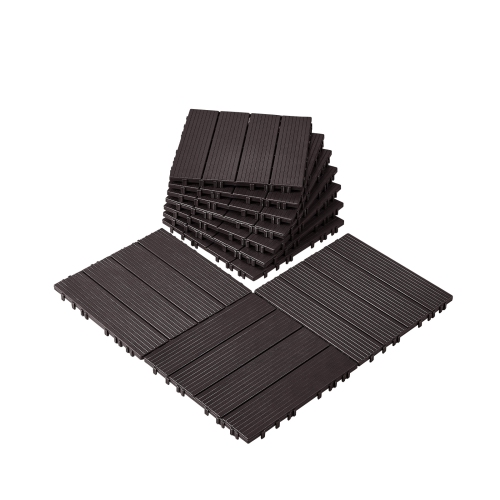
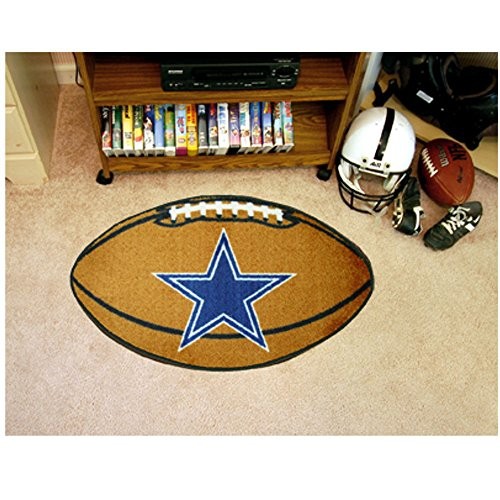
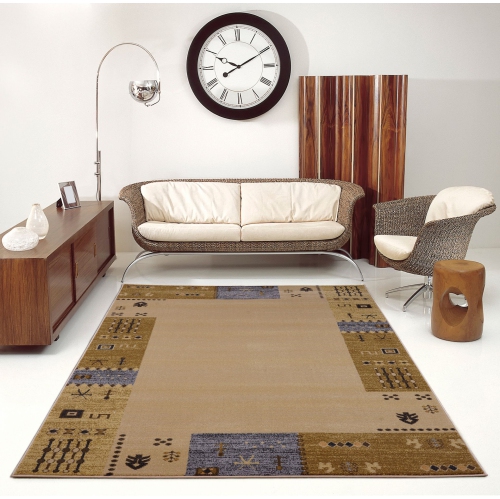
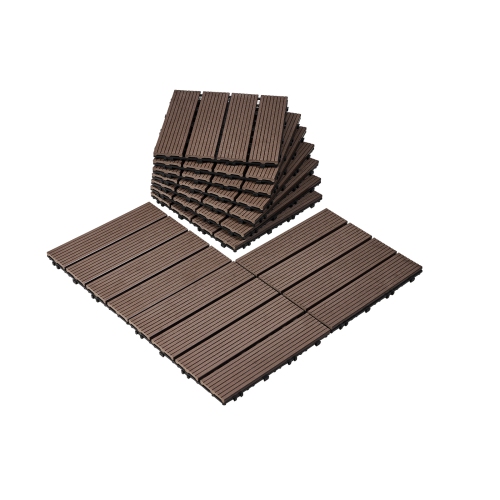
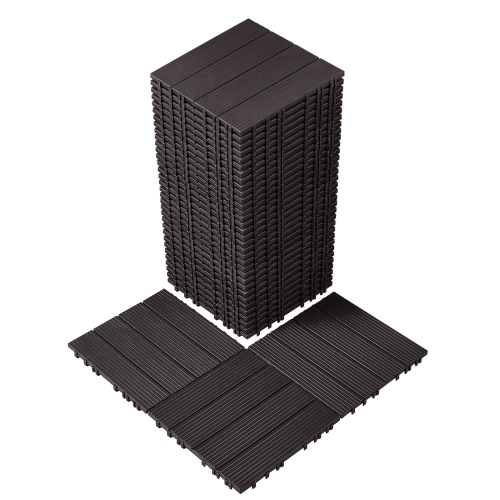
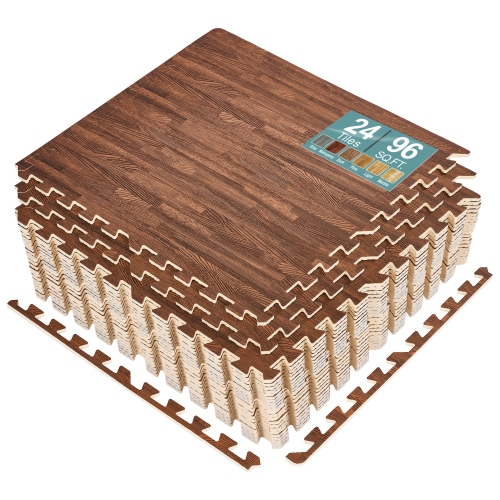
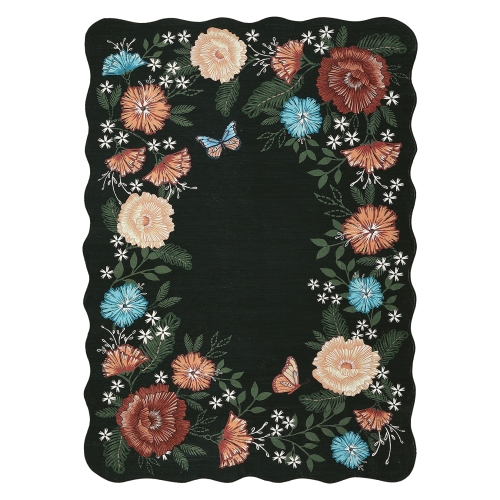
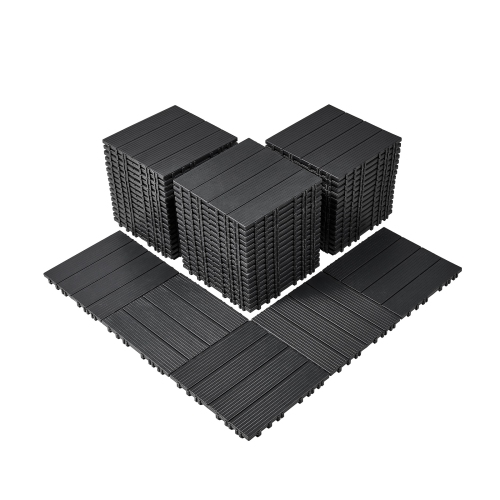
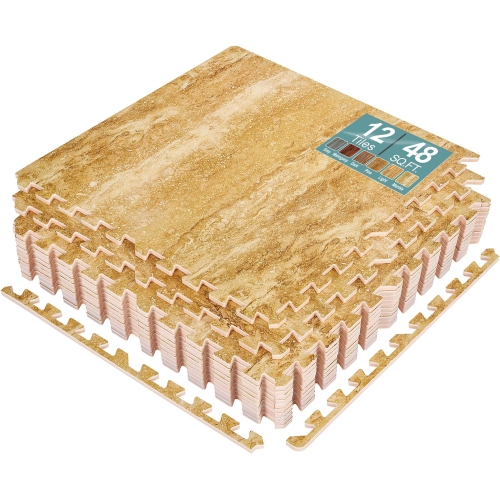
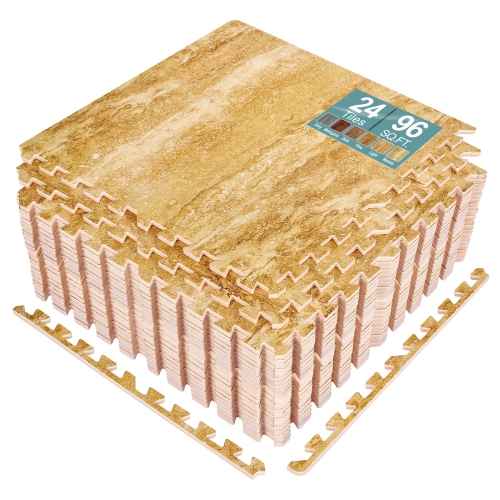
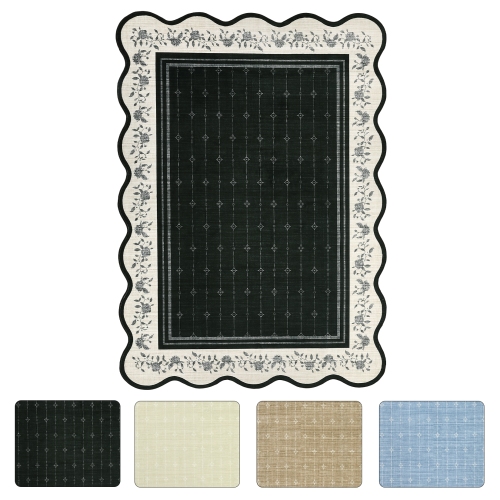
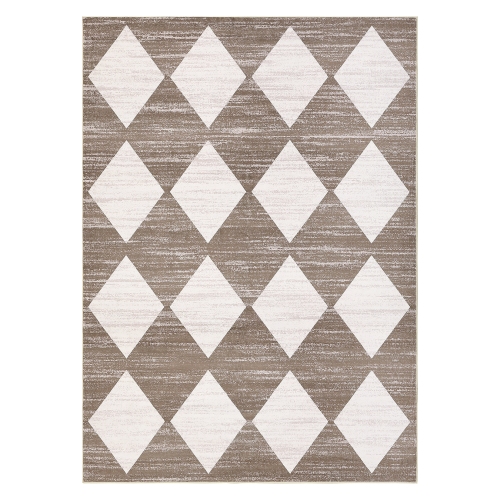
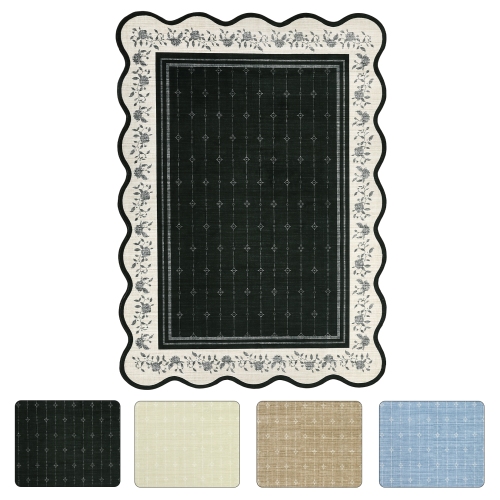
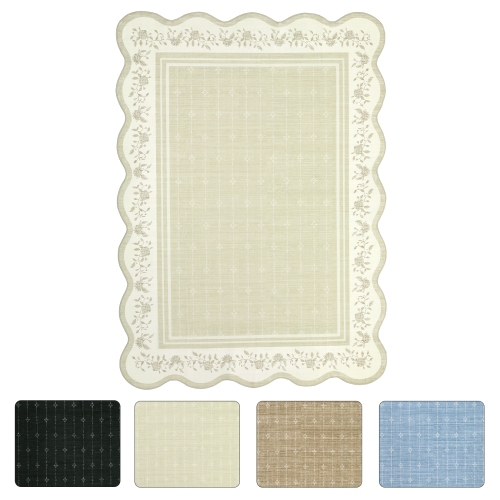
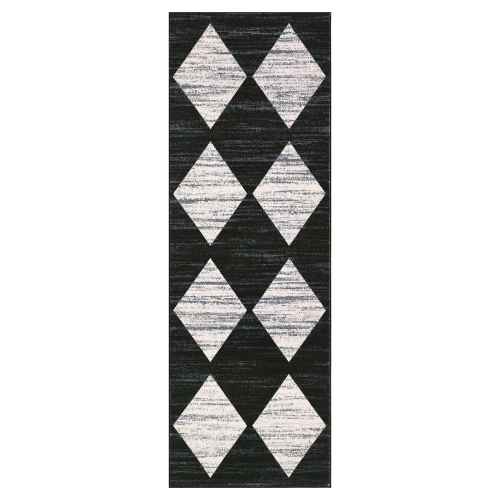
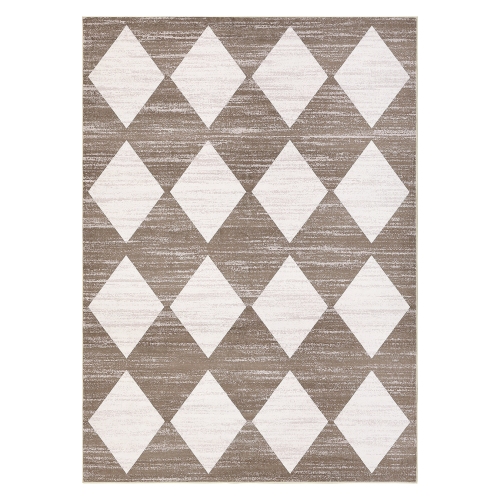
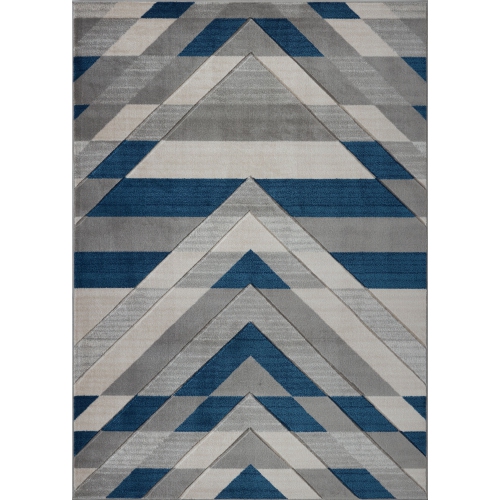
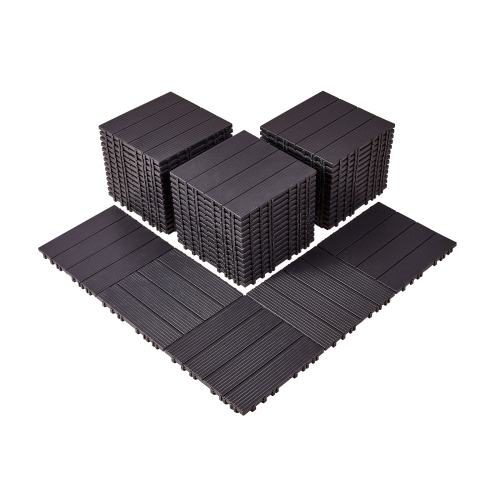
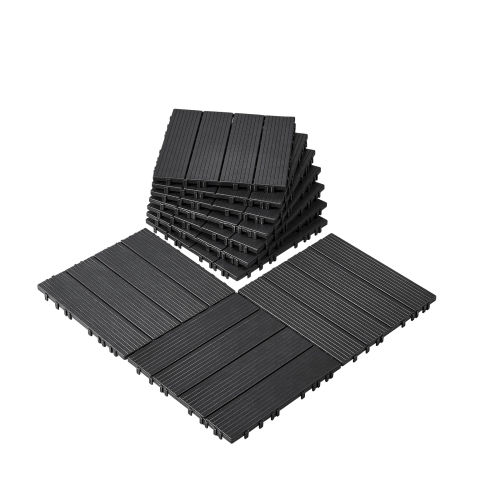
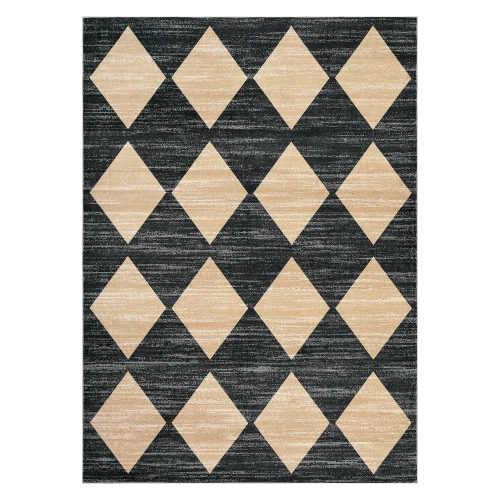
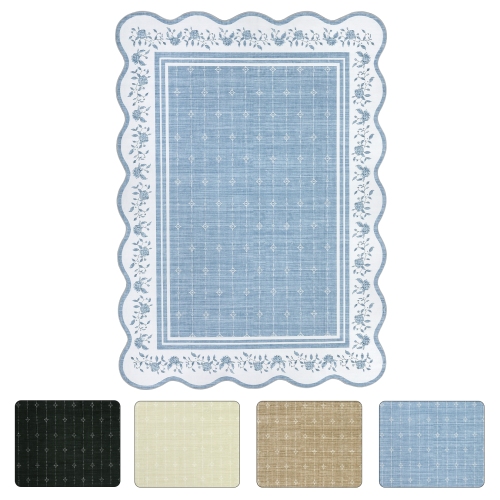
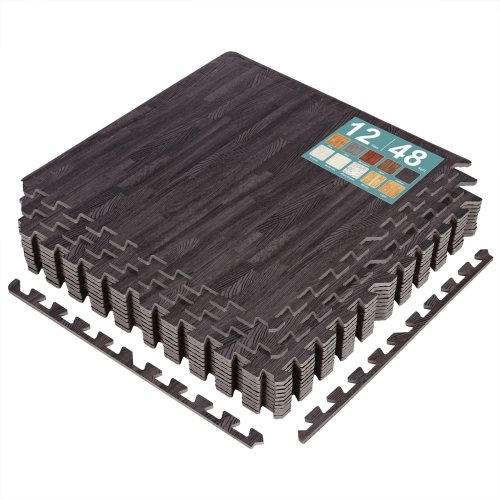
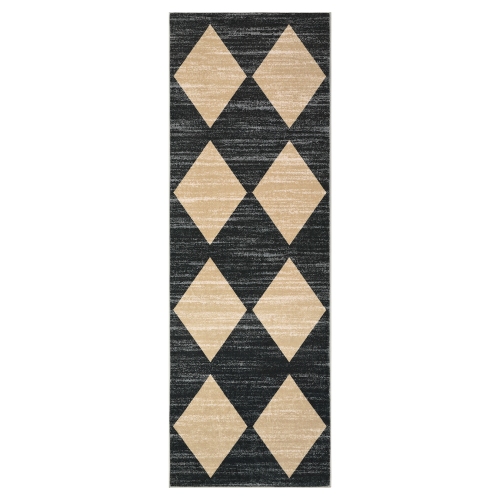
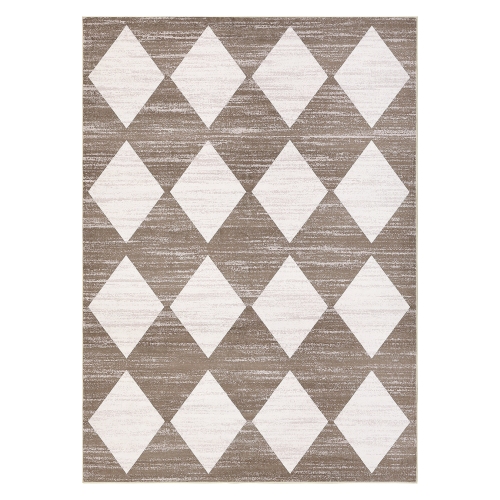
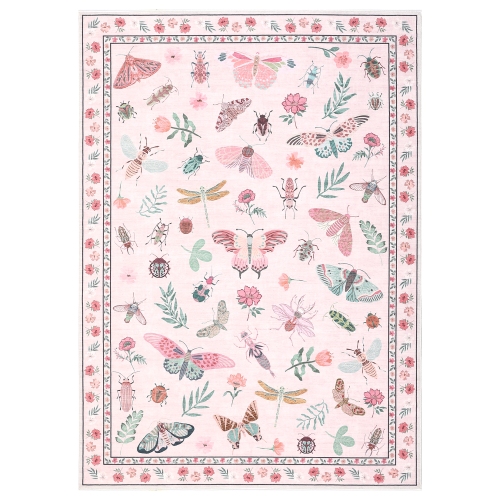
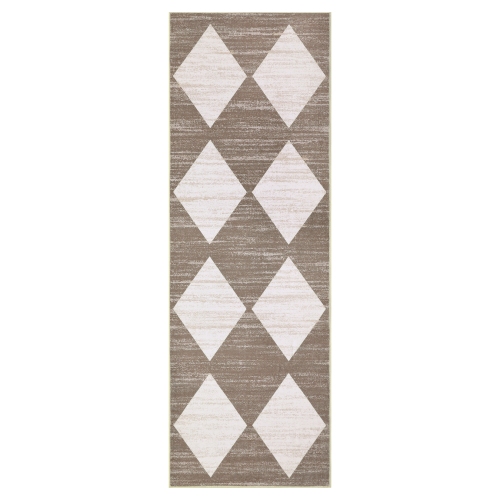
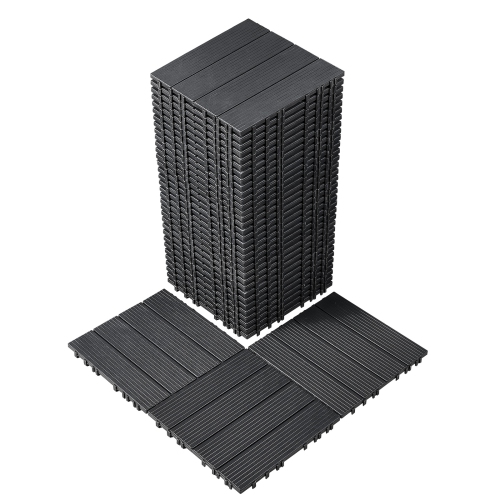
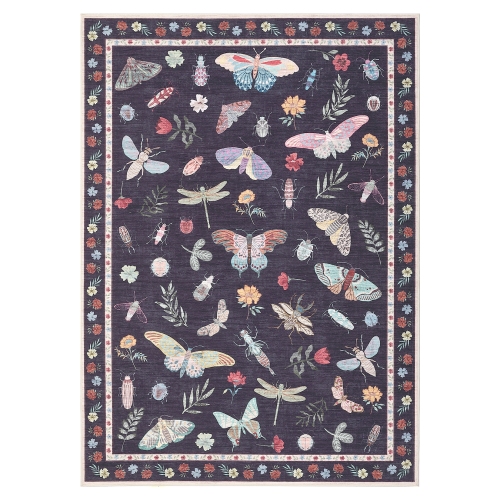
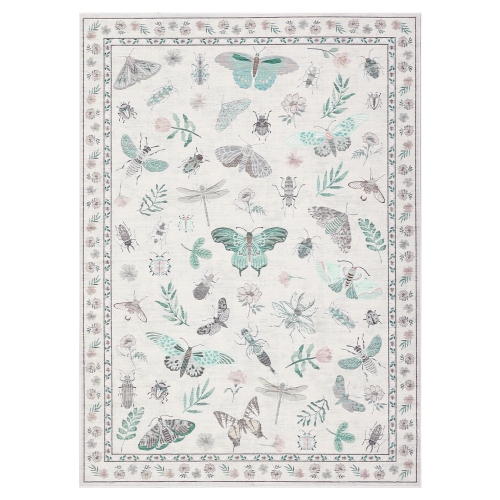
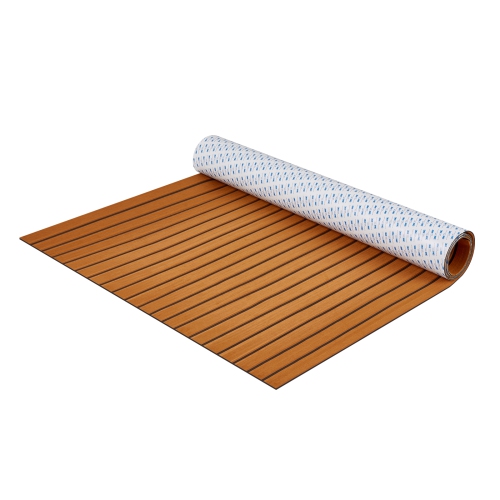
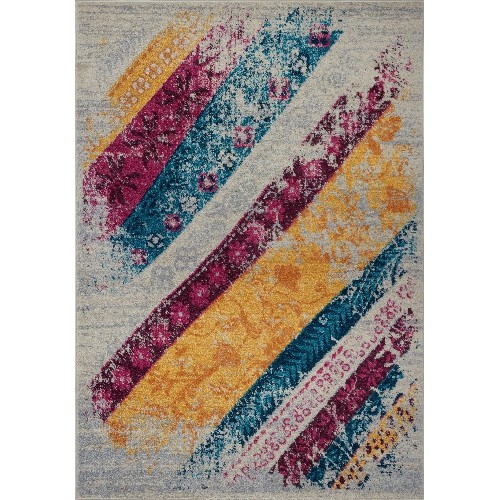
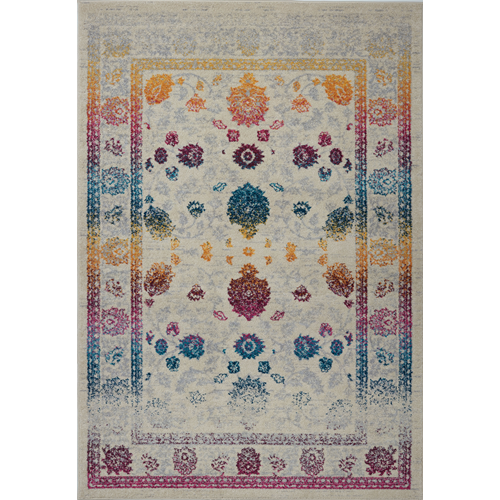
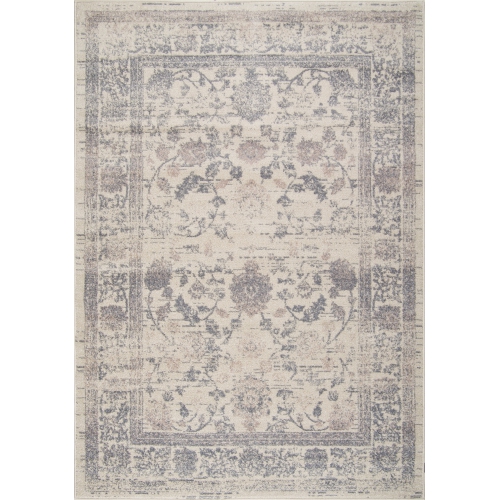
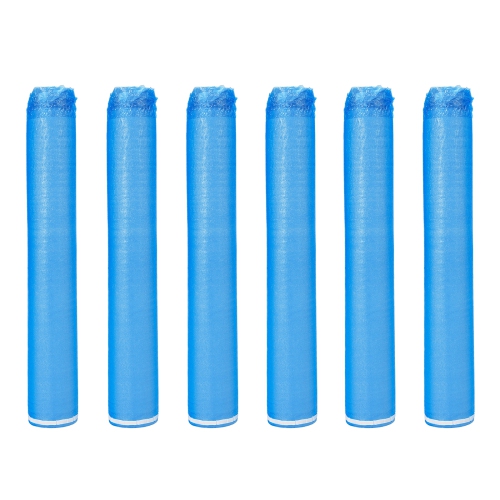
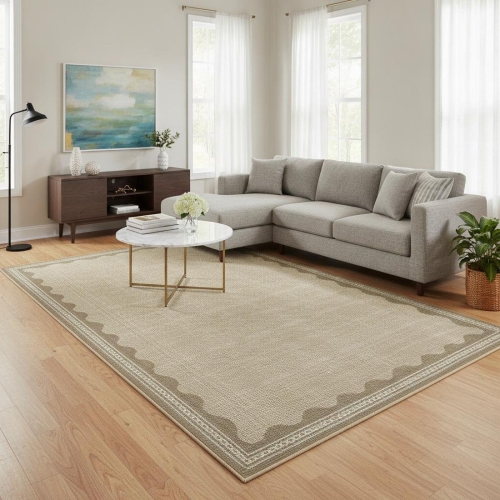
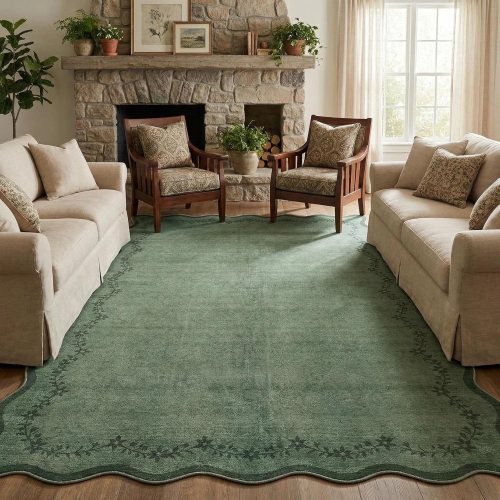
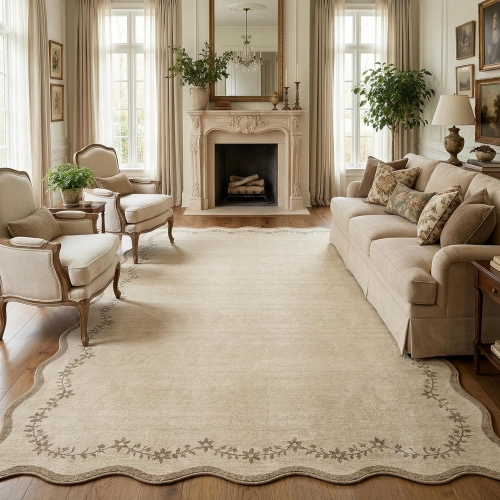
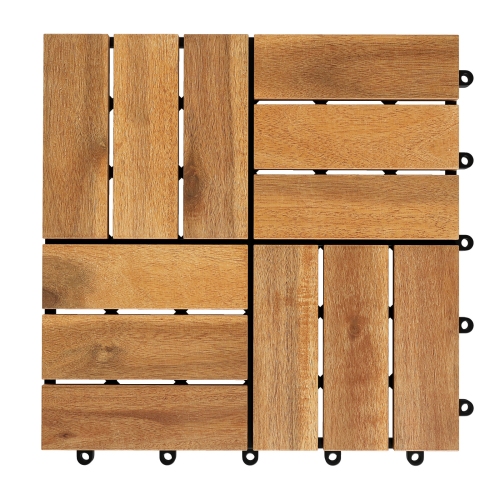
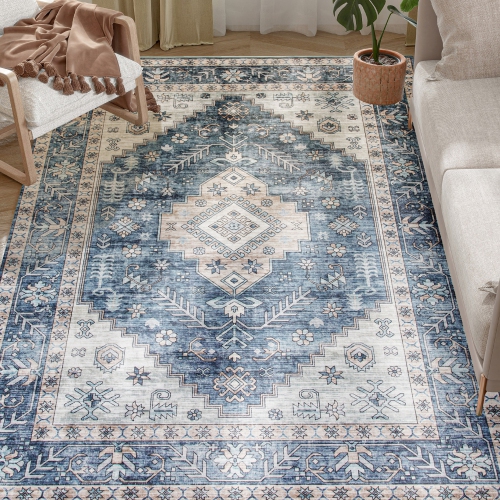
Floor coverings are materials laid over a floor’s base structure to create a finished walking surface, protect the surface beneath, and shape the look and feel of a room. The category includes fitted flooring, such as hardwood, laminate, vinyl, tile, and carpet, as well as movable coverings, such as area rugs, runners, and mats. Each serves a different purpose: a hard surface can support easy everyday cleaning, while a textile covering adds softness and helps absorb the sound of footsteps. Hardwood brings natural grain and variation to a space, and solid wood can often be refinished when its condition and thickness allow. Engineered wood has a layered construction, with refinishing potential depending on the thickness of its real wood surface. Laminate typically combines a fibreboard core with a printed design and a protective wear layer, creating the appearance of wood or stone without using those materials throughout. Vinyl flooring comes in formats such as sheets, tiles, and planks, offering a resilient surface with water resistance that varies by construction and installation. Ceramic and porcelain tiles provide firm, durable surfaces, although grout, slip resistance, and the floor assembly beneath them also matter. Natural stone has distinctive markings and may need sealing suited to the type of stone. Carpet and rugs introduce texture through fibres, pile height, and weaving methods, with options ranging from close, flat surfaces to deeper, cushioned finishes. Within that softer side of the category, floor carpets can help define a seating area, soften a bedroom, or make a frequently used room feel more comfortable underfoot. Colour and pattern influence the overall effect, too. A quiet, tonal surface lets furniture and artwork stand out, while a patterned rug can anchor a room with otherwise simple furnishings. The most suitable floor covering balances those visual qualities with the amount of walking, furniture movement, and cleaning the space requires.
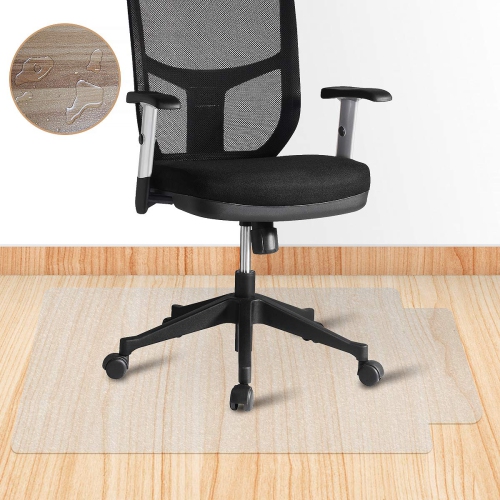
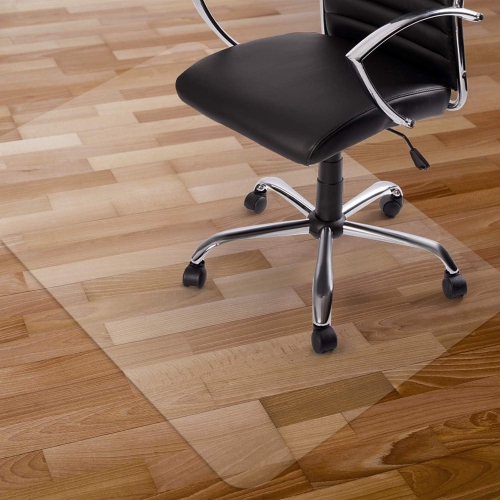
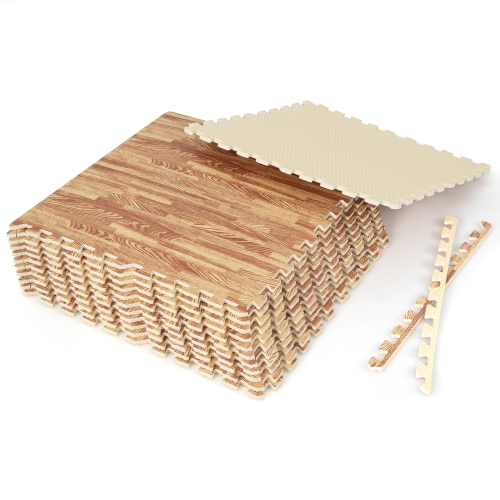
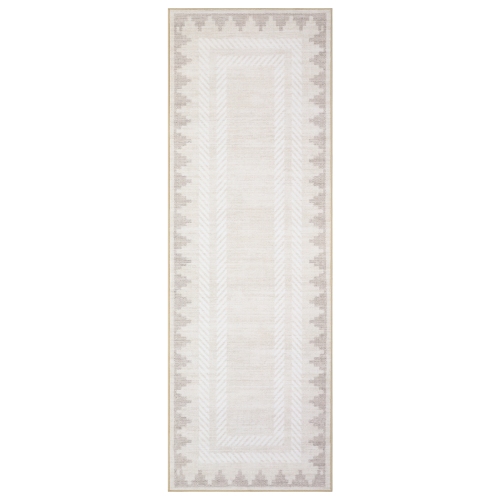
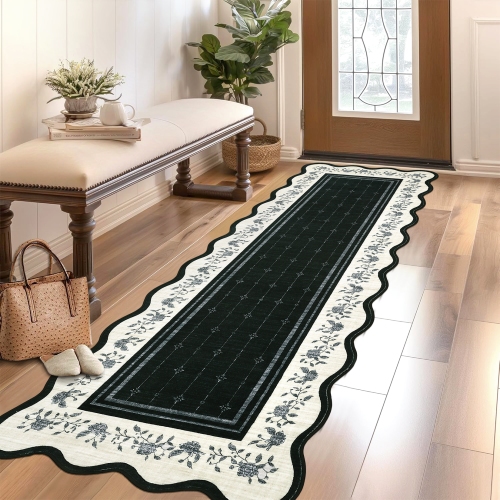
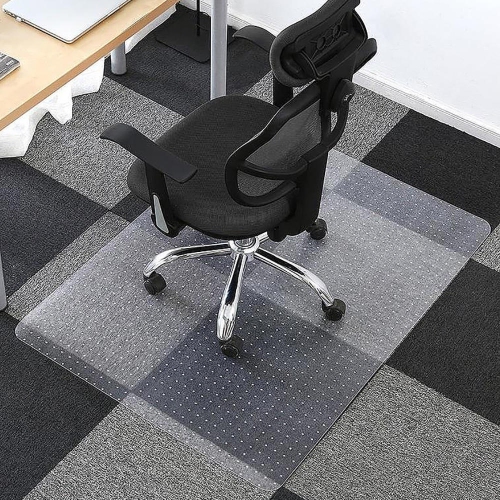
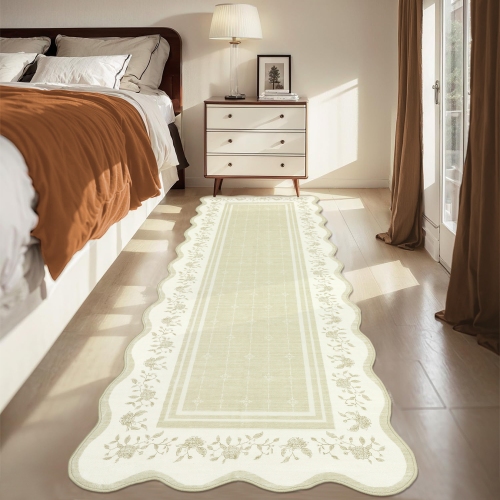
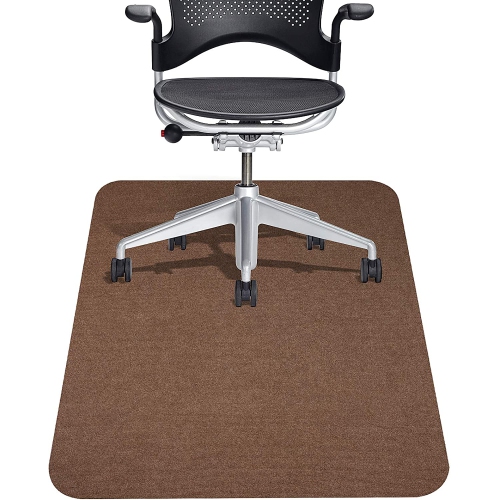
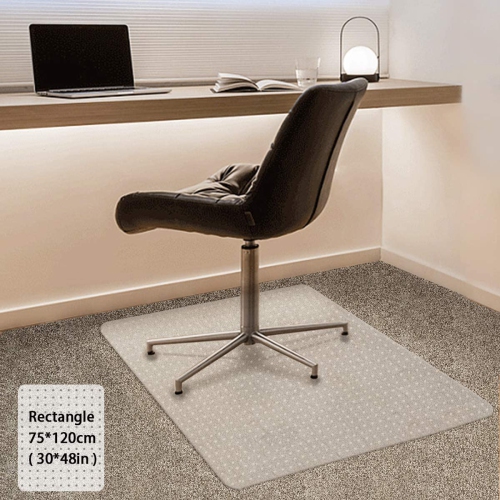
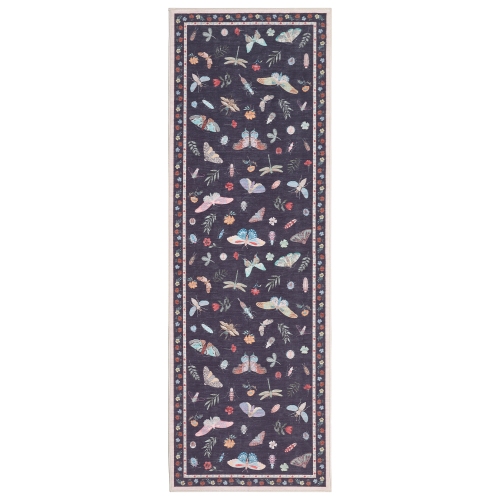
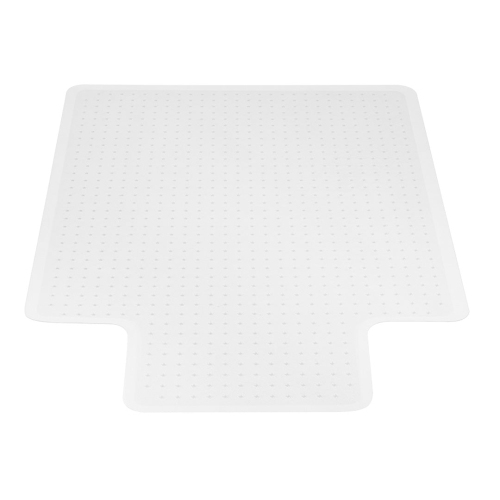
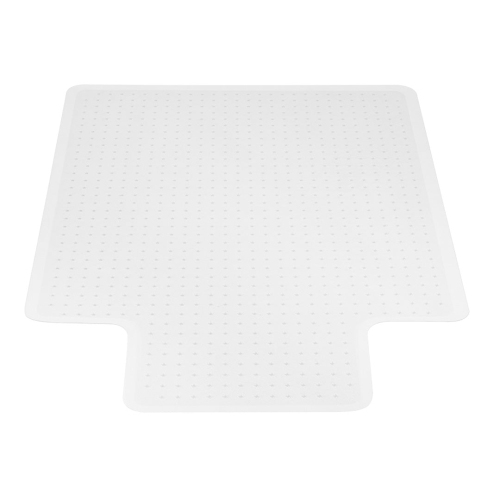
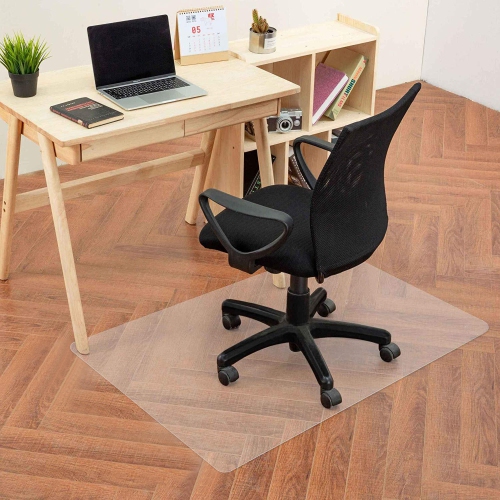
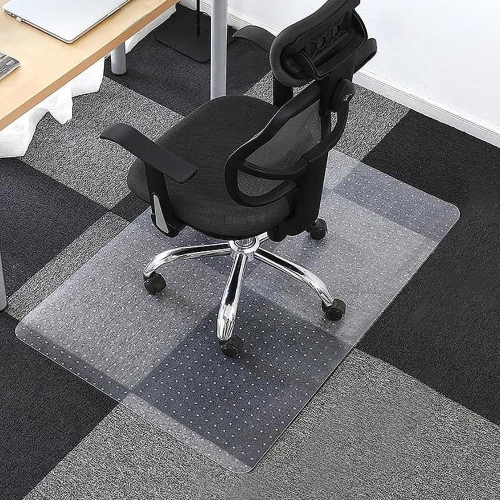
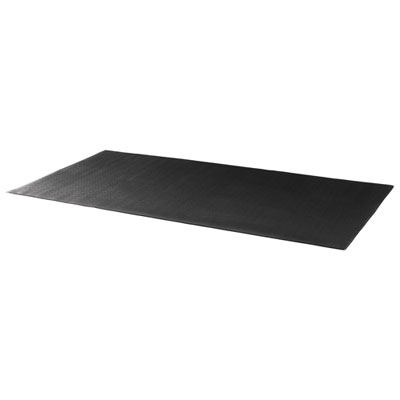
Material and fit become especially important when a floor covering has to work around everyday routines. In a living room, an area rug large enough to sit beneath the front legs of a sofa and nearby chairs can make the seating arrangement feel connected rather than scattered. Under a dining table, extra coverage beyond the tabletop allows chairs to remain on the rug as they are pulled out; a lower pile usually makes that movement easier. Hallway runners need enough clearance around doorways and should lie flat without blocking doors or creating raised edges in a walking route. Measuring the usable floor area, door clearance, and furniture placement gives a more useful picture than room dimensions alone. For fitted flooring, plank or tile thickness, transitions to adjoining rooms, and the condition of the subfloor all affect the finished result. A level, dry, properly prepared base helps prevent movement and uneven wear, while installation requirements differ between floating, glued, and mechanically fastened systems. In kitchens and bathrooms, the distinction between water-resistant and waterproof materials matters: a surface that tolerates splashes does not necessarily protect seams, edges, or the subfloor from standing water. Slip resistance also deserves attention wherever spills are likely. For households with children or pets, dense, easy-to-clean surfaces can simplify the cleanup of crumbs, tracked-in grit, and everyday messes. Loose loops or long fibres may be less practical around claws, rolling toys, or furniture that moves frequently. A home office benefits from a surface that lets a desk chair roll steadily, with a compatible chair mat where needed to reduce wear. People using walkers or wheelchairs may find firm, smooth surfaces and low, secure transitions easier to navigate than thick pile or loose rugs. In spaces where someone stands for longer stretches, a cushioned mat designed for that purpose can add comfort, provided its edges stay flat and its backing suits the floor beneath. These details determine whether a covering simply fits the room or genuinely supports the way it is used.
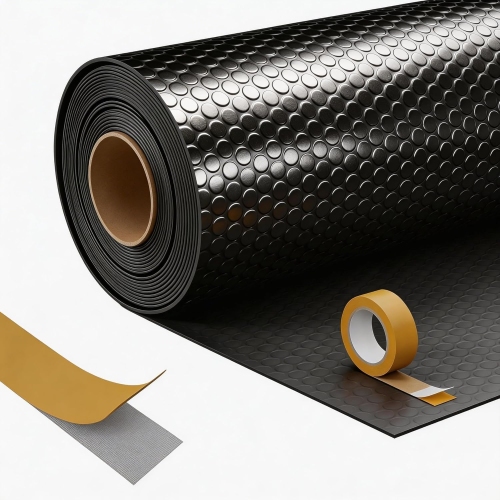
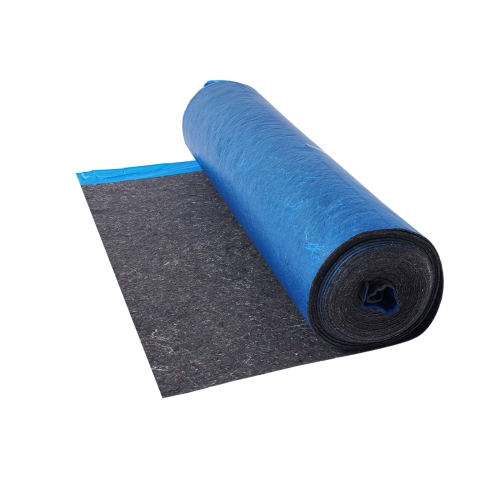
Care requirements and construction help explain how floor coverings perform over time. Wool rugs offer a naturally springy texture but need cleaning methods appropriate to the fibre, while cotton coverings can feel lighter and more flexible; machine washing is suitable only when the care label allows it. Synthetic fibres, including nylon, polyester, and polypropylene, have different strengths in resilience, stain resistance, and moisture handling, so fibre type alone does not tell the whole story. Pile density, backing quality, edge finishing, and the way a covering is made also contribute to durability. Flatwoven and low-pile rugs generally allow easier furniture movement and straightforward vacuuming, while deeper piles provide a plush feel but can hold more debris between their fibres. Natural plant fibres such as jute and sisal bring a textured appearance, although many are sensitive to moisture and better suited to dry spaces. Regular removal of dust and grit helps limit abrasion across both soft and hard surfaces. Spills on textile coverings are generally best blotted promptly rather than rubbed, followed by the cleaning method specified for the material. Wood and laminate often require minimal moisture during cleaning, and steam should be used only where the flooring manufacturer explicitly permits it. Tile care depends on both the tile and grout, while natural stone may require a cleaner that will not damage its finish. Beneath a loose rug, a correctly sized pad can improve cushioning and help reduce movement, but the pad or backing must be compatible with the underlying floor to avoid marking or discolouration. Furniture pads, suitable protective mats, and occasional rug rotation can help distribute wear in busy areas. For renters, movable rugs and runners offer a way to personalize rooms without replacing fitted flooring, subject to any building requirements. For a shared household, balancing softness, ease of cleaning, and secure placement often matters more than choosing a surface for appearance alone. A well-matched floor covering brings those practical needs together, giving each space a finished surface that feels appropriate to daily life.
Top selling and popular products
-
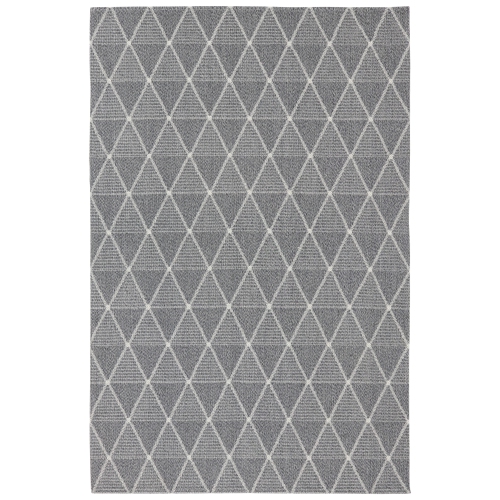 Your price for this item is $130.55
-
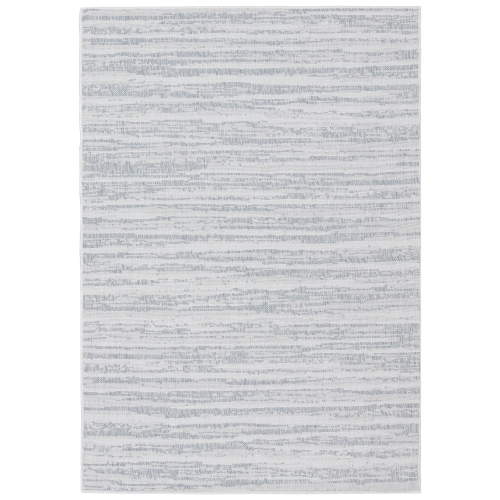 Your price for this item is $129.15
-
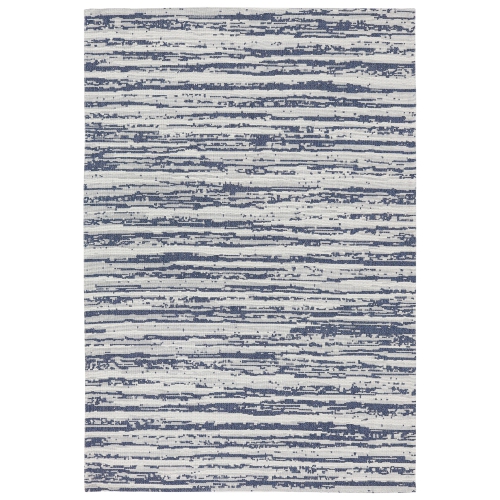 Your price for this item is $130.55
-
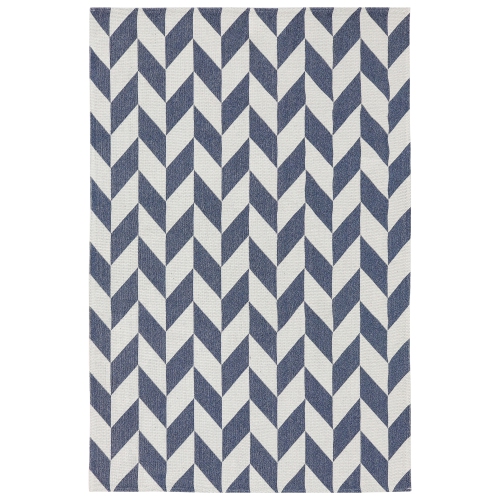 Your price for this item is $130.55
-
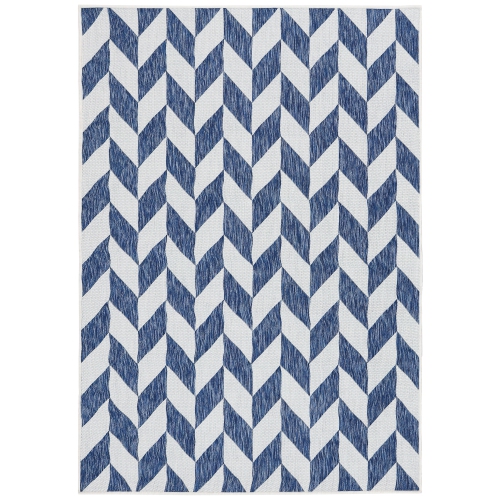 Your price for this item is $129.15
-
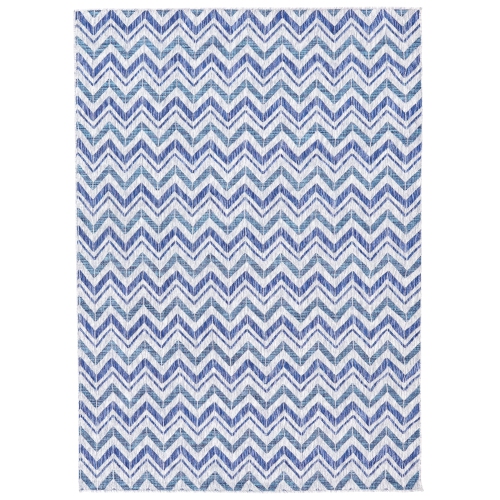 Your price for this item is $129.15
-
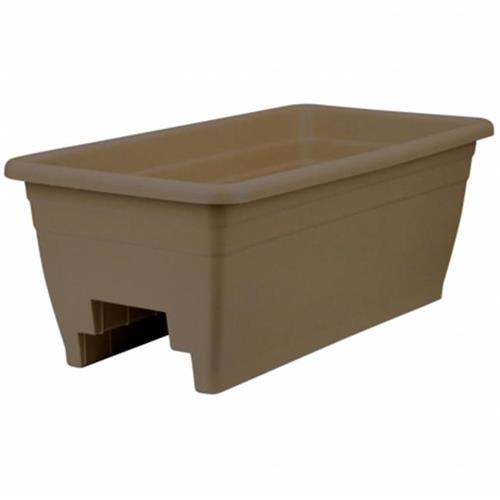 Your price for this item is $110.99
-
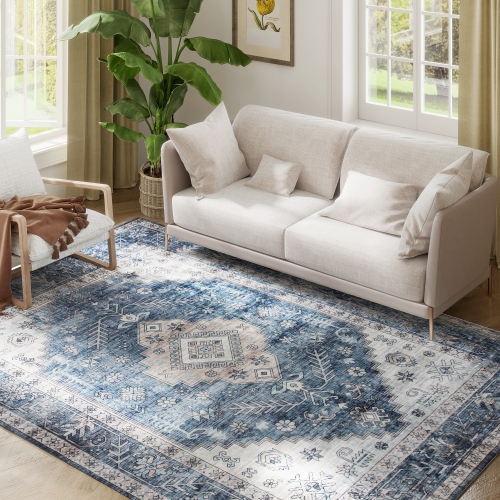 Your price for this item is $88.07
Discover more categories related to Floor Coverings
Top Collections:
Pokemon Centers, Kindle Devices, Best Budget Office Chairs, Canon G7X Cameras, Apple iPhones 16, Samsung Galaxy Phones, Refurbished Apple Laptops, Laptops for Students, iPhone 15 Apple, Budget Smartphones
Some products may be subject to Environmental Handling Fees
(EHF) depending on your province.
Learn more about EHFs.