Flooring Covers
Elevate the style and functionality of your space with our wide selection of flooring covers. Whether you're looking to refresh a room with sleek laminate, add warmth with cozy carpeting, or achieve a modern look with vinyl planks, we have the perfect flooring solution for every corner of your home. From durable materials that can withstand heavy foot traffic to easy-to-install options for DIY enthusiasts, our range of flooring covers offers something for every taste and lifestyle. Browse through our collection and discover the ideal flooring cover to transform your living spaces into inviting retreats.
Sort





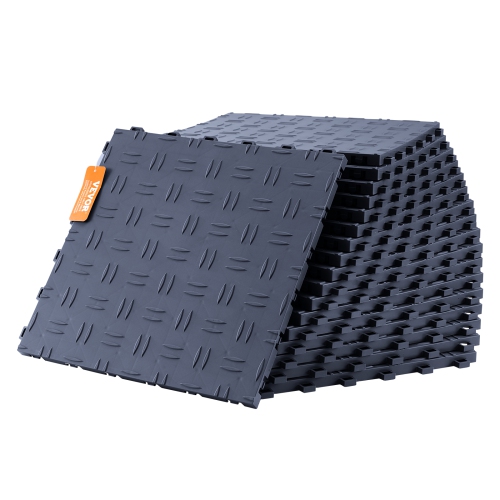


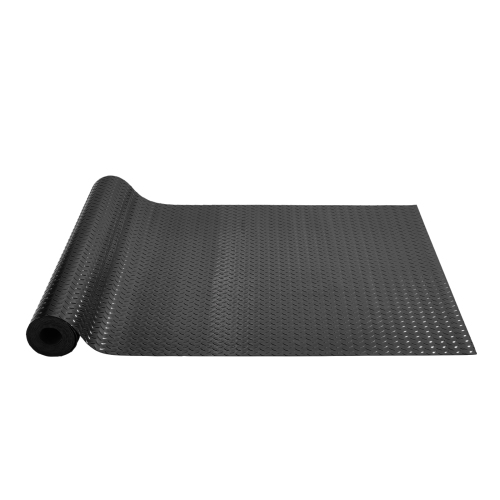

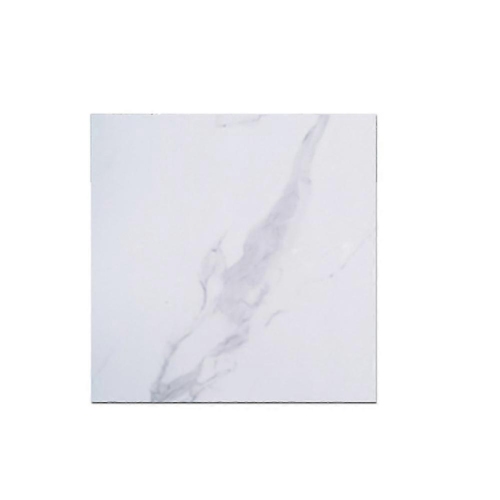
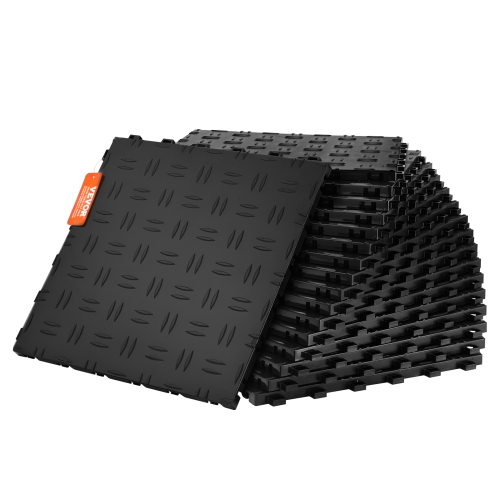







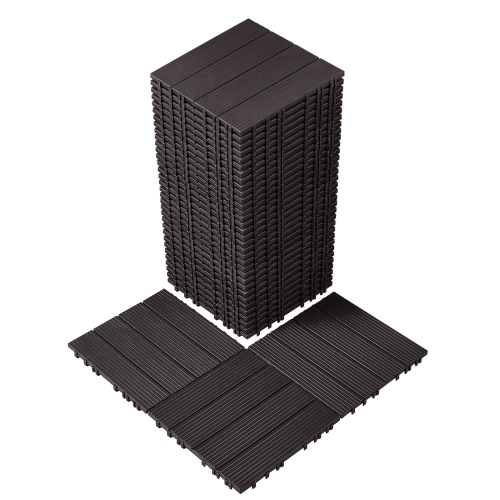

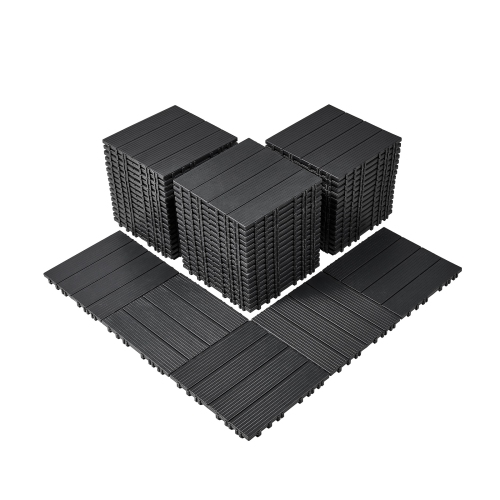

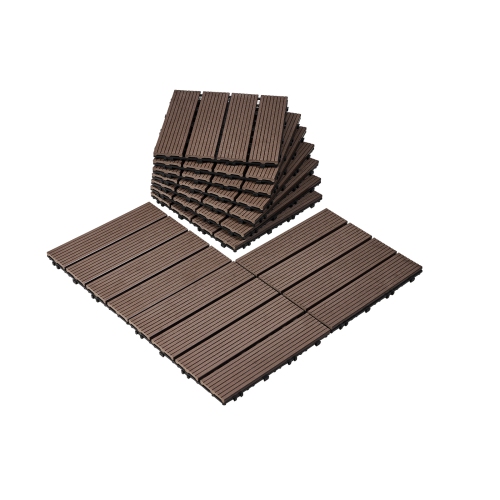


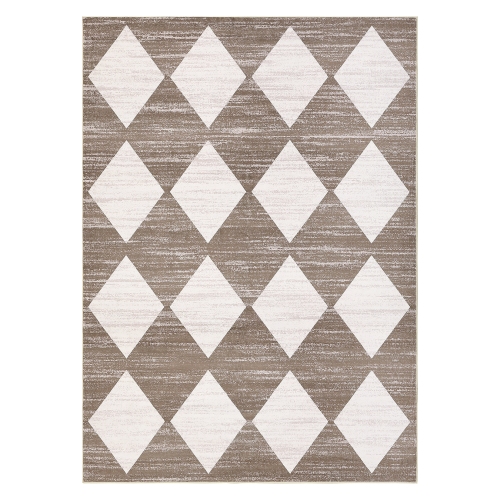
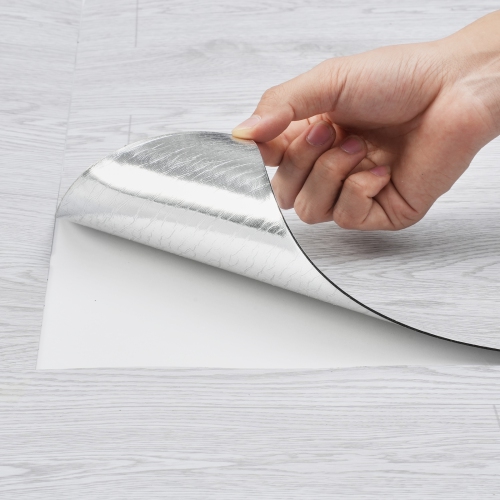
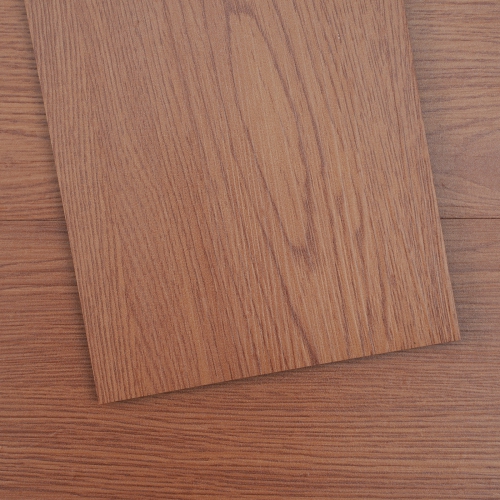
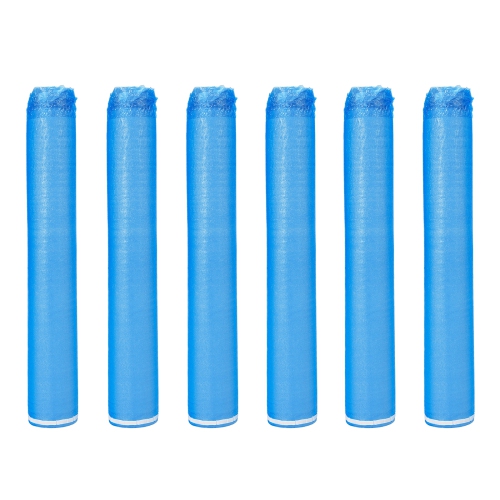


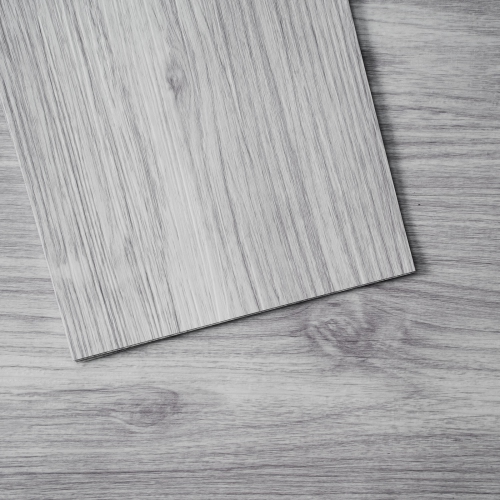


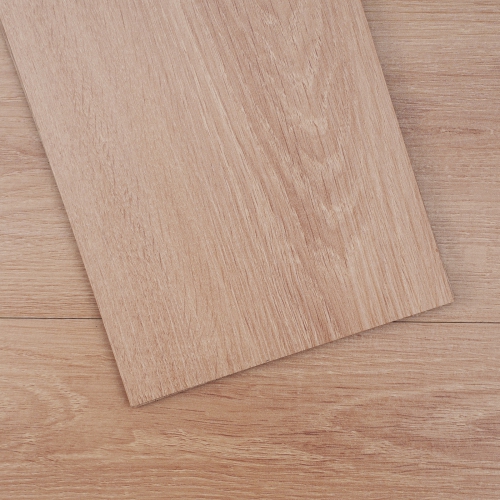
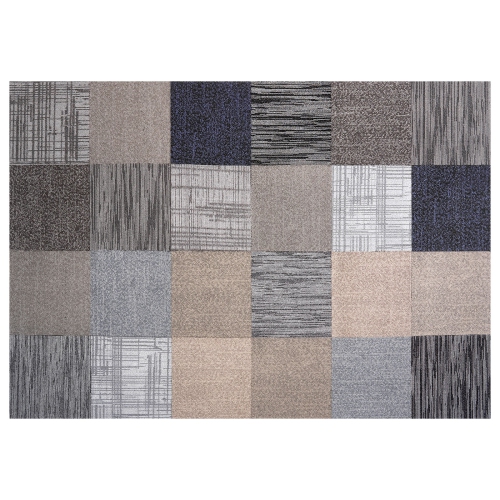
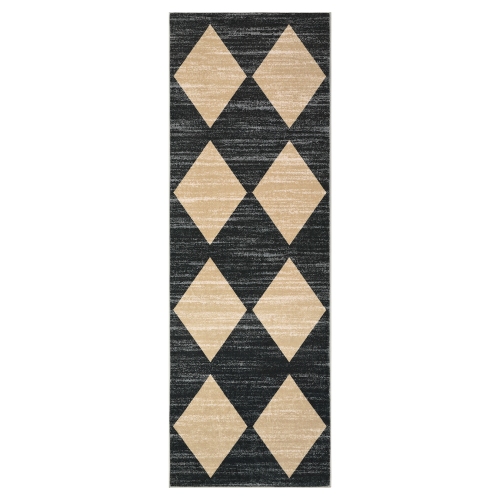
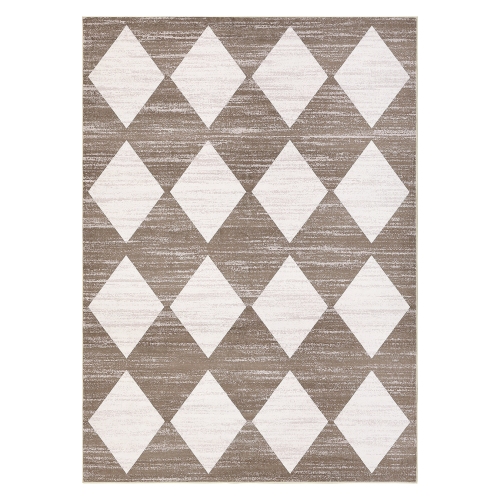


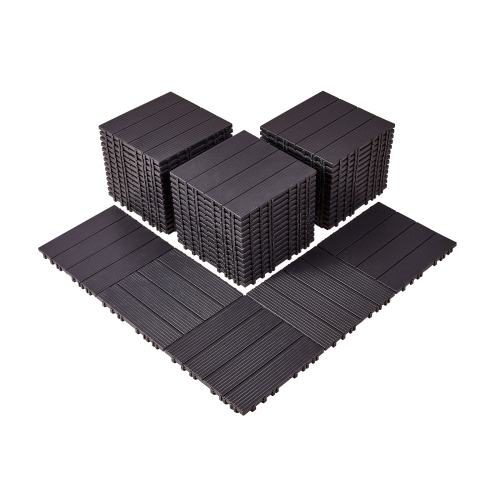
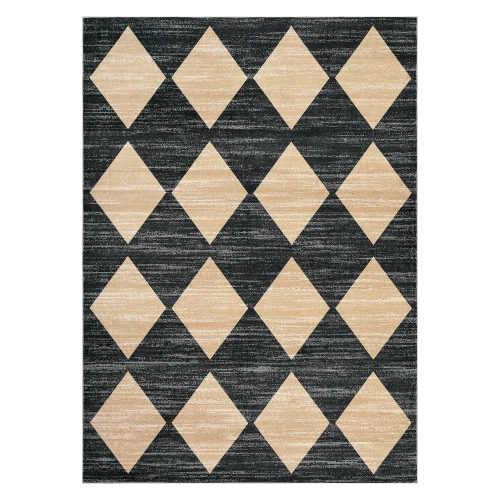


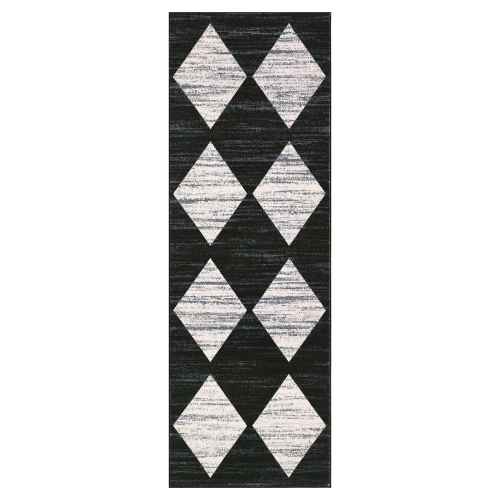
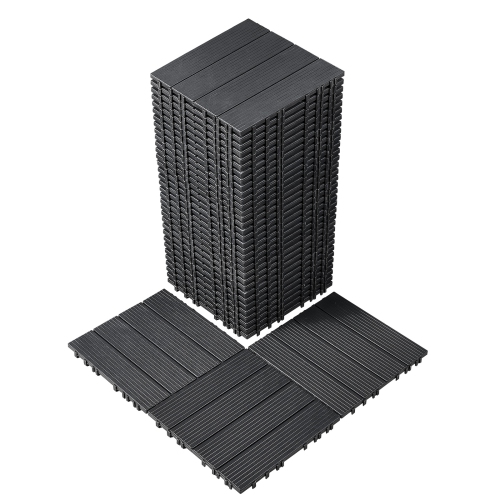















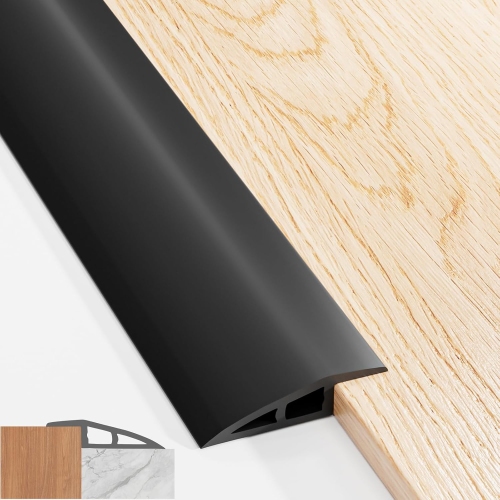

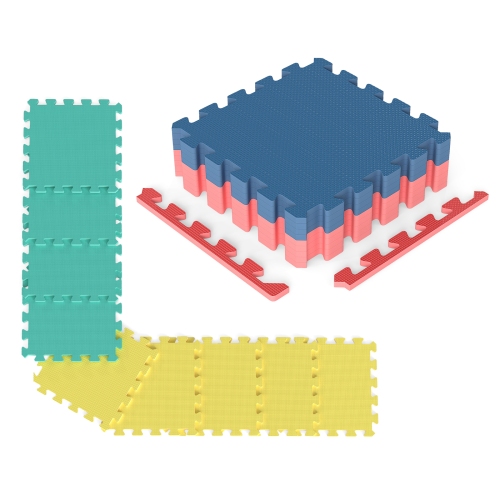


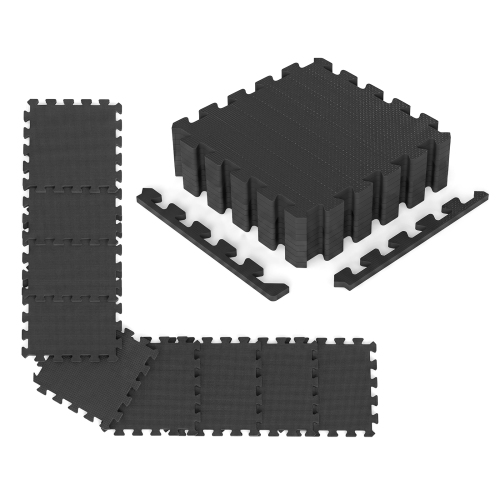


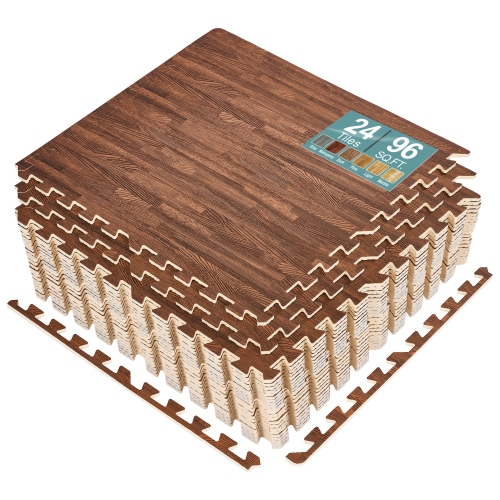






















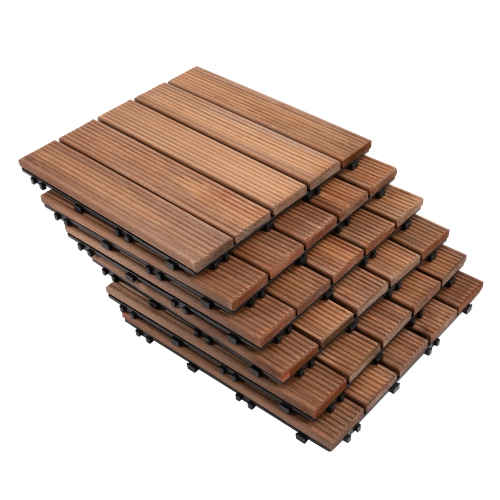
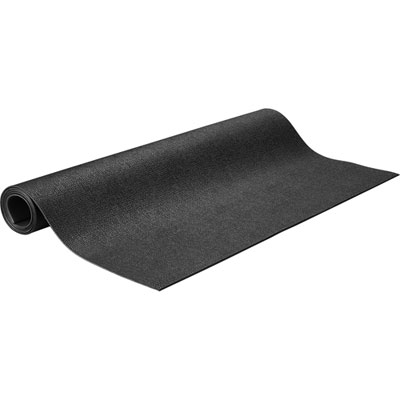
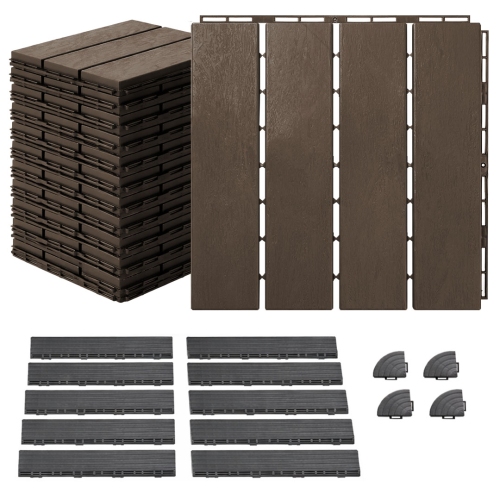
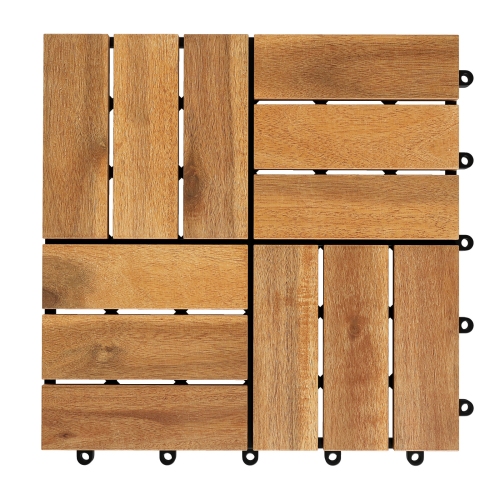




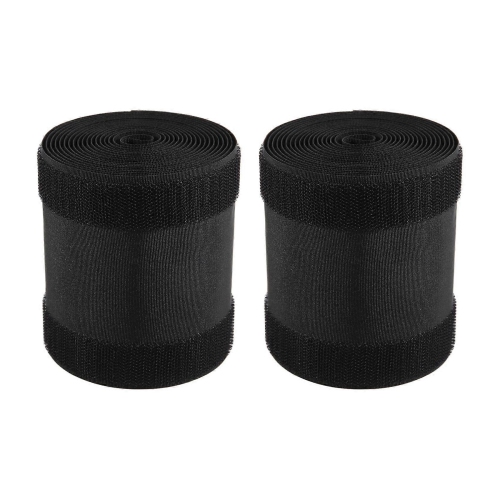
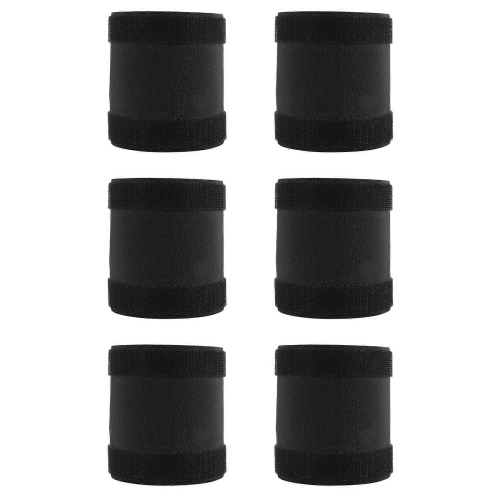

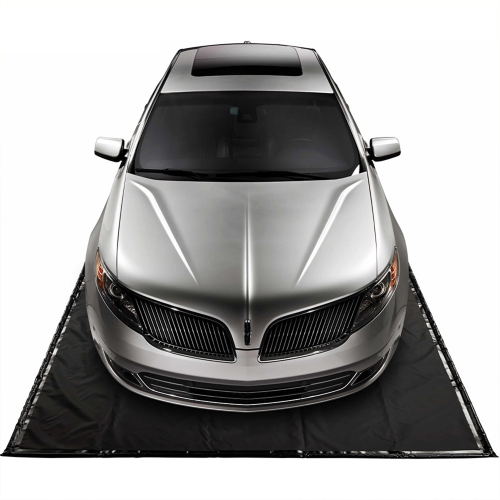
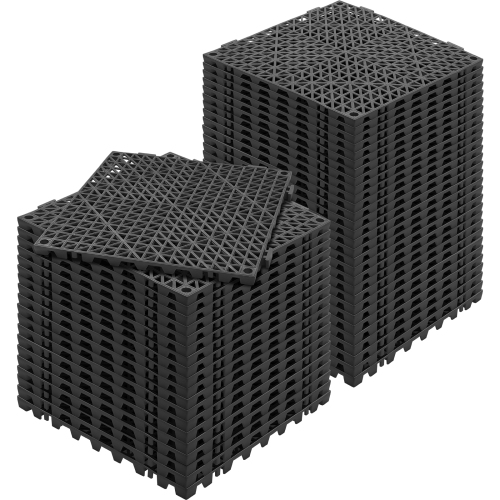



Why material and fit matter beneath your feet
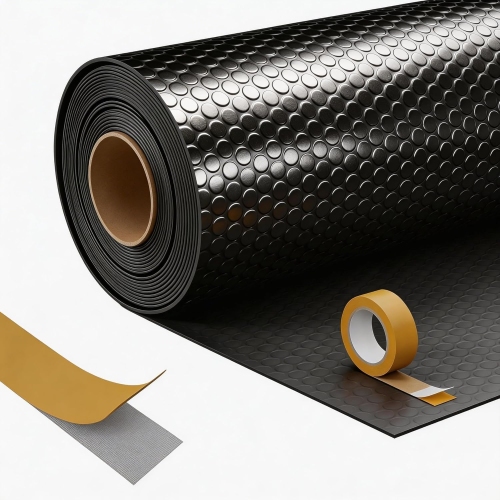
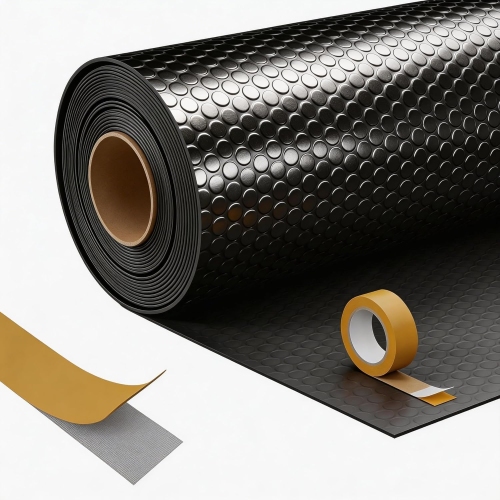
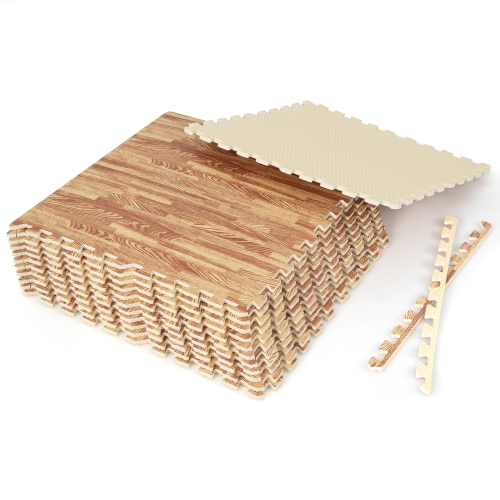
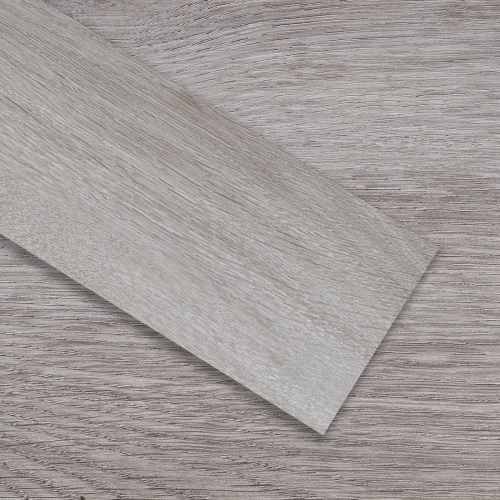
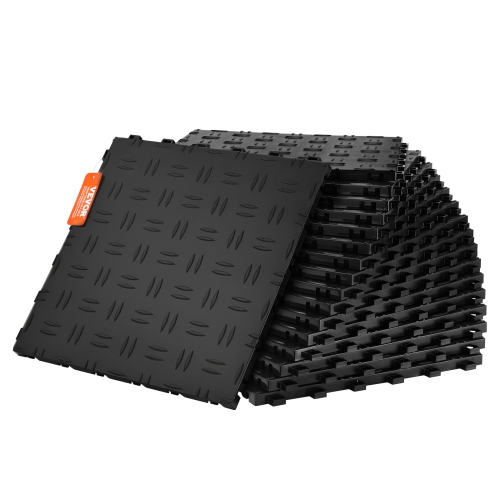
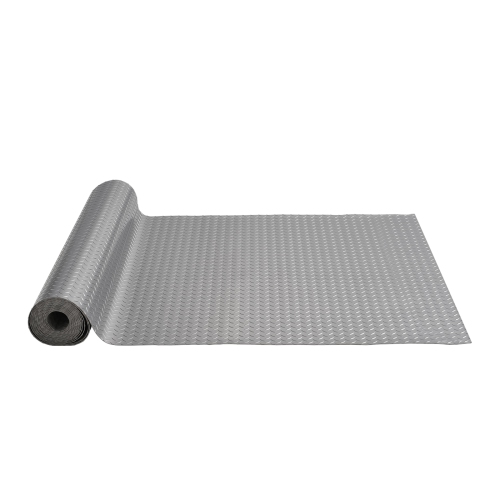
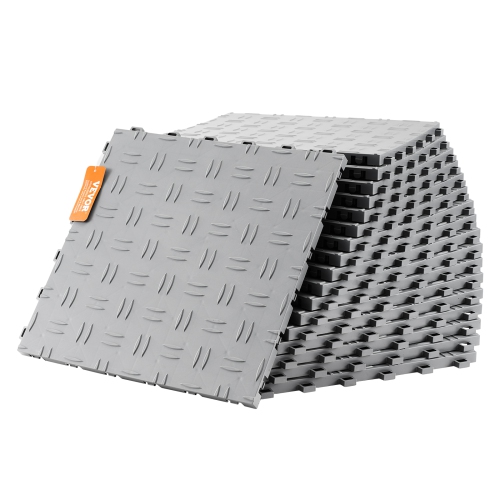
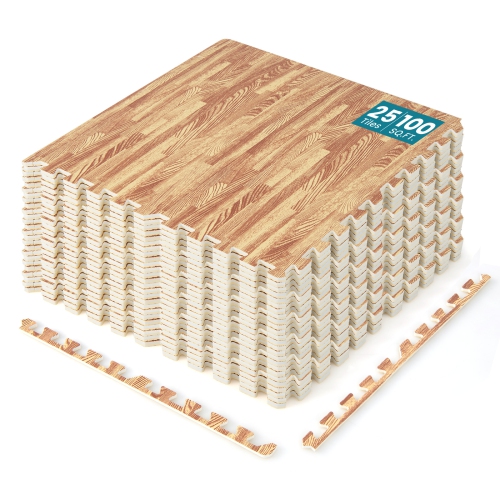
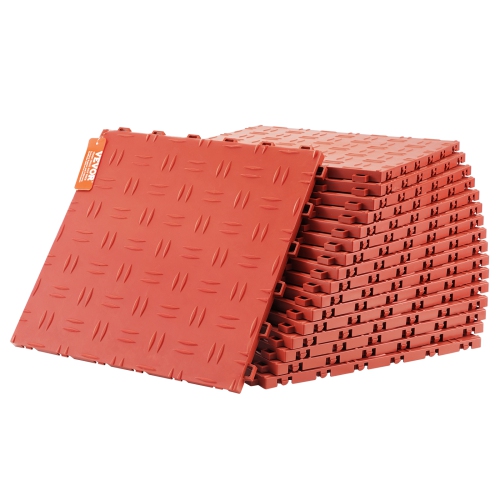
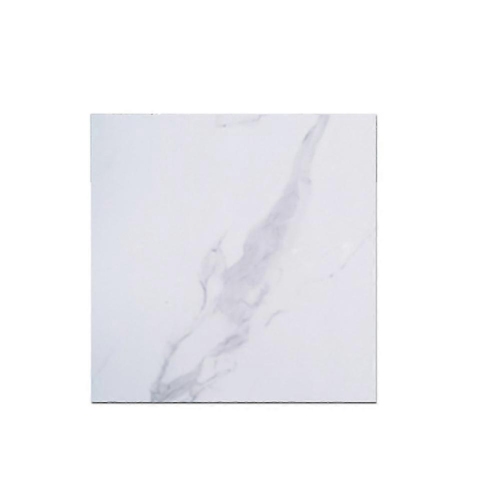
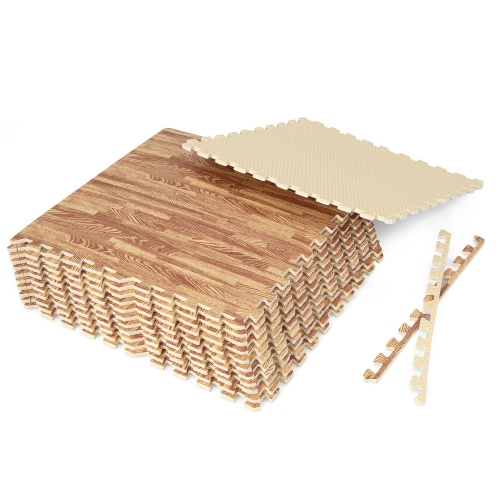
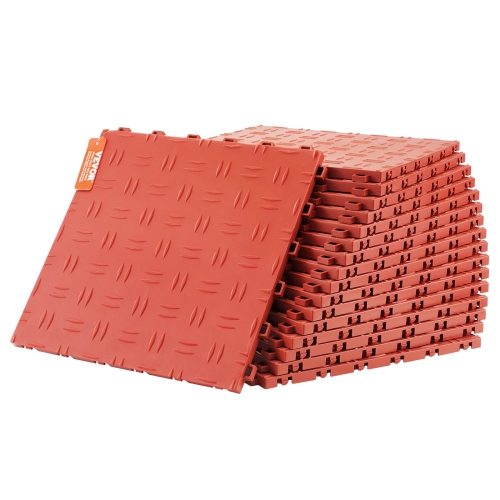
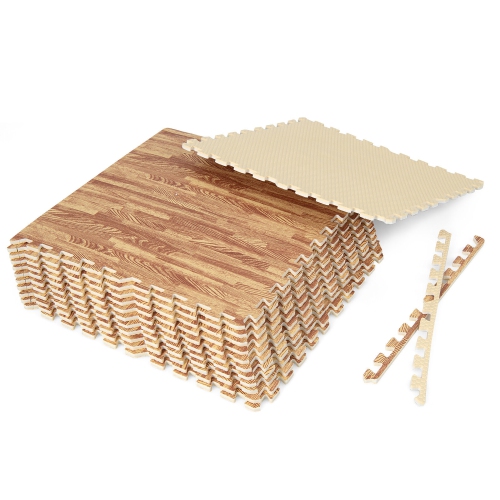
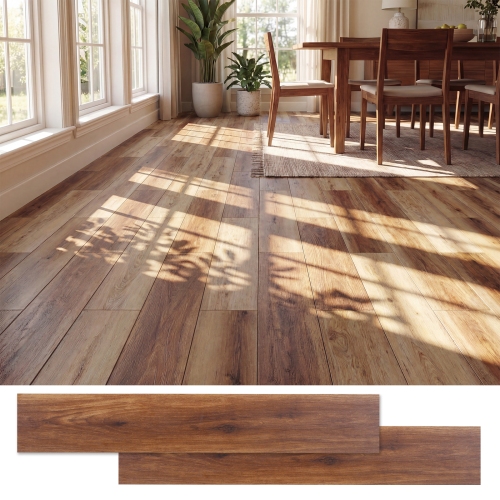
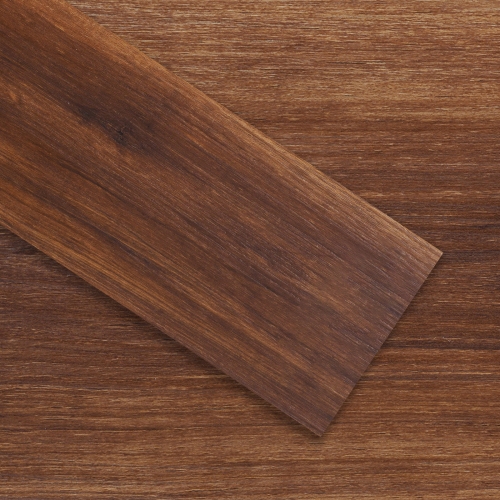
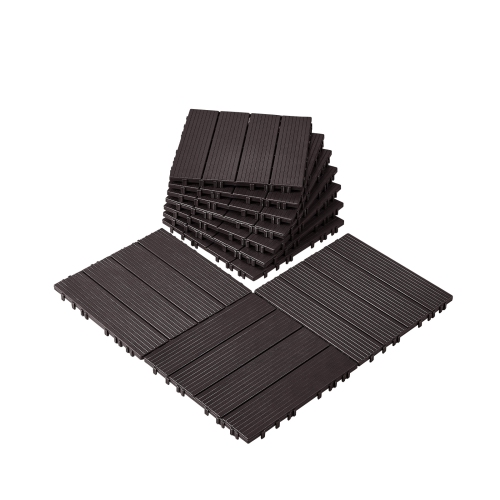
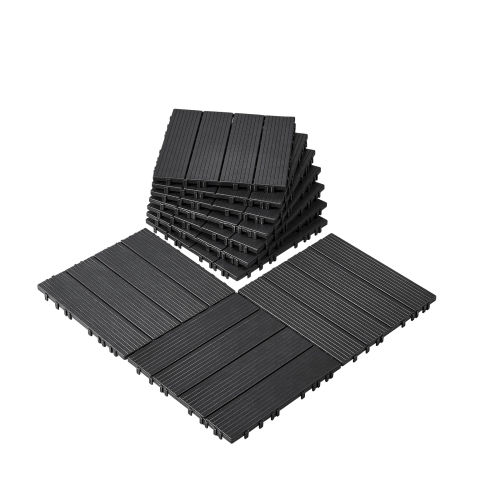
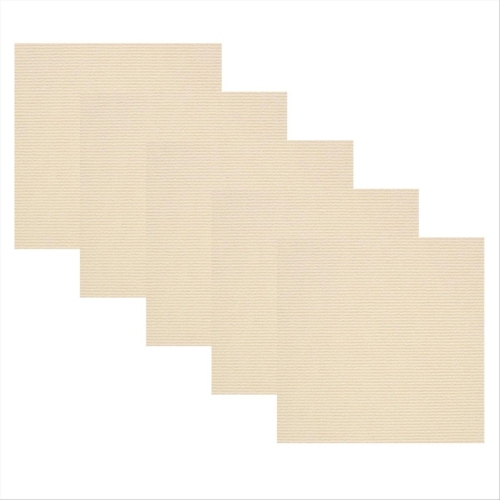
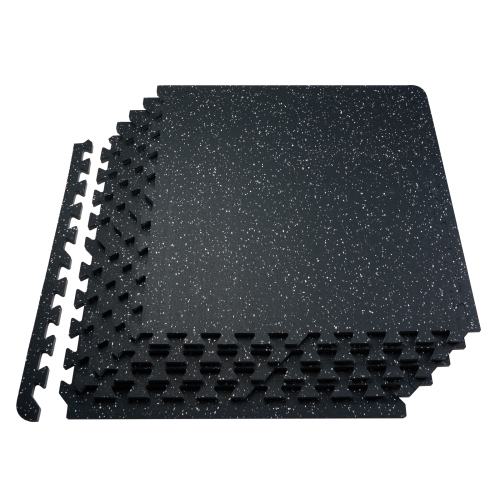
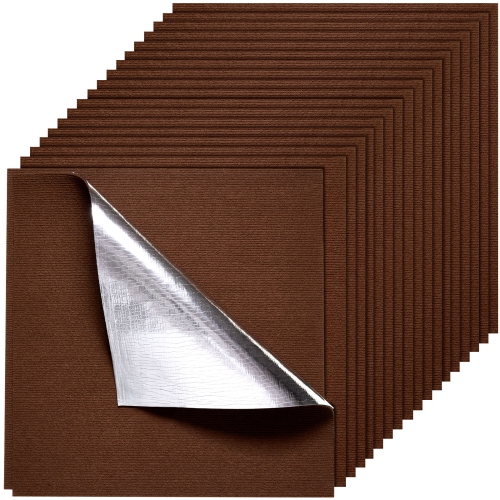
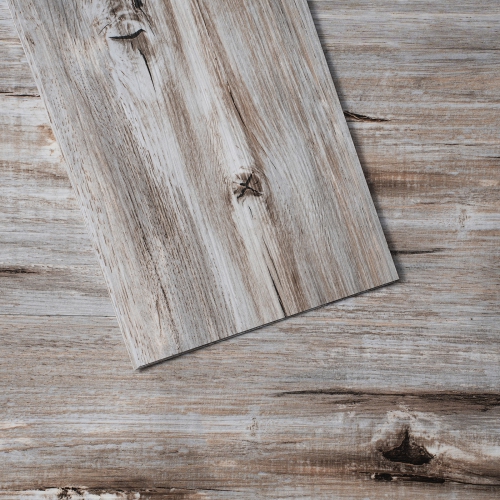
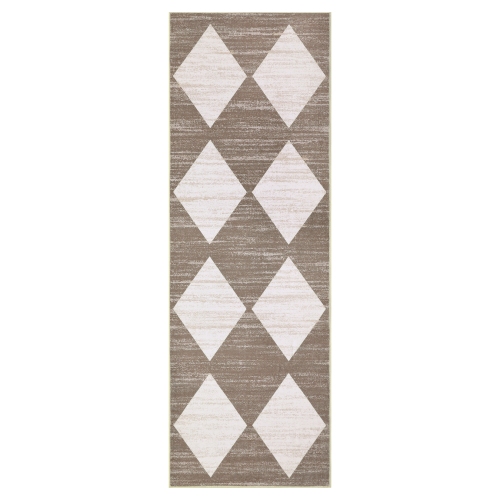
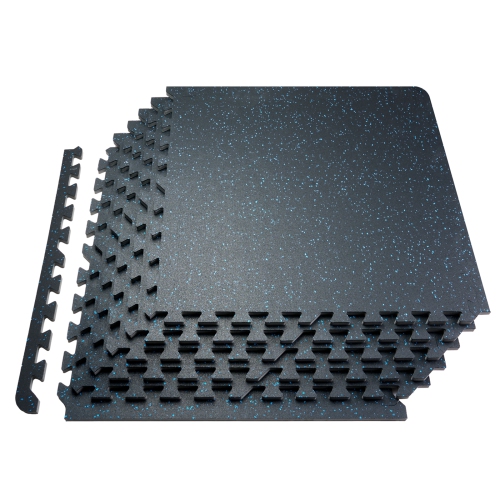
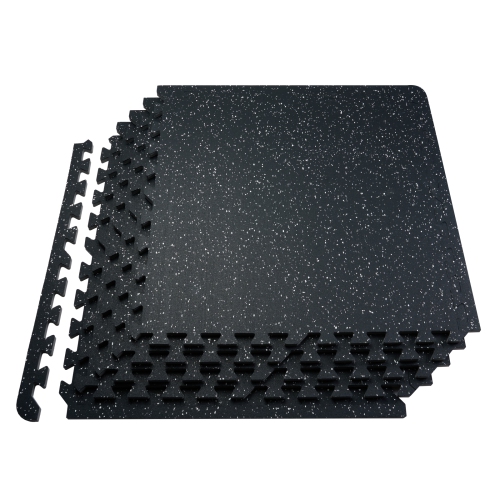
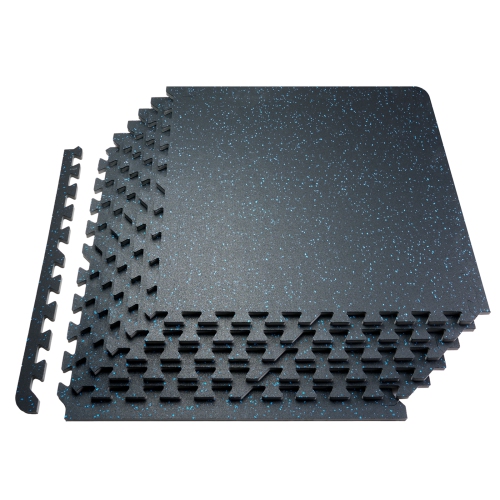
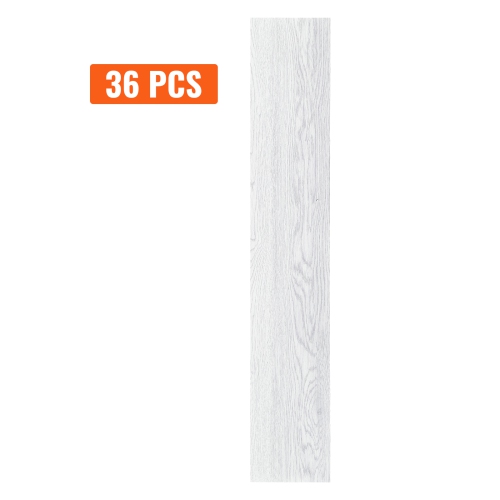
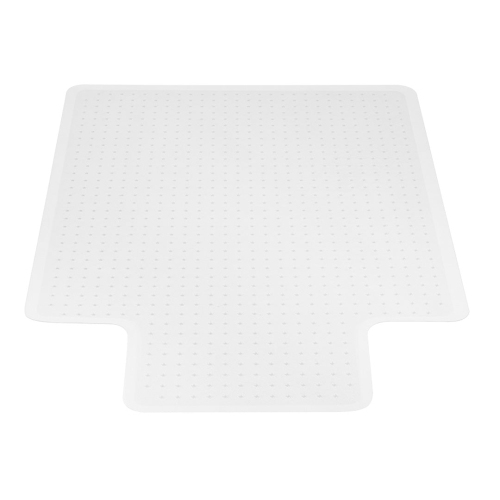
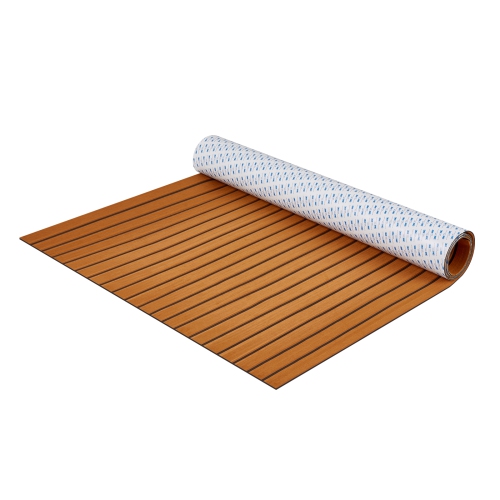
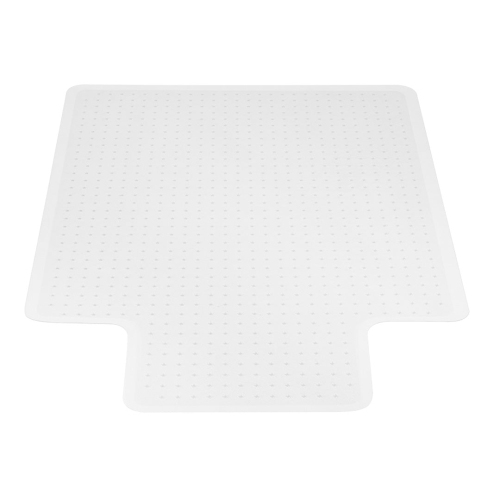
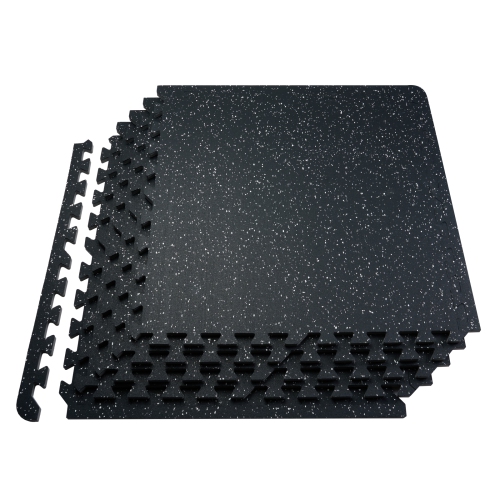
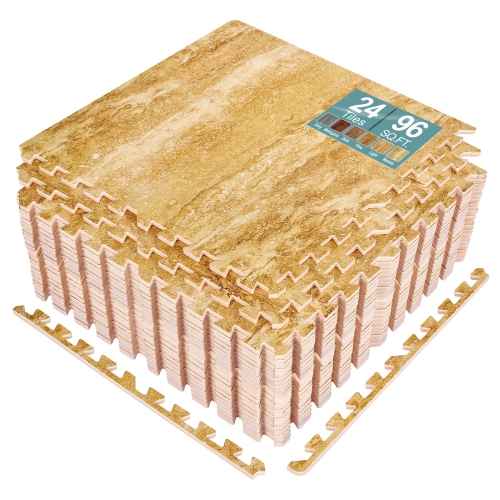
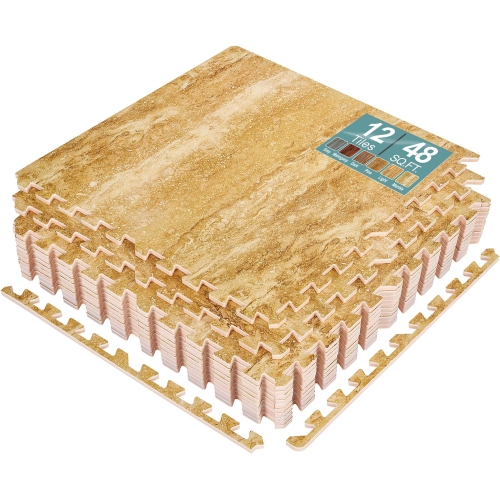
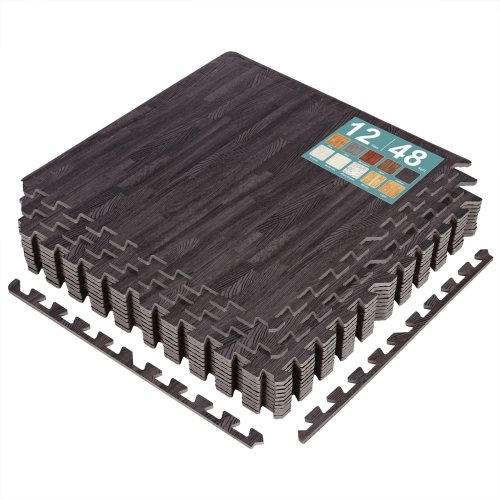
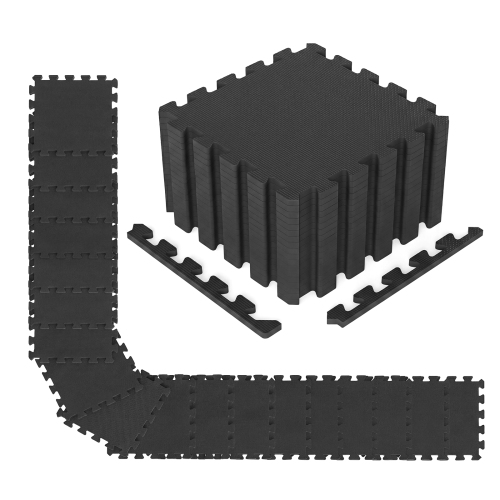
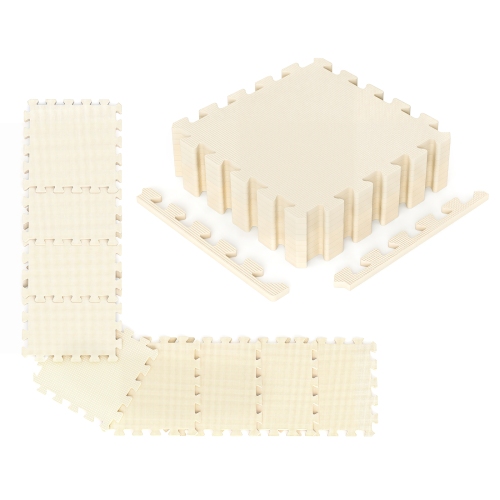
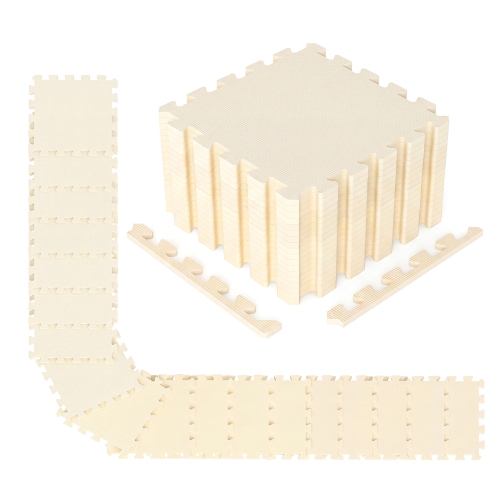
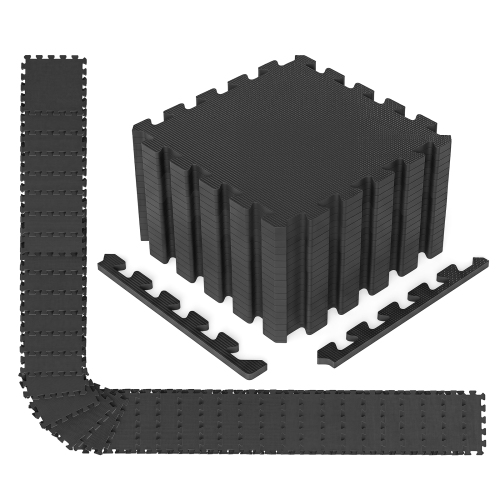
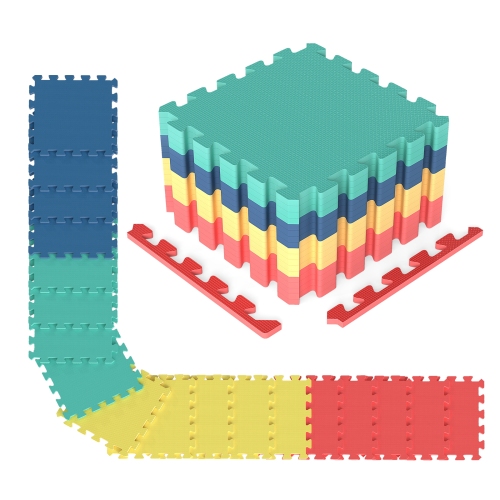
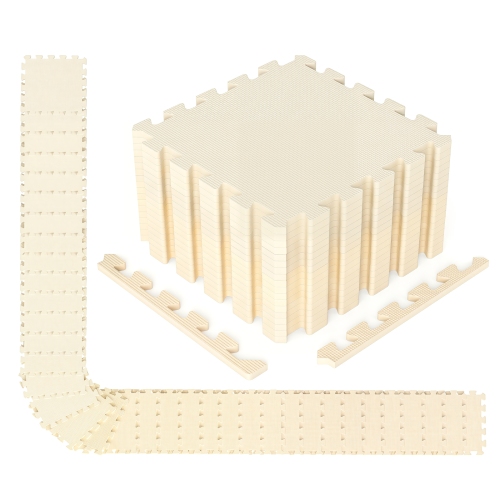
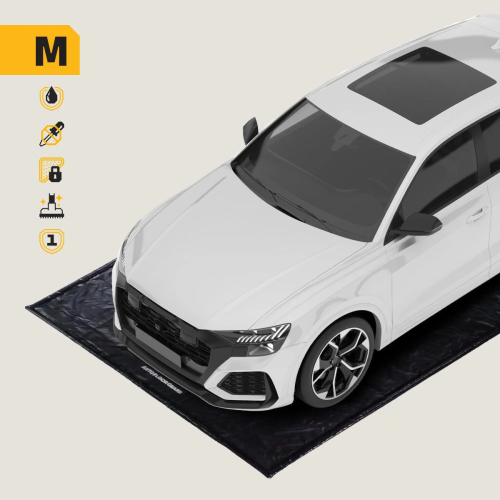
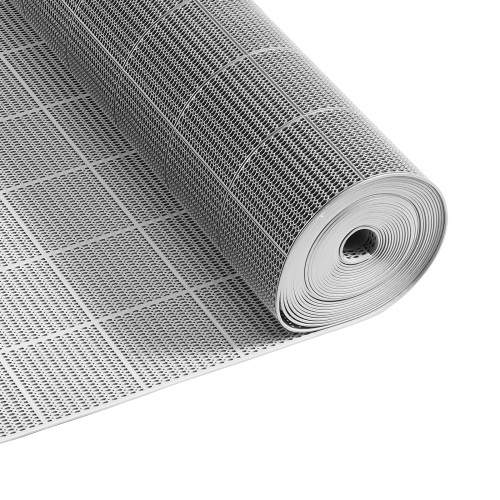
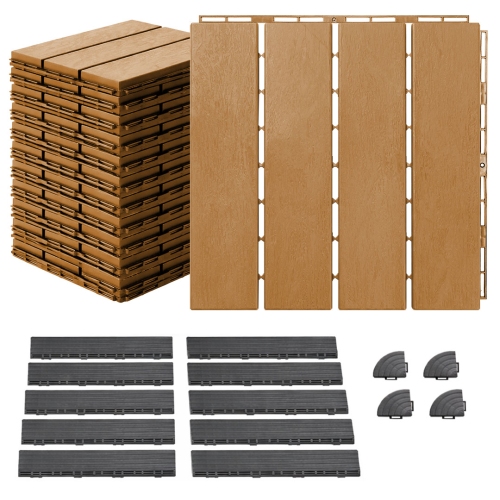
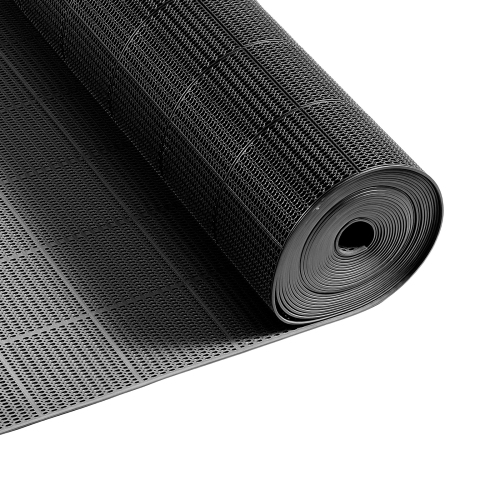
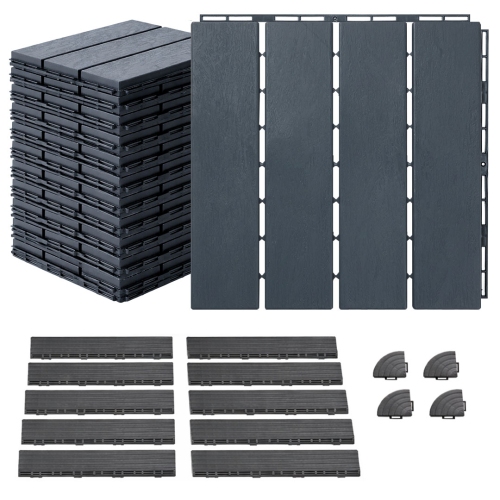
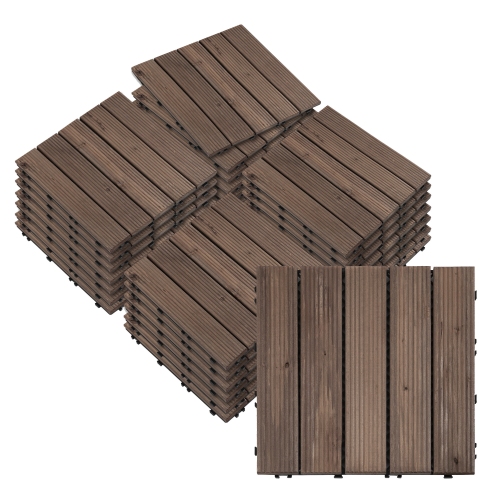
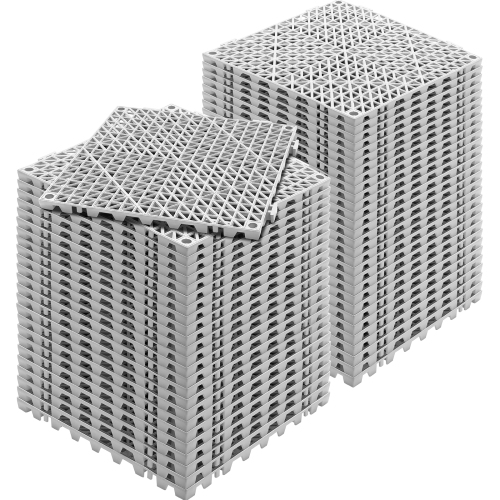
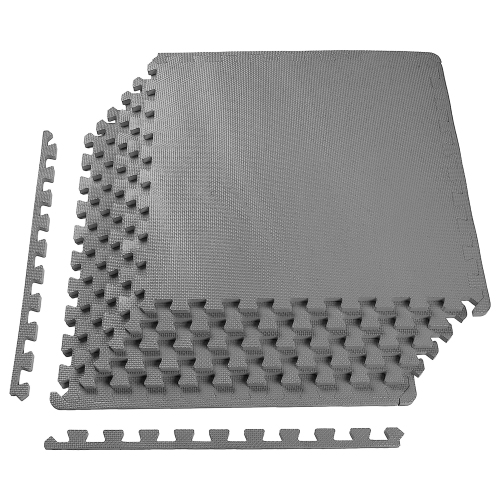
Flooring covers are materials placed over a floor or prepared subfloor to change its appearance, add cushioning, or protect the surface beneath. Common formats include vinyl rolls, peel-and-stick tiles, carpet squares, interlocking foam tiles, and protective floor mats, each suited to different spaces and types of use. A wood-look vinyl surface can bring visual continuity to a home office, while carpet tiles can soften a reading corner and reduce the sharp sound of footsteps. Protective mats serve a more focused purpose, helping separate furniture, exercise equipment, or work areas from the finished floor. Material makes a meaningful difference to how a covering feels and performs. Vinyl generally offers a smooth, easy-to-clean surface, with printed finishes that resemble timber, stone, or patterned tile. Carpet adds texture and softness, although its fibres require different care from a hard surface. Foam provides cushioning for floor-based activities, while rubber is often used where grip and resistance to repeated impact matter. Thickness alone does not determine quality: surface construction, backing, edge design, and suitability for the intended room all contribute to performance. In busy living spaces, a durable wear layer and a finish that does not readily show scuffs can be useful considerations. For a craft area, a wipeable covering may be more practical than a deep textile pile that catches small scraps. Colour and pattern also affect the overall result. Subtle grain patterns can make a broad floor area feel cohesive, while contrasting carpet squares can define a desk zone or seating area without adding a partition. A waterproof material should not be confused with a fully waterproof installation, since seams, edges, and the floor underneath may still be vulnerable to moisture. Water-resistant finishes can make everyday spills easier to manage, but prompt cleanup remains important. The most suitable flooring cover balances the desired look with the demands of the room, whether that means comfortable footing, easier maintenance, or protection against everyday wear.
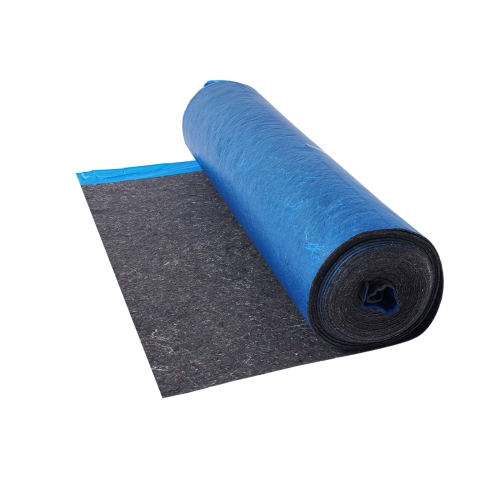
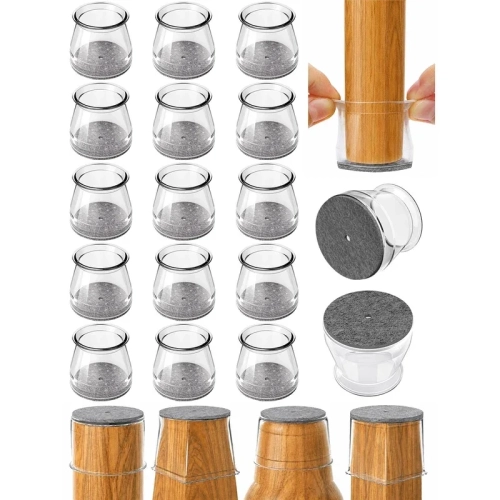
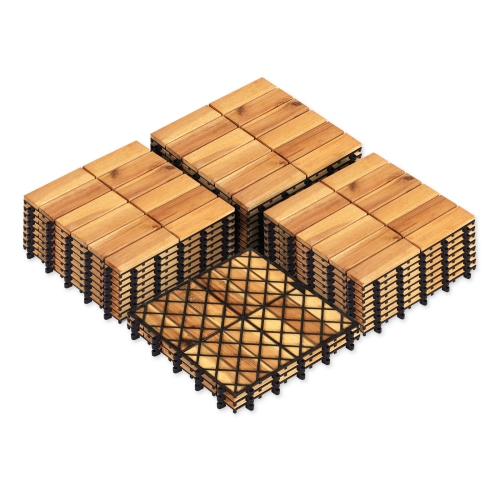
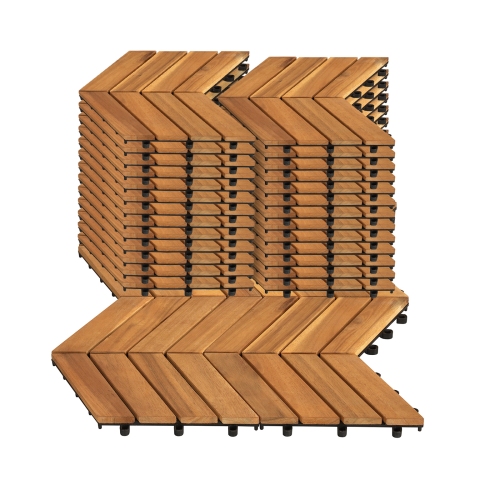
Fit involves more than matching a covering to a room’s length and width. Rolls, tiles, and individual mats behave differently around doorways, alcoves, furniture legs, and built-in cabinetry. Coverage stated in square feet or square metres describes area, but the shape of the room and the direction of a pattern can affect how much material is needed. A narrow hallway may require a different layout from a square bedroom, and an irregular corner can leave offcuts that cannot be reused elsewhere. Wood-grain prints and repeating designs also benefit from consistent alignment, particularly where joins remain visible. Tile formats make it easier to replace a damaged section, while a roll can create a more continuous appearance across an open space. The condition of the supporting surface matters just as much as the format. Thin coverings may reveal grout lines, raised fasteners, or uneven patches beneath them, and adhesive-backed materials generally need a clean, smooth surface that meets the installation requirements. Concrete floors can require additional attention to moisture and preparation; covering them does not resolve an underlying dampness problem. Existing flooring also needs to be compatible with the covering and its backing. Some adhesives or rubber compounds can affect certain finishes, so a removable format is not automatically damage-free. Renters may prefer loose-laid or interlocking options, but permission and surface compatibility still matter when a floor must be returned to its original condition. Overall height deserves consideration around doors, thresholds, and furniture. A cushioned tile that feels comfortable underfoot may interfere with a low door clearance, while an unsecured mat edge can become a trip hazard in a walkway. Firm, flat placement and suitable edge transitions help keep movement between surfaces comfortable. For measuring, trimming, and fitting tasks, Flooring Tools can support accurate preparation and a neater finish. Installation method should match both the material and the setting: a temporary work area, a frequently used family room, and a space exposed to rolling chairs place different demands on adhesion, stability, and surface strength. Compatibility with wheeled furniture is especially important, because a soft covering can make movement difficult even when it feels pleasant to stand on.
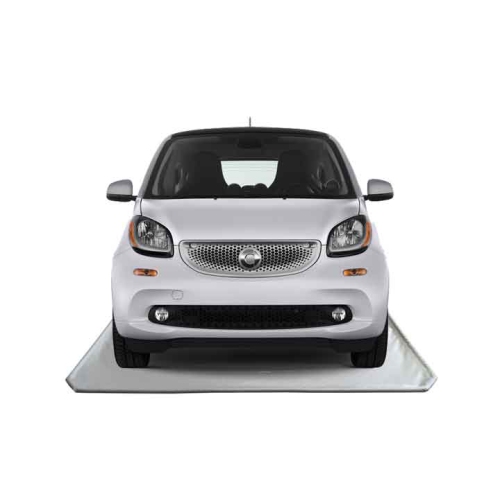
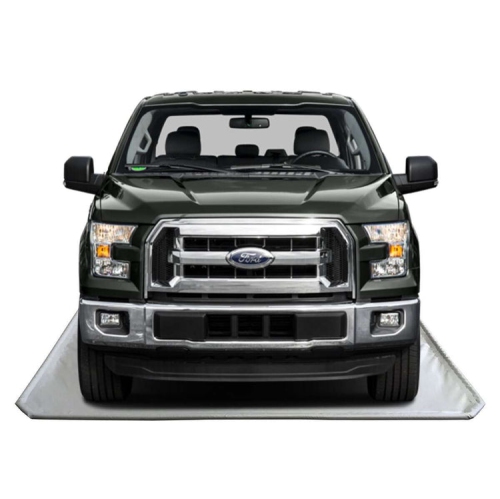
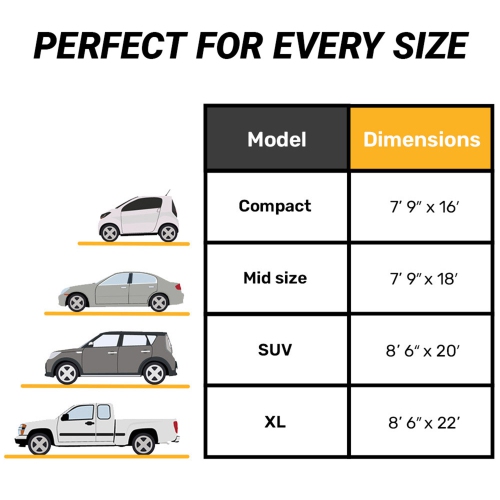
Everyday care helps flooring covers retain their appearance and remain comfortable to use. Fine grit acts like an abrasive under shoes and furniture, so regular sweeping or vacuuming can reduce avoidable wear. Smooth vinyl surfaces generally suit gentle cleaning methods, with the manufacturer’s instructions determining which cleaners and amount of moisture are appropriate. Excess water, harsh solvents, abrasive pads, and unsuitable polish can cause problems even when a surface looks robust. Carpet squares need attention to both loose debris and spills, with blotting often preferable to rubbing a stain deeper into the fibres. Removable sections can make maintenance more manageable, but replacement pieces should match the original dimensions, construction, and fastening system. Protective mats also need occasional attention underneath, where dust or trapped moisture may go unnoticed. In a home office, the area beneath a rolling chair experiences concentrated wear; in a workout space, equipment weight and repeated movement can stress joints and edges. A garage covering has different requirements again, particularly if it will encounter vehicle tyres, oils, or workshop materials. Suitability for those uses should be stated for the material rather than assumed from its appearance or thickness. Pet households may benefit from surfaces that are easy to wipe clean, although resistance to scratches, staining, and odours varies. Families creating a floor-level play space may place greater emphasis on cushioning, stable connections, and cleaning instructions appropriate to frequent use. For anyone setting up a first apartment, reorganizing a hobby room, or refreshing a study area, flooring covers can help make a space feel more finished without requiring the same approach as a full flooring replacement. They can also be a practical housewarming gift when the recipient’s measurements, preferred style, and floor type are already known. Across these uses, durability comes from choosing a covering designed for the activity, fitting it properly, and following its care requirements. A well-matched surface supports the room’s daily routine while adding a considered layer of colour, texture, or protection.
Top selling and popular products
-
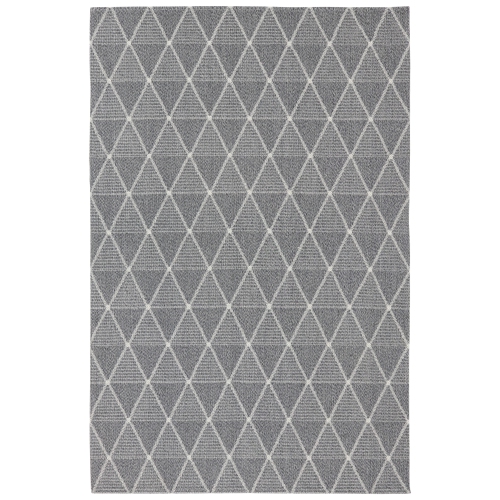 Your price for this item is $130.55
-
 Your price for this item is $129.15
-
 Your price for this item is $130.55
-
 Your price for this item is $130.55
-
 Your price for this item is $129.15
-
 Your price for this item is $129.15
-
 Your price for this item is $110.99
-
 Your price for this item is $88.07
Discover more categories related to Flooring Covers

Top Collections:
Pokemon Centers, Kindle Devices, Best Budget Office Chairs, Canon G7X Cameras, Apple iPhones 16, Samsung Galaxy Phones, Refurbished Apple Laptops, Laptops for Students, iPhone 15 Apple, Budget Smartphones
Some products may be subject to Environmental Handling Fees
(EHF) depending on your province.
Learn more about EHFs.