Floor Lamps With Glass Shade
Illuminate your space with style and sophistication with these floor lamps featuring glass shades. Whether you're looking to add a touch of elegance to your living room, create a cozy reading nook in your bedroom, or brighten up your office, these floor lamps are the perfect choice. With their sleek designs and stunning glass shades, they not only provide ample lighting but also serve as eye-catching decorative pieces. From modern and minimalist to classic and traditional styles, these lamps offer something to suit every taste and complement almost any interior decor.
Sort
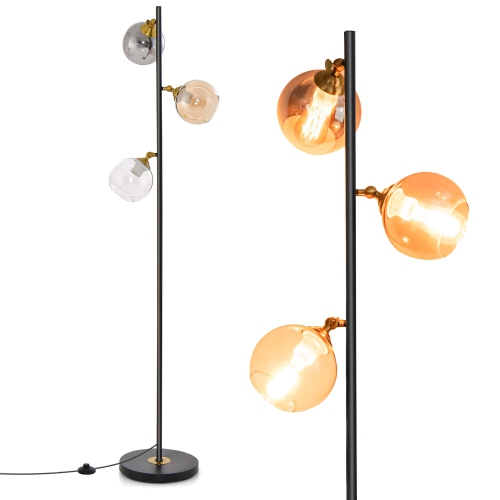
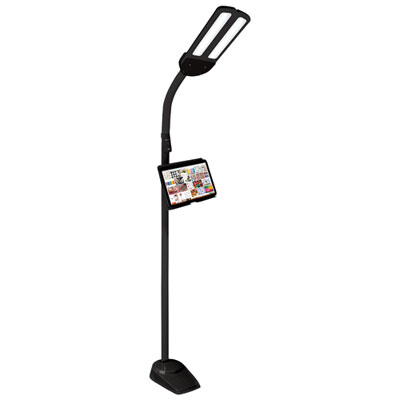
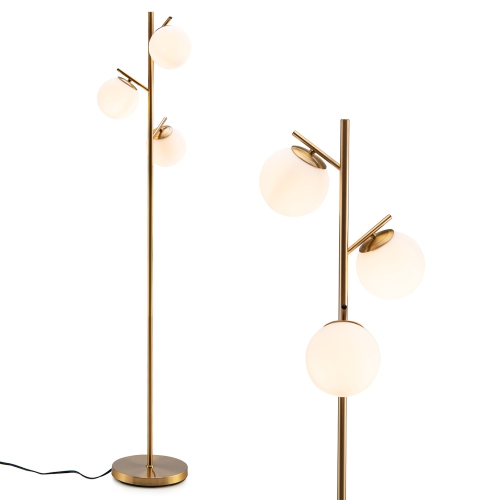

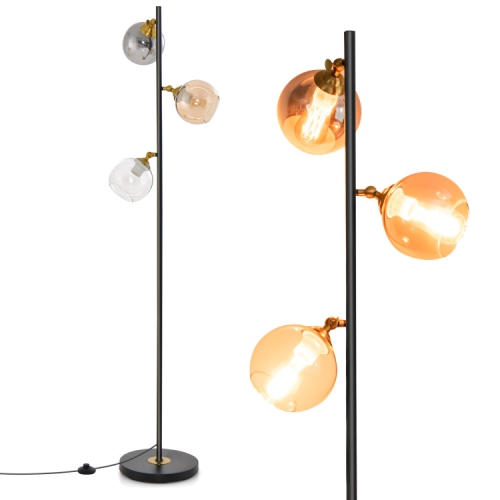
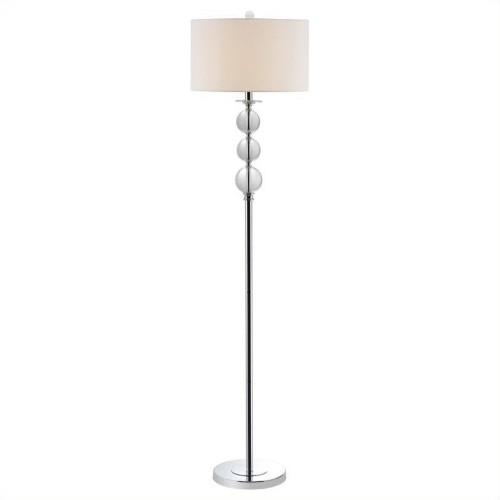
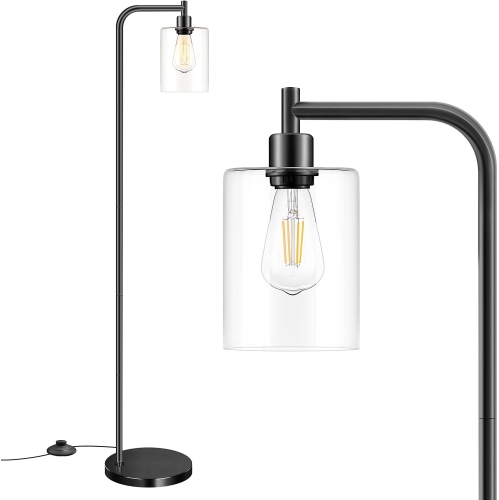

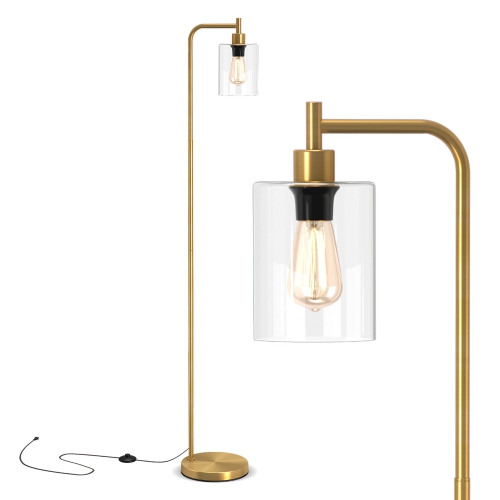
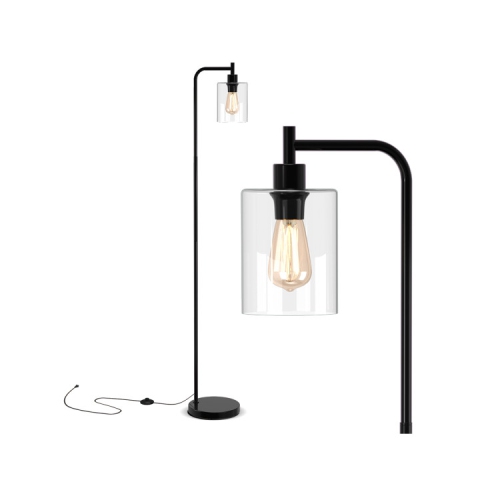
How glass finishes shape the light in your room
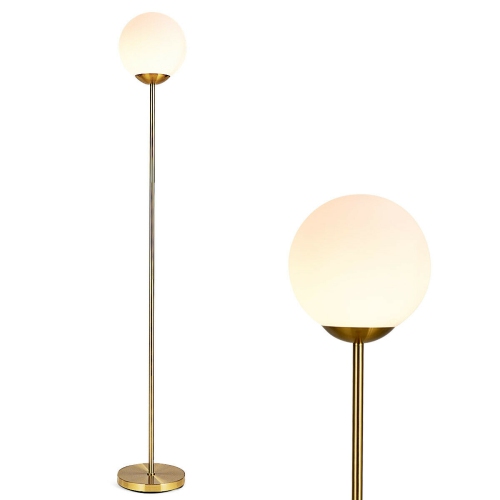
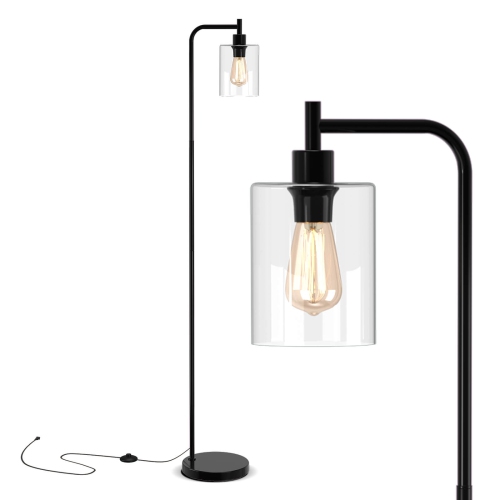
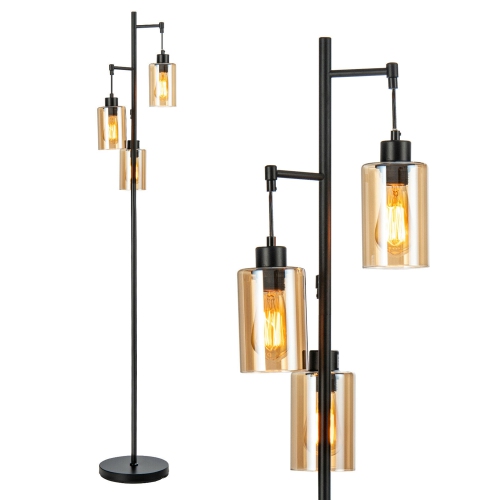
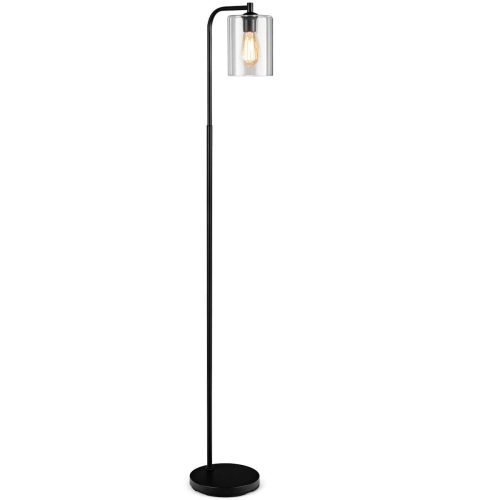
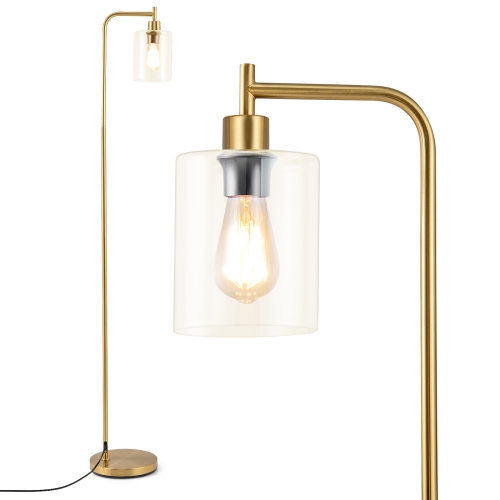
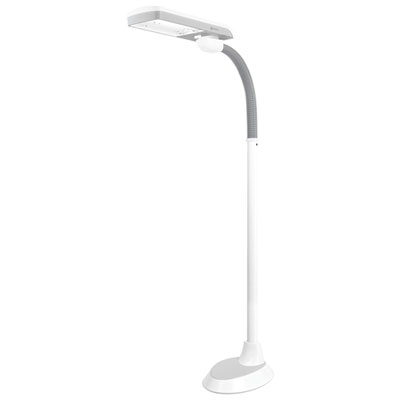
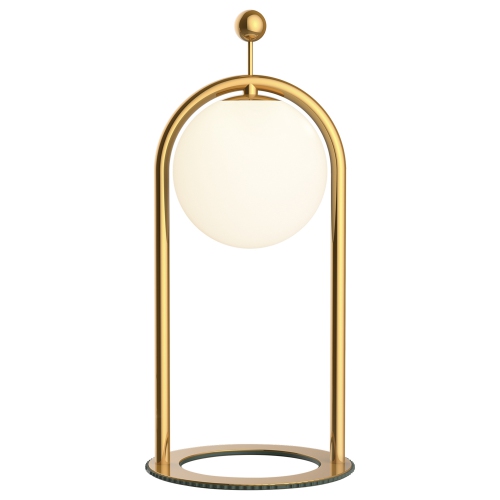
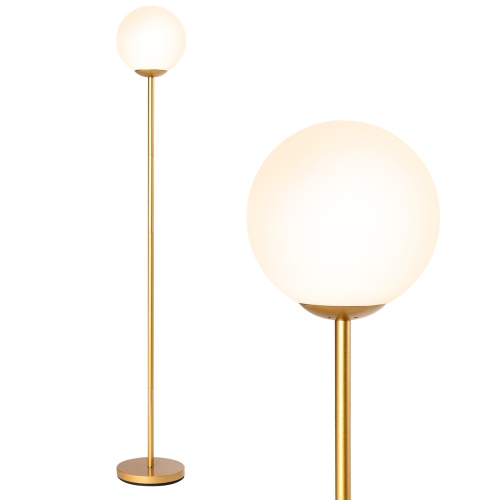
Floor lamps with glass shades combine freestanding lighting with a material that can look crisp and contemporary, softly diffused, or richly decorative. The glass finish plays a large part in both the lamp’s appearance and the light it produces. Clear glass leaves the bulb visible and allows light to pass through with little diffusion, making the bulb’s shape and brightness part of the overall design. Frosted and opal glass scatter light to soften the view of the light source, while tinted glass can influence the colour and amount of light reaching the room. Ribbed or seeded glass adds texture, creating visual interest even when the lamp is switched off. These differences matter beside a sofa or reading chair, where a shade may sit close to eye level. An exposed bulb behind clear glass can feel bright in that position, while an opaque white glass shade can provide a gentler appearance. Shade shape also determines where the light goes. Torchiere floor lamps use an upward-facing shade to send light towards the ceiling, supporting ambient illumination rather than concentrating it on a book or work surface. Arc floor lamps extend a shade away from the base, bringing light over a seating area without requiring a side table directly beneath it. Downward-facing glass shades can help direct light towards a chair or desk, although the spread depends on the shade’s shape, opacity, and bulb position. Designs with a main light and a separate reading arm offer another option for spaces that serve more than one purpose; independently controlled lights, where included, allow different uses without illuminating every bulb. Stained-glass shades bring pattern and colour into the room and often act as decorative focal points. Their darker or more saturated sections may transmit less light, making them particularly suited to accent lighting alongside other light sources. Across these styles, the most useful distinction is between a lamp that brightens the room, one that supports a particular activity, and one chosen mainly for its visual presence.
The right fit involves more than finding an empty corner. A floor lamp’s overall height, base diameter, shade width, and reach all affect how comfortably it sits among furniture. Beside a reading chair, the light should reach the page without placing a bright bulb directly in the reader’s line of sight. Near a television, positioning matters because a visible bulb or bright shade can reflect on the screen. An arc lamp needs enough clearance for its projecting arm, as well as space for the base; a base that appears slim in a photograph may not fit under a low sofa. In a narrow room, a straight upright design can be easier to place than a wide arch or a lamp with several branching arms. Glass also gives the top of a lamp physical weight, so a sturdy base and secure shade attachment are important, particularly around children, pets, and busy walkways. Keeping the lamp away from door swings and places where bags are dropped helps reduce accidental knocks. Frame materials contribute to both appearance and durability. Metal stems and bases can create a clean outline, with finishes such as brushed nickel, black, or brass tones offering different relationships to nearby furniture and hardware. Wood details can soften that look, while stone bases may add weight and a more substantial visual foundation. Actual stability depends on the complete construction rather than the material alone. A glass shade can contrast attractively with an upholstered chair, a textured rug, or a timber sideboard, without needing every finish in the room to match. For a quieter palette, White Shade Floor Lamps offer a related direction where shade colour is the main visual consideration. White shades vary in material and opacity, so their lighting effect still depends on the individual design. In either case, allowing some breathing room around the shade keeps the silhouette visible and prevents the lamp from feeling crowded by shelving, curtains, or wall art.
Everyday usability often comes down to the details that are easiest to overlook: the socket, switch, cord, and cleaning access. Bulb compatibility should be checked against the lamp’s specified base type, maximum wattage, permitted bulb type, and any restrictions for enclosed shades. Brightness is measured in lumens, while colour temperature describes whether the light appears warmer or cooler. A warm-white bulb can suit relaxed seating areas, while a more neutral tone may work well where reading or detailed hobbies take place; the glass itself can alter the final appearance. Dimming is useful for moving between brighter task lighting and softer background light, but the lamp’s controls and bulb must be compatible. A touch control or built-in dimmer may also affect whether a smart bulb is suitable, so the manufacturer’s guidance matters. Switch placement deserves similar attention. A foot switch is convenient when it remains accessible beside the base, but less useful if it ends up behind a cabinet. A switch near the socket may be easy to reach from a chair, provided the shade does not make access awkward. Plan a cord route that reaches an outlet without crossing a walkway, and avoid running cords beneath rugs where damage can go unnoticed. For care, switch the lamp off, unplug it, and let the bulb and shade cool before cleaning. Regular dusting with a soft cloth helps maintain the glass’s appearance; fingerprints and dust tend to show more readily on clear or dark-tinted surfaces. Follow the care directions for deeper cleaning, and avoid spraying liquid onto sockets, switches, or electrical fittings. Removable shades should be handled carefully and supported during removal and refitting. Stained-glass joins, painted finishes, and textured surfaces may need different treatment from plain glass. Although glass can retain its clarity with suitable care, it remains vulnerable to chips and cracks, and replacement shades must match the specified fitting and dimensions. With thoughtful placement and compatible lighting, these lamps suit living rooms, bedrooms, home offices, and reading corners. They can also make a considered housewarming gift when the recipient’s room layout, preferred finish, and practical lighting needs are known.
The right fit involves more than finding an empty corner. A floor lamp’s overall height, base diameter, shade width, and reach all affect how comfortably it sits among furniture. Beside a reading chair, the light should reach the page without placing a bright bulb directly in the reader’s line of sight. Near a television, positioning matters because a visible bulb or bright shade can reflect on the screen. An arc lamp needs enough clearance for its projecting arm, as well as space for the base; a base that appears slim in a photograph may not fit under a low sofa. In a narrow room, a straight upright design can be easier to place than a wide arch or a lamp with several branching arms. Glass also gives the top of a lamp physical weight, so a sturdy base and secure shade attachment are important, particularly around children, pets, and busy walkways. Keeping the lamp away from door swings and places where bags are dropped helps reduce accidental knocks. Frame materials contribute to both appearance and durability. Metal stems and bases can create a clean outline, with finishes such as brushed nickel, black, or brass tones offering different relationships to nearby furniture and hardware. Wood details can soften that look, while stone bases may add weight and a more substantial visual foundation. Actual stability depends on the complete construction rather than the material alone. A glass shade can contrast attractively with an upholstered chair, a textured rug, or a timber sideboard, without needing every finish in the room to match. For a quieter palette, White Shade Floor Lamps offer a related direction where shade colour is the main visual consideration. White shades vary in material and opacity, so their lighting effect still depends on the individual design. In either case, allowing some breathing room around the shade keeps the silhouette visible and prevents the lamp from feeling crowded by shelving, curtains, or wall art.
Everyday usability often comes down to the details that are easiest to overlook: the socket, switch, cord, and cleaning access. Bulb compatibility should be checked against the lamp’s specified base type, maximum wattage, permitted bulb type, and any restrictions for enclosed shades. Brightness is measured in lumens, while colour temperature describes whether the light appears warmer or cooler. A warm-white bulb can suit relaxed seating areas, while a more neutral tone may work well where reading or detailed hobbies take place; the glass itself can alter the final appearance. Dimming is useful for moving between brighter task lighting and softer background light, but the lamp’s controls and bulb must be compatible. A touch control or built-in dimmer may also affect whether a smart bulb is suitable, so the manufacturer’s guidance matters. Switch placement deserves similar attention. A foot switch is convenient when it remains accessible beside the base, but less useful if it ends up behind a cabinet. A switch near the socket may be easy to reach from a chair, provided the shade does not make access awkward. Plan a cord route that reaches an outlet without crossing a walkway, and avoid running cords beneath rugs where damage can go unnoticed. For care, switch the lamp off, unplug it, and let the bulb and shade cool before cleaning. Regular dusting with a soft cloth helps maintain the glass’s appearance; fingerprints and dust tend to show more readily on clear or dark-tinted surfaces. Follow the care directions for deeper cleaning, and avoid spraying liquid onto sockets, switches, or electrical fittings. Removable shades should be handled carefully and supported during removal and refitting. Stained-glass joins, painted finishes, and textured surfaces may need different treatment from plain glass. Although glass can retain its clarity with suitable care, it remains vulnerable to chips and cracks, and replacement shades must match the specified fitting and dimensions. With thoughtful placement and compatible lighting, these lamps suit living rooms, bedrooms, home offices, and reading corners. They can also make a considered housewarming gift when the recipient’s room layout, preferred finish, and practical lighting needs are known.
Top selling and popular products
-
 Your price for this item is $164.99
 -
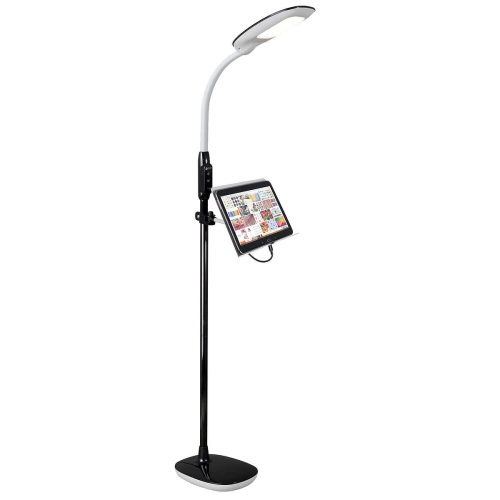 Your price for this item is $165
 -
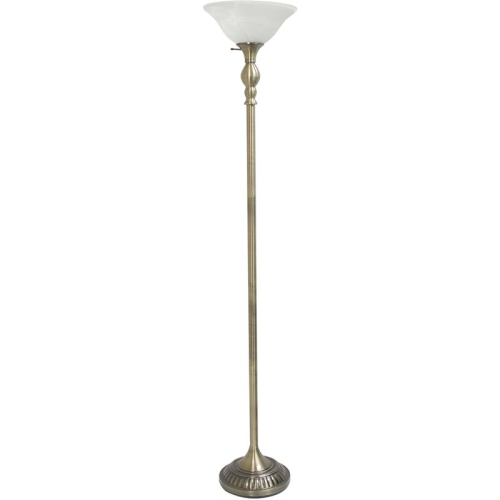 Your price for this item is $144.56
 -
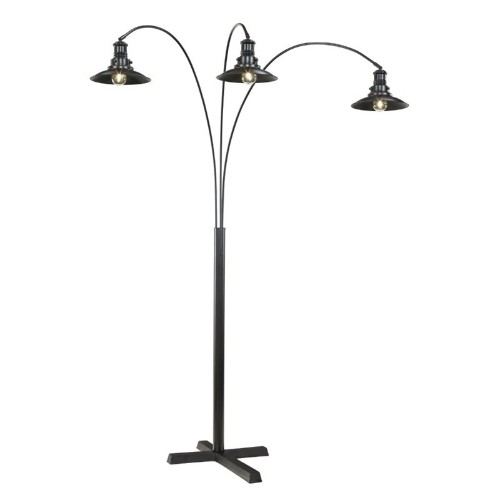 Your price for this item is $637.1
 -
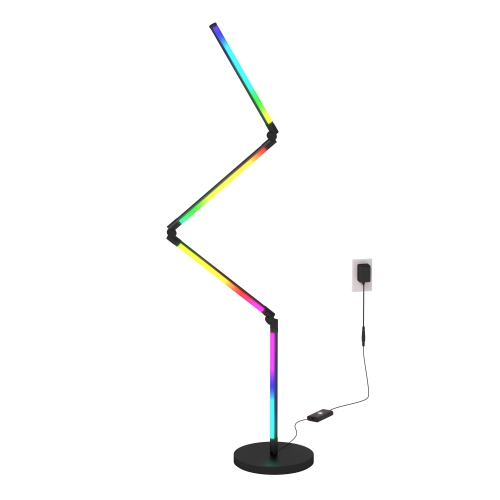 Your price for this item is $79.99
 -
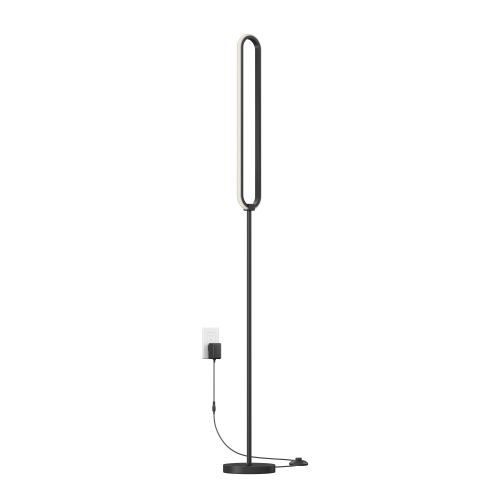 Your price for this item is $69.99
 -
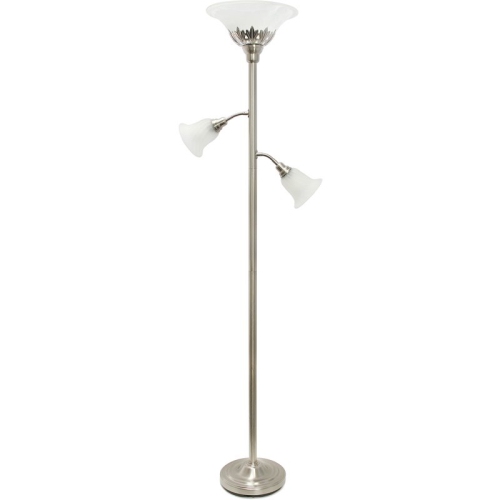 Your price for this item is $158.56
 -
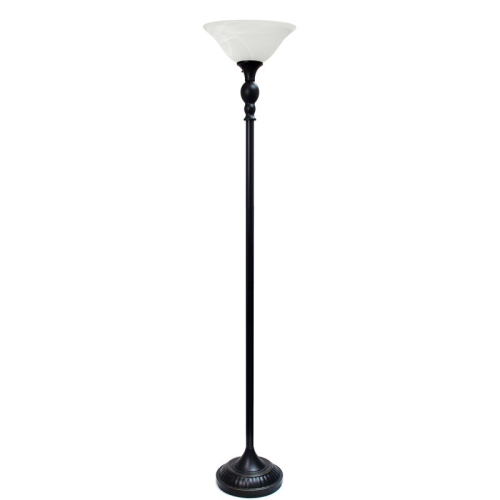 Your price for this item is $136.56
Discover more categories related to Floor Lamps With Glass Shade
Top Collections:
Pokemon Centers, Kindle Devices, Best Budget Office Chairs, Apple iPhones 16, Best Laptops for Writers, iPhone 15 Apple, Canon G7X Cameras, Refurbished Apple Laptops, Alarm Clock, Motorola Razr Phones
Some products may be subject to Environmental Handling Fees
(EHF) depending on your province.
Learn more about EHFs.