Floor Protection Chairs
Protect your floors in style with our range of floor protection chairs. Whether you have hardwood, tile, laminate, or carpeted floors, these chairs are designed to prevent scratches, scuffs, and dents caused by daily use. Say goodbye to unsightly marks and hello to a sleek and functional solution for your home or office. With a variety of options to choose from, you can find the perfect floor protection chair to suit your space and style.
Sort
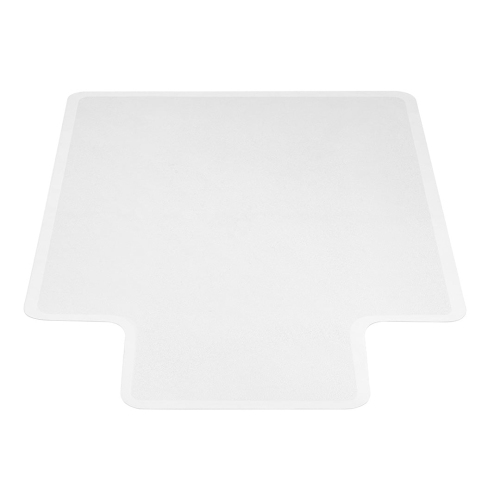
Quieter chair movement with less wear on floors
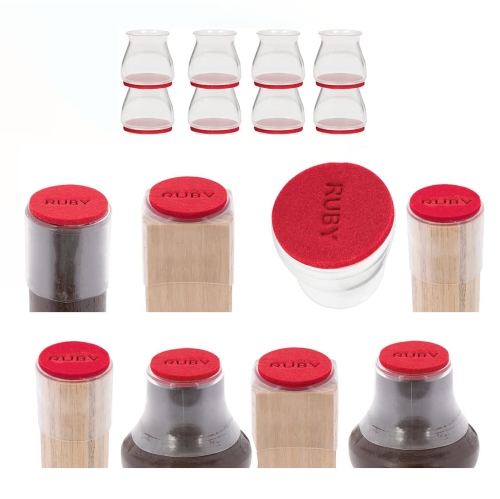
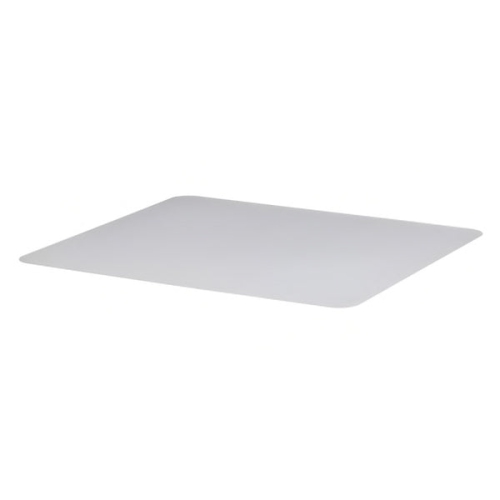
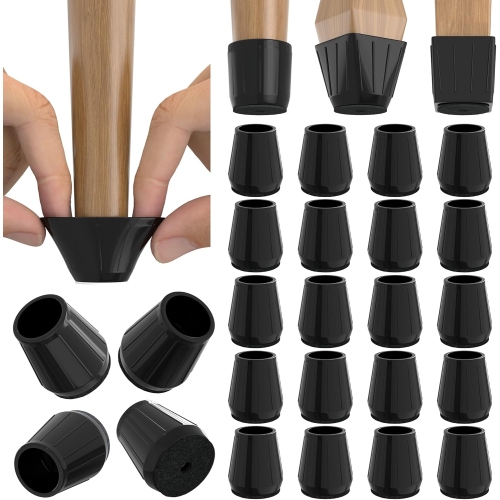
Chair floor protectors help prevent scratches, scuffs, and wear caused by chairs moving across hardwood, laminate, vinyl, tile, and other flooring surfaces. Depending on their material and design, they can also soften scraping sounds and make chairs easier to move. This category includes felt pads, chair leg caps, furniture glides, fabric sleeves, and chair mats, each suited to different kinds of seating and movement. Felt pads create a soft contact point beneath stationary chair legs, while silicone caps with felt bottoms combine a cushioned base with a flexible sleeve that grips the leg. Chair mats cover a larger area beneath rolling desk chairs, helping shield the surface along a frequently travelled path. The difference is easy to appreciate around a busy dining table: chairs slide out for breakfast, shift during homework, and move again when everyone sits down for dinner. Even a lightweight chair can leave marks if a rough leg end or a trapped grain of grit repeatedly drags across the same spot. Floor protection for chairs adds a barrier at that point of contact, though keeping the protectors and floor clean remains important. These accessories are useful for homeowners looking after a newly finished room, renters trying to avoid damage, and anyone replacing the sharp scrape of a chair with a quieter glide. In open-plan homes, that quieter movement can be particularly welcome when the dining area sits beside a workspace or television. During the cooler months, when more meals, projects, and gatherings happen indoors, seating areas often get plenty of use. Well-fitted protectors help chairs remain practical parts of everyday life without making floor care a constant concern. They also offer a discreet finishing touch: a small pad tucked beneath a wooden leg or a close-fitting cap can protect the contact point without drawing much attention away from the furniture itself.
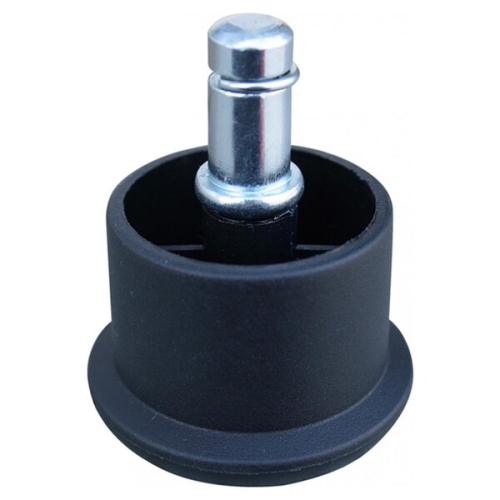
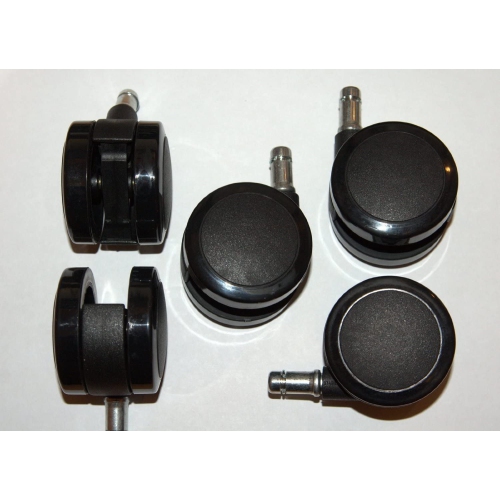
The best chair leg protectors for a particular space depend on the floor finish, leg shape, chair weight, and how often the seating moves. Felt is a common choice for hard floors because it provides a soft sliding surface, but the pad should cover the full contact area without extending so far beyond the leg that its edges catch and peel. Adhesive pads are straightforward to fit to clean, dry, flat leg bottoms; dust, old adhesive, or an uneven surface can weaken their hold. Screw-on or nail-on styles may provide a more secure attachment on suitable wooden legs, although they require compatible furniture construction and careful installation so no exposed hardware touches the floor. Flexible chair leg caps fit around the outside of a leg and are available for different shapes and size ranges. Measuring the width of a square leg or the diameter of a round one helps avoid a loose cap that slips off or an overly tight fit that splits. Angled and tapered legs deserve extra attention because the point resting on the floor may be smaller or differently shaped than the leg above it. For silicone caps with felt bottoms, both the grip around the leg and the coverage beneath it matter. Fabric chair socks offer another slip-on option, though their grip, thickness, and suitability vary with the furniture and floor. Rubber or similar non-slip bases can help seating stay put, but they are not interchangeable with gliding pads: a chair intended to slide easily needs a different contact surface from one intended to resist movement. On vinyl and other sensitive finishes, check the flooring manufacturer's advice alongside the protector's stated compatibility, as some backing materials can cause discolouration or marking. Tile joints and textured surfaces can also catch small pads or make movement less smooth. A protector should sit securely, keep the chair level, and suit the way the chair is actually used. Matching all legs with the same appropriate style and thickness helps avoid an uneven seat.
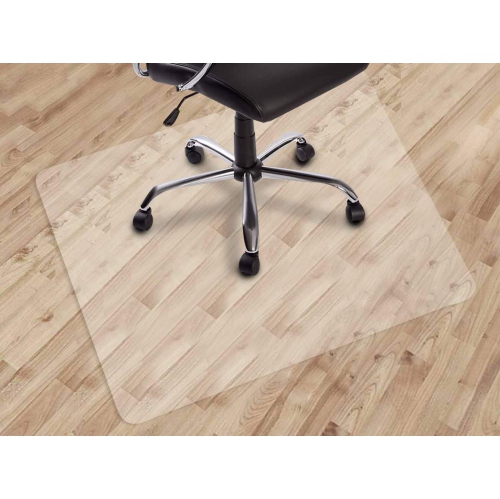
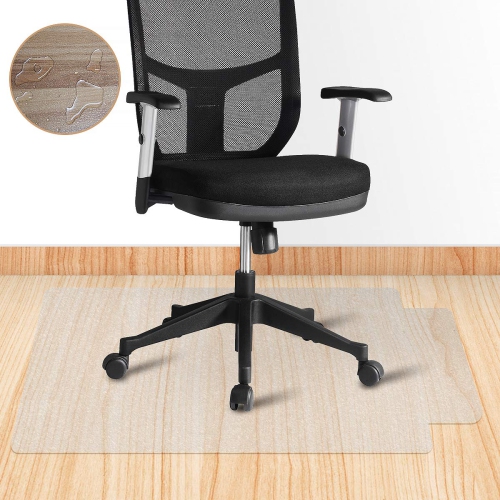
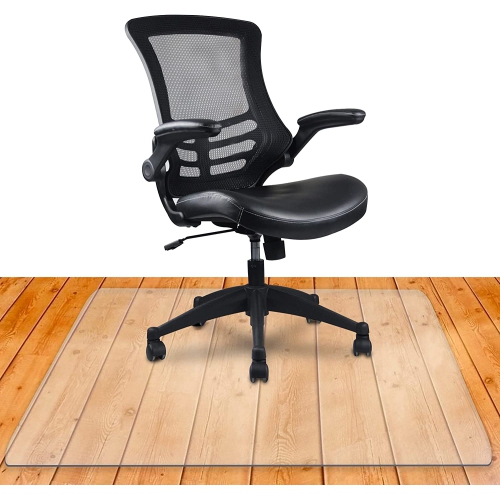
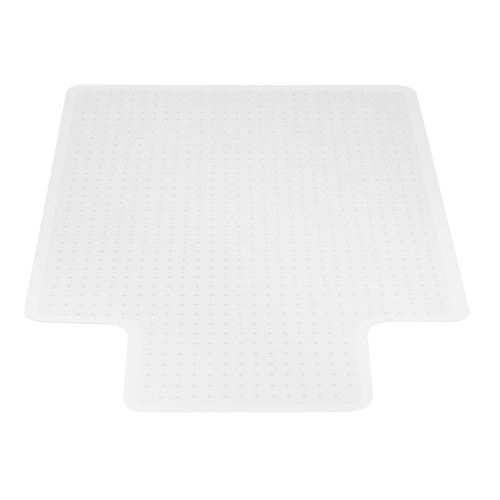
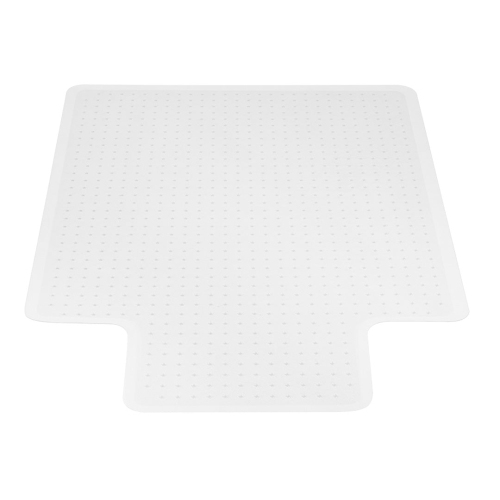
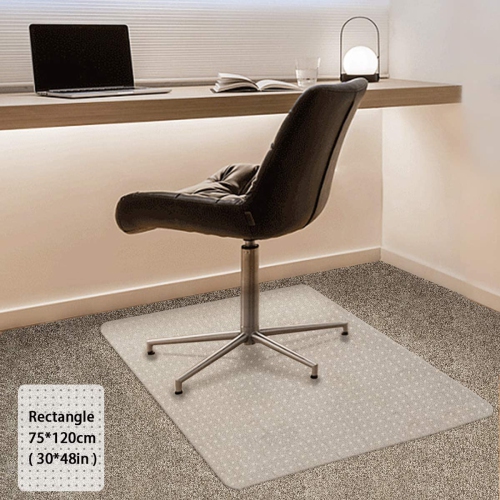
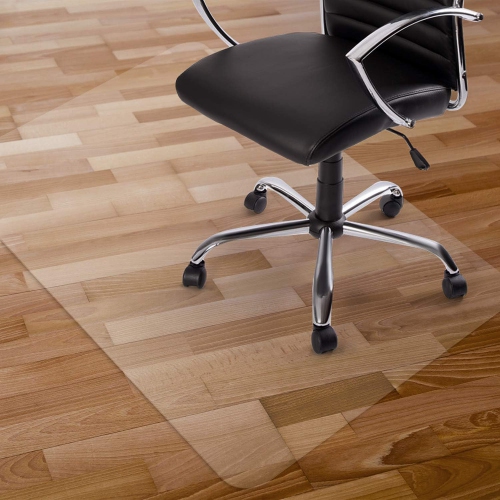
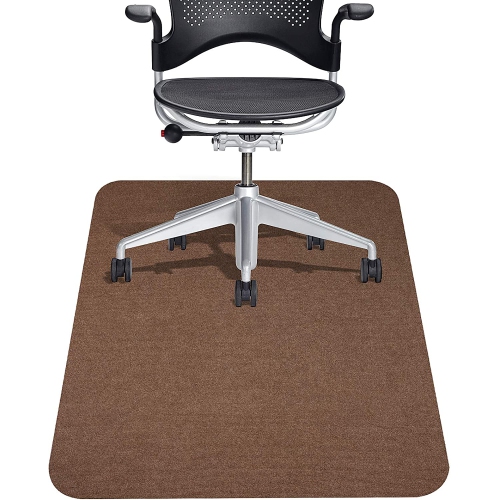
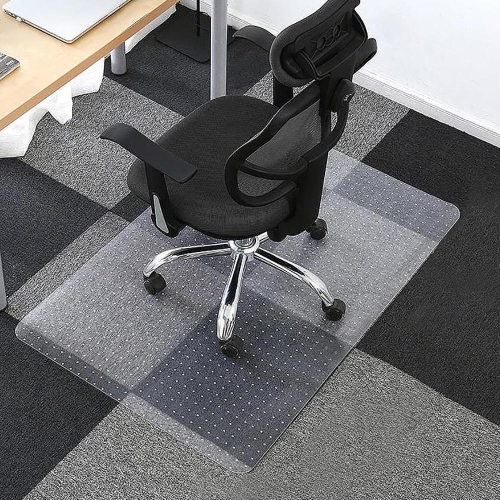
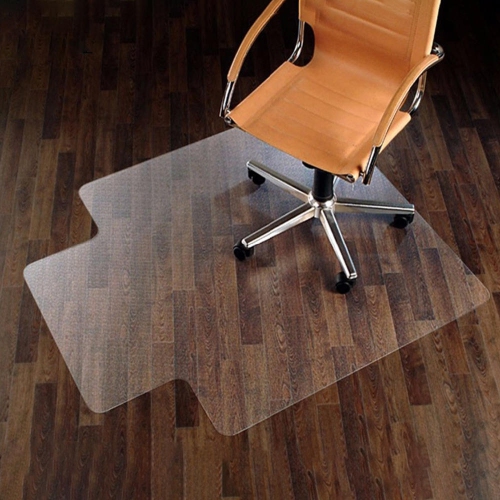
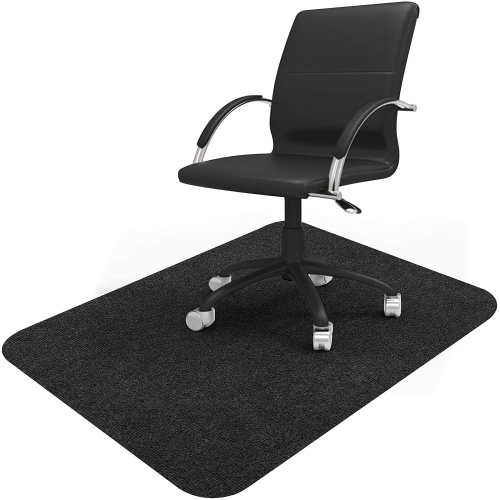
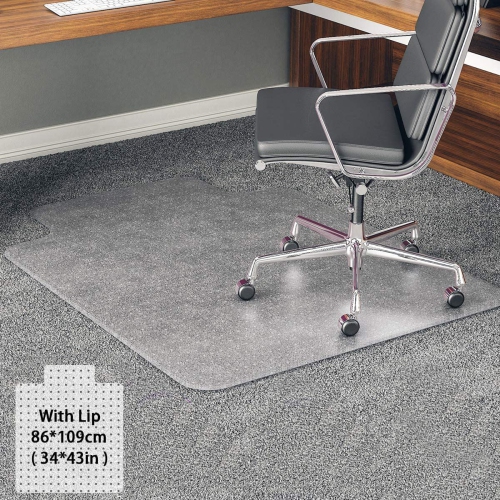
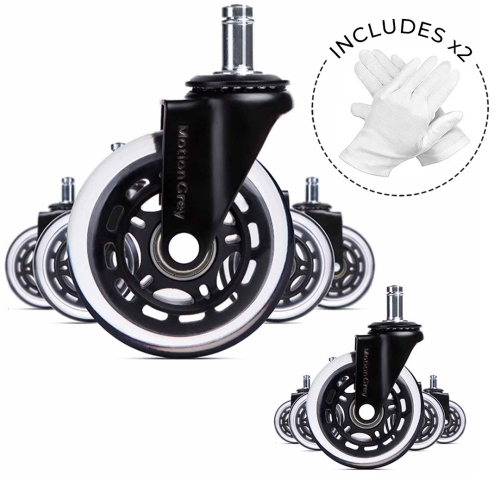
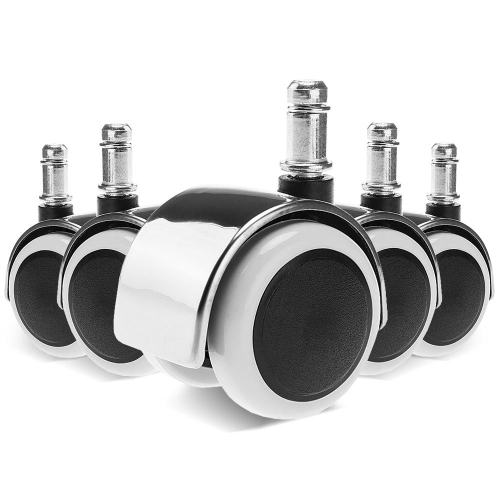
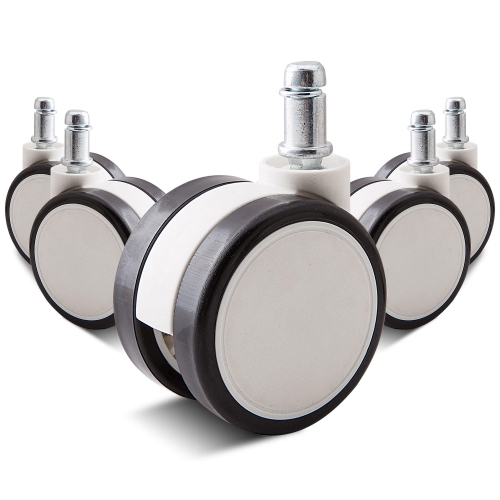
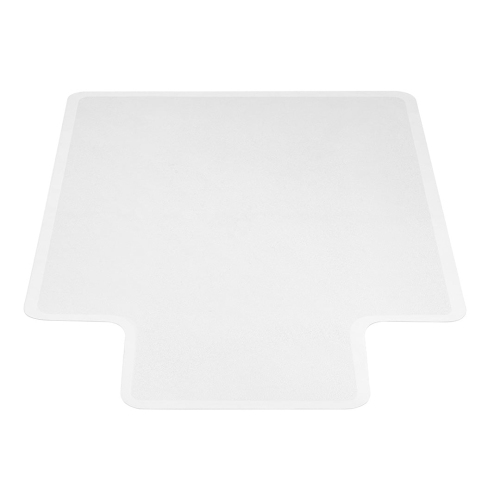
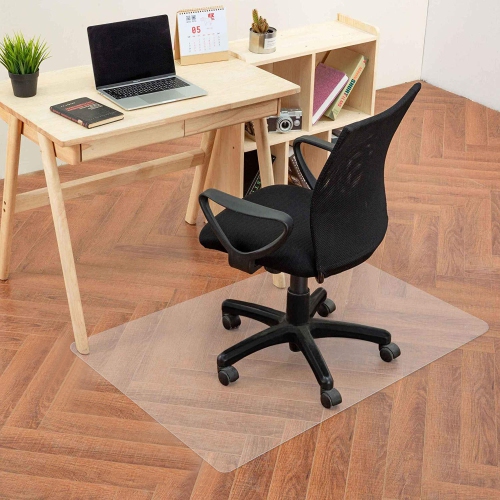
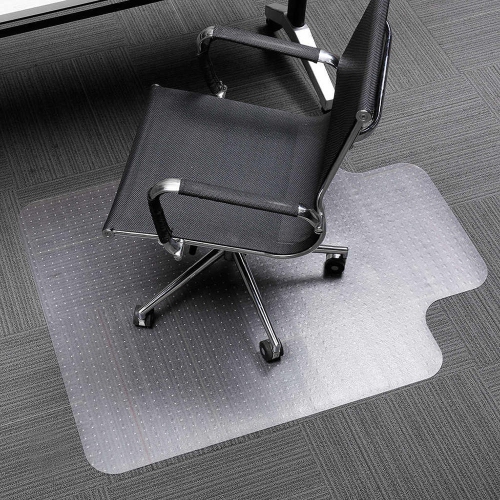
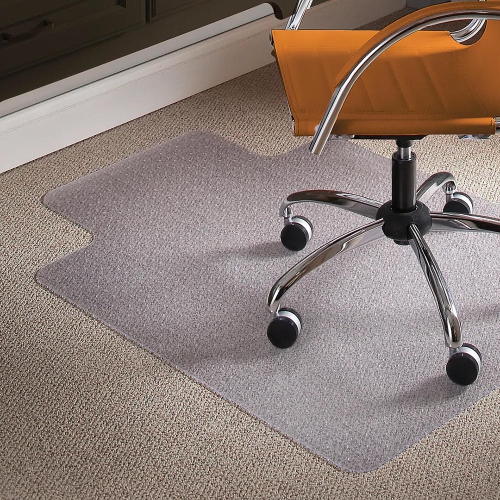
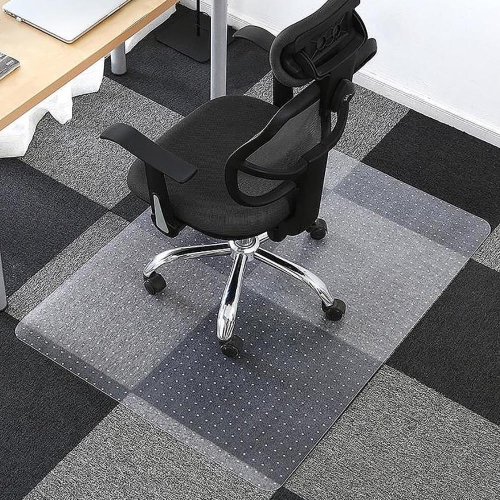
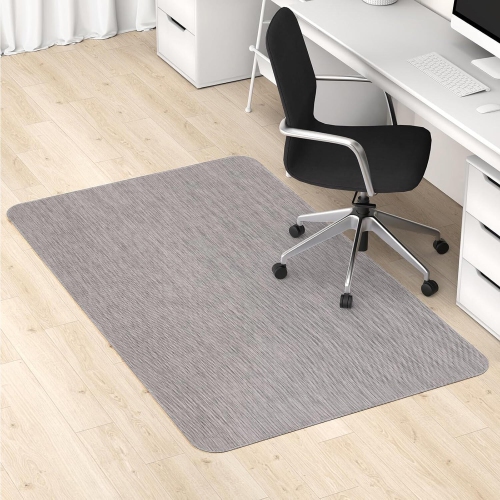
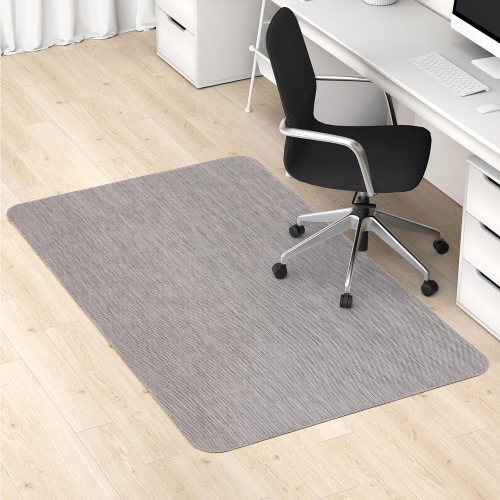
Chair mats address a different pattern of wear, particularly beneath office chairs that roll back and forth throughout the day. A desk chair may travel only a short distance at a time, yet those repeated movements concentrate pressure along the same route between the desk and the surrounding floor. A suitable mat provides a separate rolling surface and can make movement more manageable, especially on carpet. Mats designed for hard flooring generally have a backing intended for that surface, while carpet mats may use gripping points and a more rigid construction. These types should not be treated as interchangeable, since a backing intended for carpet could mark a hard floor. Carpet pile height, underlay, chair load, and mat thickness all influence how much a mat flexes or allows castors to sink. Dimensions matter just as much as material: there should be room for the chair to move through its usual range without the wheels repeatedly dropping over an edge. A shaped lip can extend beneath a desk, while a broader mat may better suit a workspace where the chair turns between a computer and nearby storage. Low-profile or bevelled edges can ease the transition, but the mat still needs to lie flat and stay clear of doors and walking routes. For home offices, study corners, shared workspaces, and craft areas, floor protection works best when it follows the room's daily routine rather than covering an arbitrary patch of floor. Someone settling into a new home or setting up a study space may also appreciate practical accessories that fit their seating and flooring, provided those details are known before choosing a gift. For related household needs, Furniture Protection brings the wider topic into view. Whatever style suits the room, occasional checks help it keep doing its job: remove trapped grit, replace compressed or peeling pads, and refit caps that have shifted. Those small habits help preserve the quiet slide of a dining chair and the smooth roll back from a desk.
The best chair leg protectors for a particular space depend on the floor finish, leg shape, chair weight, and how often the seating moves. Felt is a common choice for hard floors because it provides a soft sliding surface, but the pad should cover the full contact area without extending so far beyond the leg that its edges catch and peel. Adhesive pads are straightforward to fit to clean, dry, flat leg bottoms; dust, old adhesive, or an uneven surface can weaken their hold. Screw-on or nail-on styles may provide a more secure attachment on suitable wooden legs, although they require compatible furniture construction and careful installation so no exposed hardware touches the floor. Flexible chair leg caps fit around the outside of a leg and are available for different shapes and size ranges. Measuring the width of a square leg or the diameter of a round one helps avoid a loose cap that slips off or an overly tight fit that splits. Angled and tapered legs deserve extra attention because the point resting on the floor may be smaller or differently shaped than the leg above it. For silicone caps with felt bottoms, both the grip around the leg and the coverage beneath it matter. Fabric chair socks offer another slip-on option, though their grip, thickness, and suitability vary with the furniture and floor. Rubber or similar non-slip bases can help seating stay put, but they are not interchangeable with gliding pads: a chair intended to slide easily needs a different contact surface from one intended to resist movement. On vinyl and other sensitive finishes, check the flooring manufacturer's advice alongside the protector's stated compatibility, as some backing materials can cause discolouration or marking. Tile joints and textured surfaces can also catch small pads or make movement less smooth. A protector should sit securely, keep the chair level, and suit the way the chair is actually used. Matching all legs with the same appropriate style and thickness helps avoid an uneven seat.
Chair mats address a different pattern of wear, particularly beneath office chairs that roll back and forth throughout the day. A desk chair may travel only a short distance at a time, yet those repeated movements concentrate pressure along the same route between the desk and the surrounding floor. A suitable mat provides a separate rolling surface and can make movement more manageable, especially on carpet. Mats designed for hard flooring generally have a backing intended for that surface, while carpet mats may use gripping points and a more rigid construction. These types should not be treated as interchangeable, since a backing intended for carpet could mark a hard floor. Carpet pile height, underlay, chair load, and mat thickness all influence how much a mat flexes or allows castors to sink. Dimensions matter just as much as material: there should be room for the chair to move through its usual range without the wheels repeatedly dropping over an edge. A shaped lip can extend beneath a desk, while a broader mat may better suit a workspace where the chair turns between a computer and nearby storage. Low-profile or bevelled edges can ease the transition, but the mat still needs to lie flat and stay clear of doors and walking routes. For home offices, study corners, shared workspaces, and craft areas, floor protection works best when it follows the room's daily routine rather than covering an arbitrary patch of floor. Someone settling into a new home or setting up a study space may also appreciate practical accessories that fit their seating and flooring, provided those details are known before choosing a gift. For related household needs, Furniture Protection brings the wider topic into view. Whatever style suits the room, occasional checks help it keep doing its job: remove trapped grit, replace compressed or peeling pads, and refit caps that have shifted. Those small habits help preserve the quiet slide of a dining chair and the smooth roll back from a desk.
Top selling and popular products
-
 Your price for this item is $171.99
 -
 Your price for this item is $145.99
 -
 Your price for this item is $34.99
 -
 Your price for this item is $32.99
 -
 Your price for this item is $29.99
 -
 Your price for this item is $49.99
 -
 Your price for this item is $31.99
 -
 Your price for this item is $34.99
Discover more categories related to Floor Protection Chairs
Top Collections:
Pokemon Centers, Kindle Devices, Best Budget Office Chairs, Apple iPhones 16, Best Laptops for Writers, iPhone 15 Apple, Canon G7X Cameras, Refurbished Apple Laptops, Alarm Clock, Motorola Razr Phones
Some products may be subject to Environmental Handling Fees
(EHF) depending on your province.
Learn more about EHFs.