Chair Floor Protectors
Protect your floors and keep your chairs gliding smoothly with our selection of chair floor protectors. Whether you have hardwood, tile, laminate, or carpeted floors, these handy accessories help prevent scratches, scuffs, and dents caused by moving chairs. Say goodbye to noisy dragging sounds and hello to effortless movement while safeguarding your flooring investment. Browse this range of chair floor protectors to find the perfect fit for your home or office space.
Sort
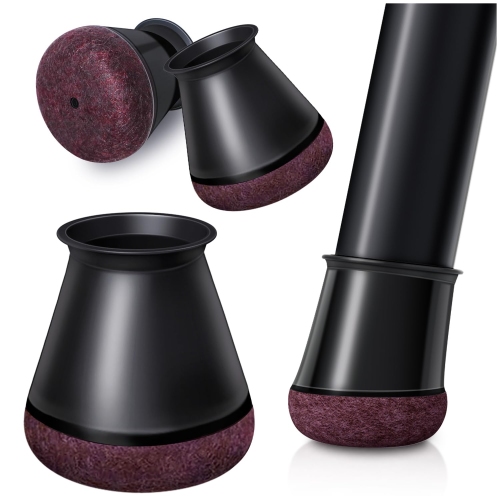
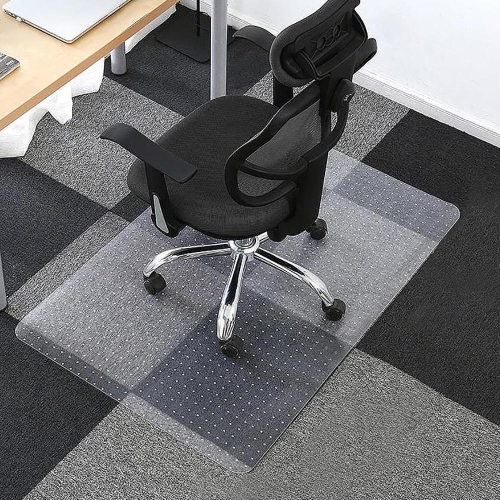
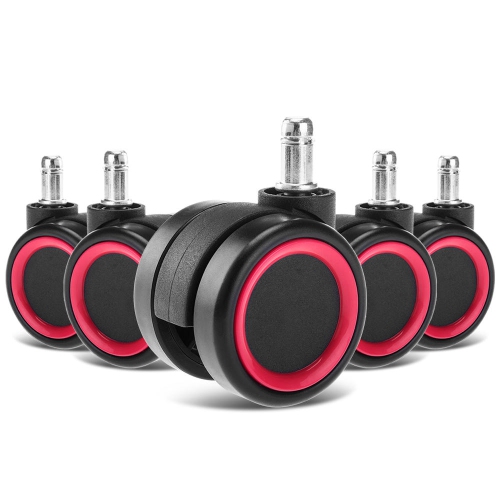
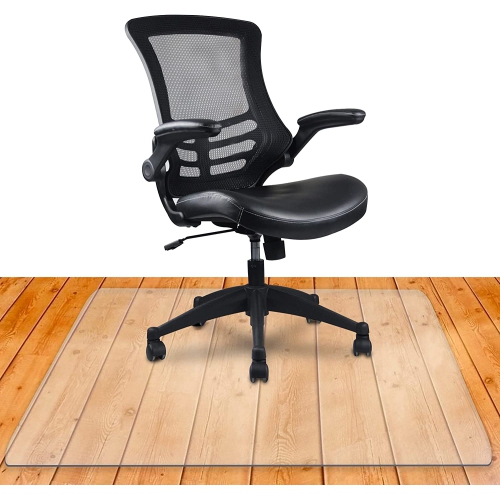
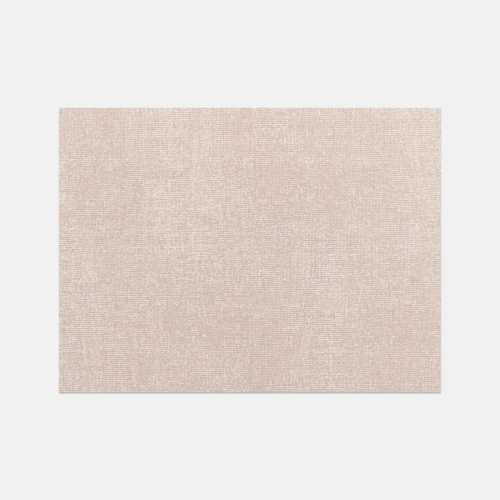
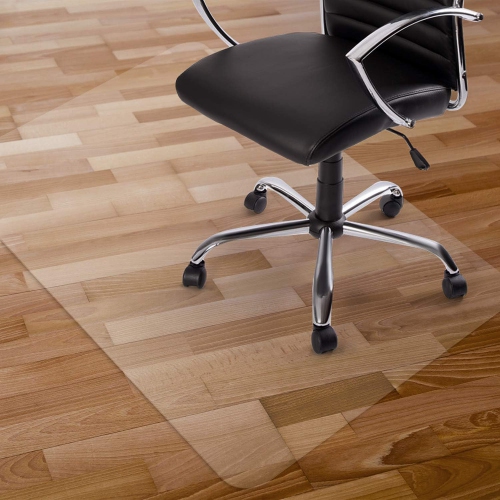
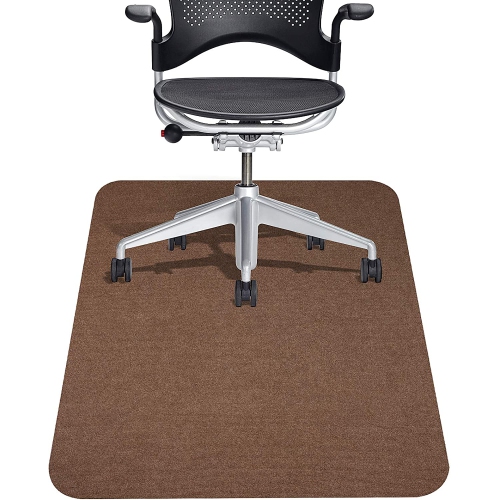
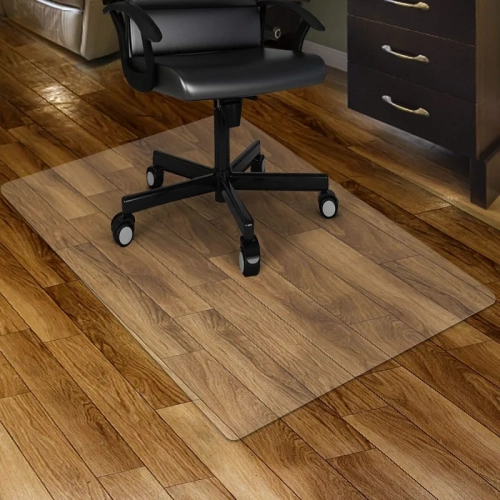
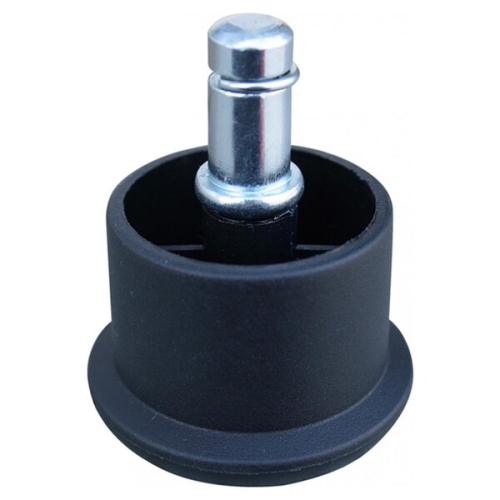
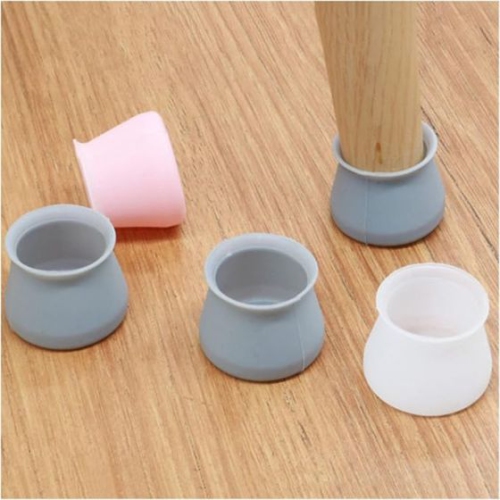
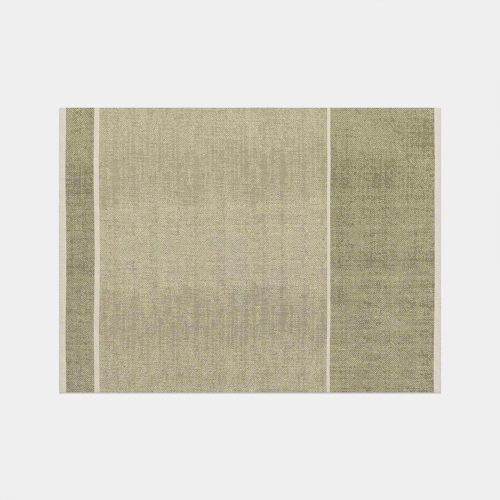
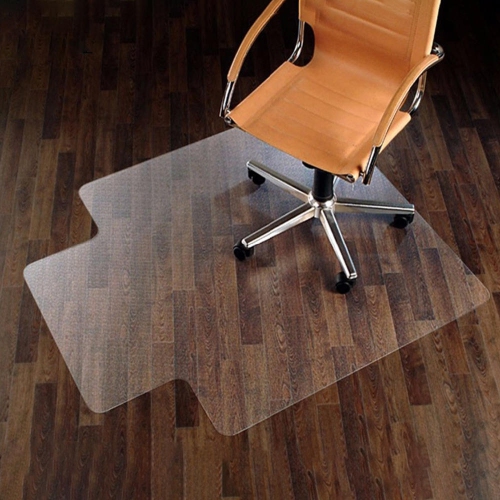
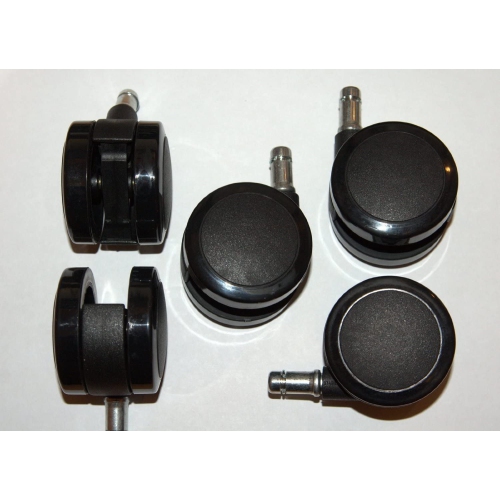
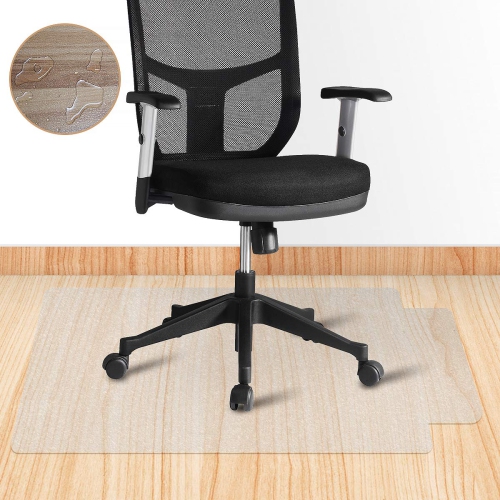
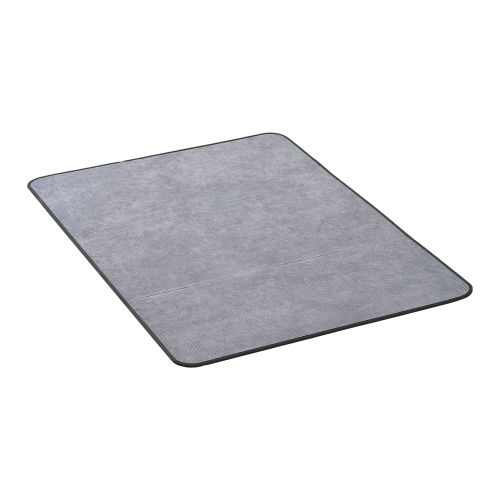
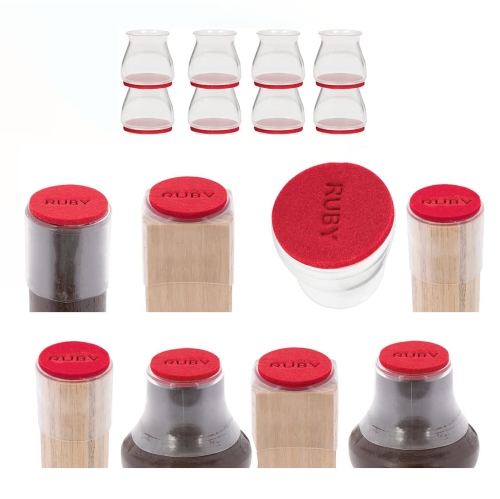
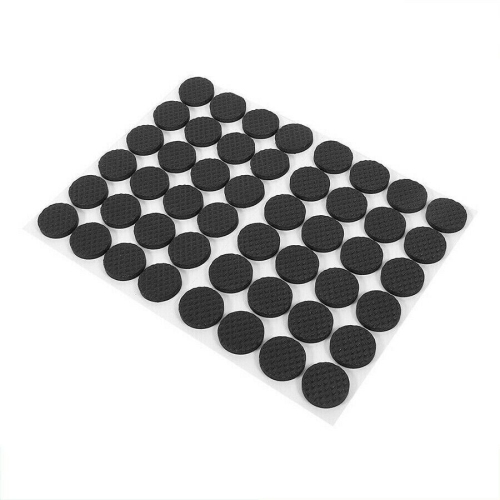
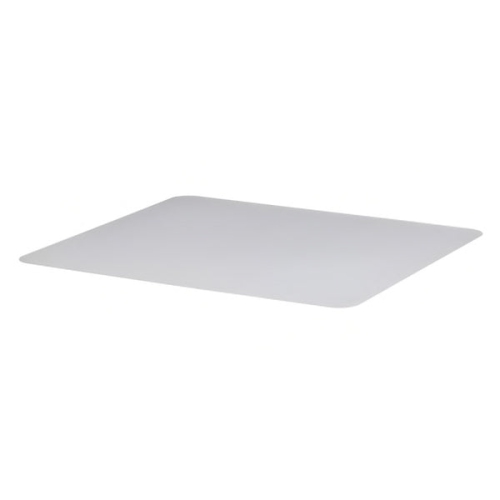
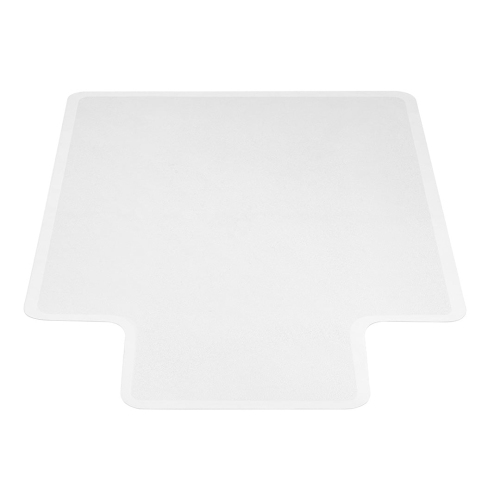
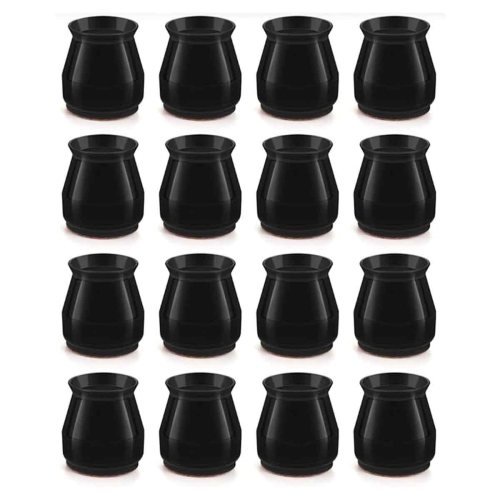
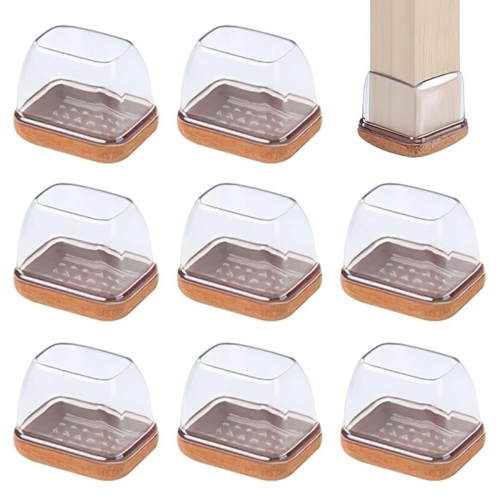
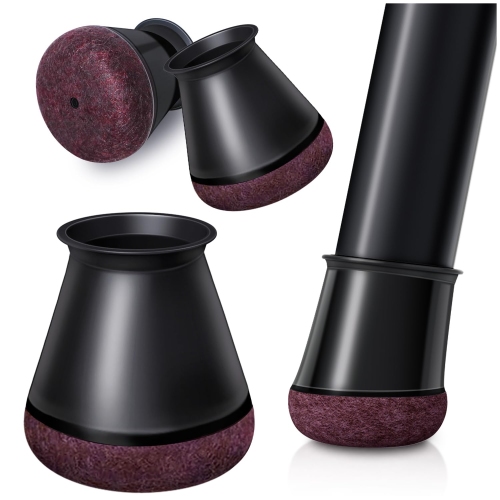
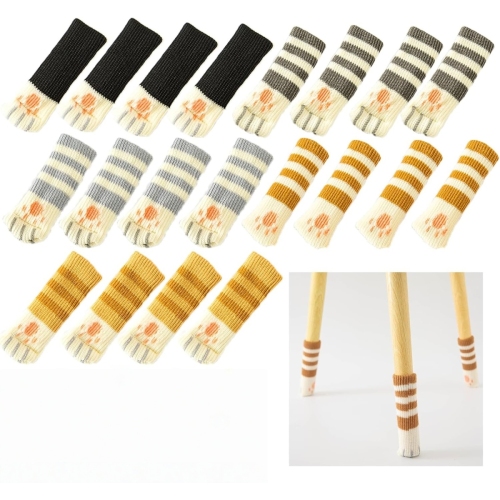
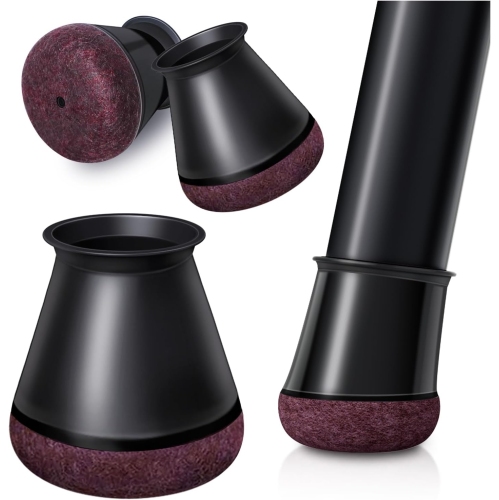
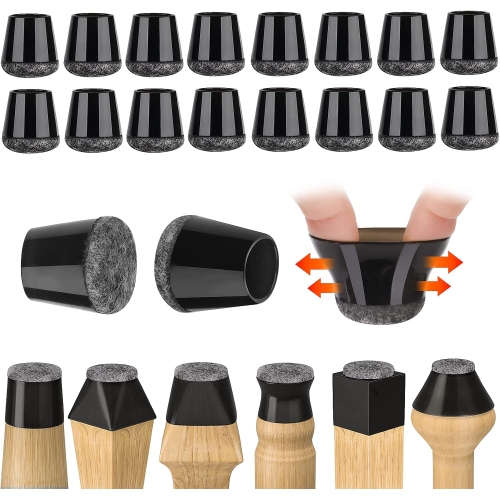
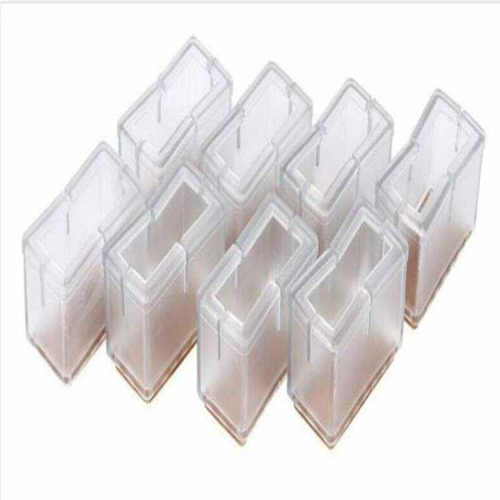
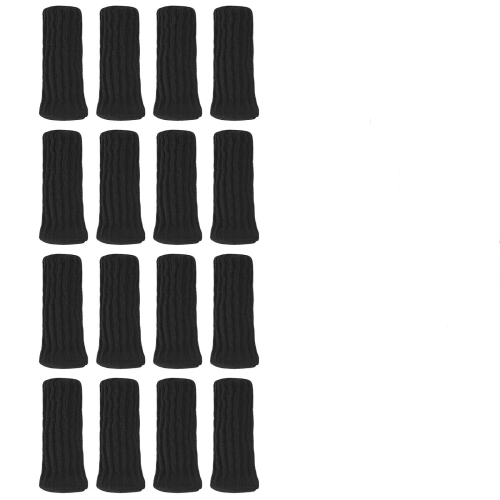
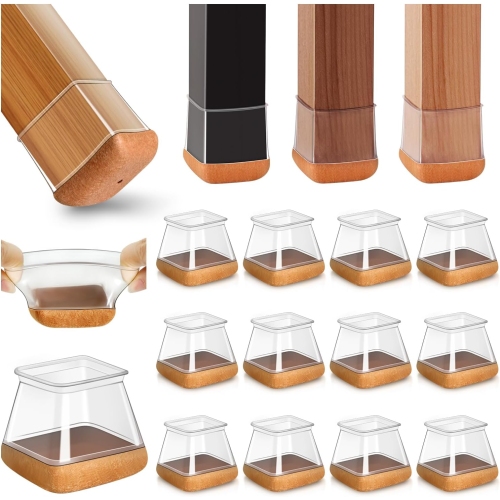
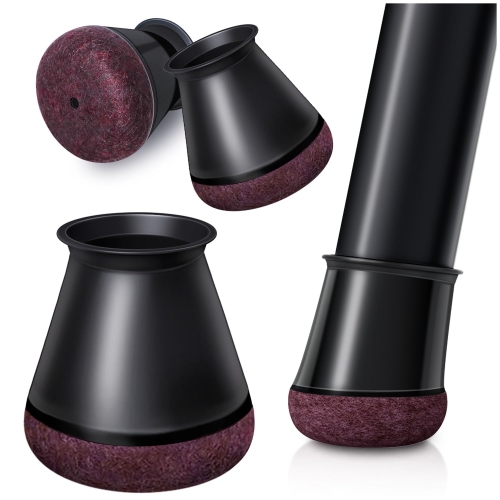
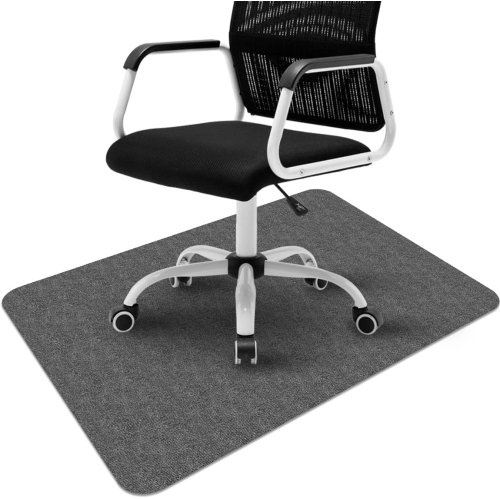
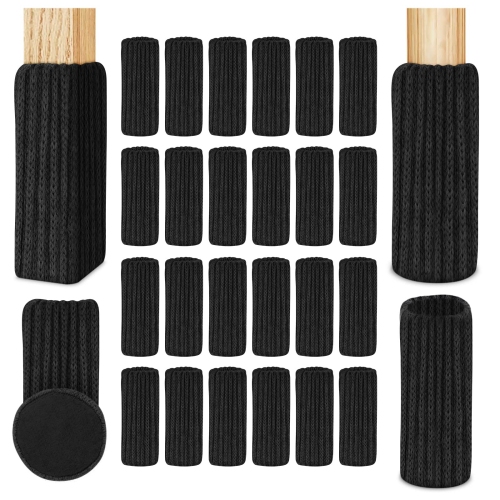
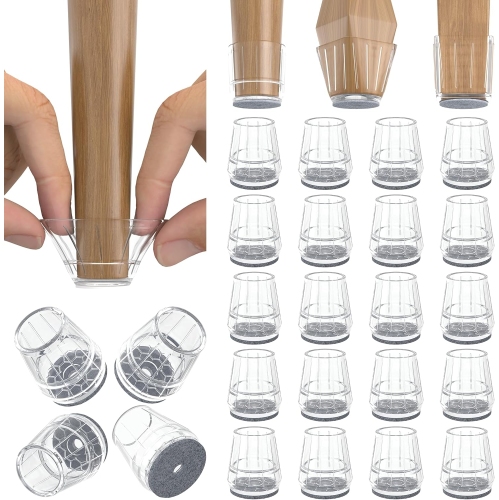
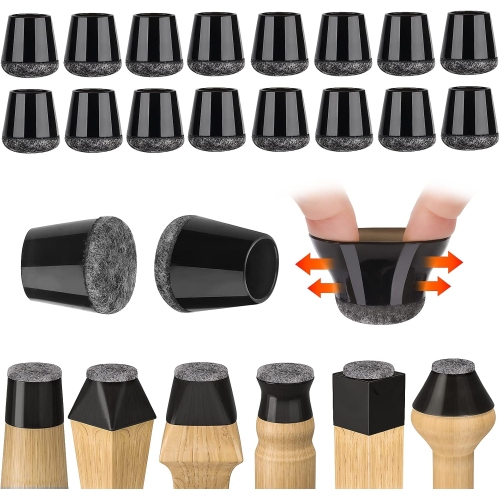
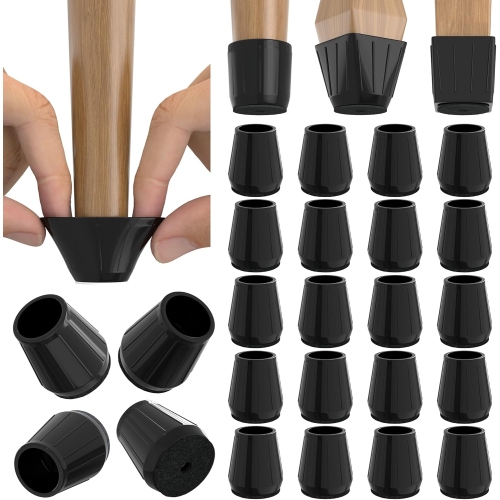
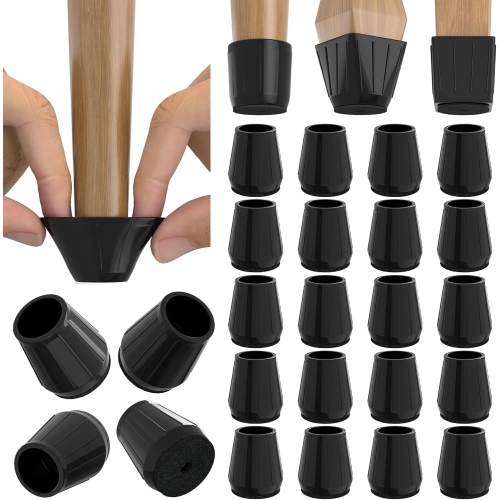
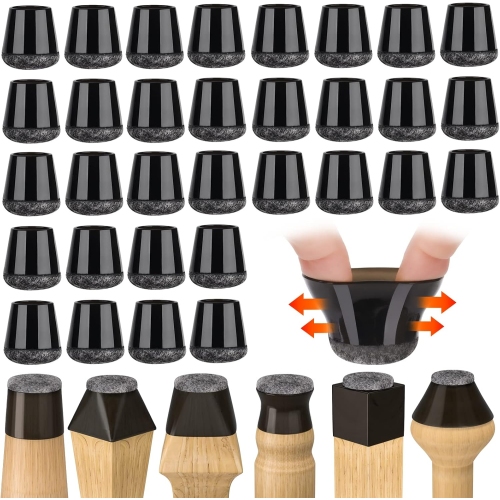
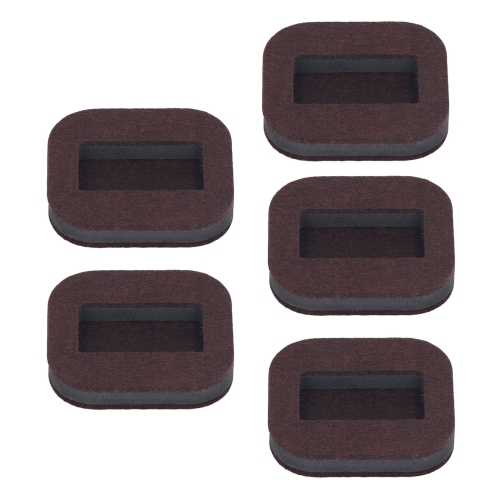
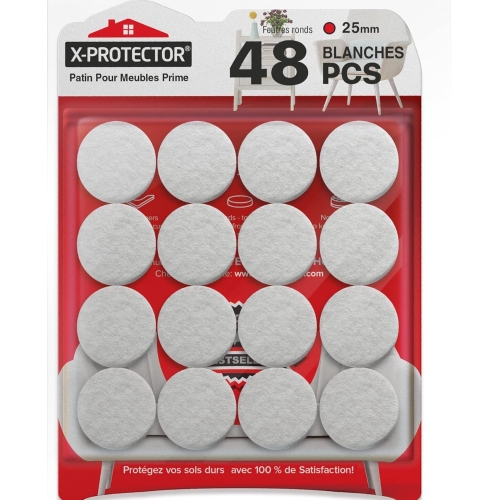
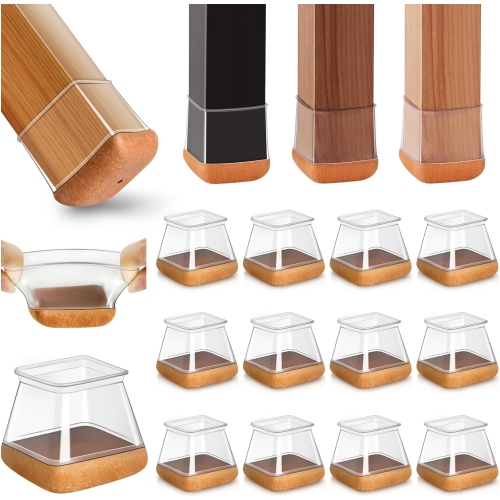
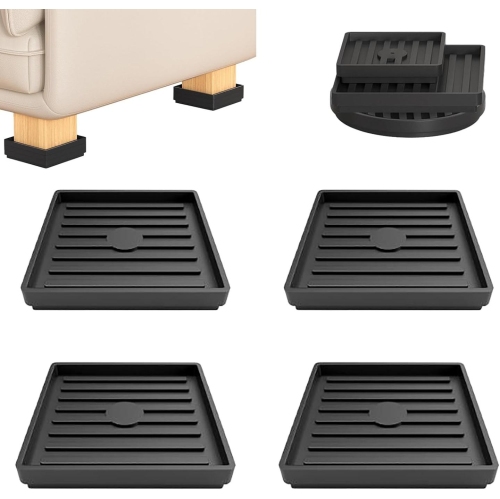
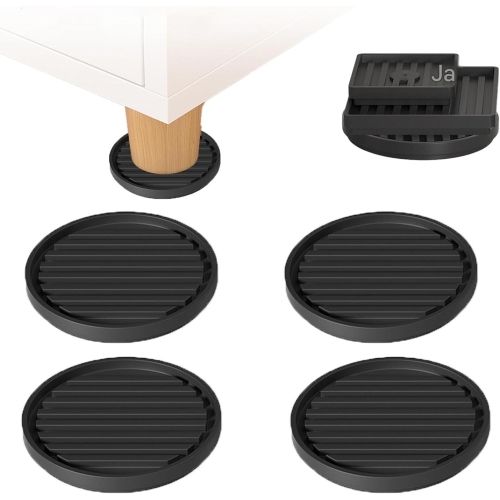
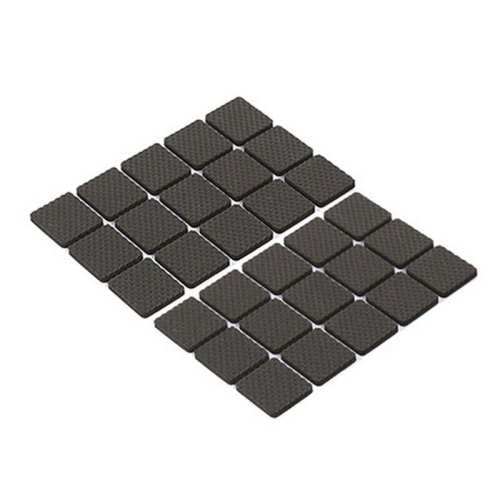
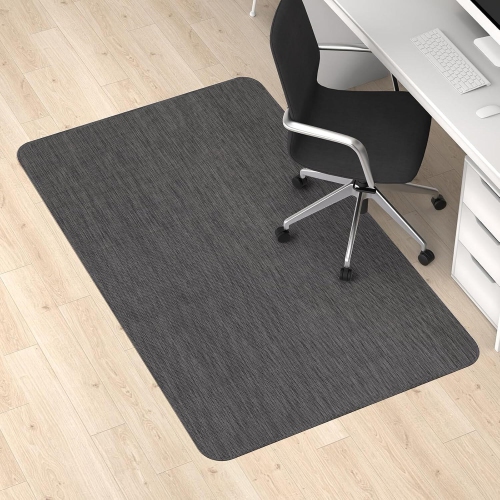
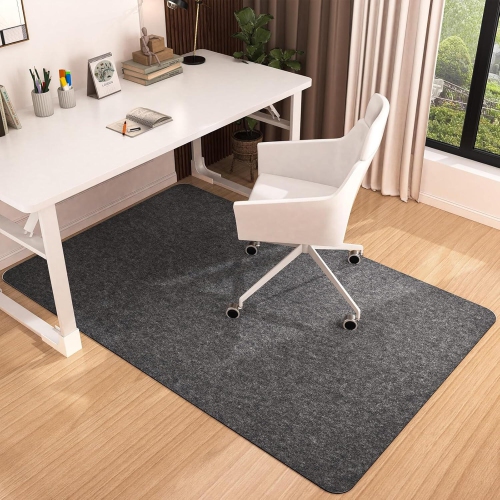
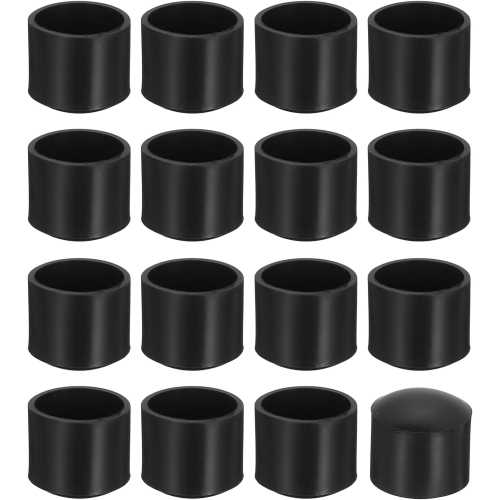
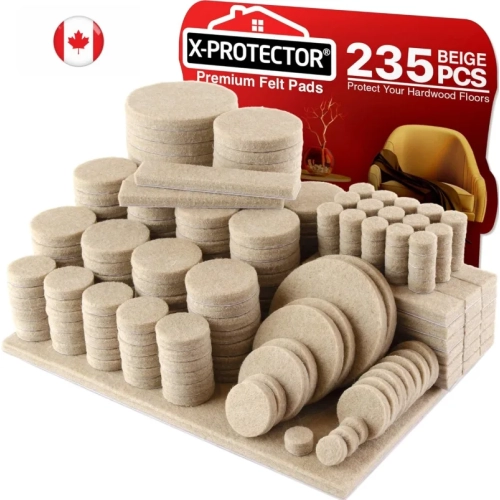
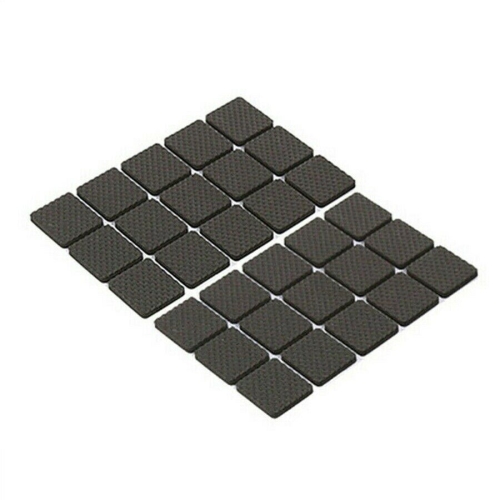
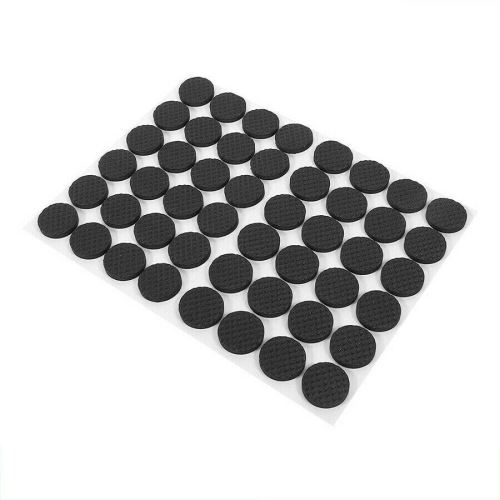
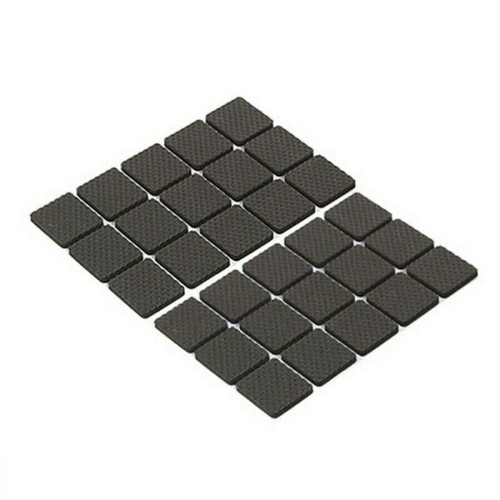
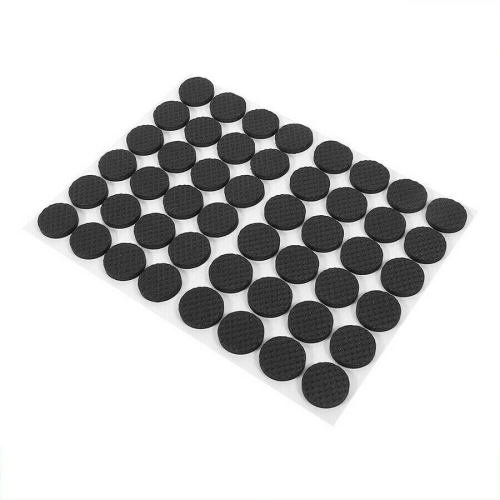
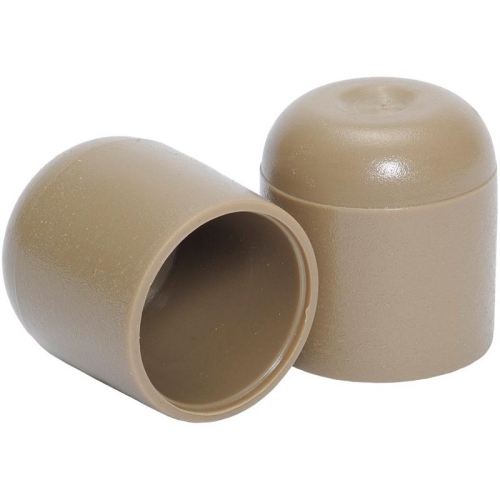
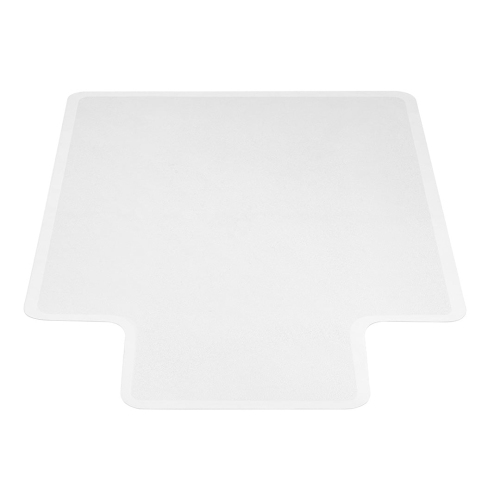
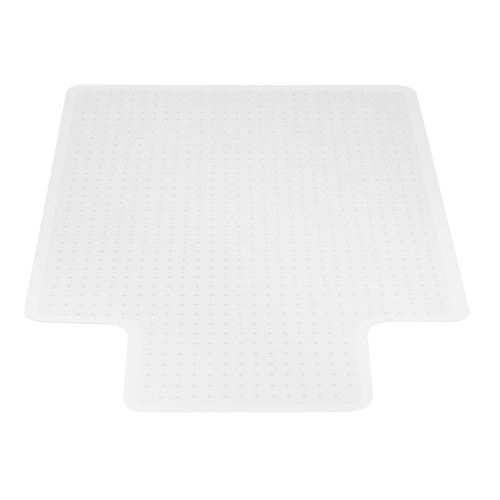
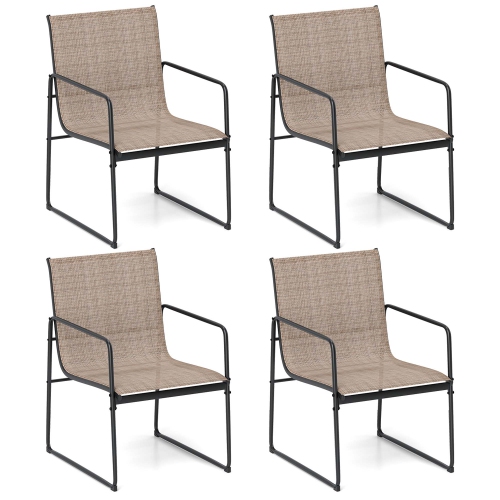
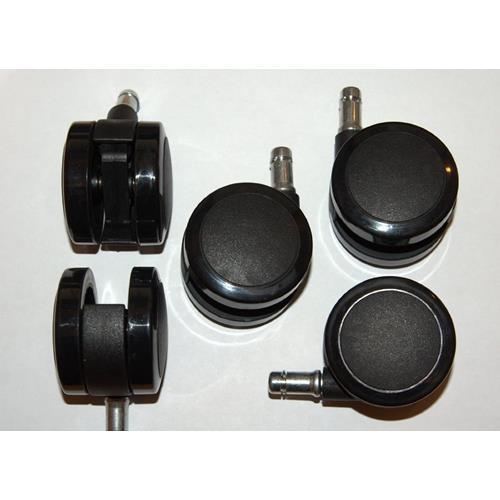
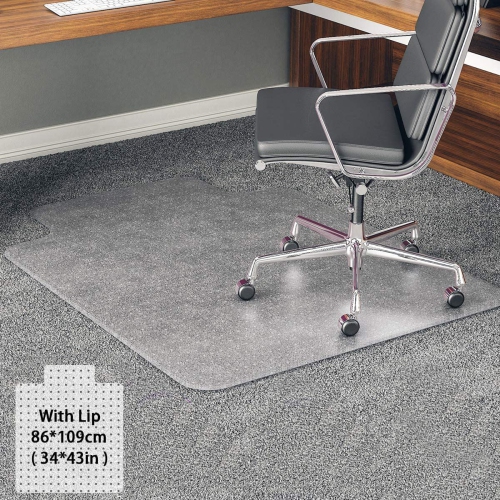
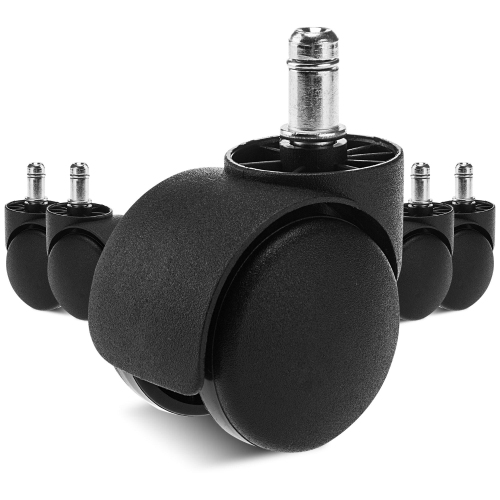
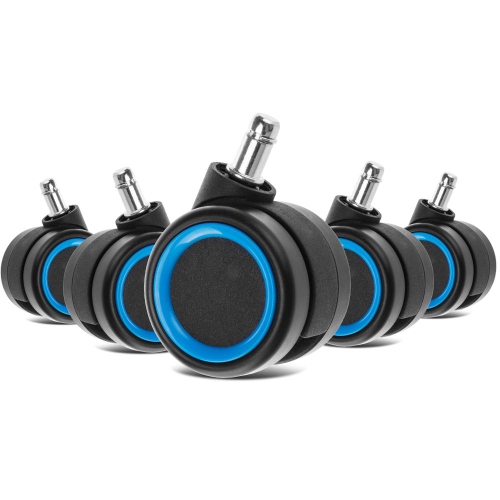
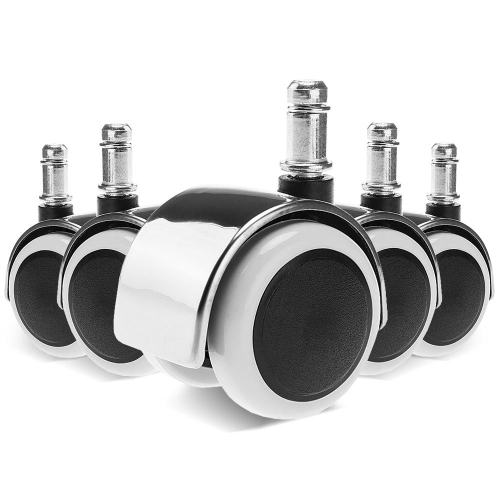
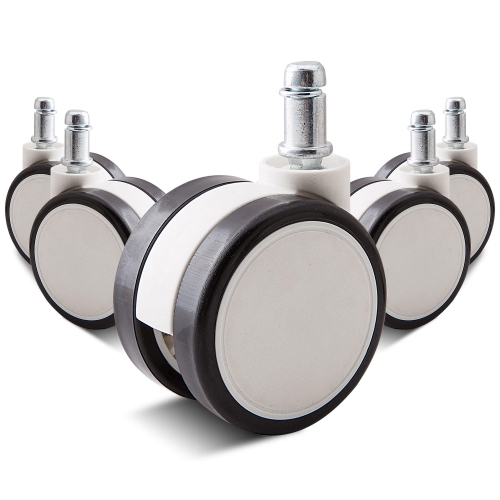
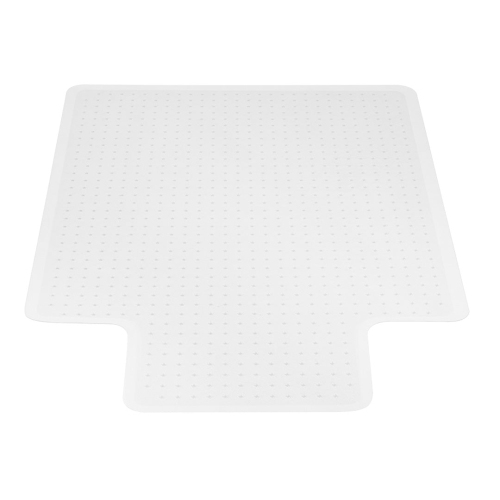
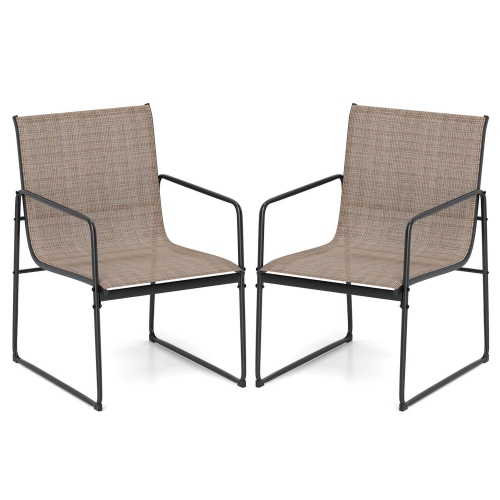
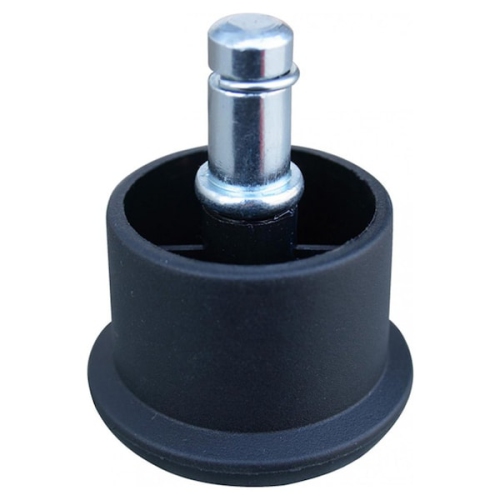
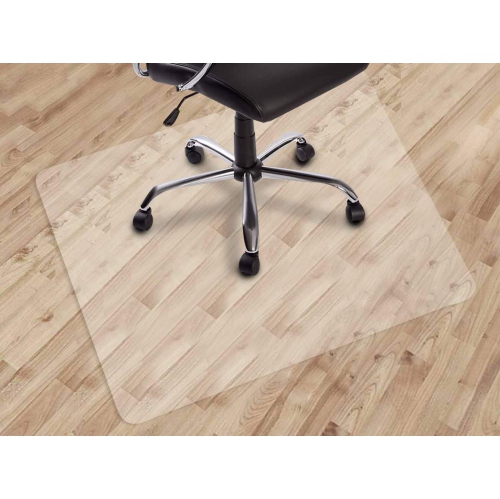
Protect floors from everyday chair movement and noise
Chair floor protectors are a practical way to help keep floors looking their best while making everyday seating more comfortable and convenient. They are designed to sit between chair legs and the floor, helping reduce scuffs, scratches, dents, and marks caused by repeated movement. This can be especially useful beneath dining chairs, desk chairs, kitchen stools, reading chairs, and occasional seating that gets shifted throughout the day. A chair may seem light when moved once, but the small amount of pressure created by each leg can add up over time, particularly on hardwood, laminate, vinyl, tile, and other smooth or easily marked surfaces. Protectors can also help reduce the scraping sound that travels across a room when a chair is pulled out from a table or pushed towards a desk. That softer movement can make a noticeable difference in open-concept homes, apartments, nurseries, home offices, and dining areas where sound carries. For rooms with area rugs, a suitable protector can help chairs move more smoothly and prevent legs from catching on the rug’s surface. For hard floors, pads, glides, caps, and cups can provide a buffer against everyday friction. The right choice depends on the chair’s construction, how often it moves, and the type of flooring beneath it. A dining chair used several times a day may benefit from a different style than a stationary accent chair or a rolling office chair. Protectors can also be useful for households with children, where chairs are often dragged back from the table, or for anyone rearranging a room for guests, hobbies, study, or entertaining. They make a thoughtful addition to a housewarming gift, a new home office setup, a student’s room, or a dining room refresh because they are simple, useful, and easy to overlook when furnishing a space.
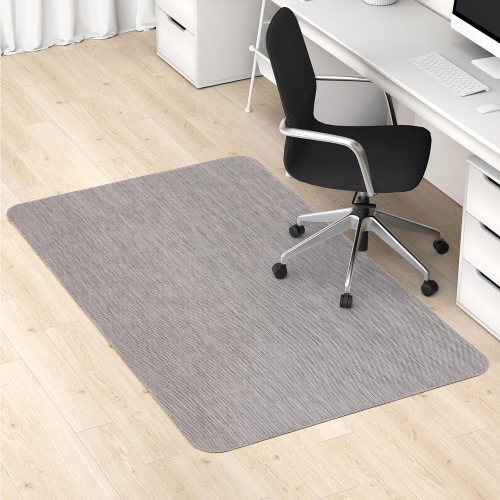
Before choosing chair floor protectors, take a close look at the legs and the floor rather than relying on appearance alone. Chair legs may be round, square, angled, tapered, flat, or fitted with existing feet, and each shape can call for a different attachment method. Some protectors slide over the leg, while others attach with adhesive, fasteners, or a fitted base. Measure the leg width or diameter at the point where the protector will sit, and check whether the leg changes shape as it reaches the floor. A secure fit helps prevent the protector from shifting, twisting, or collecting grit underneath. It is also worth checking the chair’s weight and the amount of movement it receives. A chair that is lifted and placed gently may need only a basic protective pad, while a chair that is pulled across the floor many times a day benefits from a durable glide that is made for regular motion. Consider whether you want the chair to move freely or stay more firmly in place. Felt-style surfaces are often chosen for smooth, quiet movement, while rubber or grippy materials can provide added stability where sliding is not desirable. For rolling chairs, a floor mat or broader protective surface may be more suitable than individual leg caps, particularly in a work area where the chair moves repeatedly between a desk and nearby storage. The protector’s profile matters as well: a low-profile option can preserve the chair’s original height and appearance, while a deeper cup or cap may offer more coverage for heavier furniture. When using adhesive-backed protectors, clean and dry the underside of the chair legs first, then allow the attachment to set according to the instructions before putting the chair back into regular use. On floors that are textured, damp, dusty, or recently treated, adhesion may be less reliable. Regardless of style, inspect the protectors periodically and replace any that are worn, loose, compressed, or holding grit. A small piece of debris caught beneath a chair leg can act like sandpaper during each movement, so a quick check and occasional cleaning can help maintain the protection.
Chair floor protectors suit a wide range of people and living spaces, from renters who want to care for a floor without making permanent changes to homeowners furnishing a busy kitchen or dining room. They are also helpful in home offices, where a chair may travel across the same area for hours, and in craft rooms, classrooms, bedrooms, and sitting rooms where furniture is frequently repositioned. Families often appreciate them beneath breakfast-table chairs because crumbs, dust, and small particles can collect around the legs during daily use; choosing protectors that are easy to wipe or remove can make routine cleaning more manageable. During the warmer months, when doors and windows are open and people move between indoor and outdoor spaces, tracked-in grit can make floor protection particularly important. During the cooler months, when more time is spent indoors, chairs tend to see heavier daily use around dining tables, desks, and living areas. Protectors can also help when preparing a home for visitors, setting up an extra workspace, or rearranging furniture for a gathering. For chairs or tables that place more weight on the floor, explore Floor Protectors For Heavy Furniture for additional options. To get the best results, match the protector to both the furniture and the surface, use enough coverage for every leg, and avoid mixing styles unless each chair has a different design that requires it. A well-fitted protector should feel like part of the chair rather than an afterthought: it should stay in place, move as intended, and blend into the room while helping floors handle the small, repeated motions of everyday life.
Before choosing chair floor protectors, take a close look at the legs and the floor rather than relying on appearance alone. Chair legs may be round, square, angled, tapered, flat, or fitted with existing feet, and each shape can call for a different attachment method. Some protectors slide over the leg, while others attach with adhesive, fasteners, or a fitted base. Measure the leg width or diameter at the point where the protector will sit, and check whether the leg changes shape as it reaches the floor. A secure fit helps prevent the protector from shifting, twisting, or collecting grit underneath. It is also worth checking the chair’s weight and the amount of movement it receives. A chair that is lifted and placed gently may need only a basic protective pad, while a chair that is pulled across the floor many times a day benefits from a durable glide that is made for regular motion. Consider whether you want the chair to move freely or stay more firmly in place. Felt-style surfaces are often chosen for smooth, quiet movement, while rubber or grippy materials can provide added stability where sliding is not desirable. For rolling chairs, a floor mat or broader protective surface may be more suitable than individual leg caps, particularly in a work area where the chair moves repeatedly between a desk and nearby storage. The protector’s profile matters as well: a low-profile option can preserve the chair’s original height and appearance, while a deeper cup or cap may offer more coverage for heavier furniture. When using adhesive-backed protectors, clean and dry the underside of the chair legs first, then allow the attachment to set according to the instructions before putting the chair back into regular use. On floors that are textured, damp, dusty, or recently treated, adhesion may be less reliable. Regardless of style, inspect the protectors periodically and replace any that are worn, loose, compressed, or holding grit. A small piece of debris caught beneath a chair leg can act like sandpaper during each movement, so a quick check and occasional cleaning can help maintain the protection.
Chair floor protectors suit a wide range of people and living spaces, from renters who want to care for a floor without making permanent changes to homeowners furnishing a busy kitchen or dining room. They are also helpful in home offices, where a chair may travel across the same area for hours, and in craft rooms, classrooms, bedrooms, and sitting rooms where furniture is frequently repositioned. Families often appreciate them beneath breakfast-table chairs because crumbs, dust, and small particles can collect around the legs during daily use; choosing protectors that are easy to wipe or remove can make routine cleaning more manageable. During the warmer months, when doors and windows are open and people move between indoor and outdoor spaces, tracked-in grit can make floor protection particularly important. During the cooler months, when more time is spent indoors, chairs tend to see heavier daily use around dining tables, desks, and living areas. Protectors can also help when preparing a home for visitors, setting up an extra workspace, or rearranging furniture for a gathering. For chairs or tables that place more weight on the floor, explore Floor Protectors For Heavy Furniture for additional options. To get the best results, match the protector to both the furniture and the surface, use enough coverage for every leg, and avoid mixing styles unless each chair has a different design that requires it. A well-fitted protector should feel like part of the chair rather than an afterthought: it should stay in place, move as intended, and blend into the room while helping floors handle the small, repeated motions of everyday life.
Top selling and popular products
-
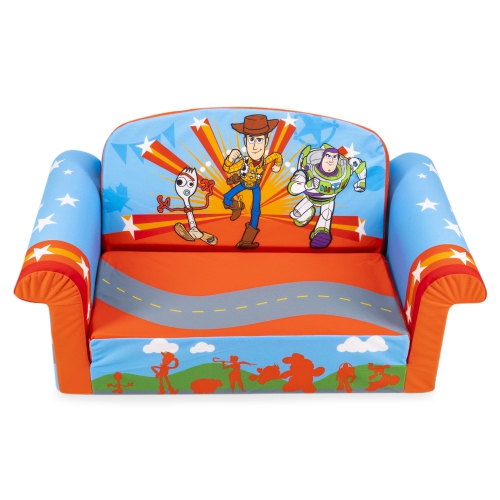 Your price for this item is $171.99
 -
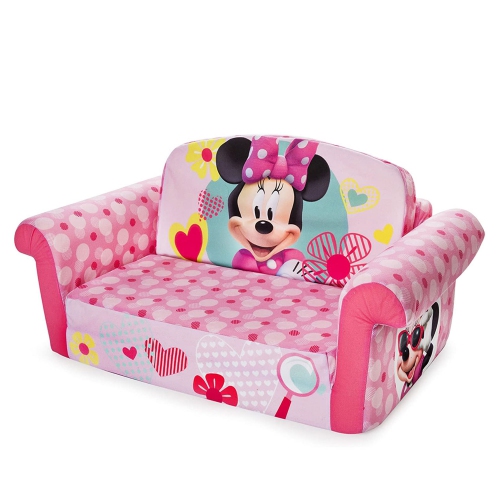 Your price for this item is $145.99
 -
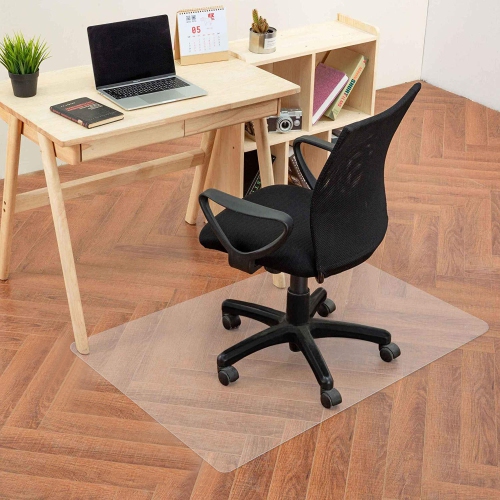 Your price for this item is $34.99
 -
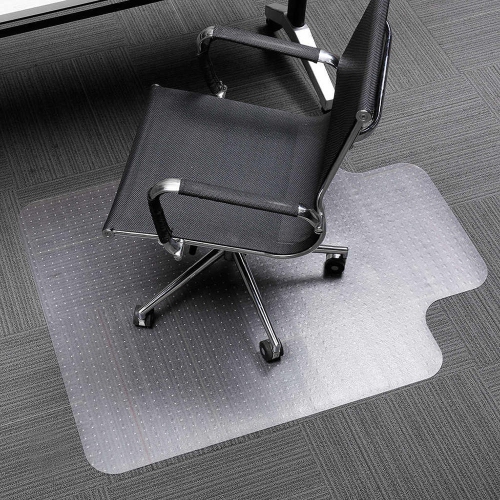 Your price for this item is $32.99
 -
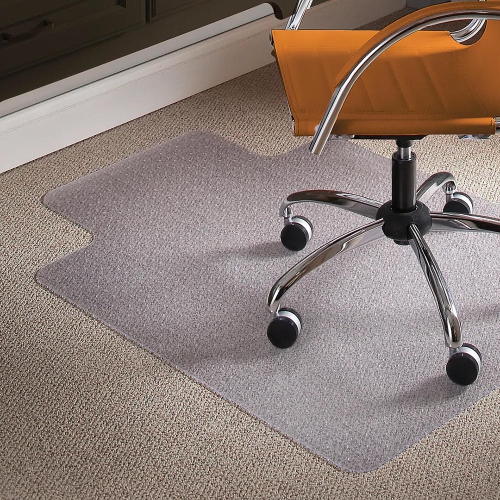 Your price for this item is $29.99
 -
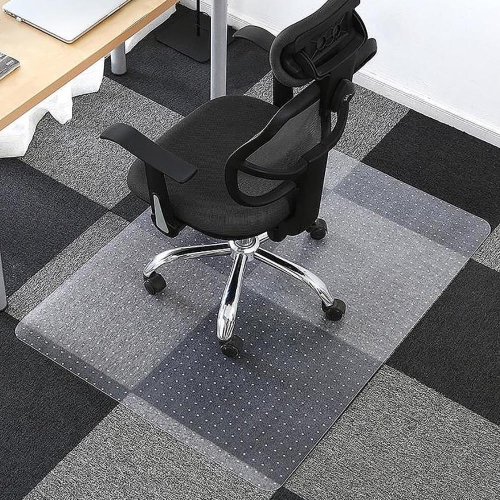 Your price for this item is $49.99
 -
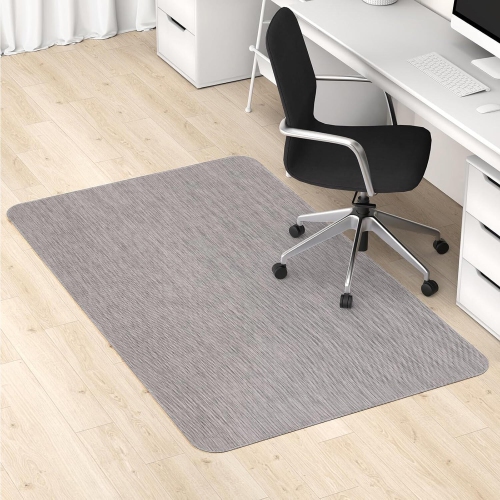 Your price for this item is $31.99
 -
 Your price for this item is $34.99
Discover more categories related to Chair Floor Protectors
Top Collections:
Pokemon Centers, Kindle Devices, Best Budget Office Chairs, Apple iPhones 16, Best Laptops for Writers, iPhone 15 Apple, Canon G7X Cameras, Refurbished Apple Laptops, Alarm Clock, Motorola Razr Phones
Some products may be subject to Environmental Handling Fees
(EHF) depending on your province.
Learn more about EHFs.