Flower Wreaths
Flower wreaths are a timeless way to add a touch of nature and elegance to any space. Whether adorning your front door, brightening up your living room, or serving as a centerpiece for special occasions, these decorative pieces bring a fresh and vibrant feel to your home. With an array of styles, colors, and sizes available, there's a perfect wreath to complement every season and personal taste. Crafted with attention to detail, each wreath offers a unique blend of blooms and greenery that can enhance your décor with its beauty and charm. Explore the delightful world of flower wreaths and discover how they can transform your environment into a welcoming haven.
Sort




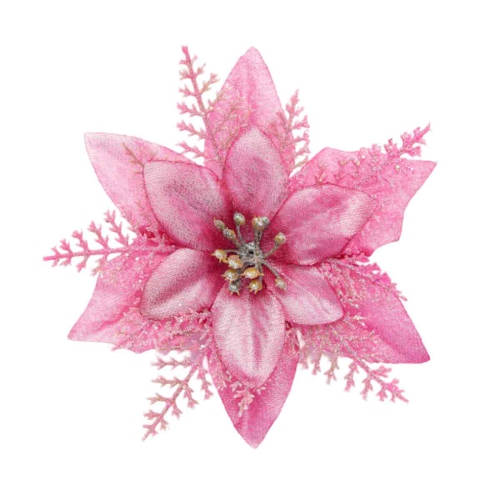
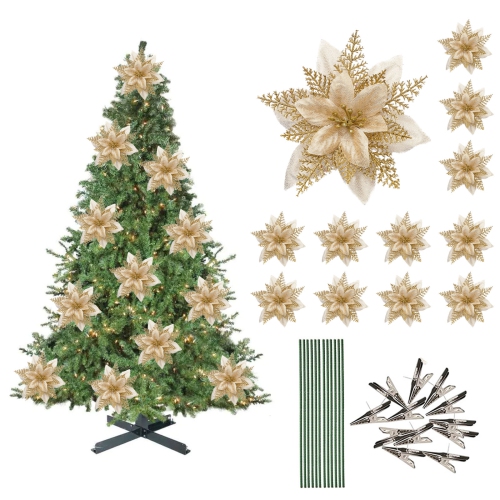
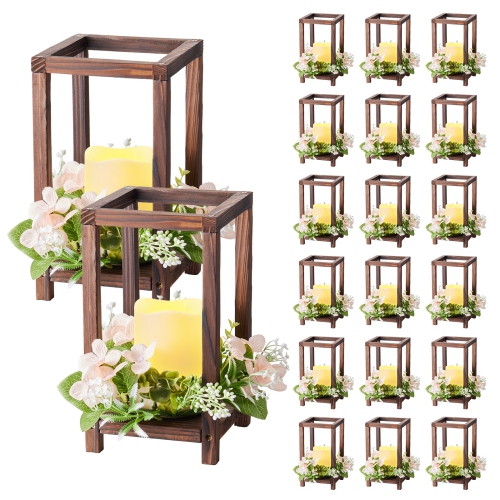
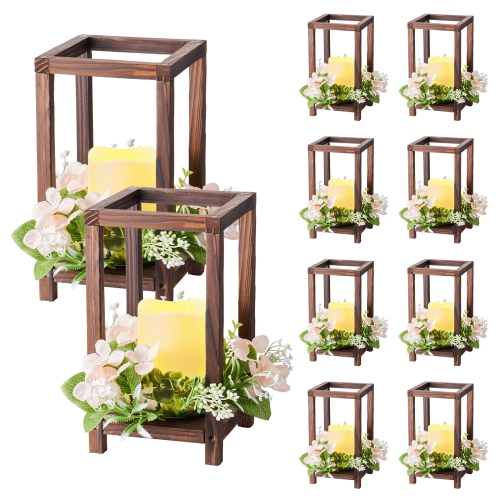
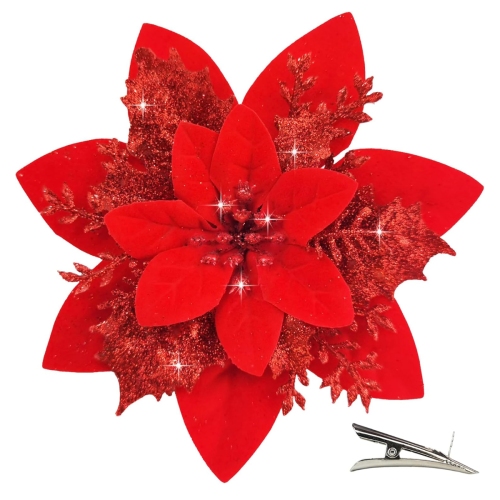
How flower materials shape a wreath’s style and care
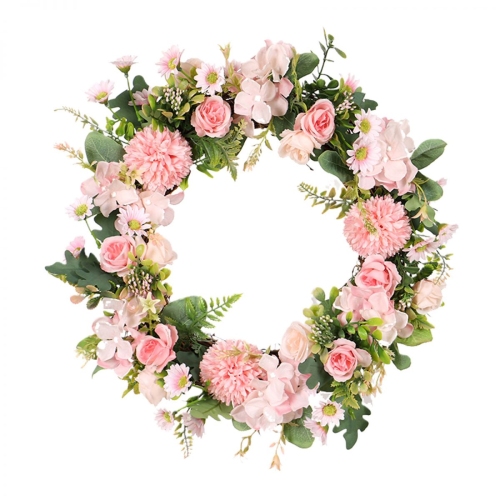
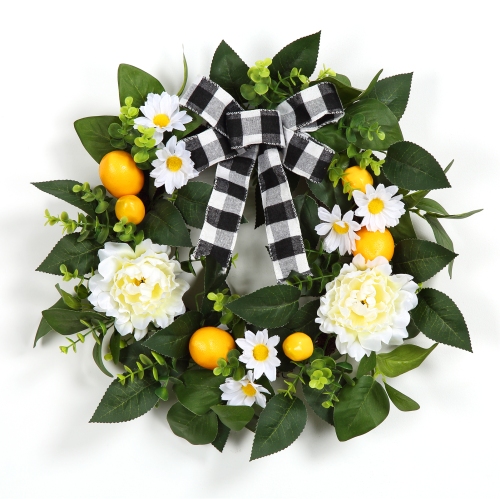
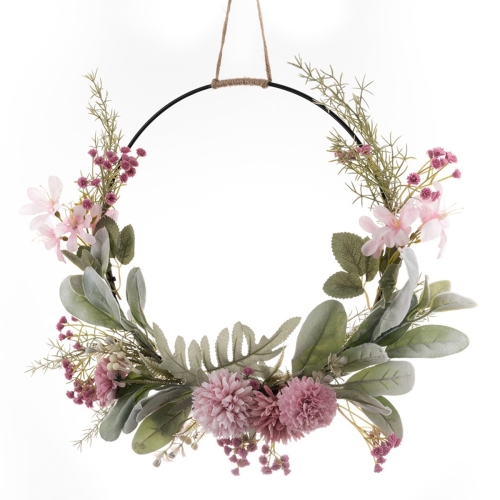
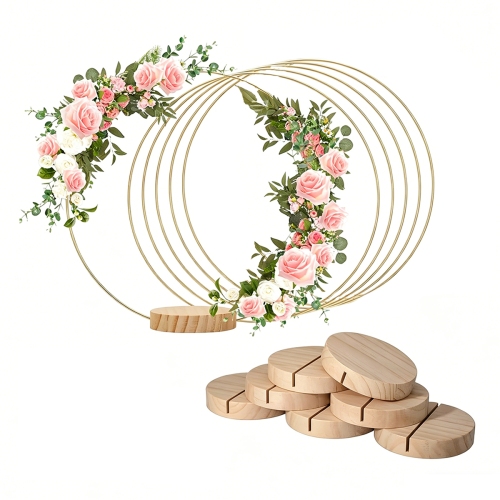
Flower wreaths are circular arrangements of flowers, foliage, and supporting materials used for home decoration, weddings, celebrations, and remembrance. Their ring-shaped form frames an open centre, bringing colour and texture to a door, wall, or display without covering the entire surface behind it. The flowers may be fresh, dried, preserved, or artificial, and that distinction affects both the appearance and the care a wreath needs. Fresh flower wreaths offer the softness and subtle variation of living blooms, making them meaningful for ceremonies and occasions where the arrangement is intended to be enjoyed for a limited time. Dried flowers have a more textured appearance, with delicate petals, papery seed heads, and muted tones that suit relaxed interiors. Preserved flowers undergo treatments that help retain their appearance, although their handling requirements depend on the materials and process used. Artificial flower wreaths are designed for repeated display and may combine fabric petals, moulded leaves, wrapped stems, and a wire or twig base. Some fabric flowers are described as silk flowers even when they are made from other fibres, so the stated material is more useful than the style name when comparing construction. Across these types, the balance between blossoms and foliage makes a noticeable difference. Closely arranged blooms create a full, rounded outline, while loosely spaced stems leave more of the base visible and give the wreath an airy character. A design with flowers concentrated along one side creates an asymmetrical accent; an evenly covered ring feels more formal. Colour also changes the effect. Cream and soft pink can sit quietly against pale walls, while deep red, violet, or orange creates stronger contrast. Greenery can soften the transition between flowers and the mounting surface. For a room with patterned upholstery or artwork, a restrained palette can keep the arrangement from competing with its surroundings. A simpler room can accommodate a more expressive mix of flower shapes, leaf sizes, and contrasting colours.
The right size for a flower wreath depends on its outer diameter, depth, weight, and the space around it, rather than diameter alone. Petals and flexible foliage may extend beyond the supporting ring, so the finished dimensions matter when judging how a wreath will fit. On a front door, enough clearance is needed for the handle, lock, viewing window, and any door knocker that remains in use. Where a second door closes over the entrance, the arrangement’s depth is especially important: projecting flowers can be compressed even when the wreath looks proportionate from the front. On an interior wall, a small wreath can make an intentional accent above a narrow console, while a broader arrangement can provide a focal point over a sideboard or mantel. For wider spaces, Large Wreaths offer another scale to consider, with enough surrounding wall space to keep the outline distinct. A useful visual check is to mark the proposed diameter with a paper circle before choosing a size; this makes the relationship to nearby furniture easier to judge. Mounting deserves the same attention as appearance. The attachment point should be secure, and the hanger or hook should be rated for the wreath’s weight and suited to the surface beneath it. An over-door hanger needs to fit the door thickness without interfering with its closure, while an adhesive hook requires a compatible finish and the preparation specified by its manufacturer. A delicate twig ring may need support at its strongest section rather than from a loose decorative stem. Indoor and outdoor use should also be distinguished in the product’s stated specifications; a floral style alone does not establish where it can be displayed. In busy spaces, placing the wreath beyond the reach of passing bags, moving chairs, children, and pets helps protect projecting details. The result should feel integrated with the room or entrance, with enough clearance for everyday use.
Care requirements vary considerably, making the flower material an important part of choosing a wreath for personal use or as a gift. Fresh arrangements may have a water-holding base or individual stem supports, and their care should follow the florist’s directions; moisture should not be allowed to damage the door, wall, or furniture behind them. Dried and preserved flowers generally benefit from gentle handling, since pressure can crush petals or loosen small pieces. Artificial wreaths can often be refreshed with light dusting, but washing, spraying, or soaking is not suitable for every fabric, adhesive, or frame. A soft brush used carefully around the petals and leaves can remove surface dust without pulling the arrangement apart. Any cleaning method should follow the material-specific instructions, especially where colour treatments, flocked details, or glued embellishments are involved. For storage, a roomy box or dedicated wreath container helps prevent the flower heads from being flattened. Supporting the ring rather than stacking weight on the blossoms preserves its shape, and keeping the arrangement separate from loose accessories reduces snagging. These practical differences also help match a wreath to its recipient. Someone who enjoys rearranging a room may appreciate an artificial floral wreath that can move between display spaces, while fresh flowers can suit a wedding tribute or remembrance gathering where a shorter display period is understood. For a housewarming gift, the recipient’s door dimensions, preferred colours, and existing décor are more useful clues than the giver’s favourite style. A wreath intended for a ceremony should suit the setting, any cultural or religious customs, and the organizer’s display requirements. At home, floral rings can frame a meaningful photograph, brighten an otherwise plain wall, or form part of a table arrangement when their construction supports that use. Keeping flowers clear of open flames and hot fixtures protects delicate materials. Whether the effect is understated or abundant, a well-chosen flower wreath combines an appropriate scale, suitable construction, and a floral style that feels at home in its intended setting.
Top selling and popular products
-
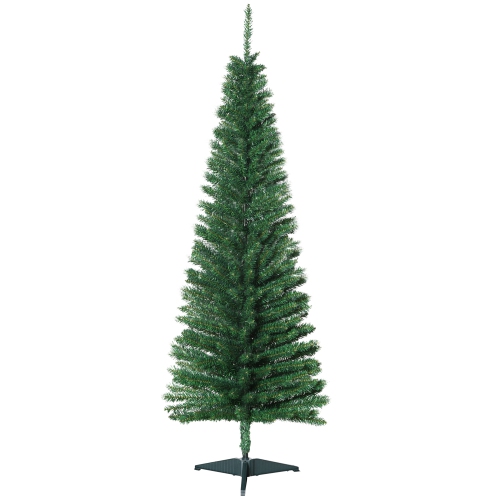 Your price for this item is $49.99
-
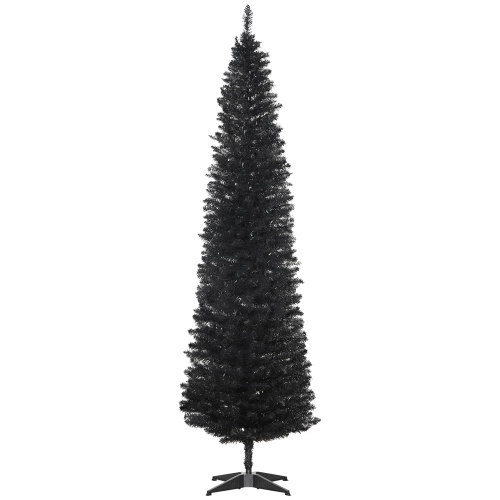 Your price for this item is $69.99
-
 Your price for this item is $51.99
-
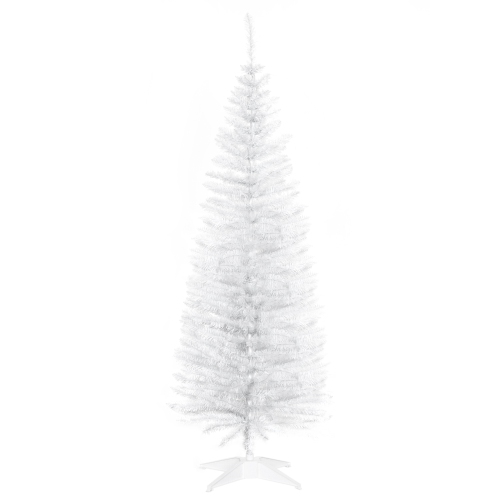 Your price for this item is $49.99
-
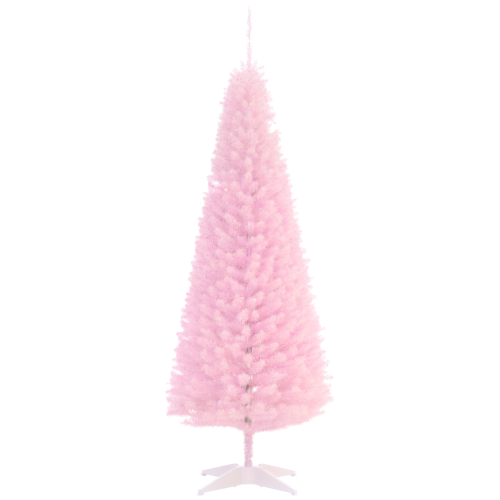 Your price for this item is $48
-
 Your price for this item is $130.99
-
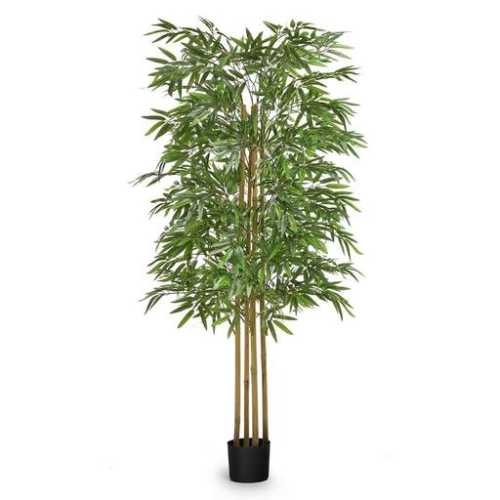 Your price for this item is $167.99
-
 Your price for this item is $112.99
Discover more categories related to Flower Wreaths

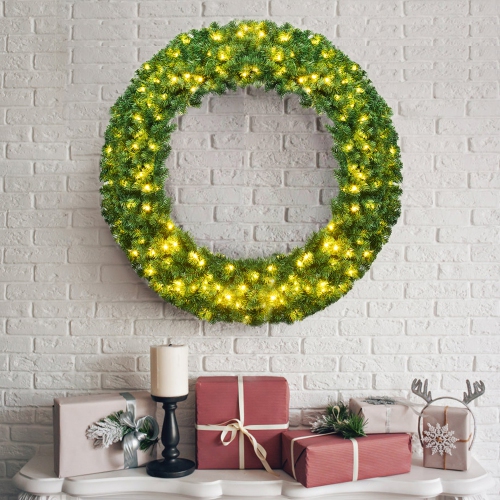
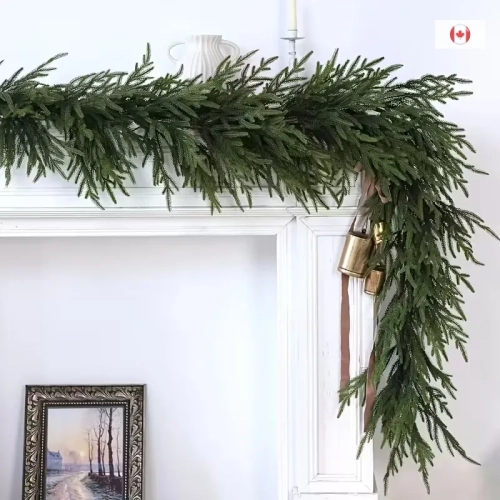
Top Collections:
Best Black Friday Deals This Year, Best Black Friday Deals On Electronics, Kindle Devices, Pokemon Centers, Best Black Friday Deals On Apple Products, Best Cameras for Sports Photography, Dyson Airwrap, Pokémon 30th Celebration Cards, Apple iPhone 17 Pro, Canon G7X Cameras
Some products may be subject to Environmental Handling Fees
(EHF) depending on your province.
Learn more about EHFs.