Flush Mount LED Panel Lights
Flush Mount LED Panel Lights offer a modern and efficient solution for illuminating any space with a clean, streamlined look. Perfect for homes, offices, and commercial settings, these lighting fixtures are designed to fit seamlessly against ceilings, providing bright and even light distribution. With their sleek profiles and versatile designs, Flush Mount LED Panel Lights complement a variety of décor styles while maximizing overhead space. Explore options that make it easy to enhance visibility and style in any room.
Sort
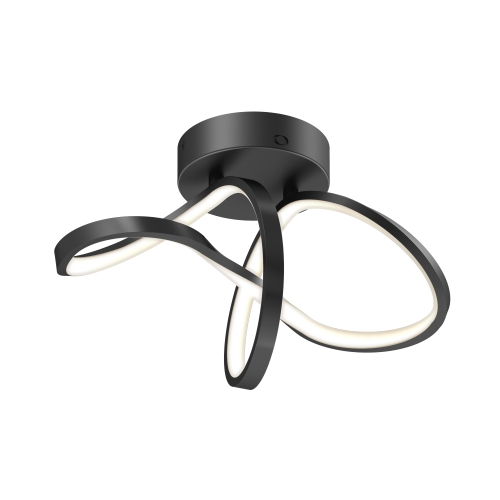
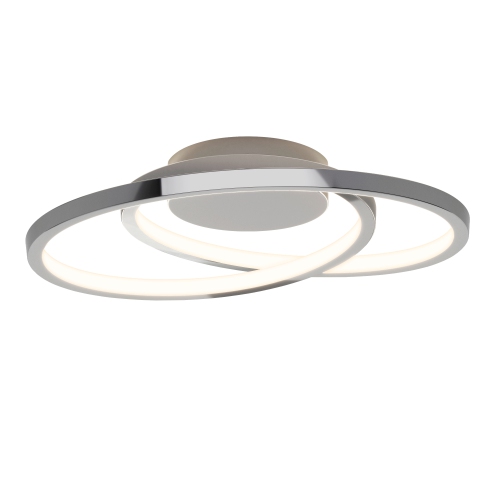
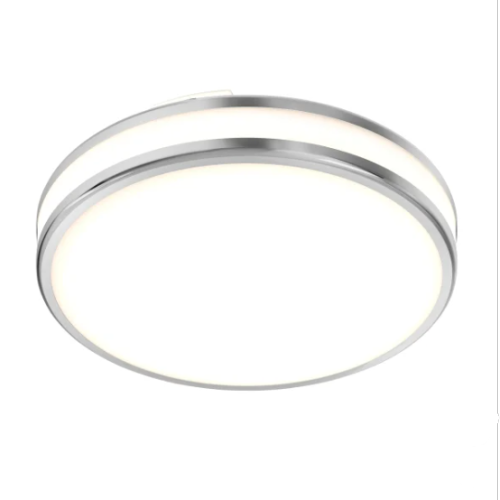


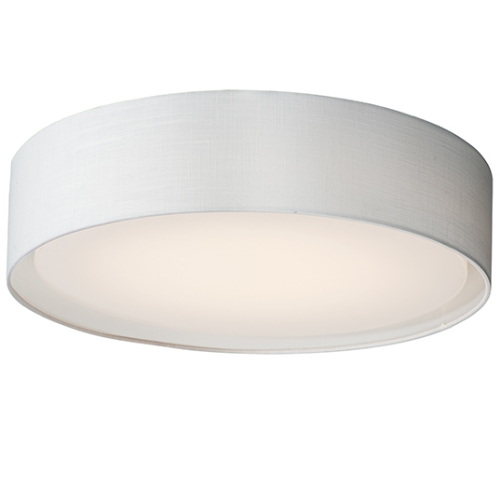
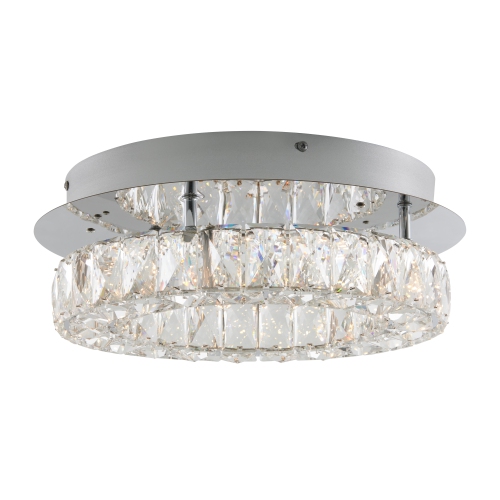
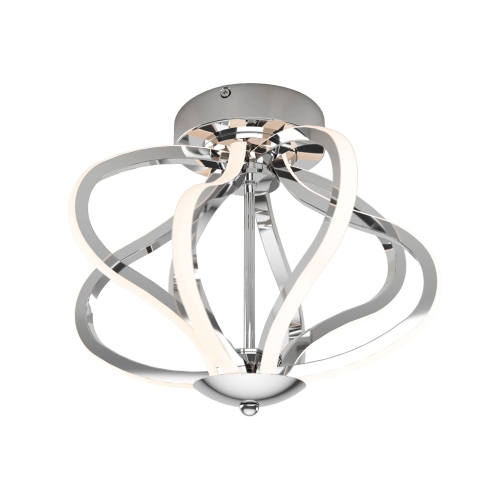
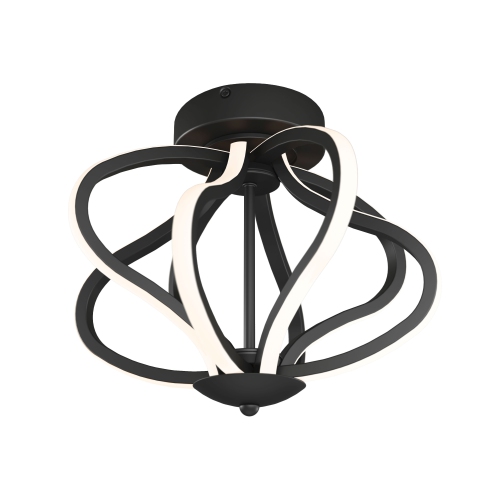
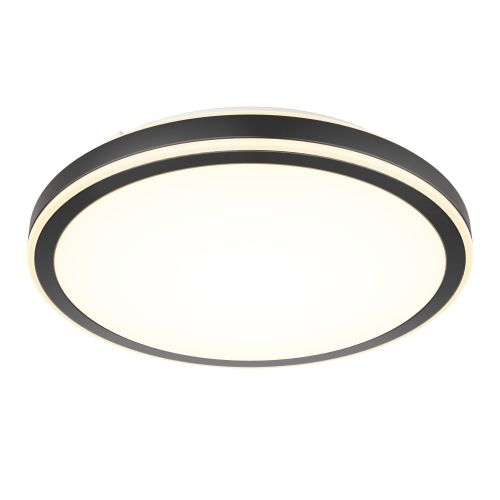


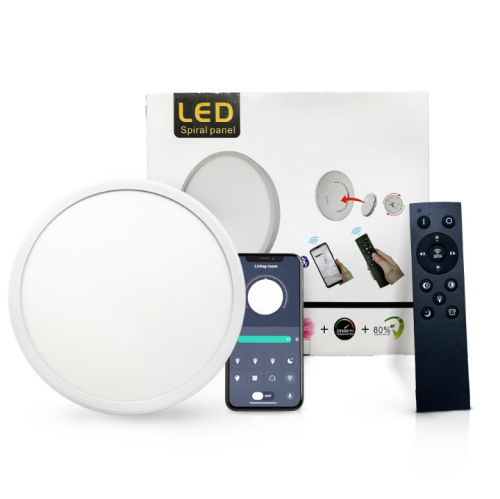
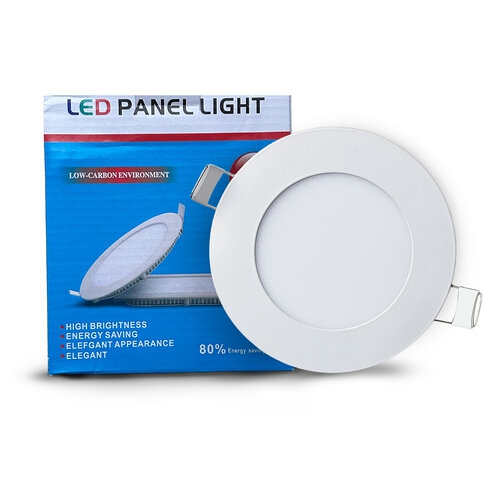
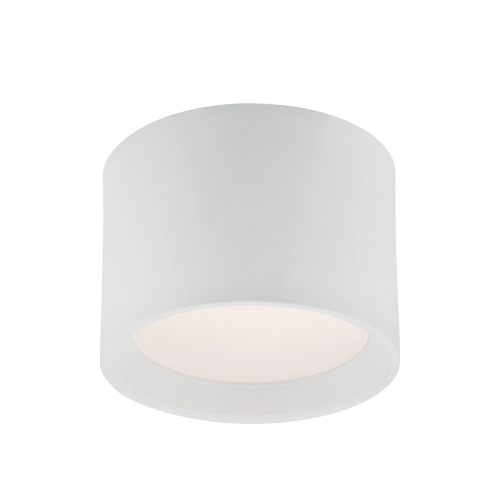

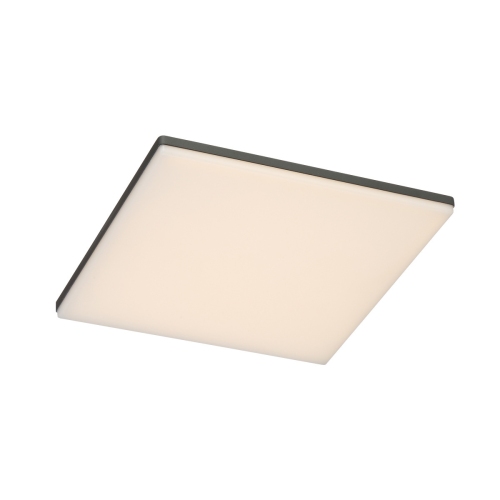
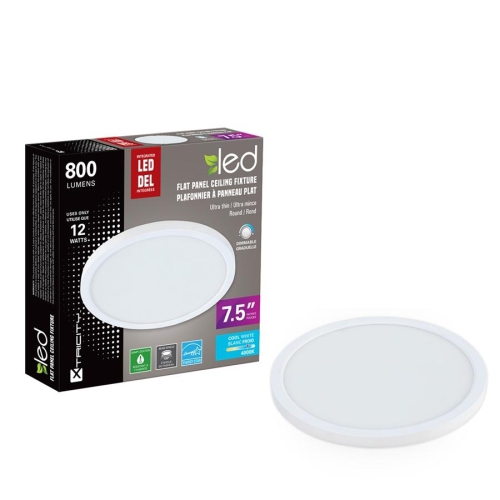
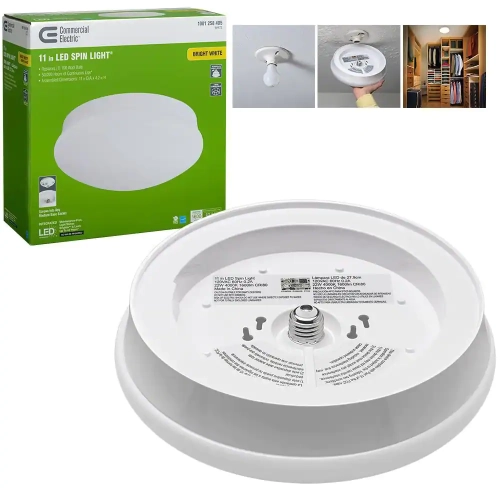


Broad illumination without a crowded ceiling
Flush mount LED panel lights are slim ceiling fixtures that sit close to a flat surface and spread light across a broad diffuser. Their shallow profile makes them a practical choice for rooms where a hanging fixture would feel intrusive, including hallways, kitchens, bedrooms, home offices, and finished basements. Unlike a pendant that draws attention to a single point, a panel light creates a clean ceiling line and distributes illumination over a wider area. Many designs project only a short distance from the ceiling, although the overall depth varies with the housing and mounting hardware. Round panels offer a softer outline that suits bedrooms and entryways, while square and rectangular panels complement cabinetry, long corridors, and workspaces with straight architectural lines. The visible surface is usually simple: a light-diffusing face surrounded by a narrow frame, often in a neutral finish. That restrained appearance works well in a compact condo, a busy family kitchen, or a laundry room where clear visibility matters more than an ornamental centrepiece. White frames tend to blend into white ceilings, while darker or metallic finishes create a more noticeable border. For shoppers comparing panel styles with other close-to-ceiling designs, the broader range of flush mount lights offers different shapes, finishes, and light distribution patterns. LED panels generally use integrated light sources rather than replaceable screw-in bulbs, so the fixture’s brightness, light colour, and controls are important parts of the selection. A broad illuminated face can soften the concentrated appearance of exposed bulbs, though comfort still depends on the diffuser, output, and viewing angle. In a hallway, this can mean a more evenly lit route between rooms; above a kitchen’s open floor area, it can provide useful general illumination alongside dedicated counter lighting. Panels are especially suited to spaces where a neat profile and everyday function take priority, without making the ceiling feel crowded.
Brightness and light quality influence how comfortably a room supports everyday activities. Lumens describe the amount of light a fixture produces, while watts describe its electrical power use; the two measurements are not interchangeable. A small passageway and an open kitchen have different lighting needs, and room dimensions alone do not tell the whole story. Ceiling height, wall colour, dark cabinetry, and the presence of other fixtures all affect how bright a space appears. A single panel may provide sufficient general light in a small utility room, while a larger room may benefit from several fixtures positioned to reduce shadows. Even a bright ceiling panel cannot fully illuminate a countertop when someone stands between the light and the work surface, which is why under-cabinet or task lighting remains useful. Colour temperature, measured in kelvins, describes whether the light looks warm, neutral, or cool. Warm white light often suits bedrooms and relaxed living spaces, while neutral white can provide a balanced appearance in kitchens, dressing areas, and multipurpose rooms. Cooler, daylight-like light may appeal in workspaces where a crisp appearance is preferred, but it is not automatically brighter than a warmer light with the same lumen output. Some panels have selectable colour temperature settings, allowing the light’s appearance to be chosen during installation; others offer a fixed setting or controls that can be adjusted afterwards. The colour rendering index, or CRI, is another useful specification because it indicates how faithfully colours appear under the light. Better colour rendering can help with matching clothing, preparing food, or working on crafts. Dimming adds flexibility where supported, particularly in rooms that serve several purposes. A home office that doubles as a guest room, for example, benefits from bright general lighting for daily tasks and a softer setting for winding down. Dimmable panels require compatible controls, and the dimming range varies. Checking the fixture and dimmer specifications helps avoid unwanted flickering, buzzing, or a light that will not dim as low as expected.
Physical fit, installation requirements, and construction determine whether a flush mount LED panel is right for a particular ceiling. The panel’s width and length need to suit the room visually, but its mounting arrangement matters just as much. Some panels attach to a compatible ceiling junction box, while others need a separate surface-mount frame or specific hardware. A thin LED panel designed for a suspended ceiling is not necessarily ready to mount directly to a finished ceiling, even if its face looks similar. The stated dimensions should account for the complete installed assembly, including any external driver housing or mounting frame. When replacing an existing fixture, the new panel’s footprint also affects whether old screw holes or differences in ceiling paint remain visible. Hardwired installation should follow the manufacturer’s directions and applicable electrical requirements, with a qualified electrician handling work where needed. Canadian electrical safety certification and location ratings are important details to verify. A panel intended for a dry bedroom is not automatically suitable for a bathroom, covered exterior area, or another location exposed to moisture. Damp- and wet-location ratings serve different purposes, so the rating must match the actual placement. Construction commonly combines a metal housing with an acrylic or polycarbonate diffuser, though materials vary. A well-fitted housing, secure mounting points, and an evenly finished diffuser contribute to a tidy appearance and dependable everyday use. Integrated LEDs avoid routine bulb changes, but that does not mean every fixture is maintenance-free or that its rated lifespan is guaranteed. The driver and other components can still require attention, and some designs have replaceable parts while others require replacement of the full fixture. Warranty coverage and serviceability therefore matter alongside the stated operating life. For routine care, switching off the light and allowing it to cool before gently removing dust helps keep the diffuser clear. Manufacturer-approved cleaning methods are preferable to abrasive pads or strong solvents that could scratch or cloud the surface. With the right dimensions, light output, and installation details, a flush mount LED panel provides unobtrusive illumination for the rooms used throughout the day.
Top selling and popular products
-
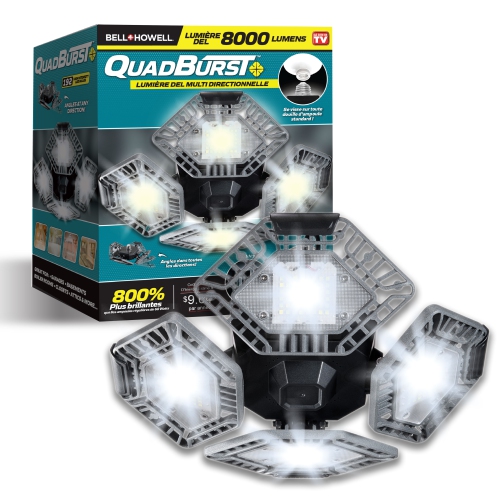 Your price for this item is $49.95
-
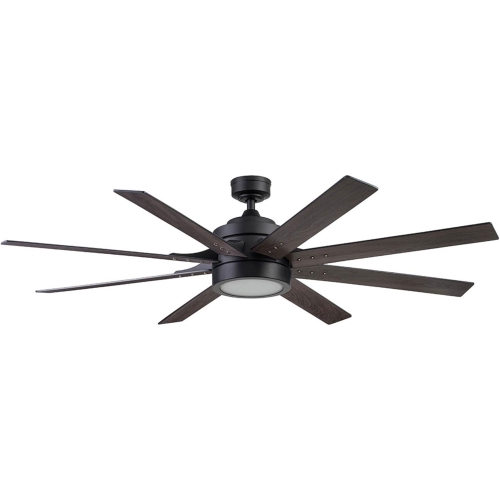 Your price for this item is $385.99
-
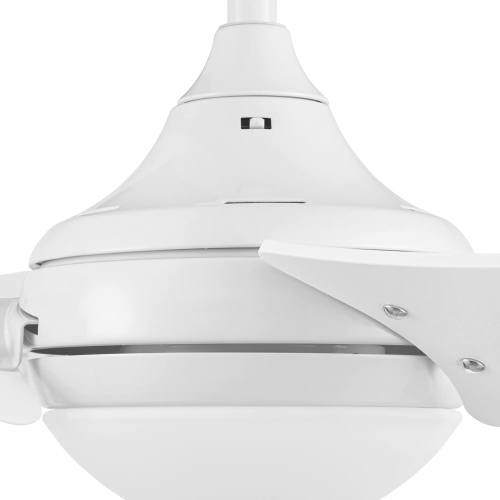 Your price for this item is $187.99
-
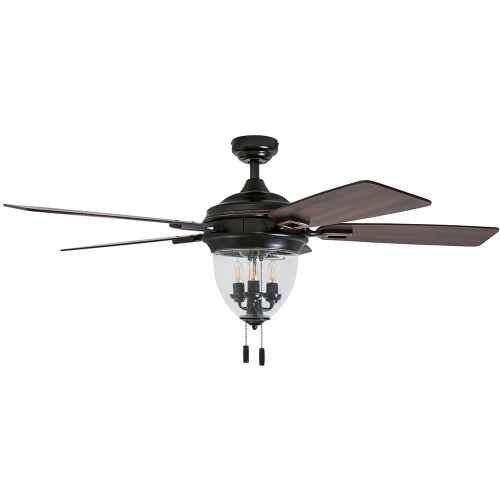 Your price for this item is $287.99
-
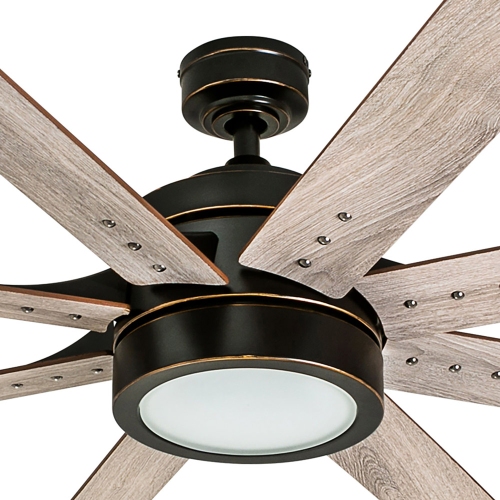 Your price for this item is $427.99
-
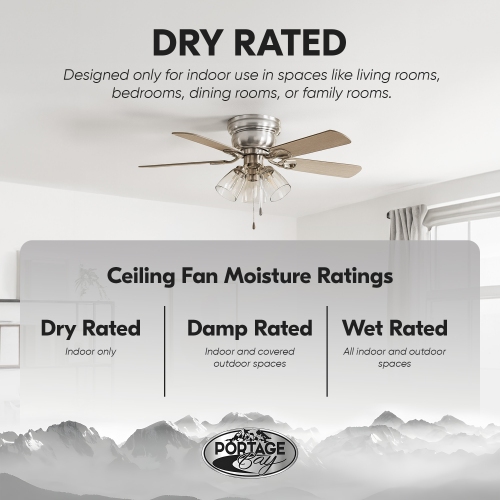 Your price for this item is $174.99
-
 Your price for this item is $299
-
 Your price for this item is $166.99
Discover more categories related to Flush Mount LED Panel Lights
Top Collections:
Pokemon Centers, Kindle Devices, Best Budget Office Chairs, Canon G7X Cameras, Apple iPhones 16, Samsung Galaxy Phones, Refurbished Apple Laptops, Laptops for Students, iPhone 15 Apple, Budget Smartphones
Some products may be subject to Environmental Handling Fees
(EHF) depending on your province.
Learn more about EHFs.