Flush Wire Cutters
If you're looking for a reliable tool to effortlessly cut through wires, look no further than these flush wire cutters. Designed with precision and durability in mind, these wire cutters are perfect for any DIY project or professional task. With their sleek design and comfortable grip, they make cutting wires a breeze. Whether you're working on electronics, electrical installations, or crafting projects, these flush wire cutters are the go-to tool for clean and precise cuts.
Sort
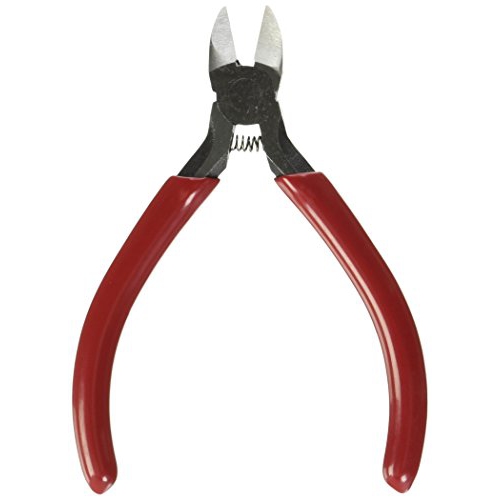
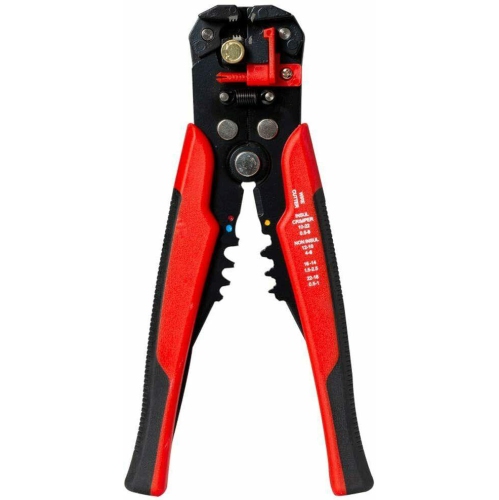

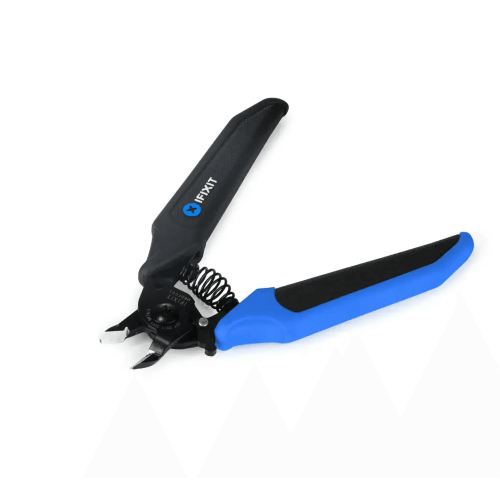
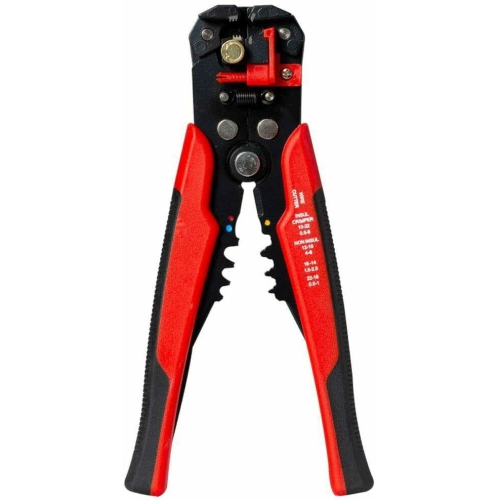
How flat cutting jaws help trim wire closer
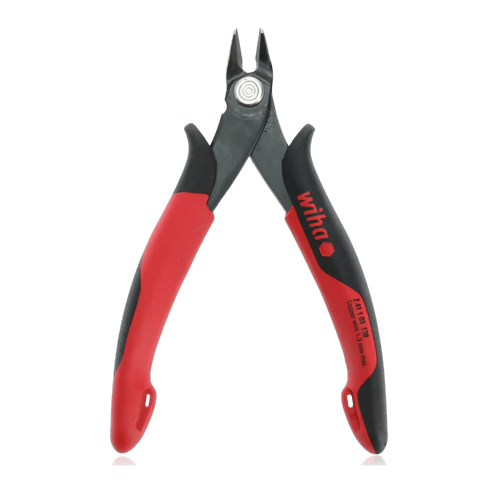
Flush wire cutters are precision hand tools designed to trim suitable wire, component leads, and small plastic fasteners close to a surface, leaving little or no projecting end. Their defining feature is a cutting jaw with a flat outer face, which helps create a cleaner finish on the retained side of the cut than the angled edge left by many standard diagonal cutters. That detail matters when a clipped lead needs to sit close to a circuit board or a cable tie tail would otherwise leave a sharp snag inside a computer case. These tools are commonly used for electronics assembly, jewellery making, model building, and light craft work, where control and access matter more than raw cutting force. The terms flush cutters, precision cutters, and micro cutters often overlap, but the jaw shape and stated cutting capacity determine what a tool can actually handle. A full-flush edge generally leaves less of a raised point than a semi-flush edge, while a slight bevel can provide greater edge strength. Neither design makes every cut perfectly smooth: the material, wire thickness, blade condition, and cutting angle all affect the result. Soft copper wire and small component leads are typical applications, though each cutter has its own limits. Some compact designs are rated for soft wire around 16–18 AWG, while finer tools may have a much smaller capacity. AWG numbers run in reverse order of diameter, so a lower number indicates a thicker wire. A capacity stated for copper does not establish suitability for steel, and an electrical wire rating does not automatically cover thick plastic. Hardened wire, nails, staples, and spring steel can chip or dent delicate cutting edges unless the tool is expressly rated for them. Flush wire cutters belong alongside heavier cutting tools rather than replacing them, offering a neat, controlled finish on the small details that larger jaws can struggle to reach.
Materials and construction influence how flush wire cutters feel in the hand and how well their edges hold up over repeated use. Hardened carbon steel and alloy tool steel are common blade materials, with heat treatment and edge geometry contributing to both sharpness and strength. A very thin cutting edge can make a tidy cut in soft material but is less forgiving of sideways pressure or an oversized workpiece. Protective finishes can help limit surface rust, although exposed edges still benefit from dry storage. Jaw alignment is just as important as steel type: well-matched edges should meet evenly, while a stable pivot helps keep the cut predictable. Slim, pointed jaws can reach between closely spaced components, whereas a broader head may offer more support for repeated trimming within its rated capacity. Handle fit deserves similar attention. Short handles suit fingertip control at a bench, but a grip that feels cramped can become uncomfortable during a long run of component leads or craft wire. Cushioned sleeves, shaped handles, and a manageable opening span can improve comfort without requiring an excessively tight grip. Spring-loaded handles reopen after each cut, reducing the effort involved in repetitive work, though spring resistance and smoothness vary by design. For someone assembling small electronic projects, the useful combination is often clear sight of the cutting point, easy access around neighbouring parts, and enough control to avoid pressing against the board. For jewellery work, a clean end on suitable soft wire can mean less finishing before fitting a clasp or closing a loop. Harder jewellery wires, including some stainless steel and memory wire, need cutters specifically intended for those materials. Plastic model work presents another distinction: some flush cutters can trim suitable plastic, but delicate sprue work may call for a dedicated tool with a different blade arrangement. Matching the cutter to the task helps protect both the workpiece and the cutting edge.
Day-to-day use and care have a direct effect on the finish these cutters produce. The flat face normally sits towards the part being kept, allowing the unwanted tail to project beyond the jaws. On a cable tie, that means approaching the locking head without catching the cable insulation beneath it; on a component lead, it means leaving the clearance the assembly requires rather than forcing the tool against a solder joint. Cutting should feel controlled, not like a struggle that calls for twisting the handles or rocking the jaws. If a material takes excessive force, it may exceed the tool’s capacity or need a different cutter. Eye protection is important because short wire ends and plastic offcuts can fly away unexpectedly. Keeping the cutting area clear and using an appropriate means of containing offcuts also helps prevent loose fragments from remaining inside equipment. Electrical work should be carried out only after power has been disconnected and the circuit verified safe; ordinary cushioned handles are not proof of electrical insulation. For wiring projects that also involve Wire Crimp Connectors, flush cutters handle suitable trimming tasks, while correctly sized wire strippers and crimping tools perform the separate jobs of exposing conductors and securing connections. Using one tool for each intended function helps avoid nicked strands, crushed fittings, and damaged blades. After use, wiping away residue and storing the cutters somewhere dry helps preserve their condition. A small amount of pivot lubricant may be appropriate where the manufacturer permits it, with excess removed before working near sensitive parts. The jaws should not be used to pry, turn screws, or pull stubborn fasteners. Inspecting the edges for chips, gaps, and wear is worthwhile when cuts start leaving pinched or ragged ends. A fitted storage slot or protective pouch can keep the fine tips from striking other tools. For electronics hobbyists, craft makers, students building circuits, or anyone refining a small repair kit, a well-matched pair can be a practical gift. Its value lies in the everyday details: a neatly trimmed lead, a tidy wire end, and a cable tie tail that no longer catches a hand.
Materials and construction influence how flush wire cutters feel in the hand and how well their edges hold up over repeated use. Hardened carbon steel and alloy tool steel are common blade materials, with heat treatment and edge geometry contributing to both sharpness and strength. A very thin cutting edge can make a tidy cut in soft material but is less forgiving of sideways pressure or an oversized workpiece. Protective finishes can help limit surface rust, although exposed edges still benefit from dry storage. Jaw alignment is just as important as steel type: well-matched edges should meet evenly, while a stable pivot helps keep the cut predictable. Slim, pointed jaws can reach between closely spaced components, whereas a broader head may offer more support for repeated trimming within its rated capacity. Handle fit deserves similar attention. Short handles suit fingertip control at a bench, but a grip that feels cramped can become uncomfortable during a long run of component leads or craft wire. Cushioned sleeves, shaped handles, and a manageable opening span can improve comfort without requiring an excessively tight grip. Spring-loaded handles reopen after each cut, reducing the effort involved in repetitive work, though spring resistance and smoothness vary by design. For someone assembling small electronic projects, the useful combination is often clear sight of the cutting point, easy access around neighbouring parts, and enough control to avoid pressing against the board. For jewellery work, a clean end on suitable soft wire can mean less finishing before fitting a clasp or closing a loop. Harder jewellery wires, including some stainless steel and memory wire, need cutters specifically intended for those materials. Plastic model work presents another distinction: some flush cutters can trim suitable plastic, but delicate sprue work may call for a dedicated tool with a different blade arrangement. Matching the cutter to the task helps protect both the workpiece and the cutting edge.
Day-to-day use and care have a direct effect on the finish these cutters produce. The flat face normally sits towards the part being kept, allowing the unwanted tail to project beyond the jaws. On a cable tie, that means approaching the locking head without catching the cable insulation beneath it; on a component lead, it means leaving the clearance the assembly requires rather than forcing the tool against a solder joint. Cutting should feel controlled, not like a struggle that calls for twisting the handles or rocking the jaws. If a material takes excessive force, it may exceed the tool’s capacity or need a different cutter. Eye protection is important because short wire ends and plastic offcuts can fly away unexpectedly. Keeping the cutting area clear and using an appropriate means of containing offcuts also helps prevent loose fragments from remaining inside equipment. Electrical work should be carried out only after power has been disconnected and the circuit verified safe; ordinary cushioned handles are not proof of electrical insulation. For wiring projects that also involve Wire Crimp Connectors, flush cutters handle suitable trimming tasks, while correctly sized wire strippers and crimping tools perform the separate jobs of exposing conductors and securing connections. Using one tool for each intended function helps avoid nicked strands, crushed fittings, and damaged blades. After use, wiping away residue and storing the cutters somewhere dry helps preserve their condition. A small amount of pivot lubricant may be appropriate where the manufacturer permits it, with excess removed before working near sensitive parts. The jaws should not be used to pry, turn screws, or pull stubborn fasteners. Inspecting the edges for chips, gaps, and wear is worthwhile when cuts start leaving pinched or ragged ends. A fitted storage slot or protective pouch can keep the fine tips from striking other tools. For electronics hobbyists, craft makers, students building circuits, or anyone refining a small repair kit, a well-matched pair can be a practical gift. Its value lies in the everyday details: a neatly trimmed lead, a tidy wire end, and a cable tie tail that no longer catches a hand.
Top selling and popular products
-
 Your price for this item is $299
 -
 Your price for this item is $229.99
 -
![VIRGIN PUBLISHING Enigma - Mcmxc A.d. - [CD]](https://multimedia.bbycastatic.ca/multimedia/products/500x500/192/19214/19214728.jpeg) Your price for this item is $6.99
Your price for this item is $6.99 -
 Your price for this item is $64.99
 -
 Your price for this item is $37.99
 -
 Your price for this item is $20.99
 -
 Your price for this item is $15.99
 -
 Your price for this item is $150.99
Discover more categories related to Flush Wire Cutters

Top Collections:
Pokemon Centers, Kindle Devices, Best Budget Office Chairs, Apple iPhones 16, Best Laptops for Writers, iPhone 15 Apple, Canon G7X Cameras, Refurbished Apple Laptops, Alarm Clock, Motorola Razr Phones
Some products may be subject to Environmental Handling Fees
(EHF) depending on your province.
Learn more about EHFs.