Wire Crimp Connectors
When it comes to electrical work, having the right tools and accessories is essential for a job well done. Our selection of wire crimp connectors offers a reliable solution for connecting wires securely and efficiently. Whether you're working on a DIY project at home or tackling a professional installation, these connectors provide a strong and durable connection that you can trust. Explore our range of wire crimp connectors to find the perfect fit for your needs and ensure a seamless electrical connection every time.
Sort



Practical guidance for secure connections in every wiring project
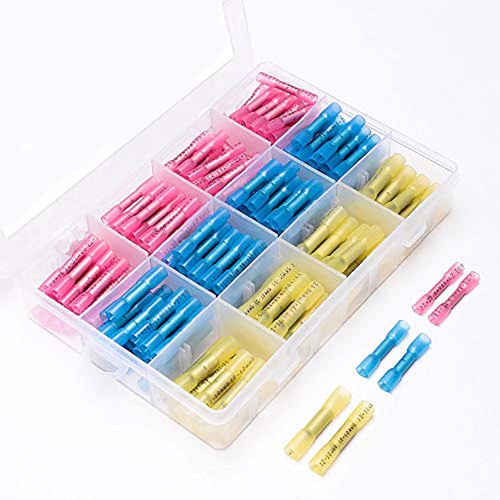
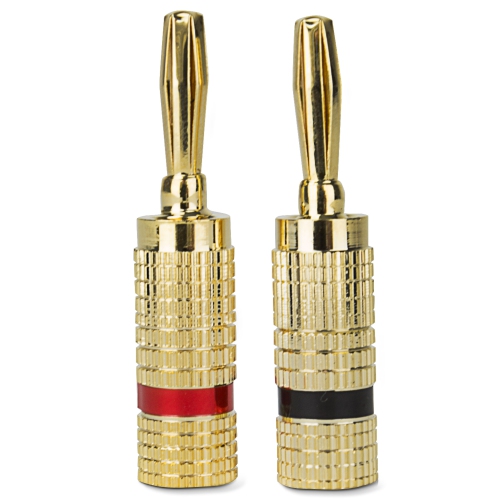
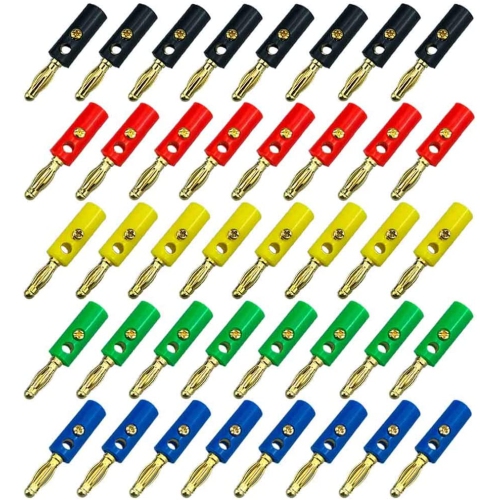
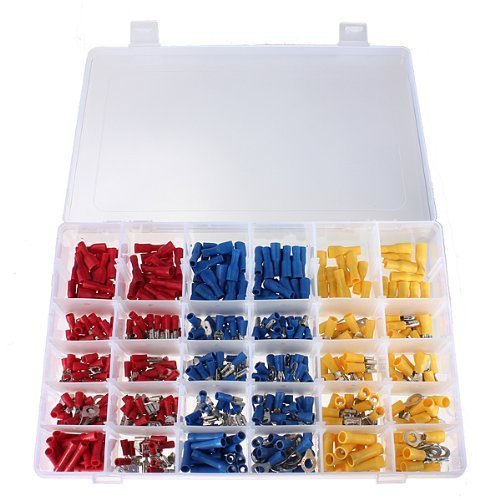
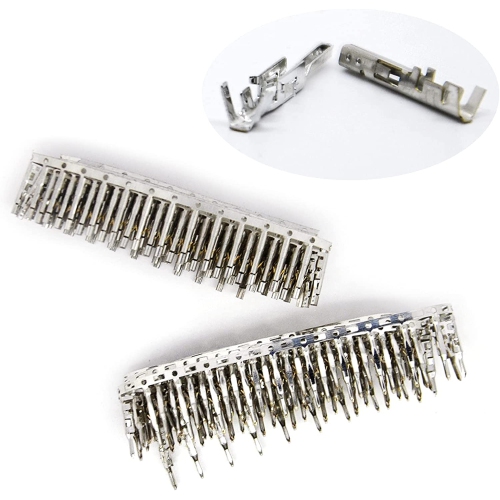
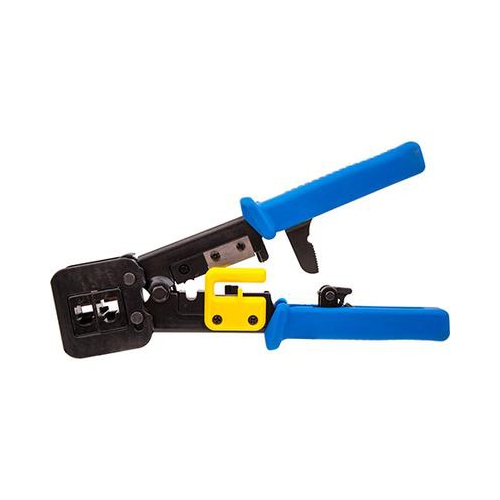
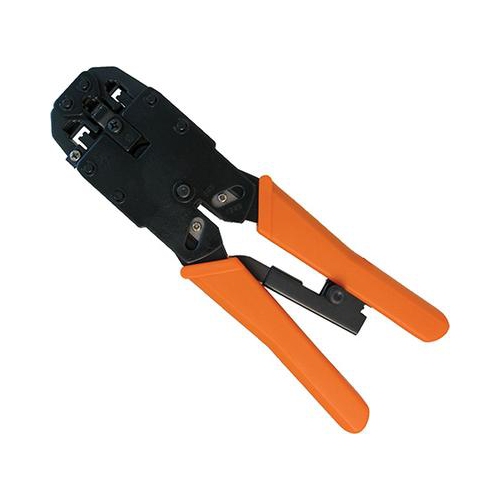
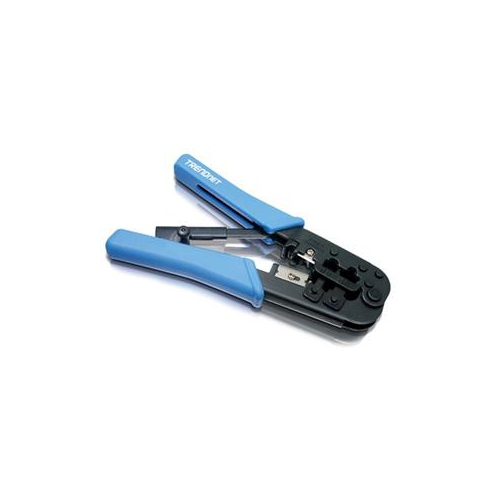
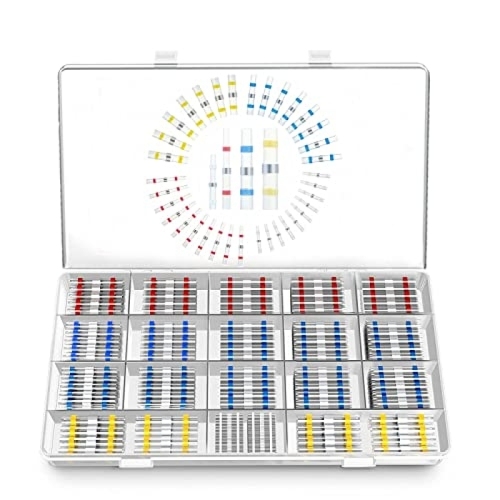
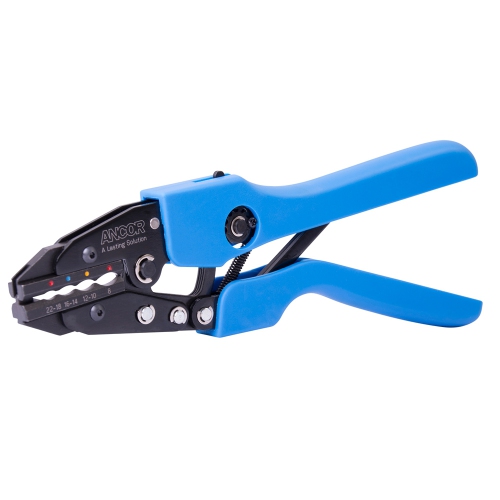
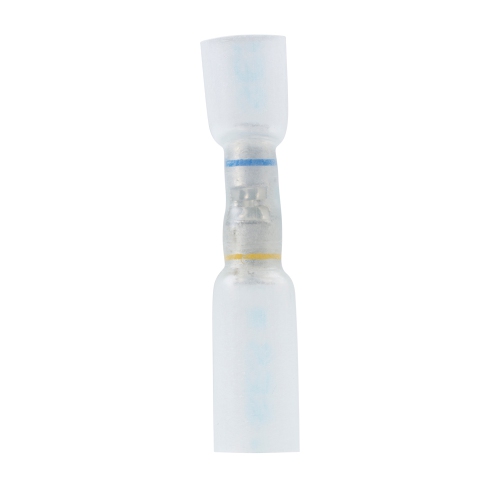
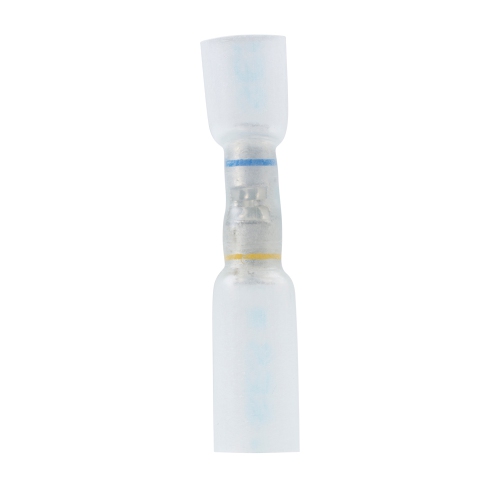
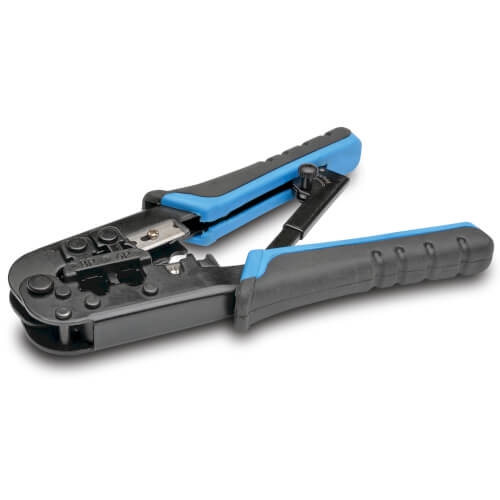
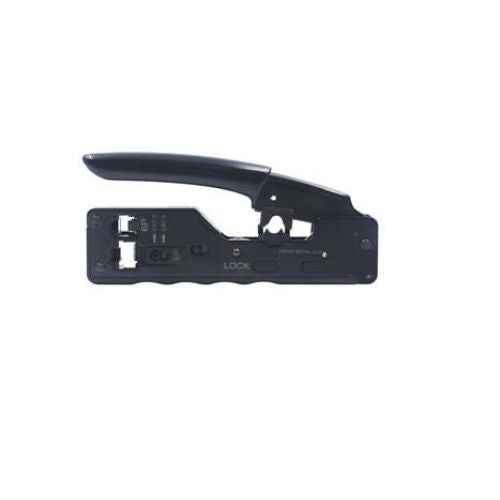
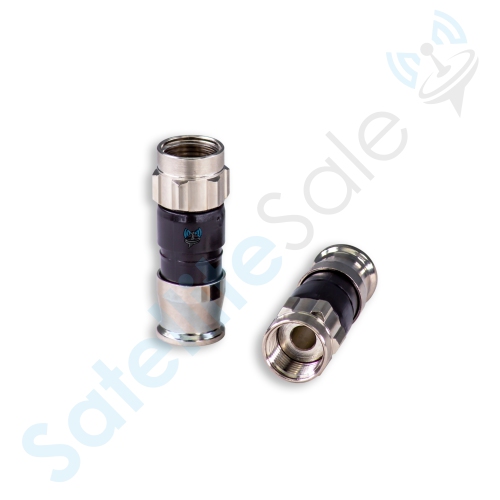
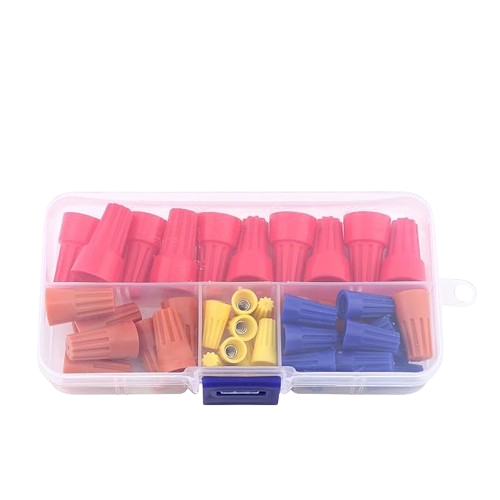
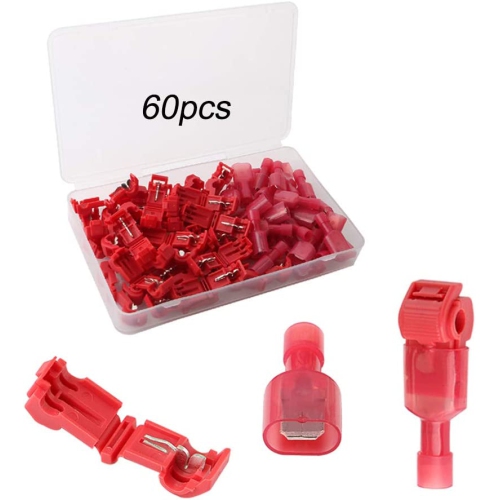
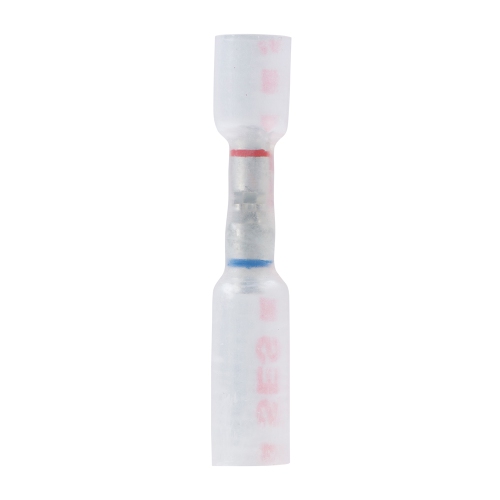
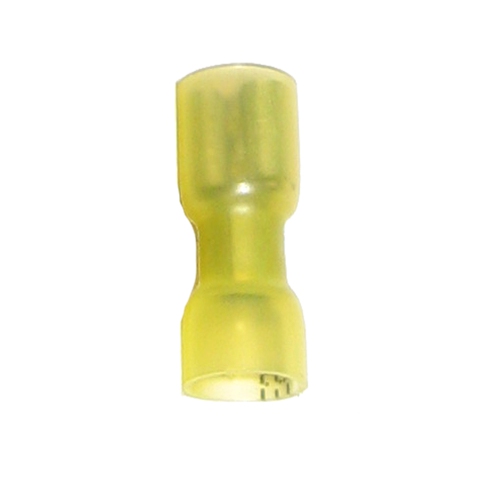
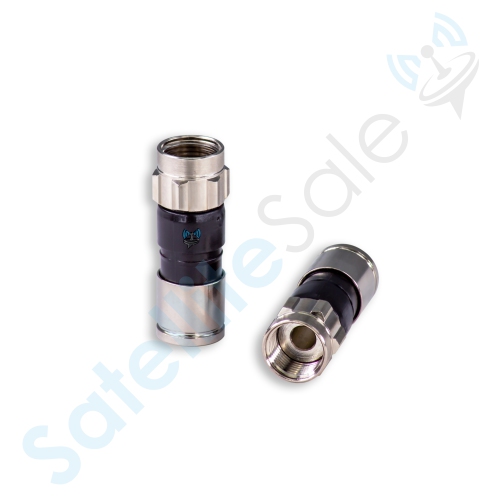
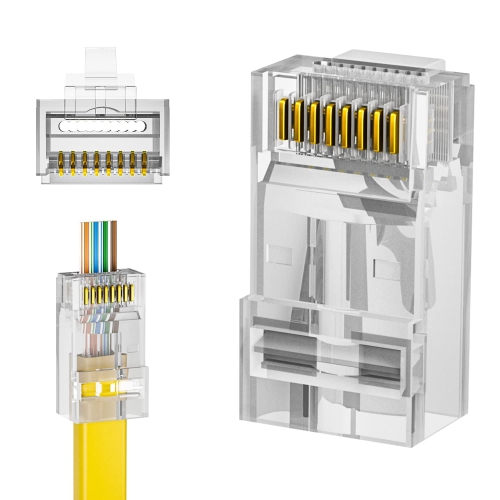
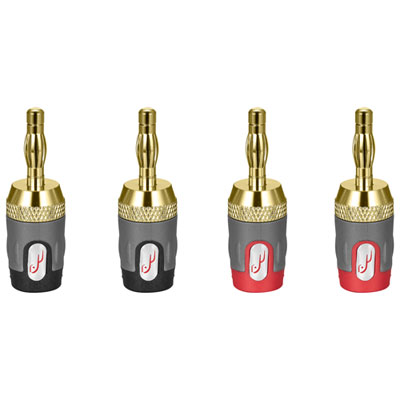
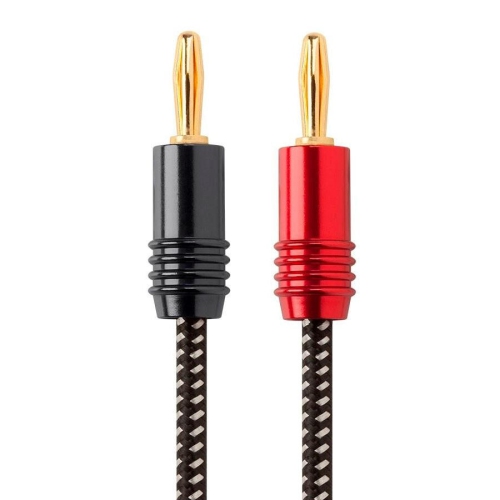
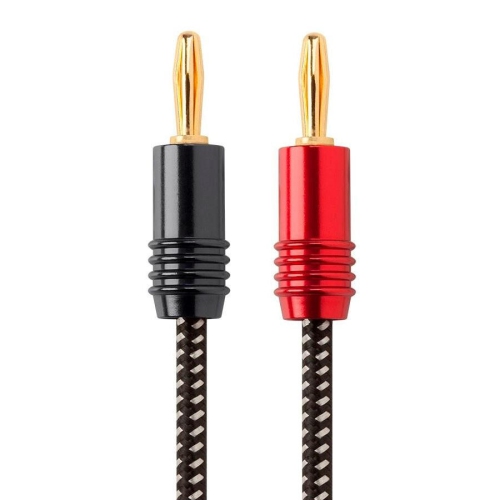
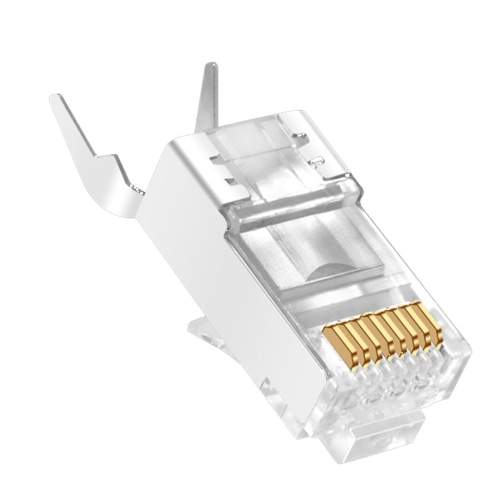
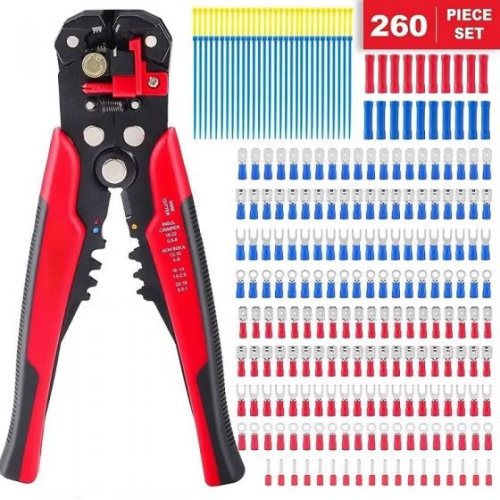
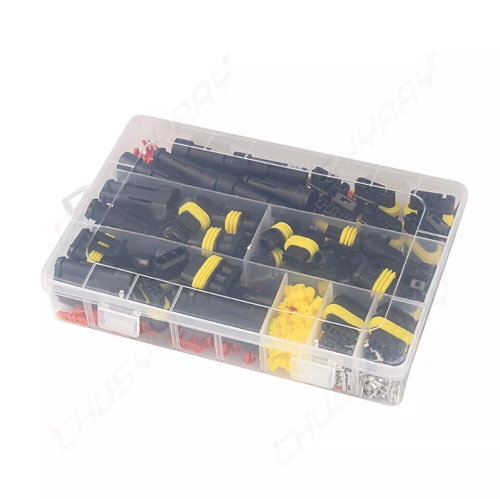
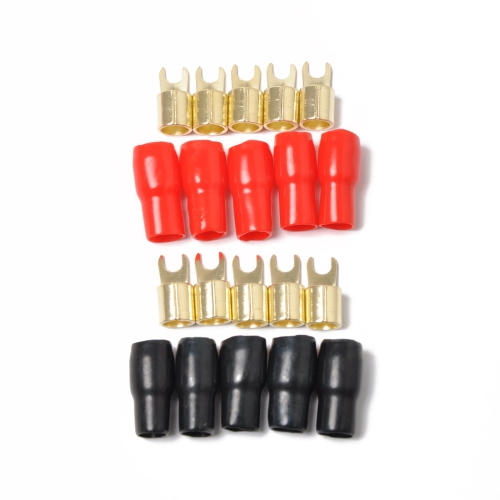
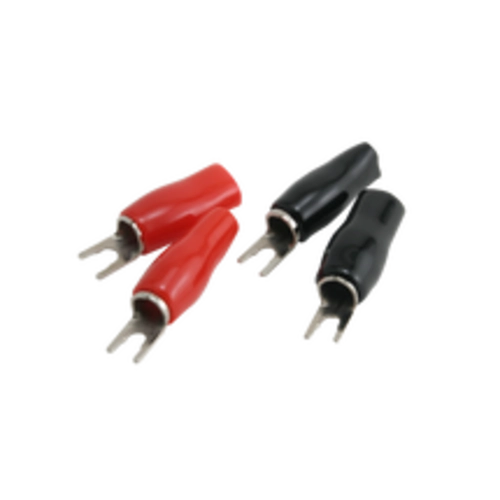
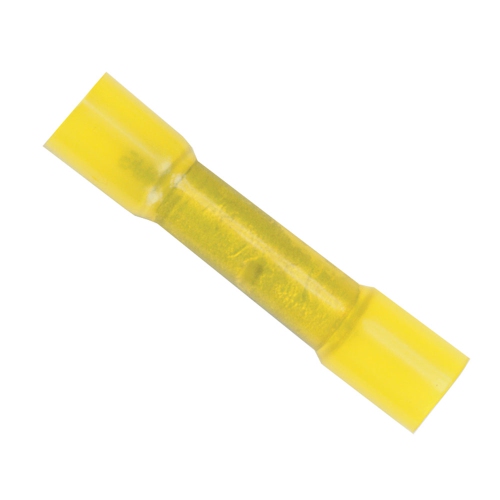
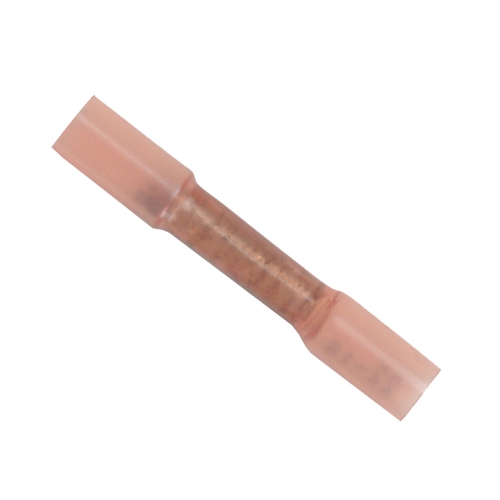
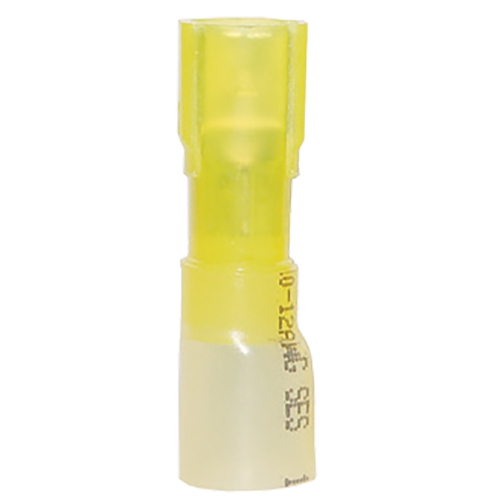
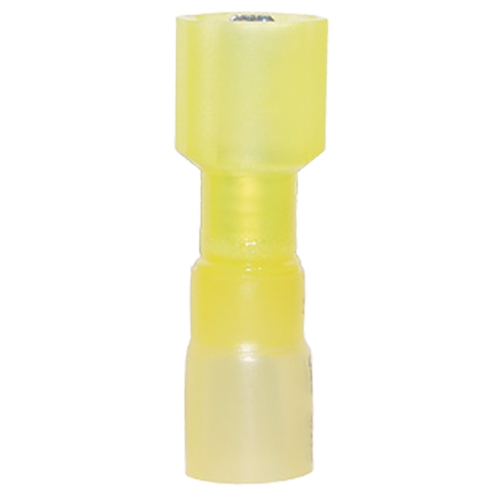
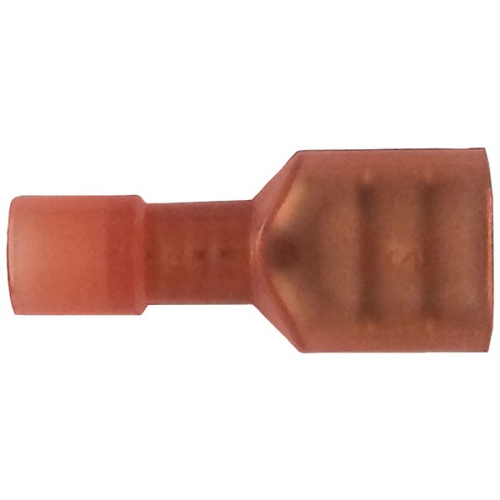
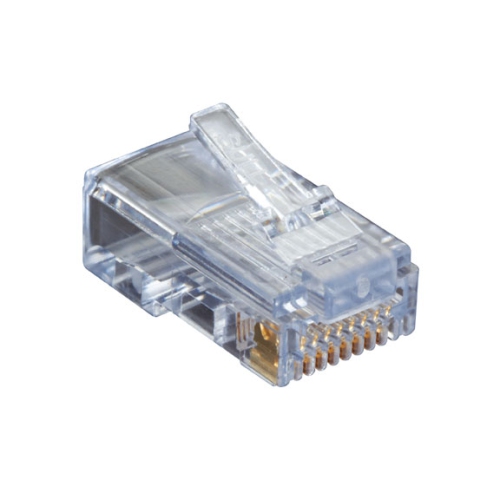
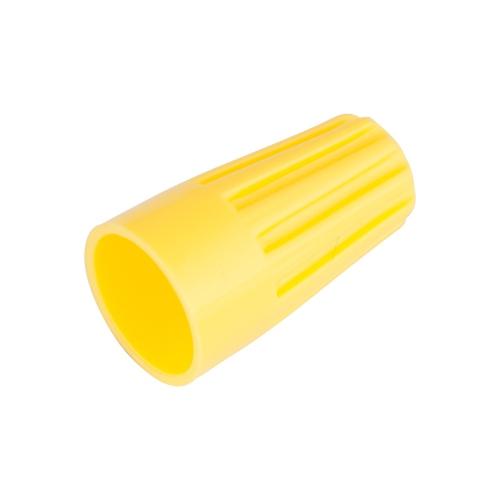
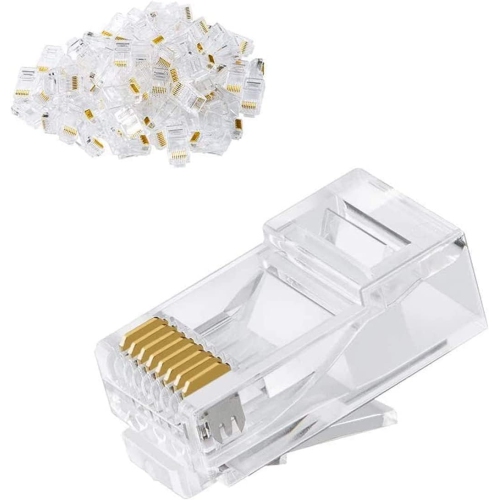
Wire crimp connectors are practical components for joining, extending, terminating, and repairing electrical wires without relying on solder. They are commonly used in automotive projects, trailer wiring, marine equipment, lighting installations, speaker systems, home workshops, and low-voltage repairs. A connector typically consists of a metal barrel or terminal inside an insulated sleeve, and the connection is made by compressing the barrel around the stripped wire with a compatible crimping tool. When properly selected and installed, the result is a firm mechanical connection that helps keep conductors in place while reducing the risk of loose strands, exposed copper, or accidental contact between wires. For anyone browsing wire crimp connectors, the first consideration is wire gauge. The connector must match the size of the wire being joined, since a connector that is too large may not grip securely, while one that is too small can damage the conductor or fail to accommodate it. Product packaging often lists compatible gauge ranges, so checking the wire size before ordering is an important step. It is also useful to consider the type of connection required. Butt connectors join two wires end to end, while ring terminals attach a wire to a screw or stud, spade and fork terminals make removal easier, and male or female disconnects allow components to be separated without cutting the wire. There are also connectors designed for tapping into an existing wire, creating parallel connections, or joining multiple conductors. Browsing a wider selection of Wire Connectors can help shoppers compare these formats and find the shape that suits the project rather than trying to adapt an unsuitable terminal after the work has begun.
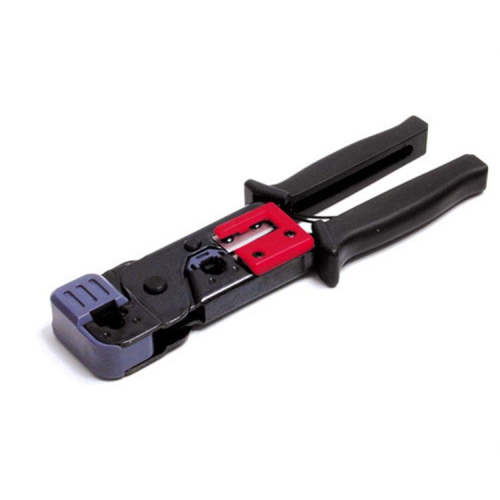
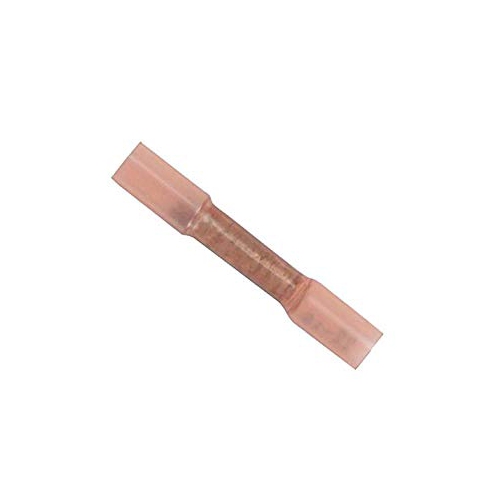
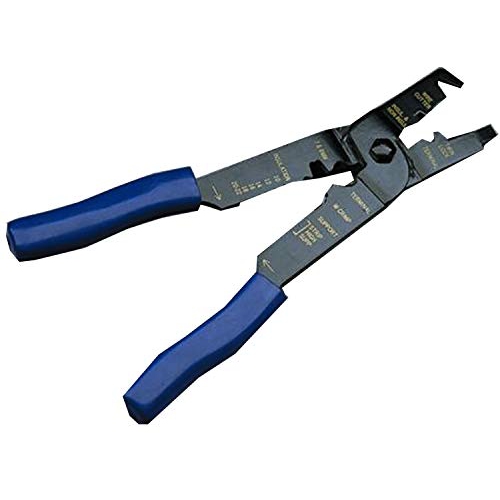
The insulation and construction of a crimp connector matter just as much as its size. Vinyl or nylon insulation can help prevent accidental contact and make finished connections easier to identify, while heat-shrink connectors add another layer of protection when warmed with a heat gun after crimping. Heat-shrink styles are especially useful in areas exposed to vibration, splashes, changing temperatures, or frequent movement, such as under a vehicle dashboard, near a trailer hitch, or around equipment stored in a garage. For indoor, low-voltage projects, standard insulated connectors may be sufficient, but the intended environment should always guide the choice. Colour coding can make sorting easier because many connector ranges use different colours to correspond with wire gauges, although the printed gauge information should still be checked. Shoppers may also want to look at the connector material and terminal shape, particularly when working with copper wire, stranded wire, or compact spaces where a bulky connection would be difficult to position. A good crimp depends on more than squeezing the sleeve with pliers. The wire should be stripped to the recommended length, with no strands cut away or left exposed beyond the terminal. The conductor should be inserted fully into the barrel, then compressed in the correct section of a crimping tool until the terminal holds the wire firmly. A gentle pull test can reveal whether the wire is secure before the connection is placed into service. For heat-shrink styles, even warming around the sleeve helps create a close-fitting seal; excessive heat can damage insulation or nearby components, so patience and control are worthwhile. Keeping the work area well lit is particularly helpful when matching several wires, and labelling both ends of a multi-wire project can prevent confusion once the protective covering is in place.
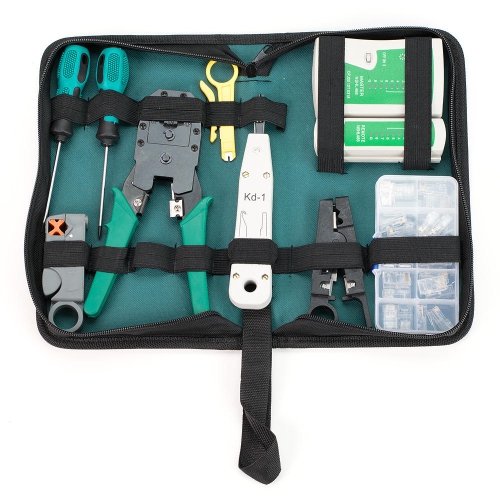
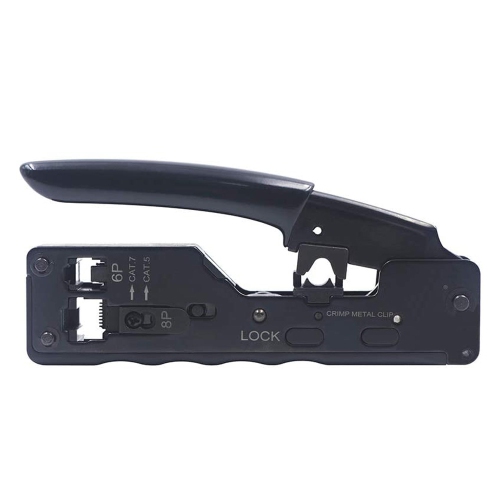
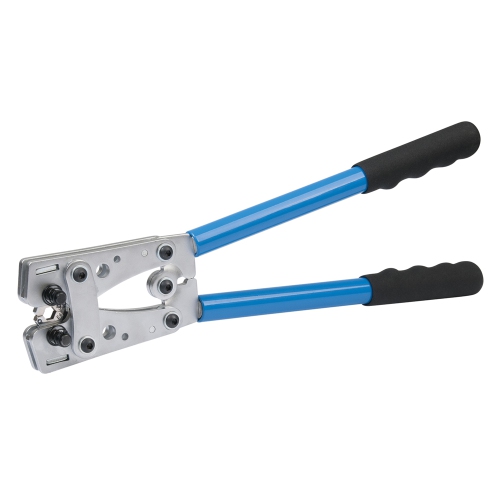
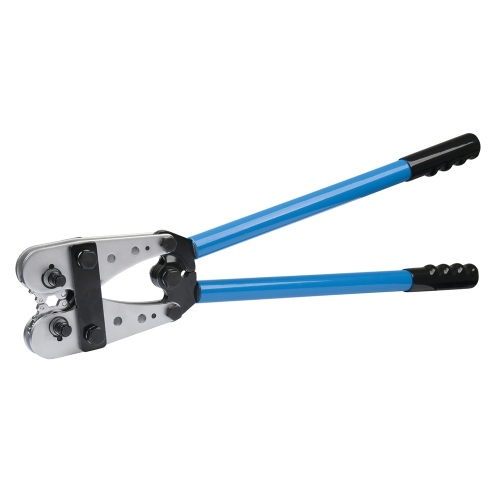
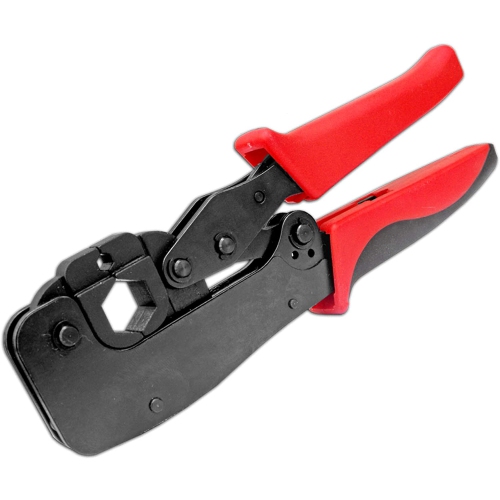
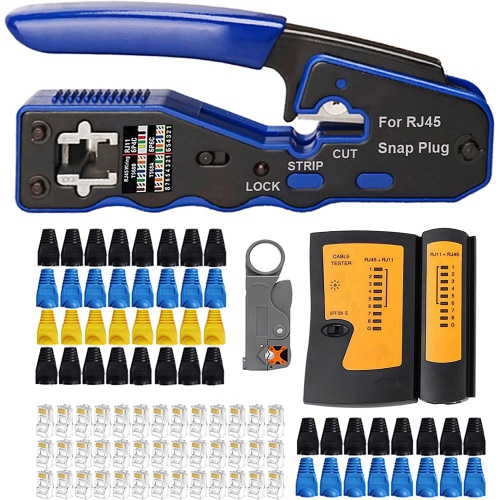
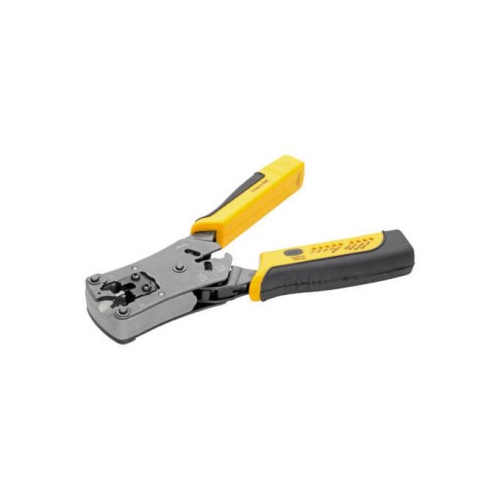
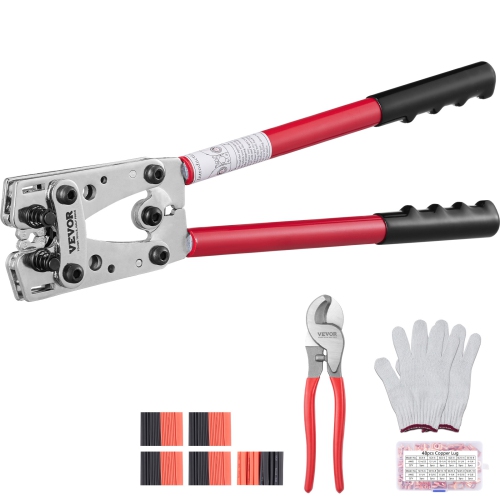
These connectors appeal to experienced technicians as well as people completing their first wiring project at home. A vehicle owner might use them while replacing a damaged speaker lead, adding auxiliary lighting, or tidying wiring behind a dashboard. Someone setting up a trailer may need terminals for lights, brakes, or accessory connections, while a hobbyist could use them for a model railway, a custom computer enclosure, a small audio project, or a workbench power setup. They can also be a thoughtful addition to a practical gift for a do-it-yourself enthusiast, apprentice, electronics student, or relative who enjoys maintaining a car, boat, recreational vehicle, or home workshop. A varied assortment is useful when the exact wire gauge or terminal style is not known in advance, while a focused package can be more convenient for a defined repair. Before choosing, consider how many connections are needed, whether the wires are being joined permanently or disconnected regularly, how much room is available, and whether the finished connection will be exposed to moisture, vibration, heat, or abrasion. It is wise to pair connectors with a crimping tool suited to the terminal type, along with wire strippers, a voltage tester, cable ties, and labels if the project involves several circuits. Always turn off power before beginning, confirm that the circuit is de-energized, and follow the requirements for the equipment or vehicle being serviced. Crimp connectors are intended to make wiring work more orderly and dependable, but they are not a substitute for correctly rated wire, proper fusing, or qualified electrical advice when a project extends beyond simple low-voltage repairs. With the right match between connector, conductor, tool, and environment, even a cluttered bundle of loose wires can become a neat, serviceable connection ready for everyday use during warmer outdoor projects or the quieter workshop sessions of the cooler months.
The insulation and construction of a crimp connector matter just as much as its size. Vinyl or nylon insulation can help prevent accidental contact and make finished connections easier to identify, while heat-shrink connectors add another layer of protection when warmed with a heat gun after crimping. Heat-shrink styles are especially useful in areas exposed to vibration, splashes, changing temperatures, or frequent movement, such as under a vehicle dashboard, near a trailer hitch, or around equipment stored in a garage. For indoor, low-voltage projects, standard insulated connectors may be sufficient, but the intended environment should always guide the choice. Colour coding can make sorting easier because many connector ranges use different colours to correspond with wire gauges, although the printed gauge information should still be checked. Shoppers may also want to look at the connector material and terminal shape, particularly when working with copper wire, stranded wire, or compact spaces where a bulky connection would be difficult to position. A good crimp depends on more than squeezing the sleeve with pliers. The wire should be stripped to the recommended length, with no strands cut away or left exposed beyond the terminal. The conductor should be inserted fully into the barrel, then compressed in the correct section of a crimping tool until the terminal holds the wire firmly. A gentle pull test can reveal whether the wire is secure before the connection is placed into service. For heat-shrink styles, even warming around the sleeve helps create a close-fitting seal; excessive heat can damage insulation or nearby components, so patience and control are worthwhile. Keeping the work area well lit is particularly helpful when matching several wires, and labelling both ends of a multi-wire project can prevent confusion once the protective covering is in place.
These connectors appeal to experienced technicians as well as people completing their first wiring project at home. A vehicle owner might use them while replacing a damaged speaker lead, adding auxiliary lighting, or tidying wiring behind a dashboard. Someone setting up a trailer may need terminals for lights, brakes, or accessory connections, while a hobbyist could use them for a model railway, a custom computer enclosure, a small audio project, or a workbench power setup. They can also be a thoughtful addition to a practical gift for a do-it-yourself enthusiast, apprentice, electronics student, or relative who enjoys maintaining a car, boat, recreational vehicle, or home workshop. A varied assortment is useful when the exact wire gauge or terminal style is not known in advance, while a focused package can be more convenient for a defined repair. Before choosing, consider how many connections are needed, whether the wires are being joined permanently or disconnected regularly, how much room is available, and whether the finished connection will be exposed to moisture, vibration, heat, or abrasion. It is wise to pair connectors with a crimping tool suited to the terminal type, along with wire strippers, a voltage tester, cable ties, and labels if the project involves several circuits. Always turn off power before beginning, confirm that the circuit is de-energized, and follow the requirements for the equipment or vehicle being serviced. Crimp connectors are intended to make wiring work more orderly and dependable, but they are not a substitute for correctly rated wire, proper fusing, or qualified electrical advice when a project extends beyond simple low-voltage repairs. With the right match between connector, conductor, tool, and environment, even a cluttered bundle of loose wires can become a neat, serviceable connection ready for everyday use during warmer outdoor projects or the quieter workshop sessions of the cooler months.
Top selling and popular products
-
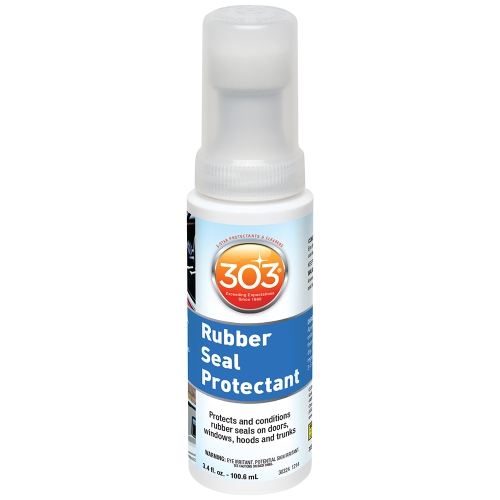 Your price for this item is $30.59
 -
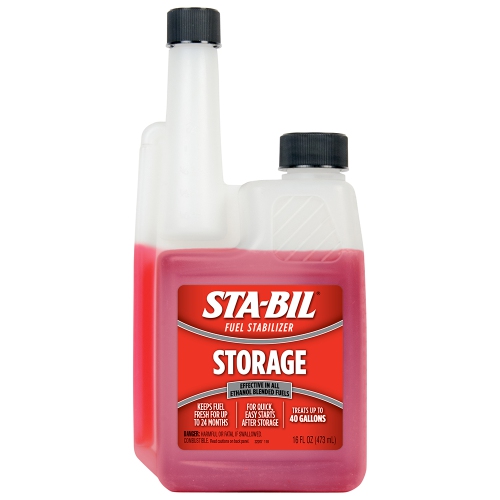 Your price for this item is $30.54
 -
 Your price for this item is $38.85
 -
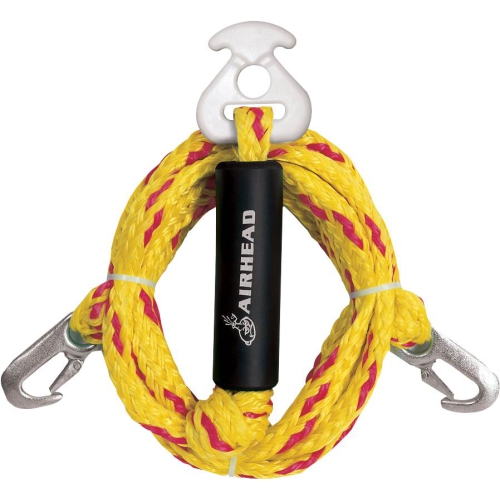 Your price for this item is $92.99
 -
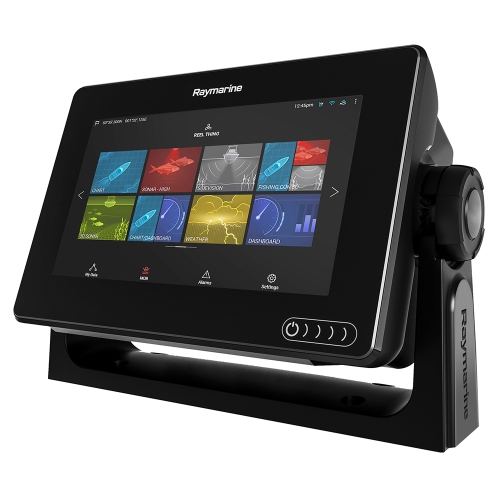 Your price for this item is $844.91
 -
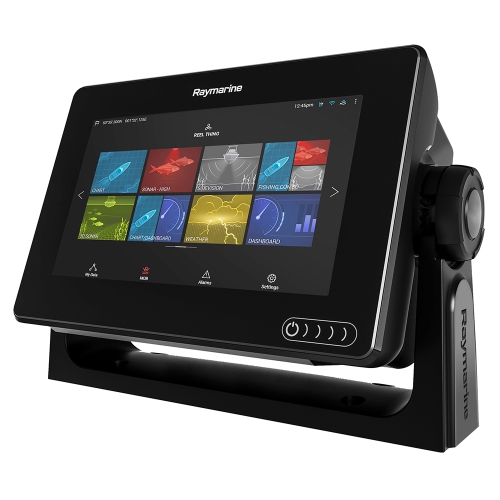 Your price for this item is $909.33
 -
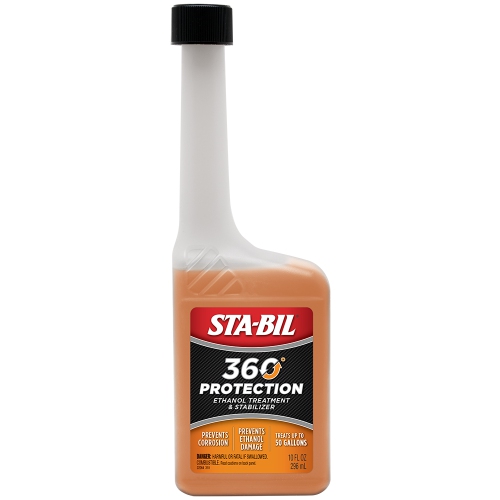 Your price for this item is $30.62
 -
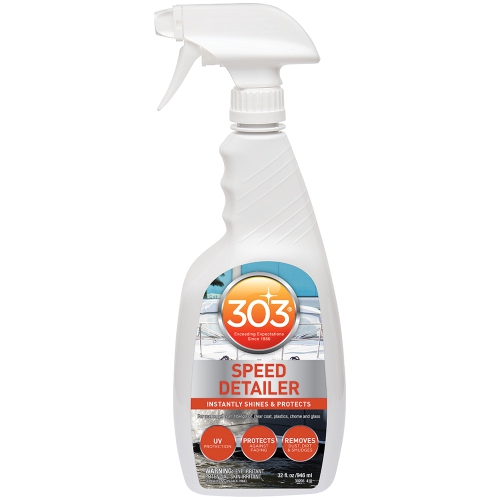 Your price for this item is $34.93
Discover more categories related to Wire Crimp Connectors
Top Collections:
Pokemon Centers, Kindle Devices, Best Budget Office Chairs, Apple iPhones 16, Best Laptops for Writers, iPhone 15 Apple, Canon G7X Cameras, Refurbished Apple Laptops, Alarm Clock, Motorola Razr Phones
Some products may be subject to Environmental Handling Fees
(EHF) depending on your province.
Learn more about EHFs.