Foldable Workstation
Maximize your space and enhance productivity with a Foldable Workstation designed for versatility and convenience. Perfect for home offices, classrooms, or creative studios, these workstations offer flexible solutions that adapt to your needs. Whether you're looking to create a dedicated workspace or need a portable option for changing environments, a Foldable Workstation provides the functionality and style to keep you organized and comfortable throughout the day. Explore a variety of options to find the ideal fit for any room or workflow.
Sort

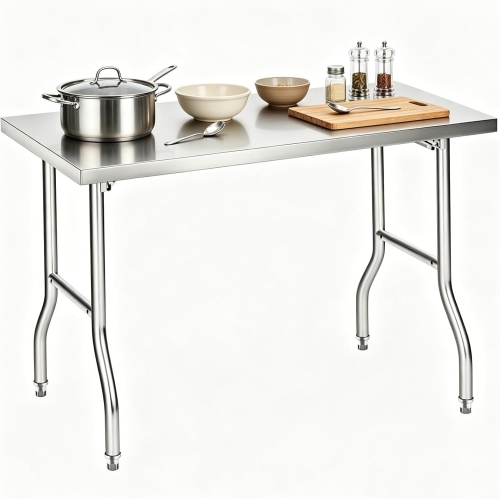
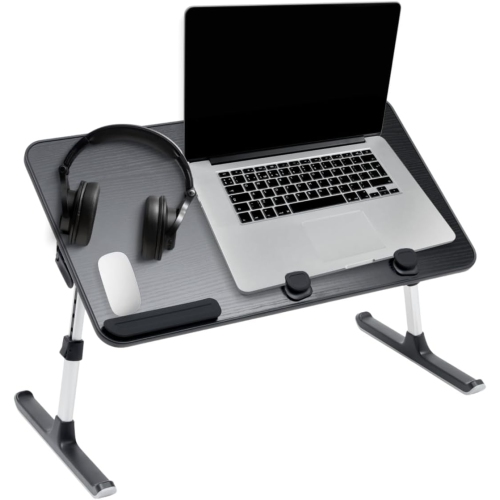
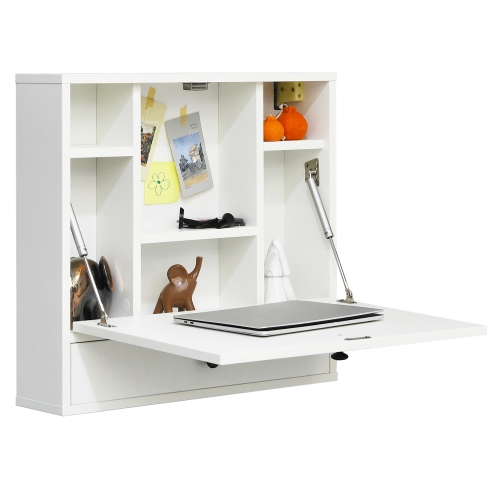
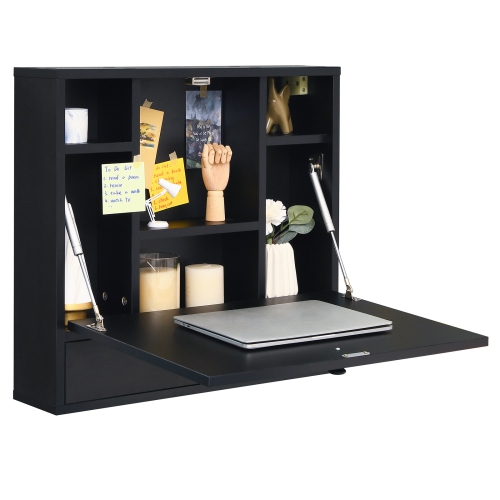
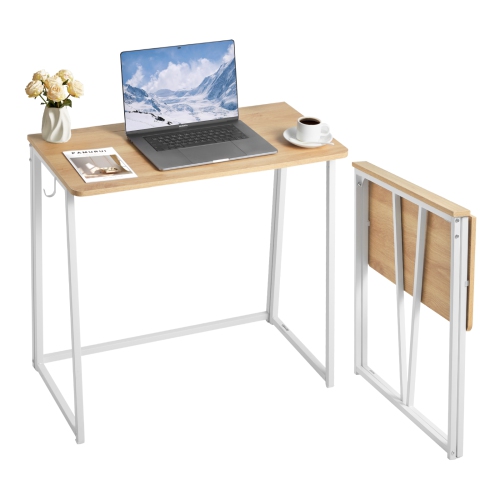
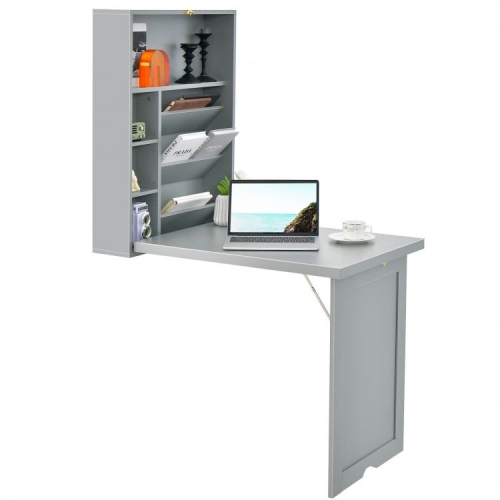
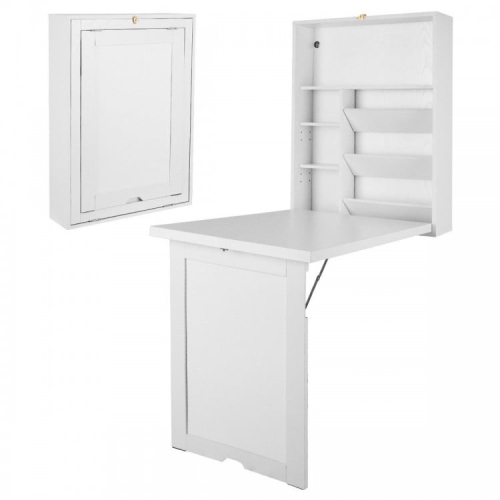
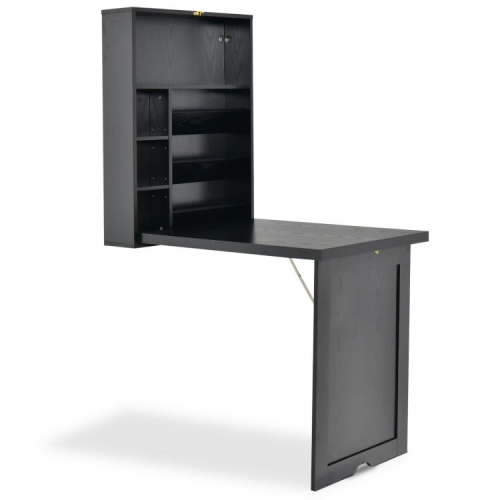
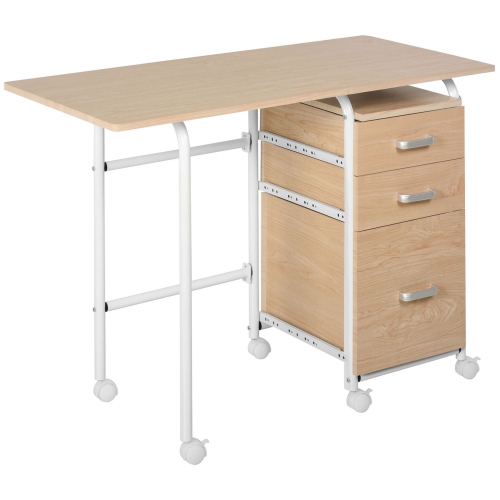
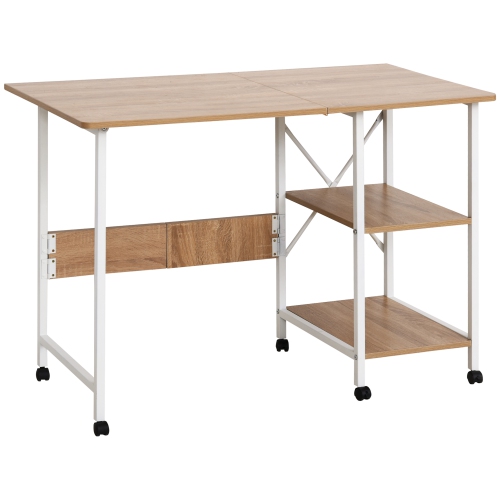
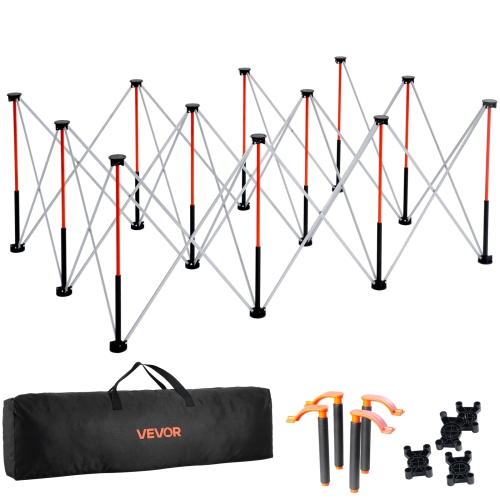
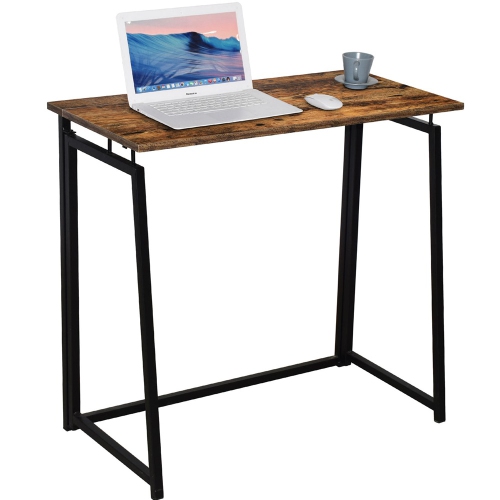
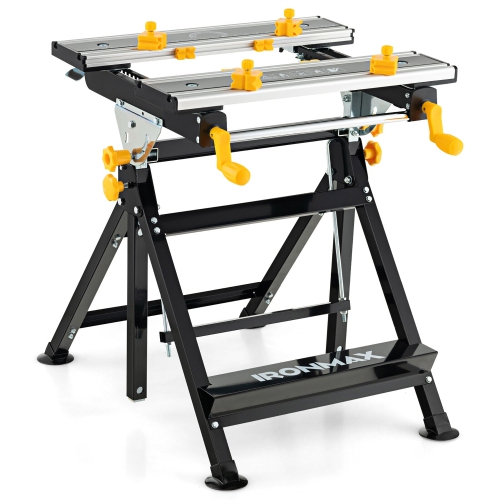
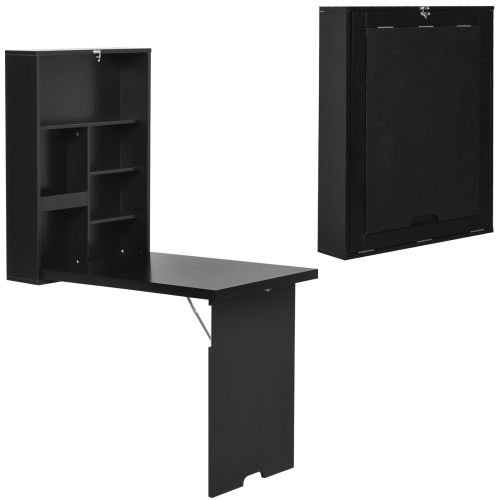
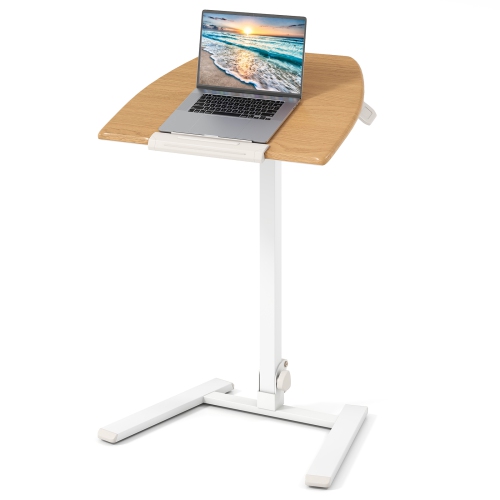
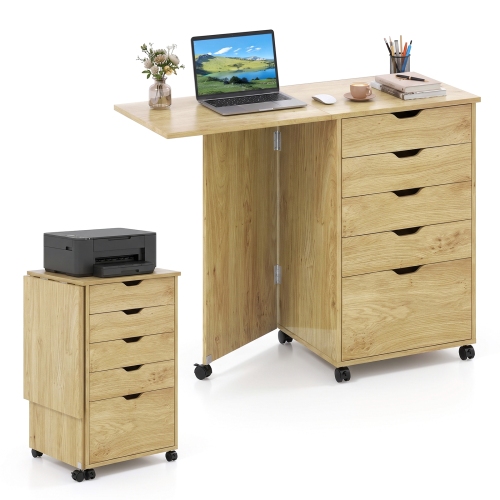
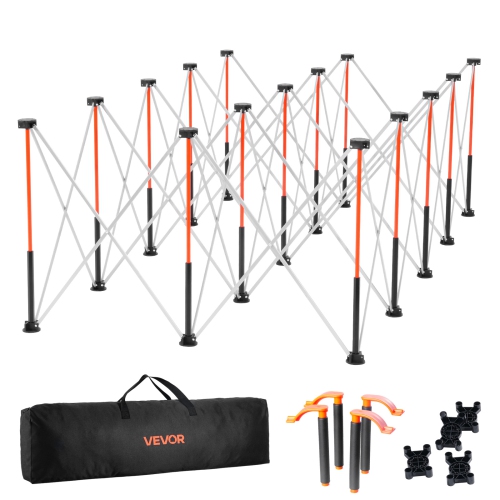
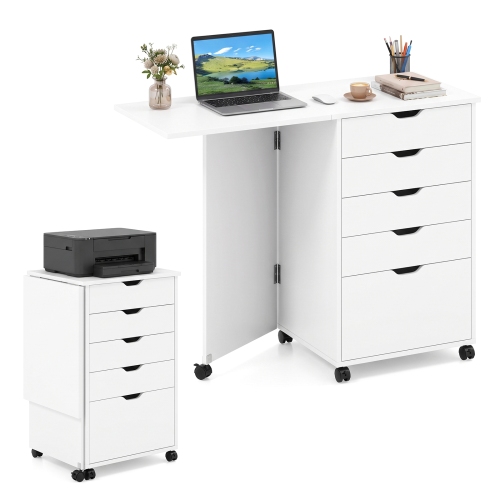
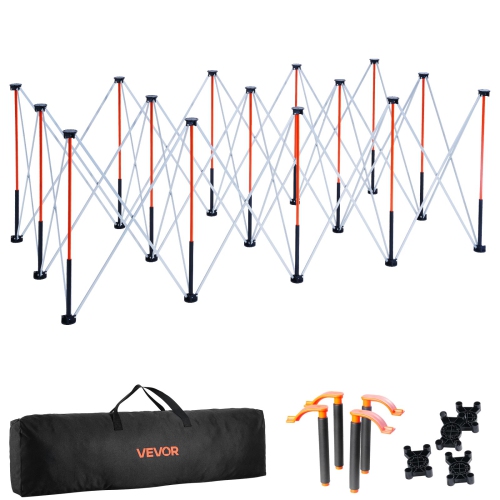
A practical work surface that folds away between projects
A foldable workstation provides a stable surface for practical tasks while folding down for storage or transport. Often used as a portable workbench, it suits garages, workshops, renovation spaces, and job sites where a permanent bench would take up too much room. Its usefulness comes from the combination of a supportive frame, a practical worktop, and a folding mechanism that makes setup manageable. For someone fitting cabinet hardware, assembling shelving, or measuring lengths of trim, a dedicated surface keeps the task off the floor and brings small details closer to a comfortable working height. Folding workstations vary considerably in purpose: some emphasize a broad tabletop for assembly, while others incorporate clamping jaws, bench-dog holes, or supports for holding materials securely. A clamping surface can help keep a board steady while its edge is sanded, whereas a flat top offers room to arrange furniture fittings without losing them between sections. Load capacity matters, but it is only part of the picture. The stated rating needs to suit the workpiece, tools, and accessories together, with attention to how the manufacturer specifies weight distribution. A bench that supports a substantial evenly distributed load may not be intended for the same weight concentrated along one edge. Stability also depends on the leg stance, locking braces, foot contact, and the surface beneath the workstation. Level, firm flooring and fully engaged locks are important for predictable support, particularly when a task involves sideways pressure from hand tools. Adjustable feet can help accommodate small variations in a floor where that feature is included. Long boards or panels may need separate supports rather than being left to overhang heavily. Worktop dimensions deserve equal attention: enough space for the task is useful, but an oversized surface can make it harder to move around a parked vehicle or reach tools at the back. A well-matched folding workstation leaves room for both the project and the person working on it.
Materials influence how a folding workstation handles repeated use, how much it weighs, and the care its surface needs. Steel frames can provide rigidity, although the overall strength also depends on tube dimensions, joint construction, and bracing. Aluminium frames can make carrying easier, especially when the workstation regularly moves between storage and a work area. Protective finishes help shield metal components from wear, but scratches, loose fasteners, and damaged joints still deserve attention. Worktops may use wood, bamboo, engineered wood, metal, or moulded materials, each with different strengths and limitations. A wooden surface can offer useful grip for assembly and hand-tool tasks, while some moulded tops incorporate recesses for small parts or openings for compatible clamps. Engineered wood generally benefits from protection against spills and prolonged moisture, particularly around exposed edges. No worktop should be assumed suitable for hot tools, solvents, or cutting directly against its surface unless its specifications expressly allow that use. A replaceable protective board can help preserve the top during suitable tasks, provided it is secured and does not interfere with clamps or folding parts. Working height is another practical distinction. A lower surface may suit tasks that require downward pressure, while detailed assembly often feels more comfortable closer to elbow height; the appropriate position depends on the user and the task. Adjustable-height designs offer flexibility, but their locks need to hold securely at the chosen setting. For shared spaces, the distance between the legs, available knee clearance, and access from different sides can matter as much as the top itself. Routine care is straightforward: remove dust and debris, wipe surfaces using methods appropriate to the material, and let everything dry before storage. Hinges and locking points should stay free of buildup, with lubrication applied only where recommended by the manufacturer. Checking feet, clamps, braces, and fasteners periodically helps identify wear before it affects the next project. Smooth operation should never depend on forcing a stiff joint or bypassing a damaged lock.
Storage and portability are often what distinguish a foldable workstation from a permanent bench. Folded thickness, overall length, and carrying weight determine how easily it fits beside a shelving unit, behind a utility-room door, or into a vehicle’s cargo area. A compact folded shape is especially useful in a garage that also needs to accommodate bicycles, storage bins, or a car. Built-in handles and a latch that holds the frame closed can make carrying more manageable, although the weight still needs to be comfortable for the person moving it. Wheels can help with some layouts, but any rolling design needs an appropriate way to remain stationary during use. The folding sequence matters in everyday use, too. Accessible releases and a clear view of hinges make it easier to keep fingers away from pinch points, and the worktop should be cleared before the frame is collapsed. Cords, loose hardware, and clamp accessories are easier to manage when they have their own storage rather than being trapped inside the folded legs. For occasional repairs, a simple portable work surface may be sufficient; regular woodworking or installation work may call for more clamping options, greater rigidity, or compatibility with additional supports. Hobbyists can use a folding workstation for model assembly, fixture repairs, and other hands-on projects, provided the surface and accessories suit the materials involved. It can also be a useful gift for a keen DIYer when their available space, lifting comfort, and typical projects are known. A workshop bench serves a different purpose from a desk, however. Someone seeking a folding surface primarily for a laptop, paperwork, or seated home-office use may find Foldable WFH Tables more closely suited to that need. For practical workshop use, the strongest match is a workstation whose support, dimensions, and setup fit familiar tasks—not simply the one with the largest top or highest stated capacity. That balance makes it easier to bring out a dependable work surface when needed and put it away without reorganizing the entire room.
Top selling and popular products
-
 Your price for this item is $133.96
-
 Your price for this item is $122.92
-
 Your price for this item is $132.99
-
 Your price for this item is $149.99
-
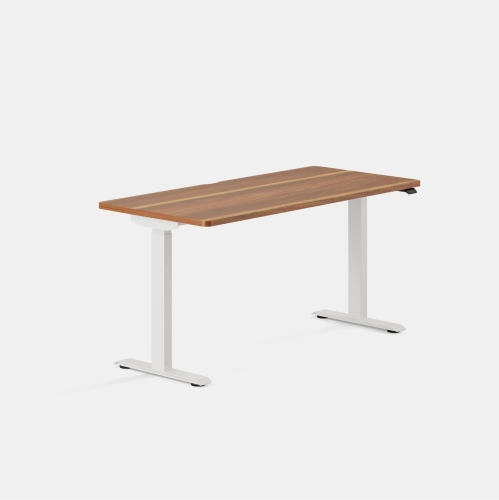 Your price for this item is $679.2
-
 Your price for this item is $519.2
-
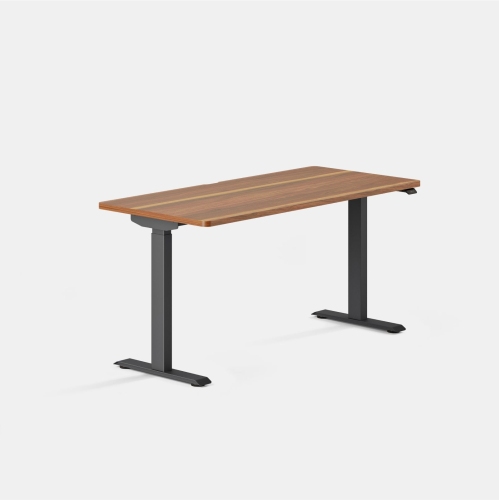 Your price for this item is $679.2
-
 Your price for this item is $599.2
Discover more categories related to Foldable Workstation
Top Collections:
Best Black Friday Deals This Year, Best Black Friday Deals On Electronics, Kindle Devices, Dyson Airwrap, Best Cameras for Sports Photography, Best Budget Office Chairs, Canon G7X Cameras, PS5 Pro Consoles, Best Black Friday Deals On Apple Products, XBOX One S Consoles
Some products may be subject to Environmental Handling Fees
(EHF) depending on your province.
Learn more about EHFs.