Folding Sewing Tables With Storage
Folding Sewing Tables With Storage offer a practical solution for organizing your sewing essentials while maximizing your workspace. Designed to fit seamlessly into any room, these tables combine convenience with functionality, making it easy to keep tools and materials within reach. Whether you have a dedicated craft room or need to save space in a smaller area, Folding Sewing Tables With Storage are ideal for sewing enthusiasts looking to create an efficient and tidy work environment. Explore a range of options that help you stay organized and make the most out of every project.
Sort
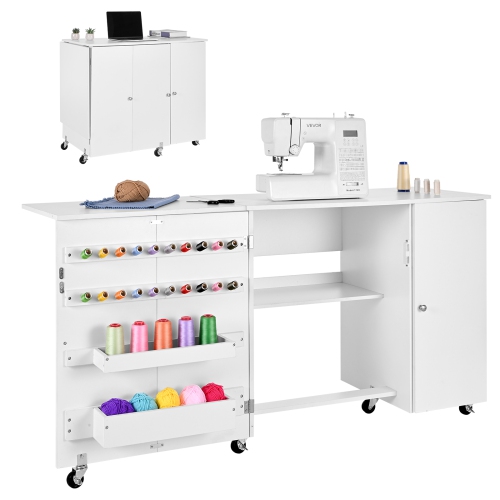
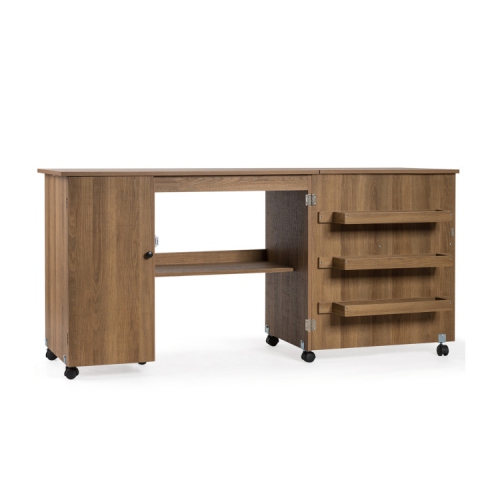
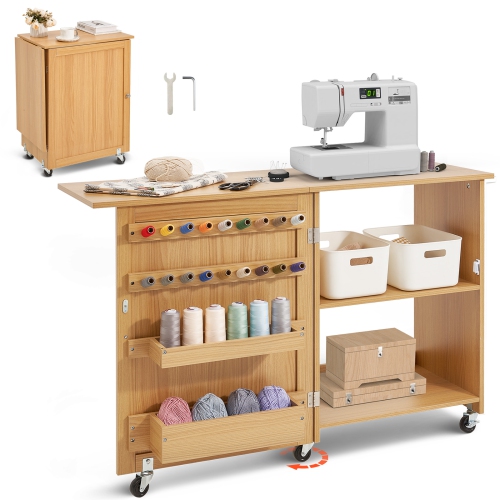
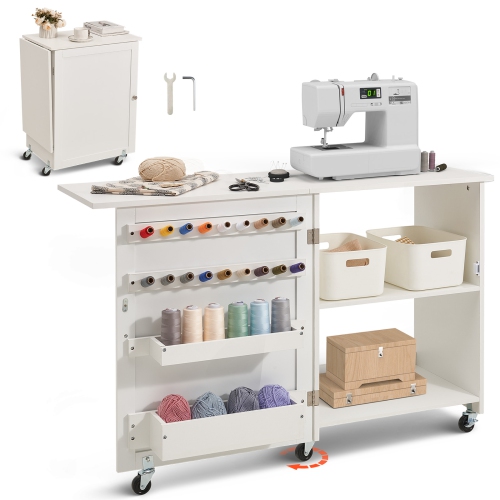
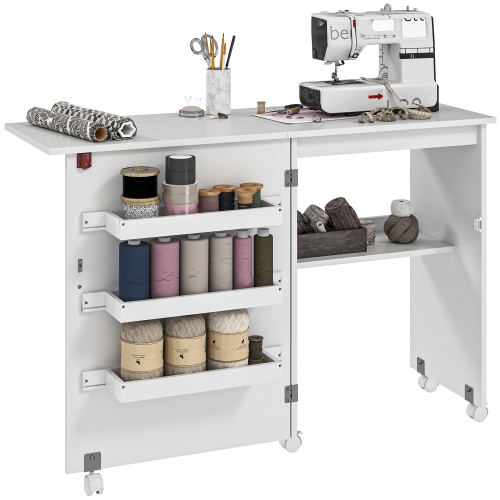
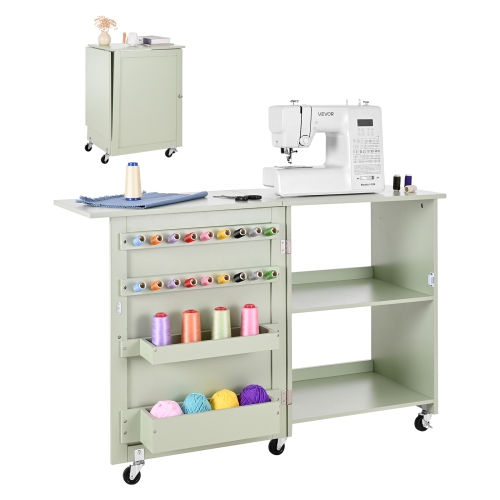
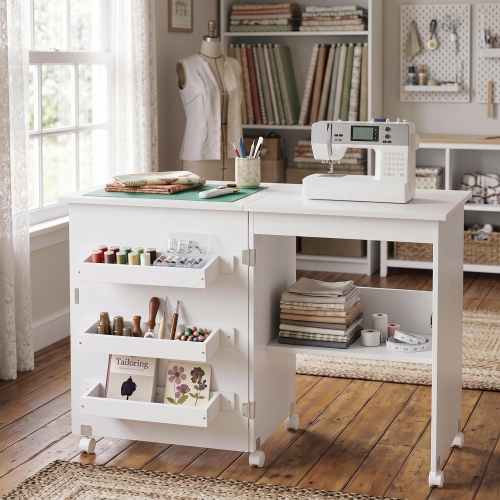
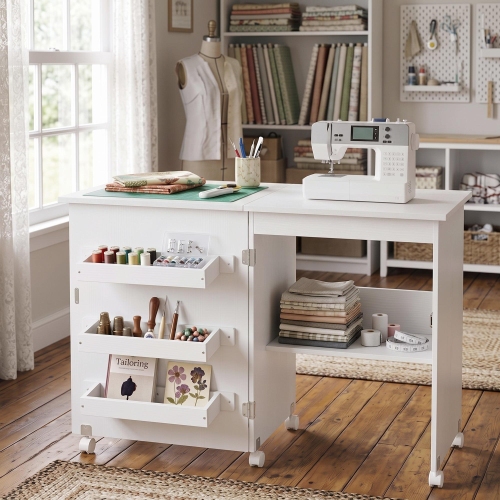
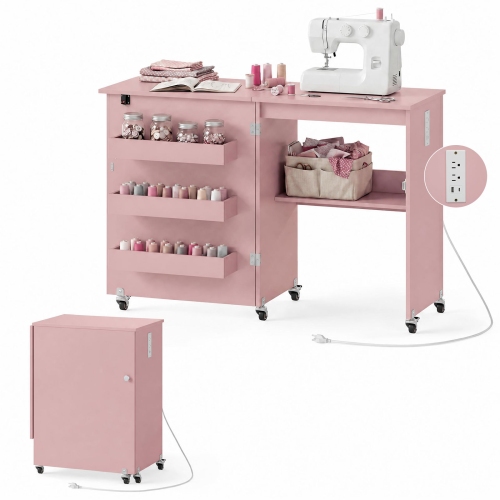
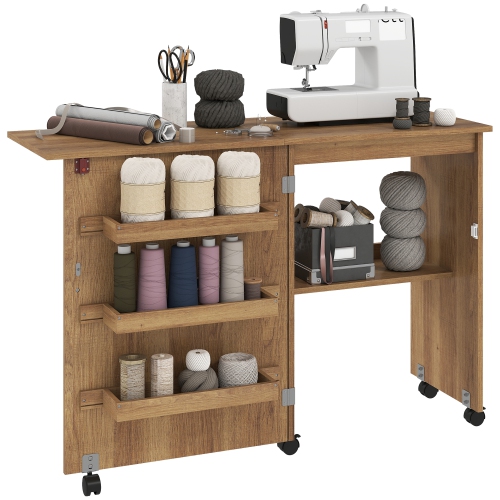
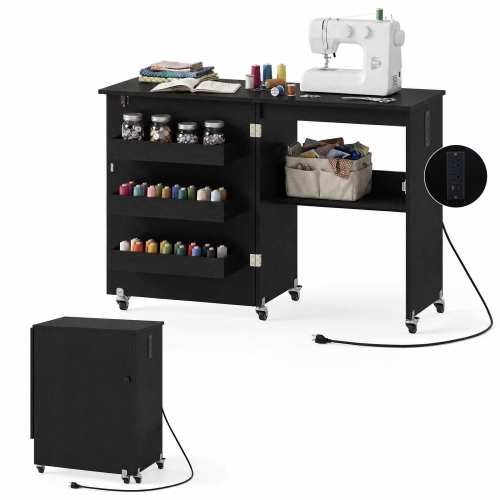
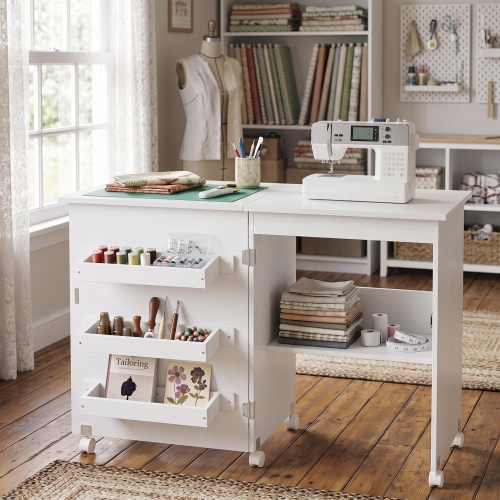
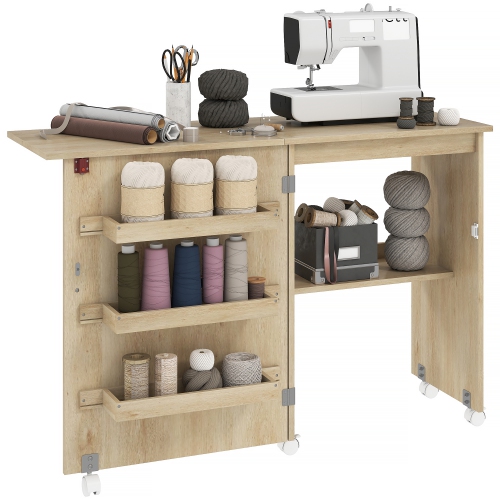
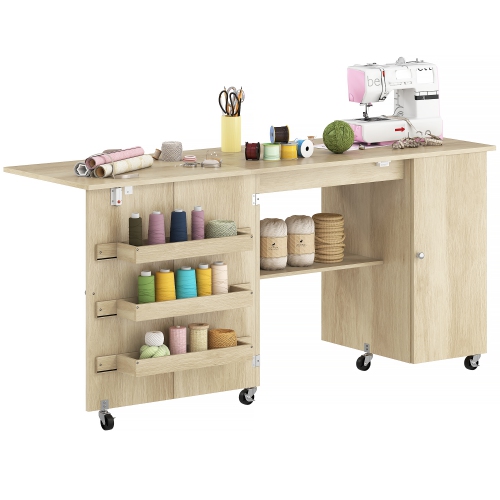
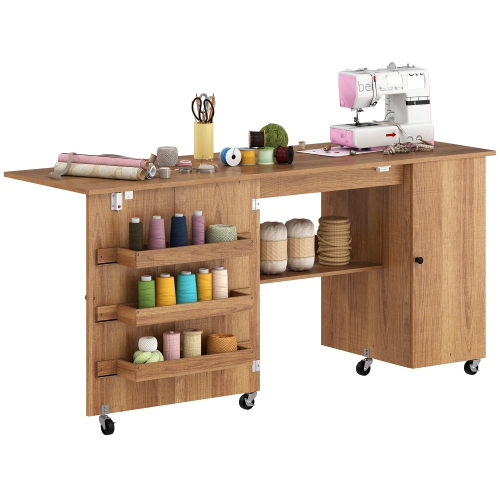
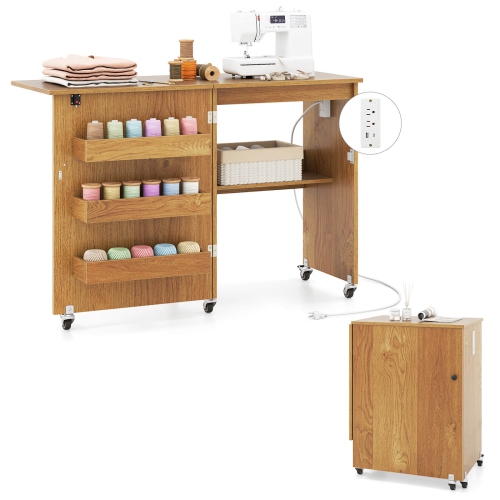
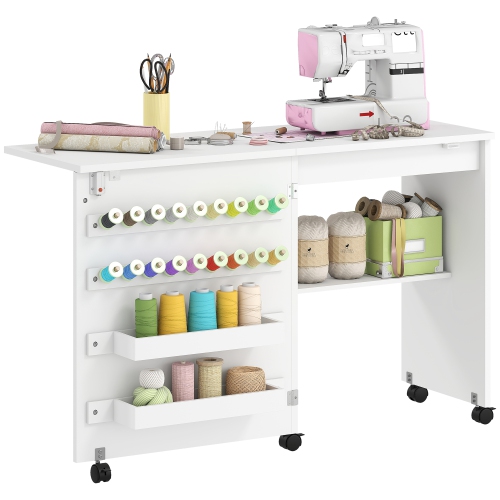
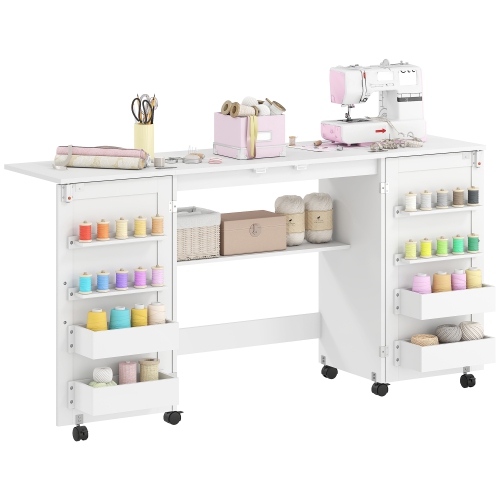
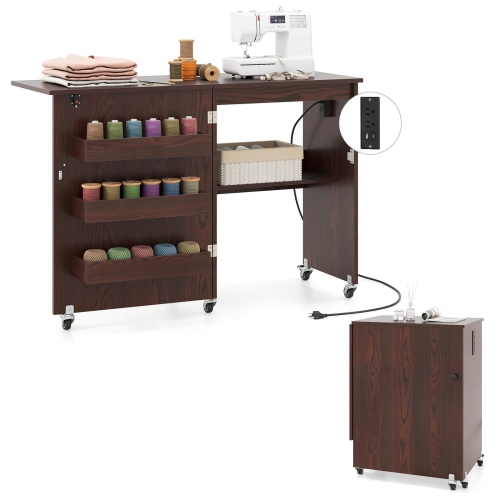
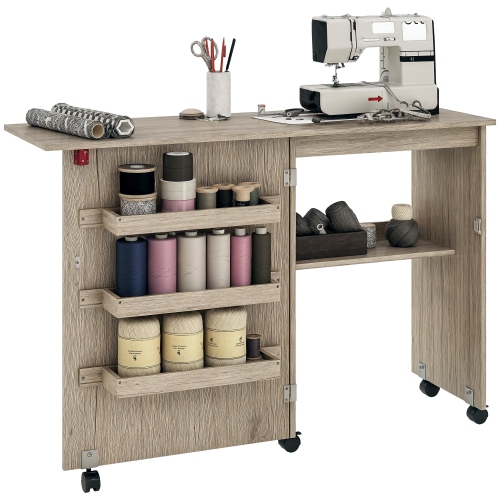
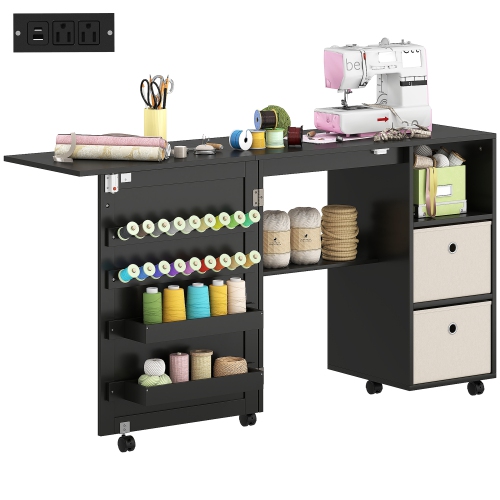
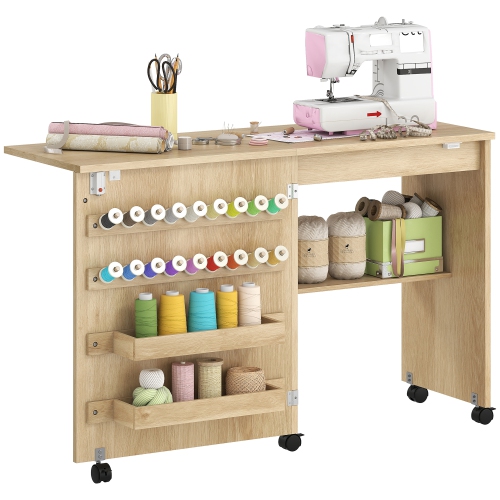
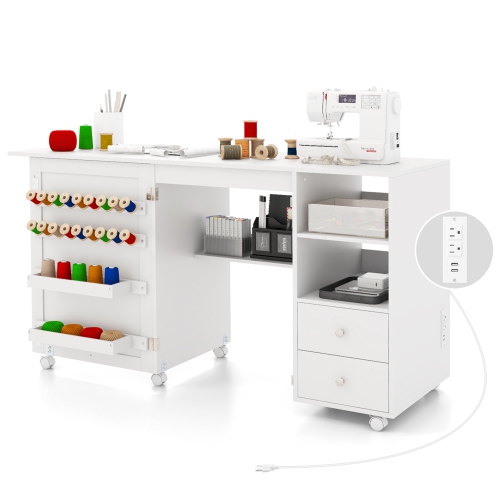
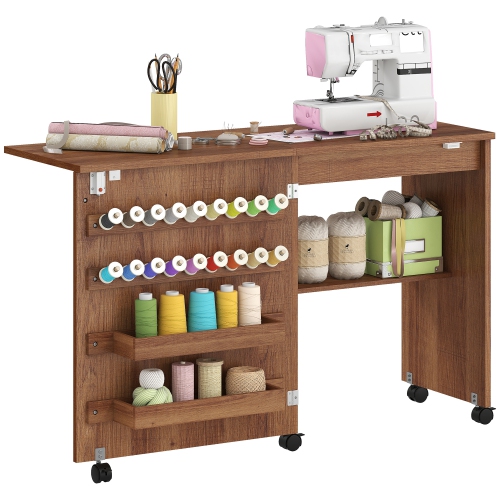
A sewing station that opens up and tucks away
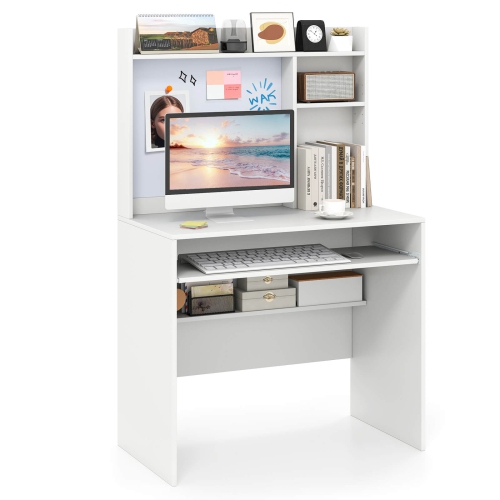
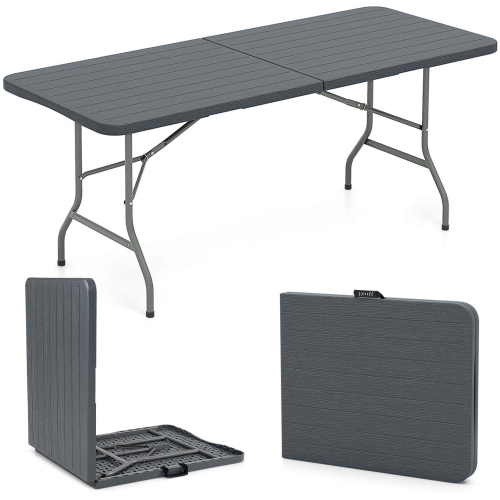
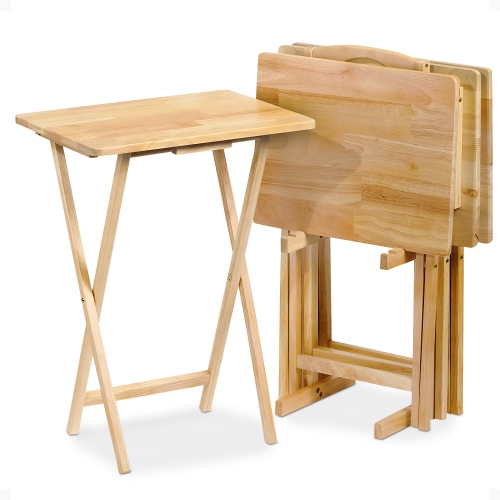
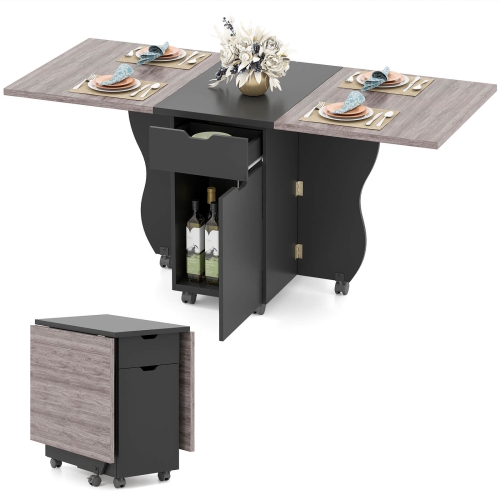
Folding sewing tables with storage bring a sewing surface and a place for supplies into one space-saving piece of furniture. Depending on the design, hinged leaves, folding panels or cabinet-style doors open to create a larger work surface, then close to reduce the table’s footprint between projects. That makes these tables useful in craft rooms, spare bedrooms and shared living spaces where a permanent sewing station would take up too much room. A compact cabinet beside a wall can become a place to mend a hem, piece a quilt block or assemble a cushion cover without spreading supplies across the dining table. The most useful layout depends on both the sewing machine and the fabric being handled. Small alterations need room around the needle and easy access to scissors, while larger projects benefit from side support that keeps fabric from dragging over an edge. An extended leaf can support material, but a compact folding table may not provide enough space to spread out a full garment pattern or a large quilt. Both folded and open dimensions matter: doors and leaves need clearance, and the open table should leave enough room for a chair and comfortable movement. Knee space is equally important, especially when shelves or cabinets sit beneath the work surface. A comfortable setup allows the foot pedal to sit naturally under the sewing position rather than off to one side. Some tables have an adjustable machine platform, which can help bring the machine bed closer to the surrounding surface when compatible with the machine’s size and shape. Stability is another important distinction. A sturdy frame, supported leaves and secure folding hardware help limit movement as the machine runs. Tables with casters are easier to reposition, while locking casters help hold the station in place during use. Carpet, uneven flooring and the weight of the machine can all affect how a rolling table moves and feels.
Storage is what turns a folding sewing table from an occasional work surface into a more organized sewing station. Open shelves make frequently used supplies easy to reach, while drawers, trays and enclosed compartments offer different ways to separate small tools and materials. Thread pegs can keep spools visible, shallow compartments can hold bobbins and seam rippers, and deeper shelves may accommodate folded fabric or small project containers. These features vary by design, so the arrangement matters as much as the amount of storage. A drawer that opens beside the chair is more convenient during a seam than one blocked by the extended leaf, and a shelf needs enough clearance for the supplies intended to sit there. For someone who switches between garment repairs and craft projects, separate storage areas can keep matching thread, buttons and fabric pieces together. A removable tray can bring hand-sewing essentials to another seat, then return them to the table afterwards. Enclosed storage helps protect supplies from settling dust, although a cabinet should not be assumed to provide a dust-tight seal. Machine storage also deserves attention: a lower shelf may hold a machine on some designs, but its dimensions and weight capacity need to suit that purpose. The table’s overall load rating does not necessarily describe the capacity of each individual shelf or folding leaf. Accessible storage can make short sewing sessions more practical, since less time is spent finding a tape measure or clearing a place to work. It also supports tidier transitions in a multipurpose room, where a project may need to be put away before the space is used for something else. Loose thread, fabric and electrical cords should remain clear of hinges and moving panels when the table folds. Enough room for the machine’s power lead, foot-pedal cable and a task light helps keep the sewing position usable without routing cords across the chair area. Where a table includes electrical features, those features should suit the intended equipment and be used according to the supplied directions.
Materials and construction influence how a folding sewing table handles repeated opening, everyday sewing and occasional moves around the home. Engineered wood, including MDF and particleboard, is common in cabinet-style furniture and may be finished with laminate, veneer or a painted coating. Solid wood components and metal frames are also used, with different combinations offering different balances of weight, rigidity and appearance. A heavier table can feel substantial, but weight alone does not guarantee stability; the frame, joints, leaf supports and hardware all contribute. Smooth edges are helpful when fabric slides across the work surface, while flush-fitting panels reduce places where delicate material might catch. A light-coloured finish can make dark thread and small notions easier to see, while a wood-look finish can help the closed table blend with nearby furniture. Care is generally straightforward, though the finish determines which cleaning methods are suitable. A soft cloth removes lint and dust, and spills should be wiped up promptly, particularly around panel edges and hardware openings. Excess moisture and harsh cleaning products can damage some finishes. Periodic attention to hinges, fasteners and caster fittings helps identify looseness before it affects everyday use, with adjustments made according to the furniture’s care instructions. Folding panels should be supported as they move, and fingers kept away from closing joints. These tables suit beginners building a manageable sewing corner, experienced makers who need a secondary station, and people who prefer to keep repair supplies close at hand without dedicating an entire room to them. They can also make a thoughtful gift for someone who already sews, provided the table fits their machine, available space and preferred way of working. For a space used mainly for writing, studying or computer tasks, Foldable Desks With Storage offer a related furniture option. A sewing-focused table remains especially useful when machine support, fabric handling and organized notions storage are central to the way the space will be used.
Top selling and popular products
-
 Your price for this item is $97.99
-
 Your price for this item is $89.99
-
 Your price for this item is $84.99
-
 Your price for this item is $97.99
-
 Your price for this item is $649
-
 Your price for this item is $749
-
 Your price for this item is $649
-
 Your price for this item is $649
Discover more categories related to Folding Sewing Tables With Storage
Top Collections:
Best Black Friday Deals This Year, Best Black Friday Deals On Electronics, Kindle Devices, Pokemon Centers, Best Black Friday Deals On Apple Products, Best Cameras for Sports Photography, Dyson Airwrap, Pokémon 30th Celebration Cards, Apple iPhone 17 Pro, Canon G7X Cameras
Some products may be subject to Environmental Handling Fees
(EHF) depending on your province.
Learn more about EHFs.