Footrests for Desks
Whether you're working from home or at the office, having a comfortable and ergonomic workspace is essential for productivity and overall well-being. That's where footrests for desks come in. These versatile accessories are designed to provide support and relief for your feet, helping you maintain proper posture and reduce strain throughout the day. With a variety of styles and features available, finding the perfect footrest to complement your desk setup has never been easier. Say goodbye to discomfort and hello to enhanced comfort with our selection of footrests for desks.
Sort








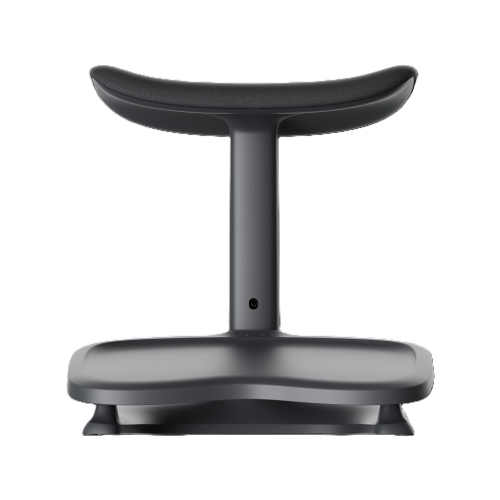

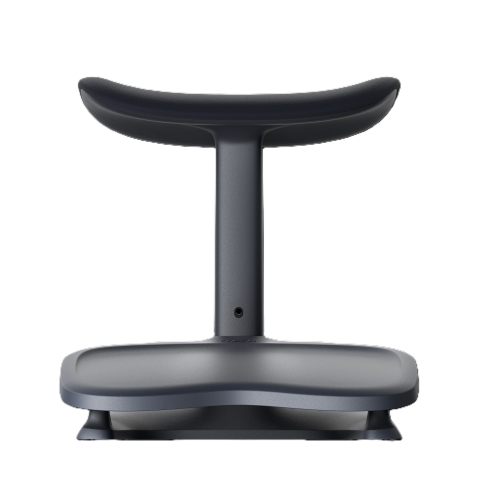















Comfort and support for longer hours at your desk
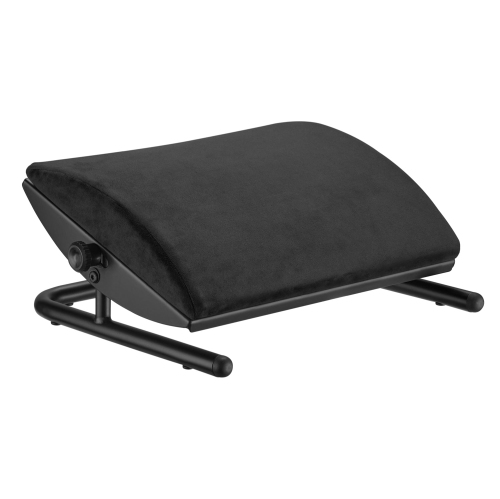
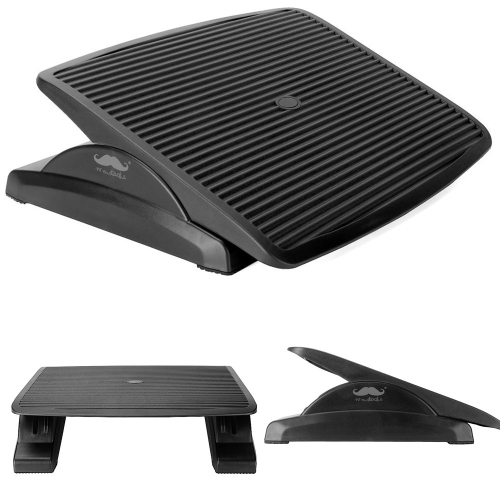
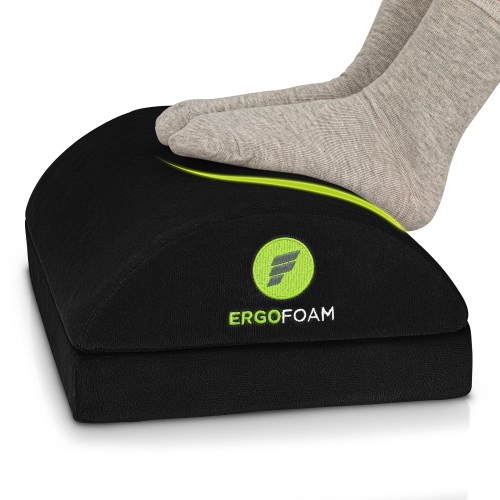
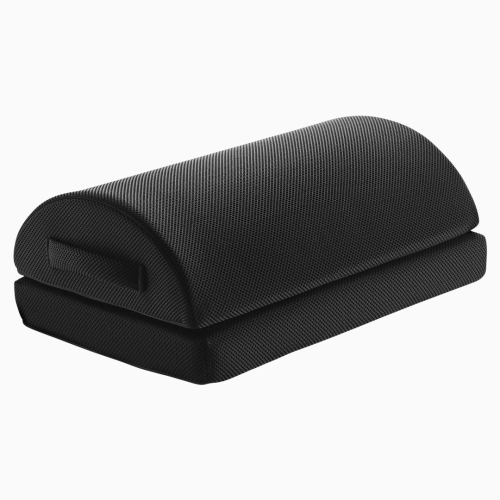
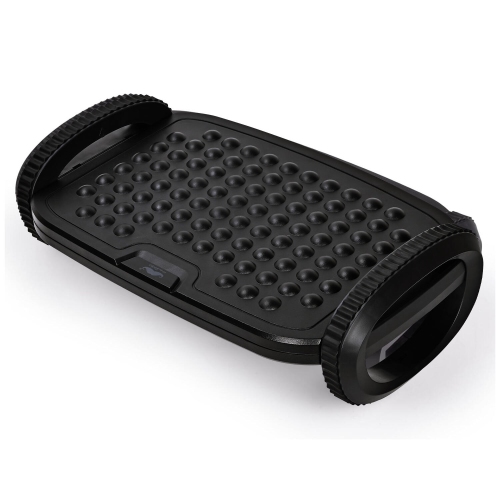
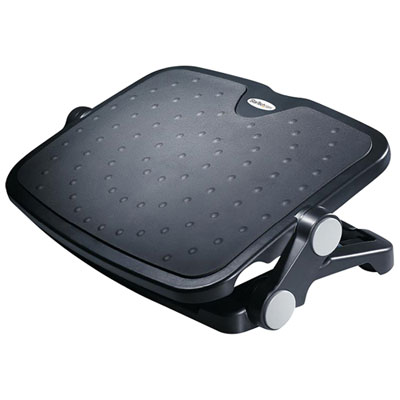
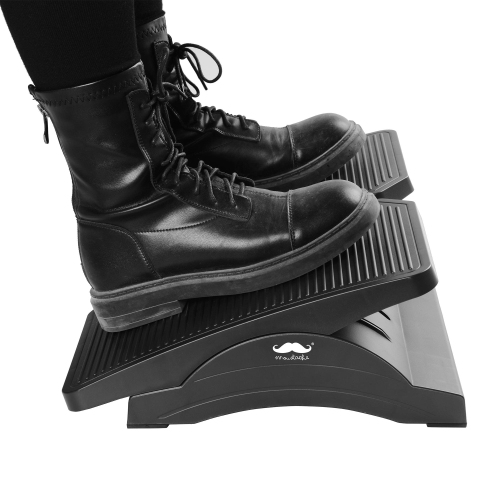
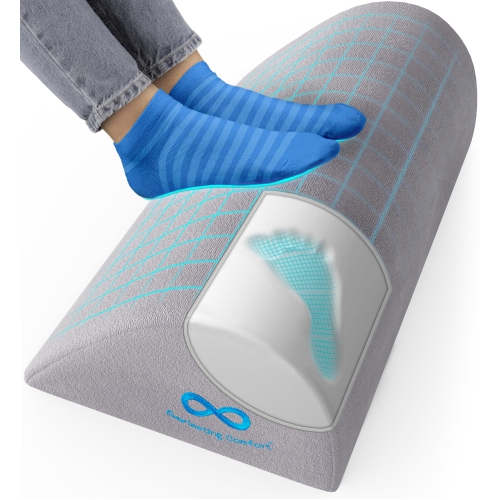
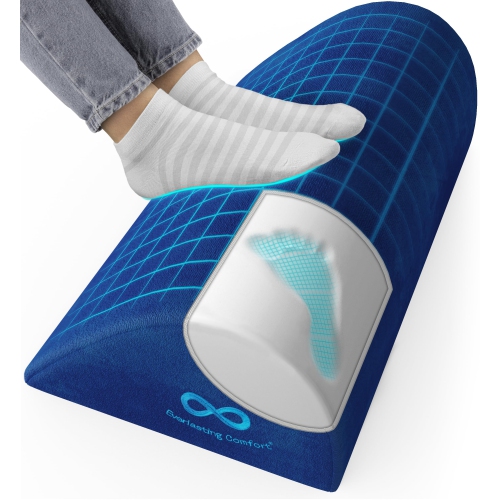
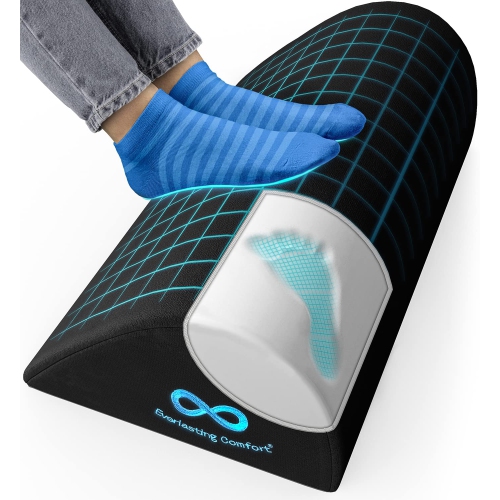
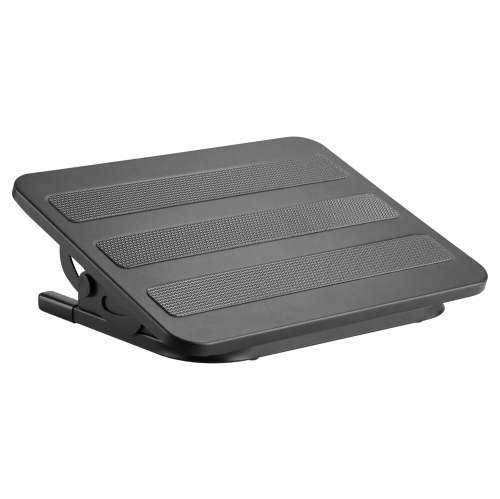
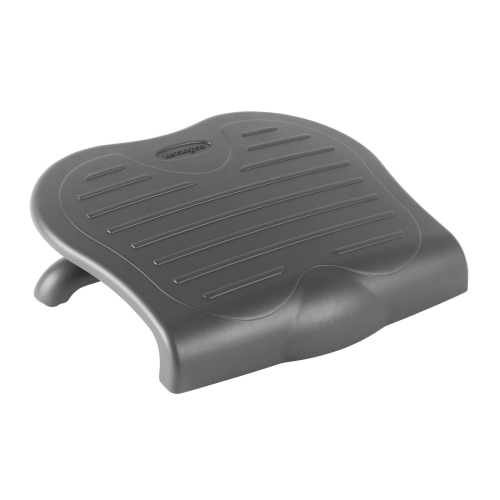
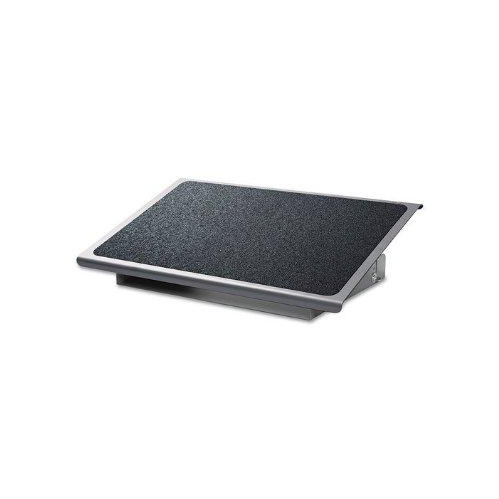
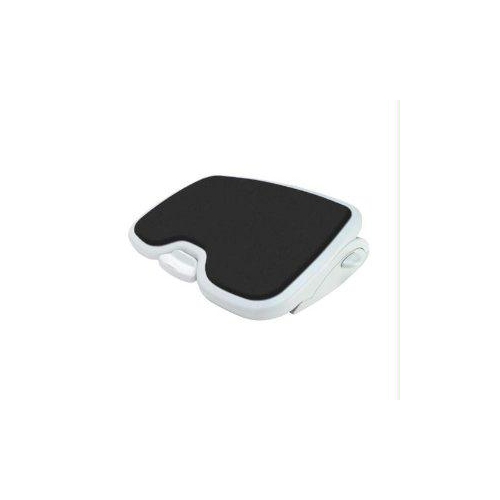
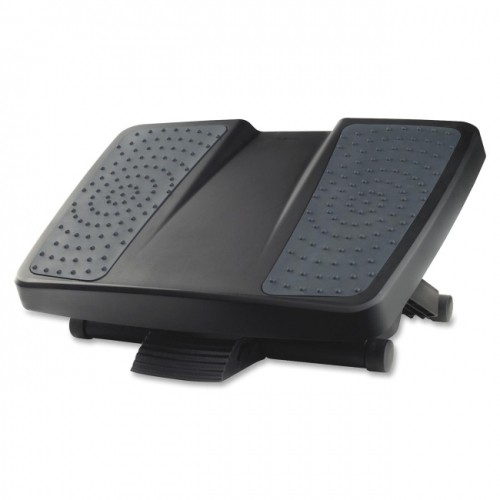
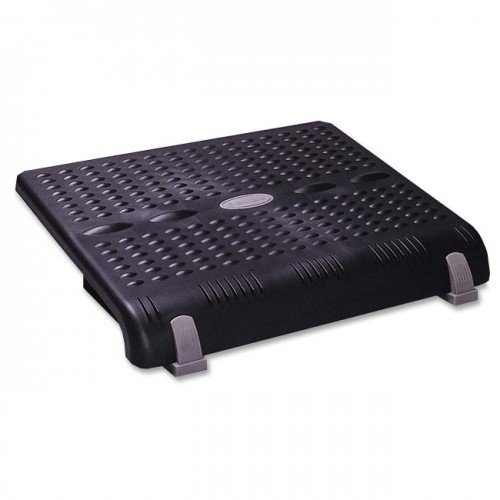
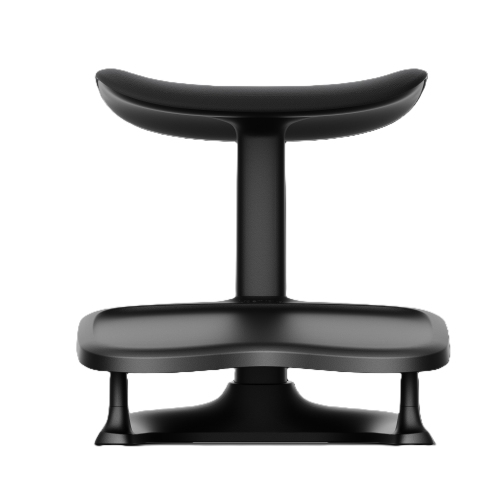
Footrests for desks can add a simple layer of comfort to a home office, study area, gaming station, or shared workspace. When a chair is adjusted for proper desk height, it is common for shorter users’ feet to hover above the floor, leaving pressure at the backs of the thighs and making it harder to sit comfortably for extended periods. An under-desk footrest gives the feet a stable surface to rest on, which can help support a more balanced seated position and reduce the feeling of strain in the legs, hips, and lower back. It may also help keep the knees and ankles in a more natural alignment, particularly when the desk cannot be lowered or the chair cannot be adjusted enough to suit the user. A footrest is useful for adults working from home, students completing assignments, children using a family workstation, and anyone who spends long stretches reading, gaming, crafting, or handling paperwork at a desk. Some designs have a fixed platform for steady support, while others tilt, rock, or roll slightly to encourage small movements during the day. That gentle movement can help prevent the stiffness that comes from keeping the feet in one position, while a textured or contoured surface can provide a more secure feel with socks or bare feet. For a shared workspace, a portable design can move easily between desks and tuck away when it is not needed. A footrest can also be a thoughtful practical gift for a student setting up a study nook, a remote worker creating a more comfortable office, or a family member who enjoys computer-based hobbies. If the intended user has a study-focused setup, explore Footrests for Study Desks for options suited to homework, reading, and other desk-based activities.
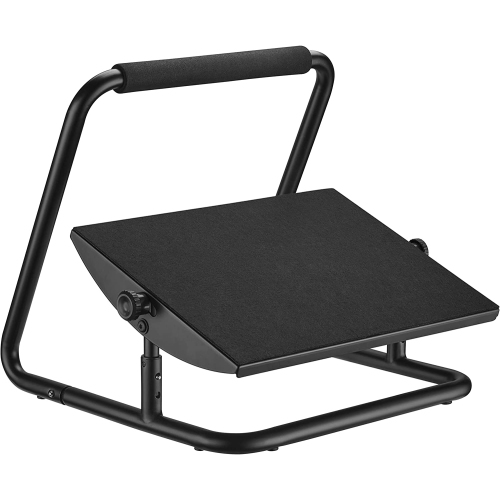
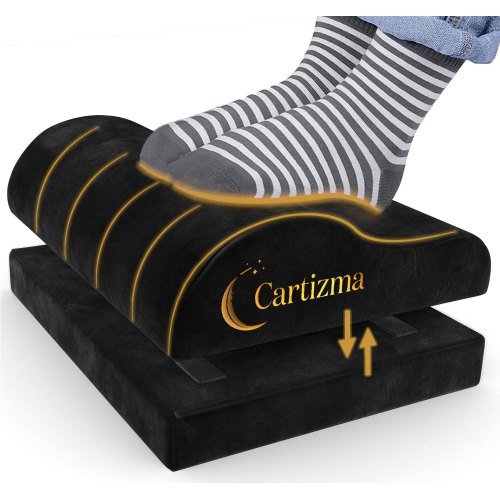
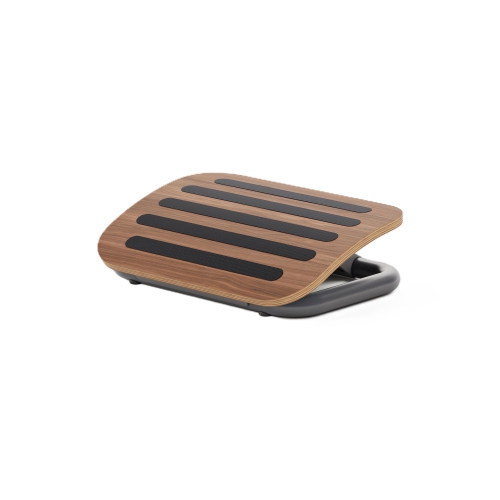
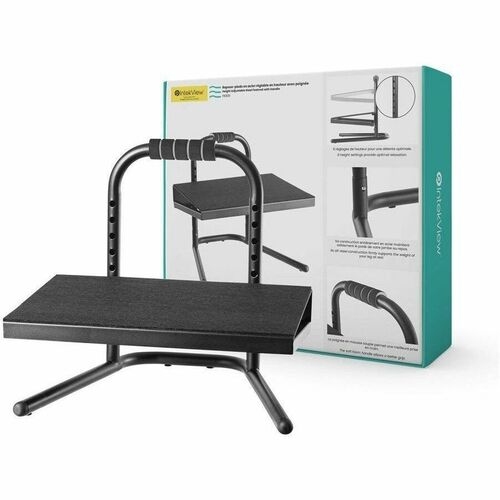
When choosing a footrest for a desk, start by considering the available space beneath the desk and the height of the chair. Measure the gap between the floor and the underside of the desktop, then look for a footrest that fits without interfering with the chair base, drawers, computer tower, or the user’s ability to move their legs. Adjustable-height models can be especially helpful in households where more than one person uses the same workstation, or where the footrest may be paired with different chairs. A tilting platform can accommodate changes in ankle position and lets the user shift the angle of the feet, while a rocking style is suited to people who prefer active movement over a completely stationary surface. A fixed platform may be the better choice for anyone who wants firm, predictable support or frequently moves their feet while concentrating. Consider the width and depth as well; a compact footrest can work well in a tight cubicle or small bedroom, whereas a larger platform may feel more natural for users who change leg positions often. Materials also influence the experience. Plastic platforms are generally light and easy to reposition, foam cushions offer a softer feel and may be more comfortable for barefoot use, and steel-supported designs can provide a solid foundation for taller desks or heavier everyday use. A massage-style texture may add sensory feedback, though a smooth surface can be easier to clean and may feel better under slippers. Check whether the surface has non-slip details and whether the base stays in place on hardwood, laminate, tile, or carpet. These details matter when a footrest is used throughout the day, since sliding or shifting can become distracting and may require frequent readjustment.
Think about how the footrest will be used across a typical day rather than only how it looks beneath the desk. Someone who types for hours may appreciate a broad, gently angled platform that supports both feet and allows occasional movement. A student moving between writing, online lessons, and reading may prefer a lighter model that can be repositioned as the chair and desk change. For a standing desk that is regularly used in a seated position, a durable adjustable footrest can help create a comfortable transition between sitting and standing, although the height range should be checked carefully to ensure it fits the workstation. In cooler months, a footrest can also make a desk area feel more comfortable by keeping feet off a cold floor, especially in a basement office or bedroom with hard flooring. Easy maintenance is another useful consideration: wipe-clean surfaces suit busy family spaces, while removable and washable covers can be convenient for foam designs used without shoes. Look for a construction that feels stable, a surface large enough for the intended user, and adjustment controls that are straightforward to operate. The best match will depend on the desk height, chair position, available floor space, preferred level of movement, and whether the user wears shoes, slippers, socks, or no footwear. By matching these practical details to the workspace, a desk footrest can help create a more comfortable everyday routine, support better seated alignment, and make long periods of studying, working, gaming, or creative activity feel less tiring.
Top selling and popular products
-
 Your price for this item is $143.99
-
 Your price for this item is $123
-
 Your price for this item is $139.99
-
 Your price for this item is $139.99
-
 Your price for this item is $203.98
-
 Your price for this item is $429
-
 Your price for this item is $379
-
 Your price for this item is $429
Discover more categories related to Footrests for Desks

Top Collections:
Pokemon Centers, Best Cameras for Sports Photography, Kindle Devices, Samsung Galaxy Phones, Canon G7X Cameras, Pokémon 30th Celebration Cards, Refurbished Apple Laptops, iPhone 15 Apple, Laptops for Students, Budget Smartphones
Some products may be subject to Environmental Handling Fees
(EHF) depending on your province.
Learn more about EHFs.