Framed Decorations
Transform your living space into a personalized haven with our diverse selection of framed decorations. Whether you're looking to add a touch of elegance to your home office or infuse warmth into your living room, our curated collection offers something for every taste and style. We craft each frame, from contemporary designs to classic pieces, to enhance your decor and reflect your unique personality. Explore a variety of materials, colors, and sizes to find the perfect piece that complements your space and inspires creativity. Discover how framed decorations can effortlessly elevate any room, creating an inviting atmosphere that you'll love coming home to.
Sort

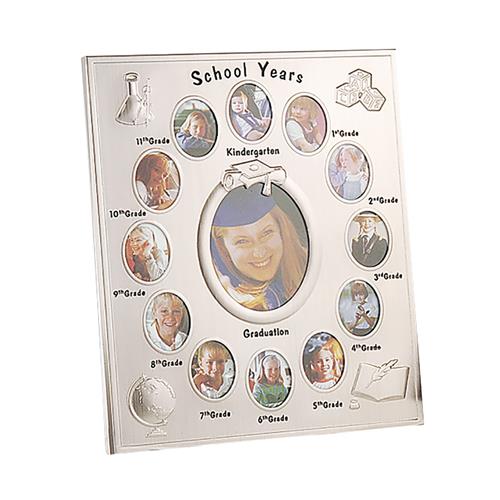
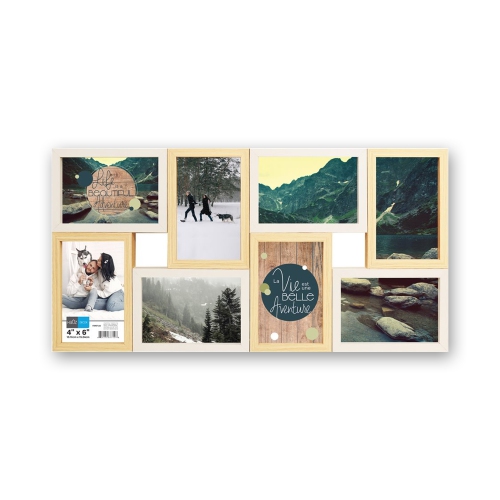
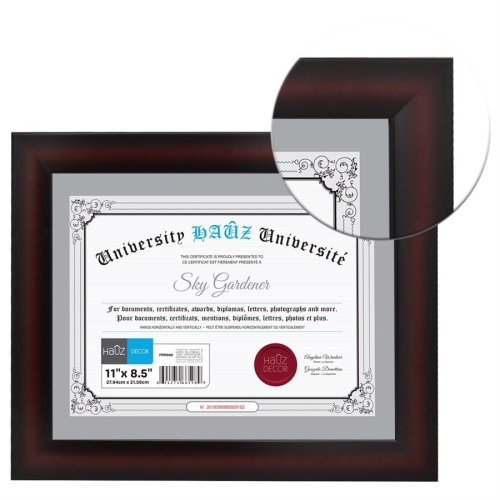
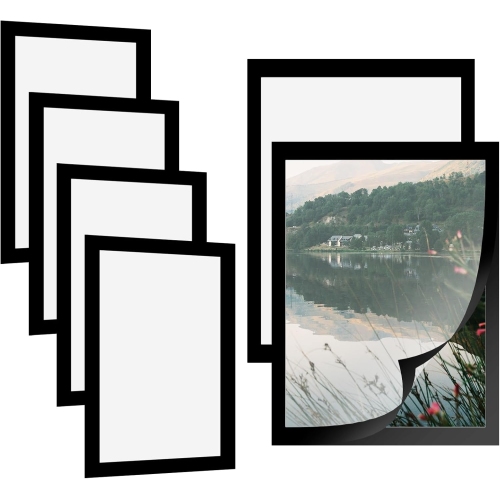

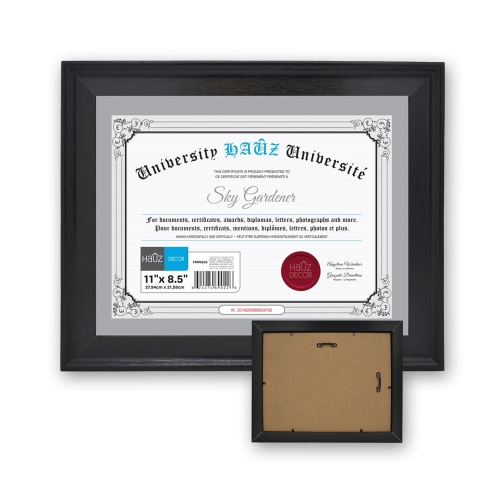

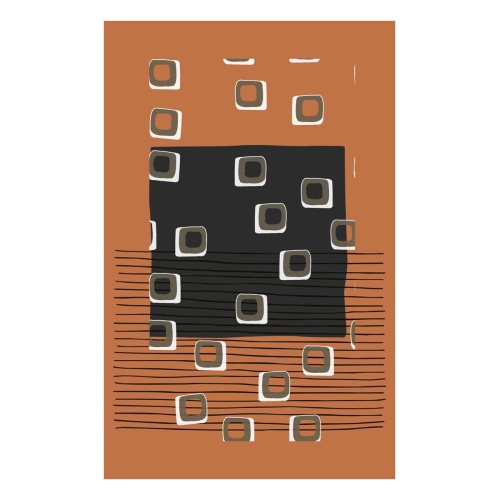
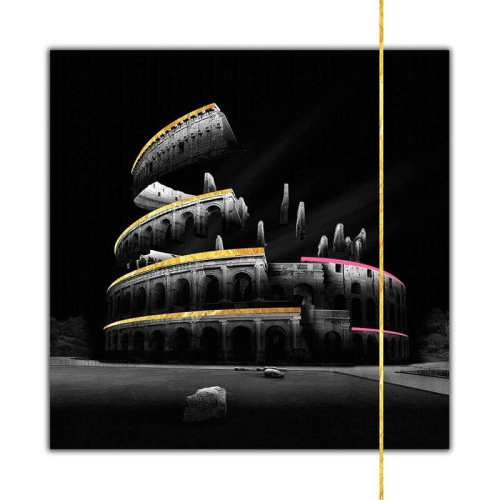

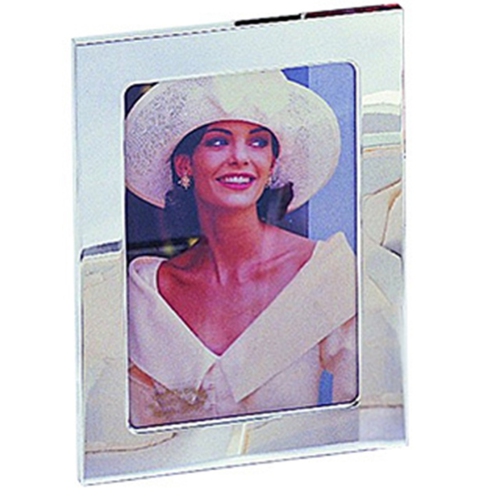



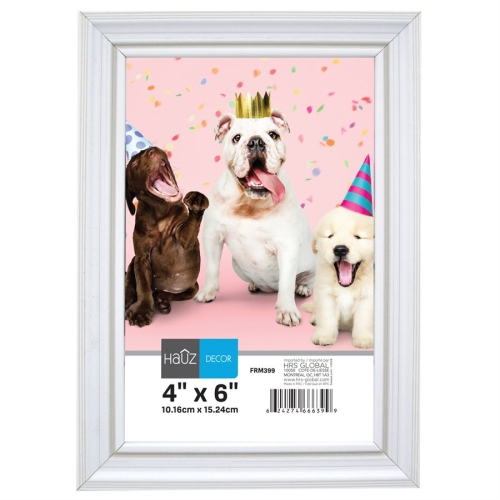
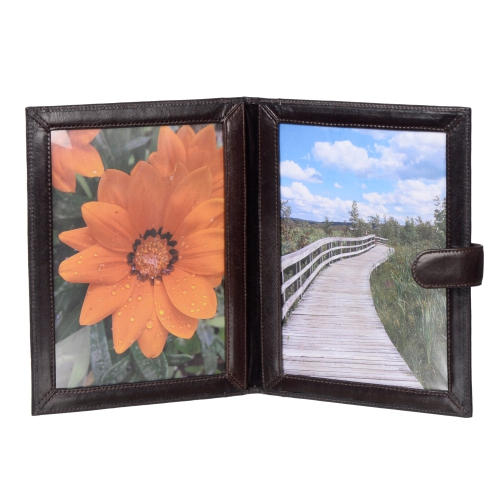
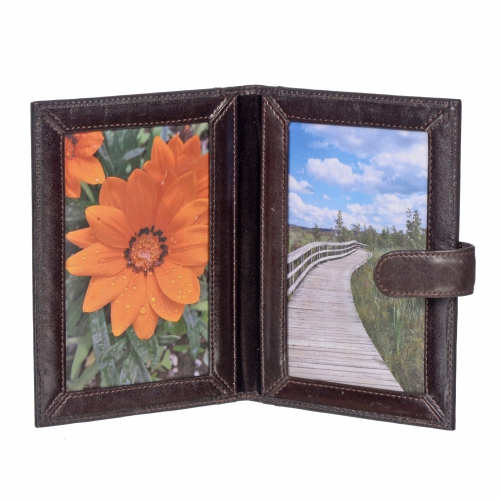

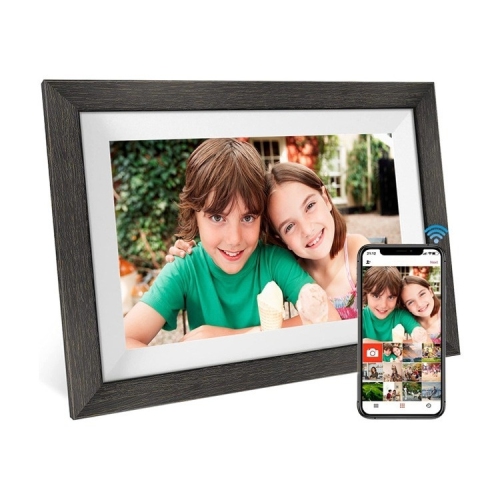
How frame details connect artwork to your room
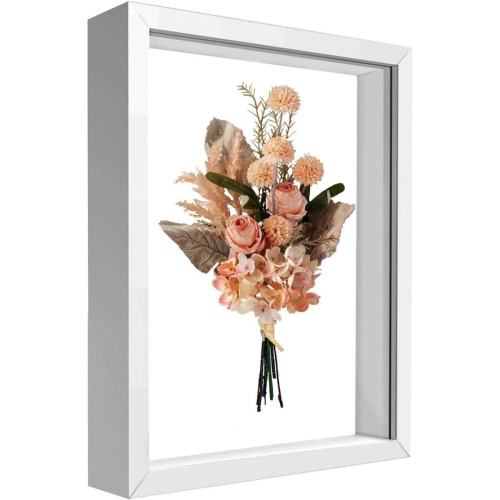
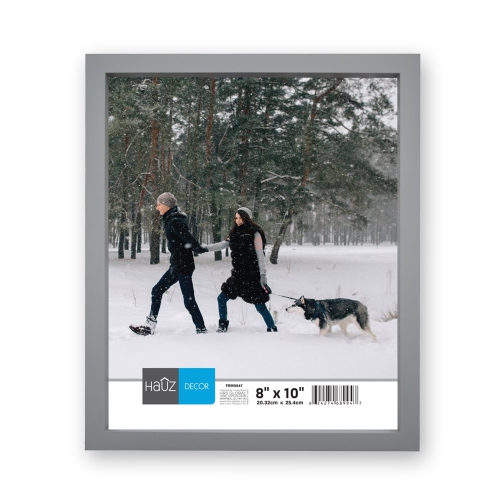
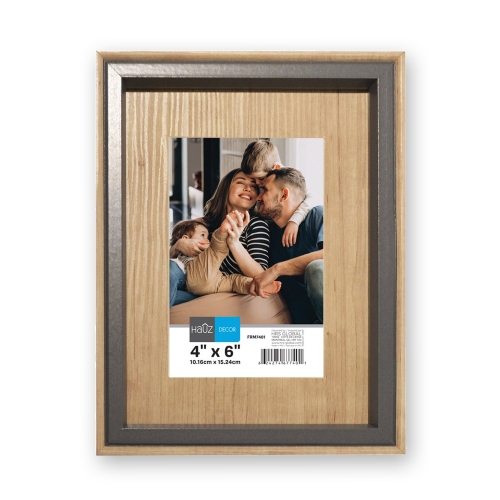
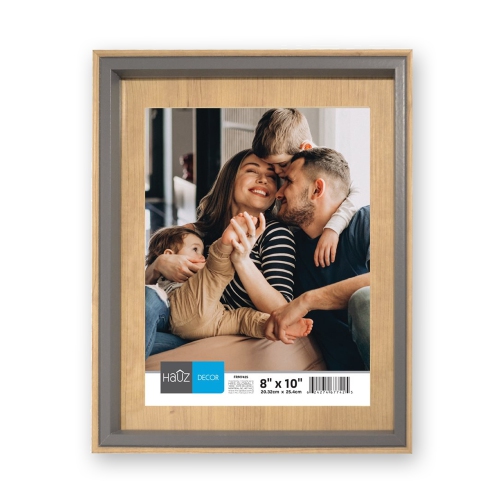
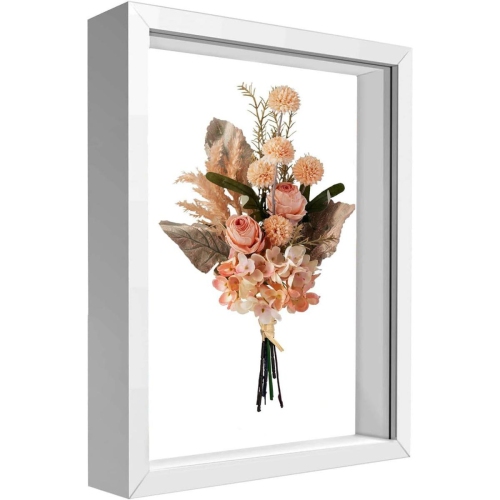
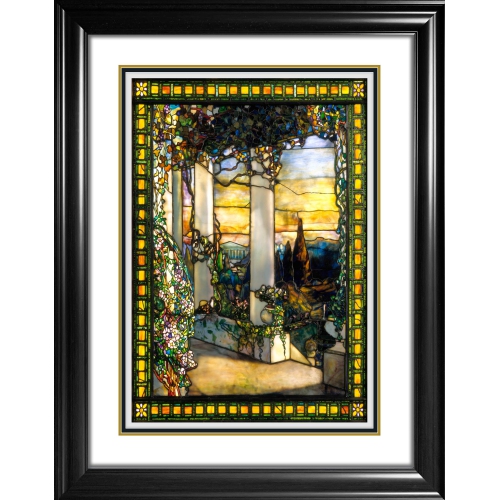
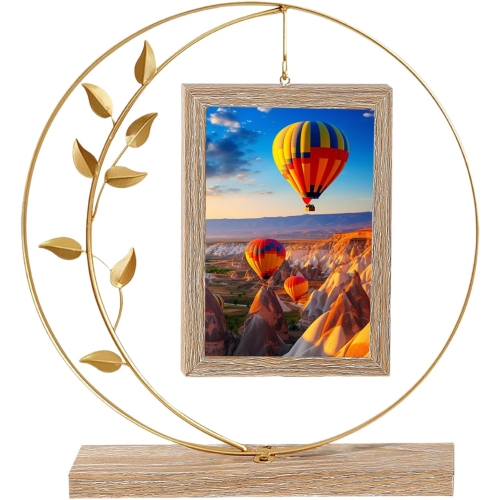
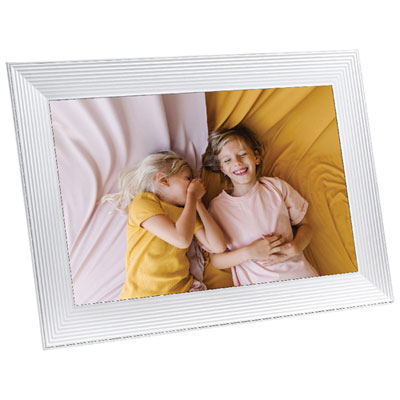
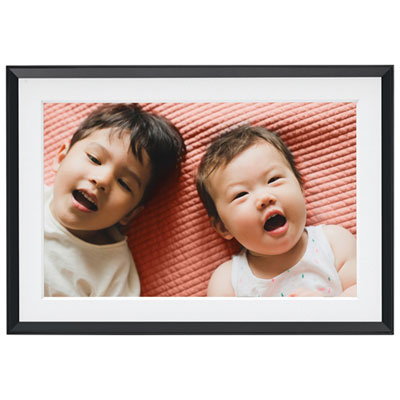
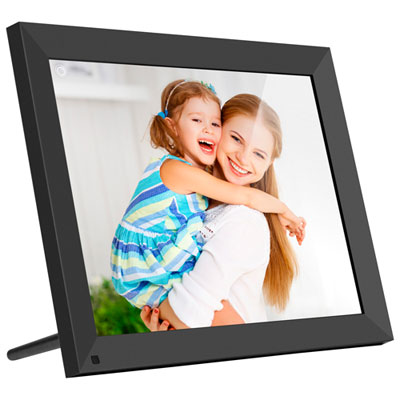
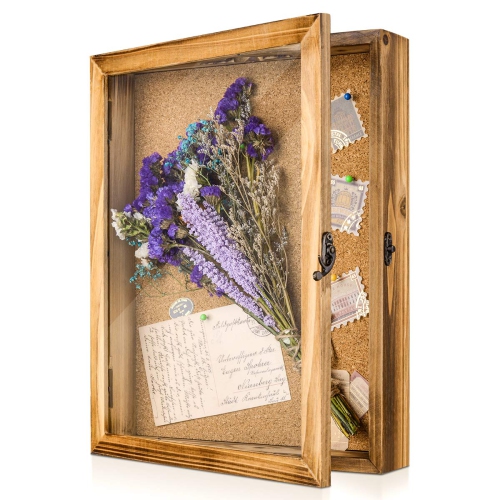
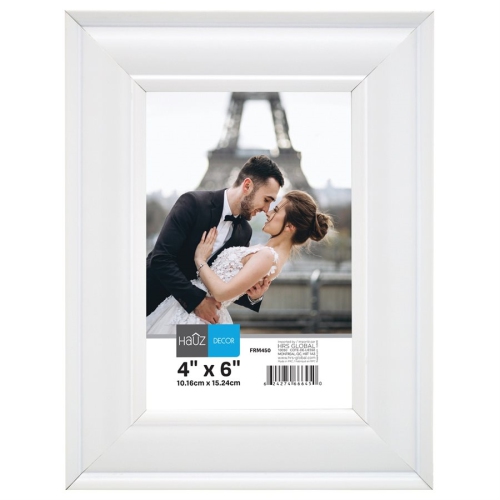
Framed decorations bring artwork, photographs, prints, and textured accents into a finished display, giving a room colour and character without changing its furniture or layout. The frame does more than outline the image: its width, finish, and depth help connect the artwork to the space around it. A narrow black border can give a line drawing a crisp, understated presence, while a warm wood frame can soften the appearance of a photographic print. Ornate profiles, beaded edges, and metallic finishes create a more traditional or decorative effect. Framed wall art suits living rooms, bedrooms, hallways, dining areas, and home offices, with the subject and scale setting the mood. An abstract composition can introduce movement above a sofa, a quiet landscape can give a bedroom a gentle focal point, and architectural photography can add structure to a workspace. Botanical illustrations, geometric patterns, and typographic designs offer other ways to reflect personal interests without overwhelming a room. Matching every frame to the furniture is not necessary; repeating one tone or material often creates enough connection. For example, a light wood frame can echo a tabletop, while a dark border can pick up the finish of nearby lamps. Collections of smaller framed prints work well where a single large piece would feel too formal, especially along a hallway or above a low cabinet. A coordinated set offers a consistent palette and proportions, while a mixed arrangement allows photographs and artwork to sit together more personally. Framed decorations also make thoughtful gifts for housewarmings, weddings, graduations, and other milestones, particularly when the subject reflects the recipient’s interests or a shared memory. For a gift intended for a smaller home, a modestly sized piece with a tabletop stand or flexible hanging orientation may be easier to place than a wide statement piece. Neutral frame finishes can leave the recipient more freedom to display it alongside existing furnishings.
Materials influence both the appearance of framed decorations and how they hold up to everyday use. Solid wood often shows natural grain and variation, while engineered wood can provide a smooth, uniform profile beneath a painted finish or veneer. Metal frames tend to have slender edges that keep attention on the artwork, and moulded frames can reproduce detailed shapes without the weight of some solid materials. The surface protecting the artwork matters as well. Glass provides a clear, rigid covering but adds weight and can break if dropped. Acrylic is generally lighter and more resistant to shattering, though it can scratch and requires suitable cleaning products. Neither material should be assumed to provide ultraviolet protection unless that feature is specified. Framed canvas has a different appearance from a print behind glass: its woven surface adds texture, and a floater frame leaves a narrow visible gap around the canvas for a sense of depth. Paper prints may include a mat, the border between the image and frame, which adds breathing room and can help keep the artwork away from the glazing when properly assembled. For photographs, keepsakes, or artwork intended for long-term display, acid-free mats and backing are useful features to look for. Overall dimensions deserve as much attention as image dimensions, since a wide mat and substantial frame can make a small print occupy considerable wall space. Depth also matters in narrow passages, where a projecting frame may be more easily bumped. Care is usually straightforward but should follow the material-specific instructions supplied with the piece. Dust frames with a soft, dry cloth, and apply a compatible glazing cleaner to the cloth rather than spraying directly onto the framed surface. Liquid that seeps beneath the edge can mark paper or damage the backing. Direct sunlight may fade artwork over time, while repeated exposure to moisture can affect paper and certain frame materials, making a dry location away from splashes a better fit for many framed pieces.
Placement gives framed decorations their relationship to the room, whether the goal is one clear focal point or a layered collection. The usable wall area, furniture width, and usual viewing position are more helpful measures than wall size alone. Above a sofa or sideboard, an arrangement spanning roughly two-thirds to three-quarters of the furniture’s width is a common starting point, rather than a fixed rule. A small frame centred over a long sofa can look disconnected, but the same frame may feel well proportioned beside a reading chair. For a single piece on an open wall, placing the centre approximately 57 to 60 inches from the floor often creates a comfortable viewing height; seated rooms, unusually tall furniture, and personal accessibility needs may call for a different position. Above furniture, leaving around 4 to 8 inches between the top of the furniture and the bottom of the frame can help the two feel connected, provided there is enough clearance for everyday use. Gallery arrangements benefit from consistent gaps and a shared visual thread, such as black-and-white photography, similar mat colours, or repeated wood tones. Paper templates make it easier to check spacing before making holes, particularly when several frame sizes need to fit around a switch or doorway. Secure mounting depends on the combined weight of the frame and artwork, the wall construction, and the supplied fittings. Hardware should be suitable for the load and surface, and heavier pieces may need anchors or attachment to studs. In children’s rooms or busy walkways, lighter frames with shatter-resistant glazing can be practical considerations, alongside secure placement out of reach. A picture ledge allows smaller decorations to overlap and be rearranged, but it still needs an appropriate weight rating and secure installation. For a display that combines artwork with a reflective surface, framed mirrors can complement nearby frame finishes without repeating the same imagery. Leaving some wall space unfilled gives each element room to stand out and keeps a collection feeling intentional rather than crowded.
Materials influence both the appearance of framed decorations and how they hold up to everyday use. Solid wood often shows natural grain and variation, while engineered wood can provide a smooth, uniform profile beneath a painted finish or veneer. Metal frames tend to have slender edges that keep attention on the artwork, and moulded frames can reproduce detailed shapes without the weight of some solid materials. The surface protecting the artwork matters as well. Glass provides a clear, rigid covering but adds weight and can break if dropped. Acrylic is generally lighter and more resistant to shattering, though it can scratch and requires suitable cleaning products. Neither material should be assumed to provide ultraviolet protection unless that feature is specified. Framed canvas has a different appearance from a print behind glass: its woven surface adds texture, and a floater frame leaves a narrow visible gap around the canvas for a sense of depth. Paper prints may include a mat, the border between the image and frame, which adds breathing room and can help keep the artwork away from the glazing when properly assembled. For photographs, keepsakes, or artwork intended for long-term display, acid-free mats and backing are useful features to look for. Overall dimensions deserve as much attention as image dimensions, since a wide mat and substantial frame can make a small print occupy considerable wall space. Depth also matters in narrow passages, where a projecting frame may be more easily bumped. Care is usually straightforward but should follow the material-specific instructions supplied with the piece. Dust frames with a soft, dry cloth, and apply a compatible glazing cleaner to the cloth rather than spraying directly onto the framed surface. Liquid that seeps beneath the edge can mark paper or damage the backing. Direct sunlight may fade artwork over time, while repeated exposure to moisture can affect paper and certain frame materials, making a dry location away from splashes a better fit for many framed pieces.
Placement gives framed decorations their relationship to the room, whether the goal is one clear focal point or a layered collection. The usable wall area, furniture width, and usual viewing position are more helpful measures than wall size alone. Above a sofa or sideboard, an arrangement spanning roughly two-thirds to three-quarters of the furniture’s width is a common starting point, rather than a fixed rule. A small frame centred over a long sofa can look disconnected, but the same frame may feel well proportioned beside a reading chair. For a single piece on an open wall, placing the centre approximately 57 to 60 inches from the floor often creates a comfortable viewing height; seated rooms, unusually tall furniture, and personal accessibility needs may call for a different position. Above furniture, leaving around 4 to 8 inches between the top of the furniture and the bottom of the frame can help the two feel connected, provided there is enough clearance for everyday use. Gallery arrangements benefit from consistent gaps and a shared visual thread, such as black-and-white photography, similar mat colours, or repeated wood tones. Paper templates make it easier to check spacing before making holes, particularly when several frame sizes need to fit around a switch or doorway. Secure mounting depends on the combined weight of the frame and artwork, the wall construction, and the supplied fittings. Hardware should be suitable for the load and surface, and heavier pieces may need anchors or attachment to studs. In children’s rooms or busy walkways, lighter frames with shatter-resistant glazing can be practical considerations, alongside secure placement out of reach. A picture ledge allows smaller decorations to overlap and be rearranged, but it still needs an appropriate weight rating and secure installation. For a display that combines artwork with a reflective surface, framed mirrors can complement nearby frame finishes without repeating the same imagery. Leaving some wall space unfilled gives each element room to stand out and keeps a collection feeling intentional rather than crowded.
Top selling and popular products
-
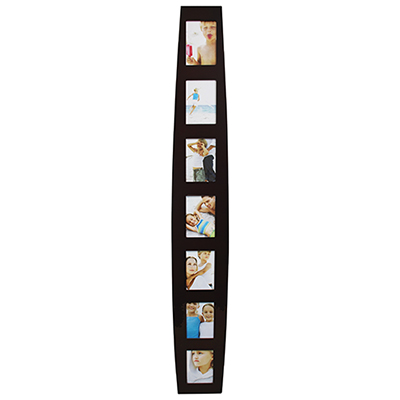 Your price for this item is $99.98
 -
 Your price for this item is $89.99
 -
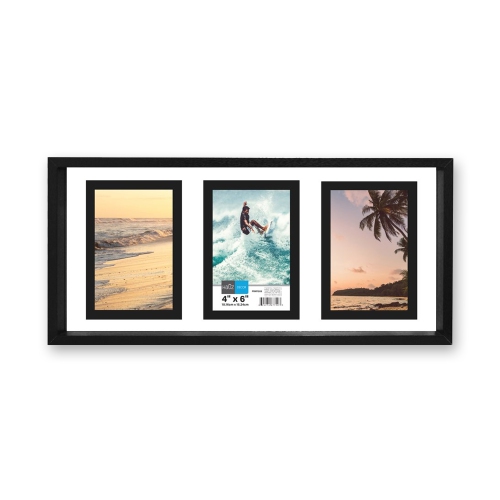 Your price for this item is $16.97
 -
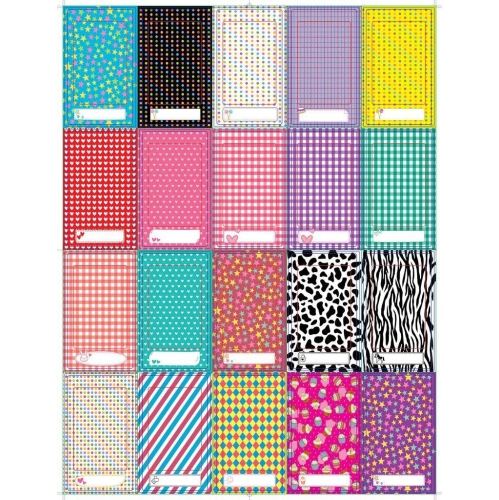 Your price for this item is $14.99
 -
 Your price for this item is $8.97
 -
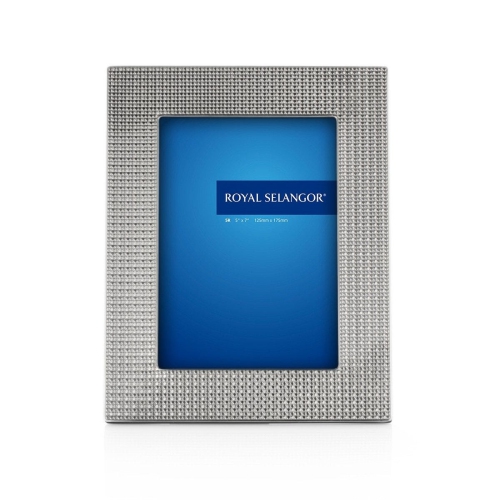 Your price for this item is $225
 -
 Your price for this item is $14.97
 -
 Your price for this item is $6.97
Discover more categories related to Framed Decorations
Top Collections:
Pokemon Centers, Kindle Devices, Best Budget Office Chairs, Apple iPhones 16, Best Laptops for Writers, iPhone 15 Apple, Canon G7X Cameras, Refurbished Apple Laptops, Alarm Clock, Motorola Razr Phones
Some products may be subject to Environmental Handling Fees
(EHF) depending on your province.
Learn more about EHFs.