Framed Art
Elevate your space with our curated collection of framed art pieces that effortlessly blend style and sophistication. From captivating landscapes to abstract expressions, our diverse range of art is sure to add a touch of personality to any room in your home. Whether you're looking to create a focal point or simply enhance your existing decor, our selection offers something for every taste and aesthetic. Explore our assortment of framed art and discover the perfect piece to showcase your unique sense of style.
Sort
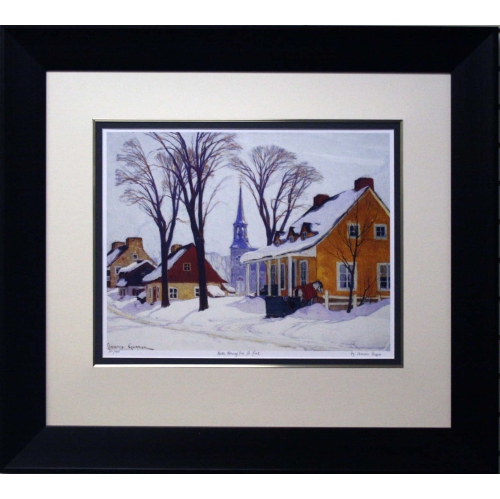
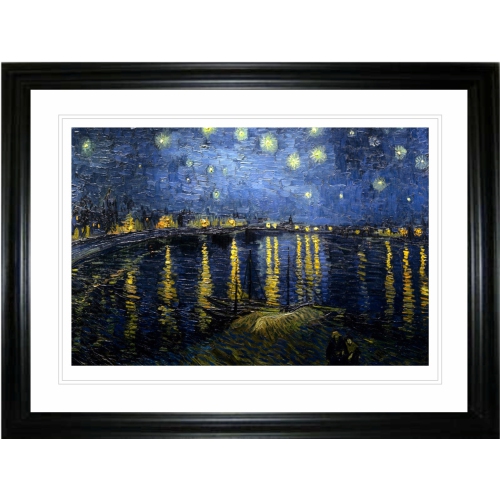

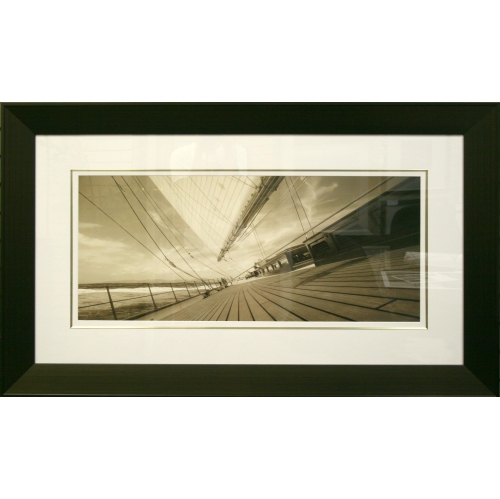
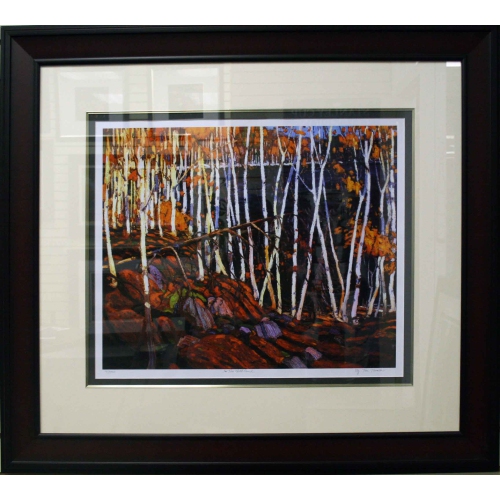

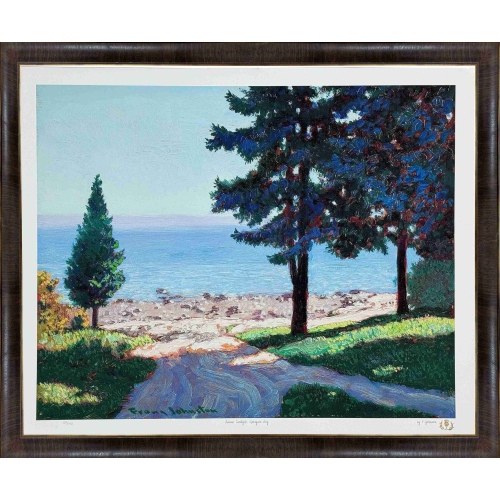

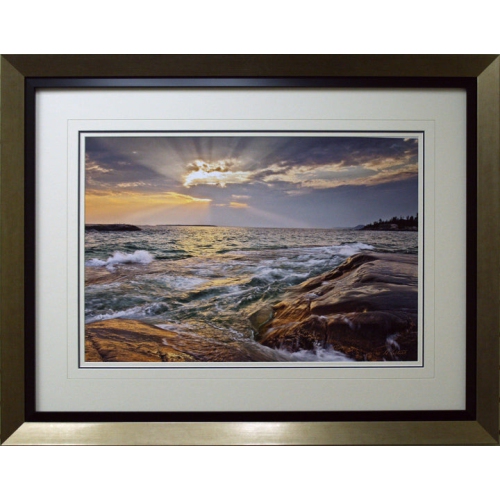
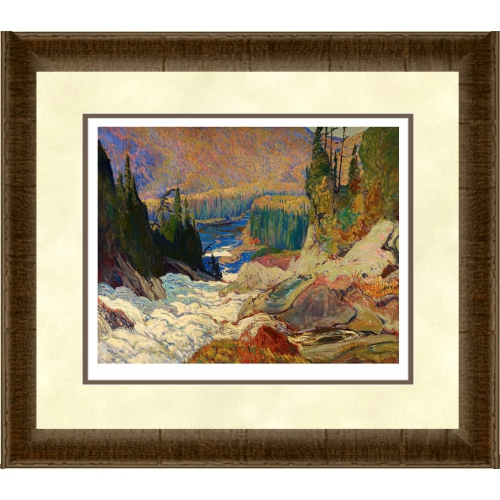
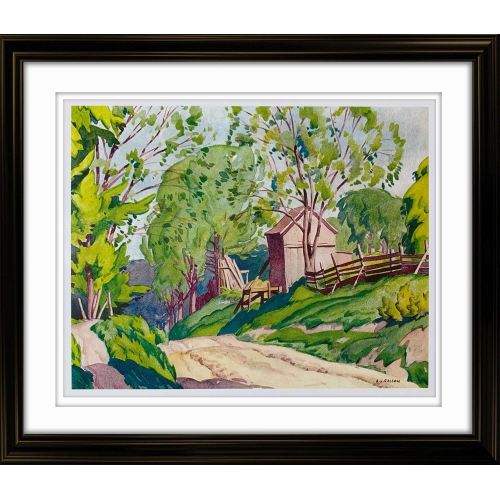






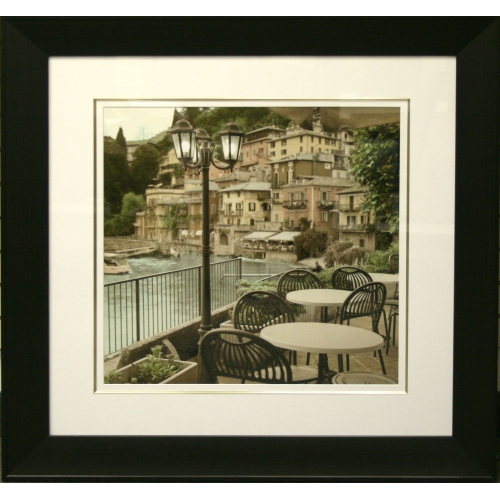


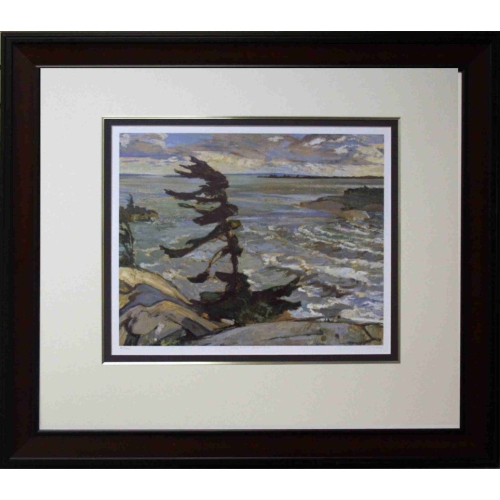
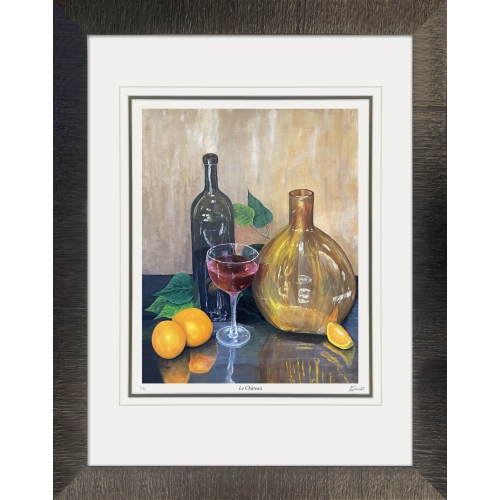
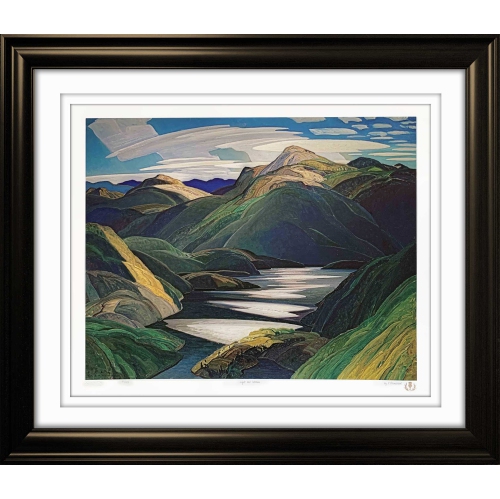
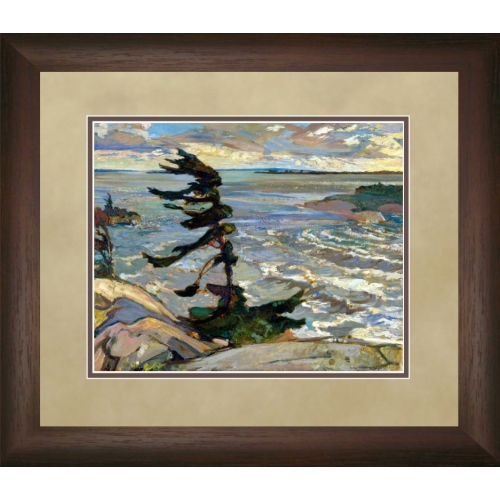
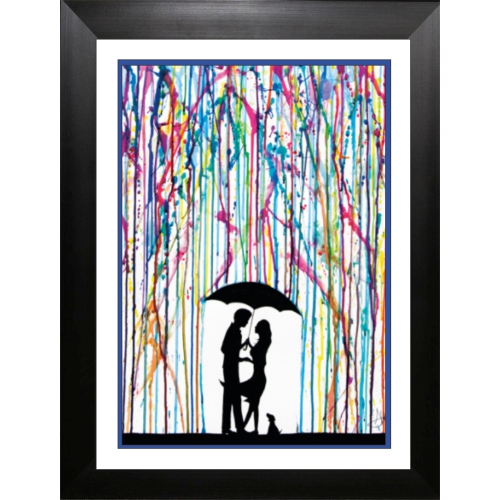
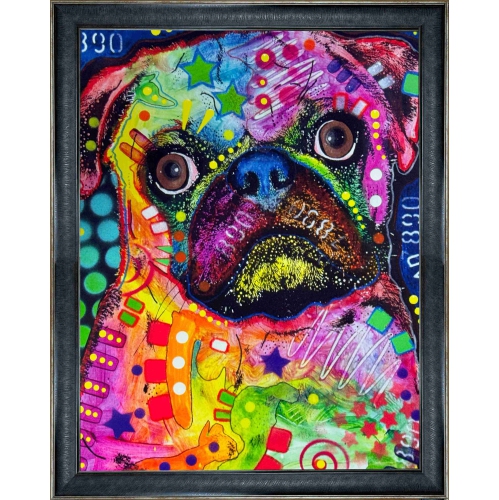


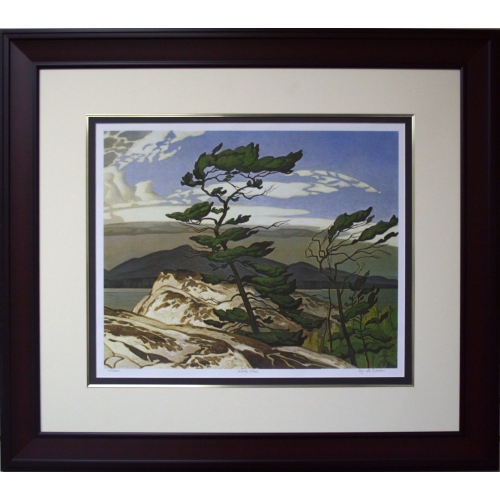
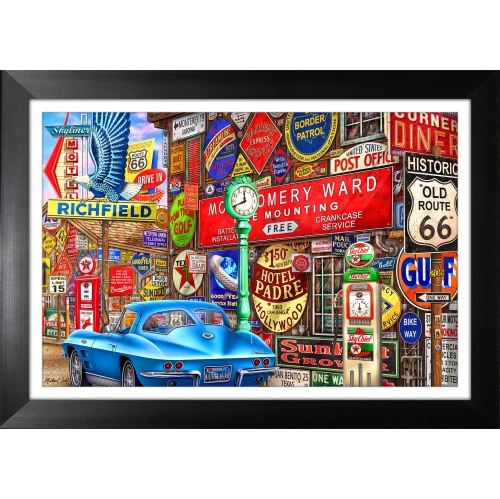
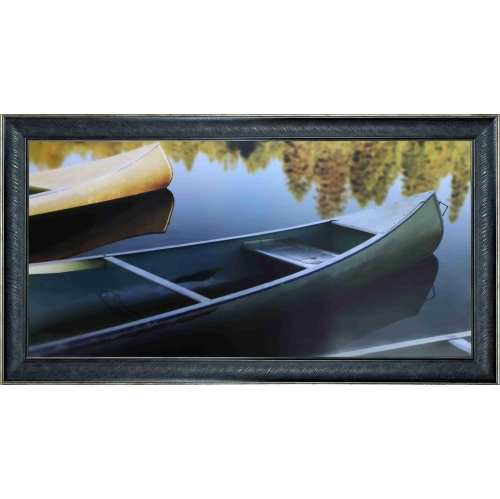

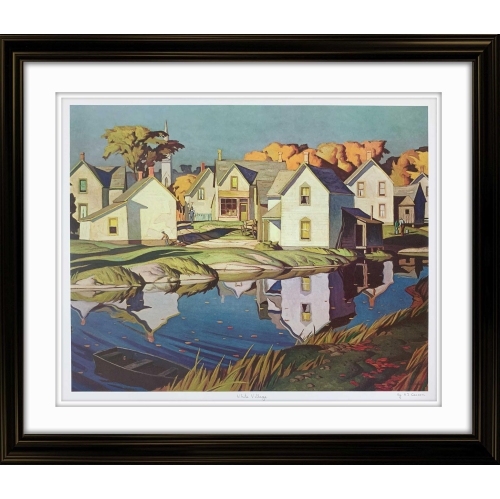
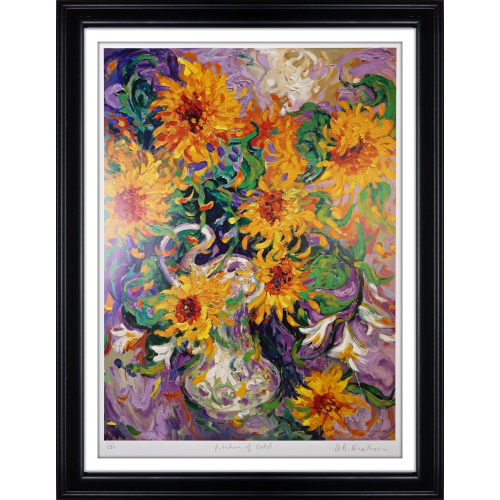
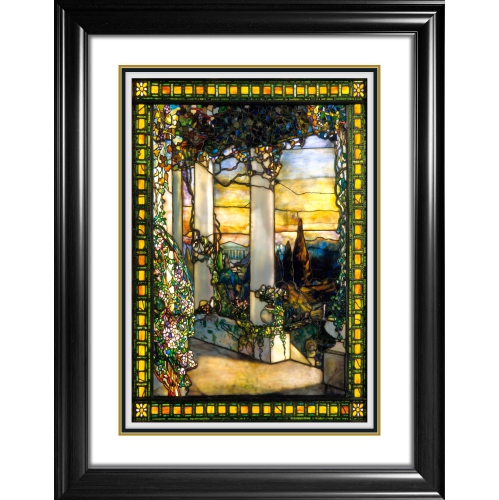
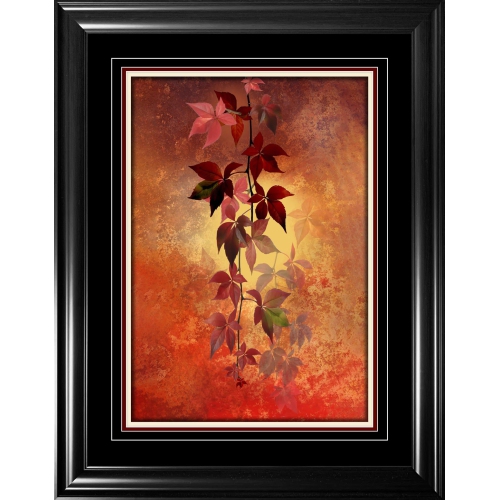
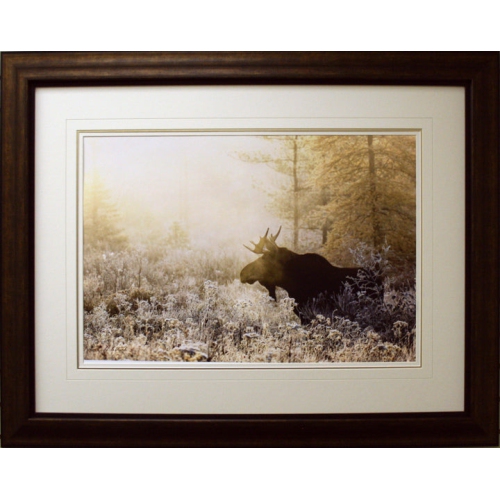
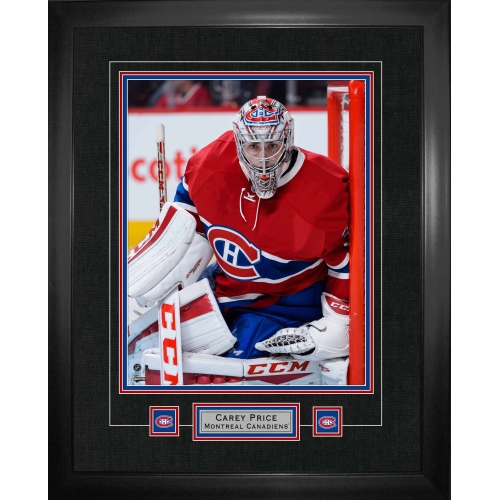

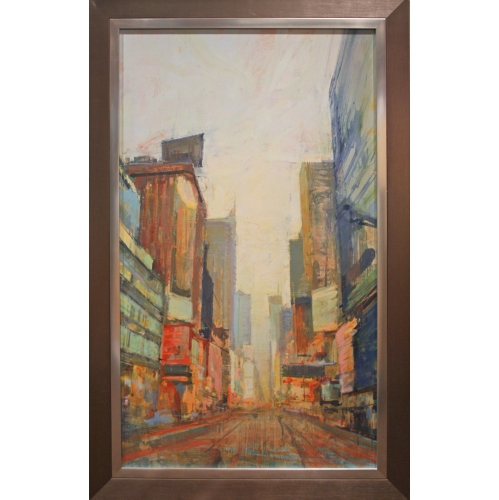
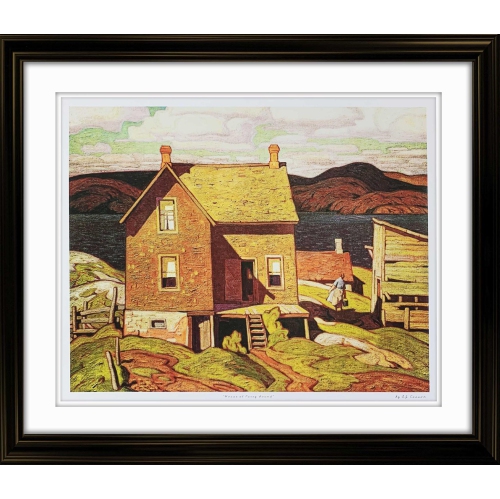
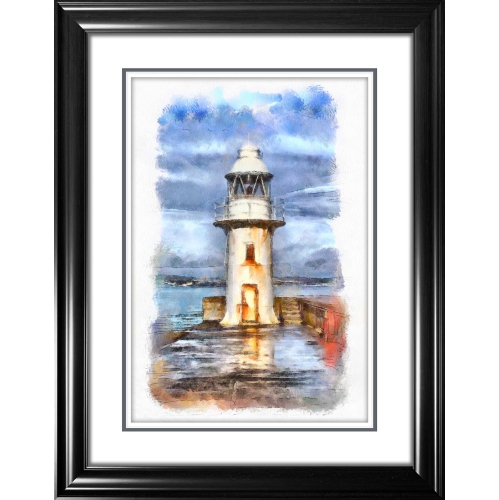
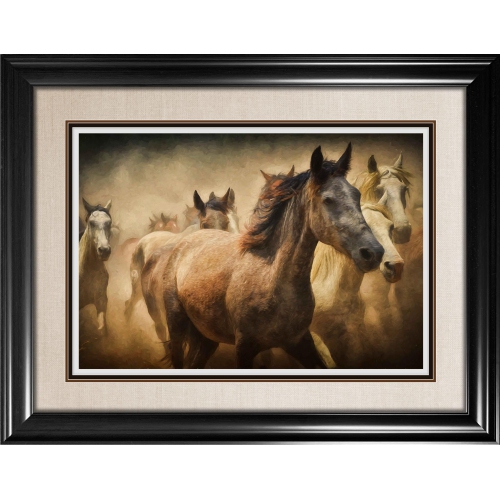

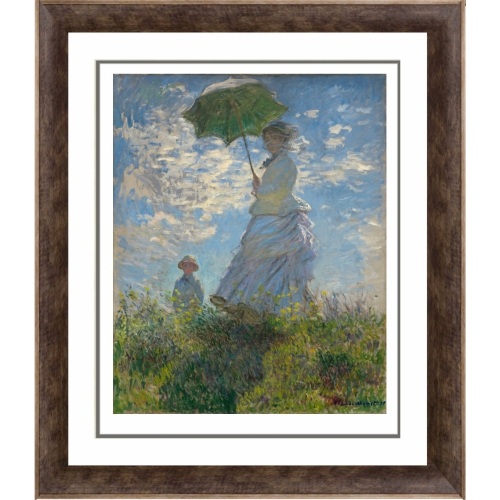

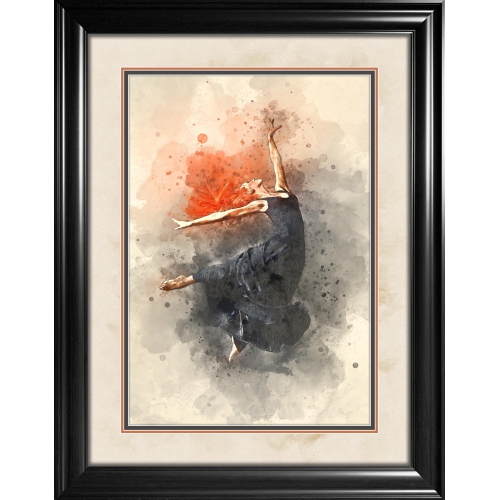
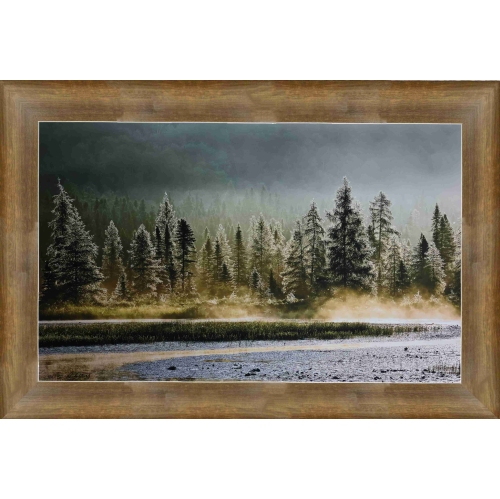
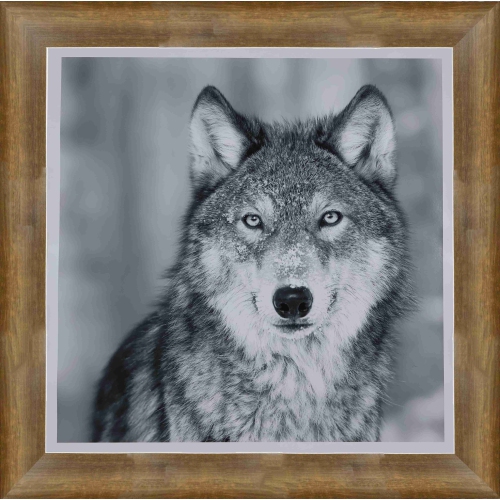

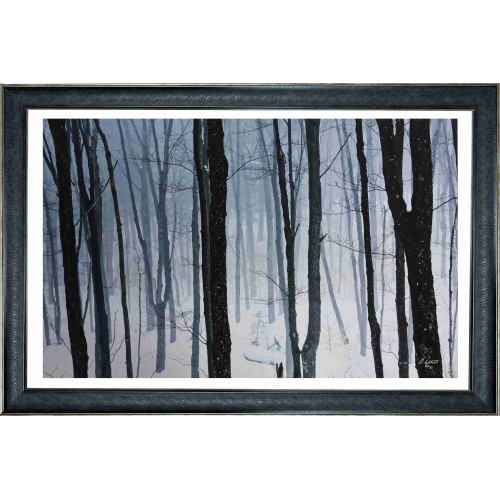
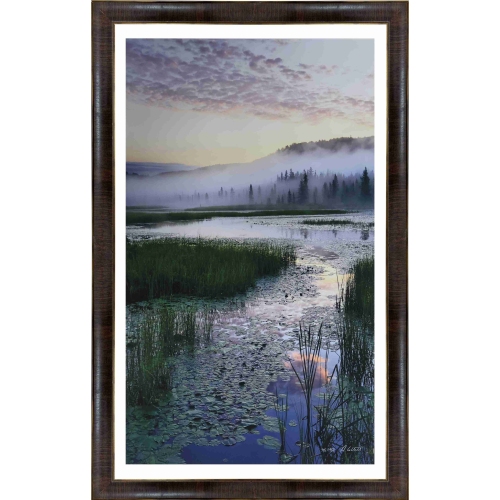


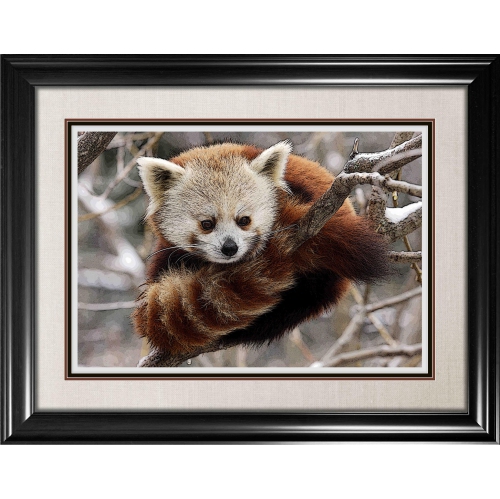


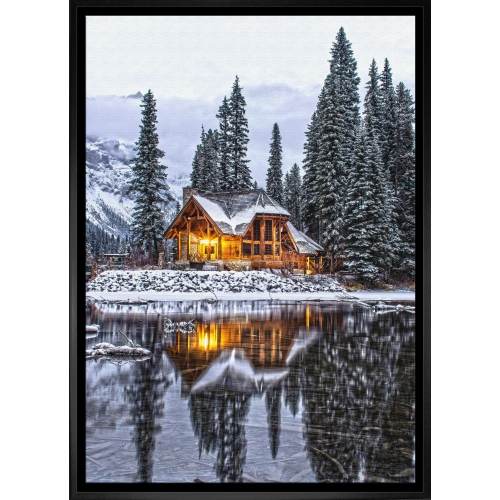




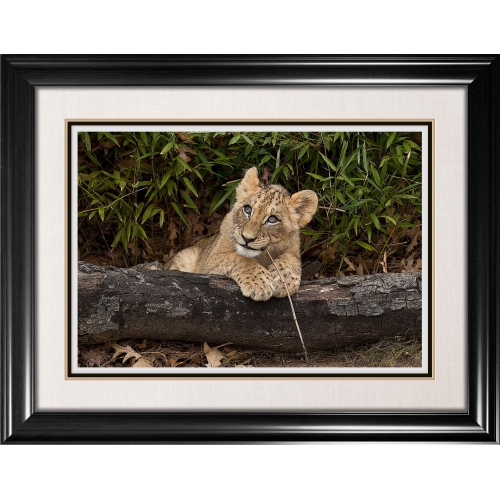

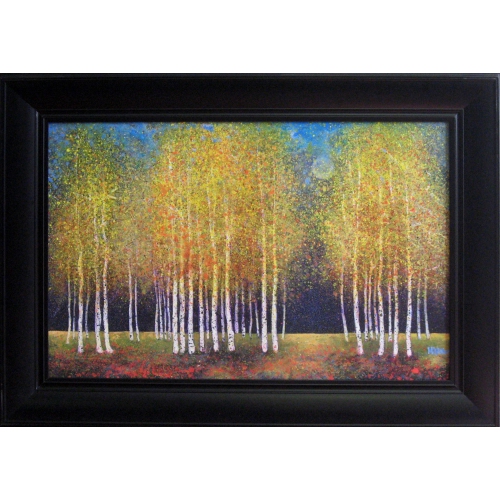
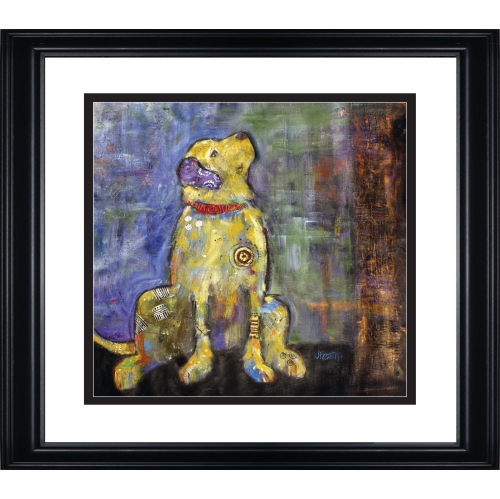

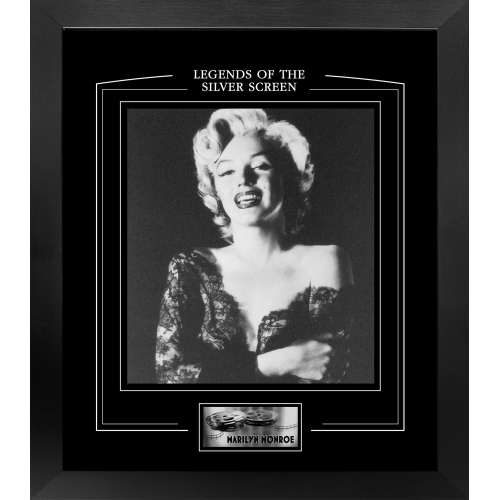




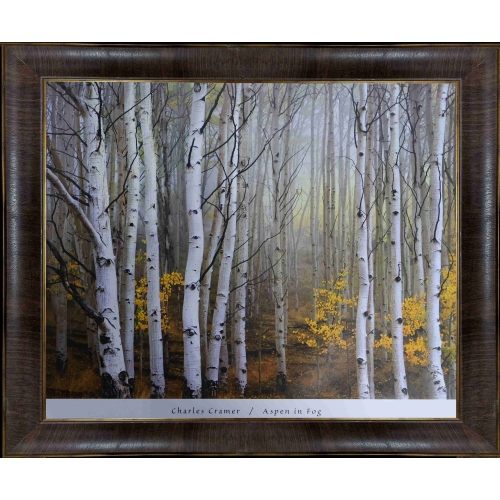




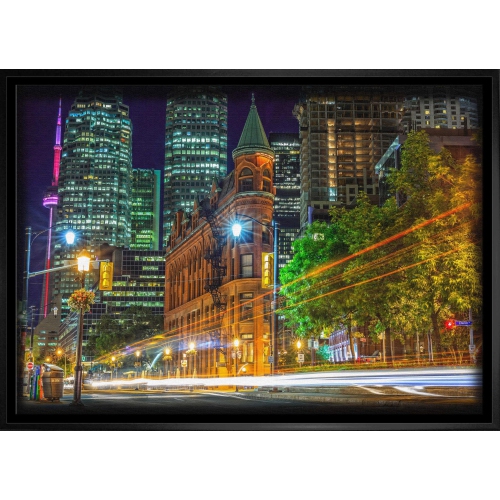




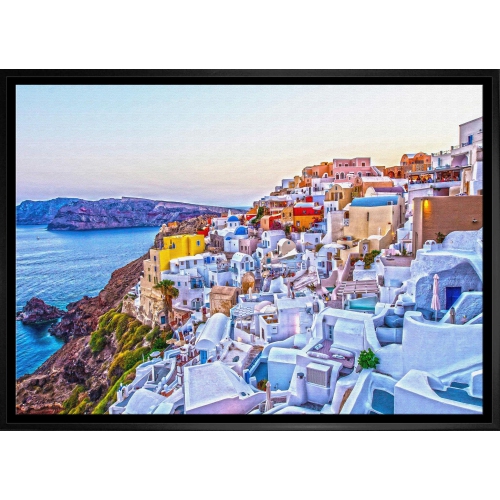







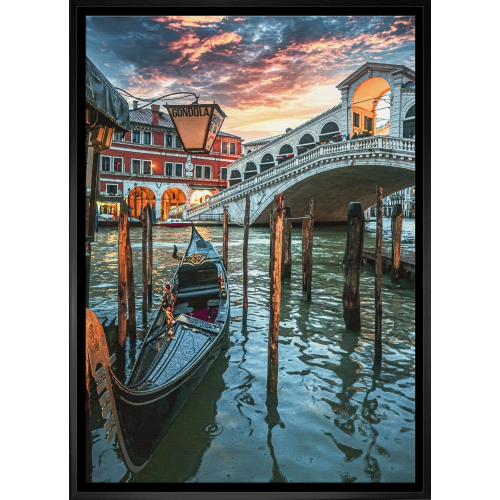









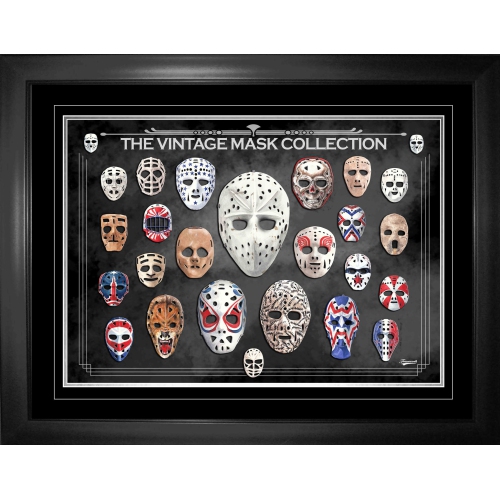



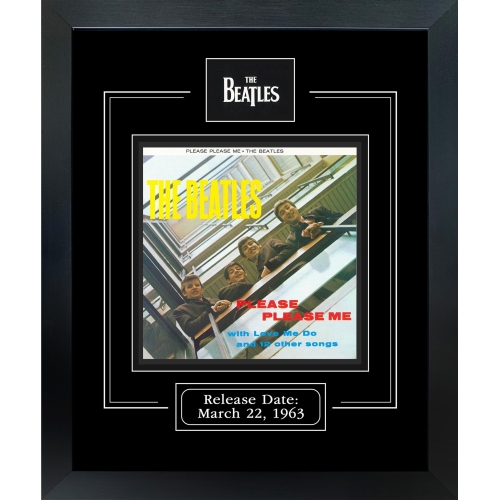

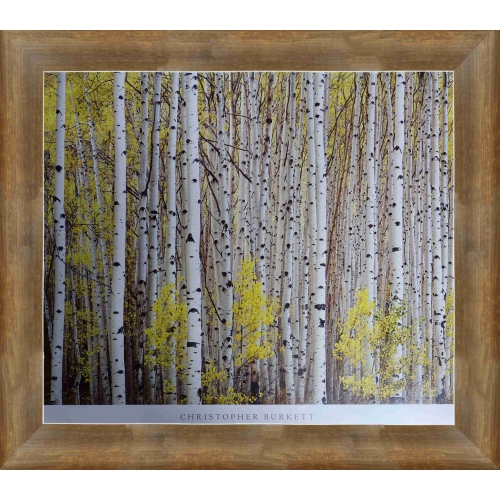
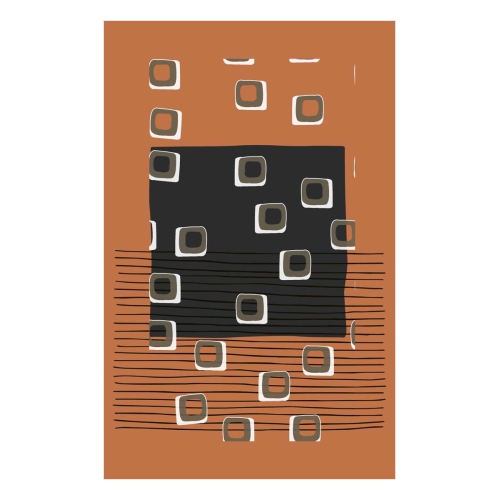





















































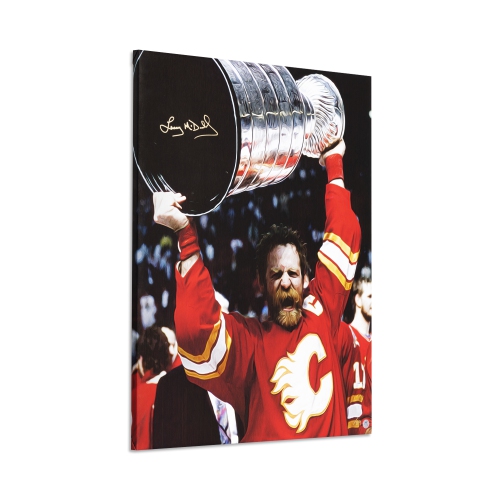
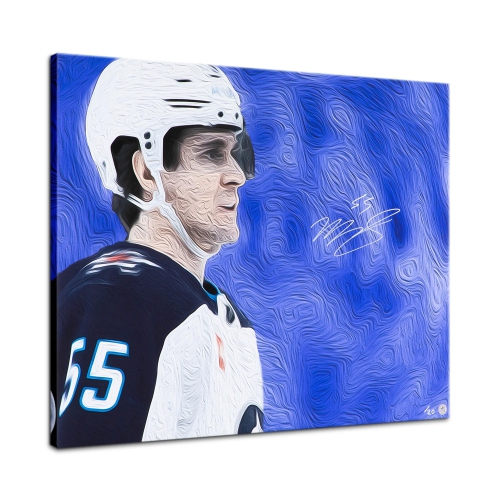
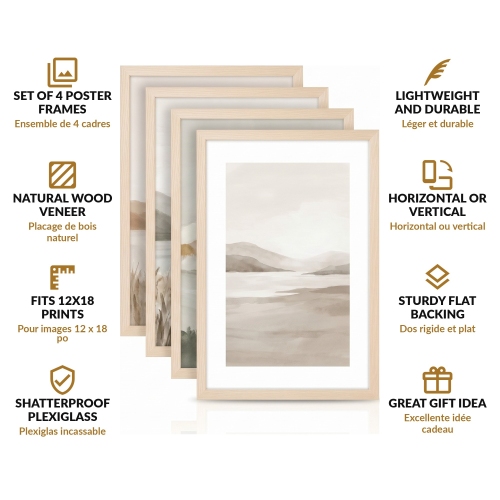
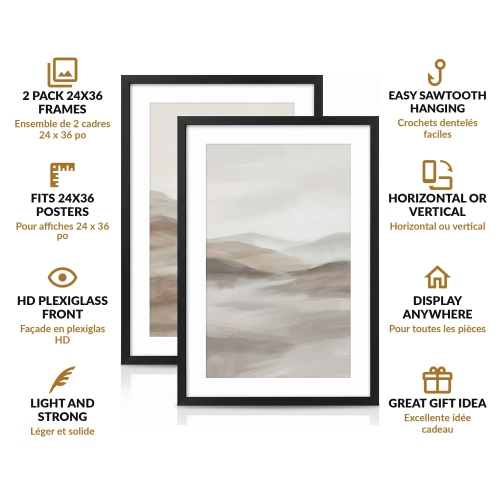
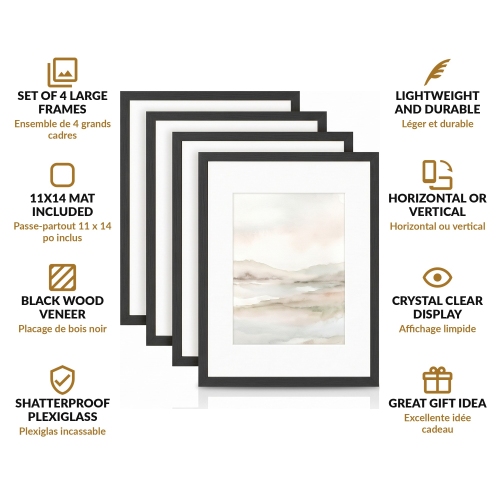



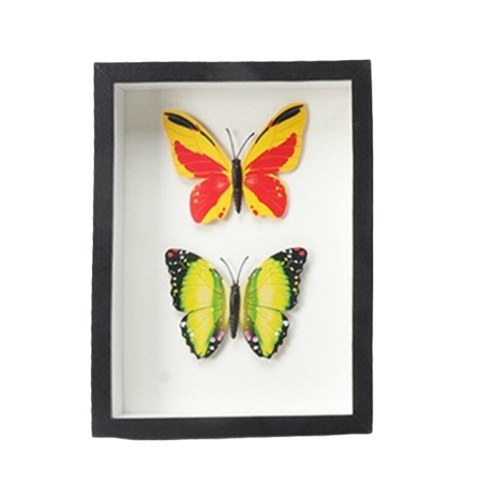

How frame details change the way artwork feels
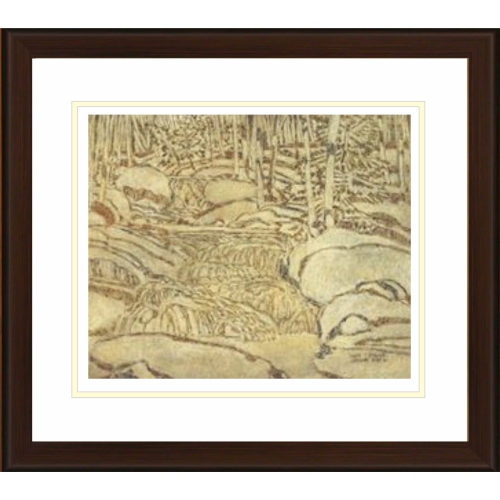
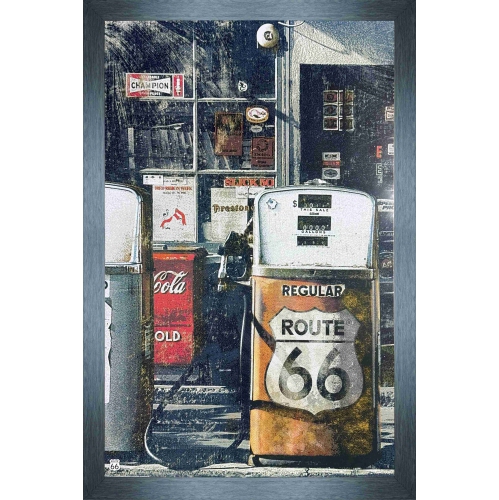
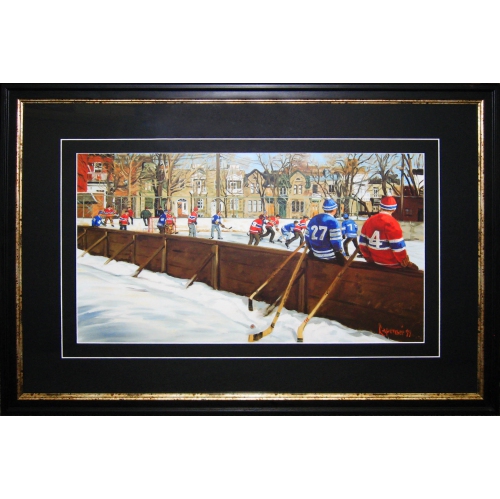
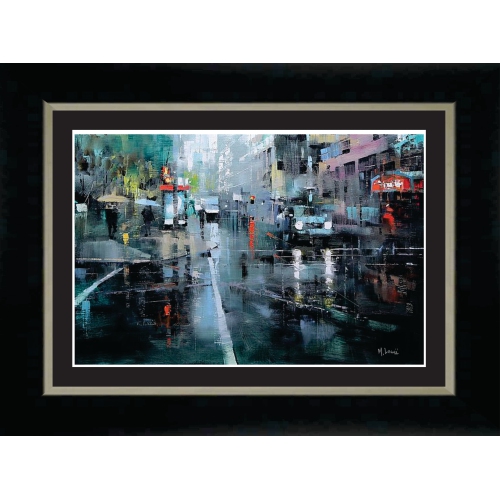
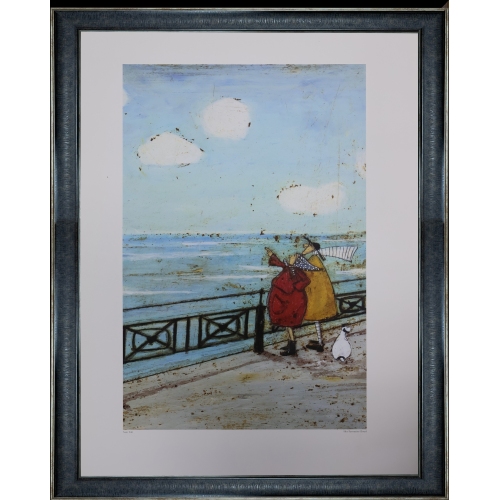
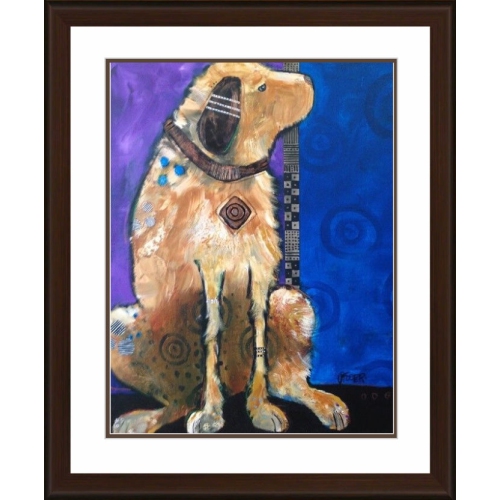
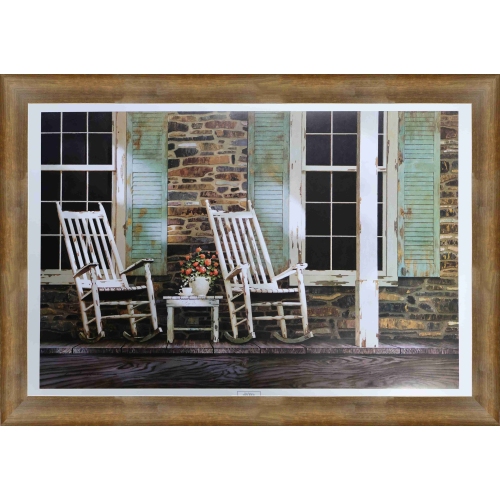
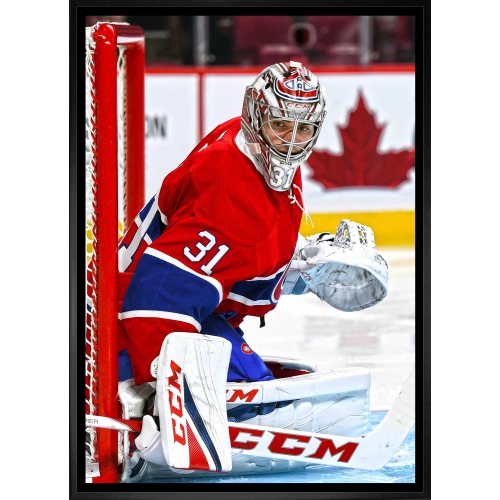
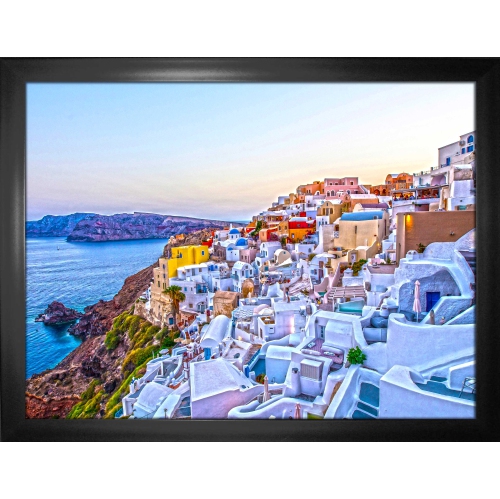
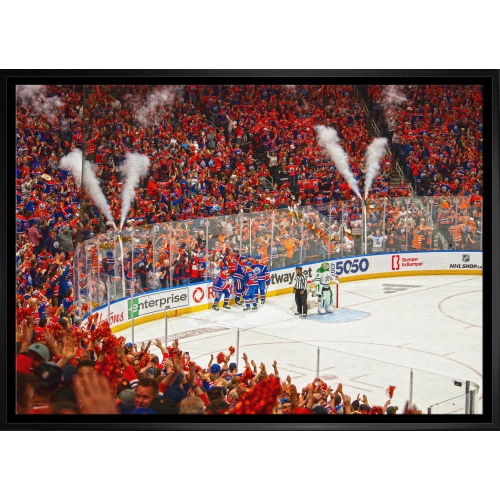
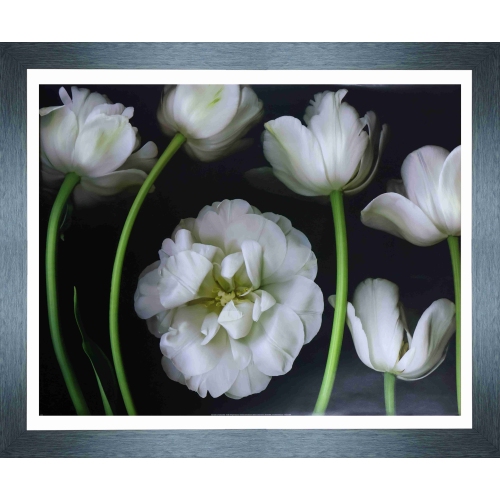
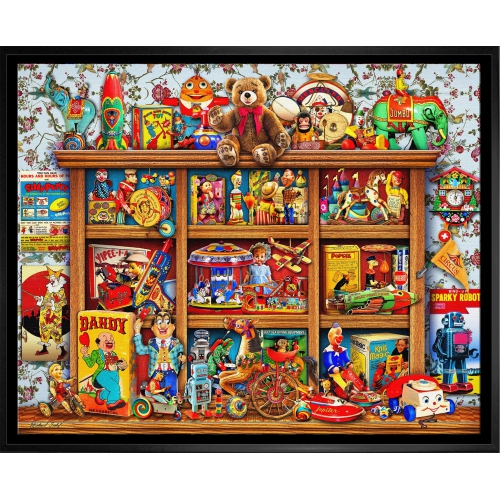
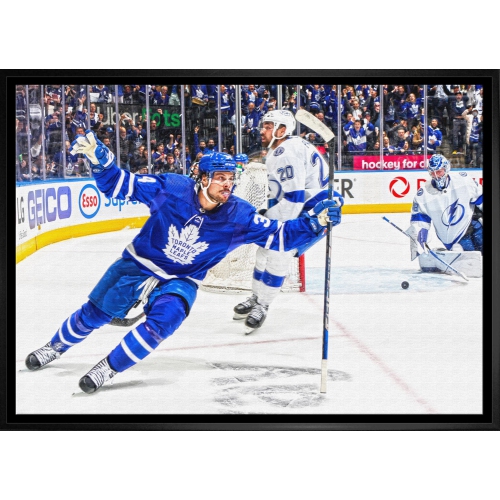
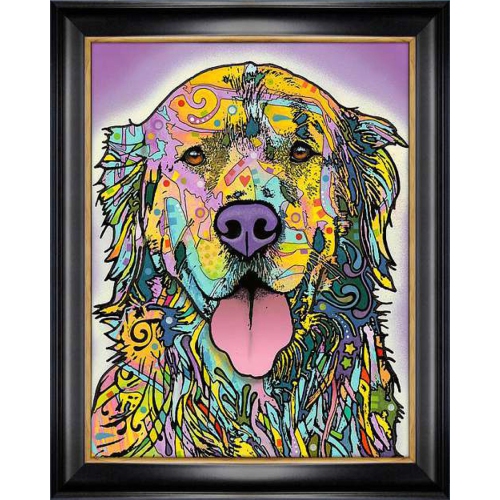
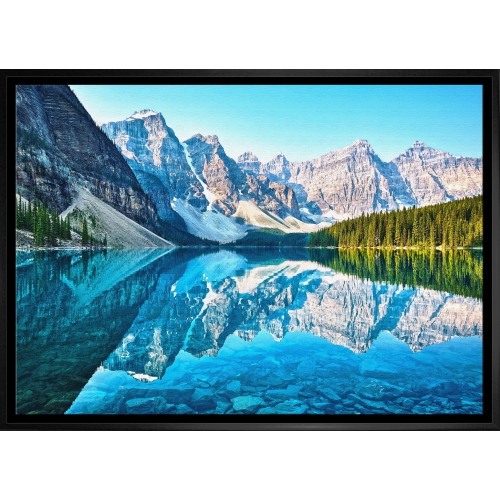
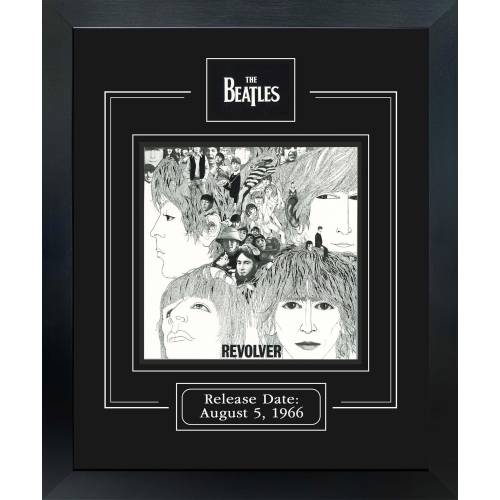
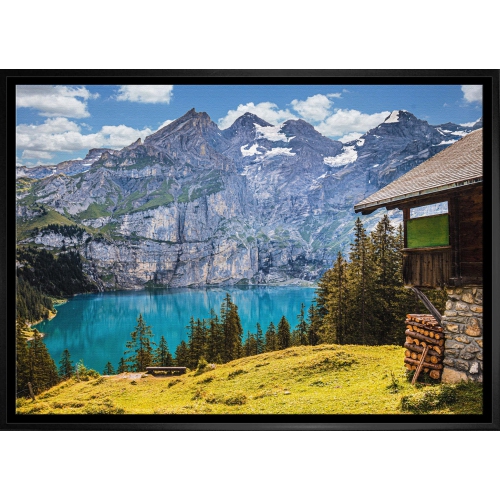
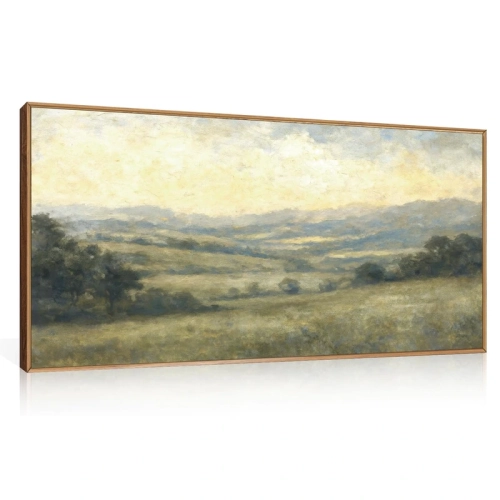
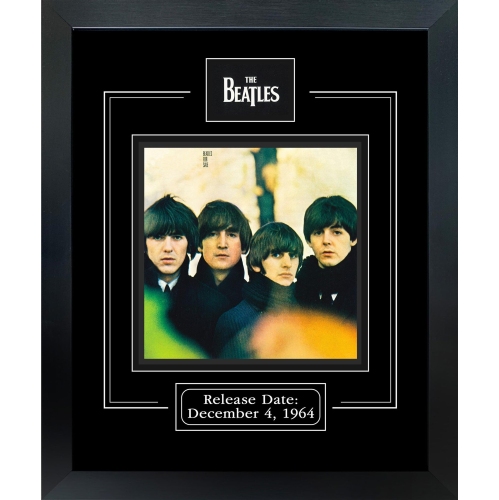
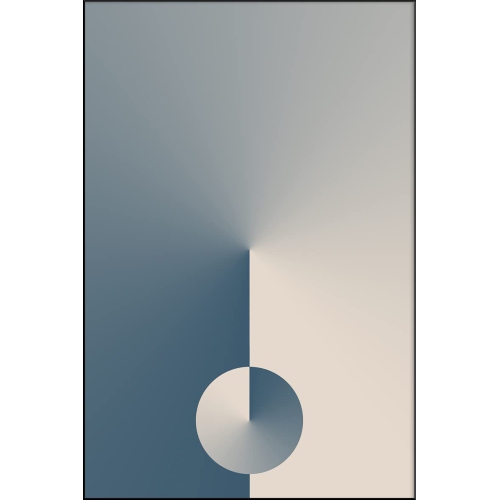
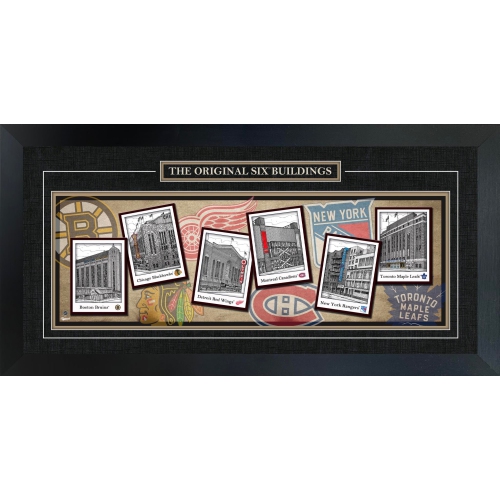
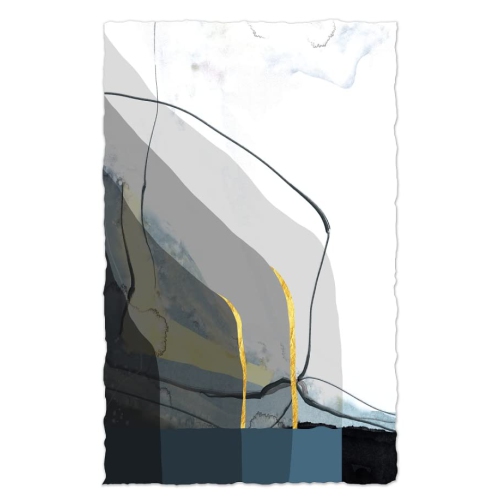
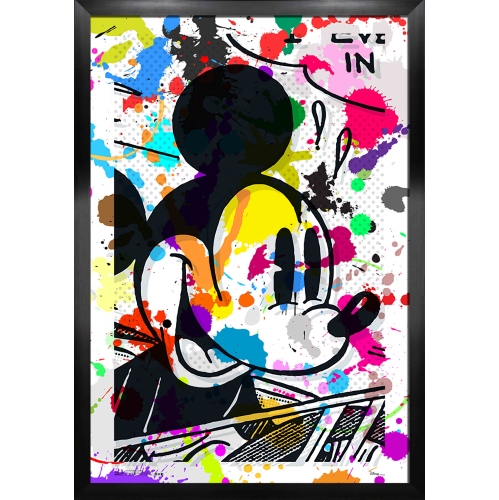
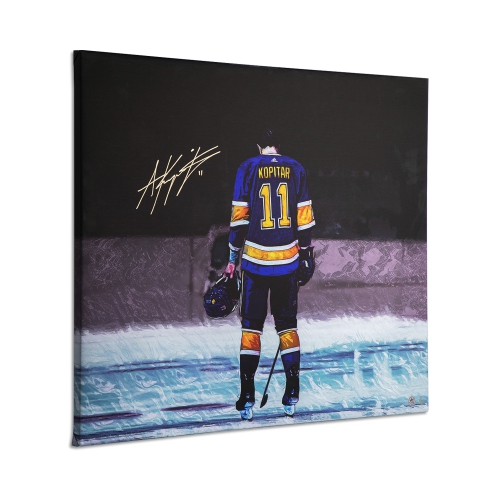
Framed art pairs an image with a surrounding frame to create a finished piece for a wall, shelf, or mantel. It includes photographic prints, illustrations, reproductions of paintings, abstract designs, and other artwork presented in a format that suits everyday living spaces. The frame does more than outline the image: its colour, width, material, and profile help shape how the artwork feels in a room. A slim black metal frame gives a monochrome photograph a crisp edge, while a wood frame can bring warmth to a soft landscape or botanical print. Pale wood tones sit comfortably beside light upholstery and woven textures; darker finishes add definition against a light wall. For a more layered look, an ornate frame can provide contrast with simple furniture rather than requiring a room full of traditional details. The artwork itself also sets the mood. Broad fields of colour can make a quiet focal point above a sofa, architectural photography can introduce structure to an office, and a small illustrated scene can add personality to an otherwise overlooked corner. Materials affect both appearance and handling. Solid wood, engineered wood, and metal frames differ in weight, surface texture, and construction, while glass and acrylic glazing offer different display characteristics. Glass generally resists everyday surface scratching better than acrylic, although it is heavier and can break. Acrylic is lighter and less prone to shattering, but it needs gentle cleaning to avoid marks. Some framed canvas artwork has no front glazing, leaving the surface texture visible. A mat, the border between the image and frame, creates visual breathing room and can keep artwork from resting directly against glazing when properly fitted. White and cream mats tend to draw attention towards the image, while coloured mats can pick up a small detail within it. Together, these elements explain why two pieces with similar subject matter can have very different effects on the same wall.
Scale and placement help framed wall art feel connected to the furniture and architecture around it. The listed dimensions may describe the image, the frame, or the complete piece, so the outside measurements are especially useful when judging how much wall space it will occupy. A generous mat and a wide frame can make a relatively small image considerably larger overall. Above a sofa, sideboard, or bed, artwork usually looks more settled when its width relates to the furniture beneath it rather than filling the entire wall. A narrow vertical piece can suit a space between doorways, while a horizontal composition can follow the long line of a dining table or console. In a hallway, a series of smaller frames creates interest along the route without requiring a single large focal point. Multi-piece arrangements also depend on the gaps between frames: even spacing can make different images read as one composition. Repeating a frame finish, mat colour, or subject provides a connection, while mixing those details creates a more collected appearance. Painter’s tape used carefully on a suitable wall surface can help outline the overall arrangement before mounting hardware is installed. Viewing distance matters as well. Fine linework and small photographic details reward a closer look near a reading chair or desk, whereas a bold shape or expansive scene remains clear from across a living room. Framed art can reflect the purpose of a space without matching it literally. A home office might benefit from a restrained palette behind a desk, and a dining area might suit expressive colour that connects with cushions or tableware nearby. Framed Decorations can complement artwork through shared finishes and proportions, helping a wall arrangement feel cohesive without making every element identical. Leaving some open wall around a display gives individual images room to stand out and keeps a smaller room from feeling visually crowded.
Construction, mounting, and routine care all contribute to how well framed art holds up over time. Neatly joined frame corners, a securely fitted backing, and hardware appropriate to the piece’s weight are practical details that affect stability. Wall fixings need to suit both the artwork and the wall material; a fixing intended for a timber stud is not interchangeable with an anchor designed for hollow plasterboard or masonry. Larger or heavier frames may require more than one attachment point, and the hanging method should follow the frame manufacturer’s directions. Placement deserves particular attention above seating, near a bed, or anywhere a frame might be knocked. A leaning arrangement on a shelf or mantel still needs a stable surface and suitable restraint where movement could cause it to fall. For everyday care, a soft, dry cloth is often enough to remove dust from the frame, with any additional cleaning guided by the materials and finish. Spraying cleaner directly onto glazing can allow liquid to reach the frame joints, backing, or artwork, so applying a suitable cleaner sparingly to a cloth is generally preferable when the care instructions permit it. Acrylic requires a cleaner and cloth suitable for its surface, while unglazed canvas needs a different approach from a glass-covered print. Prolonged direct sunlight can fade artwork, and damp locations or splash zones can damage paper, backing, and some frame finishes. Protective glazing and archival-quality mounting materials may help preserve certain works, but those features should be confirmed rather than assumed from appearance. Framed art also makes a personal gift for a housewarming, wedding, graduation, or new workspace when the subject and dimensions reflect the recipient’s tastes and room. A familiar place, an expressive abstract, or a calming natural scene can carry meaning without needing to match every furnishing. Attention to their preferred colours, existing frame finishes, and usable wall space makes the gift easier to enjoy as part of daily life.
Top selling and popular products
-
 Your price for this item is $399
-
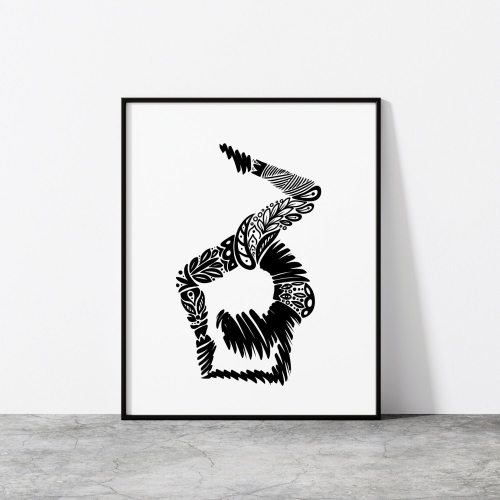 Your price for this item is $37.5
-
 Your price for this item is $39.99
-
 Your price for this item is $49
-
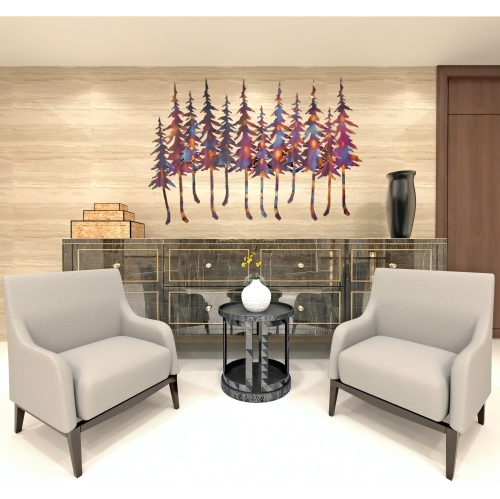 Your price for this item is $432.5
-
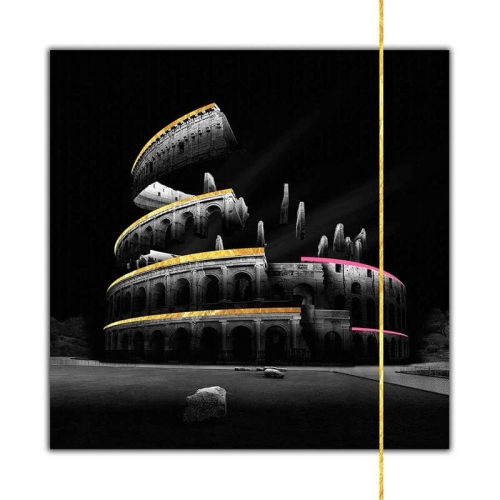 Your price for this item is $49
-
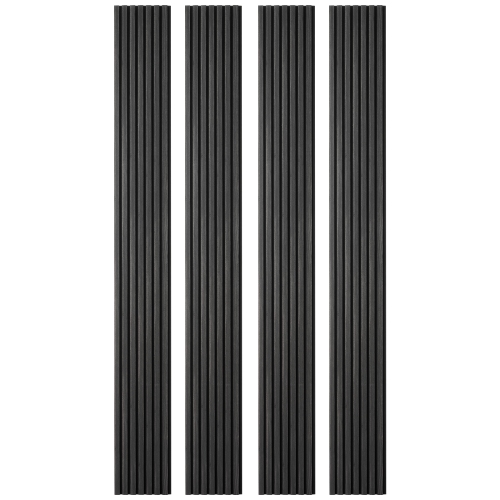 Your price for this item is $172.9
-
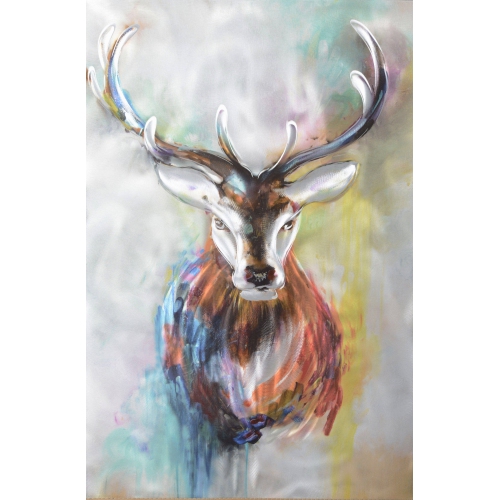 Your price for this item is $425
Discover more categories related to Framed Art
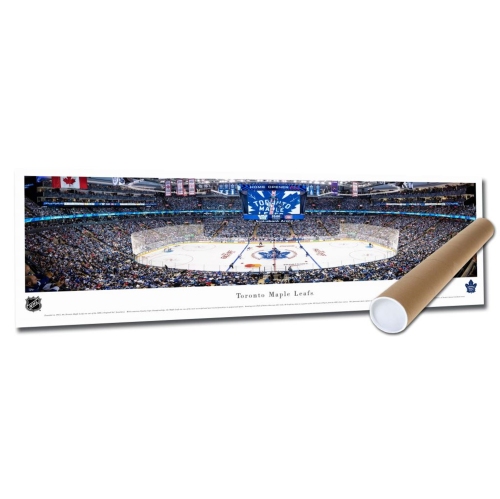
Top Collections:
Best Black Friday Deals This Year, Best Black Friday Deals On Electronics, Kindle Devices, Dyson Airwrap, Best Cameras for Sports Photography, Best Black Friday Deals On Apple Products, PS5 Pro Consoles, Portable Snow Blowers, Canon G7X Cameras, Pokémon 30th Celebration Cards
Some products may be subject to Environmental Handling Fees
(EHF) depending on your province.
Learn more about EHFs.