Freestanding Bathroom Furniture
Upgrade your bathroom with our selection of freestanding bathroom furniture that combines style and functionality. From sleek cabinets to elegant shelving units, our collection offers a variety of options to help you organize your space while adding a touch of sophistication. Whether you're looking to maximize storage in a small powder room or create a spa-like atmosphere in your master bath, our freestanding furniture pieces are designed to meet your needs and elevate the look of your bathroom.
Sort
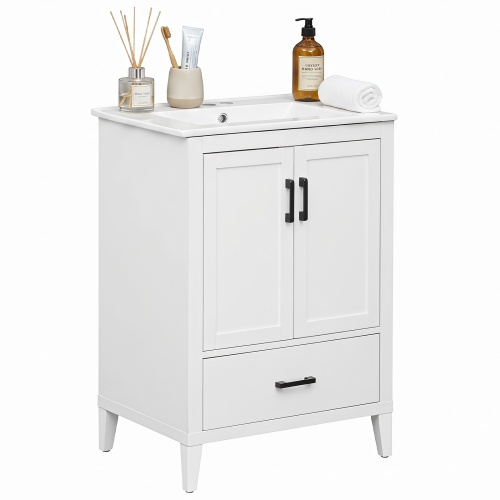

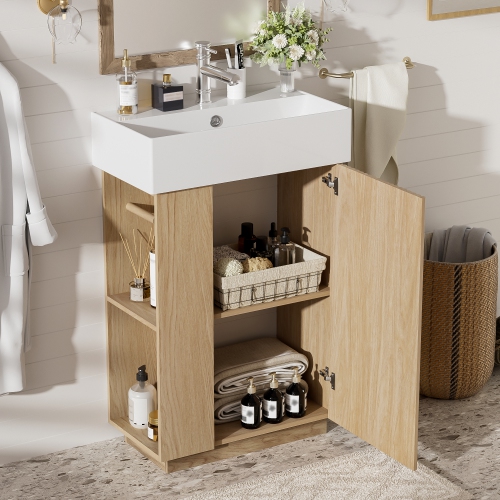


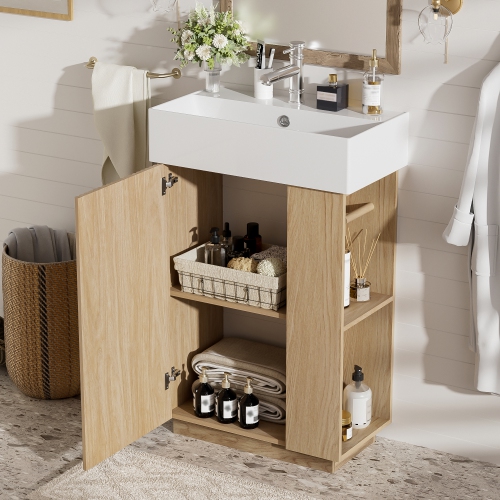
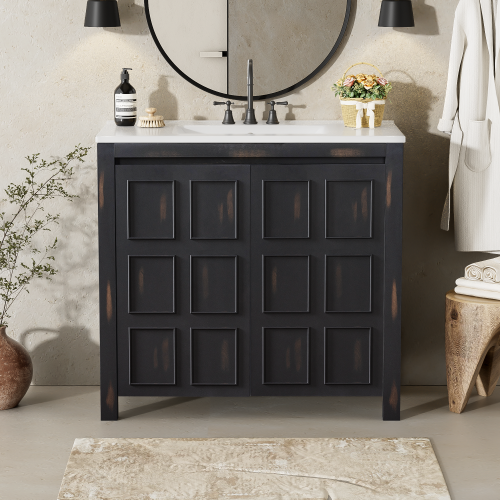

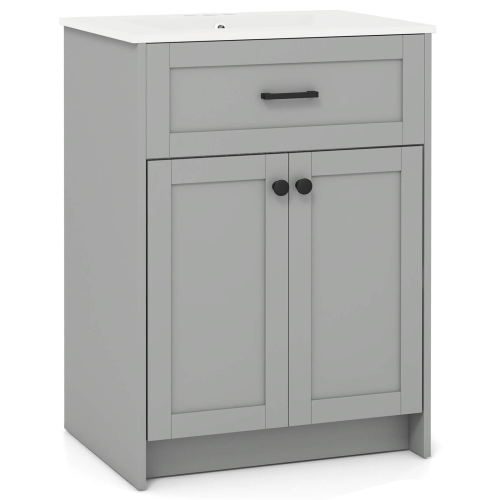




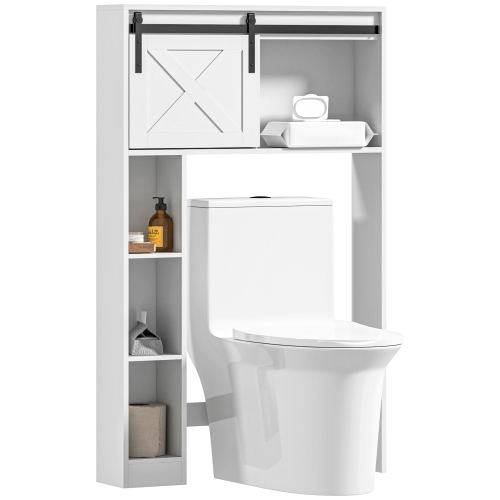


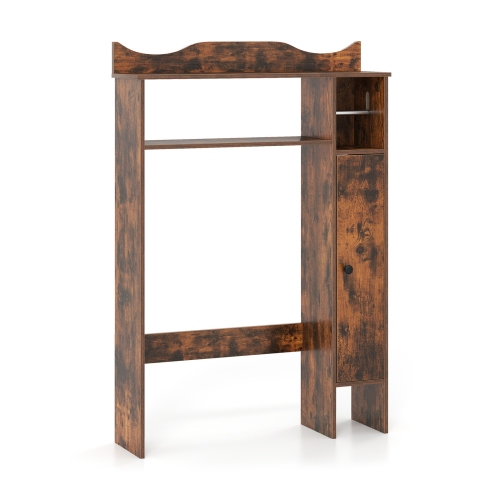


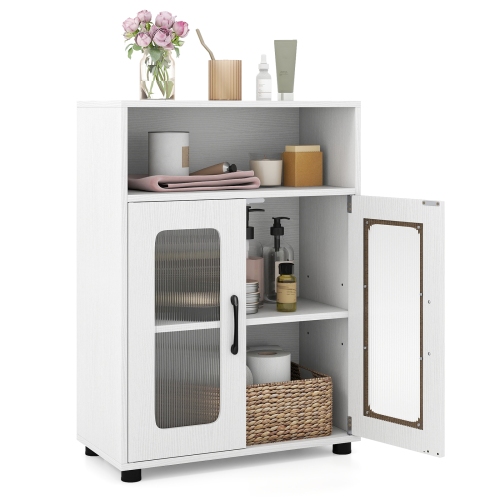
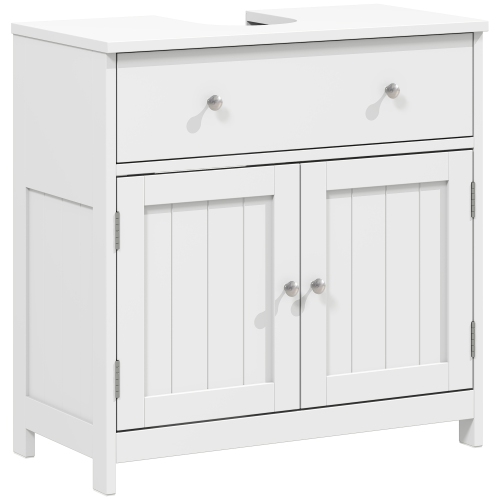
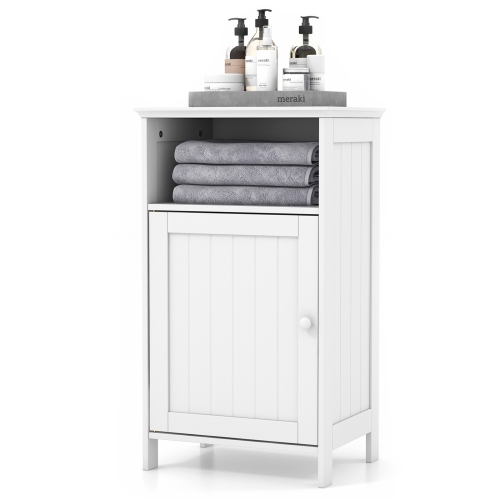


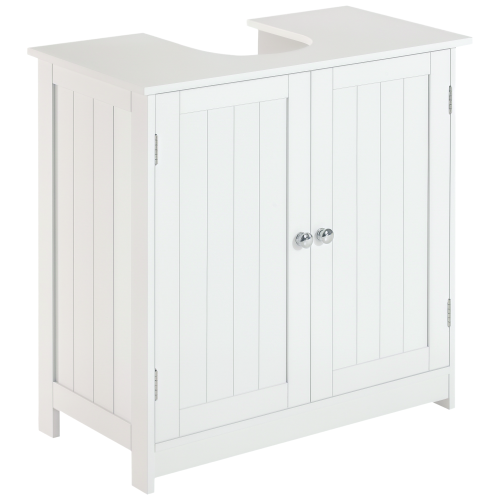
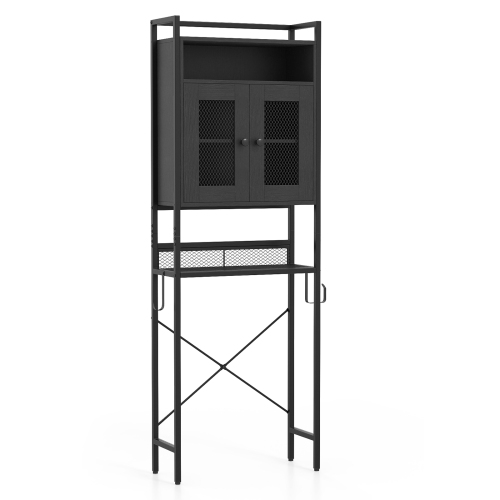
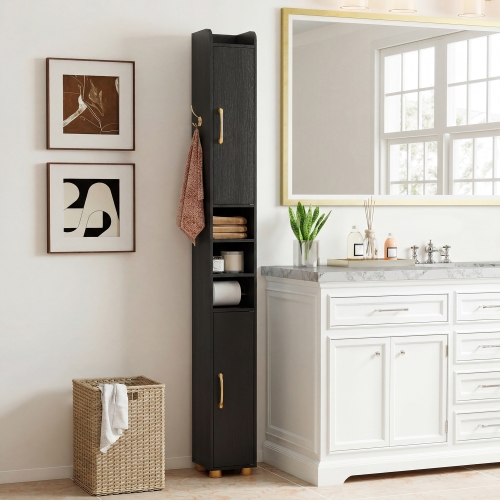
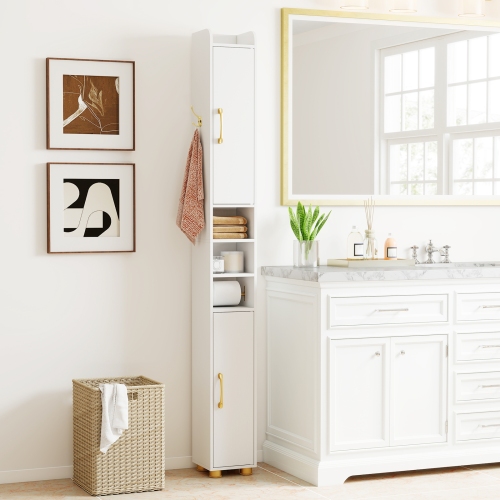
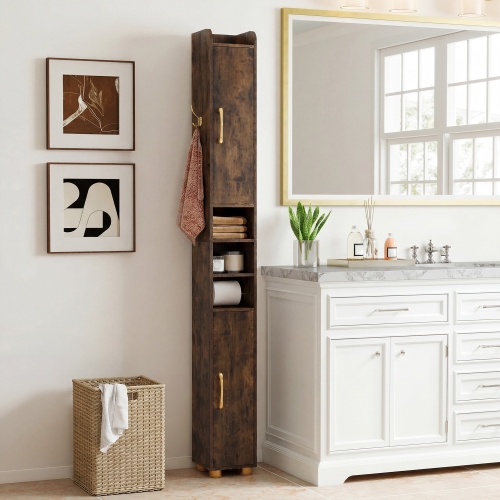
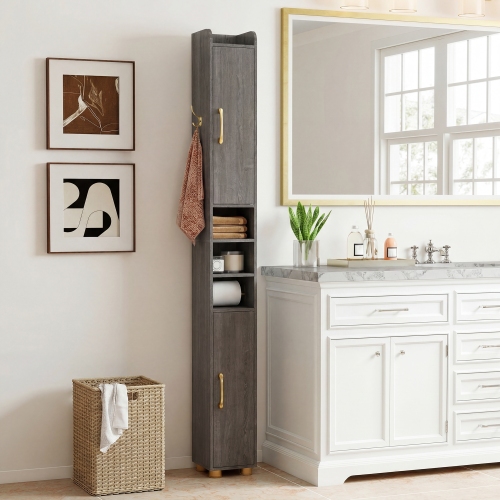


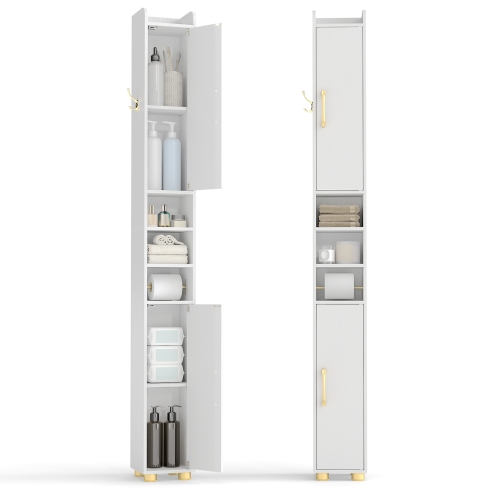
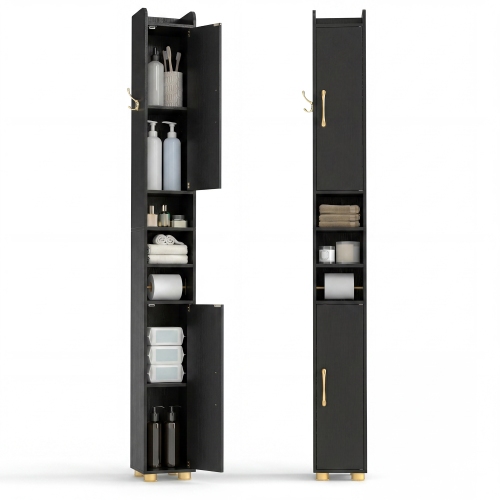
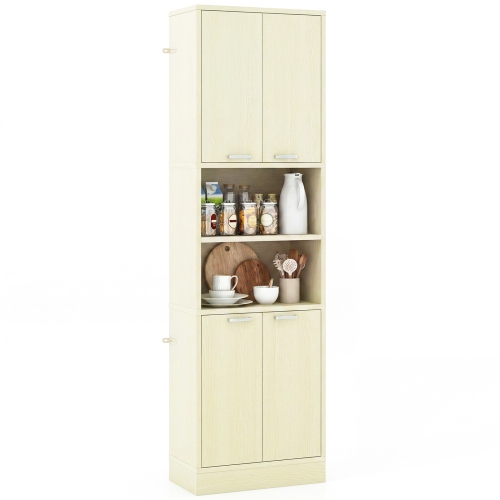
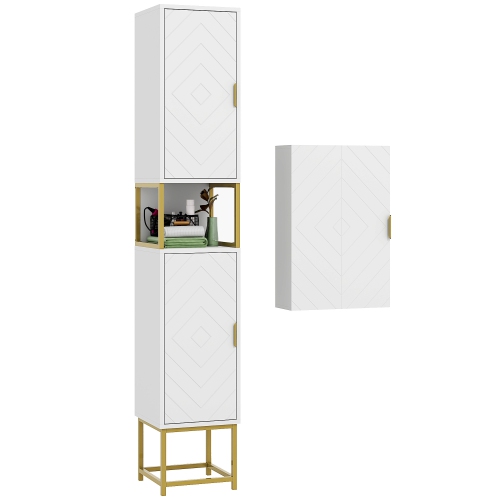


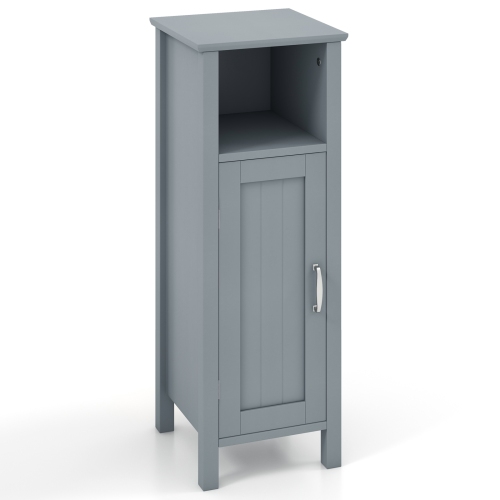
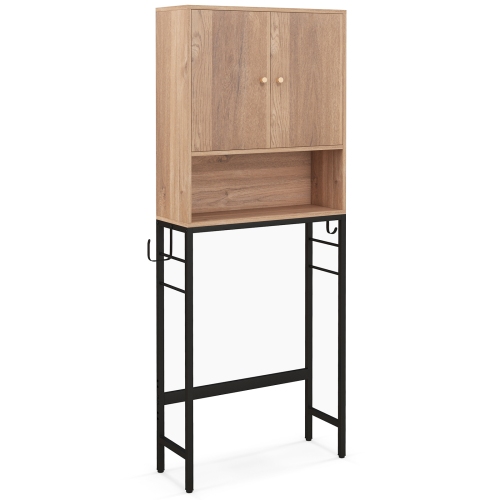
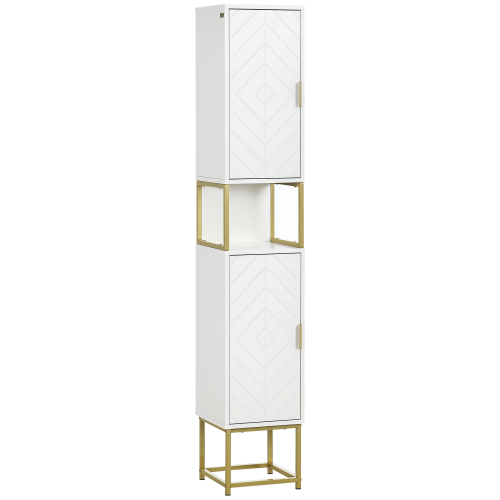
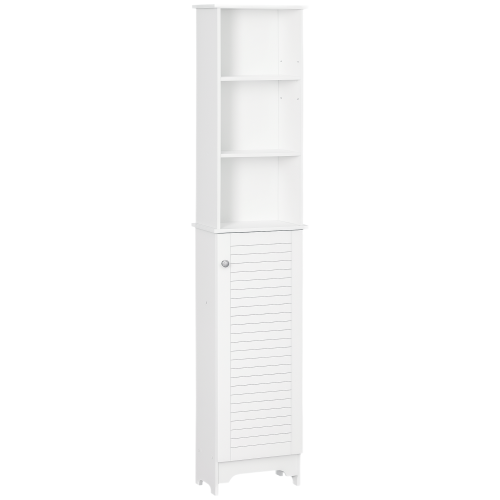

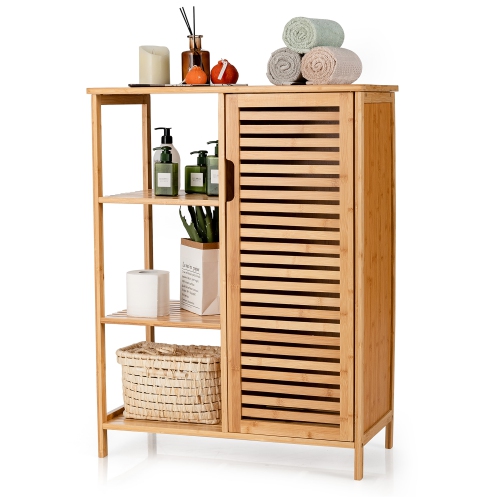
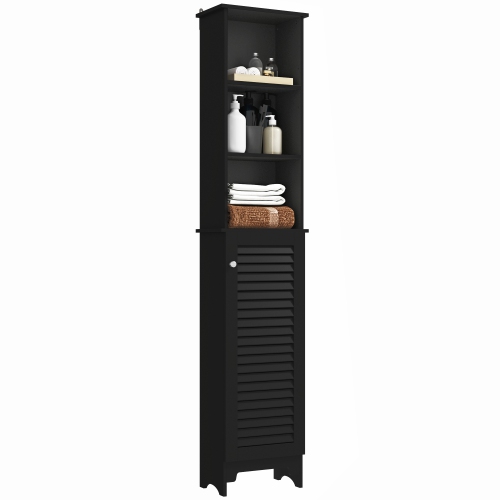
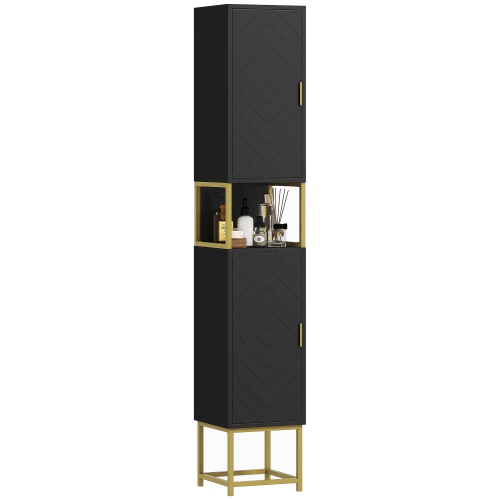


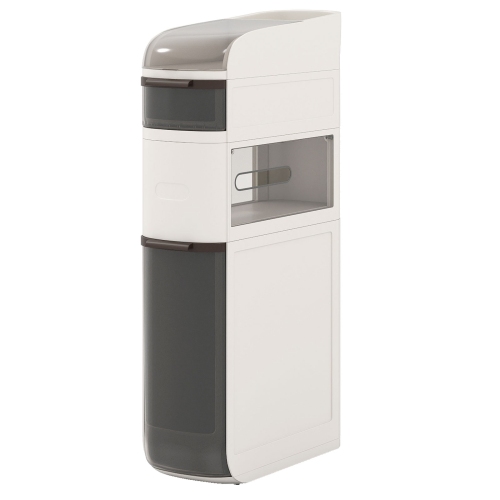

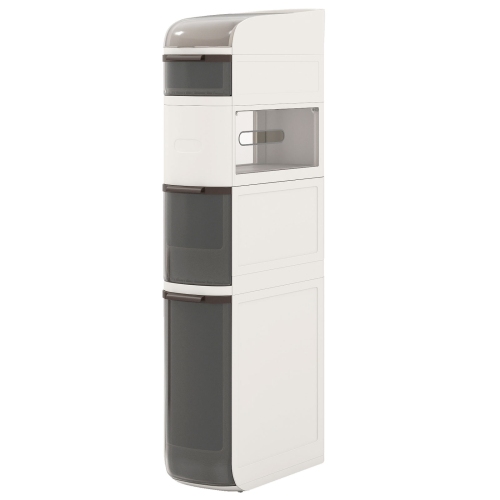
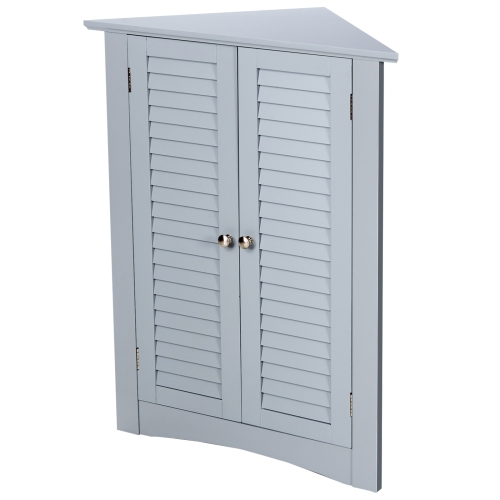
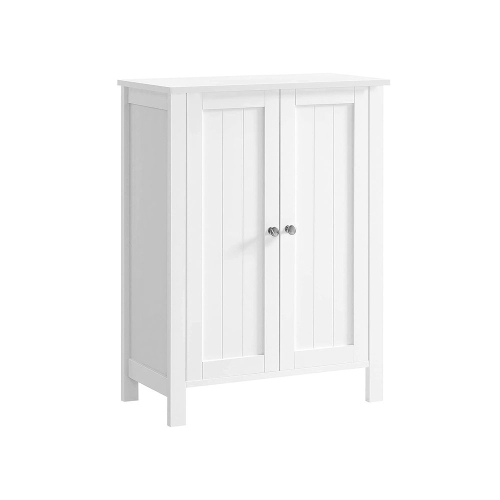
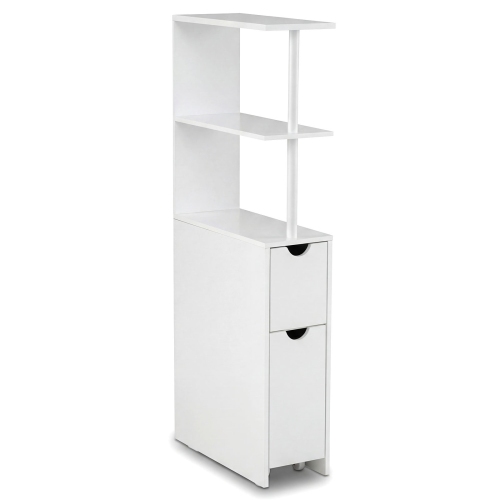
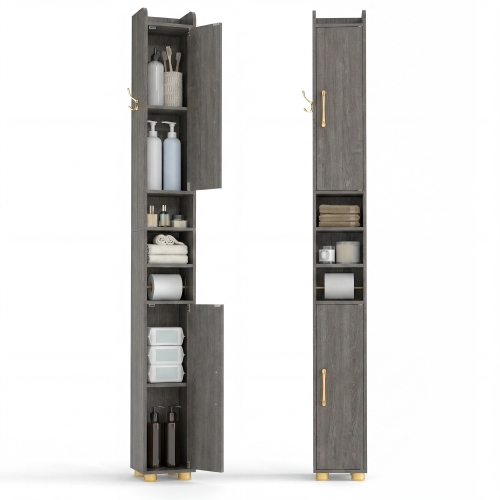
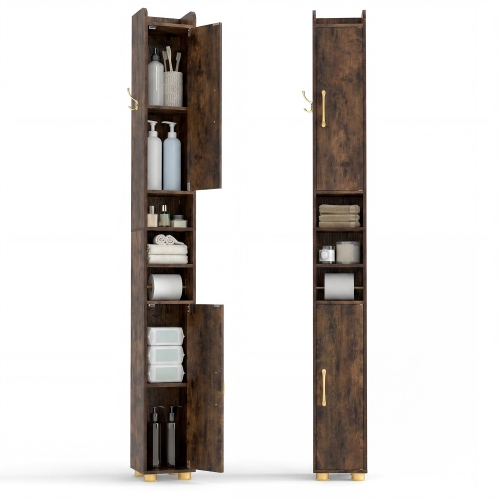
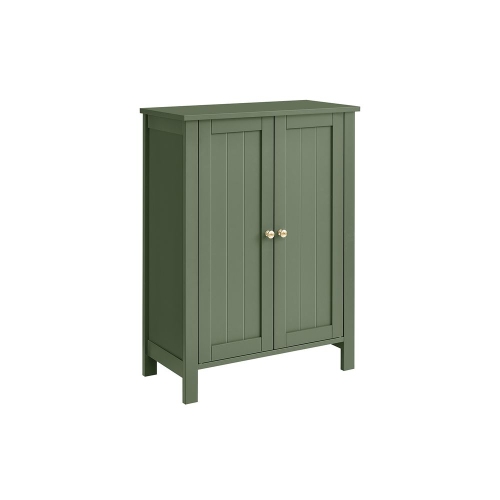
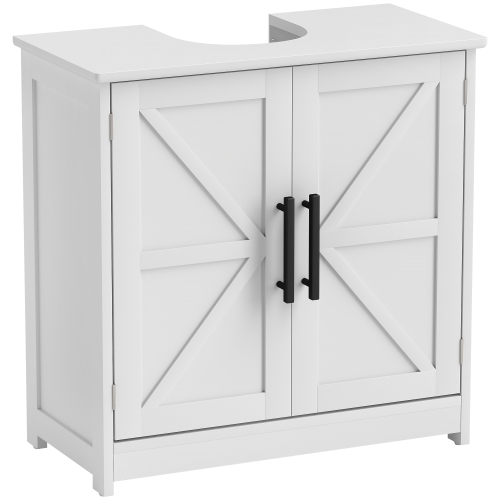
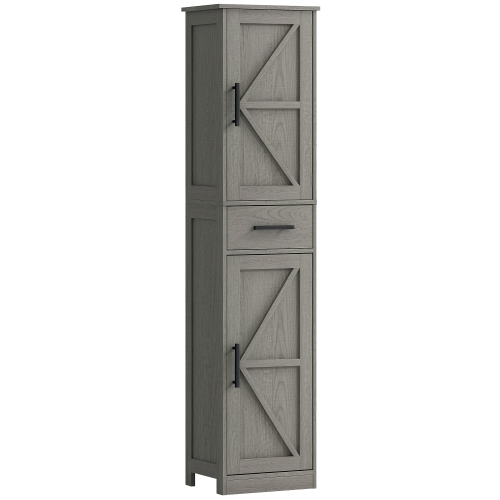

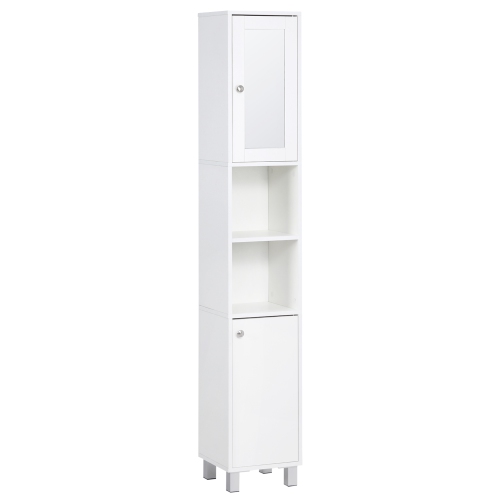
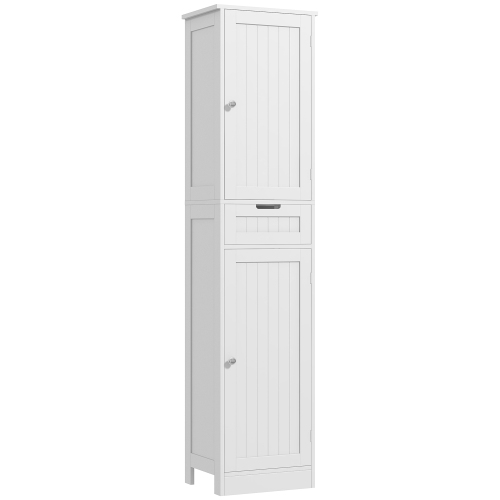

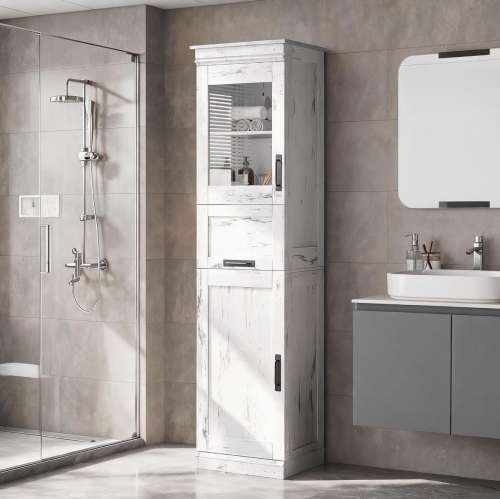


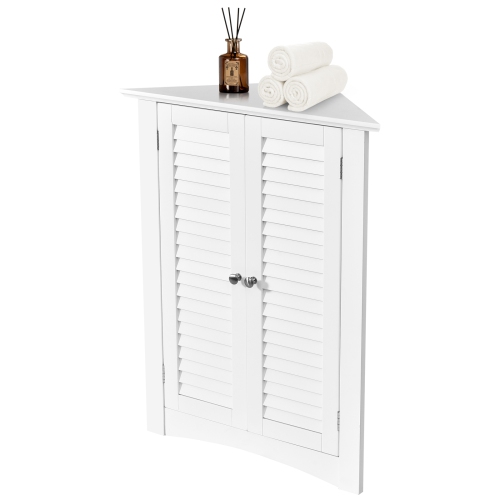
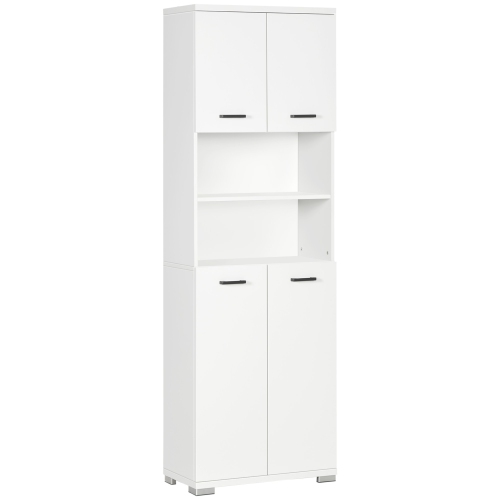

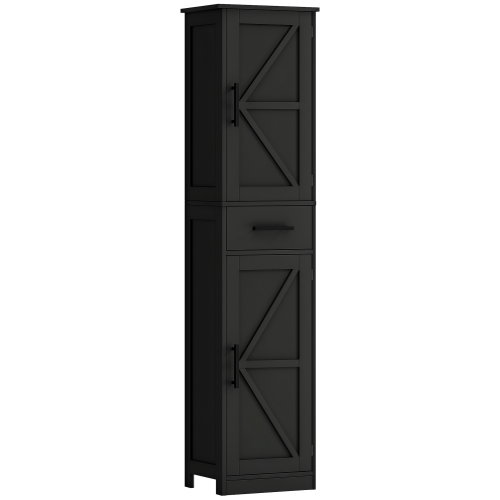
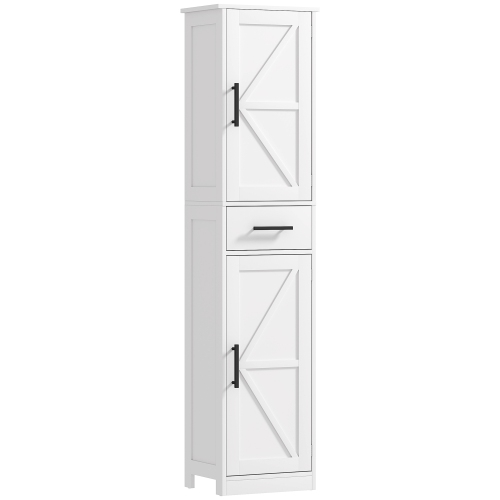
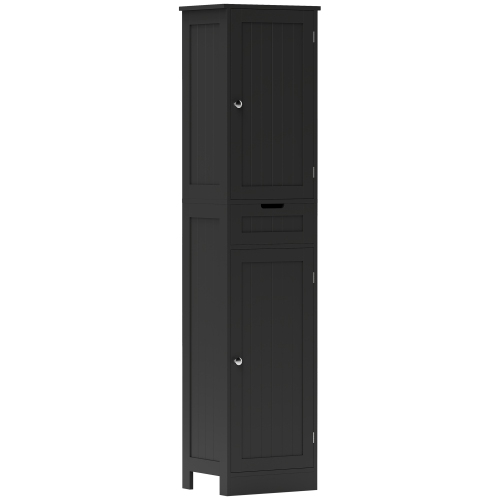
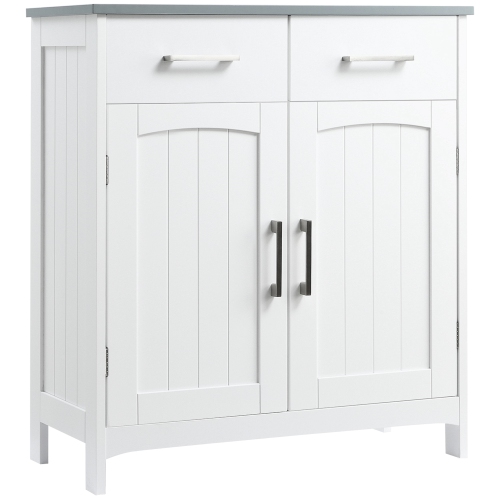
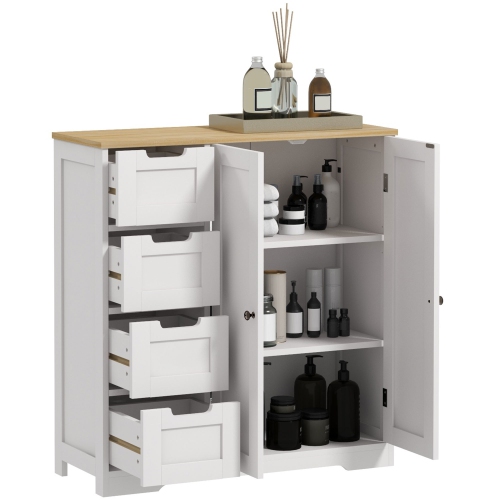

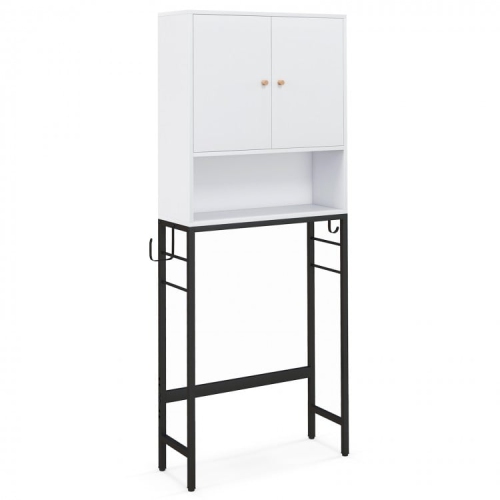
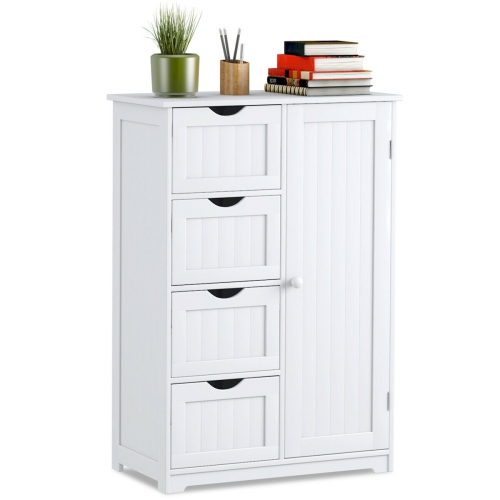
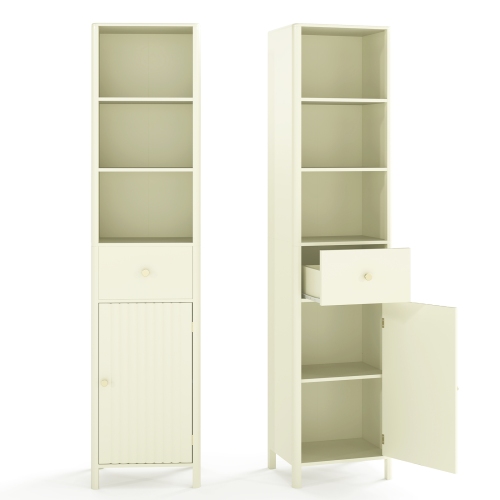


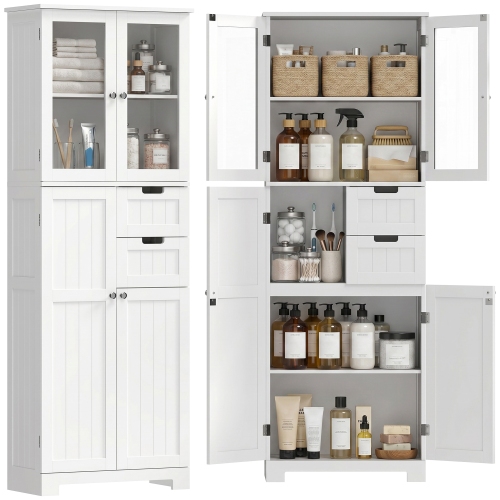


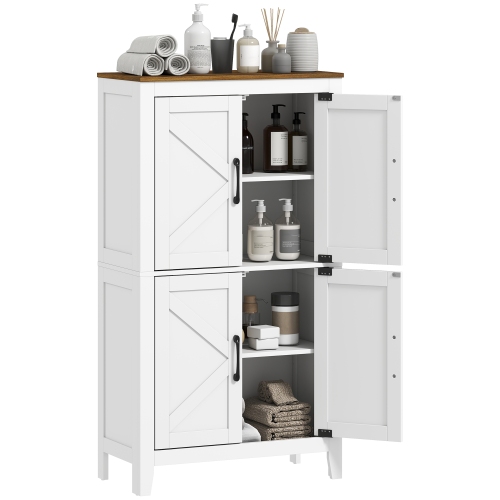
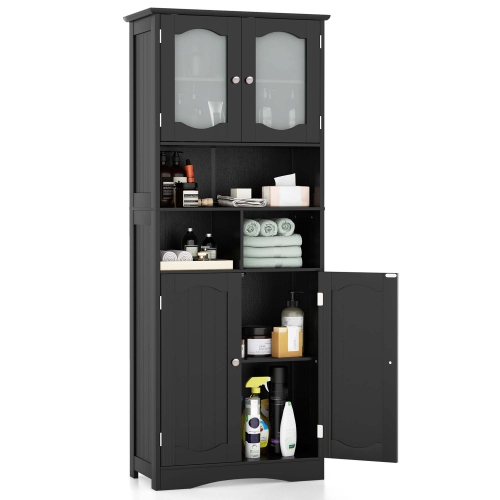
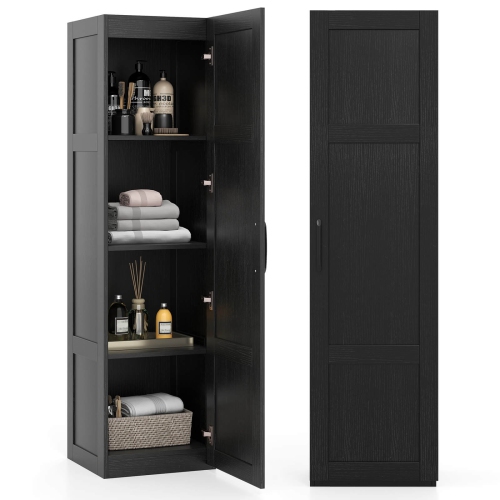
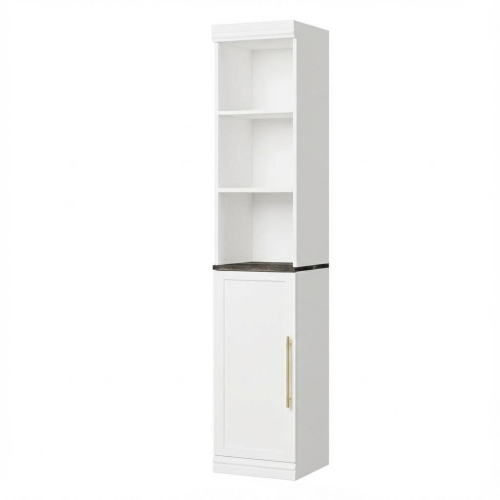

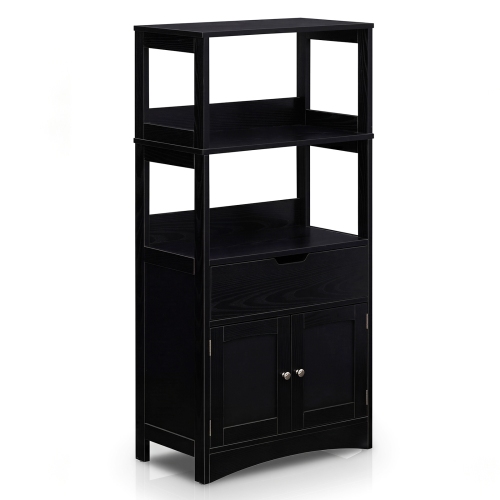
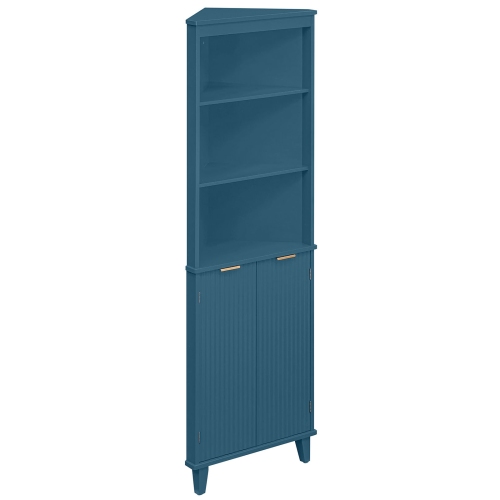

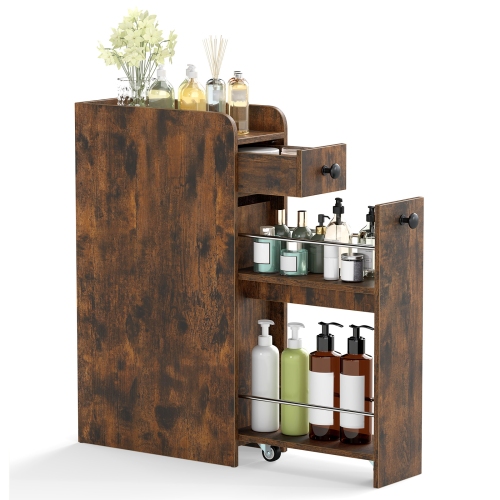

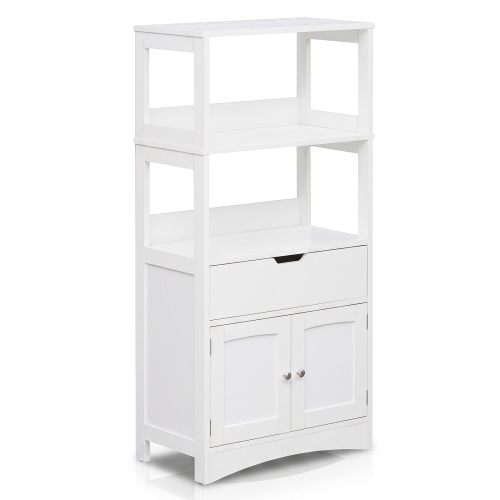
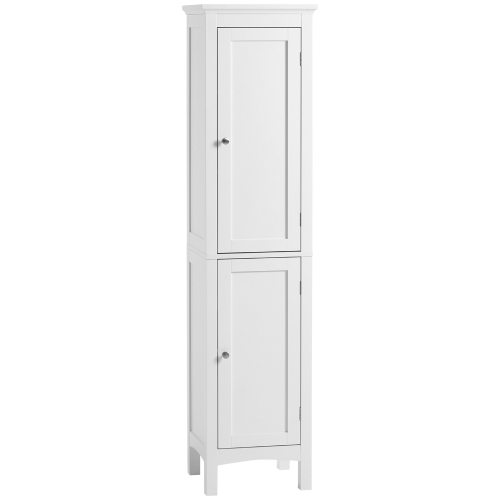
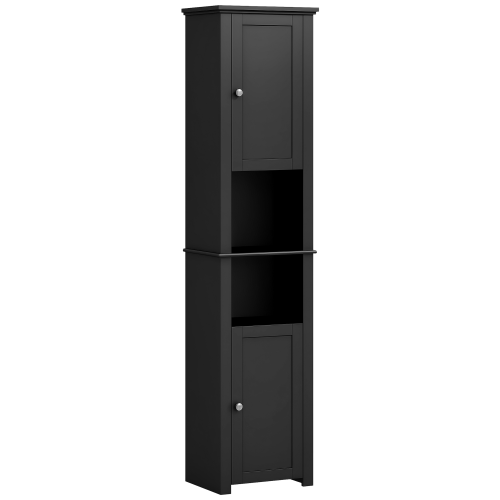

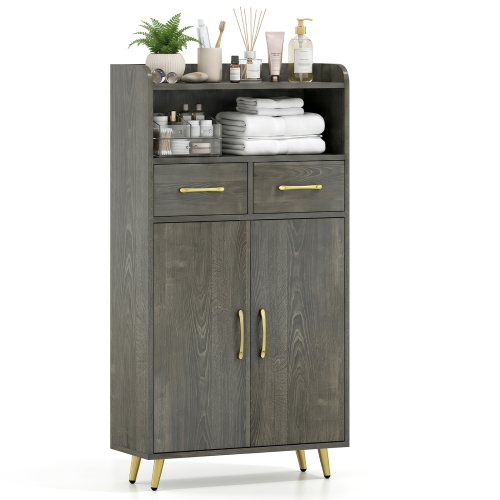
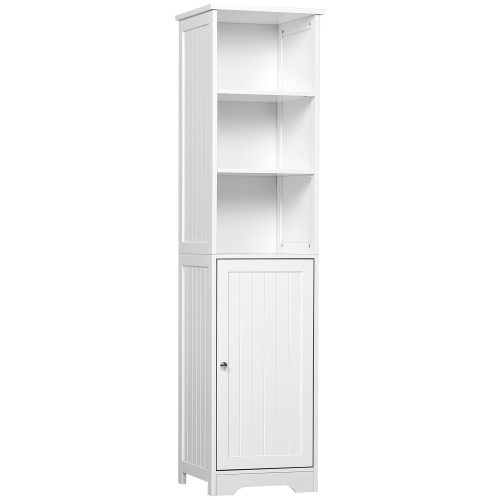
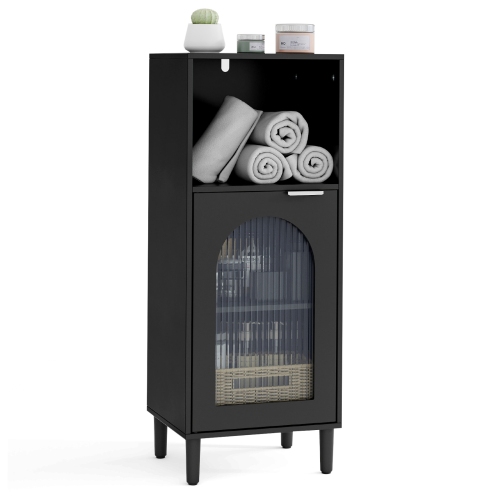

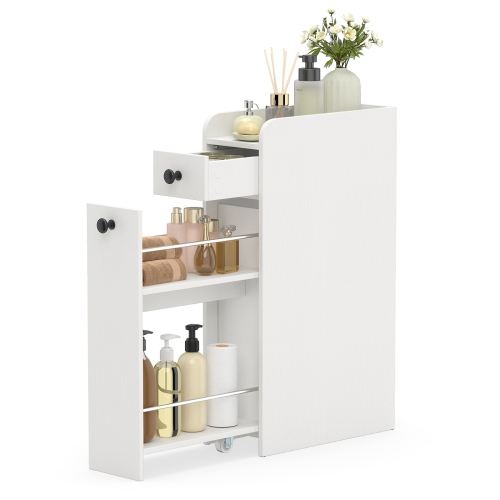
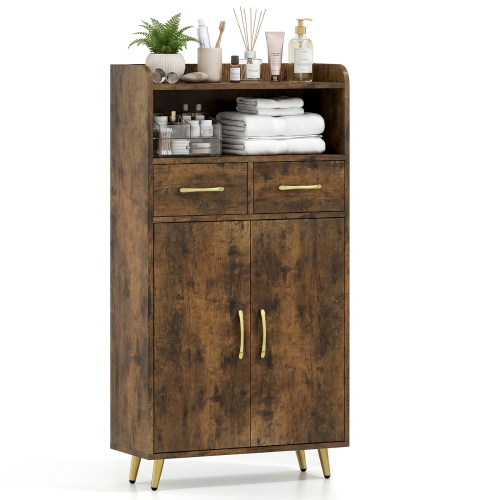
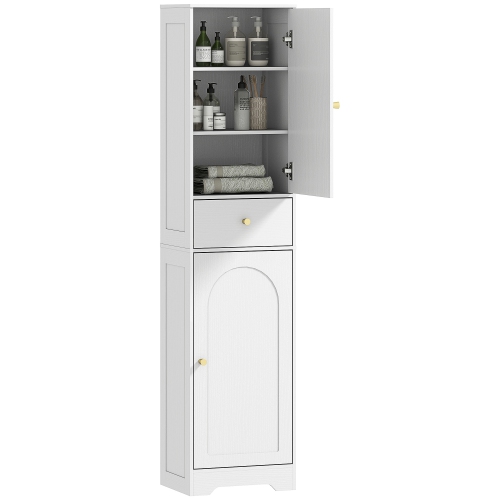

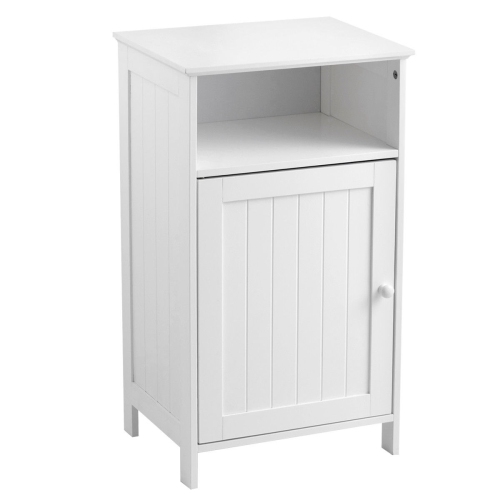

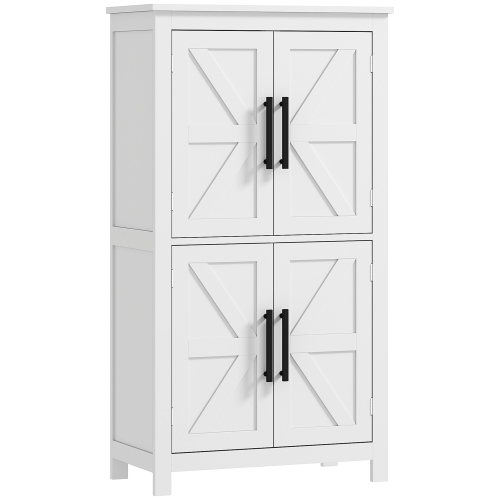

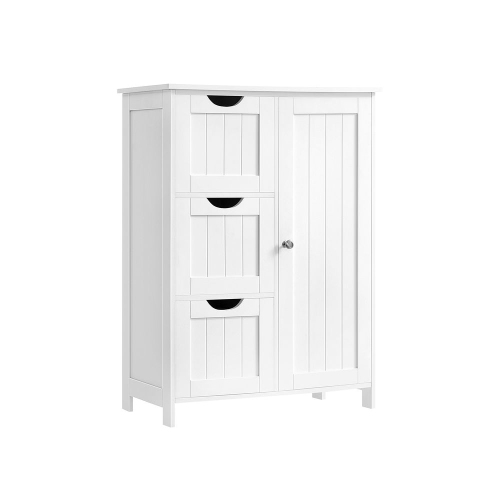




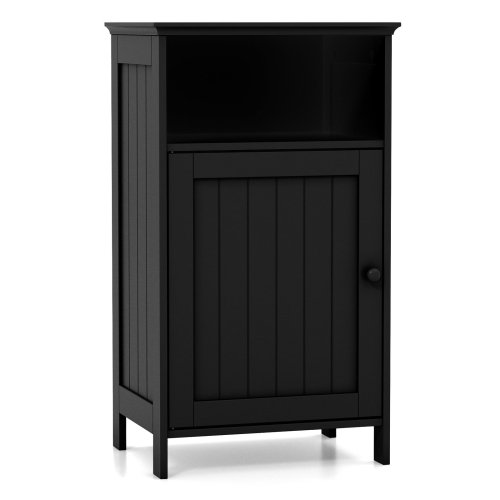
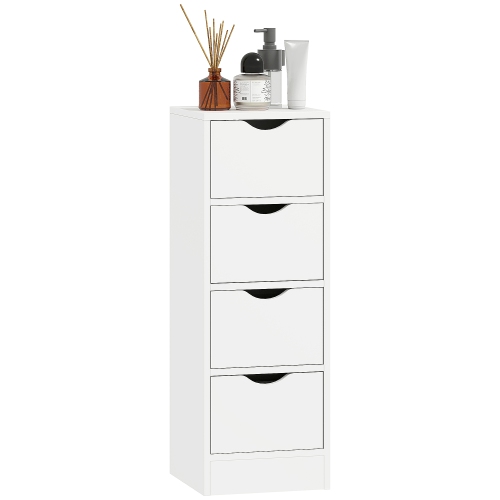

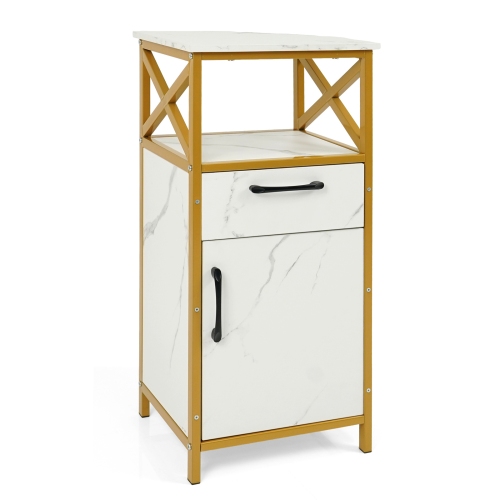
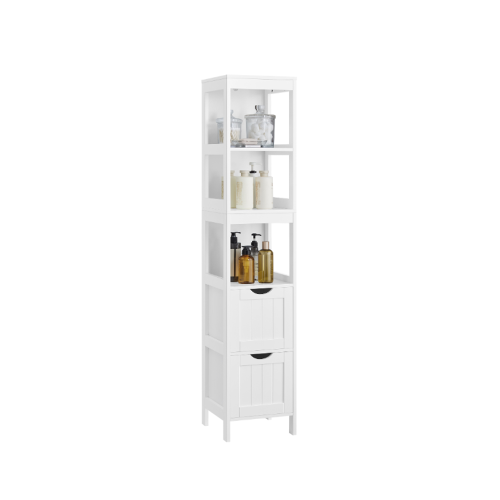

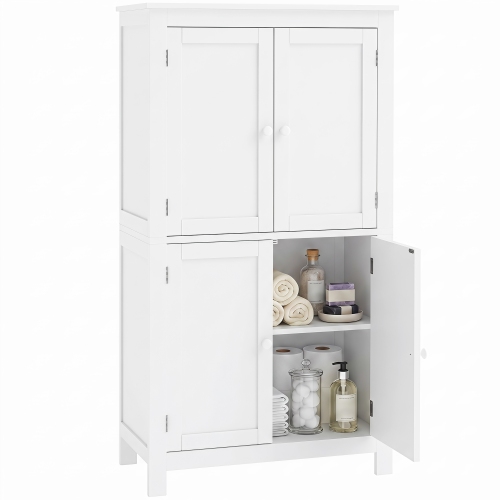
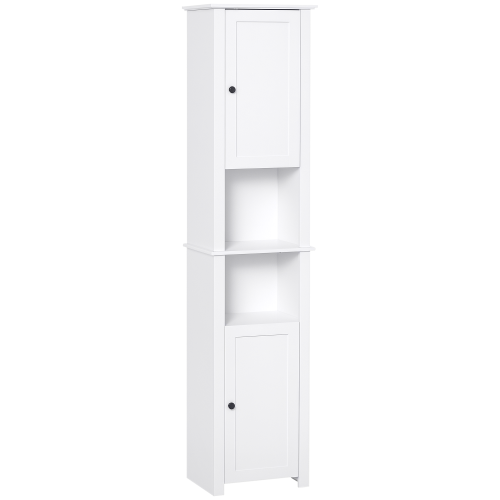
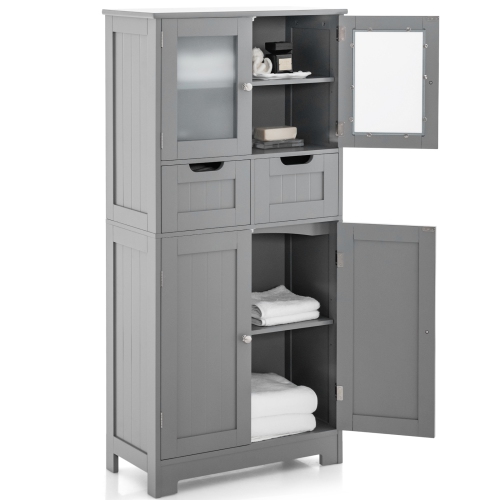
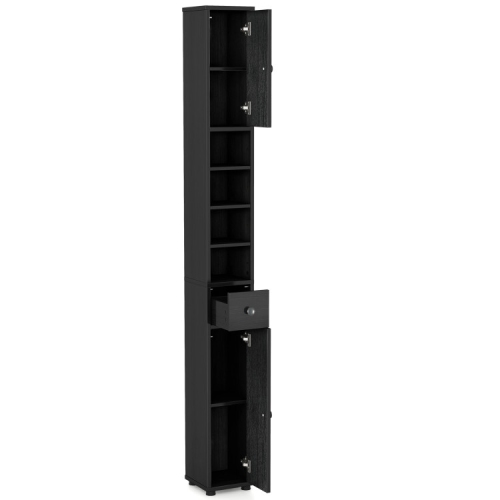
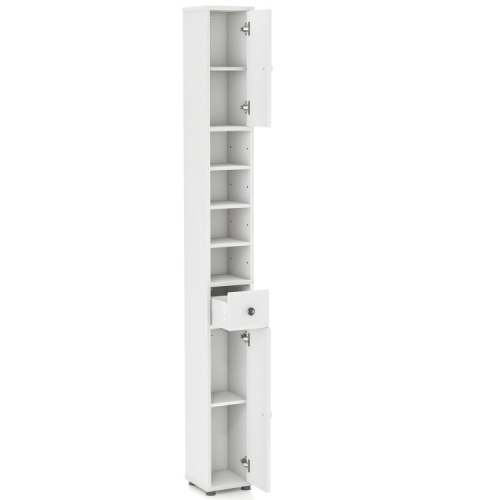

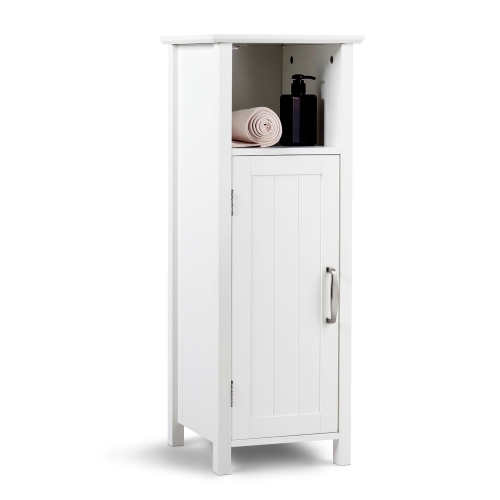
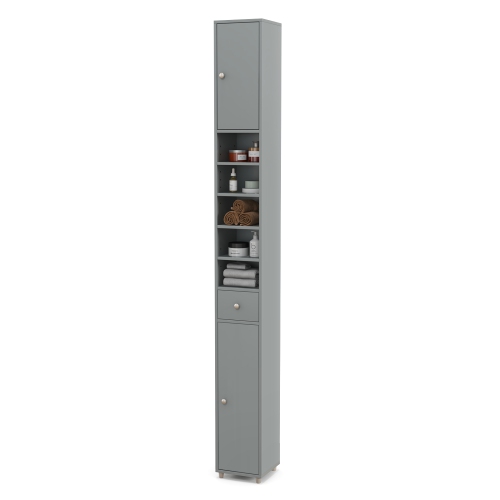
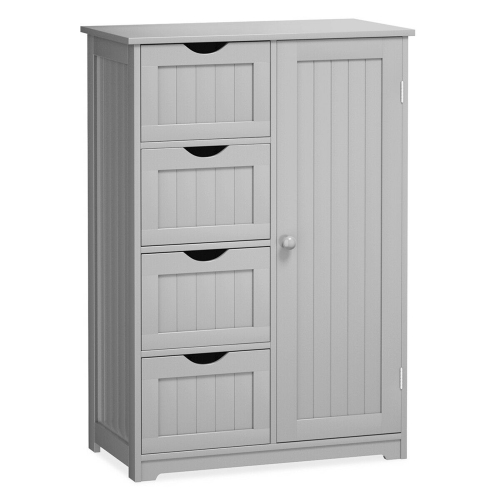


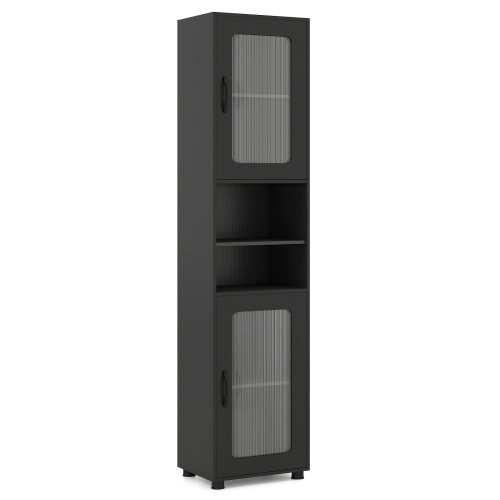

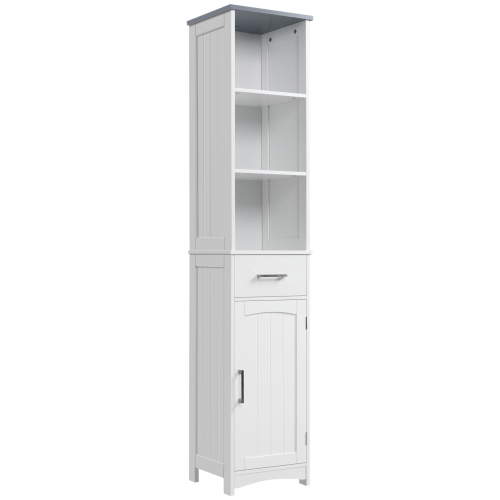
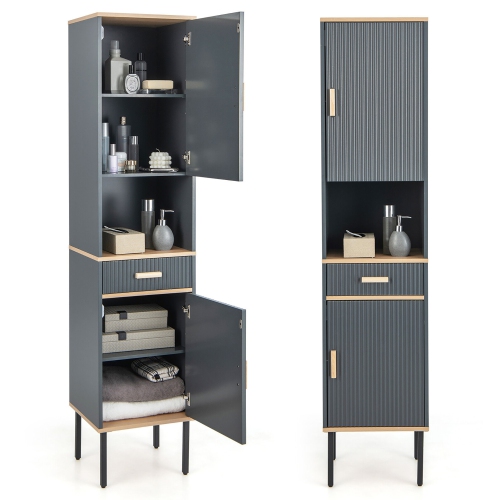
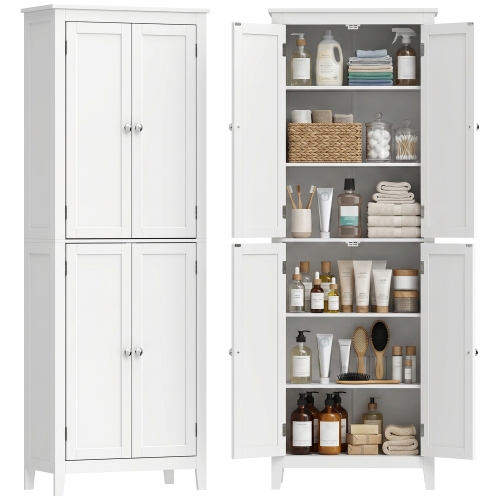

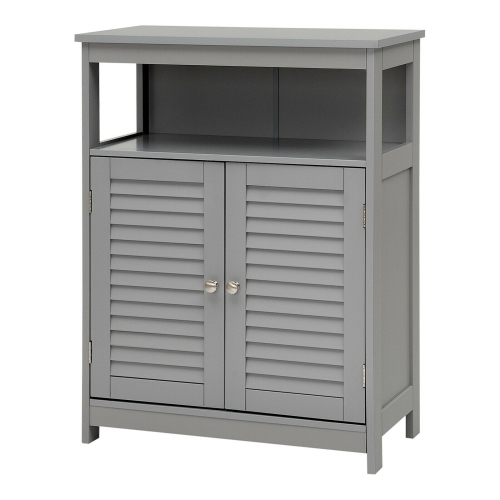
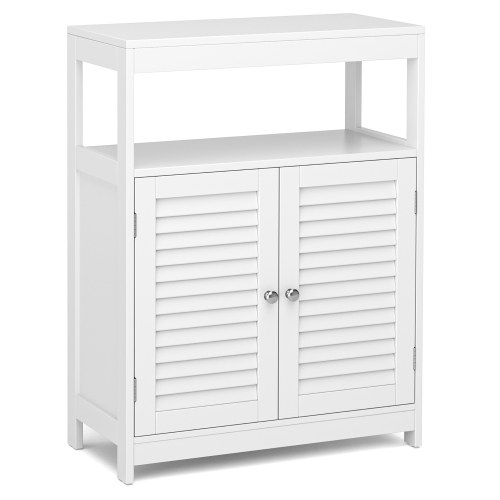
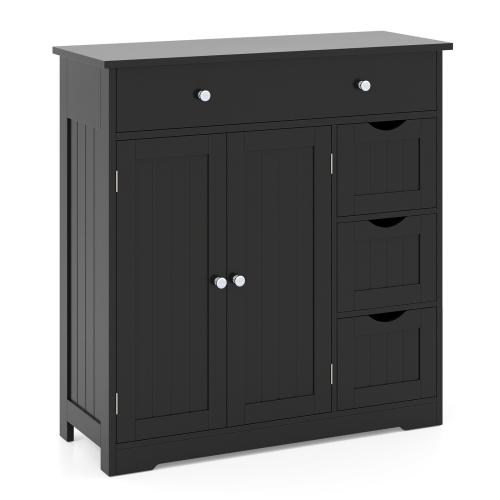
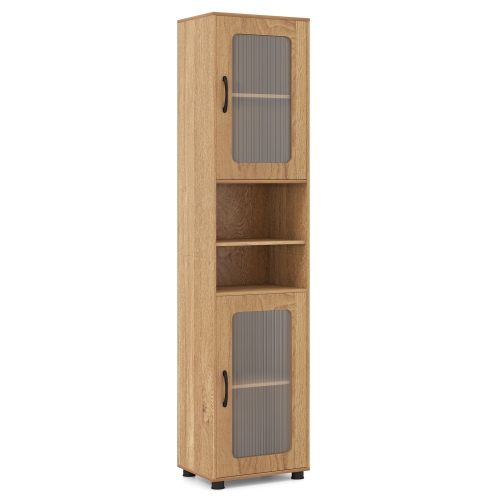


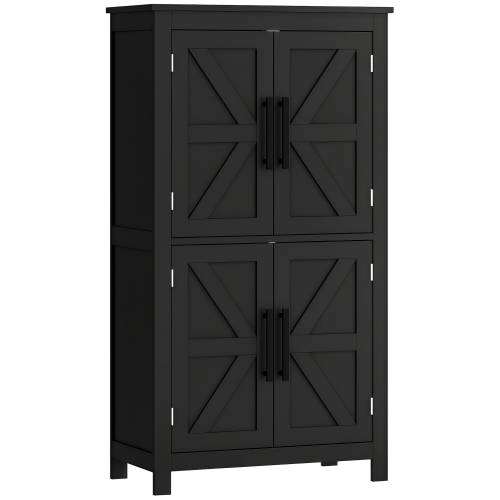
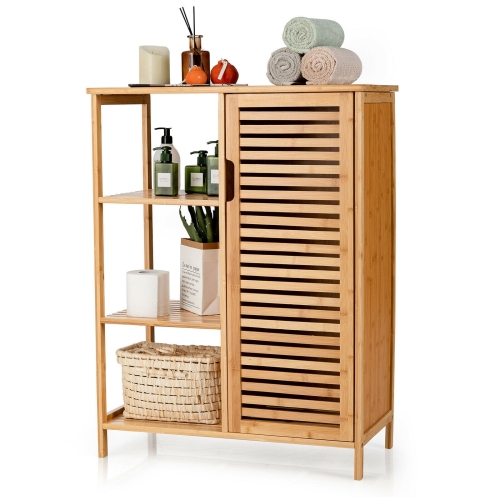
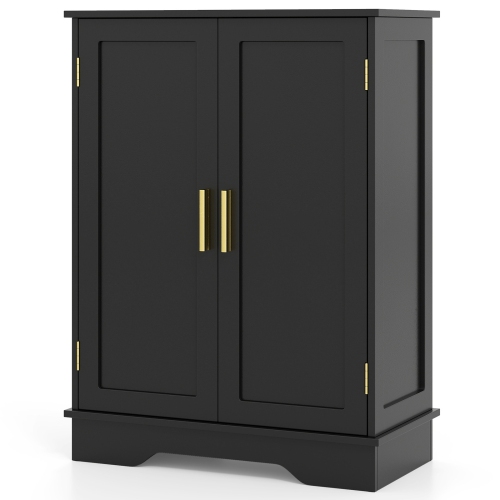
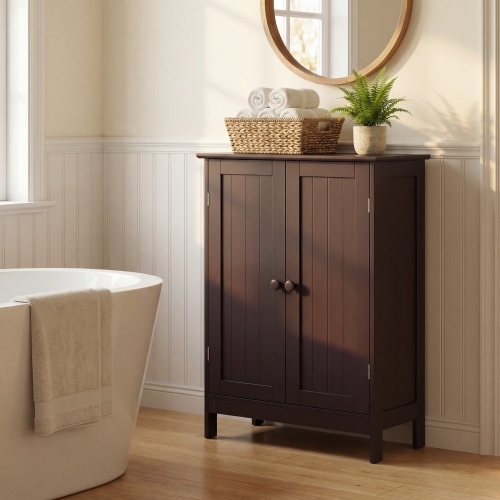
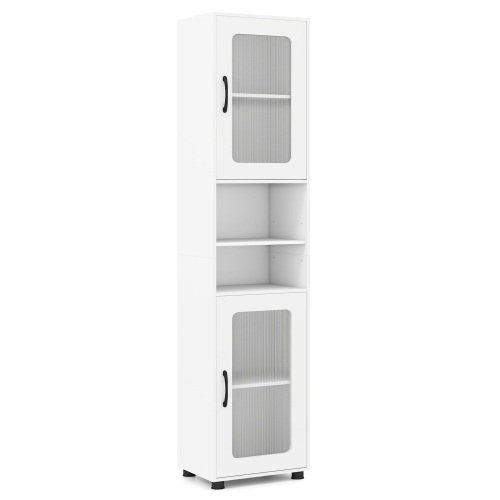


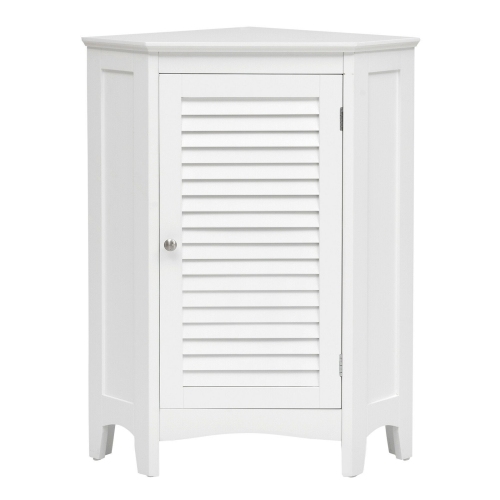
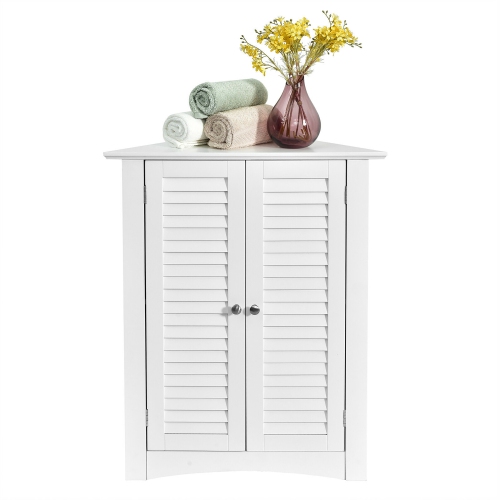
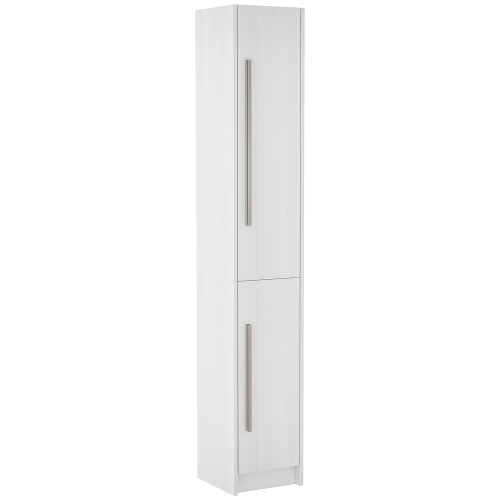


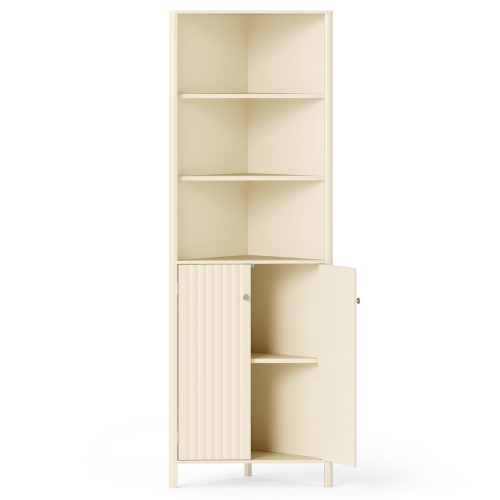
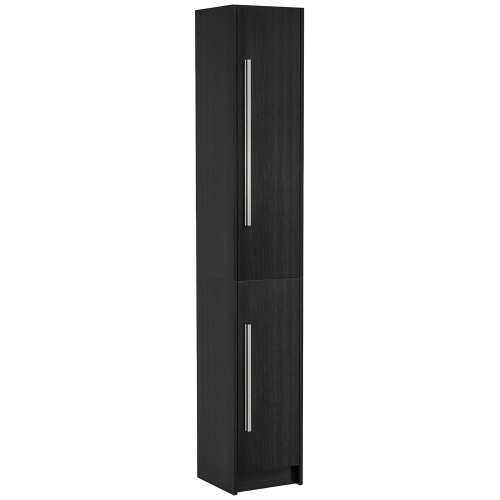
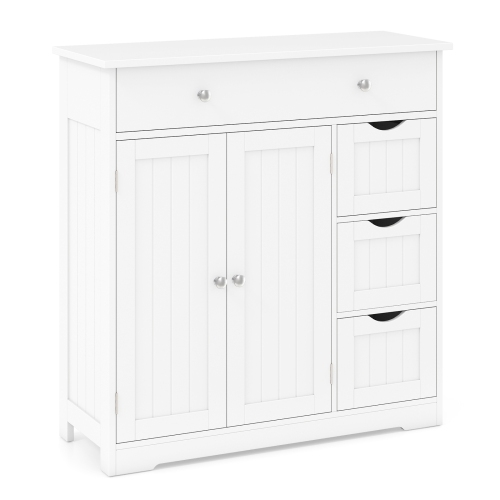

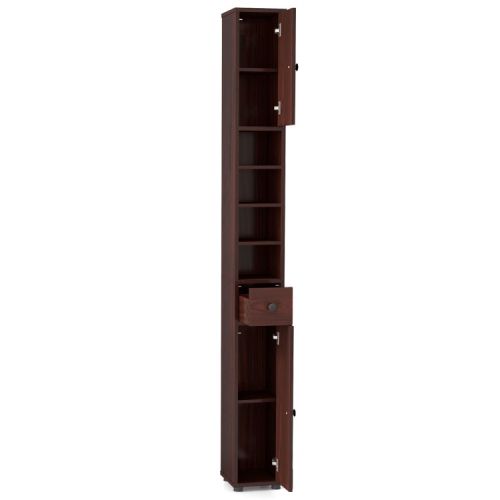


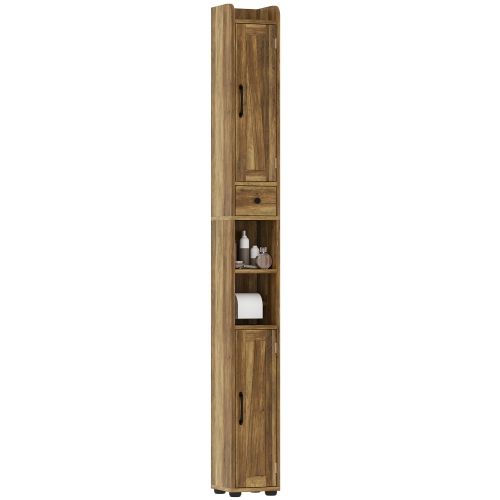


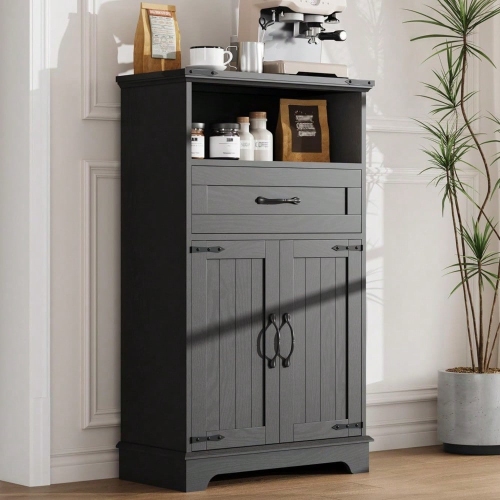
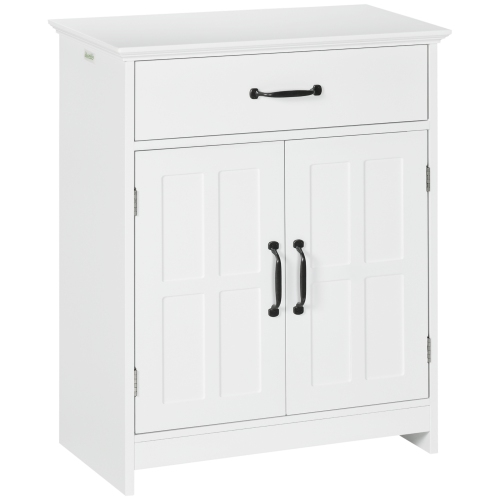
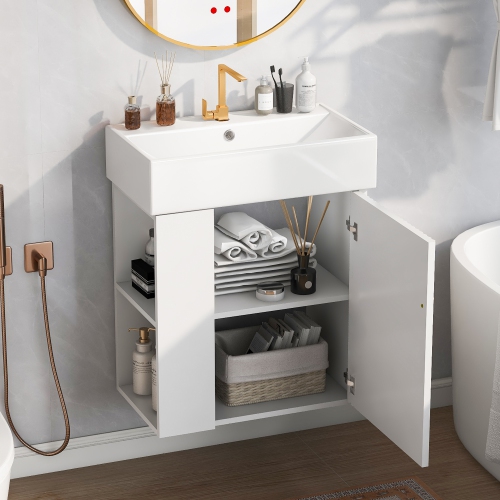
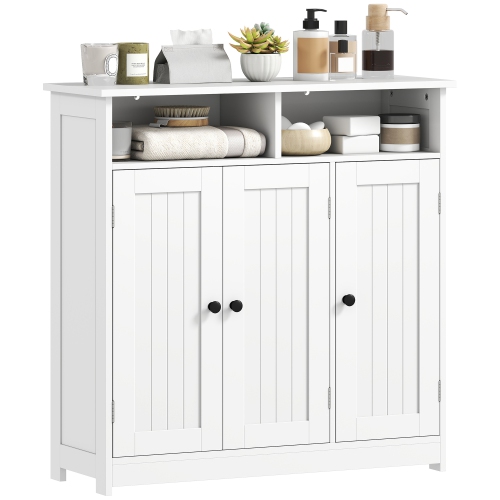

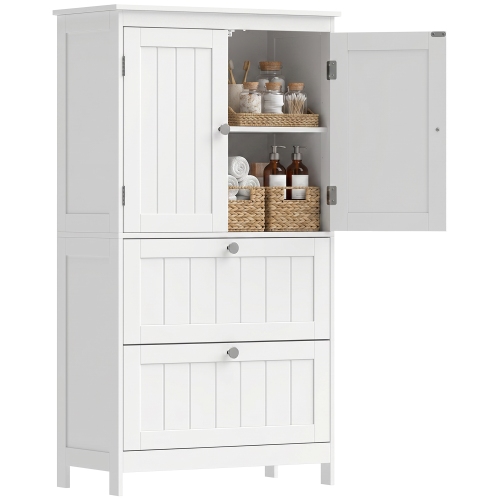


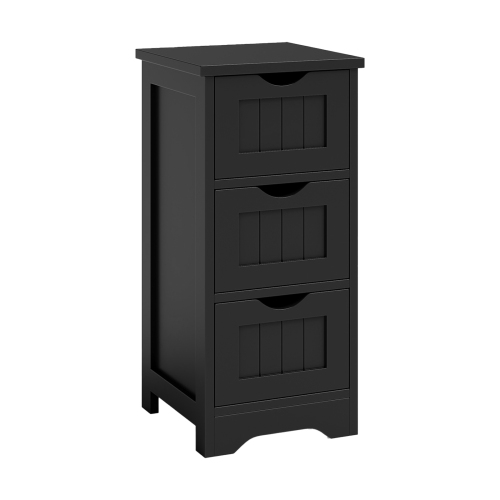
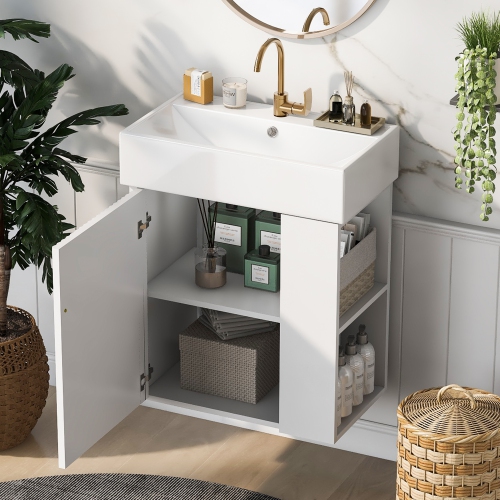
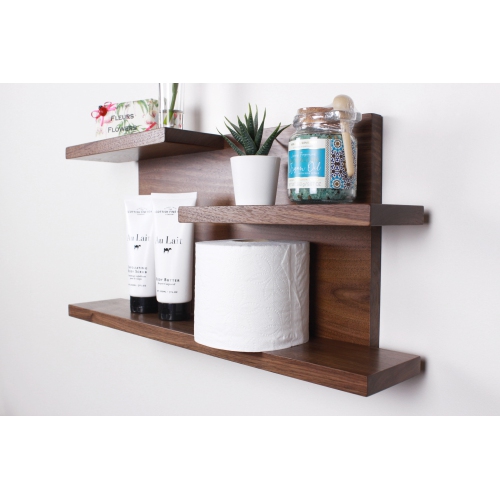
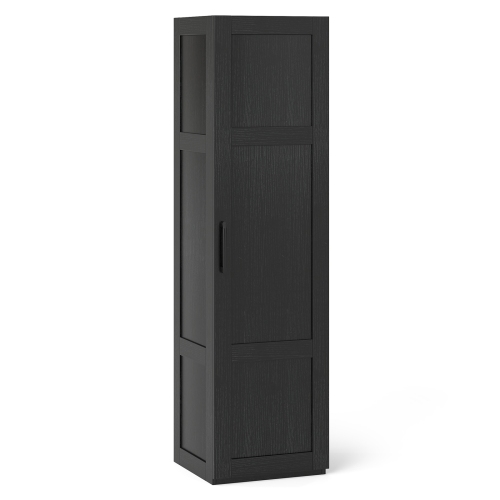
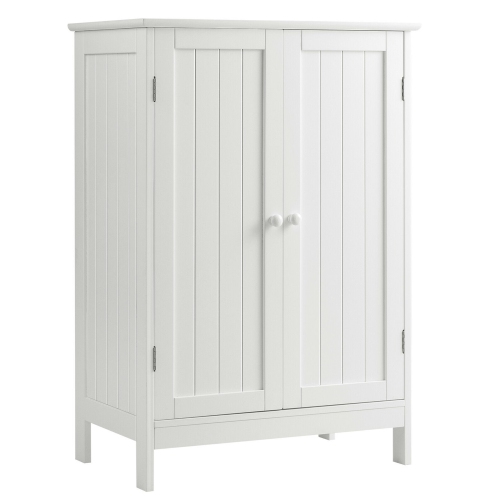
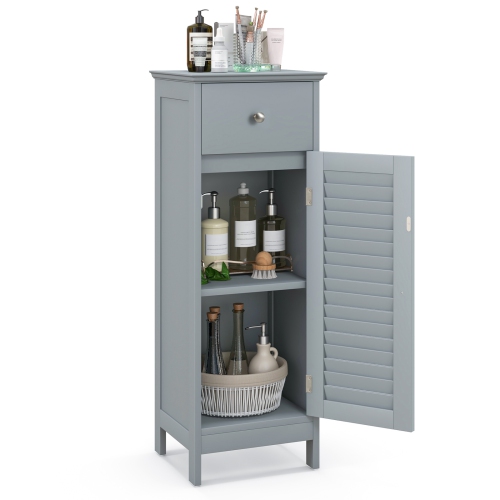
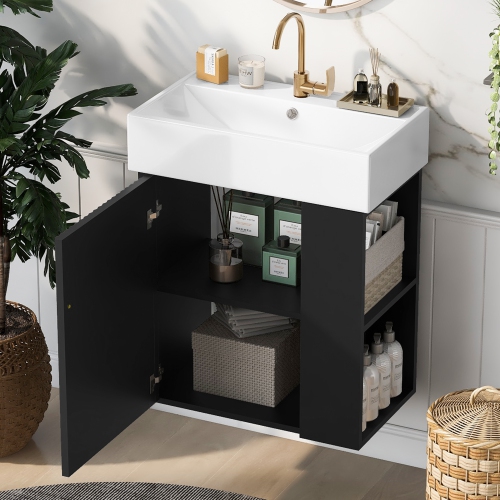
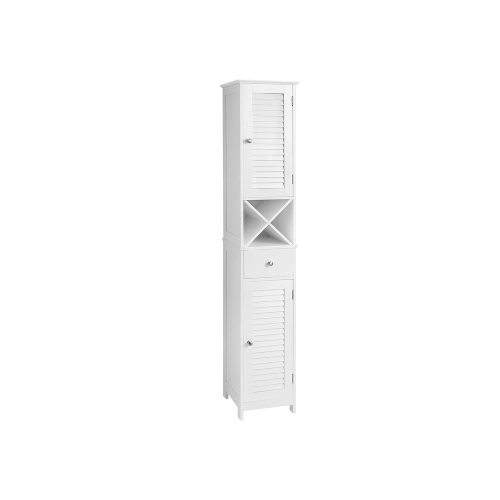
Bathroom storage that fits your space and routine
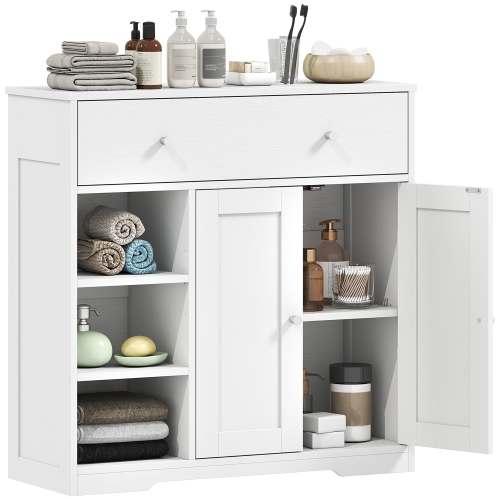
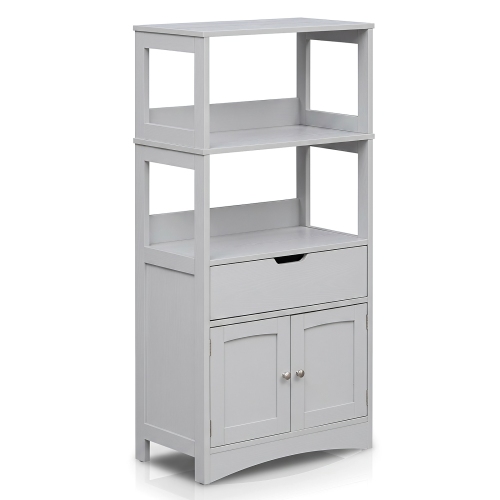
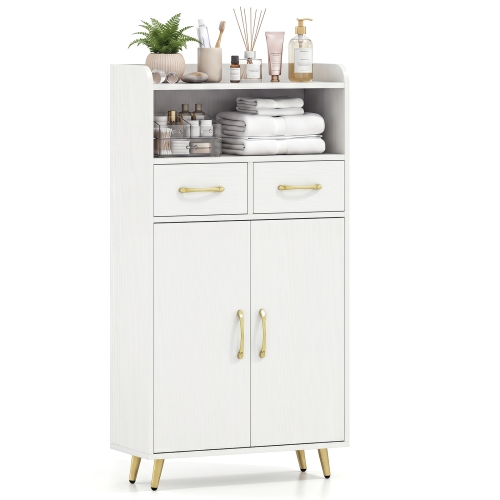
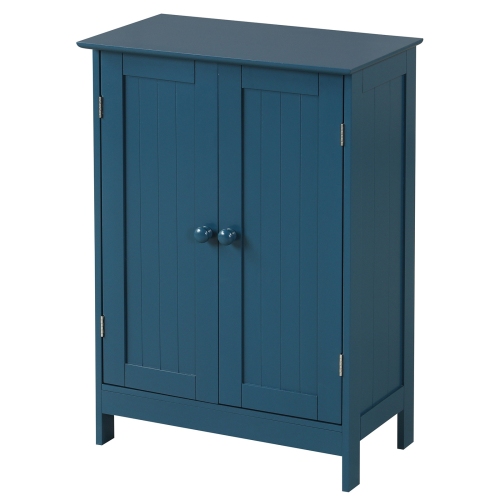
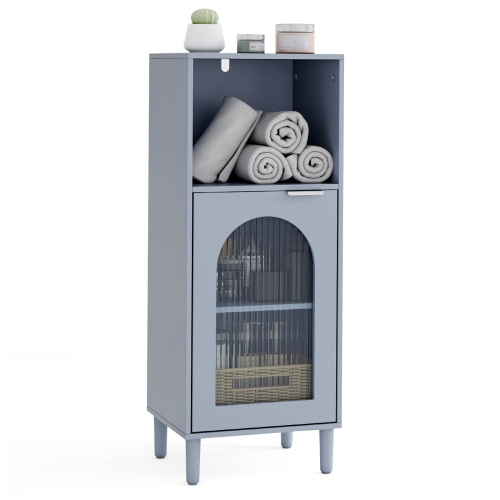
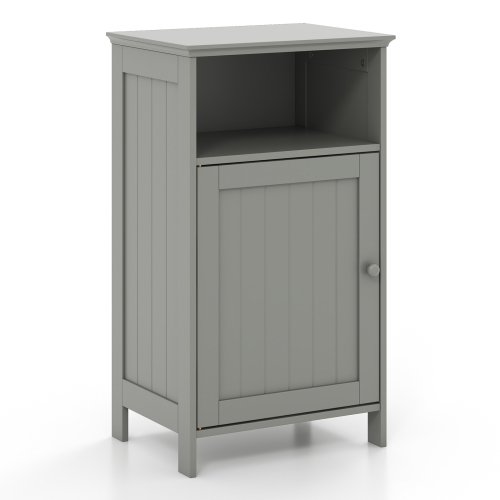
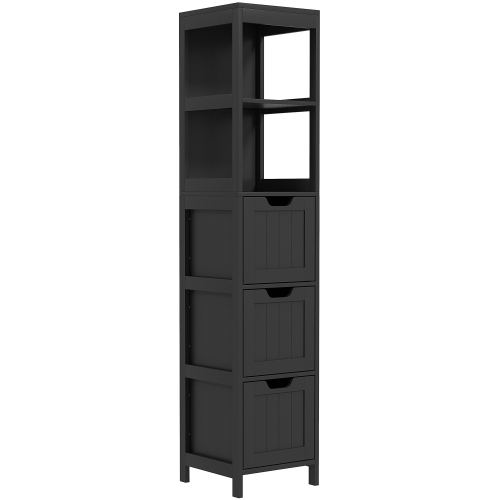
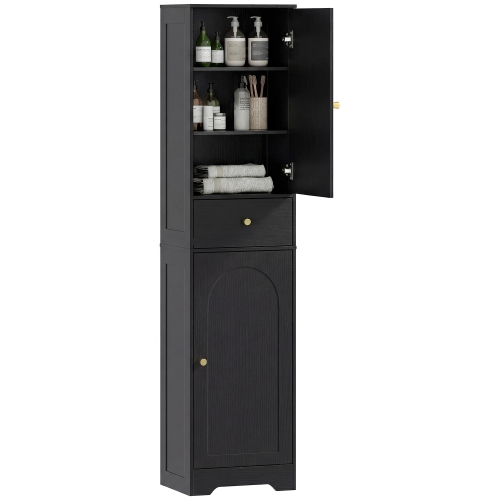
Freestanding bathroom furniture is supported by the floor rather than suspended from a wall, providing storage and usable surfaces through cabinets, shelving units, storage towers, and floor-standing vanities. It can bring order to a bathroom with limited built-in storage or add a useful place for towels and toiletries beside an existing sink. Although these pieces stand on the floor, some still require wall anchoring for safety, and vanities with sinks need suitable plumbing connections. Their appeal lies in the variety of layouts they can accommodate: a narrow cabinet can make use of a gap beside a basin, while a wider cupboard can hold folded bath towels without leaving them piled on the counter. Open shelving keeps frequently used essentials visible and within reach; enclosed cupboards give spare toiletries, cleaning supplies, and less decorative necessities a discreet home. Drawers are particularly useful for smaller belongings that tend to disappear at the back of a deep shelf. A combination of open and closed storage can keep a bathroom practical without making every personal belonging part of the room’s appearance. Within the broader Bathroom Storage Furniture category, freestanding designs suit anything from a compact powder room to a shared family bathroom. The most useful arrangement reflects the room’s daily routines. A guest bathroom might need space for fresh hand towels and spare toilet tissue, while a busy main bathroom benefits from separate compartments for each person’s everyday supplies. Adjustable shelves can accommodate tall bottles as well as shorter containers, helping the interior remain useful as storage needs change. Furniture proportions also influence how the room feels. Slender legs and open shelves leave more of the floor visible, while a substantial cabinet with solid doors creates a more enclosed, furniture-like appearance. White finishes can sit quietly alongside sanitary fixtures, wood tones add warmth, and darker colours create definition against pale tile. Matching every finish is not essential; repeating a handle shape or wood tone can help separate pieces look considered together.
A comfortable fit involves more than finding a cabinet that matches the width of an empty wall. Depth affects the space available to walk past, stand at the sink, and reach nearby fixtures, especially in a narrow bathroom. Doors and drawers need clearance to open without striking a toilet, shower enclosure, or another cabinet, and the bathroom door should still move freely. Baseboards, pipework, floor vents, and electrical outlets can all affect where furniture sits. A cabinet that appears flush against a wall in a photograph may project farther into the room once the baseboard is taken into account. Interior dimensions matter just as much: a deep cupboard may hold bulky towels, but widely spaced shelves can make small toiletries harder to organize. For a freestanding vanity, the position of the drain and water supply must work with the cabinet interior, including any drawers or shelves. Floor-standing construction does not make a plumbed vanity simple to move after installation. Materials and finishes deserve similar attention because bathroom furniture faces splashes, damp hands, and regular cleaning. Solid wood offers natural grain and character, but its finish and construction influence how well it tolerates moisture. Engineered wood can provide a smooth, consistent surface, particularly with a well-applied coating or laminate; exposed edges and damaged seams need protection from water. Bamboo has a distinctive grain, though its suitability for bathroom use still depends on the finished construction and care requirements. Metal frames can create a lighter-looking profile, with corrosion resistance depending on the metal and its protective finish. Glass shelves provide a clear, unobtrusive surface but make water marks and fingerprints more noticeable. No material should be assumed waterproof simply because it is used in bathroom furniture. Well-finished edges, secure joints, and hardware suited to repeated use are useful details to assess. Adjustable feet can help a compatible design sit steadily on a slightly uneven floor, while raised legs may leave room to clean beneath the cabinet.
The best storage layout is one that remains convenient once the bathroom is in regular use. Everyday toiletries are easier to manage when they sit at a comfortable height, with heavier supplies stored lower down rather than balanced on an upper shelf. Deep drawers can contain loose bottles and folded cloths, while shallow compartments help keep smaller belongings from gathering into a jumble. In shared bathrooms, distinct shelves or drawers can give each person a predictable place for their things, leaving the sink area clearer during busy mornings. For someone with limited reach or mobility, accessible handles, manageable drawer resistance, and enough room to approach the furniture can matter more than overall storage capacity. Tall furniture and other pieces requiring restraints should be anchored according to the manufacturer’s instructions, particularly where children may pull on drawers or try to climb shelves. Cleaning products, medicines, and other potentially harmful contents need secure storage appropriate to the household; an ordinary cabinet door is not a child-safety feature. Day-to-day care is usually straightforward when matched to the material. A soft cloth and a suitable mild cleaner can remove splashes and residue without damaging the finish, while prompt drying helps prevent water from collecting around joints, feet, and countertop edges. Abrasive pads and harsh cleaners may scratch or dull surfaces, so the manufacturer’s care directions remain important. Good bathroom ventilation also helps limit persistent moisture around furniture. Open shelving needs occasional dusting, and enclosed cupboards benefit from having damp towels dried before they are put away. Keeping bottle bases clean and dry reduces sticky rings inside drawers and on shelves. With sensible placement and care, freestanding bathroom furniture can provide a lasting home for everyday necessities while preserving the space needed to move comfortably through the room. Its value is in making familiar routines simpler, with towels easy to find, toiletries contained, and surfaces ready to use.
Top selling and popular products
-
 Your price for this item is $109.31
-
 Your price for this item is $200.83
-
 Your price for this item is $90
-
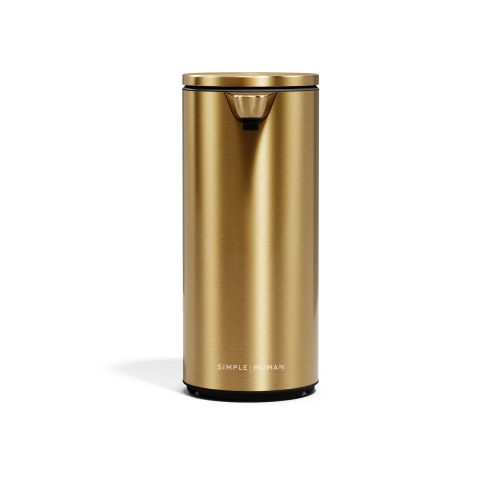 Your price for this item is $100
-
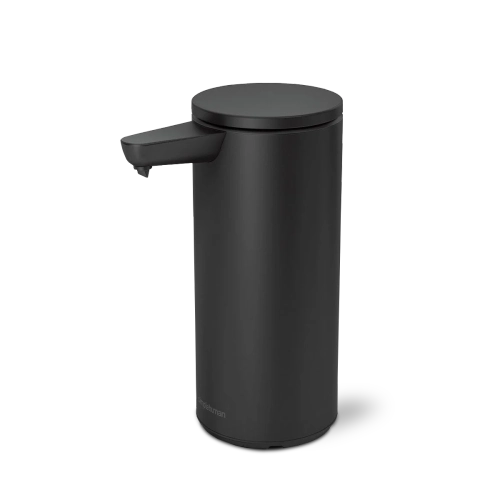 Your price for this item is $100
-
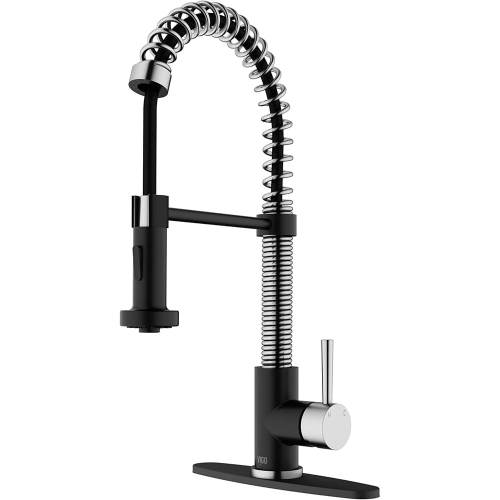 Your price for this item is $426.55
-
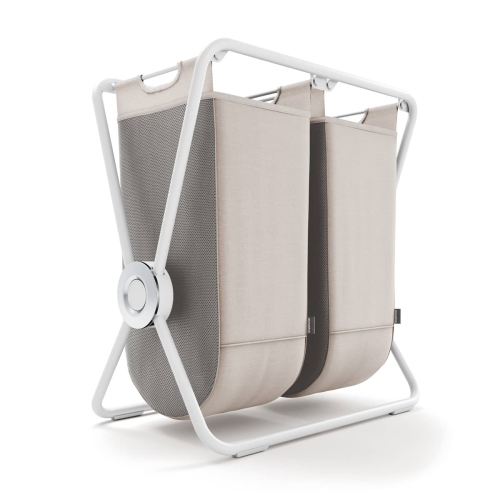 Your price for this item is $300
-
 Your price for this item is $120
Discover more categories related to Freestanding Bathroom Furniture

Top Collections:
Pokemon Centers, Kindle Devices, Best Cameras for Sports Photography, Pokémon 30th Celebration Cards, Apple iPhones 16, Canon G7X Cameras, iPhone 15 Apple, Flip Phones, Samsung Galaxy Phones, Alarm Clock
Some products may be subject to Environmental Handling Fees
(EHF) depending on your province.
Learn more about EHFs.