Freestanding Corner Bookcases
Freestanding Corner Bookcases offer a stylish and practical solution for maximizing space in any room. Designed to fit neatly into corners, these bookcases help organize books, décor, and everyday essentials while enhancing your living area’s aesthetic. Whether you're looking to create a cozy reading nook or simply need extra storage, Freestanding Corner Bookcases provide both versatility and visual appeal for your home or office. Explore a range of sizes, finishes, and designs to find the perfect addition to your space.
Sort
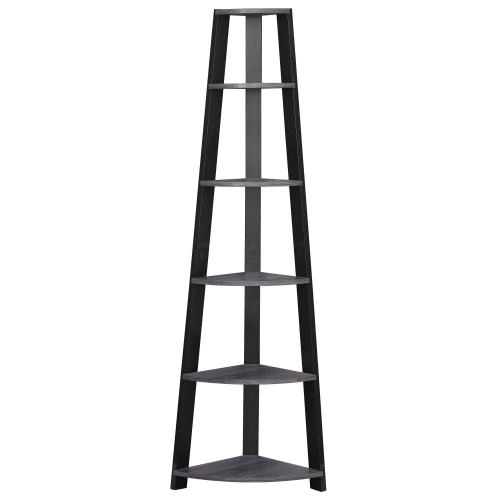


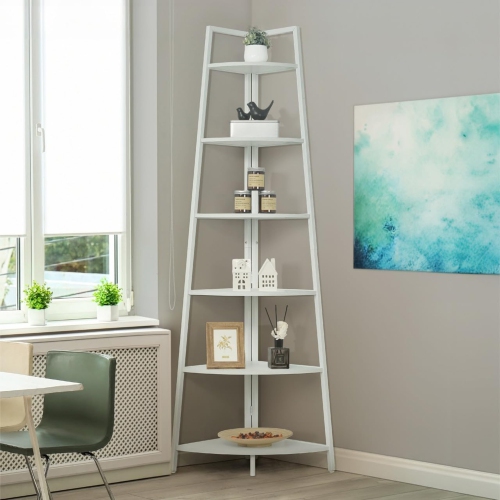
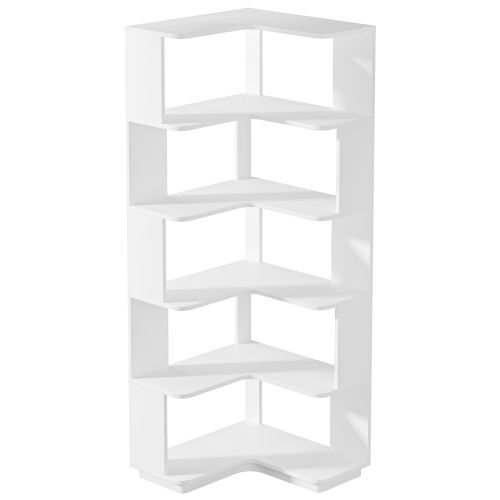

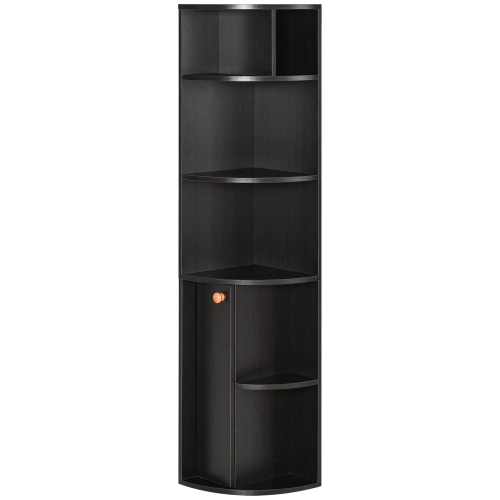
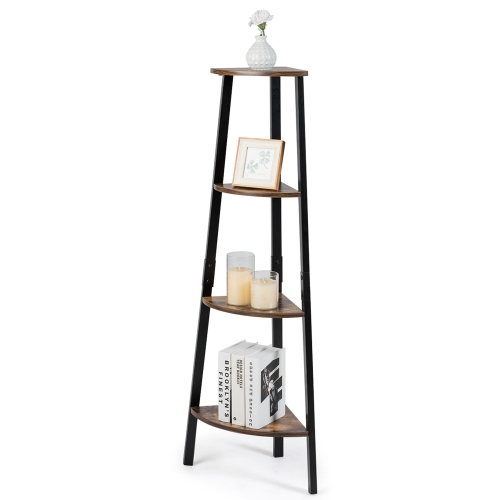
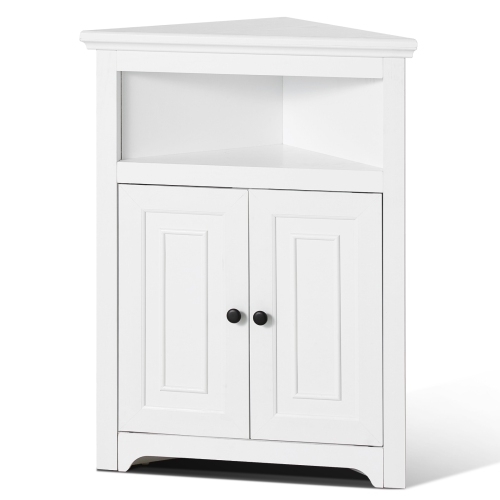
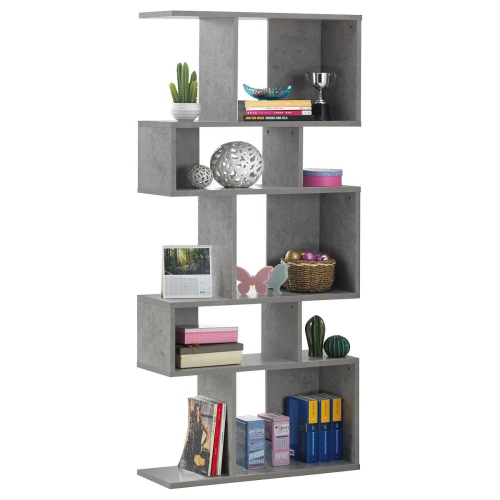

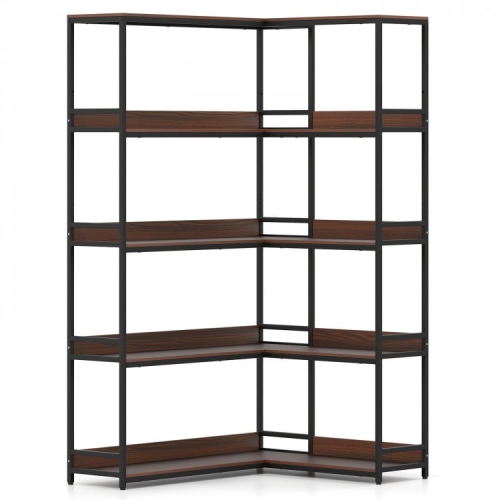
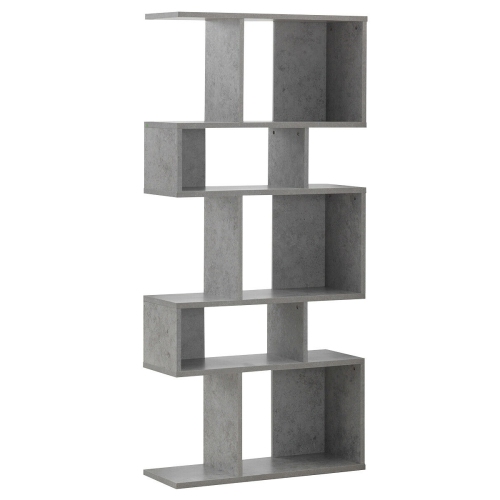
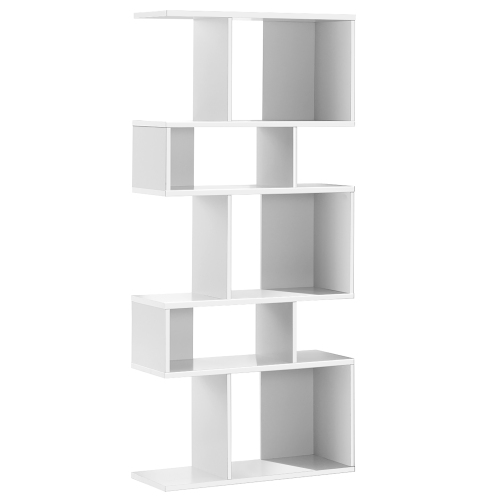
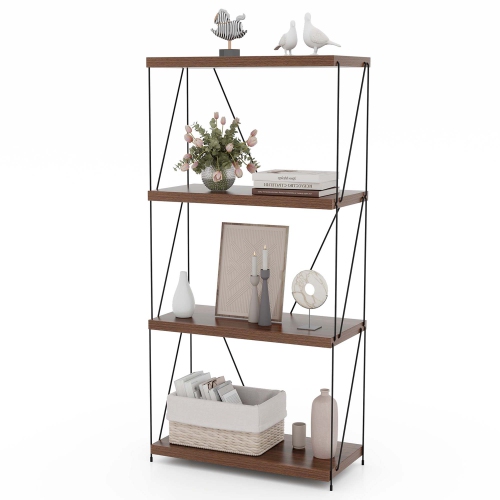
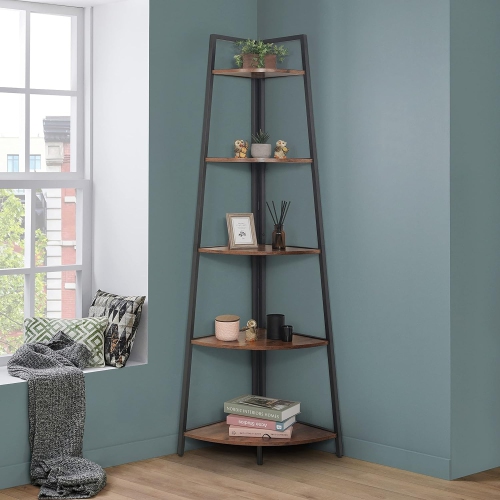
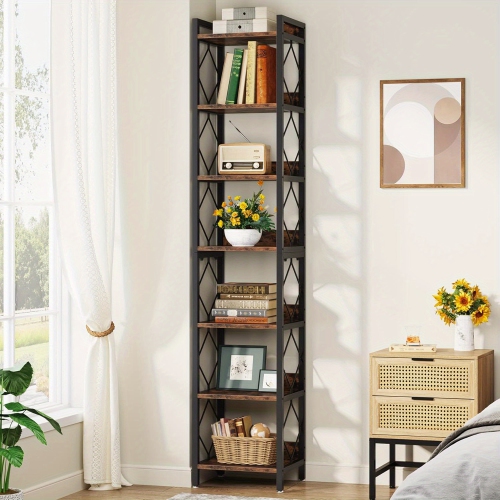
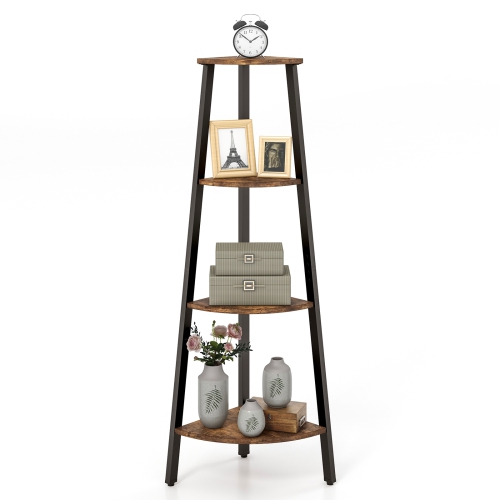
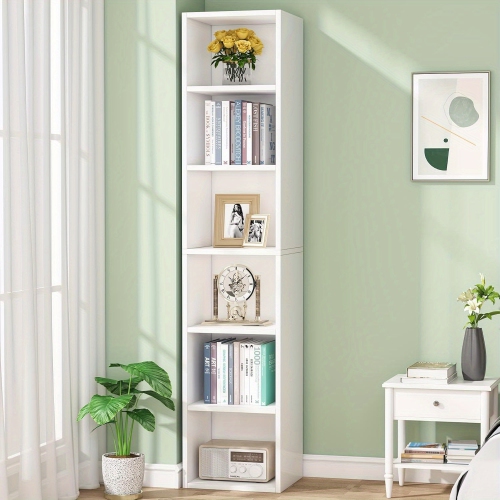
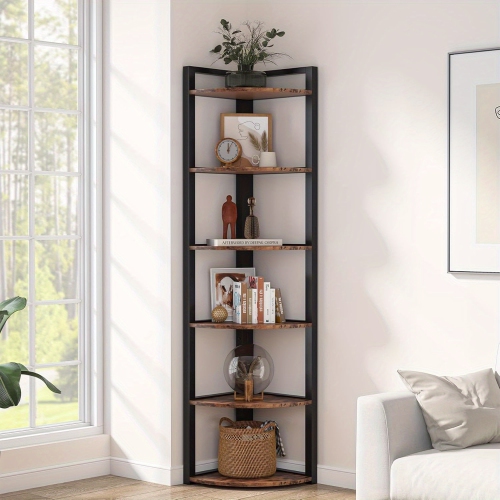
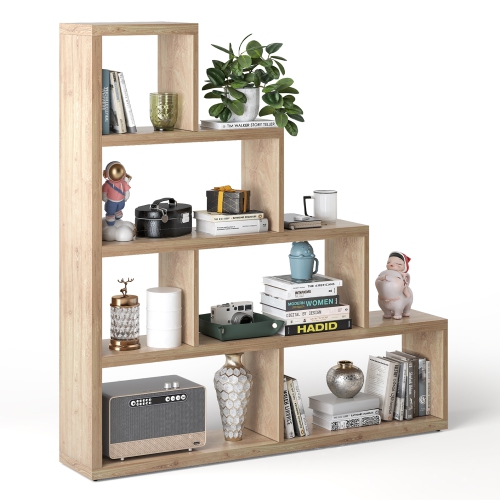
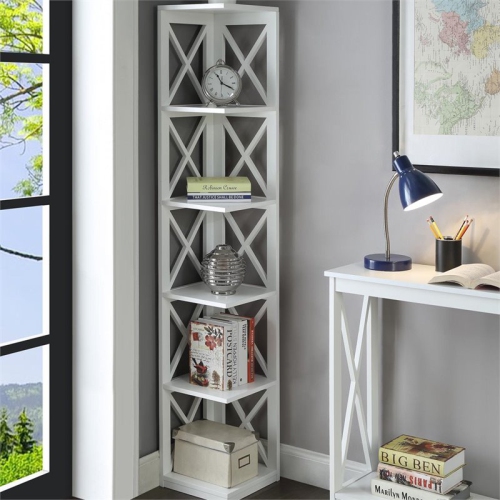
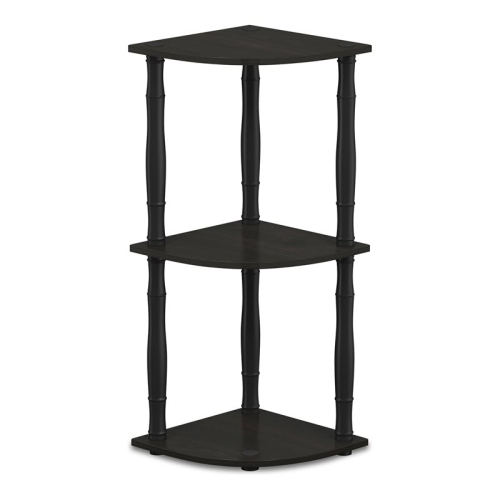

Unused corners offer shelf space without sacrificing wall width
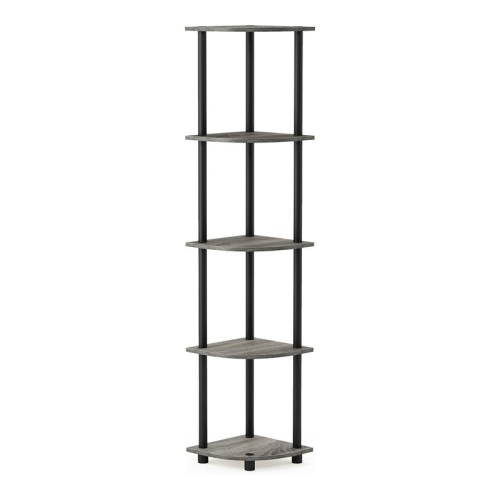
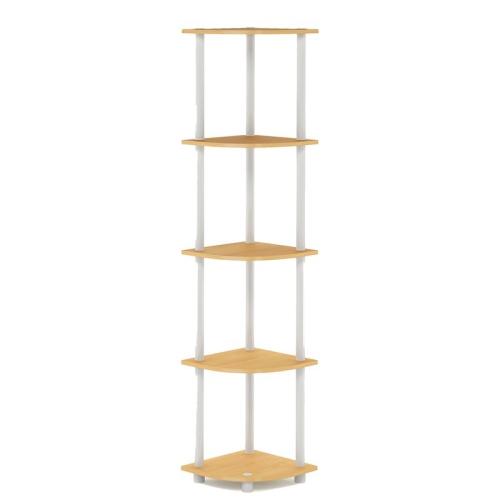
Freestanding corner bookcases are floor-standing shelving units shaped to make use of the junction between two walls, turning an often-unused corner into accessible storage for books and display pieces. Their vertical layout can add useful shelf space without taking up the wall width of a conventional bookcase, making them a practical fit for apartments, home offices, bedrooms, and shared living areas. Unlike wall-mounted shelves, these bookcases support their weight on the floor, though anti-tip anchoring may still be required for safe installation. Shapes range from triangular shelves and curved fronts to L-shaped units with shelving extending along both walls. Many are designed for a 90-degree corner, but the shape of the frame, the depth of the shelves, and the position of the legs determine how closely a particular design sits against the walls. A narrow tower beside an armchair can keep novels and reading glasses within reach, while a broader corner unit can hold reference books, framed photographs, and baskets of everyday essentials. Open sides let light pass through and keep displayed objects visible from different parts of the room; enclosed sides or back panels give books a surface to rest against. Some designs combine open shelving with lower cupboards or drawers, providing a place for loose papers and small accessories that need not stay on display. The most useful configuration depends on what the bookcase will hold. Rows of hardcovers need sufficient shelf depth, sturdy support, and suitable weight capacity, whereas smaller paperbacks and a few personal accents may fit comfortably on shallower shelves. Curved and triangular shelves often narrow towards the back, so their widest measurement does not describe all the usable space. For readers, students, collectors, and anyone arranging a compact room, a corner bookcase offers a defined home for belongings while leaving longer stretches of wall free for a desk, sofa, or bed. It can also complete a reading nook without requiring a separate room or a large furniture arrangement.
Materials influence the appearance, weight, care requirements, and long-term performance of freestanding corner bookcases. Solid wood brings natural grain and variation, with a substantial feel that suits both traditional and contemporary interiors. Its resistance to dents and scratches depends on the wood species and finish, and it still needs protection from spills and rough handling. Engineered wood, including MDF and particleboard, can provide smooth, consistent surfaces beneath painted finishes, laminates, or veneers. These materials are not interchangeable: shelf thickness, internal construction, edge sealing, and support all affect how a unit performs under load. Veneer adds a thin layer of real wood over a core material, while laminate offers a surface whose cleaning requirements depend on its particular finish. For a closer focus on wood-based designs, Wooden Corner Bookcases bring together the familiar texture and character associated with this furniture style. Metal-framed corner shelving offers another look, often pairing slender supports with wood or engineered-wood shelves. A metal frame alone does not establish strength; secure connections, adequate bracing, and the rated capacity of each shelf matter more than appearance. Glass shelves can create a lighter visual effect for display, but require particular attention to load limits, edge protection, and the manufacturer's handling instructions. Colour and finish help connect the bookcase with nearby furniture without needing an exact match. White or pale finishes can blend with light walls, black frames can echo lighting or desk hardware, and visible wood grain can add texture beside upholstered seating. In daily use, simple care goes a long way. A soft cloth removes dust from shelves and corners, and prompt attention to spills helps protect surfaces and edges. Cleaning products should suit the finish rather than being chosen solely for the underlying material. Plant pots need waterproof trays, and felt pads beneath display pieces can help limit scratches where appropriate. A bookcase with accessible shelf surfaces and fewer tight crevices is also easier to keep clean when it holds a full collection.
Fit involves more than finding an empty corner. The height, footprint, and shelf opening dimensions of a freestanding corner bookcase determine both its storage capacity and how comfortably it works with the rest of the room. Baseboards can prevent a frame from sitting flush against the walls, while nearby outlets, vents, curtains, and door swings may limit placement. In a small home office, enough clearance to pull out a desk chair can be more valuable than an extra-deep shelf; beside a bed, an accessible lower shelf may be useful for books without interfering with a bedside table. Tall, narrow designs draw storage upwards, while shorter units keep more contents within easy reach. Adjustable shelves allow different spacing for paperbacks, binders, and oversized books, although adjustment options vary by construction. Fixed shelves create a consistent layout but need openings that suit the intended contents from the start. Published load ratings should be checked for both individual shelves and the whole unit, especially when the bookcase will carry textbooks, art books, or a dense collection of novels. Heavy contents belong on lower shelves, with weight distributed according to the manufacturer's instructions rather than concentrated along an unsupported edge. Freestanding does not mean that anchoring is unnecessary: anti-tip hardware should be installed as directed, using fasteners appropriate for the wall, and children should never climb the shelves. A firm, level position is important, particularly where flooring is uneven or carpet has a deep pile. Assembly quality matters as well, since correctly fitted back panels, braces, and fasteners help the frame perform as intended. For shared spaces, lower shelves can hold frequently used belongings while higher shelves carry lighter display pieces that are reached less often. As a housewarming gift or an addition to a student's study space, a corner bookcase is most useful when its dimensions, finish, and installation needs suit the recipient's room. With those practical details accounted for, it becomes an everyday piece of furniture that keeps books organized, gives favourite objects a place, and makes a neglected corner feel purposeful.
Materials influence the appearance, weight, care requirements, and long-term performance of freestanding corner bookcases. Solid wood brings natural grain and variation, with a substantial feel that suits both traditional and contemporary interiors. Its resistance to dents and scratches depends on the wood species and finish, and it still needs protection from spills and rough handling. Engineered wood, including MDF and particleboard, can provide smooth, consistent surfaces beneath painted finishes, laminates, or veneers. These materials are not interchangeable: shelf thickness, internal construction, edge sealing, and support all affect how a unit performs under load. Veneer adds a thin layer of real wood over a core material, while laminate offers a surface whose cleaning requirements depend on its particular finish. For a closer focus on wood-based designs, Wooden Corner Bookcases bring together the familiar texture and character associated with this furniture style. Metal-framed corner shelving offers another look, often pairing slender supports with wood or engineered-wood shelves. A metal frame alone does not establish strength; secure connections, adequate bracing, and the rated capacity of each shelf matter more than appearance. Glass shelves can create a lighter visual effect for display, but require particular attention to load limits, edge protection, and the manufacturer's handling instructions. Colour and finish help connect the bookcase with nearby furniture without needing an exact match. White or pale finishes can blend with light walls, black frames can echo lighting or desk hardware, and visible wood grain can add texture beside upholstered seating. In daily use, simple care goes a long way. A soft cloth removes dust from shelves and corners, and prompt attention to spills helps protect surfaces and edges. Cleaning products should suit the finish rather than being chosen solely for the underlying material. Plant pots need waterproof trays, and felt pads beneath display pieces can help limit scratches where appropriate. A bookcase with accessible shelf surfaces and fewer tight crevices is also easier to keep clean when it holds a full collection.
Fit involves more than finding an empty corner. The height, footprint, and shelf opening dimensions of a freestanding corner bookcase determine both its storage capacity and how comfortably it works with the rest of the room. Baseboards can prevent a frame from sitting flush against the walls, while nearby outlets, vents, curtains, and door swings may limit placement. In a small home office, enough clearance to pull out a desk chair can be more valuable than an extra-deep shelf; beside a bed, an accessible lower shelf may be useful for books without interfering with a bedside table. Tall, narrow designs draw storage upwards, while shorter units keep more contents within easy reach. Adjustable shelves allow different spacing for paperbacks, binders, and oversized books, although adjustment options vary by construction. Fixed shelves create a consistent layout but need openings that suit the intended contents from the start. Published load ratings should be checked for both individual shelves and the whole unit, especially when the bookcase will carry textbooks, art books, or a dense collection of novels. Heavy contents belong on lower shelves, with weight distributed according to the manufacturer's instructions rather than concentrated along an unsupported edge. Freestanding does not mean that anchoring is unnecessary: anti-tip hardware should be installed as directed, using fasteners appropriate for the wall, and children should never climb the shelves. A firm, level position is important, particularly where flooring is uneven or carpet has a deep pile. Assembly quality matters as well, since correctly fitted back panels, braces, and fasteners help the frame perform as intended. For shared spaces, lower shelves can hold frequently used belongings while higher shelves carry lighter display pieces that are reached less often. As a housewarming gift or an addition to a student's study space, a corner bookcase is most useful when its dimensions, finish, and installation needs suit the recipient's room. With those practical details accounted for, it becomes an everyday piece of furniture that keeps books organized, gives favourite objects a place, and makes a neglected corner feel purposeful.
Top selling and popular products
-
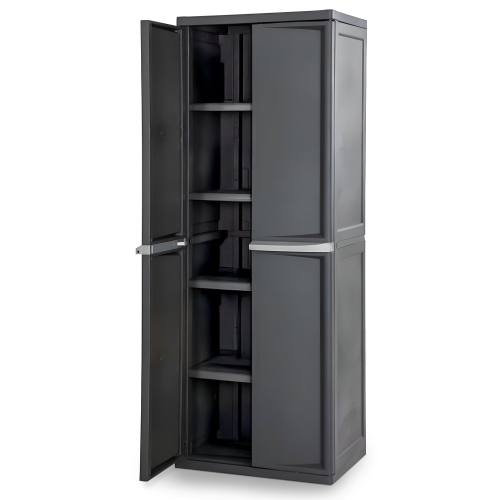 Your price for this item is $772.99
 -
 Your price for this item is $1522.99
 -
 Your price for this item is $234.68
 -
 Your price for this item is $365.38
 -
 Your price for this item is $468.99
 -
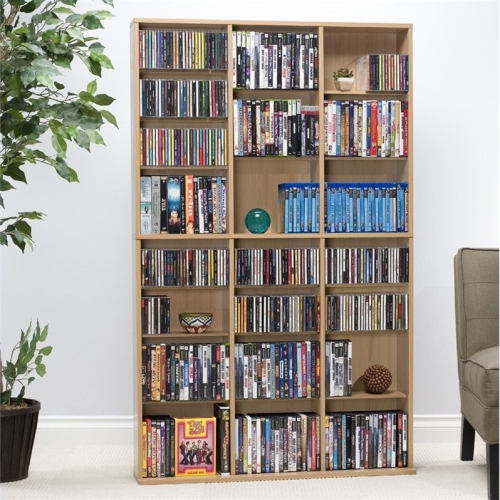 Your price for this item is $295.84
 -
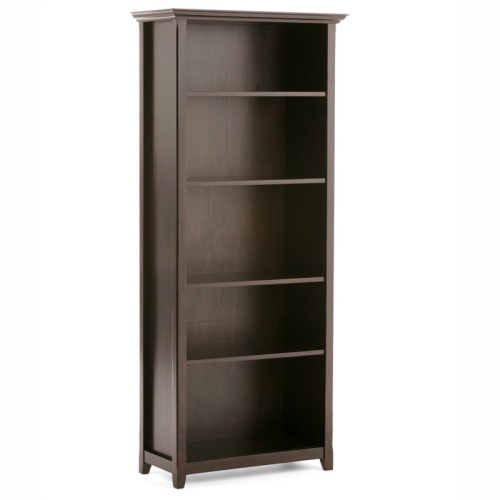 Your price for this item is $999.77
 -
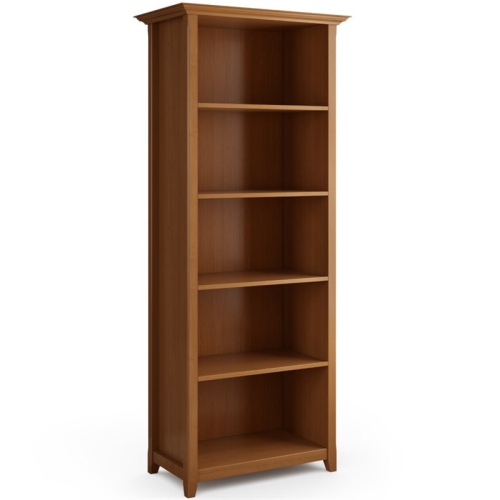 Your price for this item is $998.43
Discover more categories related to Freestanding Corner Bookcases
Top Collections:
Pokemon Centers, Kindle Devices, Best Budget Office Chairs, Apple iPhones 16, Best Laptops for Writers, iPhone 15 Apple, Canon G7X Cameras, Refurbished Apple Laptops, Alarm Clock, Motorola Razr Phones
Some products may be subject to Environmental Handling Fees
(EHF) depending on your province.
Learn more about EHFs.