Free Standing Bookcases
If you're looking to add a touch of elegance and functionality to your living space, look no further than these free-standing bookcases. These versatile pieces of furniture not only provide ample storage for your favorite books but also serve as stylish accents that enhance the overall aesthetic of any room. Whether you're an avid reader or simply looking to showcase your curated collection, these free-standing bookcases offer a range of sizes, materials, and designs to suit your personal style and organizational needs.
Sort
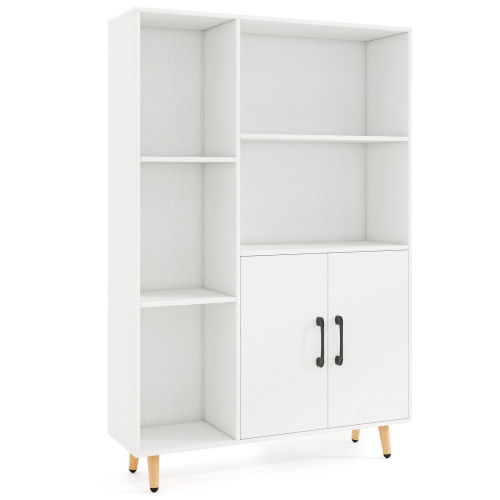
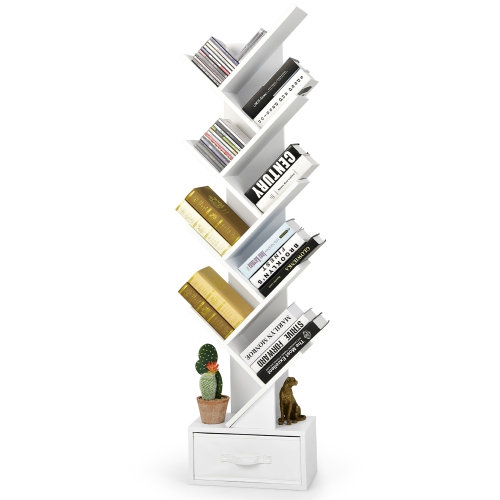
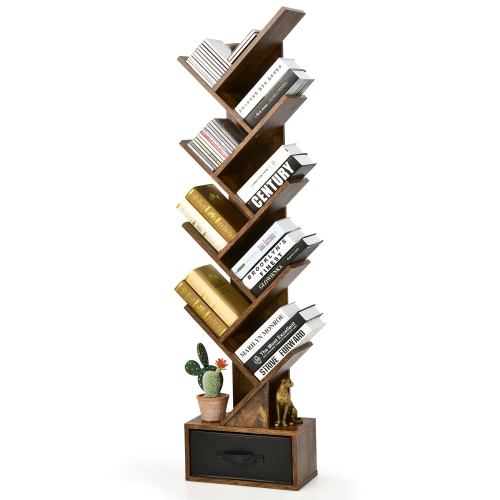
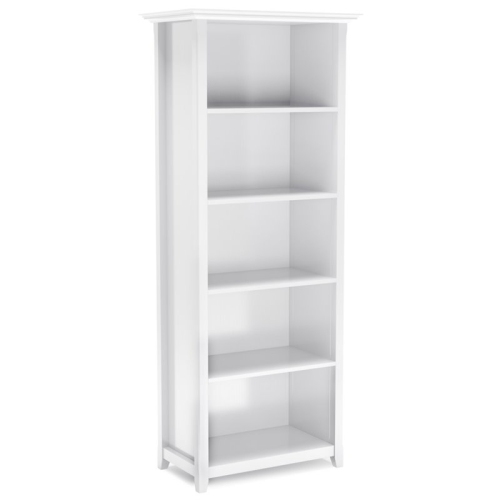
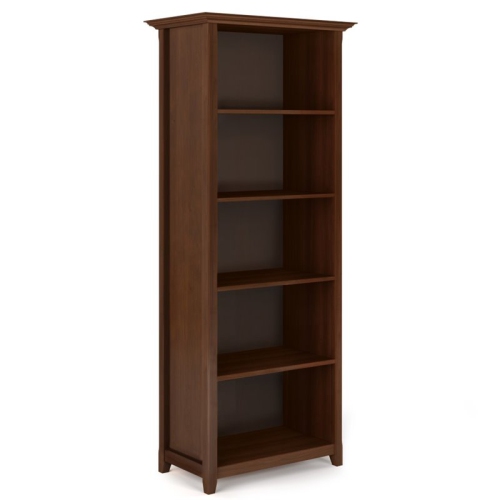
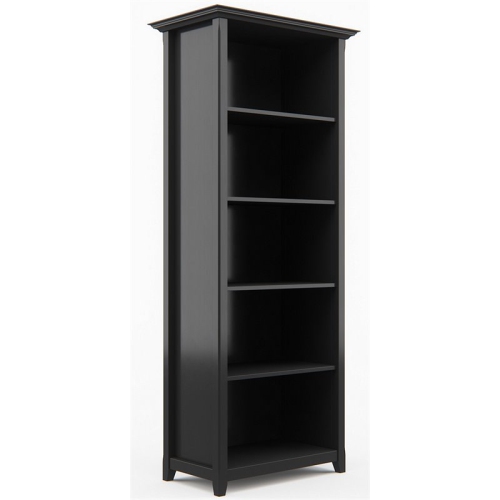
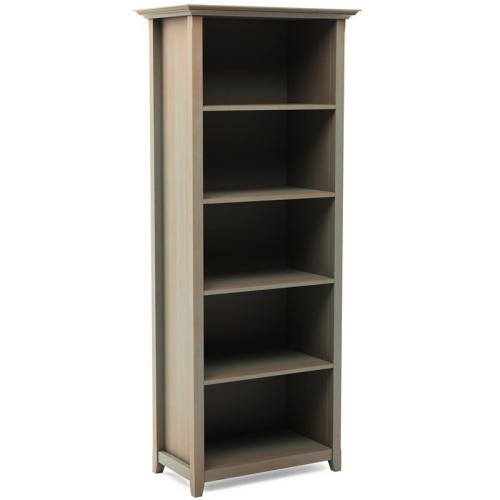
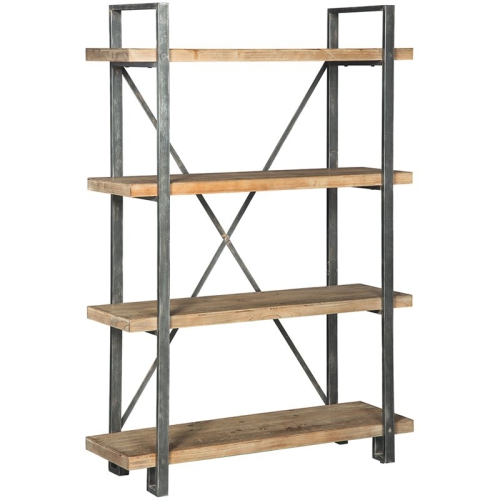
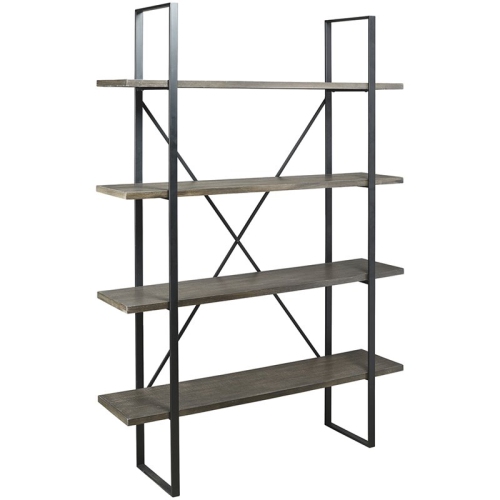
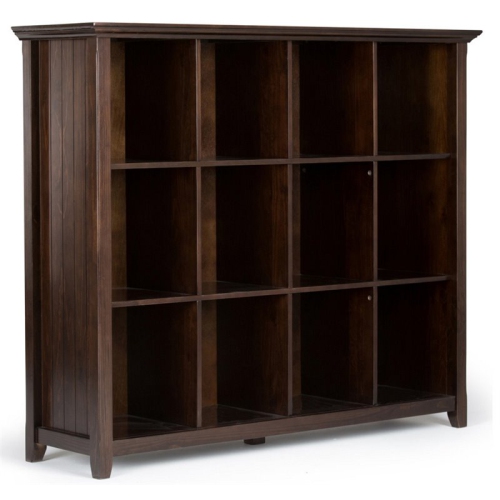
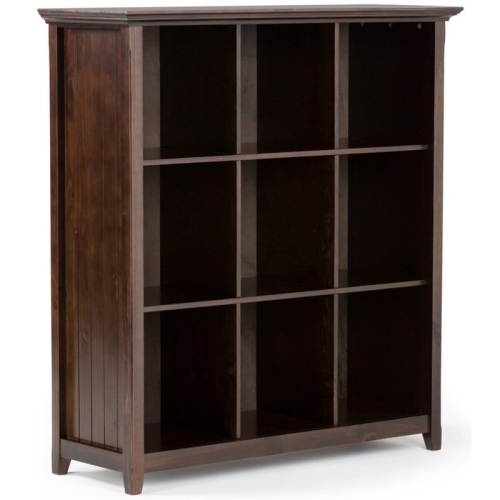
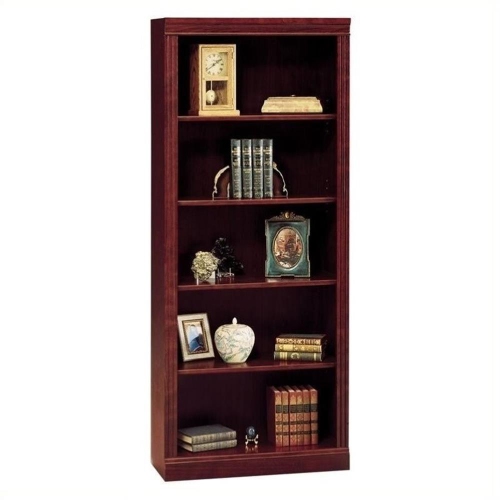
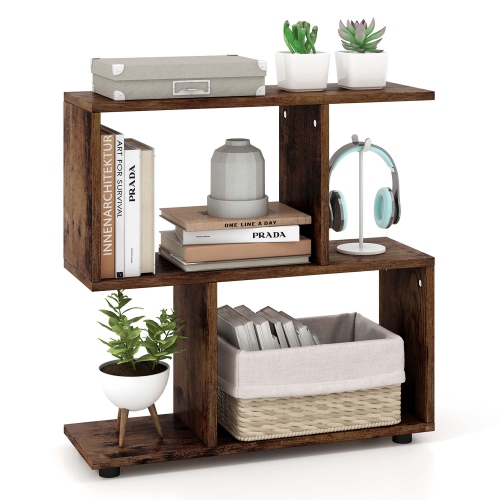
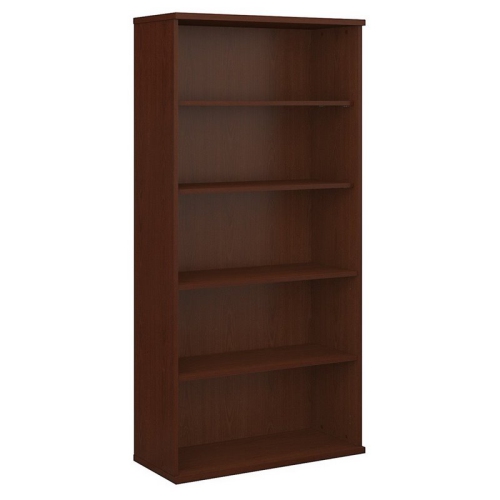
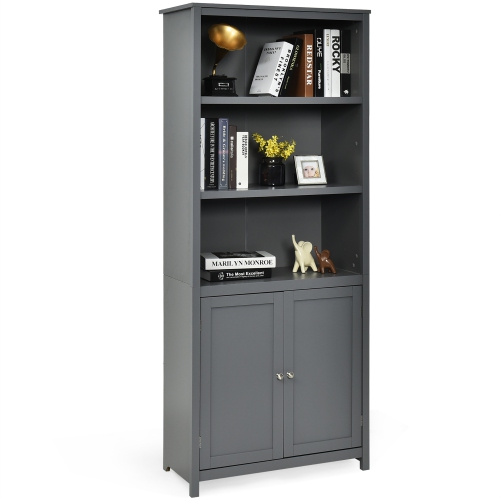
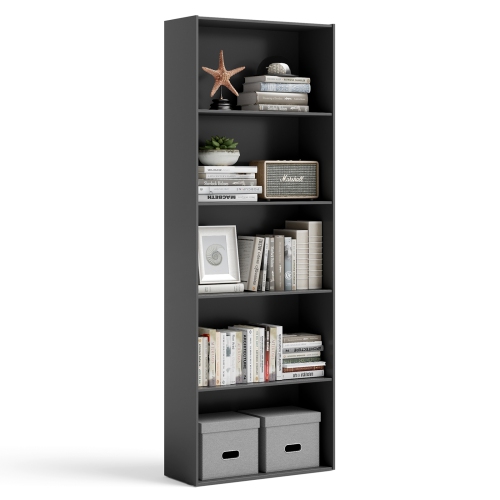
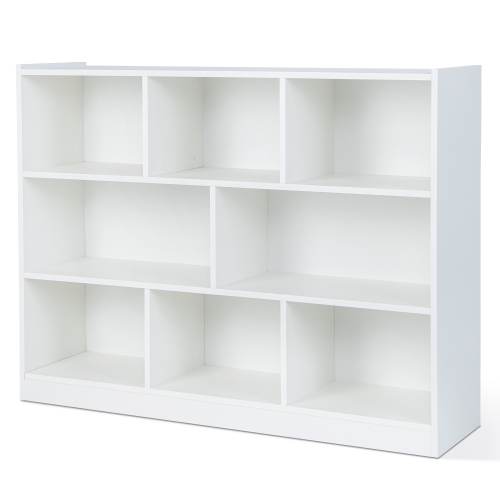
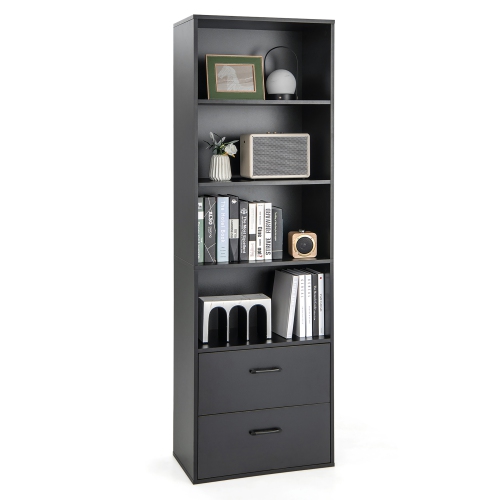
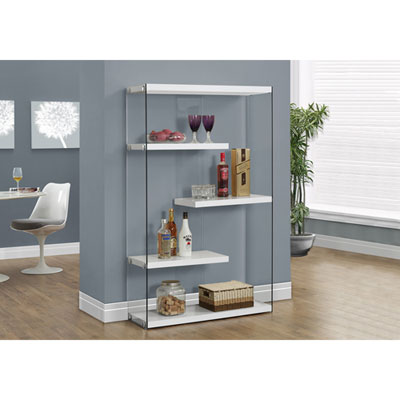

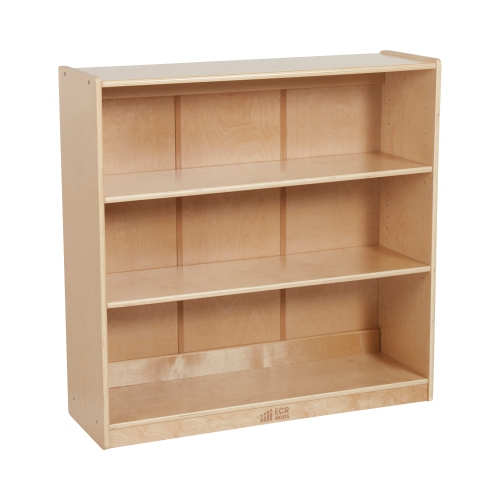
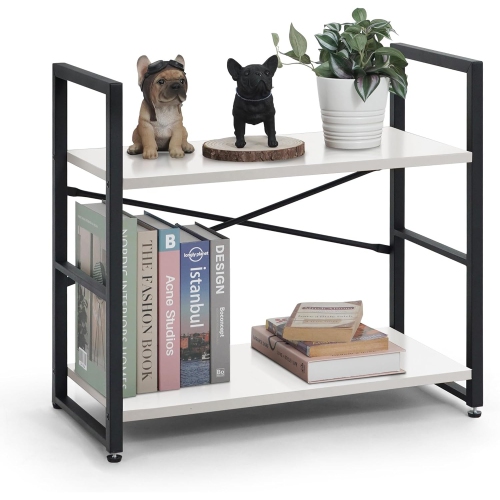
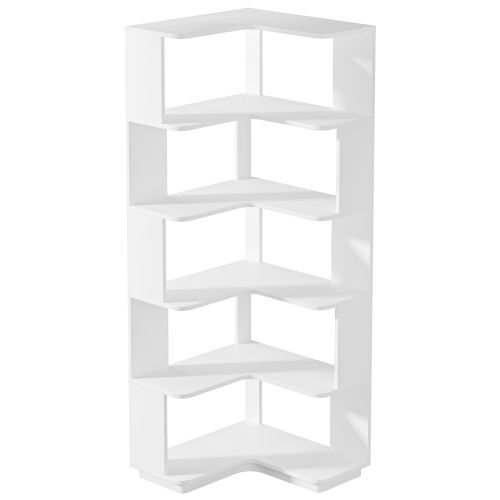

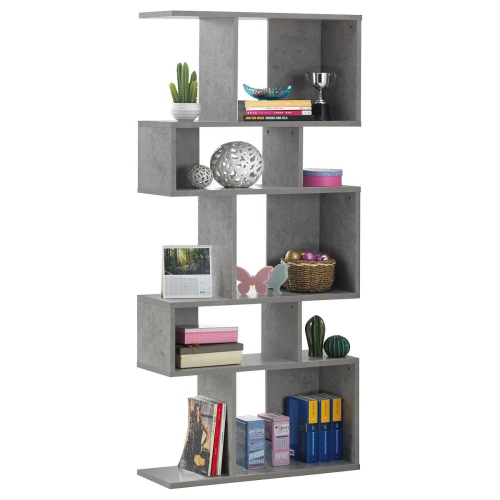
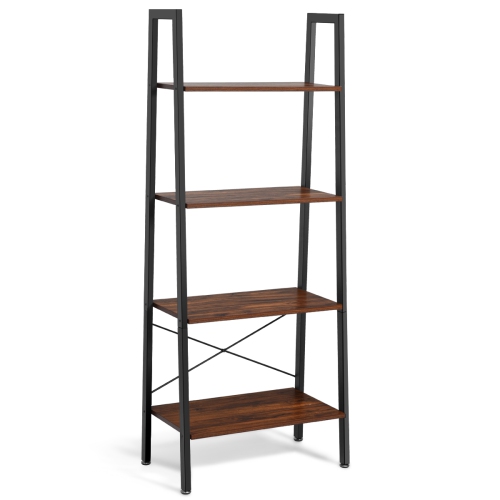
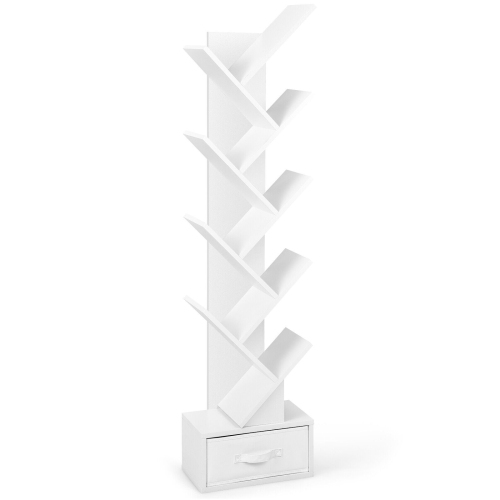
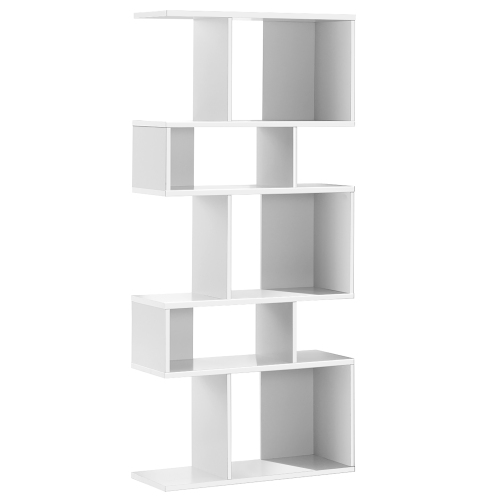
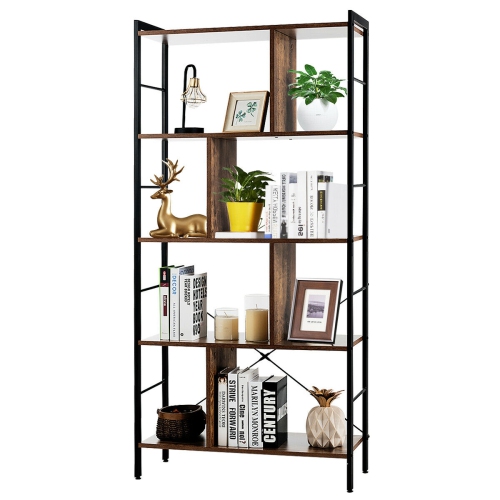
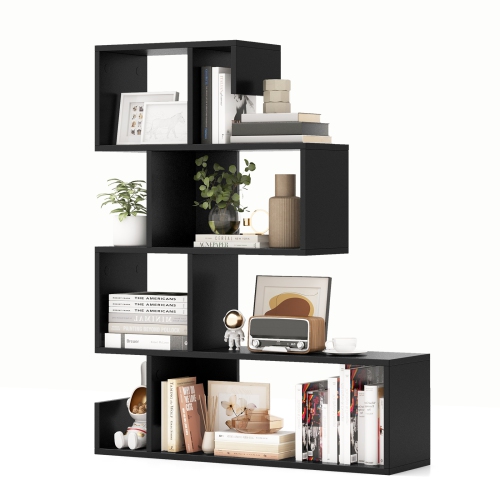
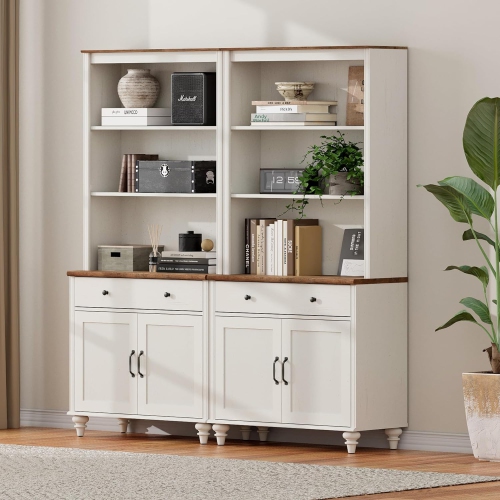
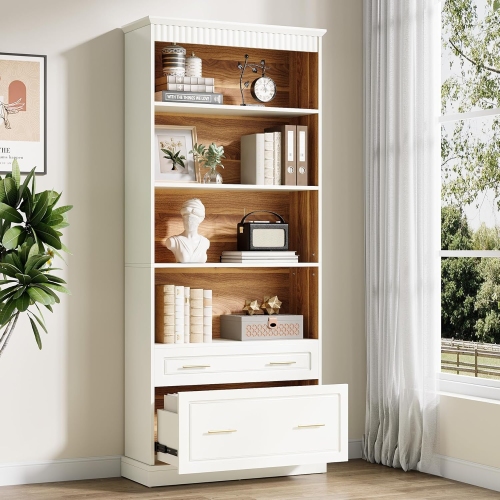
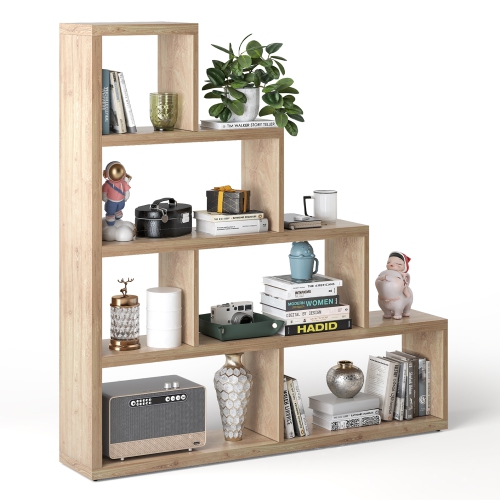
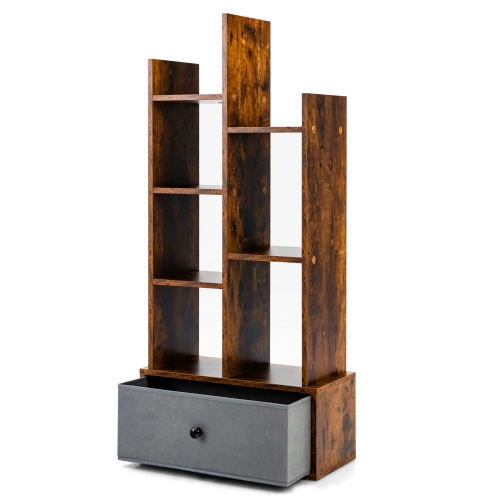
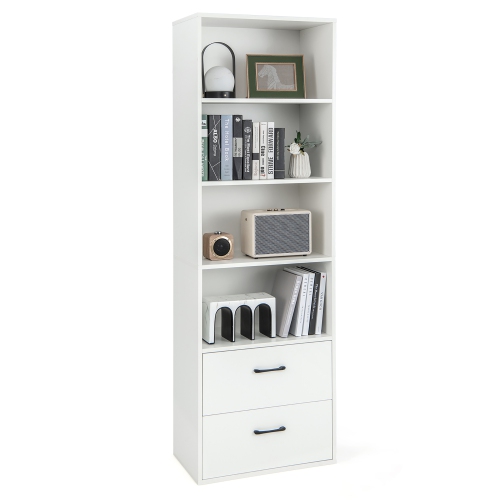
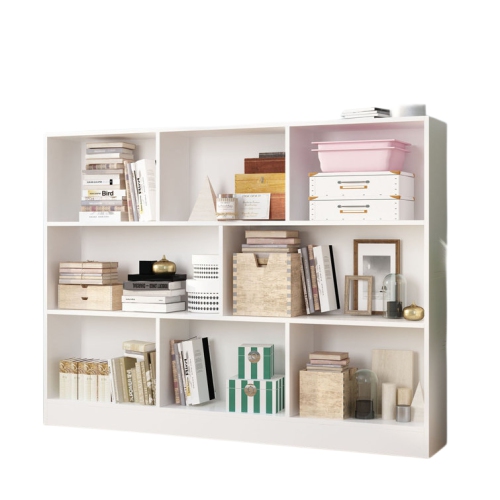
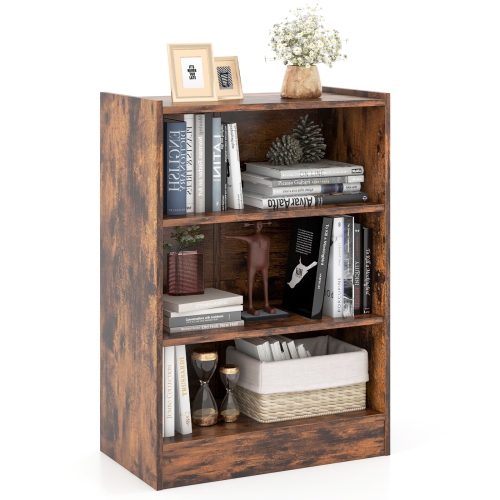
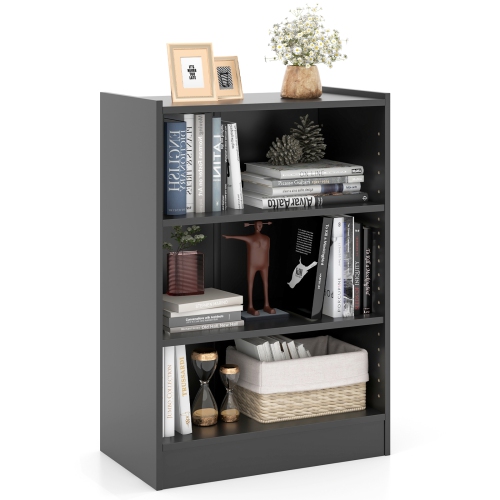
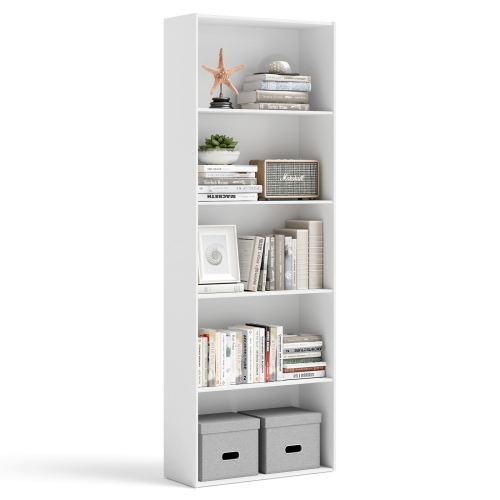
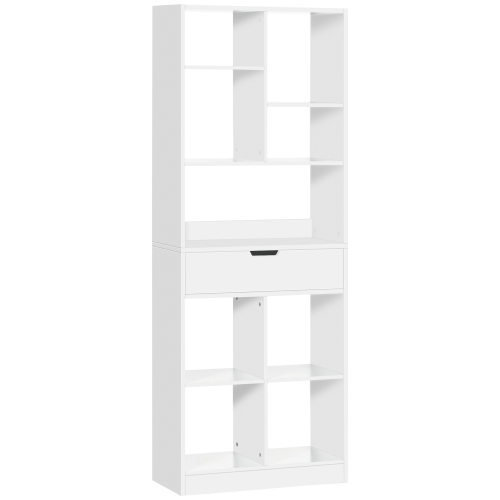
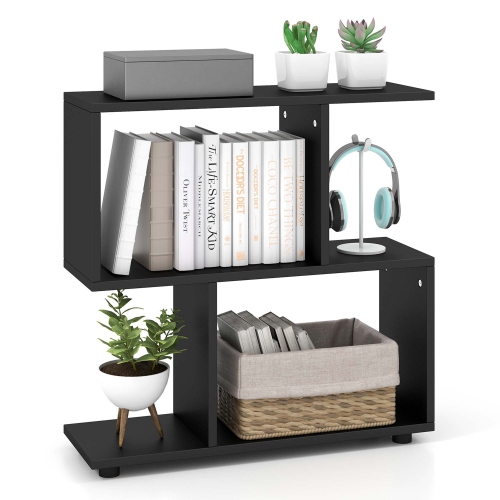
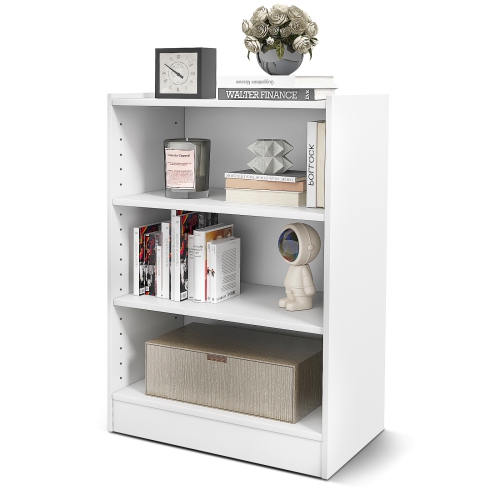
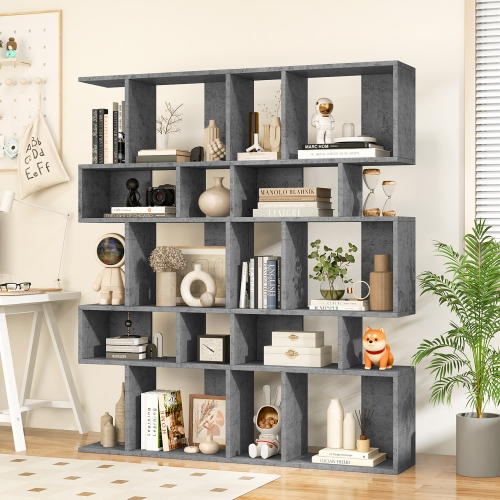
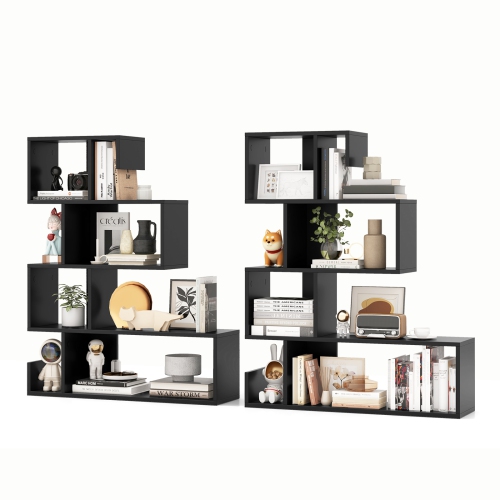
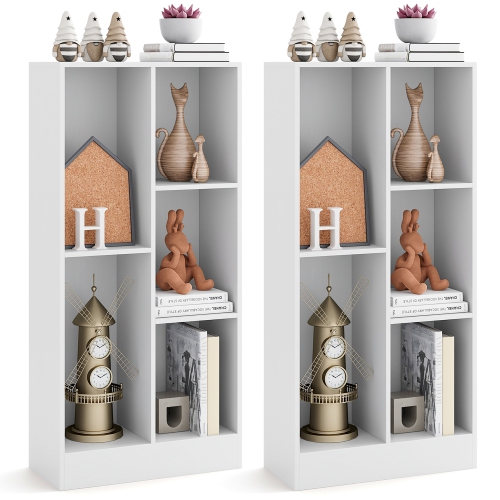
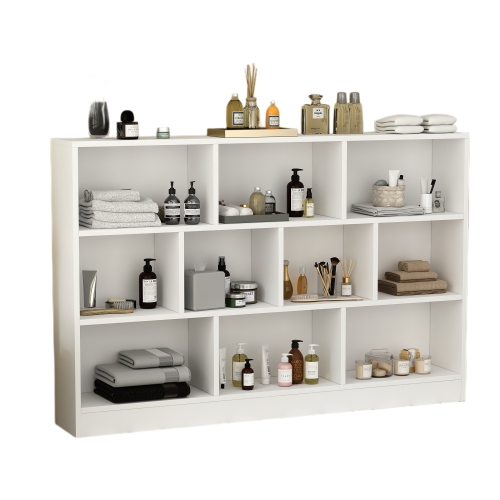
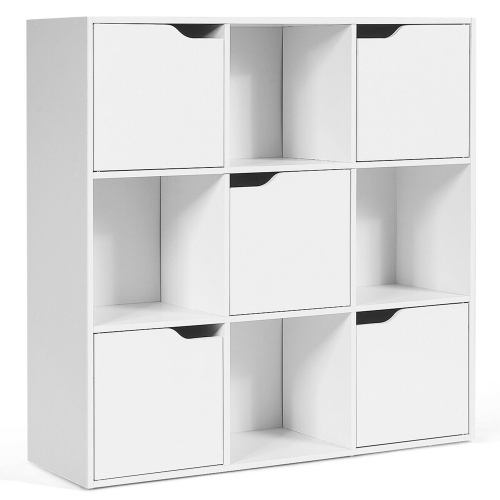
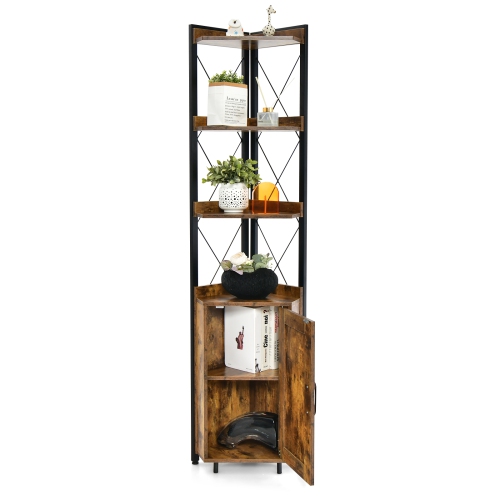
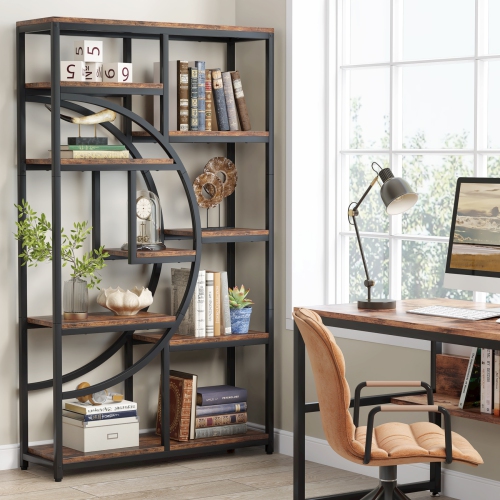
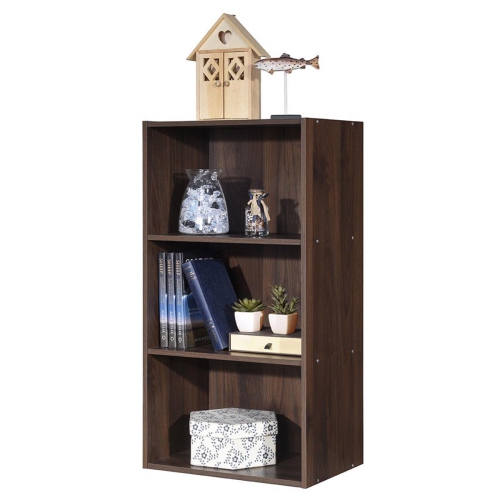
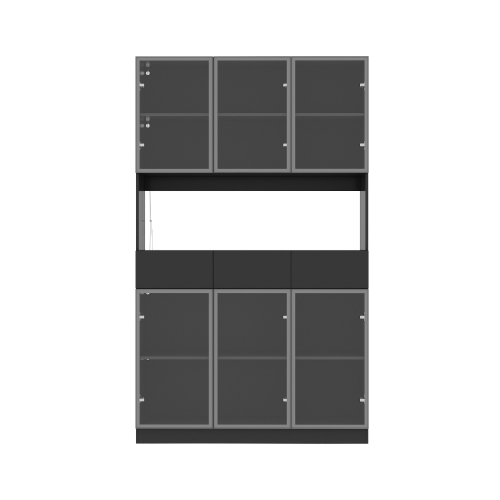
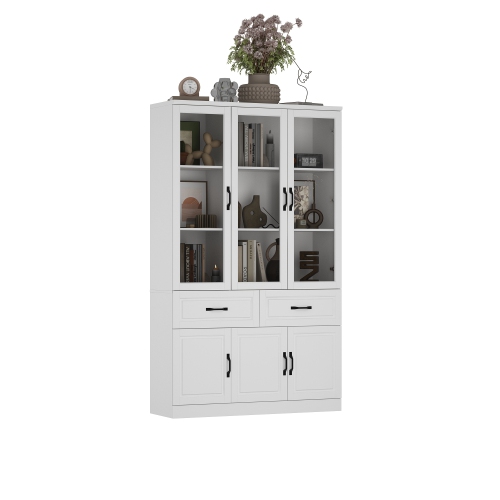
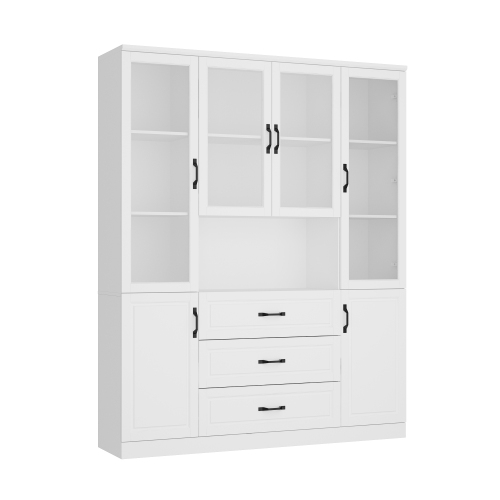
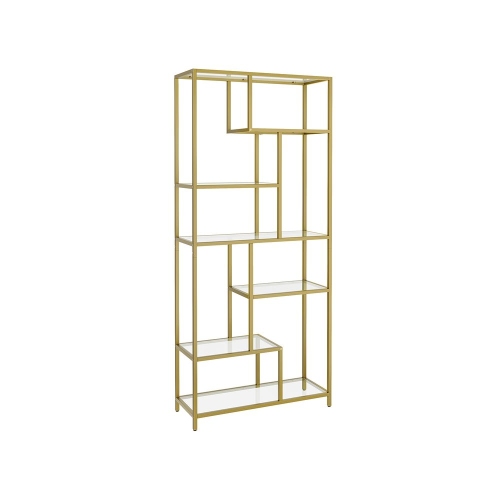
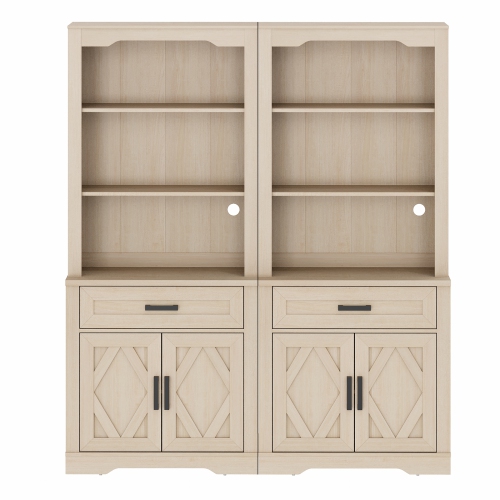
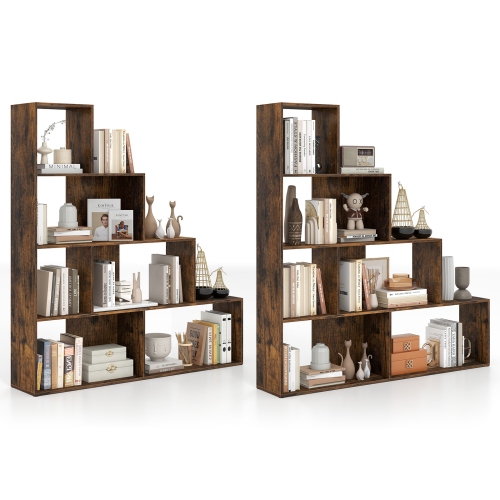

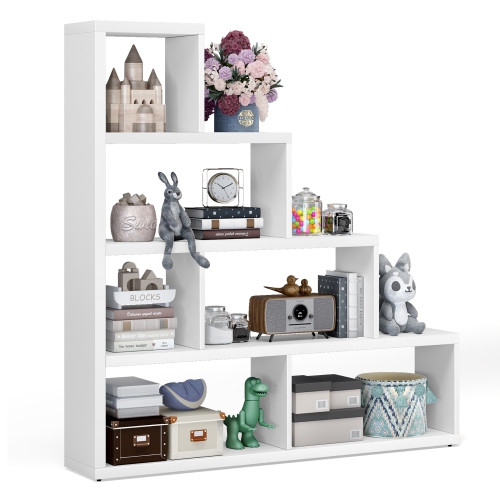
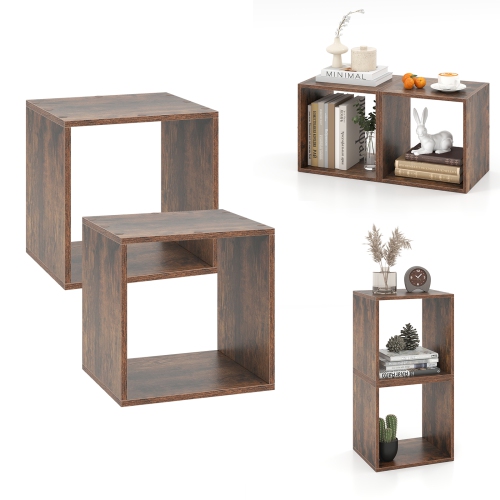
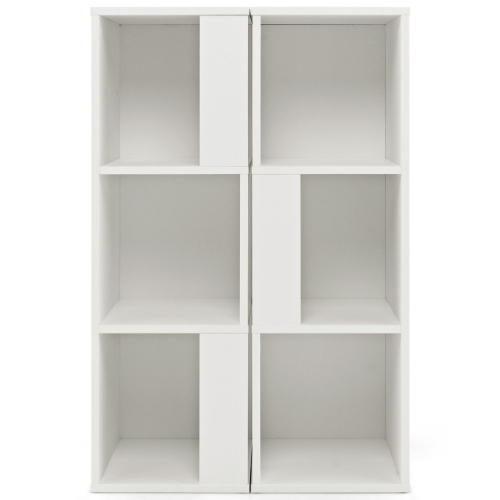
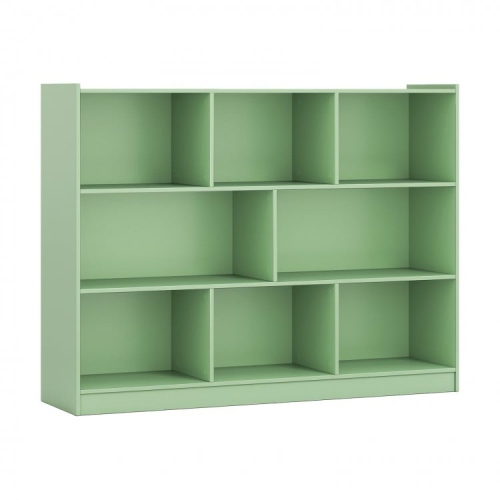
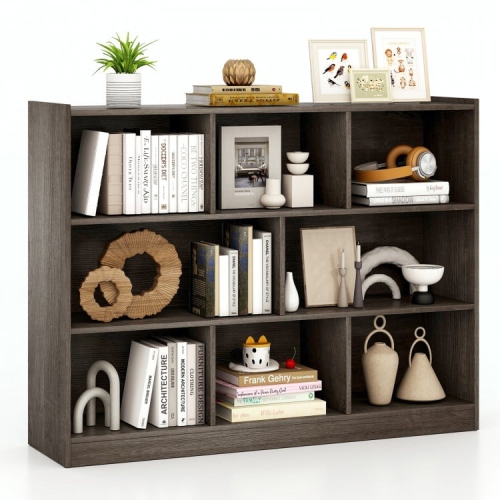
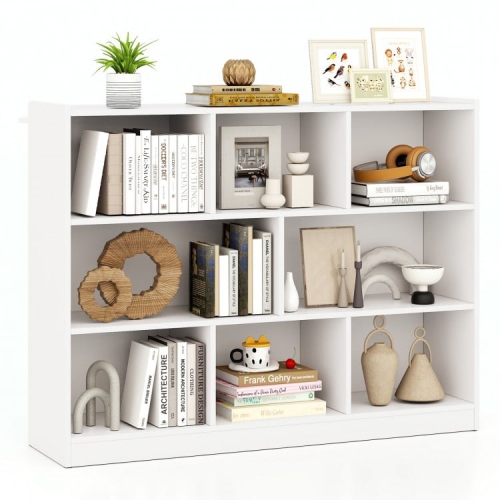
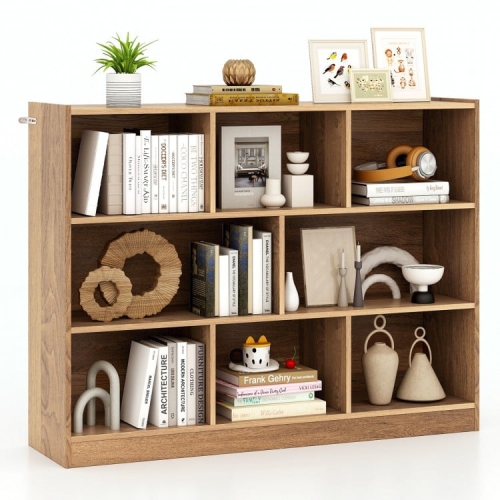
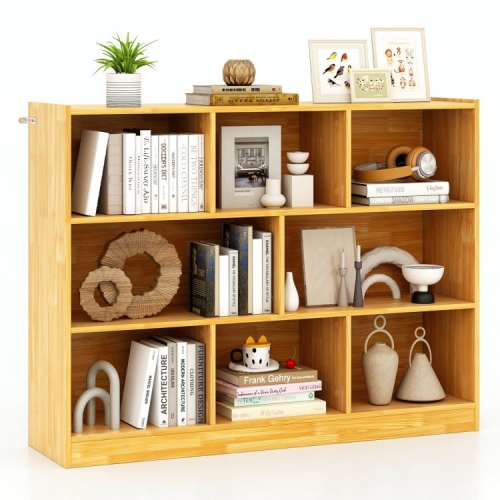
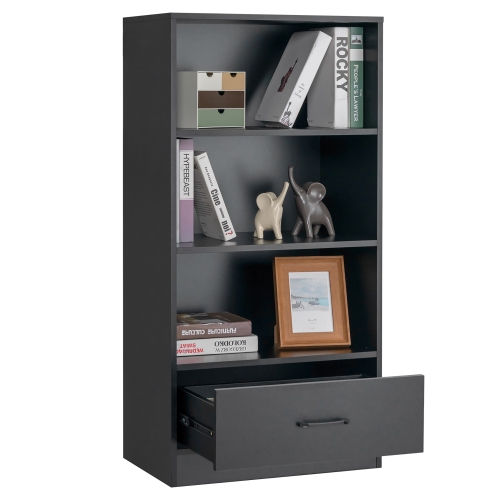
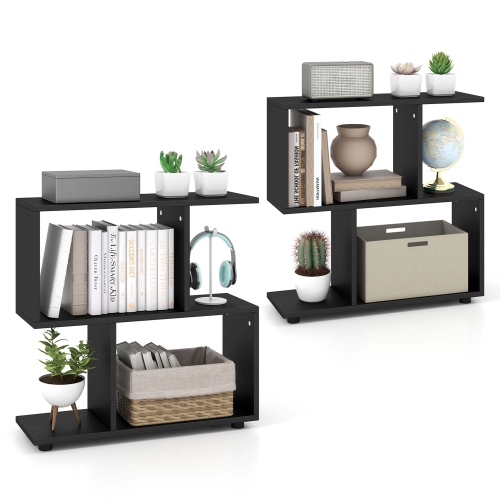
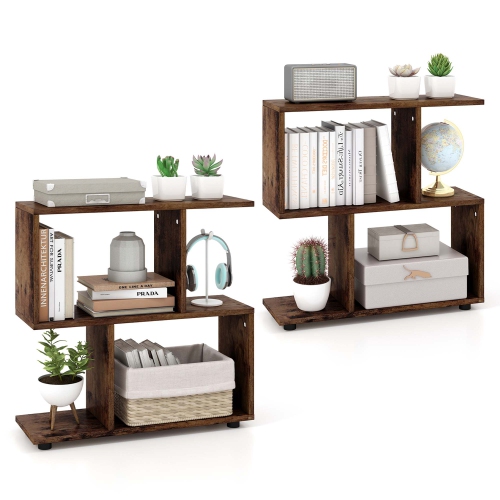
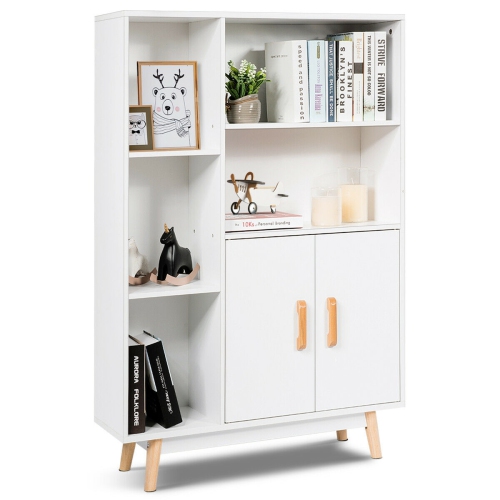
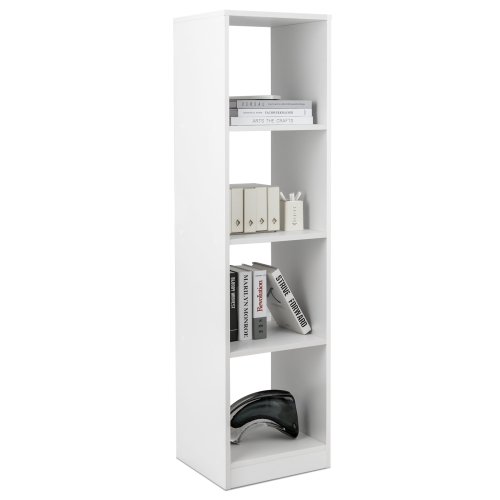


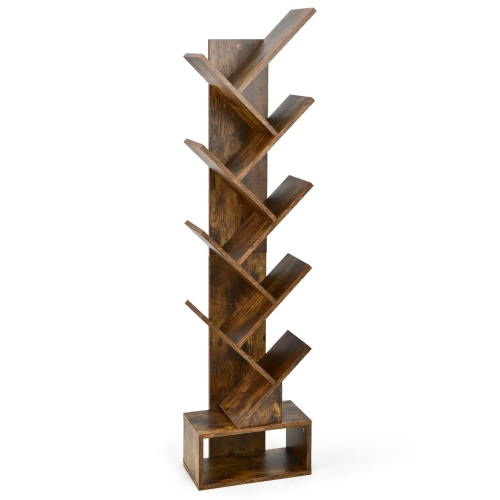
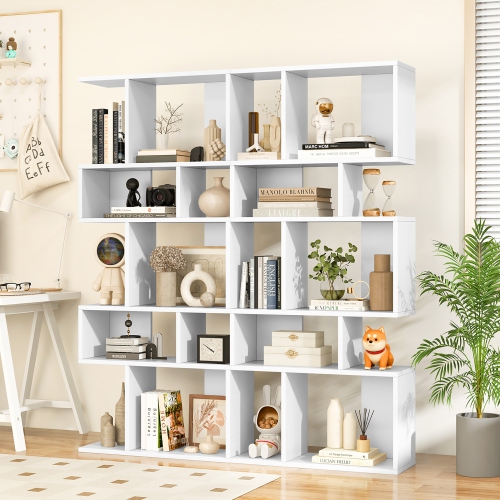
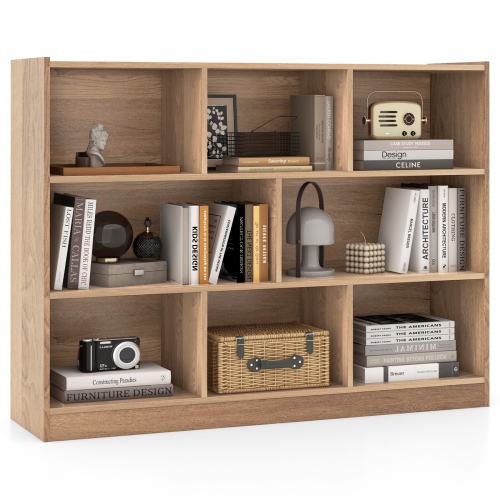
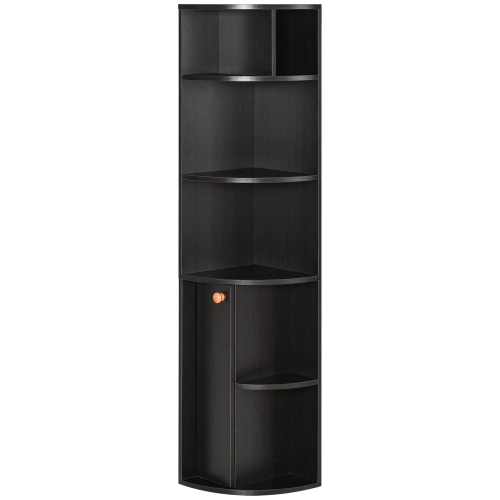
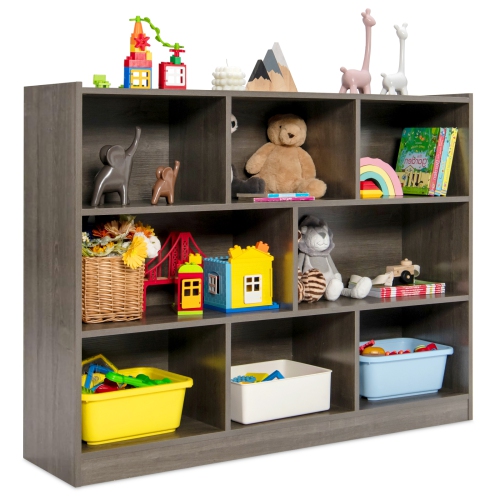
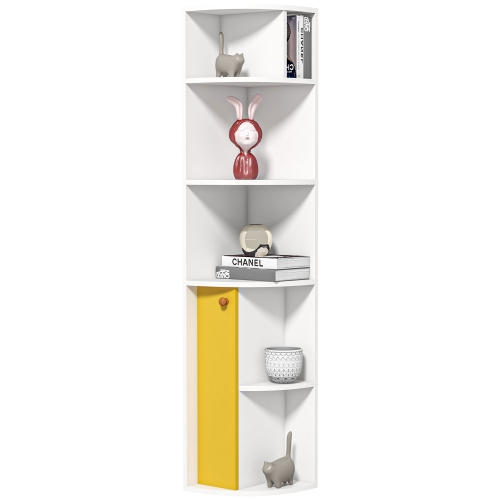
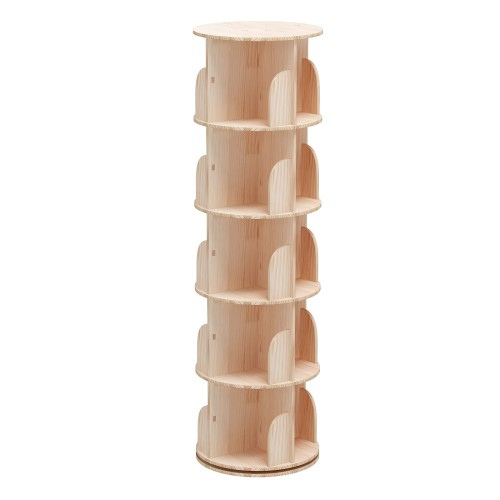
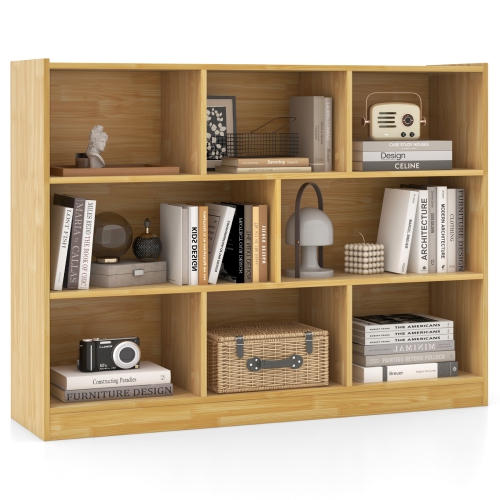
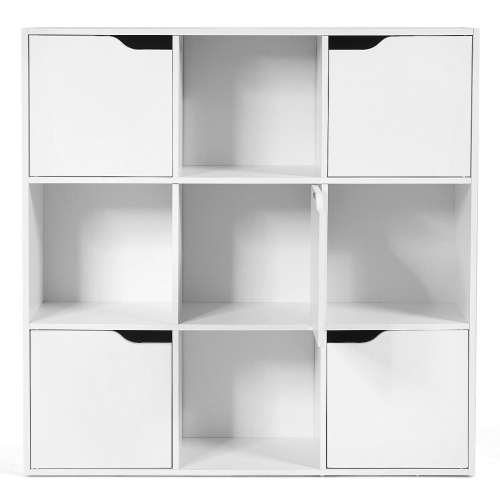
Flexible shelving that adapts to every room and routine
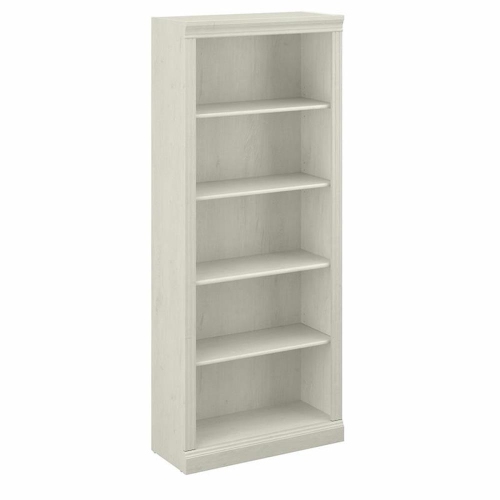
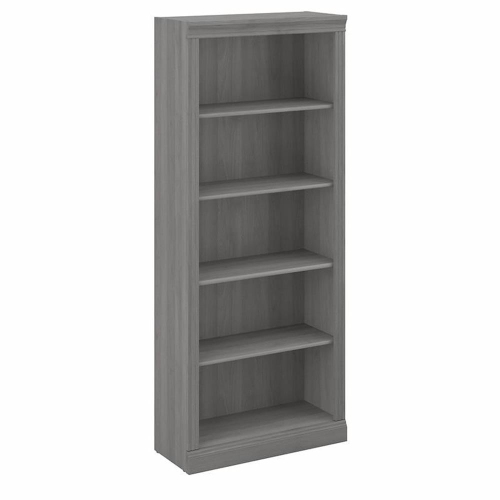
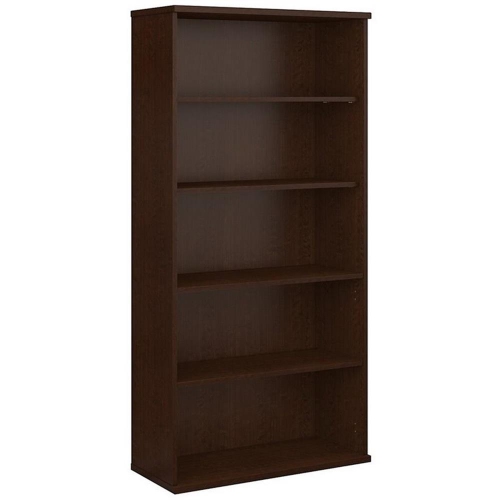
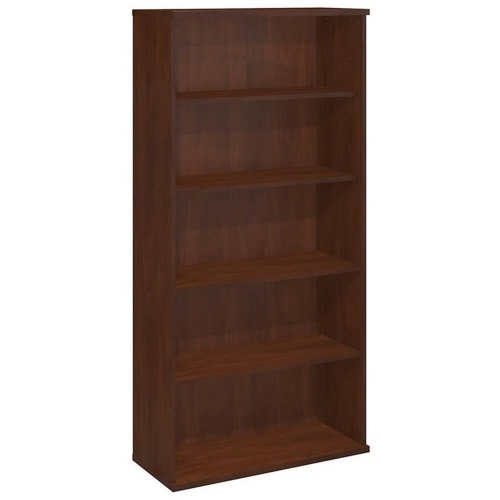
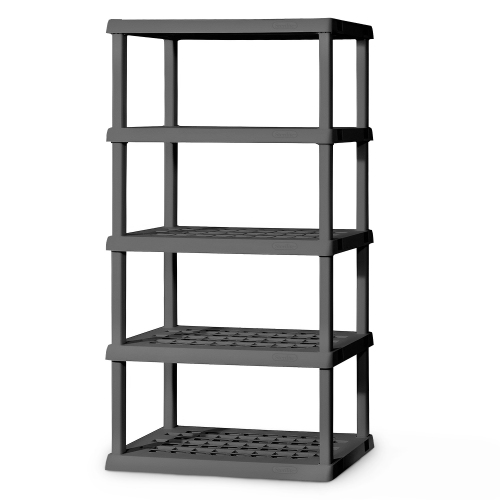
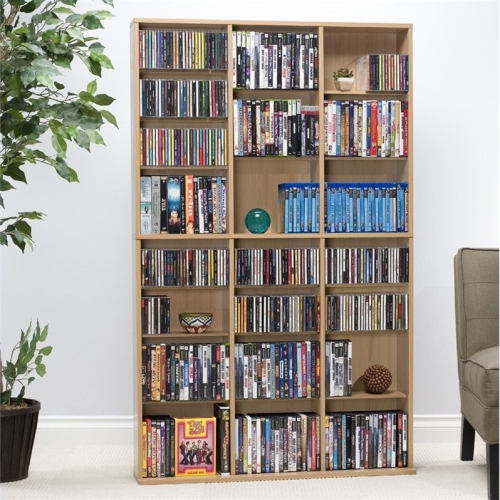
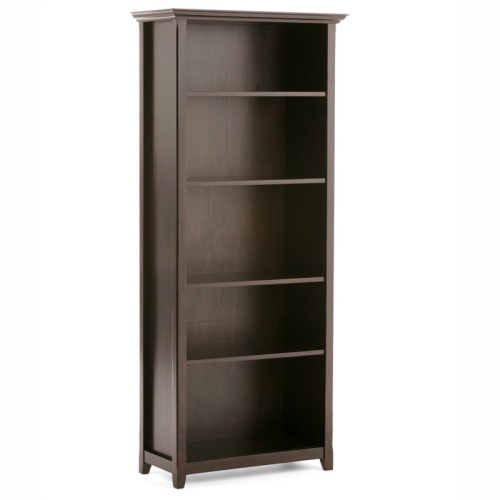
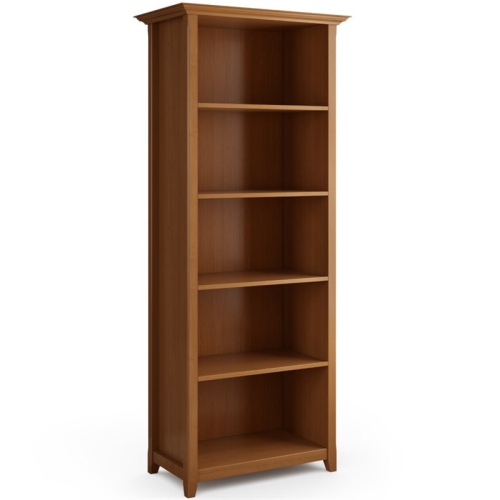
Free Standing Bookcases offer a practical way to organize reading material, display treasured objects, and give an otherwise empty wall a sense of purpose without requiring permanent installation. Unlike built-in shelving, a freestanding bookcase can be positioned on the floor and moved when a room’s layout changes, making it useful for apartments, rental homes, dorm rooms, home offices, bedrooms, living rooms, and shared family spaces. An open shelf unit can turn a quiet corner into a small library, provide a backdrop for framed photos and plants, or keep everyday items within easy reach. In a living room, rows of paperbacks and hardcovers can sit alongside baskets, candles, artwork, and decorative pieces to create a warm, collected look. In a home office, shelves can hold binders, notebooks, reference books, and storage boxes while keeping the desk clear for focused work. A bookcase in a bedroom may be used for novels, accessories, folded blankets, or display items, while a lower shelf can make a convenient spot for a reading lamp or a small basket. Because these units are not fixed to one location, they can adapt as your needs change, whether you are creating a first study space, organizing a growing collection, or refreshing a room during the cooler months. For a taller, narrower footprint, browse Tower Bookcases as another way to use vertical space while keeping the floor area open.
When choosing among Free Standing Bookcases, begin with the room’s measurements and the items you plan to store. Measure the available wall width, ceiling height, and floor depth, then leave enough clearance for doors, drawers, baseboards, vents, and walkways. A compact three-tier unit may suit a hallway, child’s room, or small reading nook, while a wider five-tier bookcase can accommodate a larger collection and provide a more substantial focal point. Shelf depth matters as well: shelves around 9 to 12 inch deep can work well for many paperbacks and standard hardcovers, while oversized art books, albums, storage bins, and display pieces may call for additional room. Adjustable shelves are especially helpful when your collection includes a mixture of formats. You can leave a taller opening for cookbooks, binders, board games, or large picture books, then create shorter spaces for novels and smaller objects. Check the listed weight capacity for each shelf and distribute heavier books across lower levels rather than placing a dense row of hardcovers at the very top. Consider the overall construction, including the frame, shelf material, back panel, hardware, and finish. Wood-look surfaces can bring warmth to a room, metal frames can create a clean or industrial impression, and neutral finishes can blend easily with existing furniture. Open-back designs may make a room feel lighter and allow the wall colour to show through, while a full back panel can help keep items aligned and give the unit a more finished appearance. Before placing the bookcase, inspect the floor for uneven areas and use any included levelling components as directed. Tall units should also be secured with the supplied anti-tip kit or wall strap, particularly in homes with children or pets. A freestanding design does not mean it should be left unsecured when the manufacturer provides hardware intended to improve stability.
A well-chosen bookcase can serve people at nearly every stage of life and can make a thoughtful gift for someone settling into a new home, furnishing a first apartment, preparing a study area, or building a personal library. Students can use one to separate textbooks, course materials, stationery, and keepsakes, while readers may arrange books by author, subject, colour, or the order in which they hope to read them. Families often appreciate flexible shelving for storybooks, puzzles, craft supplies, and small baskets, especially when lower compartments are easy for children to reach and upper shelves keep delicate décor out of the way. A bookcase can also help a hobbyist display model kits, records, cameras, travel souvenirs, or framed artwork, turning storage into part of the room’s personality. For a calm reading corner, place a freestanding unit beside a comfortable chair, add a small table or floor lamp, and keep favourite titles at hand for quiet evenings. In a work area, group frequently used reference books on one shelf and reserve another for labelled bins that conceal cables, paper, or accessories. Leave a little open space rather than filling every shelf; the breathing room makes the arrangement easier to maintain and allows new finds to fit naturally. When assembling the unit, follow the instructions carefully, tighten fasteners evenly, and avoid dragging a loaded bookcase across the floor. Lift it with help when necessary, check that all shelves are seated correctly, and repeat the stability check after rearranging the contents. With the right size, shelf layout, and placement, Free Standing Bookcases can bring order to everyday routines while adding texture, height, and a personal story to the room.
When choosing among Free Standing Bookcases, begin with the room’s measurements and the items you plan to store. Measure the available wall width, ceiling height, and floor depth, then leave enough clearance for doors, drawers, baseboards, vents, and walkways. A compact three-tier unit may suit a hallway, child’s room, or small reading nook, while a wider five-tier bookcase can accommodate a larger collection and provide a more substantial focal point. Shelf depth matters as well: shelves around 9 to 12 inch deep can work well for many paperbacks and standard hardcovers, while oversized art books, albums, storage bins, and display pieces may call for additional room. Adjustable shelves are especially helpful when your collection includes a mixture of formats. You can leave a taller opening for cookbooks, binders, board games, or large picture books, then create shorter spaces for novels and smaller objects. Check the listed weight capacity for each shelf and distribute heavier books across lower levels rather than placing a dense row of hardcovers at the very top. Consider the overall construction, including the frame, shelf material, back panel, hardware, and finish. Wood-look surfaces can bring warmth to a room, metal frames can create a clean or industrial impression, and neutral finishes can blend easily with existing furniture. Open-back designs may make a room feel lighter and allow the wall colour to show through, while a full back panel can help keep items aligned and give the unit a more finished appearance. Before placing the bookcase, inspect the floor for uneven areas and use any included levelling components as directed. Tall units should also be secured with the supplied anti-tip kit or wall strap, particularly in homes with children or pets. A freestanding design does not mean it should be left unsecured when the manufacturer provides hardware intended to improve stability.
A well-chosen bookcase can serve people at nearly every stage of life and can make a thoughtful gift for someone settling into a new home, furnishing a first apartment, preparing a study area, or building a personal library. Students can use one to separate textbooks, course materials, stationery, and keepsakes, while readers may arrange books by author, subject, colour, or the order in which they hope to read them. Families often appreciate flexible shelving for storybooks, puzzles, craft supplies, and small baskets, especially when lower compartments are easy for children to reach and upper shelves keep delicate décor out of the way. A bookcase can also help a hobbyist display model kits, records, cameras, travel souvenirs, or framed artwork, turning storage into part of the room’s personality. For a calm reading corner, place a freestanding unit beside a comfortable chair, add a small table or floor lamp, and keep favourite titles at hand for quiet evenings. In a work area, group frequently used reference books on one shelf and reserve another for labelled bins that conceal cables, paper, or accessories. Leave a little open space rather than filling every shelf; the breathing room makes the arrangement easier to maintain and allows new finds to fit naturally. When assembling the unit, follow the instructions carefully, tighten fasteners evenly, and avoid dragging a loaded bookcase across the floor. Lift it with help when necessary, check that all shelves are seated correctly, and repeat the stability check after rearranging the contents. With the right size, shelf layout, and placement, Free Standing Bookcases can bring order to everyday routines while adding texture, height, and a personal story to the room.
Top selling and popular products
-
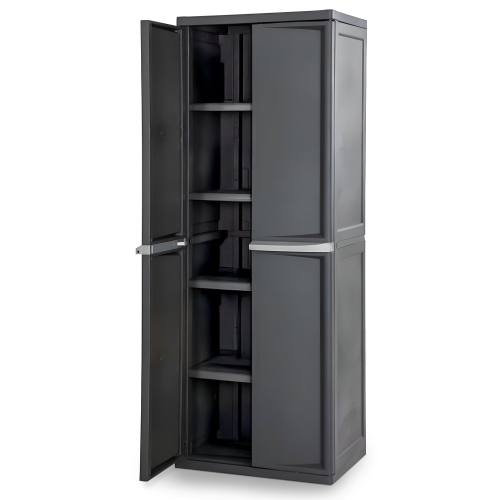 Your price for this item is $772.99
 -
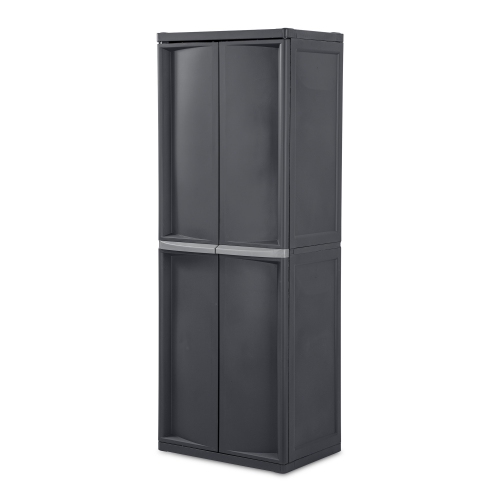 Your price for this item is $1522.99
 -
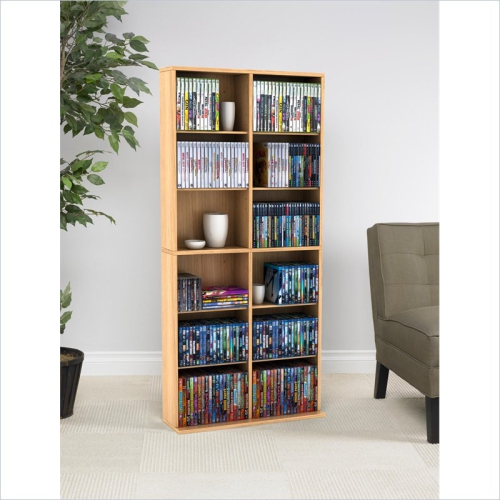 Your price for this item is $234.68
 -
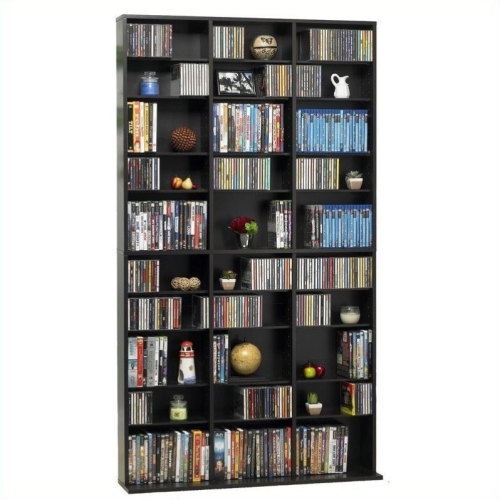 Your price for this item is $365.38
 -
 Your price for this item is $468.99
 -
 Your price for this item is $295.84
 -
 Your price for this item is $999.77
 -
 Your price for this item is $998.43
Discover more categories related to Free Standing Bookcases
Top Collections:
Pokemon Centers, Kindle Devices, Best Budget Office Chairs, Apple iPhones 16, Best Laptops for Writers, iPhone 15 Apple, Canon G7X Cameras, Refurbished Apple Laptops, Alarm Clock, Motorola Razr Phones
Some products may be subject to Environmental Handling Fees
(EHF) depending on your province.
Learn more about EHFs.