Freestanding Kitchen Cabinets
Organize your kitchen space efficiently with our selection of freestanding kitchen cabinets. Whether you're looking to add extra storage, create a stylish focal point, or simply enhance the functionality of your kitchen, these versatile cabinets offer a practical solution for any home. With a range of sizes, styles, and finishes to choose from, you can easily find the perfect freestanding cabinet to complement your existing decor and meet your storage needs. Explore our collection today and elevate your kitchen's organization and aesthetic appeal.
Sort
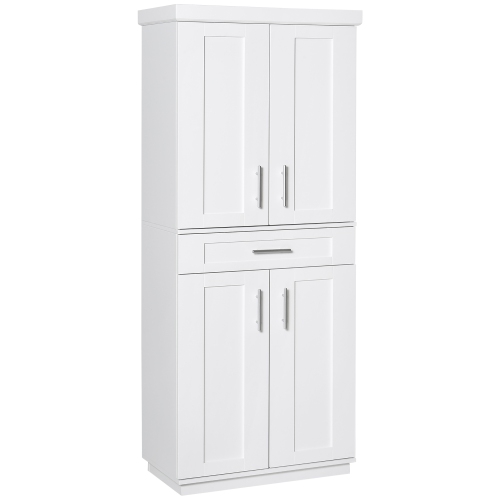
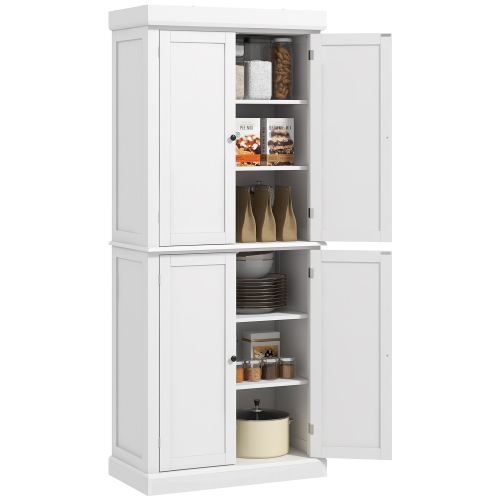

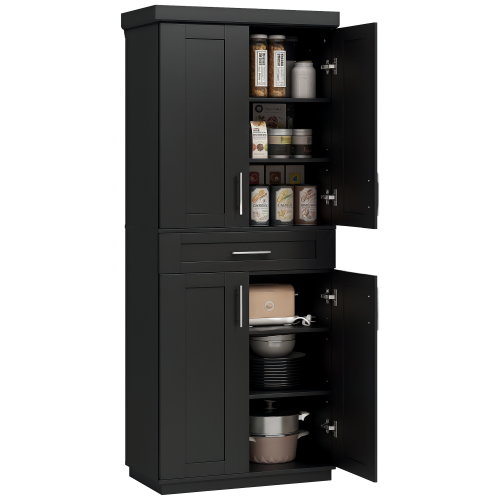
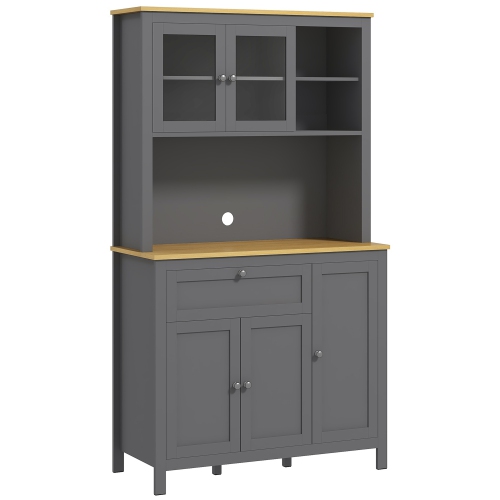
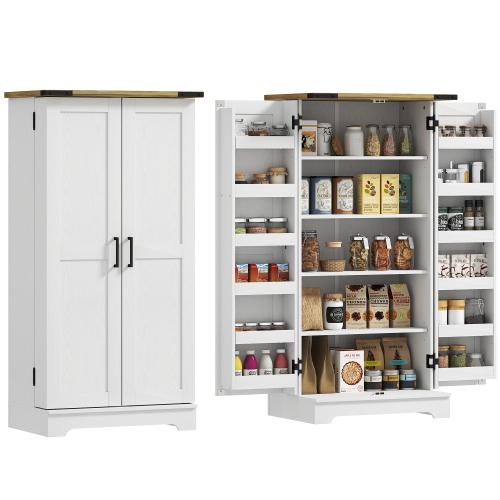
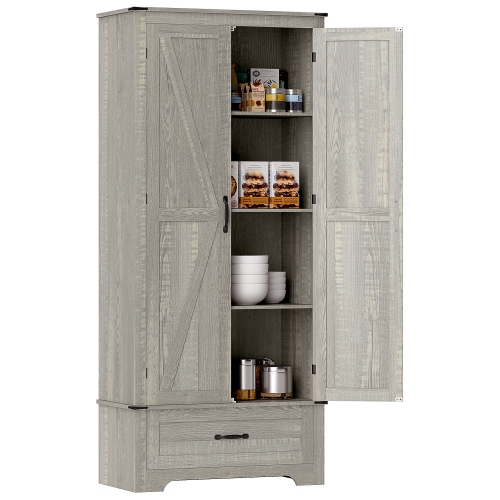
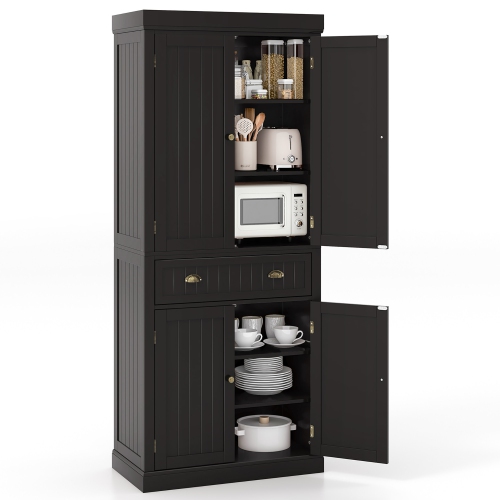
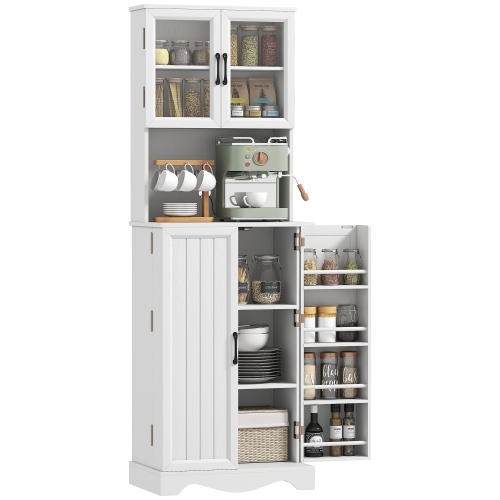



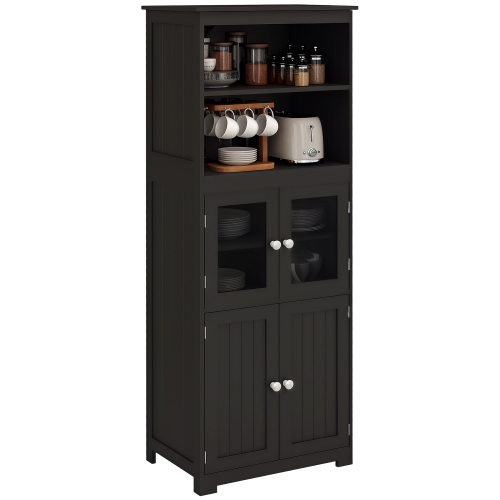
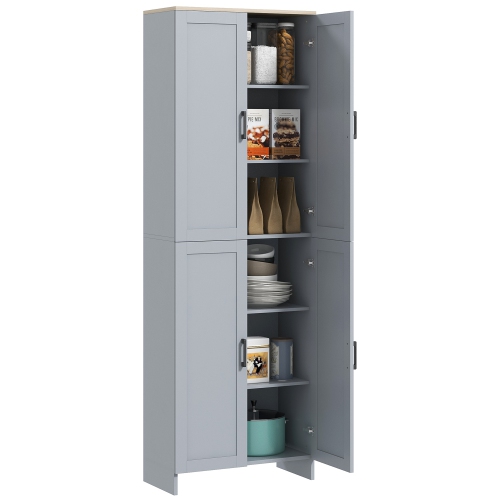
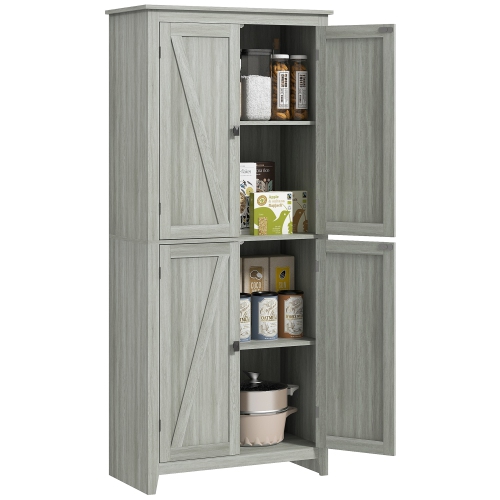
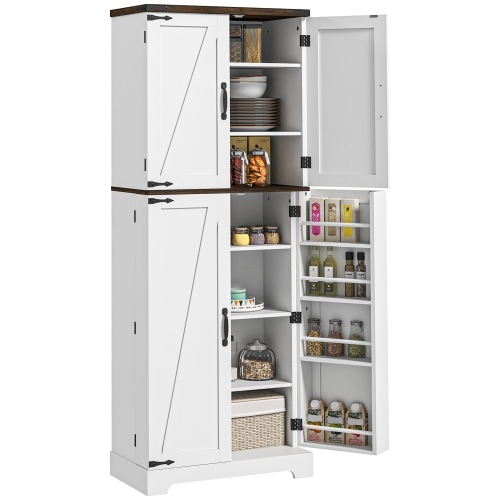
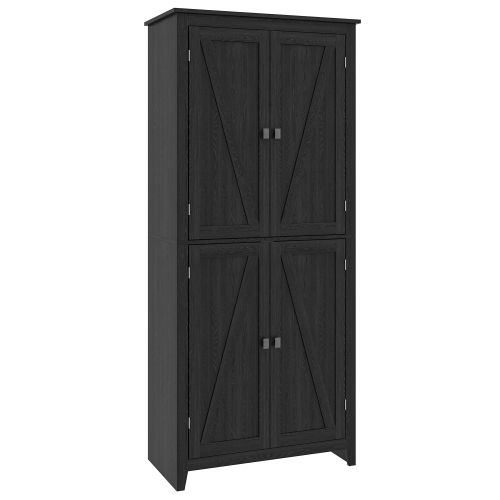
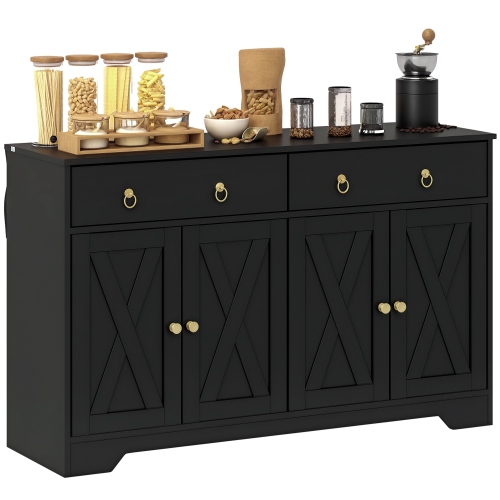
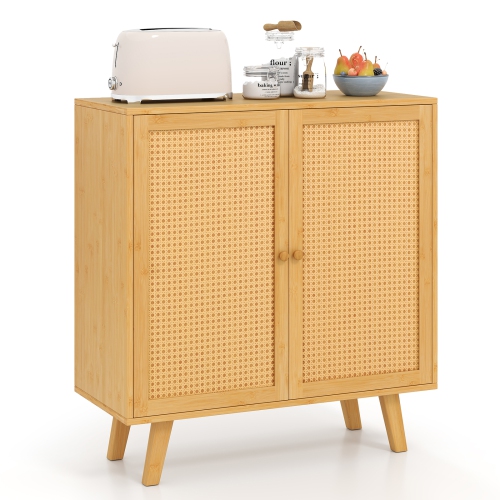
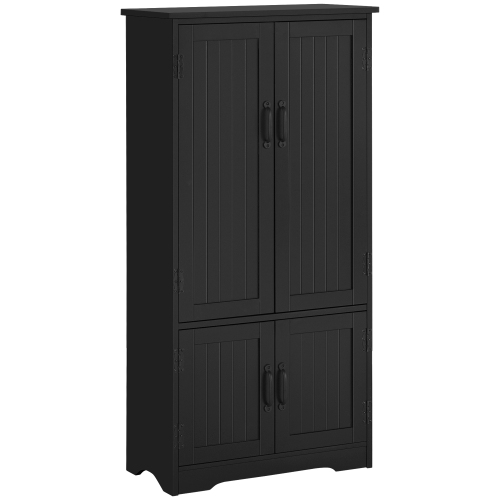



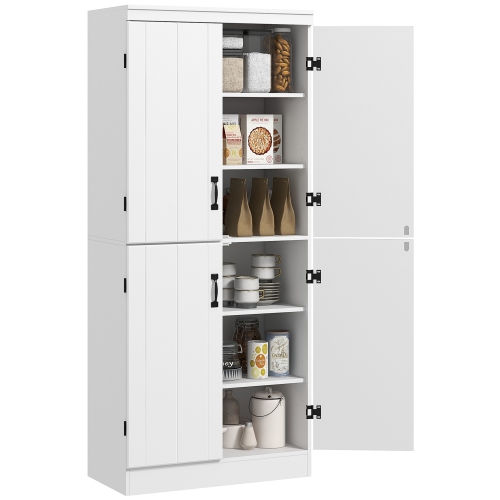
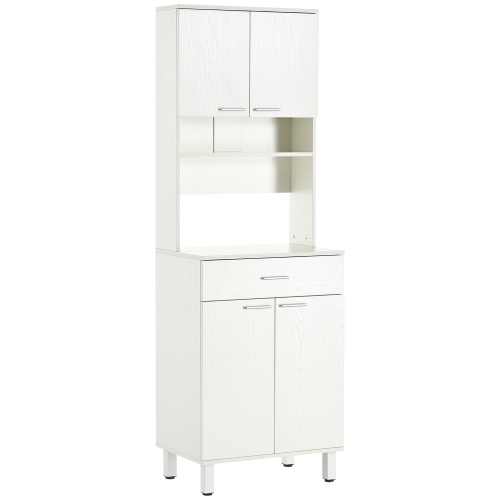
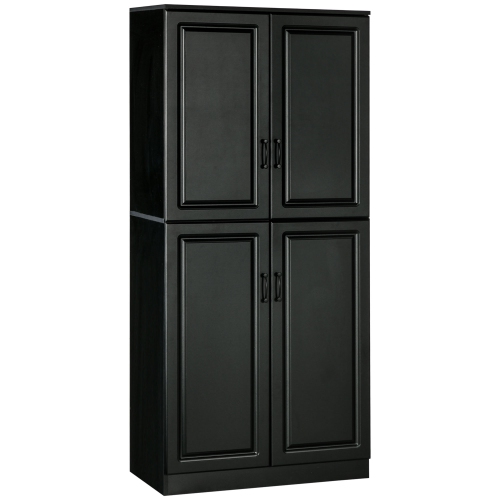
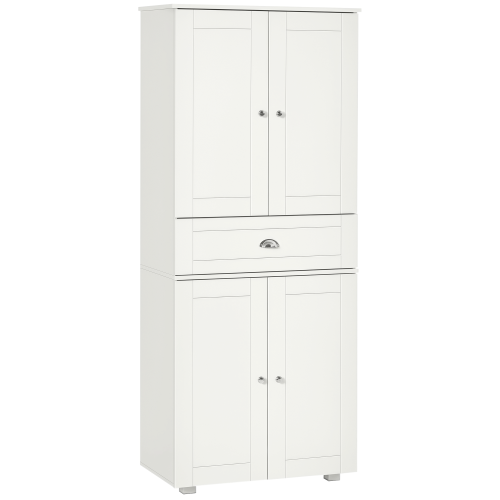
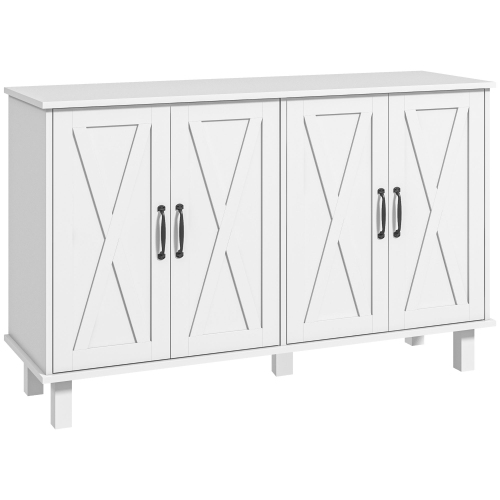
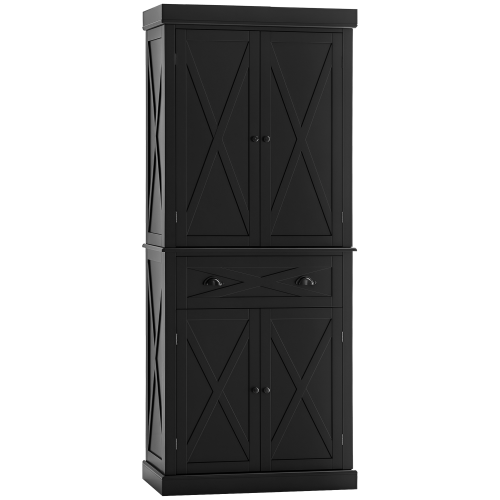
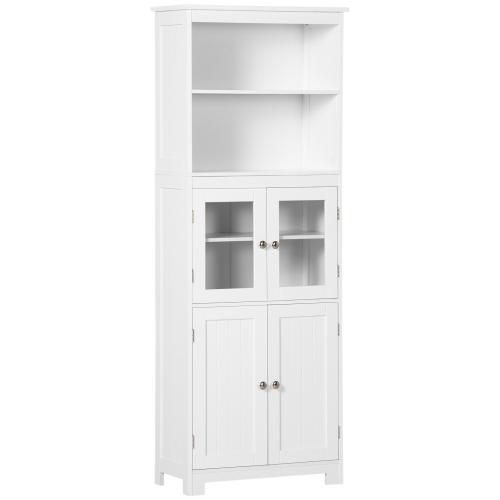
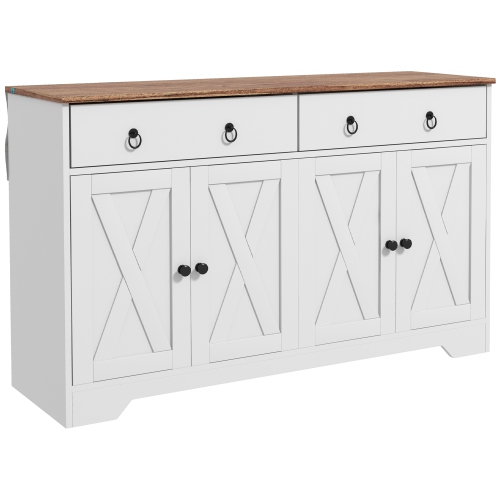
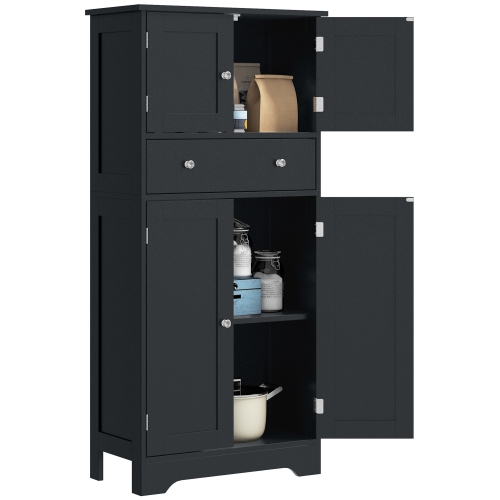
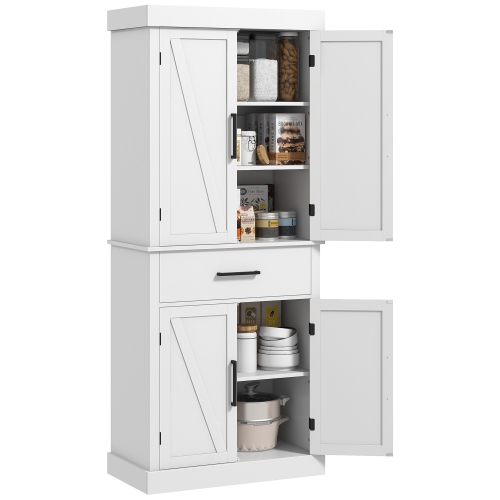
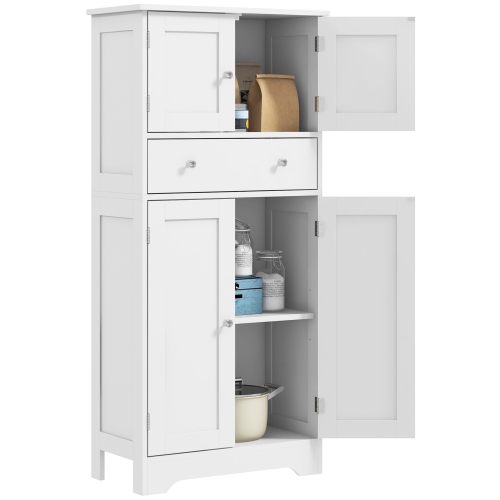
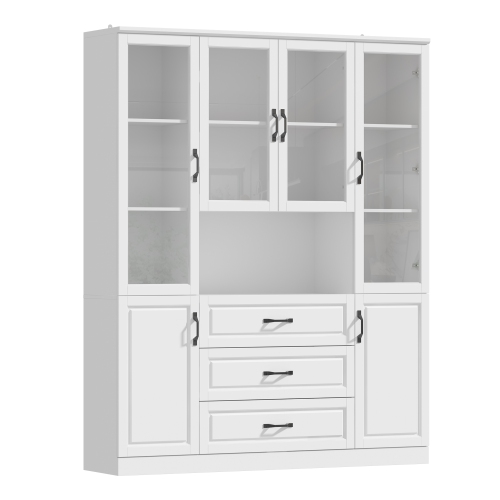
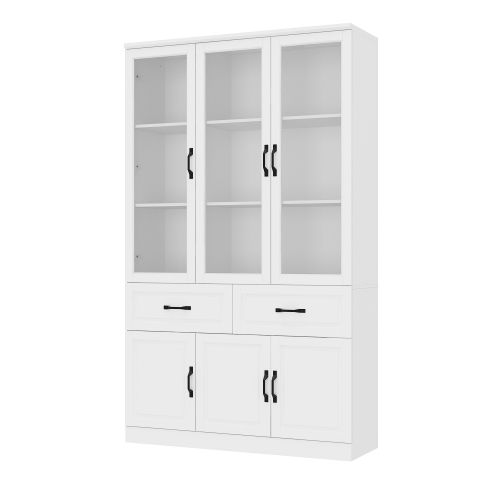
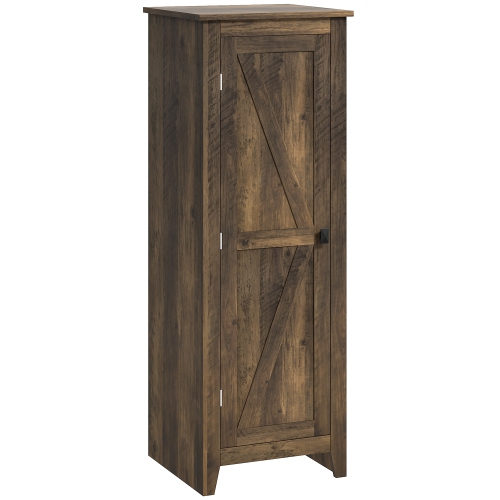
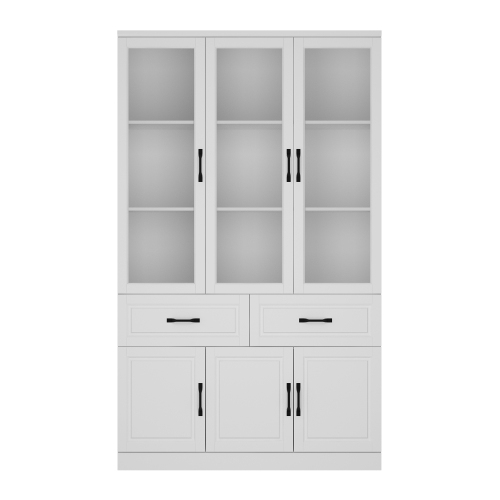
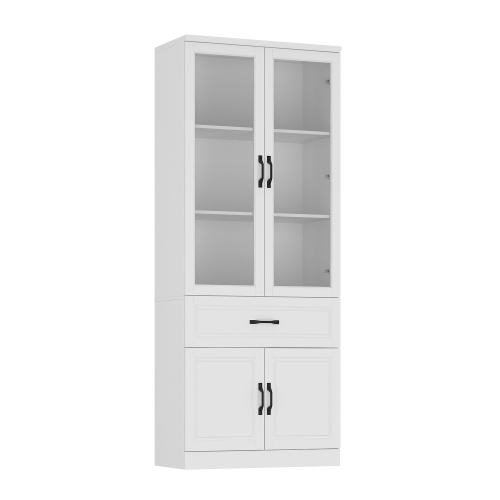
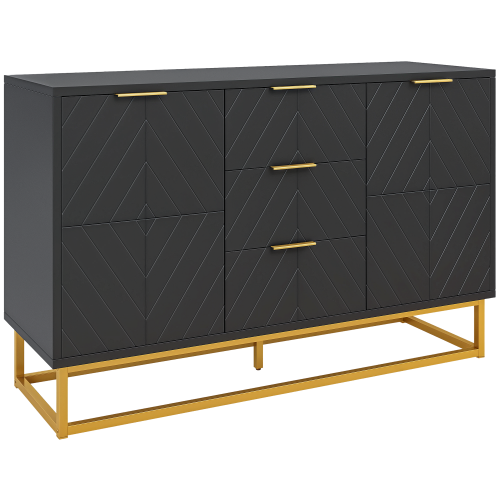
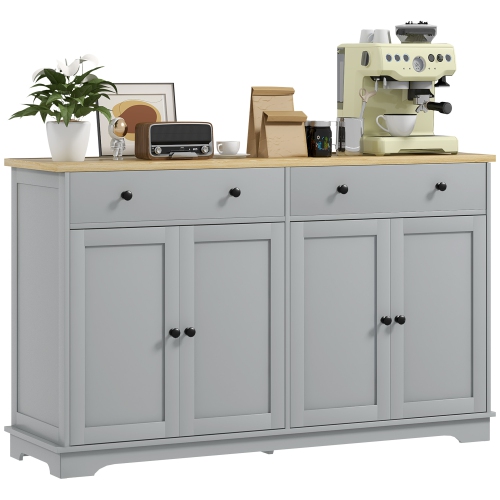

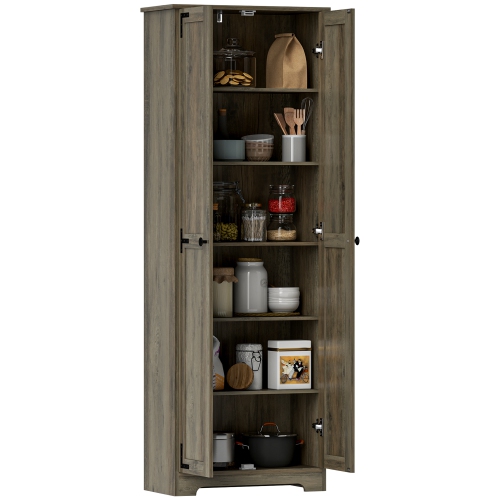
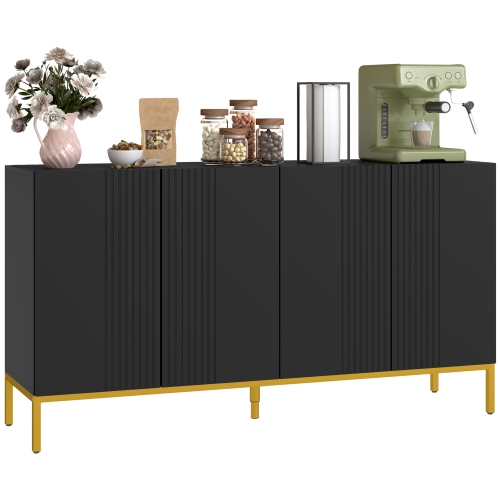
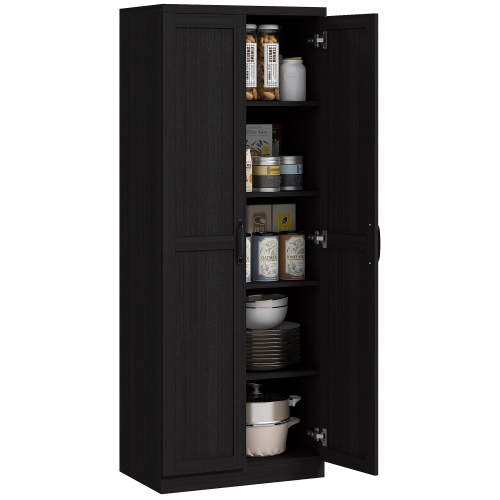

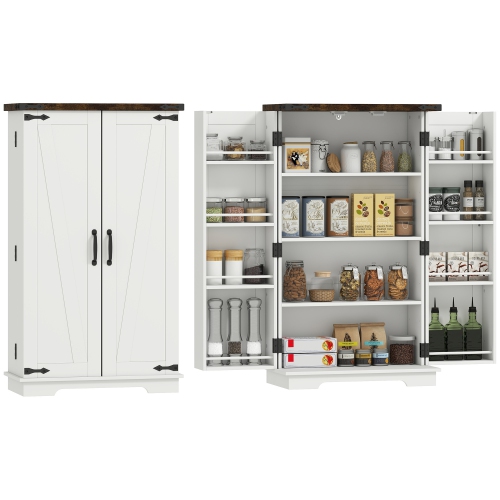
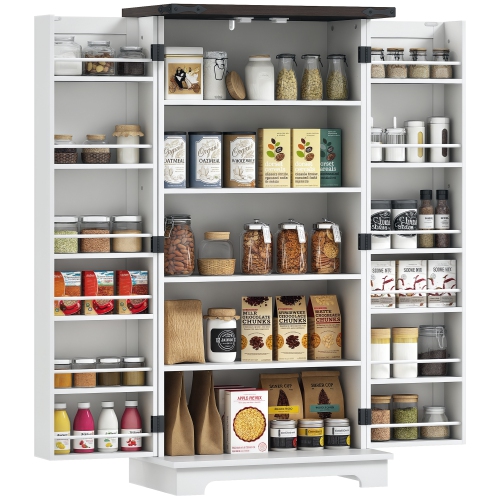
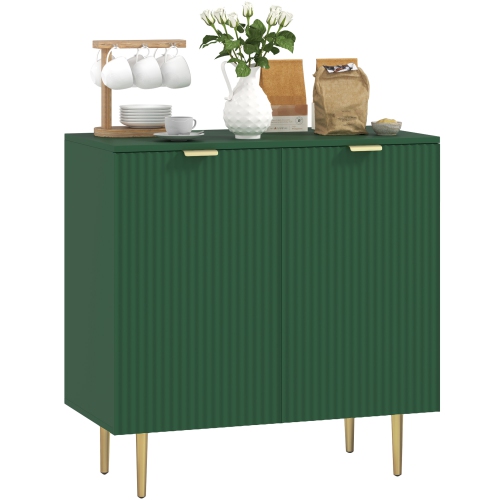
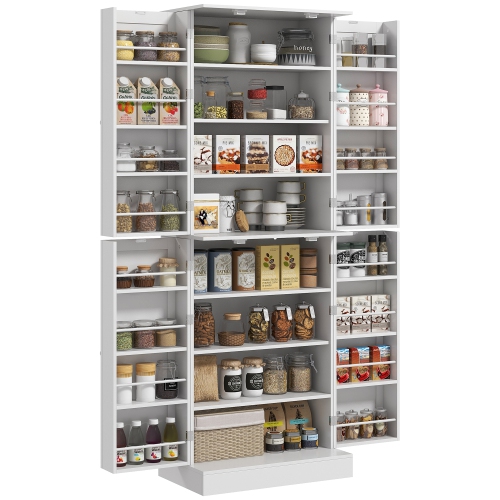
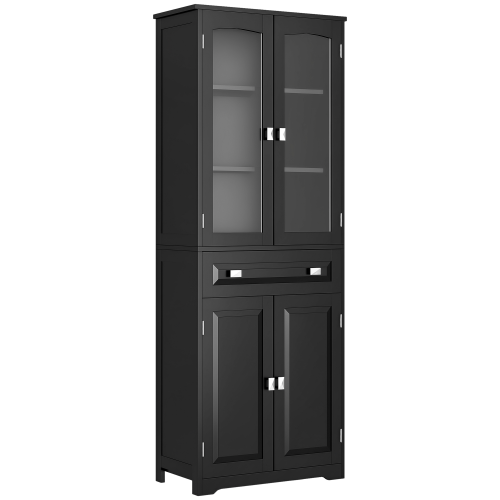
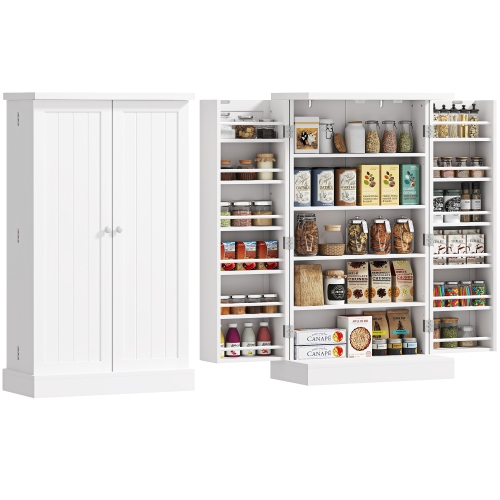
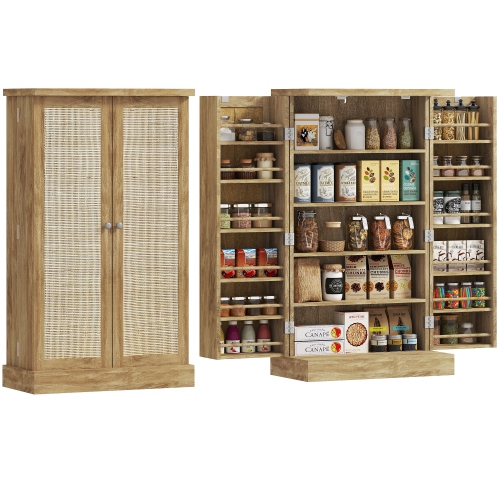
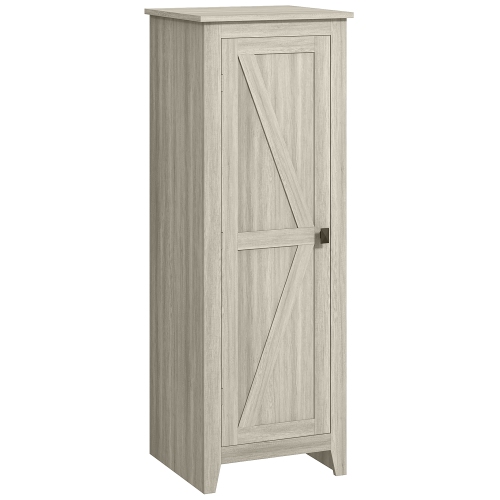
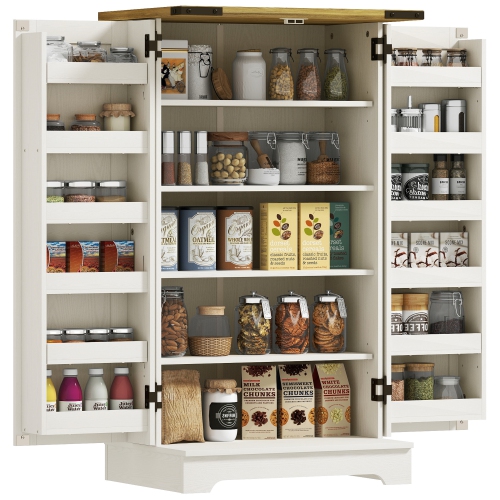
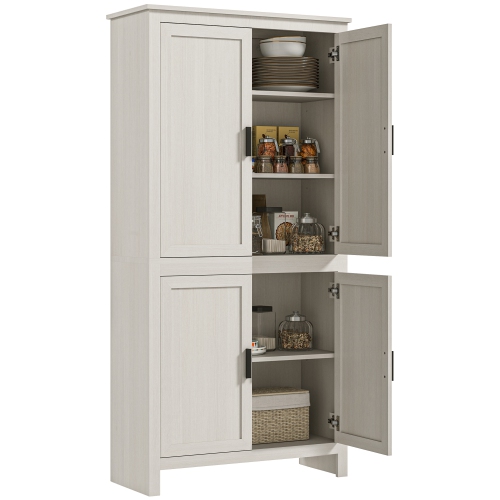

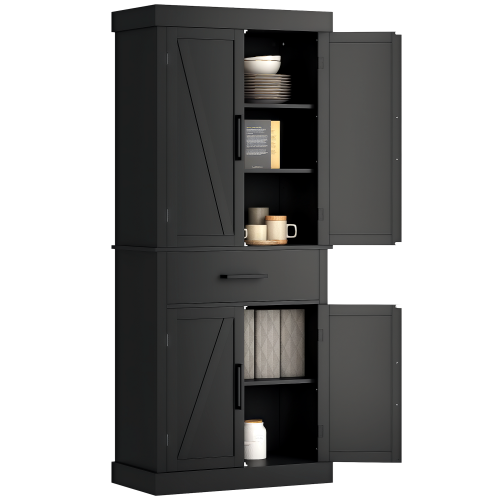
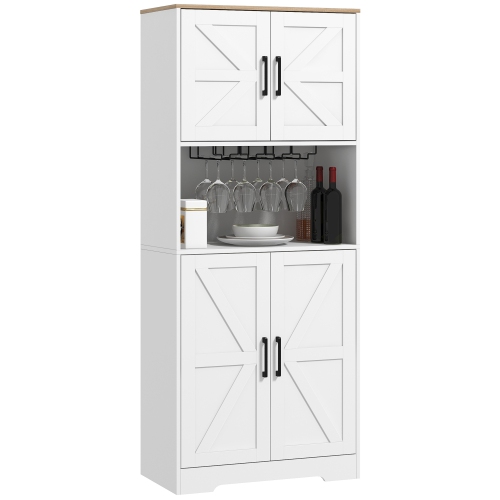
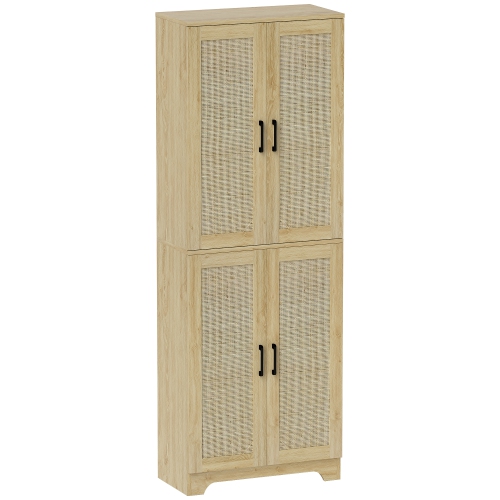
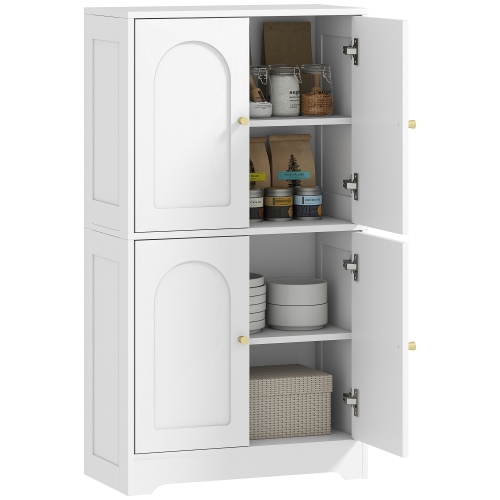
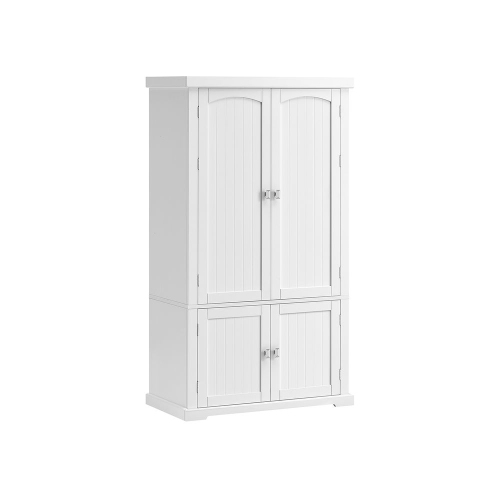


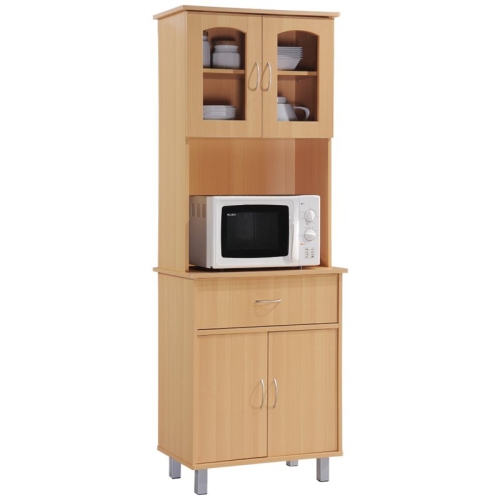
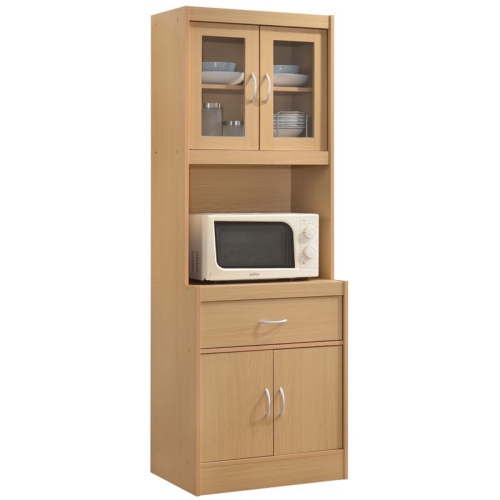

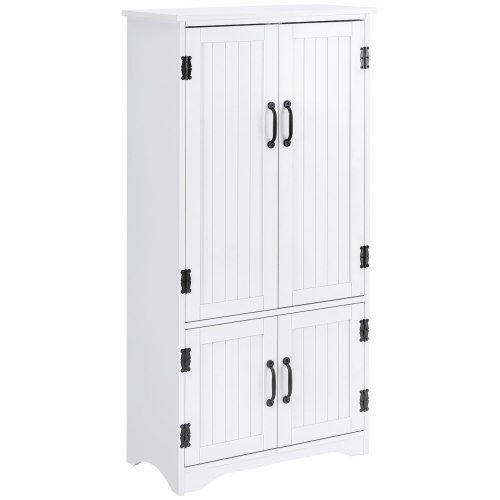
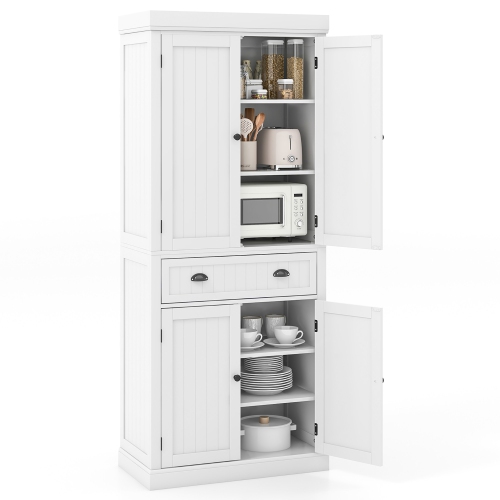
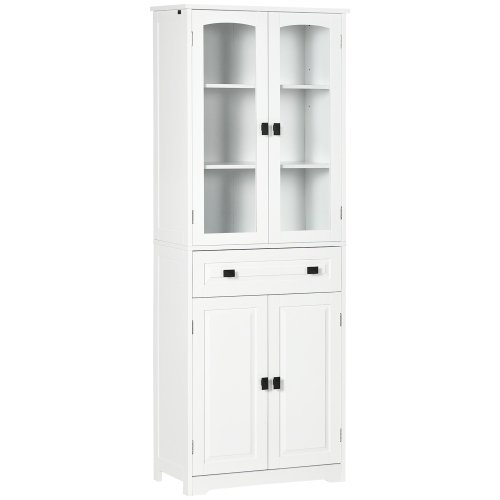
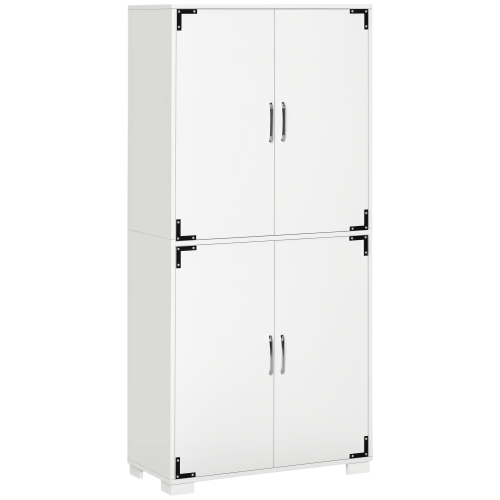
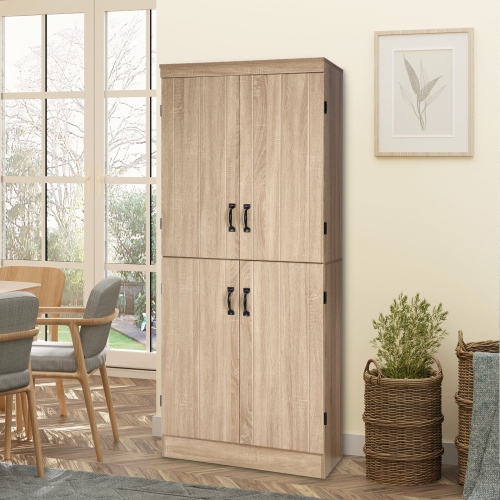

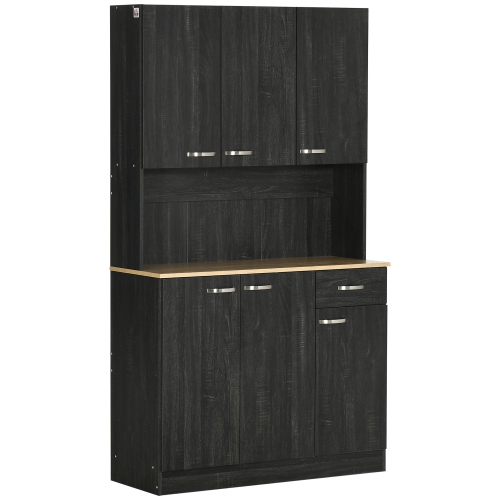

More kitchen storage without a full renovation
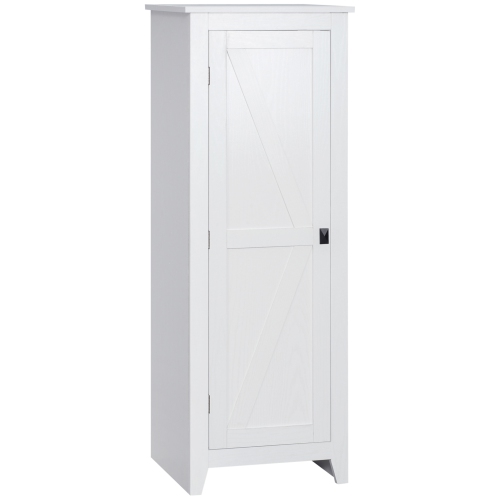
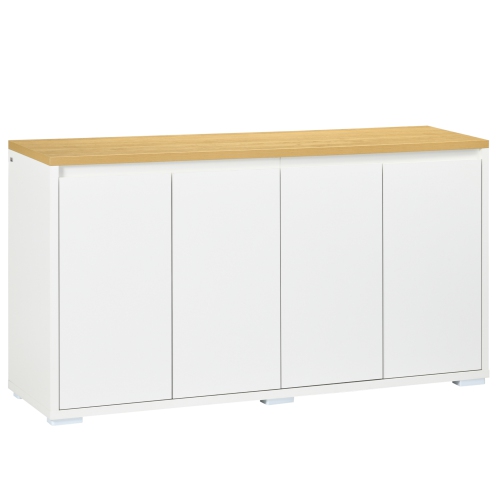
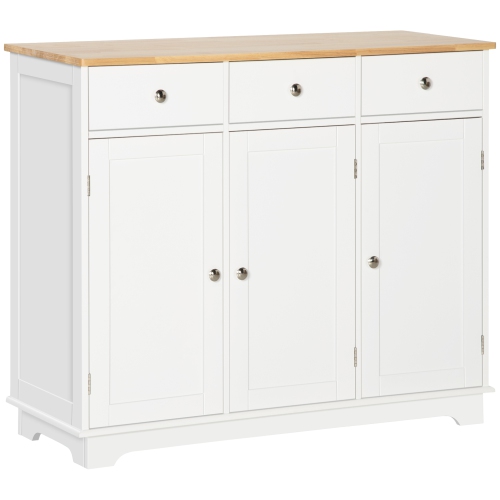
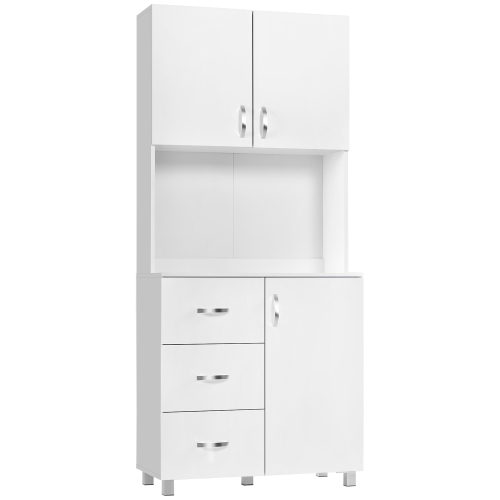
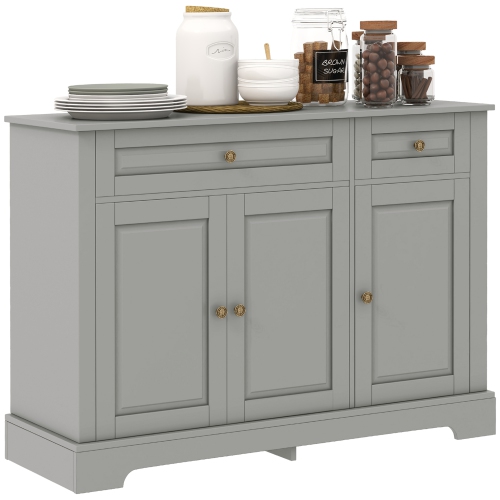
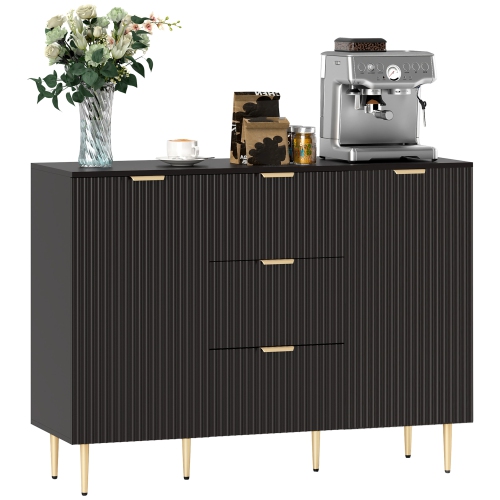
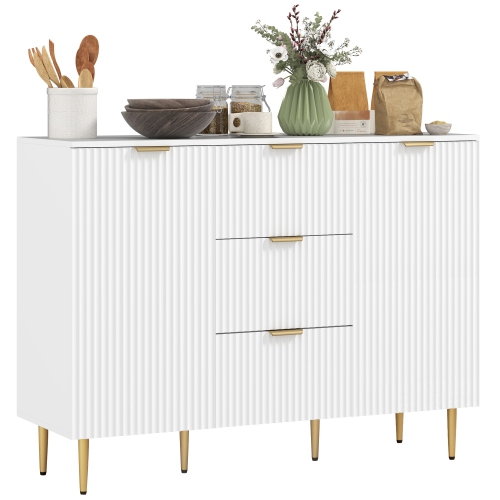
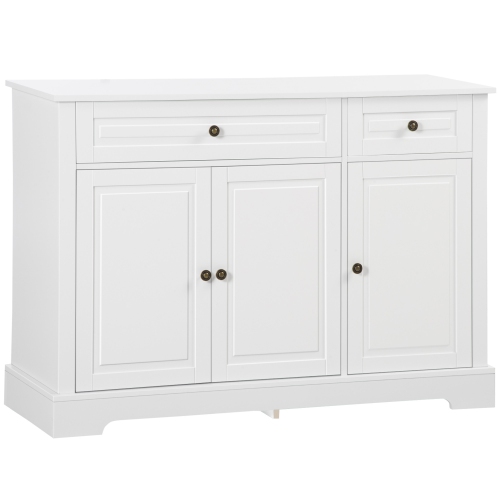
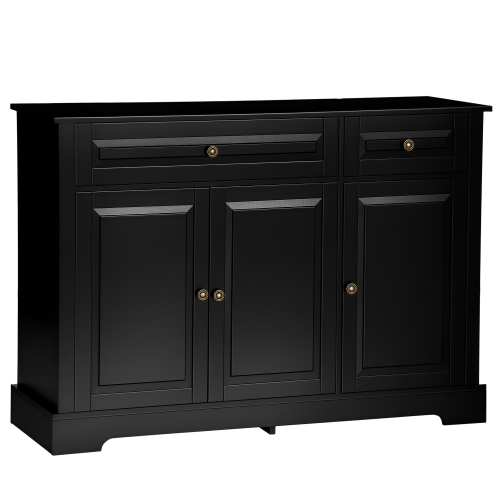
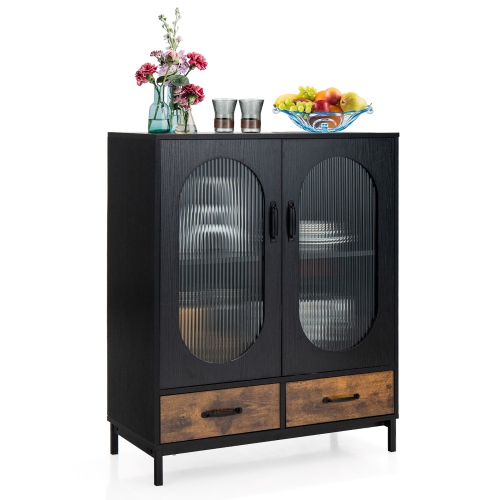
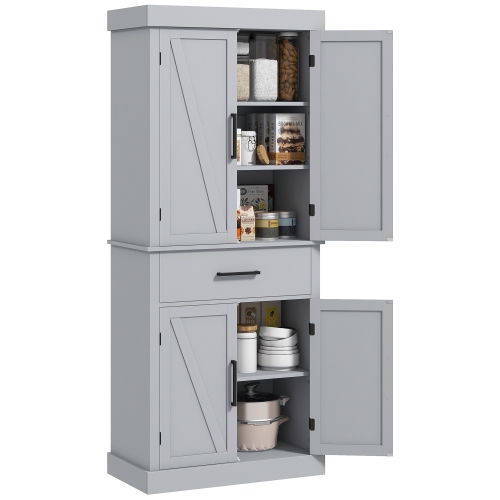
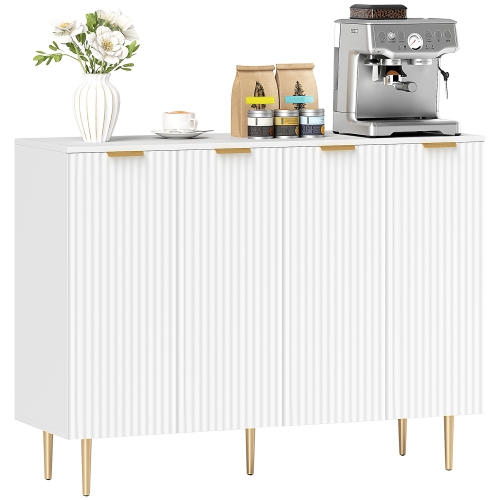
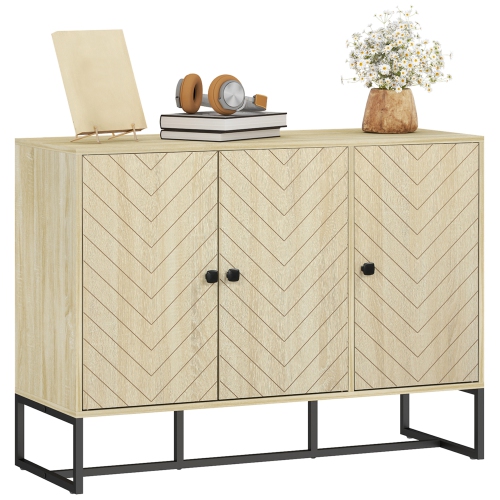
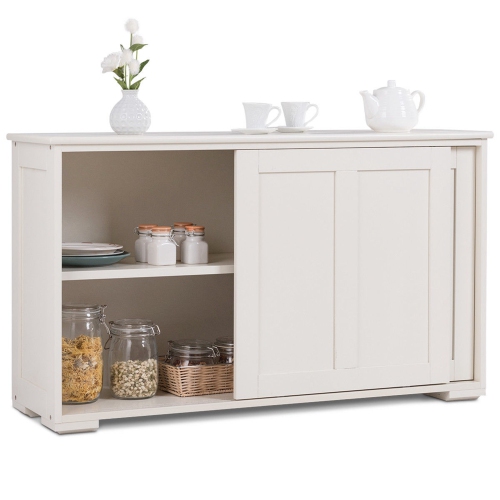
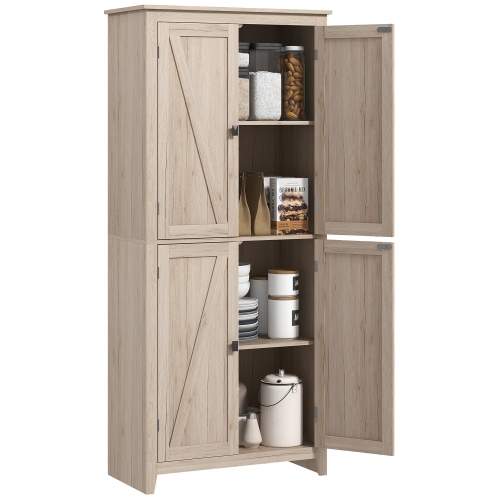
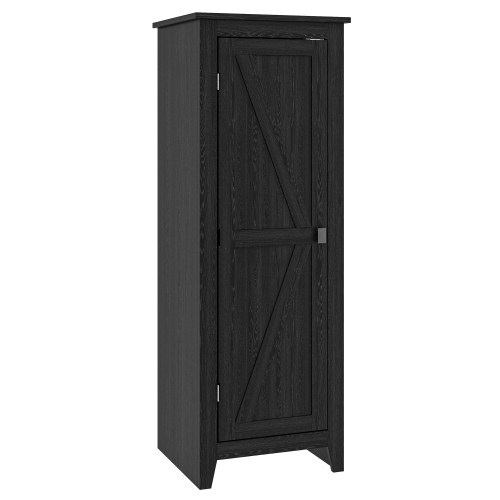
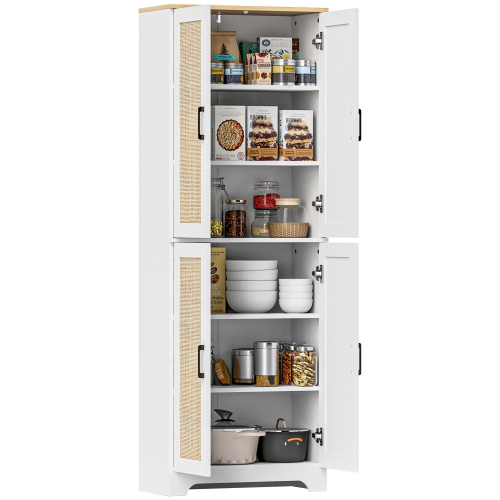
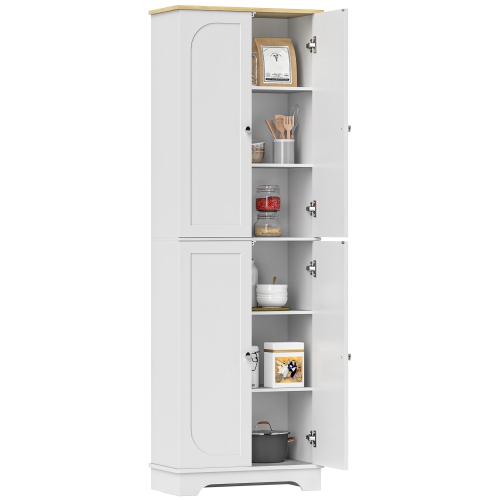
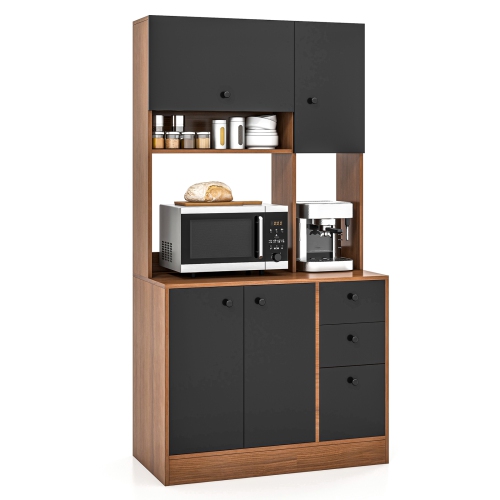
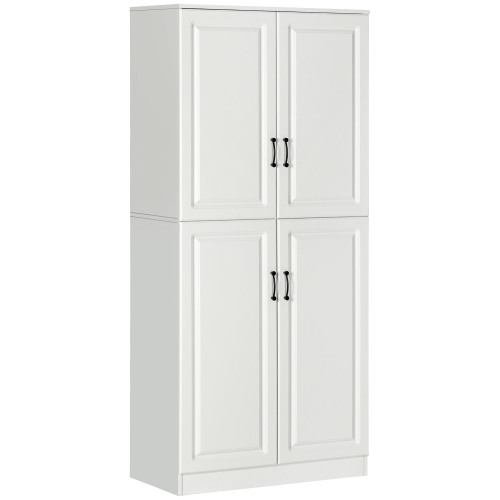
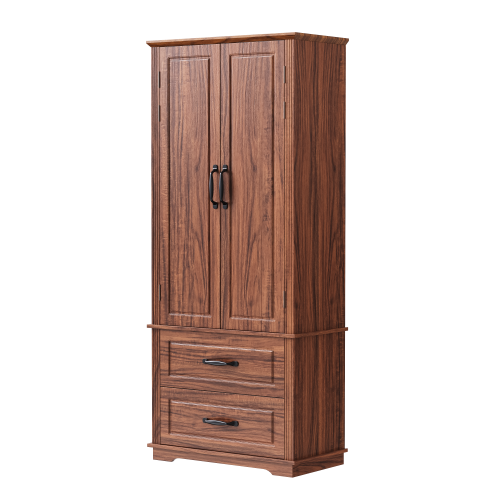
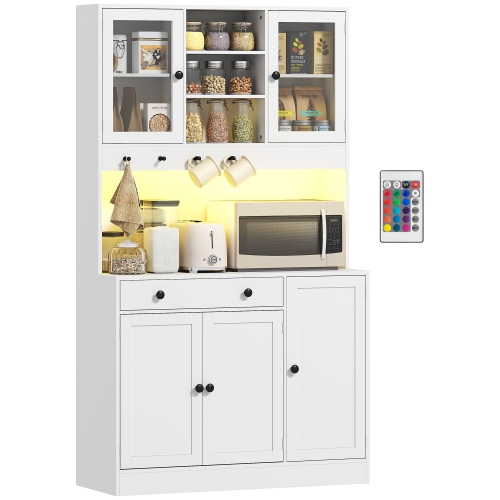
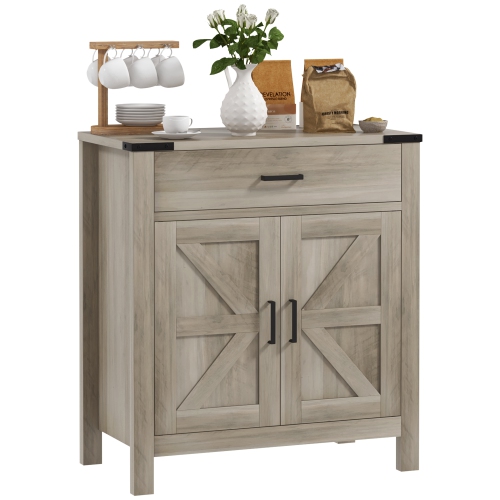
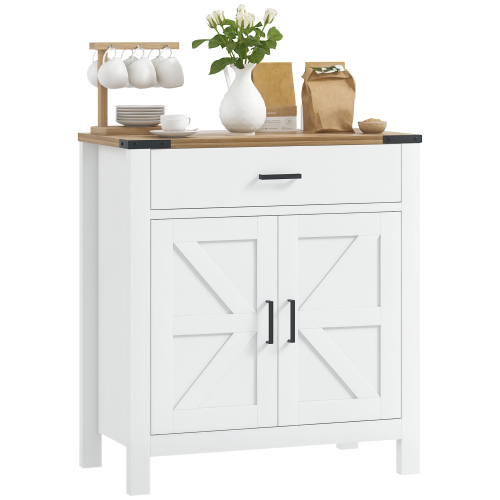
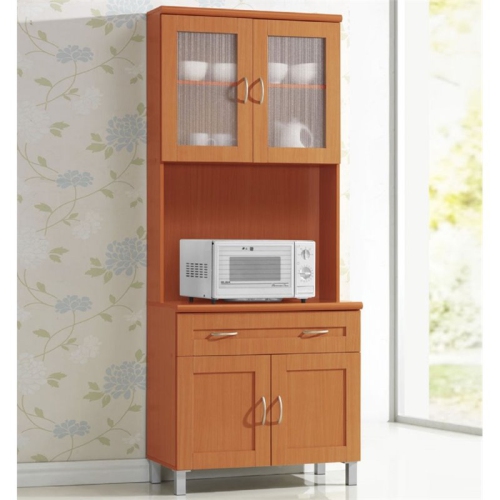
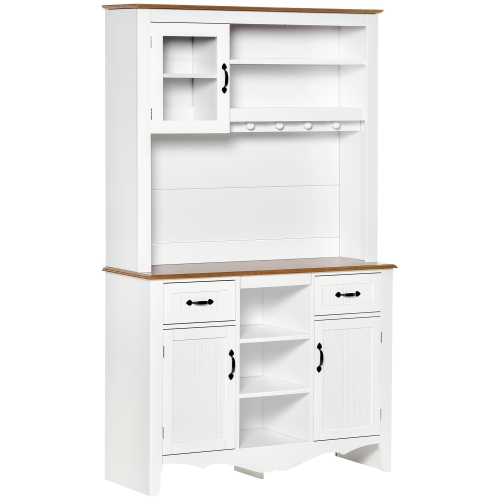
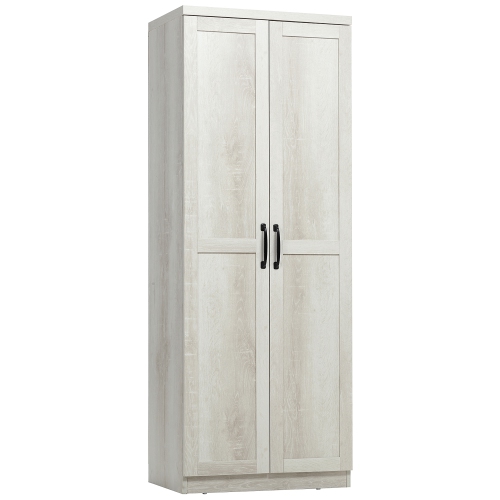
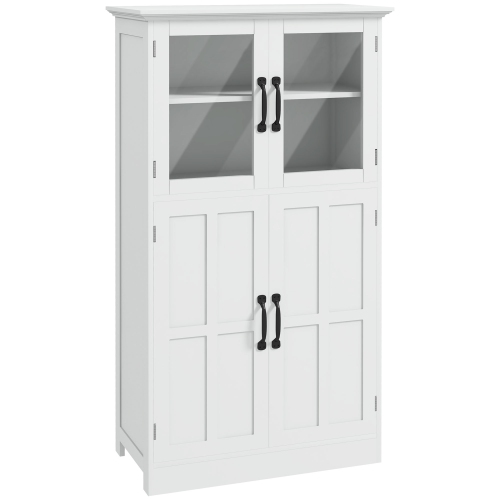
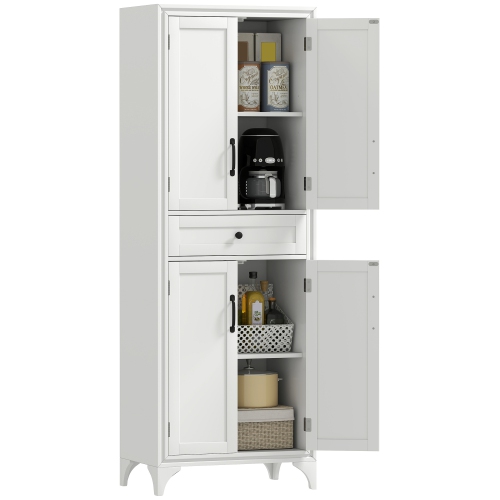
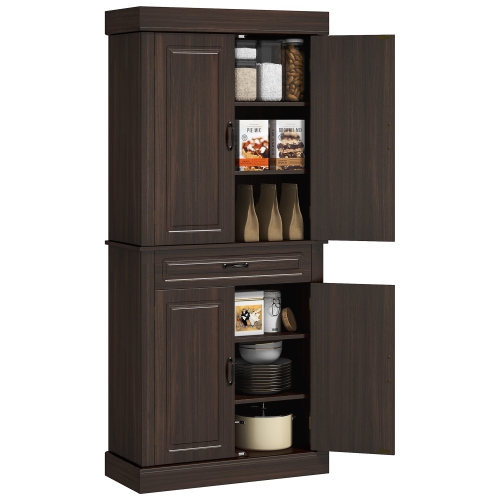
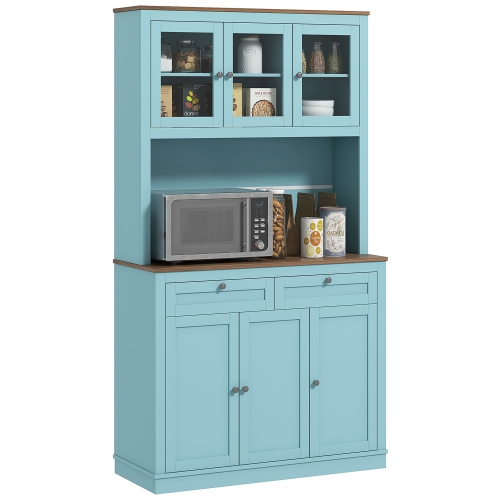
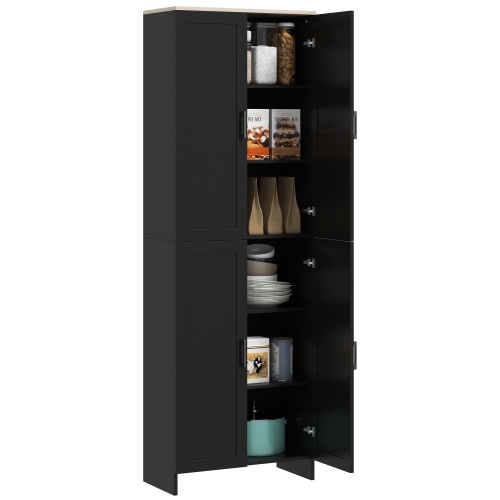
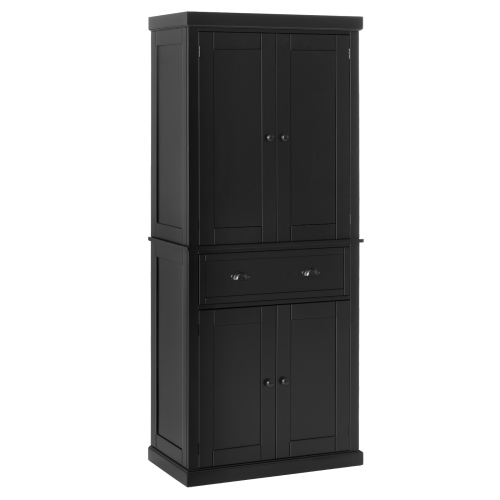
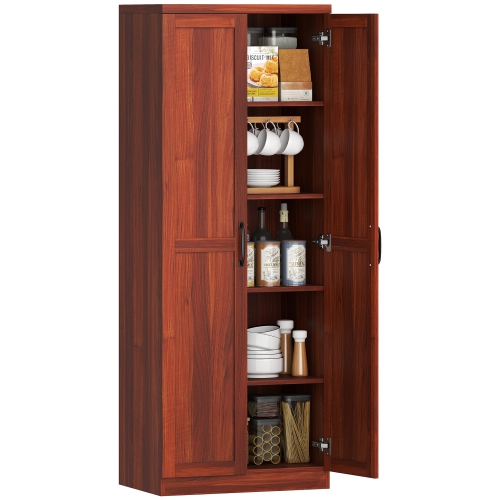
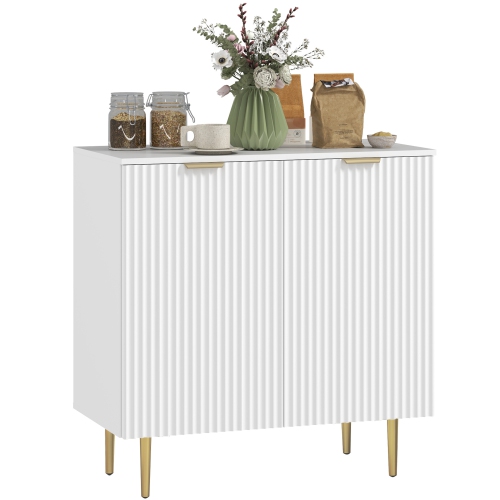
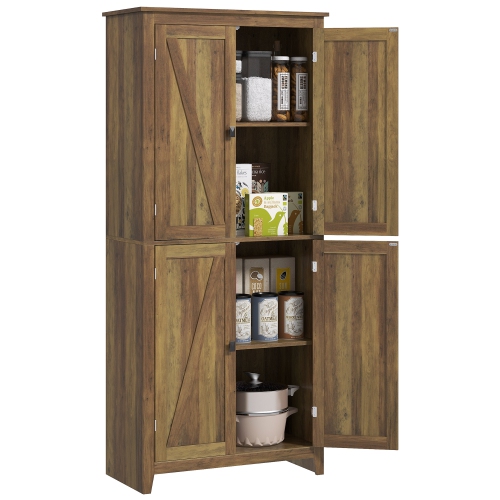
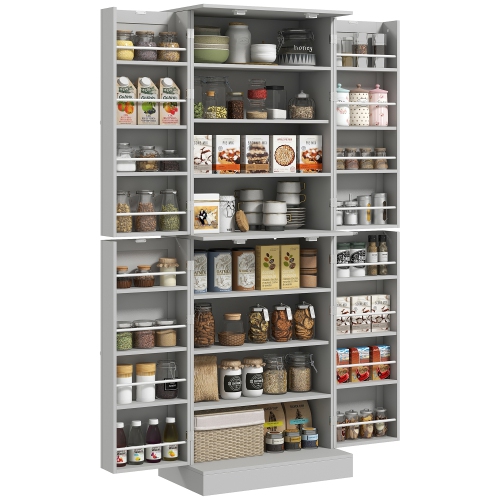
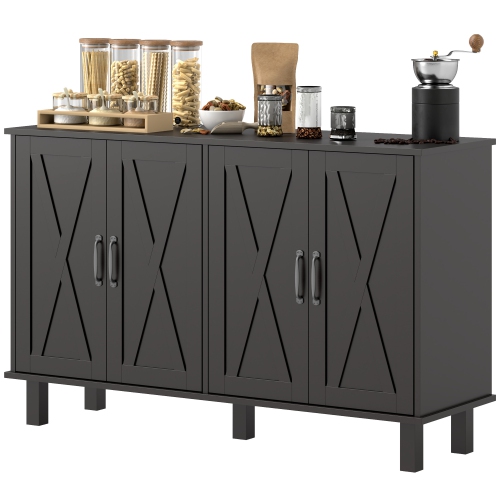
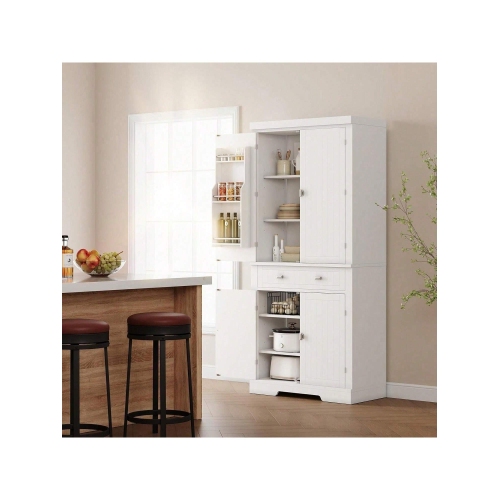
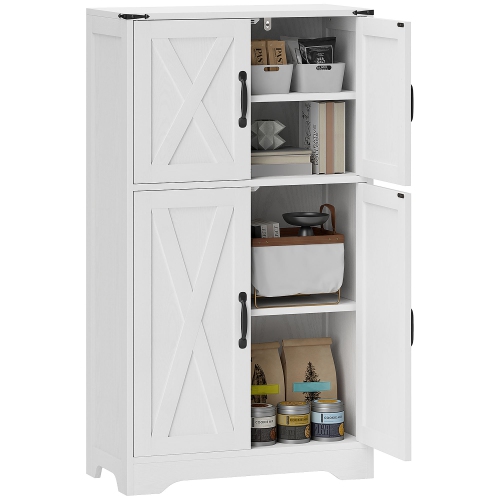
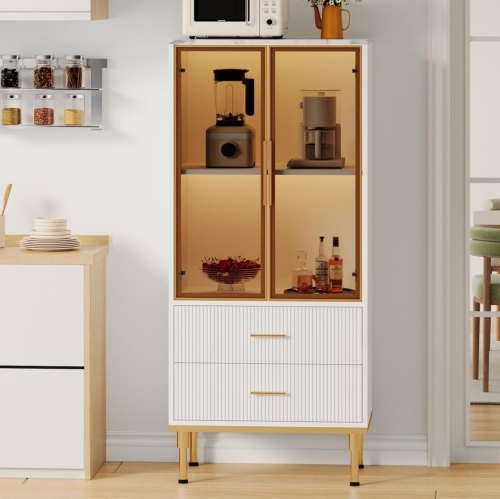
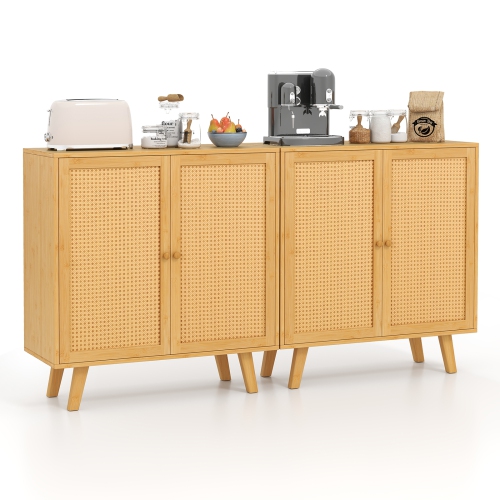
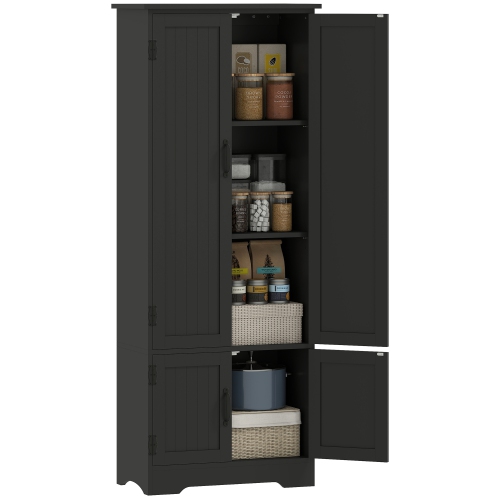
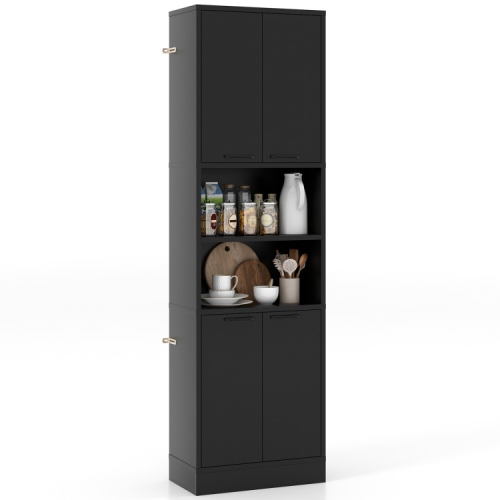
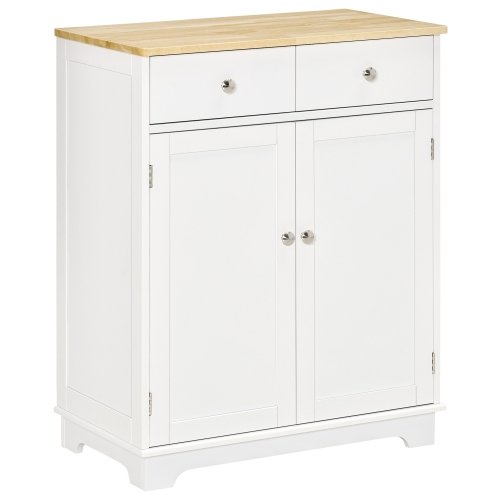
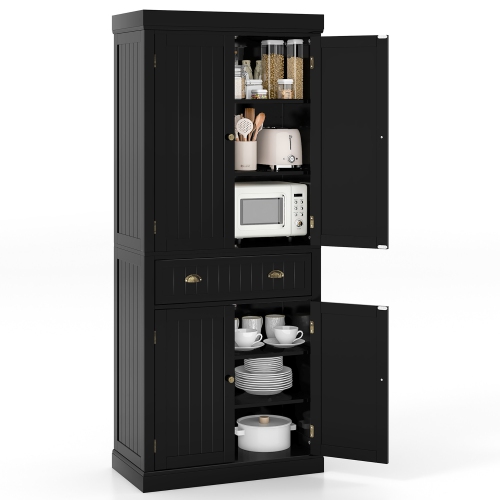
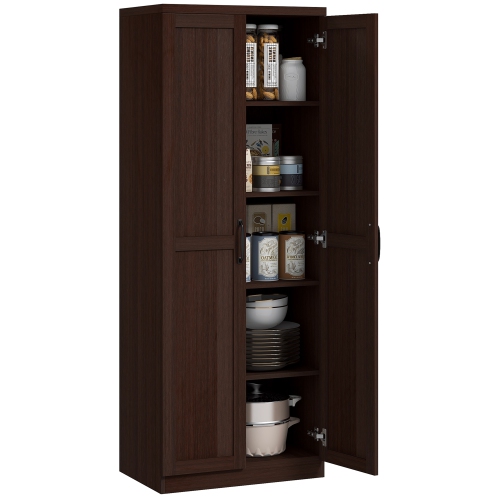
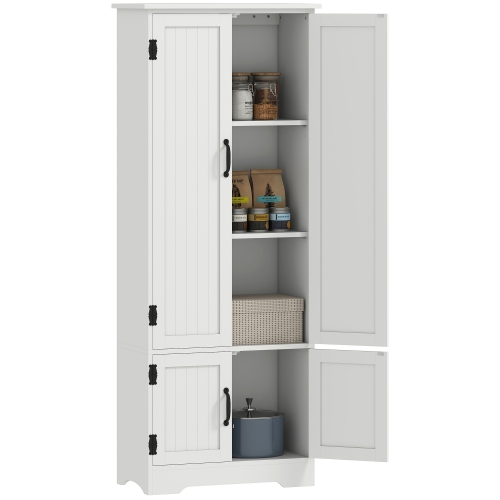
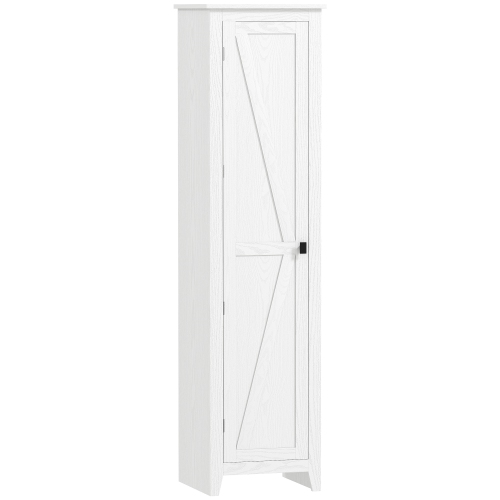
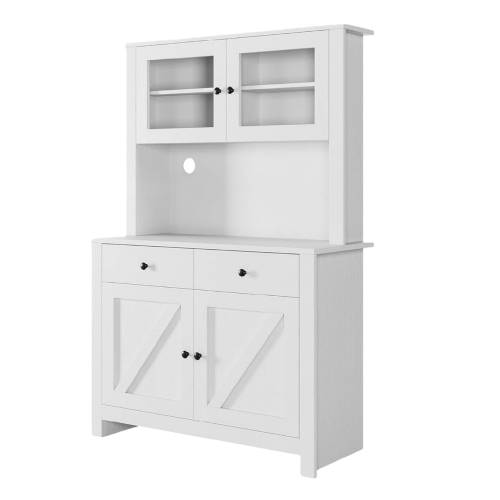
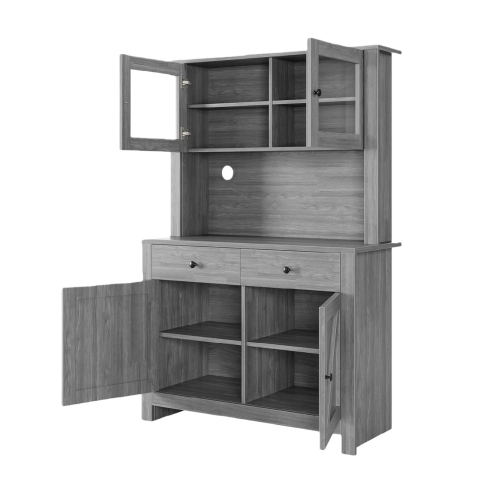
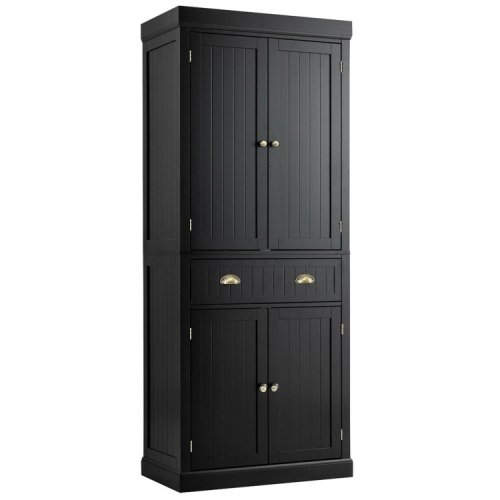
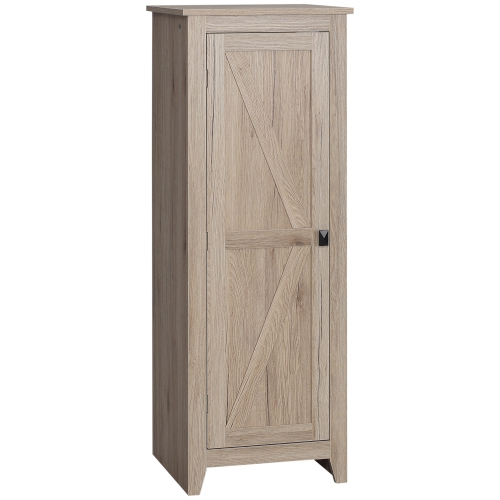
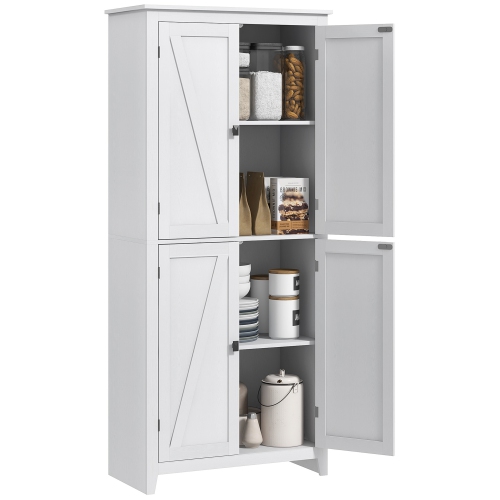
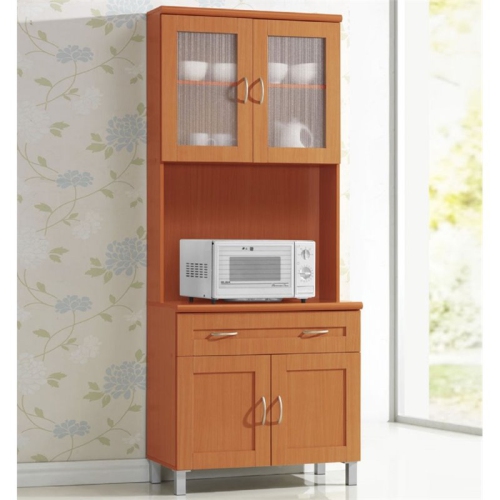
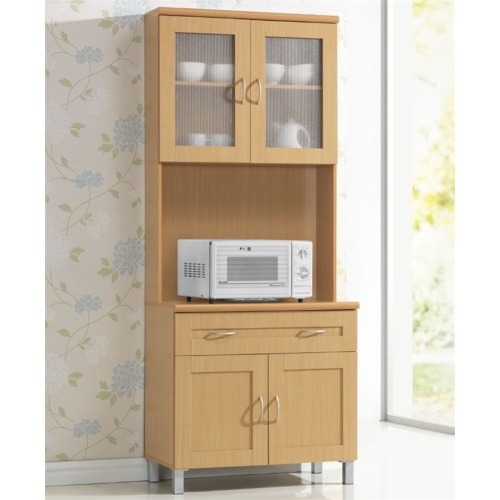
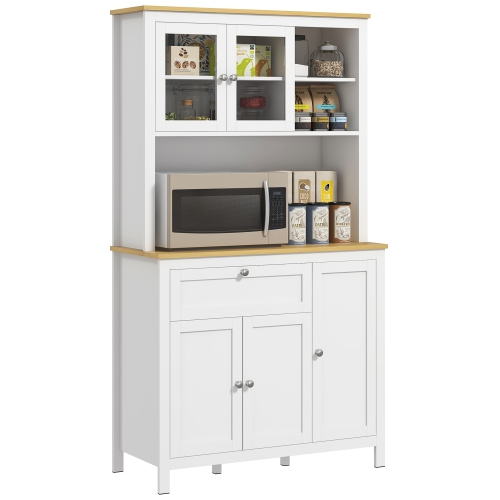
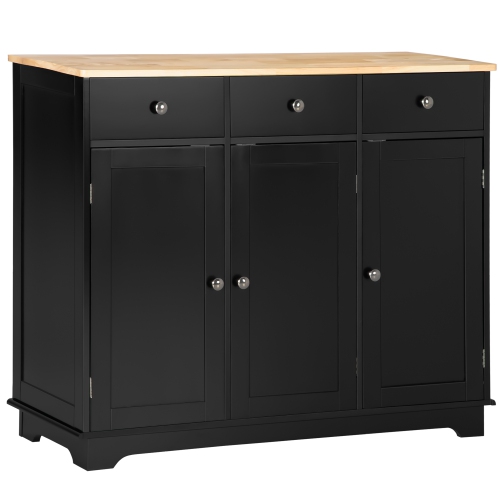
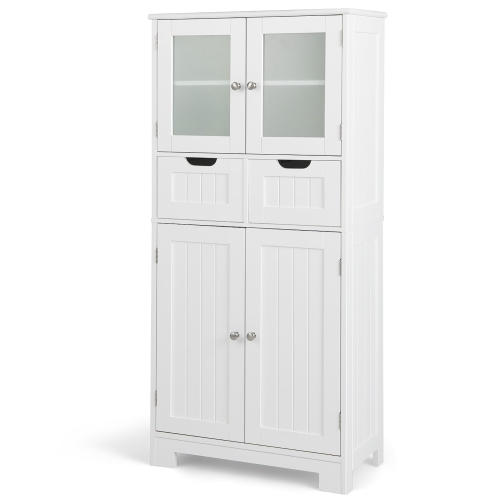
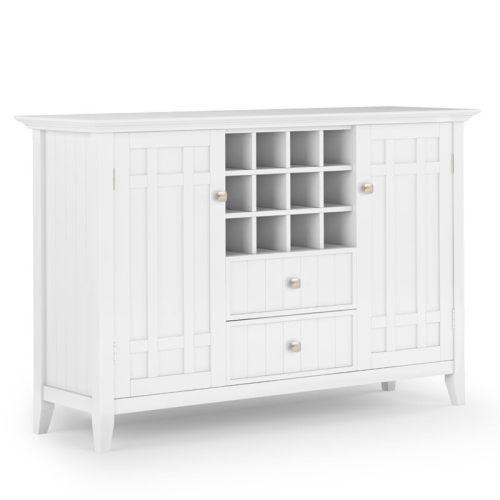
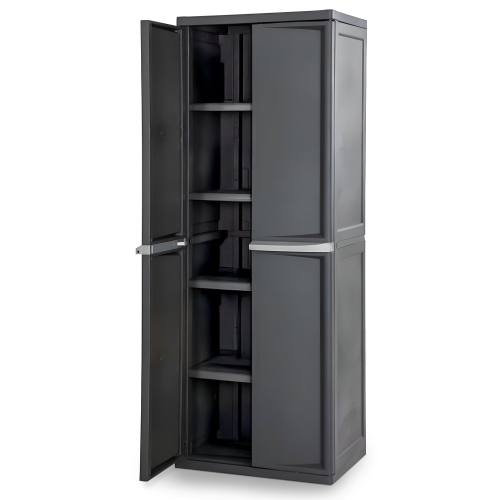
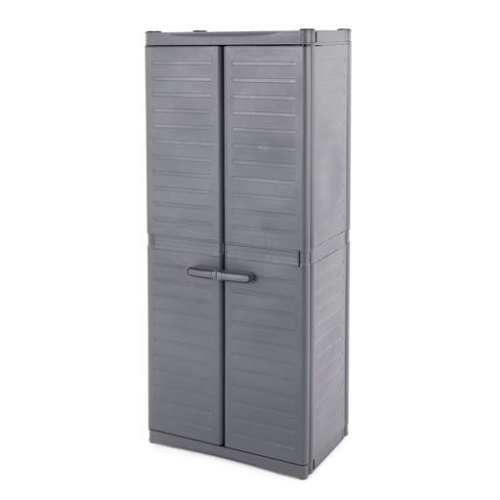
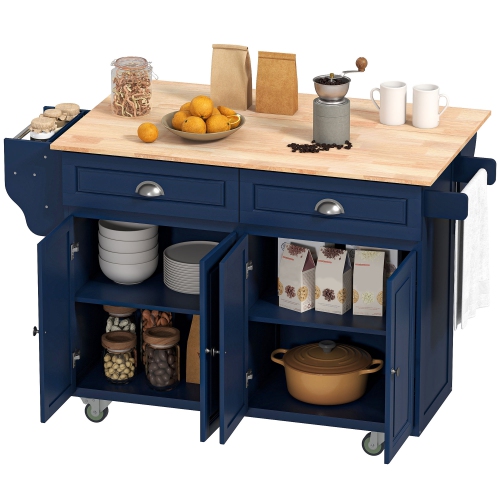
Freestanding kitchen cabinets are standalone storage units that sit on the floor rather than forming part of a built-in run of cabinetry. They add space for dishes, cookware, groceries, and small appliances without requiring a complete kitchen renovation. Although they are separate pieces of furniture, taller cabinets and other units may still need wall anchoring according to the manufacturer’s instructions. Their appeal is practical: an unused stretch of wall can become a place for everyday dinnerware, while a cabinet beside a dining area can keep serving bowls and table linens close at hand. In a compact kitchen, a narrow cabinet can gather scattered supplies behind a single set of doors. In a larger room, a wider unit can separate baking essentials from everyday cooking equipment, making it easier to find a mixing bowl without moving a stack of saucepans. Different layouts suit different routines. Door-front cupboards conceal larger pieces, drawers organize utensils and smaller accessories, and open shelves keep frequently used dishes within reach. Adjustable shelves are useful when cereal containers, tall bottles, and short stacks of plates need to share the same cupboard, provided each shelf’s weight limit is respected. For storage centred on dry groceries and pantry organization, Freestanding Pantry Cabinets offer a closely related category to explore. Lower freestanding cabinets can also provide a convenient landing spot for a grocery bag or serving tray when their tops are designed for that purpose. A cabinet intended to hold a microwave or another countertop appliance needs an appropriate surface, sufficient weight capacity, and the clearances specified by the appliance manufacturer. These distinctions matter because a cupboard designed for packaged food may not be suitable for a heavy appliance or food preparation. For renters, condo residents, and homeowners working with an existing kitchen, standalone cabinetry offers a way to add useful storage without matching every detail of the original cupboards. It can also move with a household, subject to its construction, size, and safe handling requirements.
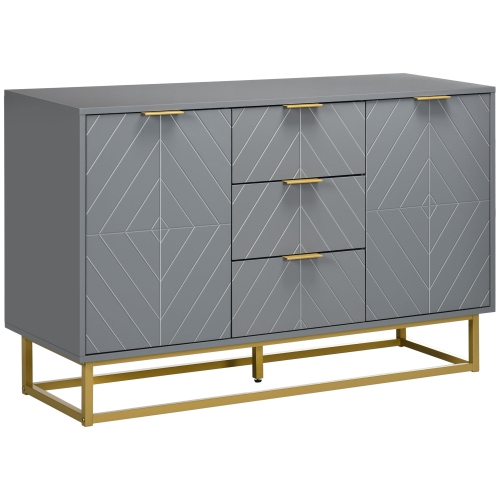
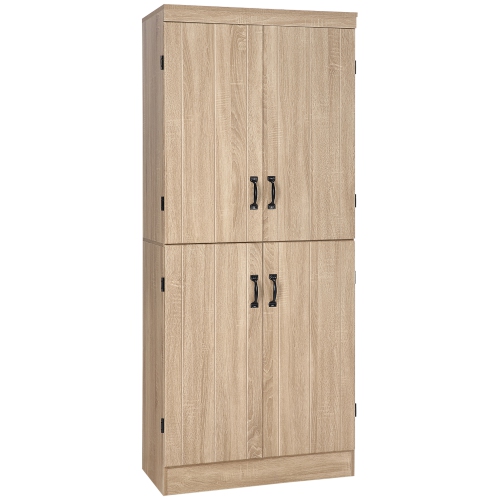
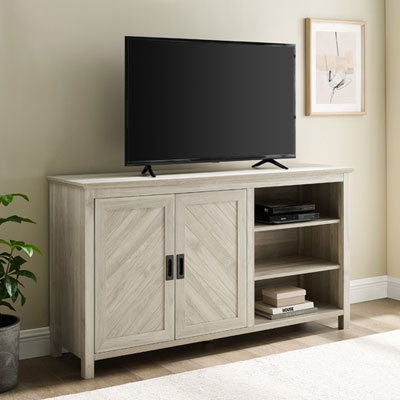
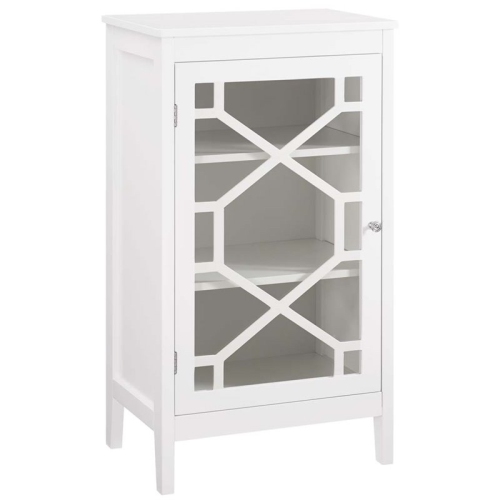
The best fit depends as much on the room around a cabinet as on the space inside it. Width, depth, and height establish whether a unit will fit along a wall, but door swing, drawer extension, and walking space determine whether it will be comfortable to use. A cabinet that fits neatly beside a refrigerator can still be awkward if its handle interferes with the refrigerator door or its drawers open into a busy passage. Baseboards, nearby outlets, window ledges, and uneven flooring can also affect placement. Measuring the intended spot and the delivery route, including stairways and tight turns, helps avoid a piece that fits the kitchen but cannot easily reach it. Shallow cupboards make sense where floor space is limited, while deeper shelves accommodate bulky cookware more readily, though small jars can disappear at the back. Shelf spacing should reflect the objects being stored: a stockpot needs generous vertical clearance, while plates benefit from shorter, accessible stacks. Materials influence both appearance and day-to-day upkeep. Solid wood brings visible grain and can be substantial, but its finish still needs protection from standing water and rough handling. Engineered wood with laminate, melamine, or another protective facing can offer a smooth, easy-to-wipe surface; edges and joints deserve particular care because moisture can enter where that covering is damaged. Metal components can provide sturdy support, though their finish and cleaning requirements vary. Glass-front doors keep contents visible and suit neatly arranged dishes, while opaque doors hide the visual clutter of food packaging and mismatched containers. Colour and hardware help the cabinet sit comfortably alongside existing furnishings. A simple white finish can blend with light cabinetry, a wood-look surface can connect with a dining table, and a darker unit can provide contrast. Matching the general proportions and handle style often creates a more coherent result than trying to reproduce an existing finish exactly. Inside, smooth shelf surfaces and accessible corners make everyday wiping easier, especially where flour, crumbs, and cooking oils are handled.
Durability comes from a combination of construction, suitable use, and regular care rather than appearance alone. Secure joints, properly fitted backing, well-supported shelves, and doors that align evenly all contribute to a cabinet that feels dependable in daily use. Drawers should travel smoothly without catching, and hinges should support their doors without sagging. Ready-to-assemble cabinets need careful assembly on a protected surface, with all specified fasteners and supports installed; skipping a backing panel or shelf support can affect stability. Adjustable feet, where included, can help level a unit, but they do not replace required anti-tip restraints. Heavy cookware and larger appliances belong on surfaces rated to carry them, with heavier stored objects generally placed lower down to support stability. Children should never climb shelves or use open drawers as steps, and cleaning supplies need secure storage away from food and out of children’s reach. For everyday upkeep, a soft cloth and a cleaner approved for the finish are usually more suitable than abrasive pads or harsh chemicals. Spills are best wiped up promptly, especially around seams, shelf edges, and the base, and surfaces should be dried rather than left wet. Shelf liners can simplify cleanup if they are compatible with the cabinet finish and do not trap moisture. Protective mats or trivets may be needed beneath warm dishes, while cutting should take place on a suitable cutting board rather than directly on a furniture top. Placement near a sink or cooking appliance deserves extra attention to splash exposure and the manufacturer’s clearance requirements. Over time, checking hinges, handles, and assembly fasteners can help keep frequently opened cupboards working smoothly. A well-chosen freestanding kitchen cabinet earns its place through ordinary routines: breakfast dishes are easy to reach, baking supplies stay together, and serving pieces no longer occupy the main preparation surface. Whether the goal is a dedicated pantry area, a tidy home for cookware, or supplementary storage beside the dining table, the most useful cabinet balances accessible capacity with a footprint that leaves the room easy to move through.
The best fit depends as much on the room around a cabinet as on the space inside it. Width, depth, and height establish whether a unit will fit along a wall, but door swing, drawer extension, and walking space determine whether it will be comfortable to use. A cabinet that fits neatly beside a refrigerator can still be awkward if its handle interferes with the refrigerator door or its drawers open into a busy passage. Baseboards, nearby outlets, window ledges, and uneven flooring can also affect placement. Measuring the intended spot and the delivery route, including stairways and tight turns, helps avoid a piece that fits the kitchen but cannot easily reach it. Shallow cupboards make sense where floor space is limited, while deeper shelves accommodate bulky cookware more readily, though small jars can disappear at the back. Shelf spacing should reflect the objects being stored: a stockpot needs generous vertical clearance, while plates benefit from shorter, accessible stacks. Materials influence both appearance and day-to-day upkeep. Solid wood brings visible grain and can be substantial, but its finish still needs protection from standing water and rough handling. Engineered wood with laminate, melamine, or another protective facing can offer a smooth, easy-to-wipe surface; edges and joints deserve particular care because moisture can enter where that covering is damaged. Metal components can provide sturdy support, though their finish and cleaning requirements vary. Glass-front doors keep contents visible and suit neatly arranged dishes, while opaque doors hide the visual clutter of food packaging and mismatched containers. Colour and hardware help the cabinet sit comfortably alongside existing furnishings. A simple white finish can blend with light cabinetry, a wood-look surface can connect with a dining table, and a darker unit can provide contrast. Matching the general proportions and handle style often creates a more coherent result than trying to reproduce an existing finish exactly. Inside, smooth shelf surfaces and accessible corners make everyday wiping easier, especially where flour, crumbs, and cooking oils are handled.
Durability comes from a combination of construction, suitable use, and regular care rather than appearance alone. Secure joints, properly fitted backing, well-supported shelves, and doors that align evenly all contribute to a cabinet that feels dependable in daily use. Drawers should travel smoothly without catching, and hinges should support their doors without sagging. Ready-to-assemble cabinets need careful assembly on a protected surface, with all specified fasteners and supports installed; skipping a backing panel or shelf support can affect stability. Adjustable feet, where included, can help level a unit, but they do not replace required anti-tip restraints. Heavy cookware and larger appliances belong on surfaces rated to carry them, with heavier stored objects generally placed lower down to support stability. Children should never climb shelves or use open drawers as steps, and cleaning supplies need secure storage away from food and out of children’s reach. For everyday upkeep, a soft cloth and a cleaner approved for the finish are usually more suitable than abrasive pads or harsh chemicals. Spills are best wiped up promptly, especially around seams, shelf edges, and the base, and surfaces should be dried rather than left wet. Shelf liners can simplify cleanup if they are compatible with the cabinet finish and do not trap moisture. Protective mats or trivets may be needed beneath warm dishes, while cutting should take place on a suitable cutting board rather than directly on a furniture top. Placement near a sink or cooking appliance deserves extra attention to splash exposure and the manufacturer’s clearance requirements. Over time, checking hinges, handles, and assembly fasteners can help keep frequently opened cupboards working smoothly. A well-chosen freestanding kitchen cabinet earns its place through ordinary routines: breakfast dishes are easy to reach, baking supplies stay together, and serving pieces no longer occupy the main preparation surface. Whether the goal is a dedicated pantry area, a tidy home for cookware, or supplementary storage beside the dining table, the most useful cabinet balances accessible capacity with a footprint that leaves the room easy to move through.
Top selling and popular products
-
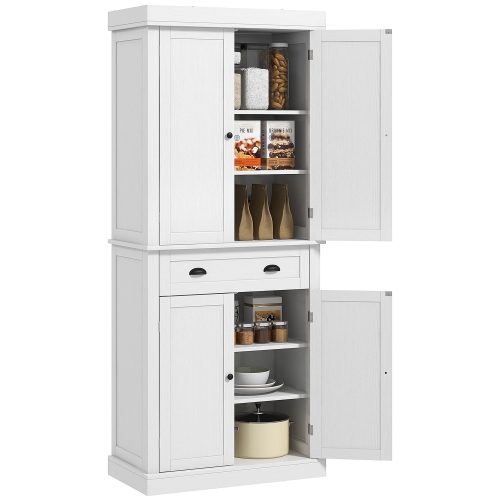 Your price for this item is $267.79
 -
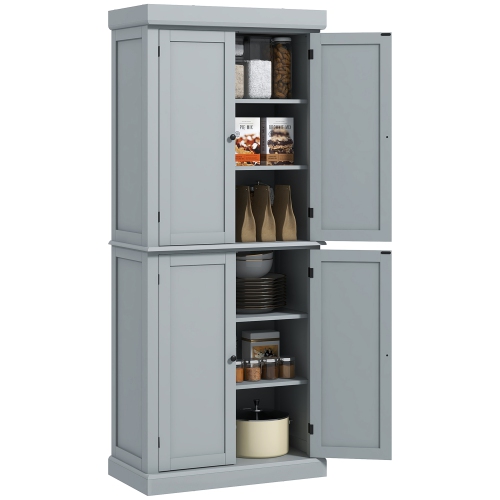 Your price for this item is $299.99
 -
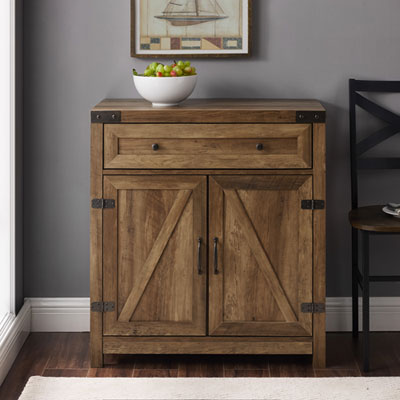 Your price for this item is $401.99
 -
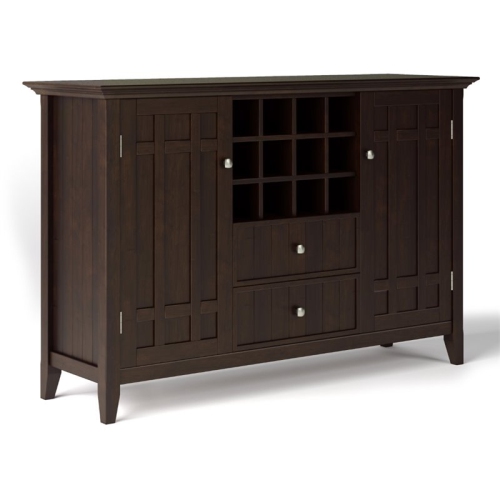 Your price for this item is $1449.04
 -
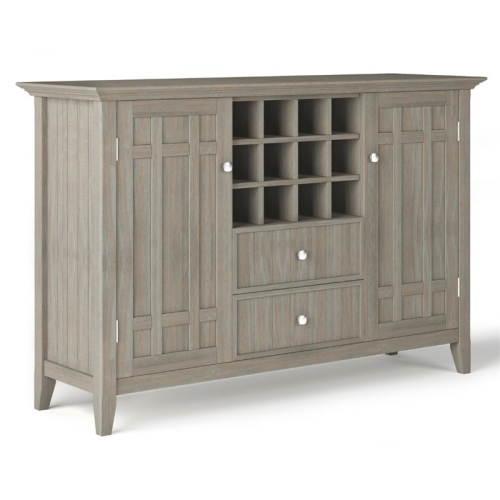 Your price for this item is $1463.19
 -
 Your price for this item is $1454.75
 -
 Your price for this item is $593.99
 -
 Your price for this item is $382.68
Discover more categories related to Freestanding Kitchen Cabinets
Top Collections:
Pokemon Centers, Kindle Devices, Best Budget Office Chairs, Apple iPhones 16, Best Laptops for Writers, iPhone 15 Apple, Canon G7X Cameras, Refurbished Apple Laptops, Alarm Clock, Motorola Razr Phones
Some products may be subject to Environmental Handling Fees
(EHF) depending on your province.
Learn more about EHFs.