Freestanding Cabinets
Organize and declutter your space with our selection of freestanding cabinets. Whether you're looking to add extra storage in your kitchen, bathroom, garage, or any other room in your home, freestanding cabinets offer a versatile and convenient solution. With various sizes, styles, and finishes to choose from, you can find the perfect freestanding cabinet to suit your needs and complement your decor. From sleek modern designs to classic and rustic options, our collection has something for every taste and space. Explore our range of freestanding cabinets to bring both functionality and style to your home today.
Sort
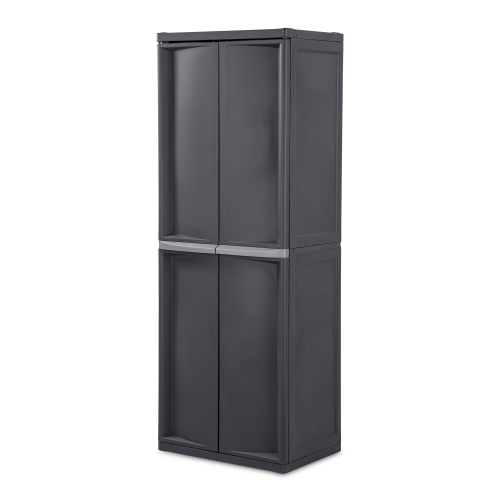
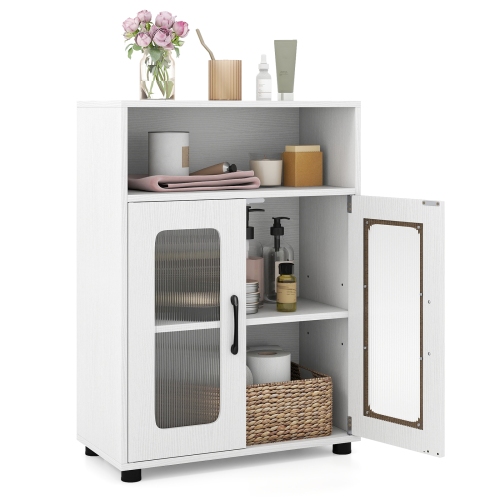
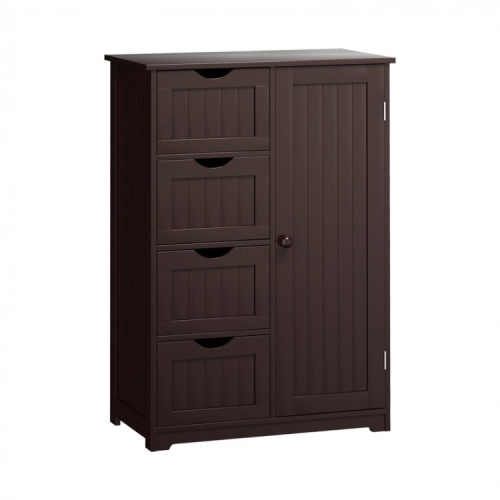
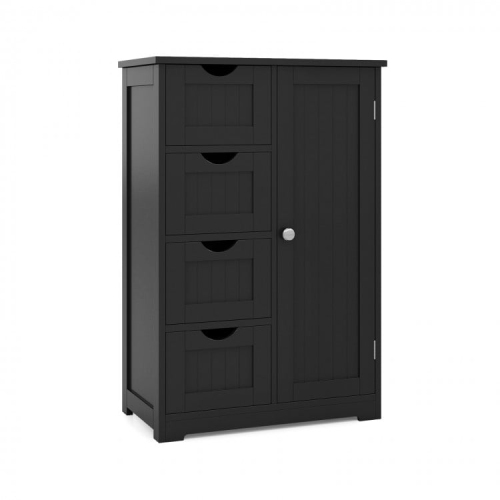
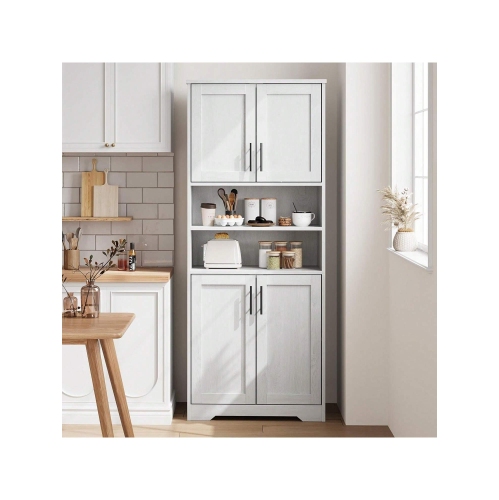
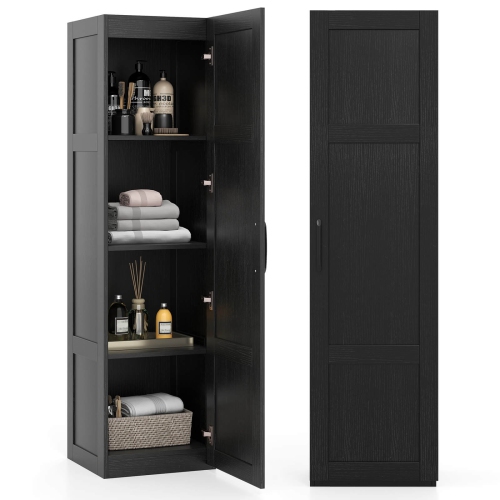
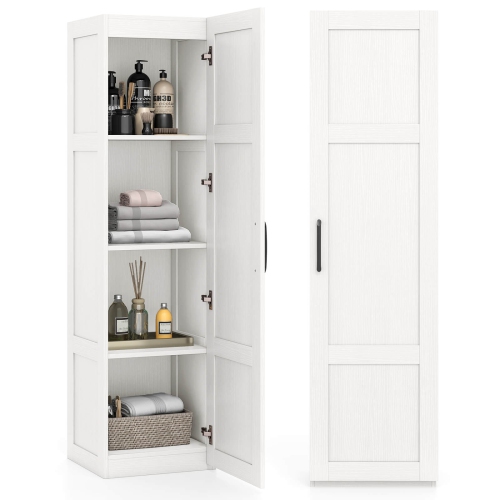
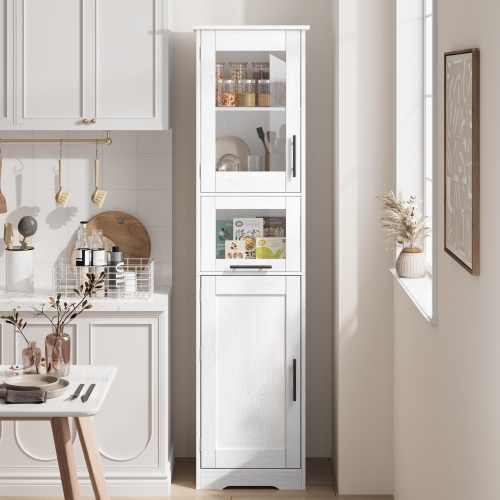
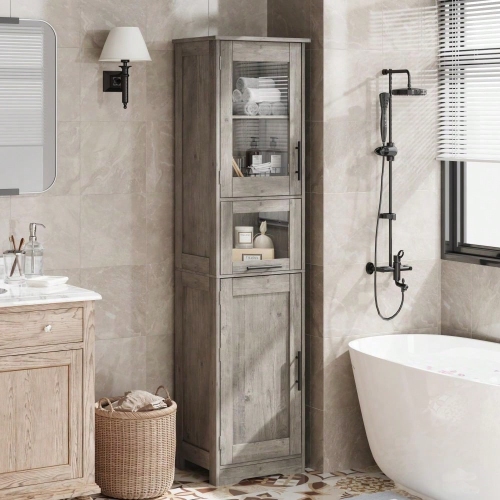

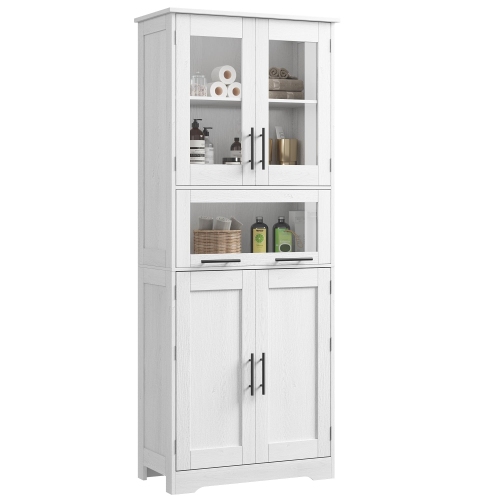
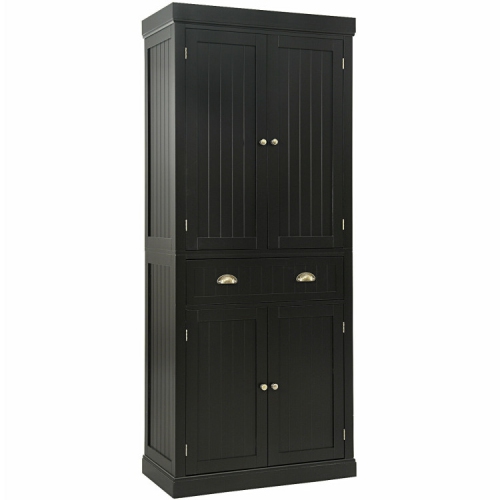
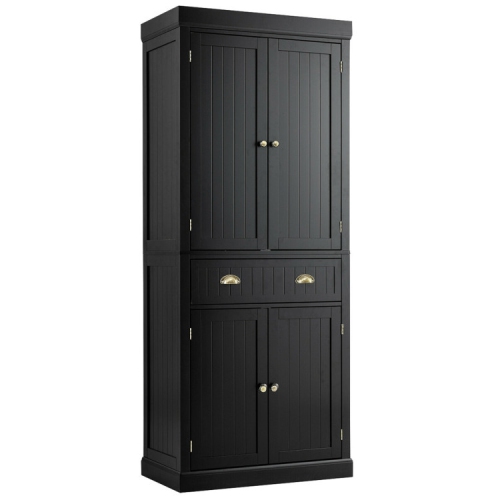
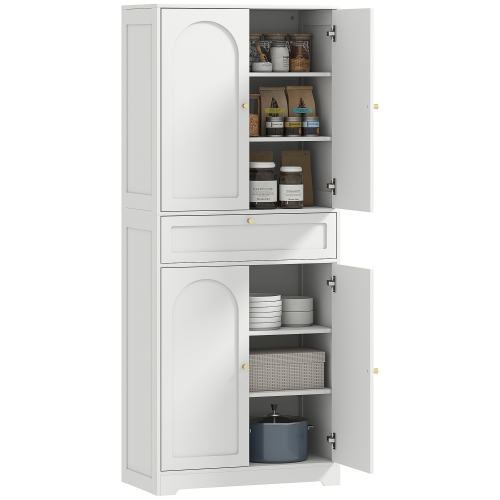
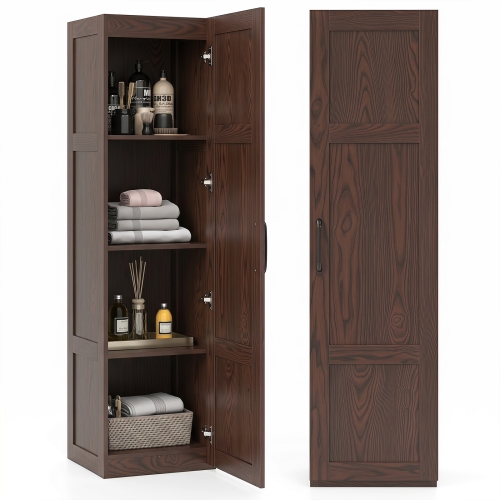
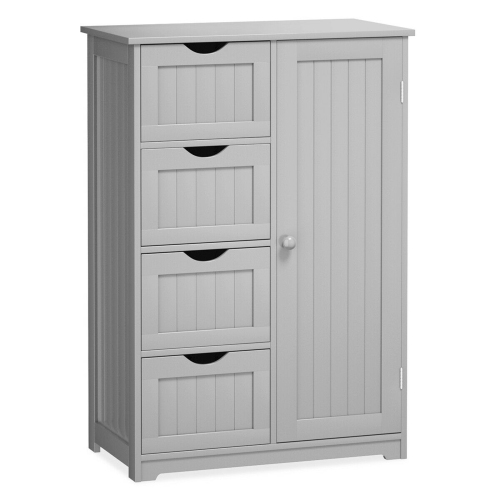
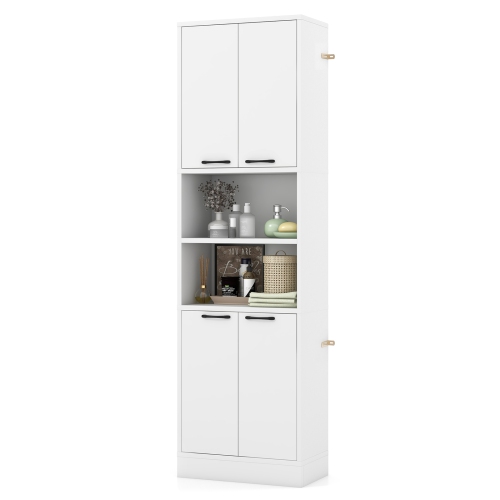

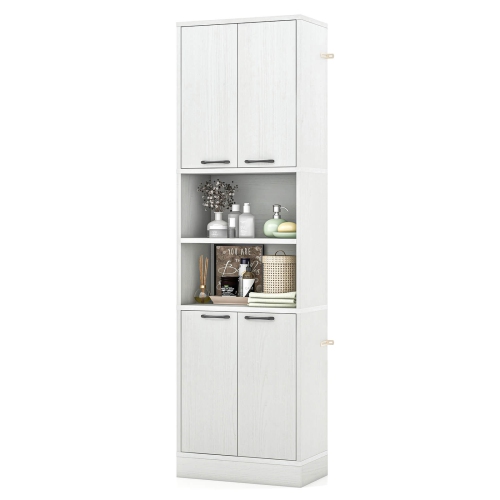
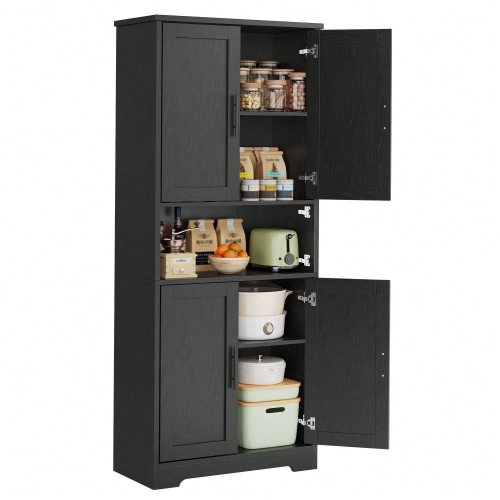
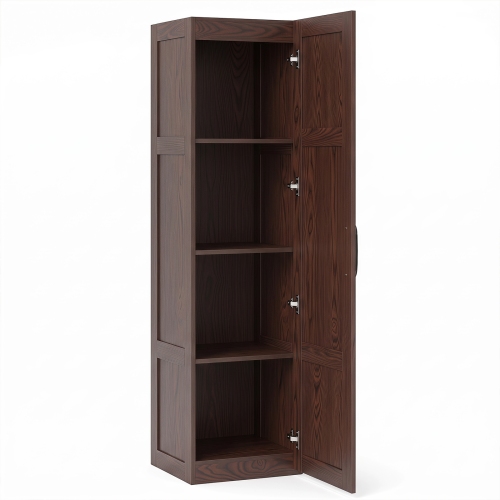
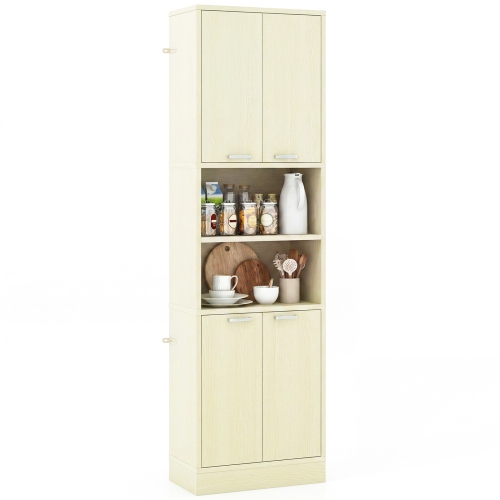
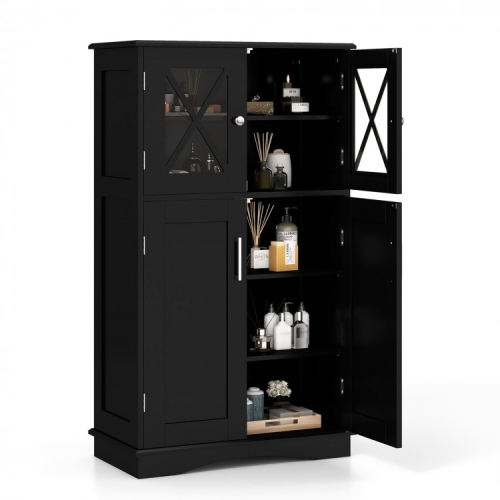
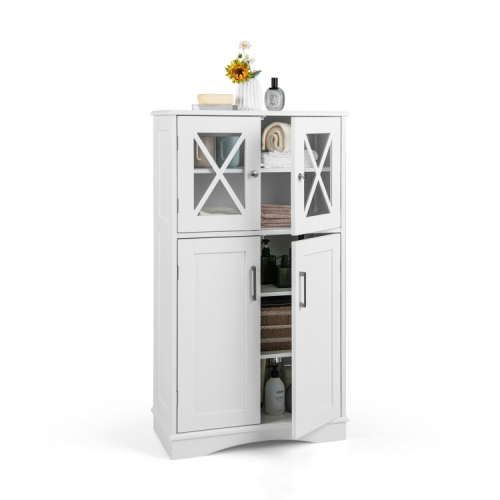

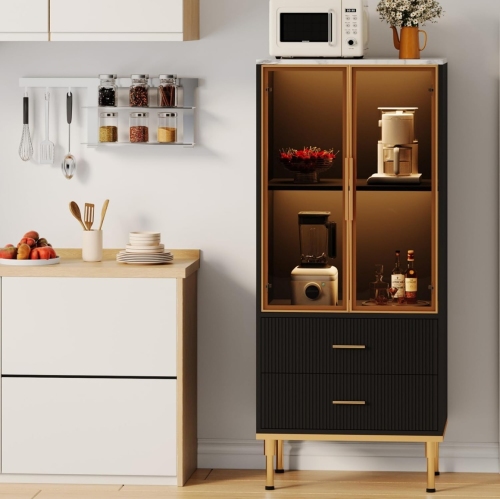
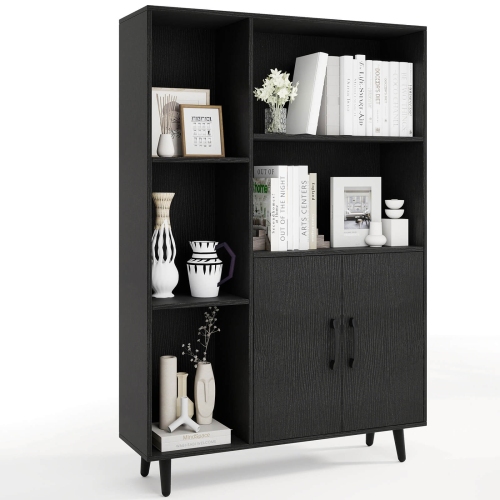
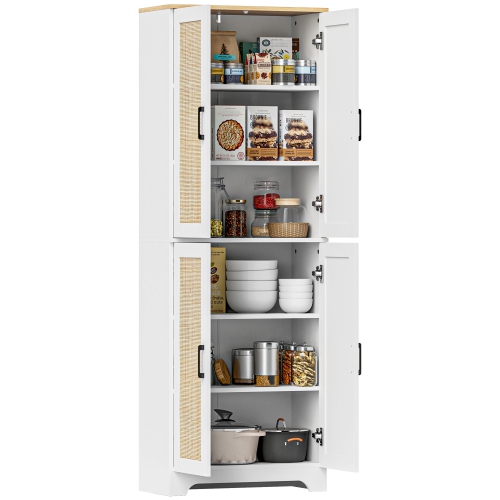
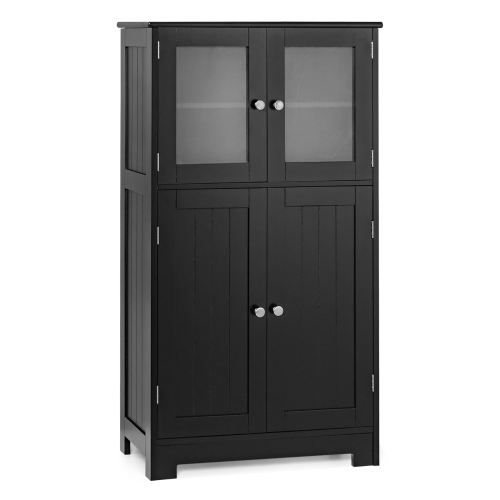
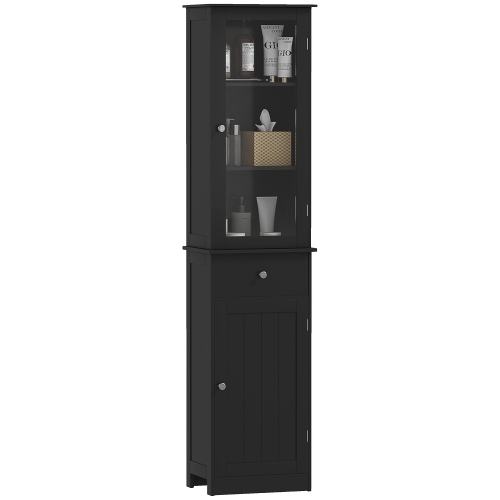
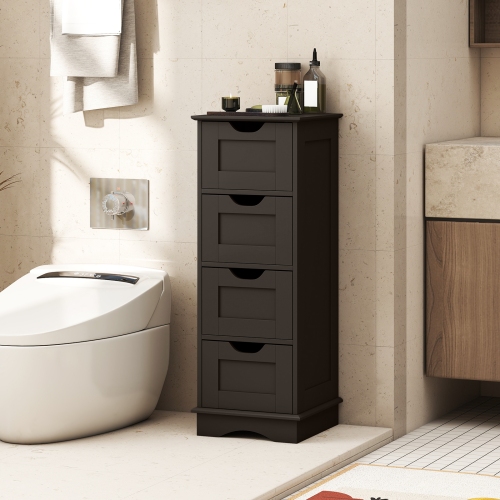
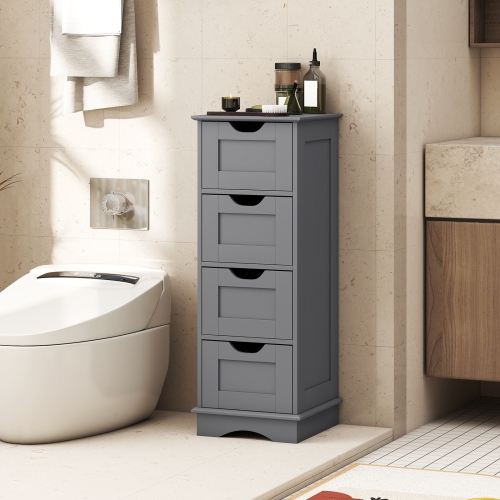
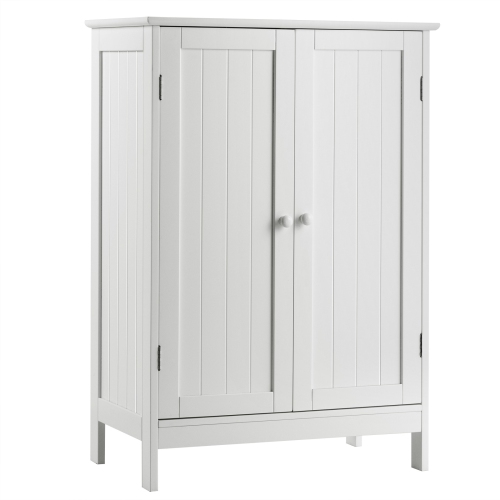
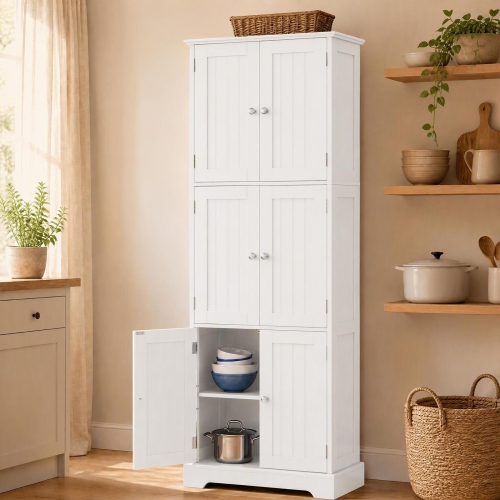
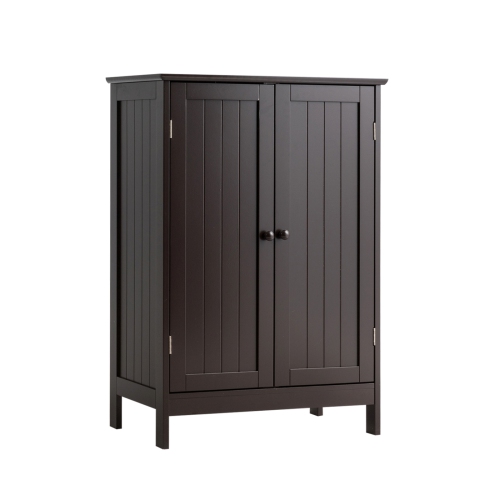
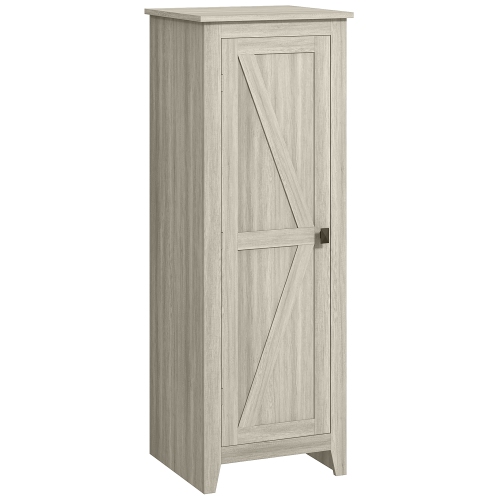
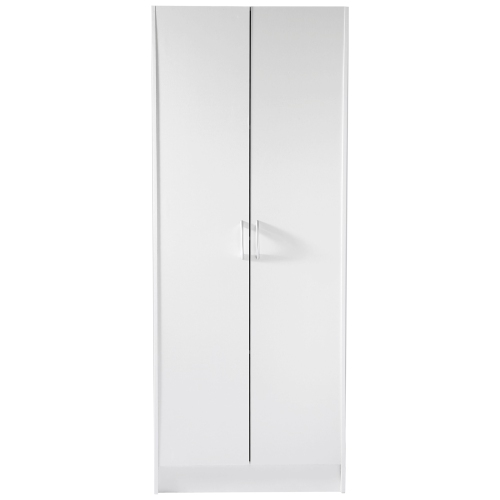
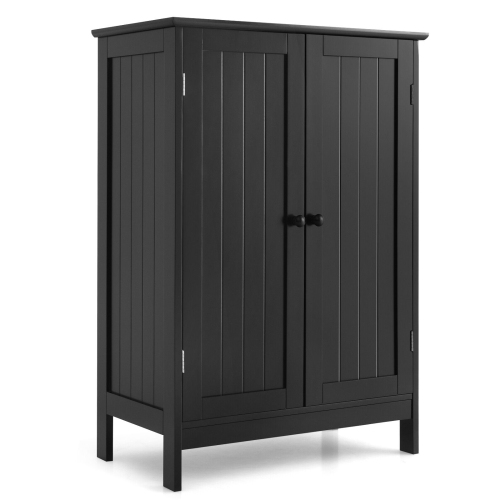
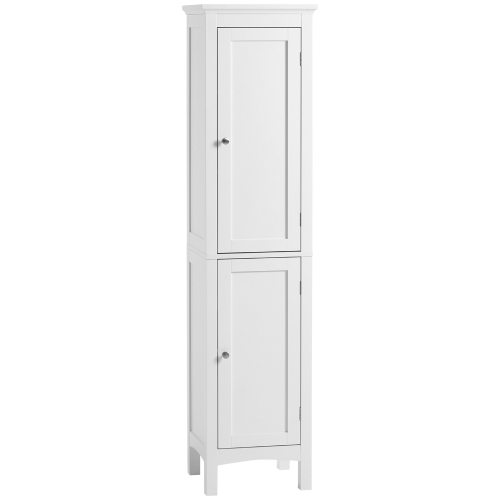
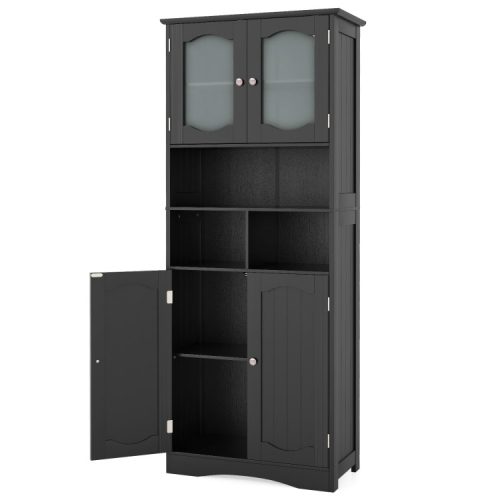
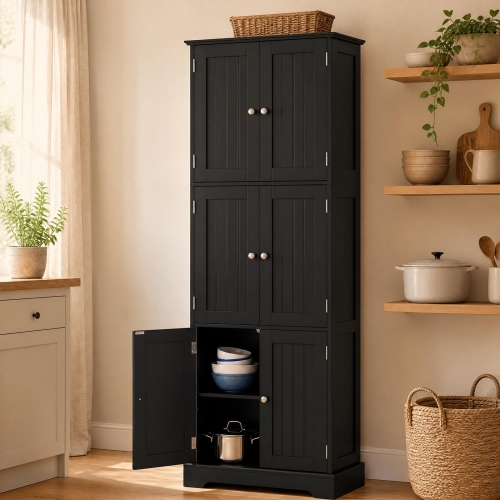
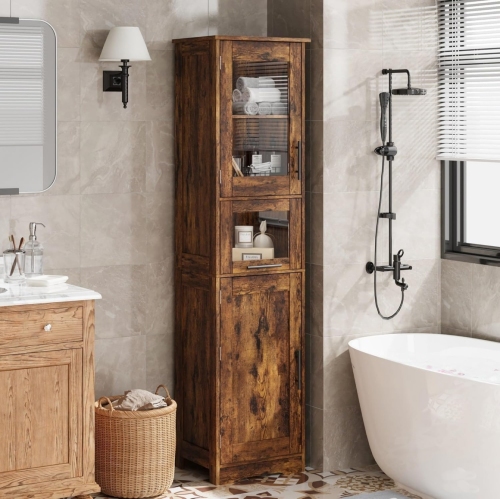
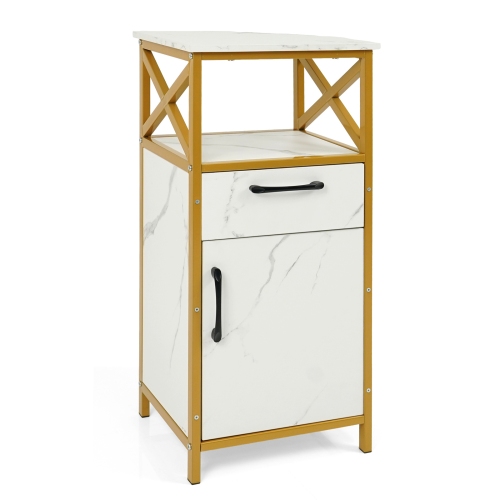
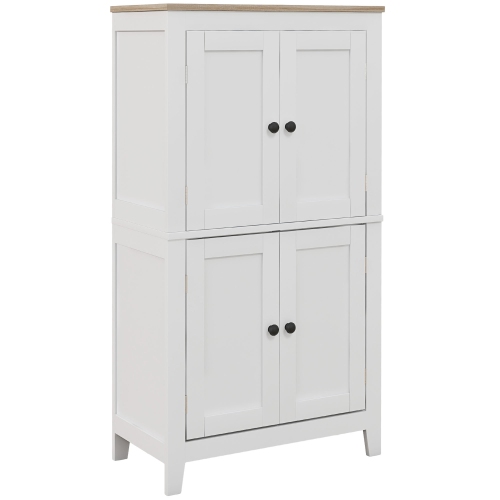
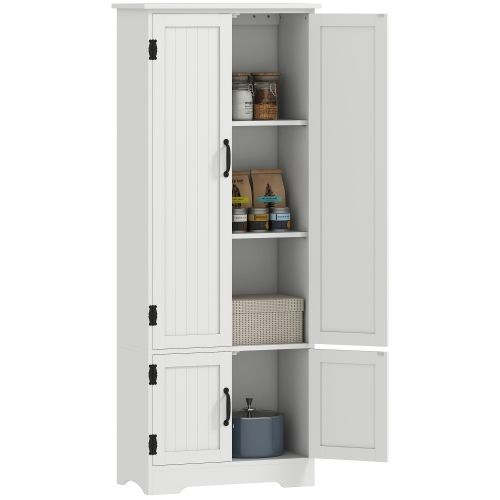
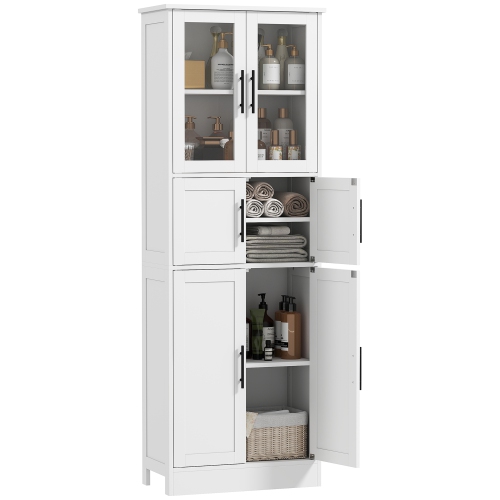

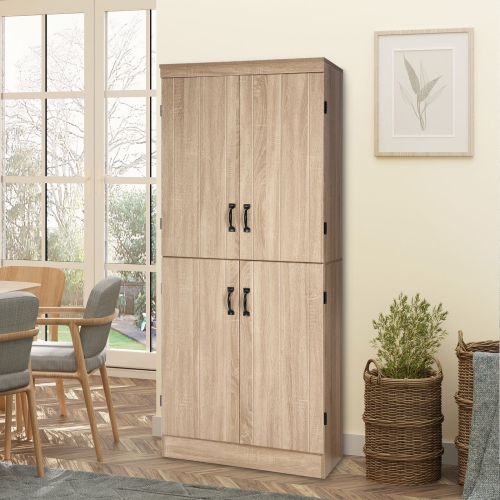
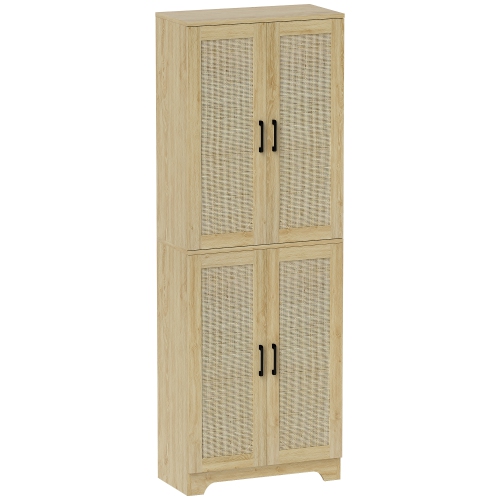
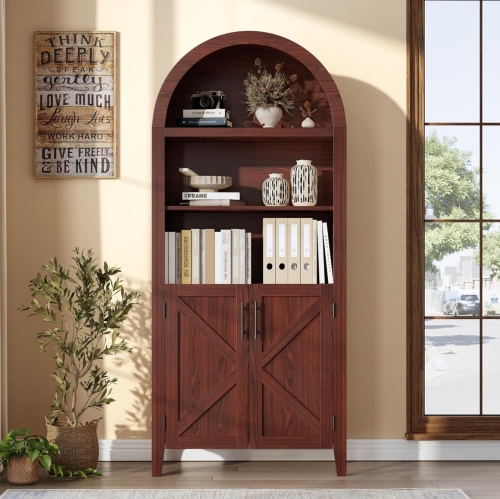
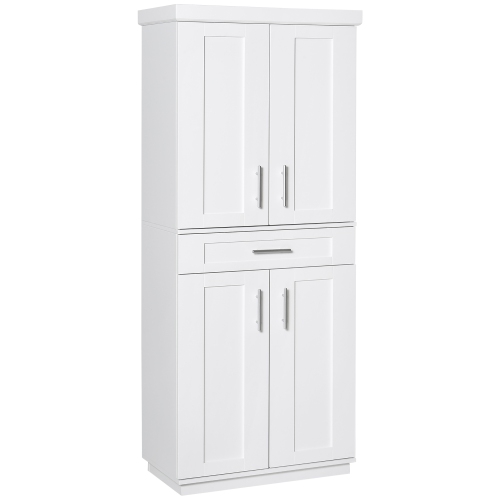
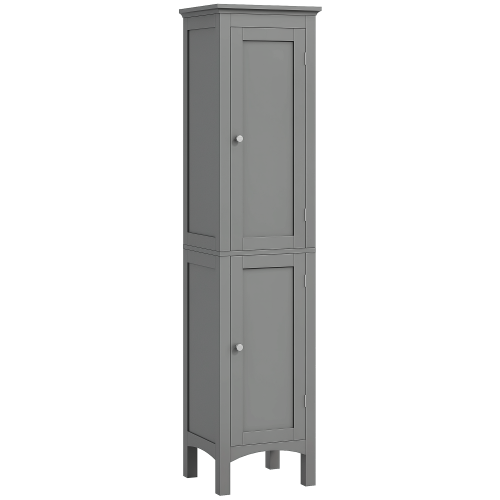
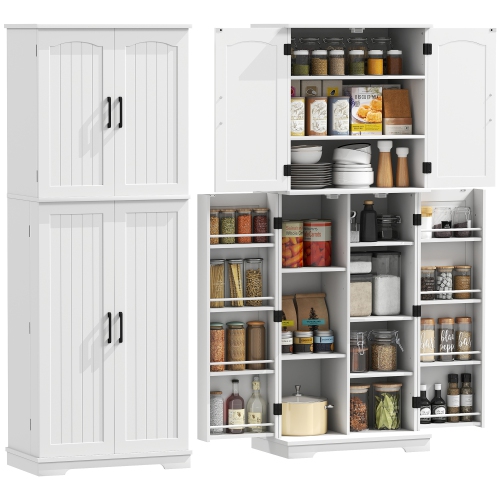
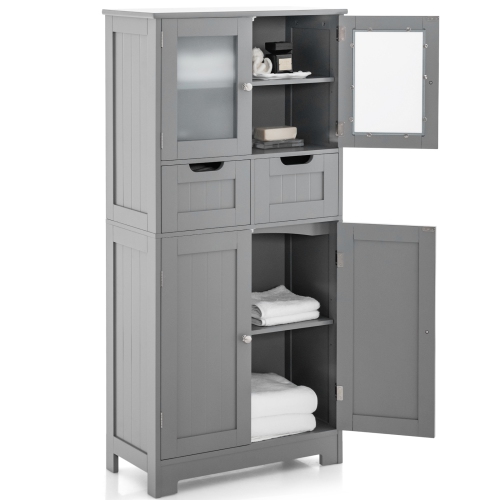
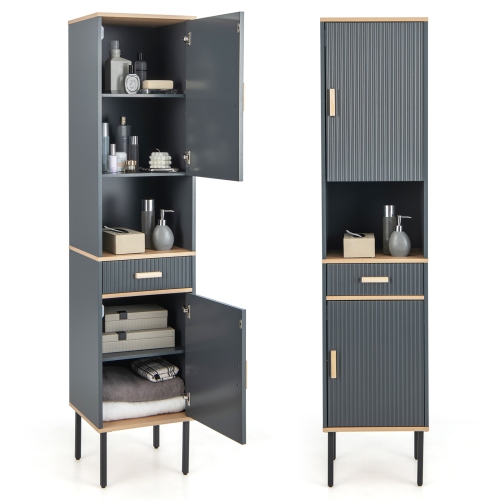
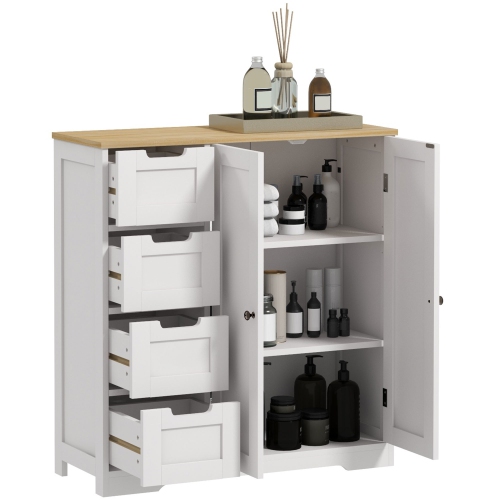
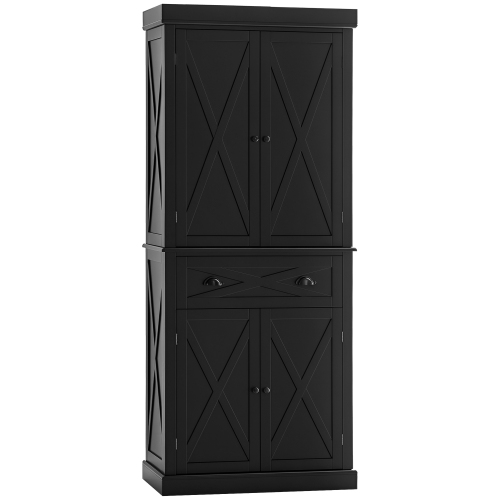
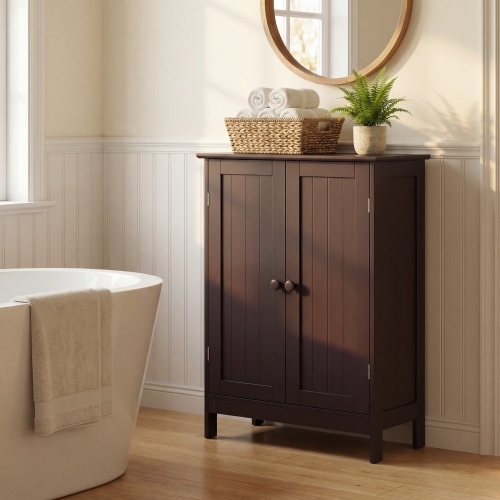

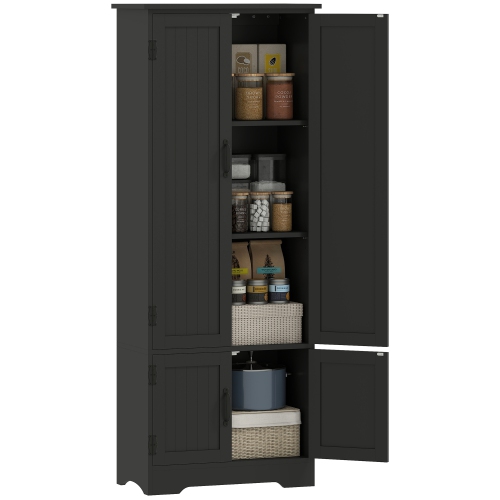
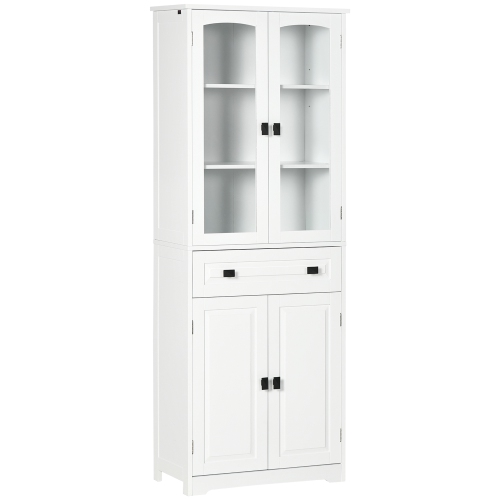
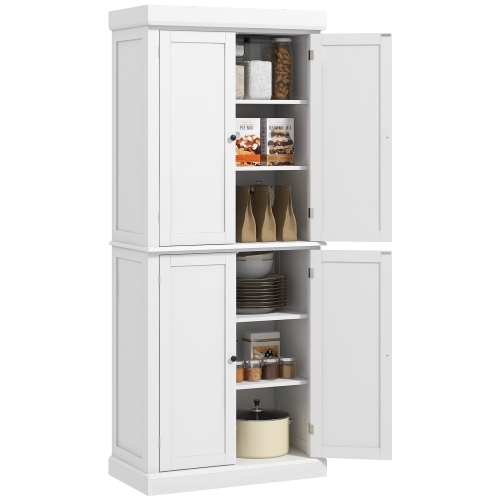
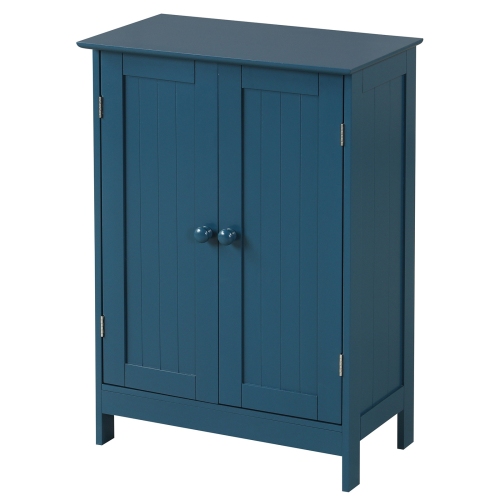
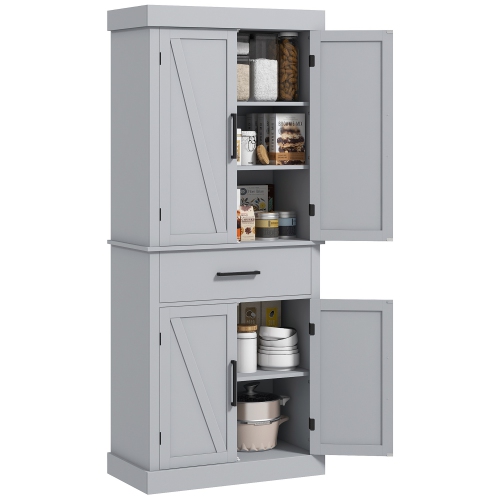

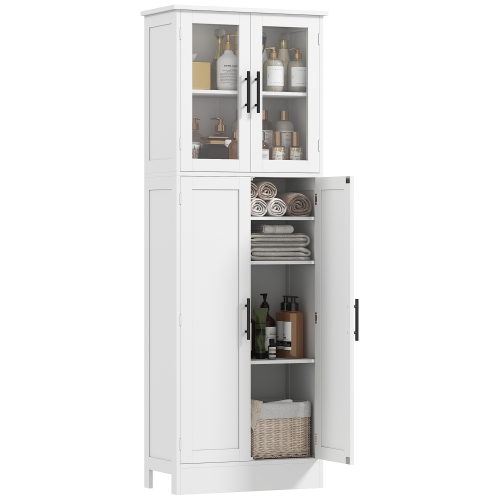

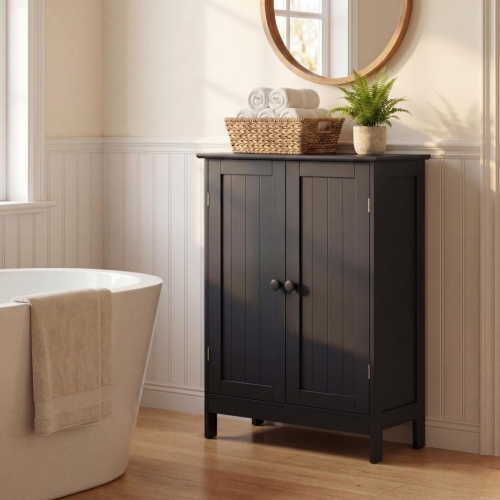
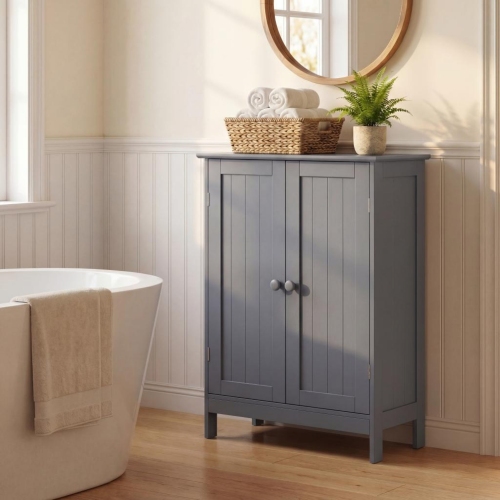
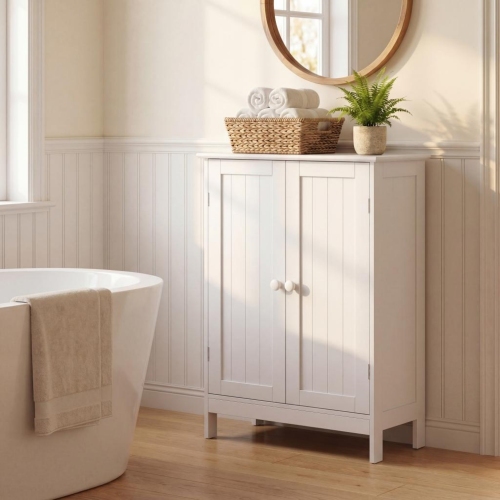
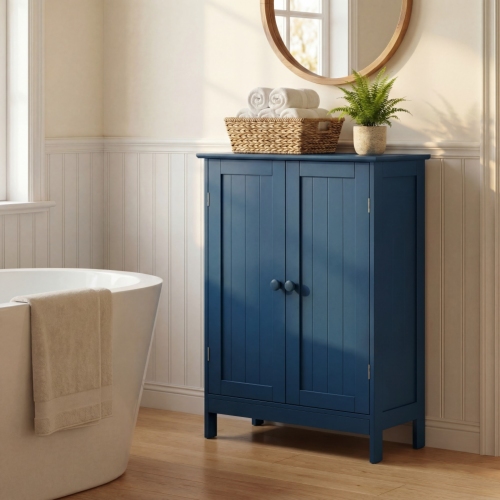
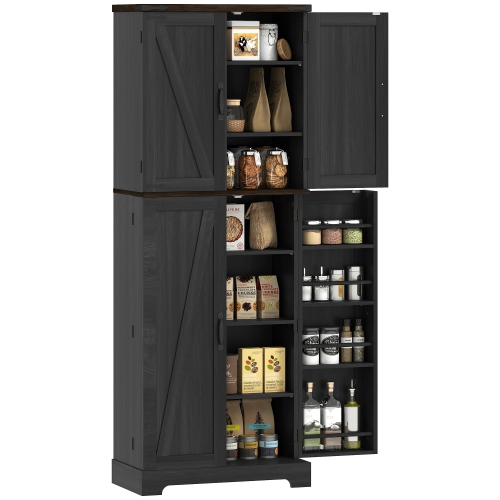
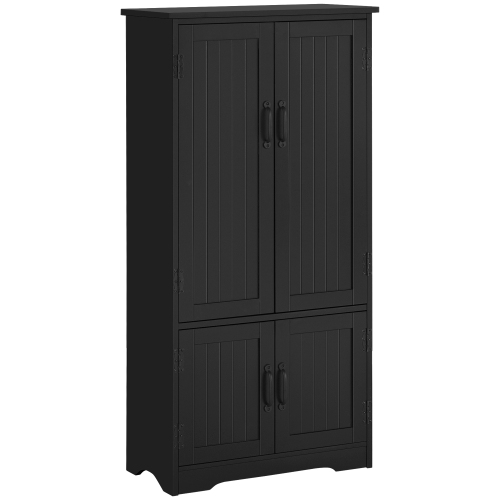
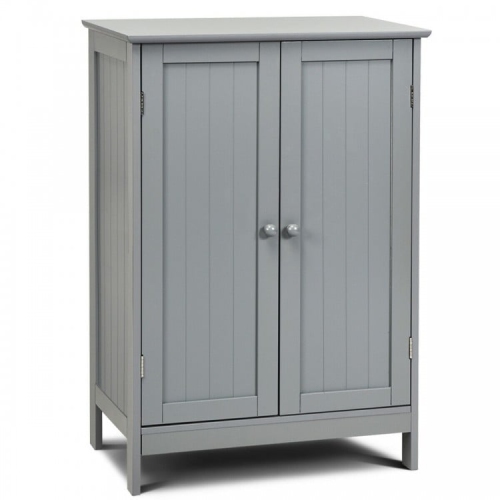

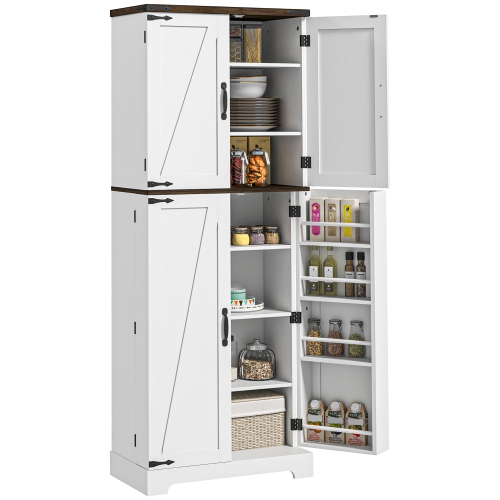
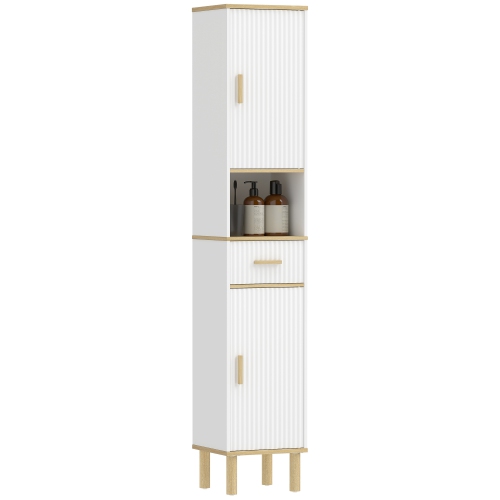

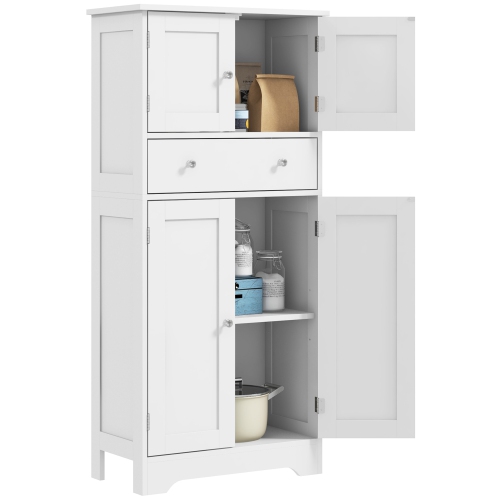
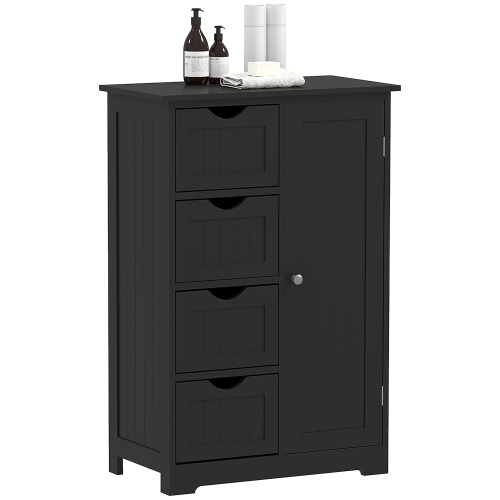
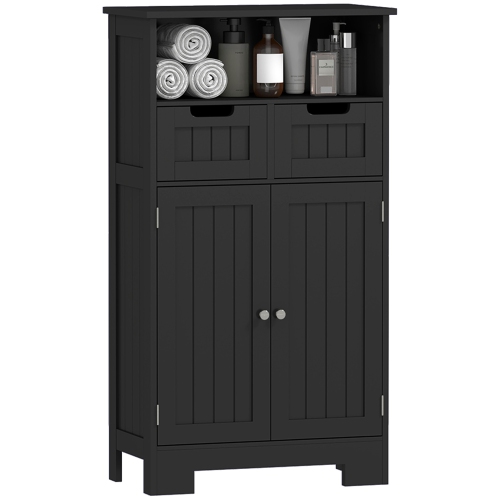
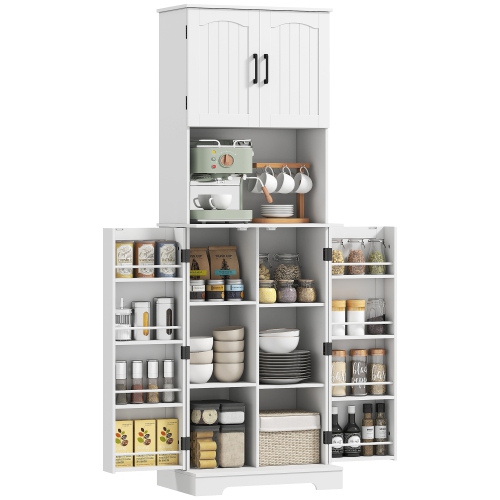
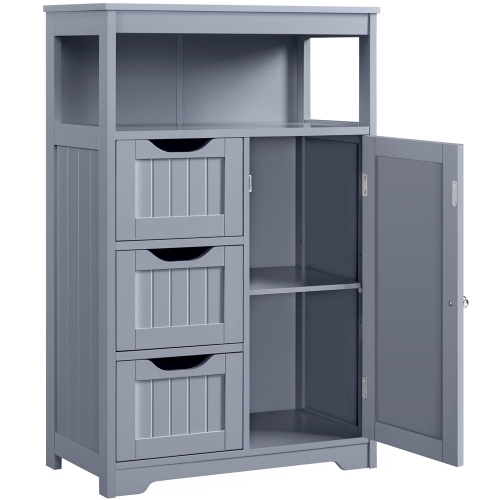
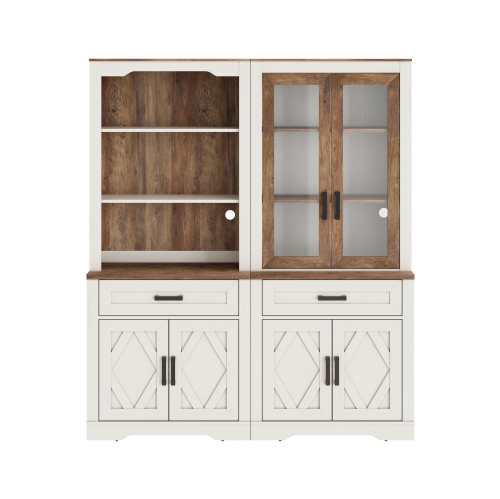
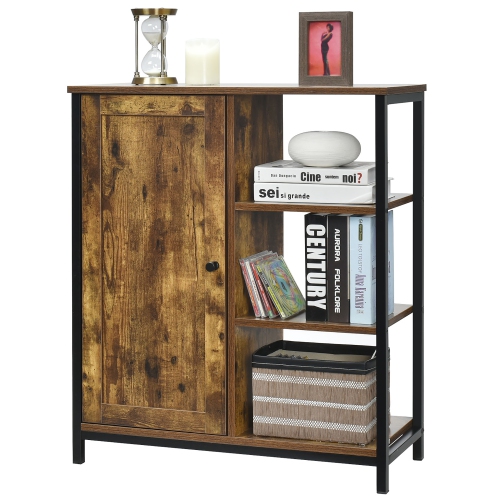
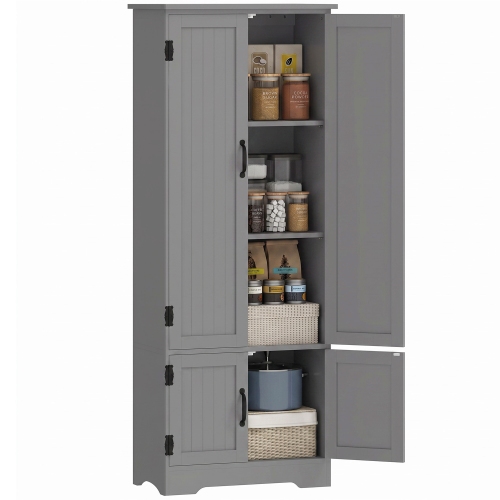
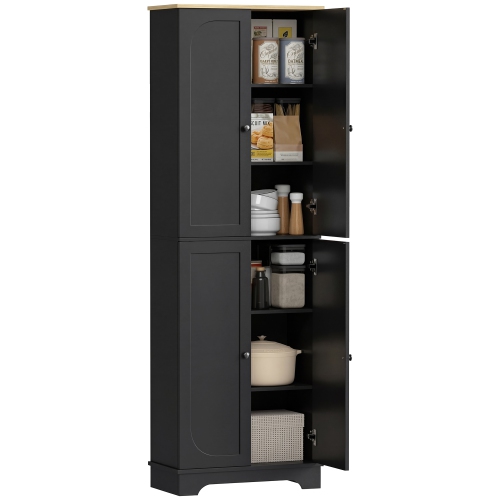
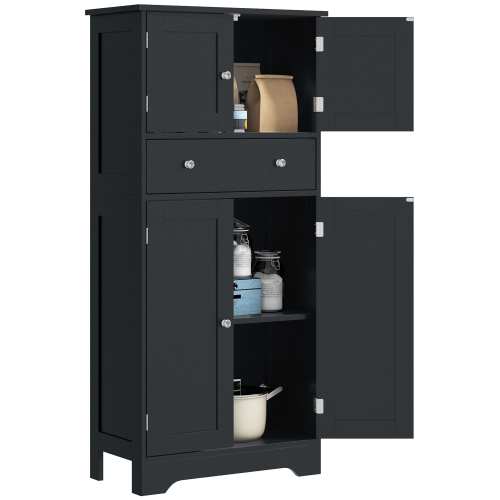
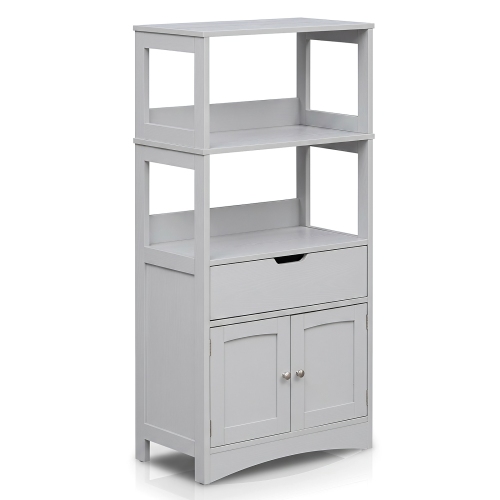
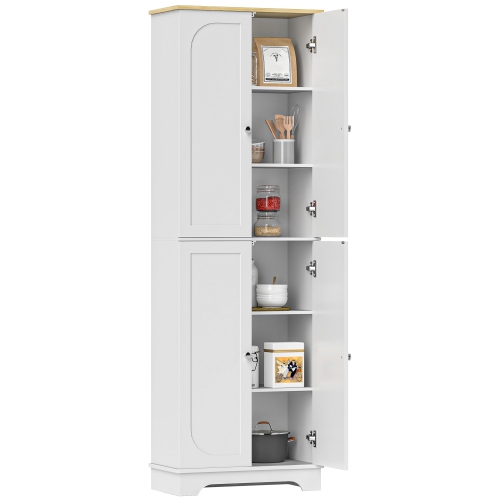
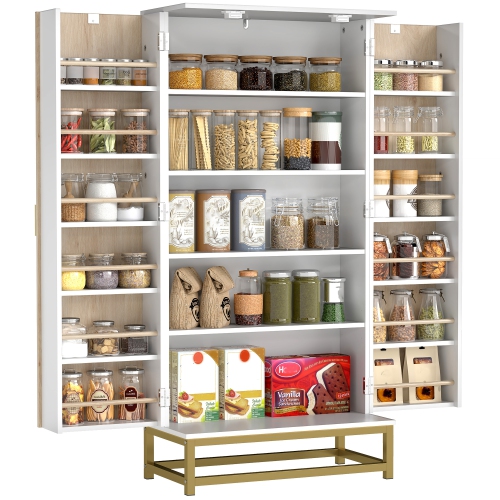
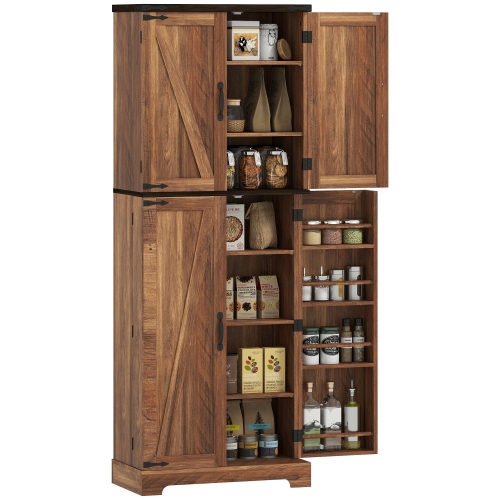
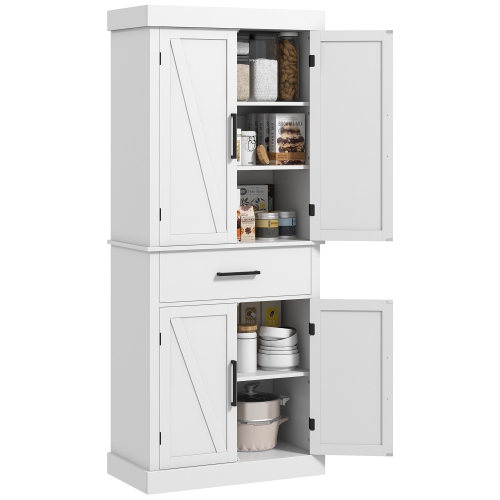
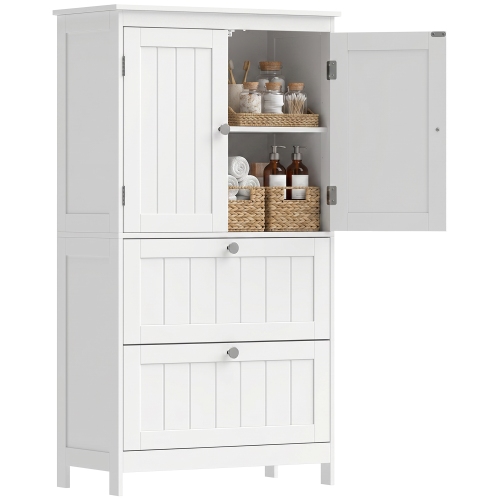
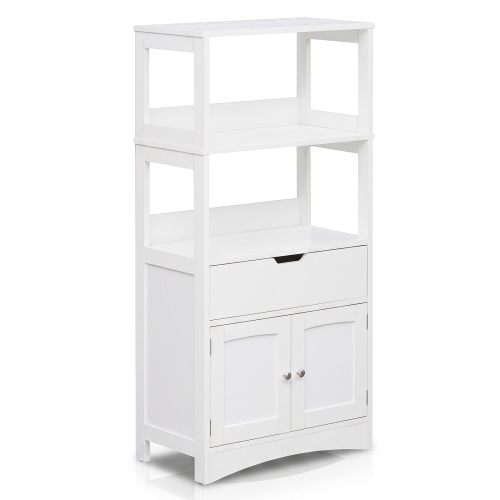
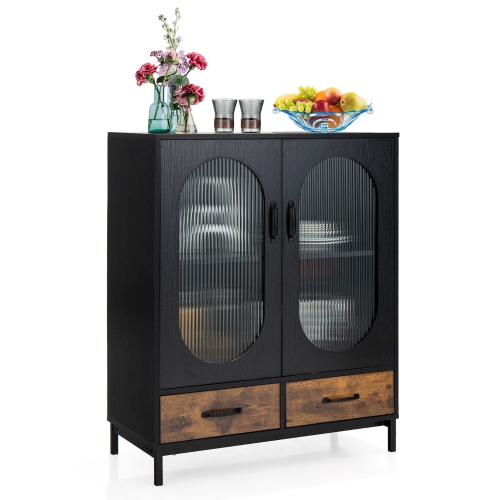
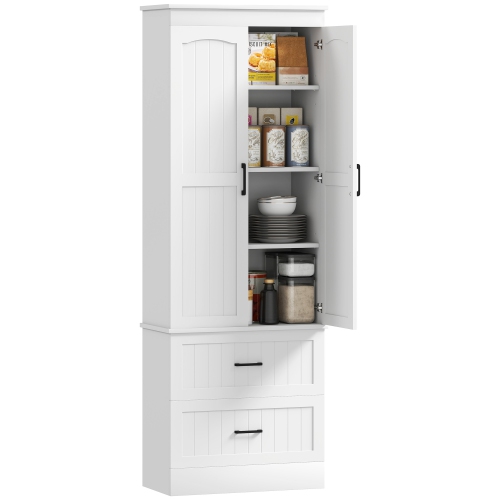
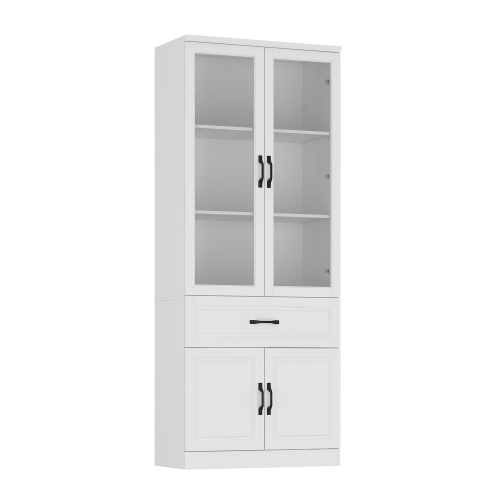
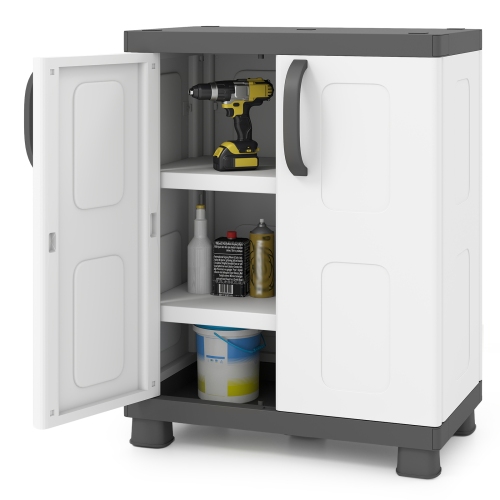
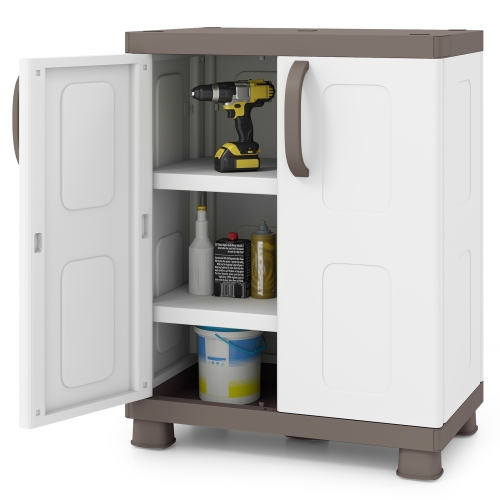
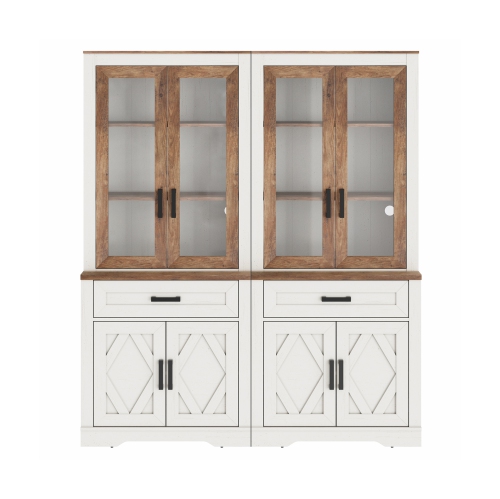
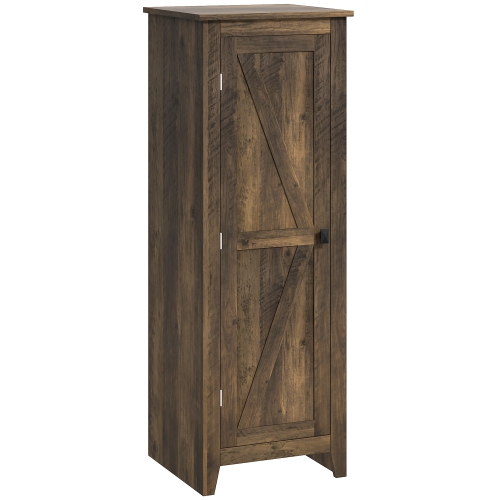
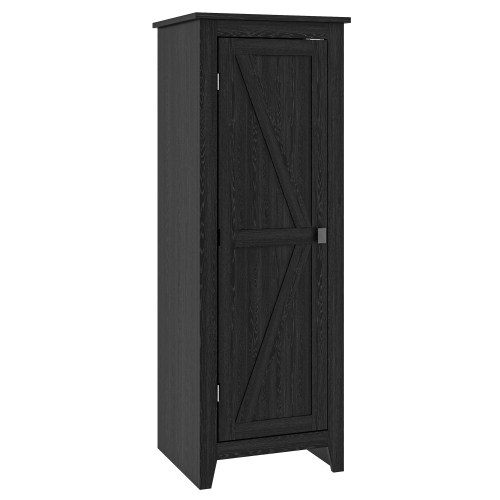
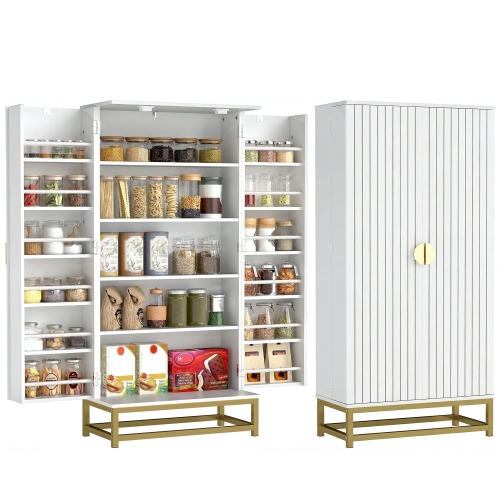
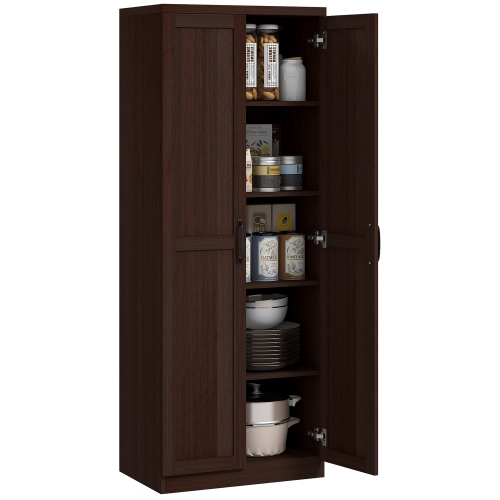
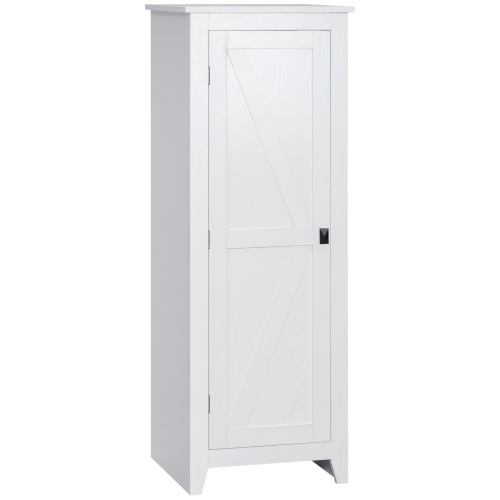
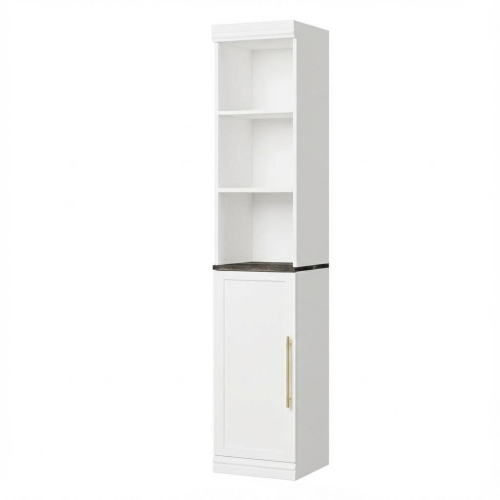
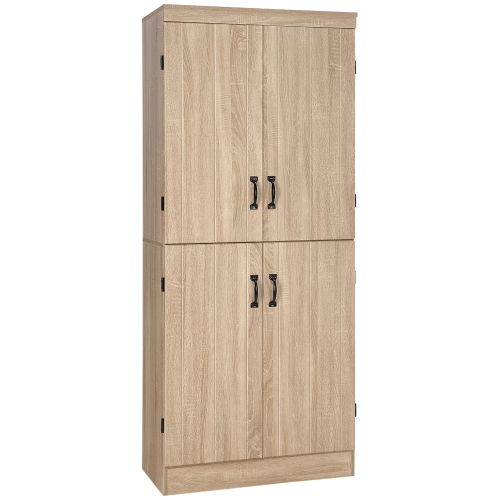
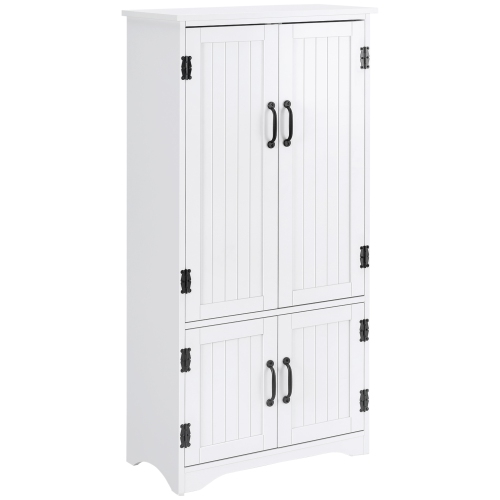
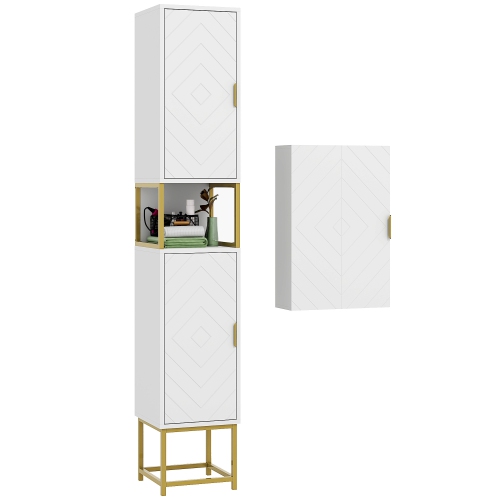
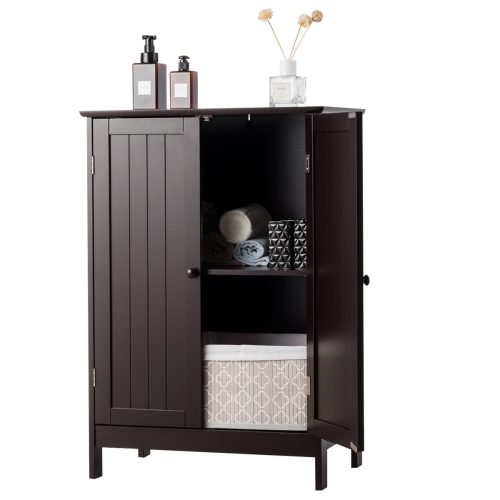
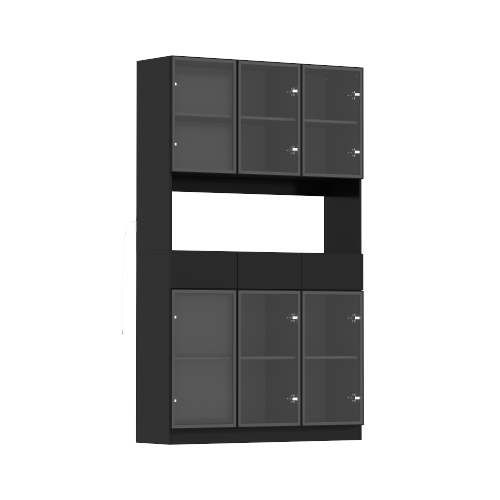
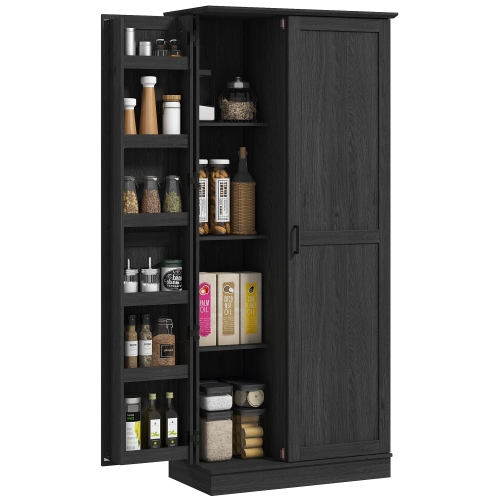
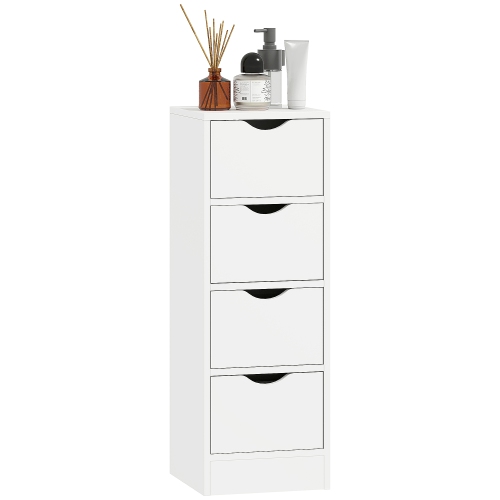

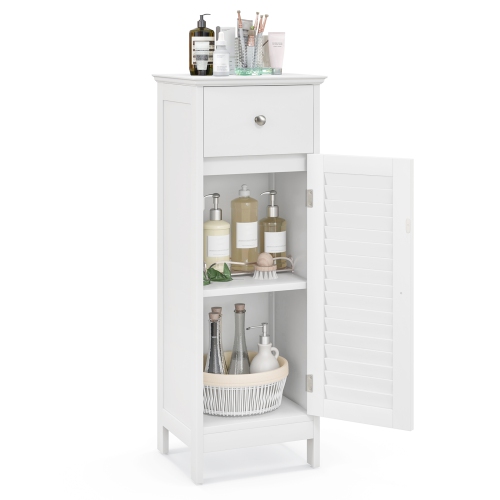
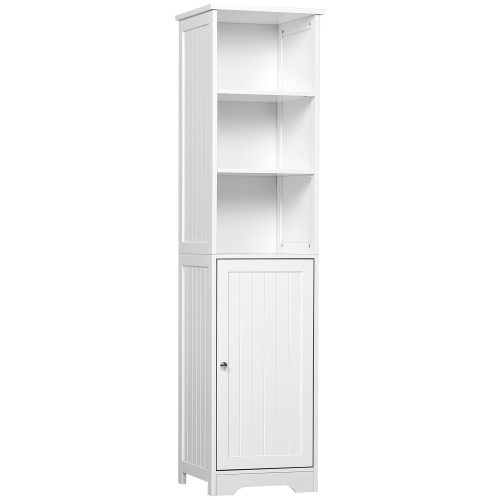
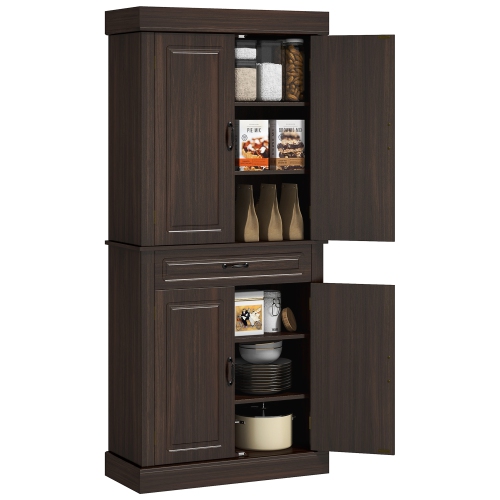

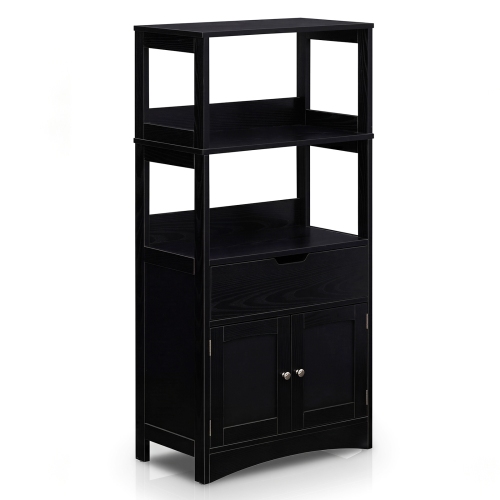
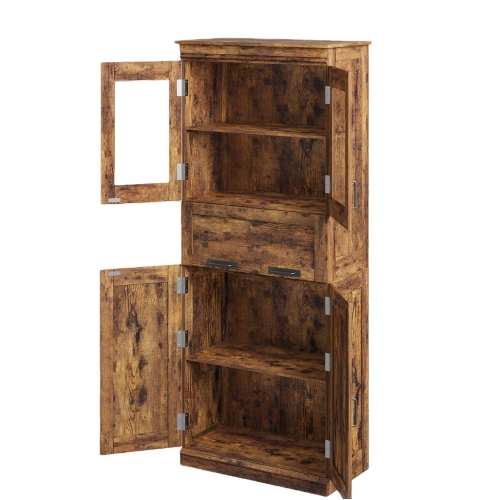
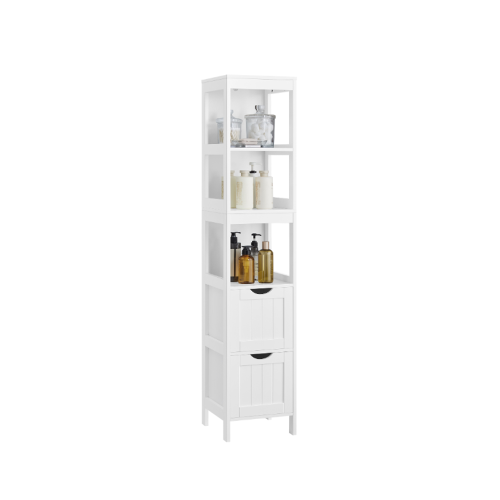
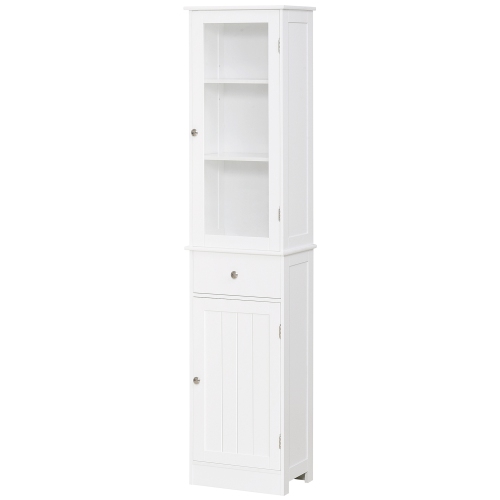
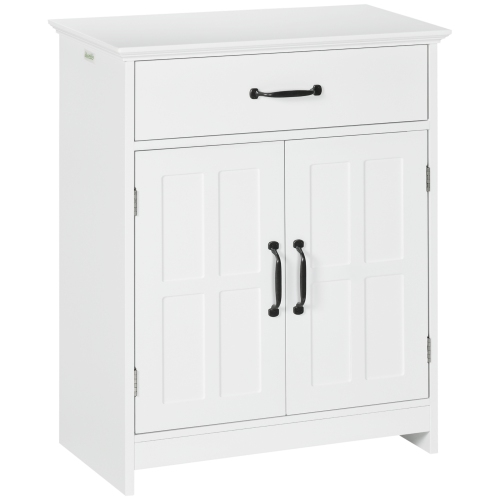
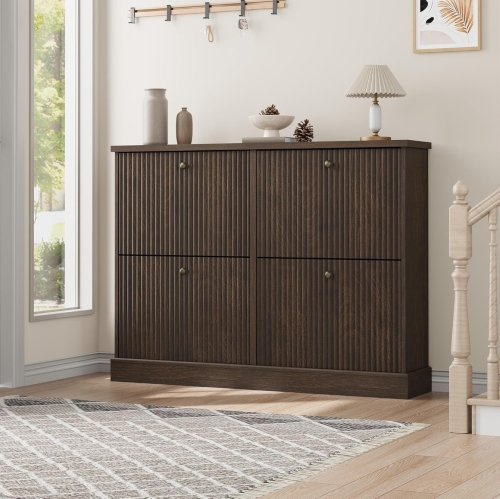
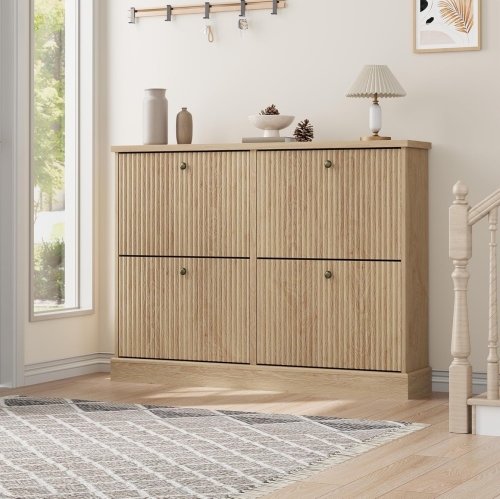
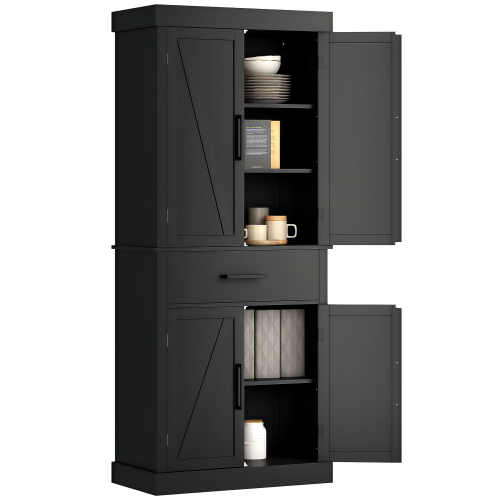
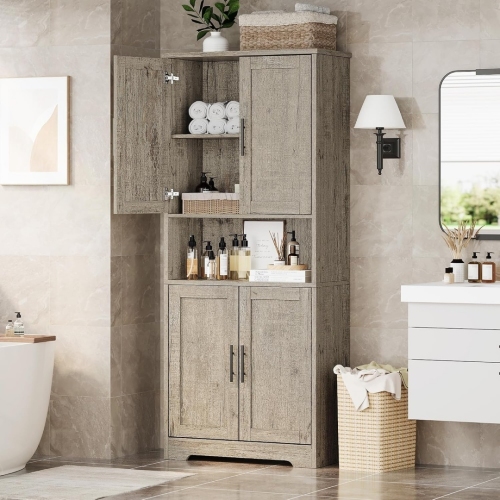

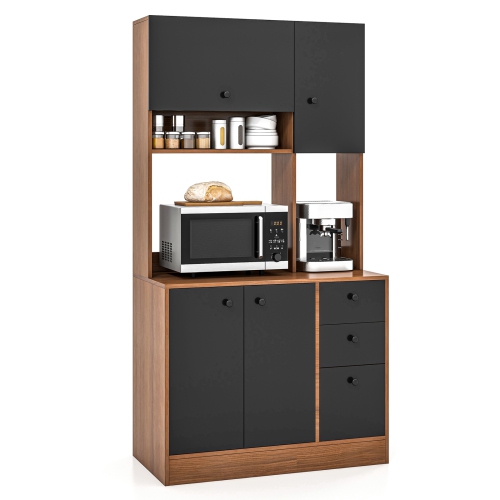
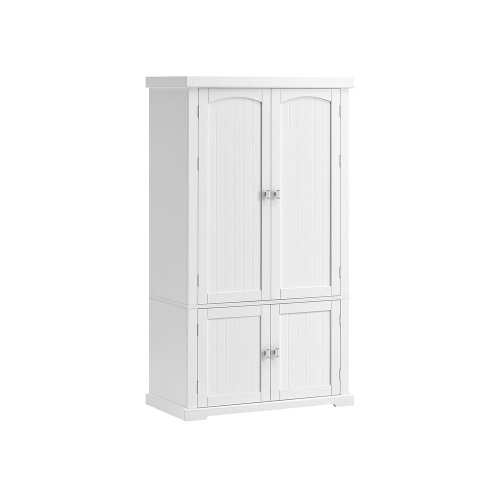
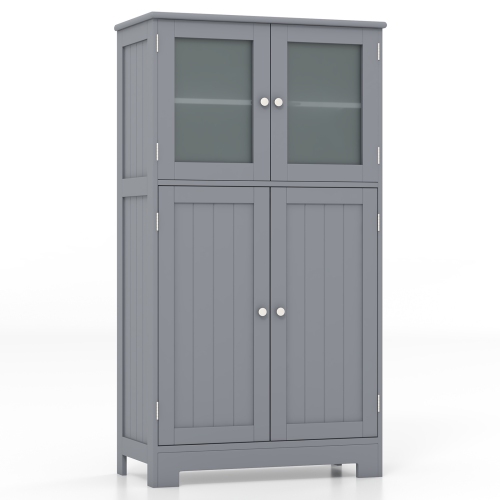
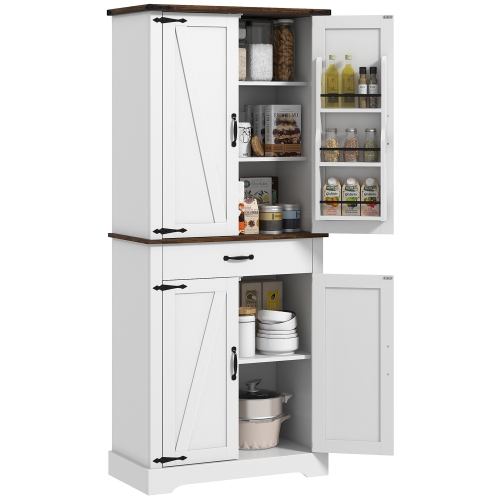
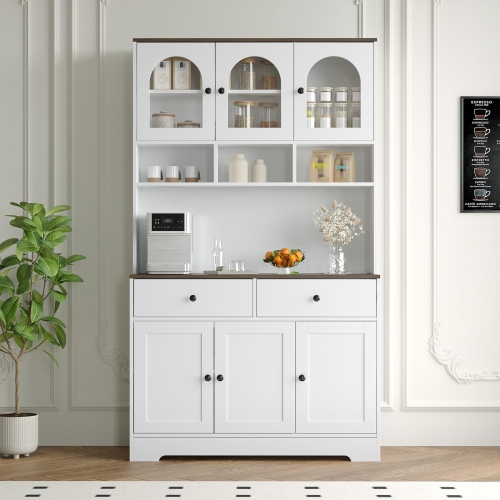
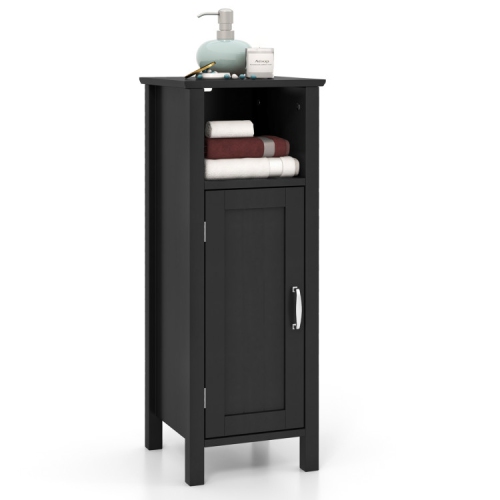
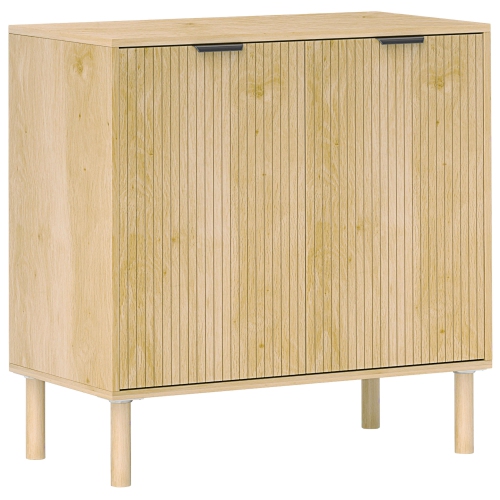
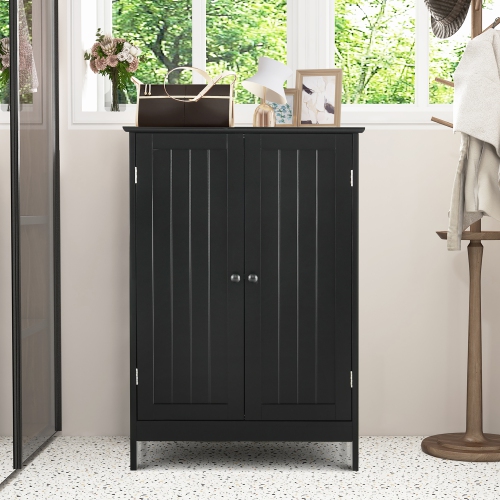
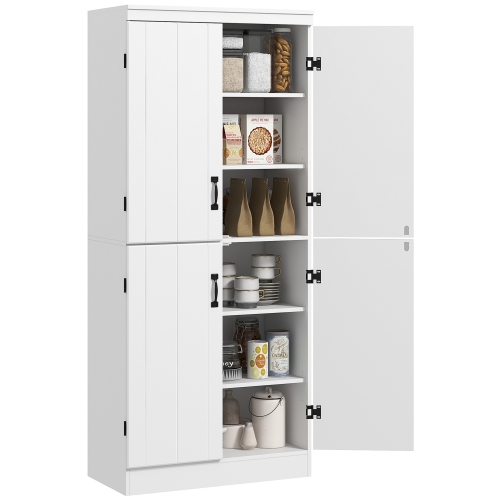
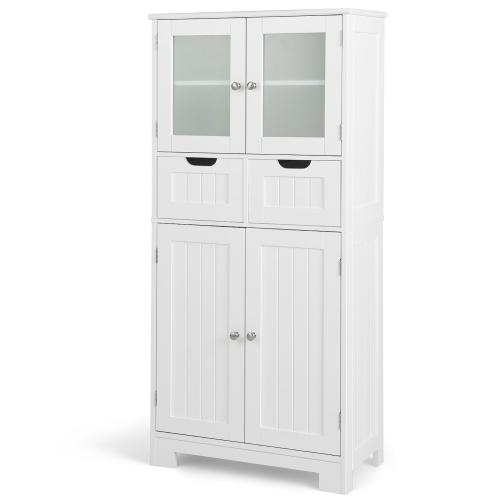
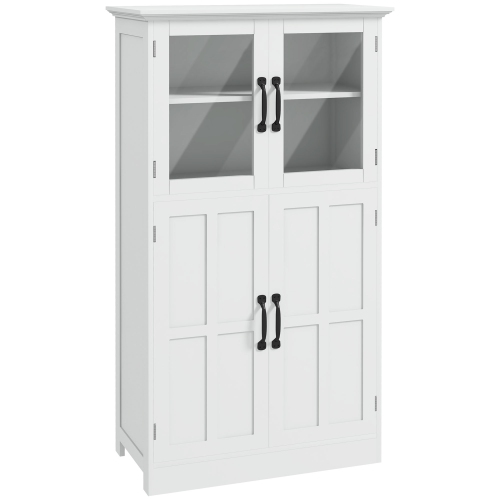
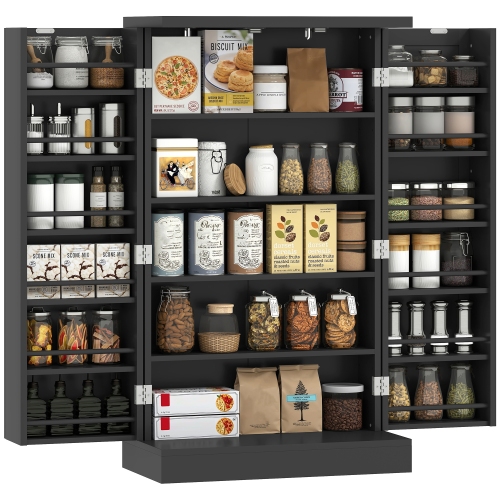
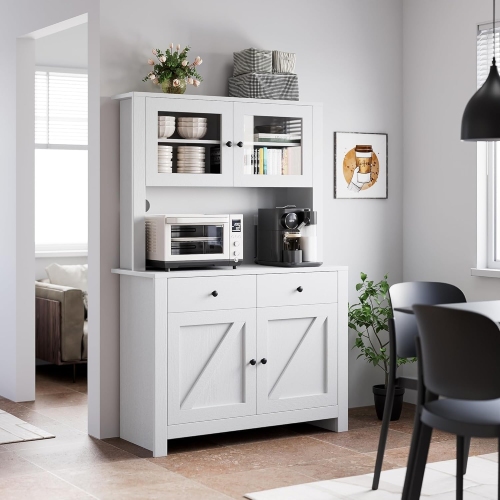
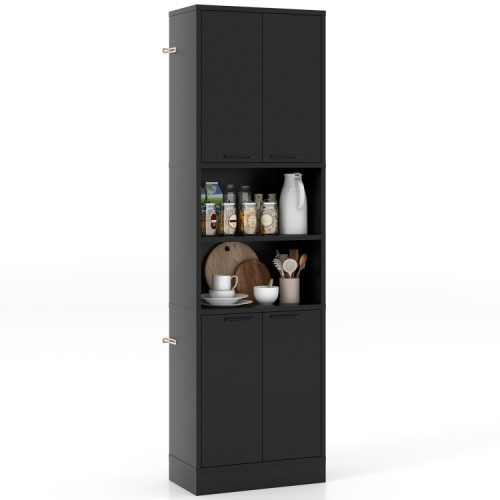

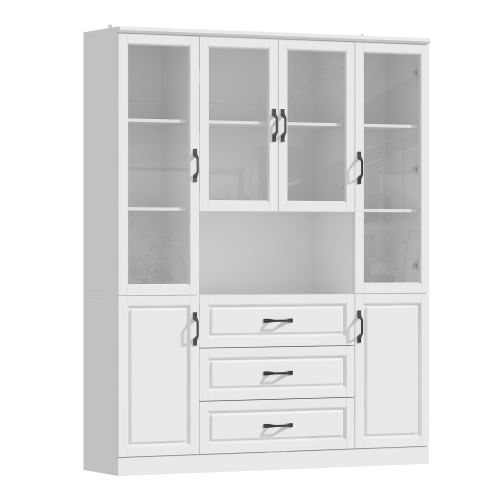
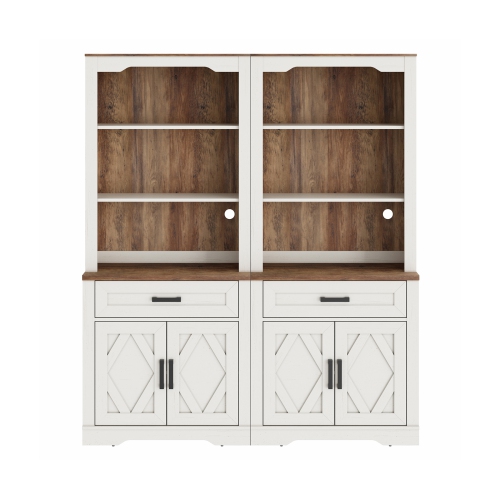
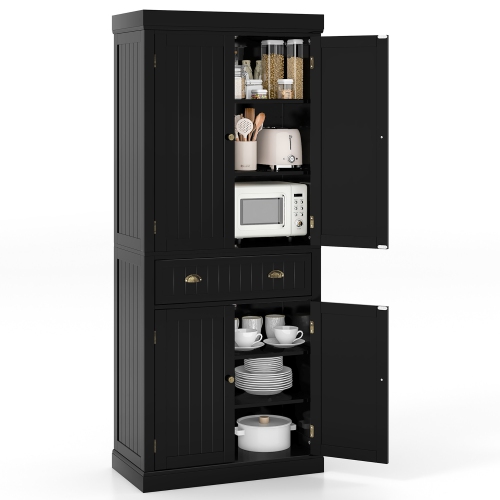
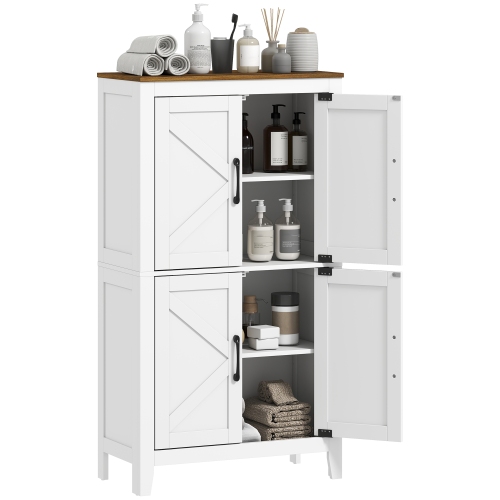
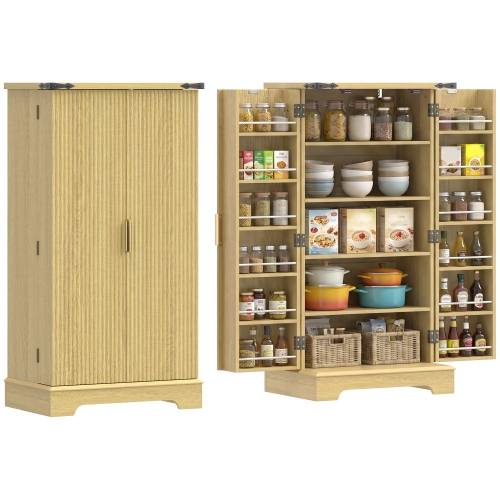
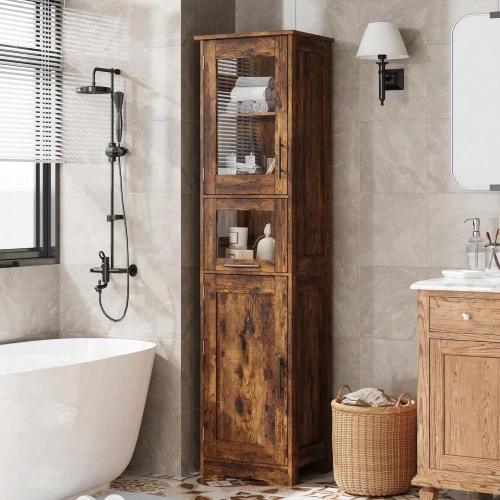
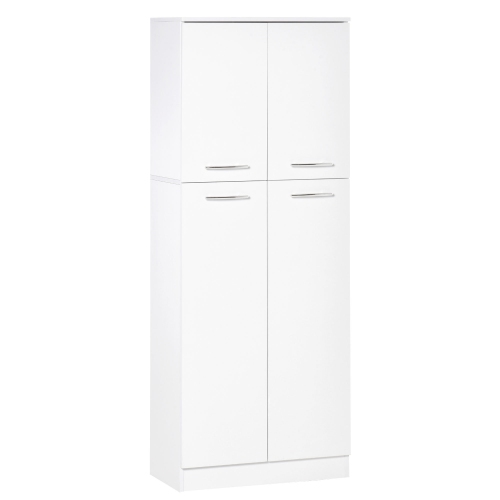
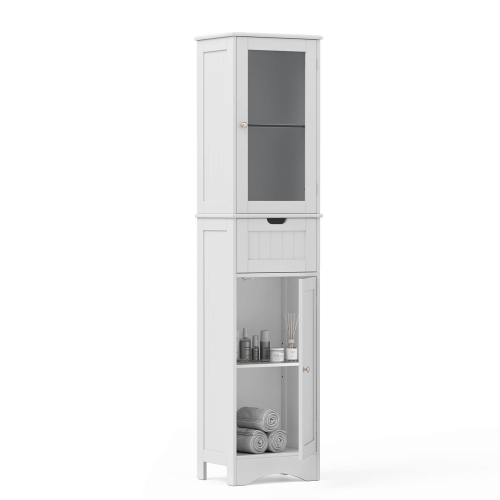
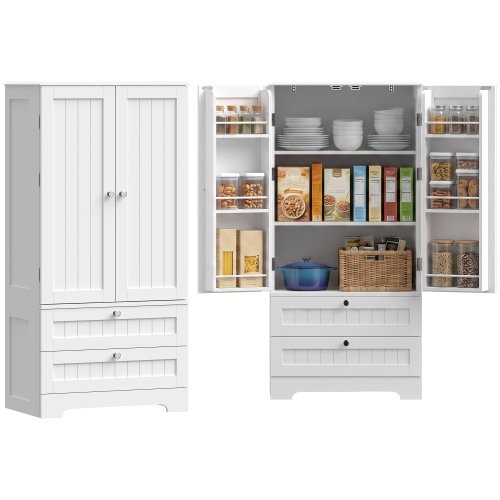
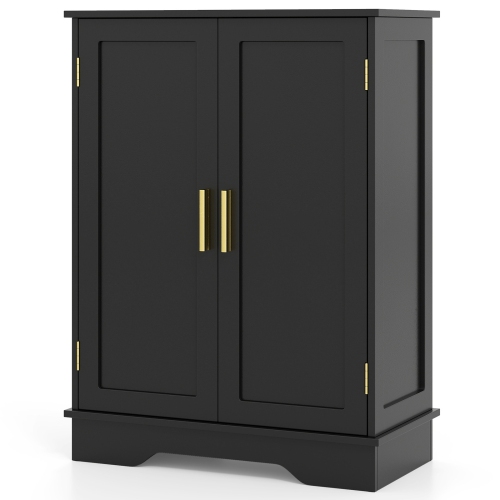
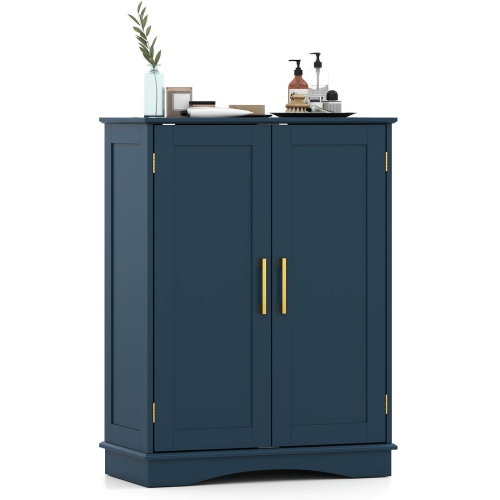
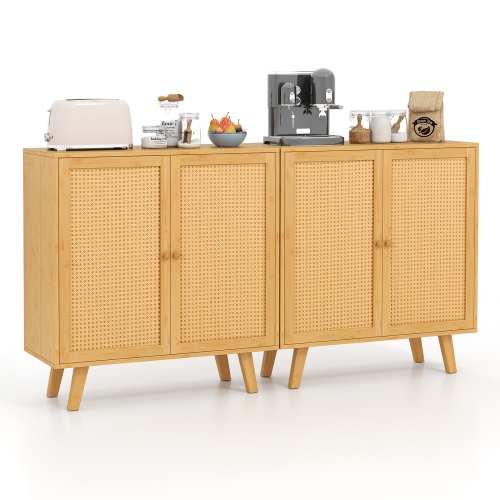
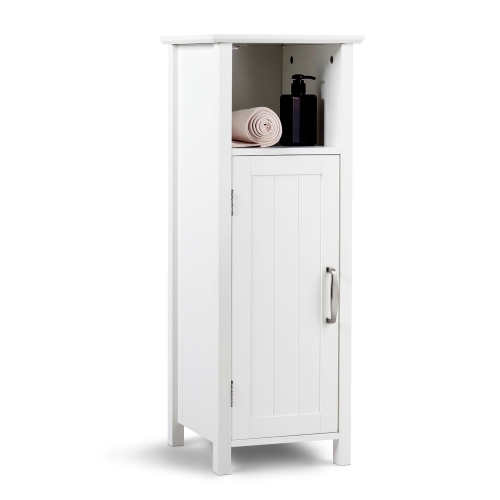
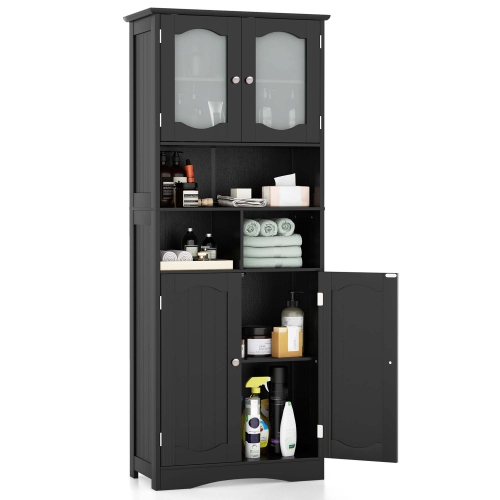

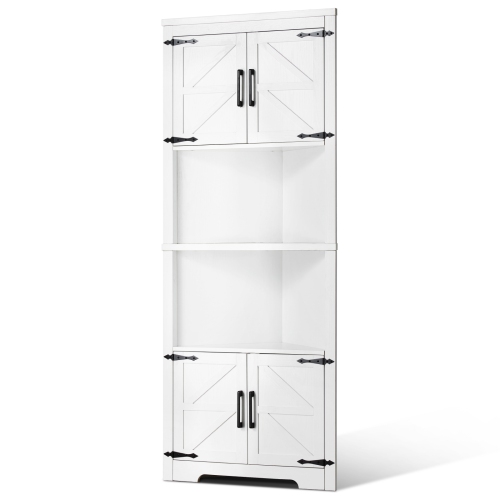
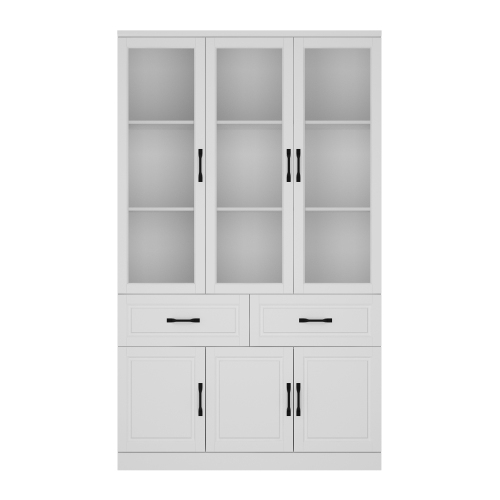
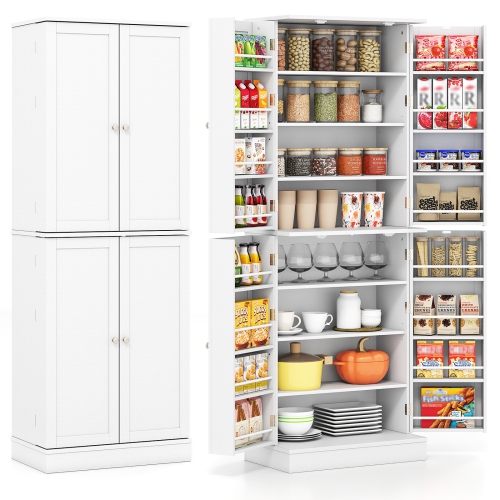

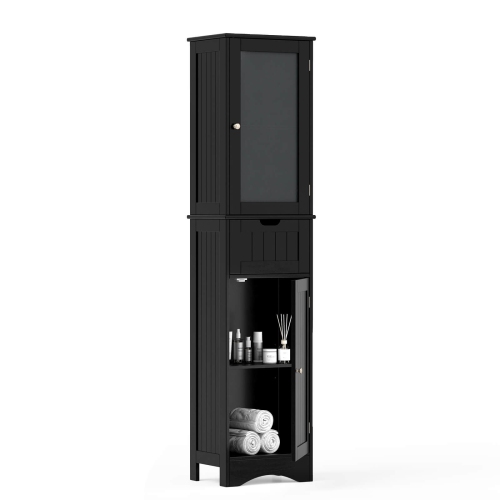
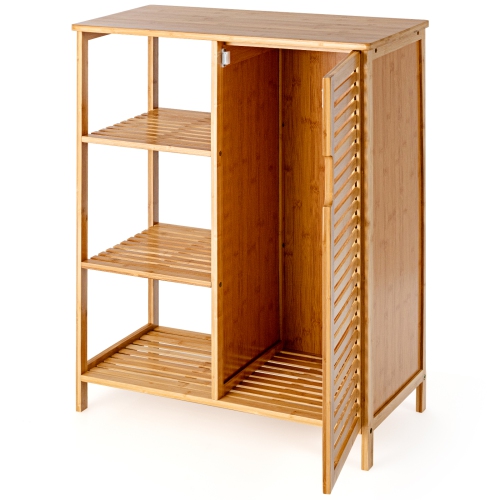
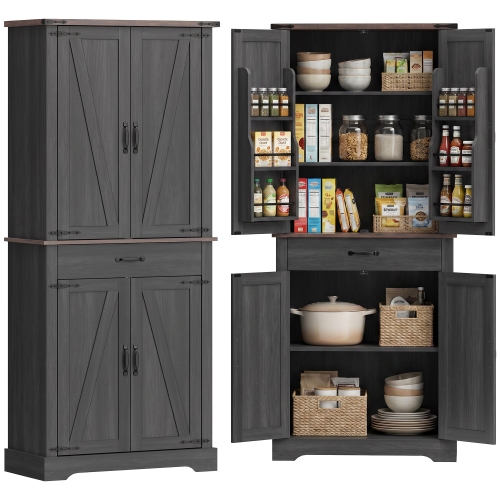
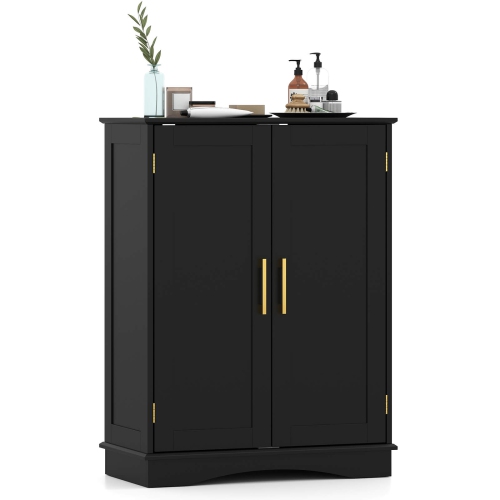
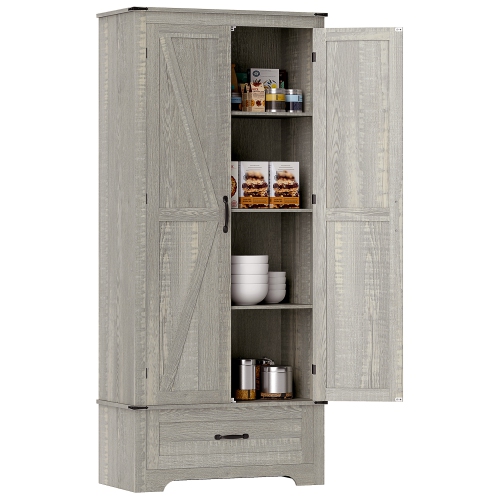
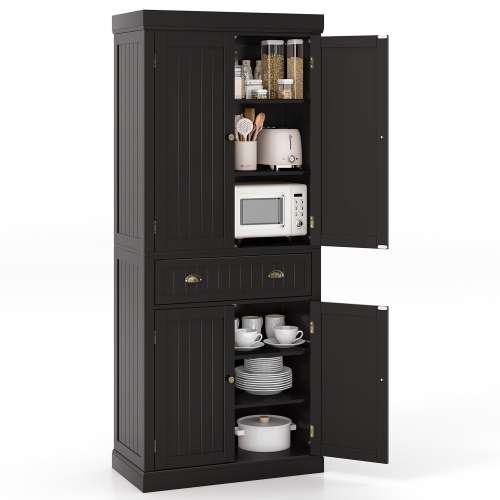
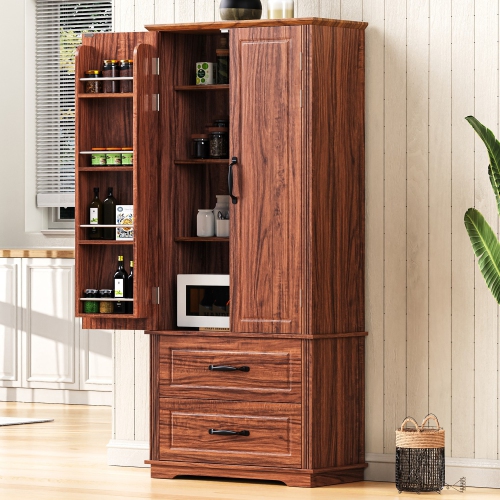
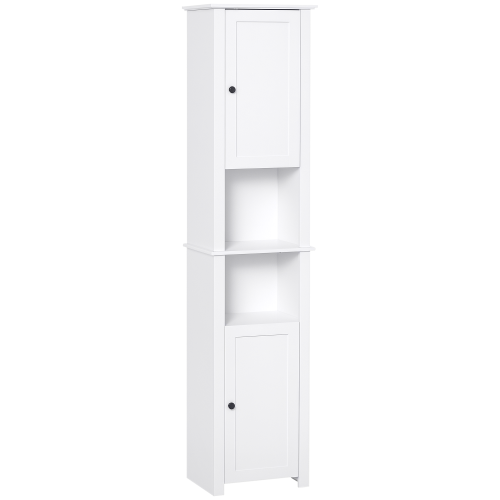
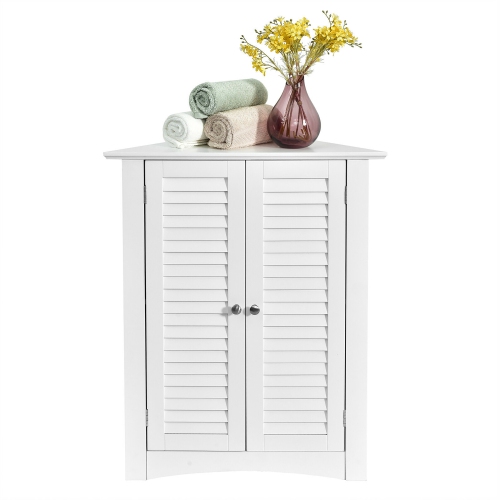

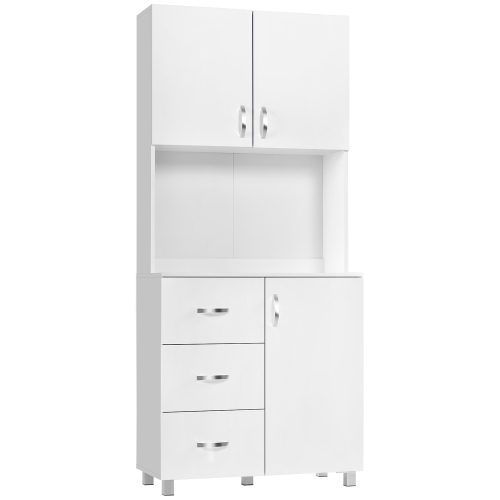
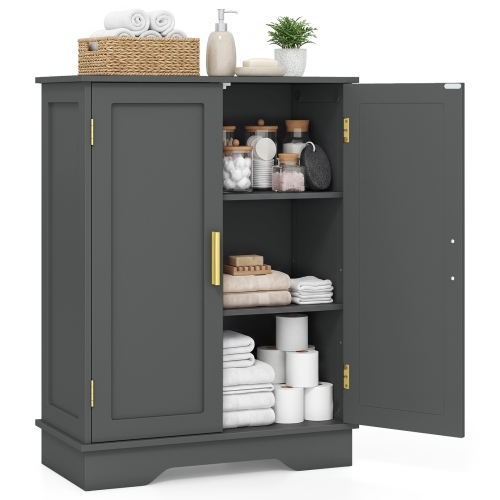
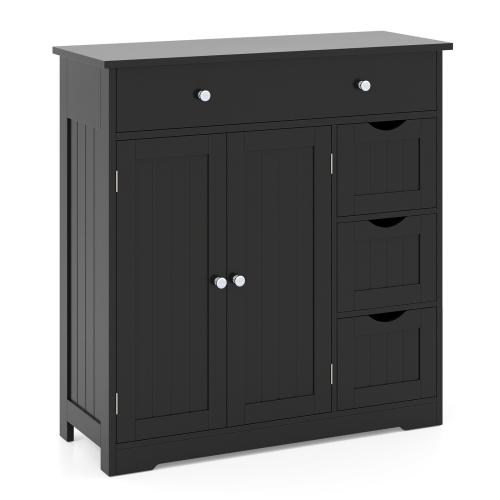
More storage without the commitment of built-in cabinetry
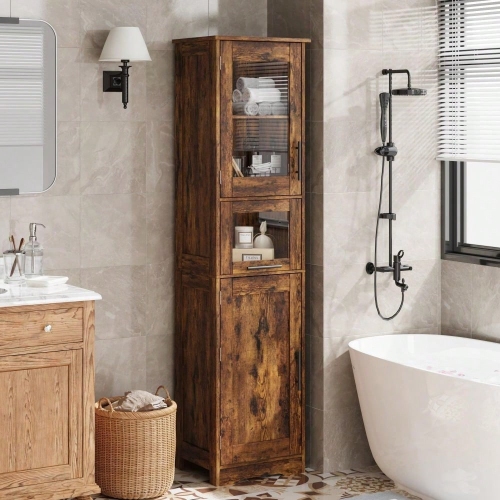
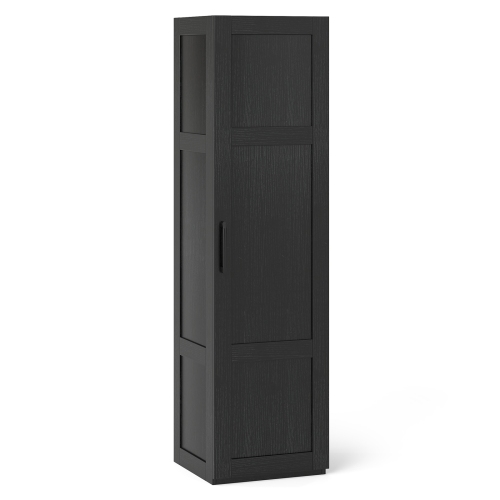
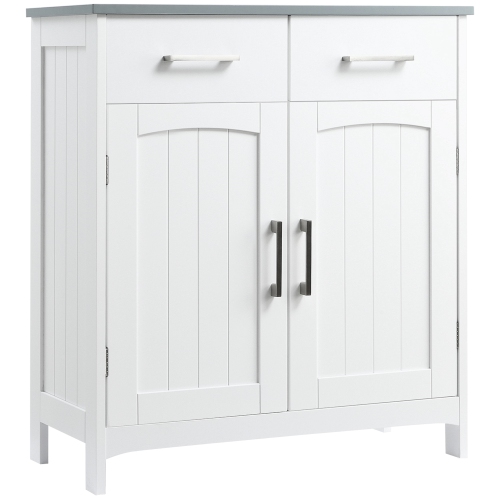
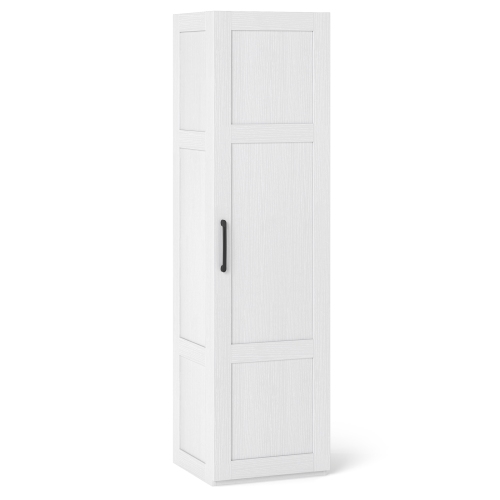
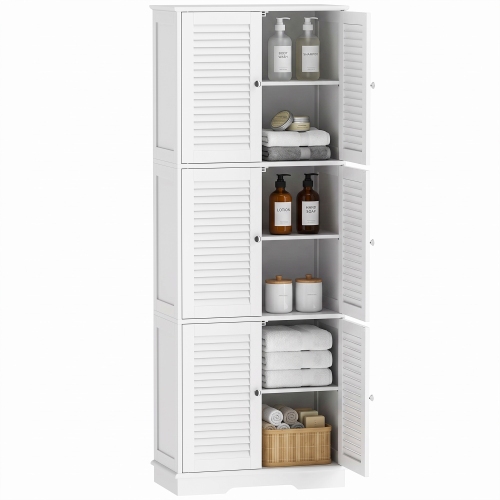
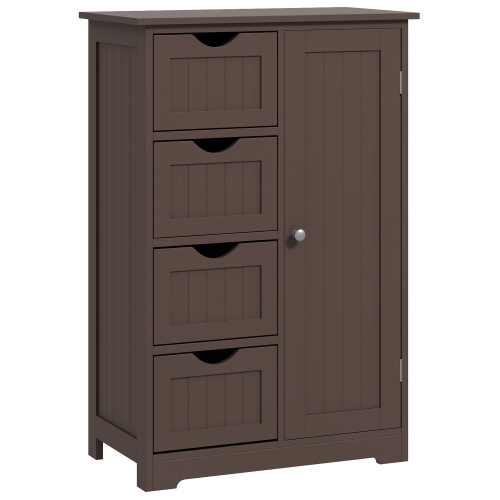
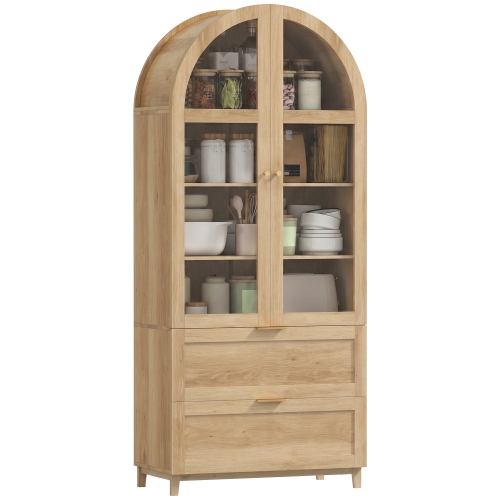
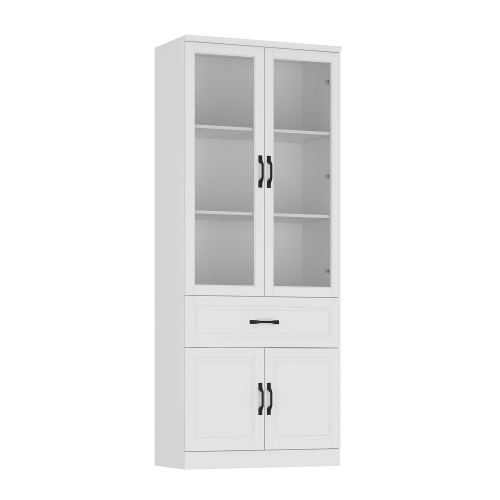
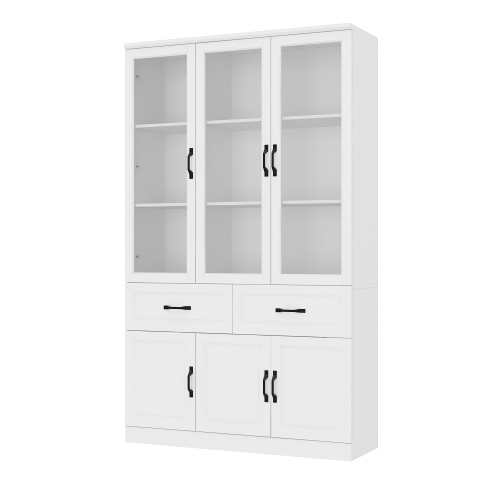
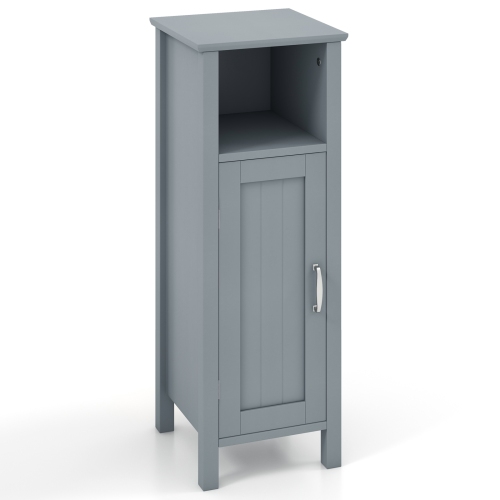
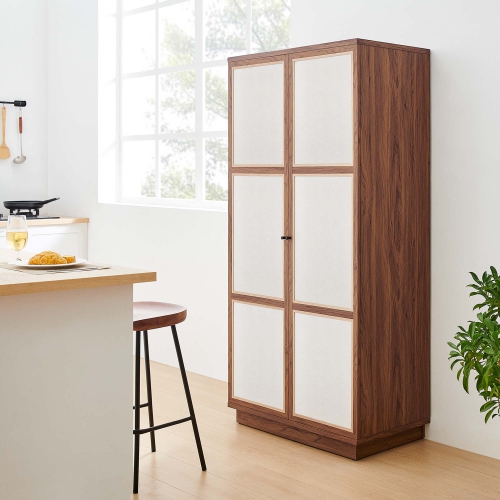
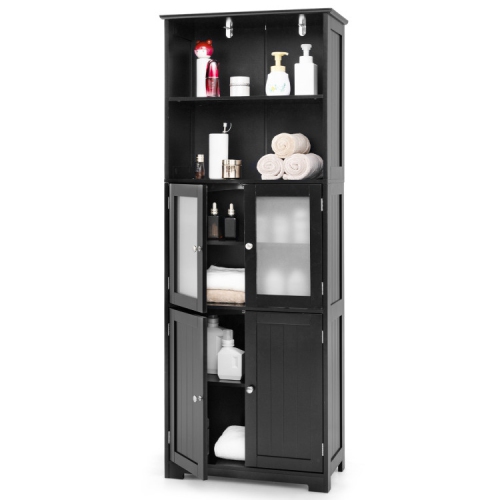
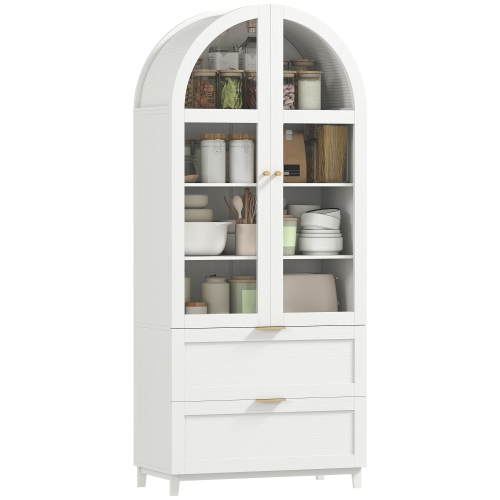
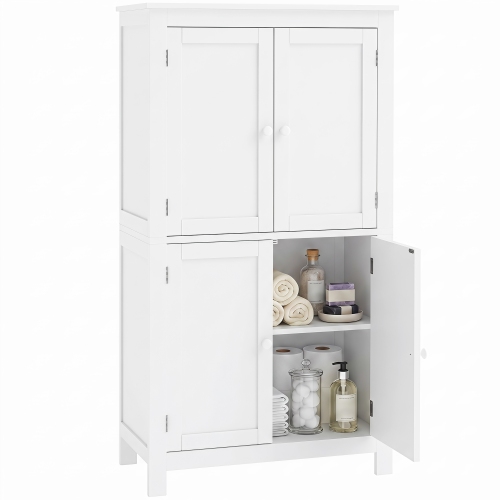
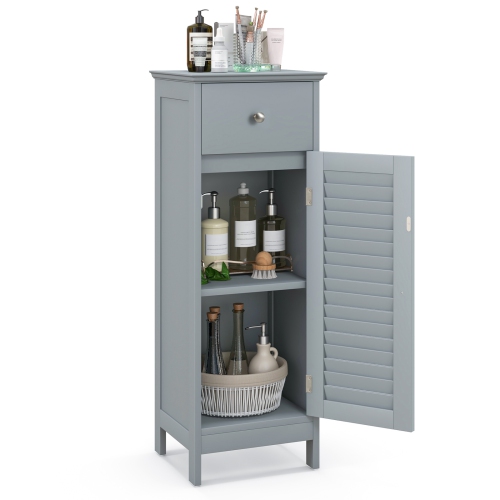
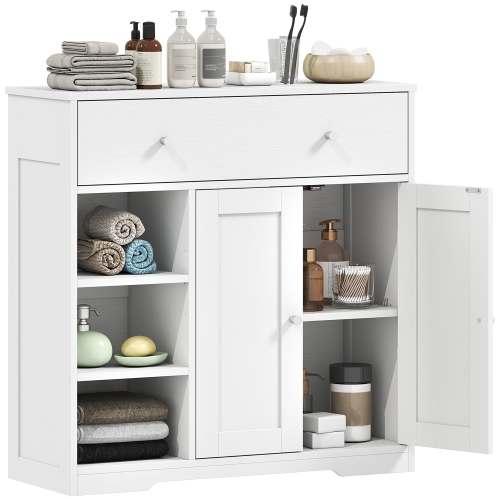
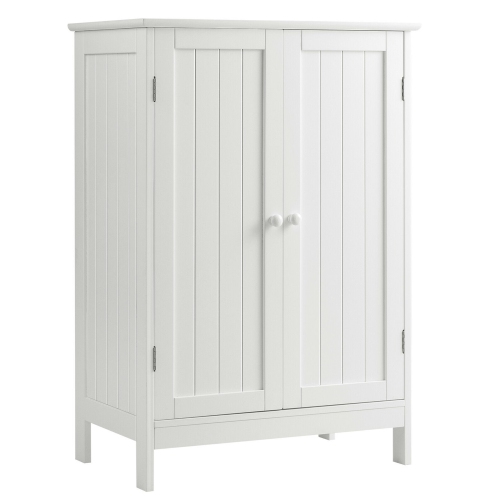
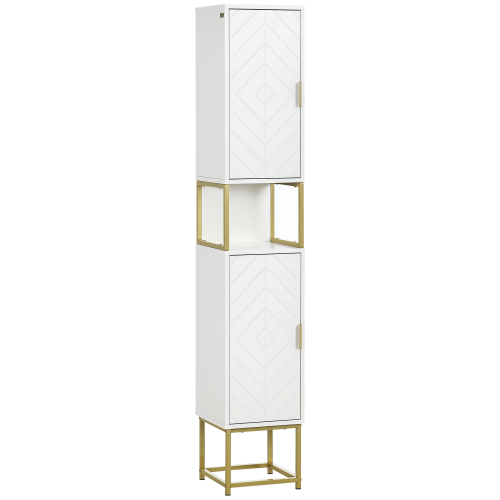
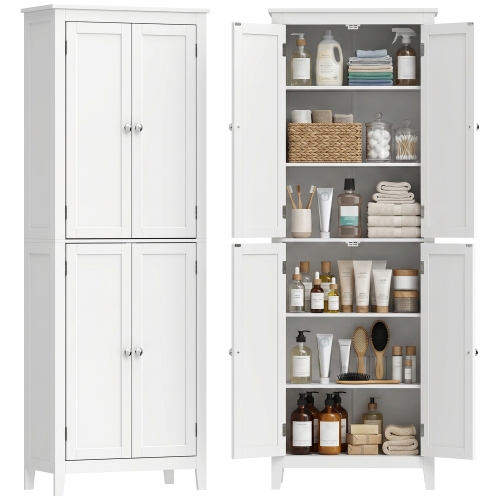
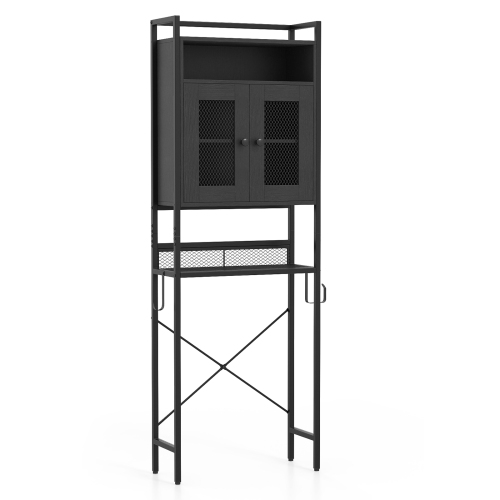
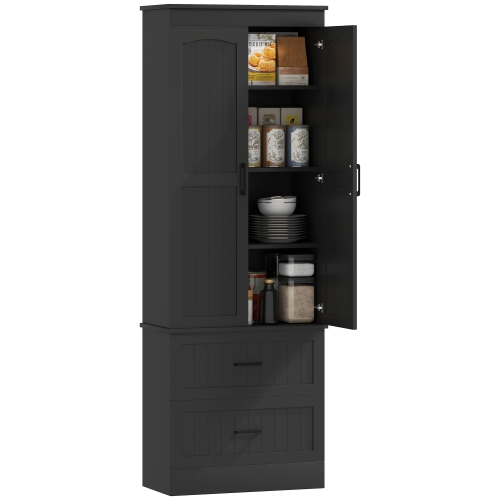
Freestanding cabinets are standalone storage units with doors, shelves, drawers, or a combination of compartments, designed to sit on the floor rather than form part of built-in cabinetry. They add enclosed storage without the scope of a fitted renovation and can bring order to rooms where closets and cupboards are limited. A narrow cabinet beside an entryway can hold bags, hats, and everyday accessories, while a wider unit in a dining room provides space for table linens, serving dishes, and glassware. In a living room, closed doors keep board games, charging cables, and household paperwork out of sight, leaving open shelving for books or a few decorative objects. Home offices benefit from separate compartments for stationery, printer paper, and work supplies, especially when the room also serves as a guest bedroom. For food storage and kitchen organization, Freestanding Pantry Cabinets provide dedicated space for dry goods, cookware, and other kitchen essentials. Adjustable shelves are useful when cereal containers, mixing bowls, and serving platters need different amounts of vertical space. Fixed shelves offer a consistent layout, while drawers help separate smaller belongings that might otherwise disappear behind taller containers. The most suitable arrangement depends on what will be stored and how often it needs to be reached. Frequently used dishes belong at a comfortable height, with heavier cookware lower down and lighter, less-used supplies above. Closed storage is particularly helpful in shared spaces, where several people may need separate places for their belongings. A cabinet can also define a useful storage zone in an apartment without taking over the room: a shallow unit along a dining wall, for example, can keep napkins and placemats close to the table without projecting too far into the walking route. Although freestanding furniture is separate from the room’s built-in cabinetry, safe placement may still require wall anchoring according to the manufacturer’s instructions.
Materials influence a freestanding cabinet’s appearance, weight, care requirements, and suitability for different rooms. Solid wood brings natural grain and variation, with a substantial feel that suits both traditional and contemporary interiors. Engineered wood, including particleboard and medium-density fibreboard, is commonly used beneath painted finishes, veneers, and laminates, allowing for smooth surfaces and a wide range of colours. Wood veneer provides a real wood surface over a supporting core, while laminate offers a consistent finish that is often straightforward to wipe clean. The condition of edges and joints matters as much as the main surface, particularly around a kitchen or bathroom where splashes may occur. Moisture resistance should be confirmed in the care information rather than assumed from appearance, and standing water should not be left on shelves or cabinet tops. Metal cabinets can suit utility areas, craft rooms, and workspaces, though their finish and intended use determine whether they are appropriate for damp locations. Glass doors let stored dishes or books remain visible while providing some protection from dust; solid doors are better suited to hiding mixed household supplies. A combination of both can balance display space with practical storage. Durability also depends on construction details such as stable joints, securely attached backs, reliable hinges, and drawer runners that support smooth movement. Shelf thickness, span, and stated weight limits are especially relevant when storing books, stacks of dishes, or other dense contents. Handles should feel comfortable to grasp, and doors should open without rubbing against neighbouring panels. Raised legs leave room beneath the cabinet for cleaning, while a full plinth gives the piece a more grounded appearance. For a coordinated room, the cabinet’s finish can echo an existing dining table, desk, or shelving unit without needing an exact match. Contrasting wood tones or a restrained colour can also work well when the cabinet’s proportions and hardware suit the surrounding furniture.
Fit involves more than finding a cabinet with the right width. Height, depth, door swing, drawer extension, and the route into the room all affect how comfortably it will work in daily use. A cabinet that fits neatly between two walls may still be awkward if its doors cannot open fully or its drawers block a walkway. Baseboards, nearby door frames, electrical outlets, and floor vents can also affect placement. In a compact room, a shallow cabinet may offer more usable storage than a deeper unit because its contents remain easy to see and reach. Taller designs make use of vertical space, but upper shelves are best reserved for lighter belongings that are needed less often. Low cabinets keep storage within easier reach and may provide a surface for decorative objects, provided the manufacturer’s weight limits and intended use allow it. Furniture should sit level, with any supplied levelling feet adjusted as directed; anchoring hardware must be suitable for the wall construction and installed according to the instructions. This is particularly important in homes with children, where an open drawer or shelf can become a climbing temptation. Heavy contents should be kept low, and drawers and doors should not be treated as supports. Assembly requirements are another practical consideration, including space to lay out panels and whether two people are needed to handle larger sections safely. Once assembled, routine care is usually simple: remove dust with a soft cloth, clean spills promptly, and use only cleaning products approved for the finish. Glass panels, metal hardware, and wood surfaces may need different cleaning methods. Hinges, handles, and other fittings can be checked periodically and tightened as instructed. When rearranging a room or moving home, emptying the cabinet first reduces strain on shelves and joints; lifting rather than dragging helps protect both the furniture and flooring. With suitable proportions, a useful internal layout, and care matched to its materials, a freestanding cabinet can remain a practical part of the home as storage needs change.
Top selling and popular products
-
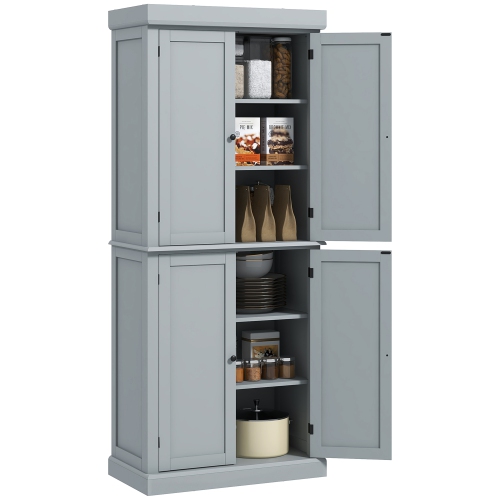 Your price for this item is $285
-
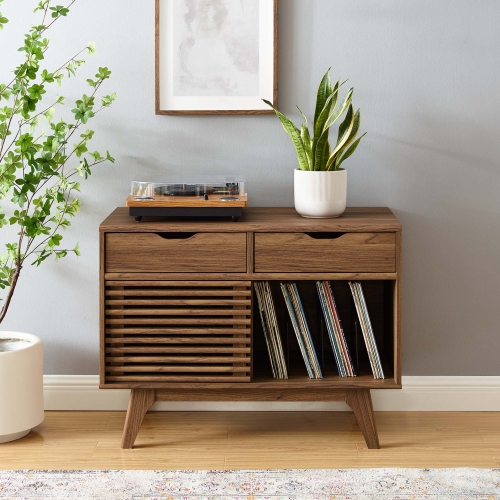 Your price for this item is $452.93
-
 Your price for this item is $155.99
-
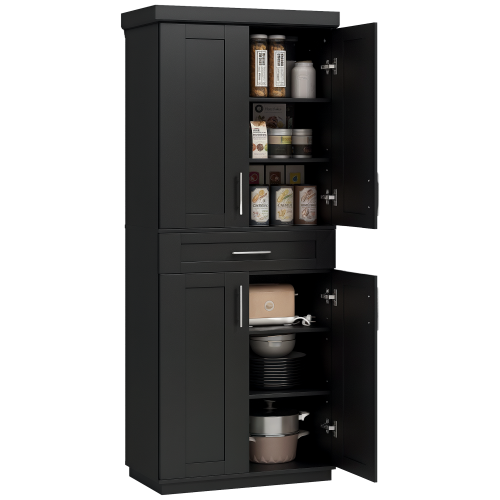 Your price for this item is $269.99
-
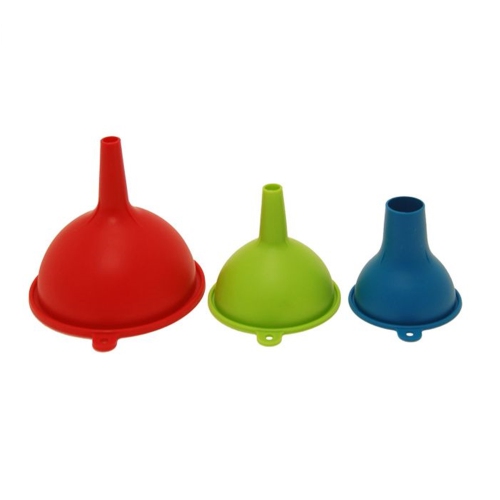 Your price for this item is $12.97
-
 Your price for this item is $155.99
-
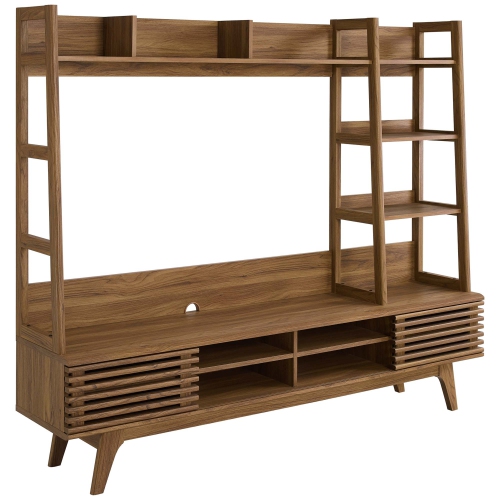 Your price for this item is $885.06
-
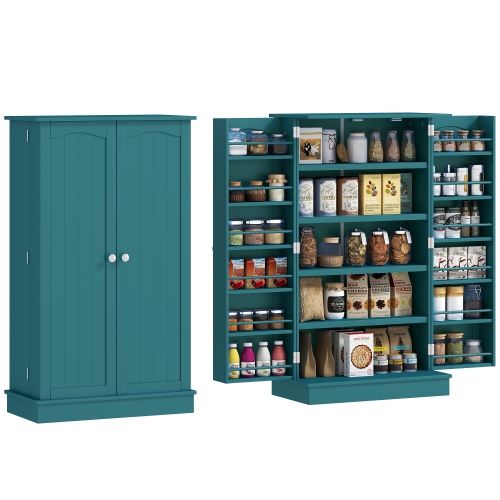 Your price for this item is $132.99
Discover more categories related to Freestanding Cabinets
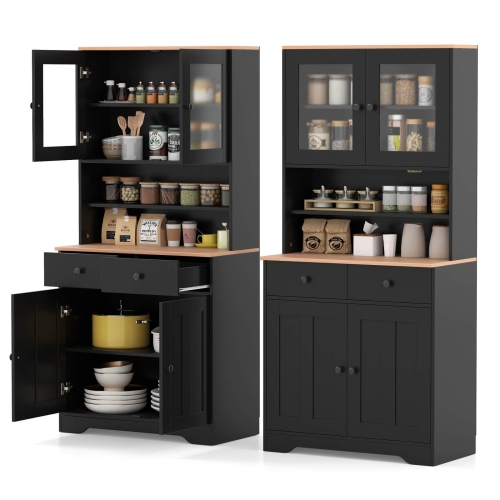
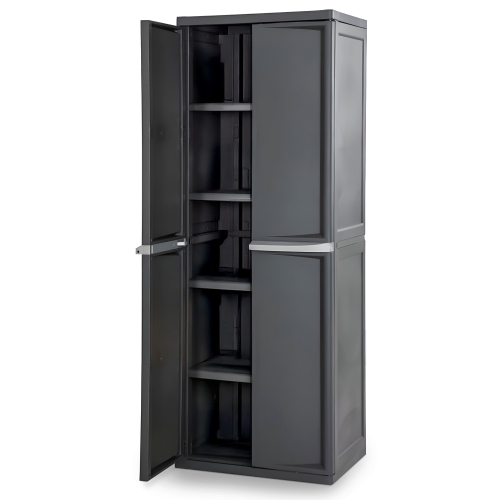
Top Collections:
Best Black Friday Deals This Year, Best Black Friday Deals On Electronics, Kindle Devices, Dyson Airwrap, Best Cameras for Sports Photography, Best Budget Office Chairs, Canon G7X Cameras, PS5 Pro Consoles, Best Black Friday Deals On Apple Products, XBOX One S Consoles
Some products may be subject to Environmental Handling Fees
(EHF) depending on your province.
Learn more about EHFs.