Freestanding Kitchen Shelves
A freestanding kitchen shelf is a great way to save space in your kitchen, but it's also a great way to add storage. Freestanding shelves are a great way to store cookware, spices, and other kitchen essentials. Here are some of the best options available.
Sort

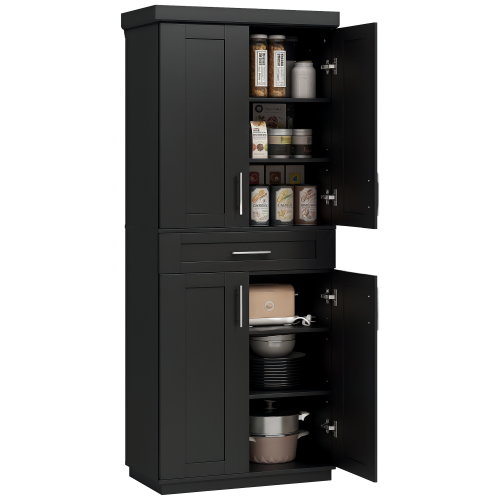
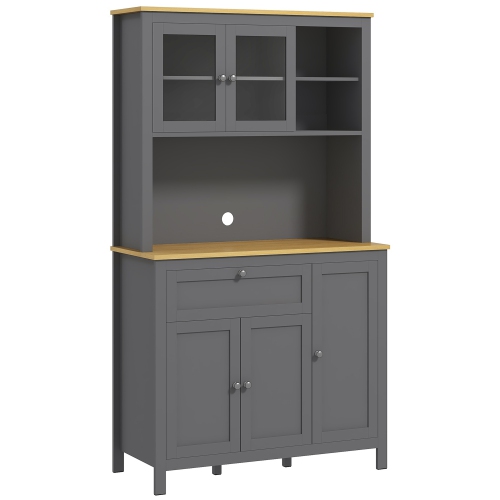
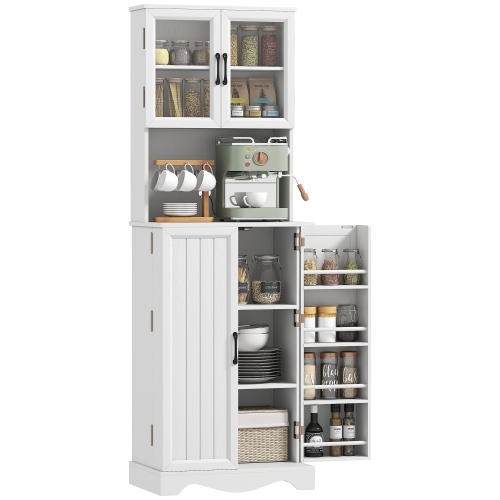
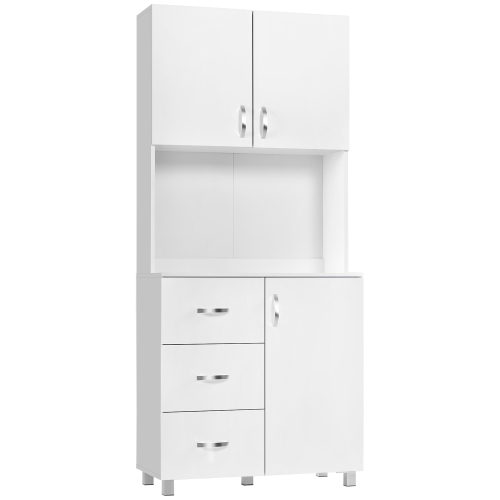
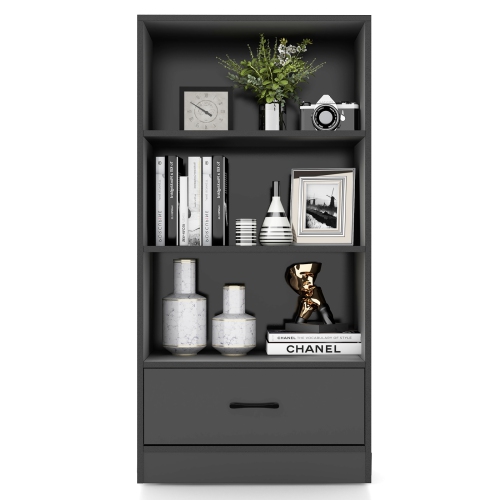
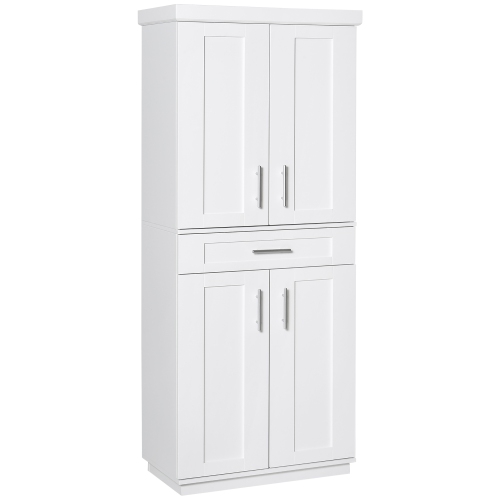


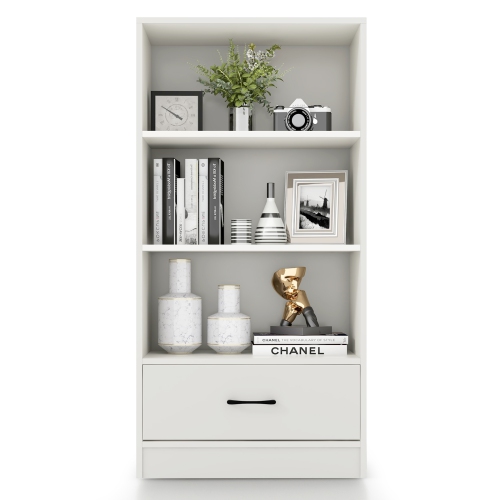
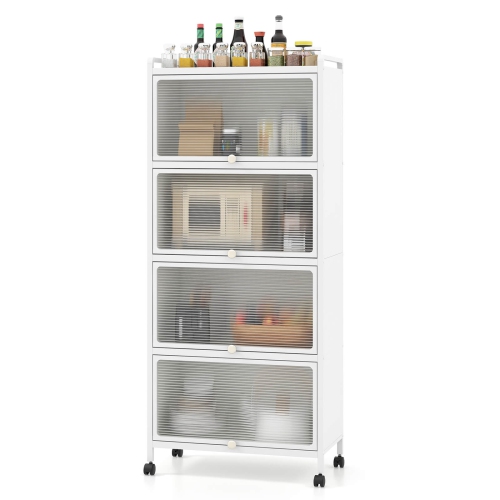
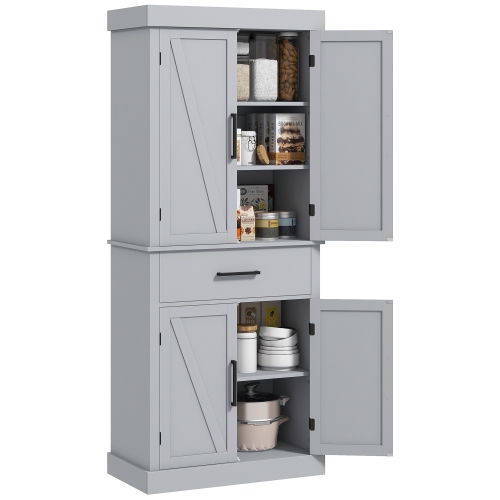
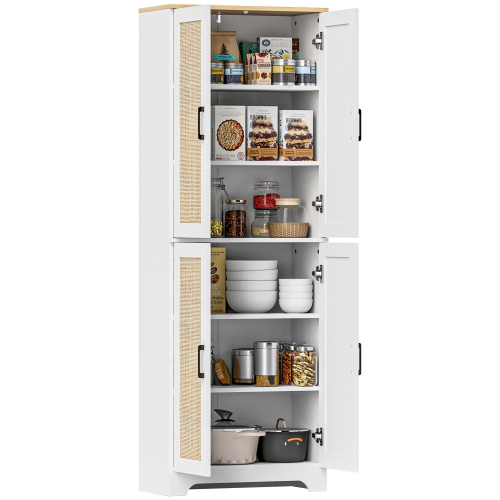
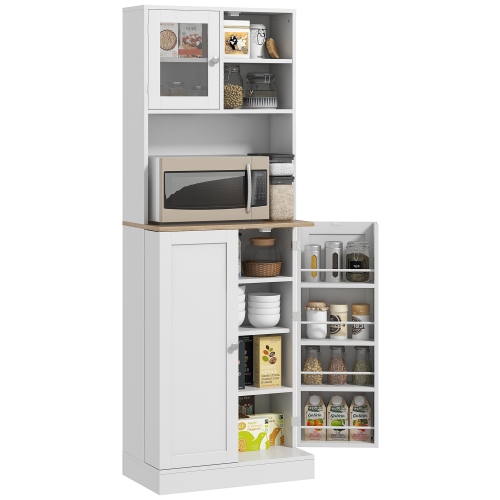
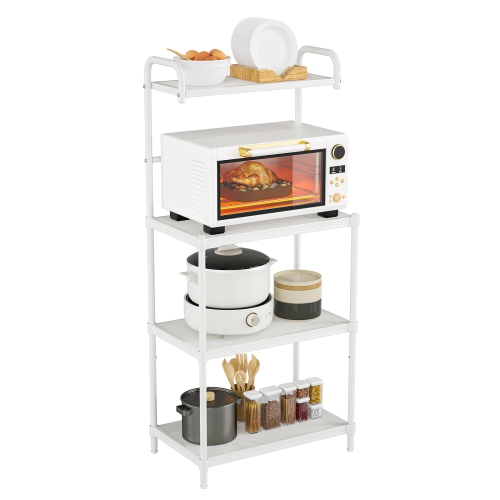
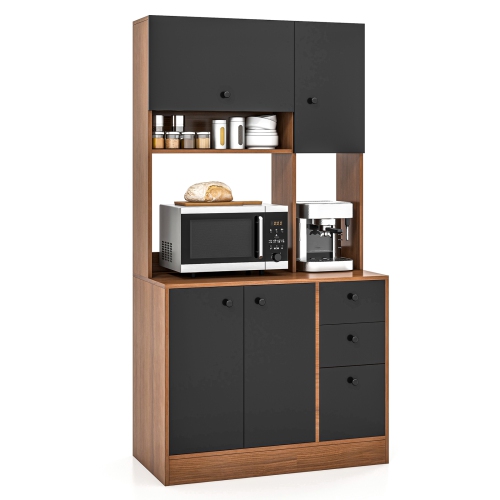
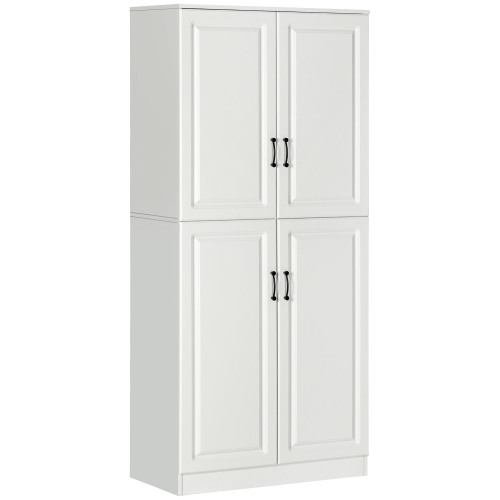
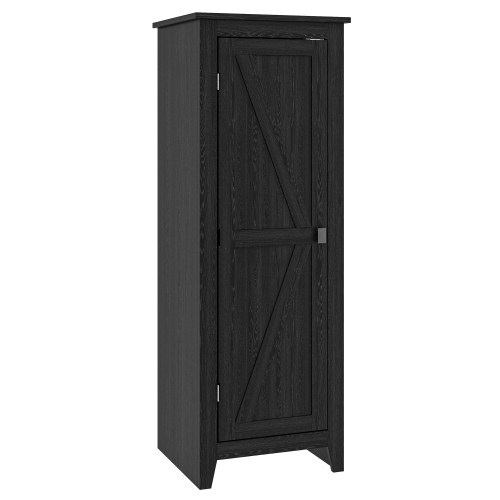
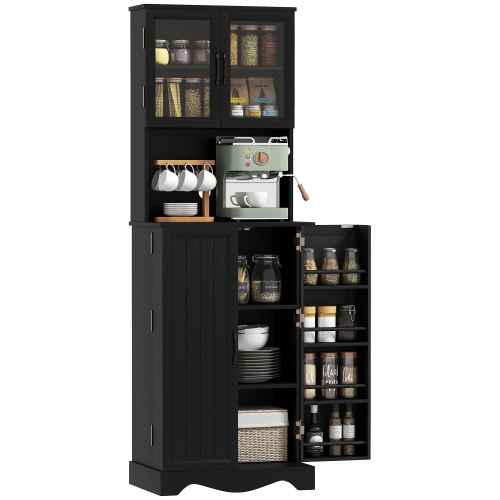
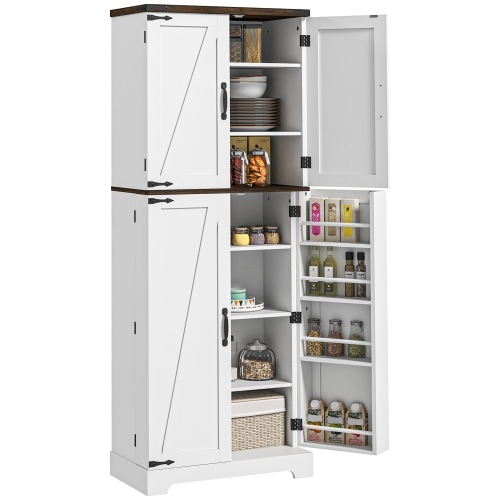
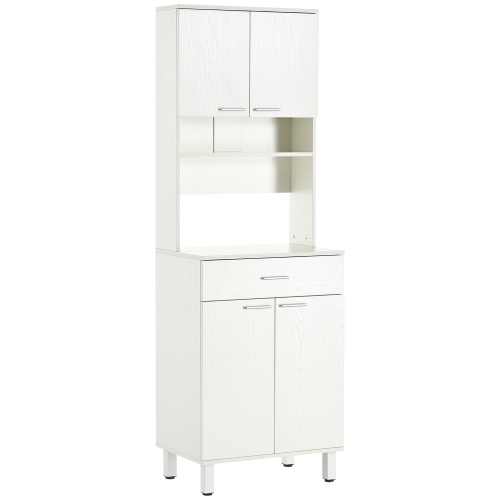
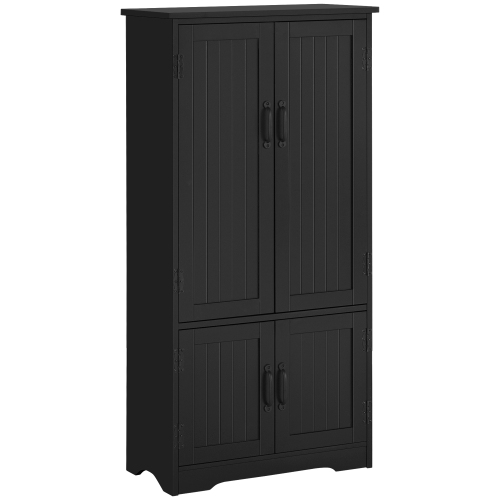
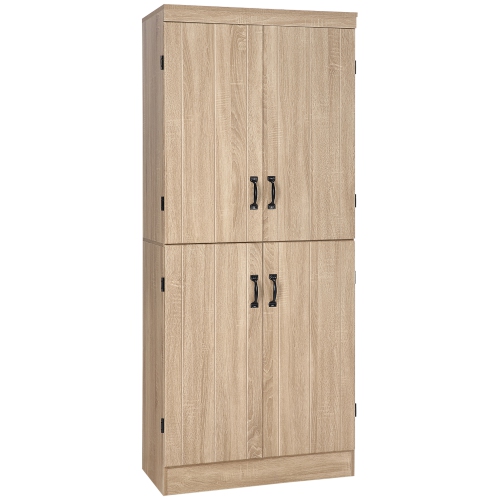
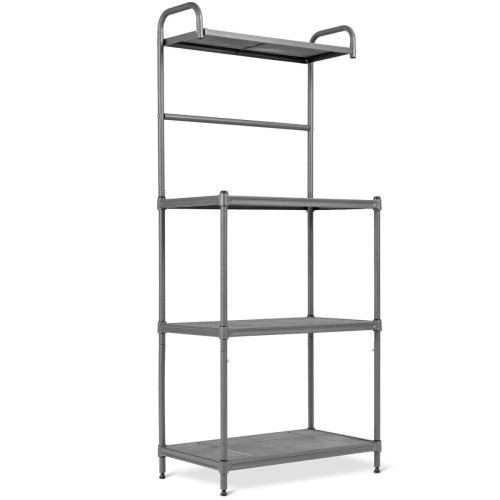
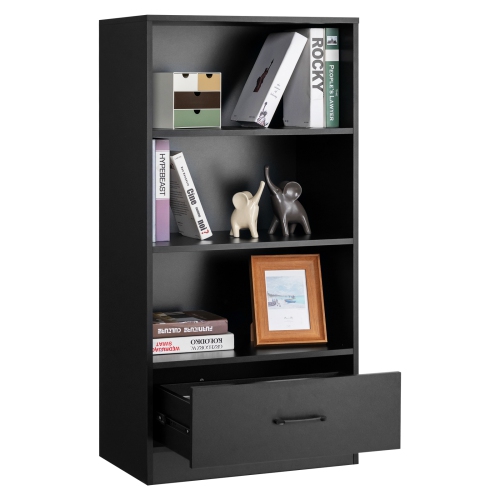
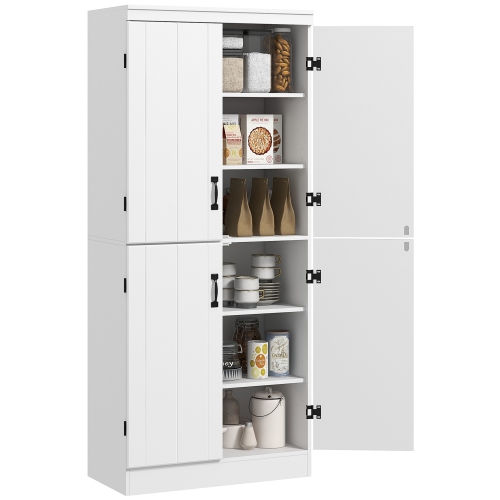

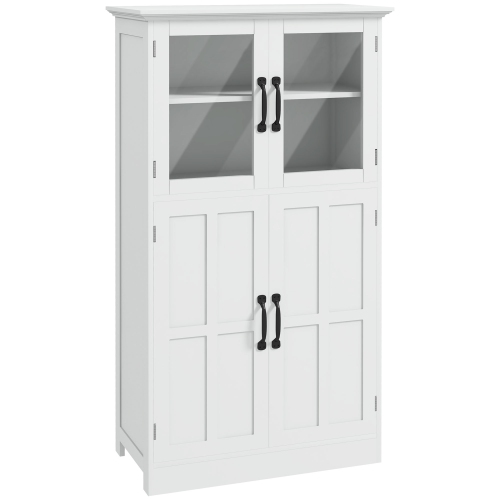
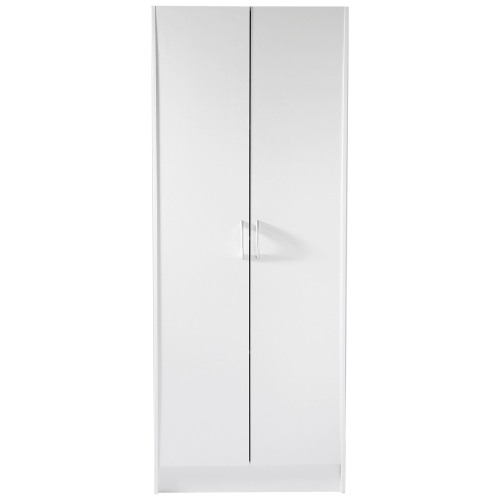
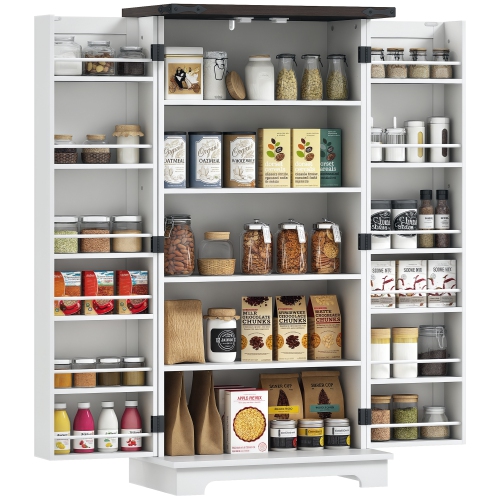
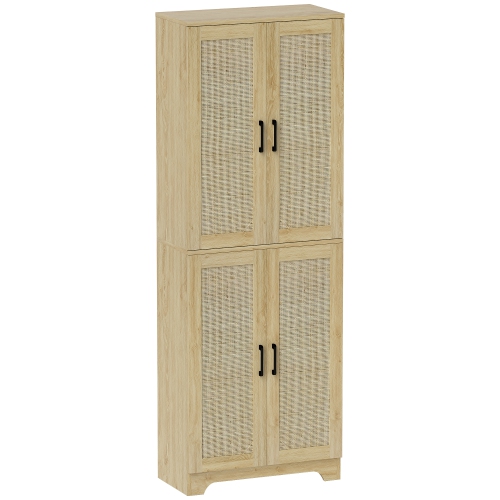
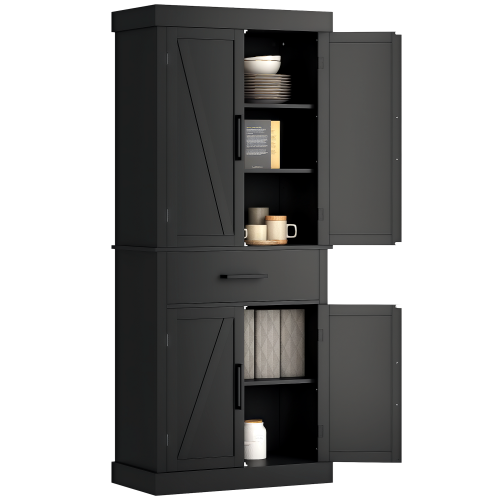

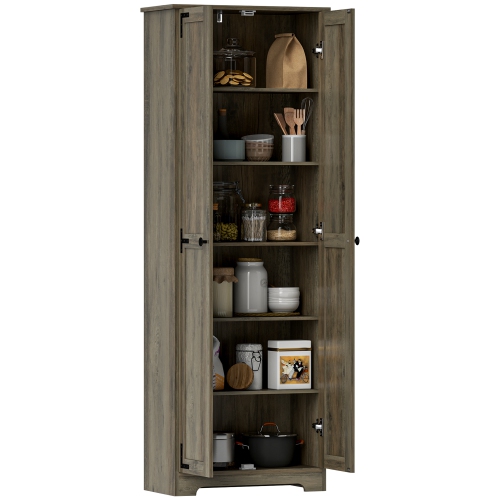
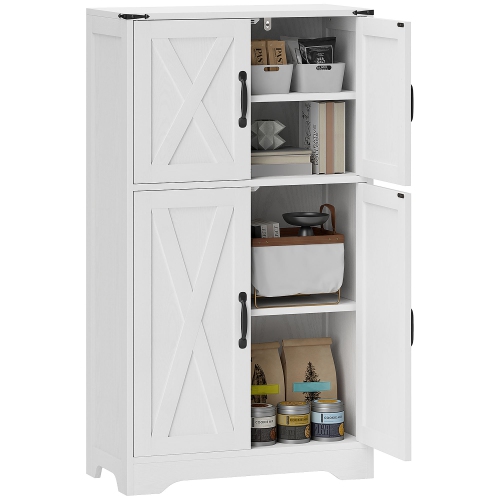

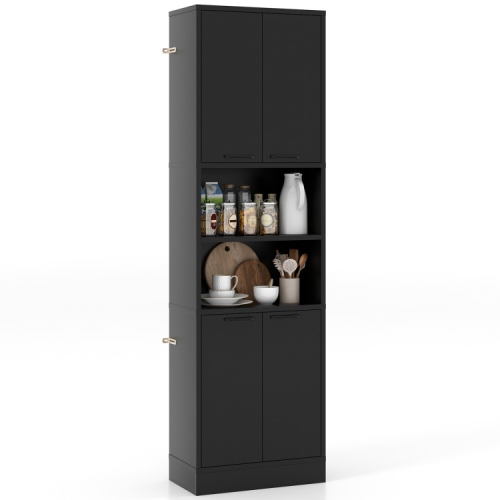
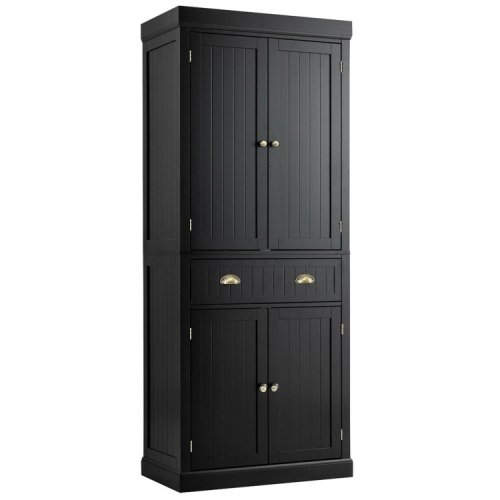
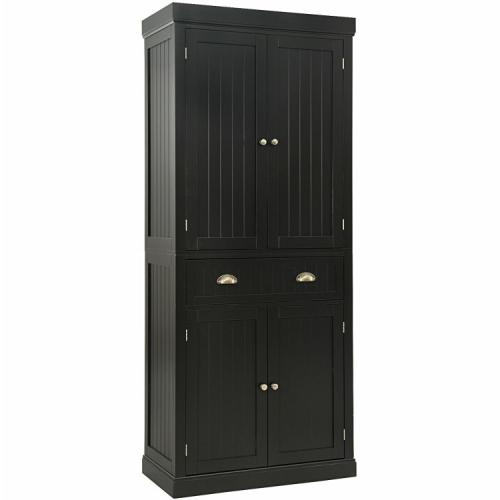
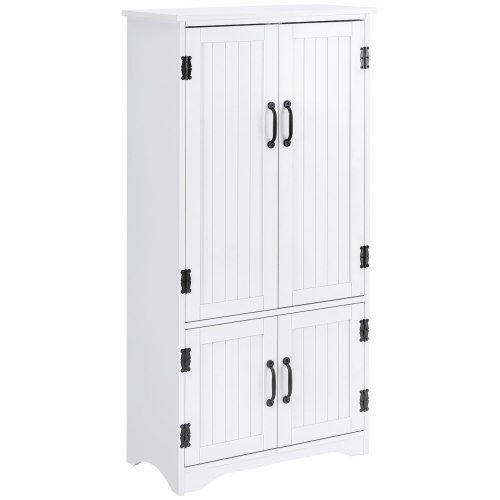
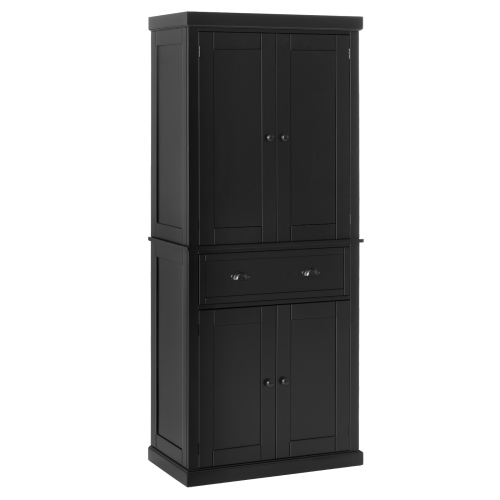
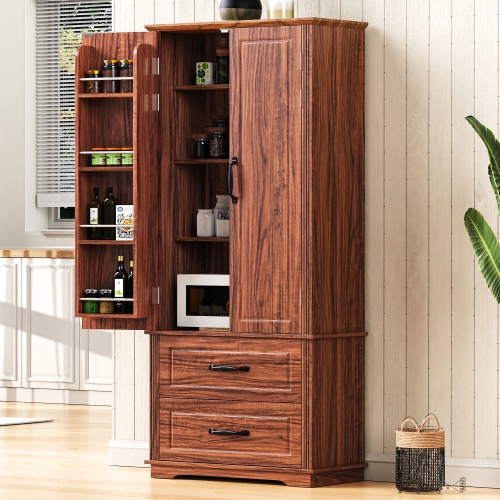
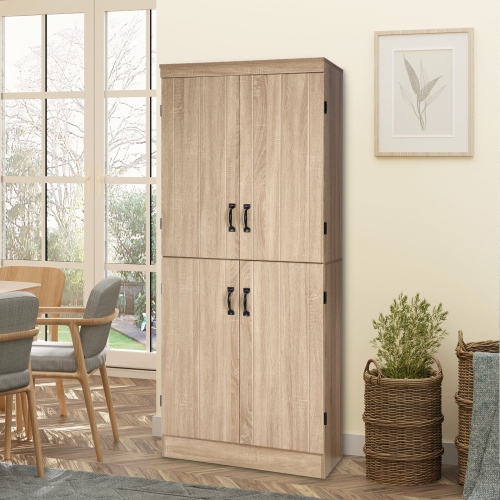
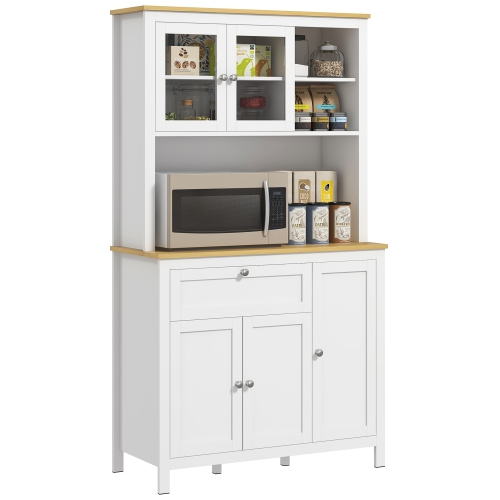
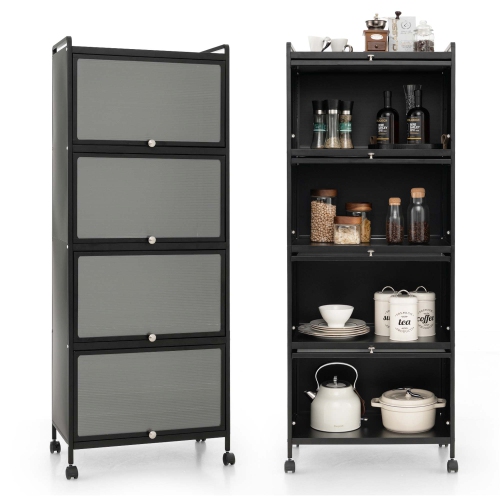
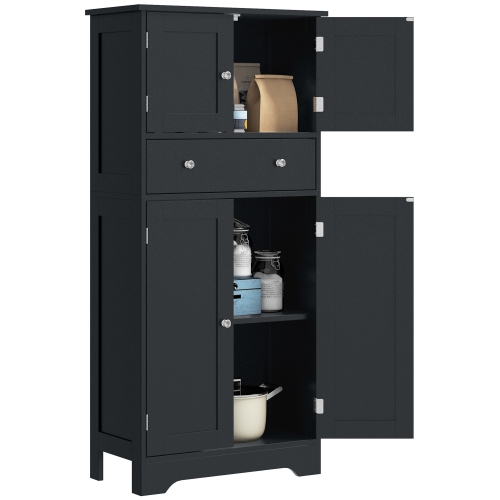
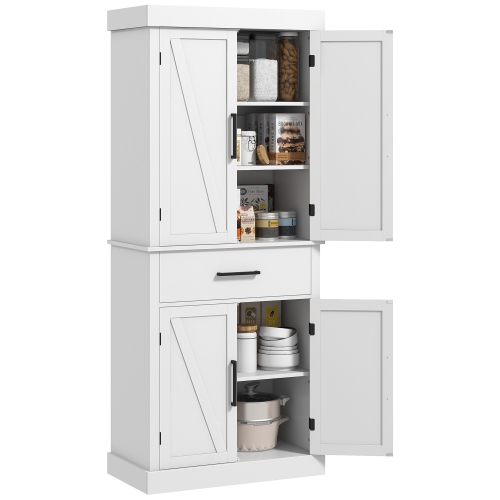
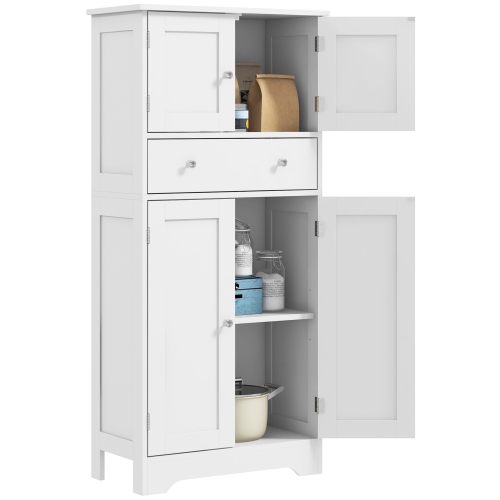
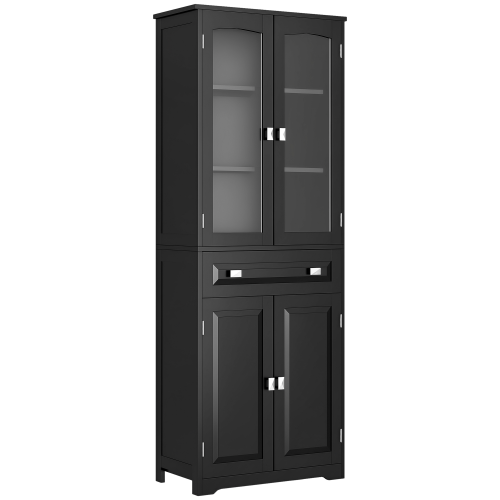
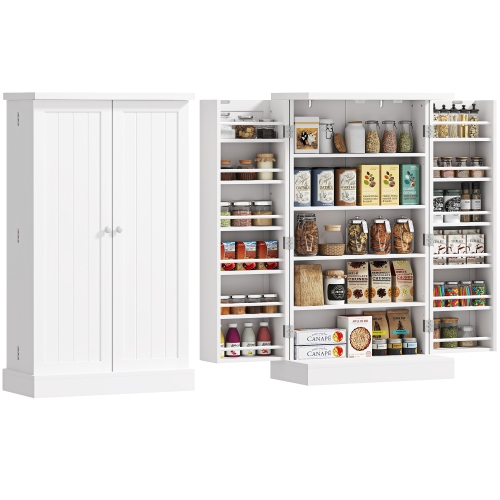
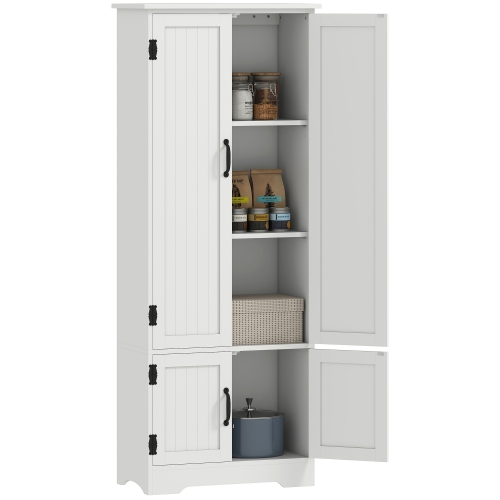
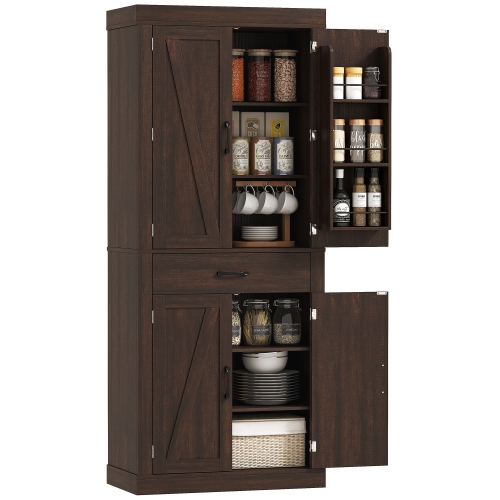
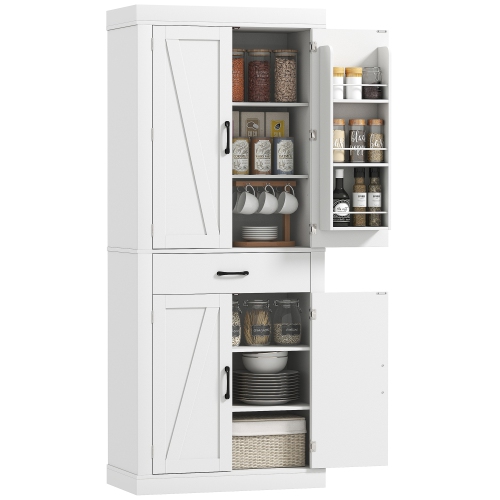
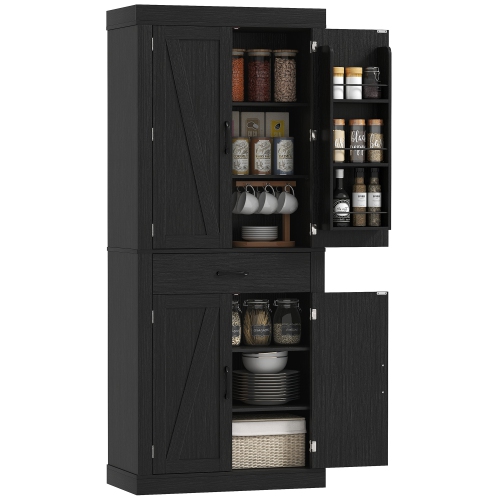
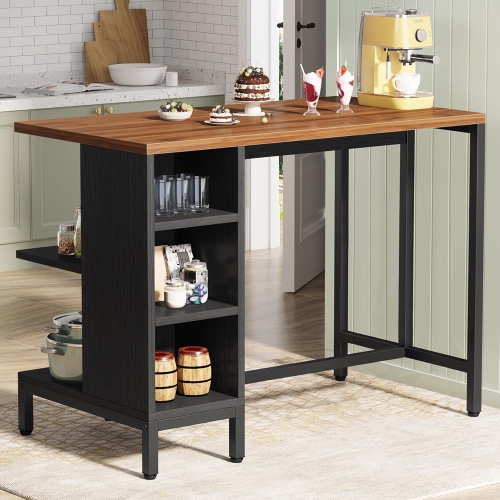
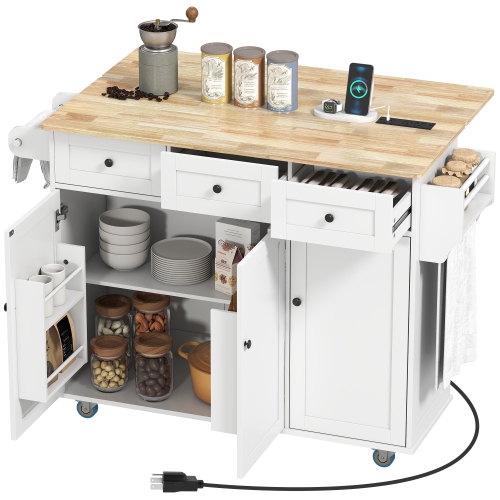
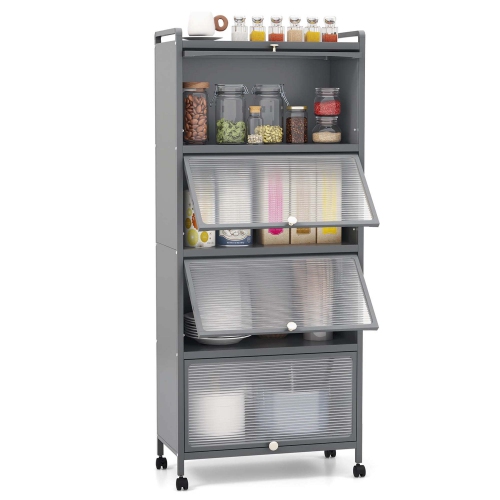
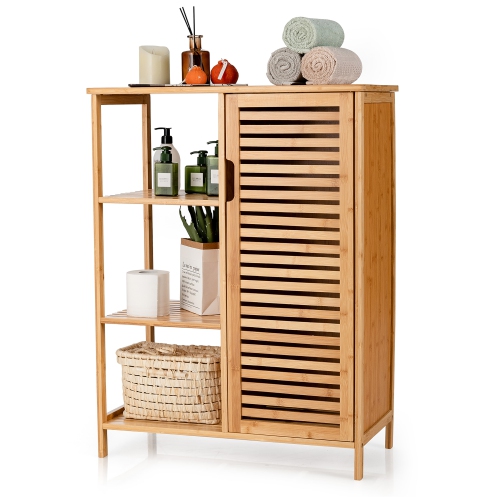
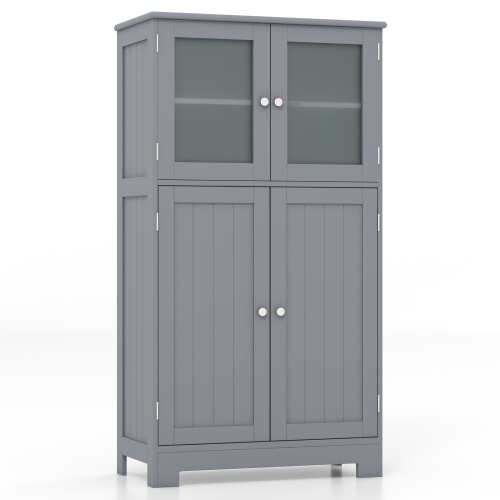
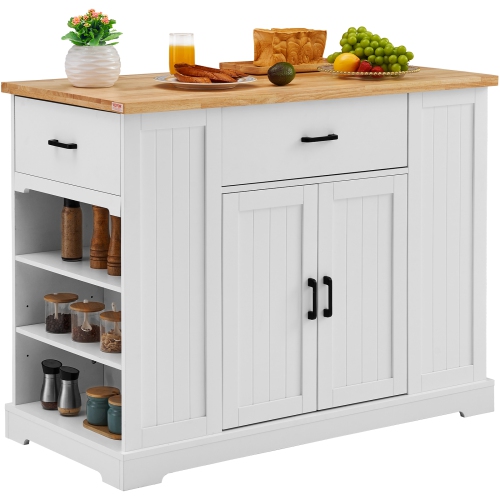
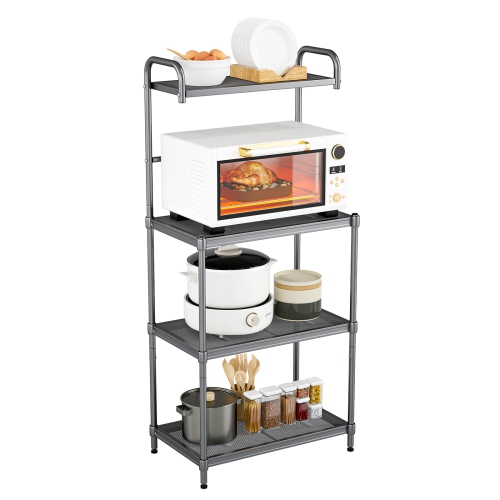
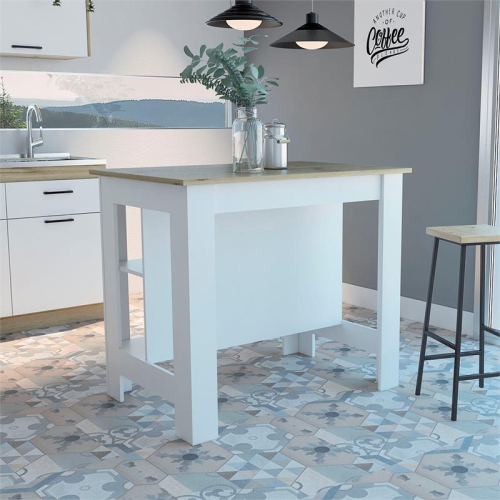
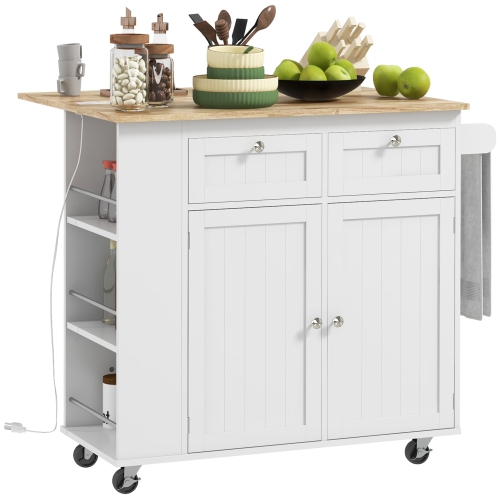
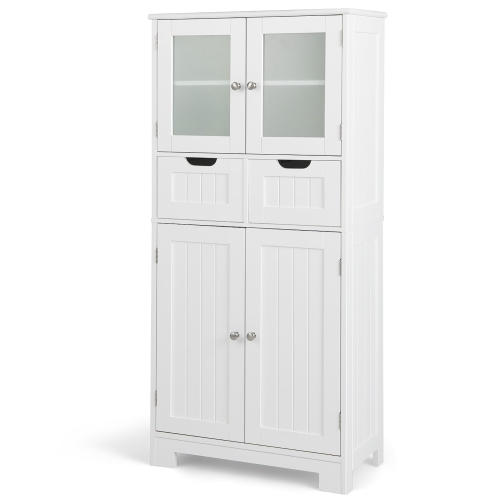
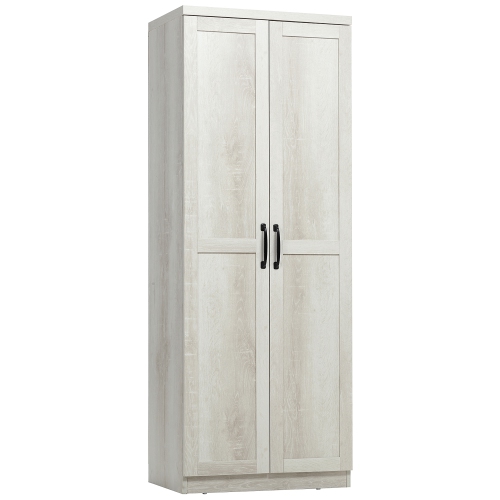
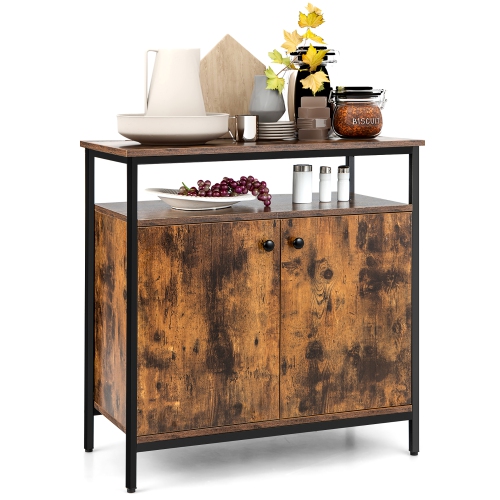
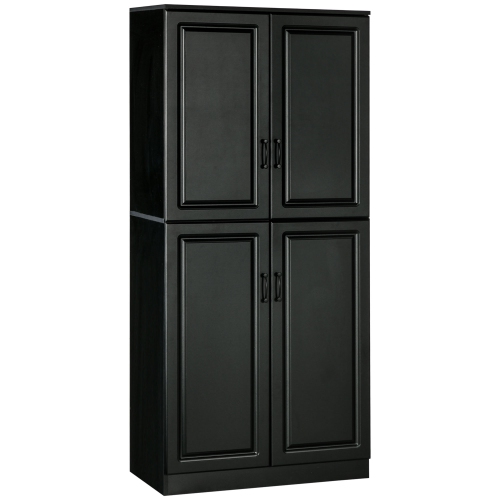
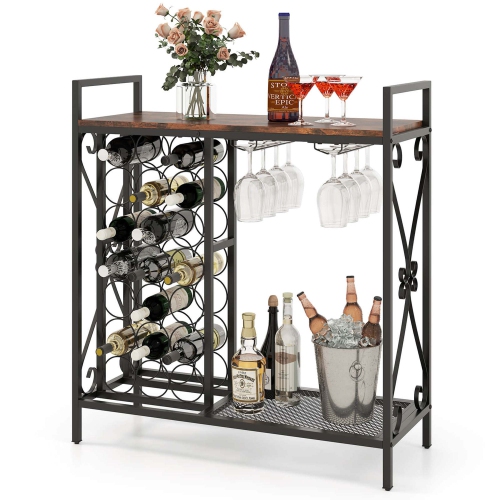
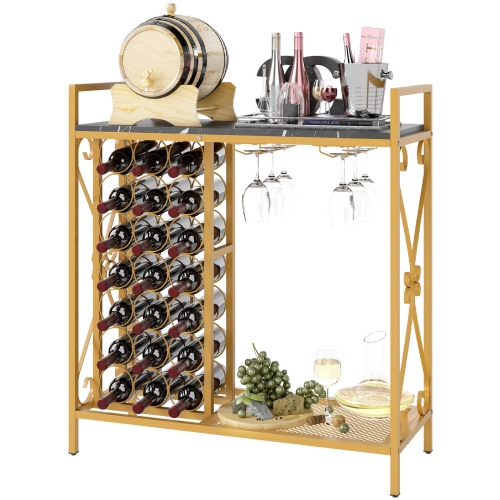
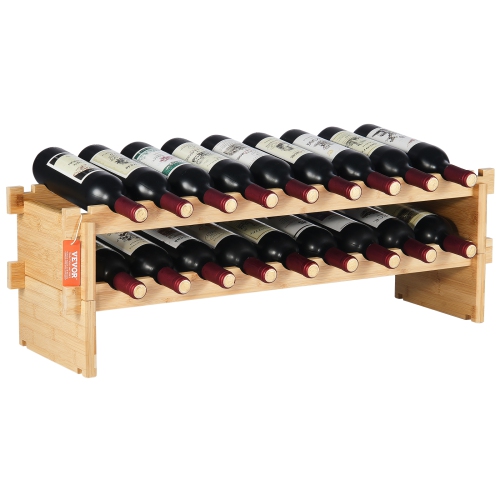
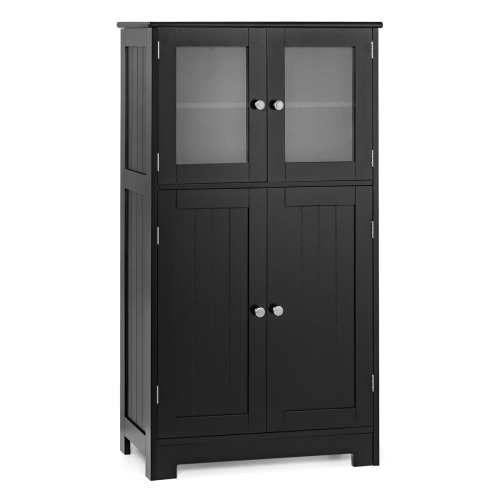
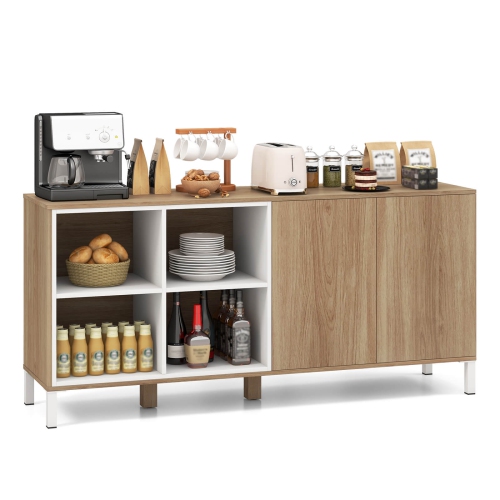
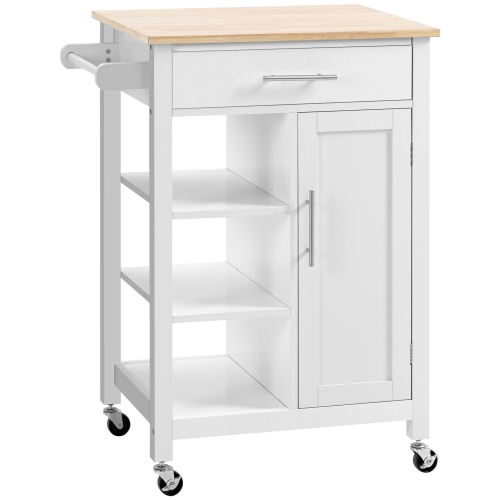
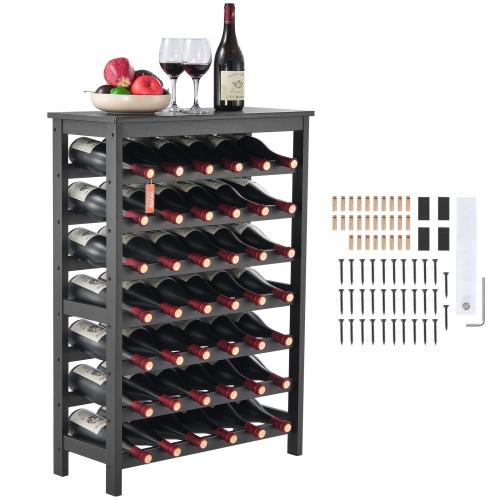
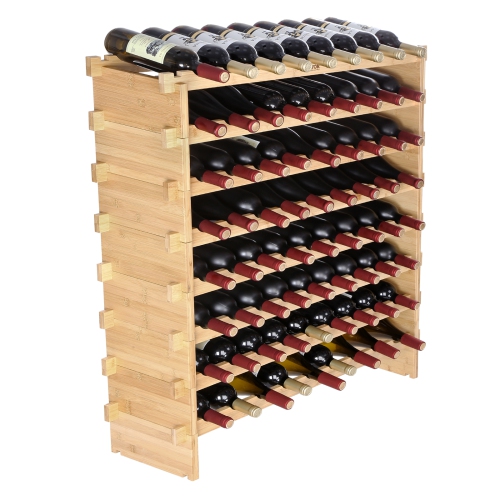
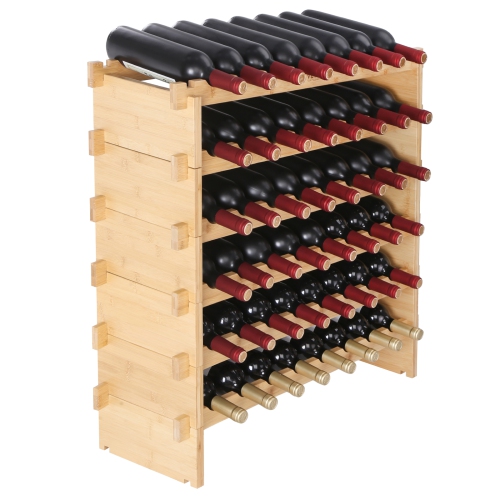
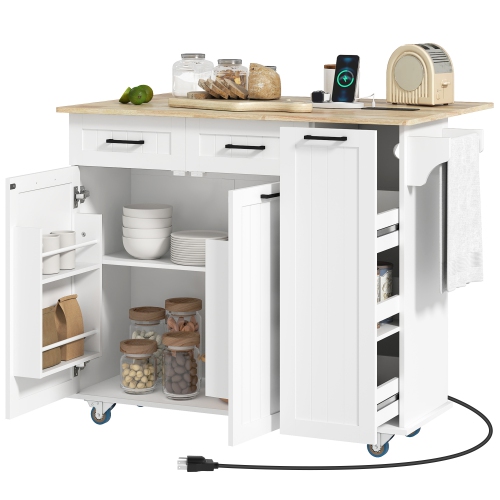
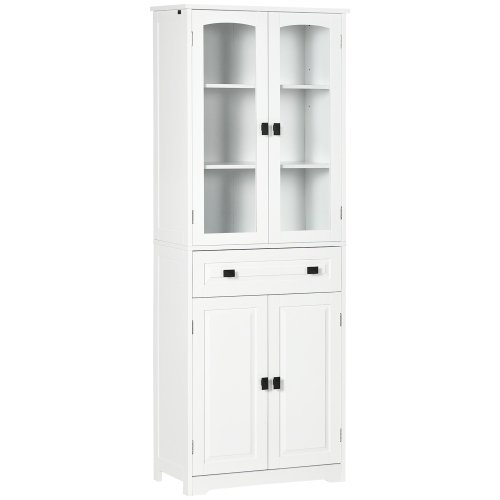
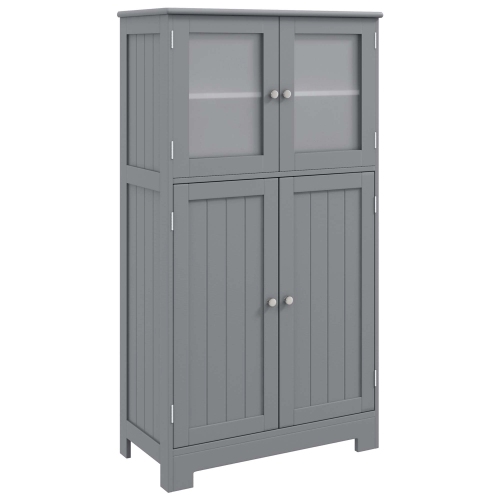
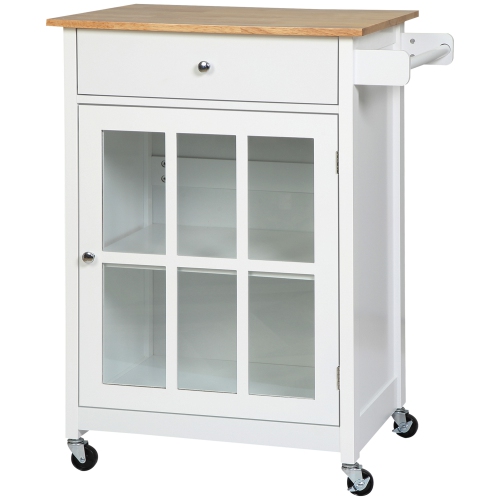
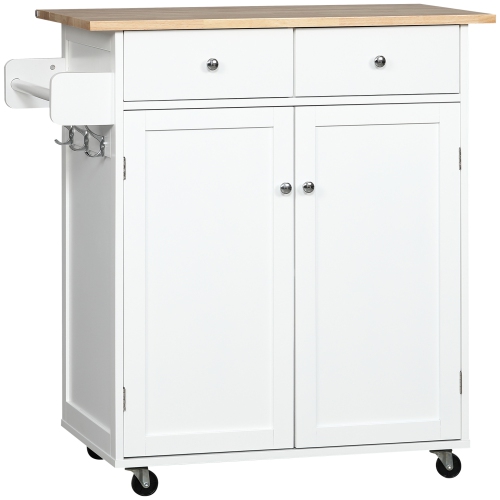
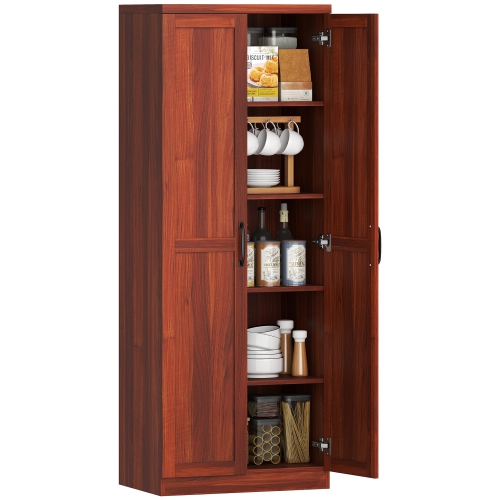
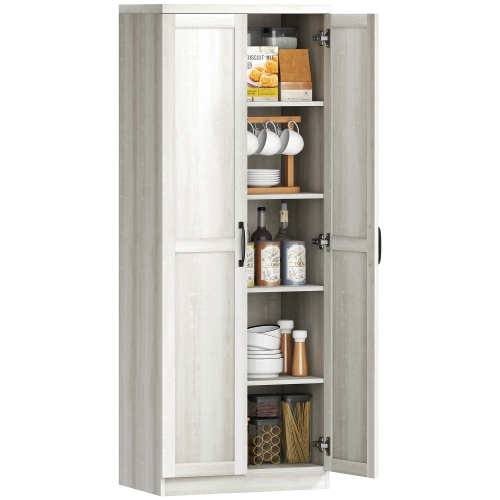
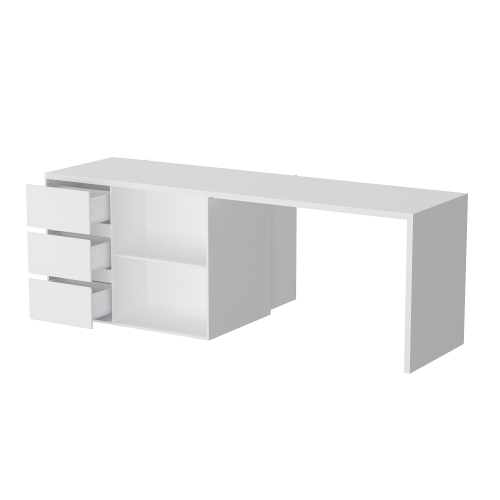
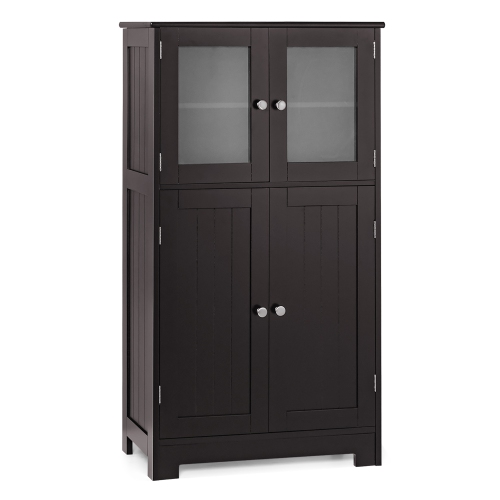
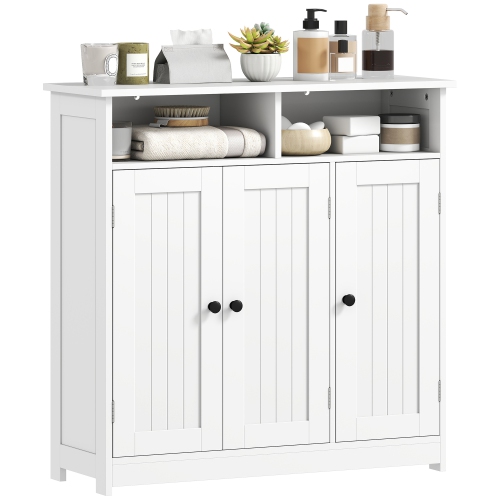
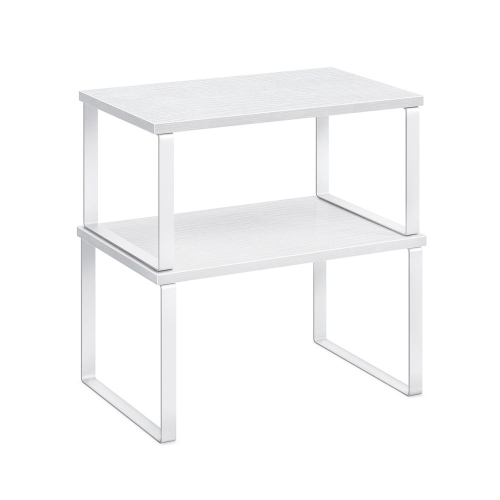
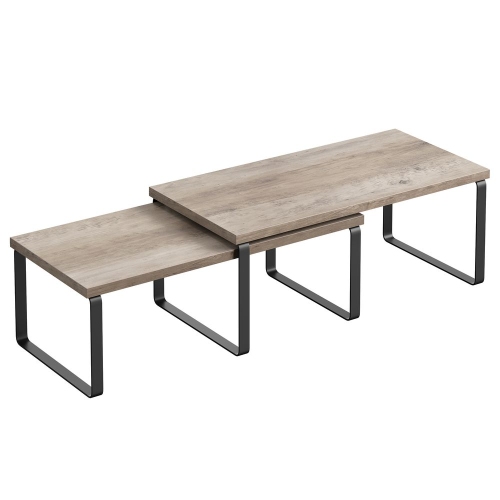
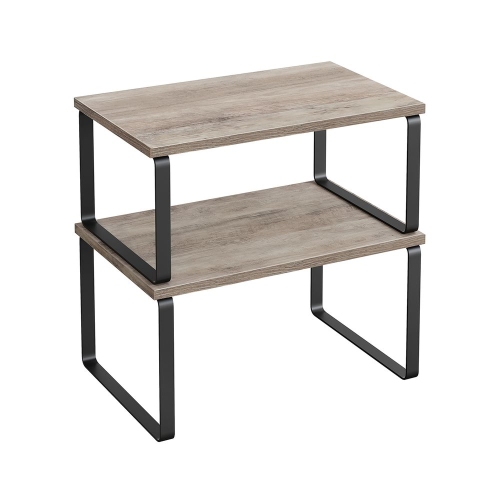
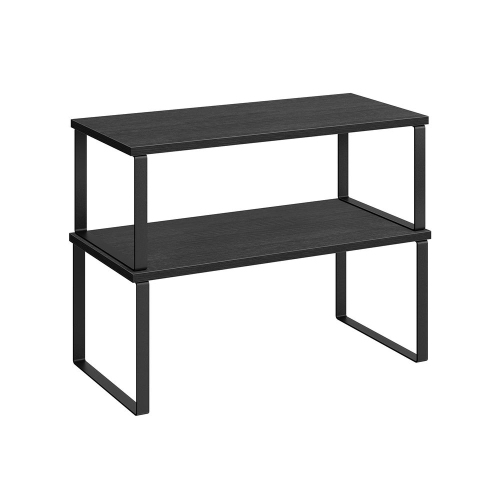
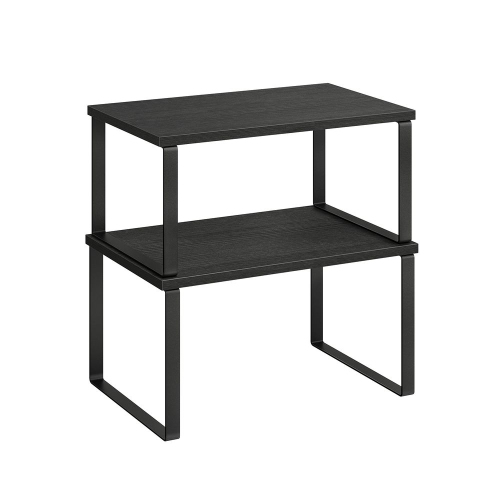
Flexible storage without drilling for changing kitchen layouts
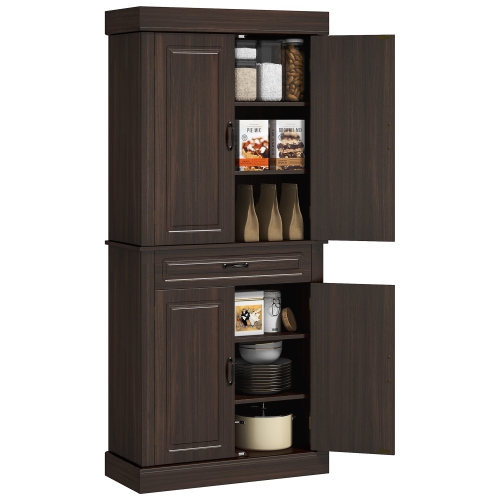
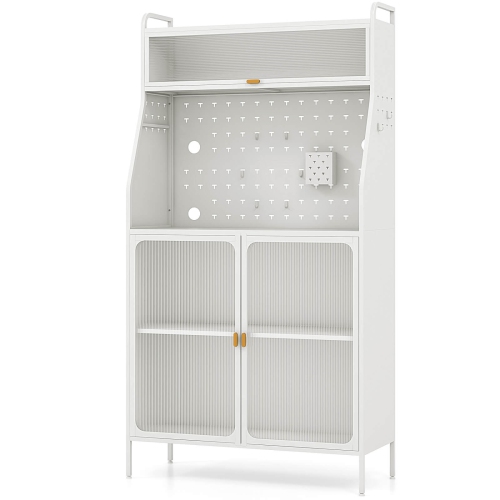
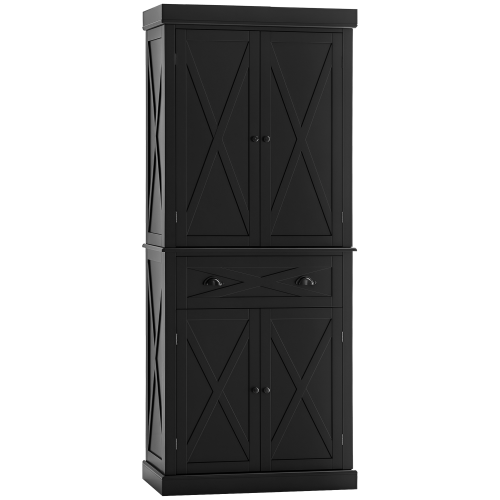
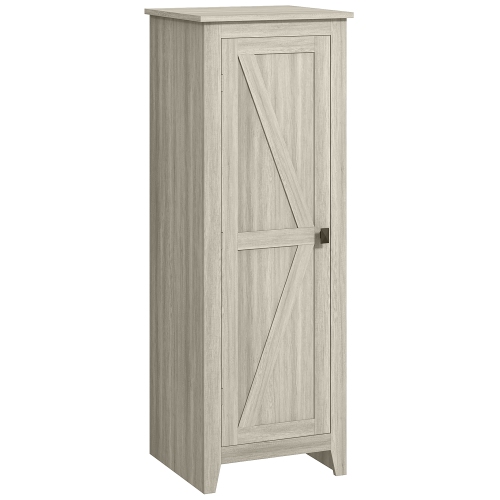
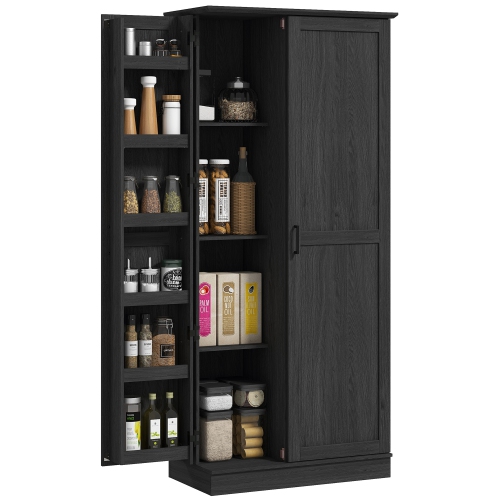
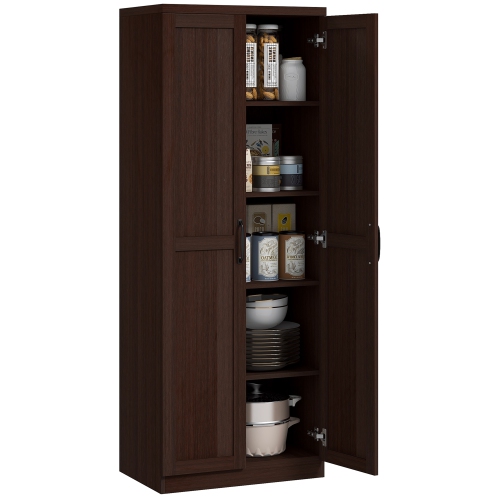
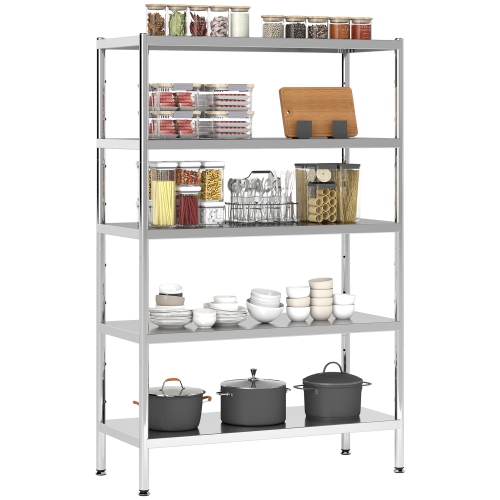
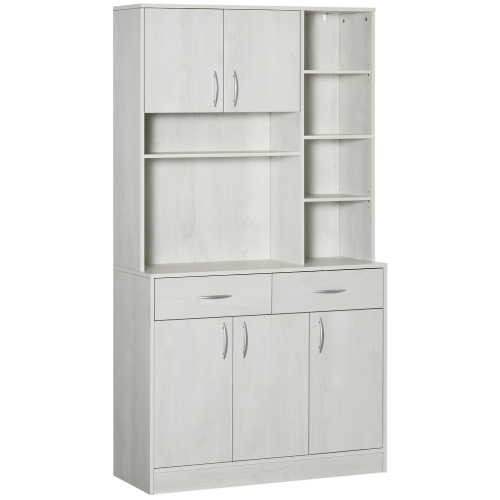
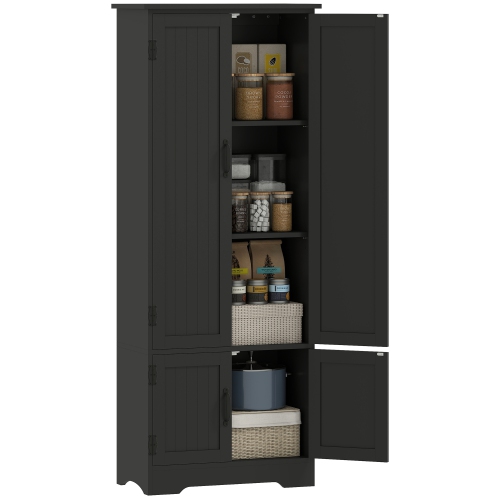
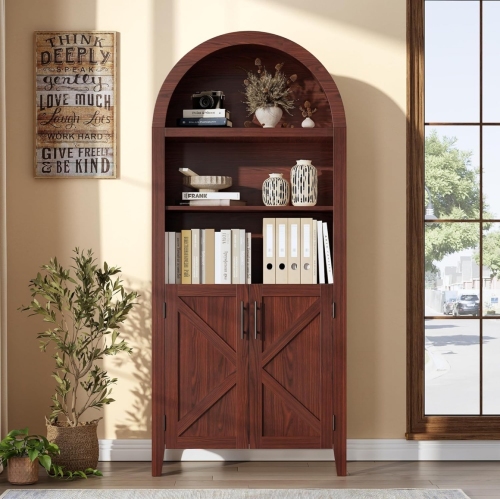
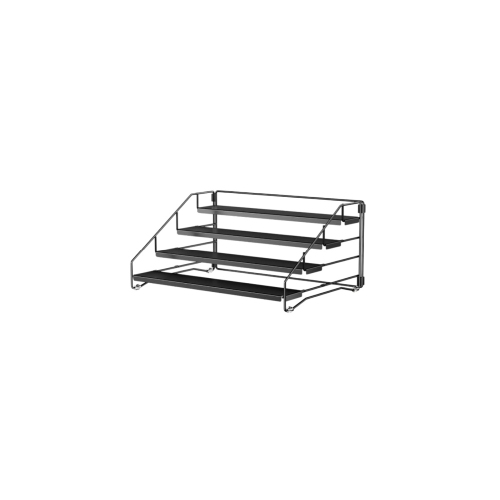
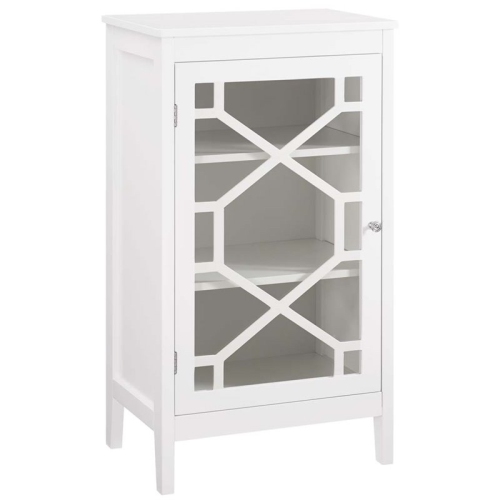
Freestanding kitchen shelves provide a practical way to add storage without drilling into walls, hiring an installer, or committing to a permanent layout. They can fit beside a refrigerator, fill an unused corner, sit near a breakfast nook, or create a useful station in a larger kitchen where cabinets are already crowded. Because these units stand on their own, they are especially helpful for renters, students, first-time homeowners, basement suite residents, and anyone who likes to refresh a room’s arrangement from time to time. A narrow shelving unit can hold jars, mixing bowls, small appliances, and everyday dishes, while a wider model may serve as a pantry extension, coffee station, baking centre, or compact prep area. Before choosing one, measure the available width, height, and depth, then account for baseboards, cabinet doors, appliance handles, and nearby walkways. A shelf that fits neatly on paper may feel awkward if it blocks a drawer or leaves too little clearance for people moving through the kitchen. It is also worth measuring the items you plan to store, particularly taller appliances such as microwaves, blenders, stand mixers, and air fryers. Adjustable shelf heights can make a noticeable difference when storage needs change, allowing room for a stockpot one day and a row of canisters the next. For a more enclosed pantry-style setup, browse Freestanding Kitchen Pantries as another way to organize food and household supplies.
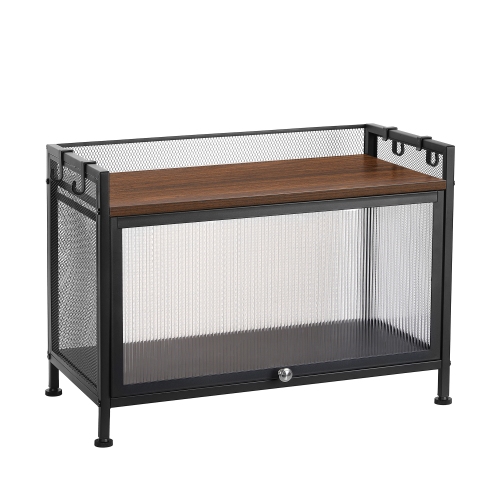
The material and construction of freestanding kitchen shelves should match the work the unit will do. Powder-coated metal frames offer a clean, modern appearance and are often well suited to busy kitchens, while solid wood or wood-look shelves can add warmth beside white cabinetry, stainless steel appliances, or a dining table. In a kitchen where steam, splashes, and frequent wiping are part of daily life, look for surfaces that are easy to clean and frames with a finish designed to resist rust and wear. Check the stated weight limit for each shelf rather than relying only on the unit’s total capacity. Canned goods, cast-iron cookware, countertop appliances, and large bags of flour can become surprisingly heavy when grouped together. Place heavier items on lower shelves for stability, keep commonly used tools at a comfortable height, and reserve upper shelves for lighter serving pieces, extra mugs, or occasional-use ingredients. A back rail, raised edge, or side panel can help keep containers from sliding, while hooks may provide a convenient home for utensils, oven mitts, towels, or mugs. Units with locking casters are useful when the shelf needs to move for cleaning, entertaining, or rearranging, but the locks should be engaged once the unit is in position. Fixed feet may be preferable in a narrow passage or a household where children and pets could bump into a mobile rack. If the shelf will support a microwave or another appliance, check the surface dimensions, ventilation requirements, cord placement, and the manufacturer’s recommended load before setting it up. A level floor and careful assembly also help prevent wobbling, particularly when the unit is tall or fully loaded.
Freestanding kitchen shelves can support many different routines, from a small apartment kitchen that needs every available inch to a family home preparing for shared meals during the cooler months. A baker might keep flour, sugar, mixing bowls, and measuring tools together on one side of the kitchen, reducing the repeated trips between cupboards and the counter. Someone working from a compact galley kitchen may use a slim rack for a microwave, dishes, and pantry staples, while a household that entertains often may dedicate a wider unit to glasses, serving boards, napkins, and a beverage setup. In an open-concept space, shelves can also create a gentle visual boundary between the kitchen and dining area without the permanence of a built-in cabinet. Decorative baskets, matching containers, cookbooks, and a few frequently used utensils can keep the arrangement inviting, while closed bins help make less attractive packaging less noticeable. As the weather cools and more meals are prepared at home, having soup pots, baking supplies, and warm drink essentials within easy reach can make the kitchen feel calmer and more efficient. These shelves can also make thoughtful housewarming, wedding, graduation, or new-apartment gifts, especially when the recipient is building a first kitchen and needs flexible storage rather than another decorative item. Consider the recipient’s available space, preferred finish, cooking habits, and whether mobility would be useful before selecting a unit. With careful measurements, sensible weight distribution, and a layout that keeps daily essentials close at hand, freestanding kitchen shelves can turn an overlooked corner into dependable, useful storage.
The material and construction of freestanding kitchen shelves should match the work the unit will do. Powder-coated metal frames offer a clean, modern appearance and are often well suited to busy kitchens, while solid wood or wood-look shelves can add warmth beside white cabinetry, stainless steel appliances, or a dining table. In a kitchen where steam, splashes, and frequent wiping are part of daily life, look for surfaces that are easy to clean and frames with a finish designed to resist rust and wear. Check the stated weight limit for each shelf rather than relying only on the unit’s total capacity. Canned goods, cast-iron cookware, countertop appliances, and large bags of flour can become surprisingly heavy when grouped together. Place heavier items on lower shelves for stability, keep commonly used tools at a comfortable height, and reserve upper shelves for lighter serving pieces, extra mugs, or occasional-use ingredients. A back rail, raised edge, or side panel can help keep containers from sliding, while hooks may provide a convenient home for utensils, oven mitts, towels, or mugs. Units with locking casters are useful when the shelf needs to move for cleaning, entertaining, or rearranging, but the locks should be engaged once the unit is in position. Fixed feet may be preferable in a narrow passage or a household where children and pets could bump into a mobile rack. If the shelf will support a microwave or another appliance, check the surface dimensions, ventilation requirements, cord placement, and the manufacturer’s recommended load before setting it up. A level floor and careful assembly also help prevent wobbling, particularly when the unit is tall or fully loaded.
Freestanding kitchen shelves can support many different routines, from a small apartment kitchen that needs every available inch to a family home preparing for shared meals during the cooler months. A baker might keep flour, sugar, mixing bowls, and measuring tools together on one side of the kitchen, reducing the repeated trips between cupboards and the counter. Someone working from a compact galley kitchen may use a slim rack for a microwave, dishes, and pantry staples, while a household that entertains often may dedicate a wider unit to glasses, serving boards, napkins, and a beverage setup. In an open-concept space, shelves can also create a gentle visual boundary between the kitchen and dining area without the permanence of a built-in cabinet. Decorative baskets, matching containers, cookbooks, and a few frequently used utensils can keep the arrangement inviting, while closed bins help make less attractive packaging less noticeable. As the weather cools and more meals are prepared at home, having soup pots, baking supplies, and warm drink essentials within easy reach can make the kitchen feel calmer and more efficient. These shelves can also make thoughtful housewarming, wedding, graduation, or new-apartment gifts, especially when the recipient is building a first kitchen and needs flexible storage rather than another decorative item. Consider the recipient’s available space, preferred finish, cooking habits, and whether mobility would be useful before selecting a unit. With careful measurements, sensible weight distribution, and a layout that keeps daily essentials close at hand, freestanding kitchen shelves can turn an overlooked corner into dependable, useful storage.
Top selling and popular products
-
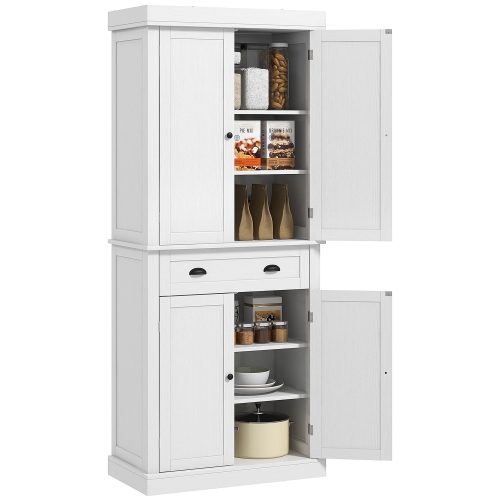 Your price for this item is $267.79
 -
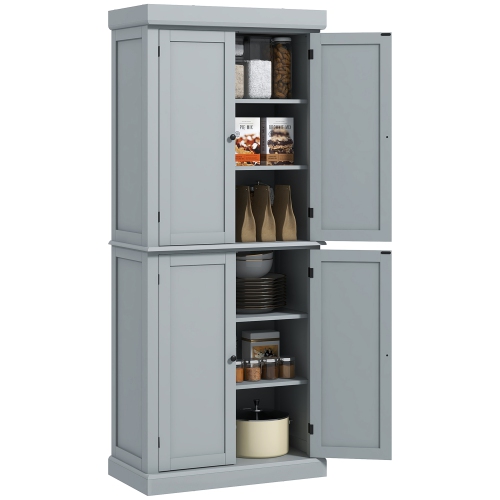 Your price for this item is $299.99
 -
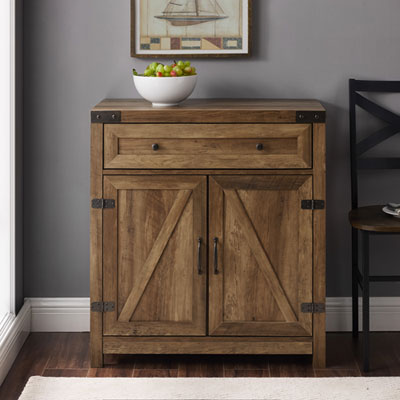 Your price for this item is $401.99
 -
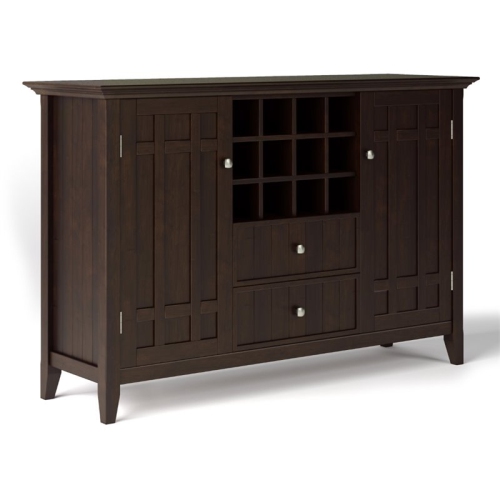 Your price for this item is $1449.04
 -
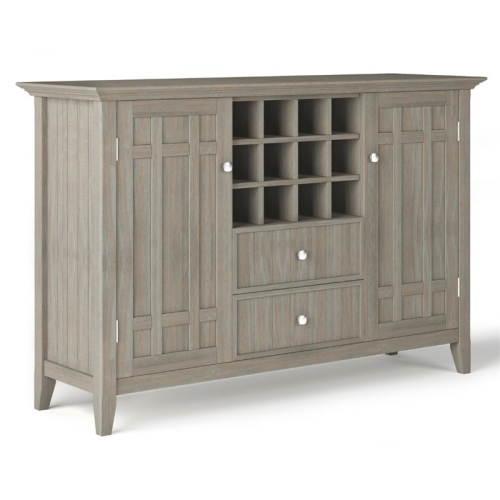 Your price for this item is $1463.19
 -
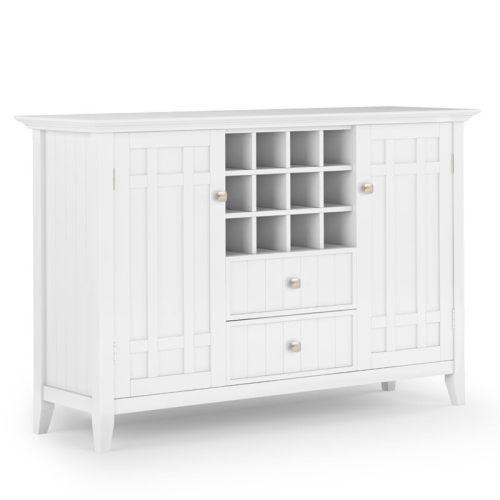 Your price for this item is $1454.75
 -
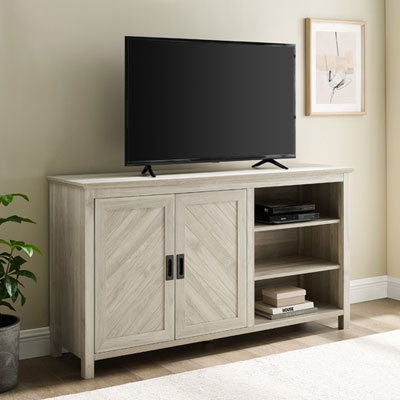 Your price for this item is $593.99
 -
 Your price for this item is $382.68
Discover more categories related to Freestanding Kitchen Shelves
Top Collections:
Pokemon Centers, Kindle Devices, Best Budget Office Chairs, Apple iPhones 16, Best Laptops for Writers, iPhone 15 Apple, Canon G7X Cameras, Refurbished Apple Laptops, Alarm Clock, Motorola Razr Phones
Some products may be subject to Environmental Handling Fees
(EHF) depending on your province.
Learn more about EHFs.