Full Beds With Storage
Upgrade your bedroom with our selection of full beds with storage, the perfect solution for maximizing space while adding style to your room. Say goodbye to clutter and hello to organization with these versatile beds that offer ample storage options without compromising on design. Whether you're looking to streamline your small space or simply want a chic and functional bed frame, our collection of full beds with storage has something for everyone. Explore our range of options to find the ideal combination of form and function for your bedroom today.
Sort
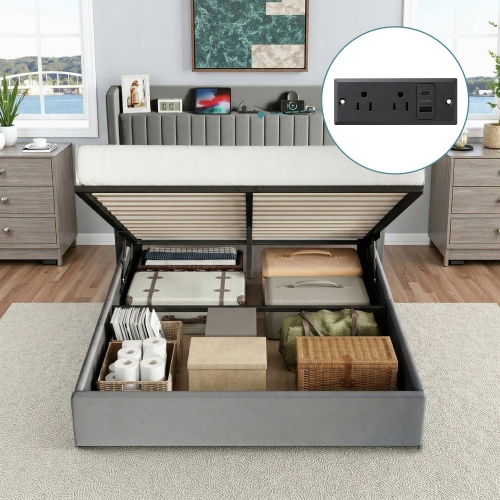
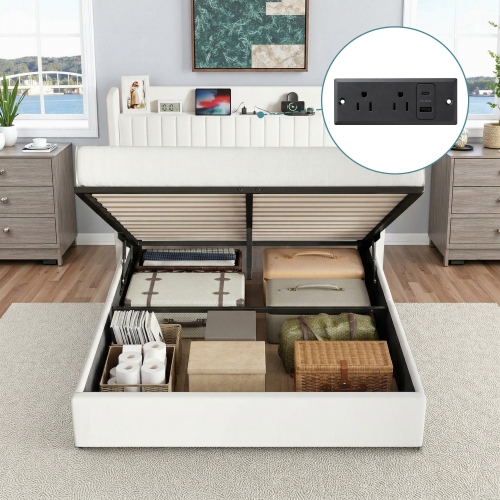
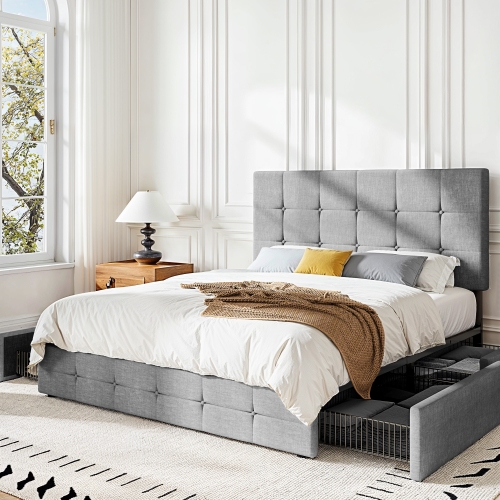
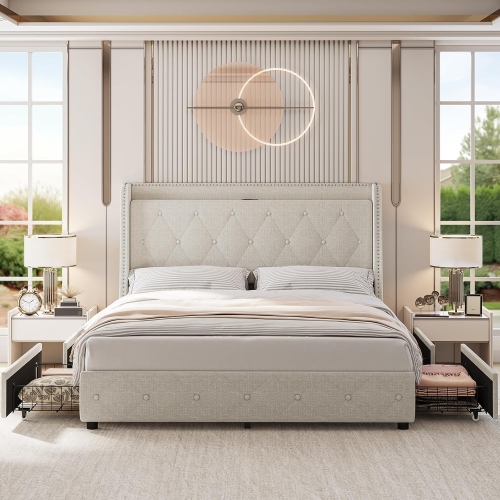
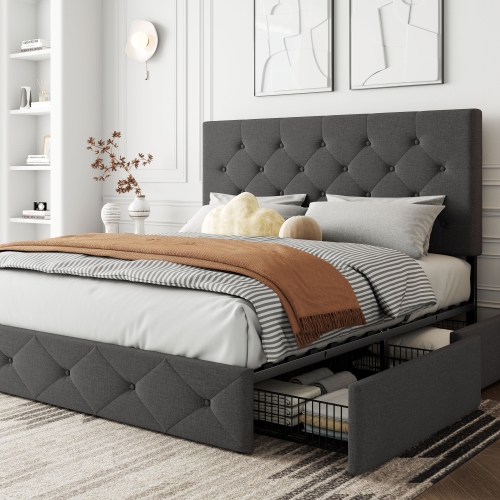
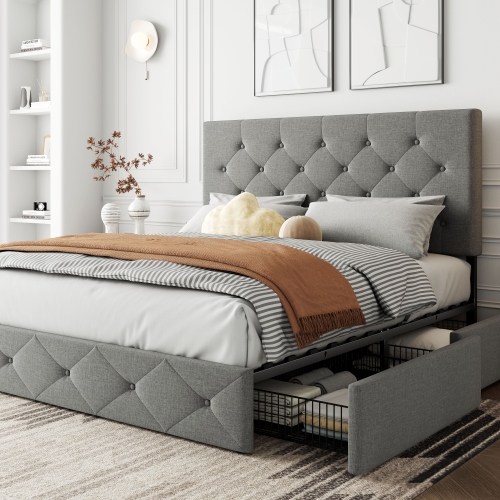
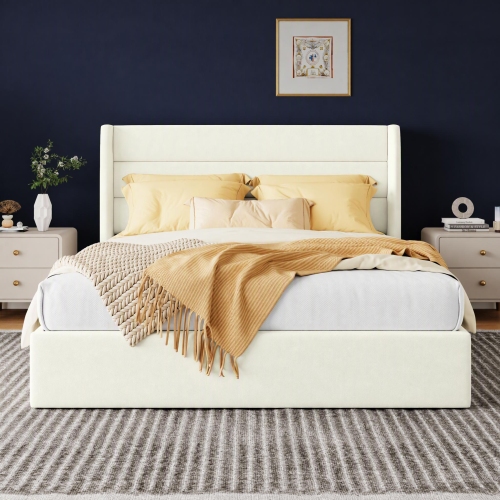
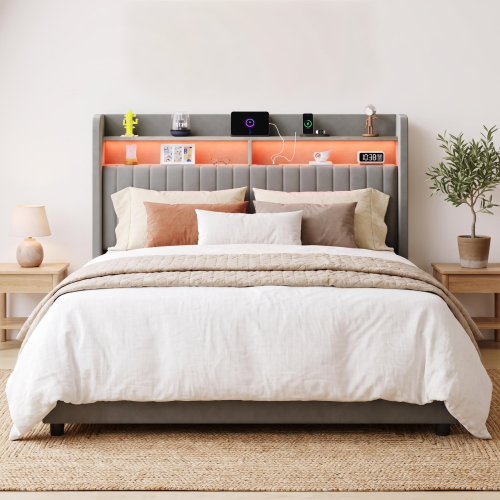
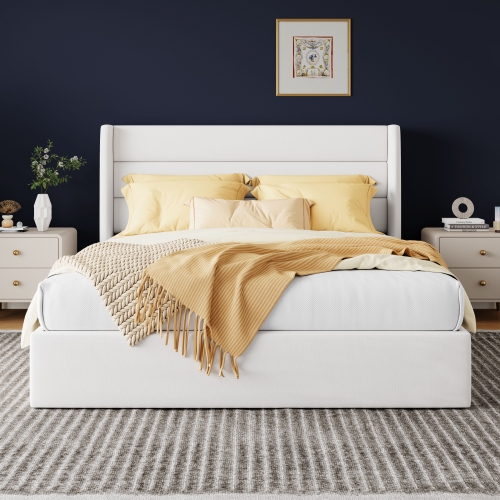
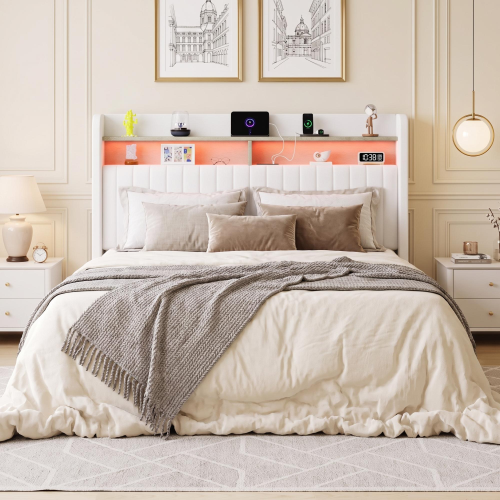
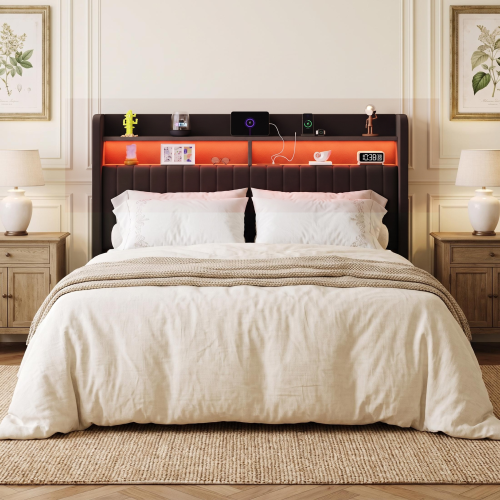
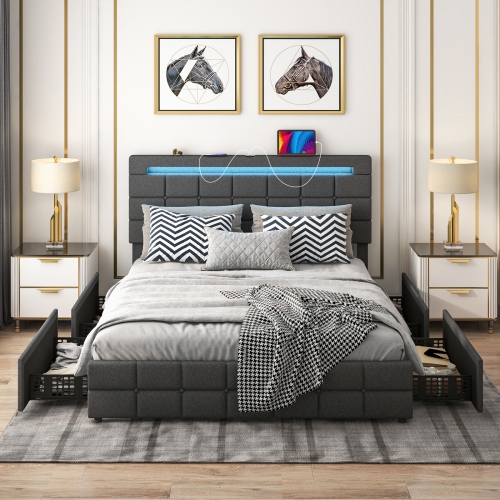
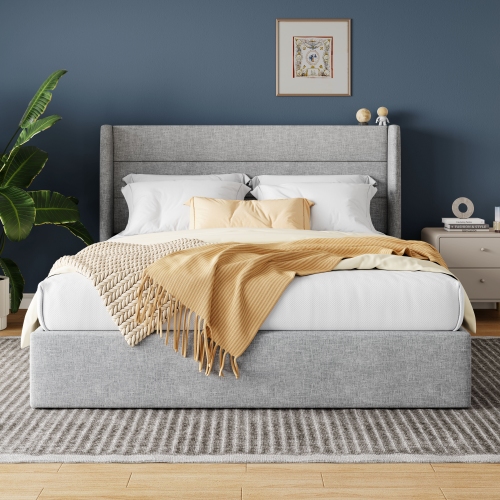
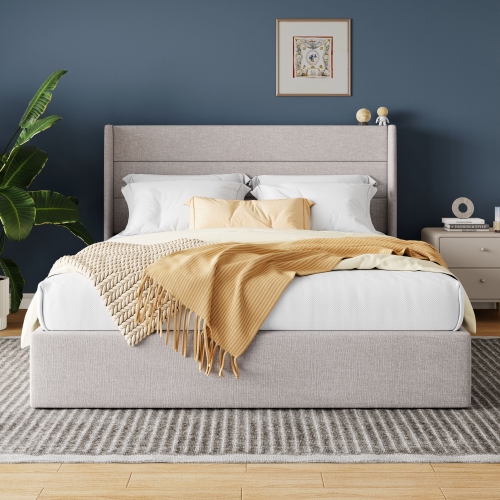

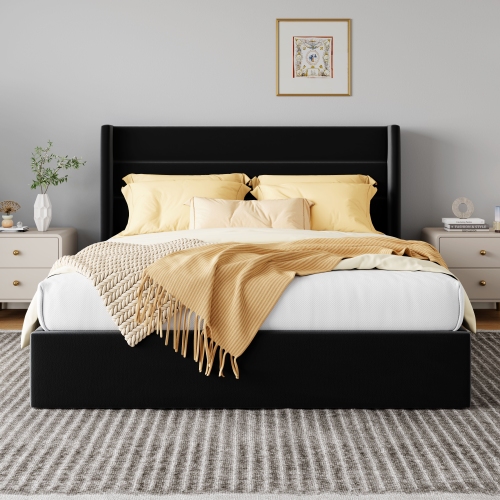
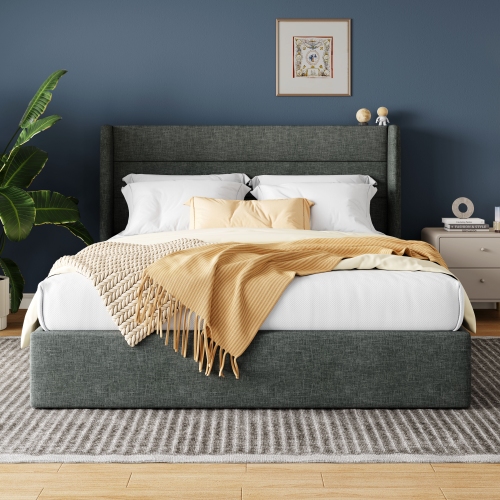
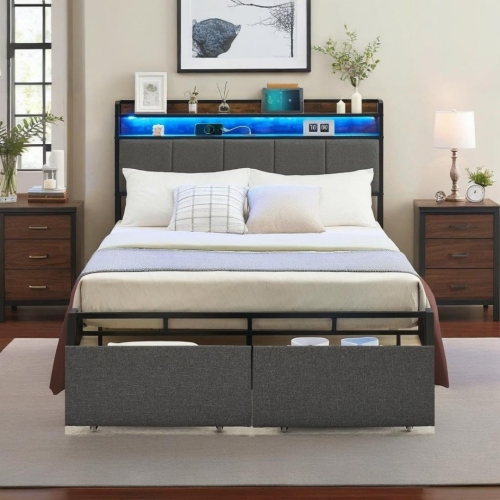
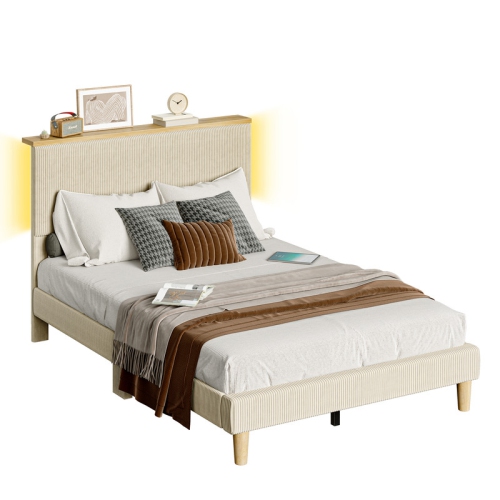
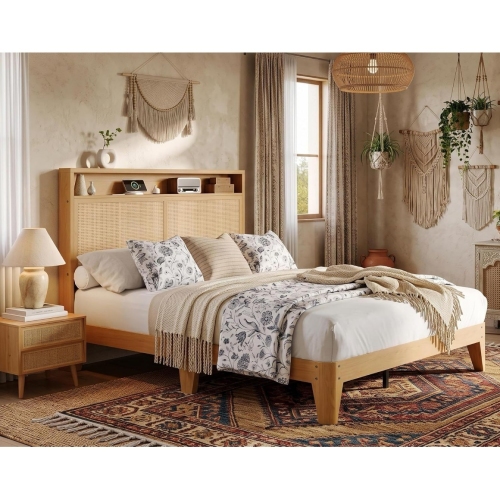
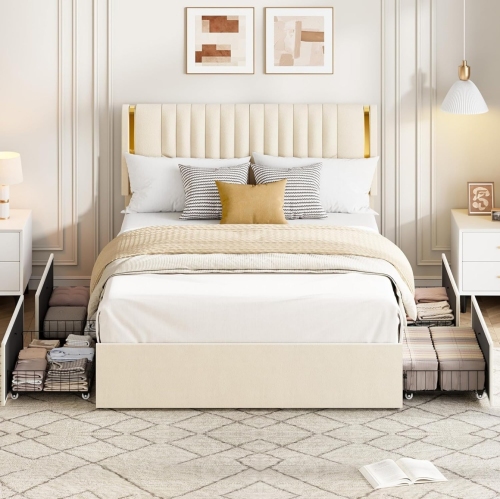
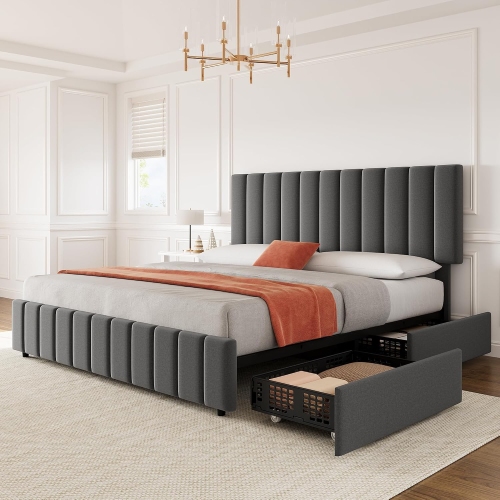
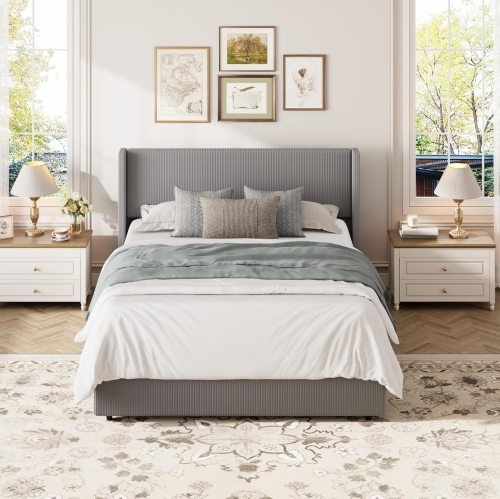

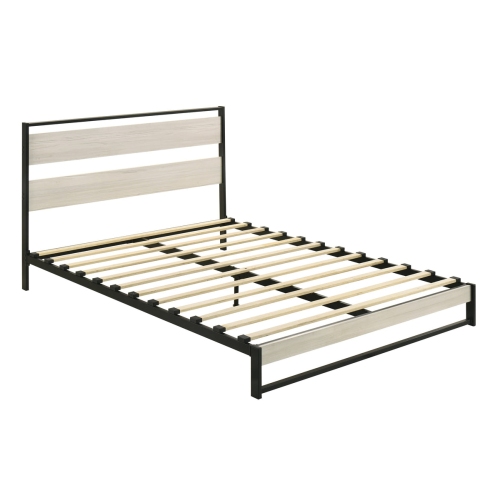
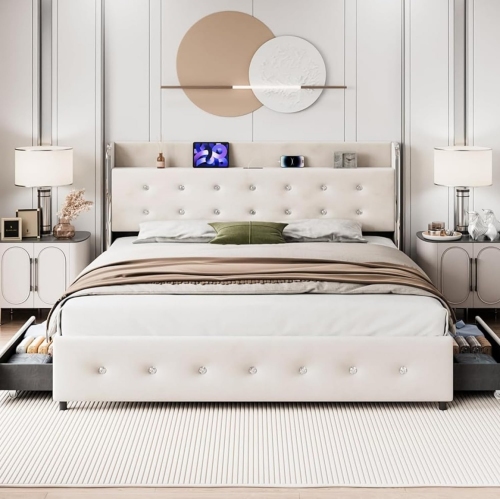
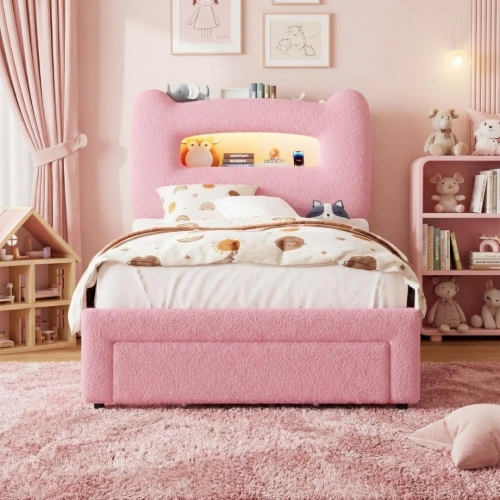

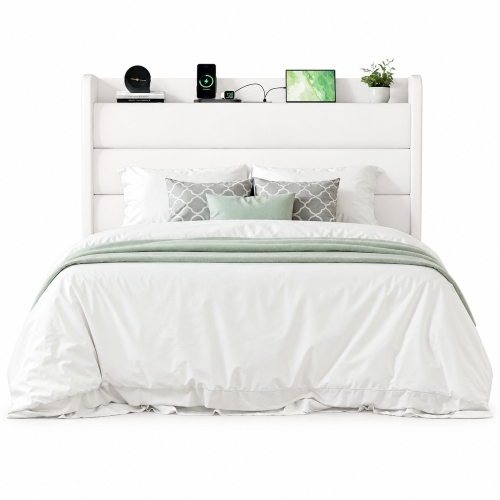
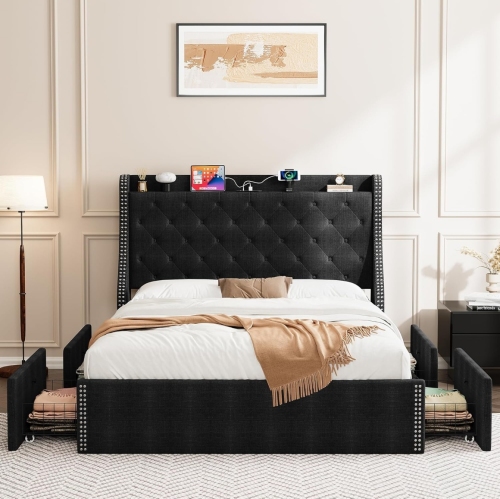
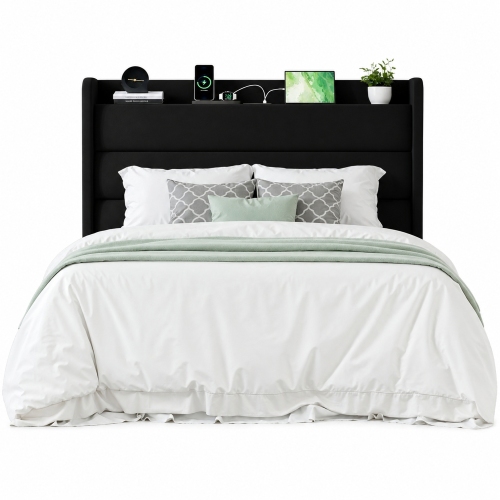
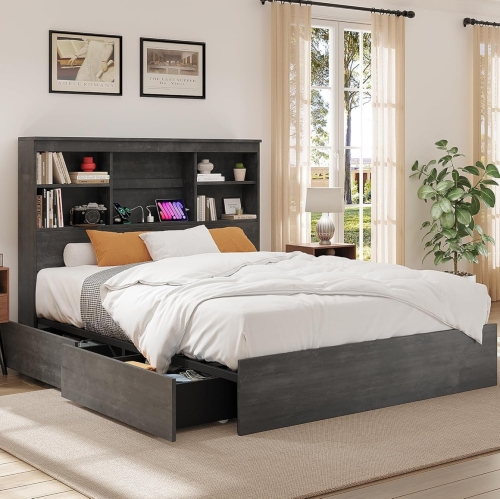
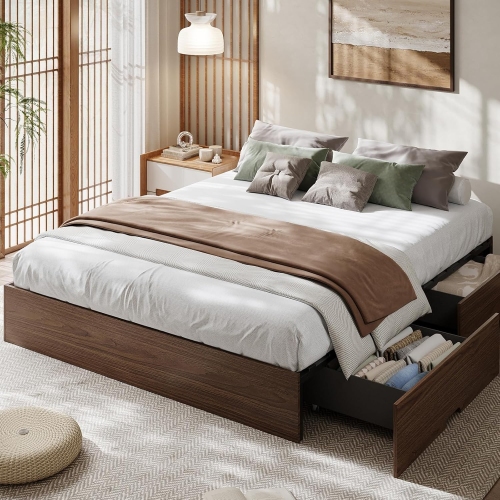
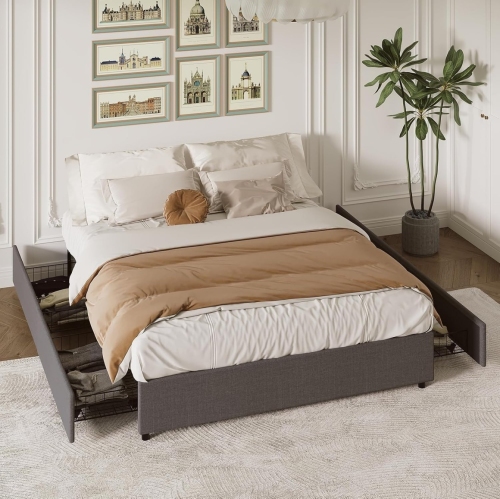
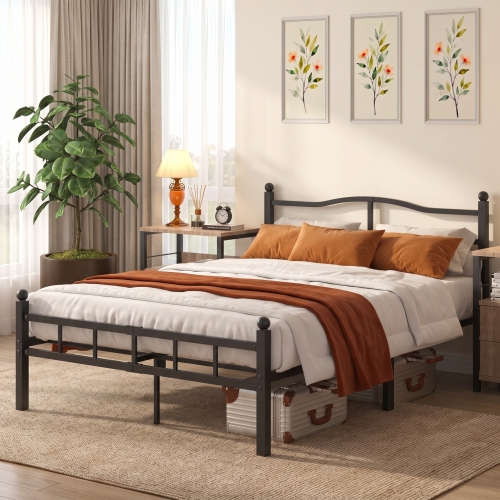
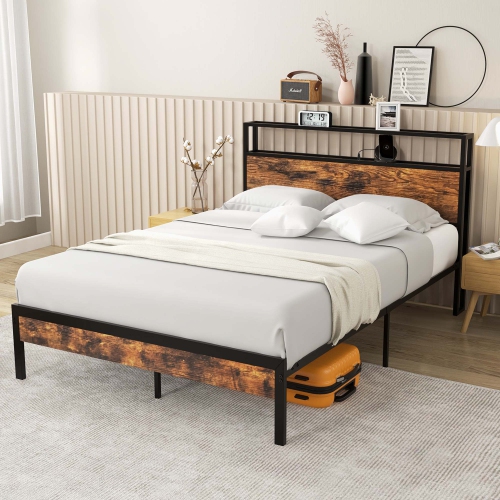
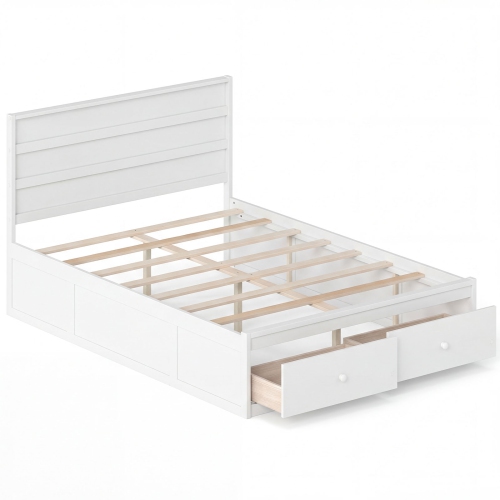
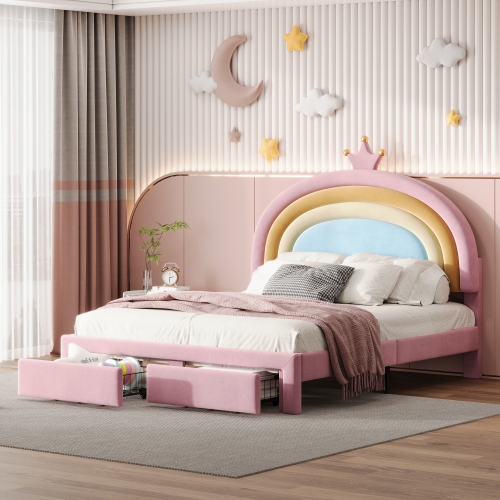
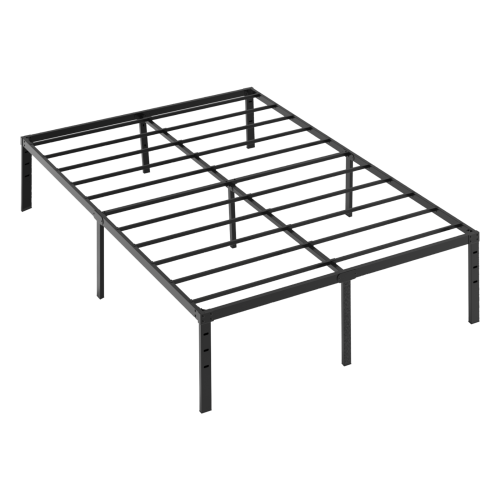
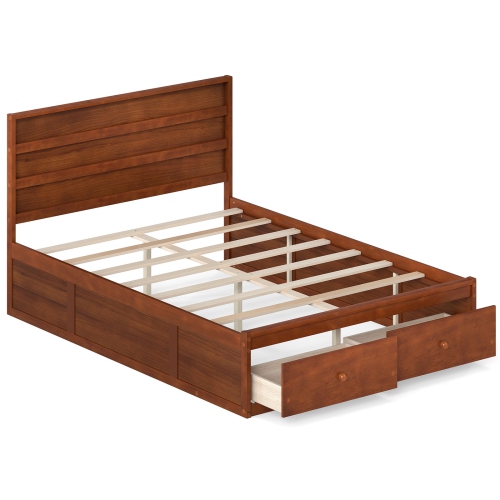
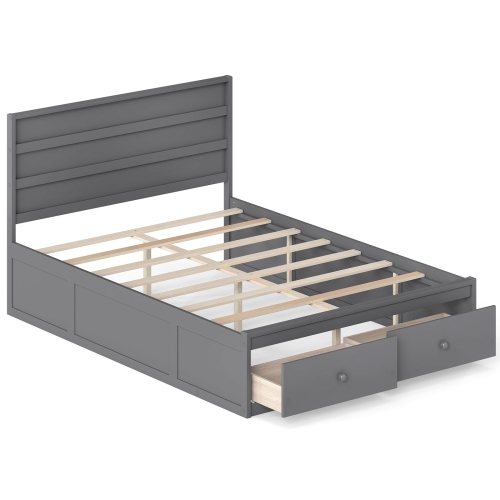
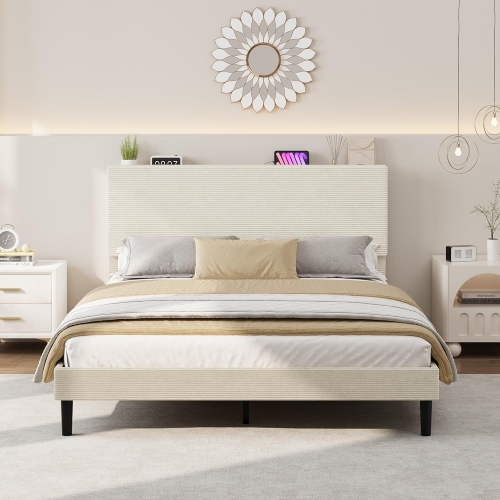
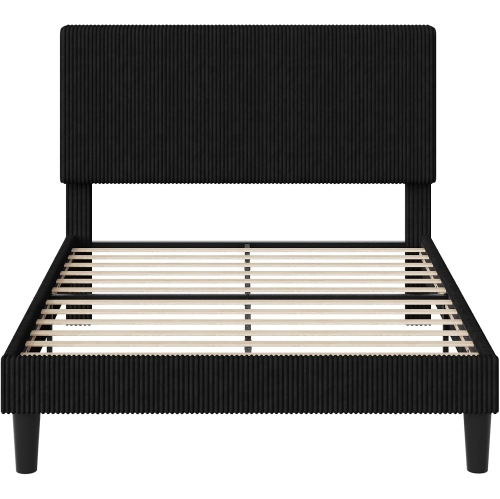
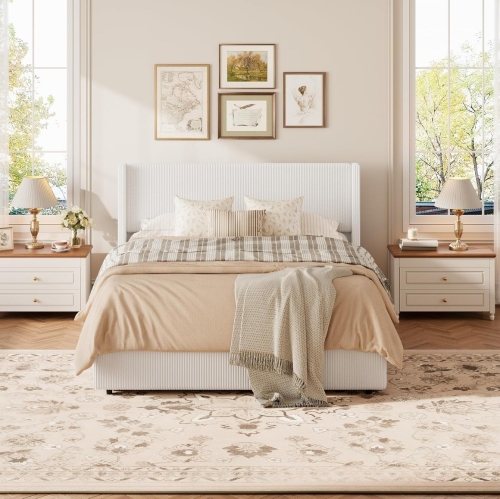
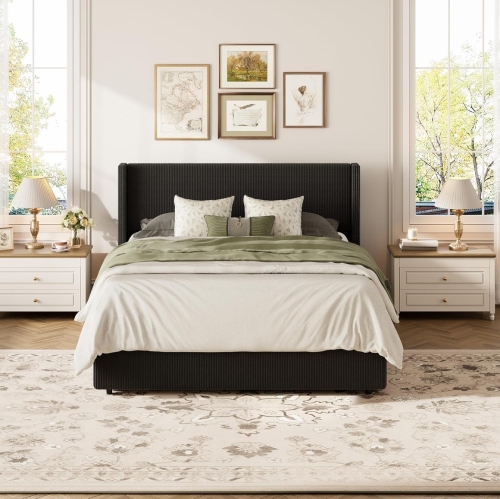
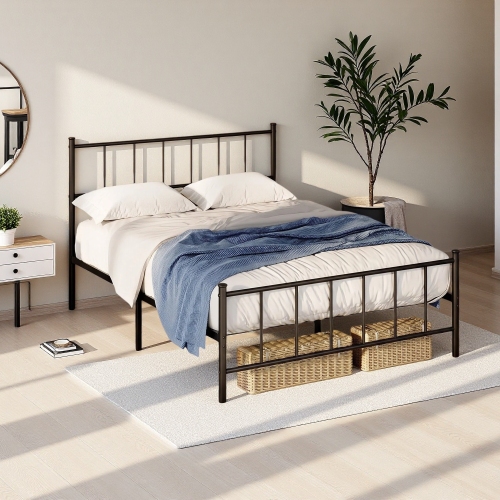
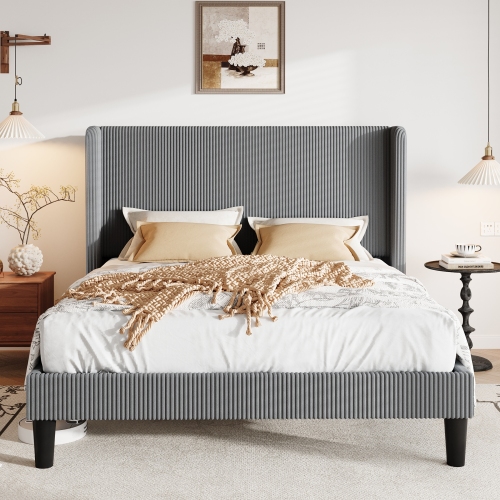
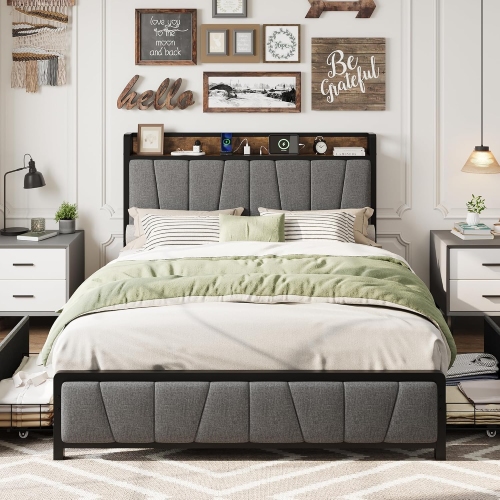
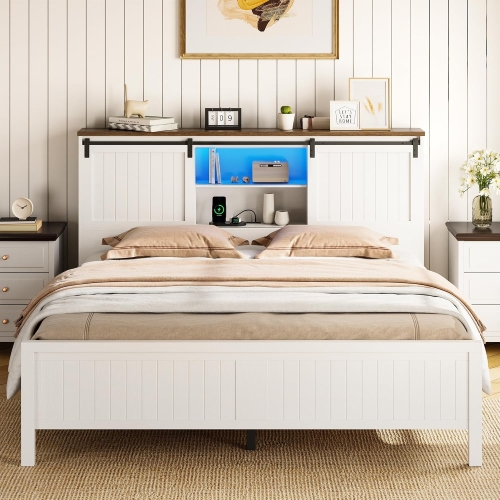
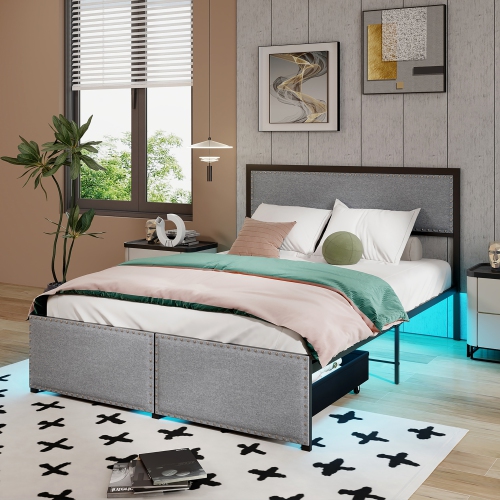


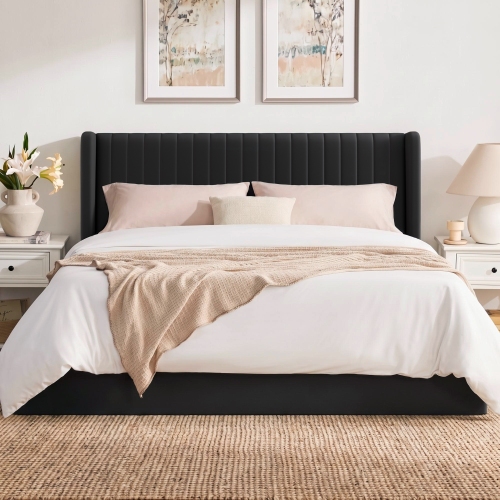
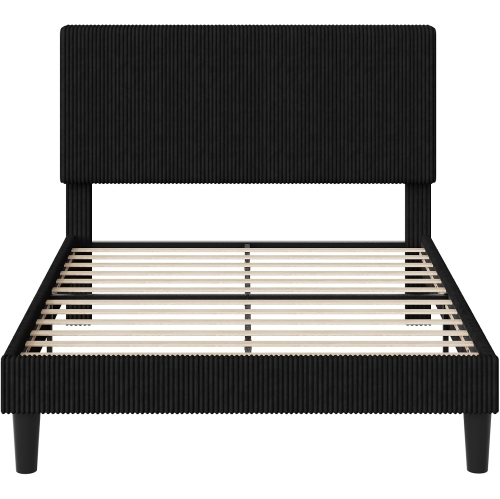
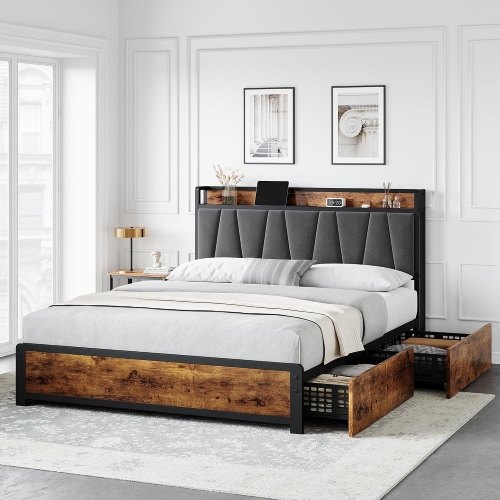
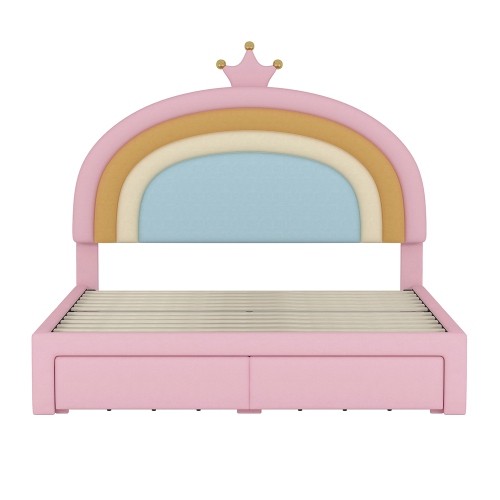
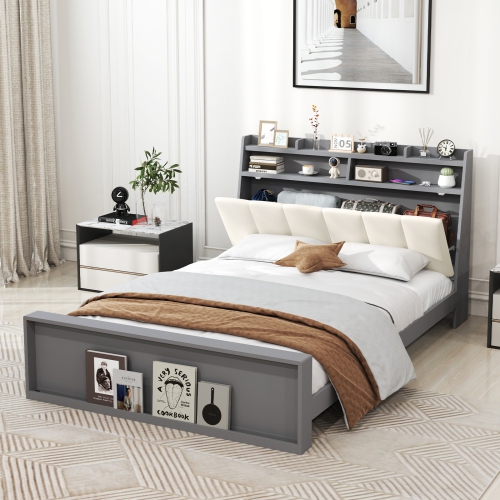
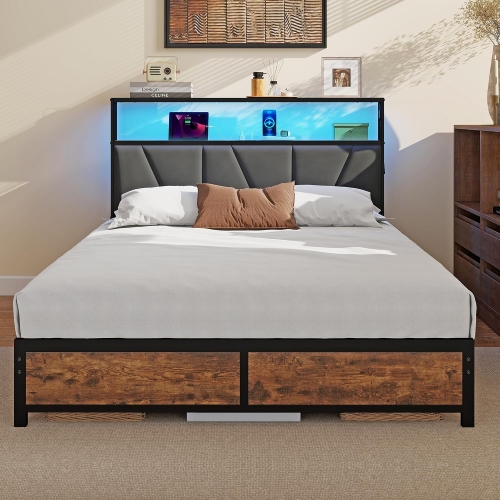
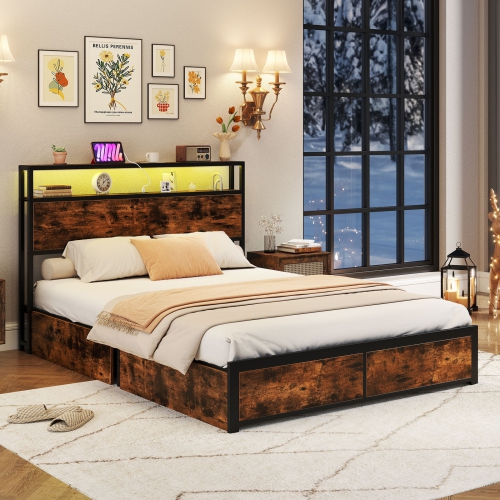
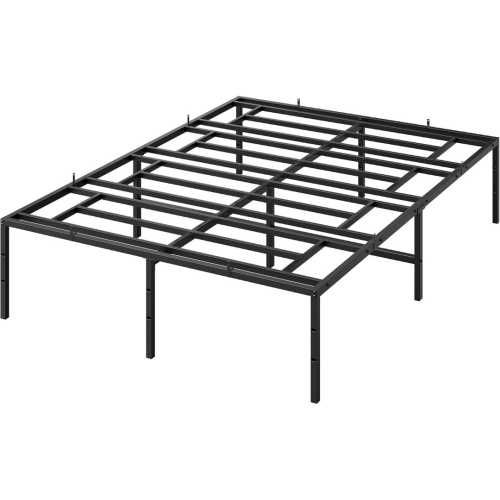
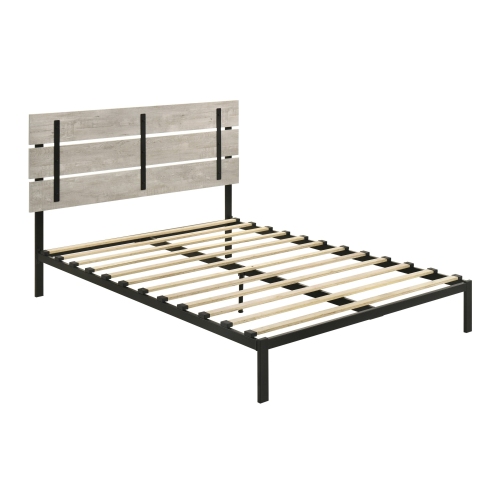
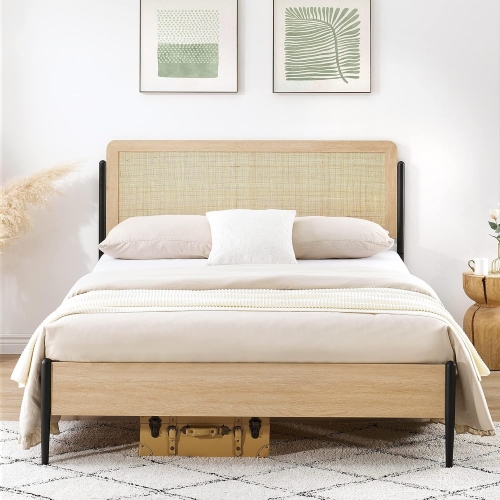
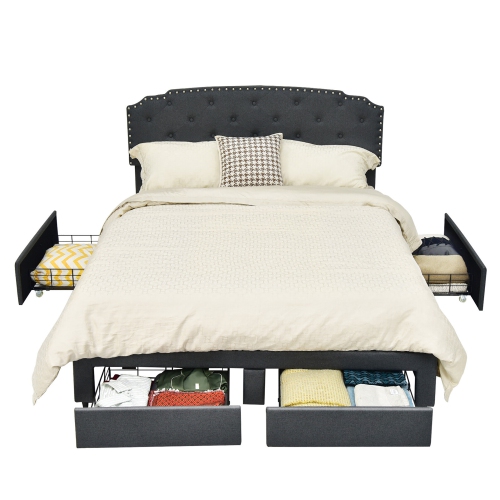
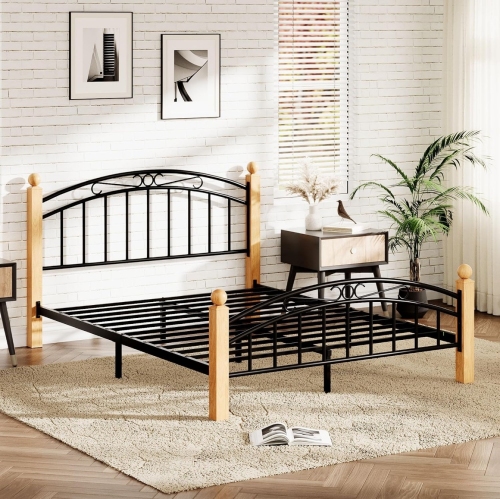

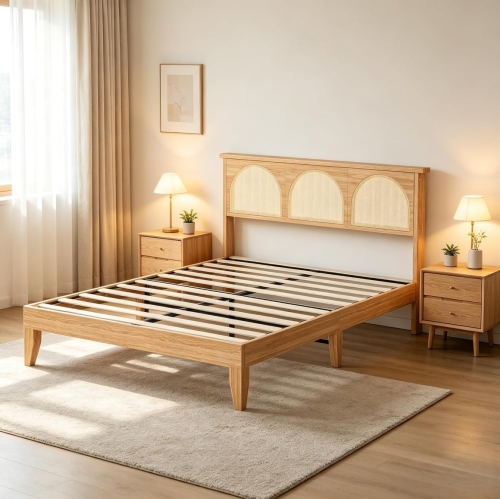
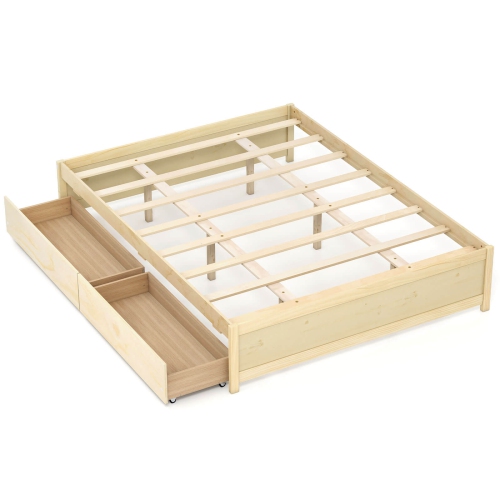
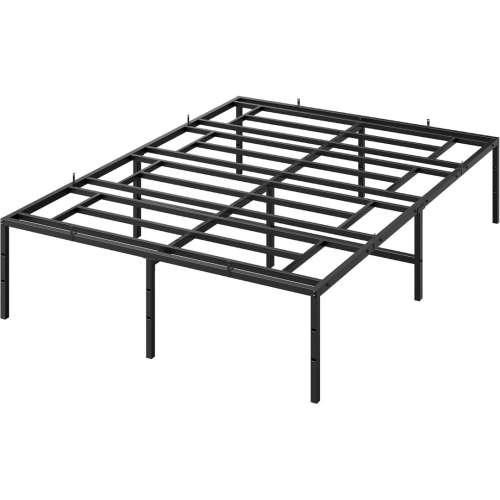
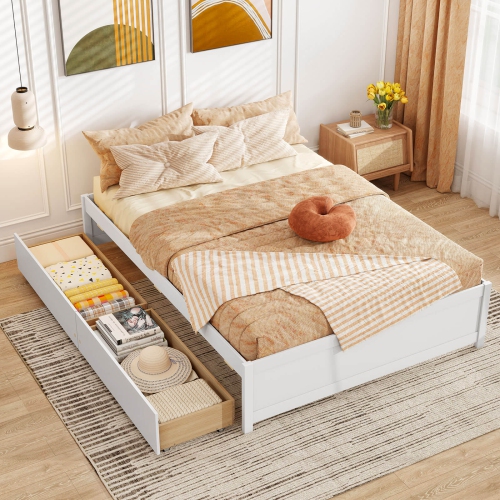
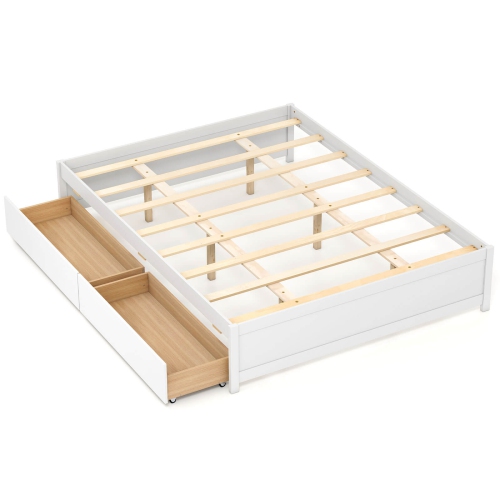
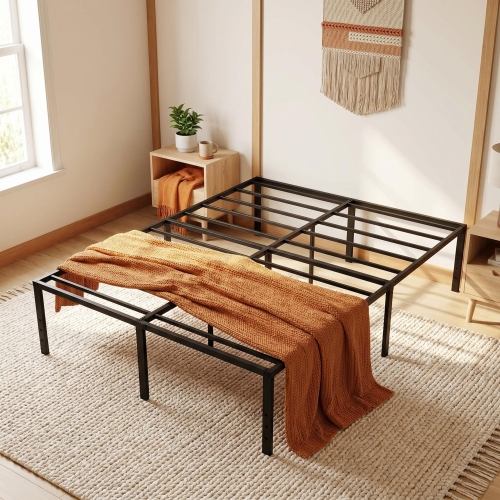
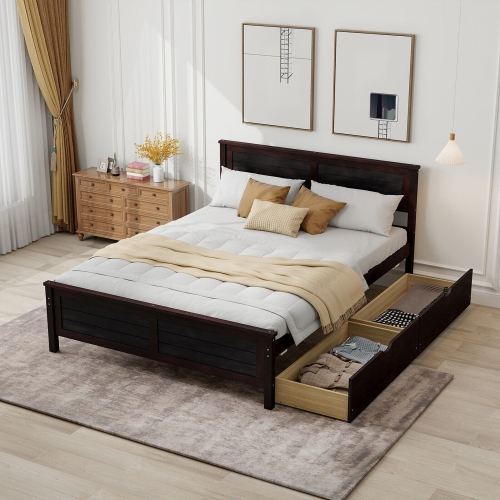
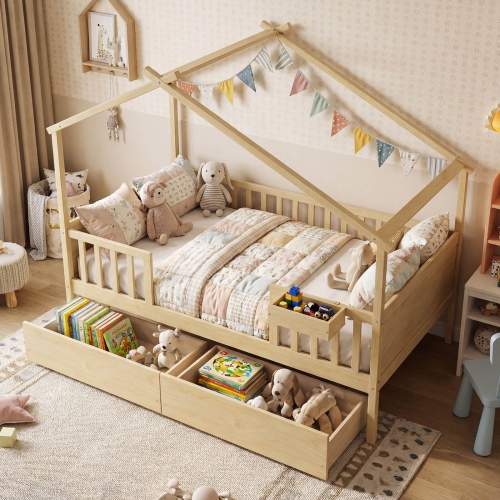
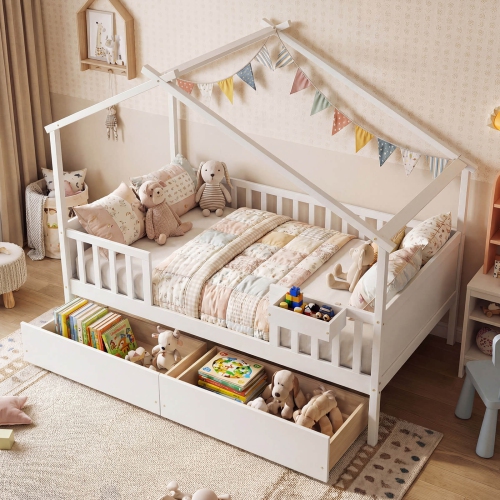
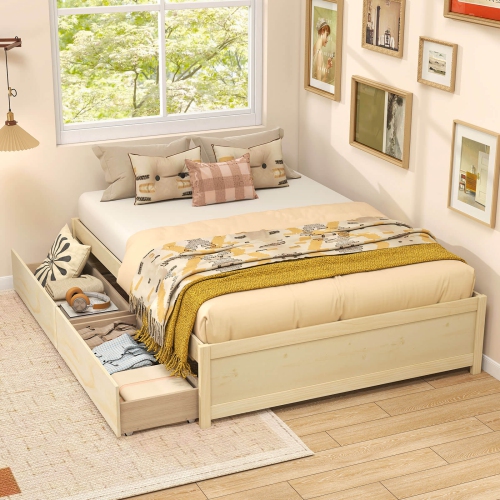
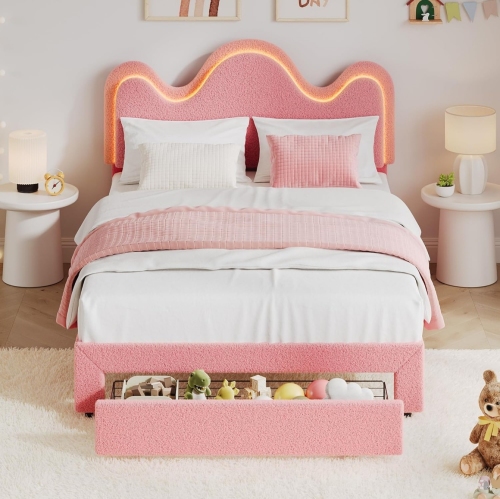
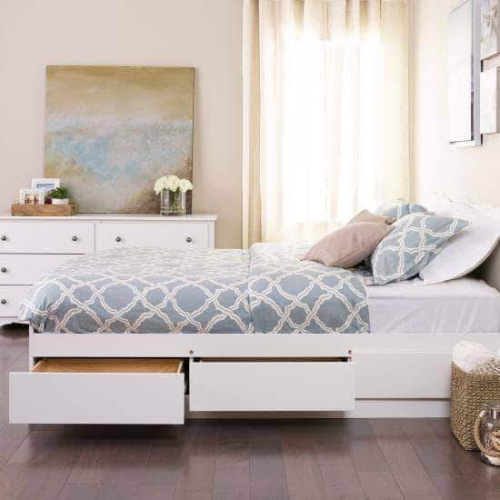
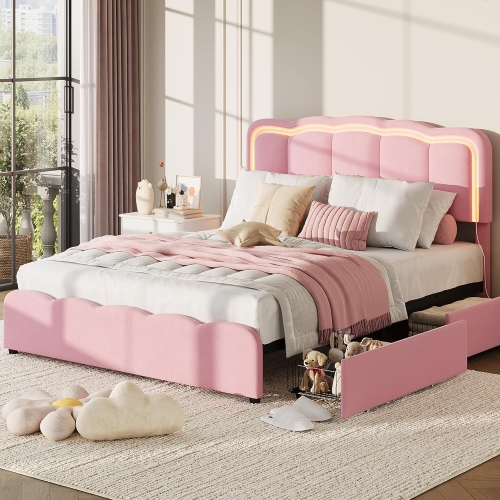
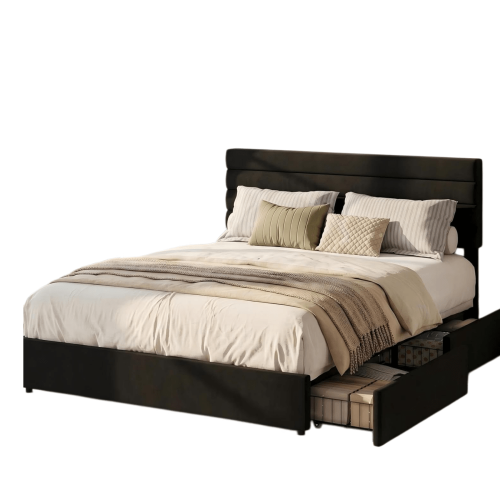
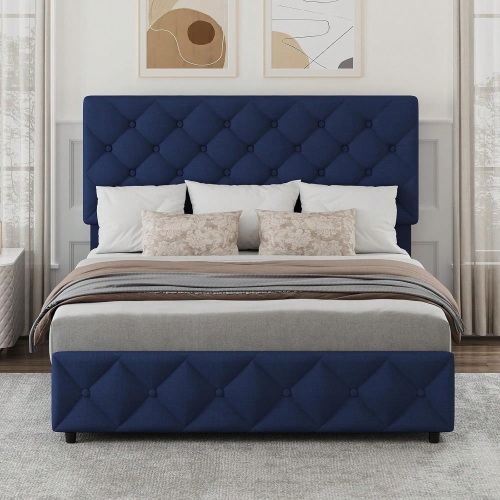
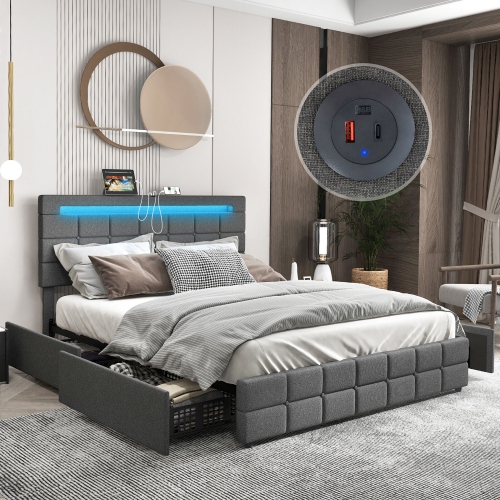
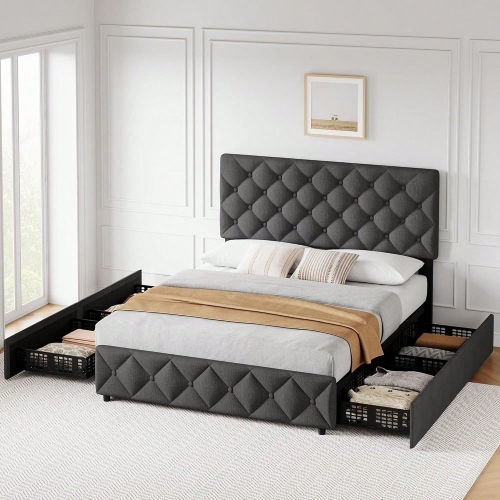
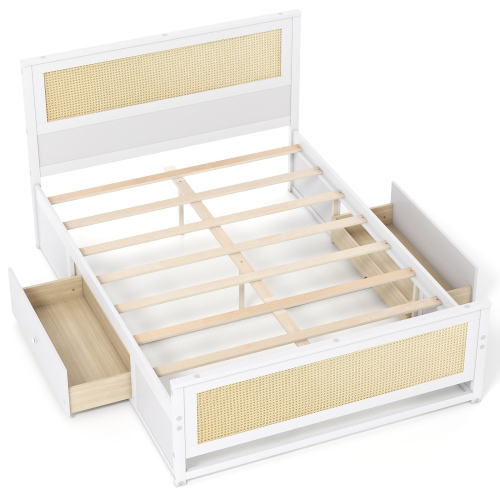
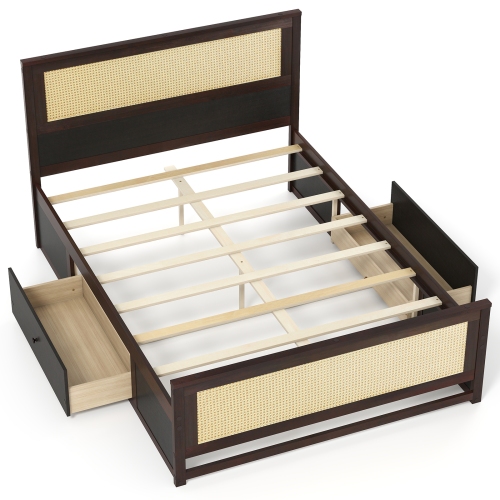
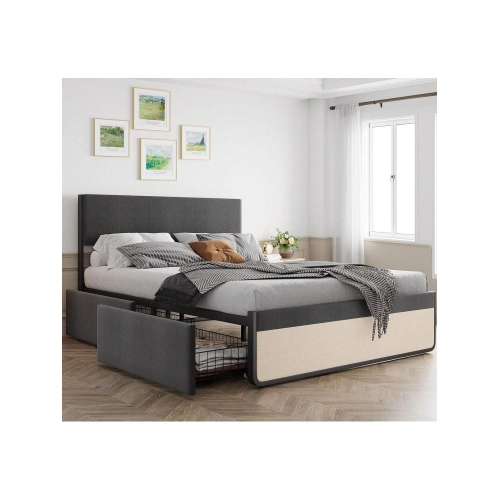
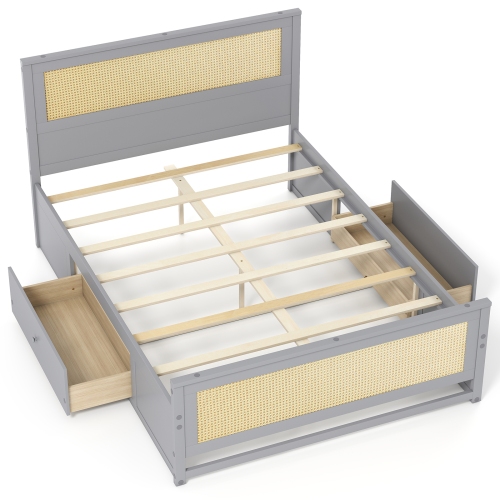


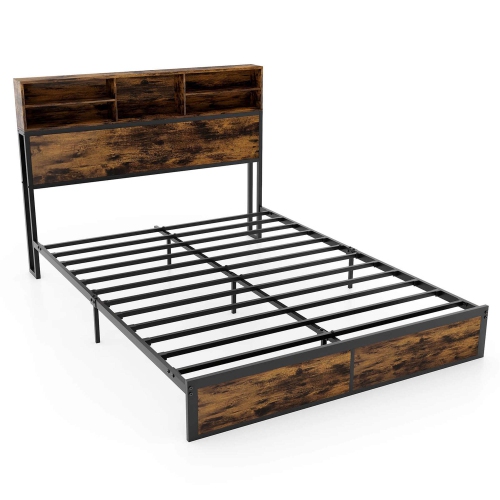
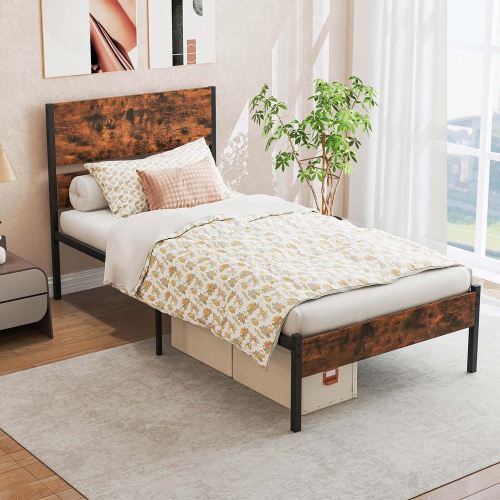
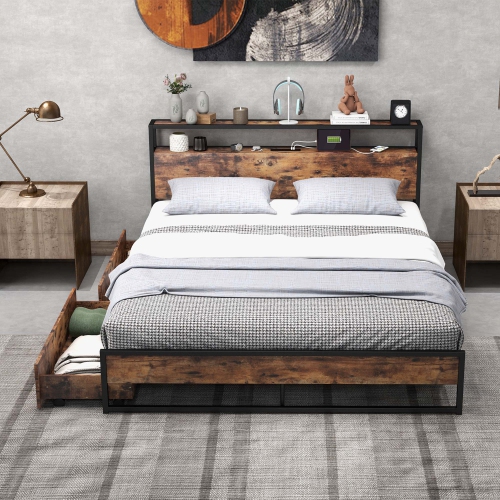
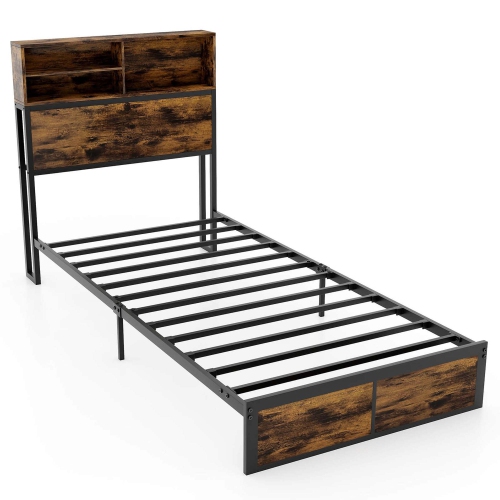
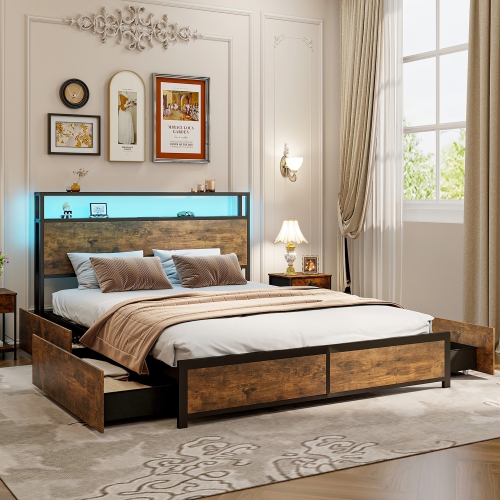
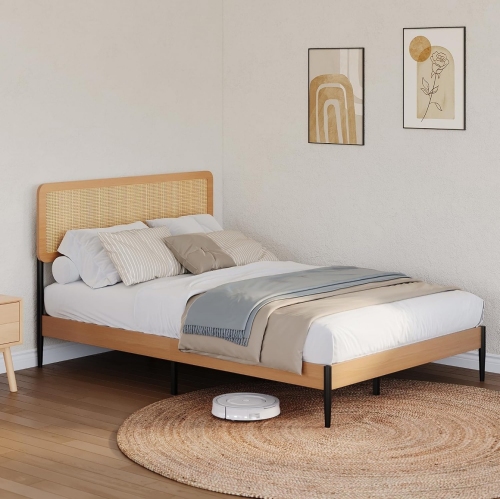
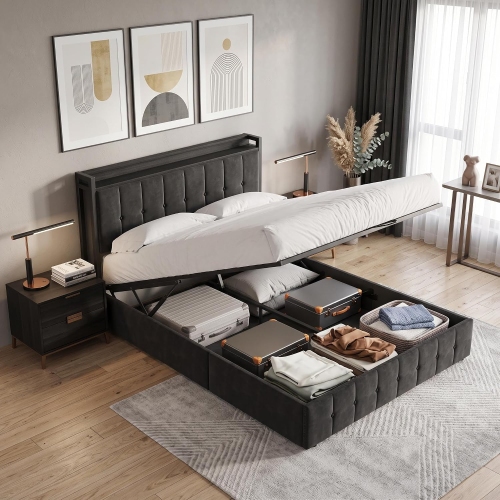
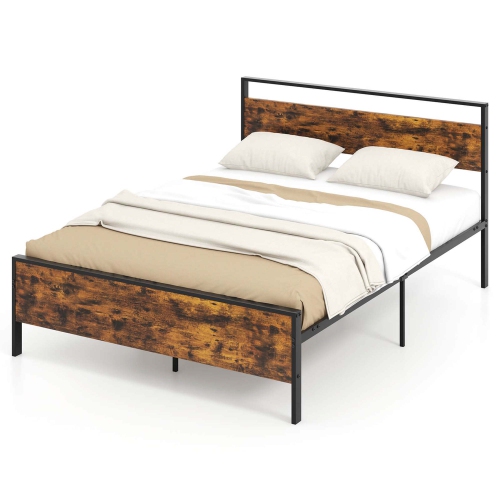
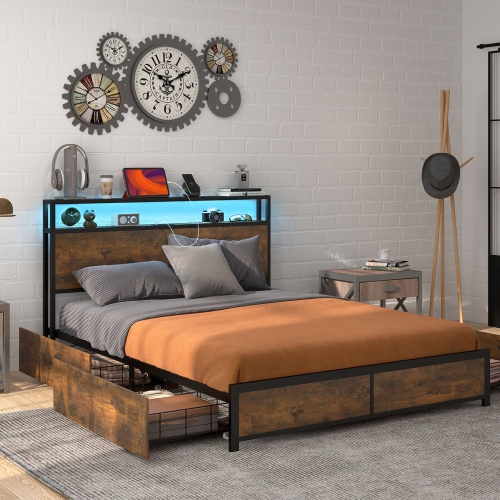
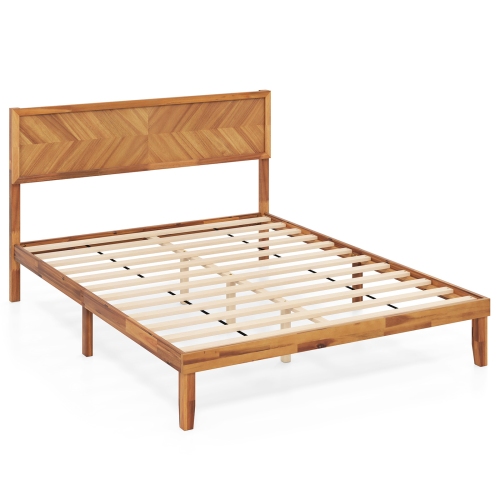
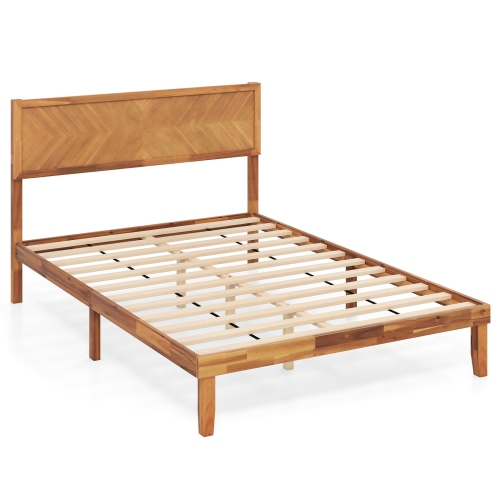
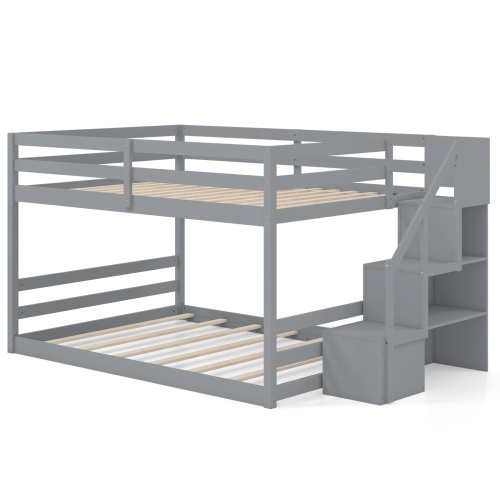
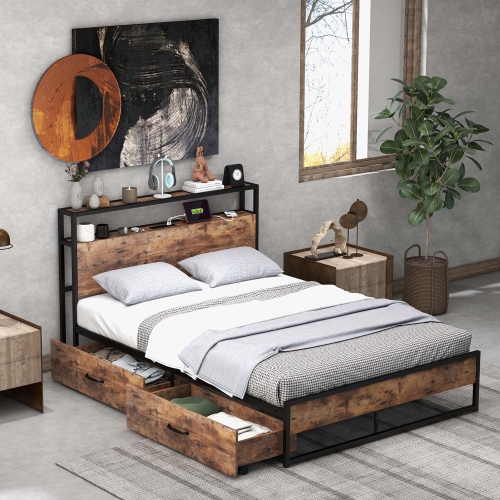
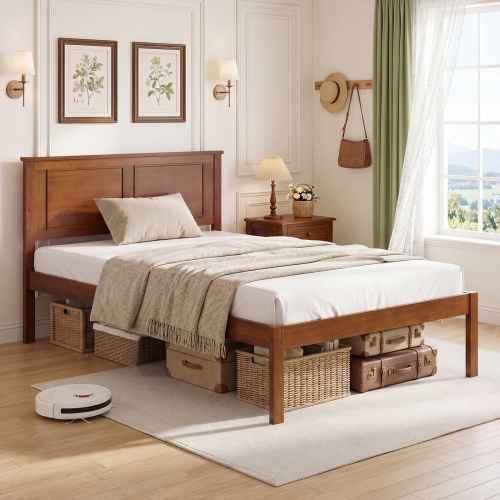
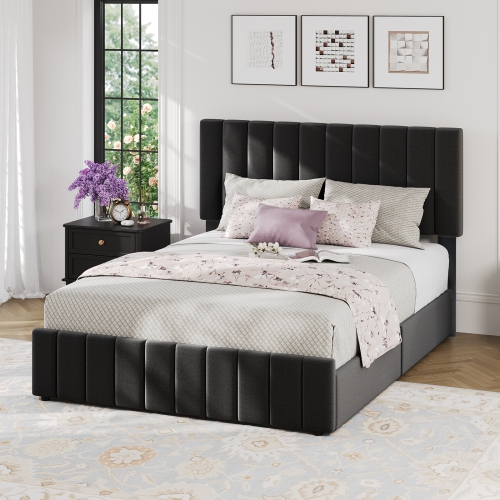
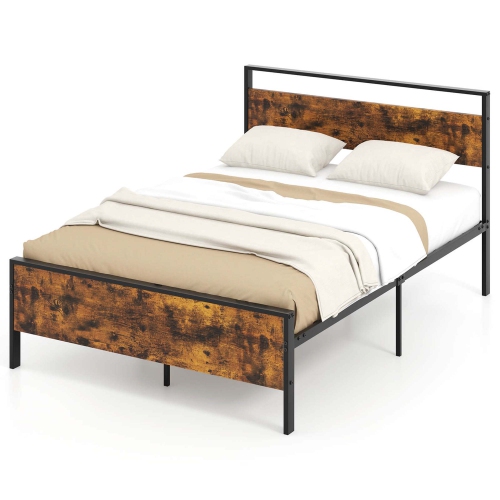
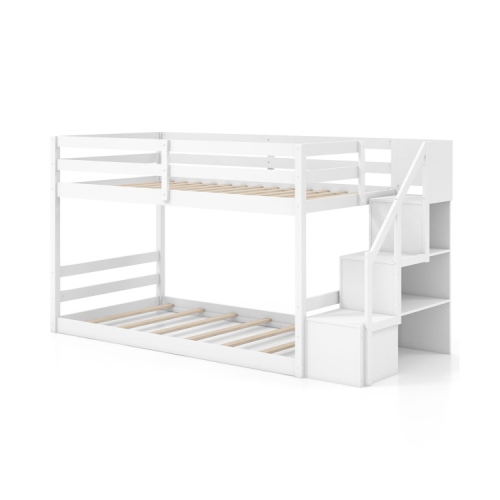
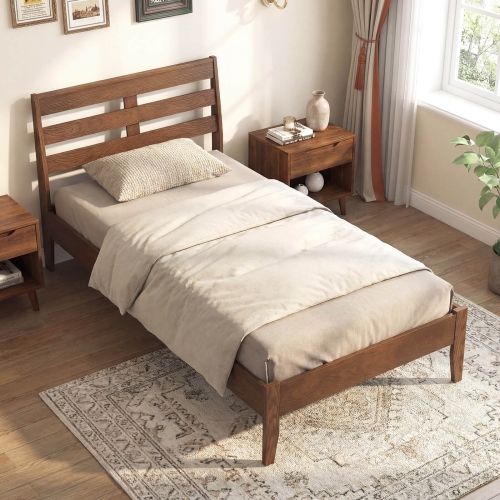
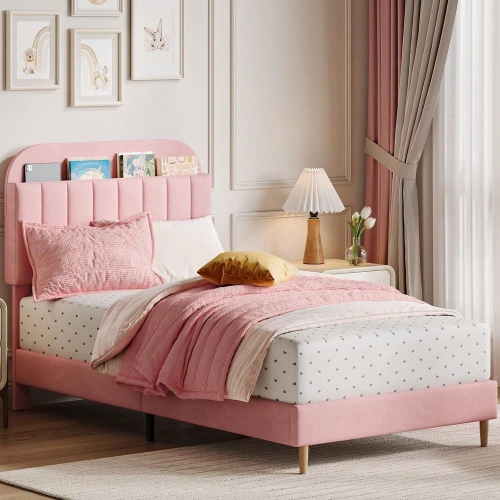
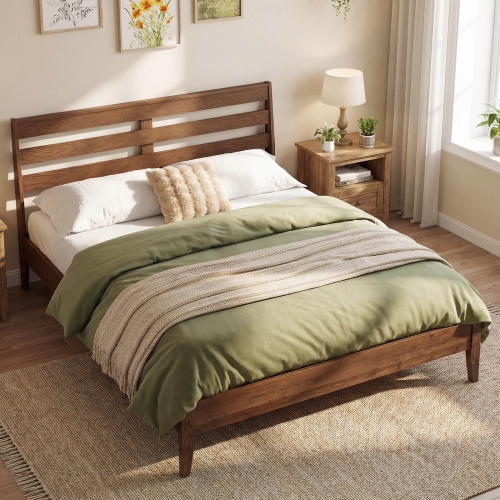
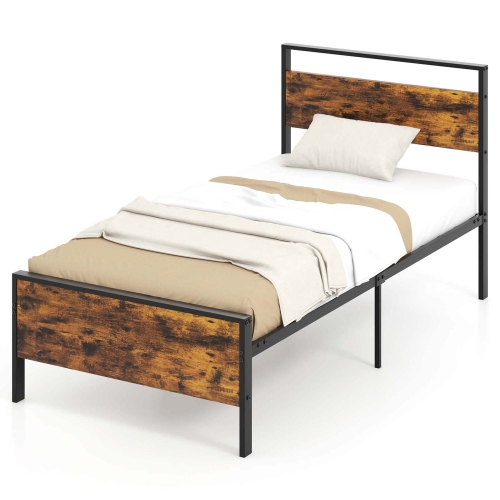
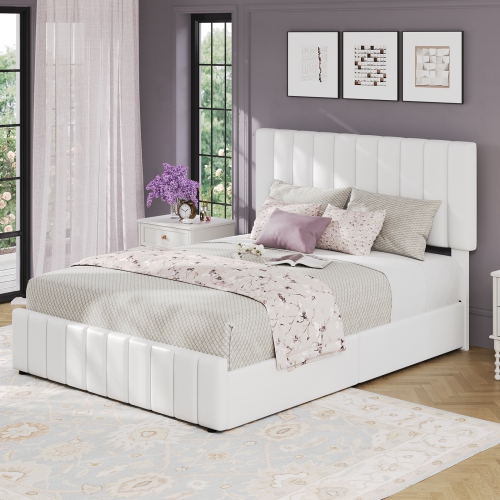

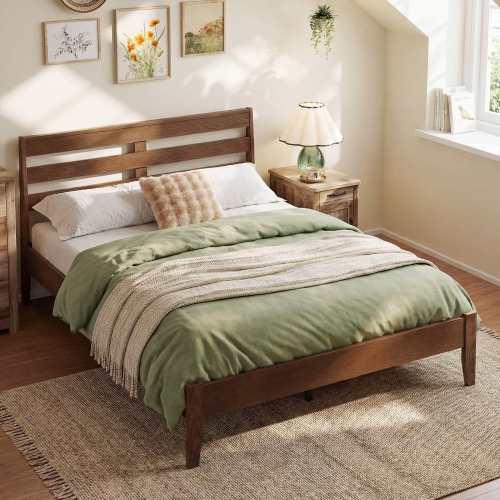
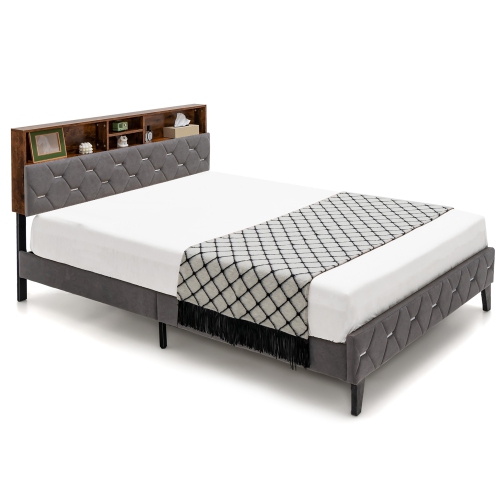
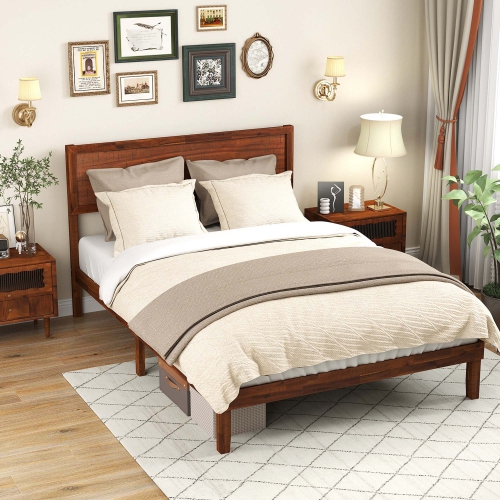
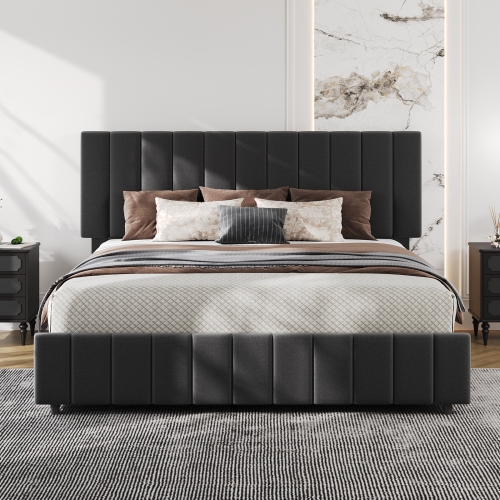
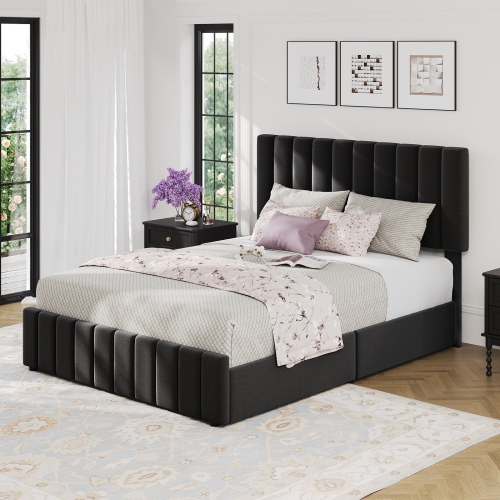
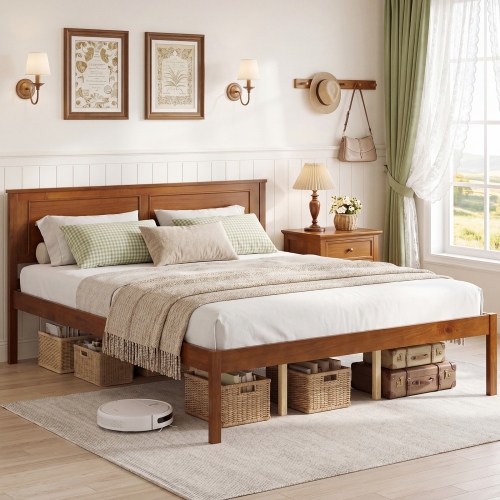
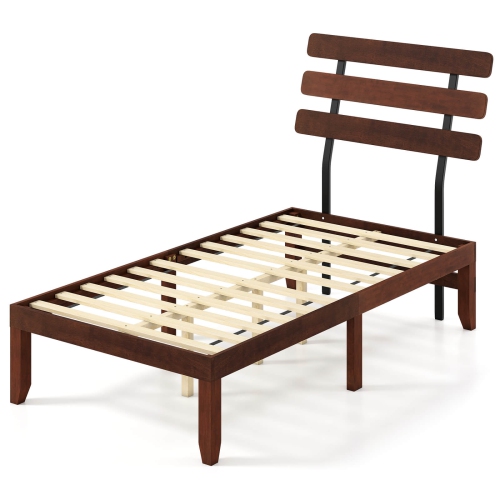
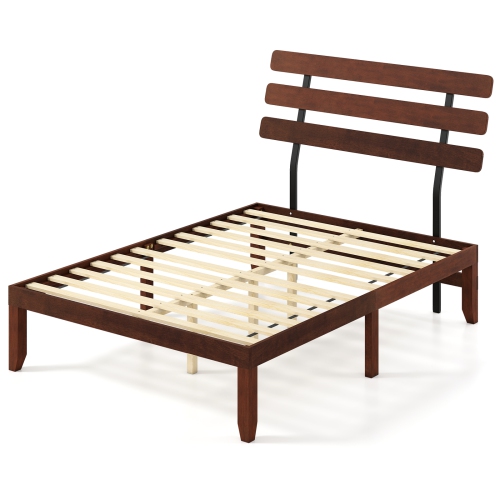
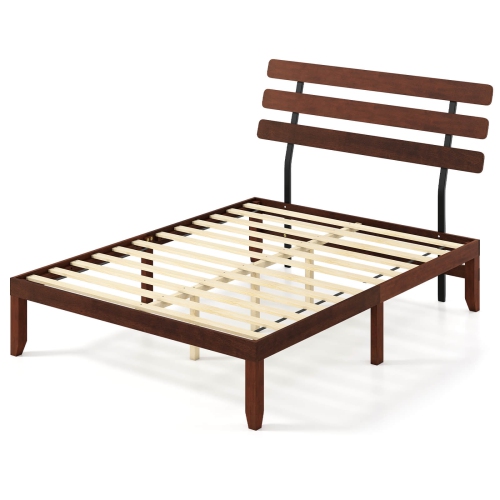
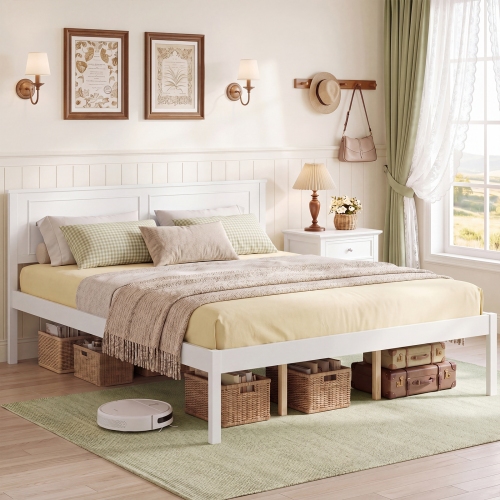

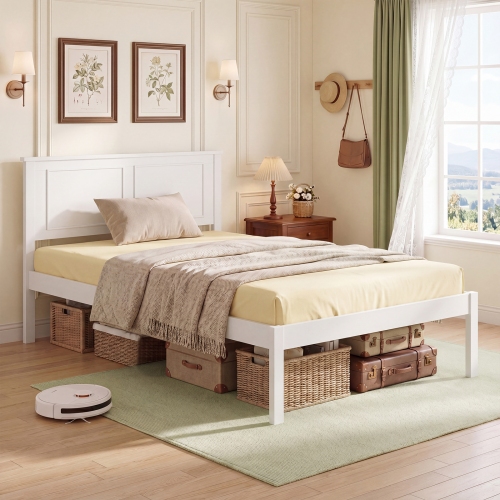
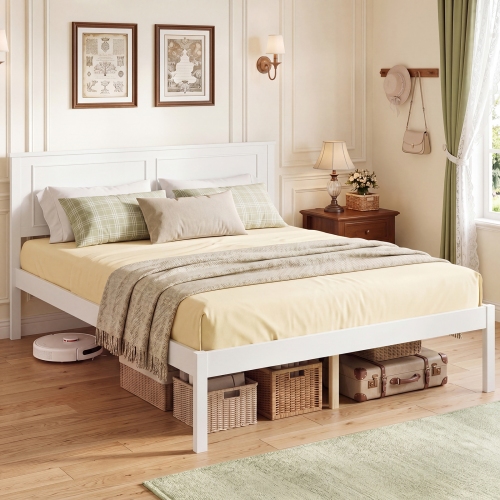


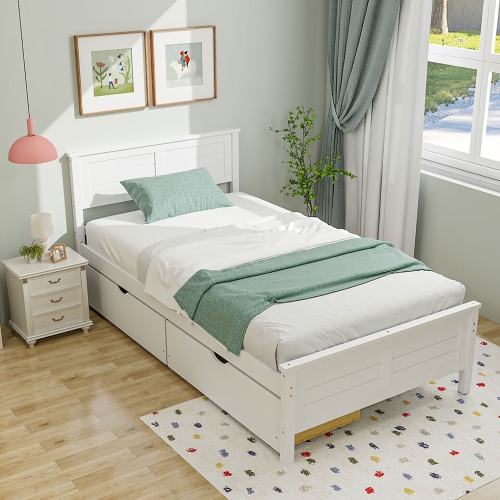
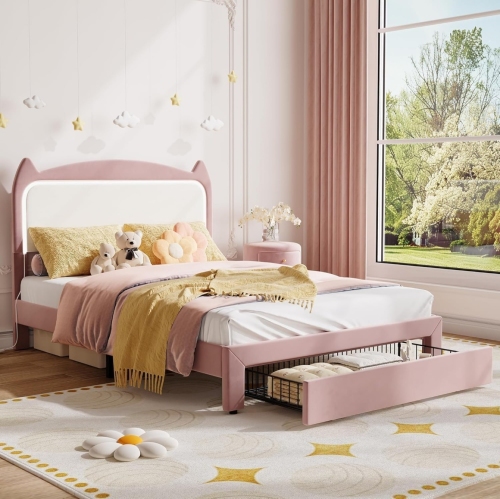
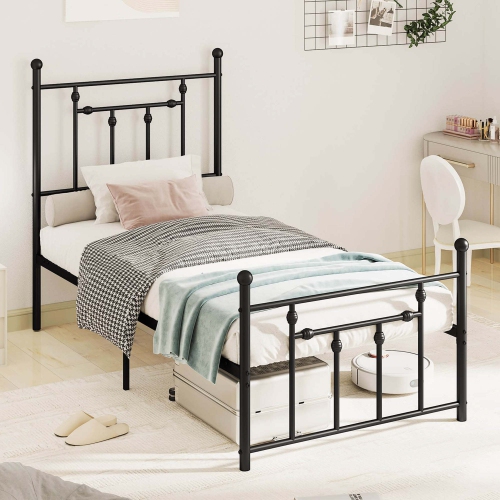
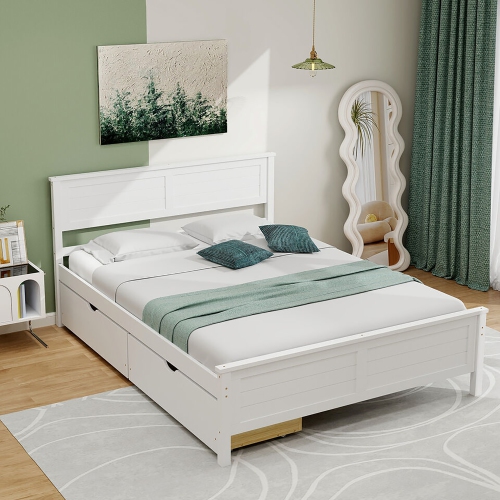
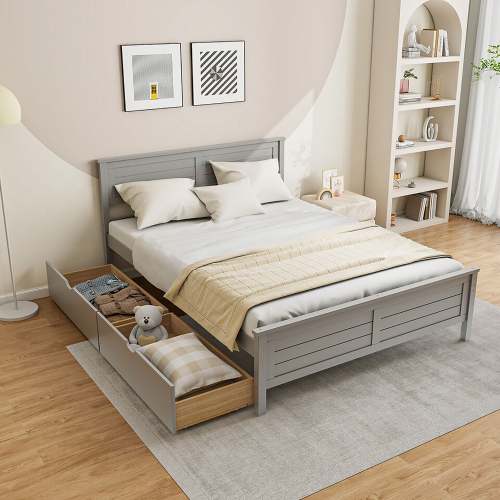
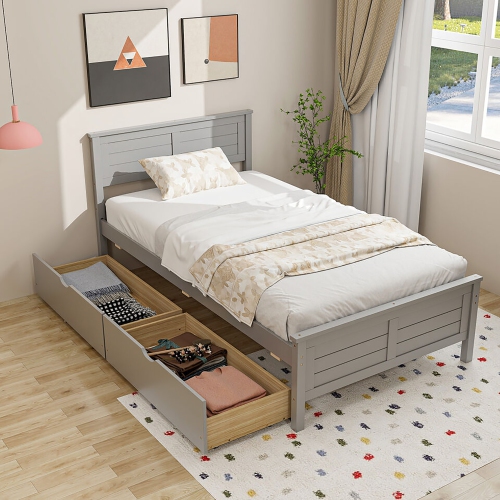
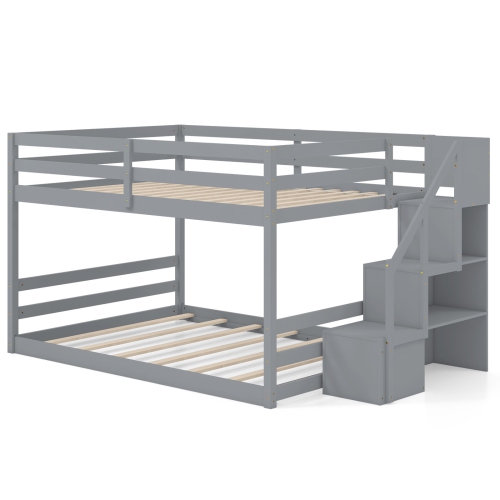
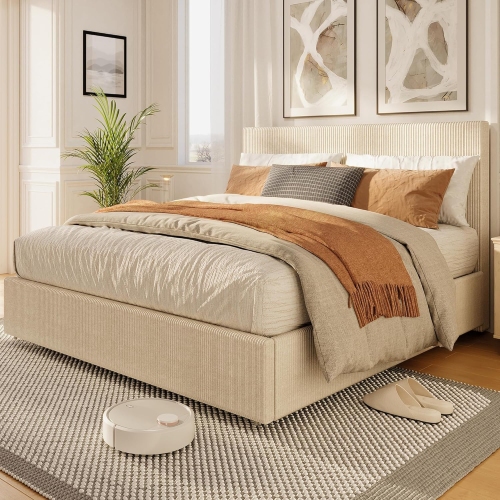
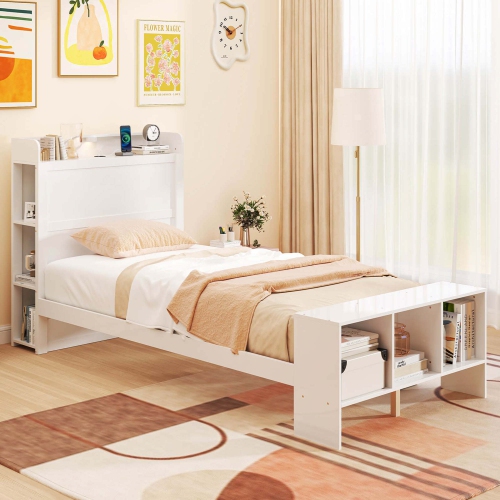
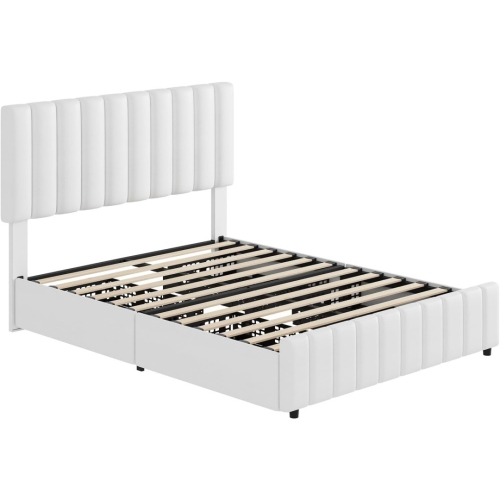
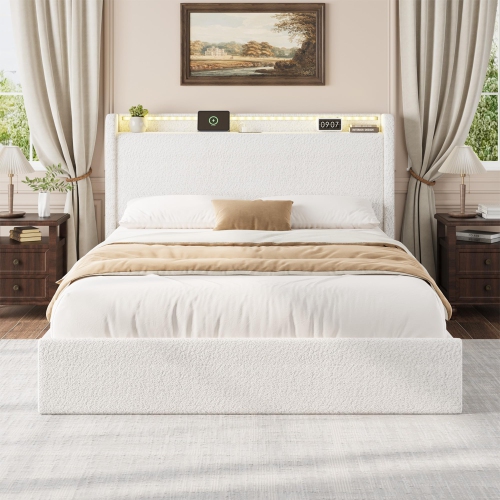
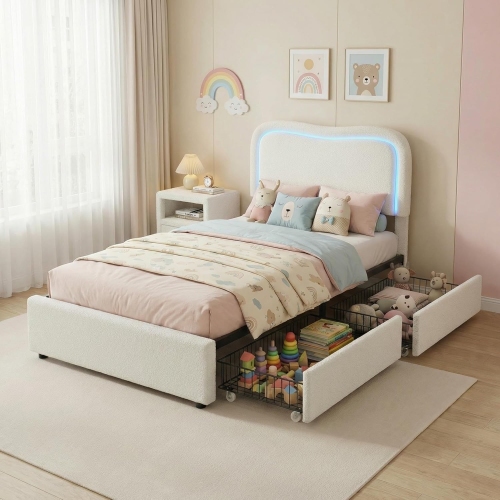
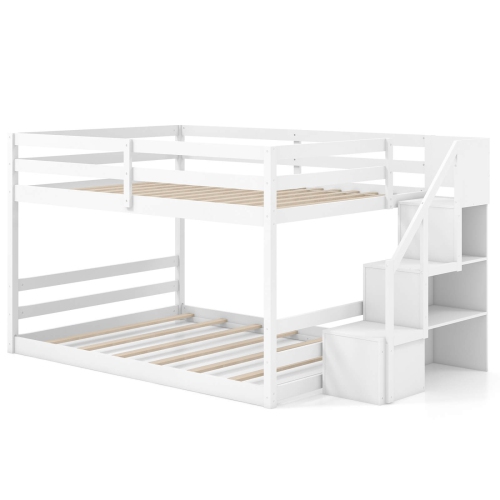
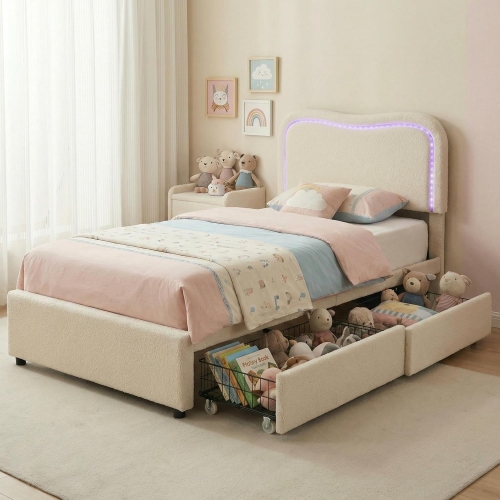

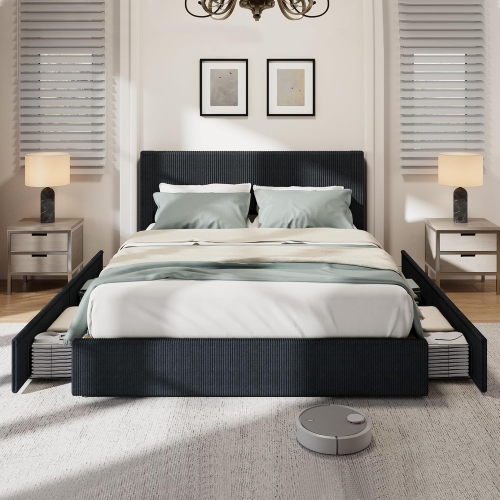
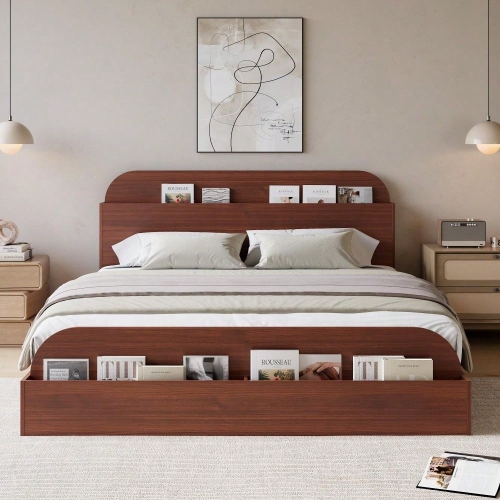
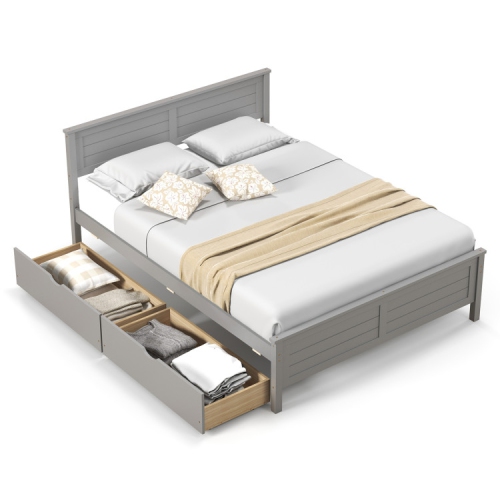
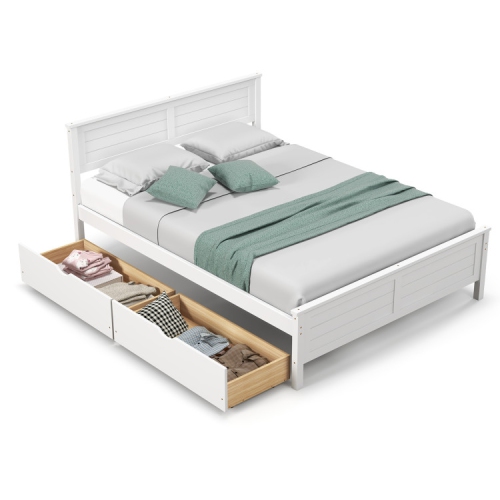
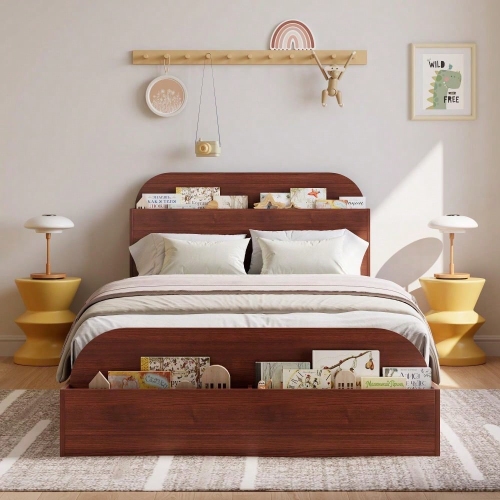
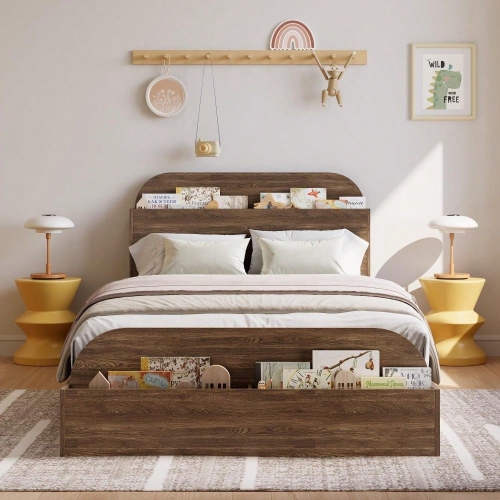
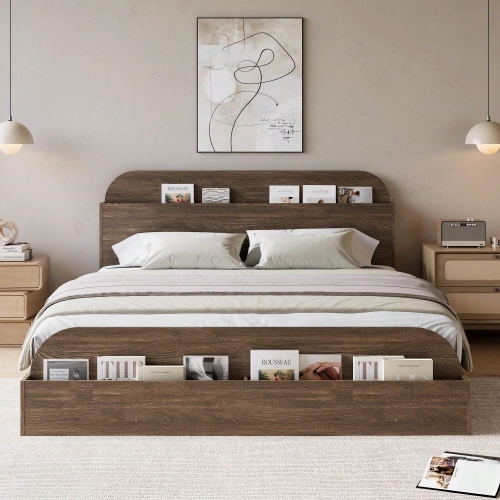
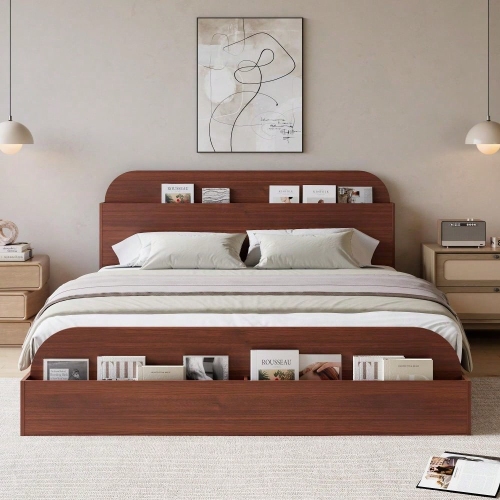

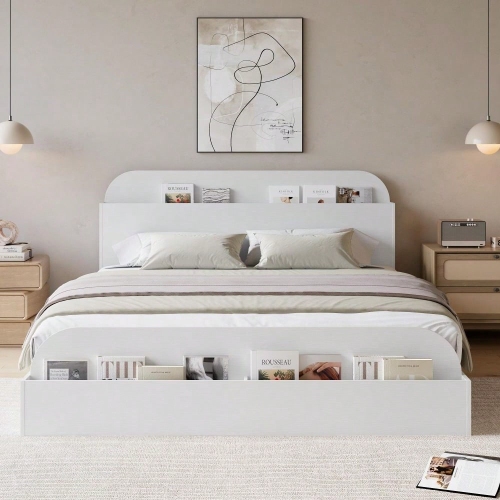
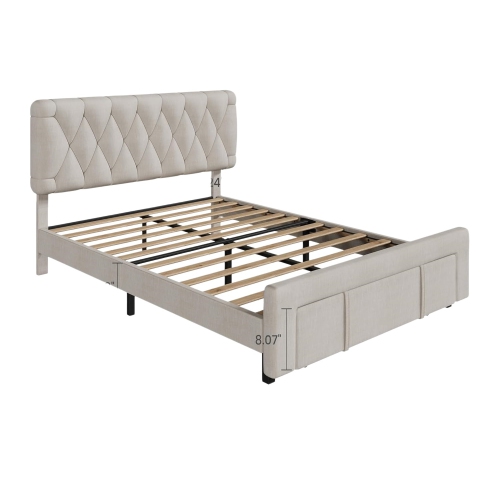
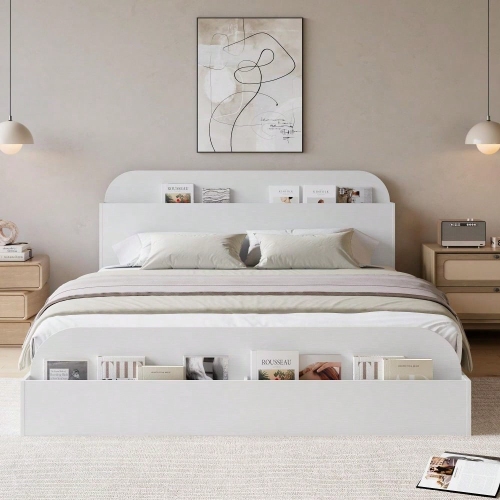
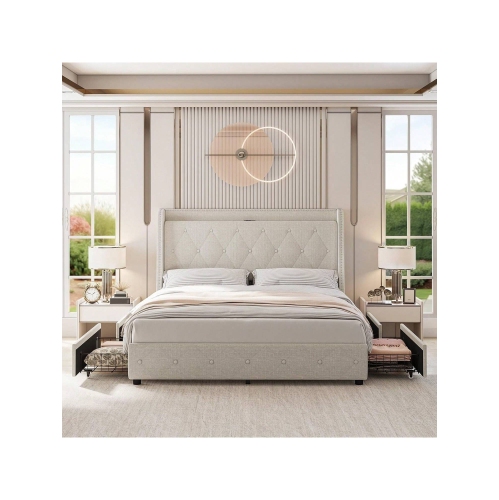
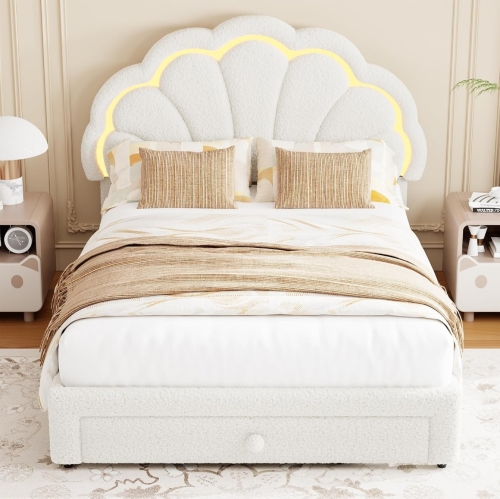
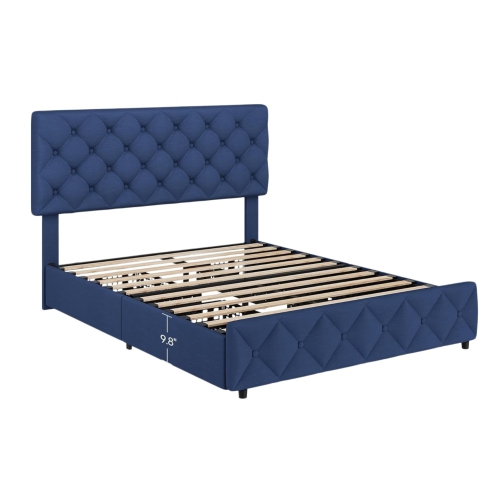
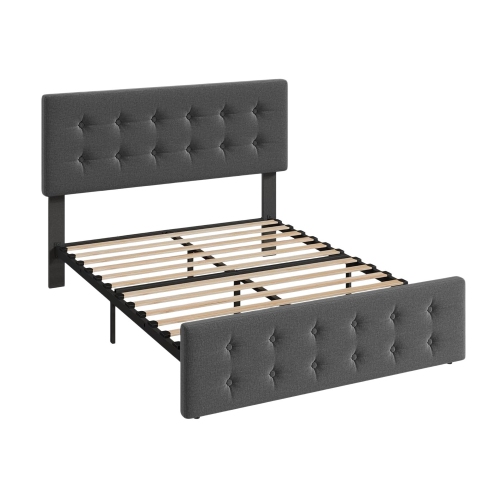
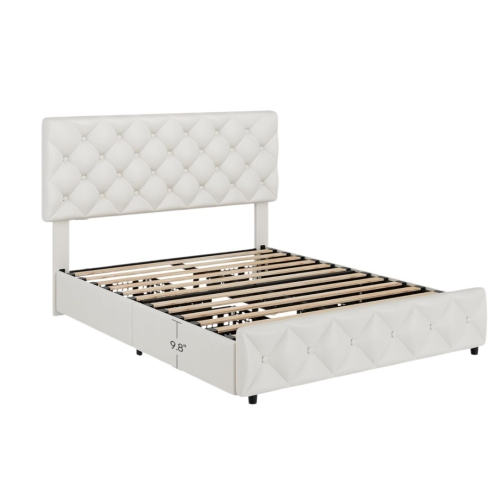
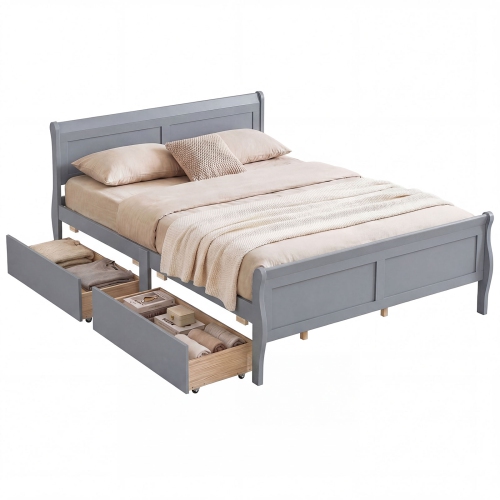
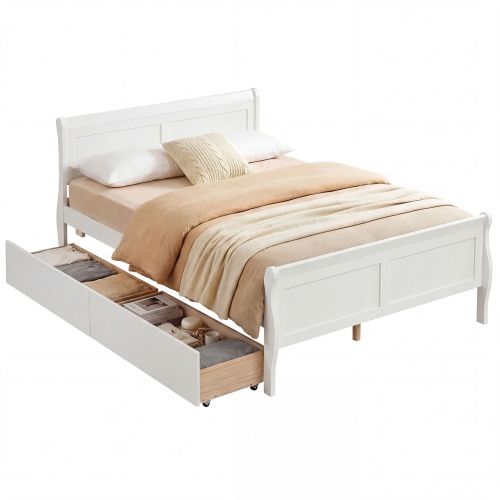
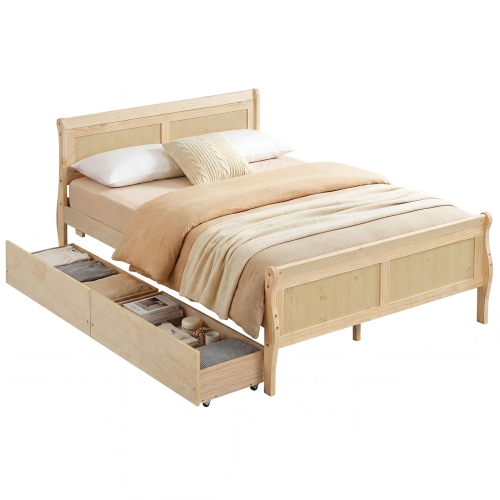
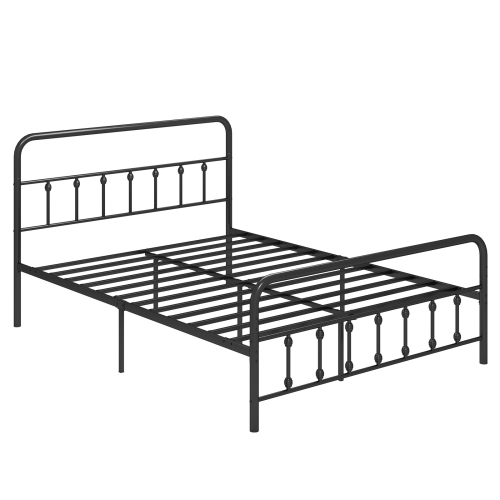
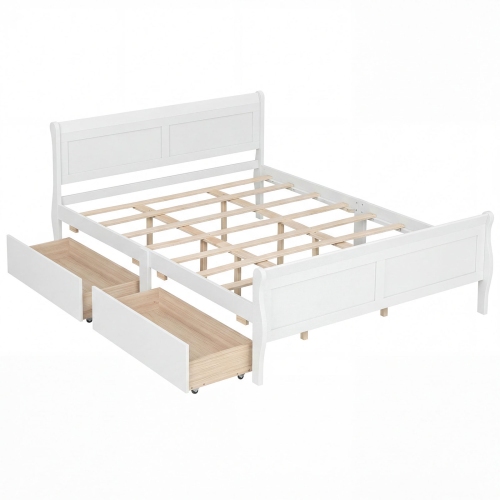
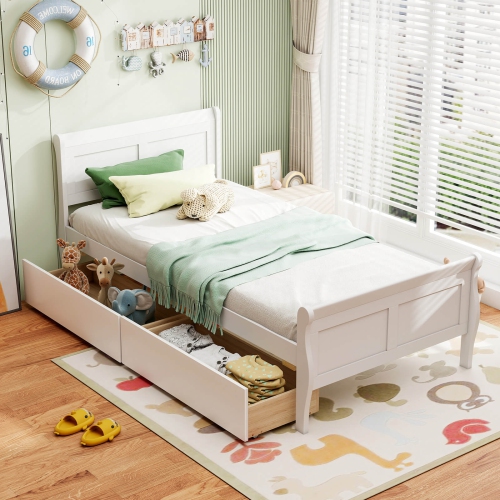
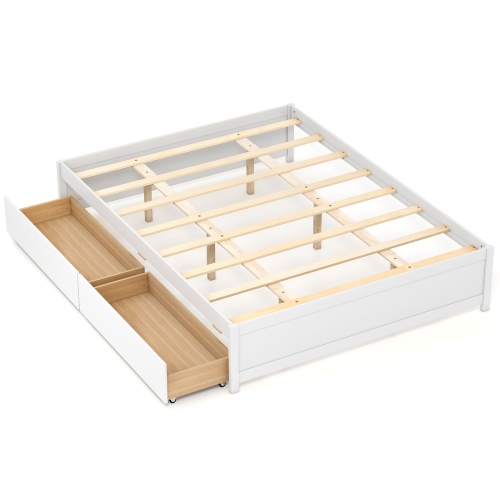
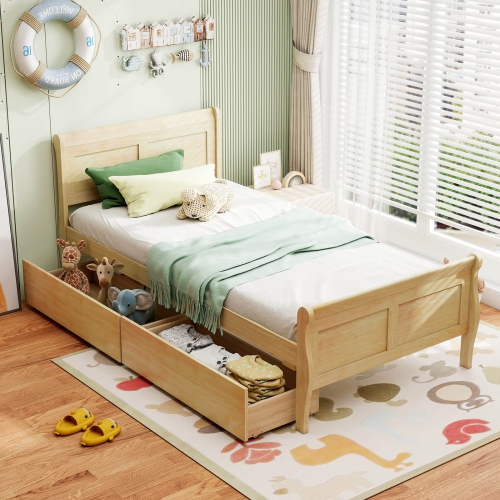
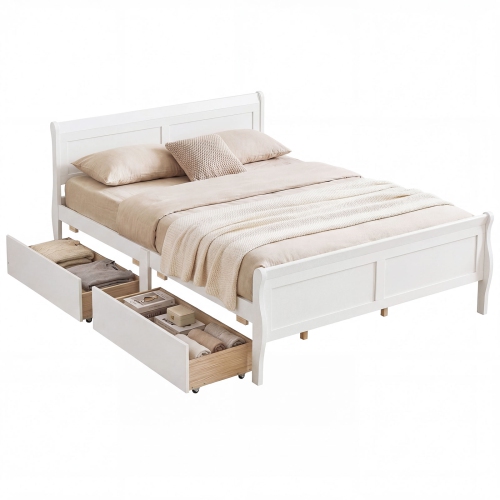
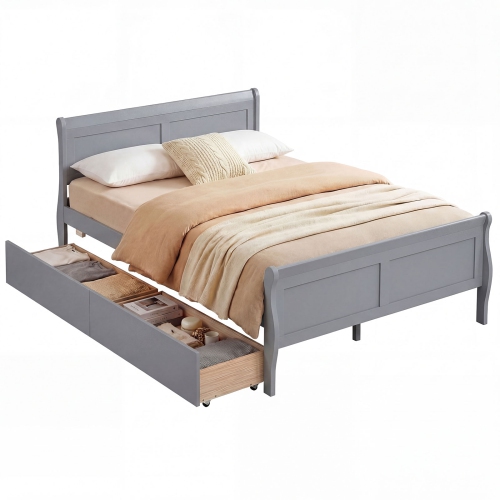
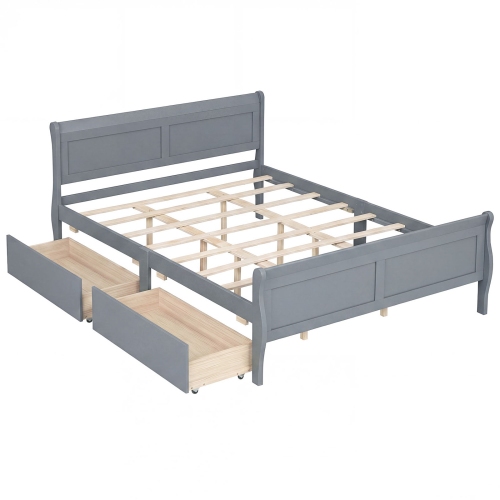
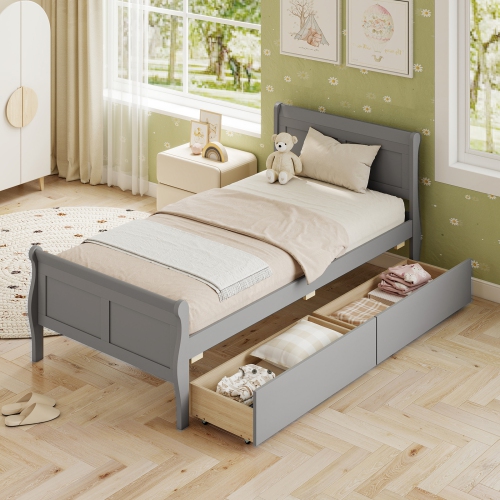
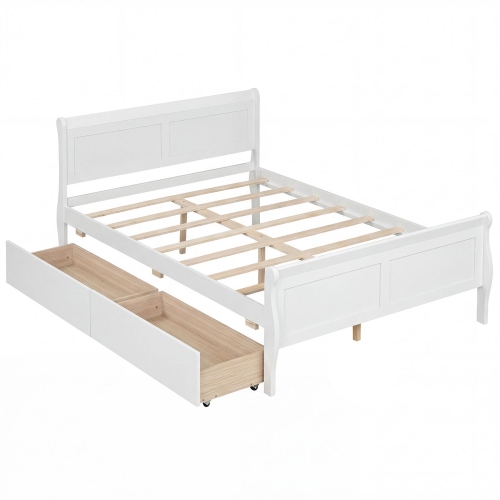
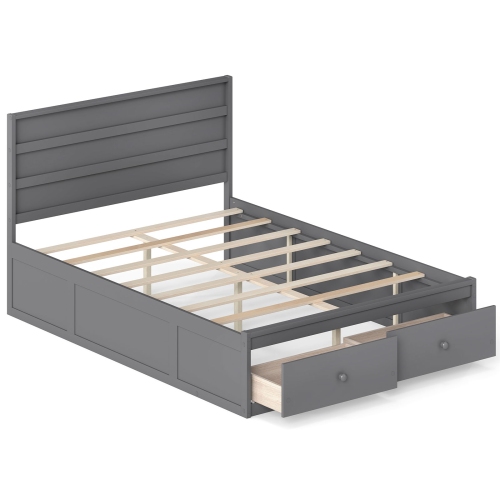
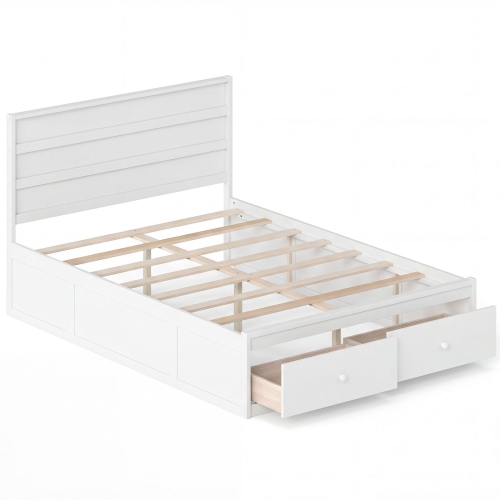
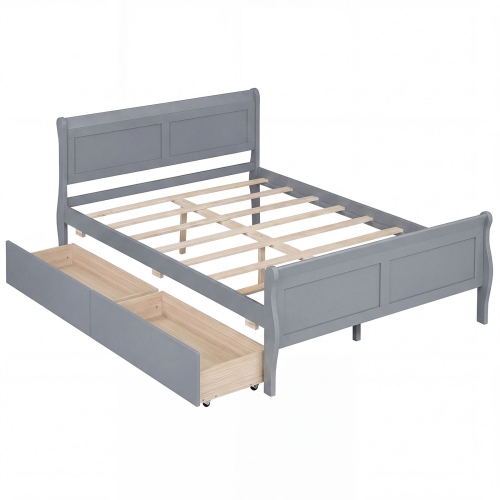
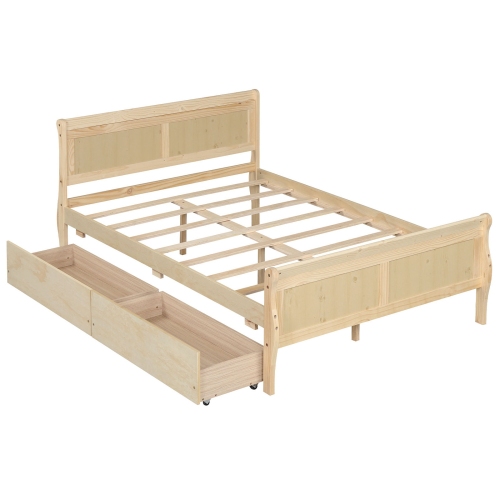
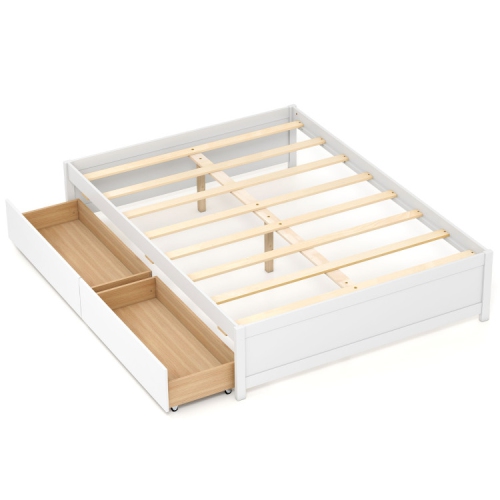
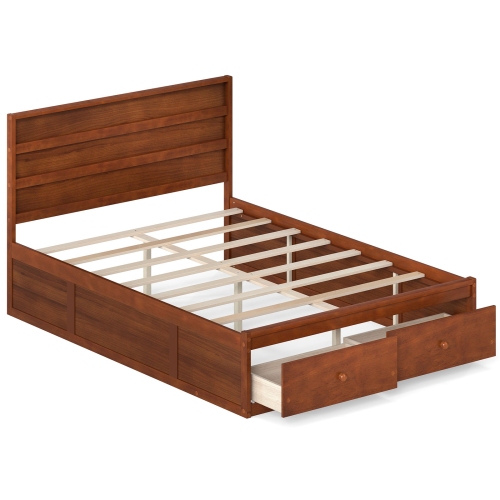
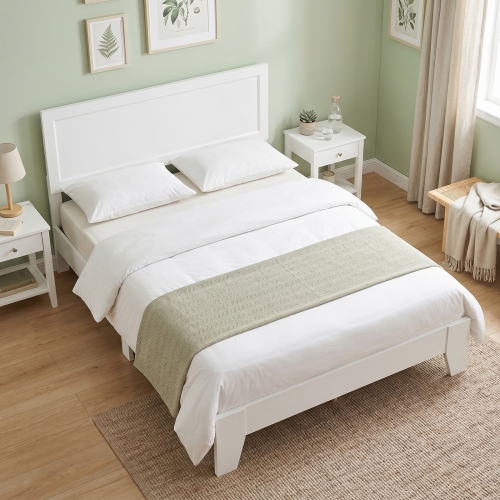
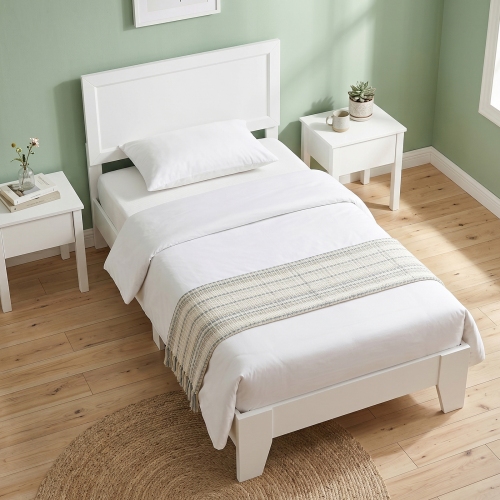
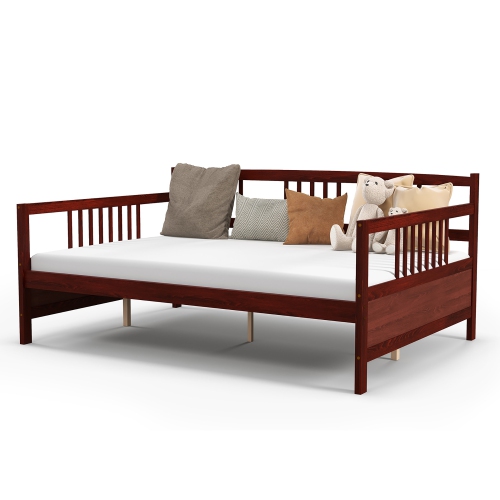

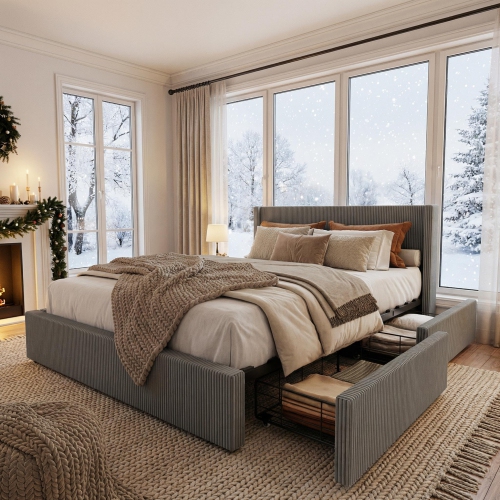

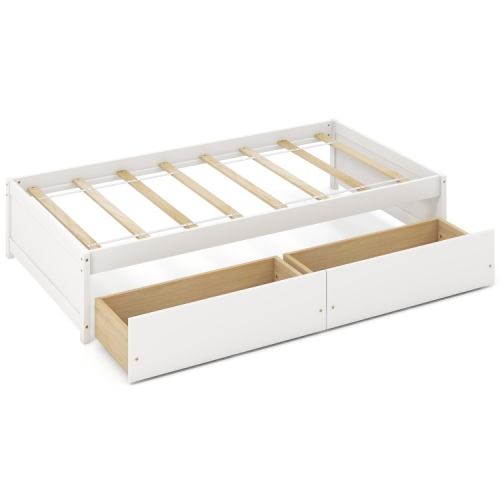
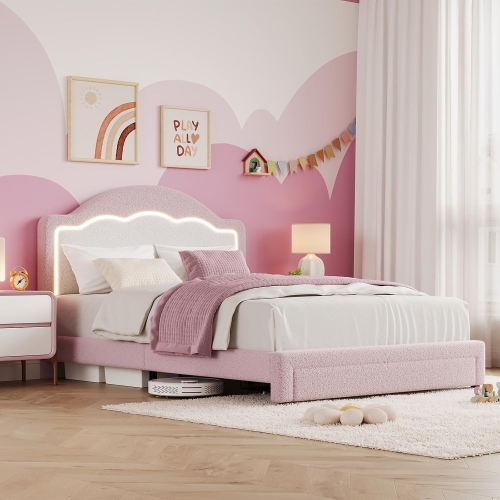

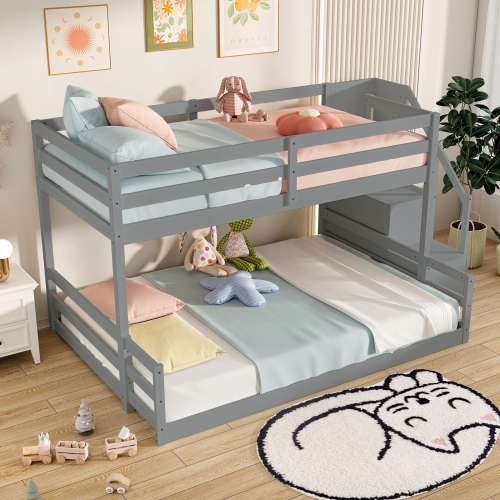

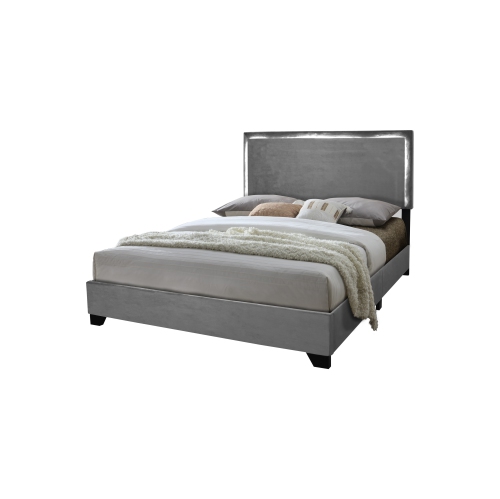
Room to stretch out with storage tucked underneath
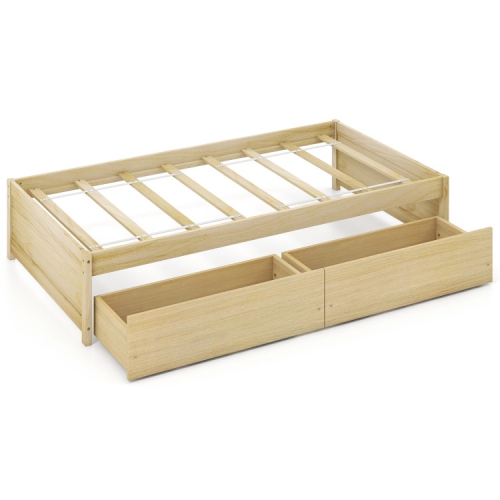
Full beds with storage combine a full-size sleeping surface with built-in space for bedding, clothing, and other bedroom essentials. Also called double storage beds, they typically fit a mattress measuring 54 inches wide by 75 inches long, although the bed frame itself will be larger. Drawers, open cubbies, and lift-up platforms put the area beneath the mattress to work, making these beds a practical choice for smaller bedrooms, guest rooms, and multipurpose spaces. A full bed gives a single sleeper more room to stretch out than a twin while taking up less floor space than a queen. It can suit a teenager moving beyond a childhood bed, an adult furnishing a compact apartment, or a guest room that also serves as a home office. Two adults may find a full-size mattress snug, so sleeping preferences matter as much as the room’s dimensions. The storage layout also needs to suit the furniture around it. Side drawers require enough clearance to open without hitting a nightstand, dresser, or nearby wall, while foot-end drawers need unobstructed space at the bottom of the bed. A lift-up base can be useful where side clearance is limited, provided there is room to operate the platform as intended. Measuring the complete frame, rather than just the mattress, helps account for a wide headboard, an upholstered footboard, or a projecting drawer front. It is also worth considering the route into the room, including doorways, stair turns, and narrow hallways. In a compact bedroom, small differences in frame dimensions can determine whether a wardrobe door opens comfortably or there is enough walking space beside the bed. Headboard height matters, too, especially beneath a window or beside wall-mounted shelves. A layout that leaves drawers accessible and everyday pathways clear makes the bed’s storage genuinely useful rather than simply adding compartments that are difficult to reach.
The most suitable storage arrangement depends on what needs a home and how often it will be used. Pull-out drawers keep frequently used belongings within reach: folded sleepwear, spare pillowcases, or an extra sheet set can be retrieved without disturbing the mattress. Several smaller drawers make it easier to separate belongings, while deeper compartments can accommodate bulkier bedding if their dimensions and load limits allow. Drawer construction affects everyday use, particularly when compartments are opened repeatedly or filled with heavier textiles. Smooth-running glides, secure handles, and well-supported drawer bottoms are useful details to assess. Drawers on floor-level castors also need a surface on which they can move freely; thick rugs and uneven flooring may interfere with their travel. Lift-up storage usually provides a larger, less divided compartment beneath the sleeping platform, making it useful for spare duvets, pillows, or belongings that are not needed every day. The lifting mechanism, mattress weight requirements, and operating instructions are important because the mattress forms part of the lifting load. A mattress that is too light or too heavy for a particular mechanism may affect its operation. Open cubbies offer another approach, keeping books, baskets, or slippers visible and easy to reach, though exposed shelves need more frequent dusting than enclosed compartments. Storage should not come at the expense of suitable mattress support. Some full storage beds use a slatted platform, while others have a different foundation arrangement, and the need for a box spring varies by design. Mattress compatibility, slat spacing, ventilation requirements, and the stated weight capacity should all be checked against the manufacturer’s instructions. The combined height of the frame, foundation, and mattress also changes how comfortably someone can sit on the edge or get in and out of bed. An extra-thick mattress may conceal part of a headboard or sit higher than expected, even when its length and width are correct.
Materials and finishes influence both the appearance of full beds with storage and the care they need over time. Solid wood can bring visible grain and a substantial feel, while engineered wood offers a range of finishes and more uniform surfaces. Metal components may form part of the frame, drawer hardware, or lifting assembly. Durability depends on the overall construction, including joints, support rails, fittings, and drawer bases, rather than on one material alone. Upholstered frames add a softer look, with woven fabrics, textured coverings, or leather-look surfaces each requiring their own cleaning approach. A pale upholstered headboard may show marks from hair products or everyday contact more readily than a darker, patterned fabric, while recessed panels and tufting can collect dust. Following the care label, using suitable vacuum attachments, and testing an approved cleaner on an inconspicuous area help protect the finish. Wood and engineered-wood surfaces generally benefit from prompt spill cleanup and a soft cloth, without allowing moisture to collect around seams or edges. Bedding should be clean and thoroughly dry before it goes into enclosed storage, and keeping compartments below their stated capacity helps drawers close without forcing them. A little space around stored textiles also makes belongings easier to retrieve. Handles, drawer tracks, and accessible fasteners may need occasional checks according to the assembly instructions, especially after a move. Because storage beds have more components than a basic frame, keeping assembly information and labelled hardware can simplify future disassembly. When comparing Bed Frames With Storage, full-size designs offer a useful balance between sleeping space and room for other furniture. The right combination of finish, frame proportions, and accessible compartments can make a bedroom feel more orderly without relying entirely on a separate dresser or linen cupboard. Whether the bed holds everyday clothing or spare bedding for overnight guests, storage works best when it reflects the routines of the person using the room.
Top selling and popular products
-
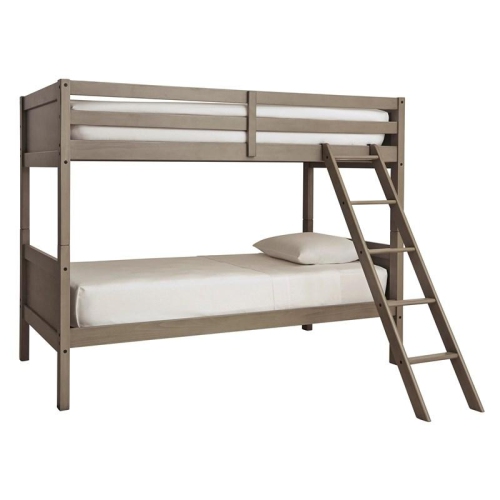 Your price for this item is $799.99
-
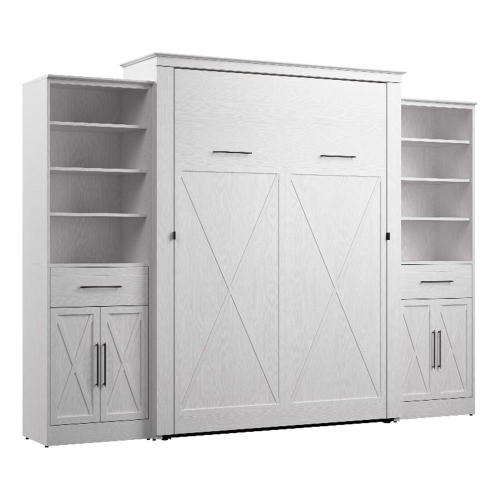 Your price for this item is $3519.99
-
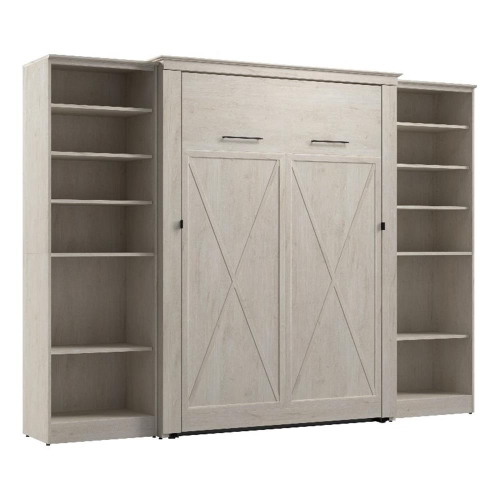 Your price for this item is $3099.99
-
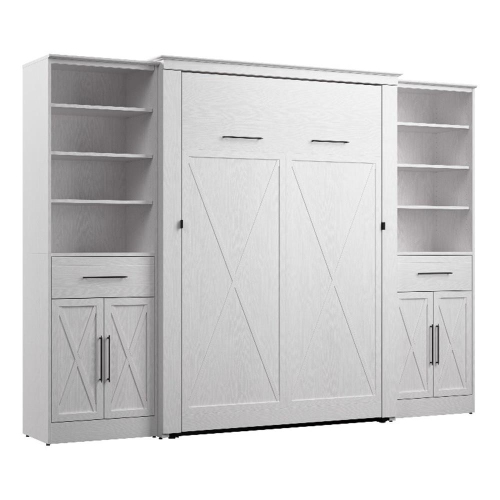 Your price for this item is $3349.99
-
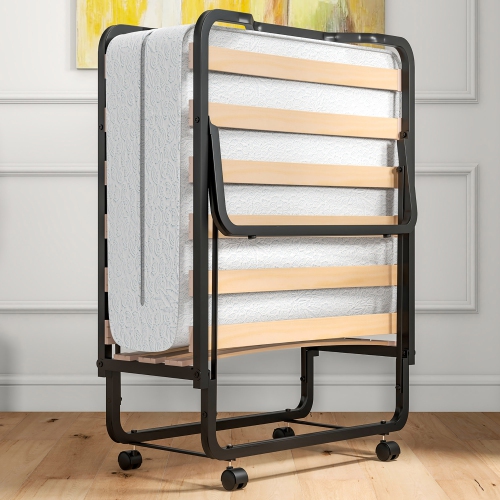 Your price for this item is $235.99
-
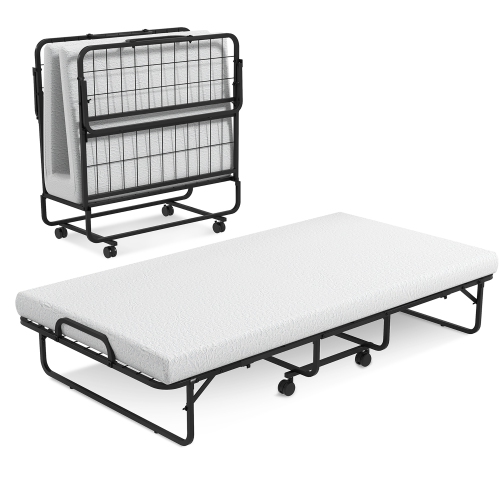 Your price for this item is $233.99
-
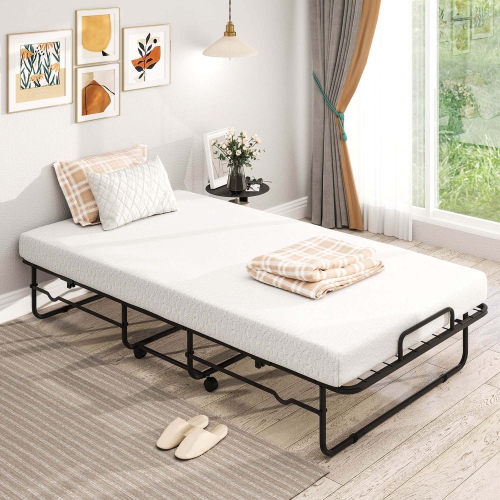 Your price for this item is $243.99
-
 Your price for this item is $364.99
Discover more categories related to Full Beds With Storage
Top Collections:
Best Black Friday Deals This Year, Best Black Friday Deals On Electronics, Kindle Devices, Best Black Friday Deals On Apple Products, Best Budget Office Chairs, Best Cameras for Sports Photography, Dyson Airwrap, Canon G7X Cameras, Best Laptops for Writers, Samsung Galaxy Phones
Some products may be subject to Environmental Handling Fees
(EHF) depending on your province.
Learn more about EHFs.