Full Size Bed Frames With Headboard and Footboard
Full Size Bed Frames With Headboard and Footboard offer a stylish and functional foundation for any bedroom. Designed to complement a variety of décor preferences, these bed frames provide a balanced blend of support and aesthetic appeal. Whether updating a guest room or refreshing your own space, Full Size Bed Frames With Headboard and Footboard create an inviting centerpiece that enhances comfort and elevates the overall look of your room. Explore a wide selection to find the perfect fit for your needs and style.
Sort
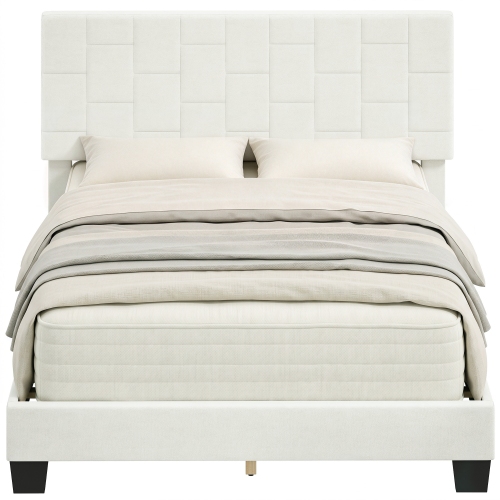
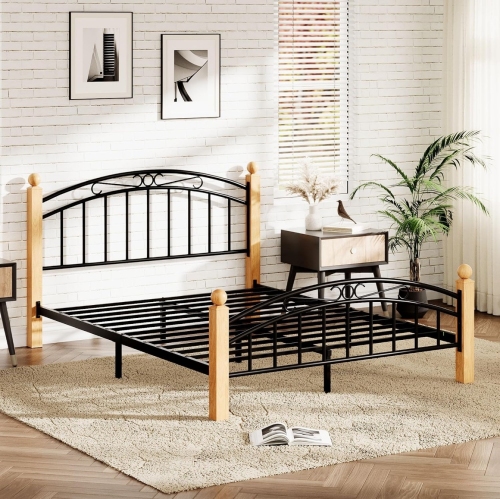
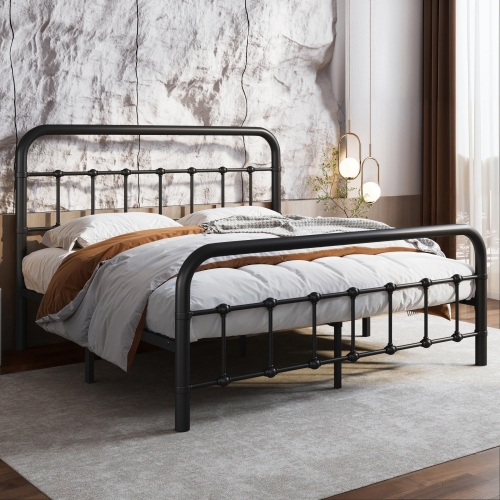

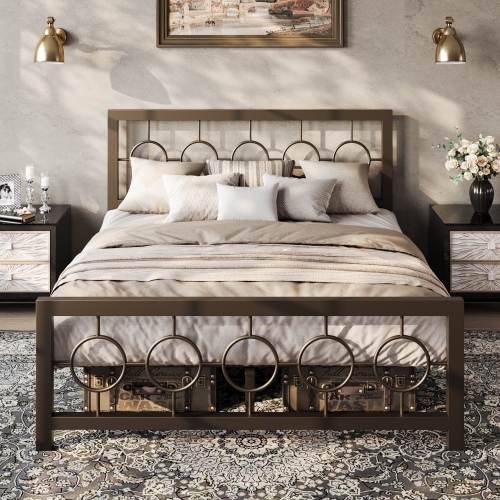
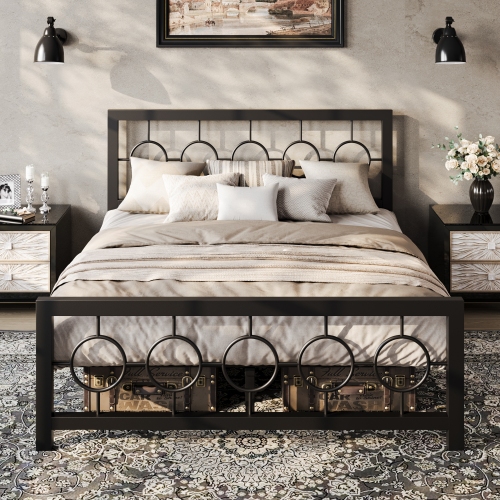
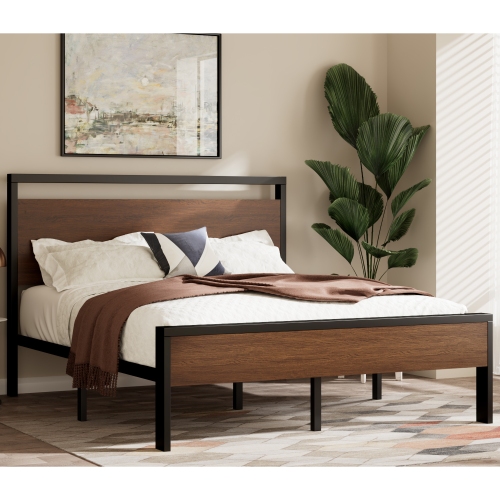
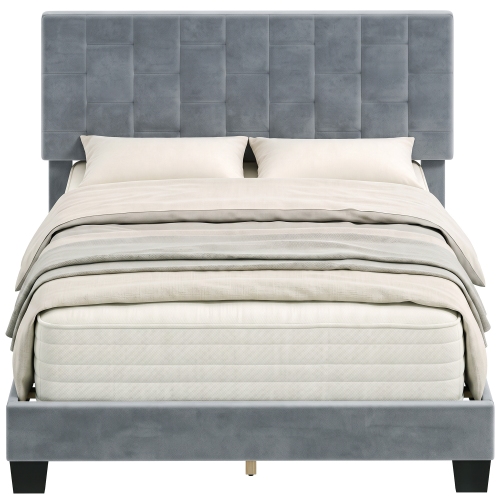
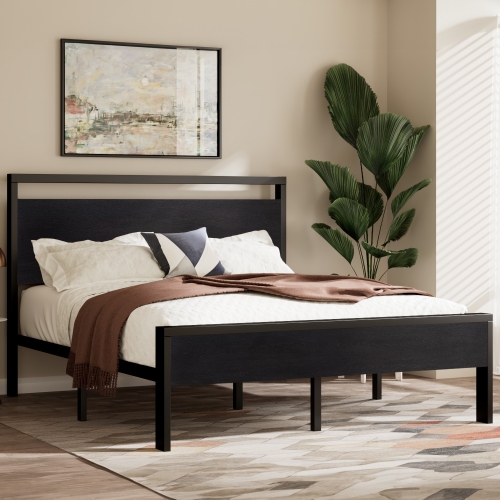
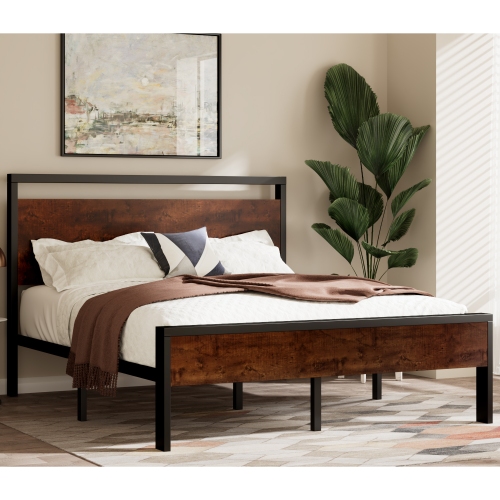
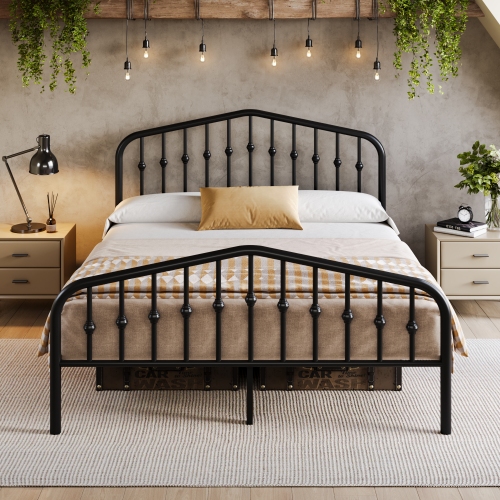
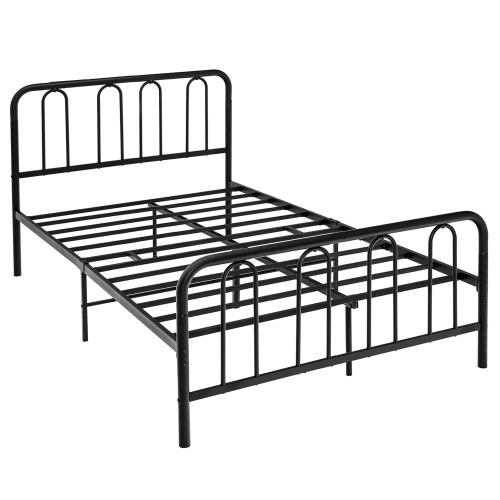
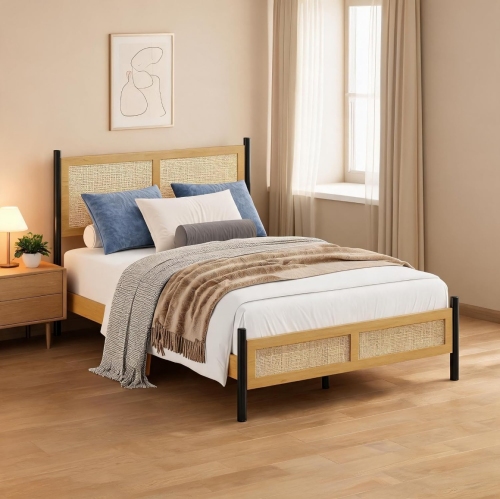
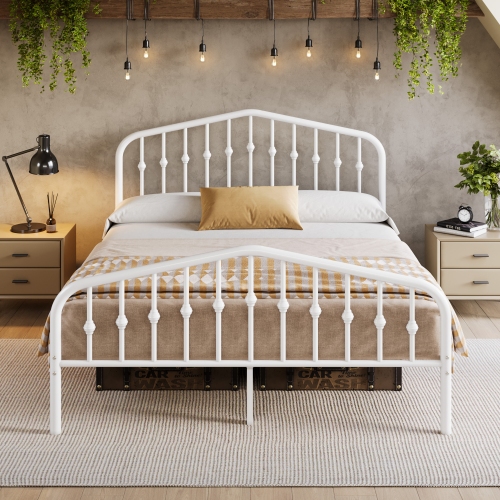
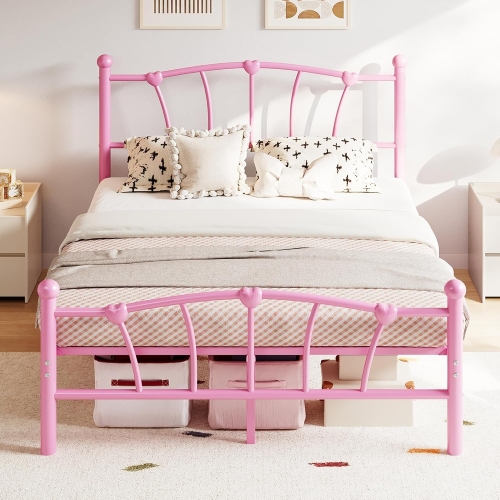
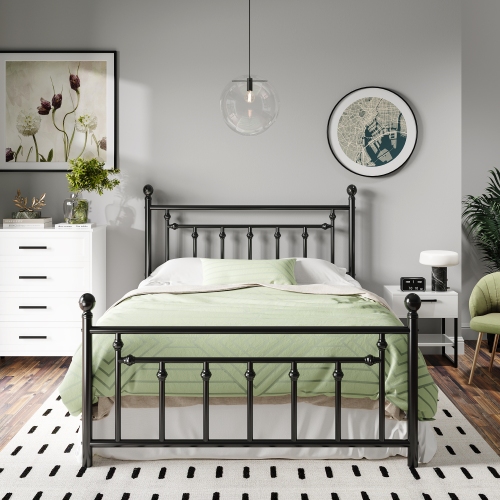
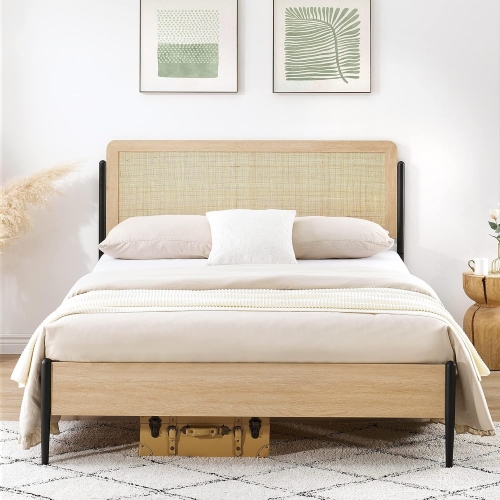
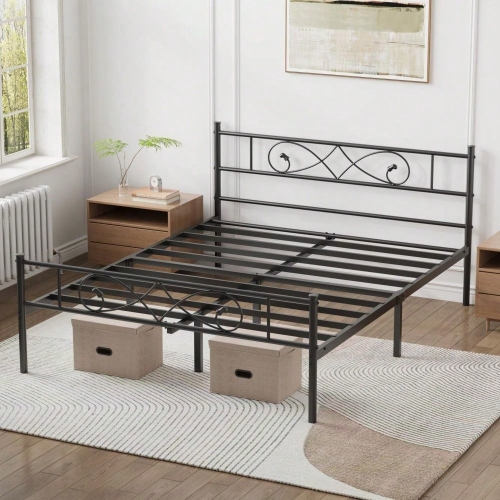
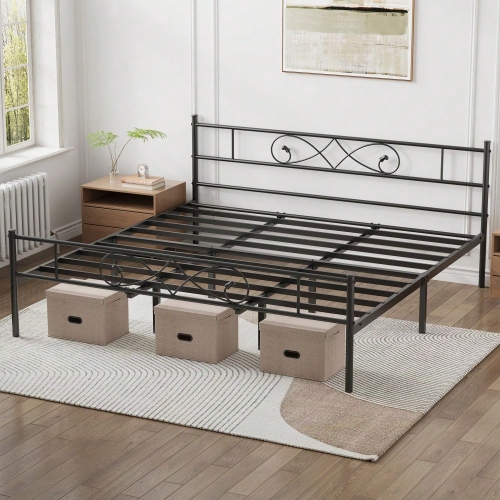
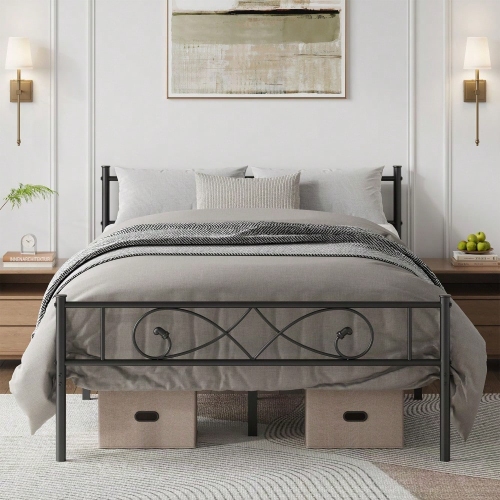
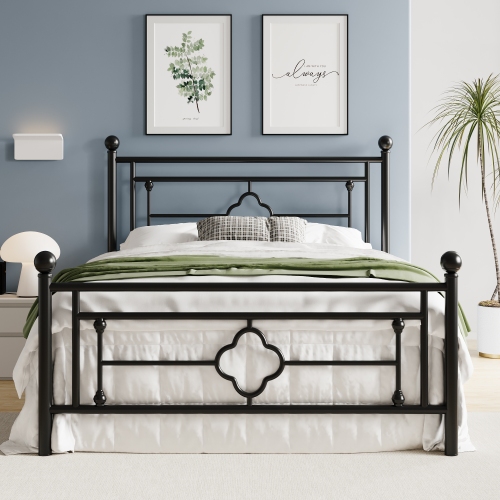
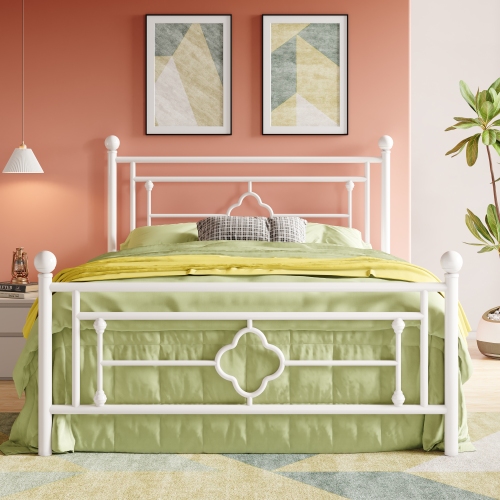
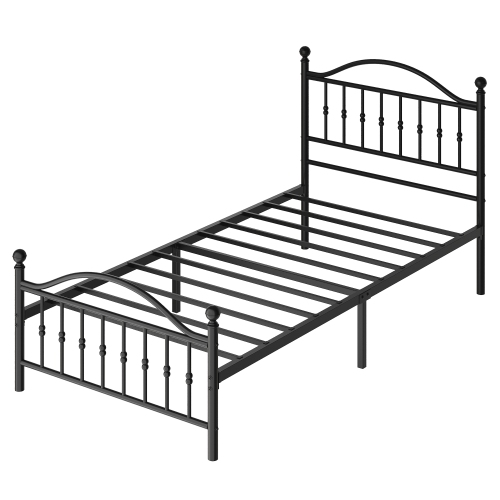
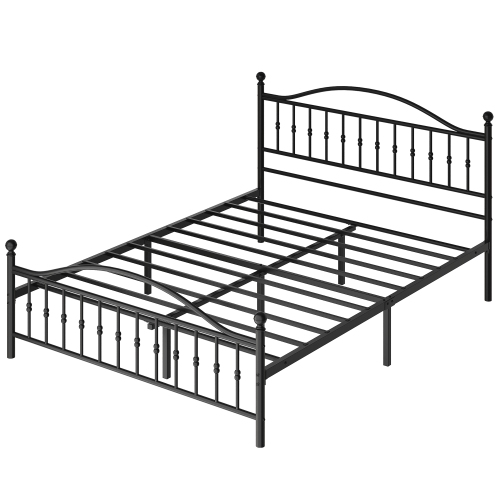
The right bed frame fits more than your mattress
Full-size bed frames with a headboard and footboard give a double bed a coordinated look, with matching panels or rails at both ends and a supporting structure beneath the mattress. A standard full-size mattress measures approximately 54 inches wide by 75 inches long, making this size a practical option for one adult, a teenager’s room, or a guest bedroom where a queen bed would leave less room to move. Full and double generally refer to the same mattress size, but the frame’s outside dimensions can vary considerably. A thick upholstered headboard, extended side rails, or a curved footboard can add several inches beyond the mattress footprint. That extra space matters in a bedroom with a dresser opposite the bed, a closet door that swings outward, or a narrow route to the window. The headboard creates a visual anchor against the wall and, when designed for it, a comfortable surface for sitting up with a book. The footboard gives the other end a finished appearance and may help contain bedding, depending on its height and shape. Low footboards keep sightlines open and leave the room feeling less enclosed, while taller panels make the bed a more prominent feature. For taller sleepers, the relationship between mattress height and footboard height deserves attention, since a raised footboard can feel restrictive even though the mattress dimensions remain unchanged. A full-size bed can accommodate two people, but it provides less width per person than a queen, so sleeping habits matter as much as floor space. In a multipurpose guest room, a frame with slim rails and a modest headboard can leave more room for a desk or reading chair. In a teenager’s bedroom, a clearly defined headboard and footboard can make the bed feel like a lasting piece of furniture rather than a temporary setup. Matching the frame to both the mattress and the room’s everyday routines helps the finished space feel comfortable rather than crowded.
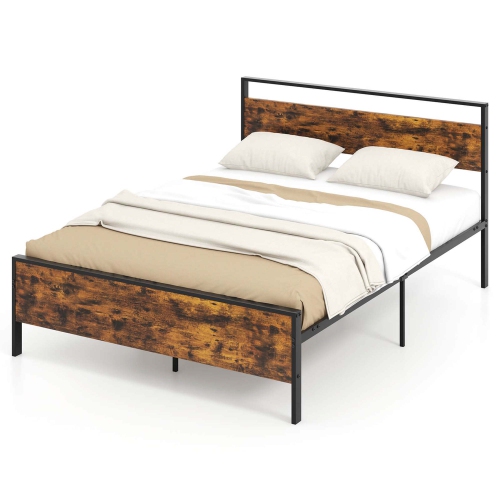
Material and construction shape how full-size bed frames look, feel, and hold up to daily use. Metal frames often have slender profiles, with straight bars, curved rails, or open designs that allow the wall colour to show through. They can work especially well where a solid panel would visually dominate the room, although an open metal headboard usually needs pillows for comfortable seated support. Wood frames bring grain, texture, and a more substantial appearance, whether the design uses simple horizontal boards or traditional inset panels. Solid wood and engineered wood have different characteristics, so the material description, joinery, and finish are more useful than appearance alone when assessing a frame. A wood-look finish does not necessarily mean solid wood, and two frames with similar silhouettes can have very different internal construction. Upholstered designs add a softer surface around the bed, with woven fabrics, tufting, or smooth padded panels that can make the sleeping area feel more inviting. Fabric texture and colour also affect everyday upkeep: a highly textured weave may hold pet hair, while a pale fabric may show marks more readily. Homes with pets or young children may benefit from accessible surfaces, securely attached upholstery, and corners that are easy to see when walking around the bed. Mixed-material frames combine features such as metal supports with wood panels or fabric accents, creating contrast without requiring every bedroom piece to match. Across materials, durability depends on sound connections, suitable support, and assembly that follows the manufacturer’s directions. A substantial centre rail, correctly positioned legs, and secure headboard brackets can matter more to everyday stability than a bulky appearance. Rounded corners and recessed legs can also make a difference along a tight walkway. The broader category of bed frames with headboard and footboard extends this coordinated style to other mattress sizes, while full-size designs offer a middle ground between a single bed and a larger shared sleeping space.
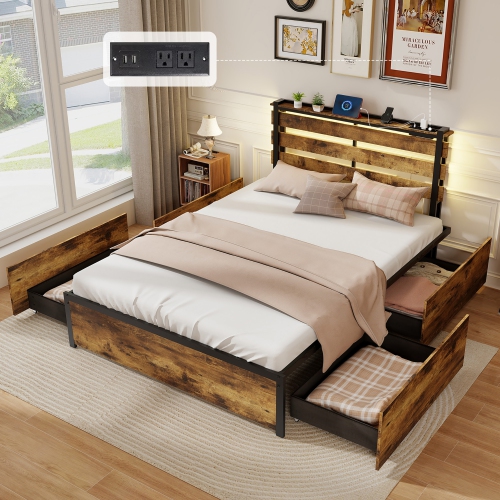
The structure beneath the mattress is just as important as the visible headboard and footboard. Some full-size frames use a platform or closely spaced slats designed to support a compatible mattress directly; others require a box spring or foundation. These arrangements are not interchangeable without checking the frame and mattress specifications, particularly for foam or hybrid mattresses that may have specific support requirements. Slat spacing, centre support, and the stated weight capacity all deserve attention, including whether that capacity accounts for the mattress as well as the sleepers. Mattress thickness also changes the finished look and feel. A deep mattress placed on a tall foundation can hide much of the headboard and make getting into bed awkward, while a lower setup may leave a larger visible gap beneath the headboard. The most comfortable bed height allows the intended sleeper to sit on the edge and get up without an unnecessary climb or drop. Under-bed space adds another practical consideration. Open clearance can accommodate shallow storage bins and make cleaning easier, provided the centre legs and side rails leave enough usable room. Built-in drawers offer more contained storage, but they need space to open beside the bed; a nightstand, rug, or nearby wall can interfere with access. Delivery and assembly also matter in homes with narrow stairs or compact hallways, especially when the headboard or footboard arrives as one large section. Once assembled, routine care helps preserve both appearance and stability. Dust wood and metal with a soft cloth, vacuum upholstery with a suitable attachment, and treat spills according to the care label rather than assuming every fabric cover is washable. Avoid dragging the assembled frame when moving it, since sideways force can strain joints and legs. Periodic checks for loose fasteners, shifted slats, or uneven floor contact can address movement or noise before it becomes a larger issue. With the right dimensions, support system, and finish, a full-size frame with matching headboard and footboard can serve as a dependable centrepiece for everyday sleep, overnight visits, and a bedroom that needs to make good use of its space.
Top selling and popular products
-
 Your price for this item is $799.99
-
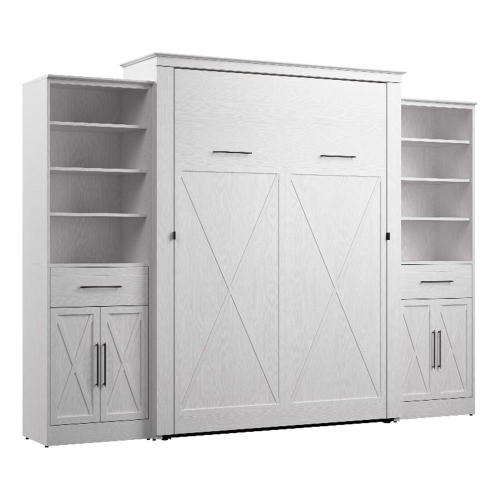 Your price for this item is $3519.99
-
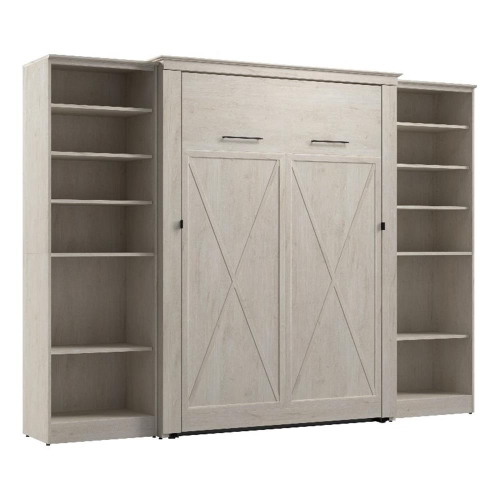 Your price for this item is $3099.99
-
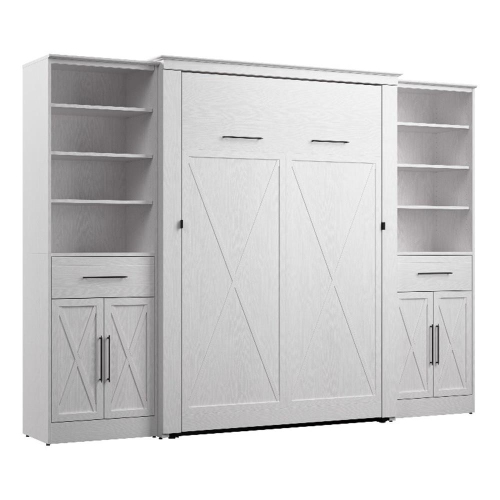 Your price for this item is $3349.99
-
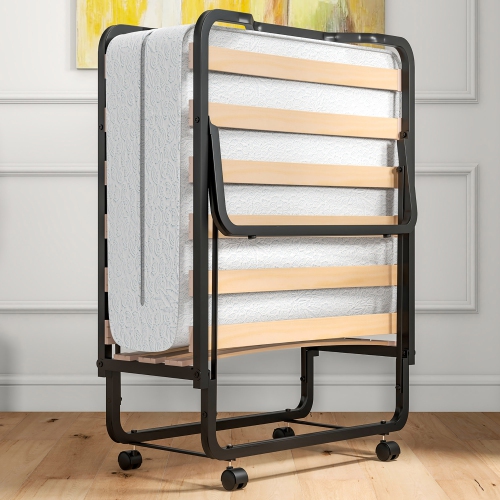 Your price for this item is $235.99
-
 Your price for this item is $233.99
-
 Your price for this item is $243.99
-
 Your price for this item is $364.99
Discover more categories related to Full Size Bed Frames With Headboard and Footboard

Top Collections:
Best Black Friday Deals This Year, Best Black Friday Deals On Electronics, Kindle Devices, Best Black Friday Deals On Apple Products, Best Budget Office Chairs, Best Cameras for Sports Photography, Dyson Airwrap, Canon G7X Cameras, Best Laptops for Writers, Samsung Galaxy Phones
Some products may be subject to Environmental Handling Fees
(EHF) depending on your province.
Learn more about EHFs.