Full Size Bunk Beds
Full-size bunk beds are a great way to add extra sleeping space for your family. Whether you're looking for a place for your children to sleep or you need more space for guests, these beds provide a great solution. They come in a variety of styles and colors, so you can find the perfect bed to match your décor. Here are some of the best options available.
Sort
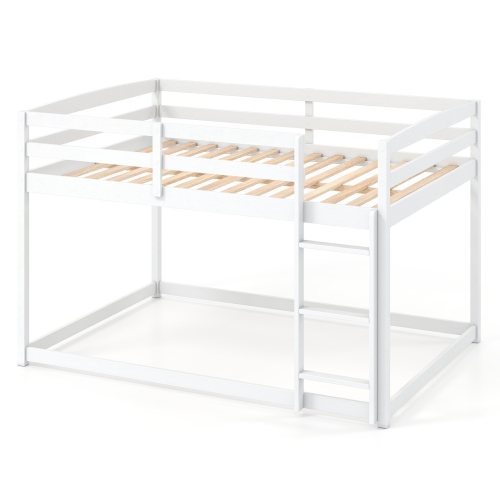
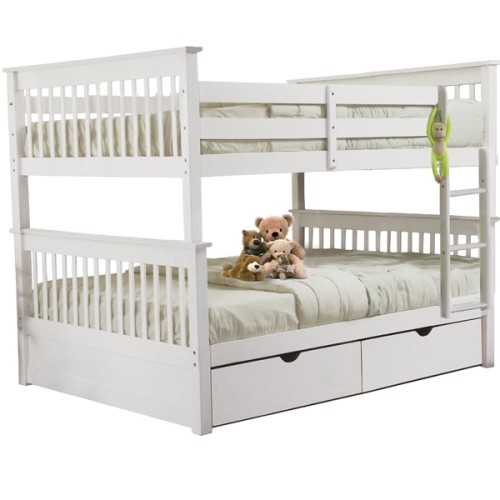
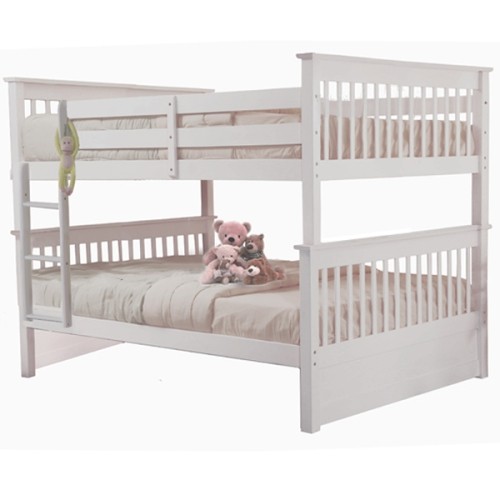
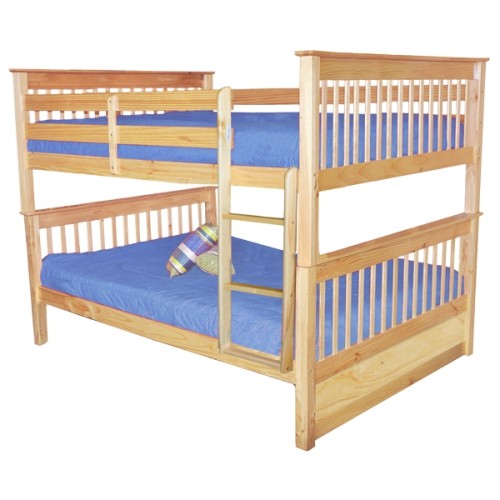
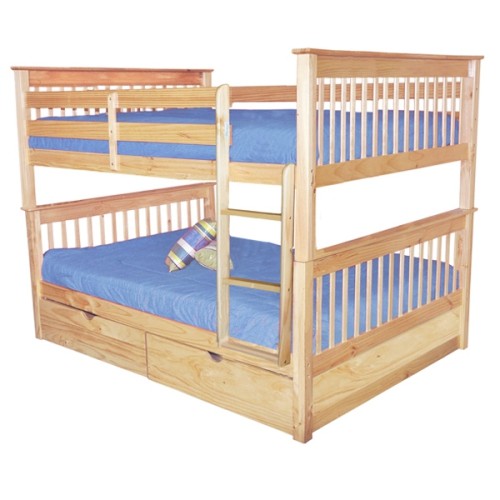
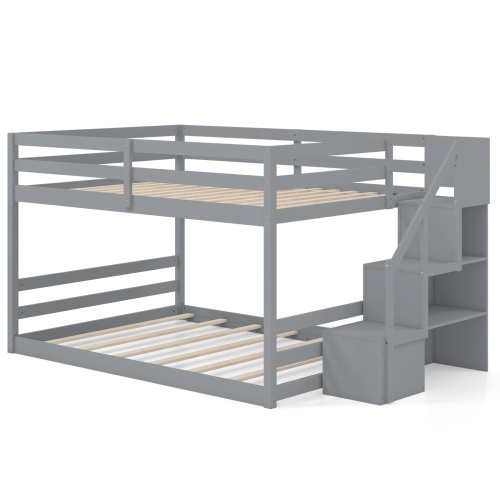
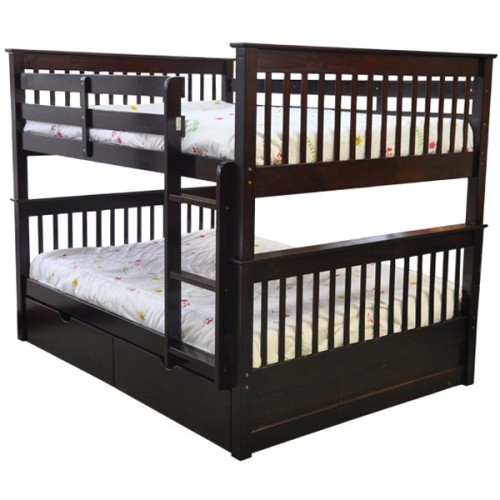
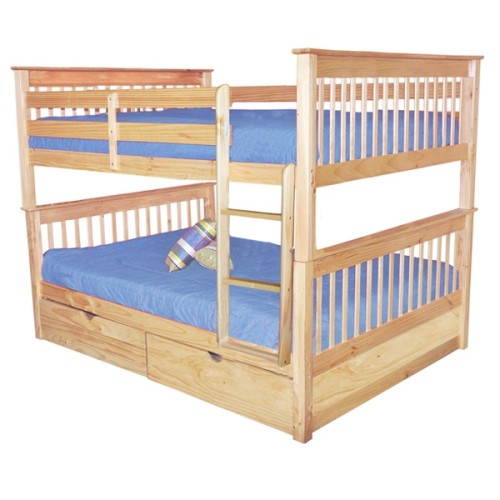
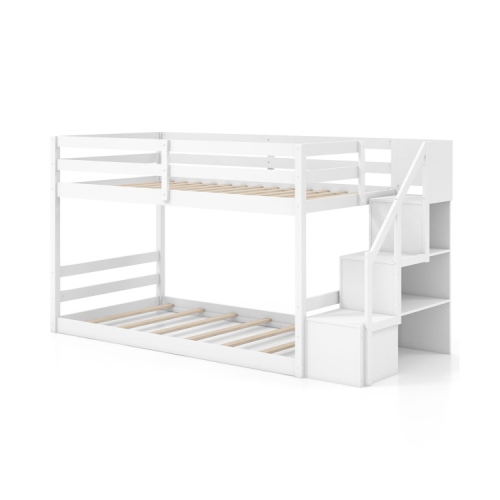
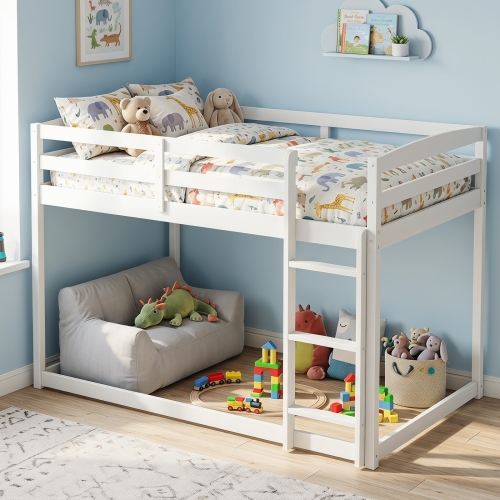
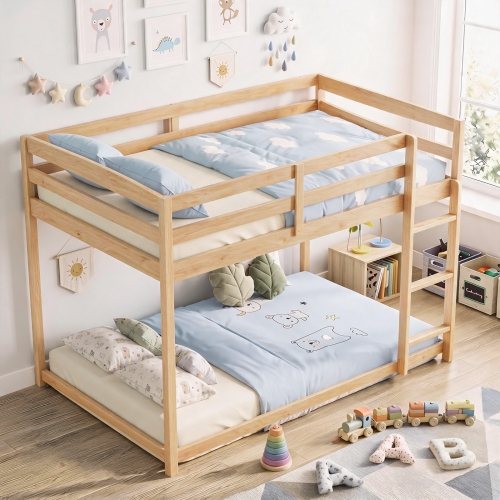
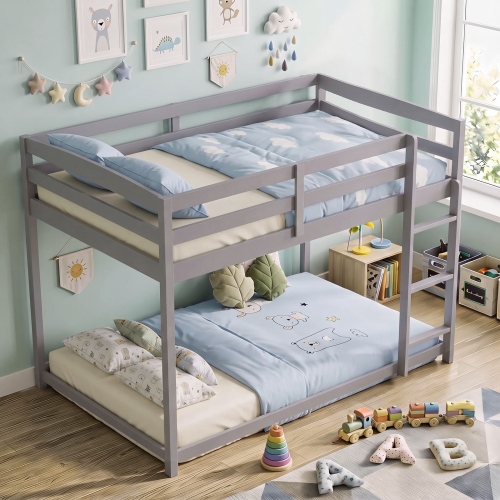
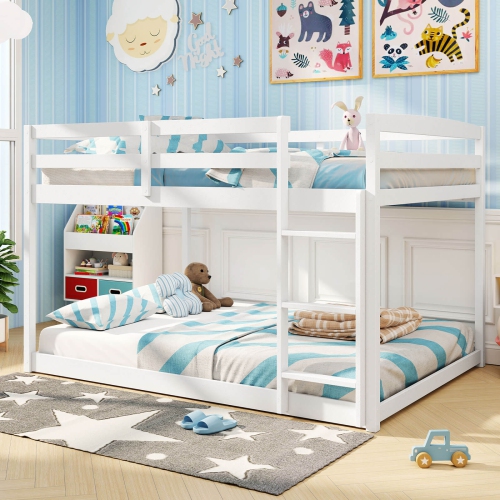
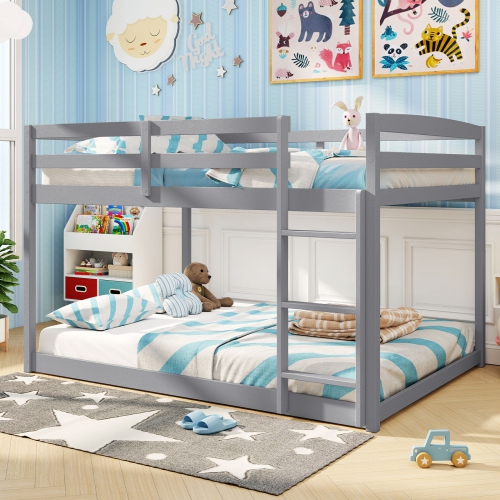
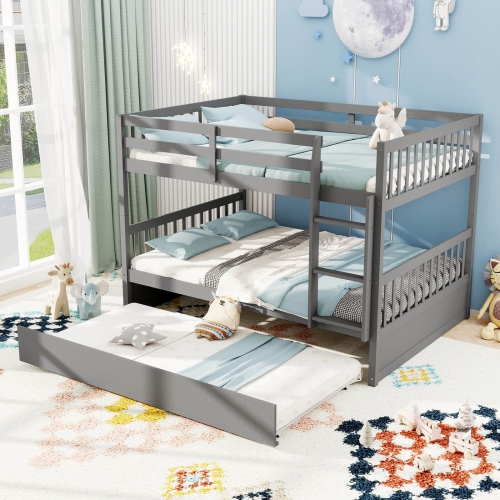
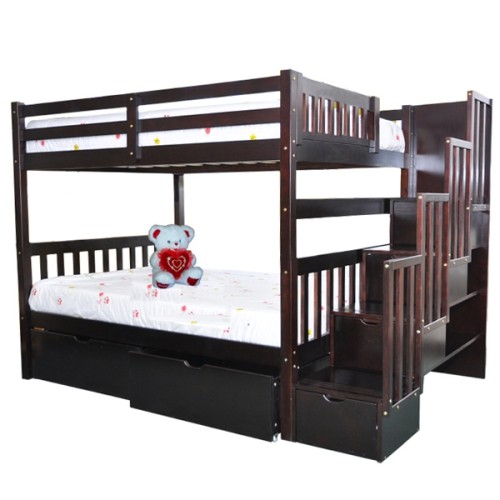
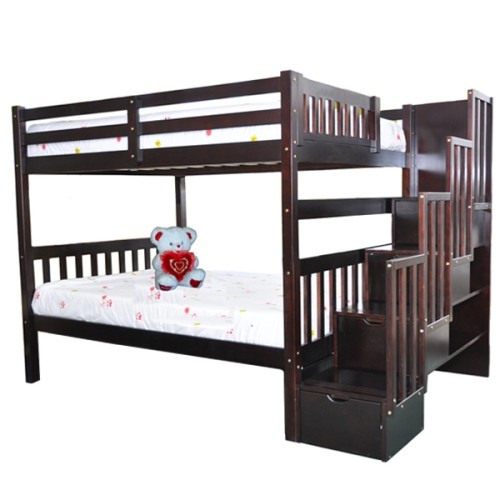
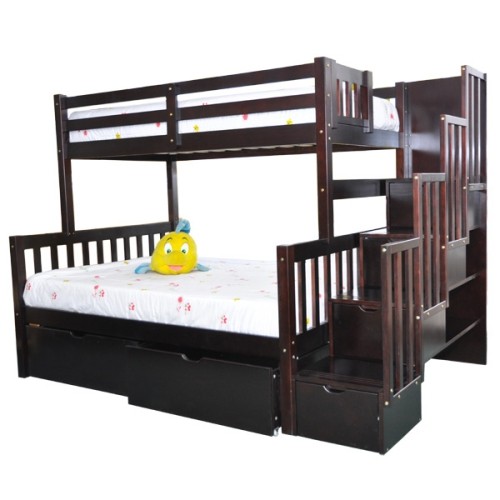
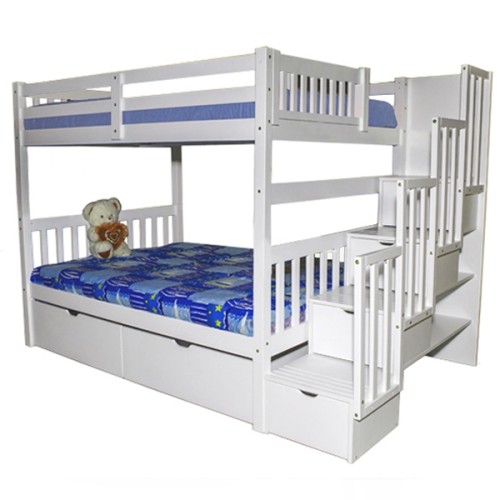
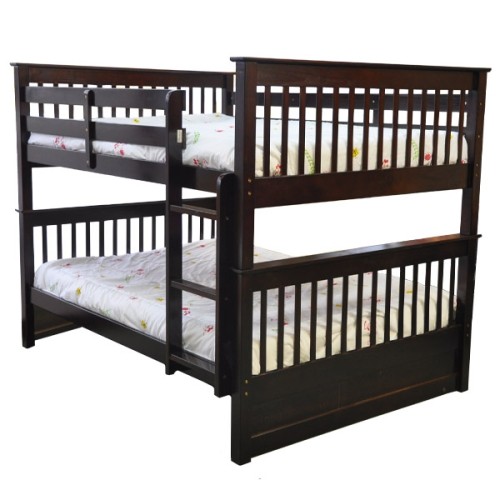

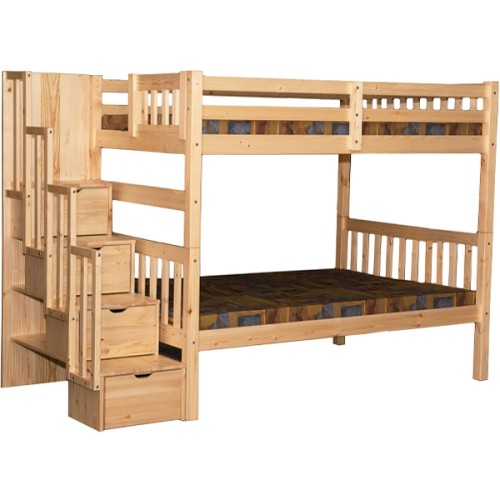

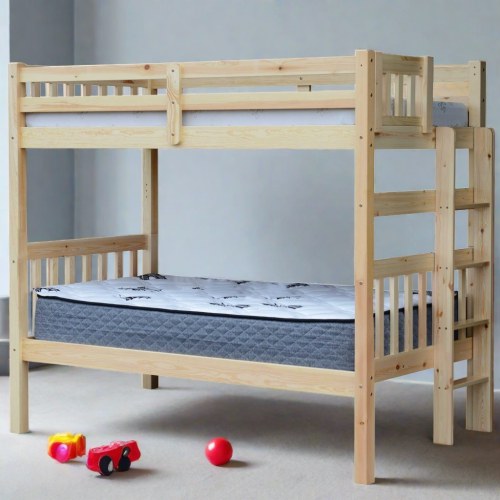
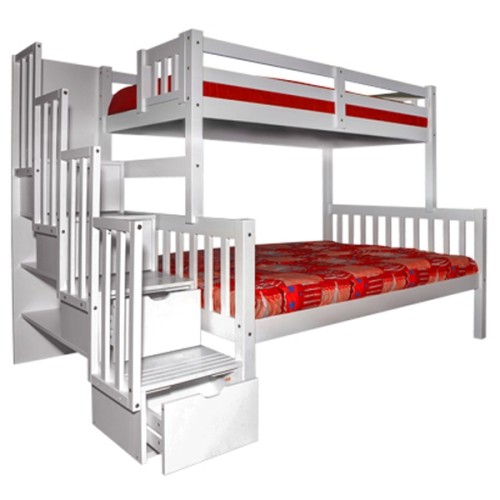
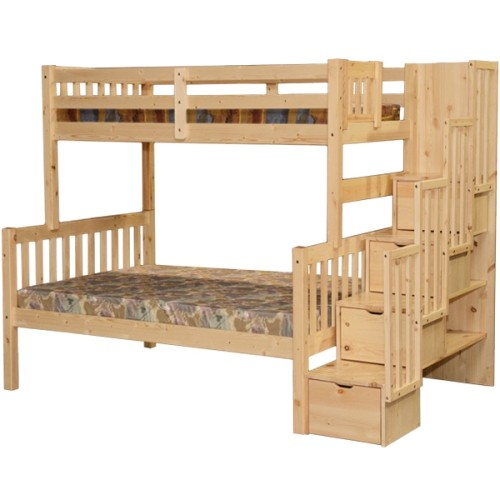
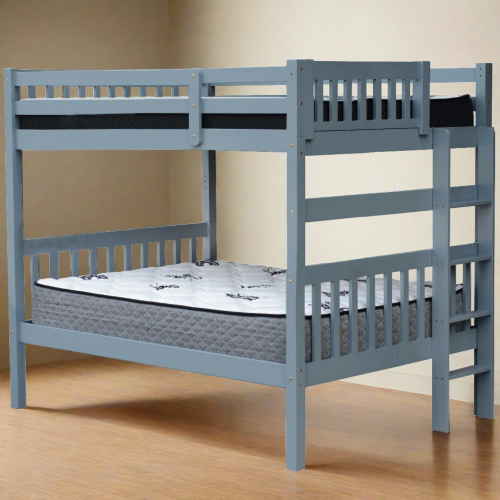
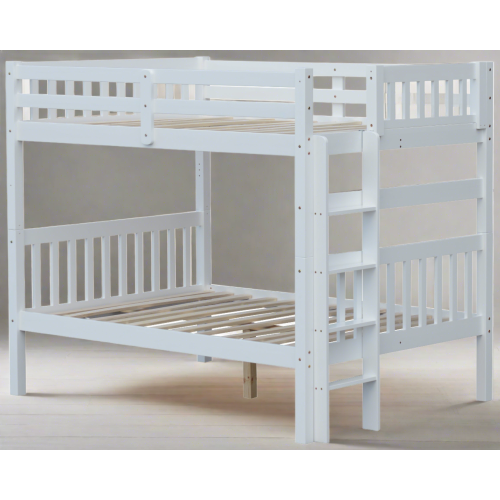
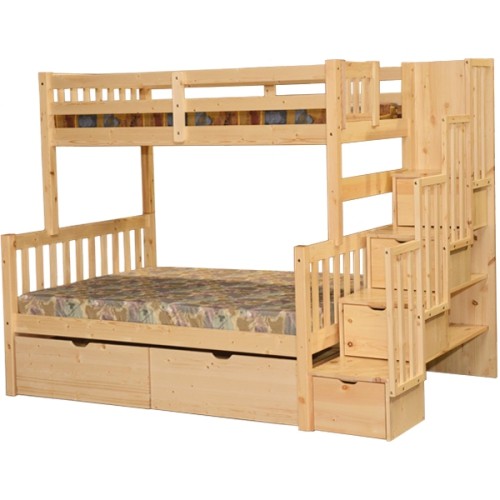
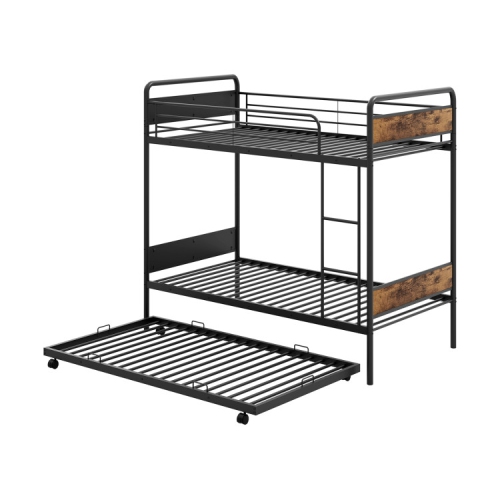
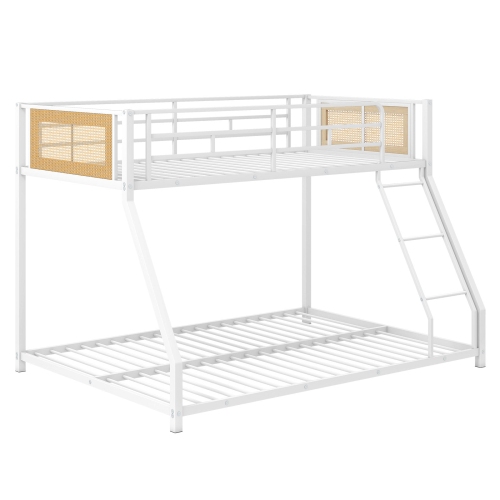
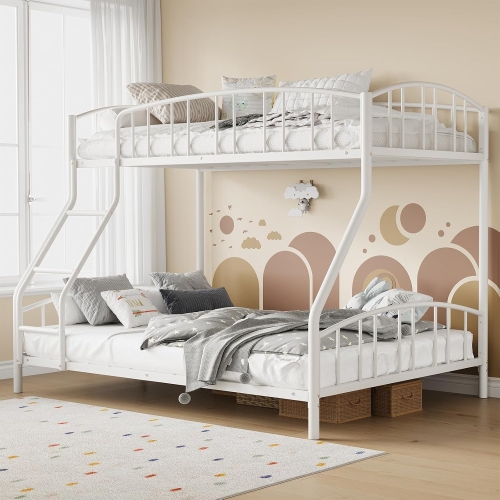
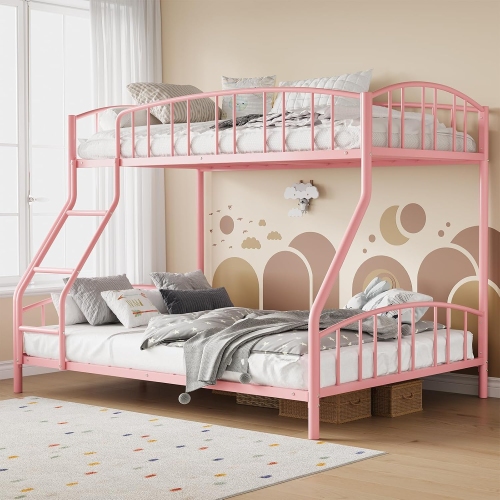
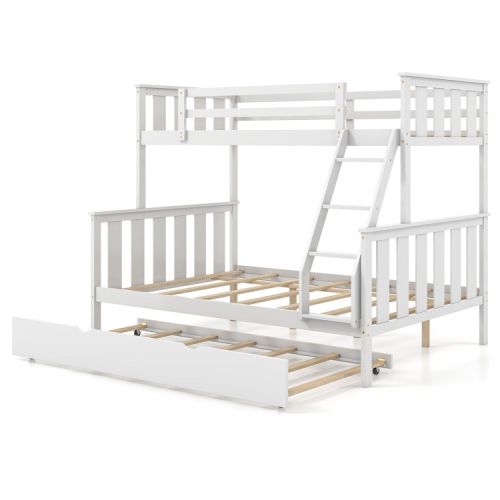
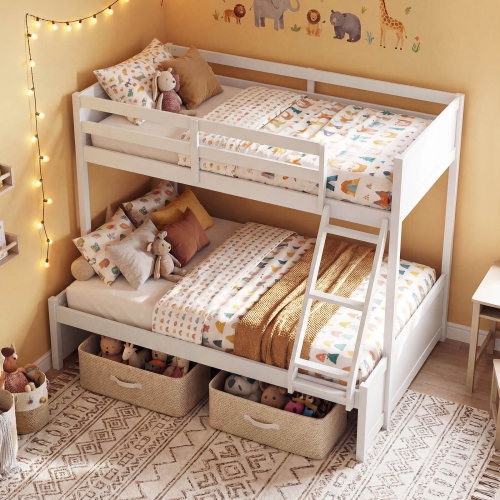
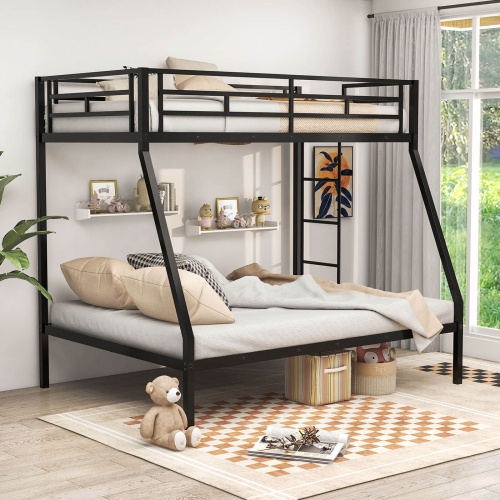
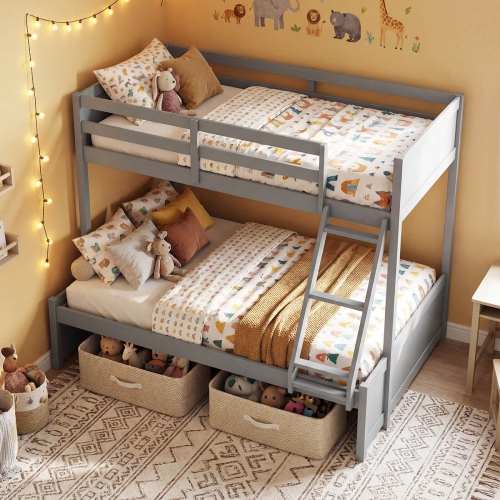
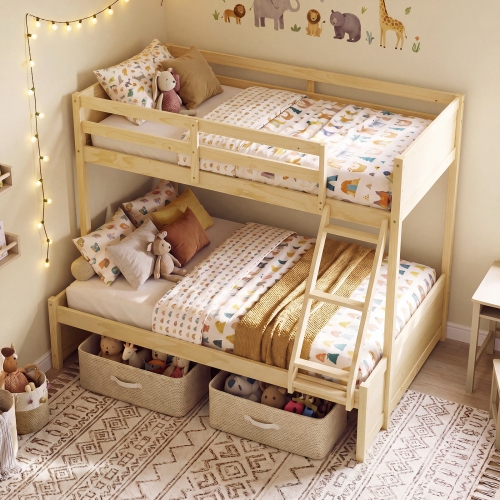
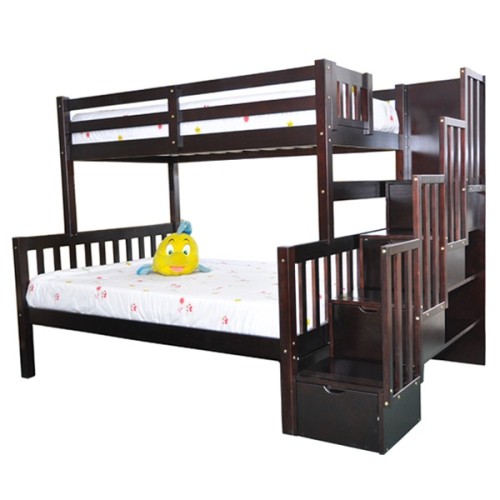
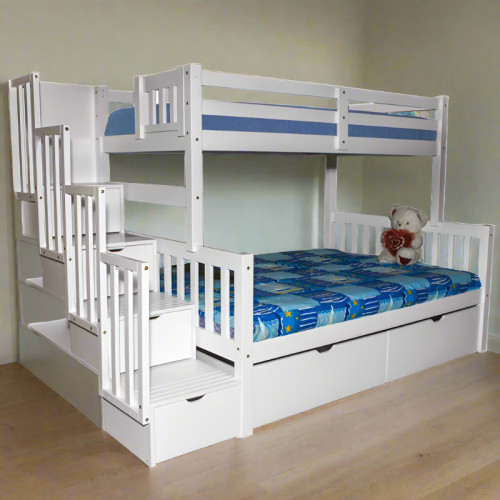
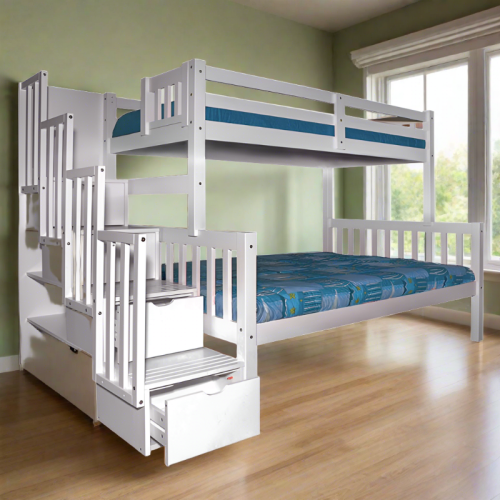
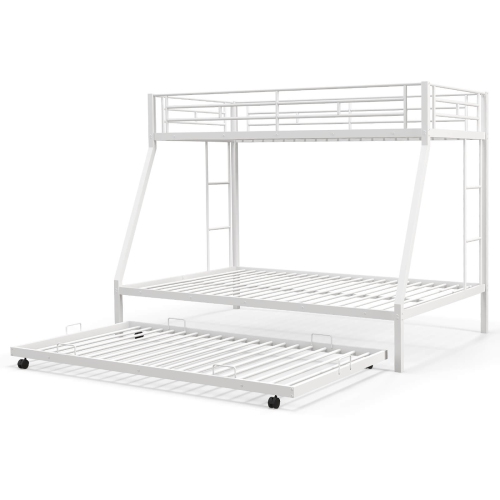

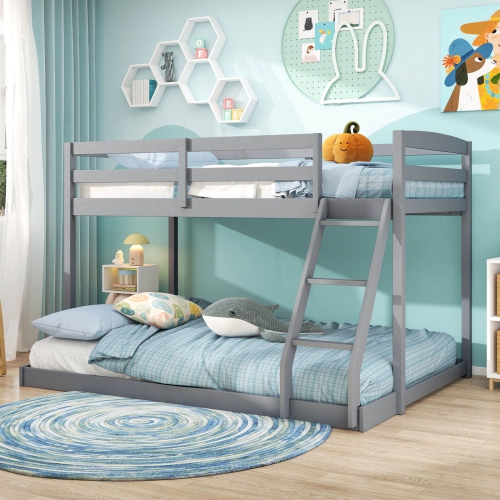
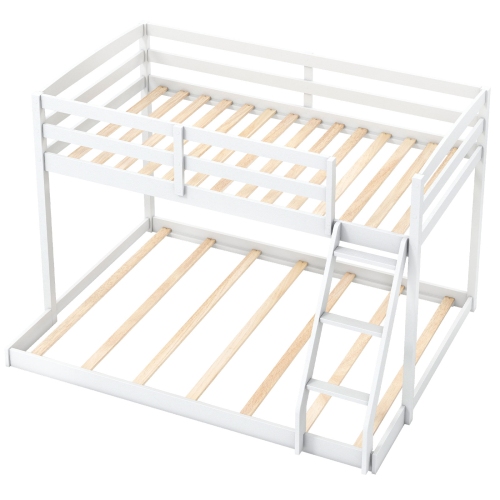
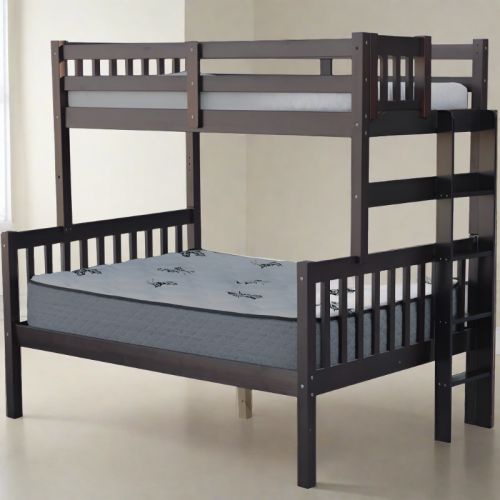
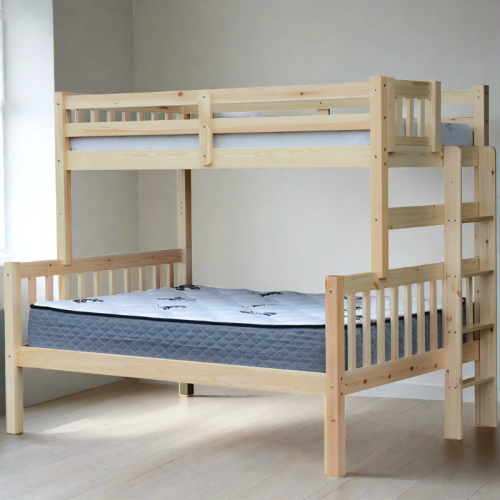
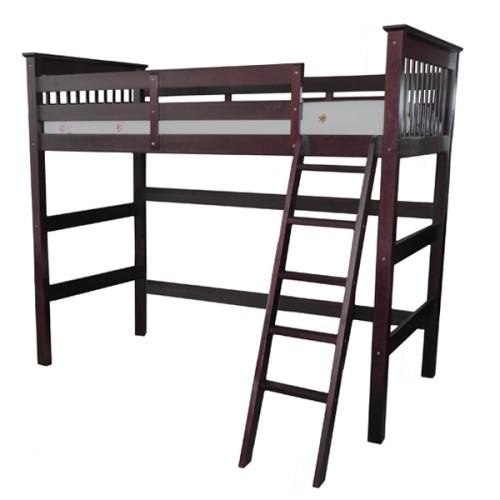

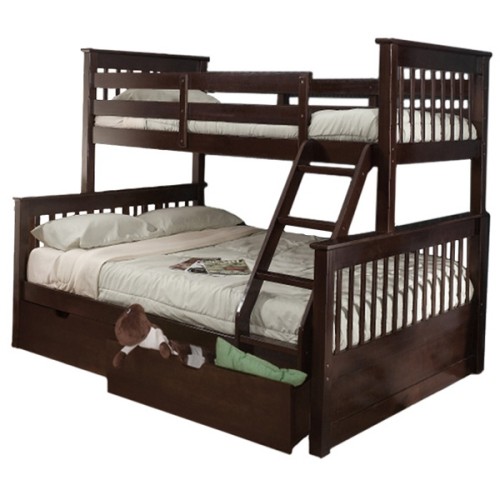
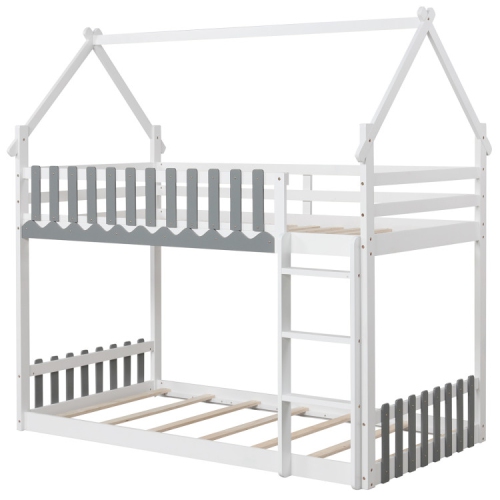
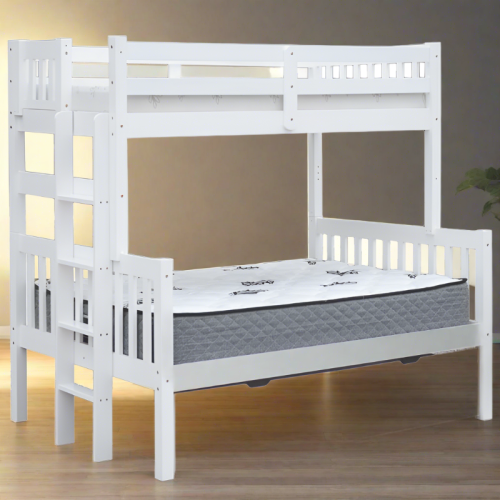
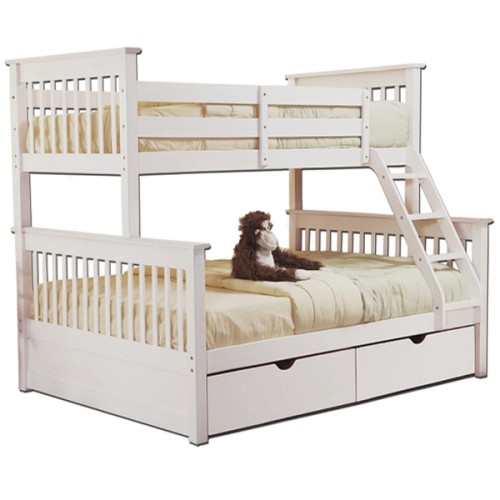
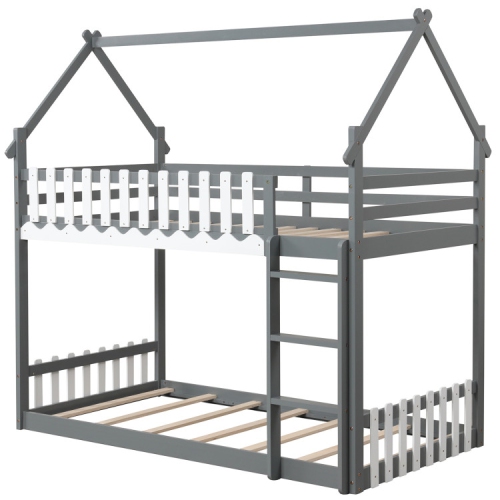
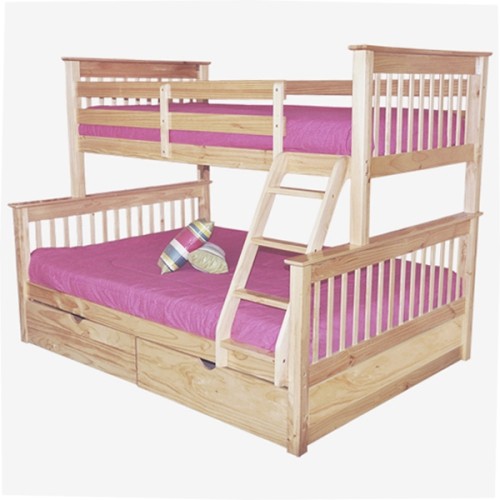
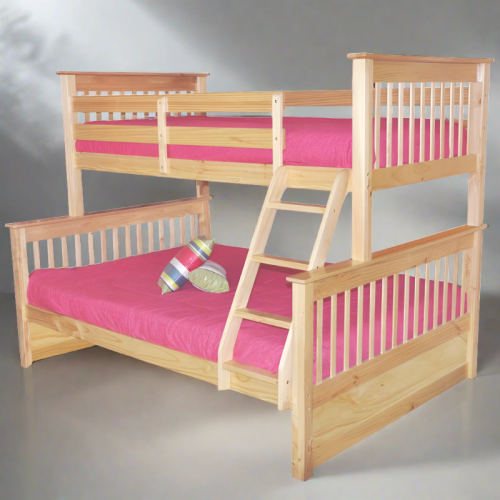

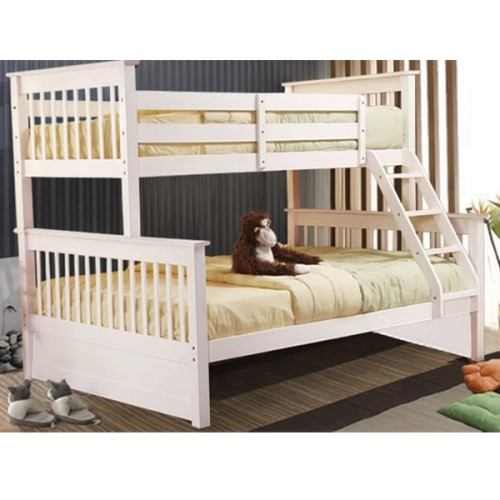
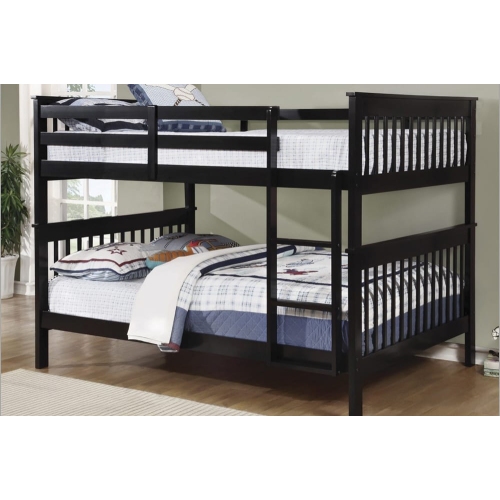
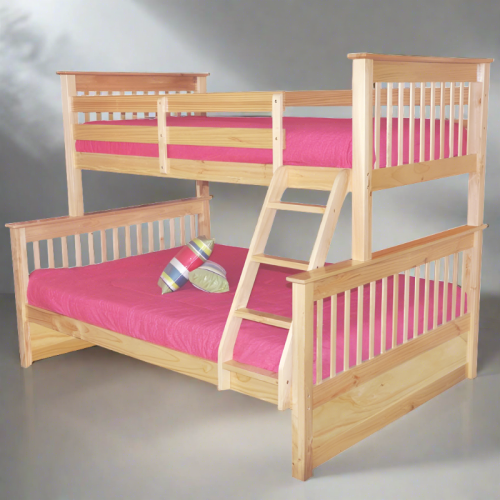
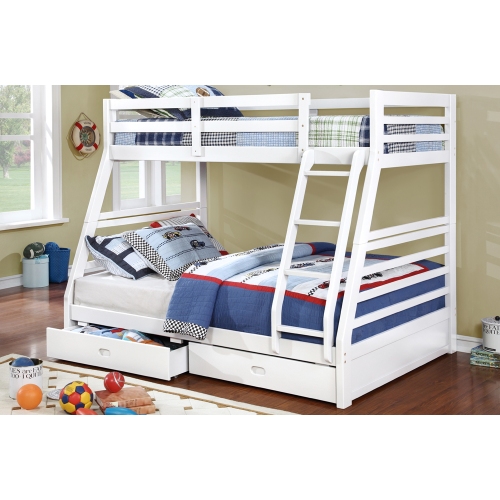
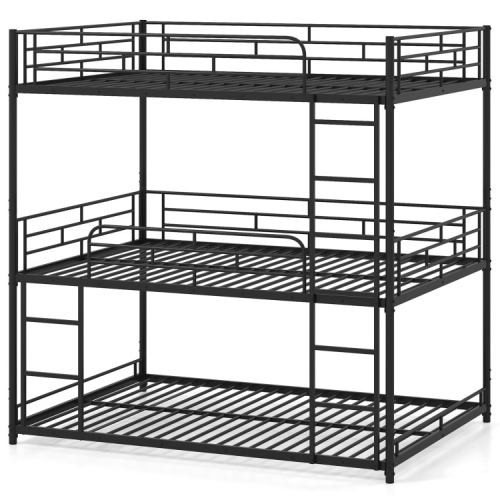
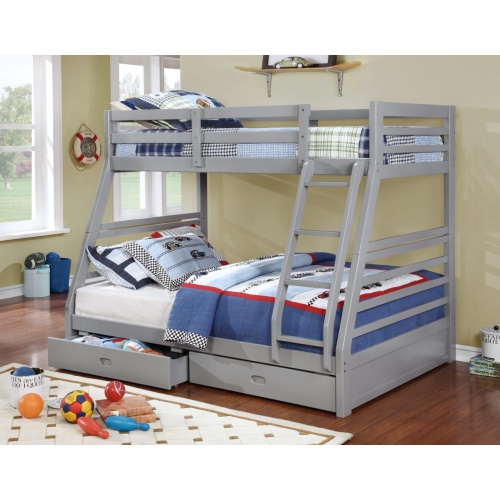
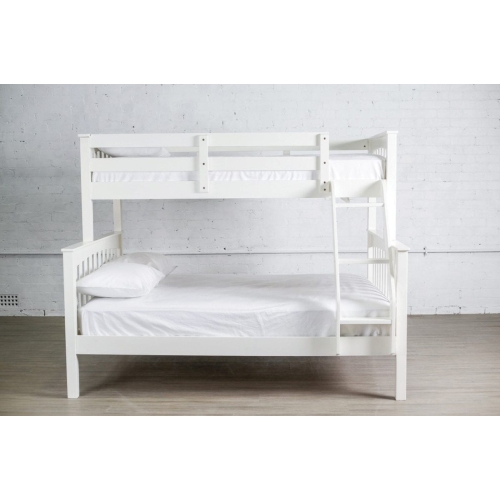
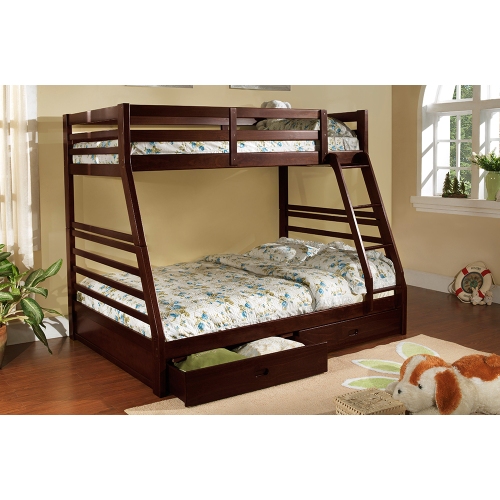
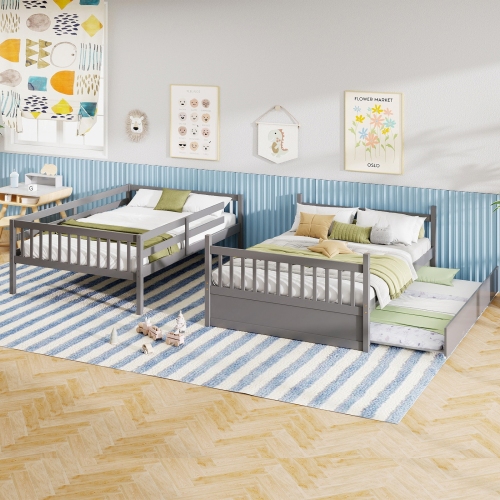
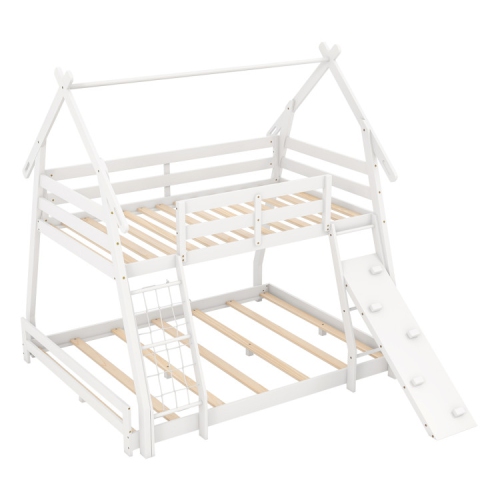


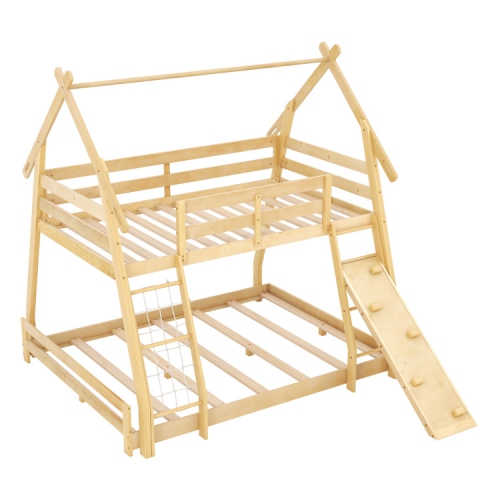
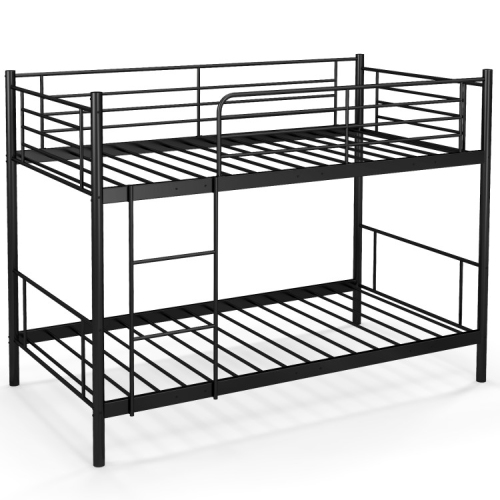
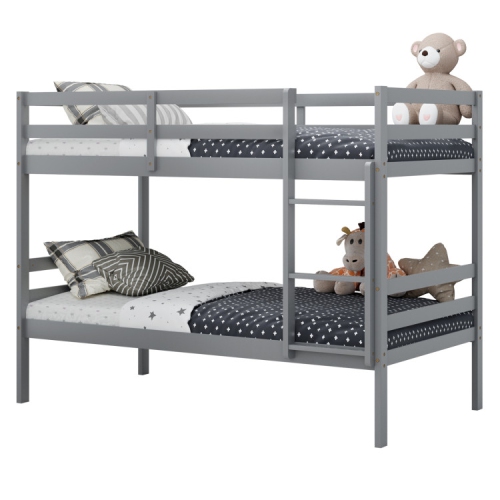
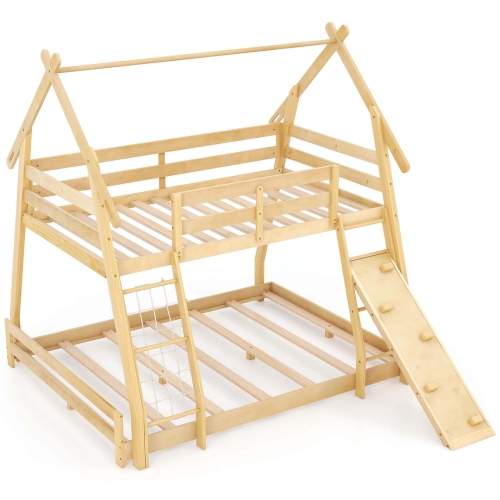
The right bunk fit goes beyond mattress size
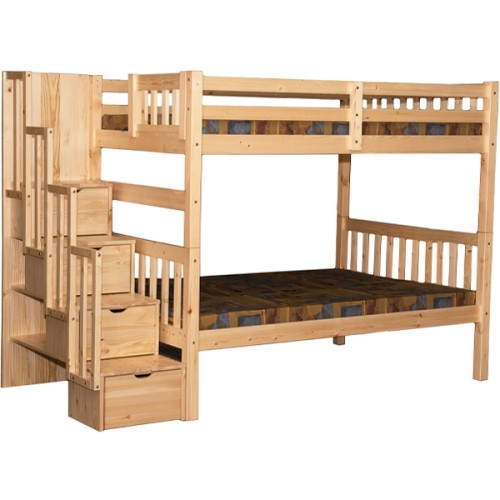
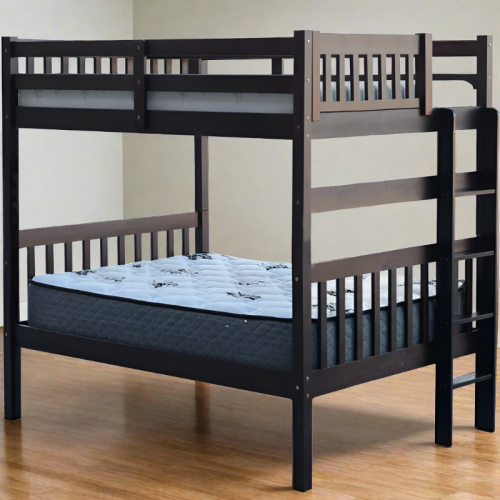
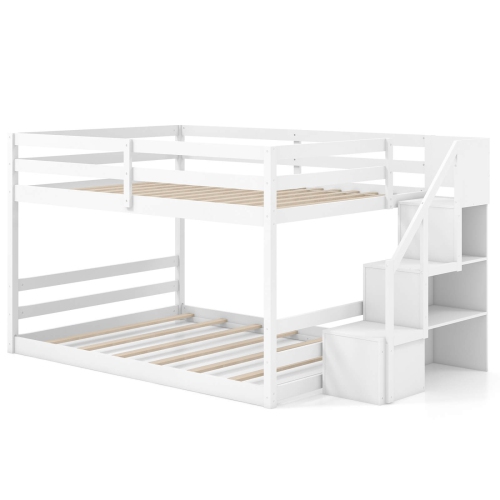
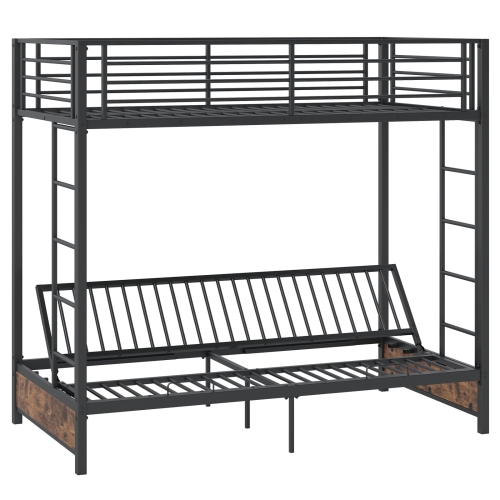
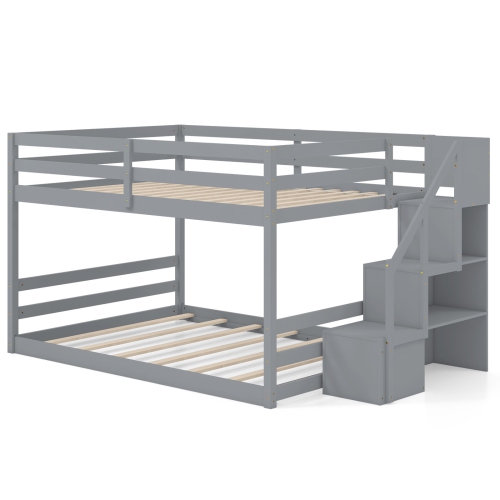
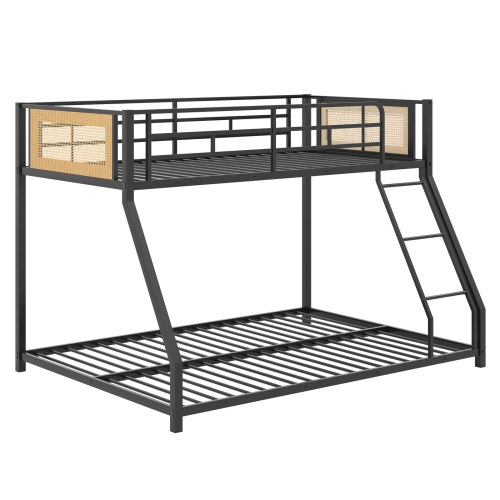
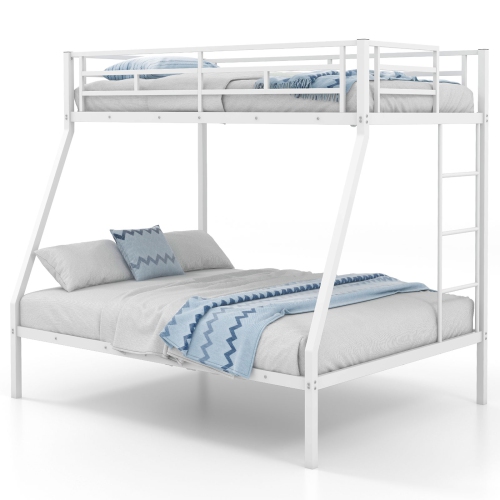
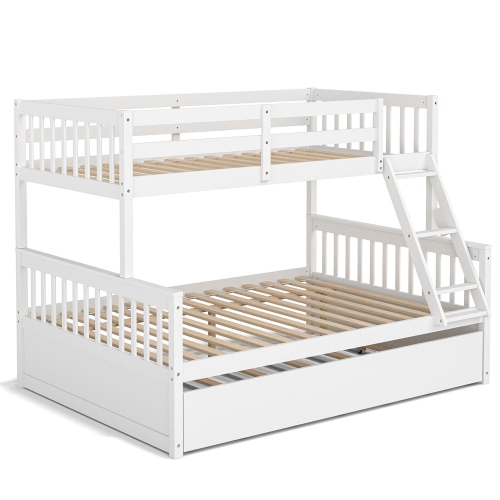
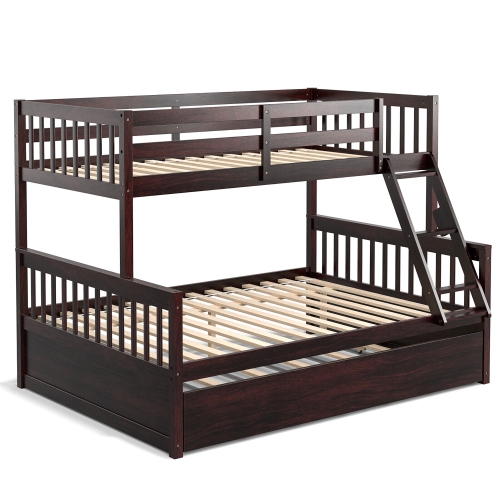
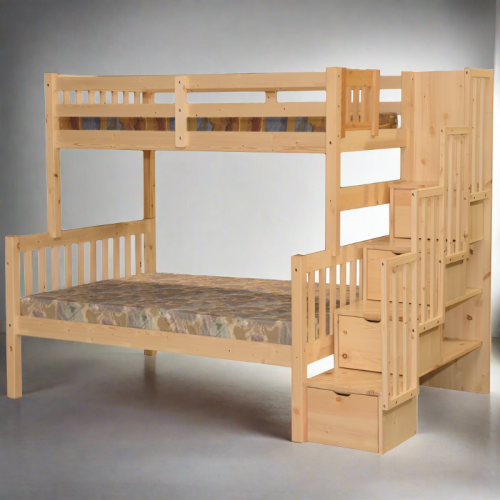
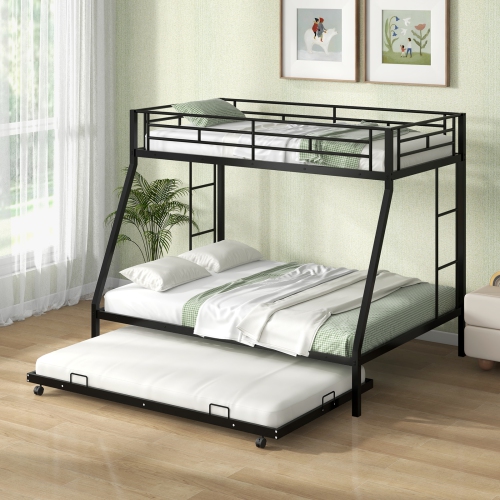
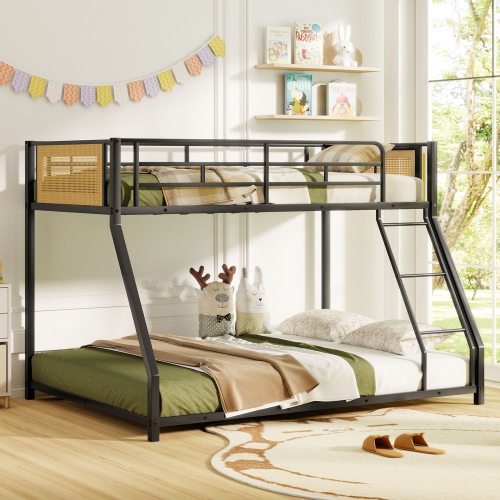
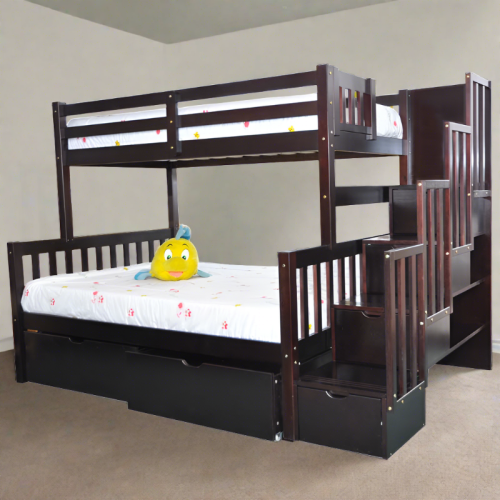
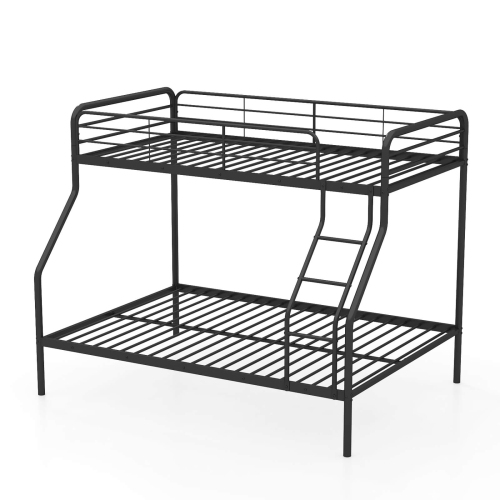
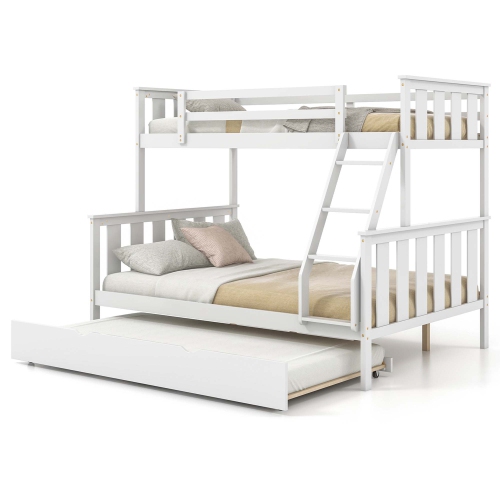
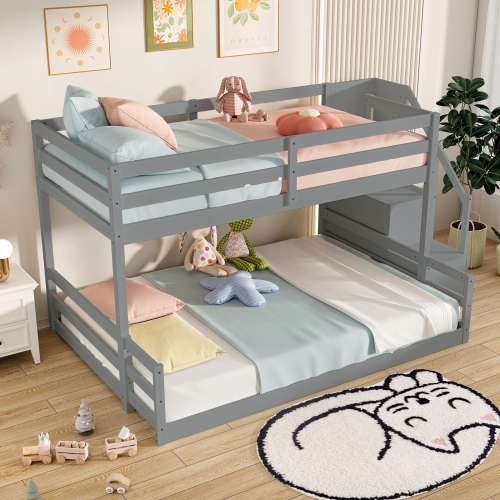
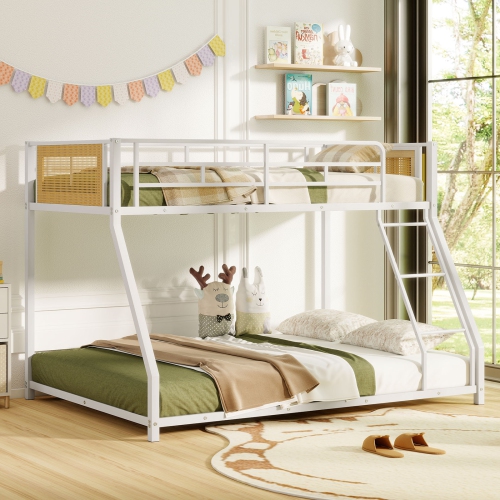
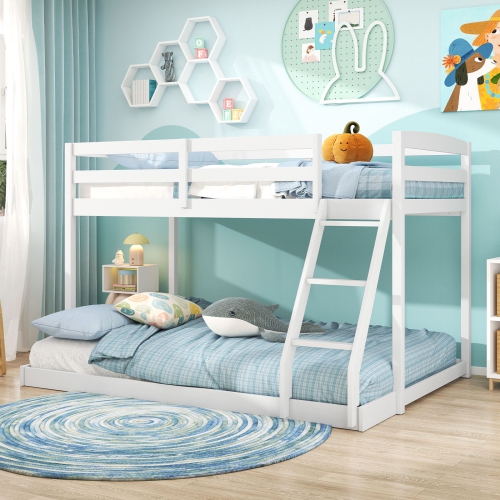
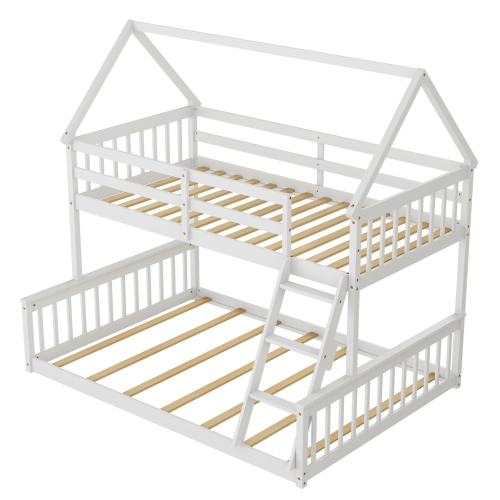
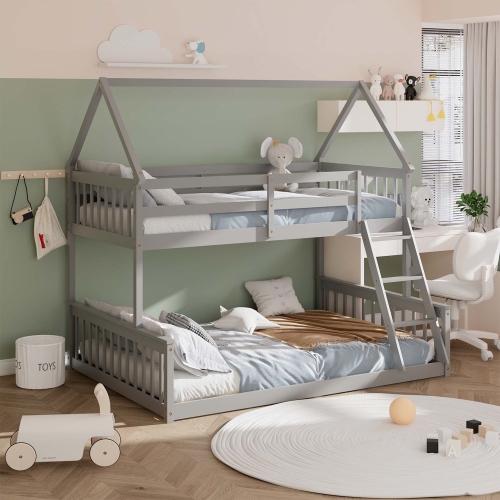
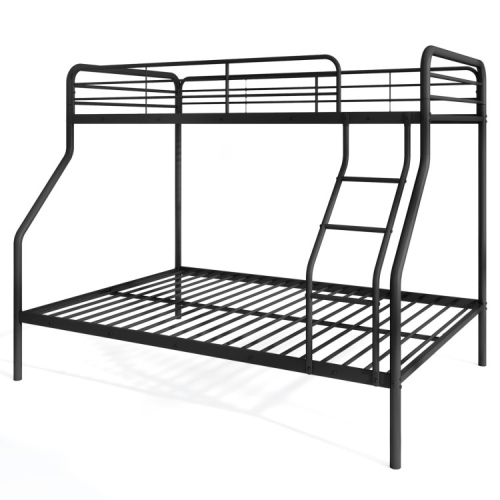
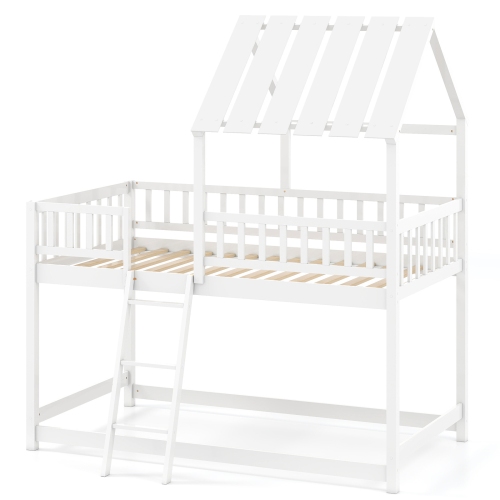
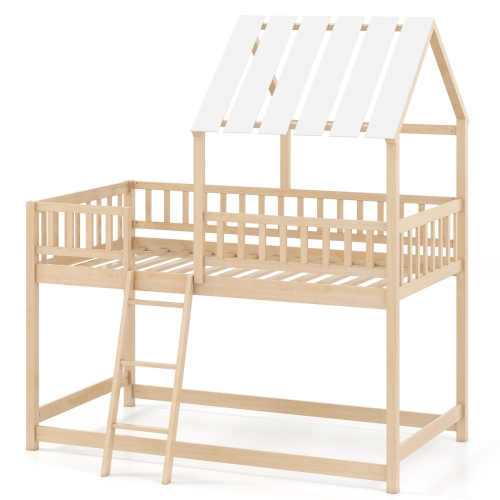
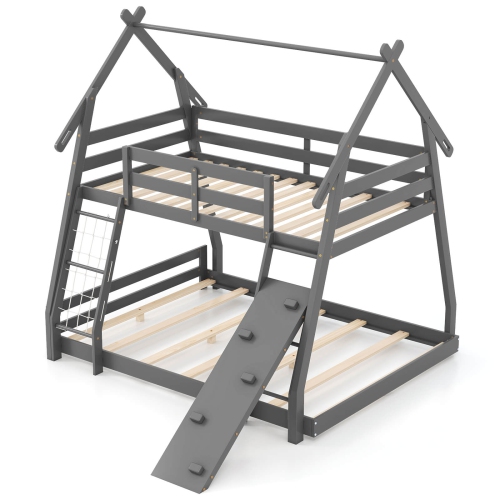
Full-size bunk beds bring a wider sleeping surface to a stacked bed layout, making them a practical choice for shared bedrooms, guest rooms, and spaces where two separate beds would leave little room to move. A full-over-full bunk bed has a double-size mattress on both levels, while a twin-over-full design combines a narrower upper bed with a double-size lower bed. That distinction matters when planning for siblings with different space needs or furnishing a room that welcomes overnight guests. A standard full mattress typically measures 54 inches wide by 75 inches long, but the assembled bed frame extends beyond those dimensions. Guardrails, posts, ladders, and stair units all contribute to the overall footprint. With Full Bunk Beds, measuring the complete structure is just as important as checking the mattress size. A frame may fit along a bedroom wall yet leave too little room to open a dresser drawer or reach the ladder comfortably. Mapping out the footprint on the floor with removable tape can make these everyday clearances easier to picture. Ceiling height also deserves attention: the upper sleeper needs comfortable headroom above the mattress, and the lower sleeper needs enough space beneath the top bunk to sit without bumping the frame. Sloped ceilings, overhead fixtures, and ceiling fans can further limit placement. For a shared room, the extra width of a full-size sleeping surface may suit an older child or teenager who has outgrown a narrower bed, provided the bed meets their needs and its stated limits. In a guest room, a bunk arrangement can preserve useful floor space for luggage or a chair. Adult use depends on the bed’s stated suitability and weight capacity, rather than on mattress size alone.
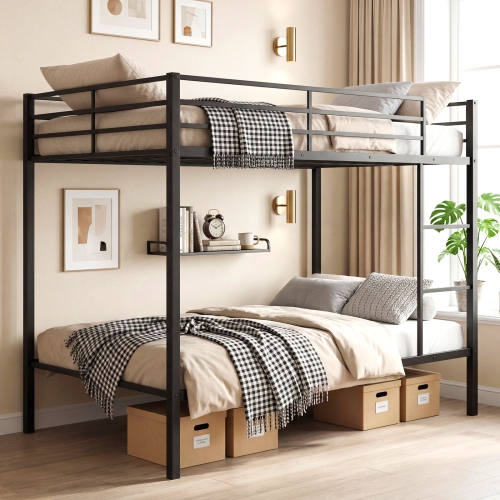
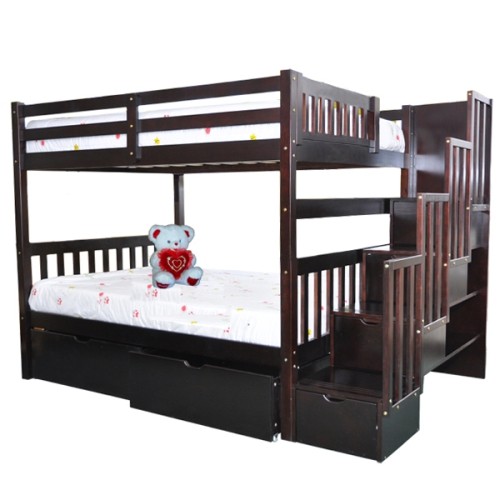
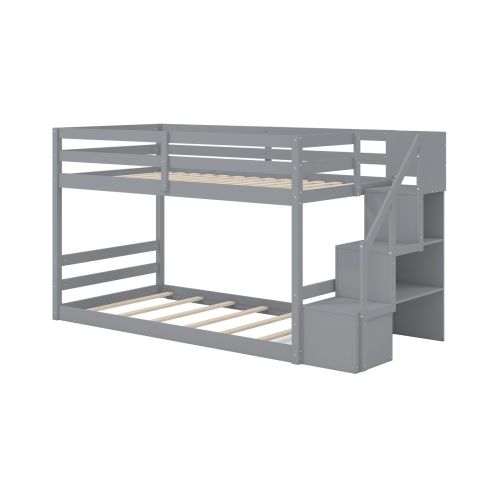
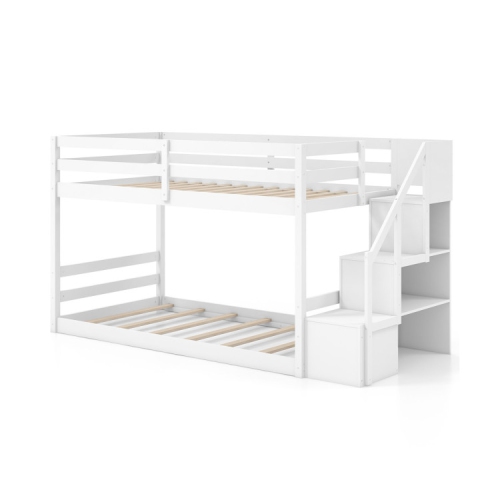
Materials and construction influence both the look of a full-size bunk bed and how it feels in daily use. Solid wood frames often have substantial posts and visible grain, with painted or stained finishes that work alongside bedroom furniture. Engineered wood may appear in panels, storage components, or other parts of a frame, so the construction details are more useful than a broad material label. Metal frames offer a different profile, often with slimmer rails and open sides that keep a large bed from looking as visually heavy. In either material, secure connections, suitable mattress supports, and correctly installed hardware matter more than appearance alone. Weight limits should be checked separately for each sleeping level, including whether the stated capacity covers the sleeper, mattress, and bedding. A wider bed does not automatically have a higher capacity. Storage and access features also affect how the room functions. Built-in stairs can provide a different climbing experience from a ladder, but they take up additional floor space. Stair drawers and under-bed drawers can hold folded clothing or spare sheets without requiring a separate cabinet, provided there is enough clearance to open them fully. A trundle adds another sleeping surface only where the frame is designed to accommodate one, and its mattress requirements may differ from those of the bunks above. Convertible frames can offer flexibility when a shared bedroom later becomes two separate rooms, although not every bunk bed separates into standalone beds. Mattress compatibility is equally important. The frame’s specified mattress dimensions and maximum thickness help maintain the intended fit and guardrail clearance. An overly thick mattress or added topper can reduce that clearance, even when it feels comfortable. Slatted platforms may not require a box spring, but the manufacturer’s instructions determine the correct support arrangement. Fitted sheets that match the mattress depth, along with manageable blankets, make an elevated bed easier to keep tidy without excess fabric hanging over the sides.
Safe use begins with choosing a bunk bed appropriate for its intended sleepers and assembling it exactly as directed. Children under six should not use the upper bunk, and older children still need the coordination and judgement to climb safely and follow the bed’s rules. The upper bunk should have only one sleeper at a time, within the stated weight limit. Guardrails belong in their specified positions, including along a wall-facing side where required; placing the bed against a wall is not a substitute for them. The ladder or stairs should remain securely attached and clear of clothing, toys, and bags. A clear route from the bed to the bedroom door is helpful for everyday access, especially when someone gets up during the night. Positioning matters beyond floor space: beds should be kept away from ceiling fans, accessible window cords, and other nearby hazards. Hooks, belts, skipping ropes, and similar hanging objects should never be attached to the frame. Day-to-day care is generally straightforward, but it supports the bed’s long-term stability. Painted, stained, and metal surfaces usually benefit from a soft cloth and cleaning products approved for the finish rather than abrasive pads or excess moisture. Spills should be wiped promptly, and mattresses should be aired and cared for according to their own instructions. Periodic checks can reveal loose fasteners, damaged slats, shifting ladder connections, or cracked components before they become larger problems. Any damaged structural part needs attention before the bed is used again. After a move or reassembly, all connections and supports should be checked anew. Small practical details also make shared sleeping arrangements easier: accessible storage for glasses or a book, separate bedding for each sleeper, and an uncluttered climbing route reduce the need to reach or lean from the upper level. A well-fitted full-size bunk bed balances sleeping room with usable floor space, while leaving enough clearance for dressing, making the beds, and moving comfortably through the room.
Top selling and popular products
-
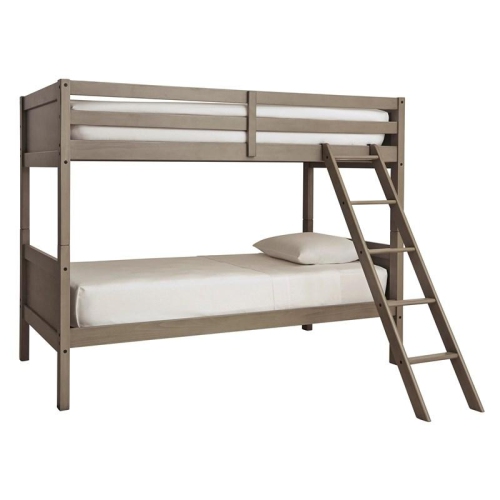 Your price for this item is $799.99
-
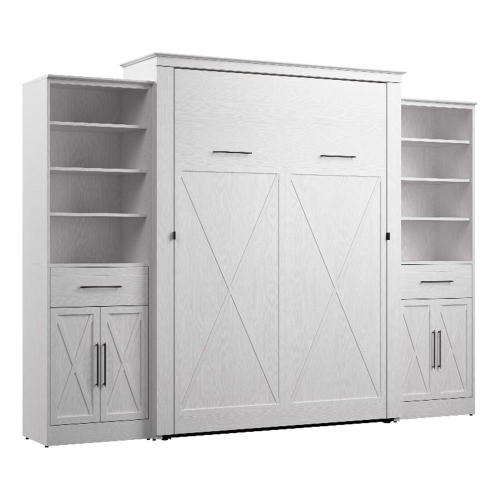 Your price for this item is $3519.99
-
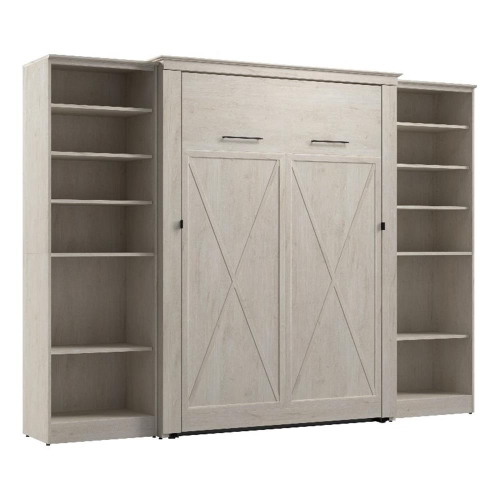 Your price for this item is $3099.99
-
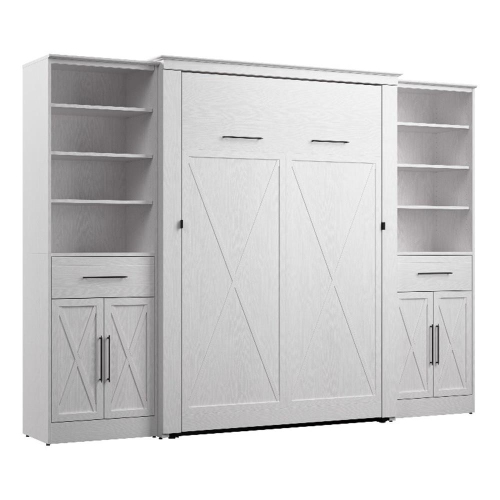 Your price for this item is $3349.99
-
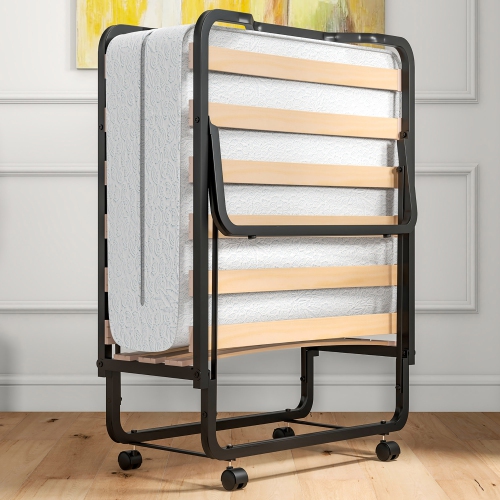 Your price for this item is $235.99
-
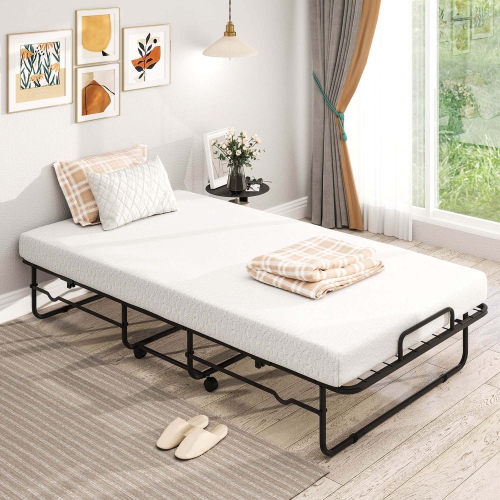 Your price for this item is $243.99
-
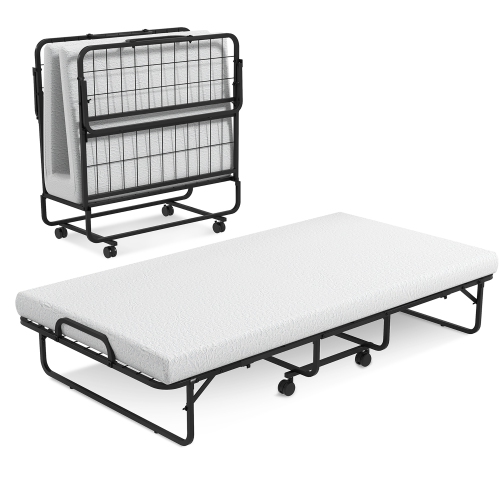 Your price for this item is $233.99
-
 Your price for this item is $364.99
Discover more categories related to Full Size Bunk Beds
Top Collections:
Best Black Friday Deals This Year, Best Black Friday Deals On Electronics, Kindle Devices, Best Black Friday Deals On Apple Products, Best Budget Office Chairs, Best Cameras for Sports Photography, Dyson Airwrap, Canon G7X Cameras, Best Laptops for Writers, Samsung Galaxy Phones
Some products may be subject to Environmental Handling Fees
(EHF) depending on your province.
Learn more about EHFs.