Furniture for Young Professionals
Furniture for young professionals is designed to complement busy lifestyles and modern tastes. Whether you're setting up a new apartment or refreshing your home office, find pieces that fit seamlessly into urban spaces and support your daily routine. Explore a curated selection that balances style and functionality, making it easy to create a comfortable and inviting environment tailored to your needs. Discover options that help you make the most of every square foot while reflecting your personal sense of style.
Sort
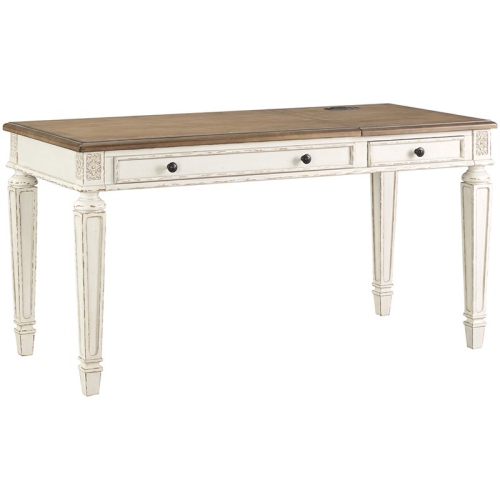
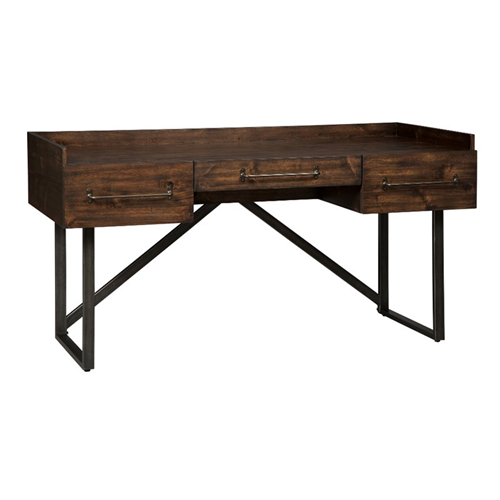
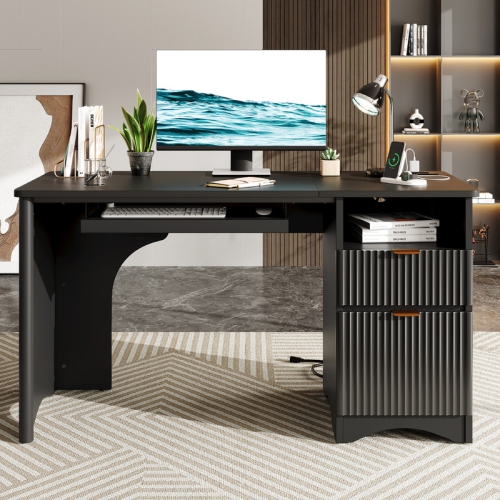
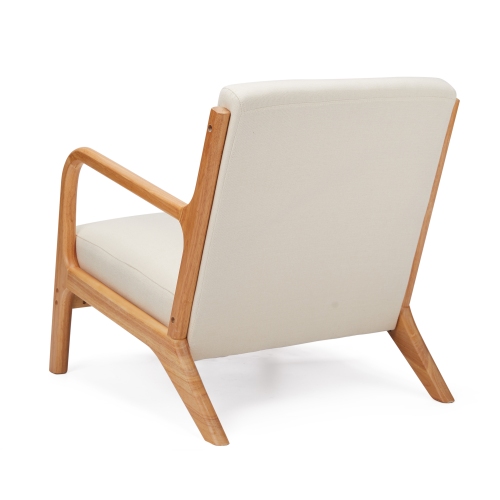
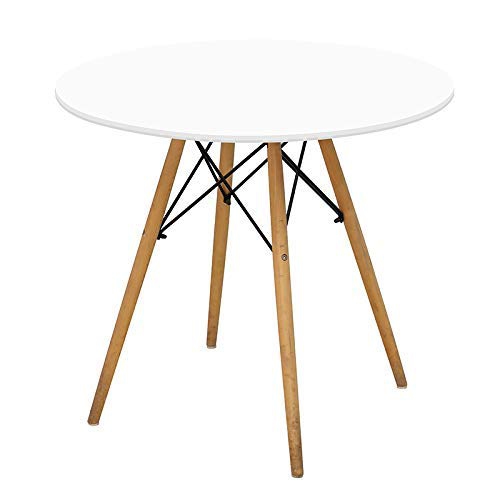
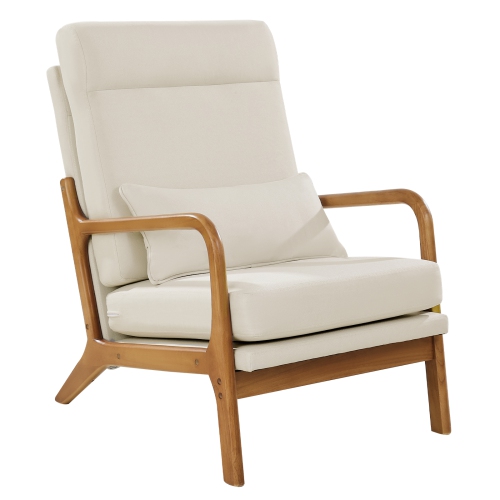


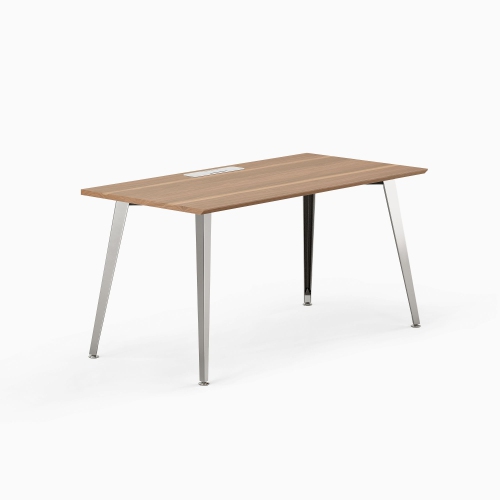
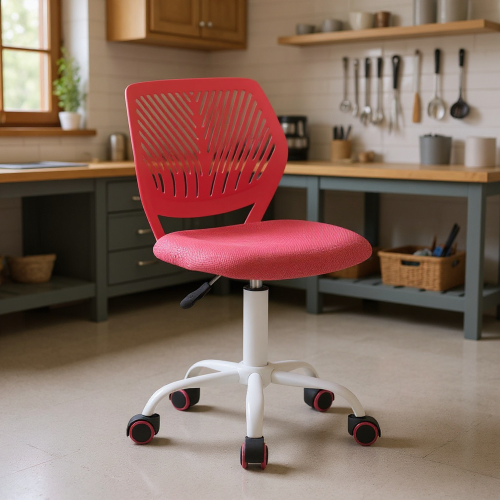
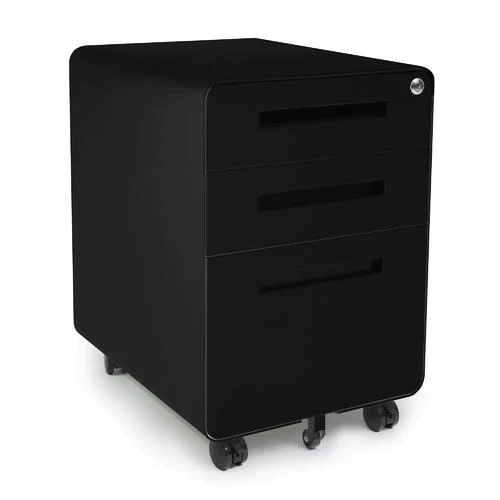
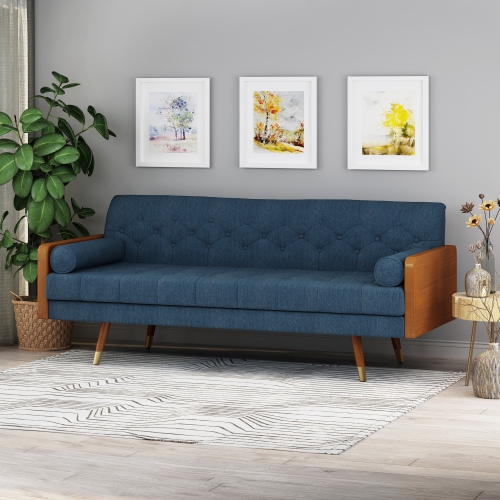
Small-space furniture that works beyond the workday
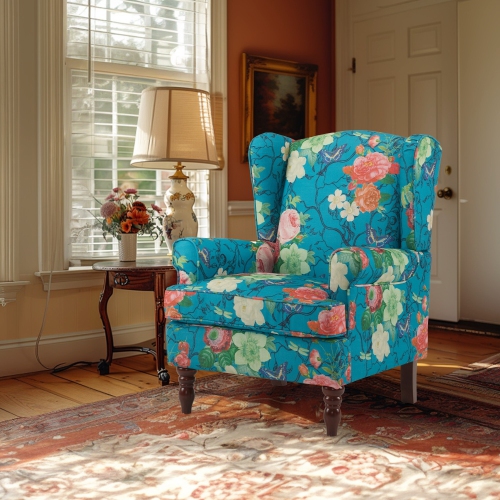
Furniture for young professionals balances space-saving design, everyday comfort and the flexibility to work from home. For someone furnishing a first apartment, sharing a condo or settling into a home after a career move, the most useful pieces often serve more than one purpose without making the room feel crowded. A compact dining table can accommodate a quiet breakfast, an evening meal with friends and occasional laptop work, while a storage ottoman offers a place to put feet up and tuck away extra blankets. The right fit depends on more than floor area: furniture also needs to leave comfortable routes between doorways, seating and frequently used storage. A sofa that fits against a wall may still overwhelm a room if its arms are wide or its depth leaves little space to pass the coffee table. Slim profiles, raised legs and appropriately scaled seating can help a small living room feel open, although generous seat depth may be preferable for someone who likes to curl up after work. Modular seating offers flexibility when a future move brings a different floor plan, provided the individual sections and connectors suit the intended arrangement. Nesting tables and extendable dining surfaces can accommodate visitors without occupying their full footprint every day. Storage deserves equal attention, particularly when the same room holds work supplies, exercise equipment and everything needed for a relaxed evening. Closed cabinets keep paperwork and charging accessories out of sight, while open shelves leave books and favourite objects within easy reach. A cohesive mix of finishes can bring these functions together without requiring every piece to match. Warm wood tones, textured upholstery and a restrained use of colour create a welcoming backdrop for daily life, while a distinctive accent chair or sculptural table gives the space personality. Furniture for this stage of life works best when it reflects real routines rather than an imagined version of apartment living: space for a roommate’s belongings, somewhere to set down a bag, and seating that remains comfortable through a long conversation.
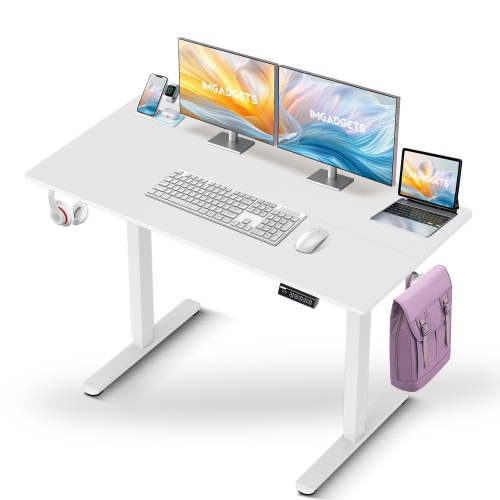
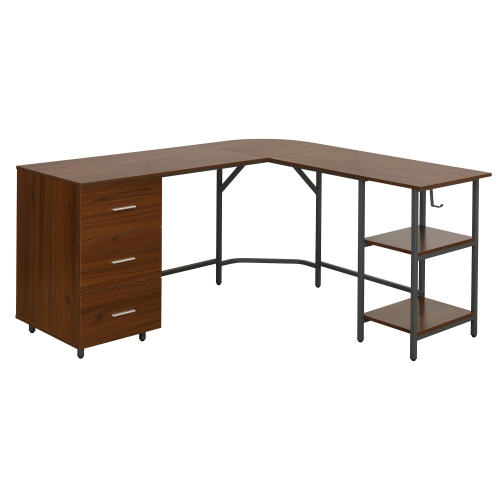
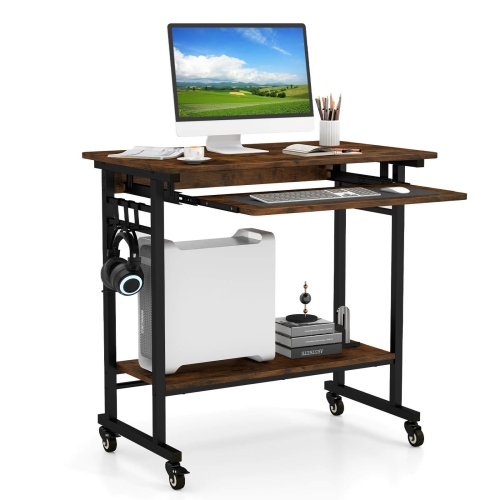
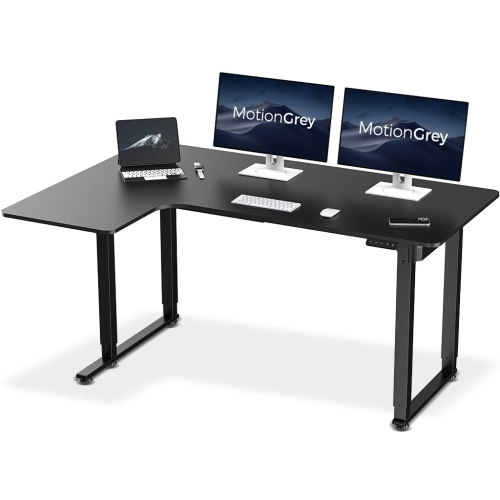
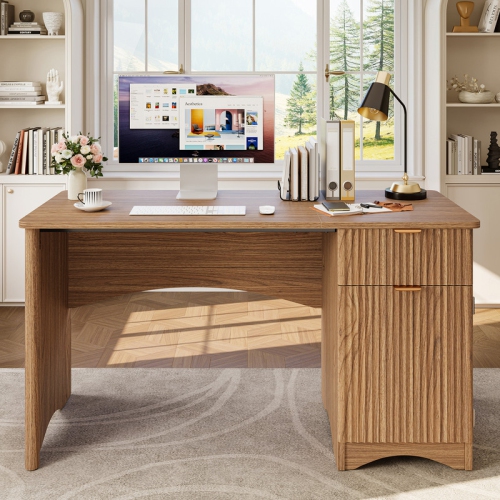
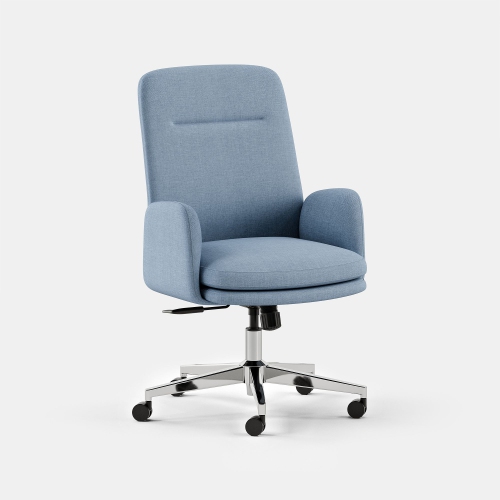
Home office furniture is especially relevant for young professionals whose days include remote meetings, focused computer work or personal projects after office hours. A dedicated workstation does not require a separate room, but it does need enough usable surface for the tasks performed there. A shallow desk may suit a laptop and notebook, whereas a monitor, keyboard and drawing materials call for greater depth and width. Measuring the working setup, including space to move a mouse and open a drawer, gives a clearer picture than judging the desktop alone. Legroom matters too, especially when cabinets or support bars sit beneath the surface. An adjustable chair allows the seat height and other supported settings to be matched to the user and desk; feet should rest securely, and armrests should not prevent the chair from moving close enough for comfortable work. Upholstery, cushioning and back support affect how a chair feels over longer sessions, while its dimensions determine whether it can tuck away neatly when the workday ends. Height-adjustable desks offer another way to vary working positions, with attention to adjustment range, stability and cable slack helping the setup function smoothly. For creative professionals, Office Furniture for Designers complements this focus on practical workspaces where generous surfaces and organized storage support detailed tasks. In a shared apartment, a compact filing cabinet or drawer unit can keep documents separate from household belongings, and shelving can define a work area without enclosing it completely. Cable management features help prevent charging leads from trailing across the floor, but their usefulness depends on where outlets and devices sit. Furniture placement also affects everyday use: a desk beside a window may provide pleasant light, yet screen reflections can make another angle more comfortable. A workstation that fits naturally into the room makes it easier to put work materials away and return the space to its other purposes.
Materials and construction influence how furniture handles daily use, cleaning and future moves. Solid wood can bring distinctive grain and substantial weight, while wood veneers offer a wood surface over a supporting core; both benefit from care suited to their finish. Engineered wood construction varies, so surface sealing, edge finishing and secure connections are useful details to consider rather than relying on the material name alone. Metal frames can provide a slim profile, with joint quality and the protective finish contributing to their performance. For upholstered seating, tightly woven fabrics, removable covers where offered and care instructions suited to the household can make routine upkeep more manageable. Someone who eats on the sofa, shares a home with a pet or hosts frequently may value a surface that is straightforward to clean more than a delicate texture. Spills are best handled according to the manufacturer’s instructions, since cleaning methods suitable for one fabric or finish can damage another. Coasters and protective pads help limit marks on tables, while checking accessible fasteners after a move can keep assembled furniture secure. Bedroom furniture brings its own fit considerations. A bed frame needs to match the mattress dimensions, and under-bed drawers require enough clearance to open without hitting a nightstand or wall. A dresser’s footprint should include room to stand in front of it with drawers extended, and taller storage furniture needs the anchoring specified by its manufacturer. For renters and people expecting to relocate, the route into the home matters as much as the final layout. Elevator dimensions, stairwell turns and doorway widths can determine whether furniture arrives in one piece or needs to be assembled inside. Removable legs and clearly documented assembly can make later moves more manageable, though repeated dismantling may not suit every construction. Furniture can also mark a first home, graduation or a new job, especially when a gift reflects the recipient’s measurements, taste and daily habits. Pieces chosen with those details in mind have a better chance of remaining useful as living arrangements and routines change.
Top selling and popular products
-
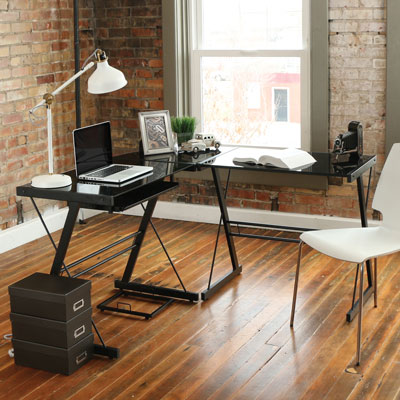 Your price for this item is $304.99
-
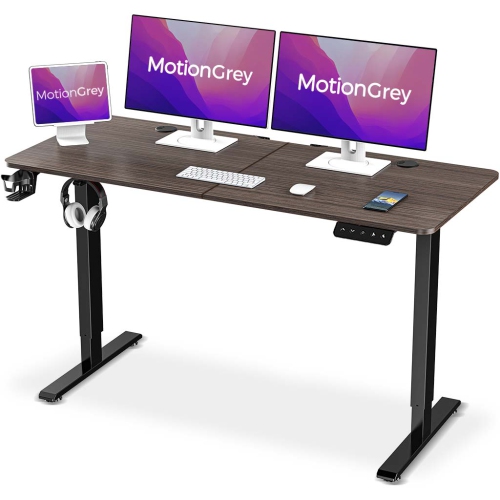 Your price for this item is $142.92
-
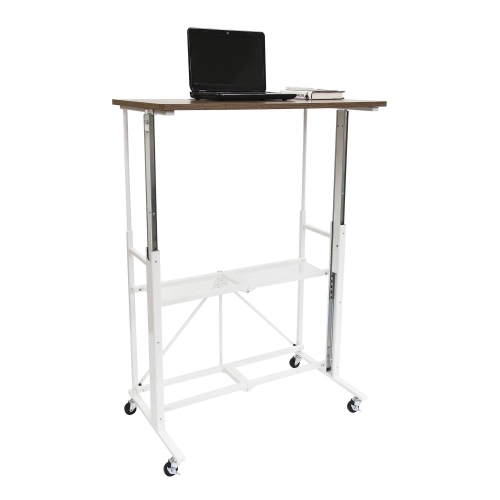 Your price for this item is $248.99
-
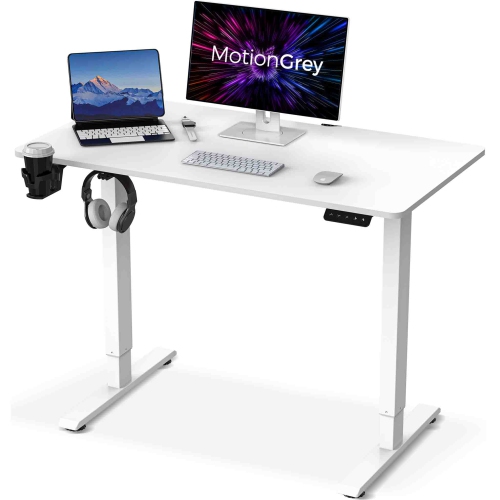 Your price for this item is $133.91
-
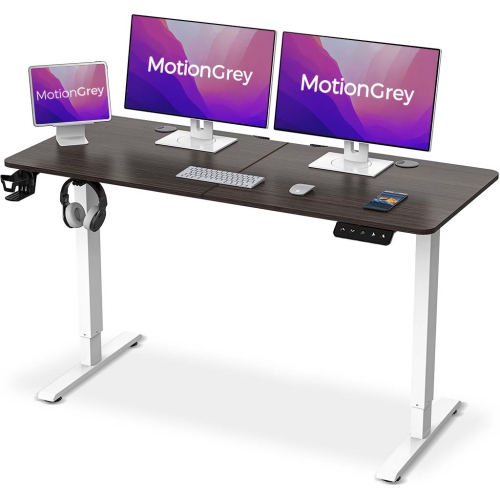 Your price for this item is $158.99
-
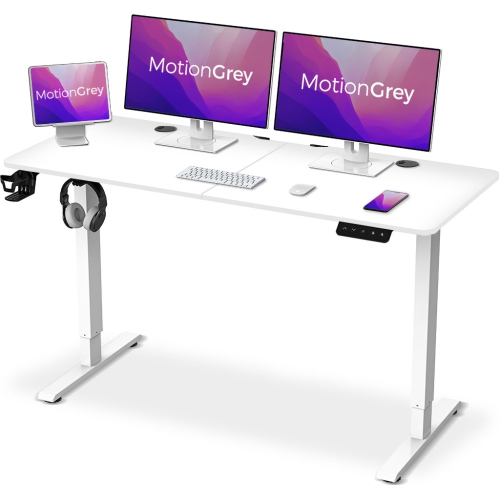 Your price for this item is $142.94
-
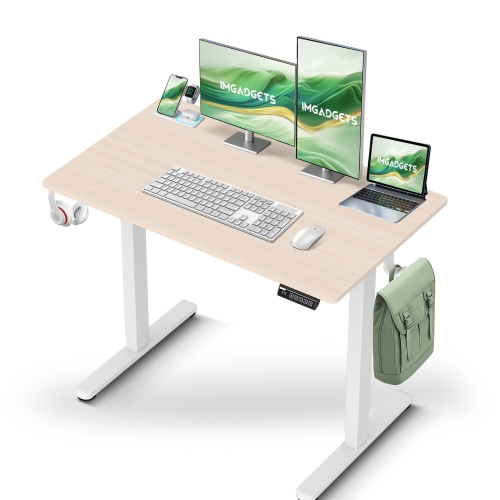 Your price for this item is $119.99
-
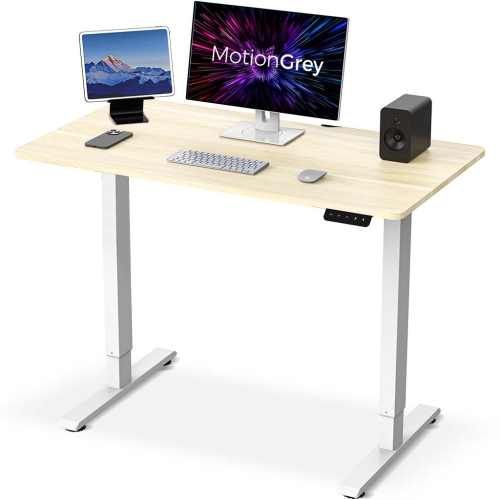 Your price for this item is $133.91
Discover more categories related to Furniture for Young Professionals
Top Collections:
Pokemon Centers, Best Cameras for Sports Photography, Kindle Devices, Samsung Galaxy Phones, Canon G7X Cameras, Pokémon 30th Celebration Cards, Refurbished Apple Laptops, iPhone 15 Apple, Laptops for Students, Budget Smartphones
Some products may be subject to Environmental Handling Fees
(EHF) depending on your province.
Learn more about EHFs.