Furniture Legs Metal
If you're looking for a new piece of furniture to add to your home, but want to keep it simple, metal furniture legs are a great option. They're simple and elegant, and they can be used with almost any type of furniture. Here are some of our favorites.
Sort
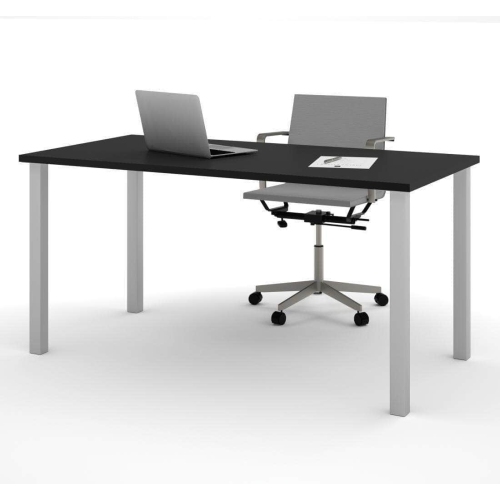
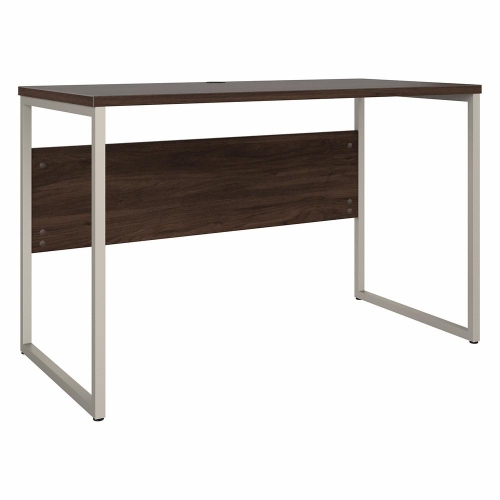

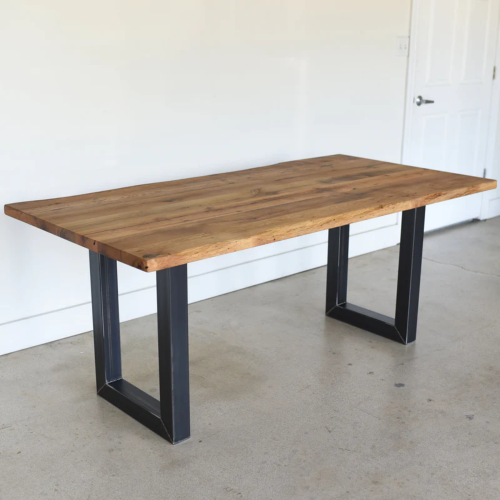
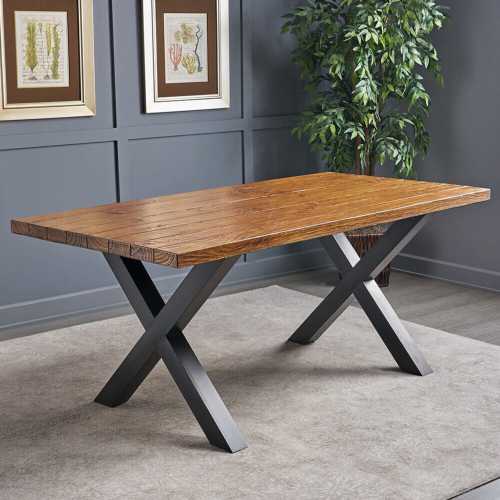


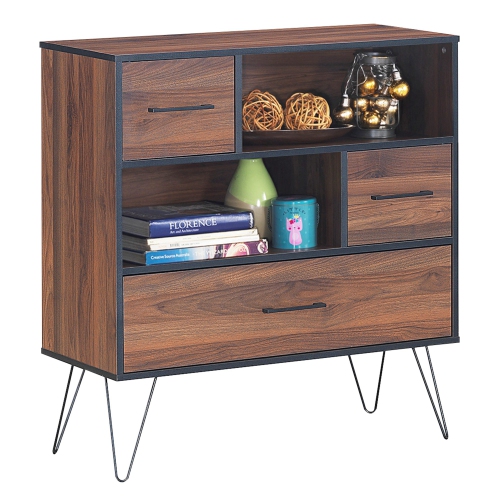
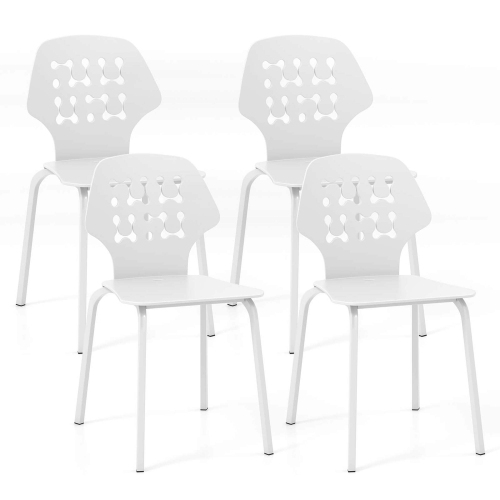
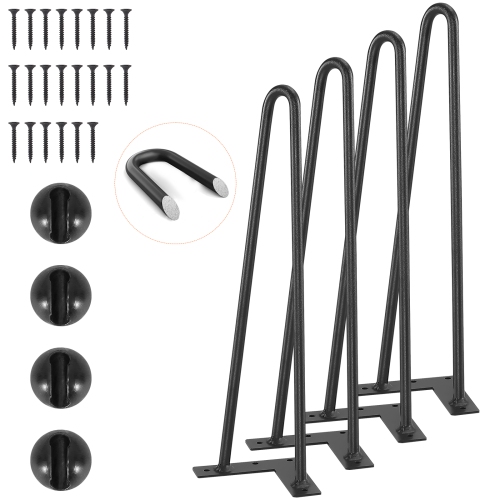
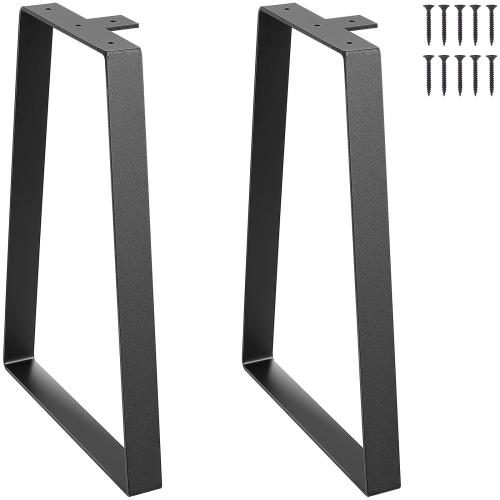


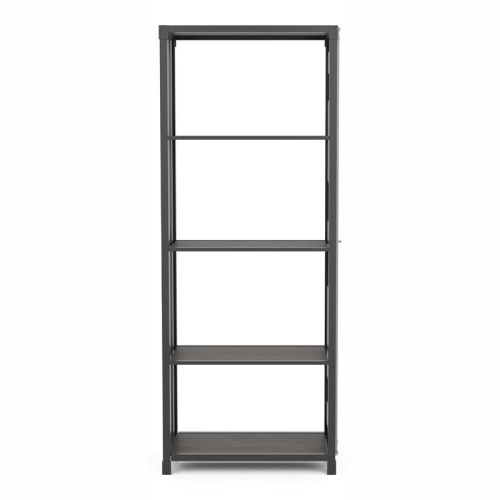
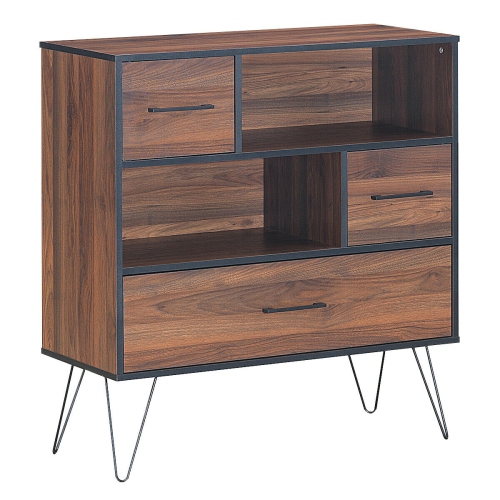
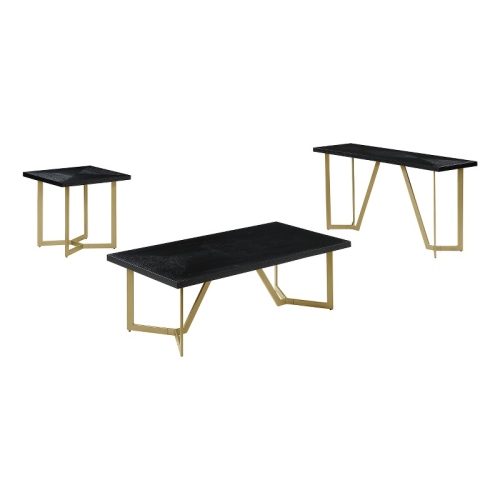
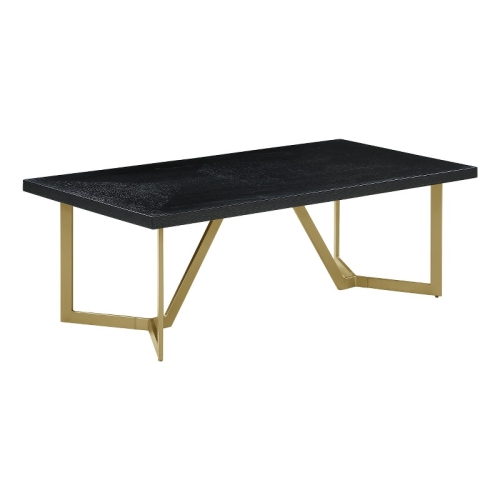
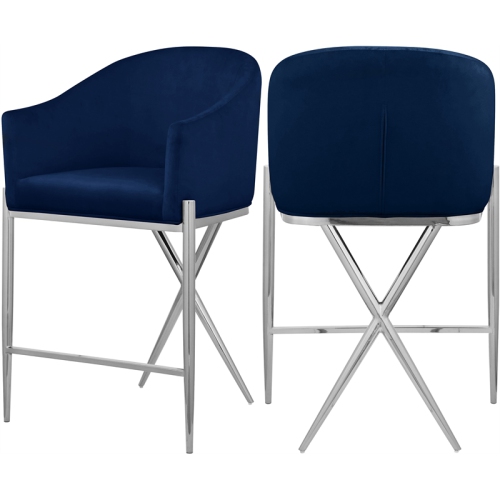
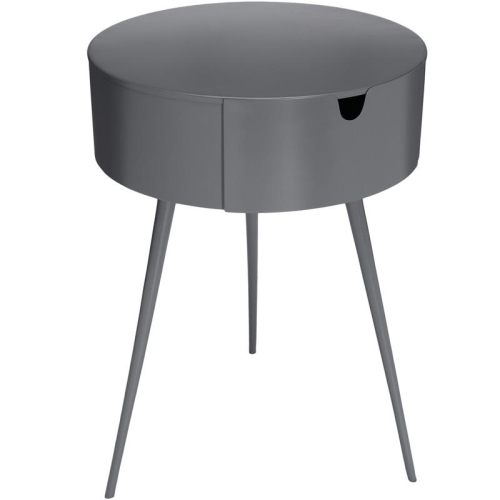
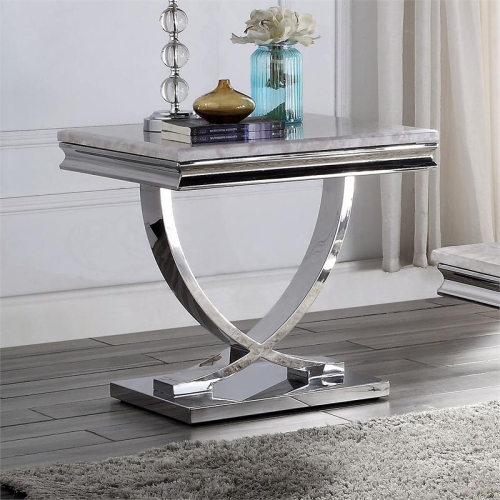
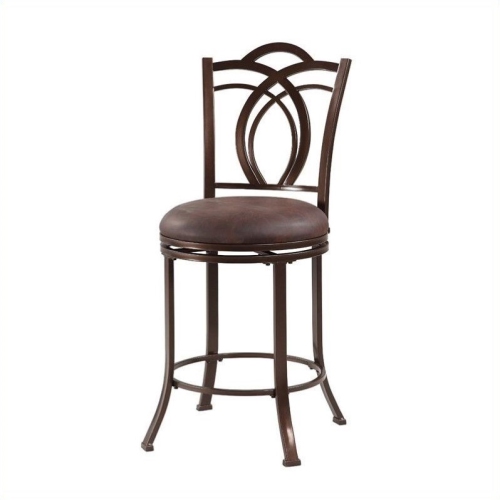
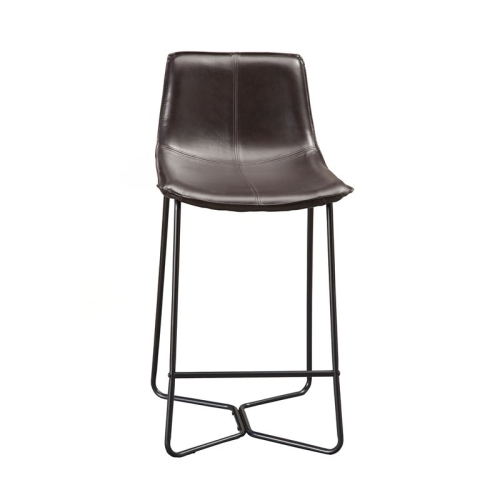
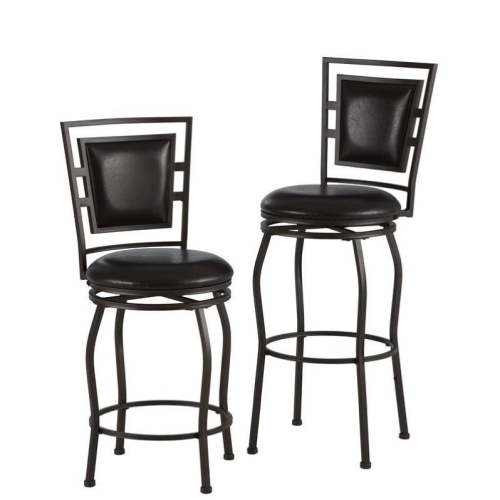
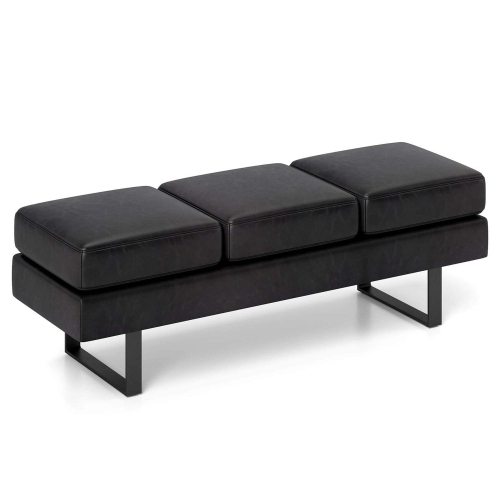
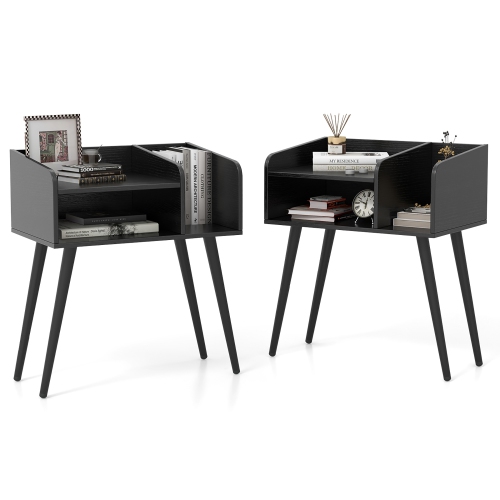
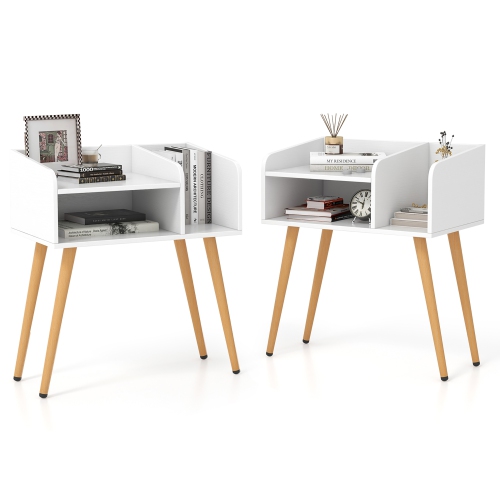
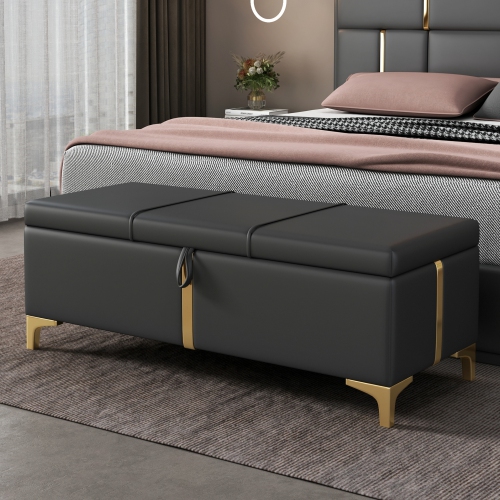
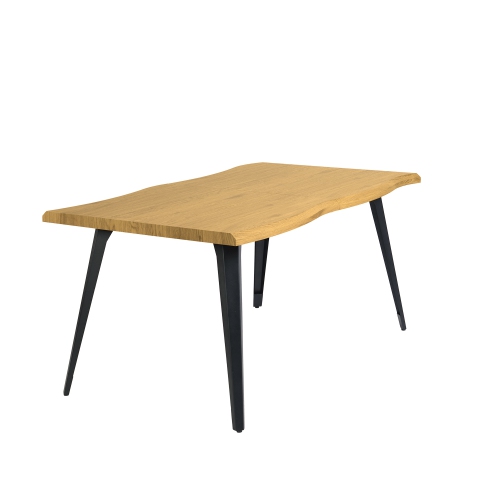
Supportive legs for custom builds and furniture updates
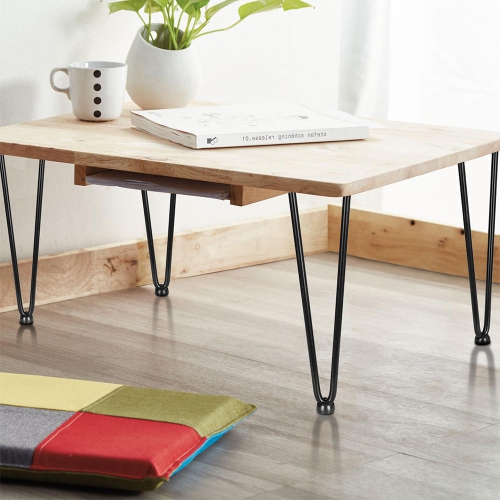
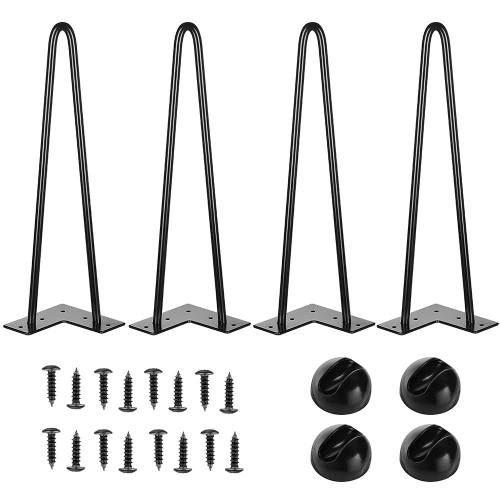
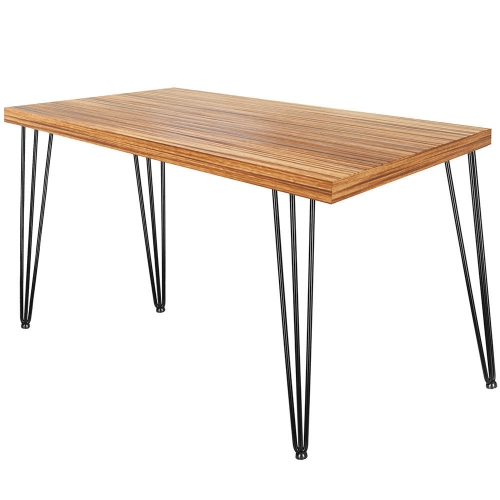
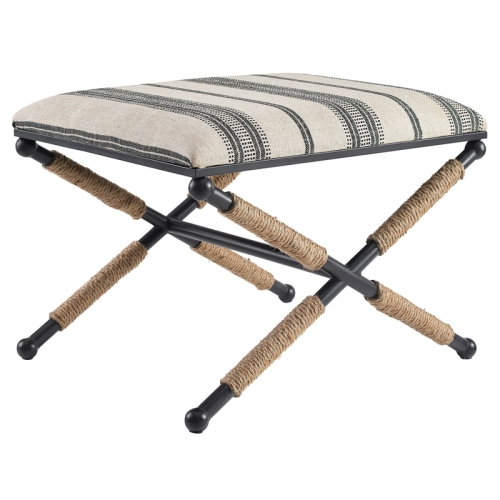
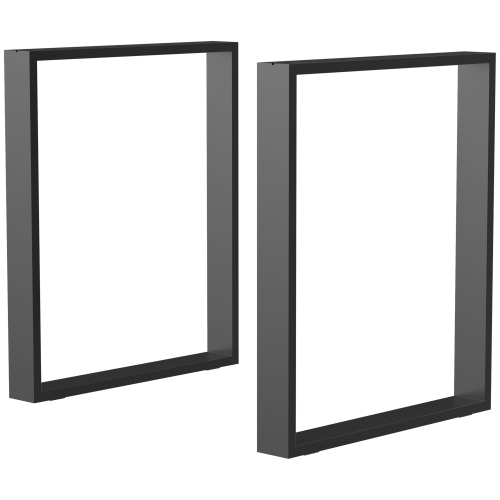
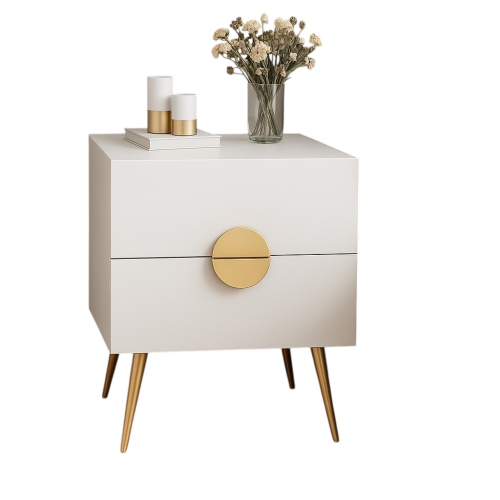
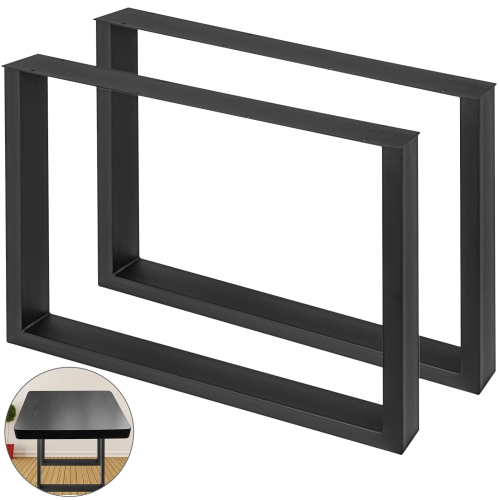
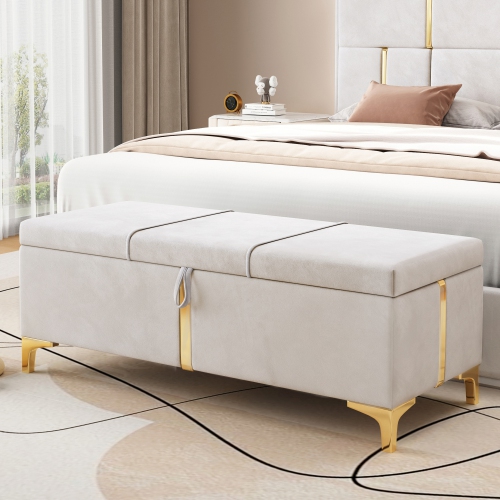
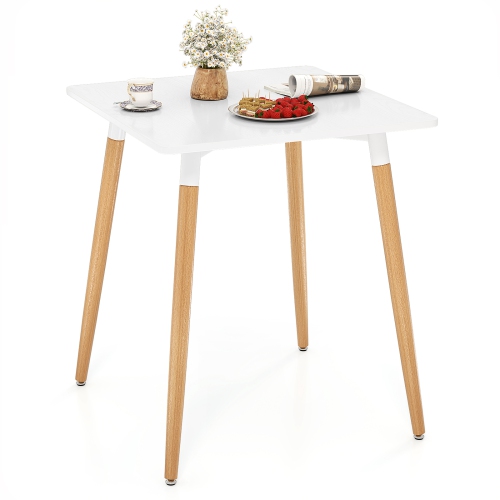
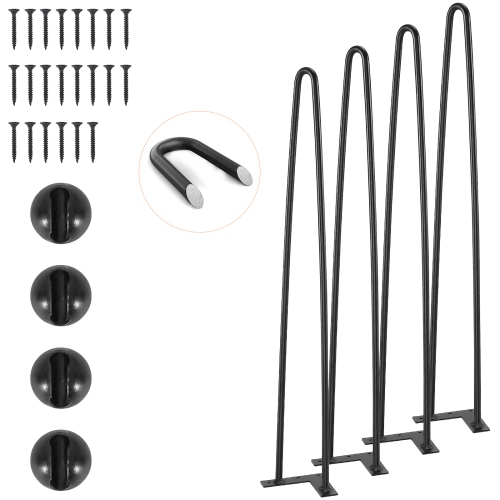
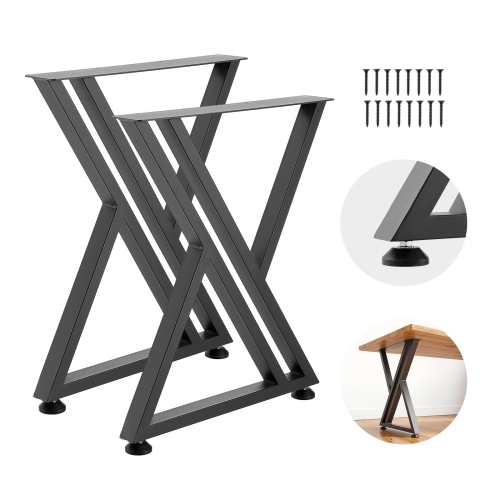
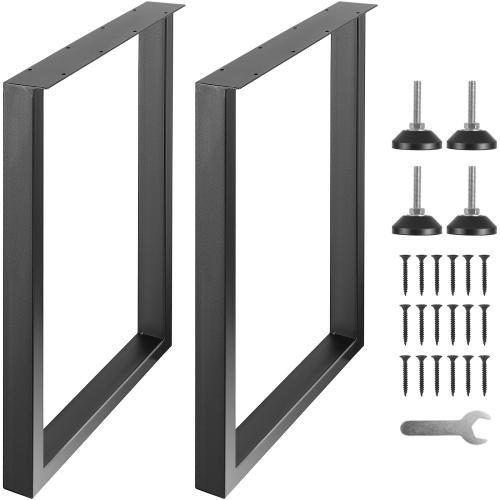
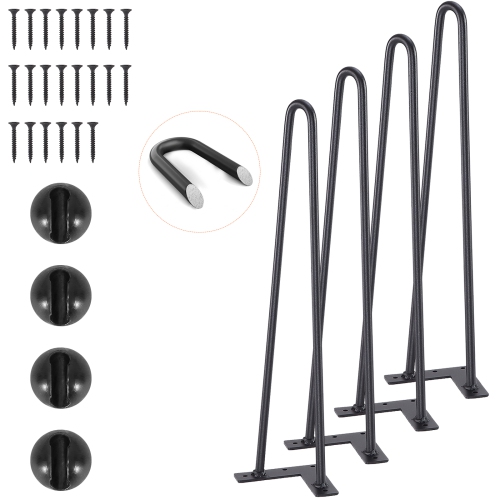
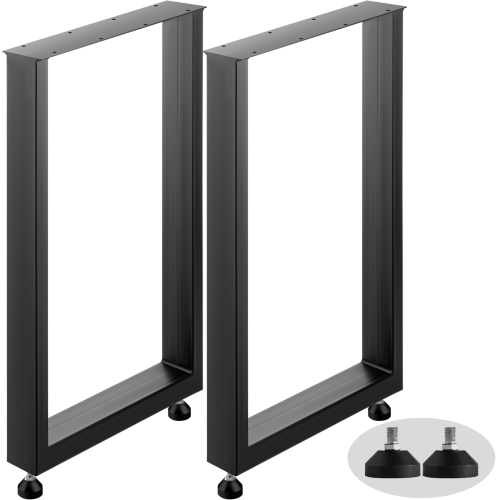
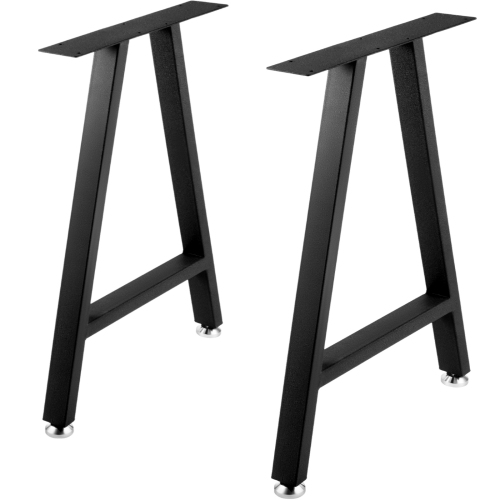
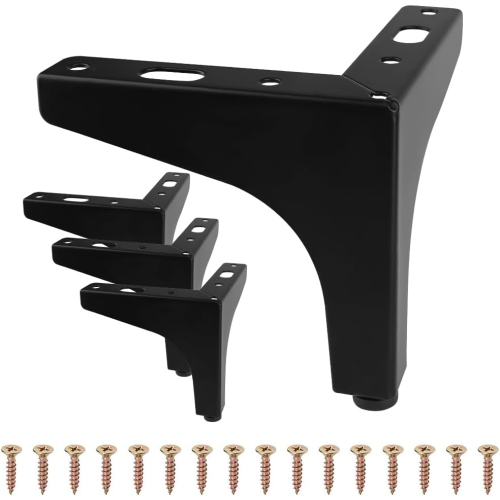
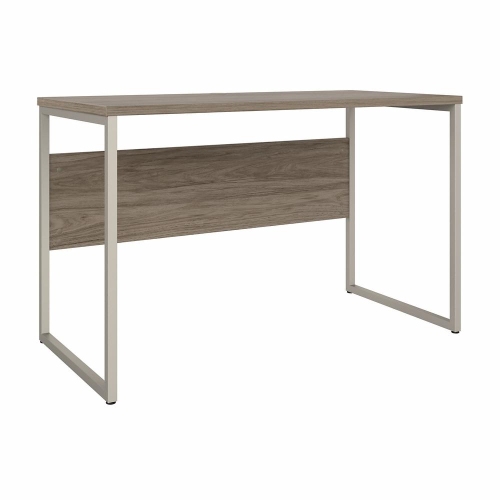
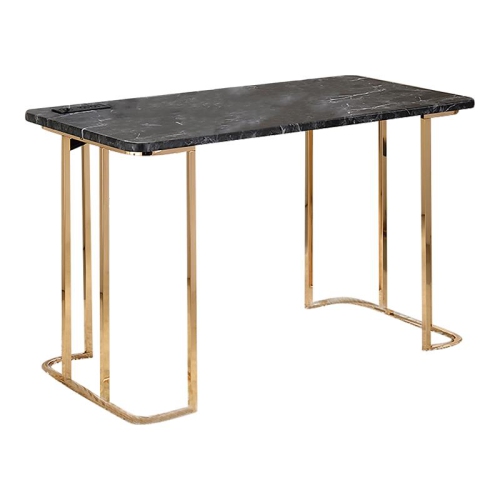
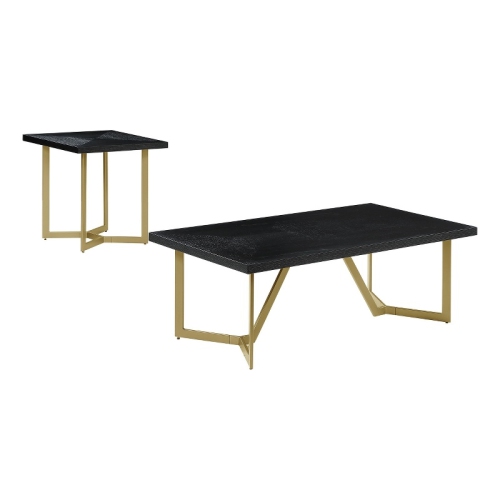
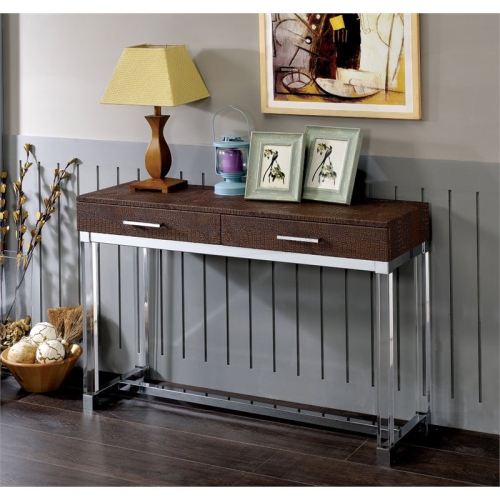
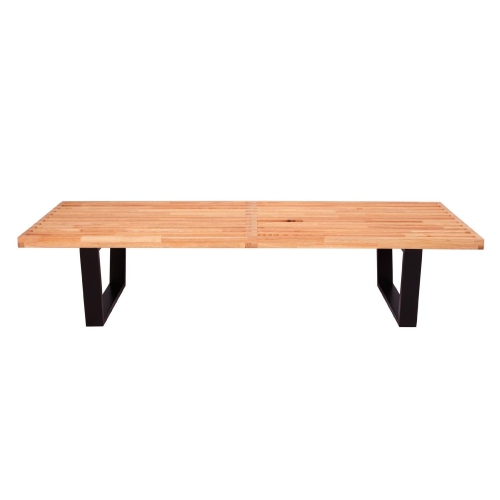
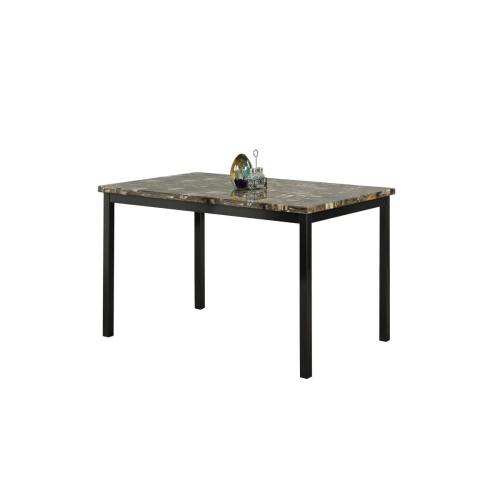
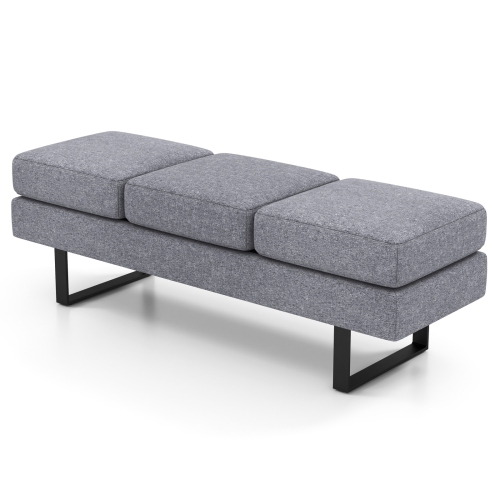
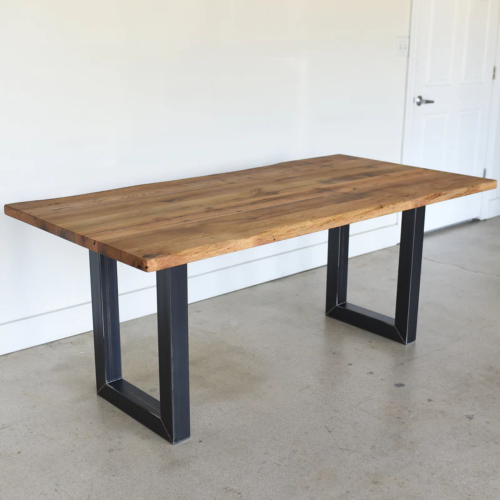
Metal furniture legs provide a practical way to build, refresh, or strengthen tables, desks, benches, cabinets, dressers, sofas, and other furniture projects. With the right size and design, they can turn a reclaimed wood slab into a dining table, give a tired sideboard a more contemporary profile, or add useful height beneath a storage cabinet. Steel legs are especially popular for their firm support and clean appearance, while their range of shapes makes it easy to suit many interiors, from warm and traditional rooms to modern, industrial-inspired spaces. Hairpin legs made from steel rod offer a lightweight, open look that works well on coffee tables, nightstands, small desks, and occasional tables. Square or trapezoid frames create a broader base and are a strong choice for dining tables, work surfaces, benches, and thicker wood tops. X-shaped supports and trestle-style frames add lateral stability, helping reduce side-to-side movement on larger pieces while contributing a bold architectural detail. Short cabinet and sofa feet, often measuring approximately 4 to 6 inches high, can lift furniture slightly off the floor, provide a finished lower edge, and make it easier to clean underneath. For additional ideas, browse the selection of Metal Table Legs when planning a table-building or furniture update project.
Height is one of the most important details to confirm before choosing metal furniture legs. Legs around 4 to 6 inches high are commonly used for cabinets, media consoles, dressers, vanities, and sofas, while legs around 16 inches can suit coffee tables and benches, depending on the thickness of the furniture top. Dining tables and standard-height desks generally use legs close to 28 inches, although the finished height should account for the tabletop, desktop, or cabinet base. Measure the existing piece and consider how it will be used before ordering; a work desk should leave comfortable knee clearance, while a coffee table should sit low enough to remain easy to reach from surrounding seating. Weight capacity also deserves careful attention. Add together the weight of the tabletop or furniture body, any drawers or shelves, and the objects that will rest on it. Solid steel and reinforced rectangular tubing are better suited to heavy wood slabs, stone surfaces, substantial office equipment, or dining furniture than thin, lightly built tubing. Capacity can vary by leg style, number of legs, mounting method, and how evenly the weight is distributed, so check the stated limit and installation instructions rather than relying on appearance alone. A wide frame may provide more stability than a narrow set of legs, and crossbars can help limit sway on longer surfaces. When replacing existing feet, compare the mounting plate size and screw-hole placement with the underside of the furniture to avoid unnecessary alterations.
A secure installation begins with a level surface, accurate measurements, and suitable hardware. Position the legs evenly, mark the screw locations, and drill pilot holes where recommended to help prevent splitting in wood. Use fasteners that match the thickness and material of the furniture, making sure they are long enough to hold firmly without breaking through the tabletop or cabinet floor. For larger tables, place the legs far enough in from the edges to provide comfortable seating and reduce the chance of tipping, while still allowing the top to remain properly supported. Rubber pads, non-marking feet, or adjustable levelling glides are useful features for protecting floors and correcting minor unevenness. Levelling glides are particularly helpful on older floors, workshop surfaces, and rooms where a long tabletop can reveal even a small height difference. Metal furniture legs can be a useful choice for do-it-yourself makers, renters updating removable pieces, homeowners restoring inherited furniture, and anyone looking to change the proportions or style of an existing item without replacing the entire frame. They can also make a thoughtful gift for a practical-minded host, furniture maker, home renovator, or student setting up a first apartment or workspace. During the warmer and cooler parts of the year alike, these components support indoor projects such as a reading bench, entryway console, craft table, or home office desk, giving a well-loved piece a sturdy foundation and a distinct finished look.
Height is one of the most important details to confirm before choosing metal furniture legs. Legs around 4 to 6 inches high are commonly used for cabinets, media consoles, dressers, vanities, and sofas, while legs around 16 inches can suit coffee tables and benches, depending on the thickness of the furniture top. Dining tables and standard-height desks generally use legs close to 28 inches, although the finished height should account for the tabletop, desktop, or cabinet base. Measure the existing piece and consider how it will be used before ordering; a work desk should leave comfortable knee clearance, while a coffee table should sit low enough to remain easy to reach from surrounding seating. Weight capacity also deserves careful attention. Add together the weight of the tabletop or furniture body, any drawers or shelves, and the objects that will rest on it. Solid steel and reinforced rectangular tubing are better suited to heavy wood slabs, stone surfaces, substantial office equipment, or dining furniture than thin, lightly built tubing. Capacity can vary by leg style, number of legs, mounting method, and how evenly the weight is distributed, so check the stated limit and installation instructions rather than relying on appearance alone. A wide frame may provide more stability than a narrow set of legs, and crossbars can help limit sway on longer surfaces. When replacing existing feet, compare the mounting plate size and screw-hole placement with the underside of the furniture to avoid unnecessary alterations.
A secure installation begins with a level surface, accurate measurements, and suitable hardware. Position the legs evenly, mark the screw locations, and drill pilot holes where recommended to help prevent splitting in wood. Use fasteners that match the thickness and material of the furniture, making sure they are long enough to hold firmly without breaking through the tabletop or cabinet floor. For larger tables, place the legs far enough in from the edges to provide comfortable seating and reduce the chance of tipping, while still allowing the top to remain properly supported. Rubber pads, non-marking feet, or adjustable levelling glides are useful features for protecting floors and correcting minor unevenness. Levelling glides are particularly helpful on older floors, workshop surfaces, and rooms where a long tabletop can reveal even a small height difference. Metal furniture legs can be a useful choice for do-it-yourself makers, renters updating removable pieces, homeowners restoring inherited furniture, and anyone looking to change the proportions or style of an existing item without replacing the entire frame. They can also make a thoughtful gift for a practical-minded host, furniture maker, home renovator, or student setting up a first apartment or workspace. During the warmer and cooler parts of the year alike, these components support indoor projects such as a reading bench, entryway console, craft table, or home office desk, giving a well-loved piece a sturdy foundation and a distinct finished look.
Top selling and popular products
-
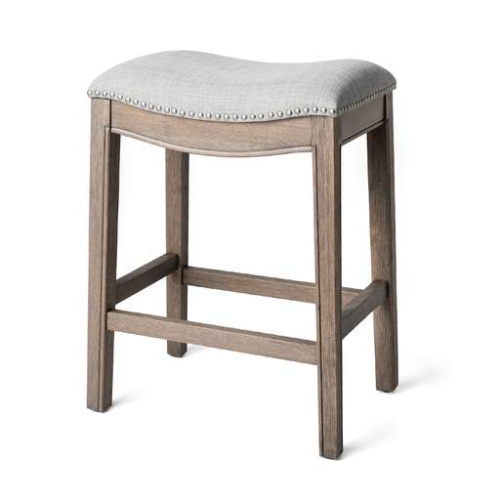 Your price for this item is $218.99
 -
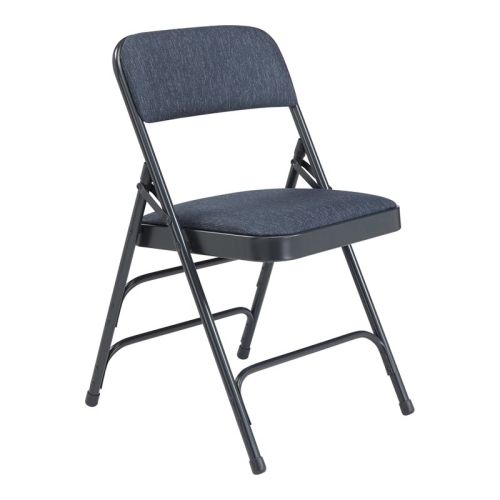 Your price for this item is $413.92
 -
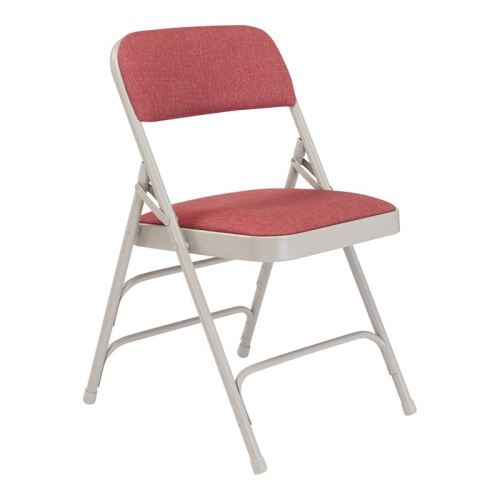 Your price for this item is $399.16
 -
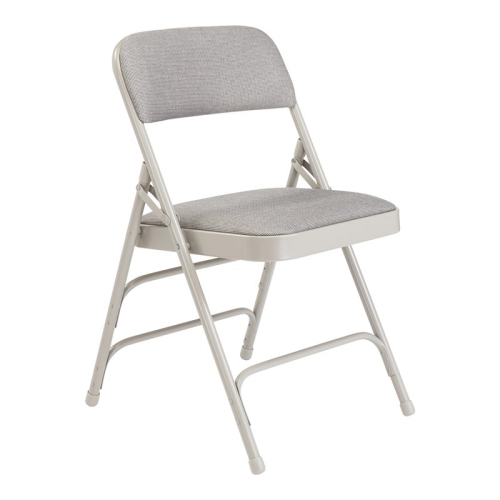 Your price for this item is $395.27
 -
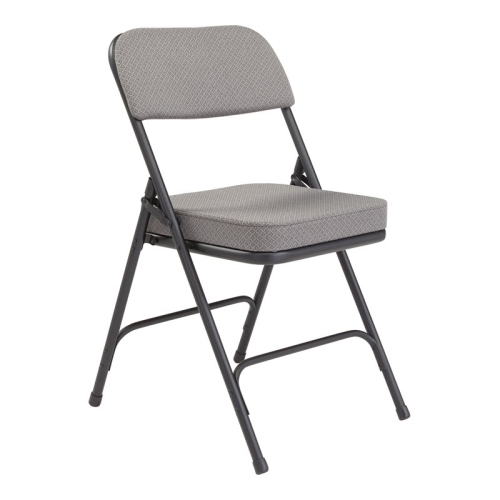 Your price for this item is $282.44
 -
 Your price for this item is $278.44
 -
 Your price for this item is $279.98
 -
 Your price for this item is $409.5
Discover more categories related to Furniture Legs Metal
Top Collections:
Best Laptops for Video Editing, Pokemon Centers, Samsung Z Fold, Kindle Devices, Best Cell Phones Under $300, Best Laptops for Writers, Best Budget Office Chairs, Best Cell Phones Under $500, Best Laptop Computers for Students, iPhone 15 Apple
Some products may be subject to Environmental Handling Fees
(EHF) depending on your province.
Learn more about EHFs.