Steel Table Legs
Looking to add a touch of modernity and durability to your furniture? Look no further than steel table legs. These versatile and sturdy supports offer a sleek and contemporary look that can instantly elevate the style of almost any table. Whether you're looking to revamp your dining room, office, or even outdoor space, steel table legs provide a strong foundation while adding a touch of industrial charm. Here are some great options available.
Sort

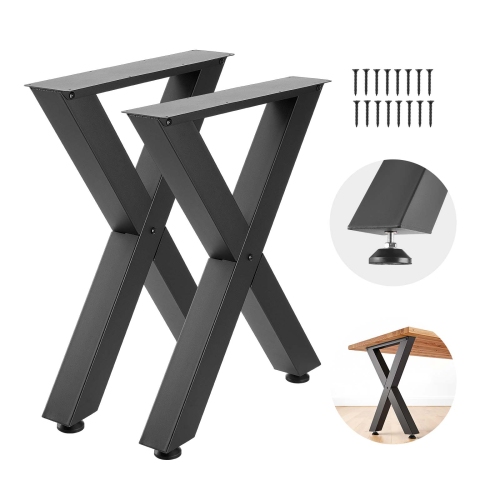
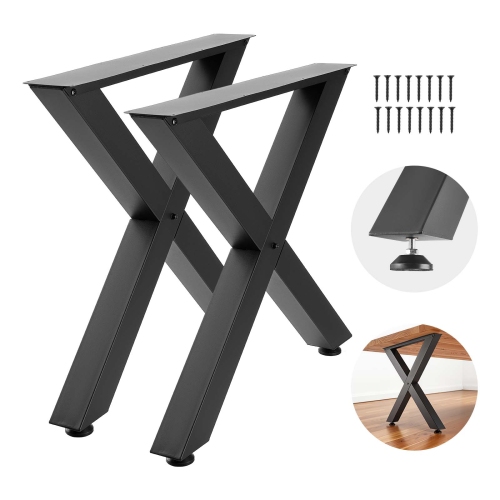
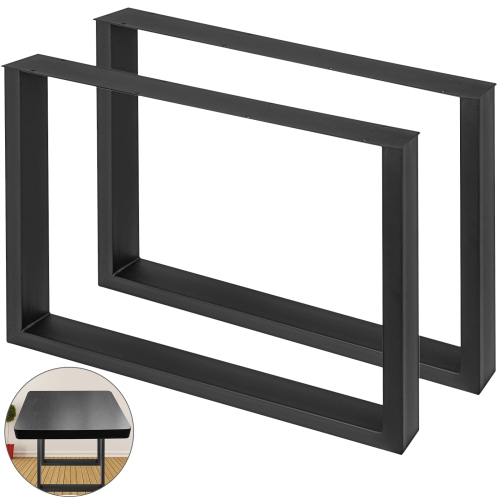
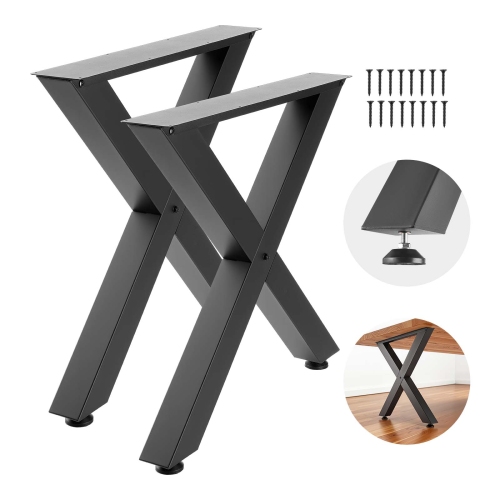


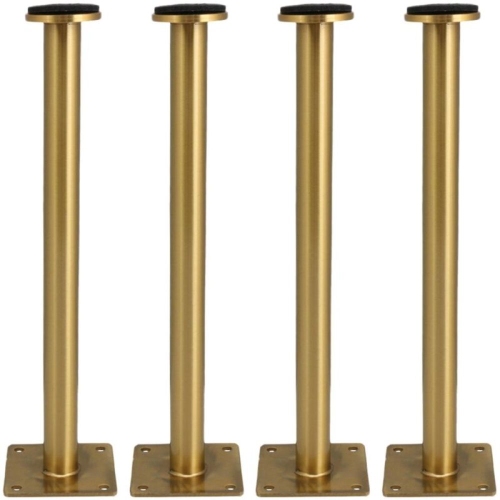
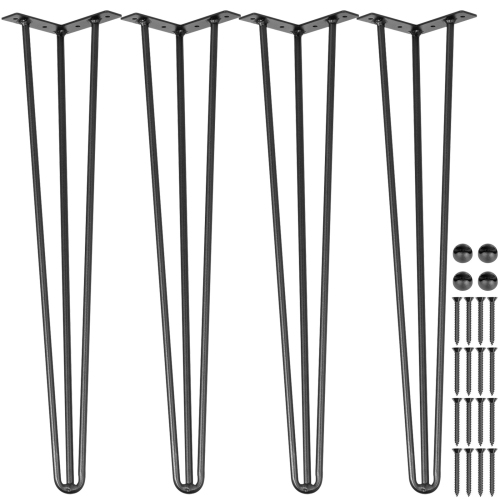
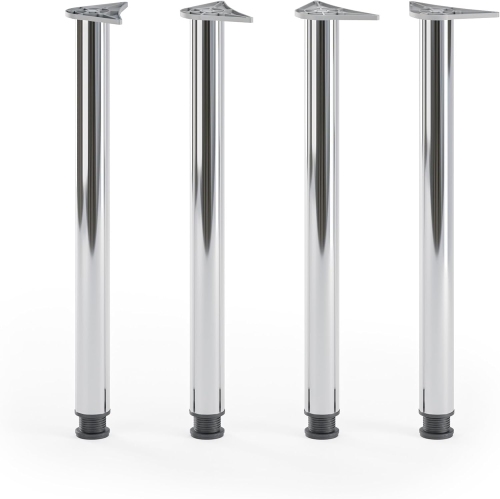
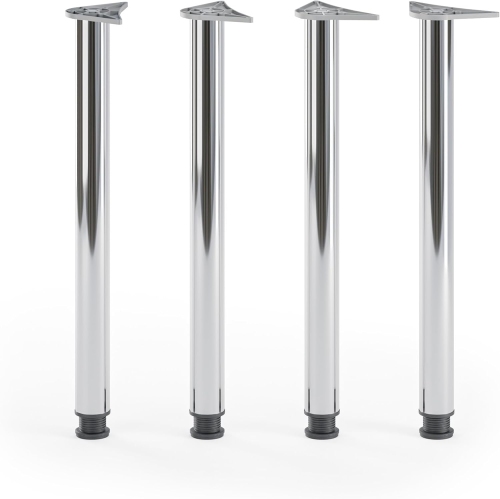
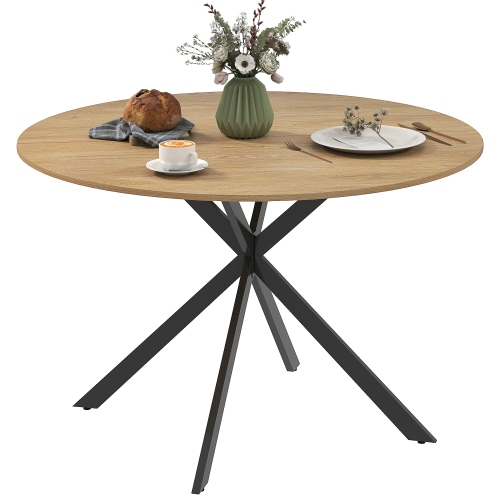
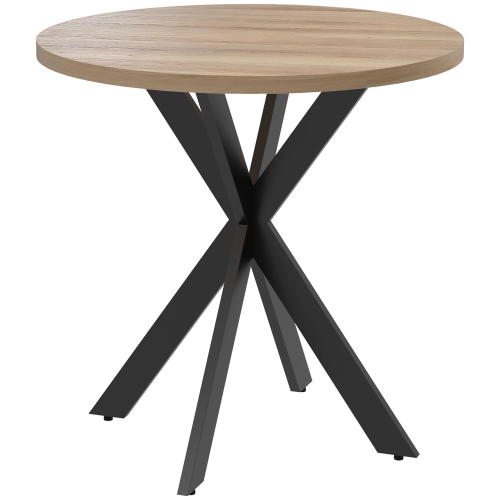
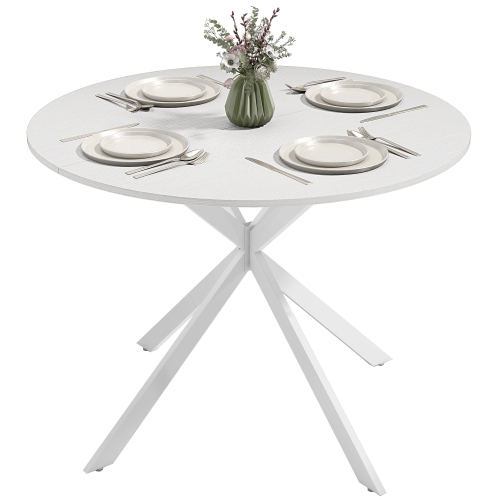
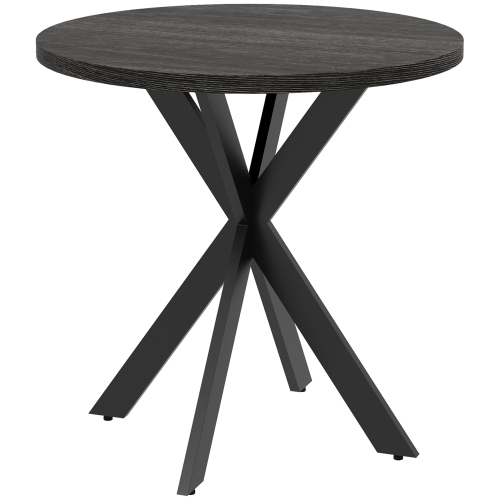
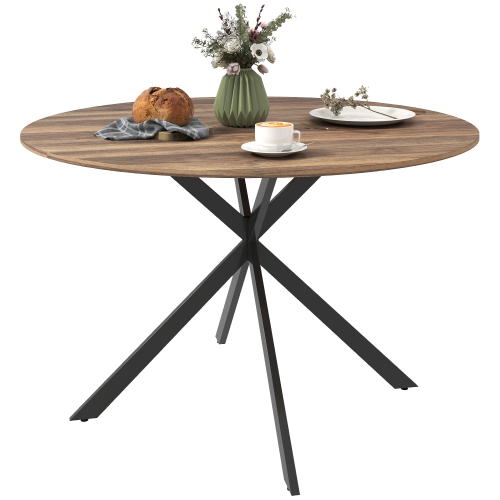
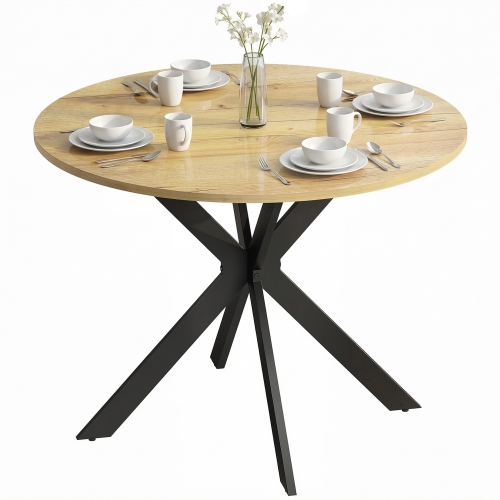
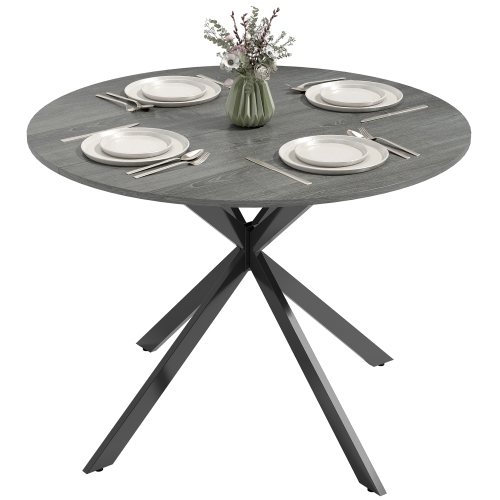
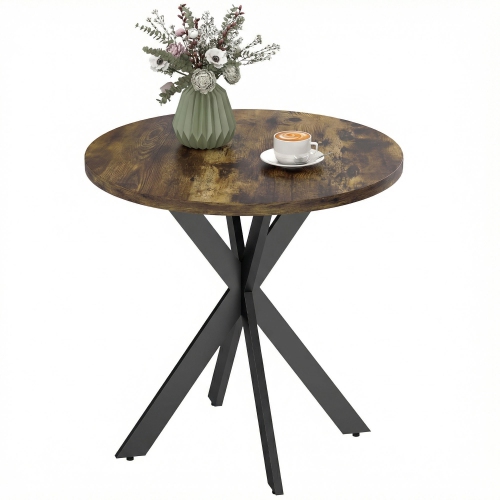

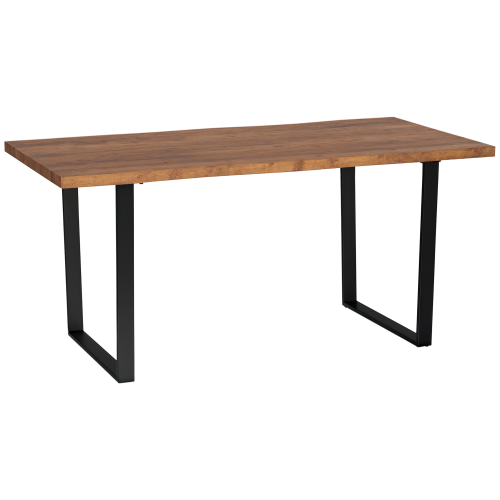
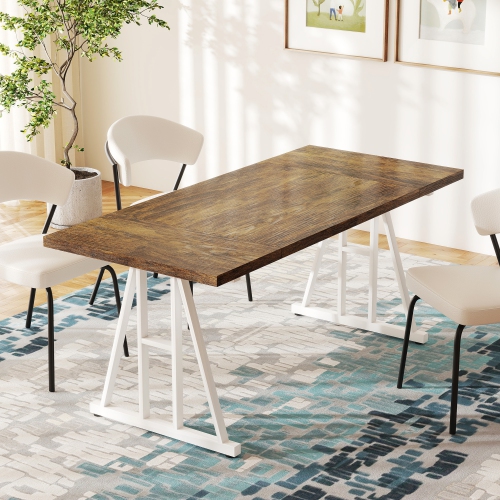

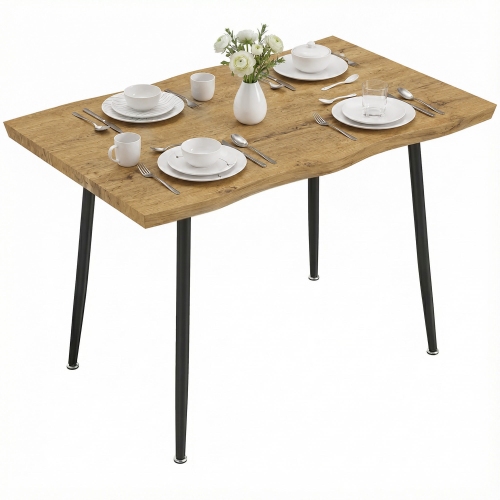
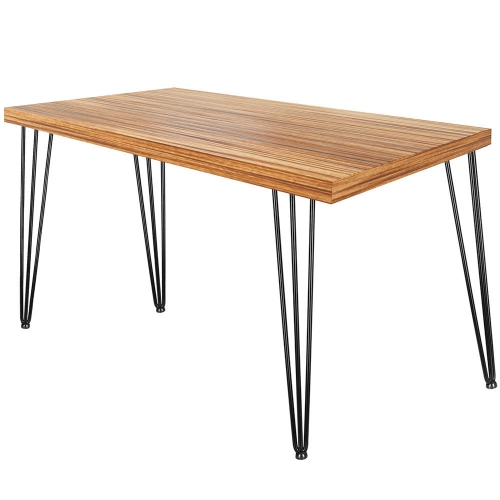
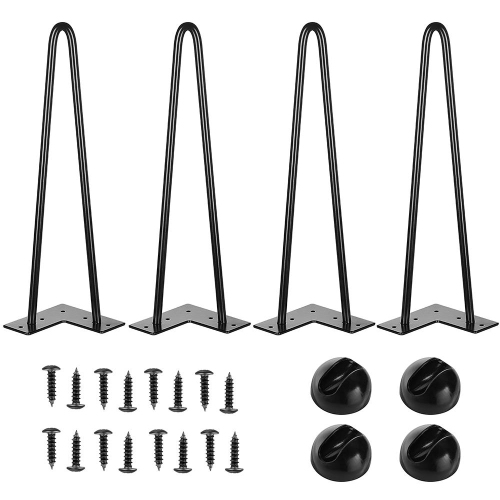
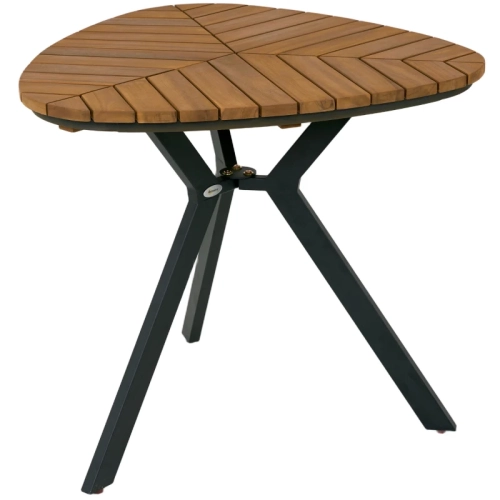
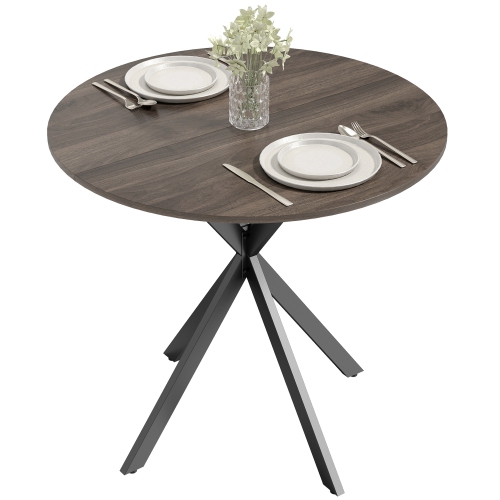

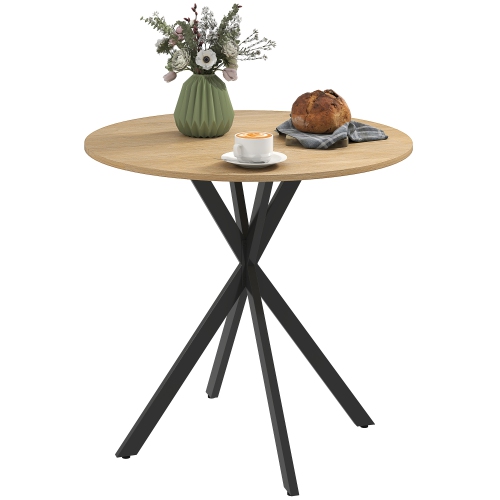
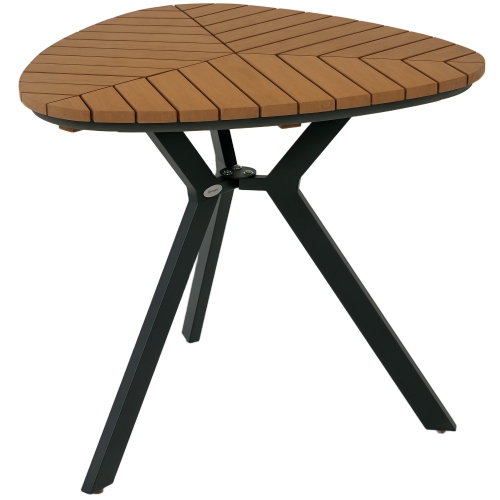
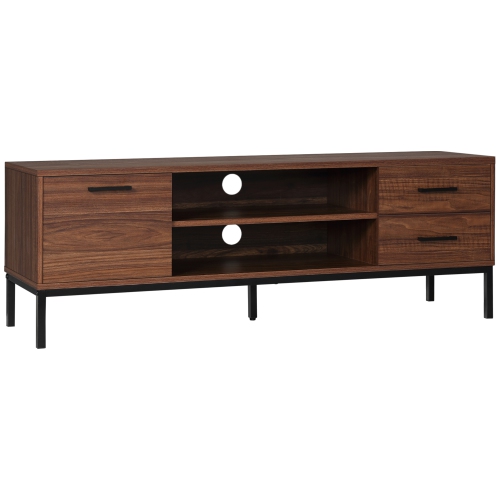
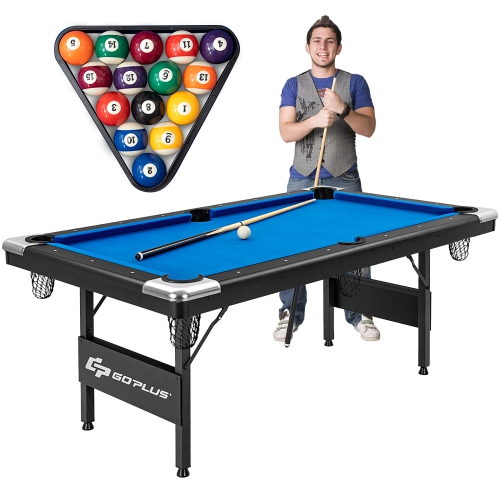
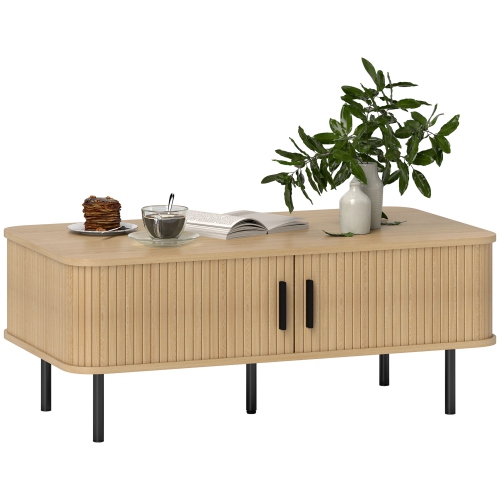


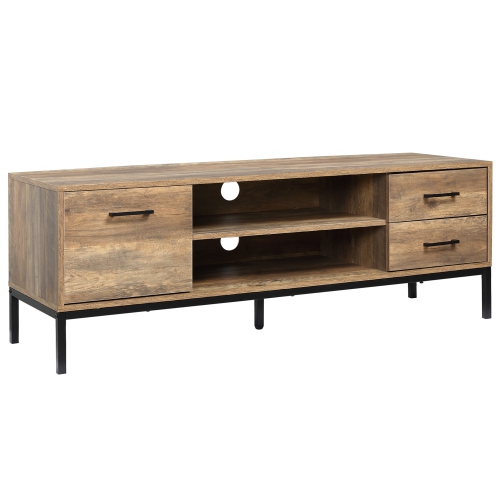


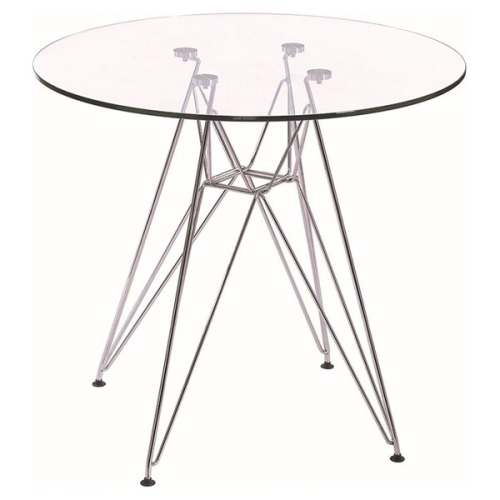

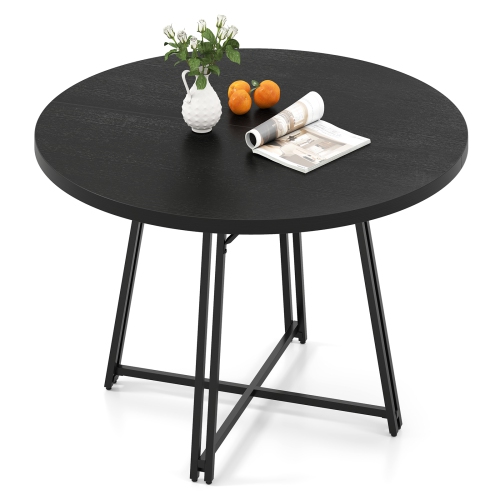
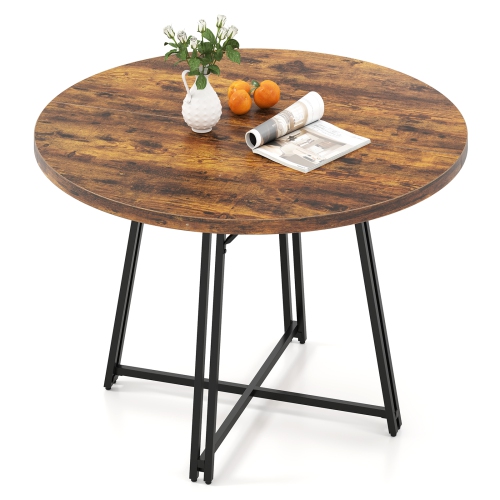
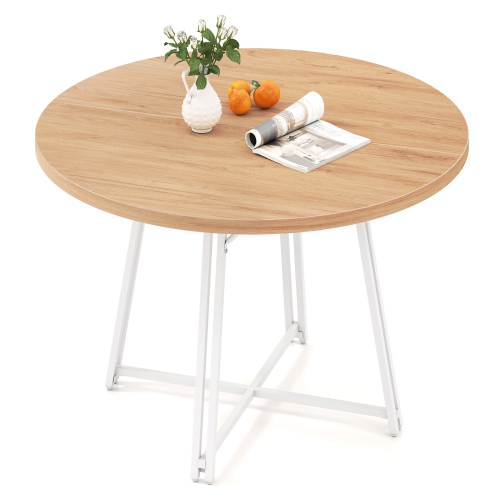
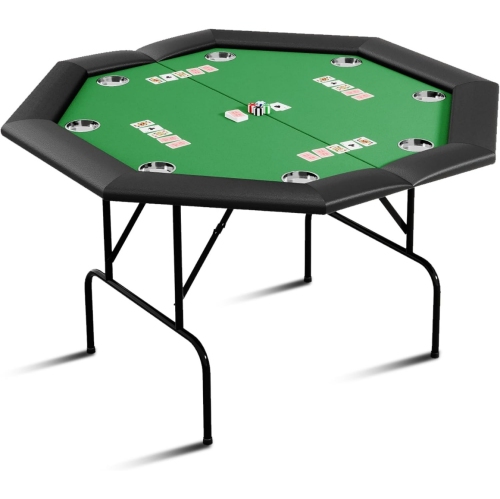
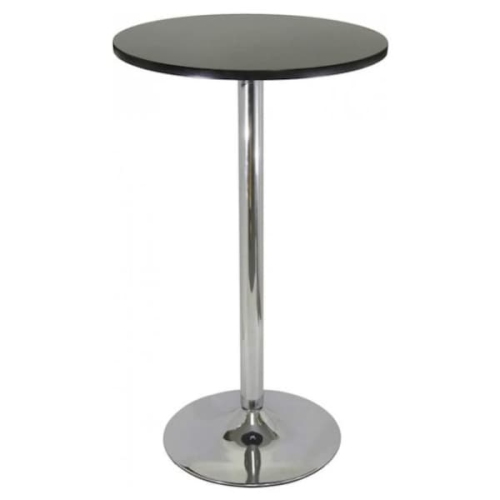

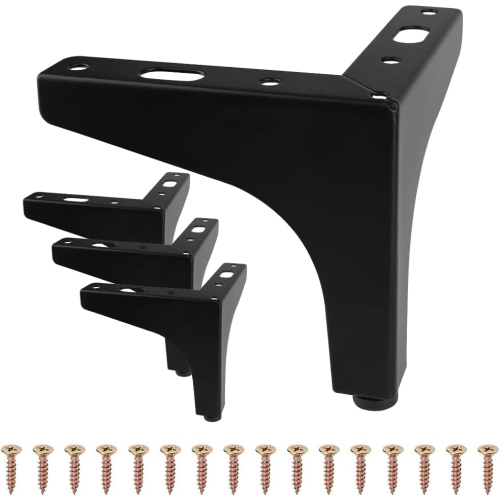
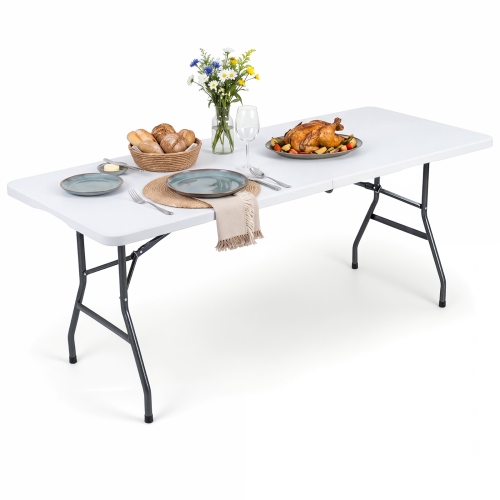
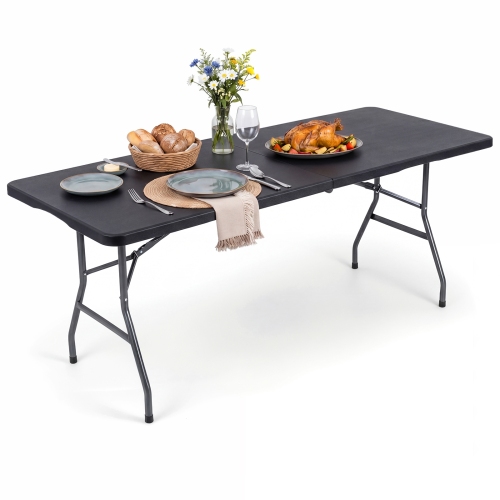

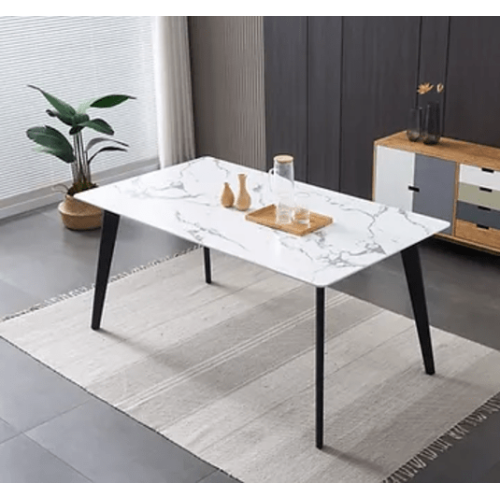

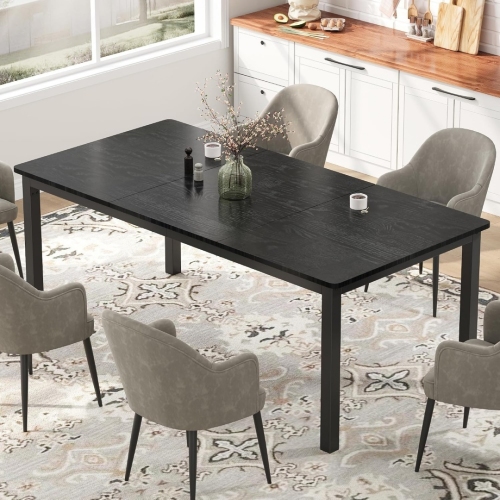
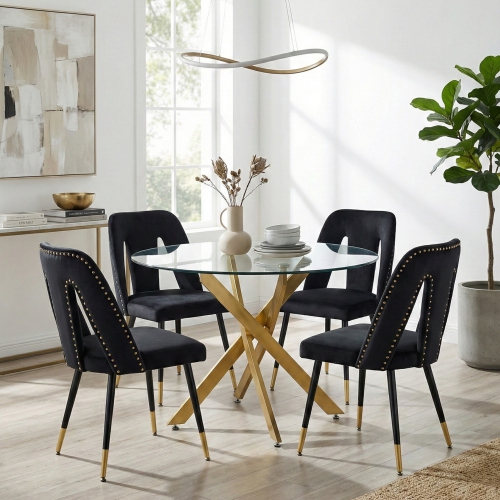
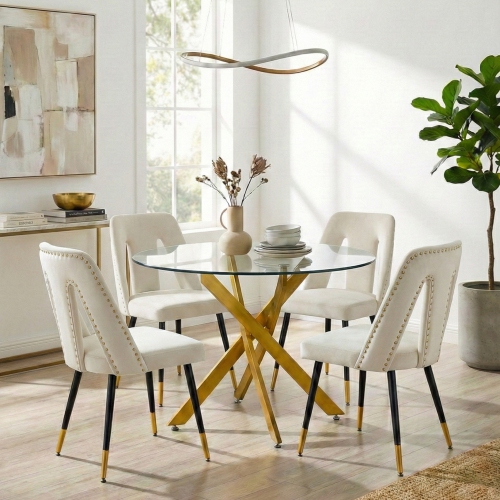
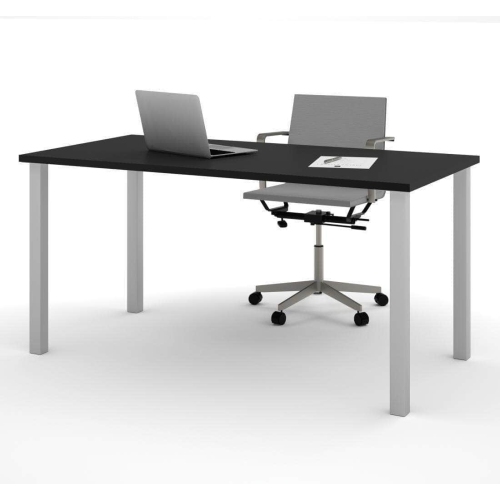
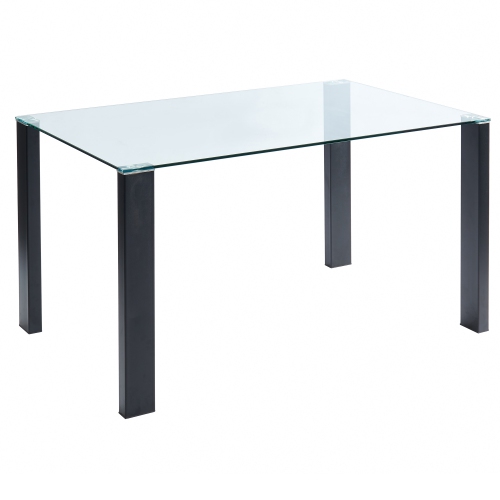

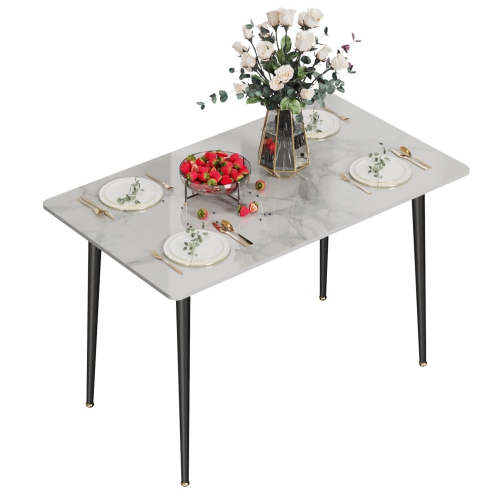
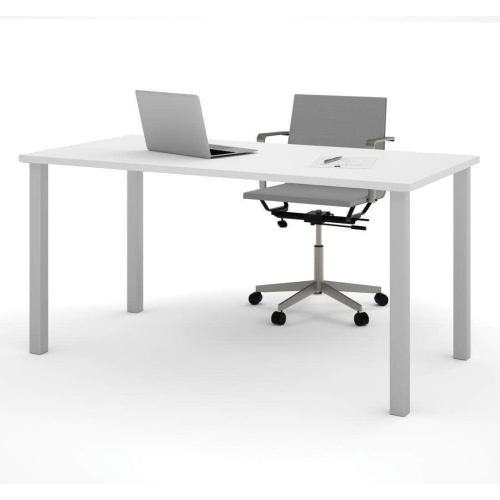

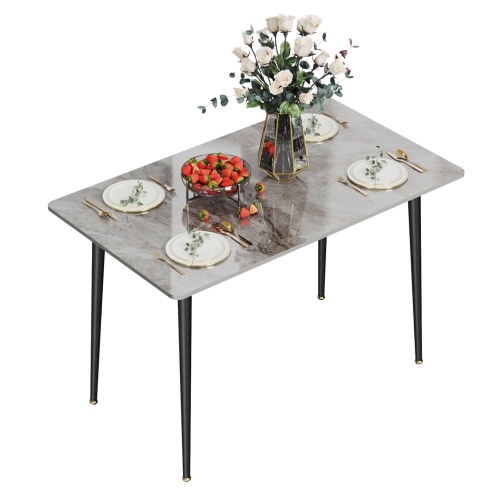
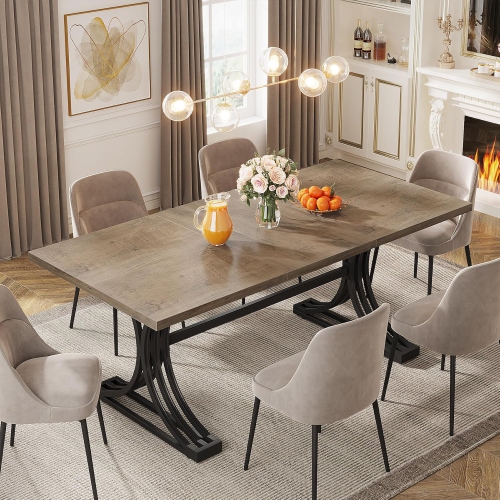

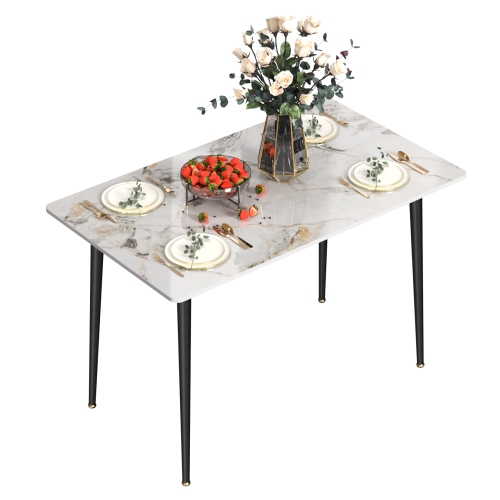
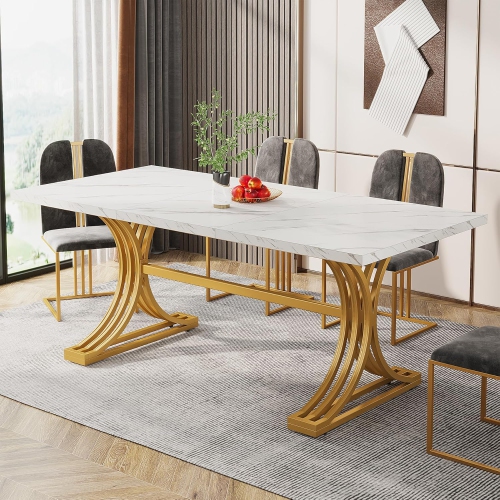
How your table base shapes style and seating comfort
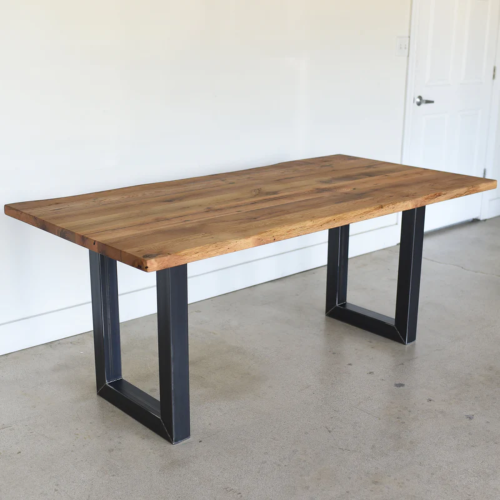
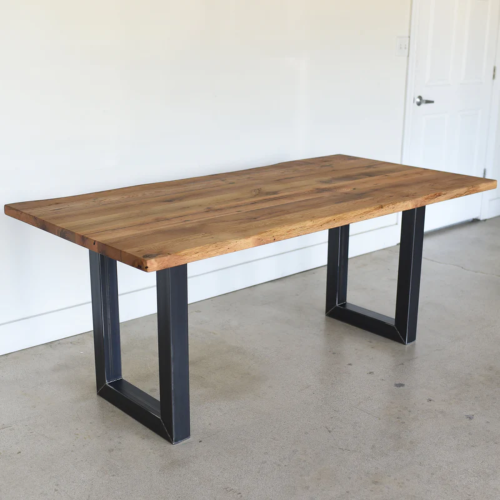
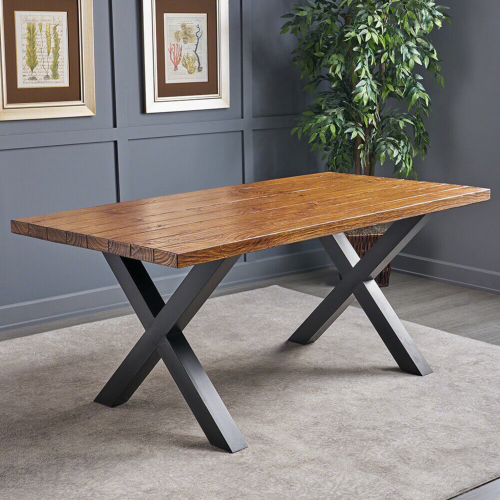
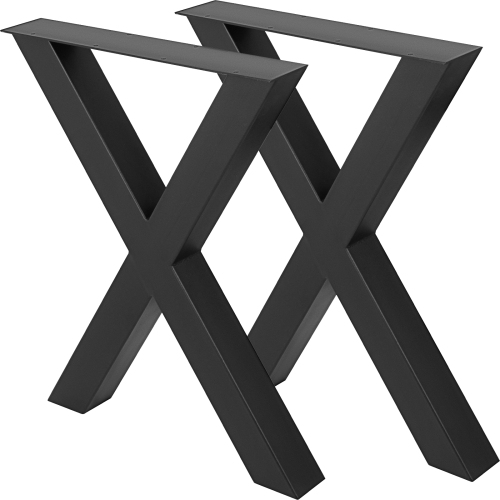
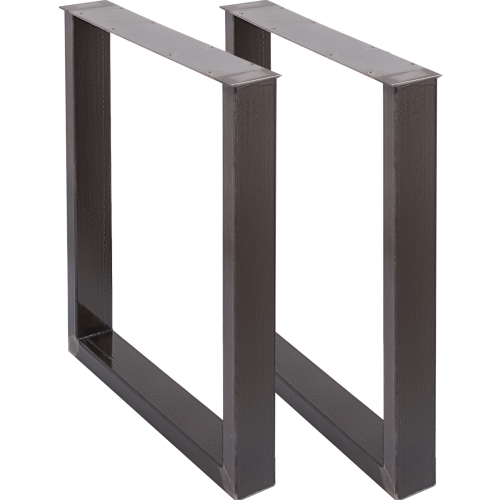
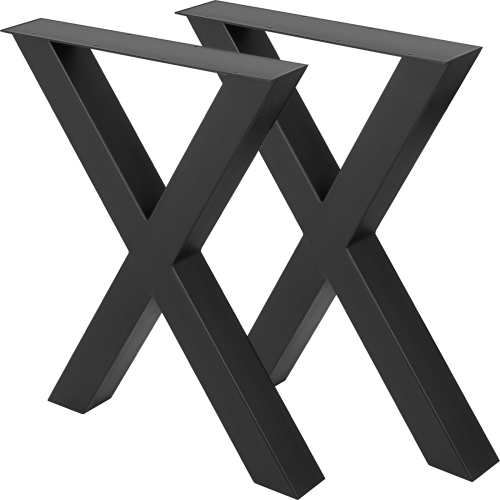
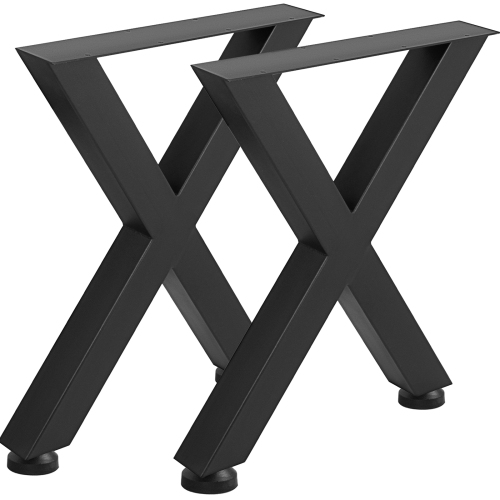
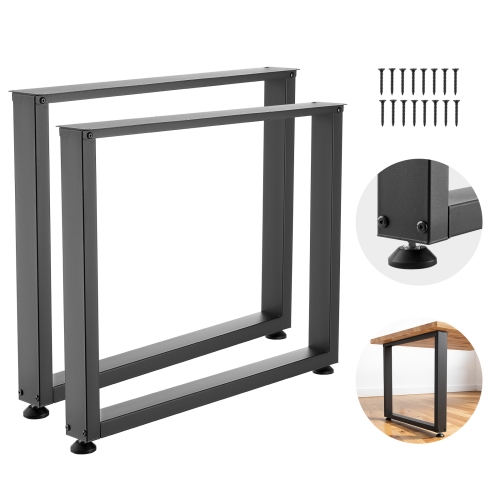
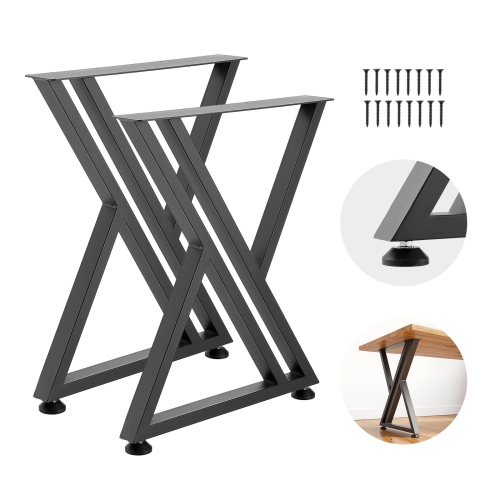
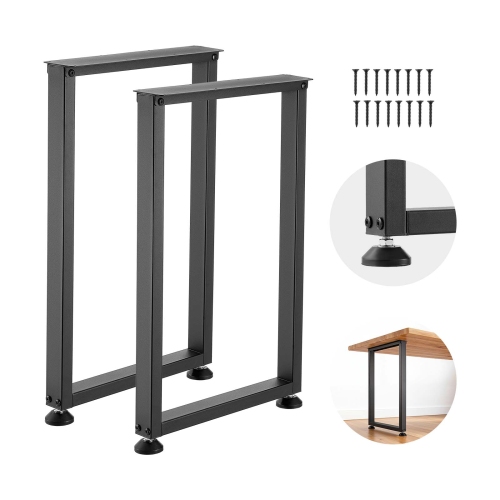
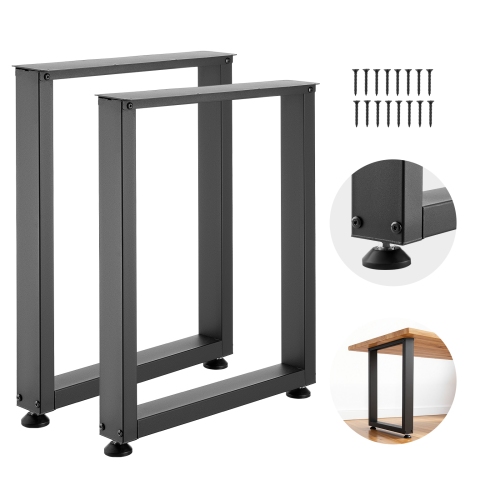
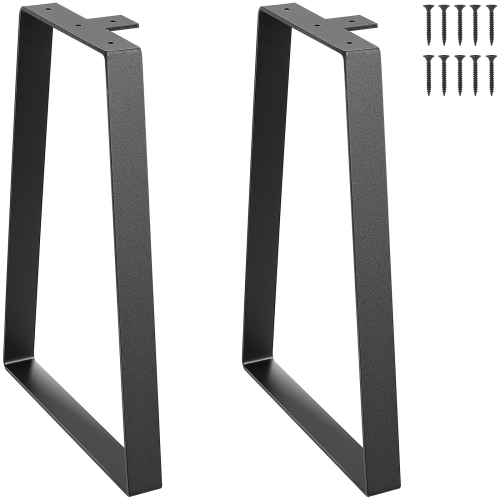
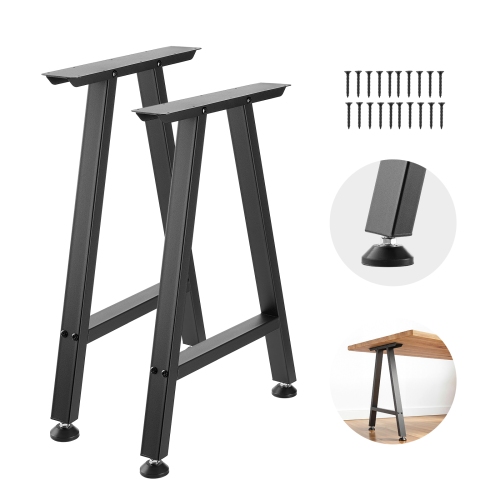
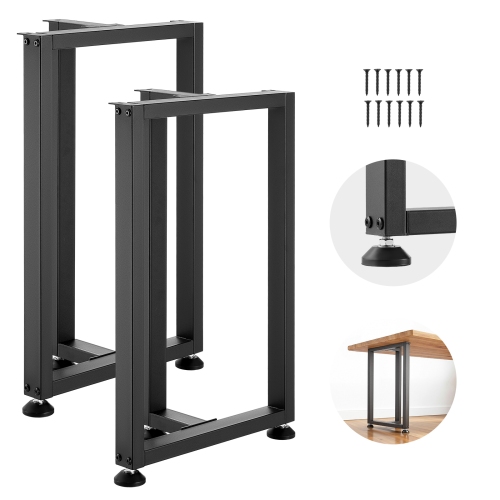
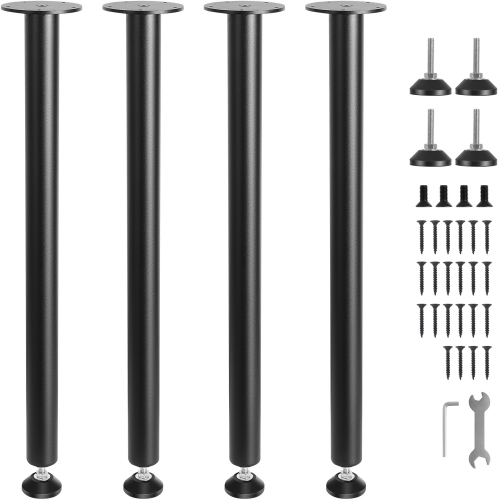
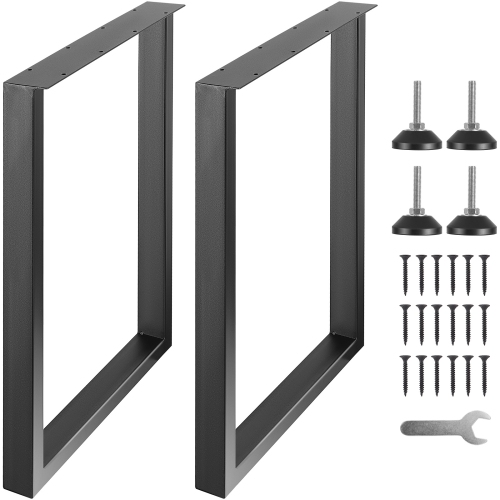
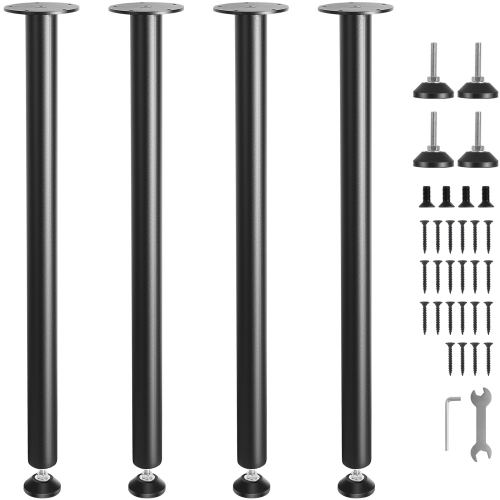
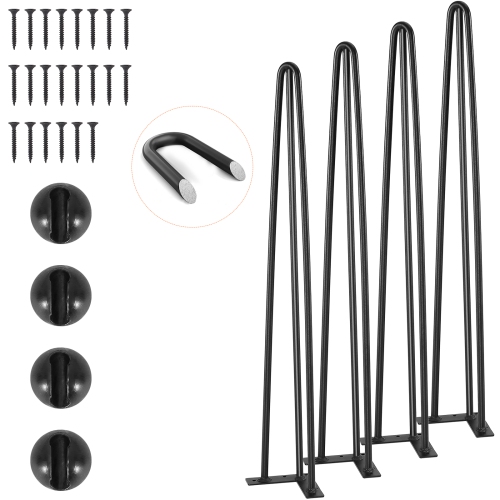
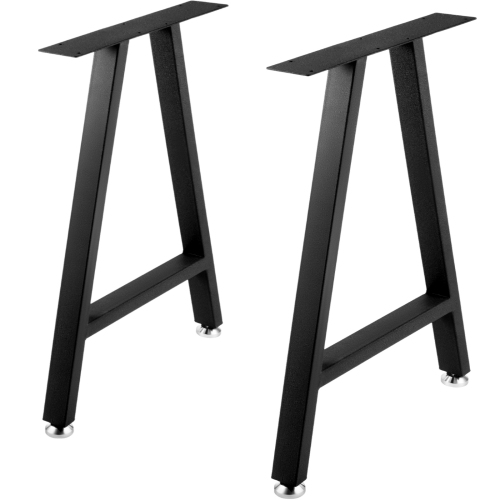
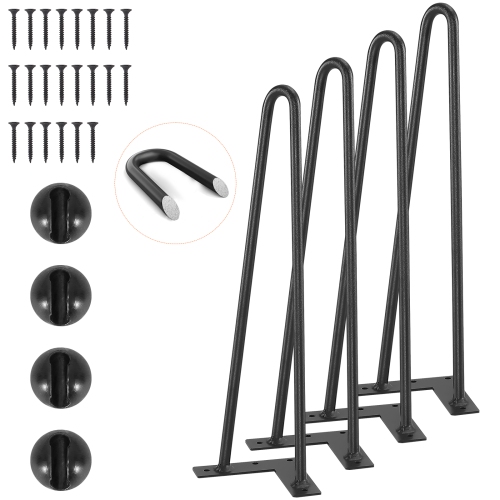
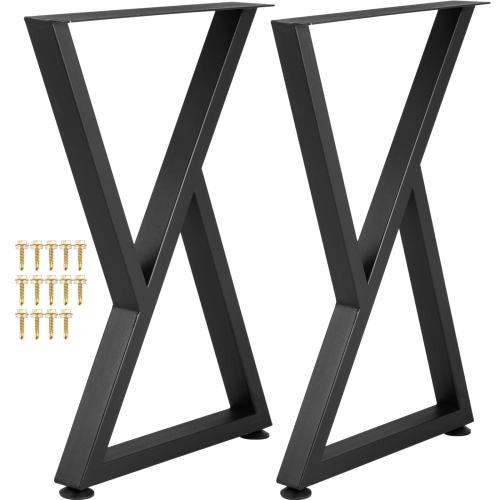
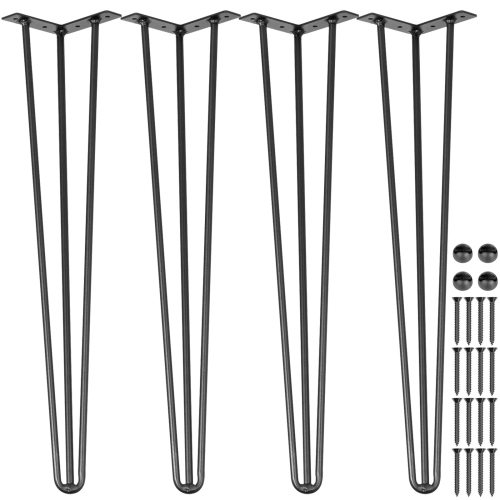
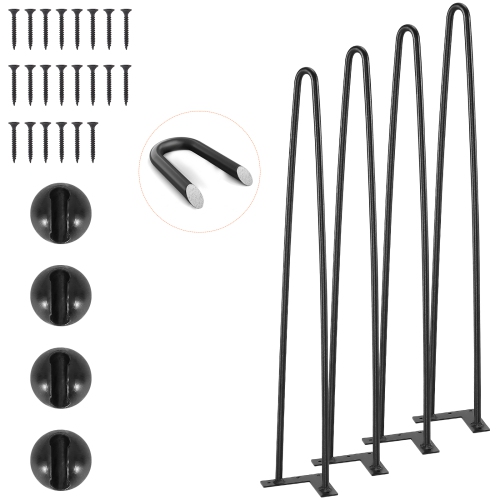
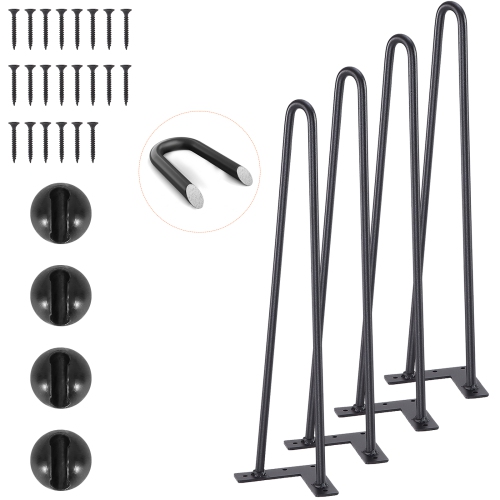
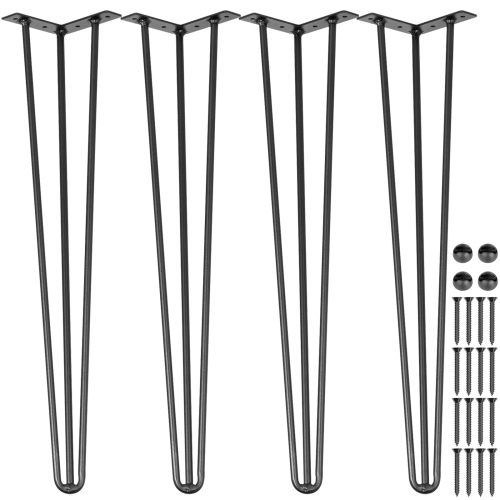
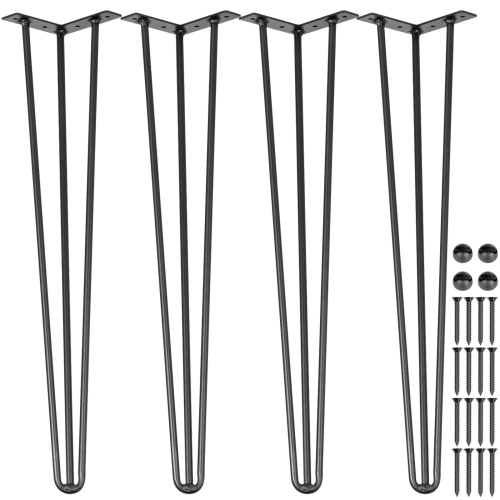
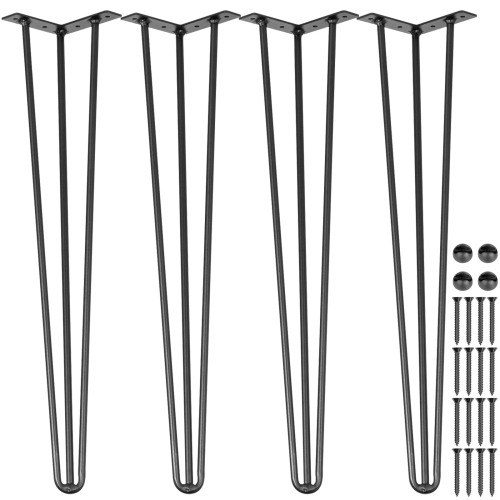
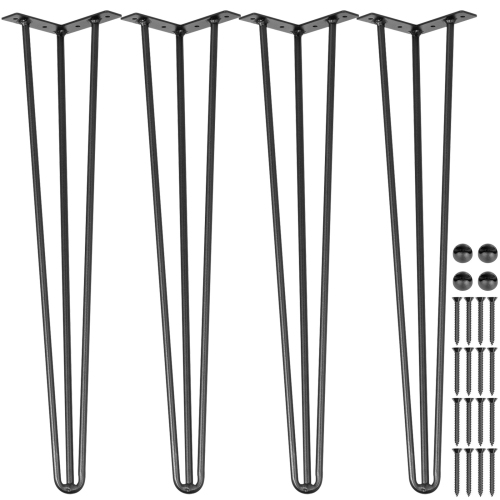
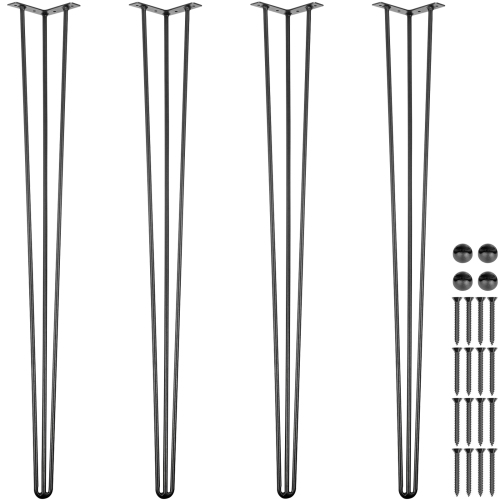
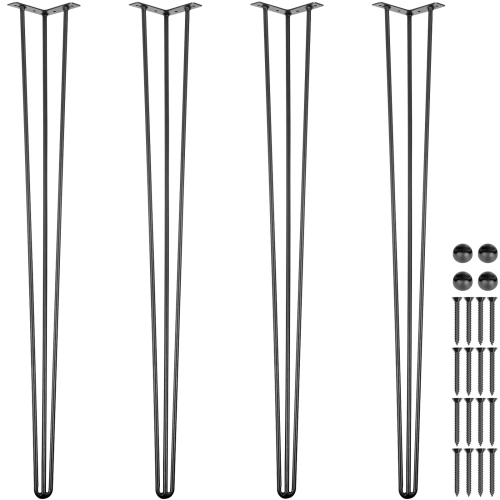
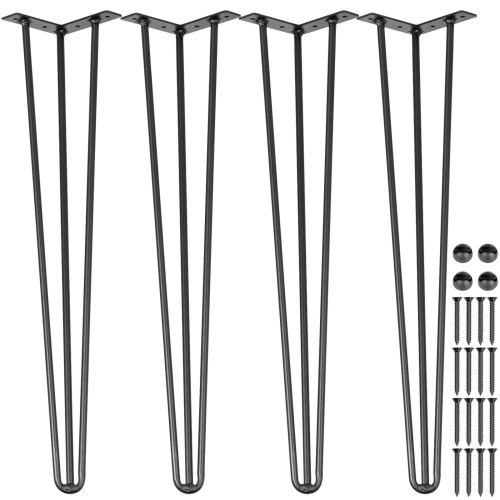
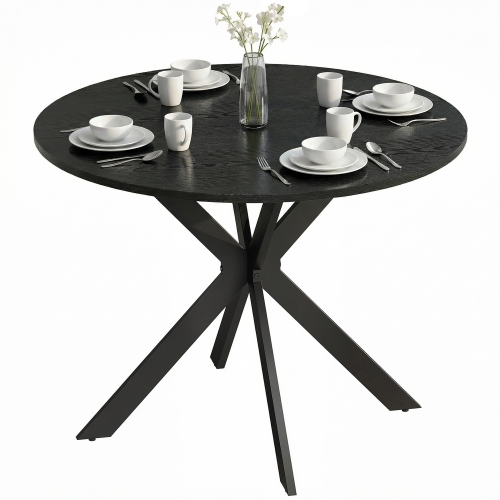
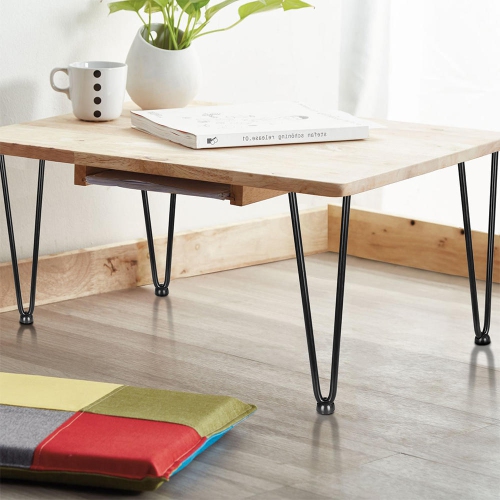
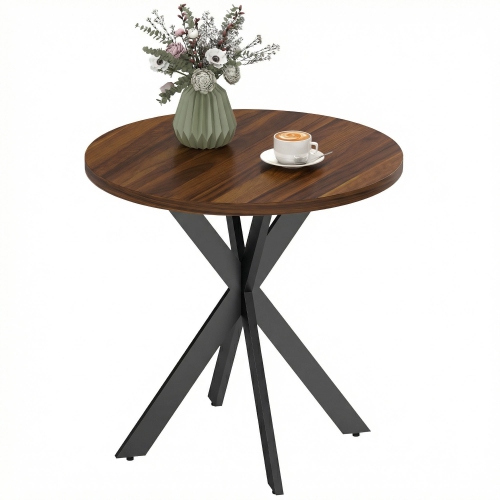
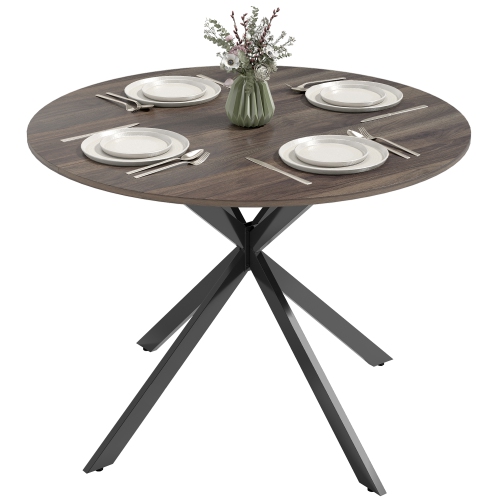
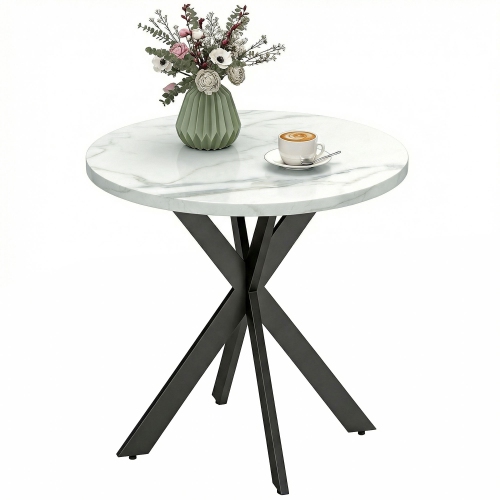
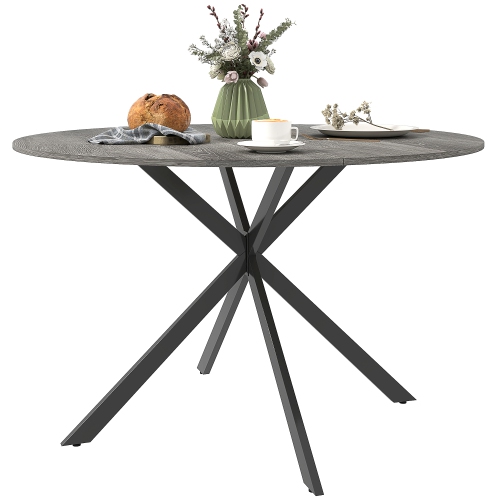
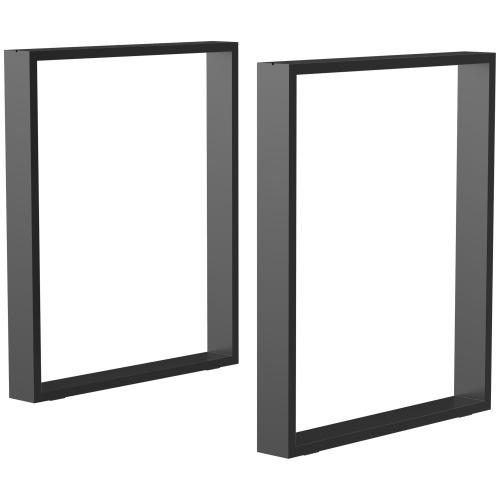
Steel table legs give a tabletop its stance, shaping both the way a piece of furniture looks and how comfortably it fits into everyday life. A slim set beneath a light wood surface can keep a small apartment feeling open, while a broad rectangular base beneath a substantial top creates a more grounded look. Their appeal extends beyond industrial interiors: clean lines and restrained finishes can work alongside upholstered dining chairs, traditional wood furniture, or a simple home office setup. Steel is valued for its strength and rigidity, although the performance of a finished table depends on the complete construction, including the leg dimensions, welds, mounting plates, fasteners, and tabletop. Hairpin shapes create an airy silhouette, square tubing offers a crisp outline, and angled or trapezoid forms bring a stronger visual presence. These differences are practical as well as aesthetic. Legs that flare outward occupy more floor space than their mounting points suggest, while a wide frame can affect where chairs tuck in. For a coffee table beside a sofa, a compact footprint may leave a clearer path through the room; for a desk used throughout the day, generous knee space may matter more than a distinctive profile. Finish also changes the character of the piece. Matte black creates a defined contrast against pale timber, white can blend into a bright room, and clear-coated steel may retain visible variations from fabrication. A bare steel surface has different care needs from a painted or powder-coated one, so appearance alone does not tell the whole story. Steel table legs suit furniture makers, hobbyists, and homeowners replacing a damaged base or adapting a favourite tabletop to a new purpose. They can also be a thoughtful gift for someone with a planned furniture project, provided the dimensions, mounting requirements, and preferred style are already known.
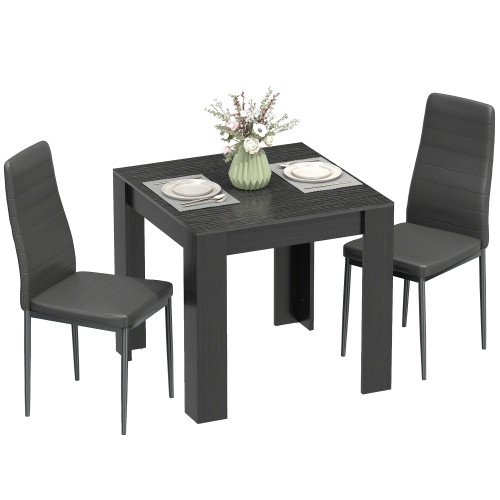
A successful fit starts with the tabletop and the activities it needs to support. Overall table height includes both the legs and the thickness of the top, along with any levelling feet or mounting hardware that add height. A thick slab on standard-height legs will sit higher than a thin panel on the same base, which can make a noticeable difference when eating, typing, or reaching across the surface. Dining tables are commonly around 28 to 30 inches high overall, but chair seat height, armrests, and the space beneath the tabletop all influence comfort. For shared meals and chairs arranged around a larger surface, steel dining table legs offer a more focused starting point for comparing bases intended for that setting. Placement deserves just as much attention as height. A frame close to the ends may provide a broad stance but interfere with someone sitting at the head of the table; a base set farther inward may improve seating access while leaving more unsupported overhang. The appropriate balance depends on the size, weight, and construction of the top, rather than a single spacing rule. Published load ratings are useful only when their conditions are understood, including whether the figure applies to one leg, a pair, or a complete set, and how the load must be distributed. A heavy tabletop uses part of that capacity before dishes, books, or equipment are added. Solid wood, plywood, engineered panels, glass, and stone also call for different attachment methods. Screw length must suit the material and thickness without breaking through the upper surface, and some hollow or thin panels need reinforcement rather than direct fastening. Solid wood can expand and contract across its grain as indoor humidity changes, making suitable mounting provisions important. Glass and stone tops may require purpose-designed supports or professional attachment. On a long desk holding monitors and other equipment, the top may also need bracing to limit sagging, even when the legs themselves are strong enough.
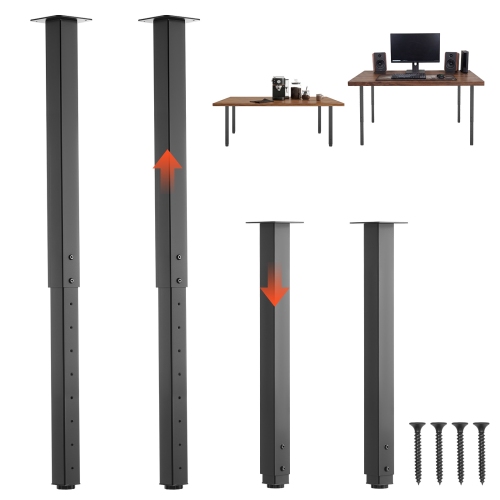
Durability in daily use is about more than the hardness of the metal. A well-matched base should resist unwanted movement during normal activities, whether that means writing at a desk, cutting food at a dining table, or placing a tray on a low table. Steel can provide firm support, but slender legs, loose connections, an uneven floor, or an unsuitable tabletop can still allow wobble. Broad mounting plates and sound joints contribute to a secure assembly, while the need for cross-bracing depends on the design and intended load. Adjustable feet can help a table sit evenly on a slightly irregular floor, though they cannot correct an unstable structure. Floor contact is worth considering too: suitable glides or pads can reduce marking on hardwood, laminate, and tile, and should be checked for trapped grit and wear. Felt pads often help furniture move more gently across a hard floor, while other foot materials may offer more grip; the best choice depends on the flooring and whether the table needs to stay firmly in place. For routine care, a soft cloth and a mild cleaning solution are often sufficient for coated steel, followed by drying, subject to the finish manufacturer's directions. Abrasive pads and harsh cleaners may dull or damage a coating, and chips that expose the metal can become starting points for rust when moisture is present. Indoor steel legs should not be assumed suitable for a patio, balcony, or other damp location unless they are specifically rated for that use. In busy homes, wiping up spills around mounting points and feet helps keep moisture from lingering in less visible areas. Moving a finished table by lifting it with appropriate help, rather than dragging it, reduces strain on both the joints and the floor. Periodic checks of accessible fasteners can catch loosening before it becomes distracting movement. With compatible dimensions, appropriate attachment, and care suited to the finish, steel legs can bring a dependable foundation and a distinctive shape to furniture used every day.
Top selling and popular products
-
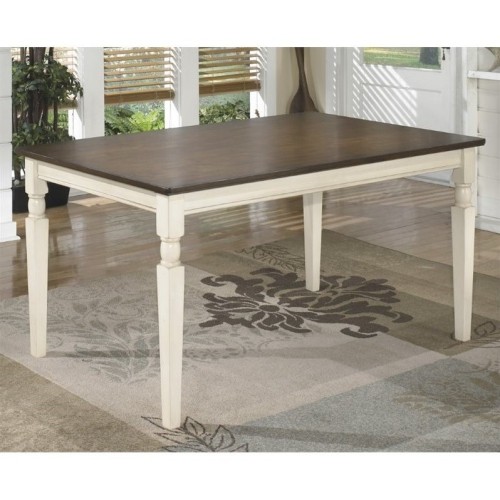 Your price for this item is $399
-
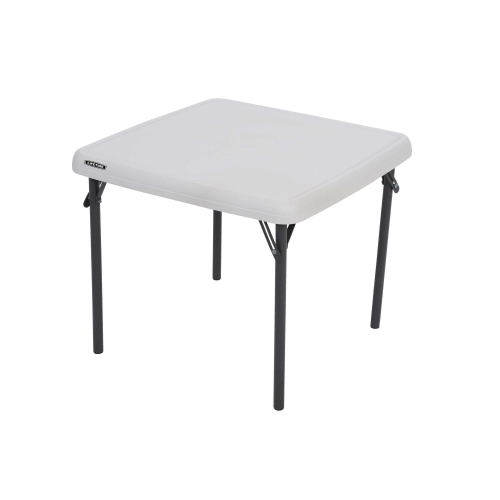 Your price for this item is $71.99
-
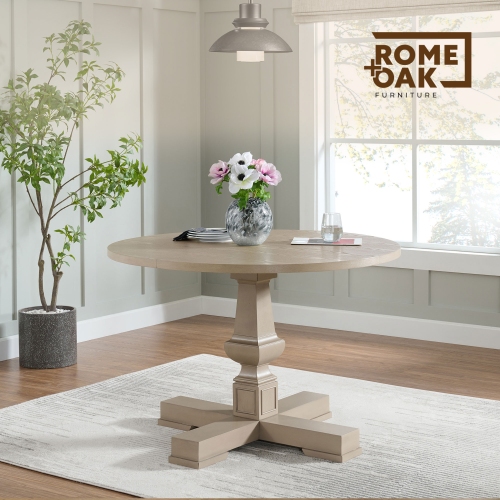 Your price for this item is $763.99
-
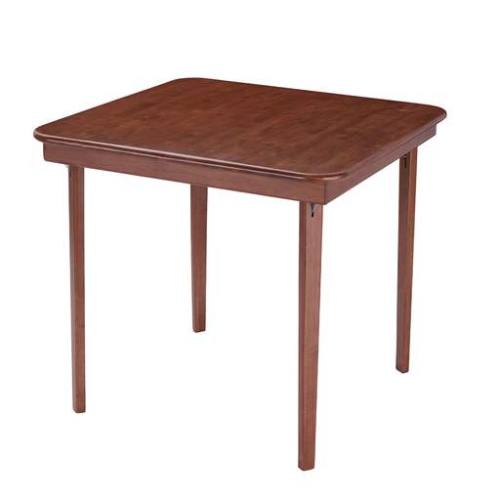 Your price for this item is $323.99
-
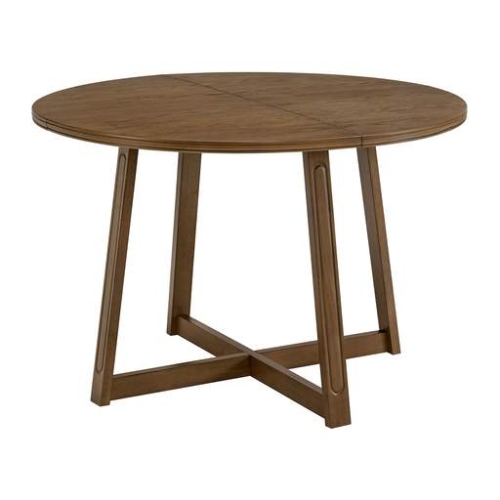 Your price for this item is $627.99
-
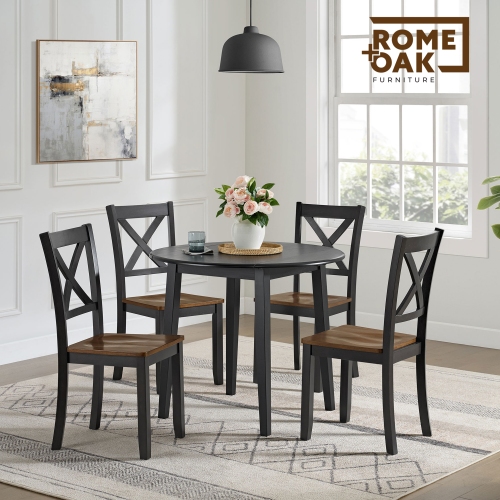 Your price for this item is $304.99
-
 Your price for this item is $190.99
-
 Your price for this item is $651.99
Discover more categories related to Steel Table Legs
Top Collections:
Pokemon Centers, Best Cameras for Sports Photography, Kindle Devices, Samsung Galaxy Phones, Canon G7X Cameras, Pokémon 30th Celebration Cards, Refurbished Apple Laptops, iPhone 15 Apple, Laptops for Students, Budget Smartphones
Some products may be subject to Environmental Handling Fees
(EHF) depending on your province.
Learn more about EHFs.