Futon Beds
Upgrade your living space with this versatile futon bed, the perfect combination of style and functionality. Whether you're looking to maximize space in a small apartment or create a cozy guest room, these futon beds provide a comfortable seating area during the day and easily transform into a sleeping space at night. With sleek designs and high-quality materials, these futon beds effortlessly blend into almost any decor scheme while offering a practical solution for accommodating overnight guests.
Sort

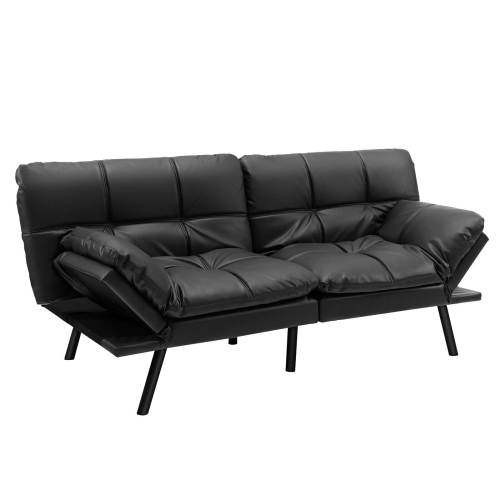

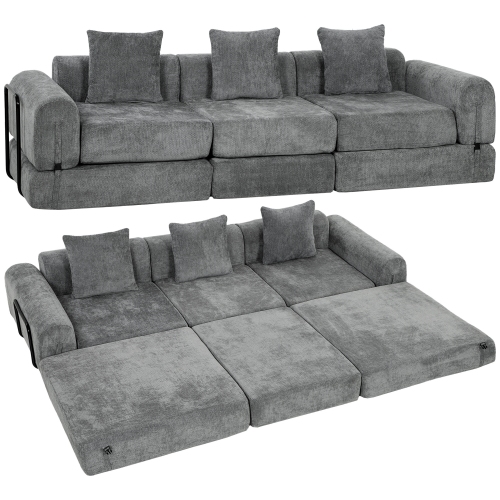

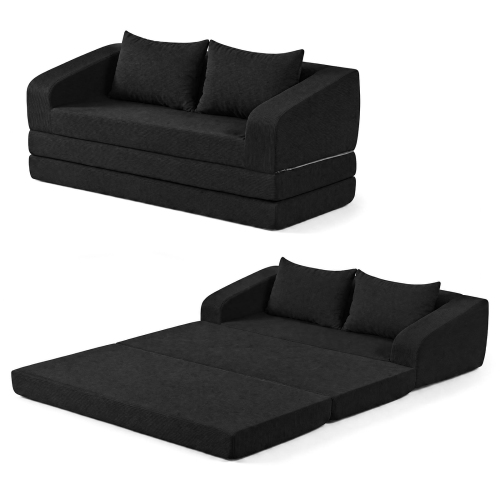


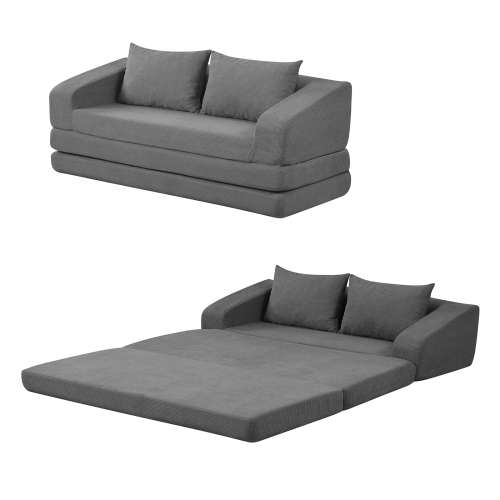


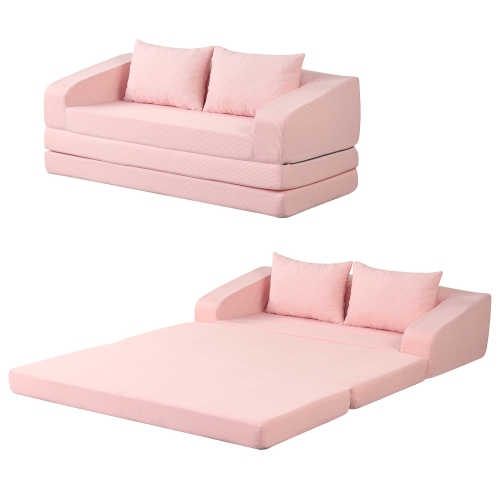

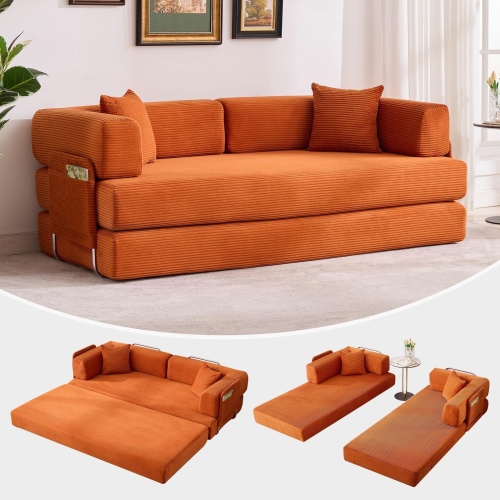
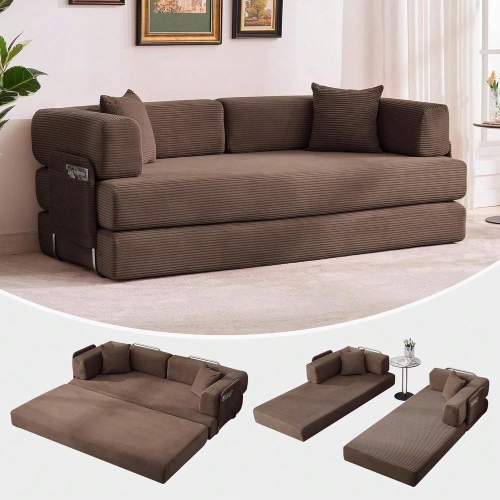
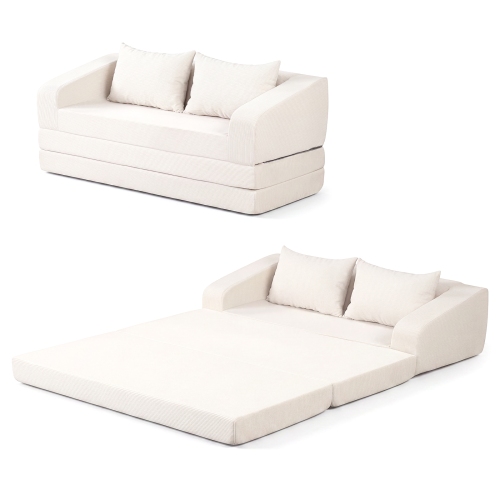
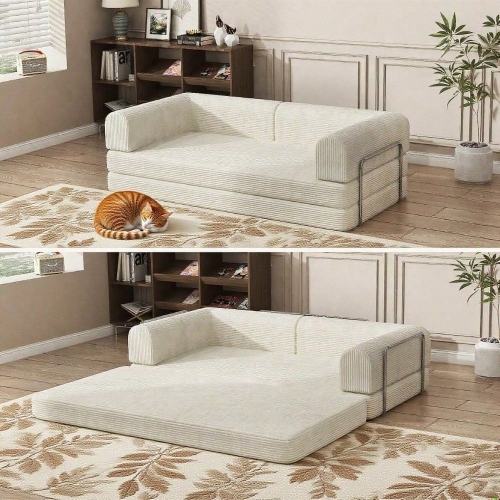
Everyday seating with room for overnight guests
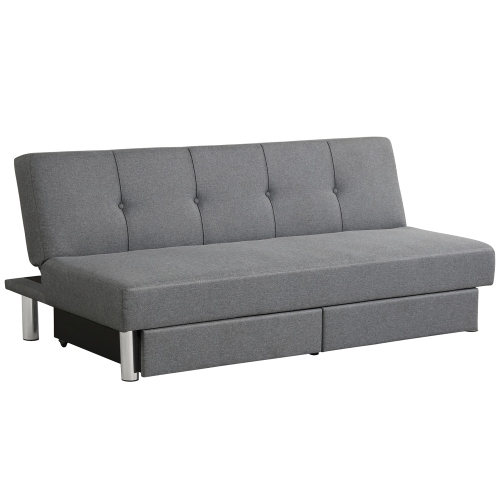
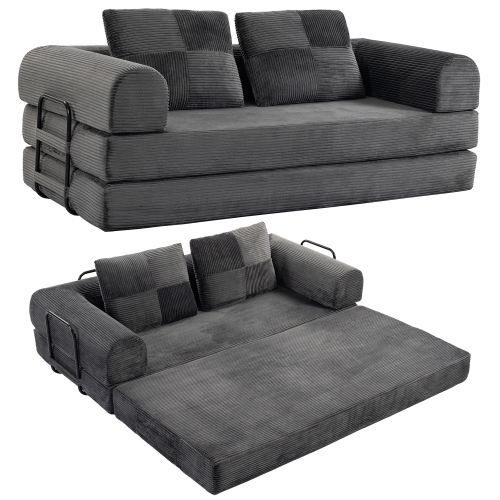
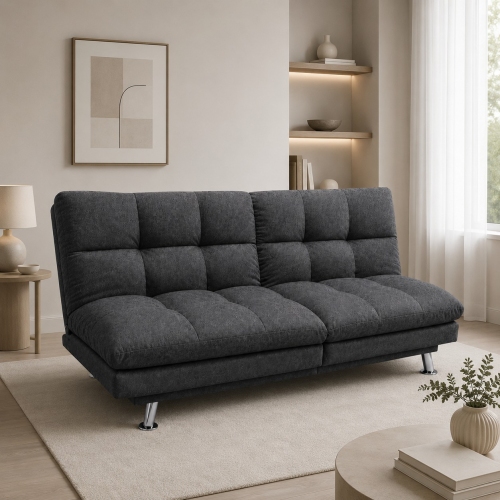
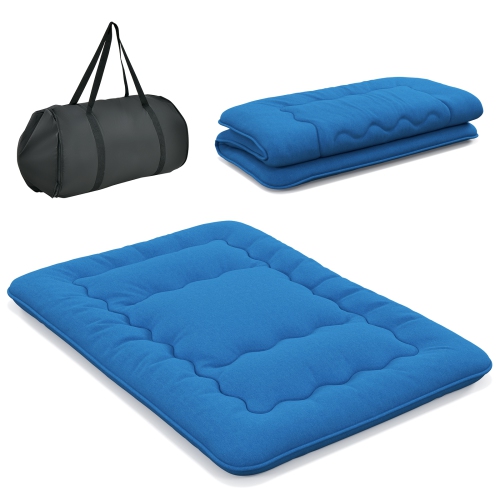
Futon beds combine a place to sit with a place to sleep, making them a practical fit for rooms that serve more than one purpose. The term can describe two different types of bedding: a traditional Japanese floor mattress, often called a shikibuton, or a Western-style convertible sofa with a folding frame and cushioned sleeping surface. A traditional futon is generally thinner than a conventional bed mattress and may be folded or rolled for storage, depending on its construction. A Western-style futon typically uses a hinged wood or metal frame that lowers from an upright seating position into a flat bed. Some designs have a separate, replaceable mattress, while others have upholstered cushions attached to the frame. Both approaches suit spaces where a permanent bed would take up too much room, including studio apartments, home offices, student bedrooms, and guest rooms. A futon can provide everyday seating beside a desk, then open into a sleeping space when a friend stays overnight. Within the broader range of couch beds, futons commonly convert by lowering the backrest or unfolding the frame rather than drawing a separate mattress out from beneath the seat. The exact mechanism matters in a smaller room: some designs need clearance behind the backrest, while others extend farther into the room when opened. Seating dimensions alone do not show how much floor space the bed will occupy. The fully opened footprint, room around nearby furniture, and access to doors or drawers all affect how comfortably the space works. Twin, double, and queen descriptions are useful starting points, but the actual sleeping dimensions and overall frame measurements are more informative, particularly when arms or side rails add width. A compact futon may suit one overnight guest, while a larger sleeping surface can better accommodate two people, provided its dimensions and rated weight capacity are appropriate.
The comfort of a futon bed comes from the relationship between its mattress, frame, and upholstery, not simply the thickness of its cushions. Cotton-filled mattresses tend to have a dense, relatively firm feel and can compress with use. Foam provides cushioning with different levels of firmness and resilience, while memory foam adds contouring that may appeal to sleepers who prefer a more cradled surface. Layered designs can combine these materials, and some futon mattresses include coils for a more springy feel. For occasional overnight stays, a comfortable seating surface and straightforward conversion may be the main priorities. For regular sleeping, consistent support across the full bed, sufficient length, and a surface that suits the sleeper’s preferred position become more important. A mattress that feels pleasantly firm while sitting may feel different when lying on one side, especially around the shoulders and hips. Likewise, a deeply cushioned seat does not necessarily provide even support once unfolded. Hinges, cushion divisions, and the point where the seat meets the backrest can affect the feel of attached-cushion designs. Wood frames can bring visible grain and a furniture-like presence to a living room, while metal frames often have slimmer profiles that work well in compact spaces. In either case, joint construction, support slats, centre supports, and a secure conversion mechanism contribute to stability. Upholstery also shapes everyday use. Woven fabric offers texture, smooth faux leather has a distinct finish and its own care requirements, and velvet adds a softer, more pronounced surface texture. In a home with pets, tightly woven upholstery and removable, washable covers can make routine care more manageable, though washability should never be assumed. Colour and silhouette help a futon sit comfortably alongside existing furniture: a low profile can keep sightlines open, while substantial arms create a more sofa-like appearance. Armless designs leave the ends unobstructed, which can be useful when the sleeping surface needs to make the most of a narrow footprint.
Day-to-day practicality becomes especially noticeable when a futon moves frequently between seating and sleeping. A frame that opens smoothly, locks securely in its intended positions, and can be operated comfortably by the person using it is better suited to regular conversion. The assembled size also needs to work with the route into the room, including apartment corridors, stair turns, and narrow doorways. Some designs arrive in components that require assembly, so access to fasteners and the space needed to join the frame are worth considering alongside the finished dimensions. Once in place, enough clearance around moving parts helps keep bedding, fingers, and nearby furniture away from the mechanism. For guests, ordinary details often make the biggest difference: a sleeping surface long enough to stretch out on, sheets that fit without pulling loose, and somewhere nearby to set a phone or glasses. A mattress protector can help keep the sleeping surface clean, while a suitable topper may soften the feel of a firm mattress; removable bedding generally needs to come off before the futon is folded unless its design allows otherwise. Care depends on the materials. Removable covers should be cleaned according to their care labels, fixed upholstery can be vacuumed regularly, and spills are best addressed promptly using a method approved for the fabric. Mattresses that permit rotation or turning can benefit from that routine to distribute wear, but attached cushions and layered constructions may have different requirements. Traditional floor futons need particular attention to airing and keeping both the mattress and the surface beneath it dry, especially when stored between uses. For framed futons, periodically checking accessible fasteners and following the mechanism’s maintenance directions can help address looseness before it becomes more noticeable. The most suitable futon bed is one whose seating comfort, sleeping support, dimensions, and care requirements match its everyday role, whether that is a frequently used bed in a compact apartment or a welcoming place for occasional overnight visitors.
Top selling and popular products
-
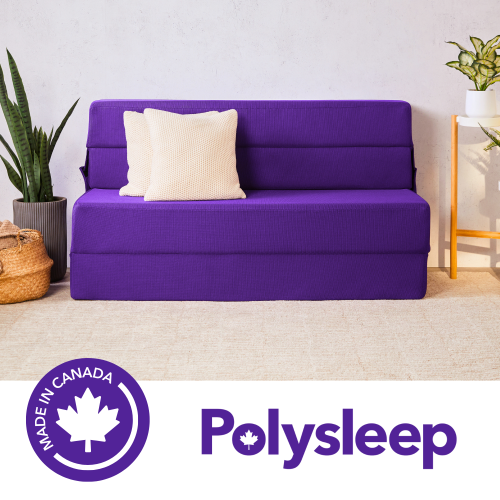 Your price for this item is $995
-
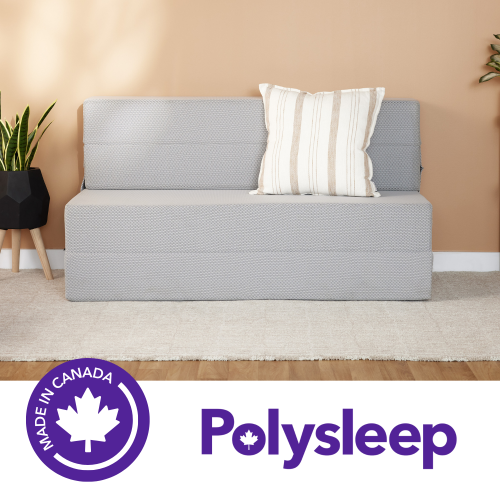 Your price for this item is $995
-
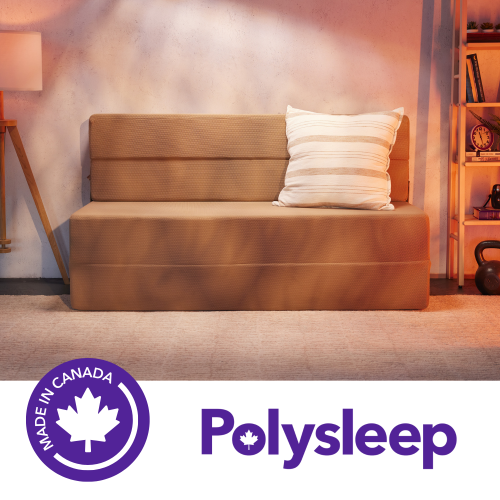 Your price for this item is $995
-
 Your price for this item is $119.99
-
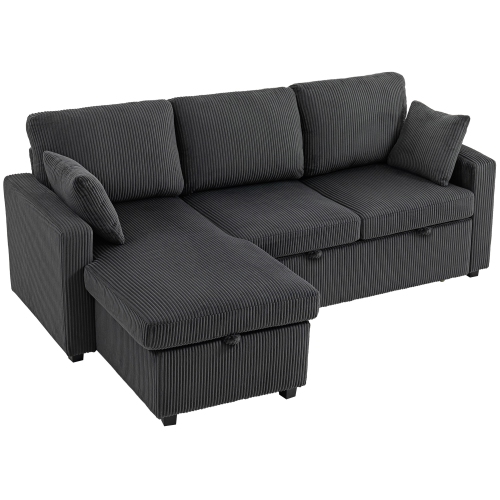 Your price for this item is $769.99
-
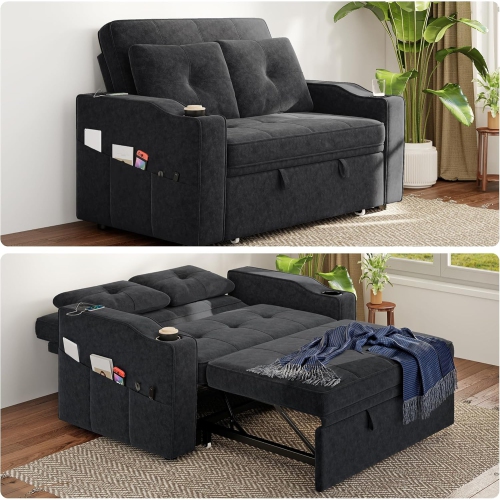 Your price for this item is $499.99
-
 Your price for this item is $67.99
-
 Your price for this item is $499.99
Discover more categories related to Futon Beds
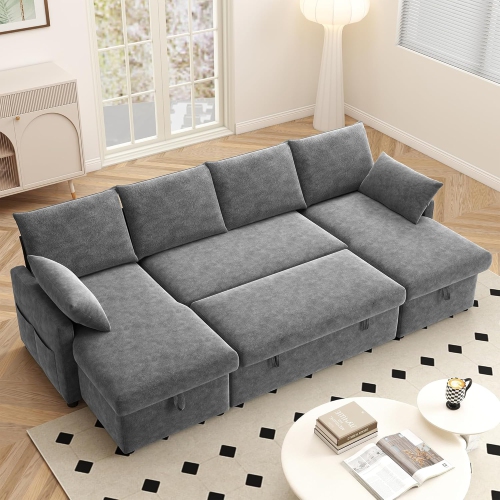
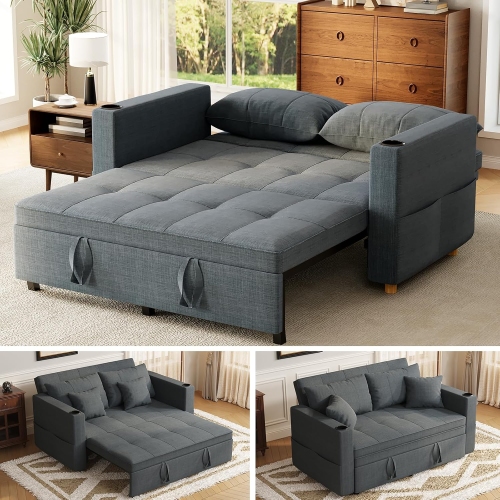
Top Collections:
Pokemon Centers, Kindle Devices, Best Cameras for Sports Photography, Pokémon 30th Celebration Cards, Apple iPhones 16, Canon G7X Cameras, iPhone 15 Apple, Flip Phones, Samsung Galaxy Phones, Alarm Clock
Some products may be subject to Environmental Handling Fees
(EHF) depending on your province.
Learn more about EHFs.