Galvanized Steel Garden Beds
Galvanized steel garden beds offer a durable and stylish solution for creating a thriving garden space in your backyard or patio. These raised beds provide a sturdy foundation for your plants while adding a modern touch to your outdoor decor. With their rust-resistant properties, galvanized steel garden beds are designed to withstand the elements, ensuring long-lasting use season after season. Whether you're a seasoned gardener or just starting out, these versatile garden beds are perfect for growing flowers, herbs, vegetables, and more with ease. Explore our selection of galvanized steel garden beds to elevate your gardening experience today.
Sort


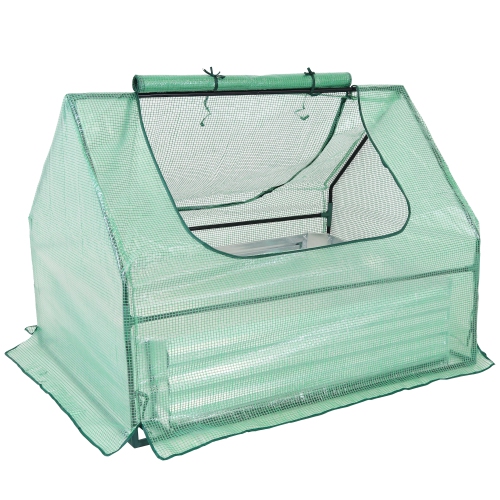
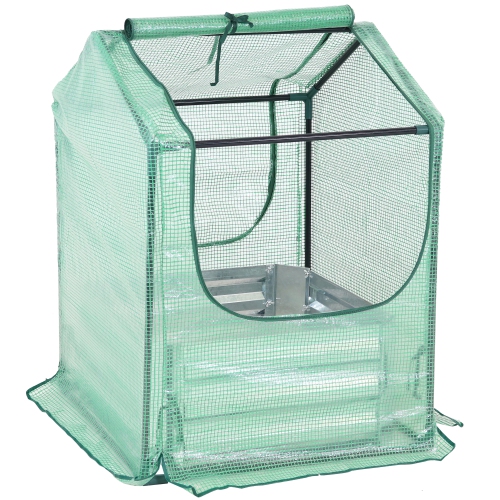
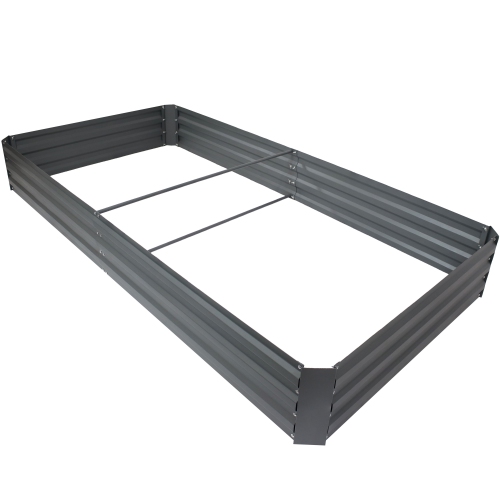
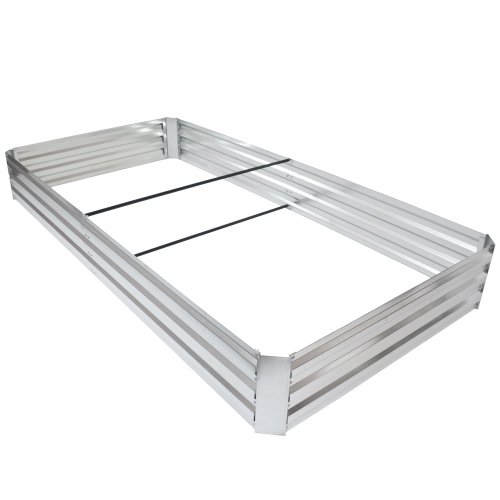
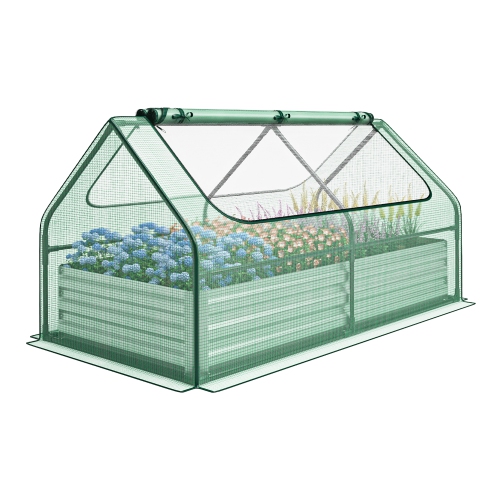
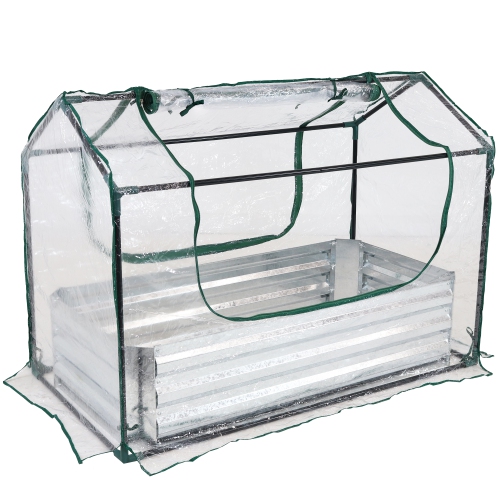
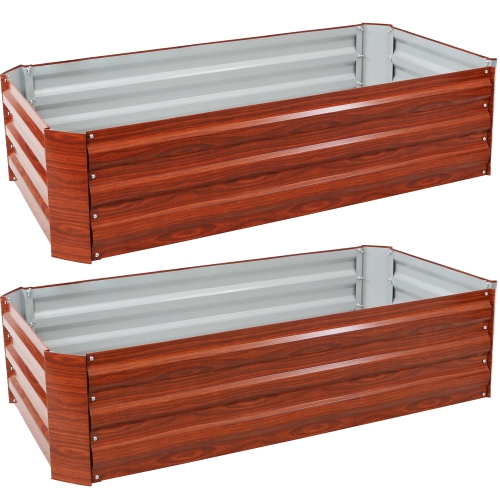
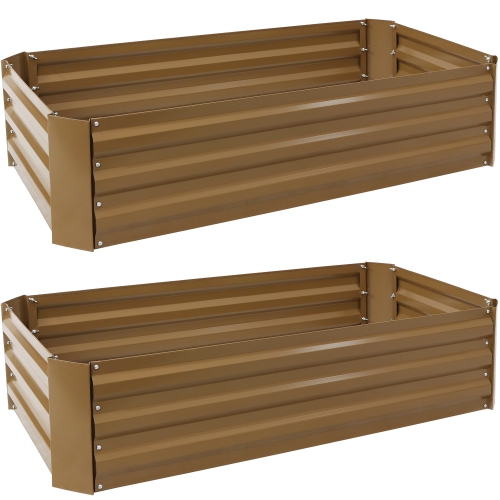

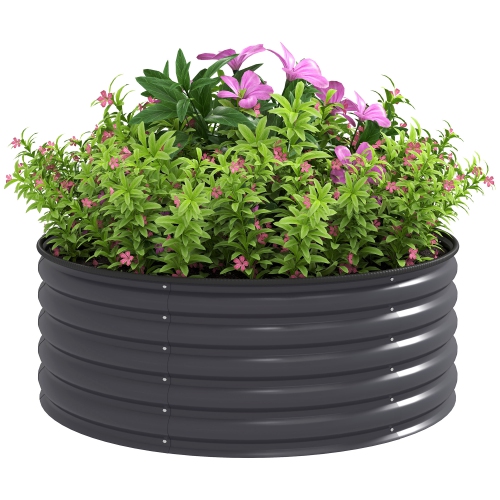
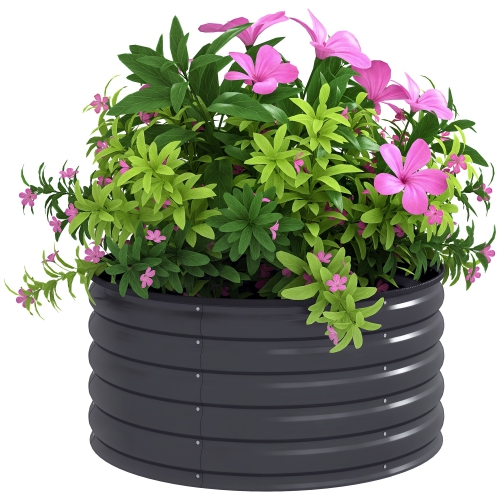
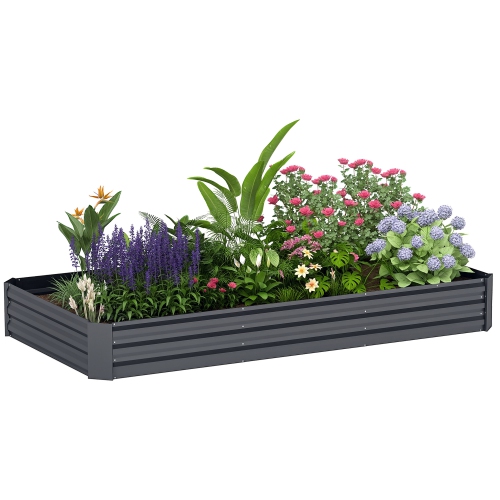
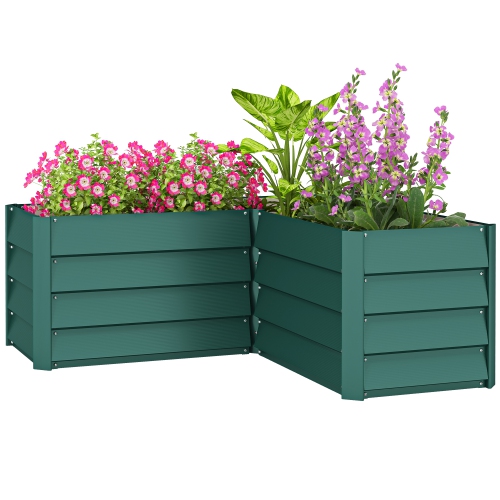
The essentials of sizing, filling, and placing raised beds
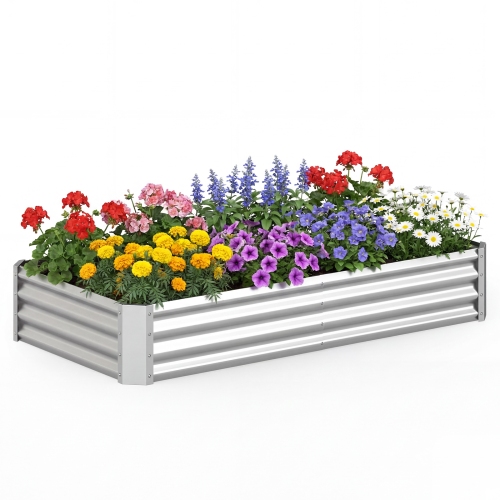
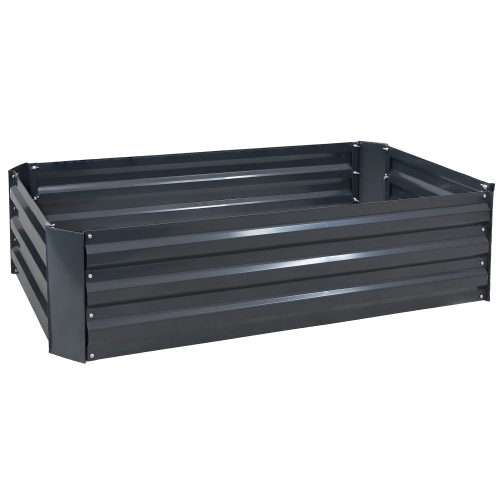
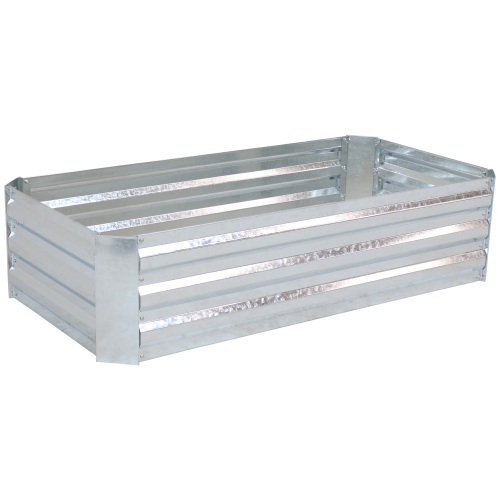
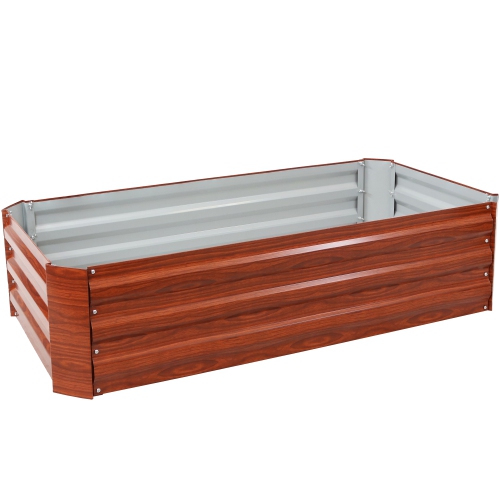
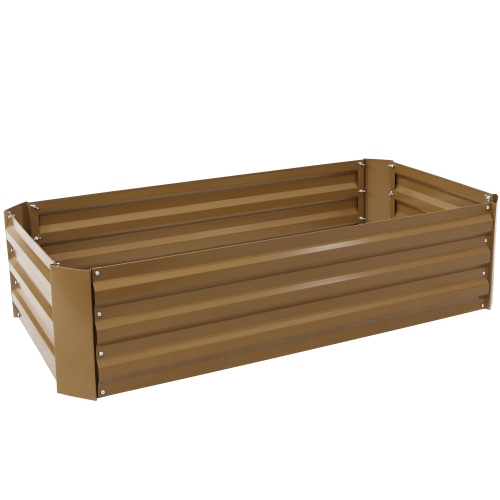
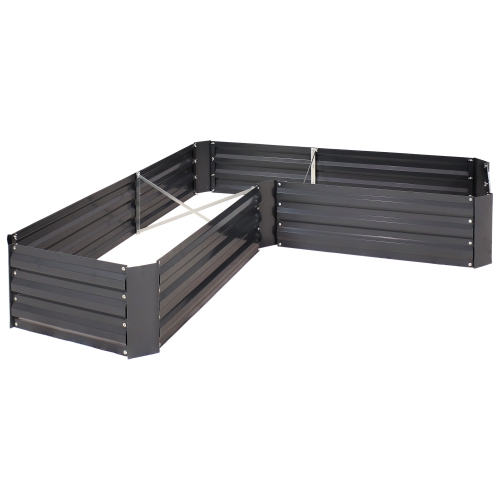
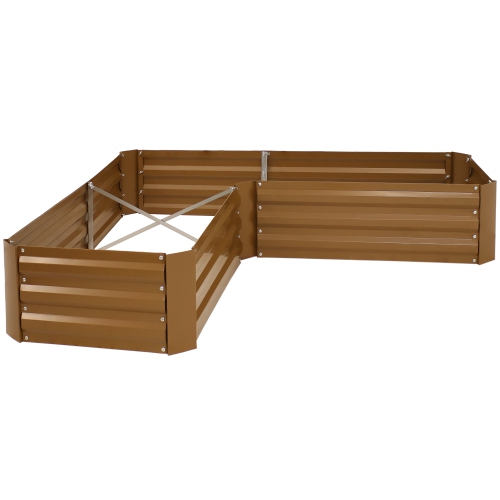
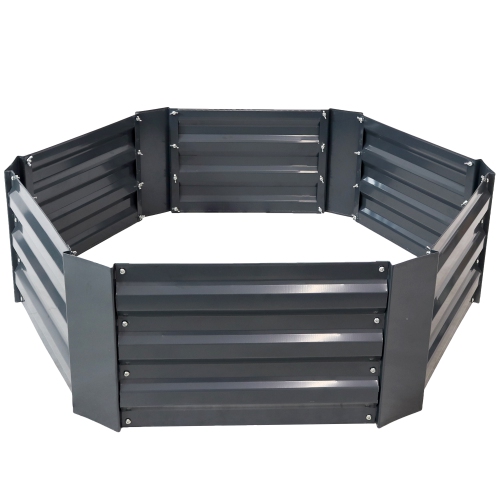
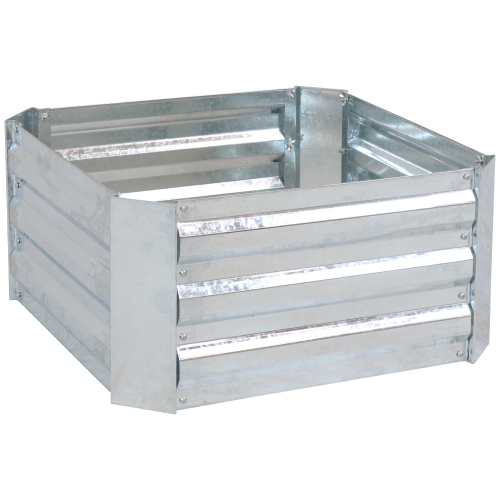
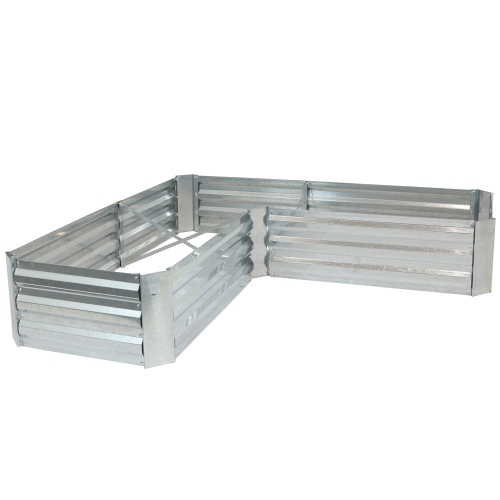
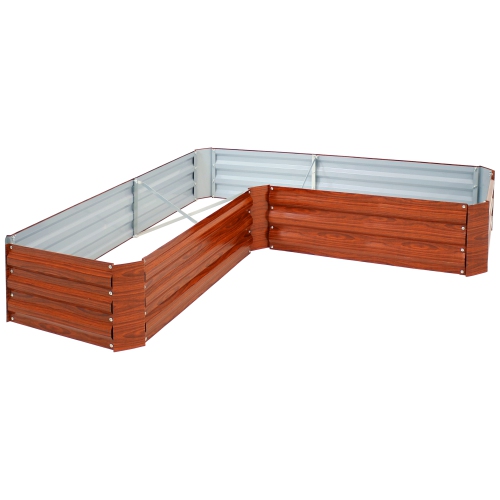
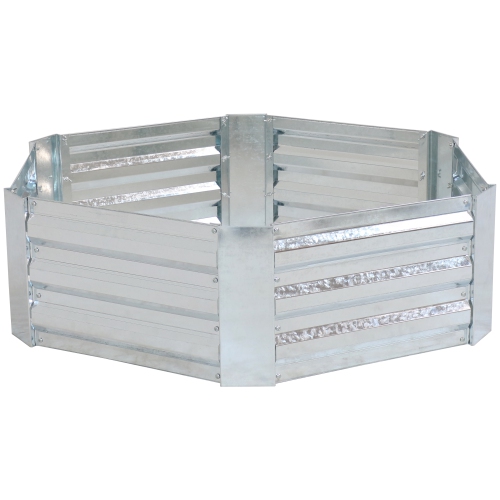
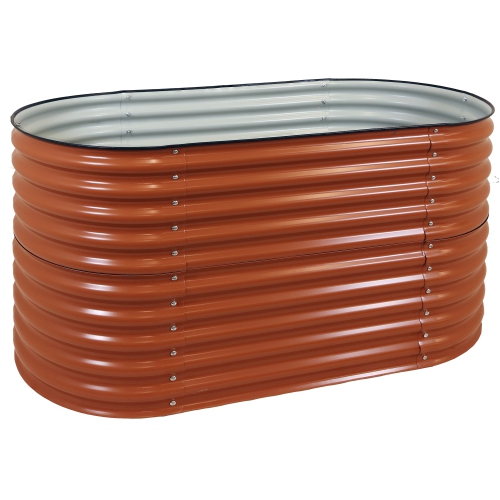
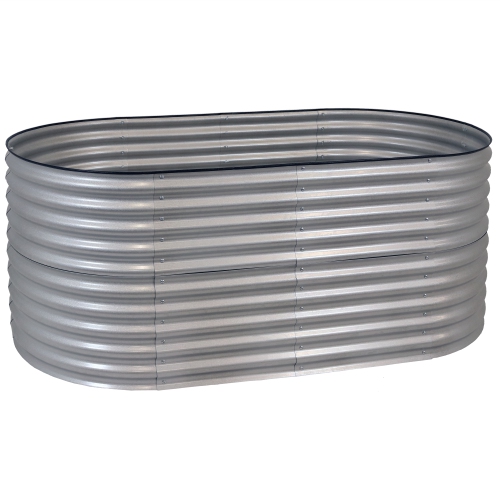
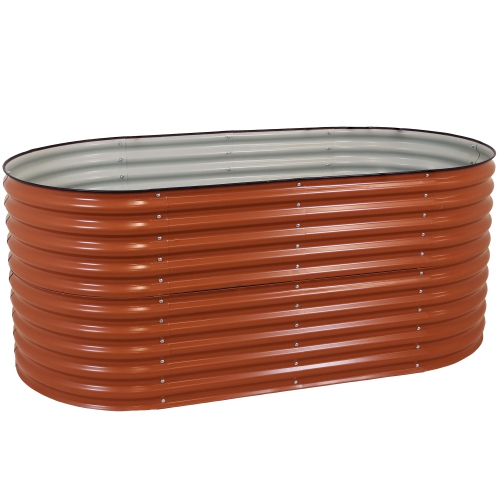
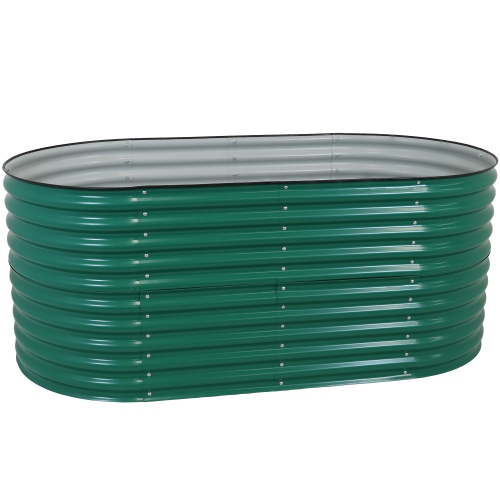
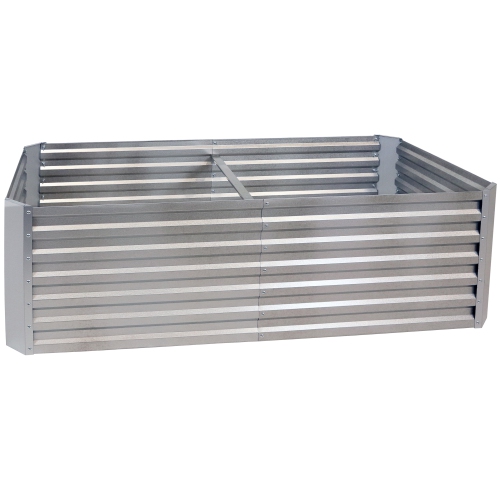
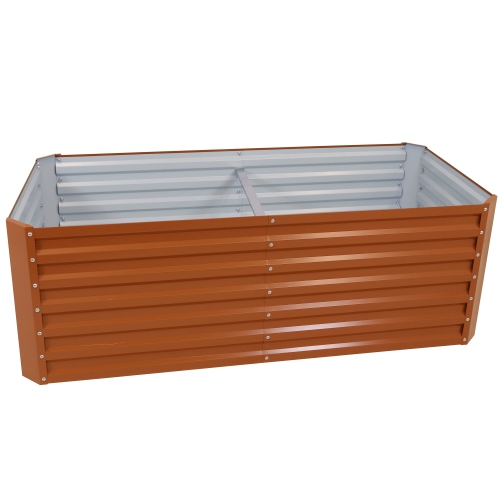
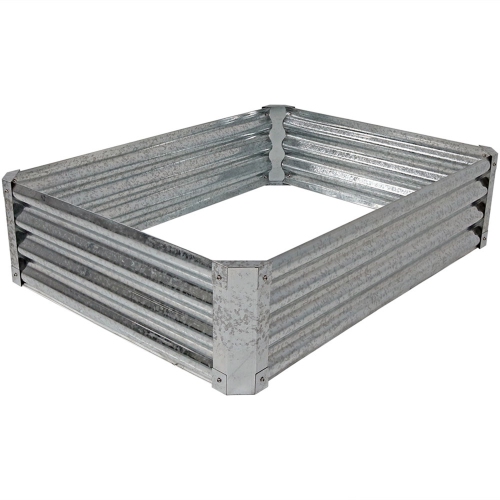
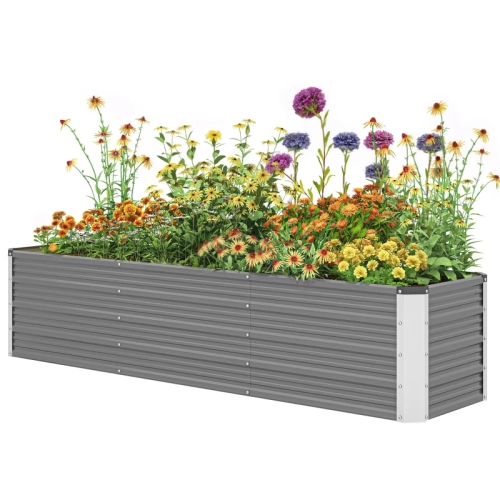
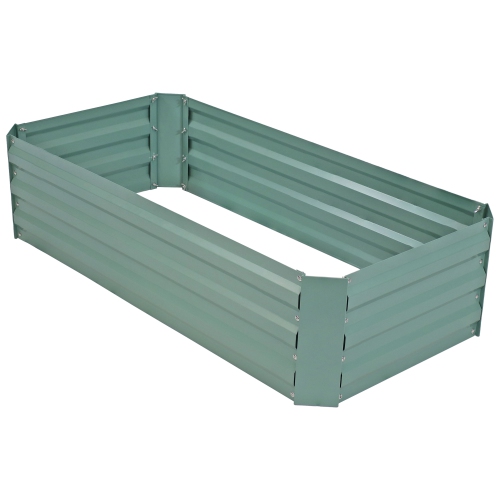
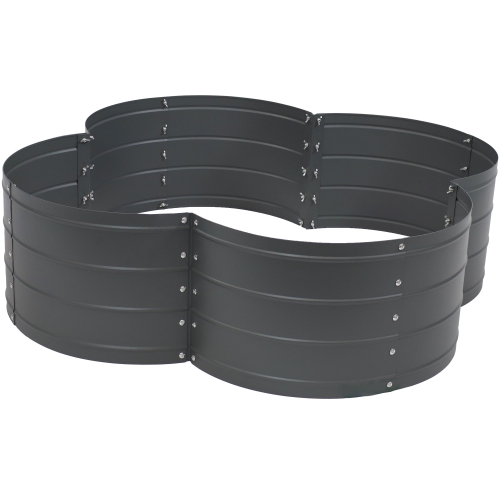
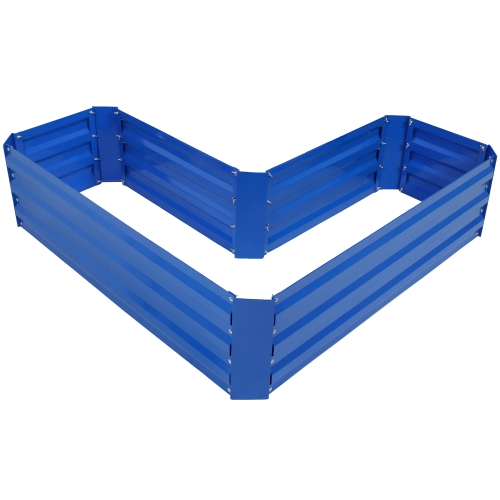
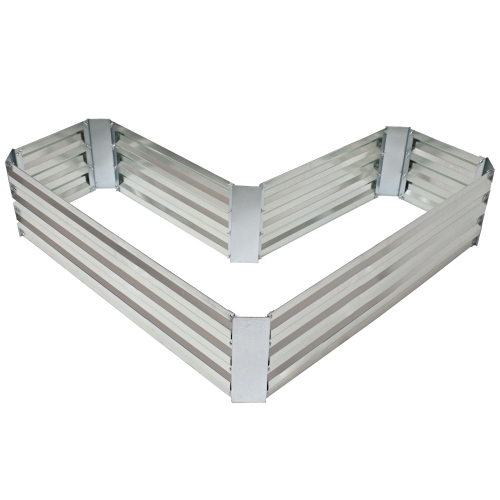
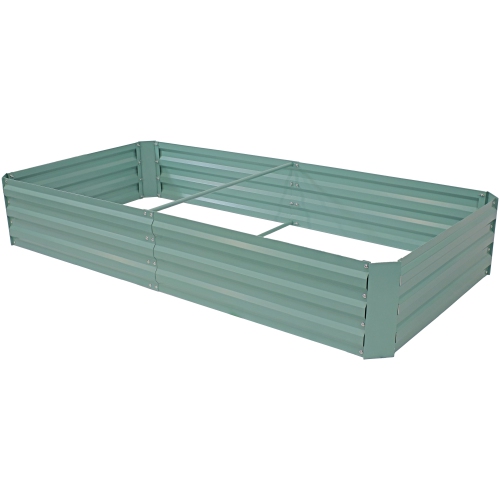
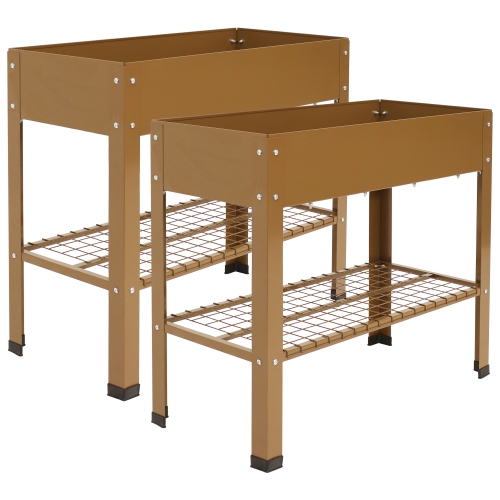
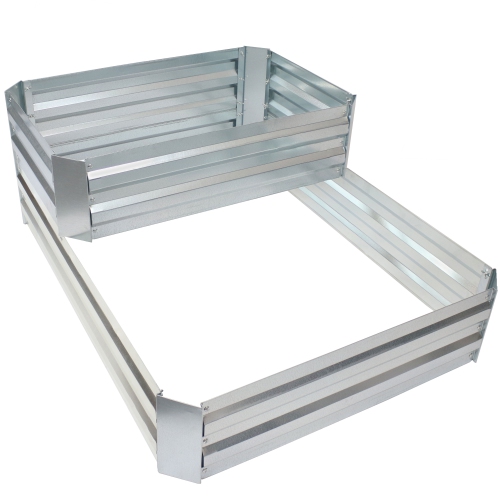
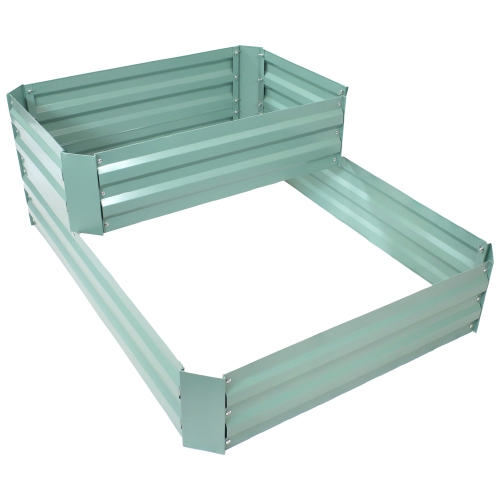
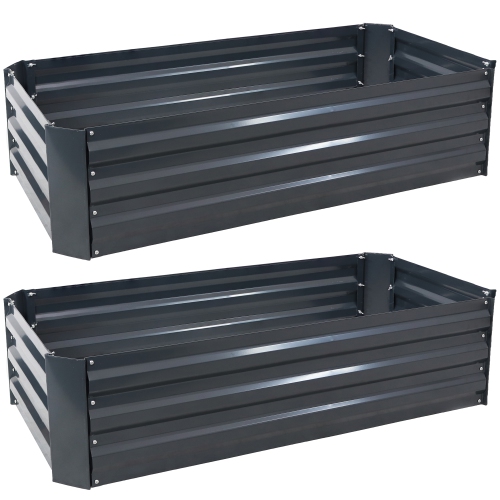
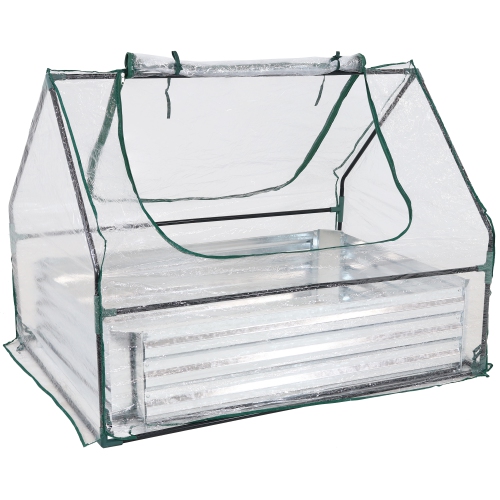
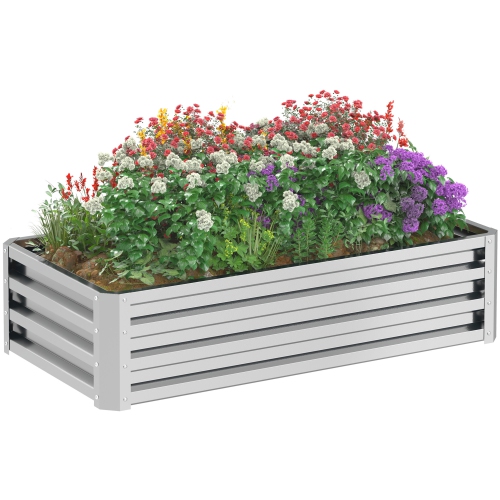
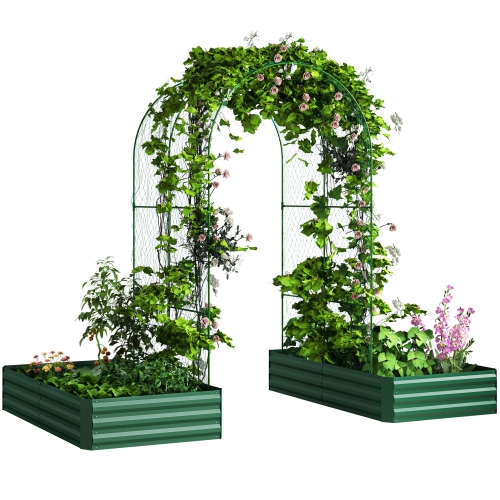
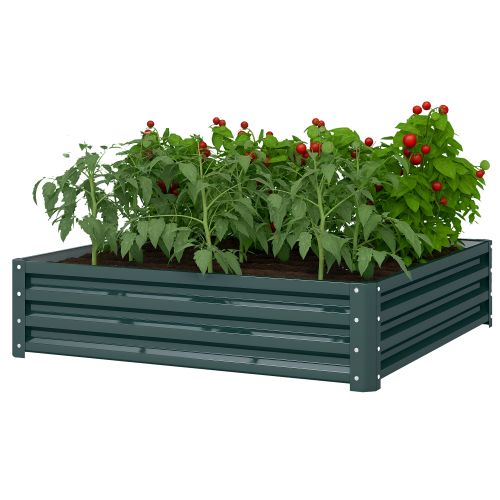
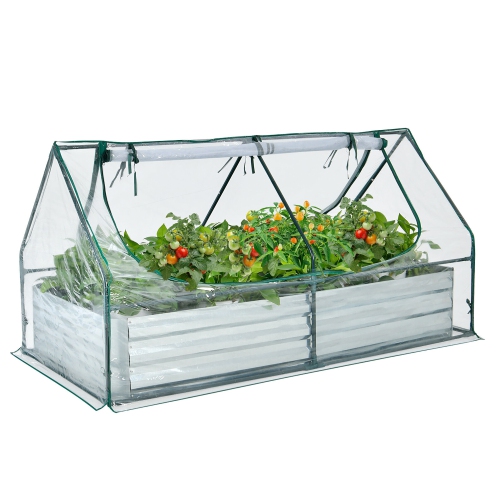
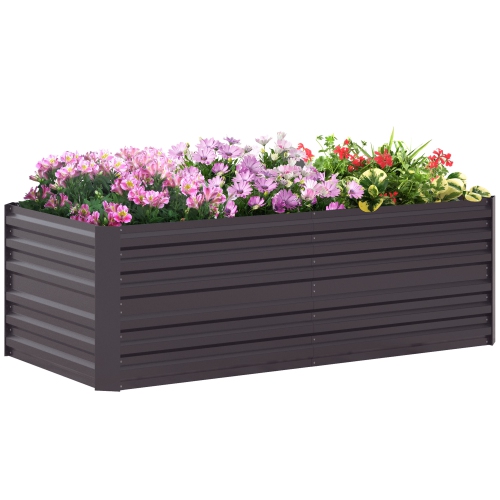
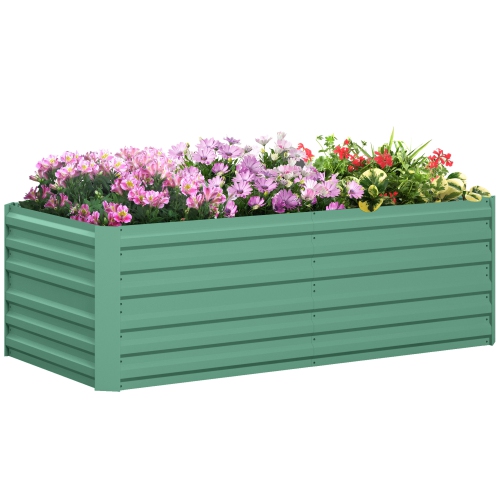
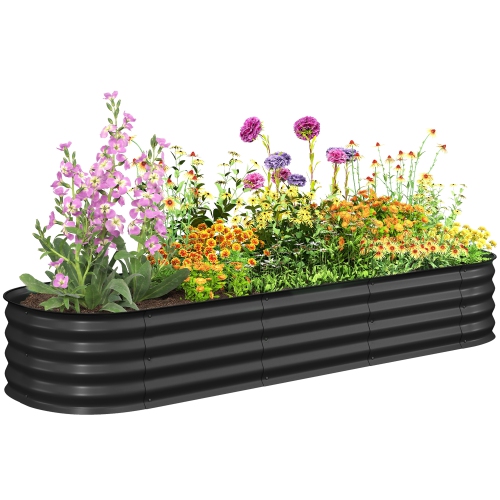
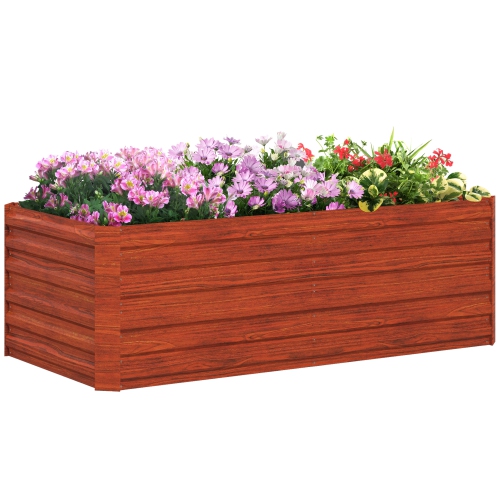
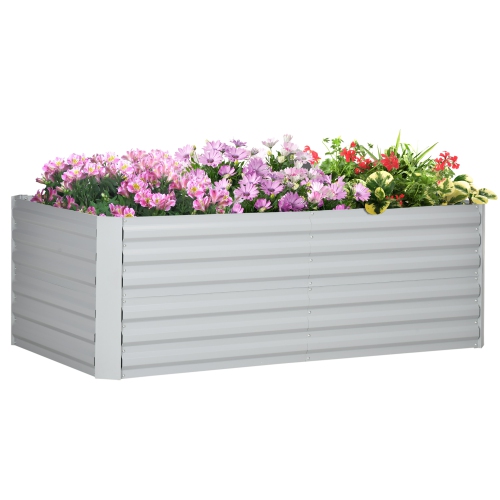
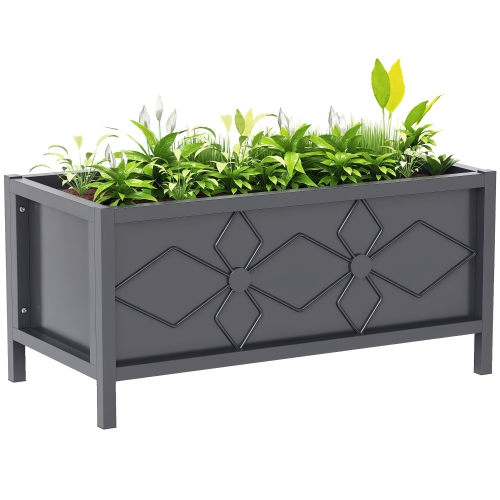
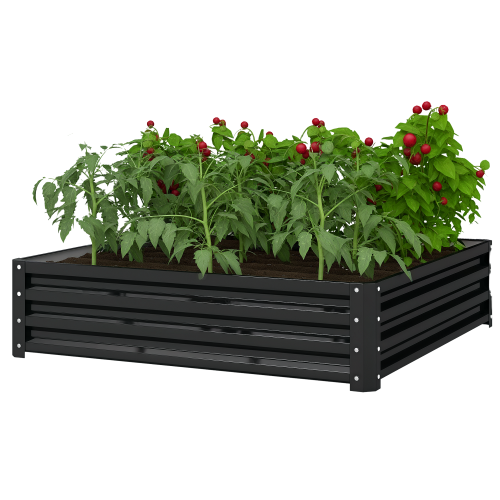
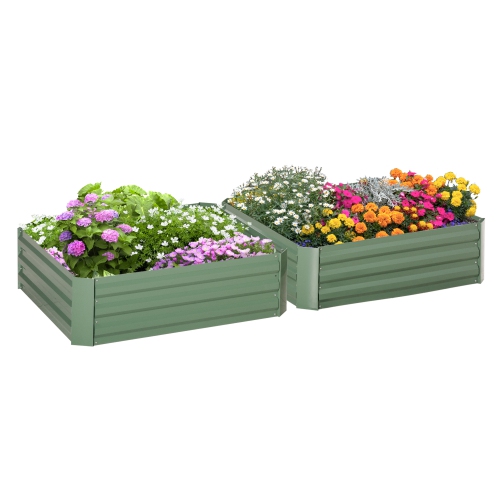
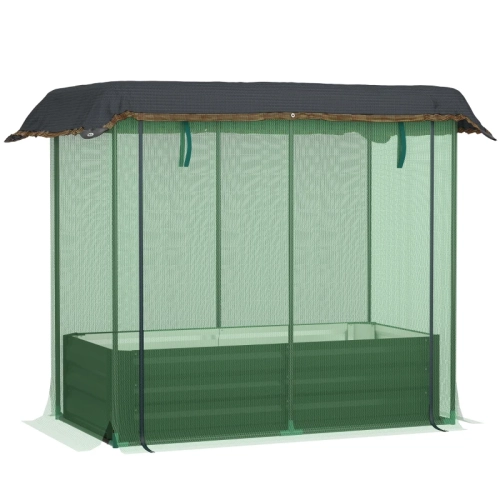
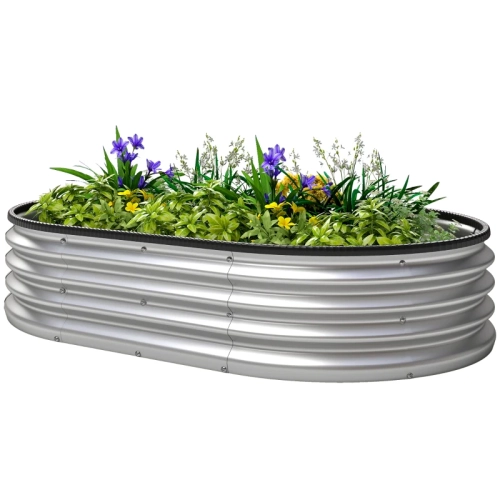
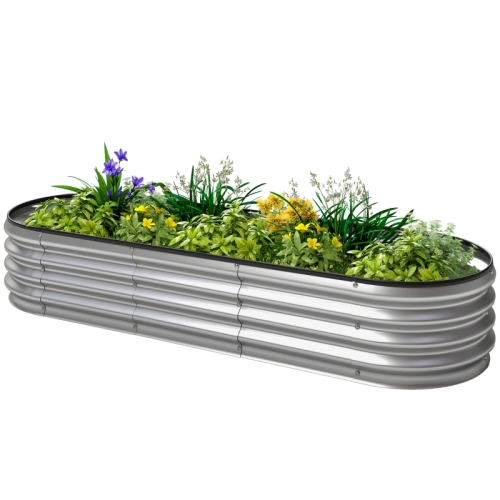
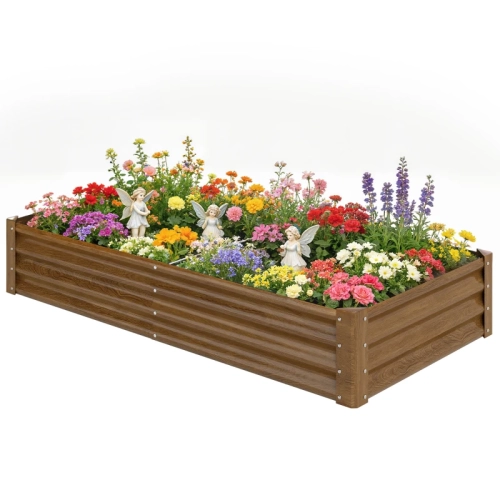
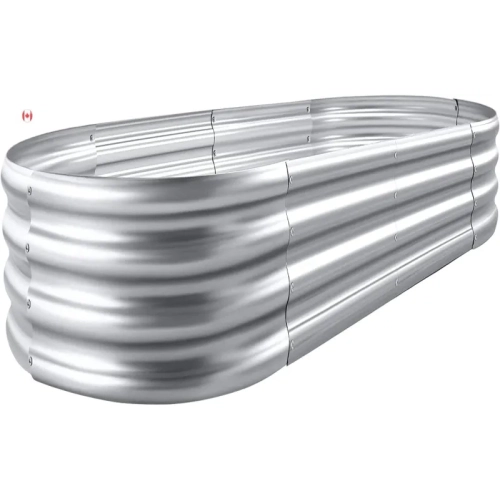
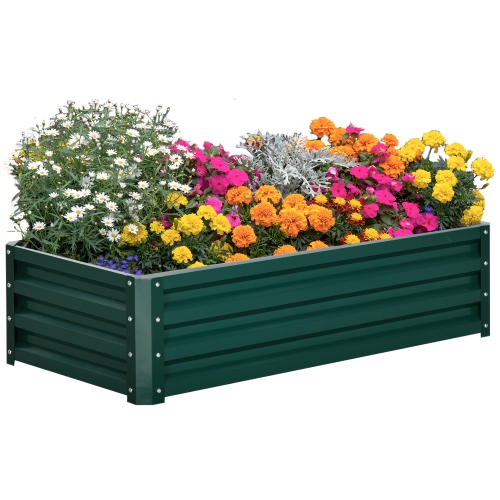
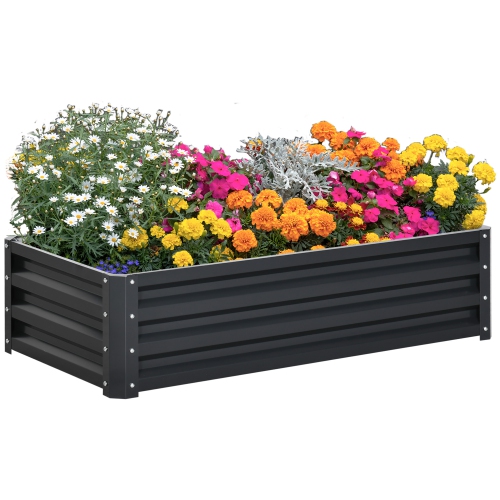
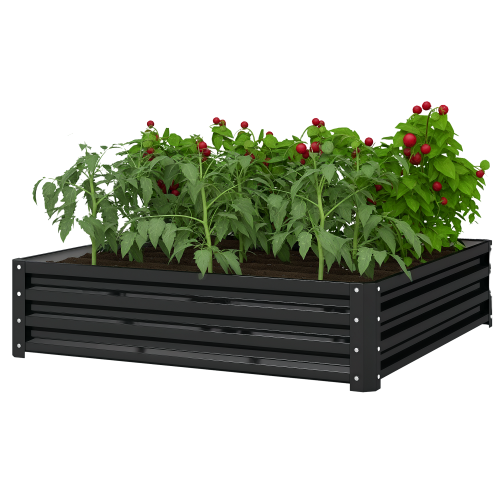
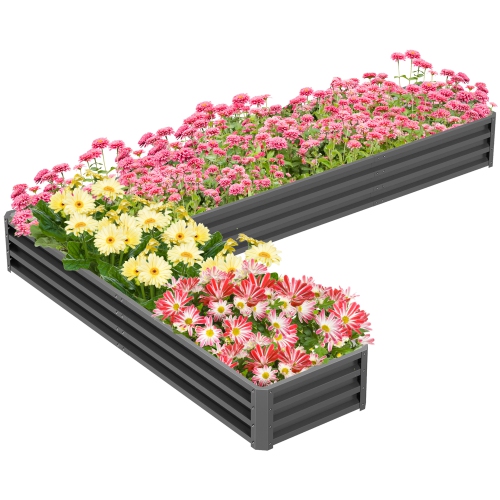
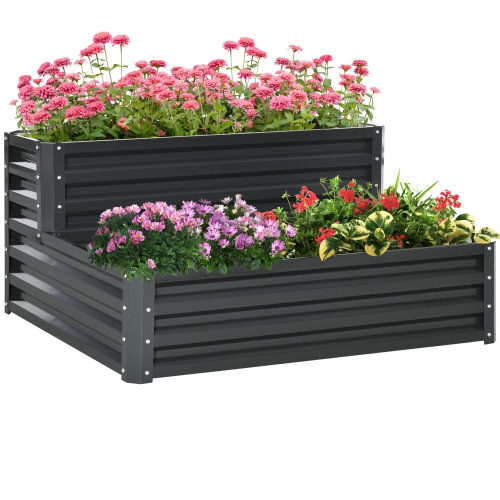
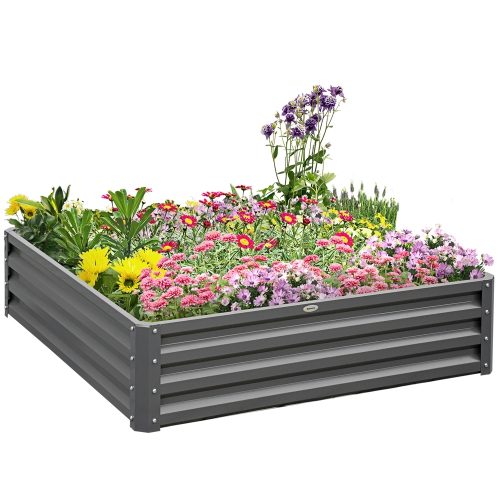
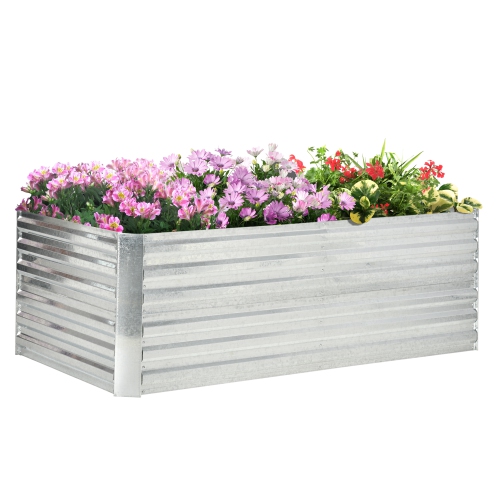
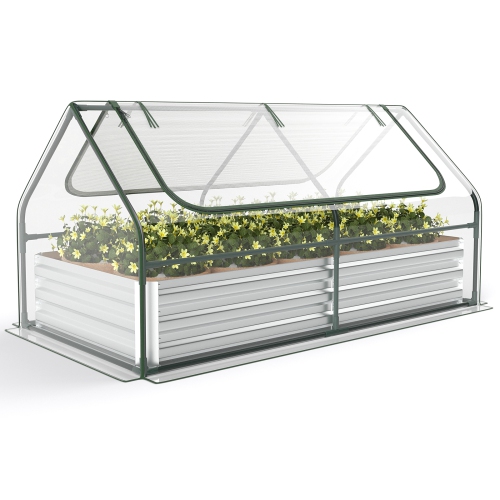
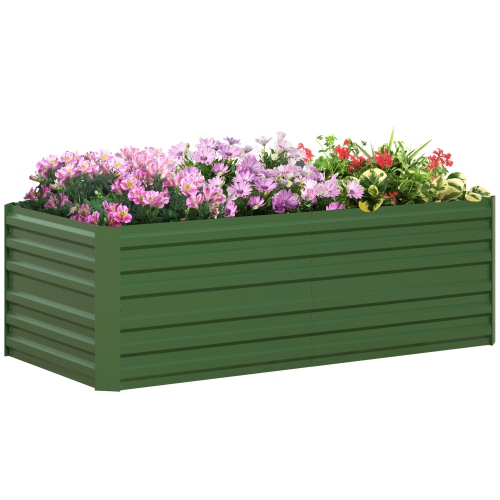
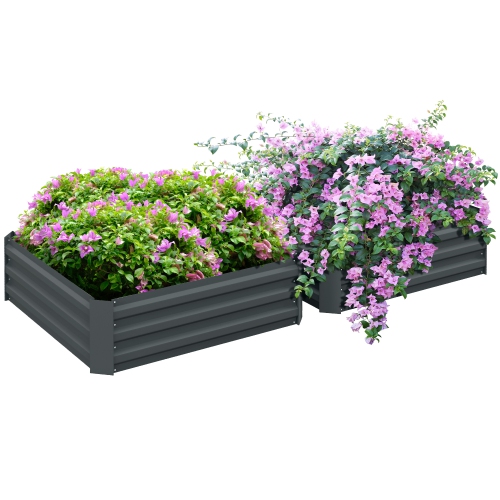
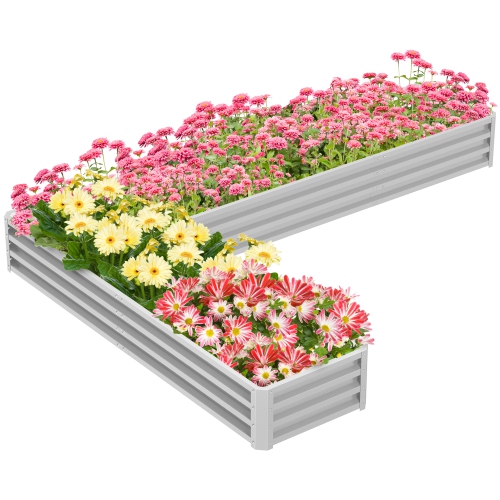
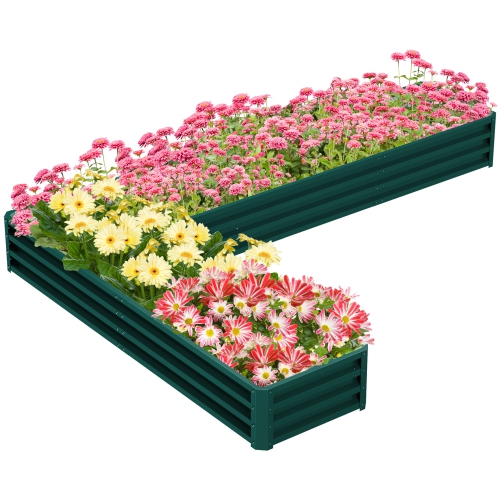
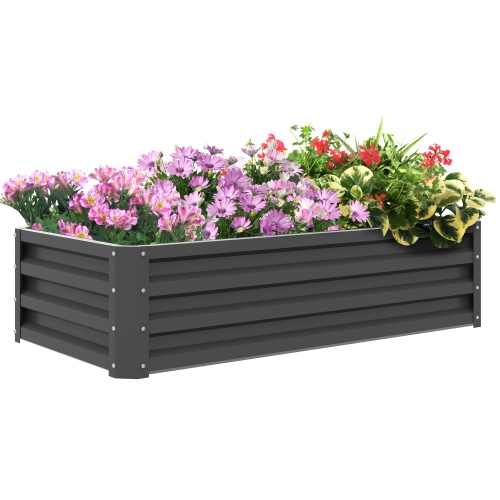
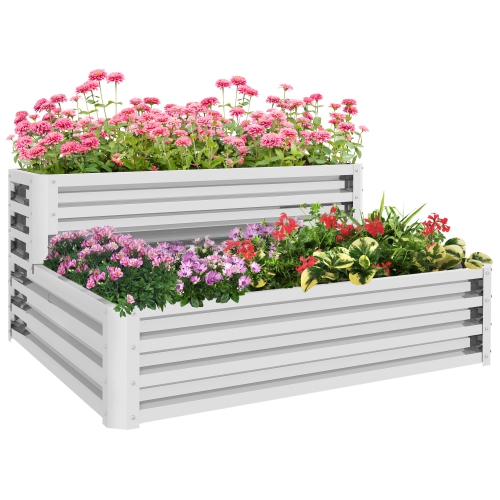
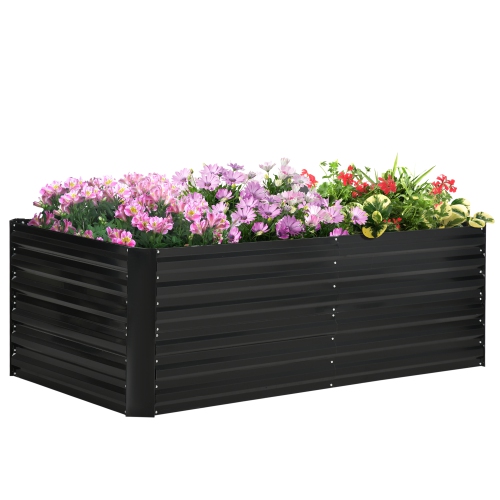
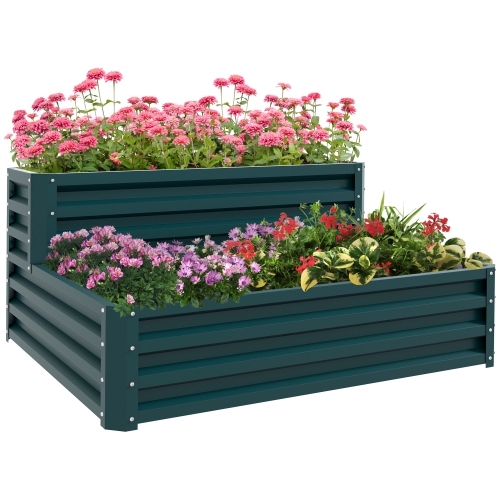
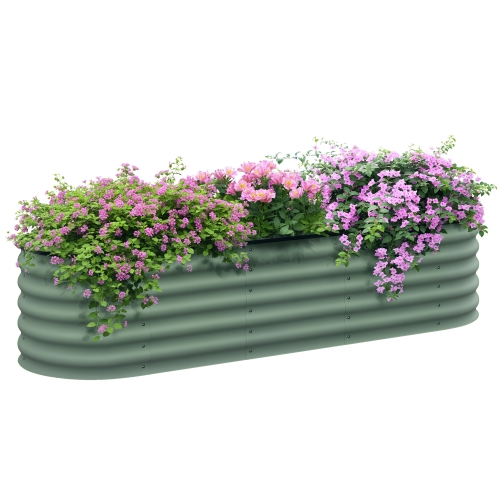
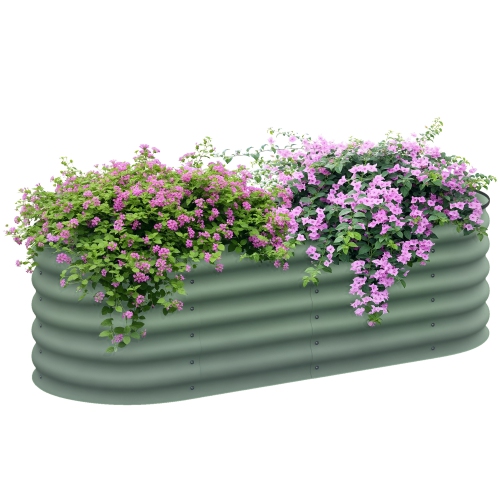
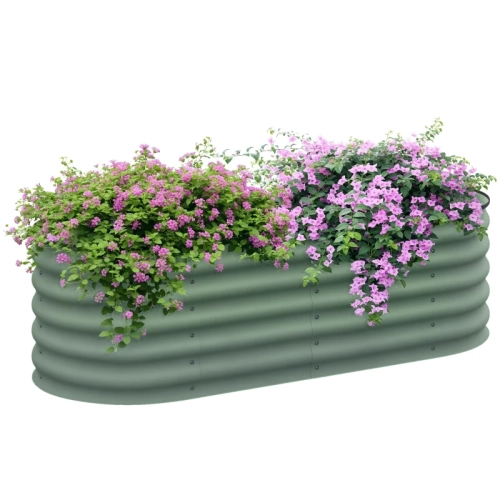
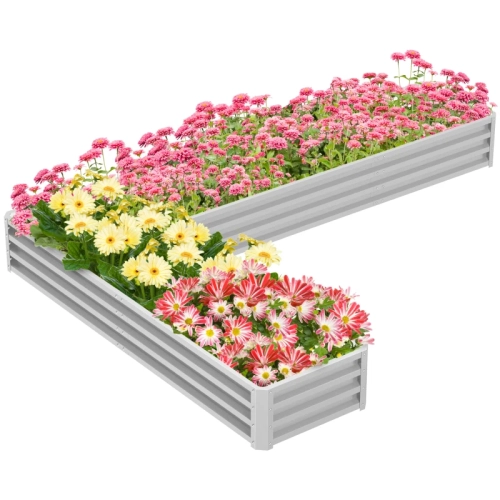
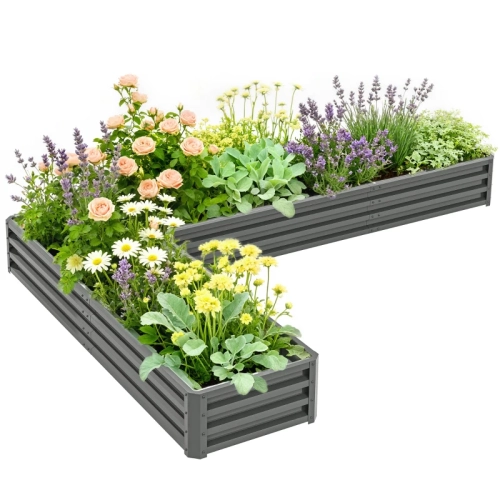
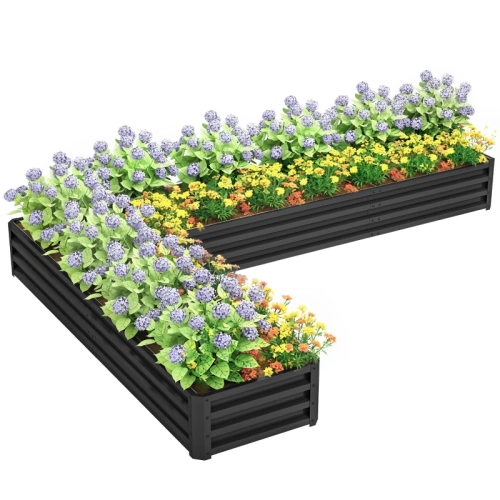
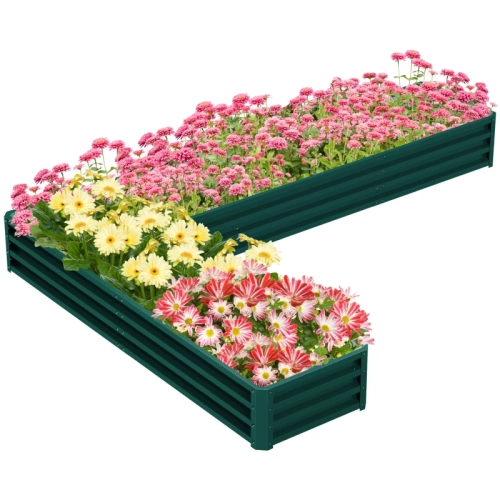
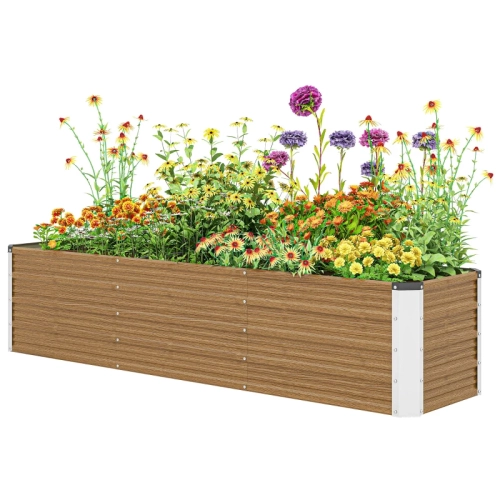
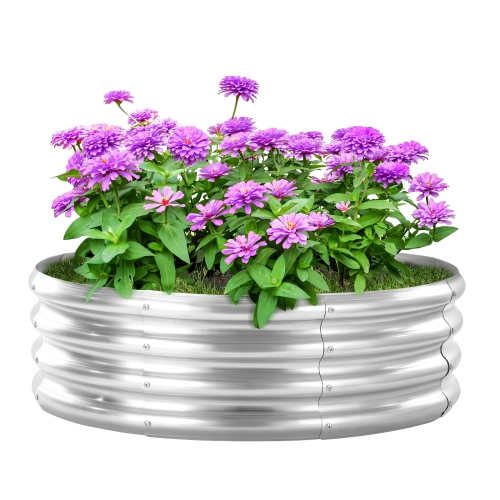
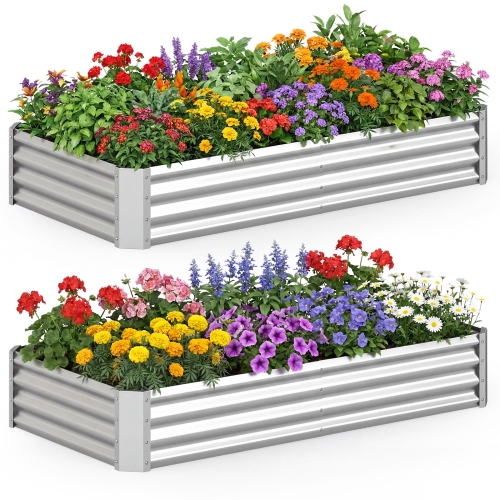
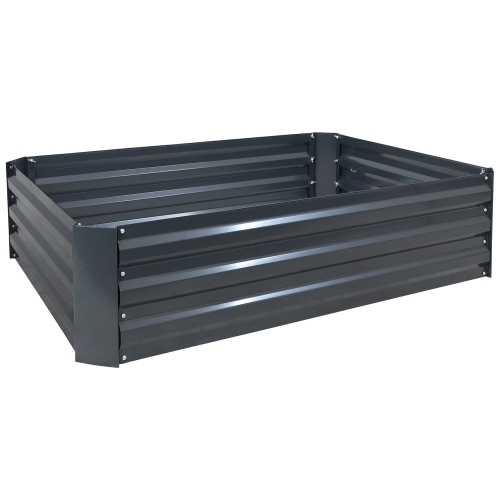
Galvanized steel garden beds offer a practical, structured way to grow vegetables, herbs, flowers, and compact fruiting plants in a defined space. Made from steel coated with a protective layer of zinc, these raised beds are designed to resist rust, rot, and many of the common problems associated with outdoor materials. Unlike wood, galvanized steel does not break down in damp soil or attract wood-boring pests, and it will not warp in the same way after repeated exposure to rain and watering. The clean, corrugated or smooth-panelled finish also suits a wide range of outdoor spaces, from a spacious backyard to a compact patio or side yard. For shoppers comparing different Metal Garden Beds, the most important details include the bed’s length, width, height, shape, panel construction, and assembly method. A 4 x 8 foot layout can provide generous planting room for a range of vegetables, while smaller modular designs can fit neatly beside a fence, along a walkway, or on a balcony with enough space and structural support. Taller beds, often ranging from roughly 17 to 32 inches, are helpful for gardeners who prefer less bending or kneeling, and they can make it easier to tend seedlings, leafy greens, and herbs throughout the growing season. Lower beds can be a good choice for children, compact spaces, or plants with shallow roots. When selecting a size, remember to leave enough room around the outside for watering, harvesting, and moving a wheelbarrow or garden cart. A bed that looks manageable when empty can become difficult to reach once filled with soil and mature plants, particularly if it is placed against a wall or hedge.
The raised design makes it easier to control the growing medium from the start. Instead of working with compacted, rocky, or inconsistent ground soil, gardeners can fill the bed with a suitable blend and adjust it for the plants they want to grow. Good drainage is one of the key benefits, although the area beneath the bed still matters; setting it on level ground with reasonable drainage helps prevent standing water after heavy rain. Before filling a bed, remove thick weeds, check that the surface is stable, and consider whether a barrier is needed beneath it to limit unwanted growth. The soil should be deep enough for the chosen plants, with extra depth for crops such as carrots, beets, potatoes, and larger tomatoes. Leafy greens, strawberries, radishes, herbs, and many flowers can thrive in shallower beds. Galvanized steel absorbs and releases heat differently from wood, so the soil may warm earlier as the weather warms, which can support early planting when conditions are suitable. During hot, bright periods, however, the sides may become warm to the touch and the soil can dry more quickly, especially in a tall bed exposed to afternoon sun. A layer of mulch can help slow moisture loss, while regular checks at soil level can prevent plants from becoming stressed. Positioning the bed where it receives the appropriate amount of light for the intended crops is equally important. Most vegetables prefer several hours of direct sun, while some herbs, greens, and flowers are more comfortable with partial shade. Avoid placing the bed beneath large trees where roots compete for water or branches drop debris, and keep taller installations away from narrow paths where their edges could catch clothing or equipment.
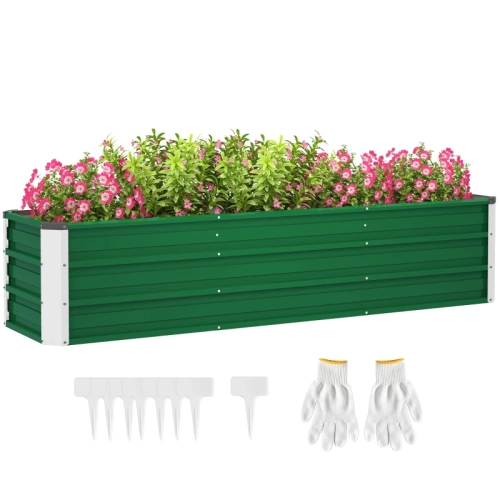
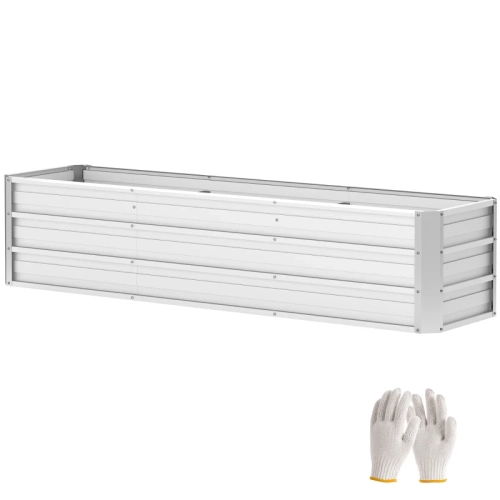
Many galvanized steel garden beds arrive as modular kits with panels, corner pieces, fasteners, and instructions for assembly. Some are designed for tool-less setup, while others may need a screwdriver or basic hand tools. It is worth checking the number of panels and the finished dimensions before assembly, then laying out the parts on a level surface so the bed can be squared properly. Secure connections help the sides withstand the outward pressure created by wet soil, particularly in wider or taller configurations. Protective edge covers or rounded profiles can be useful in family gardens, shared outdoor areas, and spaces where people walk close to the planting area. Gloves are also sensible during setup and when handling metal panels. Once installed, these beds need relatively little upkeep beyond checking fasteners, clearing plant debris, topping up soil as it settles, and looking over the exterior for scratches or signs of wear. The inside should be filled with clean, suitable soil rather than construction debris or unknown fill, especially when growing food. Gardeners planning to grow edible plants may also want to review the manufacturer’s material information and follow local recommendations for soil and water quality. Galvanized steel garden beds can be a thoughtful gift for a new homeowner, an experienced gardener refining a backyard layout, or someone creating a first vegetable garden in a smaller outdoor space. They are especially useful for people who enjoy growing fresh ingredients but want a more orderly alternative to planting directly in the ground. As the cooler months approach, a raised bed can also make it easier to clear finished plants, add compost or fresh soil, and prepare the growing area for the next suitable planting window. With the right dimensions, placement, soil depth, and watering routine, a galvanized steel garden bed can become a dependable foundation for productive, attractive outdoor planting.
The raised design makes it easier to control the growing medium from the start. Instead of working with compacted, rocky, or inconsistent ground soil, gardeners can fill the bed with a suitable blend and adjust it for the plants they want to grow. Good drainage is one of the key benefits, although the area beneath the bed still matters; setting it on level ground with reasonable drainage helps prevent standing water after heavy rain. Before filling a bed, remove thick weeds, check that the surface is stable, and consider whether a barrier is needed beneath it to limit unwanted growth. The soil should be deep enough for the chosen plants, with extra depth for crops such as carrots, beets, potatoes, and larger tomatoes. Leafy greens, strawberries, radishes, herbs, and many flowers can thrive in shallower beds. Galvanized steel absorbs and releases heat differently from wood, so the soil may warm earlier as the weather warms, which can support early planting when conditions are suitable. During hot, bright periods, however, the sides may become warm to the touch and the soil can dry more quickly, especially in a tall bed exposed to afternoon sun. A layer of mulch can help slow moisture loss, while regular checks at soil level can prevent plants from becoming stressed. Positioning the bed where it receives the appropriate amount of light for the intended crops is equally important. Most vegetables prefer several hours of direct sun, while some herbs, greens, and flowers are more comfortable with partial shade. Avoid placing the bed beneath large trees where roots compete for water or branches drop debris, and keep taller installations away from narrow paths where their edges could catch clothing or equipment.
Many galvanized steel garden beds arrive as modular kits with panels, corner pieces, fasteners, and instructions for assembly. Some are designed for tool-less setup, while others may need a screwdriver or basic hand tools. It is worth checking the number of panels and the finished dimensions before assembly, then laying out the parts on a level surface so the bed can be squared properly. Secure connections help the sides withstand the outward pressure created by wet soil, particularly in wider or taller configurations. Protective edge covers or rounded profiles can be useful in family gardens, shared outdoor areas, and spaces where people walk close to the planting area. Gloves are also sensible during setup and when handling metal panels. Once installed, these beds need relatively little upkeep beyond checking fasteners, clearing plant debris, topping up soil as it settles, and looking over the exterior for scratches or signs of wear. The inside should be filled with clean, suitable soil rather than construction debris or unknown fill, especially when growing food. Gardeners planning to grow edible plants may also want to review the manufacturer’s material information and follow local recommendations for soil and water quality. Galvanized steel garden beds can be a thoughtful gift for a new homeowner, an experienced gardener refining a backyard layout, or someone creating a first vegetable garden in a smaller outdoor space. They are especially useful for people who enjoy growing fresh ingredients but want a more orderly alternative to planting directly in the ground. As the cooler months approach, a raised bed can also make it easier to clear finished plants, add compost or fresh soil, and prepare the growing area for the next suitable planting window. With the right dimensions, placement, soil depth, and watering routine, a galvanized steel garden bed can become a dependable foundation for productive, attractive outdoor planting.
Top selling and popular products
-
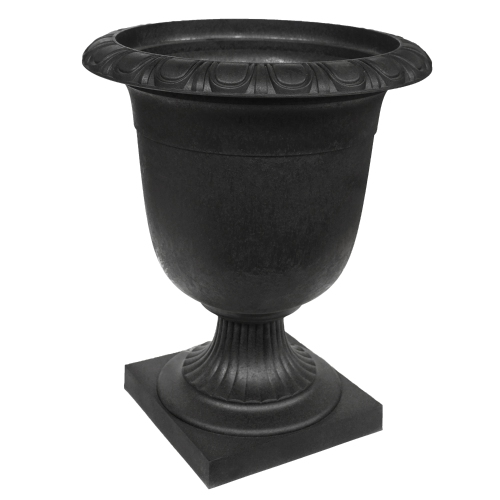 Your price for this item is $69.99
 -
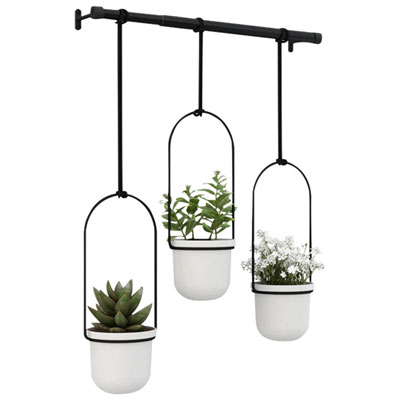 Your price for this item is $54.98
 -
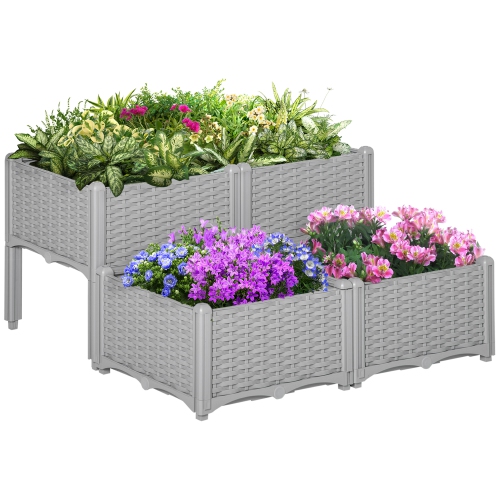 Your price for this item is $89.99
 -
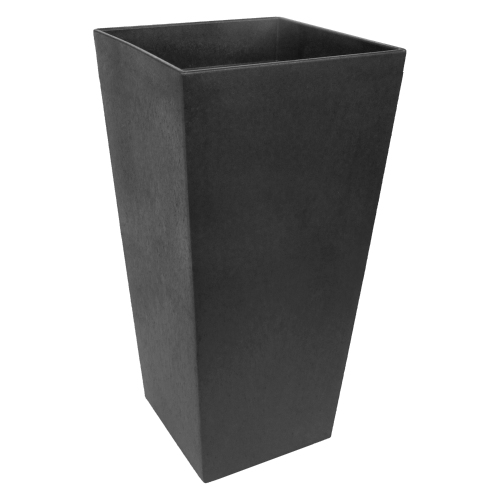 Your price for this item is $79.99
 -
 Your price for this item is $104.99
 -
 Your price for this item is $141.99
 -
 Your price for this item is $117.75
 -
 Your price for this item is $117.75
Discover more categories related to Galvanized Steel Garden Beds
Top Collections:
Pokemon Centers, Kindle Devices, Best Budget Office Chairs, Apple iPhones 16, Best Laptops for Writers, iPhone 15 Apple, Canon G7X Cameras, Refurbished Apple Laptops, Alarm Clock, Motorola Razr Phones
Some products may be subject to Environmental Handling Fees
(EHF) depending on your province.
Learn more about EHFs.