Garage Cabinets
Organize your garage with style and efficiency using this selection of durable and versatile garage cabinets. Whether you're looking to store tools, sports equipment, gardening supplies, or anything in between, these cabinets offer ample storage space to help keep your space clutter-free. With various sizes, configurations, and finishes available, you can find the perfect garage cabinets to suit your storage needs while adding a touch of organization to your workspace.
Sort
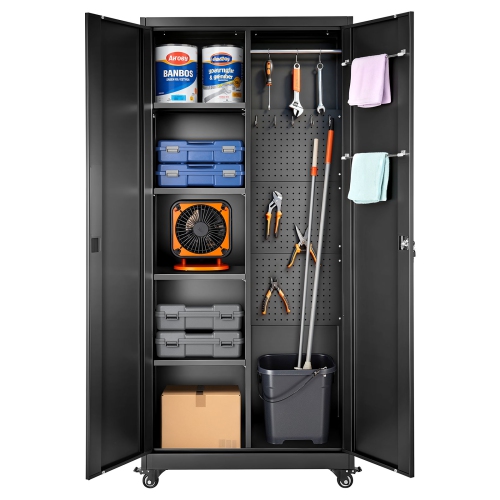
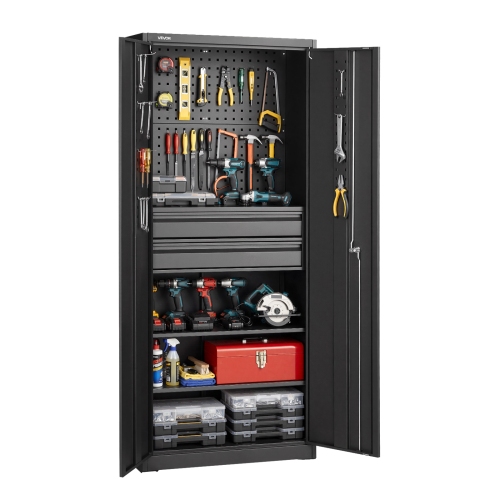
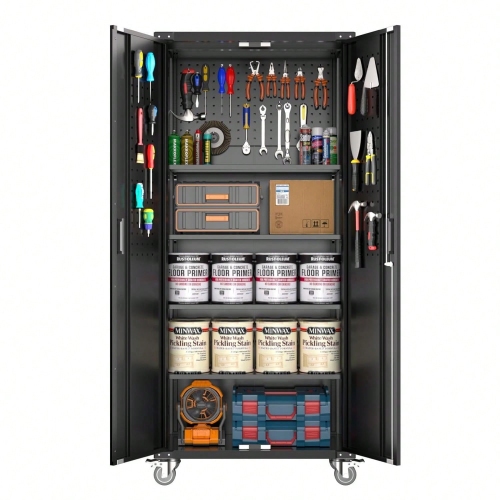
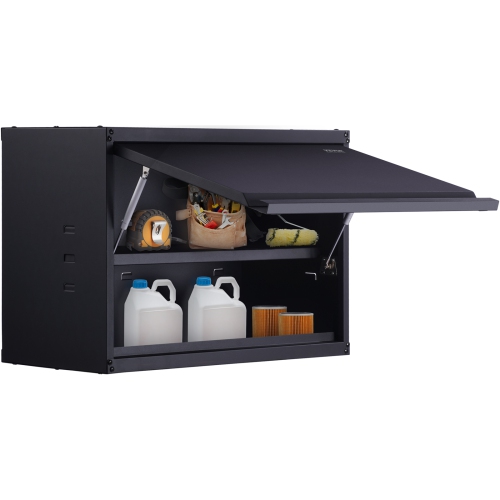
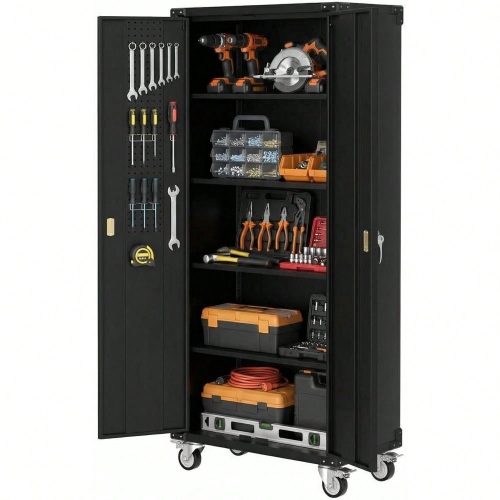
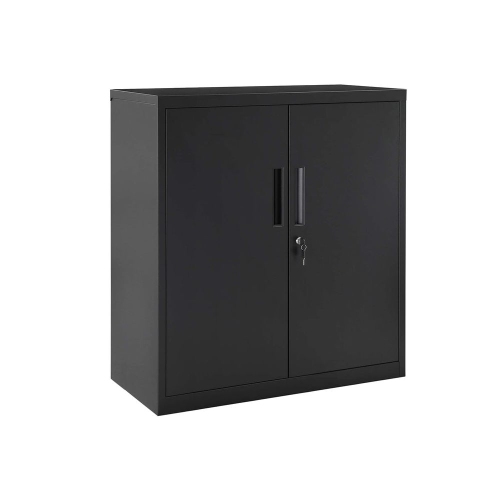
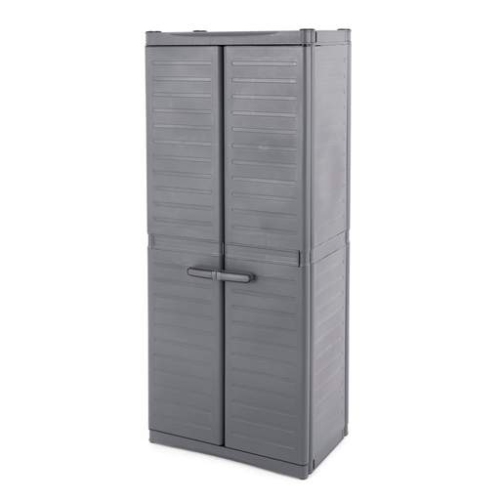
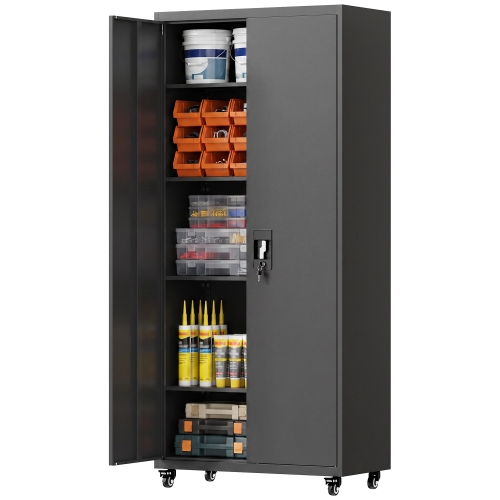
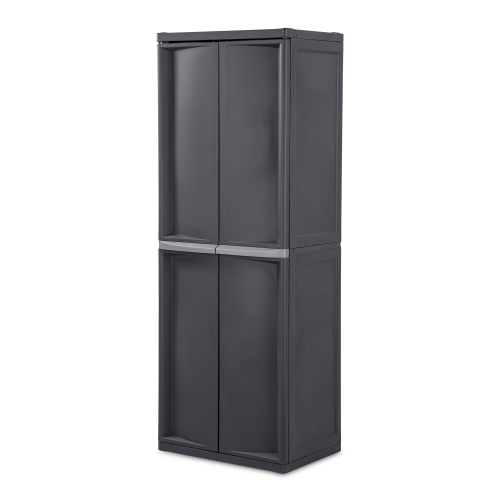

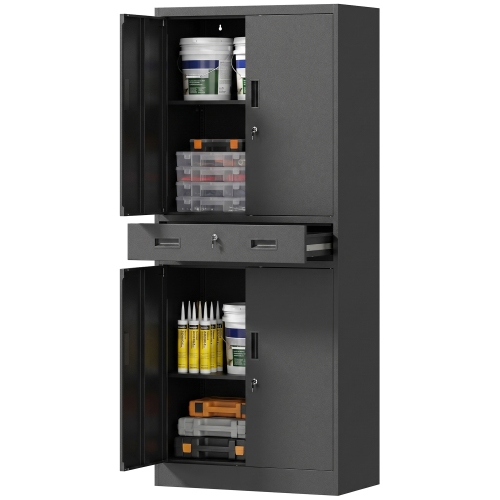
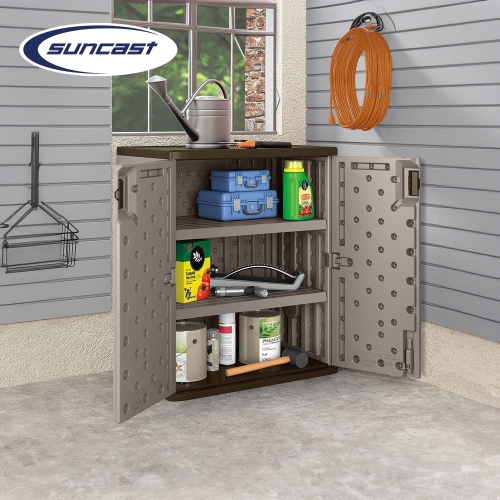


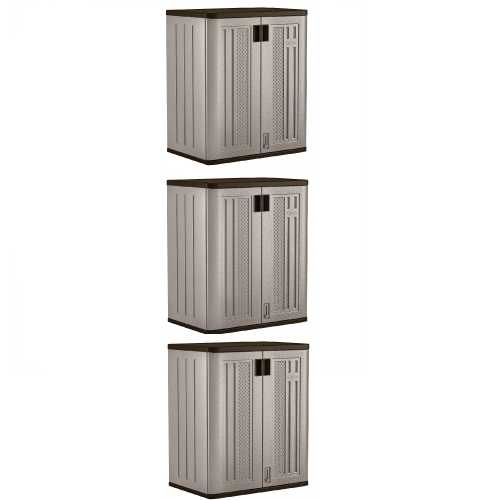
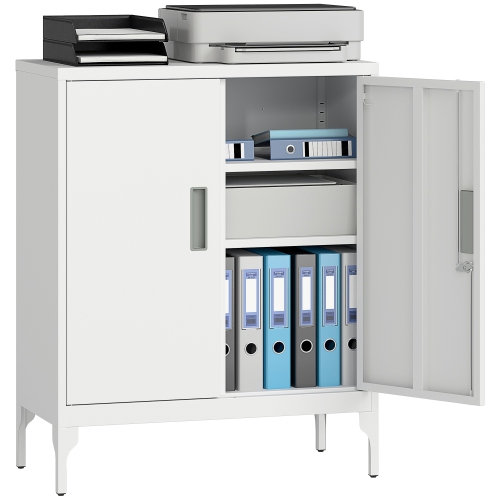
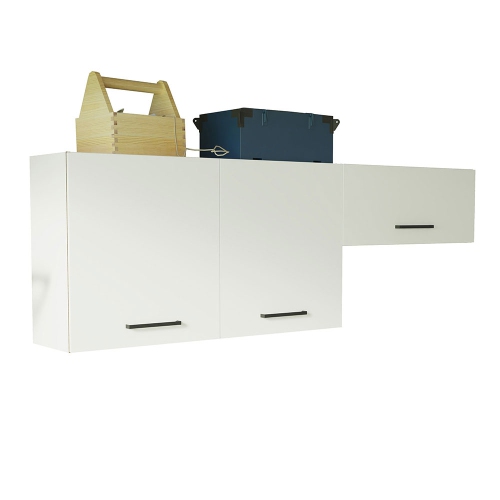
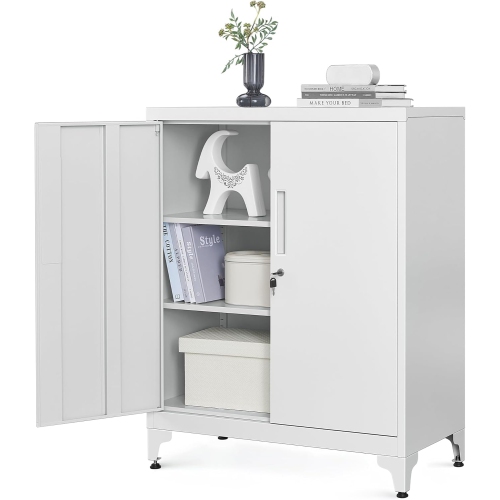
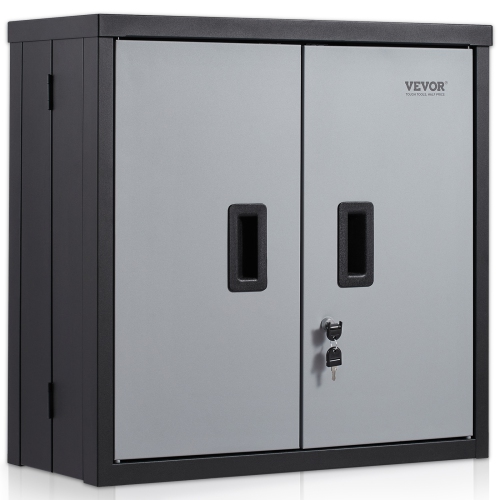
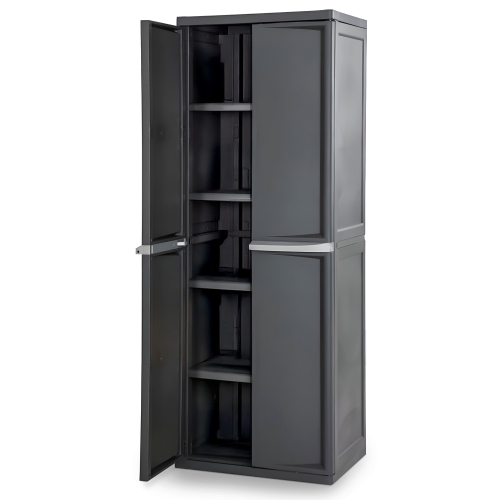
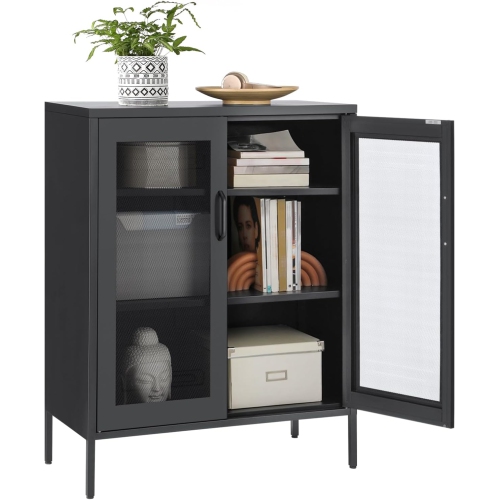
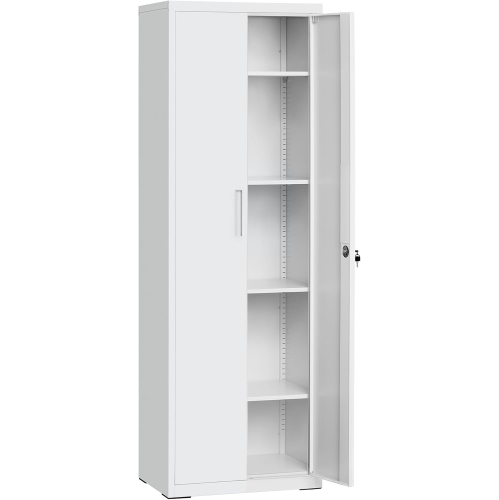

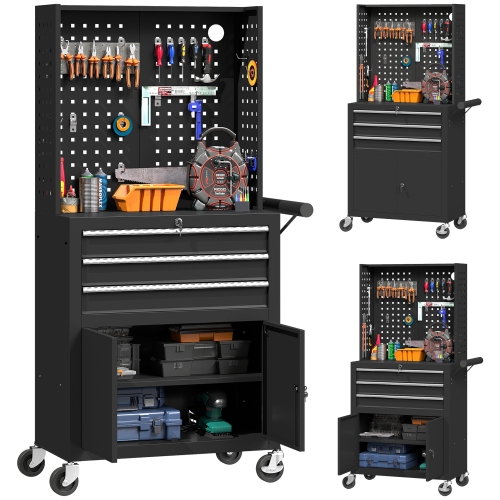
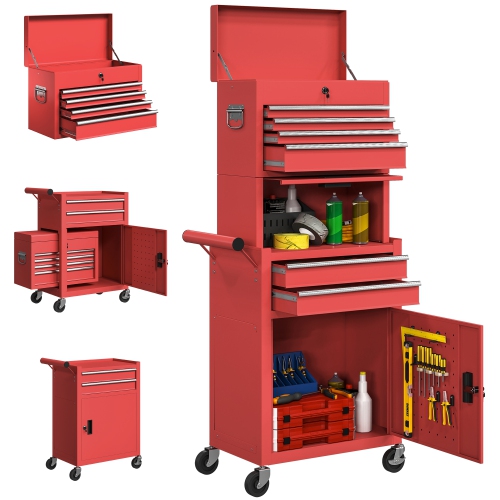
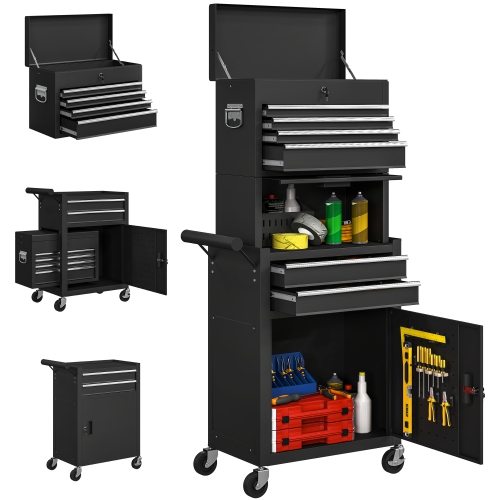

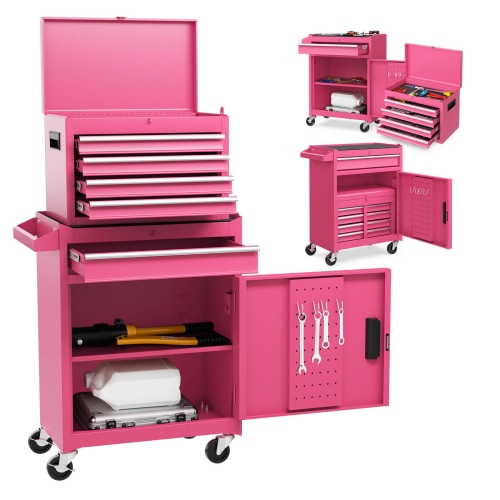
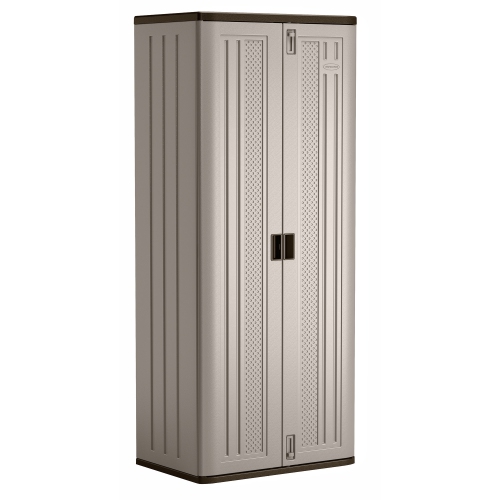
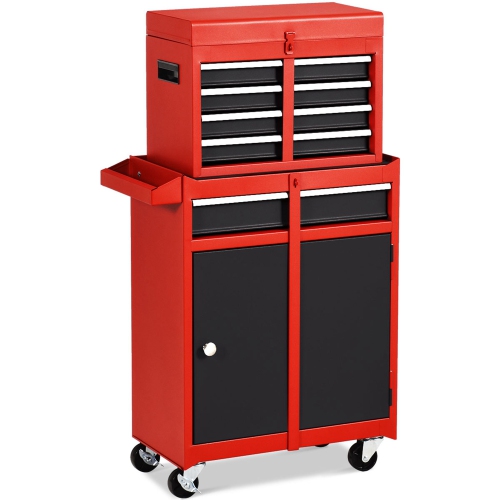


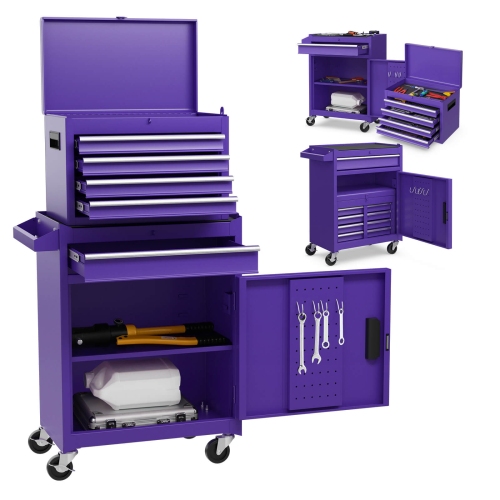
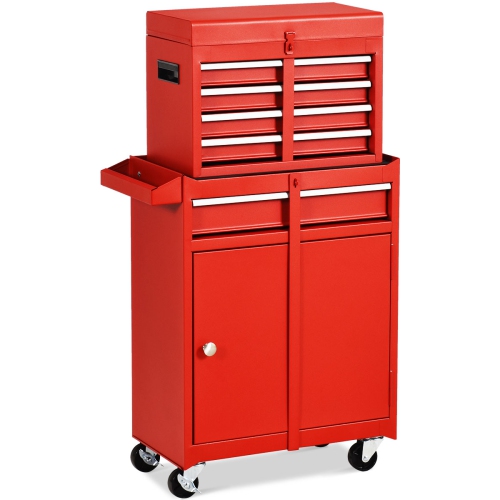
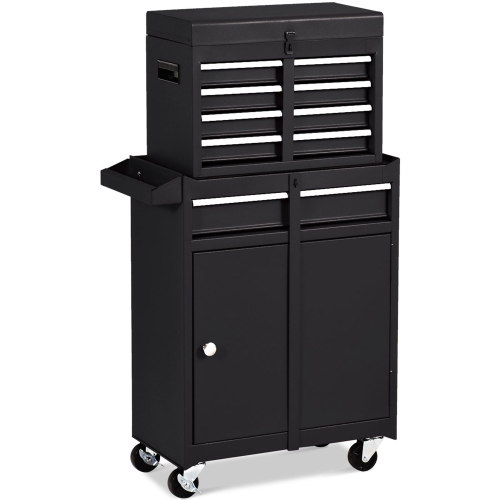
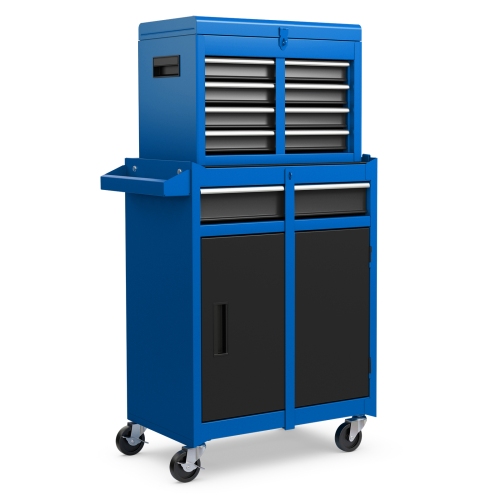
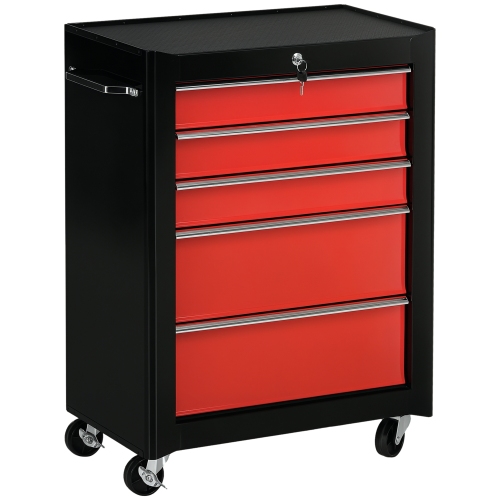
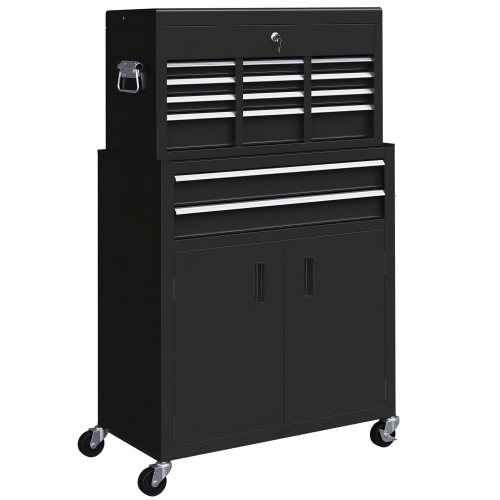

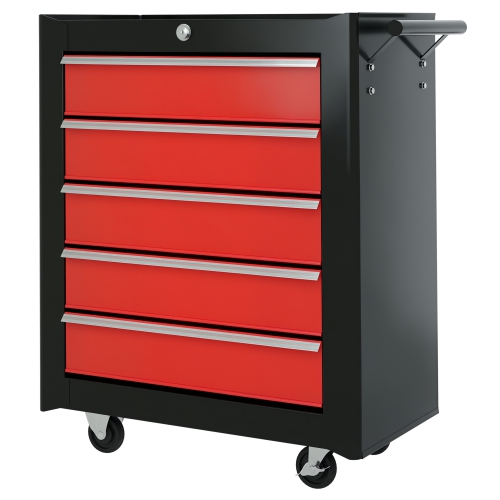
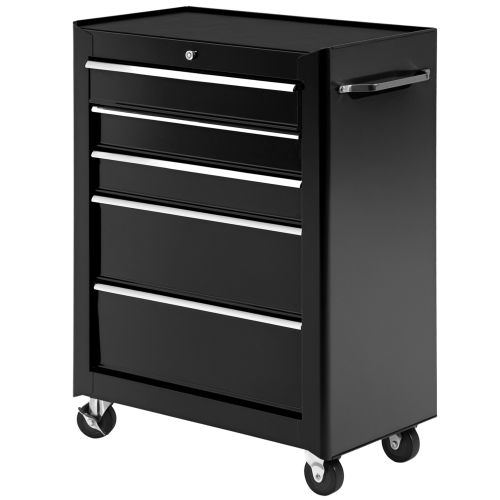
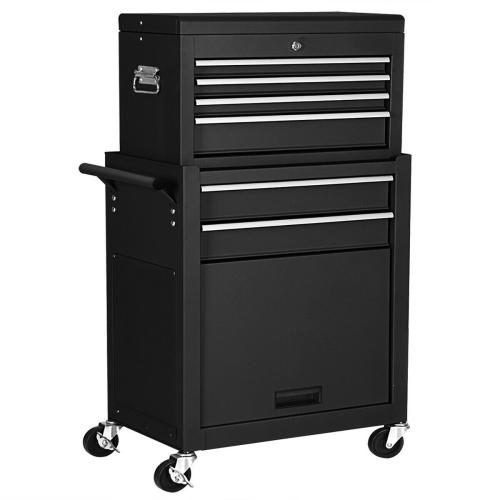

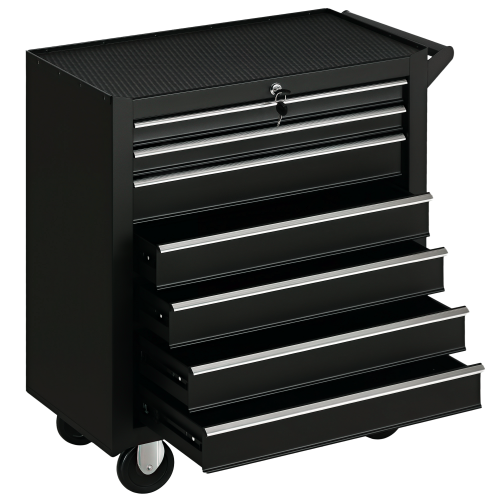
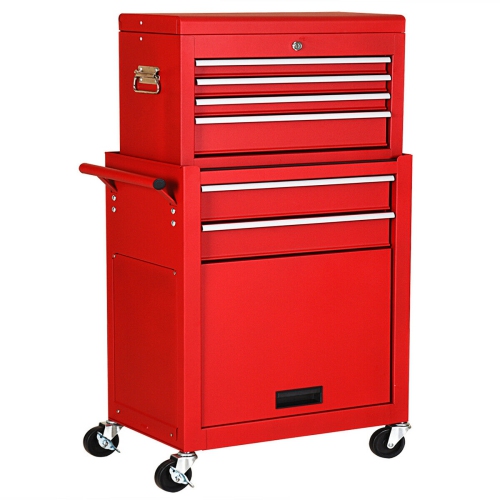
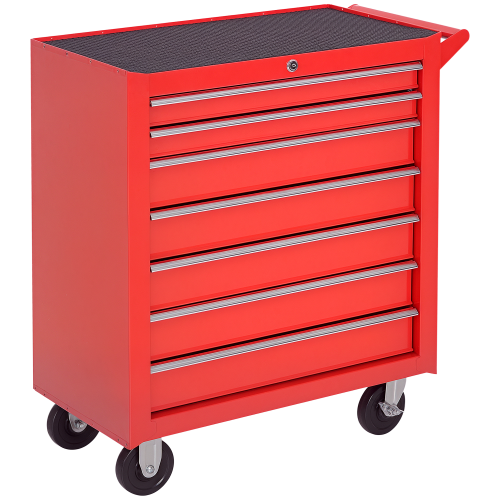
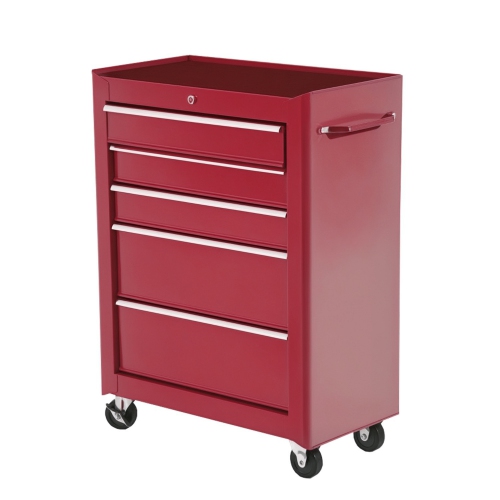
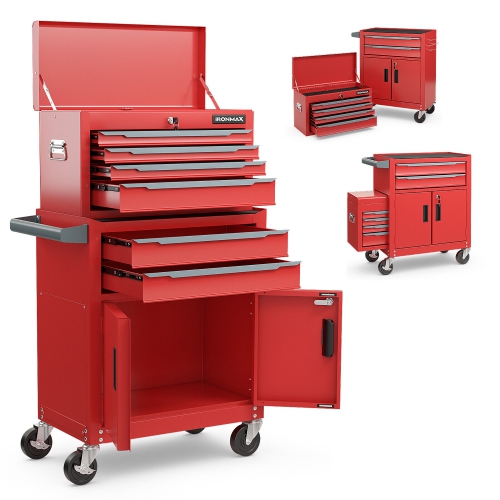
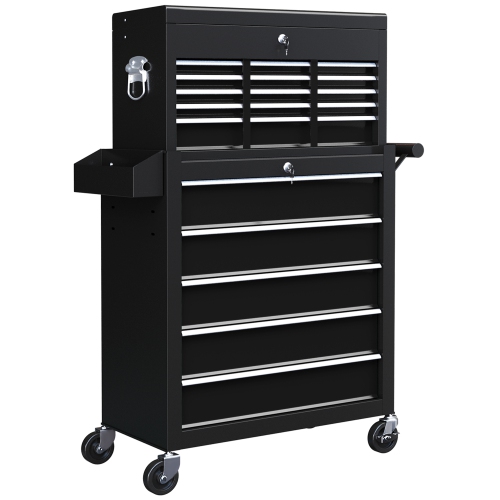
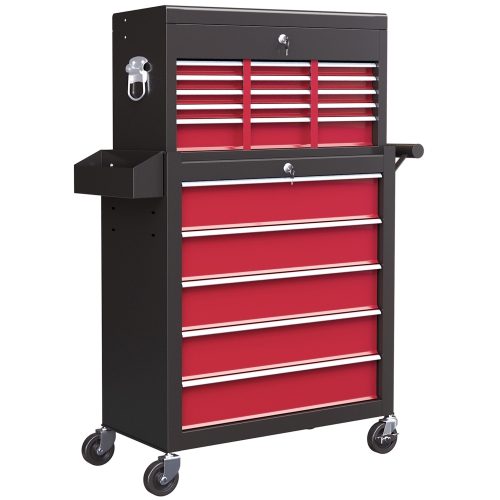
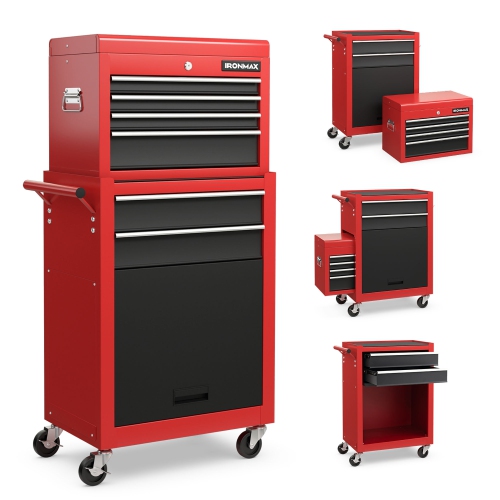
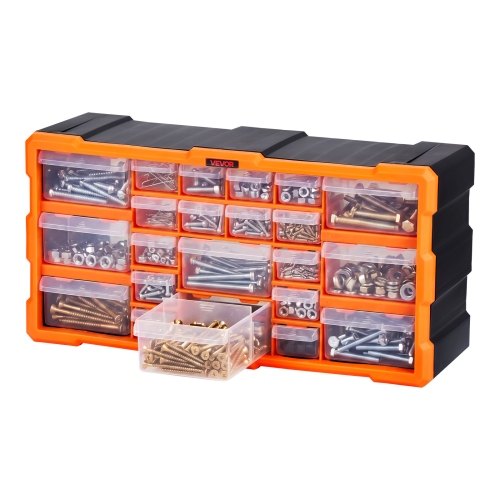
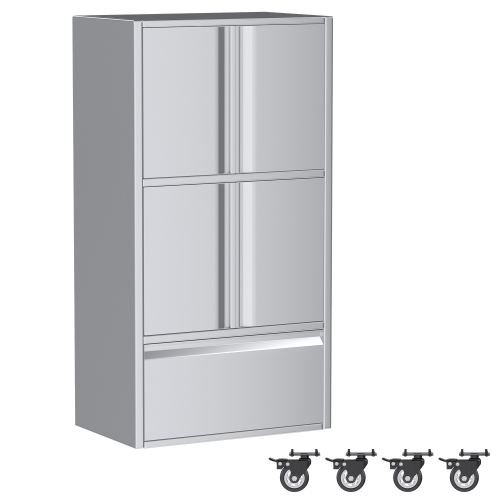

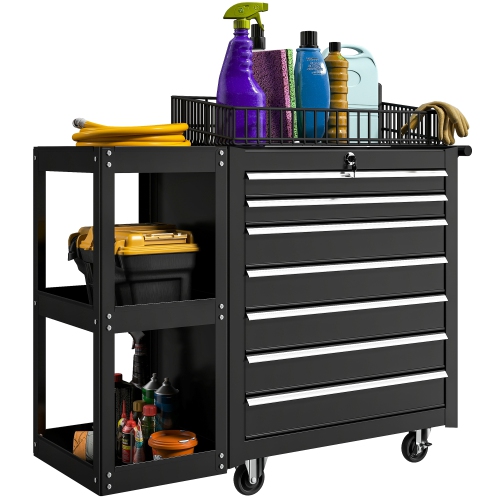
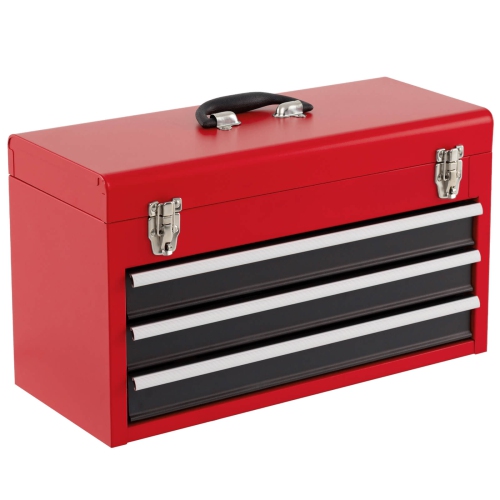
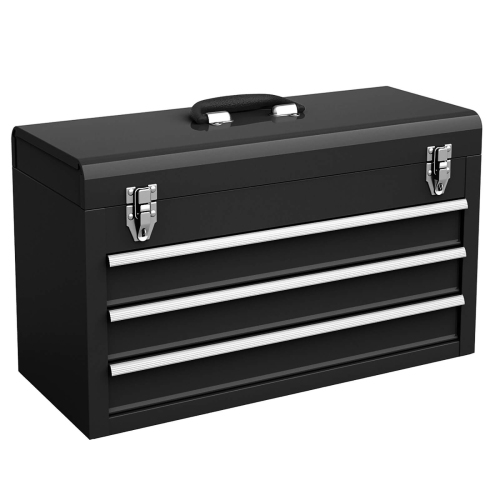
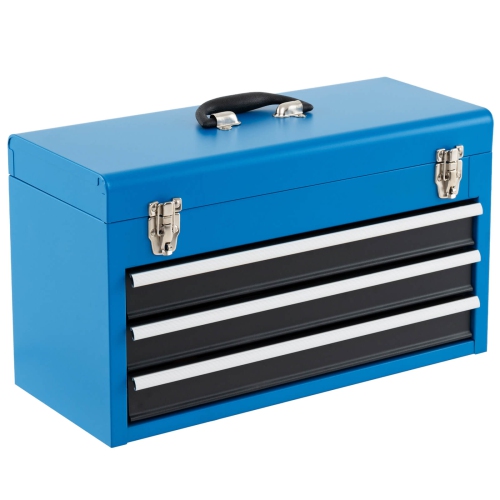
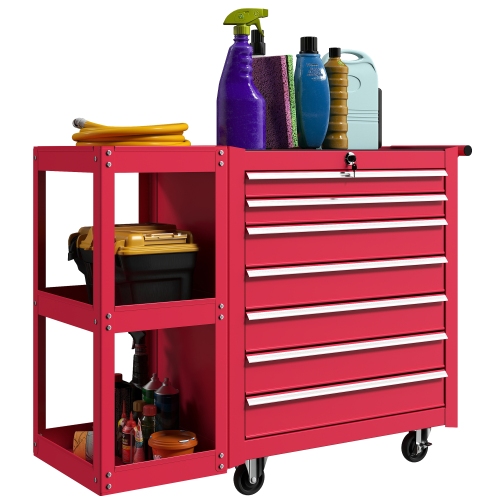
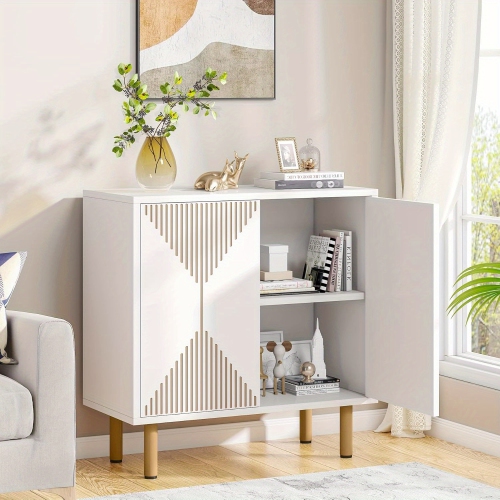
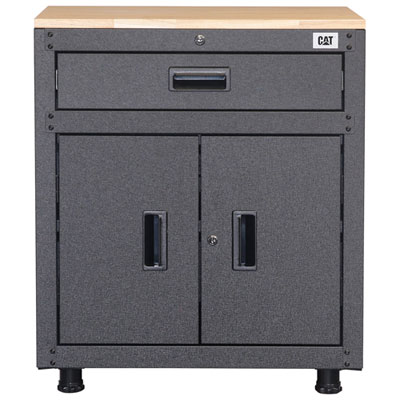
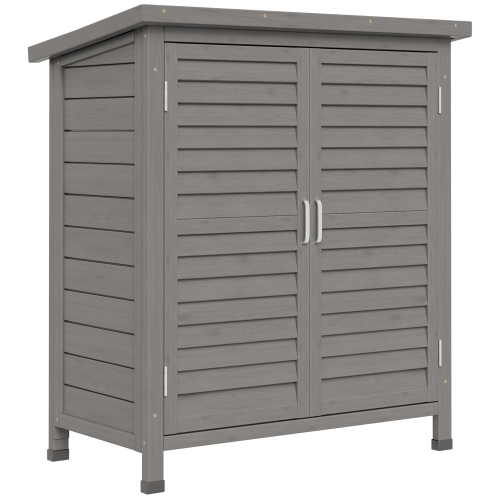
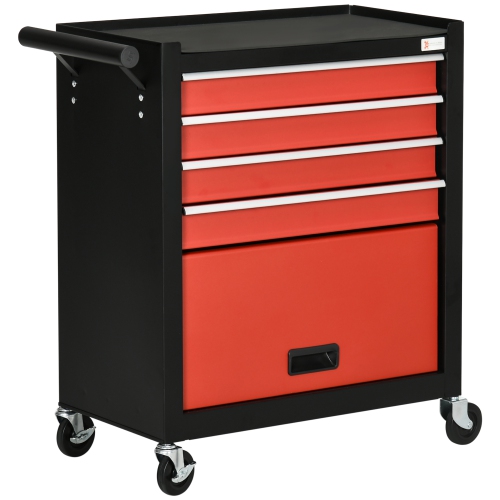
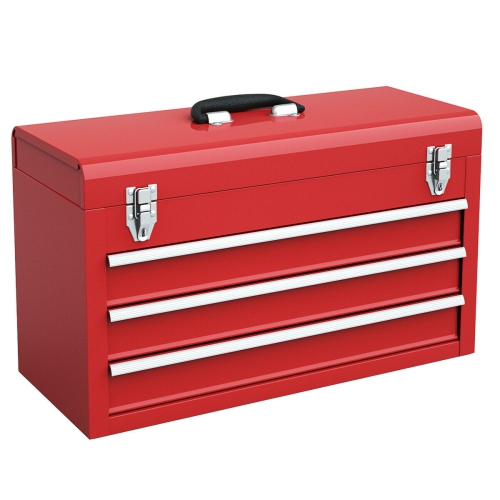
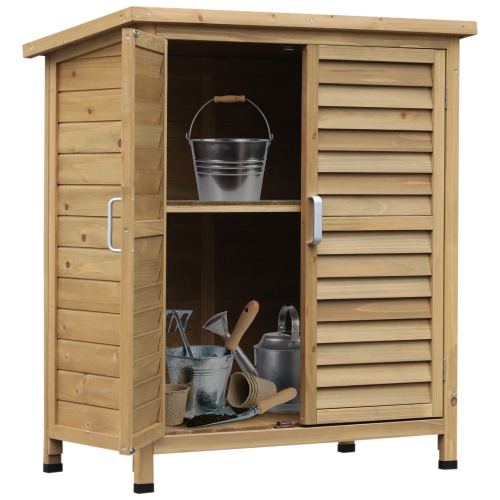
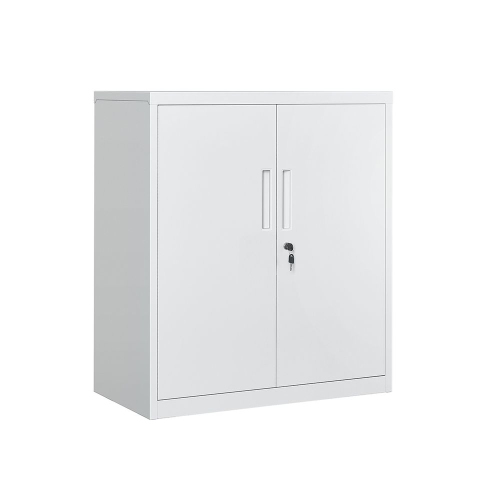
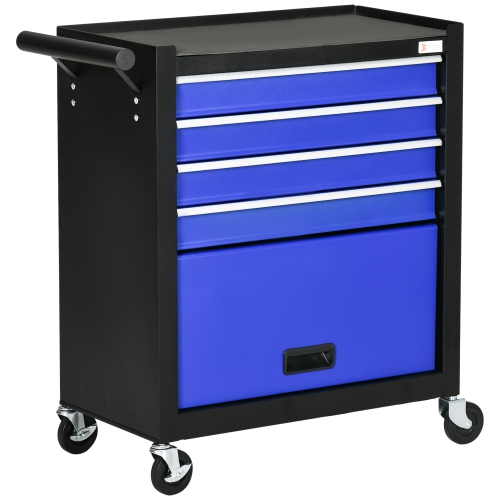
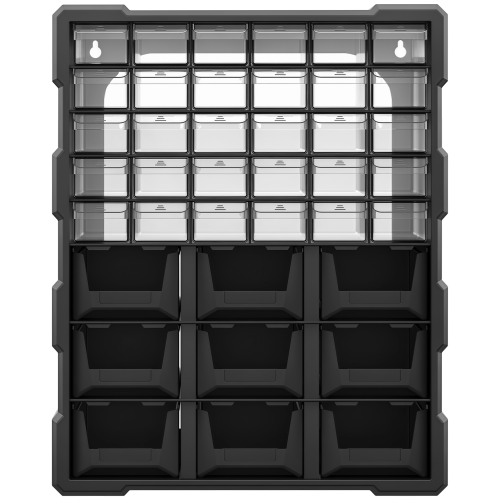
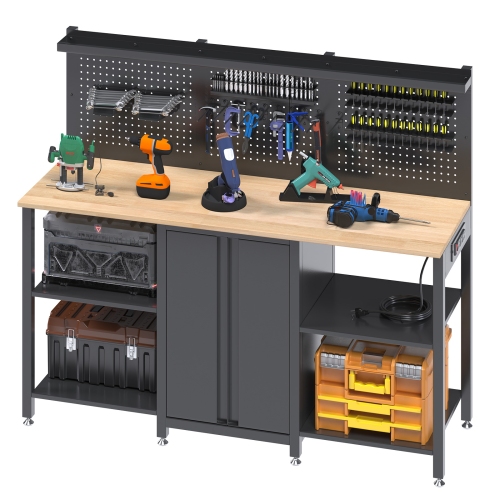
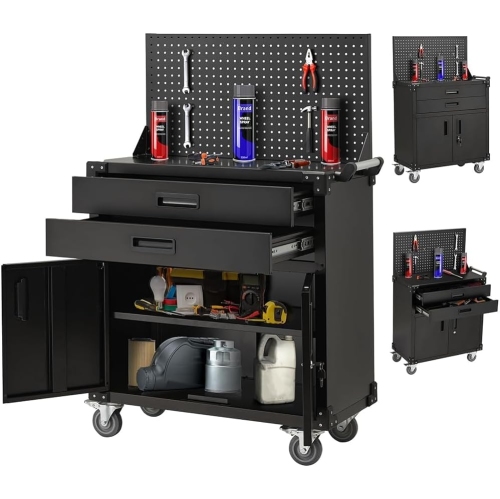
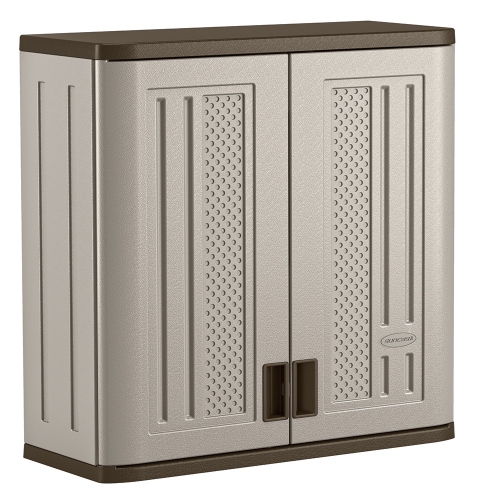

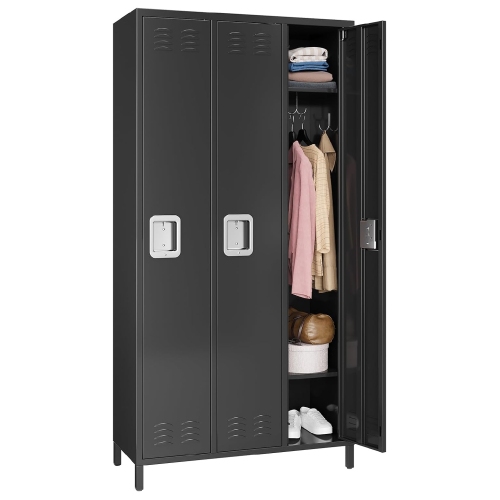
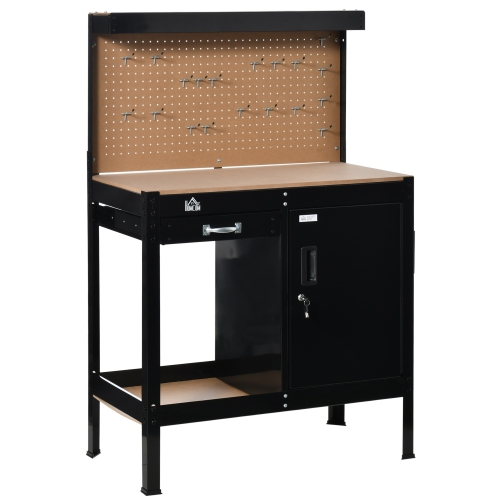
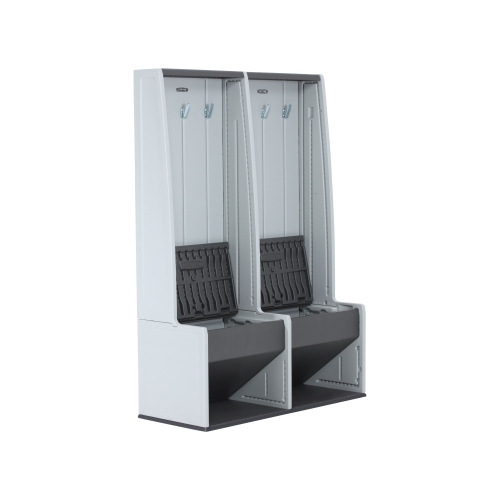
Enclosed storage that fits the way your garage works
Garage cabinets give tools, hardware, hobby supplies, and household equipment a defined place behind closed doors, helping a busy garage function as more than a drop zone. Unlike open shelving, enclosed cabinets keep stored contents out of sight and can help limit dust settling on them, although ordinary cabinet doors do not create a dustproof seal. The main formats include freestanding cabinets, wall-mounted cabinets, rolling cabinets, and modular cabinet systems, each suited to a different layout and storage routine. Tall freestanding units make use of vertical space for larger equipment and containers, while shorter base cabinets can sit beneath a compatible work surface. Wall-mounted designs leave the floor clear underneath, making sweeping easier and preserving room for other uses. Rolling cabinets bring frequently used tools closer to a project, with locking castors helping hold the unit in place during use. Modular systems combine several cabinet types into a coordinated arrangement, which can suit a garage that doubles as a workshop or hobby space. For someone who repairs bicycles, a lower cabinet near the work area can keep maintenance supplies within reach; for a household sharing one garage, separate compartments can distinguish hand tools from car-care supplies and recreation gear. Doors also give the room a calmer appearance without requiring every container inside to match. Garage cabinets work alongside other Garage Storage solutions, including shelving and wall organizers, so enclosed storage can handle smaller belongings while larger equipment stays accessible elsewhere. The most useful arrangement reflects how often the contents are needed, not simply how much can fit inside. Frequently used supplies belong at a comfortable reaching height, heavier loads generally sit lower, and occasional-use belongings can occupy upper shelves within their stated capacity. For DIY enthusiasts, vehicle owners, and households reclaiming a crowded garage, this separation can make everyday tasks easier, from finding a socket set to putting supplies away after a repair.
Materials and construction influence how garage storage cabinets handle weight, repeated use, and routine cleaning. Steel cabinets are a common choice for tools and hardware because their rigid construction can support demanding use, but the material alone does not establish a cabinet’s load capacity. Shelf design, reinforcement, joints, and mounting hardware all matter. Where steel gauge is specified, a lower gauge number generally indicates thicker steel; it is still important to compare the stated capacity of each shelf and the cabinet as a whole. Welded construction can provide a sturdy assembled frame, while ready-to-assemble designs depend on correctly fitted panels and securely tightened fasteners. Powder-coated finishes give metal cabinets an even surface that is usually straightforward to wipe clean, though deep scratches should be addressed according to the manufacturer’s care instructions to help prevent corrosion. Resin and plastic cabinets do not rust and can suit general household storage, particularly where easy cleaning is a priority. Their shelves may be less suitable for concentrated heavy loads, so a dense container of fasteners deserves more attention than its small size might suggest. Wood, plywood, and engineered-wood cabinets offer different finishes and construction options, but their resistance to moisture and wear varies with the material, edge treatment, and surface coating. Across all materials, sturdy hinges, secure shelf supports, and smooth drawer slides contribute to everyday durability. Adjustable shelves accommodate changing storage needs, while fixed shelves may provide useful structural support. Drawers keep small tools visible from above instead of buried at the back of a deep cupboard, and removable trays can make it easier to carry supplies to a task. Handles should be comfortable to grip and positioned so they do not catch clothing in a narrow passage. Locks can restrict casual access, but a standard locking cabinet is not a substitute for storage specifically rated for hazardous materials. Cleaning products, fuels, and other potentially harmful substances need storage that follows their labels and applicable safety requirements, rather than simply a space behind a locked door.
Fit involves more than checking whether a cabinet will fit along an empty wall. Overall width, height, and depth need to work with parked vehicles, walkways, existing work surfaces, and the space required to open doors or extend drawers fully. A deep cabinet may hold more, yet become inconvenient if its doors open into the route between the vehicle and the house. Shallow wall cabinets can be practical above a bench, provided they leave enough headroom and do not interfere with the work below. Ceiling tracks, wall switches, electrical outlets, and access panels also affect placement, and cabinets should not obstruct access to essential building equipment. For wall-mounted units, the supporting wall and appropriate fasteners must carry both the cabinet and its contents; installation requirements vary with the wall construction and the cabinet design. Freestanding units may also require anchoring to reduce tipping risk, particularly when doors or loaded drawers are extended. Adjustable feet help level suitable cabinets on uneven floors, allowing doors to line up and close properly without using makeshift supports. With rolling designs, wheel capacity and floor clearance matter alongside the cabinet’s storage rating, and loads should remain stable when the unit is moved. Assembly details deserve attention as well: large panels can be awkward to position alone, and an assembled cabinet must still pass through the doorway on its route into the garage. Once installed, modest care helps preserve both appearance and function. Wiping up spills promptly, removing grit from drawer tracks, and checking hinges, fasteners, and shelf supports can prevent small annoyances from becoming persistent problems. Mild cleaning methods recommended for the finish are generally preferable to abrasive pads or harsh solvents. Shelf liners may make cleanup easier where permitted, but should not conceal leaks or interfere with ventilation. Leaving a little open capacity gives returning tools a clear home and makes new supplies easier to accommodate. A well-fitted cabinet arrangement supports the tasks that actually happen in the garage, with sturdy storage, clear access, and a layout that remains easy to use after the project is finished.
Top selling and popular products
-
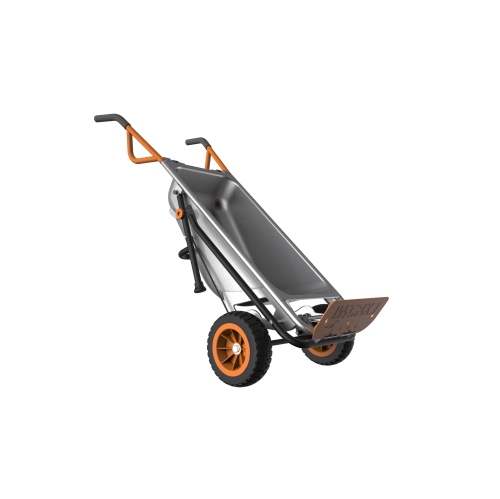 Your price for this item is $329.99
-
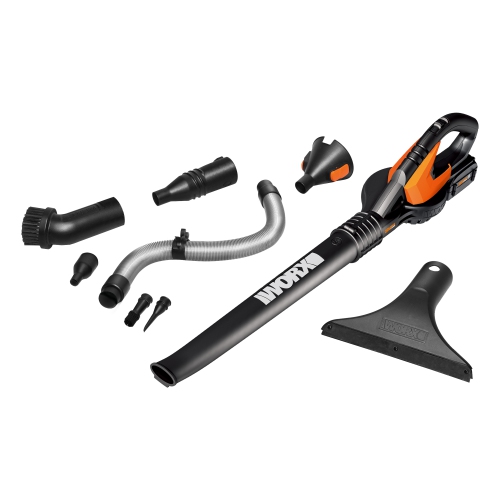 Your price for this item is $150
-
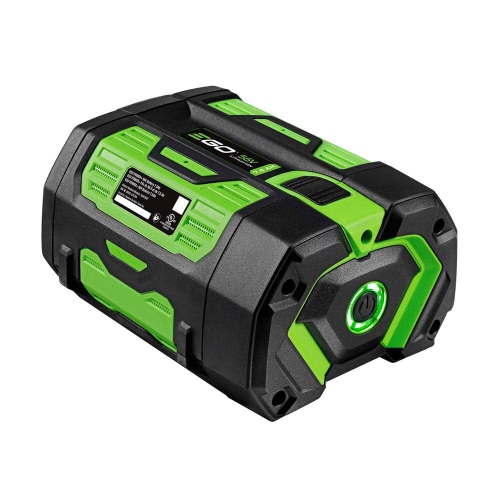 Your price for this item is $449.99
-
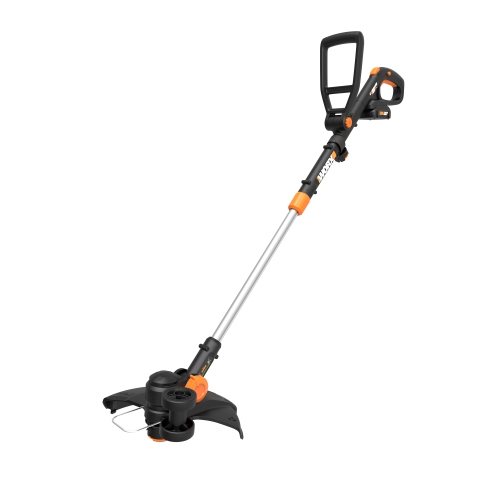 Your price for this item is $199.99
-
 Your price for this item is $359.99
-
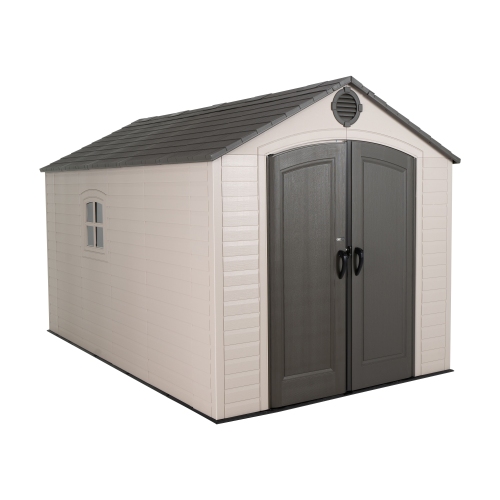 Your price for this item is $3028.99
-
 Your price for this item is $94.99
-
 Your price for this item is $299.99
Discover more categories related to Garage Cabinets
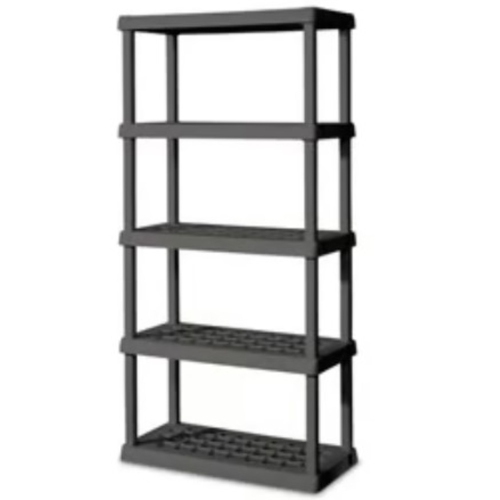

Top Collections:
Pokemon Centers, Kindle Devices, Best Budget Office Chairs, Canon G7X Cameras, Apple iPhones 16, Samsung Galaxy Phones, Refurbished Apple Laptops, Laptops for Students, iPhone 15 Apple, Budget Smartphones
Some products may be subject to Environmental Handling Fees
(EHF) depending on your province.
Learn more about EHFs.